

Permanent Exhibition
Reserve a free timed pass; last entry 4:30 PM.
The United States Holocaust Memorial Museum, opened in 1993 on Raoul Wallenberg Place just south of the National Mall in Washington, DC, is the national memorial to the Holocaust. Admission is free, with timed passes for the Permanent Exhibition in busy months. It opens daily 10:00 to 17:30. The main exhibition suits visitors aged 11 and over, and two to three hours is typical.
The United States Holocaust Memorial Museum is America's national memorial to the Holocaust, on Raoul Wallenberg Place SW in Washington, DC, just south of the National Mall. Admission is free, with timed passes for the Permanent Exhibition in busy months. It suits adults and children aged 11 and older; a separate exhibition, Daniel's Story, is made for younger children.
The museum grew out of the President's Commission on the Holocaust, set up by Jimmy Carter on 1 November 1978 and chaired by the writer and survivor Elie Wiesel. Congress voted unanimously in 1980 to establish it, and it was built with private donations on federal land next to the Washington Monument, on a site of 1.9 acres.
Dedication on 22 April 1993 included speeches by President Bill Clinton, the Israeli president Chaim Herzog and Wiesel. The museum opened to the public on 26 April, and its first visitor was the Dalai Lama. By 2024 it had received nearly 50 million visitors, including more than 11 million schoolchildren and 120 heads of state.
James Ingo Freed of Pei Cobb Freed and Partners designed the building in brick, steel and glass to recall the architecture of ghettos and camps. Glass bridges are etched with the names of towns and communities destroyed in the Holocaust.
The Permanent Exhibition traces the Holocaust from the Nazi rise to power in 1933 through the war and its aftermath, using more than 900 artefacts, 70 video monitors and four theatres. Among the objects are a railcar of the type used to deport Jews to the camps, and thousands of victims' shoes on loan from the State Museum at Majdanek in Poland.
The Tower of Faces, rising through three floors, is lined with photographs from Eišiškės, a town in Lithuania whose Jewish community was massacred by German Einsatzgruppe units in September 1941. The visit ends at the Hall of Remembrance, a hexagonal hall with an eternal flame, the museum's official memorial to victims and survivors.
Behind the galleries sit one of the largest Holocaust archives in the world: more than 12,750 artefacts, 49 million pages of documents, 85,000 historical photographs and about 9,000 oral history testimonies. The online Holocaust Encyclopedia is published in many languages, including all six UN official languages. A plaque honours Officer Stephen Tyrone Johns, a museum guard killed by an antisemitic gunman at the entrance on 10 June 2009.
We check practical details such as entry rules, seasons and costs against official government and tourism sources.
Reserve a free timed pass; last entry 4:30 PM.
Light a candle at the museum's memorial.
See which temporary exhibitions are on during your visit; they need no timed pass.
The museum is accessible; wheelchairs and assistive services are available: see the official website.
The Permanent Exhibition is recommended for visitors 11 and older.
Pass confirmation and only a small bag, as bags are screened at the door
Comfortable shoes
Food and drink in exhibitions
Café, museum shop, cloakroom
No public parking at the museum; a paid garage is across D Street SW.
Smithsonian Metro station (Orange, Blue, Silver lines), about 200 m away.
The museum is at 100 Raoul Wallenberg Place SW, beside the National Mall in Washington, DC.
A special exhibition, 'Auschwitz. Not long ago. Not far away.', is due to open on 4 January 2027.
Morning with an early timed pass; weekday afternoons in winter are quietest.
Weekdays outside school-group season.
September to February.
Others of this kind you opened on this device, so you can get back to them quickly.
No questions yet about United States Holocaust Memorial Museum. Ask the community or our travel team, and the answer will show here once it is published.
Our team answers questions here
Find your kind of trip: 28 travel themes, from National Parks, Landmarks, Museums.
 National Parks
 Landmarks
 Museums
 UNESCO World Heritage
Monument
 Heritage
 Mountains
Walkway
Art Galleries
Bridges & Barrages
 Islands
 Palaces
 Parks
Theme Parks
Waterfalls
Beaches
Cliffs
Entertainment Parks
Statue
 Caves
Education
 Forests
 Lakes & Haors
Nightlife Districts
 Shopping Malls
 Skyscraper
Weekend Market
Wildlife (Zoo)
More on the National Mall.
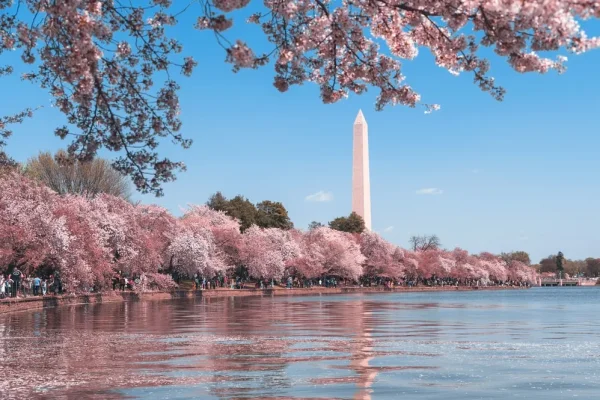
Washington
The Washington Monument stands near the centre of the National Mall in Washington, D.C., between the US Capitol and the Lincoln Memorial and east of the Reflect...
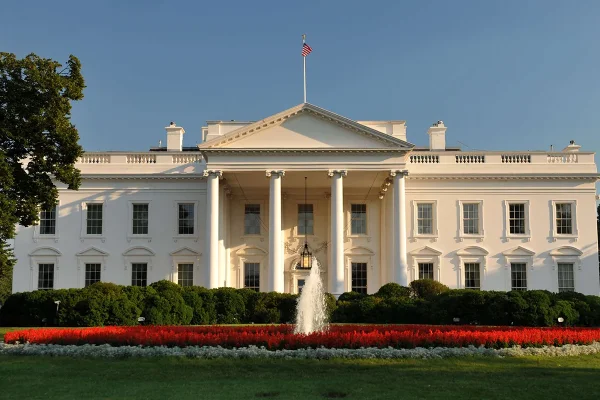
United States
The White House stands at 1600 Pennsylvania Avenue NW in Washington, DC, between Lafayette Square to the north and the Ellipse to the south. It has been the hom...
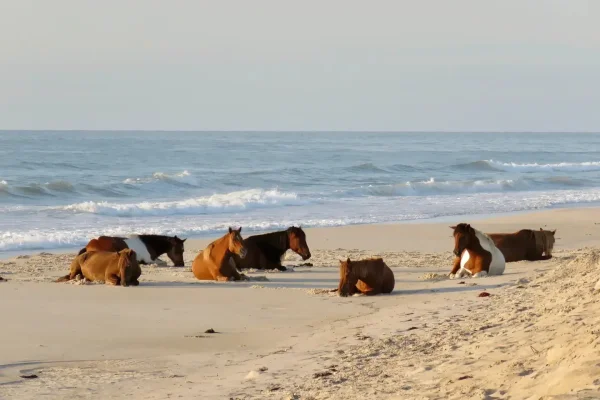
United States
Assateague Island is a barrier island about 37 miles long and never more than a mile wide, lying off the Atlantic coast of Maryland and Virginia. Assateague Isl...
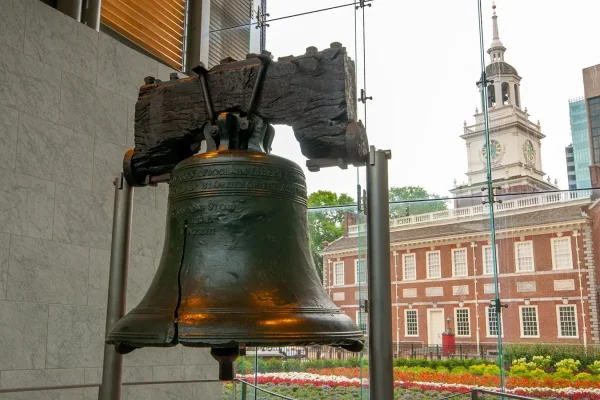
Philadelphia
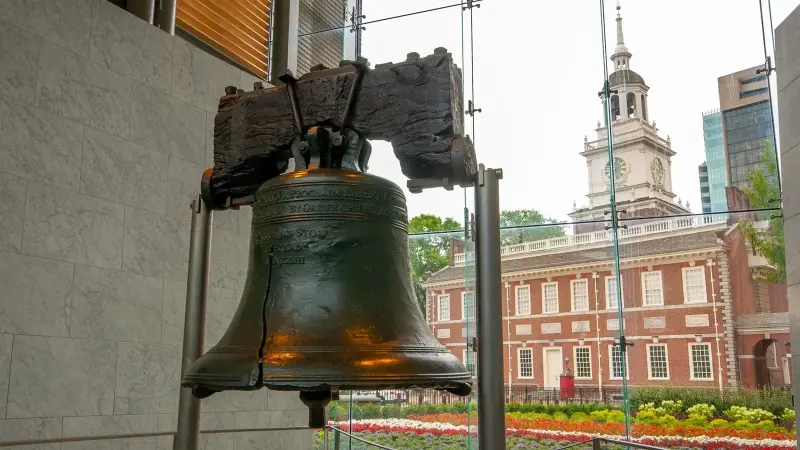
The Liberty Bell hangs in the Liberty Bell Center in Independence National Historical Park, Philadelphia, across from Independence Hall. In 1751 the Pennsylvani...
 Most Visited
United States
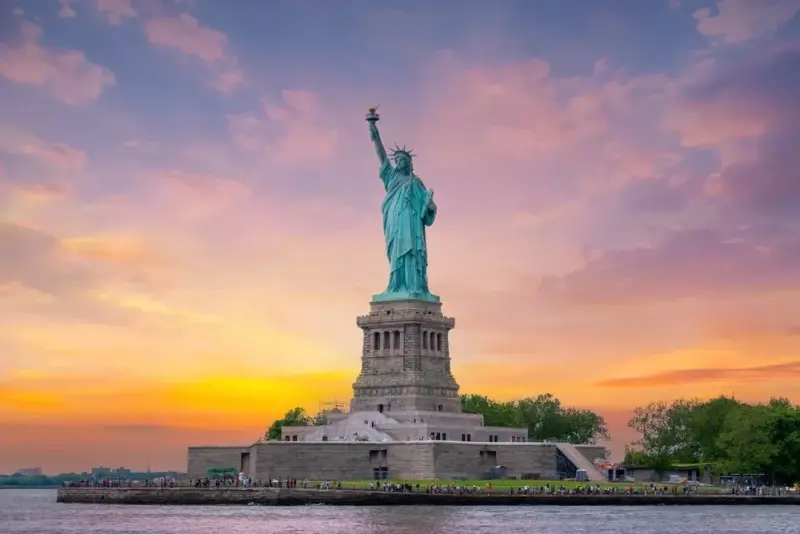
The Statue of Liberty is the copper figure of Libertas on Liberty Island in New York Harbor, a gift from France dedicated on 28 October 1886 and run by the Nati...
New York
Ellis Island lies in Upper New York Bay, just north of Liberty Island and close to the New Jersey shore. It is federal property and has been part of the Statue...
New York
The Staten Island Ferry runs a single route of 8.4 kilometres across New York Harbor, between the Whitehall Terminal at the southern tip of Manhattan and the St...
New York
The Brooklyn Bridge crosses the East River between Lower Manhattan and Brooklyn in New York City. When it opened on 24 May 1883 it was the longest suspension br...
United States
Aventura Mall is a large shopping centre at 19501 Biscayne Boulevard in Aventura, Florida, in the far north of Miami-Dade County between downtown Miami and Fort...
Tell us where and when you want to go, and local travel experts send you offers for your trip.
Planning a visit to the Holocaust Memorial Museum.
General
Yes, admission is free. In busy months you need a free timed pass for the Permanent Exhibition, reserved through the museum's website.
James Ingo Freed of Pei Cobb Freed and Partners designed the building in brick, steel and glass.
The Tower of Faces is a three-storey space lined with photographs of the Jewish community of Eišiškės, Lithuania, which was massacred in September 1941.
Yes, entry to United States Holocaust Memorial Museum is free.
United States Holocaust Memorial Museum is in United States. The street address and directions are under How to get there on this page.
Comfortable shoes.
Explore the area on this page lists 4 places around United States Holocaust Memorial Museum, among them Smithsonian Metro station and National Mall.
Timing & weather
The museum opens daily from 10 am to 5:30 pm, except Yom Kippur and Christmas Day. Last entry to the Permanent Exhibition is 4:30 pm.
Most first-time visitors spend two to three hours in the Permanent Exhibition. Allow extra time for Daniel's Story, the Hall of Remembrance and special exhibitions.
The museum was dedicated on 22 April 1993 and opened to the public on 26 April 1993.
The best months to visit United States Holocaust Memorial Museum are September to February. The best days and times of day are covered under When to visit on this page.
Families & accessibility
The Permanent Exhibition is recommended for visitors aged 11 and older. Daniel's Story was made for primary and middle school children and is a gentler introduction.
Yes, the museum holds 49 million pages of archival documents and a registry of Holocaust survivors. Contact its library and archives before your visit.
Getting there
Take the Orange, Blue or Silver line to Smithsonian station, about 200 metres away. There is no public parking on site.
Booking
By 2024 the museum had received nearly 50 million visitors, including more than 11 million schoolchildren.
We use necessary cookies to make this site work. With your permission we would also like to remember your preferences, measure how the site is used, and show relevant ads and partner offers. You can change your mind at any time under "Cookie settings" on our Privacy policy page.

 Umrah packages from Dhaka