
Standard visit
A tall terracotta tower in a Faridpur village, covered in carved gods, dancers and horsemen, whose builder and purpose are still argued over four centuries later.
A lonely 80-foot terracotta tower in the fields north of Madhukhali, worth a detour for anyone who likes Bengal's carved-brick art and an unsolved mystery.
Rising out of flat farmland in Mathurapur village, this deul is the kind of monument that raises more questions than it answers. It is a brick tower faced in terracotta, roughly 80 feet high, and nobody can say for certain who built it or why. The Daily Star quoted a regional director of the Archaeology Department in 2008 dating it to the 17th century, while other writers place it a century earlier, in the time of the Bara-Bhuiyan chieftains.
The real reason to come is the surface decoration. Baked-clay plaques show flowers and climbing foliage, Hindu deities, a figure of Hanuman, dancing women and horses caught mid-stride. Some panels are crisp, others worn almost smooth by monsoon rain, and walking slowly around the base is the best way to pick out individual scenes.
Local and scholarly accounts offer at least four origins. One links the tower to a King Mathura Mohan said to be buried beside it. Another credits Sangram Singh, a commander sent to collect revenue after the death of the zamindar Satrajit of Bhusna in 1636, who married into a family from Kapasti village and settled here. A third ties it to a Mughal victory over Sitaram of Bhusna, and a fourth to Man Singh, Akbar's general, marking a campaign against the Bara-Bhuiyans. Wikipedia notes that none of these can be confirmed.
Villagers tell of a contest between a seven-storied deul and the Chandana River. The river flooded part of the tower but dried up in the struggle, which is why, the story goes, there is no Chandana River here today.
Checked against trusted sources:
The Daily StarThe Daily Asian Age
A tall terracotta tower in a Faridpur village, covered in carved gods, dancers and horsemen, whose builder and purpose are still argued over four centuries later.
Guided tours and experiences that include Mathurapur Deul. See tours
The tower stands on open ground reached over village paths and grass, which turn muddy in the rainy season; there are no ramps or paved walkways reported.
Not confirmed yet. Please check with the venue before you visit.
Water, sun hat, camera with zoom
Closed shoes for uneven ground and modest clothing for a rural village
Not confirmed yet. Please check with the venue before you visit.
Not confirmed yet. Please check with the venue before you visit.
On the Dhaka-Khulna highway, leave at the Madhukhali bus stand and continue roughly 2.5 km north on the Madhukhali-Rajbari feeder road; local vans and auto-rickshaws cover the last stretch.
Not confirmed yet. Please check with the venue before you visit.
Not confirmed yet. Please check with the venue before you visit.
No special events on record for Mathurapur Deul.
Early morning or late afternoon, for low light on the reliefs
Weekday mornings, when the village is quiet
November to February, the cool dry season
Others of this kind you opened on this device, so you can get back to them quickly.
No questions yet about Mathurapur Deul. Ask the community or our travel team, and the answer will show here once it is published.
Our team answers questions here
Find your kind of trip: 34 travel themes, from Heritage, Mosque (Islam), Lakes & Haors.
 Heritage
Mosque (Islam)
 Lakes & Haors
 Landmarks
 Palaces
Museums
 Hills
 Forests
 Waterfalls
 Monument
National Parks
 Beaches
 Entertainment Parks
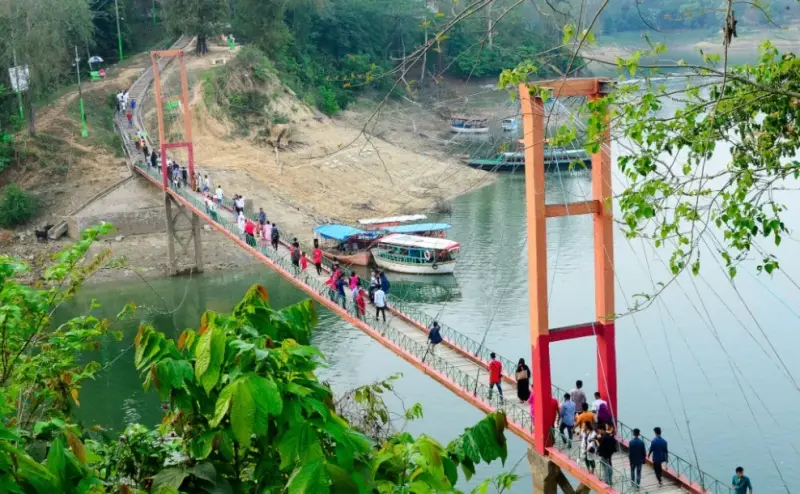 Bridges & Barrages
Islands
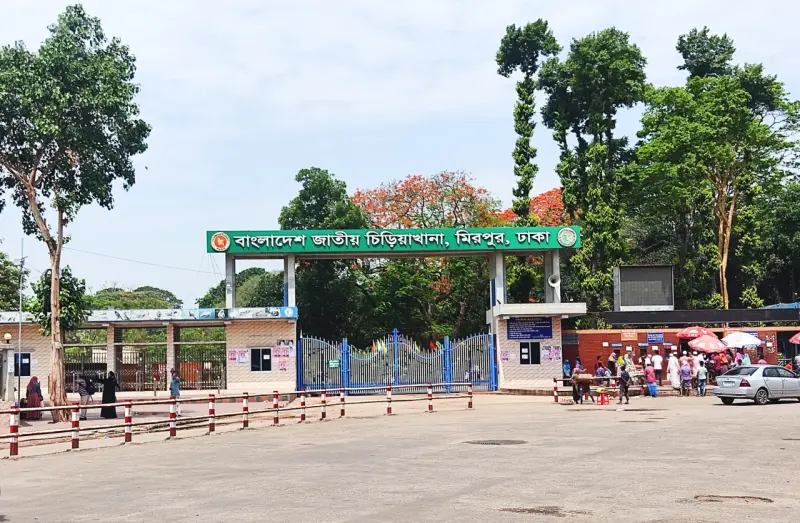 Wildlife (Zoo)
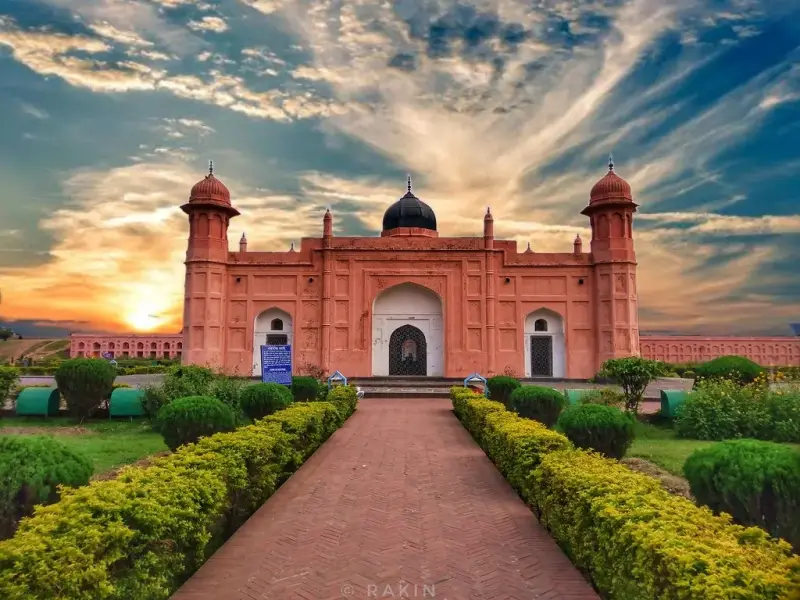 Forts
Kids Zone
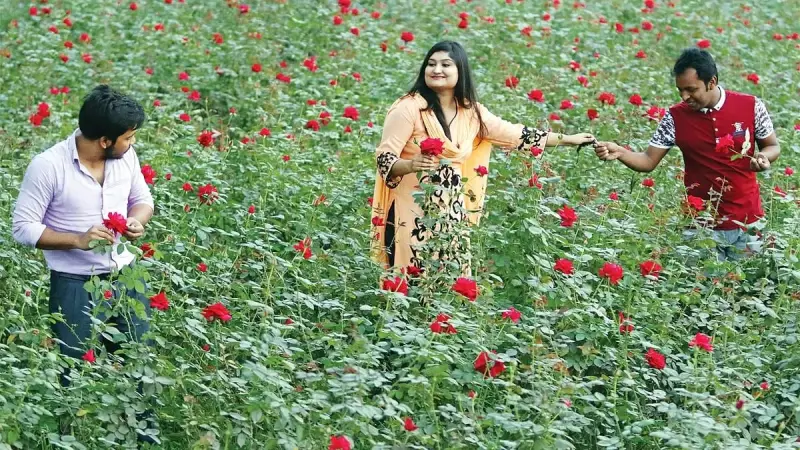 Parks
Art Galleries
 Libraries
 Education
 Temple
UNESCO World Heritage
Church (Christianity)
 Theme Parks
 Botanical Gardens
Statue
Floating Market
 Mountains
Shopping Malls
Weekend Market
 Caves
Theaters
More sights and places to visit in Bangladesh, nearest first.
Faridpur
Satoir is a small village in the north of Boalmari, and its old mosque is easy to spot: a compact red building with nine bulbous domes sitting next to the Grand...
Faridpur
Munshi Abdur Rouf was a lance nayek in the East Pakistan Rifles who died in April 1971 holding back an attack on Burighat in the Chittagong Hill Tracts so that...
Faridpur
Jasimuddin (1903 to 1976) wrote about village Bengal so closely that he is still called Palli Kabi, the rural poet. His ancestral house in Gobindapur, just outs...
Faridpur
Pathrail is one of the oldest buildings in Faridpur district, a low brick prayer hall in a village south of the Bhanga-Mawa highway. Locals know it as the Majli...
Manikganj
Teota Zamindar Bari is the shell of a landlord family's estate on the bank of the Jamuna in Shibalaya Upazila, at the western end of Manikganj District. The Dai...
Manikganj
Nahar Garden is a privately run picnic ground in Kamta village, Dhankora Union, in the Saturia part of Manikganj. It works differently from a public park: group...
Savar
The silhouette on Bangladeshi banknotes and state ceremonies stands about 35 km northwest of central Dhaka at Savar. The National Martyrs' Memorial, Jatiyo Smri...
Dhaka
In the last days of the 1971 war, the Pakistani army and its local collaborators rounded up educators, physicians, journalists, writers and film directors in Dh...
Dhaka
Every 14 April, before sunrise, thousands gather under a banyan tree in Ramna Park to hear the cultural group Chhayanaut sing in the Bengali new year. The rest...
Tell us where and when you want to go, and local travel experts send you offers for your trip.
General
The Daily Asian Age glosses the Bangla word as wall, then points out that the monument is really a tall tower-like mound rather than a wall.
Yes. The Directorate of Archaeology listed it as a protected archaeological site in 2014, and the department first recorded it in 1935.
The Department of Archaeology employs a caretaker at the deul, according to The Daily Star.
Parts are fragile. The Daily Star described crumbling walls in 2008 and noted that earlier repairs had stopped for lack of funds, so do not climb on the structure.
Yes. Satoir Mosque in Boalmari and the Bir Sreshtho Munshi Abdur Rouf museum near Kamarkhali are both in the same northwestern corner of Faridpur district.
The deities on its panels are Hindu, but several origin stories describe it as a victory or memorial tower rather than a place of worship. Wikipedia even labels it a monastery.
Nothing in the sources restricts it. Early morning or late afternoon light shows the relief work best.
Mathurapur Deul is in Faridpur, Bangladesh. The street address and directions are under How to get there on this page.
Yes. Use "Ask a question" under "Travelers are asking" on this page. The bookingMentor team answers it, and the answer then appears on the page for other travellers too.
Prices & payment
None of the sources we checked mention a ticket. Assume it is free and bring small change in case a fee has been introduced.
Getting there
The seat of Bhusna, linked to several of the origin stories, lay about 4 km from the deul.
You can reach Mathurapur Deul by car. The route is described under How to get there on this page.
Timing & weather
Around 45 minutes is enough to circle the tower and study the panels; add time if you plan to photograph details.
The Daily Star reported repairs about seven years before its 2008 article, which puts them around 2001.
The best months to visit Mathurapur Deul are November to February. The best days and times of day are covered under When to visit on this page.
We use necessary cookies to make this site work. With your permission we would also like to remember your preferences, measure how the site is used, and show relevant ads and partner offers. You can change your mind at any time under "Cookie settings" on our Privacy policy page.

 Plan your trip with AI