
Standard visit
Bangladesh's only genocide museum, in Khulna, documenting the 1971 Liberation War killings. Shut since July 2024 with no reopening date reported.
Bangladesh's only genocide museum, in Khulna, with a large Liberation War archive. It has been closed since July 2024.
Access status (checked 16 November 2026): the museum is closed. Dhaka Tribune reported on 10 December 2025 that it had been shut for 17 months, with no repair work started. We found no report of a reopening since then.
The museum was created to take the history of the 1971 genocide out of academic circles and put it in front of ordinary visitors. Khulna was chosen because of nearby Chuknagar, the scene of one of the largest massacres of the Liberation War. Historian Muntassir Mamoon inaugurated it on 17 May 2014 in a rented house at Moilapota, according to The Daily Star.
In 2015 the museum moved to a two-story house on its own 21-decimal plot, which opened to visitors on 26 March 2016. It later worked from a temporary premise at Sonadanga while a new building rose on its land. That six-story building, built by the Public Works Department, let the museum reopen briefly in May 2024. It closed again on 20 July 2024, citing renovation and curfew-related problems.
Dhaka Tribune describes 192 categories of artifacts and many rare documents. Among the personal belongings kept here are items of martyred intellectuals and journalists including Munier Chowdhury, Shahidullah Kaiser and Selina Parveen. The Daily Star's 2021 visit described blood-stained clothing and money donated by the family of Madhab Chandra, killed in the 1972 Badamtala massacre in Batiaghata, and a black telephone from Kabir Manzil that was used for wartime communications.
Trustee secretary Baharul Alam told Dhaka Tribune that the museum cannot run without government grants and that grants routed through the Ministry of Cultural Affairs had not been released. Eight officials and staff were laid off, and staff warned that artifacts were at risk while the building stayed locked.
Checked against trusted sources:
Dhaka TribuneThe Daily Star
Bangladesh's only genocide museum, in Khulna, documenting the 1971 Liberation War killings. Shut since July 2024 with no reopening date reported.
Guided tours and experiences that include 1971: Genocide-Torture Archive and Museum, Khulna. See tours
Not confirmed yet. Please check with the venue before you visit.
Not confirmed yet. Please check with the venue before you visit.
Not confirmed yet. Please check with the venue before you visit.
Not confirmed yet. Please check with the venue before you visit.
Not confirmed yet. Please check with the venue before you visit.
Not confirmed yet. Please check with the venue before you visit.
Not confirmed yet. Please check with the venue before you visit.
Not confirmed yet. Please check with the venue before you visit.
No special events on record for 1971: Genocide-Torture Archive and Museum, Khulna.
Not confirmed yet. Please check with the venue before you visit.
Not confirmed yet. Please check with the venue before you visit.
Not confirmed yet. Please check with the venue before you visit.
Others of this kind you opened on this device, so you can get back to them quickly.
No questions yet about 1971: Genocide-Torture Archive and Museum, Khulna. Ask the community or our travel team, and the answer will show here once it is published.
Our team answers questions here
No hotels within 15 km of 1971: Genocide-Torture Archive and Museum are listed with us yet. Browse stays across the wider area instead.
Search hotels in KhulnaNo restaurants within 15 km of 1971: Genocide-Torture Archive and Museum are listed with us yet. Browse places to eat across the wider area instead.
Search restaurants in KhulnaFind your kind of trip: 34 travel themes, from Heritage, Mosque (Islam), Lakes & Haors.
 Heritage
Mosque (Islam)
 Lakes & Haors
 Landmarks
 Palaces
Museums
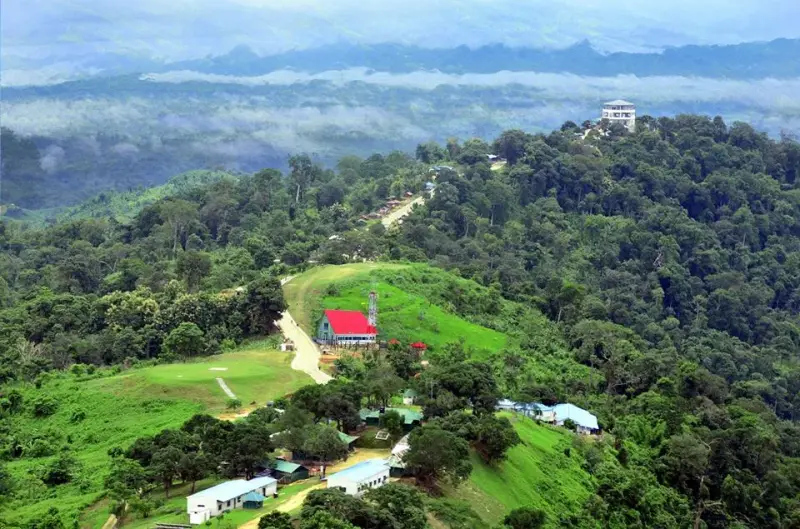 Hills
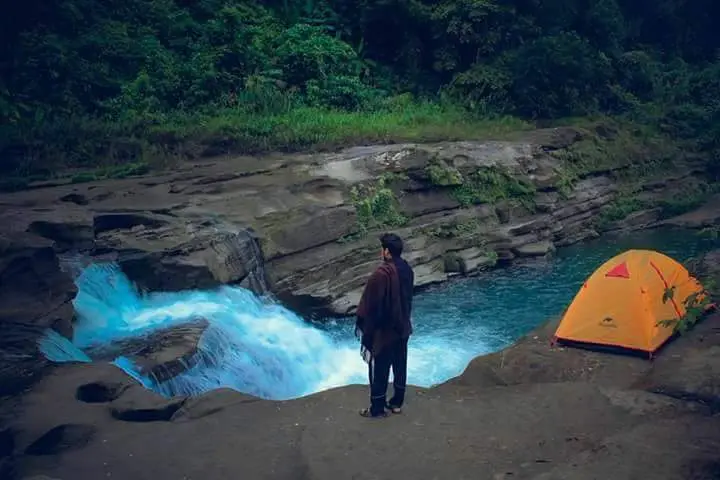 Waterfalls
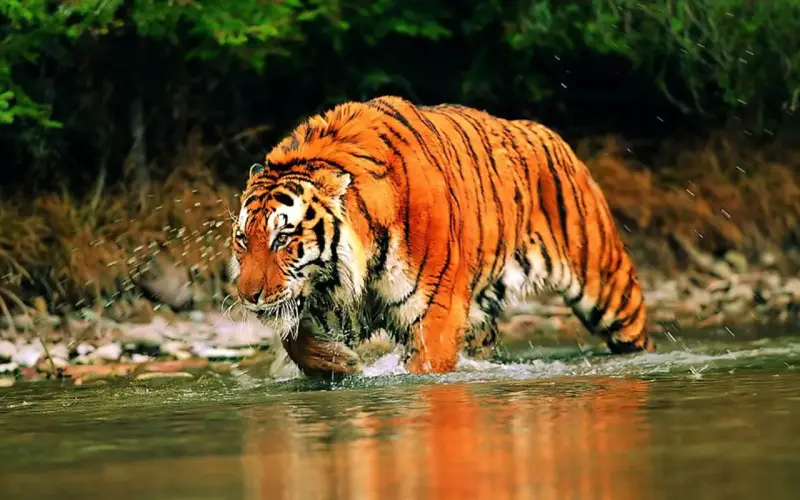 Forests
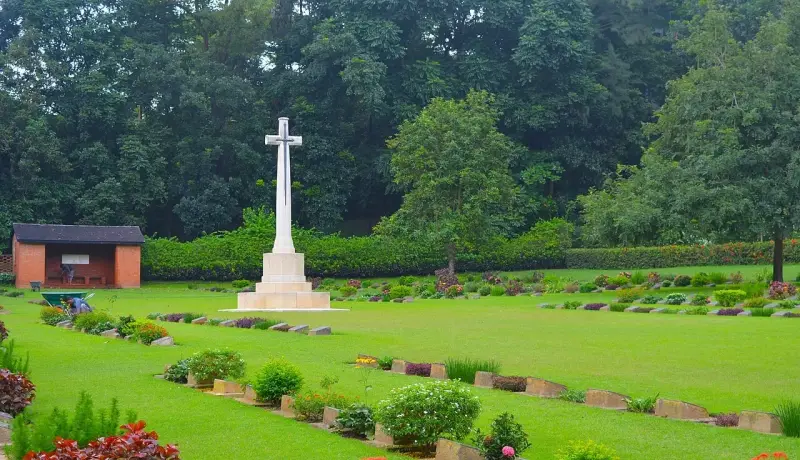 Monument
National Parks
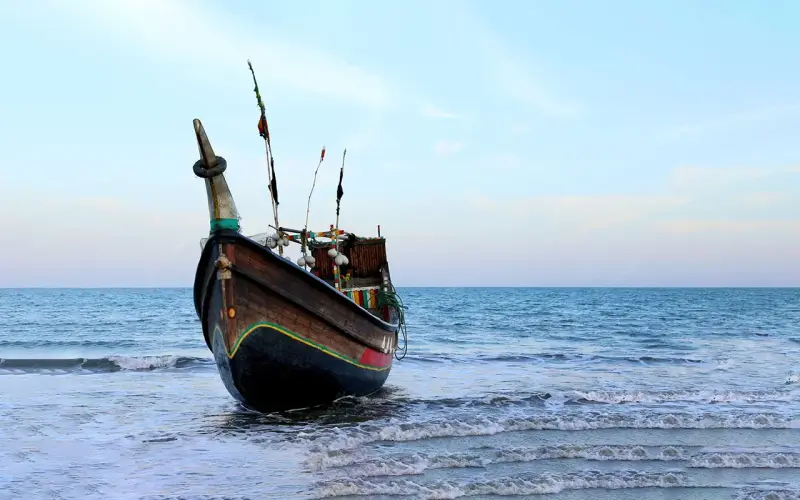 Beaches
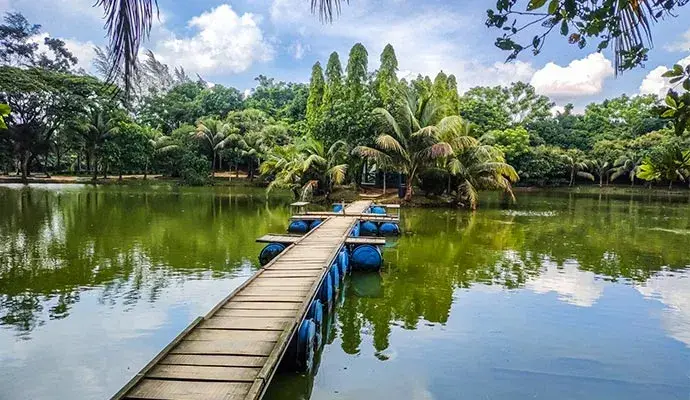 Entertainment Parks
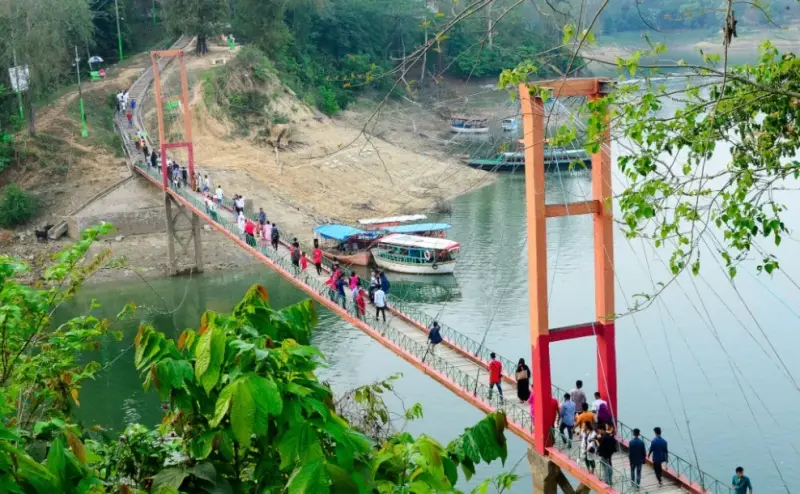 Bridges & Barrages
Islands
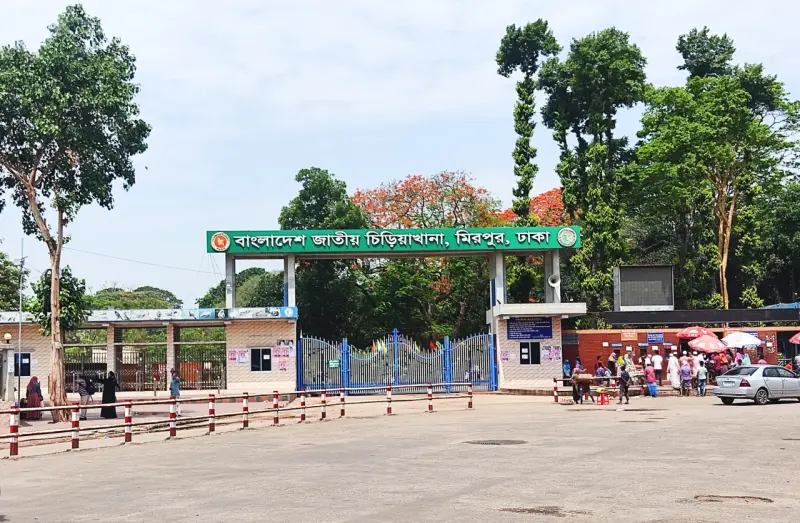 Wildlife (Zoo)
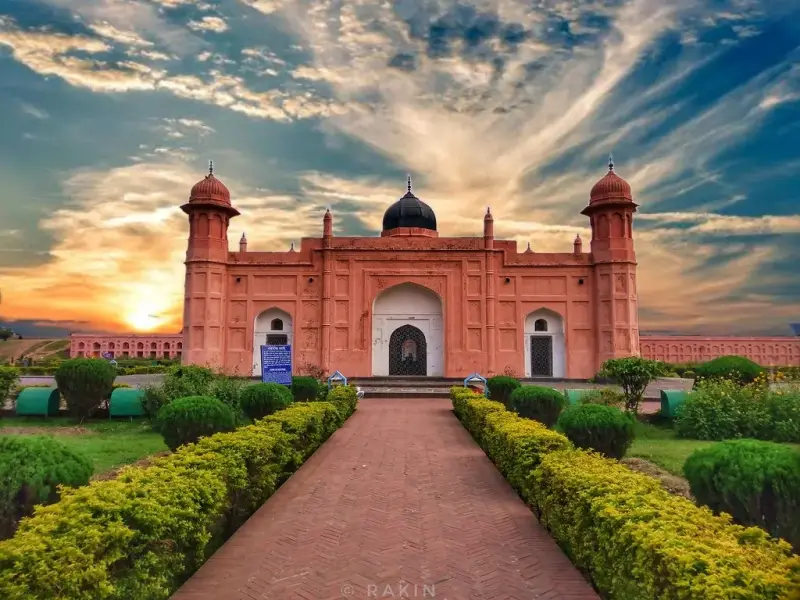 Forts
Kids Zone
 Parks
Art Galleries
 Libraries
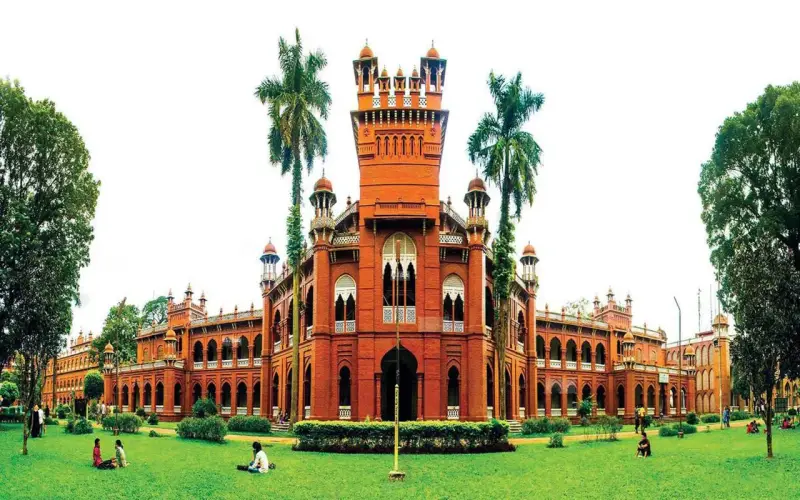 Education
 Temple
UNESCO World Heritage
Church (Christianity)
 Theme Parks
 Botanical Gardens
Statue
Floating Market
 Mountains
Shopping Malls
Weekend Market
 Caves
Theaters
More sights and places to visit in Bangladesh, nearest first.
Khulna
Banabilas Zoo is the small animal collection at Gilatala, on the edge of Khulna Cantonment, and most local visitors know it simply as the Gilatala or Jahanabad...
Bagerhat
Chandra Mahal Eco Park is a private leisure park in the Ranjitpur area of Bagerhat Sadar upazila, a little outside Bagerhat town. It is a local outing spot rath...
Bagerhat
Bagerhat Museum is the small archaeological museum that sits southeast of the Sixty Dome Mosque, and you walk into it through the mosque's southern gateway. It...
Bagerhat
Ghora Dighi is one of the great reservoirs of the Mosque City of Bagerhat, a rectangular tank dug on the orders of Khan Jahan Ali, the 15th-century ruler who fo...
Gopalganj
Tungipara is a village in Gopalganj on the low, river-cut land of southern Bangladesh, and it is where Sheikh Mujibur Rahman, the country's founding president,...
Jashore
The Imambara (also called Imam Bari) outside Jashore town is tied to Haji Mohammad Mohsin, the Bengal landholder remembered for leaving his estate's income to c...
Jashore
The Dam Dam Pir mound is a low archaeological site in Sonargram village of Manirampur Upazila. Its Wikipedia entry, which draws on Banglapedia and the Khulna Di...
Sylhet
Access status (checked 16 November 2026): treat the park as closed. The Financial Express reported on 20 November 2024 that notices at the entrance and animal s...
Natore
Few travelers heading to the palaces of Natore make the trip south into Bagatipara, and published information on Dayarampur Rajbari is genuinely scarce. What ca...
Tell us where and when you want to go, and local travel experts send you offers for your trip.
Timing & weather
No reopening has been reported. At last report it was locked, and officials said repairs need a clear budget first.
In 2021 The Daily Star gave 10am to 6pm daily except Monday, and 3pm to 7pm on Friday. These no longer apply while the museum is closed.
The best time to visit Khulna is Nov to Feb. Dry and mild; Sundarbans tour season.
General
A trust with an 11-member board of trustees, chaired by historian Muntassir Mamoon since the trust was formed.
The Daily Star called it the first museum of its kind in Bangladesh and in South Asia.
Yes. In 2017 the trust set up a Research Center on Genocide-Torture and Liberation War, which ran postgraduate certificate courses, memorial lectures and seminars.
Deputy curator Rokonuzzaman Bablu told The Daily Star the archive records 11,356 killing sites, 654 mass-killing grounds, 846 mass graves and 958 torture cells in 28 districts.
On 4 August 2024 protesters attacking a hospital opposite the museum also damaged its main gate, Dhaka Tribune reported.
Baharul Alam put annual running costs, including electricity and salaries, at Tk 60 to 65 lakh.
Khulna Metropolitan Muktijoddha Sangsad commander Moniruzzaman Moni called for it to be run under National Museum supervision, and the Khulna deputy commissioner said he would look into reopening it.
1971: Genocide-Torture Archive and Museum, Khulna is in Khulna, Bangladesh. The street address and directions are under How to get there on this page.
Yes. Use "Ask a question" under "Travelers are asking" on this page. The bookingMentor team answers it, and the answer then appears on the page for other travelers too.
Prices & payment
The Daily Star reported a Tk 5 entrance fee in 2021.
Booking
About 20 to 25 a day, mostly students, according to The Daily Star.
Health & safety
In Khulna, call 999 in an emergency. Police, fire and ambulance.
We use necessary cookies to make this site work. With your permission we would also like to remember your preferences, measure how the site is used, and show relevant ads and partner offers. You can change your mind at any time under "Cookie settings" on our Privacy policy page.

 Plan your trip with AI