

Gopalganj
Gopalganj travel guide
Riverine country home to Tungipara and the Matua pilgrimage at Orakandi.
Gopalganj, a low-lying riverine district in south-central Bangladesh, is the site of Tungipara, birthplace and mausoleum of Sheikh Mujibur Rahman, Bangladesh's founding leader, and Orakandi, a pilgrimage centre of the Matua community. November to February brings the driest roads. Simple hotels keep a visit very cheap.
Gopalganj District is a district in the central-southern part of Bangladesh. It comprises several rivers, wetlands, and agricultural areas. Moreover, the region has a significant historical legacy, as it is where the political figures of independent Bangladesh were born.
Tungipara, Gopalganj’s central tourist attraction, is the birthplace of Bangladesh’s founding father and Prime Minister, Sheikh Mujibur Rahman. The Mausoleum of Sheikh Mujibur Rahman is a great place to see and do research as it has been set up in the form of landscaped gardens with buildings telling the life story of the national hero. In addition, there are many villages, farms, and canals, offering the visitor a delta landscape and a taste of local village life.
Gopalganj is famous for its rice, fish, vegetables, and seasonal fruits. Notably, fish farms are abundant in the region, making fresh waters produce a staple food. Thus, local markets offer a great variety of fish, rice cakes, vegetables, coconut, and traditional sweets.
Gopalganj district is a good place to experience the slow rhythm of life in rural Bangladesh. Villages are rich in history, boatmen, and farms with vegetables and fish, so many tourists visiting the district choose to go on a boat tour.
Best experiences in Gopalganj
Find your kind of trip: 24 travel themes, each with the packages in Gopalganj.
 Ayurveda Tours
Seasonal/Event
 Adventure
Wildlife & Safaris
Pilgrimage
Eco/Nature
Culture & History
 Honeymoon
 Romantic Getaway
 Cruise
 Water Activities
 Backpacking
 Luxury
 Photography
City Slickers
Heritage
 Beach & Relaxation
 Sports & Recreation
 Food & Wine
Train & River Journeys
Skiing
 Overland
Gopalganj at a glance
A riverine district on the Madhumati, home to Tungipara and the Matua centre at Orakandi.
Top destinations in Gopalganj
Pick a place by travel style: beaches, nature, cities, heritage, hills, islands.
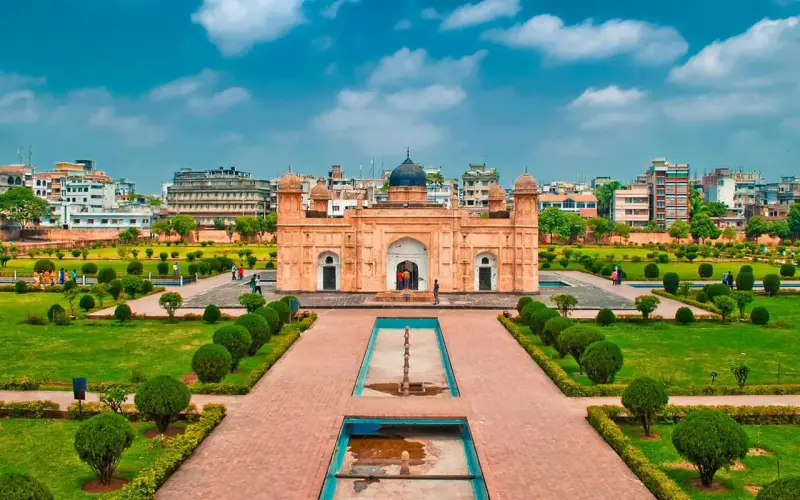 DhakaCapital & chaos
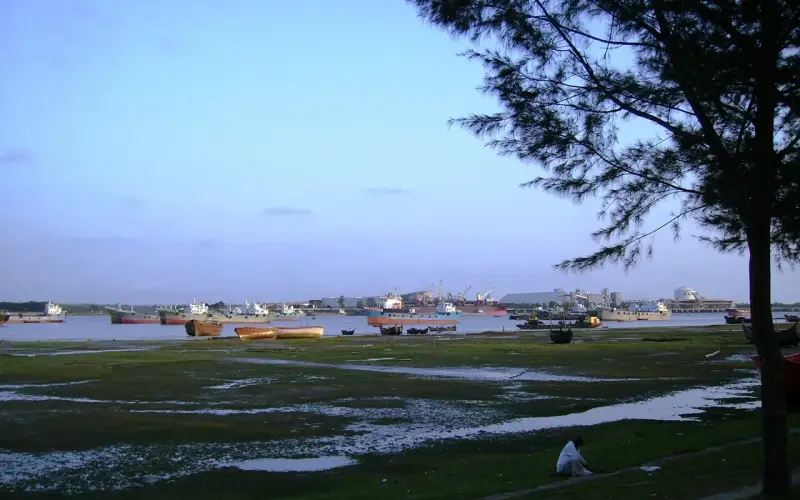 ChattogramPort city and gateway to the hills
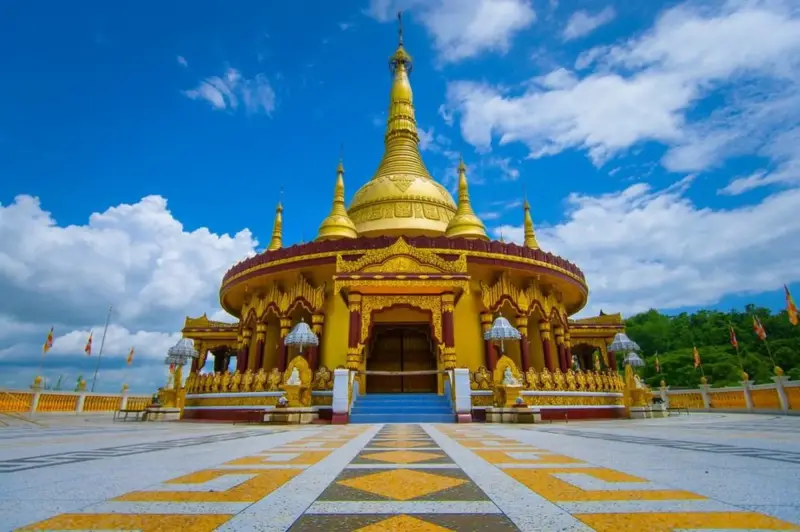 BandarbanThe highest hills in Bangladesh
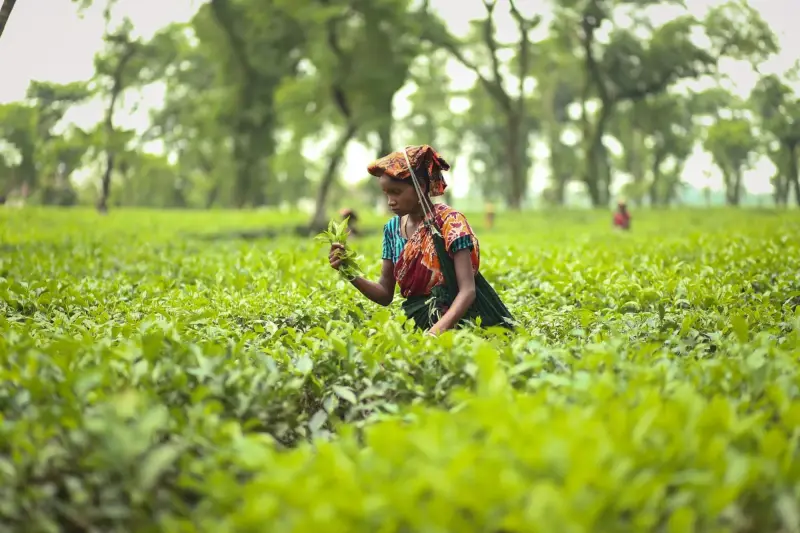 SylhetTea gardens and swamp forest
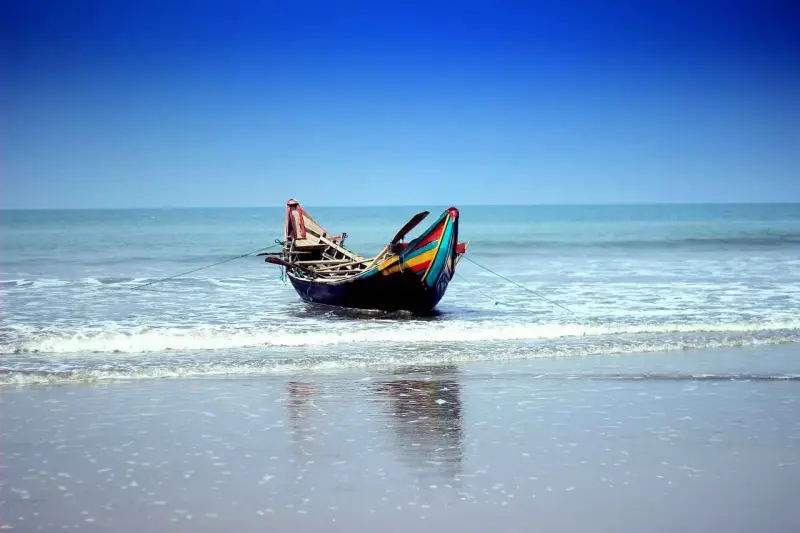 Cox's BazarOver 100 km of sea beach
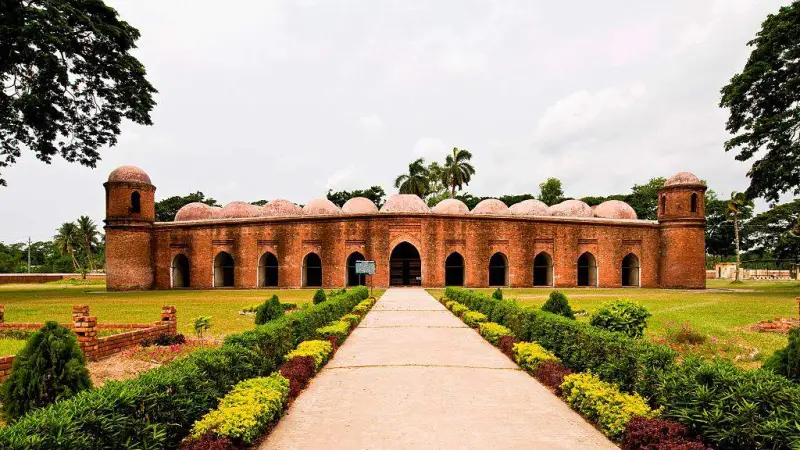 BagerhatMosque City and Sundarbans gateway
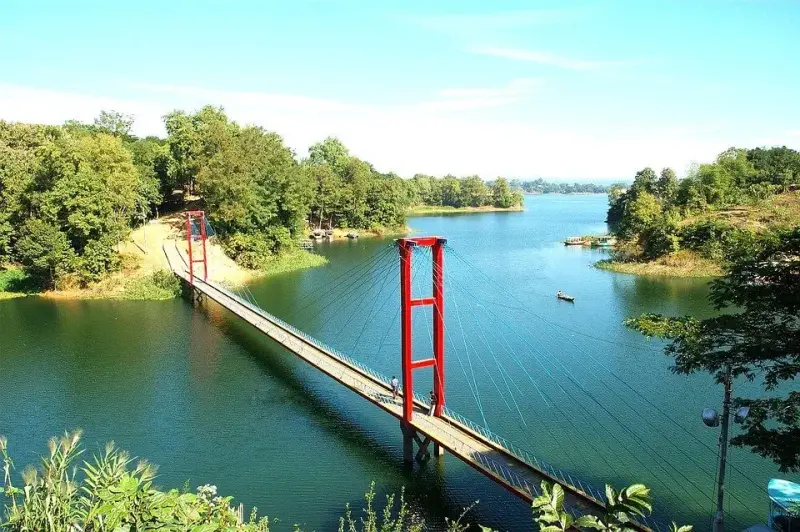 RangamatiKaptai Lake and the hills
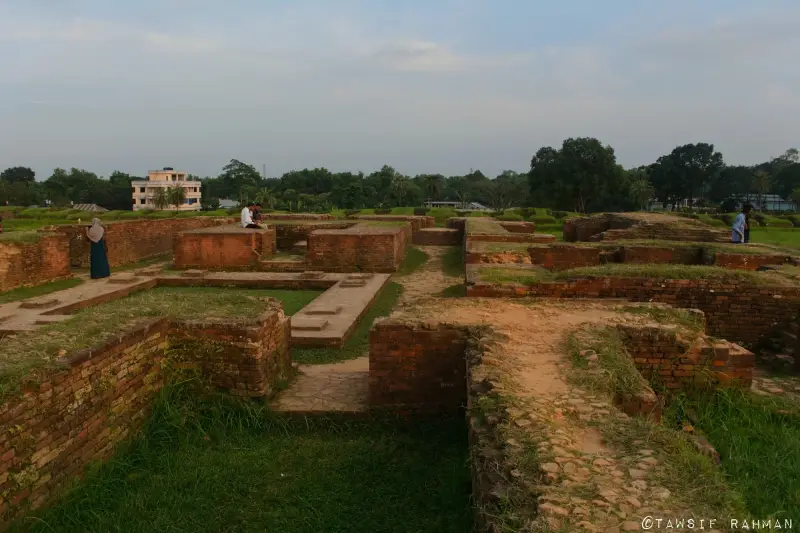 ComillaMainamati ruins
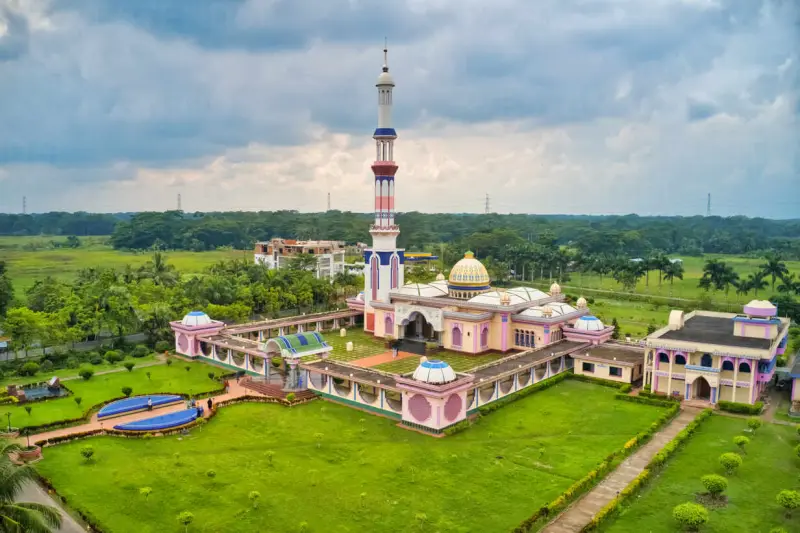 BarishalVenice of Bengal
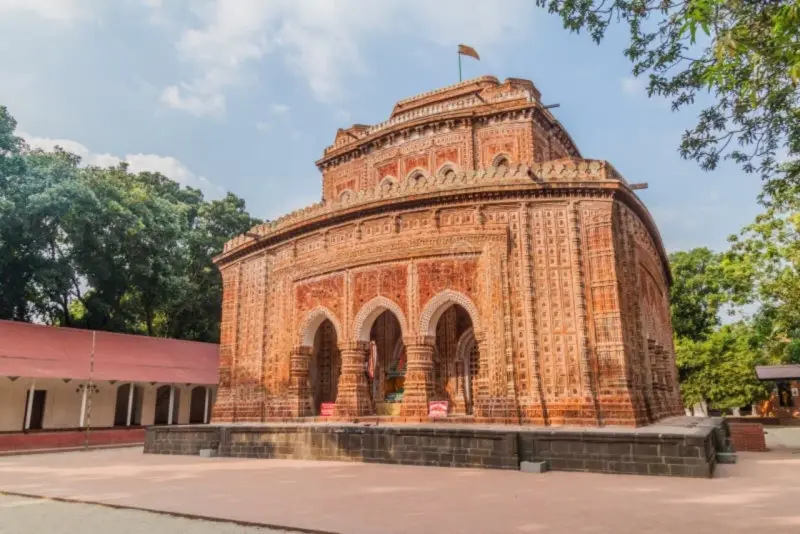 DinajpurKantajew Temple
 KhulnaGateway to the Sundarbans
 NarayanganjSonargaon and Panam Nagar
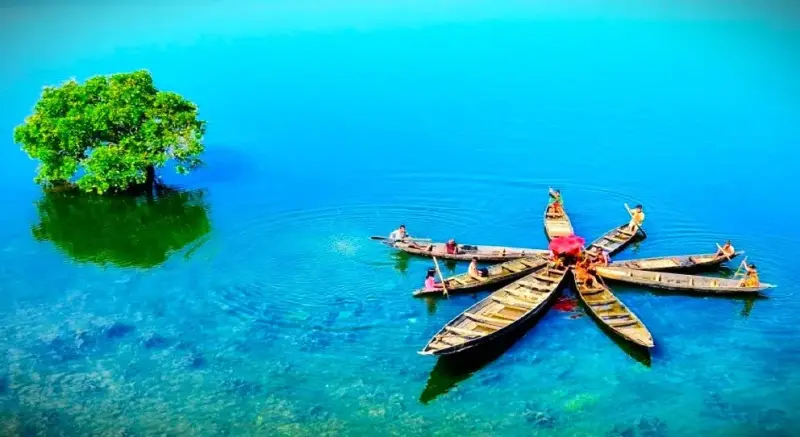 SunamganjThe haor wetlands
KishoreganjHaors and Sholakia
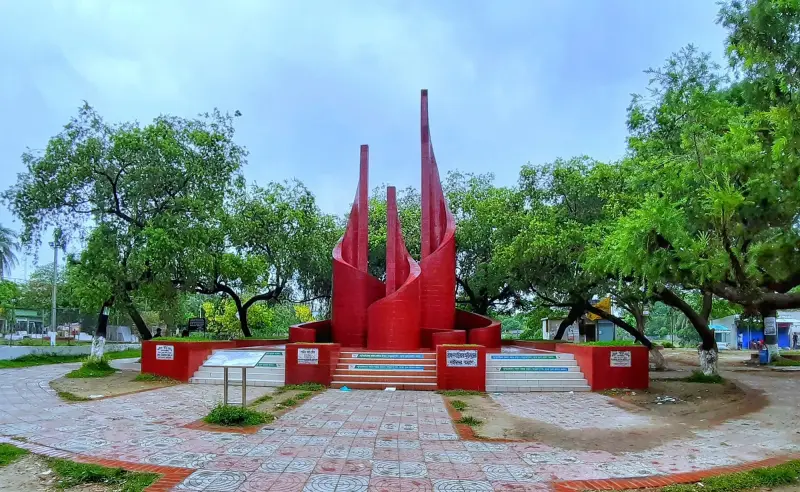 BrahmanbariaThe Titas and Akhaura
 JhalokatiFloating guava markets
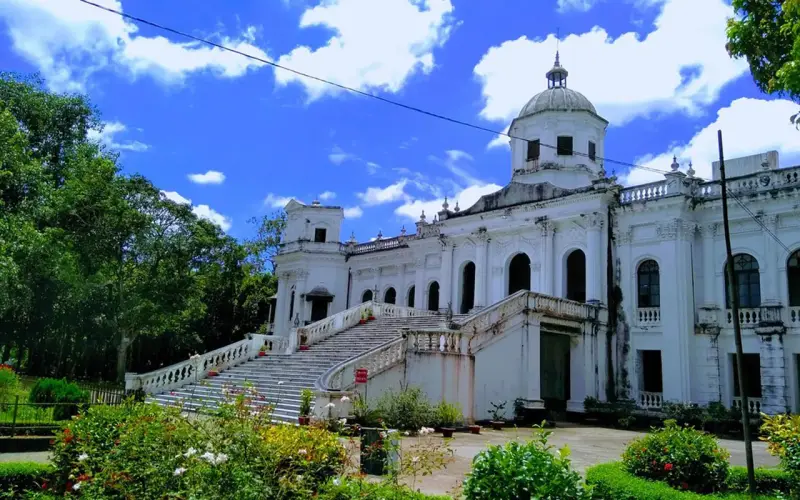 RangpurPalaces of the north
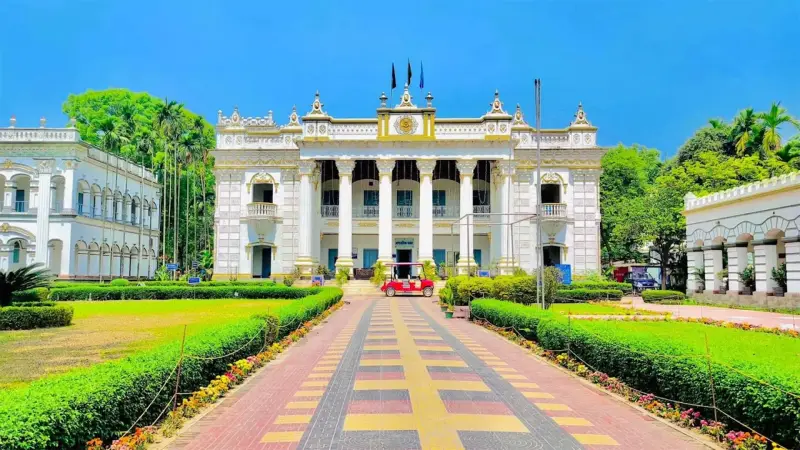 TangailSaris, sweets and Atia Mosque
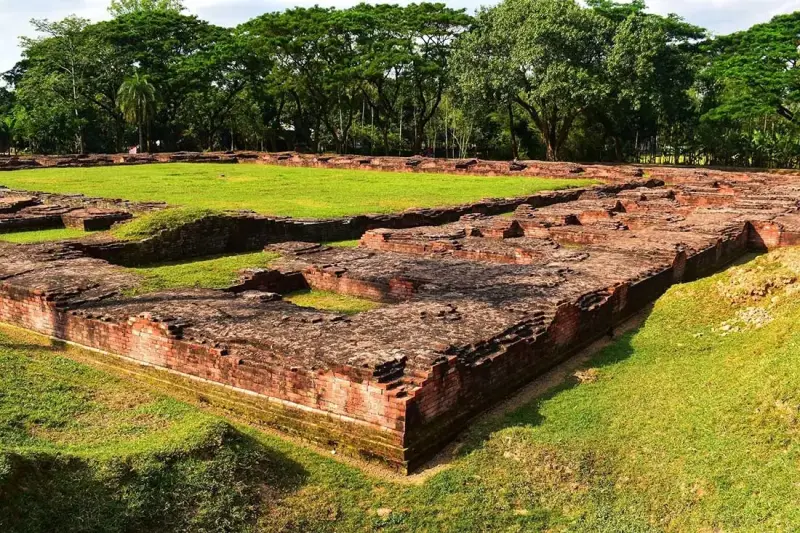 BograAncient Mahasthangarh
JhenaidahAncient mosques of Barobazar
MoulvibazarSrimangal tea country
MunshiganjHistoric Bikrampur
NarsingdiAncient Wari-Bateshwar
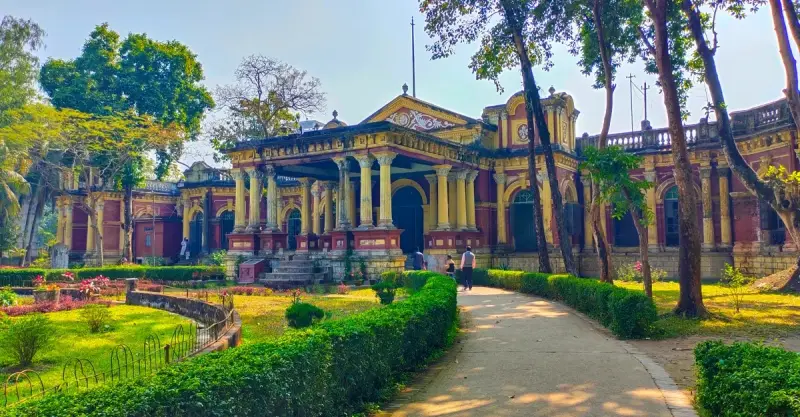 MymensinghRiver city of art and palaces
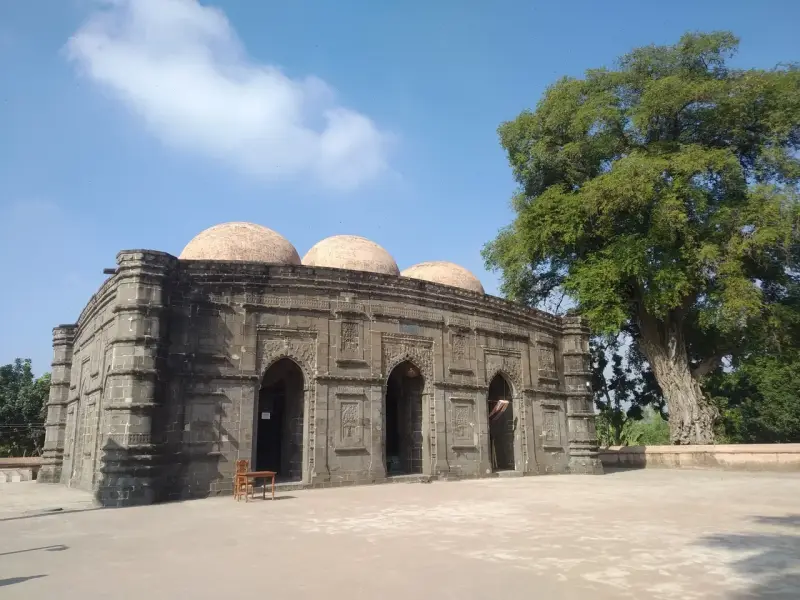 NaogaonPaharpur's great monastery
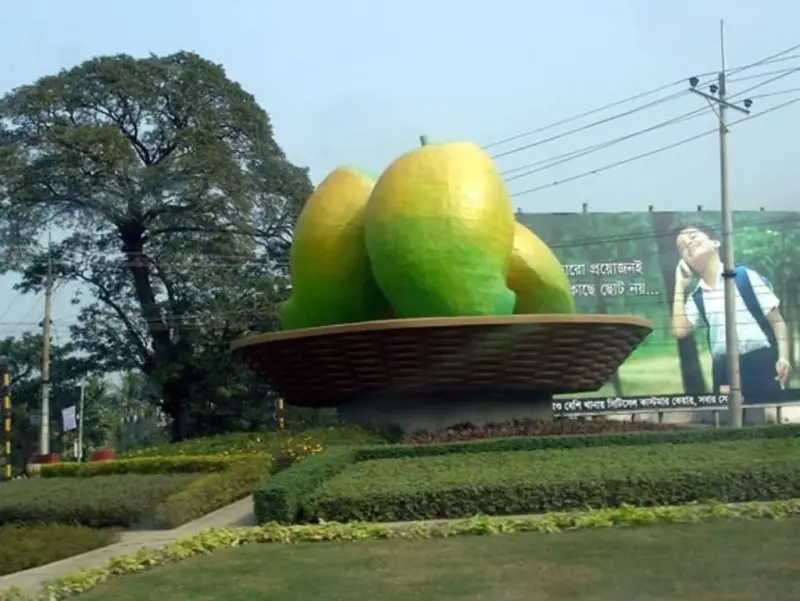 RajshahiSilk, mangoes and the Padma
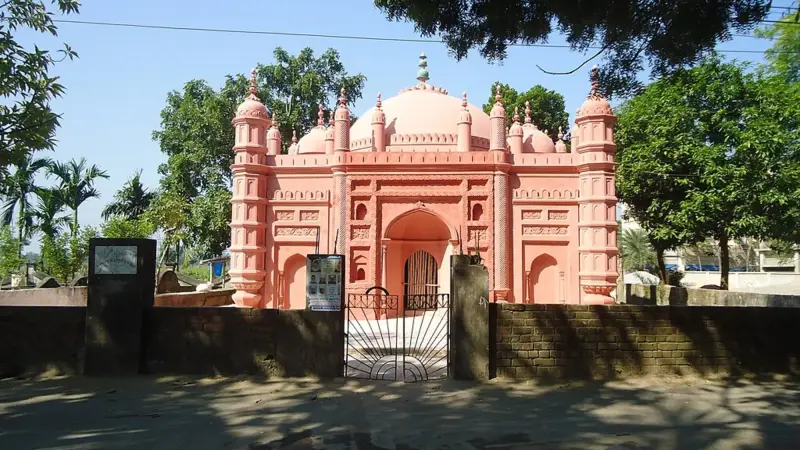 FeniMuhuri Project
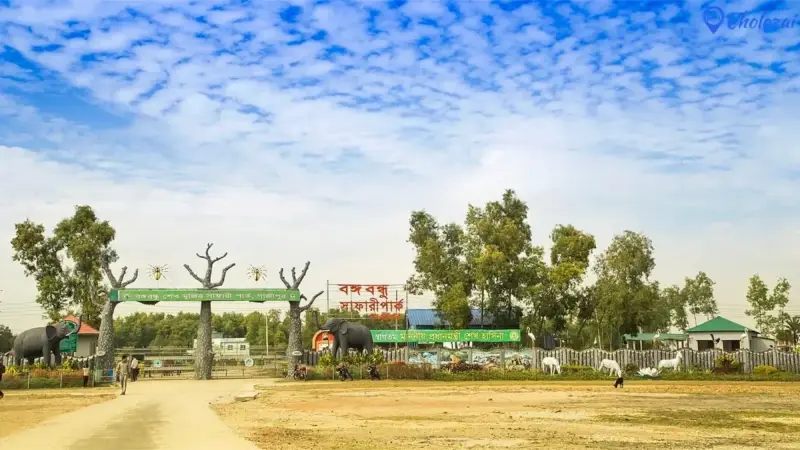 GazipurForests next to Dhaka
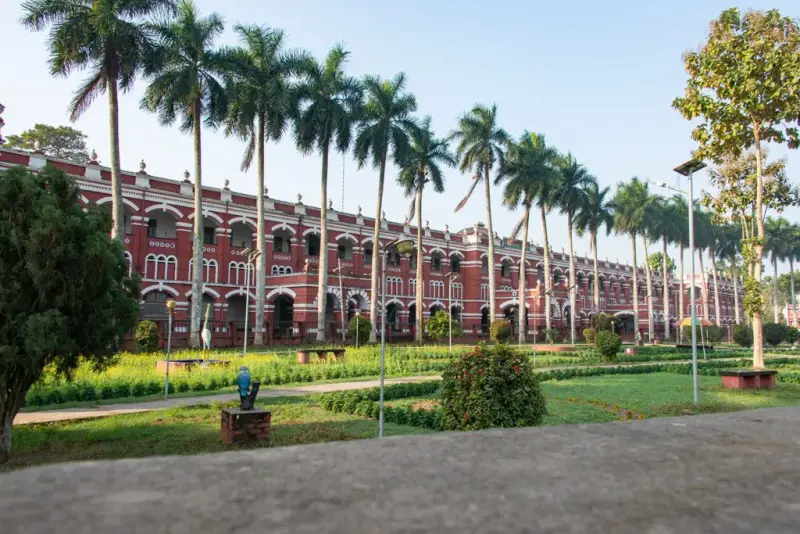 JashoreFlowers and Benapole
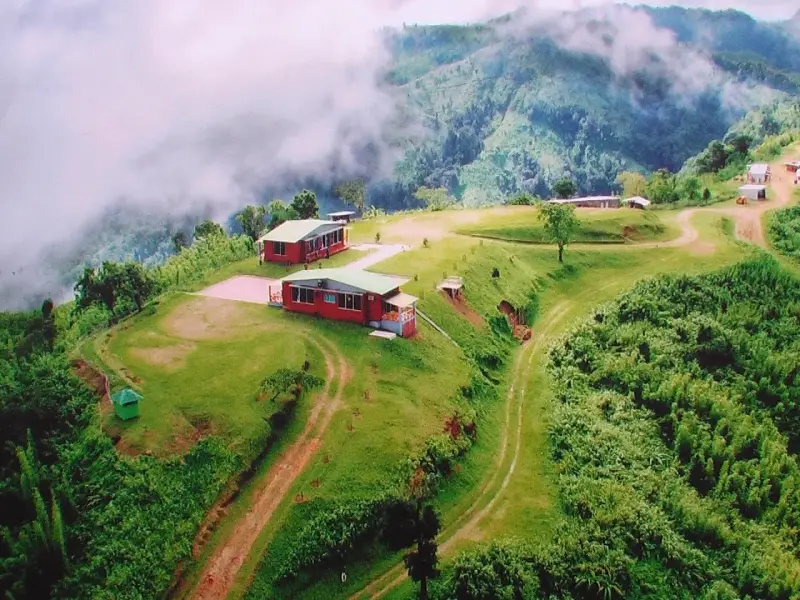 KhagrachhariCaves, falls and the road to Sajek
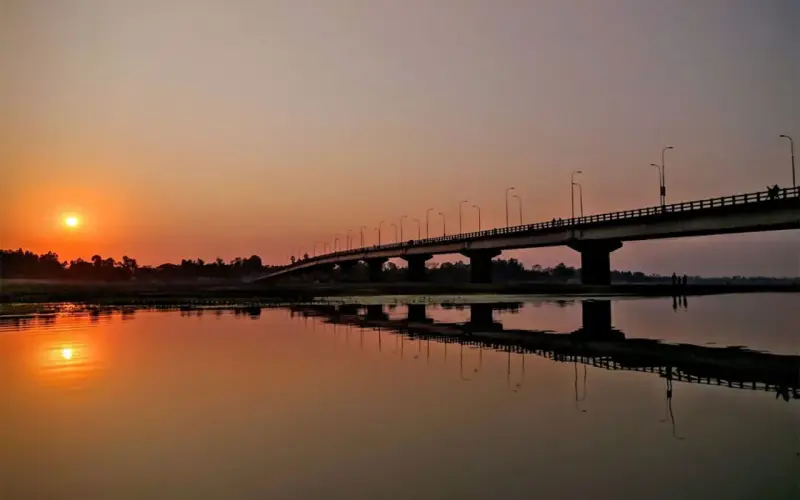 KurigramRivers and char islands
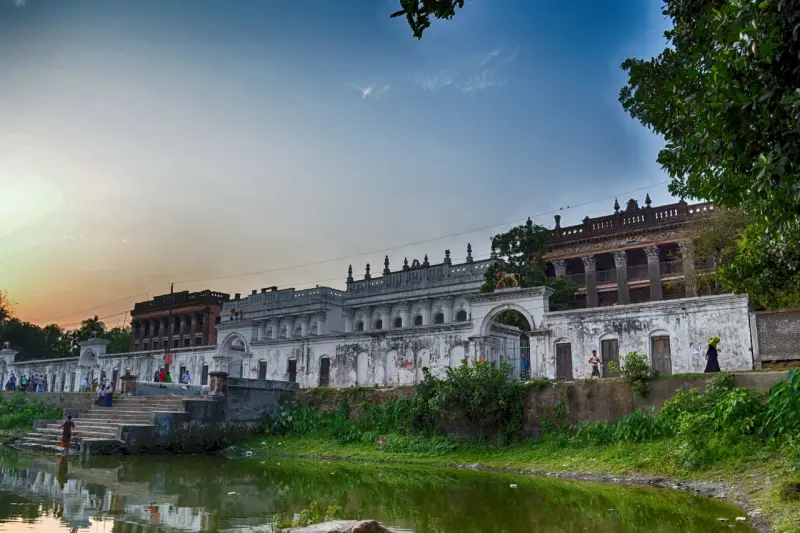 ManikganjZamindar palaces
GaibandhaTeesta and Brahmaputra chars
JoypurhatGateway to Paharpur
ThakurgaonThe giant mango tree
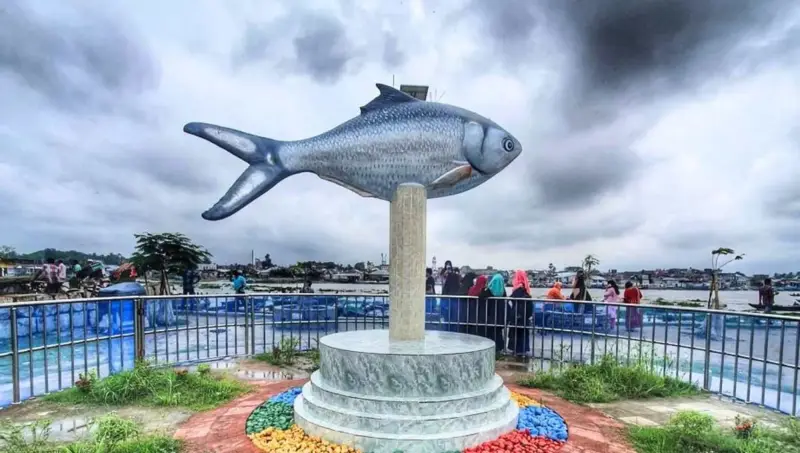 ChandpurCity of hilsa
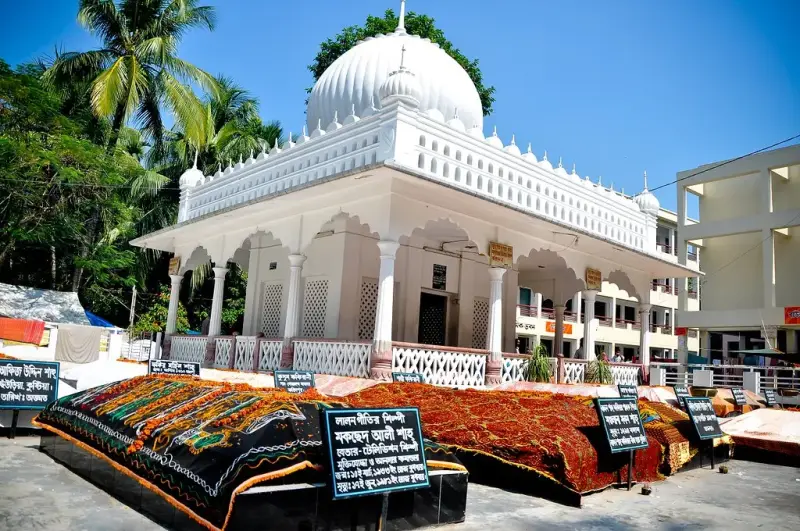 KushtiaLalon and Tagore
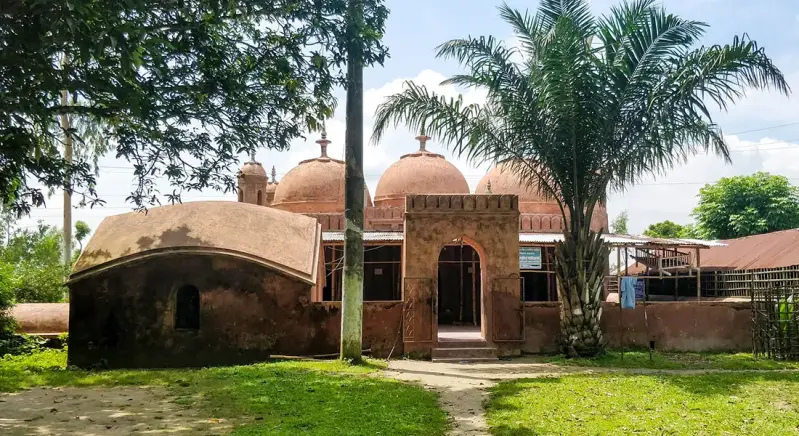 LalmonirhatTeesta Barrage and Tin Bigha
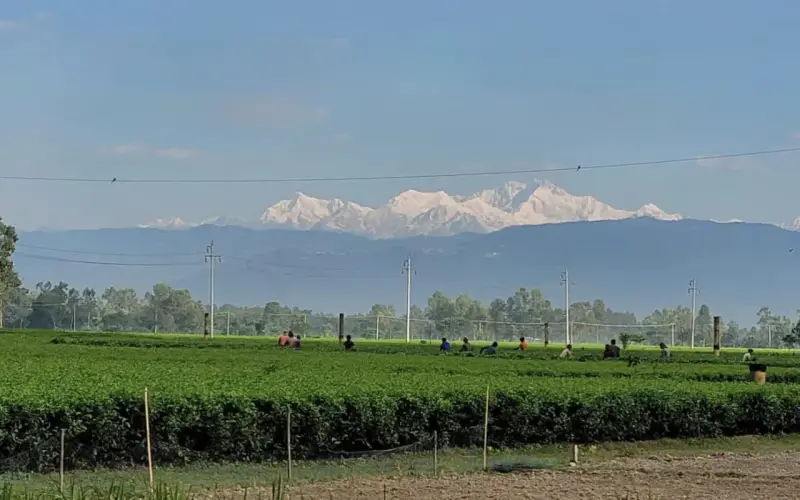 PanchagarhKanchenjunga views from Tetulia
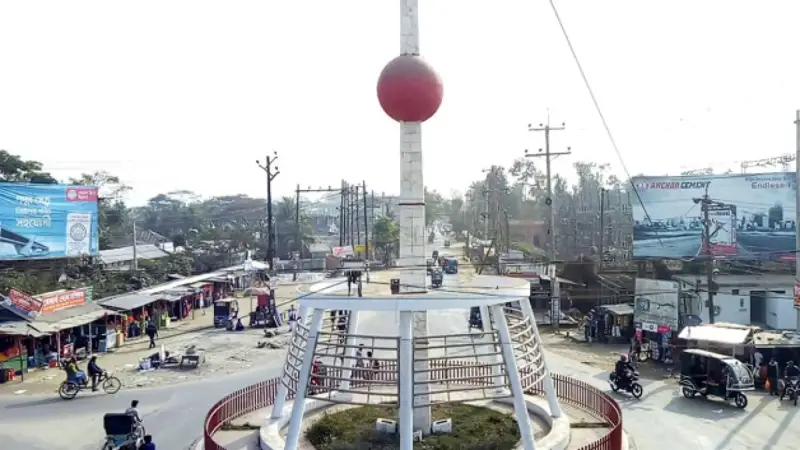 PatuakhaliKuakata, daughter of the sea
HabiganjForests and tea estates
NatorePalaces and Chalan Beel
NetrokonaBirishiri and the Someshwari
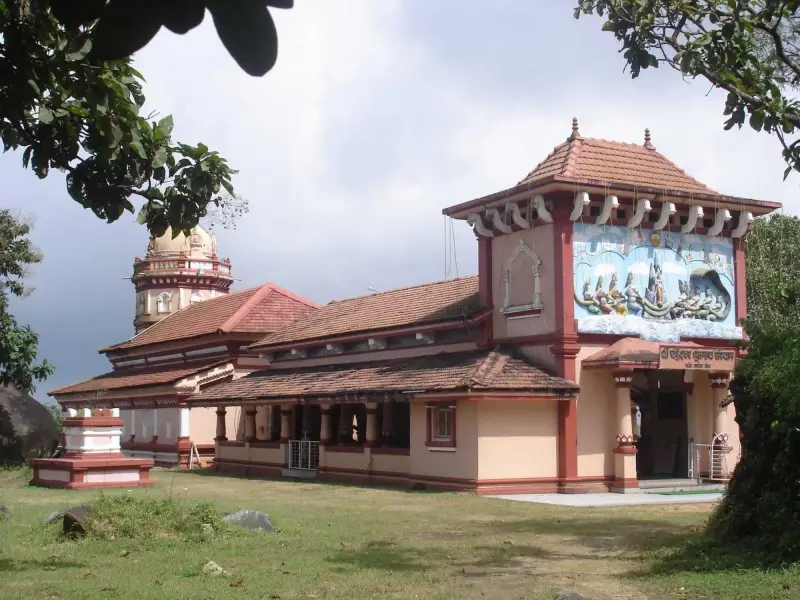 FaridpurPoet Jasimuddin's home
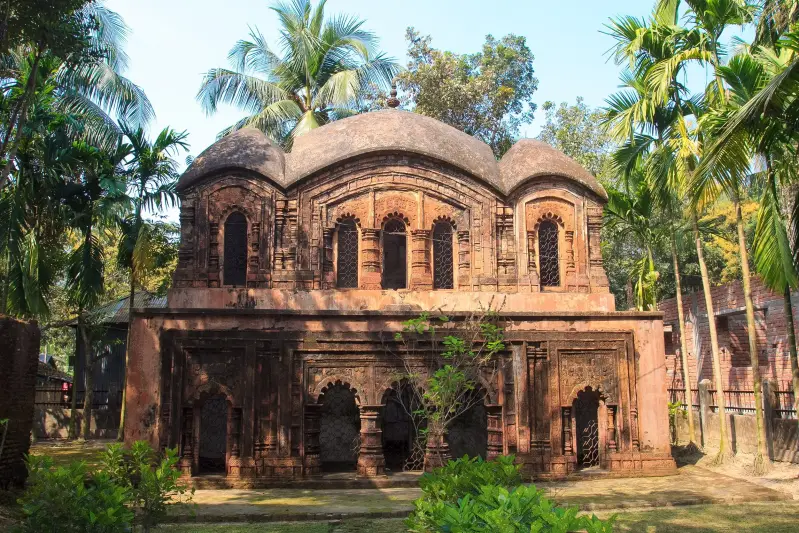 MadaripurRivers near the Padma Bridge
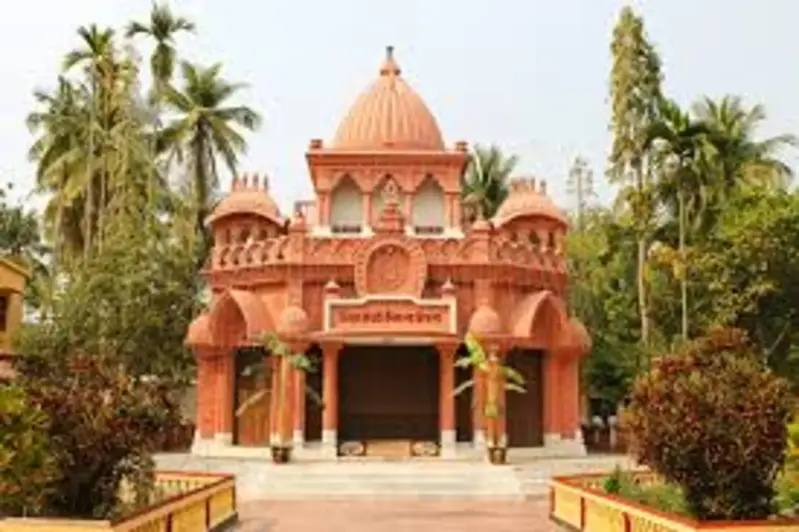 NoakhaliNijhum Dwip
 SirajganjJamuna and Tagore's Shahzadpur
KuakataDaughter of the sea
SatkhiraWestern Sundarbans
SherpurGaro Hills foothills
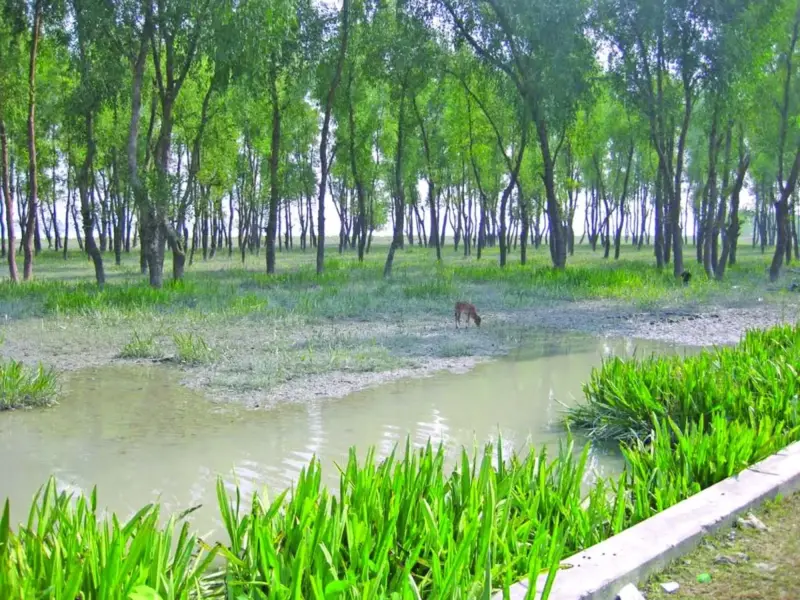 BargunaCoastal forests and quiet beaches
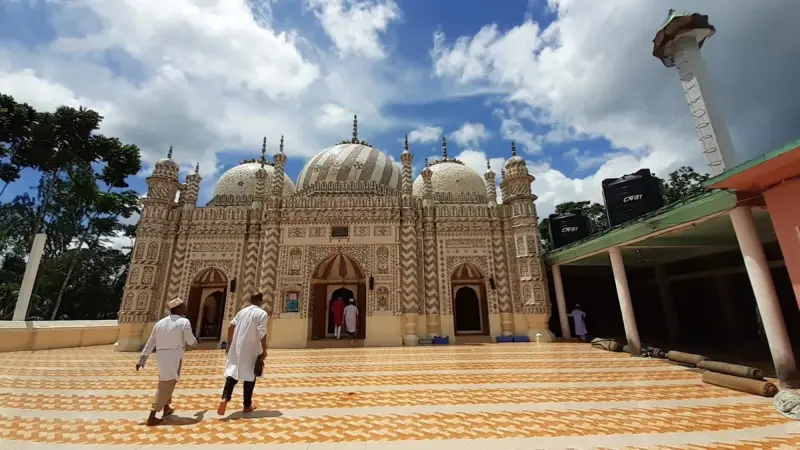 LakshmipurMeghna estuary
 PabnaBridges over the Padma
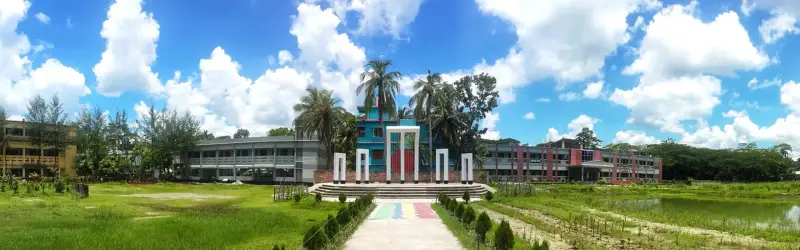 PirojpurFloating markets of Swarupkathi
Chapai NawabganjGaur and the mango capital
JamalpurBrahmaputra and nakshi kantha
RajbariGoalanda and the Padma ferries
ShariatpurThe Padma Bridge's south end
MeherpurMujibnagar Memorial
NarailS. M. Sultan's Chitra
 BholaBangladesh's largest island
ChuadangaDarshana border
NilphamariSaidpur and Nilsagar
MaguraRaja Sitaram's ruins
SavarHome of the Martyrs' Memorial
Sreemangal UpazilaBangladesh's tea capital
ChowmuhaniNoakhali's market town
KaliakairFactory town on the Tangail road
Saint Martin's IslandBangladesh's only coral island
SiddhirganjBangladesh's old jute town
SreepurGateway to the Bhawal forest
TaraboRiver town on the Sylhet road
TongiDhaka's northern gateway
Nothing in that category yet.
Top things to do in Gopalganj
Sights and day trips around Gopalganj.
Gopalganj
Mausoleum of Sheikh Mujibur Rahman, Tungipara
Tungipara is a village in Gopalganj on the low, river-cut land of southern Bangladesh, and it is where Sheikh Mujibur Rahman, the country's founding president,...
Gopalganj
Central Court Mosque, Gopalganj (কেন্দ্রীয় কোর্ট মসজিদ)
The Central Court Mosque stands in Court Para, the government quarter in the middle of Gopalganj town. It is the mosque most townspeople mean when they say "Cou...
Gopalganj
Ulpur Zamindar Bari (উলপুর জমিদার বাড়ি)
Ulpur Zamindar Bari is a rare case of a zamindar estate that never fully emptied. The Basu Roy Chowdhury family ran their estate, known as Shahpur, from this vi...
Gopalganj
Gopalganj Baddhabhumi, Joy Bangla Pukur (জয় বাংলা পুকুর বধ্যভূমি)
The Baddhabhumi at Joy Bangla Pukur marks one of the darkest spots of the 1971 Liberation War in Gopalganj. During the war the Pakistani army set up a fortified...
Gopalganj
Orakandi Thakur Bari (ওড়াকান্দি ঠাকুরবাড়ি)
Orakandi Thakur Bari is to the Matua community what a founder's birthplace is to any faith: the place where the movement began and the place followers try to re...
Best time to visit Gopalganj
November to February is driest; the Baruni festival and anniversary days bring big crowds.
Dry, mild and clear: the most comfortable months for travel.
Hot and humid, with sudden evening storms (kalbaishakhi).
Heavy rain, rising rivers and green countryside; roads and ferries can be disrupted.
Avoid traveling in the days before and after the two Eid holidays, when buses, trains and launches out of Dhaka sell out.
Gopalganj travel tips
Entry rules, money, health and local transport for a trip to Tungipara and Orakandi.
Visas and entry
Bangladesh entry rules
Tungipara, Gopalganj's best-known site, is three to four hours from Dhaka over the Padma Bridge, and you will have cleared immigration in Dhaka. Visas are usually issued before travel; a few passports qualify on arrival. Your passport has to be valid for six months.
- Passport validity
- At least 6 months beyond arrival
- Confirm with
- Your nearest Bangladesh embassy or high commission
Getting there
Getting there
Take a coach from Dhaka across the Padma Bridge via Bhanga, about 3 to 4 hours, or the Abhijatri Commuter train, which runs daily except Saturday in about three and a half hours but returns the same evening. Jashore (JSR), about 2 hours by road, has the nearest airport.
- Nearest airport
- Jashore (JSR), about 2 hours
- Dhaka coach terminals
- Gabtoli and Sayedabad
- Rail day trip
- Not possible; the train turns round the same evening
Money and costs
Cash is king
Carry cash for Tungipara and Orakandi: rickshaws, snacks and temple offerings are all paid in taka. Gopalganj town has bank ATMs, which are the last easy ones before the wetlands.
- Gopalganj town has the last easy ATMs.
- Agree the fare to Tungipara before leaving.
Health and vaccines
Water and mosquitoes
Low-lying and wet, Gopalganj has plenty of mosquitoes in the monsoon; repellent helps against dengue. Tap water is unsafe. For serious cases, patients go to Khulna or Dhaka, so pack medicines and evacuation cover.
- Hospitals
- Government district hospital in each district town
Staying safe
Roads and strikes
Gopalganj sees very little crime against visitors. Plan the coach or commuter train so you are not on the highway after dark, and check whether a hartal has been called. Dial 999 in an emergency.
- Emergency number
- 999
- Plan return trips to finish before dark.
- Check for hartal days.
Where to stay
Simple town hotels
Sleep in Gopalganj town or at the government-run hotel near the Tungipara mausoleum, which has an on-site restaurant; options are limited, so book ahead, especially around the Eid holidays, Baruni Snan and the mausoleum's ceremony days. If your route allows, push on to Khulna or Dhaka.
- Base
- Gopalganj town
Getting around
Rickshaws, CNGs, car
Hire a car with a driver from the district town for Tungipara and Orakandi, which are too far apart for comfortable CNG rides. Rickshaws are fine around the mausoleum grounds and town. Mechanised trawlers and country boats work the Madhumati and canals, and some flooded areas need a boat in the monsoon.
- Tip
- Agree fares before you set off
SIM and internet
Buy before you leave the city
A Dhaka SIM, bought at the airport with your passport and fingerprints, will see you through Gopalganj. Wetland villages hold Grameenphone's signal best; Teletalk, Robi and Banglalink are the alternatives.
- Networks
- Grameenphone, Robi, Banglalink, Teletalk
Culture and etiquette
Rural and conservative
Orakandi is a pilgrimage centre for the Matua community, and Gopalganj's Hindu and Muslim villages are both conservative. At the temples, mosques and the Tungipara mausoleum, take shoes off and keep shoulders covered; photographing women needs their agreement. Public eating by day is best avoided in Ramadan.
- Dress modestly, covering shoulders and knees
- Remove shoes at mosques, temples and homes
- Accept tea when offered
- Photographing women without asking
- Eating in public in daylight during Ramadan
Things to know before visiting Gopalganj
Tungipara's mausoleum and Orakandi's Matua pilgrimage centre.
Why travelers love it
- Tungipara, with the mausoleum complex of Sheikh Mujibur Rahman.
- Orakandi, centre of the Matua faith and its spring festival.
- Rivers and wetlands of the low-lying south.
- Rural boat life.
Good to know
- Political sensitivities can affect sites at times; check local news.
- Facilities are modest.
- Monsoon floods low areas.
Trip fit
BookingMentor editorial ratings out of 5, based on a first-time visitor's experience.
Madaripur weather by month
Gopalganj's winters are dry and mild, and heavy rain peaks in August, when low roads flood and floating gardens come into use. Choose a month for Madaripur station averages.
Climate figures are approximate long-term averages for Madaripur, the nearest long-term weather station (NOAA / Bangladesh Meteorological Department 1991–2020 normals, via Wikipedia).
Packages in Demand
A Journey to Remember
Tours, activities and day trips in and around this destination, with the details you need before booking.
No packages in Gopalganj are listed yet. Browse all packages
Create Your Custom-Made Trip to Gopalganj
Traveling to Gopalganj? Chat with a Local Travel Specialist in Gopalganj Who Can Help Organize Your Trip.
START HERE
Our Travel Experts are Recommended by



One or two days at Tungipara and the Matua centre of Orakandi
One full day covers Gopalganj's two draws at opposite ends of the district. Spend the morning at the Tungipara mausoleum complex of Sheikh Mujibur Rahman, with its museum, library and ancestral house, and the afternoon at Orakandi, spiritual home of the Matua community, for Hari Mandir and the sacred tanks. A second day adds a Madhumati boat trip.
Two places bring visitors to this low, watery district, and they lie at opposite ends of it. Tungipara, in the south, holds the mausoleum complex of Sheikh Mujibur Rahman, Bangladesh's founding leader, set in landscaped grounds around his grave. Orakandi, in Kashiani upazila to the north, is the spiritual home of the Matua community and the place where its founder, Harichand Thakur, settled.
- One full day: Spend the morning at Tungipara. Beyond the domed tomb in red ceramic and marble, the complex has a museum, a library of about 6,000 books and a photographic exhibition. The family's ancestral house stands in the grounds with a mosque dating from 1854. In the afternoon drive north to Orakandi for Hari Mandir and the Nat Mandir, then the two sacred tanks.
- Two days: Sleep in the district town and take a boat on the Madhumati or into the surrounding wetlands, where some farmers still grow vegetables on floating beds through the flood months.
- Moving on: Continue southwest to Khulna, or north to Faridpur for its poet's village and terracotta tower.
Plan where you sleep carefully, because options are limited. The obvious choice is a government-run hotel near the mausoleum with an on-site restaurant and erratic air conditioning. If your route allows, push on to Khulna or Dhaka to sleep. Skip the lake park in the district town, which is poorly kept.
Jashore is the nearest airport, with flights from Dhaka, and a car from Dhaka covers Tungipara and Orakandi in one day.
Baruni Snan, mausoleum ceremony dates and the dry months in Gopalganj
Visit Gopalganj in the dry months, when nearby Madaripur records about 4 mm of rain in January and highs near 25°C. The Baruni Snan at Orakandi in Phalgun draws around 1.5 million pilgrims, and ceremonies at Tungipara on 17 March, 26 March, 15 August and 16 December restrict access. August is wettest, when floating gardens work.
The year's largest event here is religious and belongs to the Matua faith. The Baruni Snan at Orakandi begins on Harichand Thakur's birth tithi, the thirteenth lunar day of the waning moon in the Bengali month of Phalgun, and lasts three days. Around 1.5 million pilgrims are said to attend, most from southern Bangladesh. They bathe in two tanks, Kamona Sagor and Dudh Sagor. A stampede during the bathing once killed seven people. If you go, keep to the edges; every road into Kashiani will be jammed. Smaller crowds of devotees arrive every Wednesday.
Tungipara has its own calendar. Official ceremonies are held at the mausoleum on 17 March, 26 March, 15 August and 16 December, and during high-level visits the public entrance has been closed and vehicles restricted around Patgati. Pick another day for a quiet visit, and check local news first.
For weather, the dry months win. Taking the Madaripur weather record as a guide, January brings about 4 mm of rain, highs of 25°C and cool nights near 12°C. Rain climbs from June and peaks in August at roughly 379 mm. Monsoon flooding is precisely why the floating gardens exist, so the rainy months are the time to see them working. Low roads flood too, and in some areas only a boat will get you across.
Freshwater fish, floating baira gardens and shrine manners in Gopalganj
Gopalganj eats freshwater fish with rice, from fish farms across this watery district, plus vegetables grown on floating baira beds of water hyacinth and bamboo, listed by FAO in 2015 as a Globally Important Agricultural Heritage System. At Orakandi, remove your shoes and ask before photographing worshippers; at Tungipara, dress conservatively.
Water feeds Gopalganj. Fish farms are everywhere, and freshwater fish with rice is the staple at most simple eating houses in town, alongside seasonal vegetables, coconut and rice cakes in the markets.
Many of those vegetables are grown on water. Floating beds known locally as baira or dhap are built from layers of water hyacinth and bamboo with organic matter, letting farmers keep cropping when the monsoon drowns their fields. FAO listed the system in 2015 as a Globally Important Agricultural Heritage System, covering about 2,500 hectares in Gopalganj, Pirojpur and Barishal. Ask a boatman to show you the beds; never wander onto them, they are someone's livelihood.
At Orakandi you are entering a living temple complex with more than ten shrines. Remove your shoes where others do, ask before photographing worshippers, and do not bathe in the sacred tanks unless you are taking part in the ritual.
The mausoleum is a national shrine treated with great solemnity. Dress conservatively, keep your voice low in the tomb building, and follow staff instructions, especially on ceremony days. Feelings about national politics run strong, so avoid getting drawn into debate.
Banglapedia's list of the district's folk forms runs from rhymes and riddles to Sarigan, Murshidi and Haloi songs.
Travelers are asking
It is the birthplace of Harichand Thakur, founder of the Matua sect, and hosts a large annual festival.
Our travel desk answers questions about Gopalganj
How we research this guide
Abhijatri Commuter timings, Baruni Snan dates and access rules at Tungipara are rechecked for Gopalganj, using the Madaripur station for climate and the Bangladesh National Portal for district facts.
Last updated . Spotted something out of date? Tell us.
Checked against trusted sources:
Bangladesh Meteorological DepartmentBangladesh National Portal

Before You Go...
Discover Trips & Info
A Travel Network Connection Travelers and locals
Incredible Event & Festival, Don't Miss!
Most Popular Event & Festival of Gopalganj
Festivals and events in this destination, with dates, venues and ticket details where available.
No upcoming festivals or events in Gopalganj are listed right now. Browse all events
Memorable Experiences
Where to Go (& NOT Go) In Gopalganj!
Roaming the World one Adventure at a Time: Travel Tales, Tips, and Inspiration for wanderlusters.


Subscriber
Popular car hire destinations
Explore more options to hire a car for cheap
Frequently Asked Questions (FAQs)
Tungipara, Orakandi and the commuter train.
Timing & weather
November to February, when the weather is dry and mild. The monsoon from June to September brings heavy rain.
It begins on Harichand Thakur's birth tithi, the thirteenth lunar day of the waning moon in Phalgun, and lasts three days, with around 1.5 million pilgrims bathing in Kamona Sagor and Dudh Sagor.
Getting there
Drive or take a bus from Dhaka via the Padma Bridge (about 3–4 hours).
Yes, since August 2026 the Abhijatri Commuter runs from Dhaka over the Padma Bridge rail route daily except Saturday, about three and a half hours, returning the same evening.
Jashore, around two hours by road, with flights from Dhaka.
General
Gopalganj is known for the Tungipara mausoleum of Sheikh Mujibur Rahman, the Matua centre at Orakandi, floating gardens and river and wetland boat life.
The domed tomb of Sheikh Mujibur Rahman in red ceramic and marble, a museum, a library of about 6,000 books, a photographic exhibition and the family's ancestral house with an 1854 mosque.
Official ceremonies on 17 March, 26 March, 15 August and 16 December, and high-level visits, can close the public entrance. Pick another day and check local news.
Baira or dhap beds of water hyacinth and bamboo that let farmers grow vegetables through the monsoon floods; FAO listed the system in 2015.
A Hindu reform community whose founder, Harichand Thakur, settled at Orakandi in Kashiani upazila, its spiritual home with more than ten shrines.
bookingMentor lists 5 things to do in Gopalganj, each with its category, rating and a short description. Open one for the full details, such as opening hours and how to get there.
Hire a car with a driver from the district town for Tungipara and Orakandi, which are too far apart for comfortable CNG rides. Rickshaws are fine around the mausoleum grounds and town. Mechanised trawlers and country boats work the Madhumati and canals, and some flooded areas need a boat in the monsoon.
Prices & payment
Daily travel costs in Gopalganj are very good value. Simple hotels outside the big cities.
Visa & documents
Tungipara, Gopalganj's best-known site, is three to four hours from Dhaka over the Padma Bridge, and you will have cleared immigration in Dhaka. Visas are usually issued before travel; a few passports qualify on arrival. Your passport has to be valid for six months.
Health & safety
Gopalganj sees very little crime against visitors. Plan the coach or commuter train so you are not on the highway after dark, and check whether a hartal has been called. Dial 999 in an emergency.

 Plan your trip with AI