

Most of these 20 "free" amenities aren't dangerous, they're just already paid for through a resort fee you didn't notice, or genuinely worse than what's available a short walk off-property. The real exceptions worth caution: tap water in parts of Mexico and the Caribbean (check CDC guidance by country), house-brand alcohol at unlicensed properties (the State Department has issued advisories after methanol poisoning cases), and open Wi-Fi networks for anything involving a password or payment.
Resort fees, sometimes labeled destination fees, facility fees, or amenity fees, commonly add $20-50 per room per night on top of an advertised all-inclusive rate, according to multiple 2026 industry breakdowns, and they typically cover exactly the things guests assume are free: Wi-Fi, gym access, beach towels. The US Federal Trade Commission moved against deceptive lodging fee practices specifically because this gap between the advertised price and the real one had grown wide enough to draw regulatory attention.
That's the real story behind most of the 20 items below. A few carry genuine safety considerations backed by CDC or State Department guidance. Most are simply mediocre versions of something better available elsewhere on the property or a short walk away, and worth skipping for quality reasons, not danger. This guide keeps those 2 categories separate, since treating every item as equally alarming misses the point.
Where all-Inclusive Resorts Come From:
Gerard Blitz founded the first Club Med in 1950 on Mallorca, Spain, running a tent camp built around a single flat price covering food, activities, and lodging, a deliberately simple concept in the years right after World War II. Gilbert Trigano, originally a supplier of the camp's canvas tents, joined soon after and helped grow it into the commercial company that later exported the all-inclusive model worldwide.
Where the Properties Actually Are:
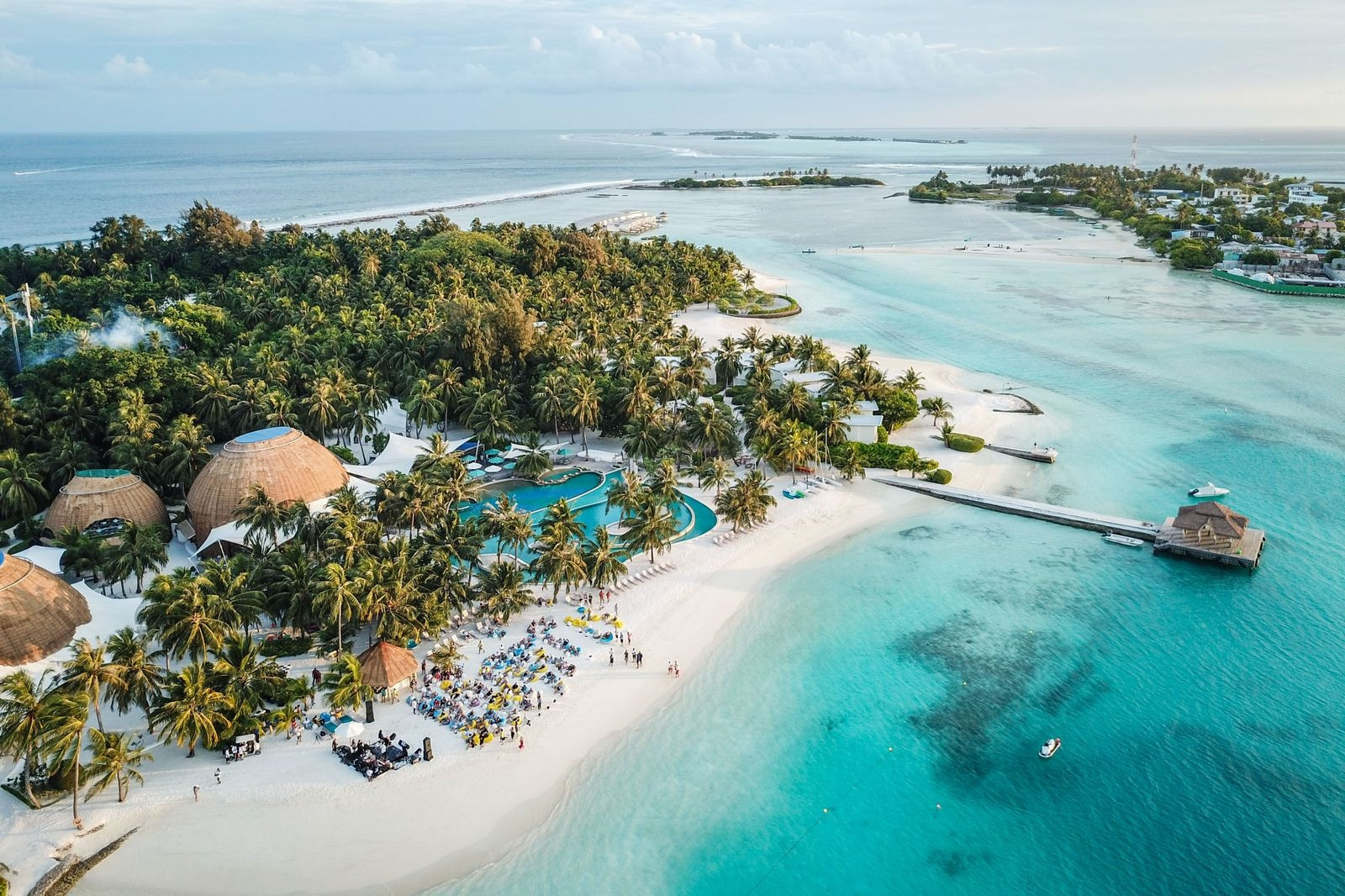
Mexico's Cancun and Riviera Maya regions, along with Punta Cana and Puerto Plata in the Dominican Republic, hold the highest concentration of all-inclusive properties anywhere, and Jamaica, Aruba, Barbados, and Turks and Caicos add a substantial share across the wider Caribbean. Belize, Panama, and Costa Rica cover the Central American market, while Thailand, Indonesia, Morocco, the Maldives, Fiji, and the Seychelles extend the model well outside the Caribbean basin entirely. Not every all-inclusive sits on a beach, either: Twin Farms in Vermont, Blackberry Farm in Tennessee, and Montana's Paws Up and Brush Creek Ranch run the same all-inclusive pricing model in a rural or mountain setting, and wellness-focused properties like Canyon Ranch and Arizona's Miraval build spa access directly into the nightly rate, no separate charge required.
The major brands, compared
Choosing the Right Resort Before You Worry About Amenities:
Everything in the amenities list above matters less if the resort itself doesn't fit the trip you're actually planning. 4 decisions made before booking prevent most of the disappointment guests report afterward.
1. Relaxation or cultural immersion?
Decide first whether you're optimizing for pure relaxation or genuine cultural immersion, since the 2 goals point toward different properties. A relaxation-focused trip works fine regardless of how close the resort sits to a town center or airport. An immersion-focused trip needs a property that actually builds local culture into its programming: cooking classes using regional ingredients, tours to nearby historic sites, music and dance performances with a real connection to the destination, not generic poolside entertainment that would look the same in any country. A quick search for the resort's specific excursions and dining concepts usually reveals which category it falls into before you book.
2. Beach person or pool person?
Beach quality and pool quality aren't the same decision, and a lot of guests assume a beachfront resort automatically delivers both well. Some properties in Turks and Caicos genuinely deliver on famously good sand and calm water; others on the same island lean entirely on an elaborate pool and cabana setup because the beach itself isn't the draw. Seasonal conditions matter too: sargassum seaweed regularly covers parts of the Mexican and Barbadian coastline at certain times of year, and Jamaica sees jellyfish blooms in spring, both worth checking against your actual travel dates, since a resort's marketing photos won't reflect either.
3. What's actually included in the dining?
Dining structure deserves specific scrutiny before booking, not after arrival. Even at resorts marketed as fully inclusive, lobster and other premium dishes commonly carry a surcharge, and some specialty à la carte restaurants charge an entrance fee on top of the base package. Premium alcohol above the house pour is a near-universal upcharge. If matching quality over sheer quantity actually matters to your trip, checking restaurant-specific reviews ahead of time reveals more than the resort's own marketing copy; a handful of resorts have built genuine culinary reputations around chef-driven programs, Hotel Xcaret Arte's Yucatan-Lebanese fusion menu and Grand Velas Los Cabos's Michelin-starred Cocina de Autor among them.
4. How far is it really from the airport?
Location affects your trip more than most guests plan for. Cancun's Hotel Zone sits roughly 15 minutes from the airport, while resorts further south in Riviera Maya can run an hour or more by road, a gap partly closed by Tulum's newer airport serving the southern part of that region. Jamaica's Ocho Rios resort area sits about 90 minutes from Kingston's airport. None of that matters much if food, drinks, and on-site activities cover everything you want from the trip, but it matters considerably if you're planning day trips or expect a fast transfer straight from baggage claim to the pool. Checking the actual driving distance on a map before booking beats discovering it in a shared shuttle after a long flight.
Ask before booking
Does the quoted price include a resort fee, and what does that fee cover?
Ask before booking
Which dishes and drinks carry a surcharge on top of the base package?
Ask before booking
What's the real driving time from the airport, not the regional average?
Ask before booking
Is the beach the actual draw here, or is it really a pool-first property?
How the Major Brands Actually Rate:
Brand reputation swings more than most travelers expect, and independent review platforms tell a more honest story than any brand's own marketing. This pulls together Trustpilot ratings and 2026 reader consensus across multiple travel outlets, not a single source's opinion.
Beyond the ratings themselves, a few specific properties come up repeatedly across 2026 travel guides as the strongest in their category. Club Med Cancun gets consistent praise for genuine activity variety and a transparent fee structure. Beaches Turks and Caicos remains the most-cited benchmark for family all-inclusive travel. Sandals Royal Barbados draws repeat mentions for its adults-only atmosphere and multiple gourmet restaurants, not a single buffet. Excellence Playa Mujeres comes up often for couples specifically because it sits away from Cancun's more congested Hotel Zone. None of these guarantee a perfect stay, but a property that shows up across several independent 2026 rankings carries more weight than 1 glowing review on the brand's own site.
The 20 Amenities, at a Glance:
Sorted by why they're on this list: a genuine safety consideration, a hidden cost baked into your resort fee, or a real quality gap versus the paid alternative.
Food, drink, and waterWhere the Real Safety Considerations Actually Live:
01Unbranded Bottled Water:
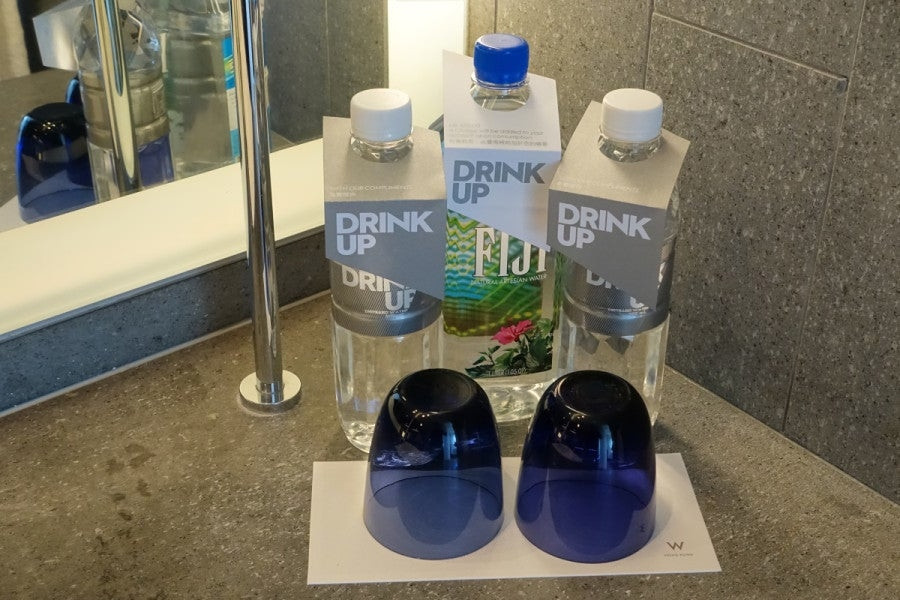
Sealed, brand-name water is safe almost everywhere. The actual risk sits with unmarked or previously-opened bottles refilled from a tap, a documented practice in a handful of budget properties in regions where the CDC's Travelers' Health site already flags tap water as unsafe to drink directly. Check the seal before opening, and if a bottle looks cloudy or the cap doesn't click when twisted, ask for a replacement instead.:
02Resort Shuttle Services:
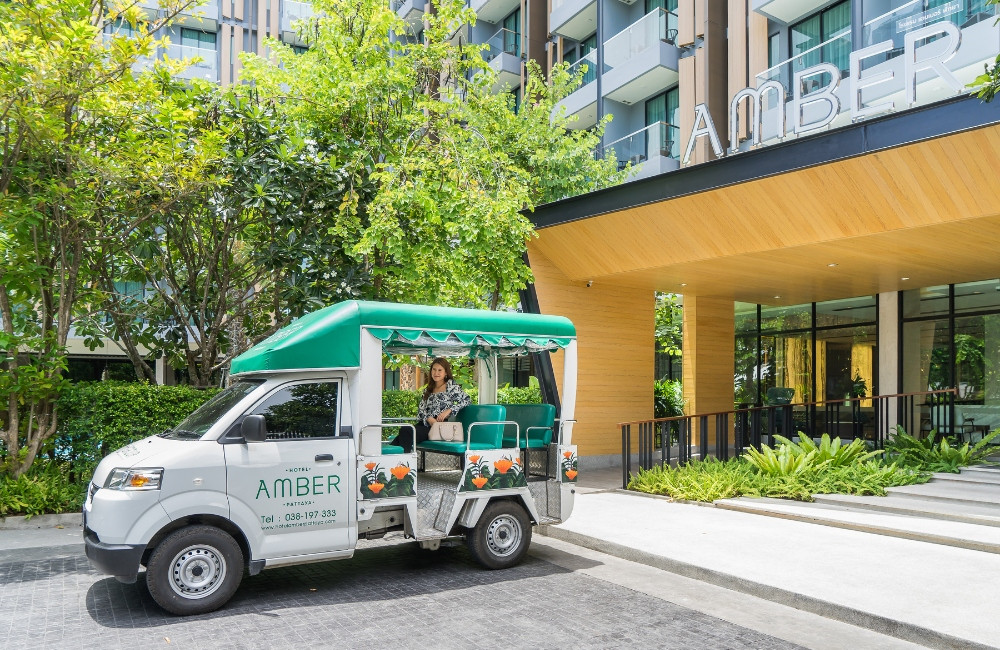
Free shuttles run on a fixed schedule set by the resort, not by guest demand, and usually stop only at a short list of partner locations, not wherever you actually want to go. A metered taxi or a rideshare app costs more per trip but removes the wait entirely, worth the tradeoff for a single dinner reservation even if the shuttle makes sense for a group day trip.
03Resort-Sponsored Tours:

Booking a tour through the resort's own desk typically costs 20-40% more than the identical excursion booked directly with a local operator, since the resort takes a commission on top of the operator's price. Group sizes also run larger on resort-booked tours, since the front desk fills every seat on the bus, unlike an independent operator who might cap it. Comparing 1 tour's price on the resort's activity sheet against the same operator's own website is usually enough to see the markup directly.
04House-brand alcohol at the main bar:

At a properly licensed resort, house-brand pours are simply cheaper liquor, not a health risk. The genuine danger is counterfeit alcohol adulterated with methanol, which has caused documented poisonings and deaths at unlicensed venues in parts of Mexico, serious enough that the US State Department has issued specific travel advisories on the subject. Stick to bottles poured from a brand-name label in front of you, and treat any drink that smells sharply of nail polish remover or causes unusual vision changes as a medical emergency, not a bad hangover.
Pool and beach amenitiesMostly a Crowding and Cost Story, Not a Safety One:
05Poolside Loungers:
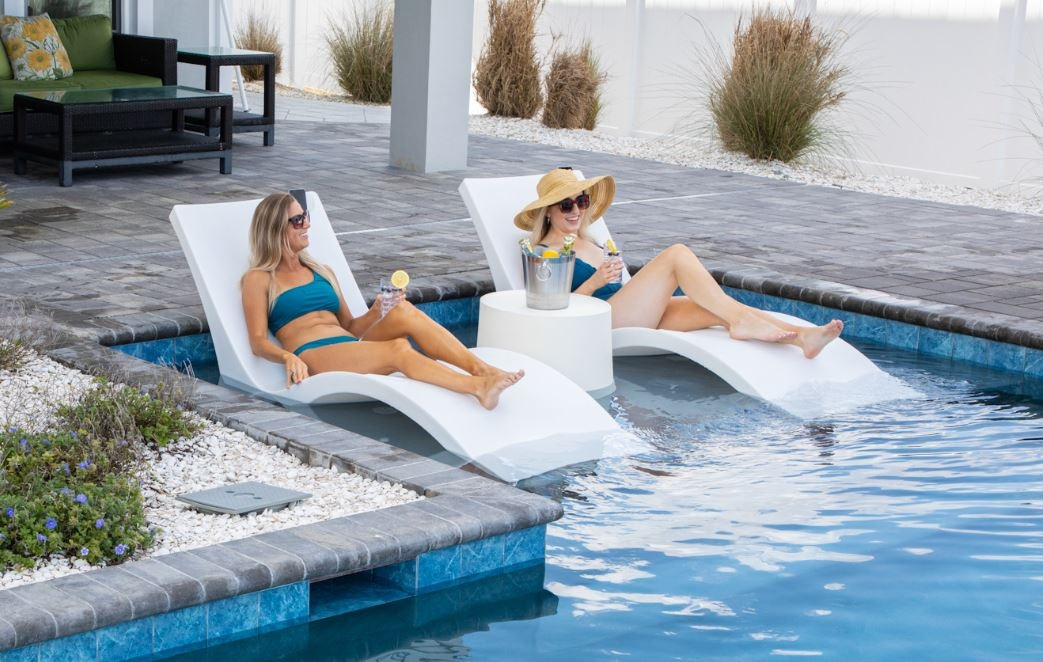
Loungers fill up by sunrise at most mid-size and larger resorts, and the informal practice of reserving a chair with a towel before breakfast is common enough that arriving after 9am often means no shaded spot at all. This is a crowding problem, not a quality one: the loungers themselves are usually fine, there just aren't enough of them relative to occupancy during peak season.
06In-room Snacks:
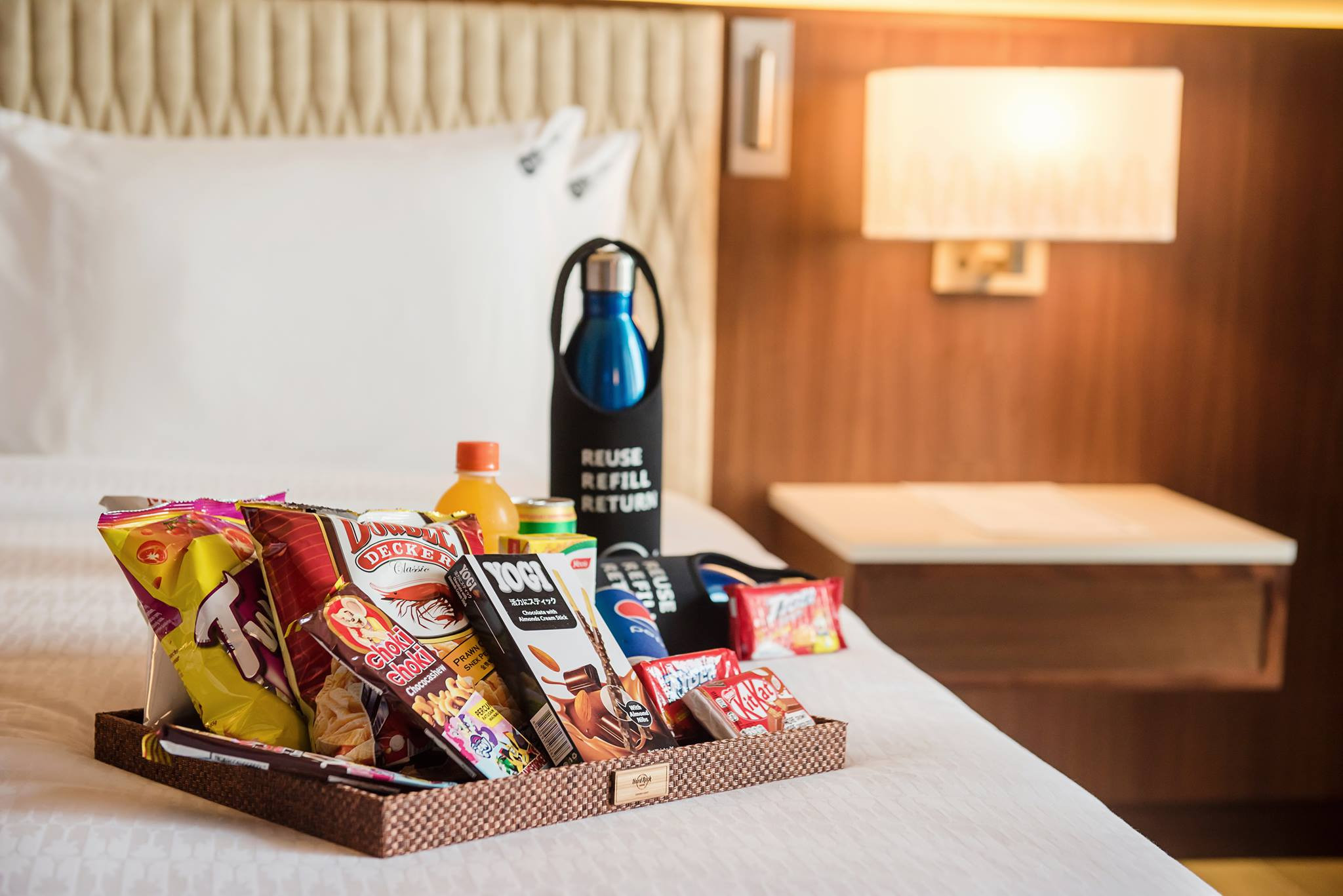
Complimentary in-room snacks are almost always the cheapest packaged options available, restocked on a set schedule, not daily, so anything already open when you check in may have been sitting for a day or more. They're fine as a late-night stopgap; they're not a substitute for the buffet or a specialty restaurant already included in your package.
07Beach Towels:

This is the clearest example of the resort-fee gap. Beach towels are one of the specific items National Traveller's 2026 breakdown identifies as commonly bundled into that $20-50 nightly resort fee, meaning you're already paying for them whether or not you use them. There's no reason not to use something you've already paid for; the correction here is knowing the towel isn't actually free, it's prepaid.
08Wi-Fi in Common Areas:

Open networks in a lobby or pool area are typically unencrypted, which means anyone else on the same network with basic tools can potentially see unsecured traffic. Browsing is fine; logging into a bank account or entering a credit card number on that connection isn't, regardless of how legitimate the network name looks. Use your phone's mobile data or a VPN for anything involving a password.
In-room and wellness amenitiesGenuine quality tradeoffs, no real danger
09Non-Motorized Water Sports Equipment:
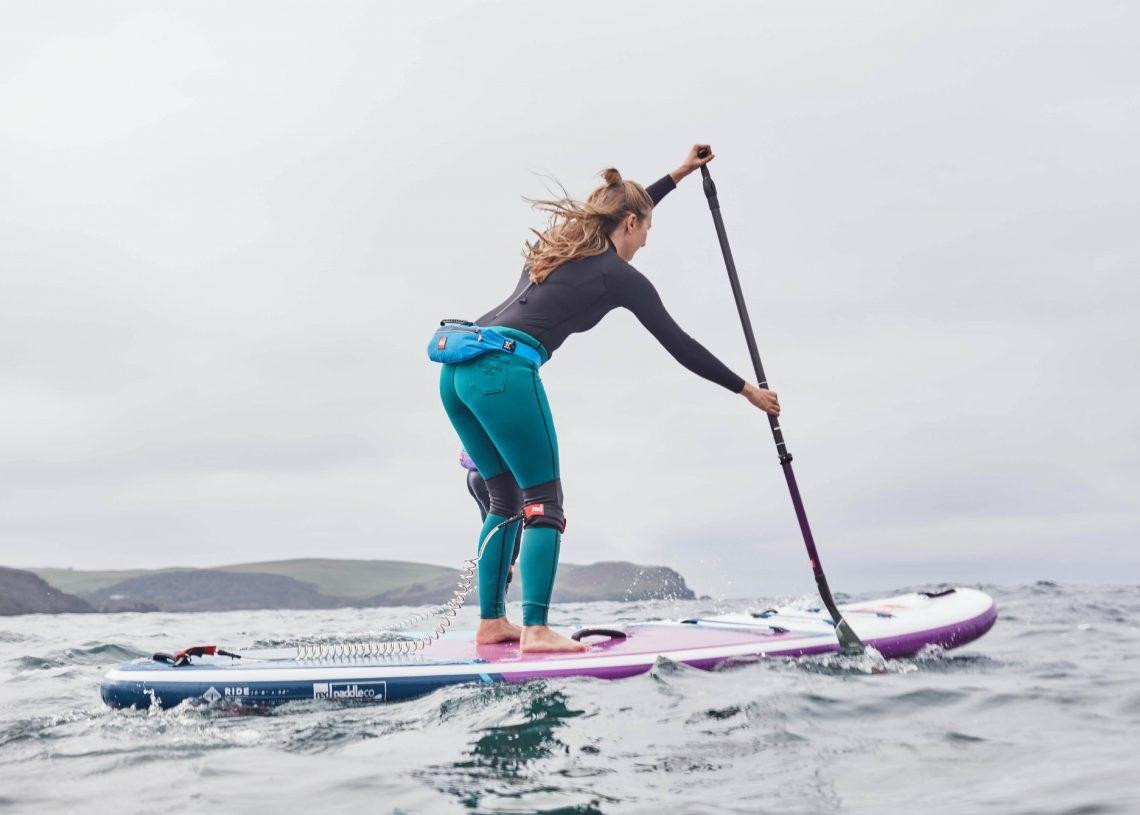
Kayaks, paddleboards, and snorkeling gear included in most all-inclusive packages get heavy daily use across an entire guest list, and equipment condition varies accordingly, expect some scuffed boards and fogged masks. Motorized equipment like jet skis is a separate paid add-on almost everywhere, so don't expect the free tier to include anything with an engine.
10Fitness Center Access:

Resort gyms run smaller than the marketing photos suggest, usually a single room with a handful of cardio machines and free weights, and they fill up fast in the early morning slot most travelers actually want. If a serious workout matters to your trip, check the gym's square footage or equipment list on the resort's own site before booking; "fitness center" doesn't guarantee a full facility.
11Complimentary Shampoo and Conditioner:

Budget in-room toiletries commonly use sulfates and basic fragrance formulations, fine for most travelers but worth skipping if you have color-treated hair or sensitive skin, since these formulas prioritize cost over gentleness. A travel-size bottle from home solves this without adding meaningful luggage weight.
12Nightly Entertainment Shows:

Most resorts run a rotating weekly program, which means a 5-night stay repeats at least 1 show you've already seen, and the format leans toward broad, family-friendly entertainment, not anything destination-specific. Worth attending once for the atmosphere; not worth restructuring your evening around every night of a longer stay.
Activities, tours, and transportConvenience with a Real Tradeoff Attached:
13Airport Transfers:

Included airport transfers run on shared-shuttle logic: your pickup window might be an hour long, and the driver often waits for other guests' flights before departing the airport, which can turn a 40-minute drive into a 2-hour ordeal. A private transfer booked separately costs $20-40 more each way in most Caribbean and Mexican destinations and removes that variability entirely.
14Free photo Sessions:

The session itself costs nothing; the sales pitch afterward is where resorts recover the cost, with prints and packages frequently priced well above what a local photographer or a simple phone photo would deliver for free. Skip the print upsell entirely and ask if digital copies are available at a flat, disclosed rate before the shoot even starts.
15Concierge Services:
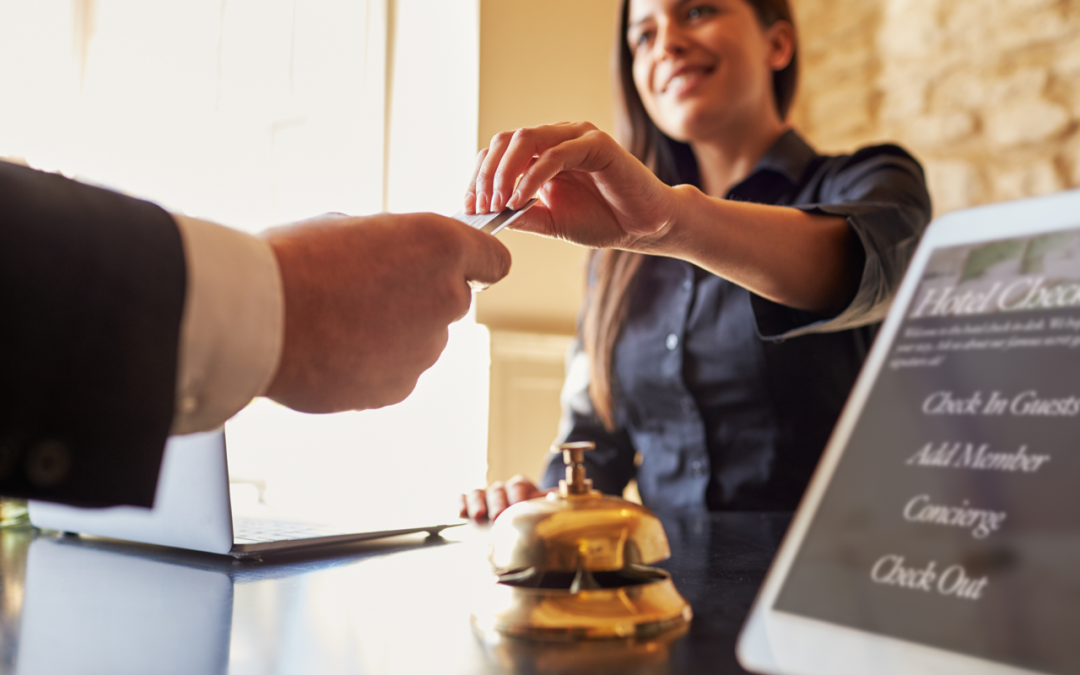
Concierge staff work for the resort, and recommendations skew toward resort-owned restaurants, in-house spas, and partner tour operators, the same commission structure that inflates resort-sponsored tour pricing. Ask specifically for off-property recommendations, or cross-check any suggestion against independent reviews before booking through the desk.
Family services and staff-led experiencesWorth Using, with the Right Expectations Set First:
16Kids' Clubs and Activities:

Kids' clubs commonly enforce strict age brackets, and supervision typically covers only scheduled program hours, not the gaps between sessions, so confirm exact hours and age cutoffs before assuming all-day childcare is available. A resort worker's own advice on this, published in a widely-cited 2026 traveler guide, is blunt: bring your own baby monitor, since resorts generally don't provide one, and never leave young children unsupervised even inside a labeled kids' area between staffed sessions.
17Complimentary 9-hole golf Courses:

The free short course exists as a convenience add-on, not a genuine golf experience, and it's typically maintained to a lower standard than any full 18-hole course on or near the property. Serious golfers should treat this as a way to hit a few balls before dinner, not a substitute for booking a real tee time elsewhere.
18Free Local Transportation to Town:
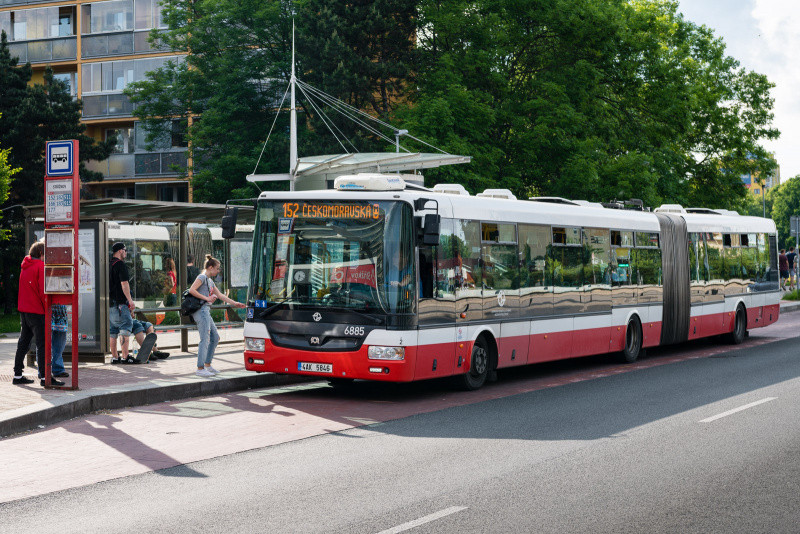
Like the airport shuttle, free town transport runs on a fixed schedule with a short list of drop-off points, usually the most tourist-oriented part of town, not where locals actually shop and eat. A short taxi ride costs little in most destinations and buys genuine flexibility on timing and destination.
19Beachside Cabana Rentals:
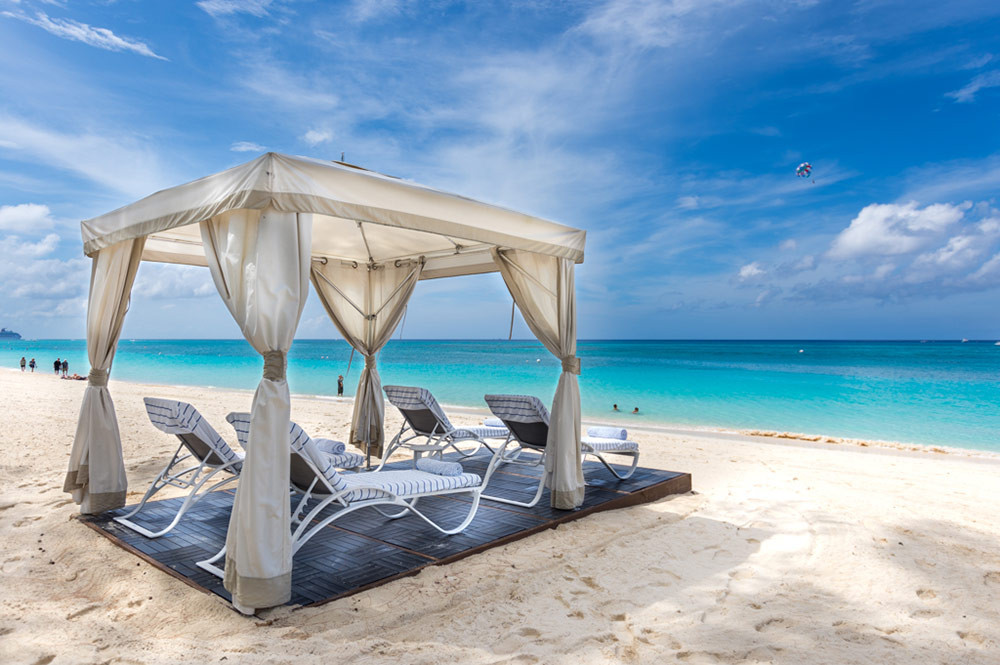
"Private" cabanas at busy resorts often sit close enough together that neighboring conversations carry easily, undercutting the privacy the booking implies. They're genuinely worth it for shade and a dedicated server during peak beach hours; just don't expect the seclusion the marketing photos suggest.
20Free room Upgrades Offered at Check-in:
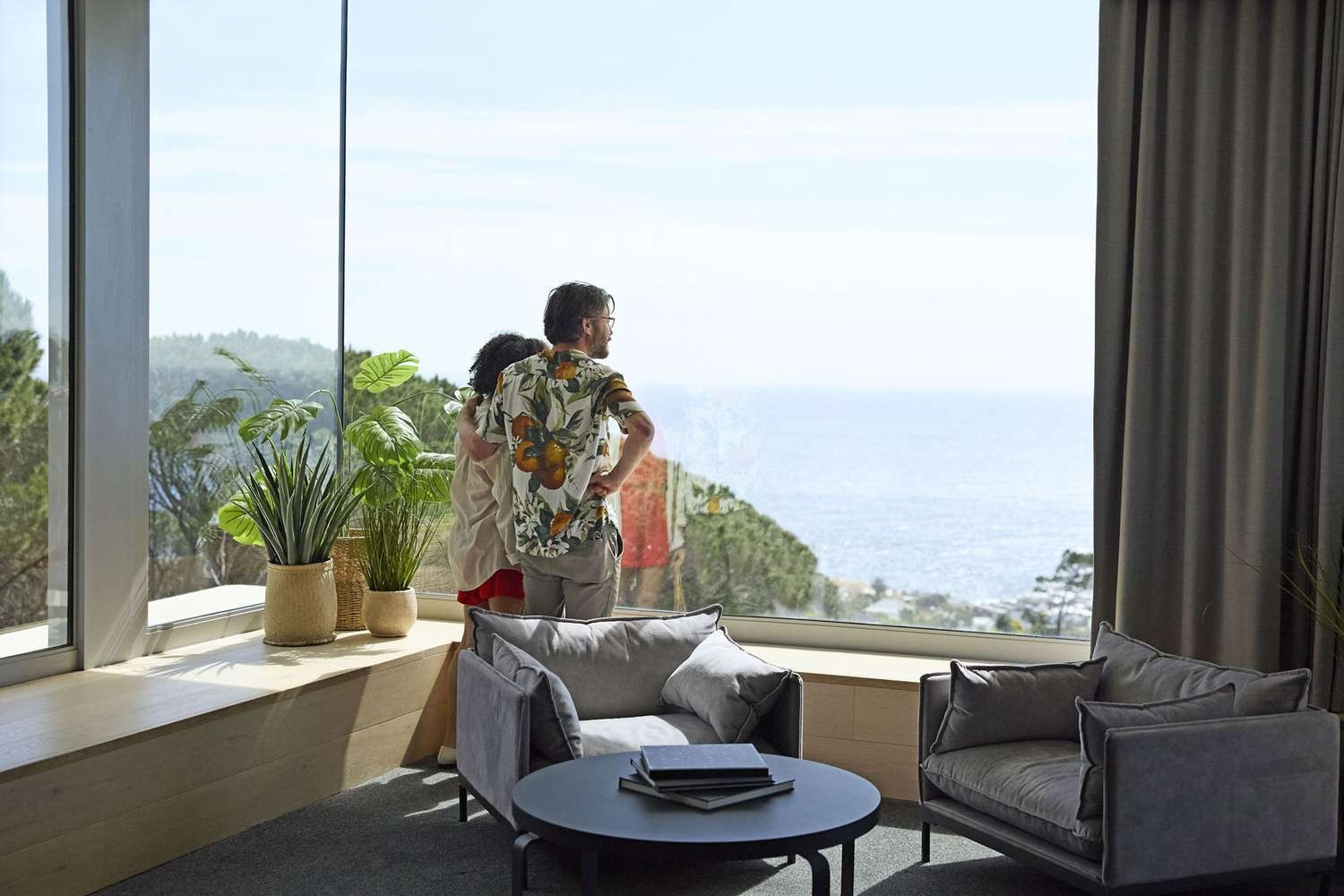
An upgrade offered at the front desk is sometimes a genuine gesture and sometimes a soft upsell toward a paid tier disguised as a complimentary gesture, particularly when it's paired with an offer to add a resort credit or dining package for a fee. Ask directly whether the upgrade carries any attached cost before accepting, since "free" and "discounted" get blurred at check-in more often than guests expect.






{{item.get_author.first_name}} {{item.get_author.last_name}}
Level 7
5 Photos
36 Reviews
{{item.comment_txt}}
{{item_reply.get_author.first_name}} {{item_reply.get_author.last_name}}
@ {{item_reply.reply_to}}, {{item_reply.reply_txt}}