

Japan's Digital Nomad Visa needs JPY 10 million a year (~$66,000-70,000) in foreign income, lasts 6 months, and doesn't come with a residence card. The Highly Skilled Professional visa runs on a 70-point system and can cut the wait for permanent residency from the standard 10 years down to 1-3 years. The single biggest budgeting mistake newcomers make: renting an apartment. Between key money, a deposit, an agency fee, and a guarantor company charge, moving in commonly costs 4 to 6 months of rent upfront, not first month plus deposit.
Ask most guides how much you need to move to Japan, and they'll quote you a flight price and maybe a security deposit. They skip the number that actually catches newcomers off guard: reikin, a non-refundable "thank you" payment handed straight to the landlord, on top of the deposit, on top of the agency fee, on top of a guarantor company charge most foreigners are required to pay for regardless of income. On a JPY 100,000/month apartment, that's commonly JPY 400,000 to 750,000 due at signing, 4 to 6 months of rent before you've spent a single night there.
The visa side tells a similarly split story. Japan's Digital Nomad Visa, launched in March 2024, sounds like an easy way in until you hit the fine print: no residence card, no renewing it, and a strict ban on working for any Japanese client. The Highly Skilled Professional visa works completely differently, a genuine points system that can shrink a 10-year wait for permanent residency down to as little as 1 year. This guide covers both routes honestly, the real rental system, actual costs, and a practical plan for the weeks before and after landing.
Why Move to Japan?
6 factors drive most relocation decisions to Japan, and they hold up against real scrutiny, not just anime-fueled enthusiasm.
None of that makes Japan effortless. The rental system alone can demand 4 to 6 months of rent upfront, the Digital Nomad Visa forbids any Japanese-sourced income entirely, and the language barrier is real for anyone not fluent in Japanese, even in Tokyo. The rest of this guide covers both sides honestly.
Quick Summary: Moving to Japan:
What's the easiest visa for a remote worker?
The Digital Nomad Visa: JPY 10 million/year in foreign income, 6-month stay, no renewal option.
Does that visa lead to residency?
No. It doesn't issue a residence card at all, and holders can't open a standard bank account or sign a long lease.
What's the fastest path to permanent residency?
The Highly Skilled Professional visa, cutting the standard 10-year wait to as little as 1-3 years at 70-80+ points.
How much cash do I need to move in?
Realistically 4-6 months of rent upfront for a typical apartment, factoring in key money, deposit, and fees.
Is key money mandatory?
No, and it's increasingly rare in 2026. Filtering for reikin-free listings can save 1-2 months of rent.
When does foreign income become taxable?
After 5 years of residency, worldwide income becomes taxable in Japan regardless of where it's held.
Visa & Residency Options:
Japan's immigration system doesn't offer a "move here and figure it out later" option. Every visa status has to match a real, existing anchor in your life, a job offer, school acceptance, marriage, or an already-established remote income, and the honest first step is figuring out which anchor you actually have, not which visa sounds most appealing.
The Digital Nomad Visa:
Japan's Digital Nomad Visa falls under the "Designated Activities" category, built specifically for remote workers whose income comes entirely from outside Japan. Applicants need at least JPY 10 million a year (roughly $66,000-70,000), private health insurance for the full stay, and citizenship in 1 of around 50 eligible countries with a tax treaty and visa-exempt entry to Japan, including the US, UK, Canada, Australia, and most of the EU.
The real limitation: holders receive no residence card (zairyu card), which means no standard local bank account and no long-term residential lease, most rely on short-term furnished rentals for the full 6 months. Working for any Japan-based company or client is banned outright, and the visa can't be renewed or reapplied for within 6 months of leaving. Spouses and children can accompany under a matching Designated Activities visa if they hold their own qualifying health insurance.
The Highly Skilled Professional (HSP) visa:
The HSP visa scores applicants across education, salary, age, and Japanese language ability, and reaching 70 points unlocks a real package of preferential treatment unavailable on a standard work visa: a 5-year work permit, not the usual 1-3 years, permission for a spouse to work more broadly, and, most importantly, a fast track to permanent residency in as little as 3 years, dropping to 1 year for applicants scoring 80 or more. A separate 2023 addition, J-Skip, skips the points calculation entirely for researchers and specialists holding a master's degree with at least JPY 20 million in annual income, or 10+ years of relevant experience at that same income level.
Unlike the Digital Nomad Visa, HSP applicants need an actual job offer from a sponsoring organization based in Japan, plus a minimum annual income of JPY 3 million (~$20,000), a considerably lower bar than the income threshold itself might suggest, since most of the real weight sits in the points calculation.
The standard work visa:
This category, commonly shortened to "Gijinkoku," covers the bulk of foreign professionals working in Japan outside the HSP system, tied directly to a specific employer and job category, not the HSP's broader points-based flexibility. Applicants need a bachelor's degree in a field relevant to the role, or at least 10 years of directly relevant professional experience if no degree exists, and a Japan-based employer willing to sponsor a Certificate of Eligibility (COE) before the visa itself gets issued.
The real constraint: this visa ties directly to the sponsoring employer and the specific job category approved on the COE. Changing employers, or shifting into meaningfully different work, generally requires notifying immigration and can require a new COE altogether. Losing the job doesn't mean immediate departure, the visa itself stays valid for up to 3 months to find a new sponsor, but working outside the approved category without updating the visa status is a real compliance risk.
The Specified Skilled Worker (SSW) visa:
Built specifically for blue-collar and service-industry roles facing genuine labor shortages, the SSW visa requires no university degree at all, just a passing score on a sector-specific skills test and a Japanese language test (JLPT N4 or equivalent for Type 1, with an exemption for former Technical Intern Trainees). The 16 eligible sectors span construction, nursing care, food service, agriculture, fisheries, manufacturing, accommodation, aviation, and shipbuilding, among others, expanded from an original 14 sectors as Japan's labor shortage has deepened.
Type 1 vs. Type 2, a real career ladder: Type 1 caps out at 5 years total with no family accompaniment permitted. Passing an advanced Grade 2 skills exam unlocks Type 2, which renews indefinitely, allows a spouse and children to join, and opens a genuine path toward permanent residency, a meaningfully better position than Type 1 alone. Japan is targeting roughly 820,000 SSW Type 1 workers by 2028-2029, more than double the original plan, with around 370,000 holders already in the country as of early 2026, filling about 45% of that target. Individual sector quotas do fill up though; food service specifically paused new Certificate of Eligibility approvals in late 2025, so confirm current sector capacity with the Immigration Services Agency before committing to test fees and relocation.
The Business Manager visa:
This visa requires either a registered physical office (not a virtual address or home address alone) and at least JPY 5 million in capital investment, or 2 full-time employees already hired in Japan, whichever path fits the specific business model better. The first visa issued typically runs a shorter validity period, commonly 1 year, before renewing into longer terms once the business demonstrates real, ongoing operations.
The office requirement catches people out: immigration checks the physical office in person in many cases, and a shared coworking desk or a residential address alone often doesn't satisfy the requirement without a dedicated, exclusive space. Building a realistic business plan before applying matters more here than the capital threshold itself, since renewal depends on demonstrating the business is genuinely operating, not simply holding funds in a bank account.
The student visa:
Covering language schools, vocational colleges, and universities, the student visa requires acceptance from an accredited institution plus proof of funds, commonly around JPY 3 million in savings or a financial sponsor able to cover tuition and living costs. Schools typically start the Certificate of Eligibility paperwork 4-6 months before the semester begins, a real lead time worth planning around. Applying at the last minute risks missing the intake.
Why this route works for people without a job offer yet: a student visa doesn't require an existing employer, unlike a work visa, and part-time work permission (shikakugai katsudo kyoka) allows up to 28 hours a week once granted. Studying in Japan while job hunting locally is considerably easier than applying for a work visa from overseas, since Japanese employers strongly favor candidates who can interview in person and start quickly.
Spouse and Dependent visas:
A Spouse or Child of Japanese National visa applies specifically to those married to a Japanese citizen or permanent resident, the most flexible status available, with no degree requirement and no restriction to a specific job type or employer. Immigration verifies the relationship is genuine through photos, message history, and shared life documentation, alongside proof the household has stable income. A separate Dependent visa covers spouses and children of a work or student visa holder specifically, not parents or siblings, and doesn't permit work by default.
Immigration actively screens for fraud: officers are experienced at identifying paper-only marriages arranged solely for visa purposes, and a relationship found to be fraudulent can lead to deportation and a re-entry ban. Dependent visa holders need a separate shikakugai katsudo kyoka permission specifically to work part-time up to 28 hours a week, since the visa itself doesn't include work rights automatically, and sponsors generally need income around JPY 3 million a year or more for a smooth approval.
The startup visa:
Aimed at founders with a genuine business idea and some capital behind it, this visa requires a local government or city-run startup program to formally accept the applicant's business plan and agree to host them, a meaningfully different gatekeeper than a national immigration requirement alone. It grants 6-12 months to establish the company in Japan before switching over to a standard Business Manager visa once the business meets that visa's own requirements.
Immigration checks the plan, not a salary history: unlike most work visas, there's no employer sponsor and no income threshold to clear upfront. What matters is a credible, specific business plan and the local program's willingness to sponsor it, which is why this route suits founders with real entrepreneurial experience or existing backing considerably more than a first-time business idea with no track record.
The Working Holiday visa:
Available to citizens of around 30 partner countries and regions, including Australia, Canada, the UK, Germany, France, and South Korea among others, this visa lets applicants generally aged 18-30 (18-25 for a handful of countries) live and work in Japan for up to a year without needing a specific employer sponsor lined up in advance. It's genuinely the most flexible entry-level visa available, permitting almost any type of work, though it's explicitly meant to prioritize travel and cultural exchange over full-time career building.
A genuine trial run, not a long-term status: the Working Holiday visa doesn't convert directly into permanent residency or count toward the standard 10-year PR timeline, and it can't be renewed once it expires. Many holders use the year specifically to build local contacts, improve Japanese, and secure an employer willing to sponsor a proper work visa before the Working Holiday period runs out.
Taxes: What Changes After 05 Years:
Japan's tax treatment shifts meaningfully based on residency length, not just visa type. Someone living in Japan for under 5 of the past 10 years counts as a non-permanent tax resident, taxed on Japan-sourced income plus any foreign income actually remitted into Japan, foreign income simply held abroad and never transferred in generally stays untaxed during this window.
The 5-year shift: once residency crosses 5 years, worldwide income becomes taxable in Japan regardless of where it's earned or held, a real planning point worth discussing with a tax professional well before that threshold, particularly for anyone with significant foreign investments or property income. Digital Nomad Visa holders staying under 183 days are generally treated as non-tax-residents entirely, with foreign-sourced income exempt, though this depends on the specific bilateral tax treaty with your home country.
The Real Cost of Renting: Key Money, Deposits, Guarantors:
Japan's rental system runs on a set of upfront costs with no real equivalent in most Western rental markets, and reikin, the one most first-time renters get blindsided by, doesn't even function like a deposit. It's a straight, non-refundable payment to the landlord, a custom dating to post-war housing shortages when tenants gave thanks for simply being allowed to rent, and it buys nothing back.
Shikikin, the actual security deposit, works closer to what renters elsewhere expect: money held against damage or unpaid rent, with the remainder returned after move-out, though tenants often report getting back less than the full remaining balance after cleaning fees are deducted. Most landlords today require a rent guarantee company, not a personal guarantor, a real necessity for foreigners without an established Japanese co-signer, charging roughly half a month's rent upfront plus a small annual renewal fee, typically JPY 10,000-20,000.
The workaround worth knowing: reikin-free ("reikin-nashi") listings have become considerably more common through 2026 as landlords compete for tenants in a market with a growing housing surplus. Filtering specifically for these listings can cut 1-2 months of rent from the move-in total. UR Housing, a government-affiliated rental program, goes further still: no key money, no agency fee, no renewal fee, and no guarantor requirement at all, official policy, not a favor, for applicants with a valid residence card and income around 4 times the monthly rent.
Cost of Living:

Rent varies dramatically by ward and city, considerably more than most newcomers expect from a single "Tokyo cost of living" figure. A 1-room (1K) apartment in outer Tokyo wards like Adachi, Katsushika, or Nerima commonly runs JPY 55,000-65,000/month, 35-45% cheaper than central wards like Minato or Shibuya, in exchange for a 30-45 minute commute into the city center. A family of 4 living in Tokyo should budget closer to JPY 417,000/month (~$3,860) once housing, food, and school-related costs are included, a genuinely different planning number than the single-person figures most guides lead with.
Combined, a single person can budget JPY 200,000-300,000/month living outside Tokyo entirely, or JPY 180,000-260,000 in Tokyo's outer wards specifically, before rent's move-in costs. Cities outside Tokyo, Osaka, Fukuoka, and Sapporo among them, generally run 20-35% cheaper across the board, covered in more detail below.
Plan the Best Japan Immigration Strategy for You: The real Move-in Math:
Most cost-of-living guides quote a monthly rent figure and stop there. The number that actually determines whether a move to Japan is financially realistic is the move-in cost, and on a JPY 100,000/month apartment, the full fee stack commonly adds up to more than 7 times that monthly rent before a single night is spent there.
Worst case, budget more than 7x the monthly rent, and check the new employer's payday schedule before signing anything. A payday landing at the end of the following month means covering an extra month of rent in cash before the first paycheck arrives. UR Housing caps most of these fees by design, and Suumo's fee filters help, though filtering out key money alone commonly cuts available listings by more than half. Some individual properties run cheaper than this table shows; that's simply harder to filter for and takes real searching.
Furnishing an empty apartment is the next real cost most guides skip. Japanese rentals arrive completely bare, no appliances, no furniture, and outfitting one from scratch spans a wide range depending on whether furniture comes from a discount chain or a curated retailer.
Your Real First 90 Days, Added Up:
Moving to Japan without a job already lined up means budgeting at least 3 months of full living costs on top of move-in fees and furniture, not just enough cash to sign a lease. Stacking the numbers above together against 3 months of ongoing rent and living expenses (roughly JPY 100,000/month each, on top of the JPY 100,000/month rent used throughout this example) gives a realistic full picture.
Housing accounts for the bulk of the first 90 days, and there's no guarantee a job will land near a specific apartment, or at all, before arrival. Temporary furnished housing built specifically for foreigners (running roughly 2x a standard monthly rent) commonly still costs less overall than signing a traditional lease, paying reikin and an agency fee, and furnishing an empty apartment from scratch. Sharehouses run cheaper still than a private furnished apartment, a genuine budget option for the first few months while a permanent neighborhood and job situation become clear.
Work & Career Opportunities:
Japan's aging population and shrinking workforce have pushed the government toward genuinely opening specific sectors to foreign workers that were far more restrictive a decade ago, particularly through the Specified Skilled Worker visa's expanding list of eligible industries.
Technology: the strongest demand for foreign talent
- Software Engineering: JPY 5-12 million/year
- AI and Data Science: JPY 6-15 million/year
- IT Infrastructure/Cloud: JPY 5-10 million/year
English teaching: the traditional entry point
- JET Programme (government-run ALT): ~JPY 3.36 million/year starting salary
- Private eikaiwa (conversation school) instructor: JPY 2.5-3.2 million/year
- International school teacher: JPY 4-7 million/year
Specified Skilled Worker sectors facing labor shortages
- Nursing care: JPY 2.5-3.5 million/year
- Construction: JPY 3-4.5 million/year
- Food service and hospitality: JPY 2.4-3 million/year
Negotiation note: Japanese salary offers rarely move much after the initial offer, unlike the US or parts of Europe, since compensation structures tend to follow set internal bands. Signing bonuses and relocation allowances are more negotiable than base salary itself for foreign hires specifically.
Where Can I Find a Job in Japan?

English teaching remains the easiest and most accessible route into the Japanese job market, and most eikaiwa (private language school) companies sponsor a work visa directly, some even covering relocation, without requiring any Japanese proficiency at all. Universities and international schools generally pay better than eikaiwa work, but usually require a teaching credential or education background specifically. English teaching genuinely isn't the only option, though it remains the fastest way in for someone without an existing Japan-based network or fluent Japanese.
Tech and engineering roles increasingly don't require Japanese either, particularly at multinational companies with dedicated translation and interpretation support built into daily operations. Japanese language ability still opens considerably more doors over time, higher-level roles like country manager positions specifically tend to require it, and most people find that closing that language gap after arrival, not before, is the more realistic order of operations. A real practical safety net worth knowing: losing a job doesn't mean an immediate departure. A work visa stays valid for 3 months after employment ends, giving genuine breathing room to find a new sponsor before needing to leave Japan or switch visa categories entirely.
Job boards:
Recruiters:
Career resources & fairs:
Networking & solo recruiters:
Networking beats job boards past a certain point: some of the best opportunities in Japan never get posted publicly at all. Attending chamber of commerce events, showing up to tech meetups, and building a real professional network consistently surfaces roles that never appear on any job board, a genuine reason to treat networking as a real job-search channel, not an afterthought.
Tokyo and Beyond: Where to Live:
Japan's population concentrates unusually heavily into a handful of metro areas, and the breakdown below runs each through the same 3 questions: who it actually suits, what it costs relative to the others, and the specific facts worth knowing before choosing it.
Tokyo:
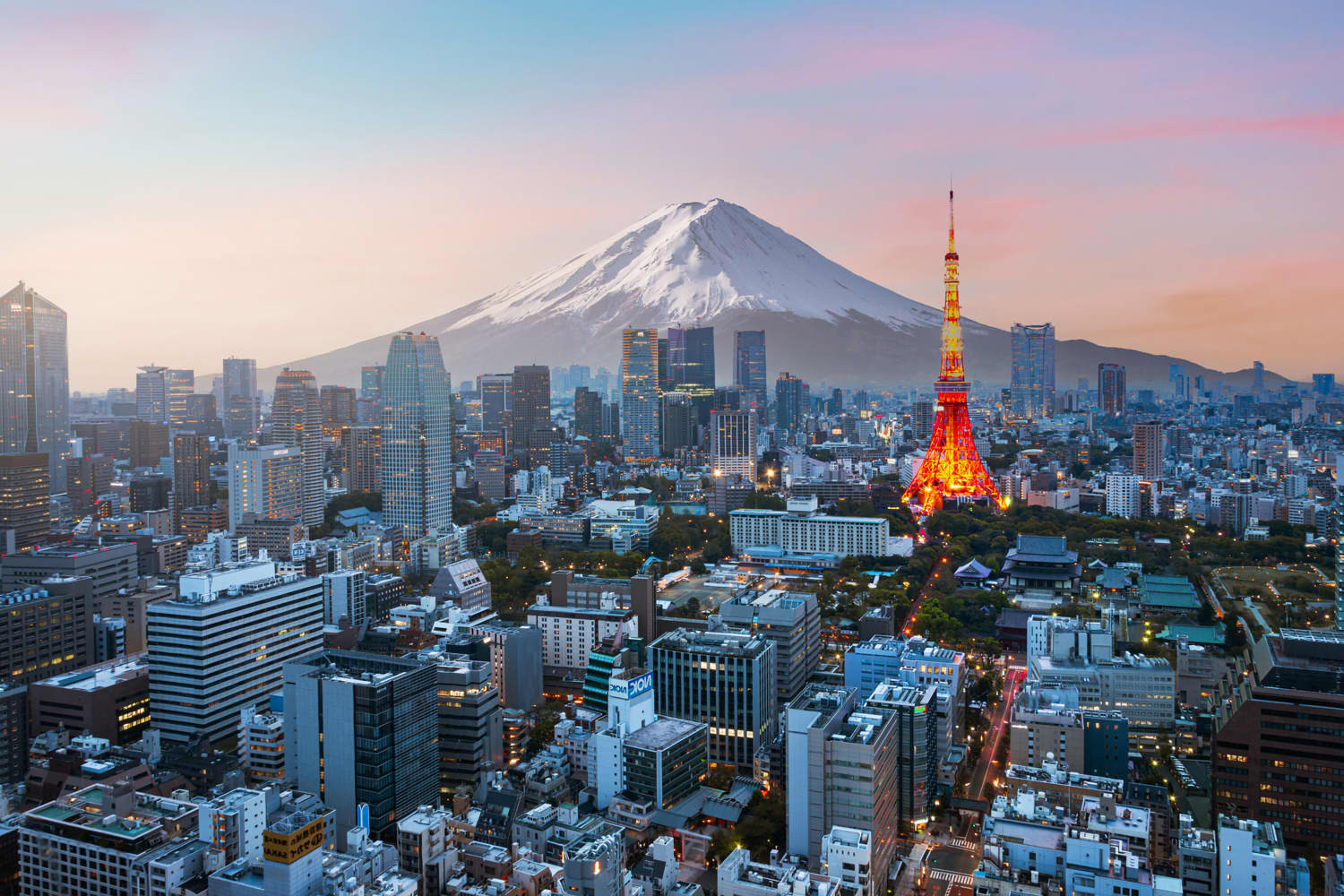
Japan's capital since 1868, when Emperor Meiji moved the seat of government from Kyoto and renamed the city from Edo to Tokyo. Greater Tokyo now holds roughly 37-38 million people across its wider metropolitan area, the largest metropolitan population of any city region in the world, built around one of the most extensive commuter rail networks ever constructed.
Anyone wanting the deepest job market, the most English-language services, and the widest range of neighborhood price points in the country.
None nationally, Tokyo runs the most expensive city in Japan, though outer wards narrow the gap considerably against Osaka or Fukuoka.
- Rent spans from Adachi and Nerima's affordable outer wards to Minato and Shibuya's high-rent central districts
- One of the world's most extensive train networks, genuinely reducing the need for a car
- The deepest concentration of multinational employers and English-friendly services in Japan
Osaka:
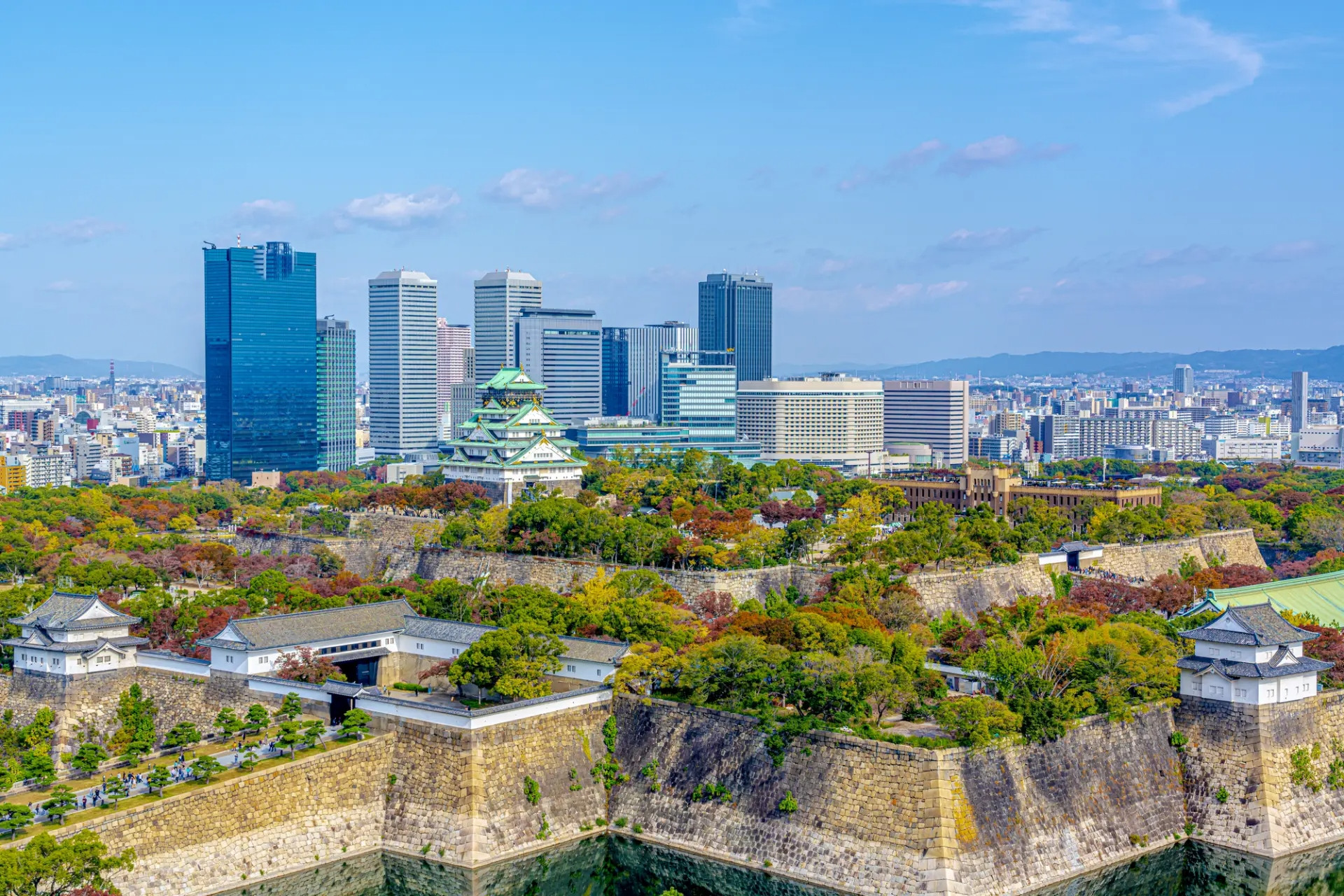
Historically known as tenka no daidokoro, "the nation's kitchen," Osaka built its identity as Japan's mercantile capital centuries before Tokyo became the political one, a merchant-city culture that still shows up in its comparatively informal social tone and its own distinct Kansai-ben dialect. Japan's 2nd-largest metro area runs a real, separate economy from Tokyo's finance-heavy base, centered on manufacturing, trade, and a food culture regularly cited among the country's best.
Expats wanting city-scale infrastructure and a strong job market without paying Tokyo's premium.
Runs 20-30% cheaper than Tokyo for comparable housing.
- Japan's 2nd-largest metro area, with a genuine manufacturing and business hub distinct from Tokyo's finance focus
- A strong, distinctive food culture regularly cited as among Japan's best
- Well connected to Kyoto and Kobe for weekend trips within a short train ride
Fukuoka:

Sitting on Kyushu island, considerably closer to Seoul than to Tokyo, Fukuoka has positioned itself deliberately as Japan's startup gateway, designated a National Strategic Special Zone with relaxed regulations specifically to attract foreign entrepreneurs and new business formation. The city pairs that modern push with a genuinely old food culture, its yatai street-food stalls serving ramen and grilled skewers late into the night are a real fixture of daily life, not a tourist performance.
Entrepreneurs and startup founders specifically, given the city's deliberate push to attract foreign business owners.
Among the lowest cost of living of any major Japanese city.
- A growing startup and tech scene on Kyushu island, backed by National Strategic Special Zone status
- Streamlined business visa processing specifically for foreign entrepreneurs
- Closer to Seoul than to Tokyo, a genuine advantage for regional business travel
Sapporo:
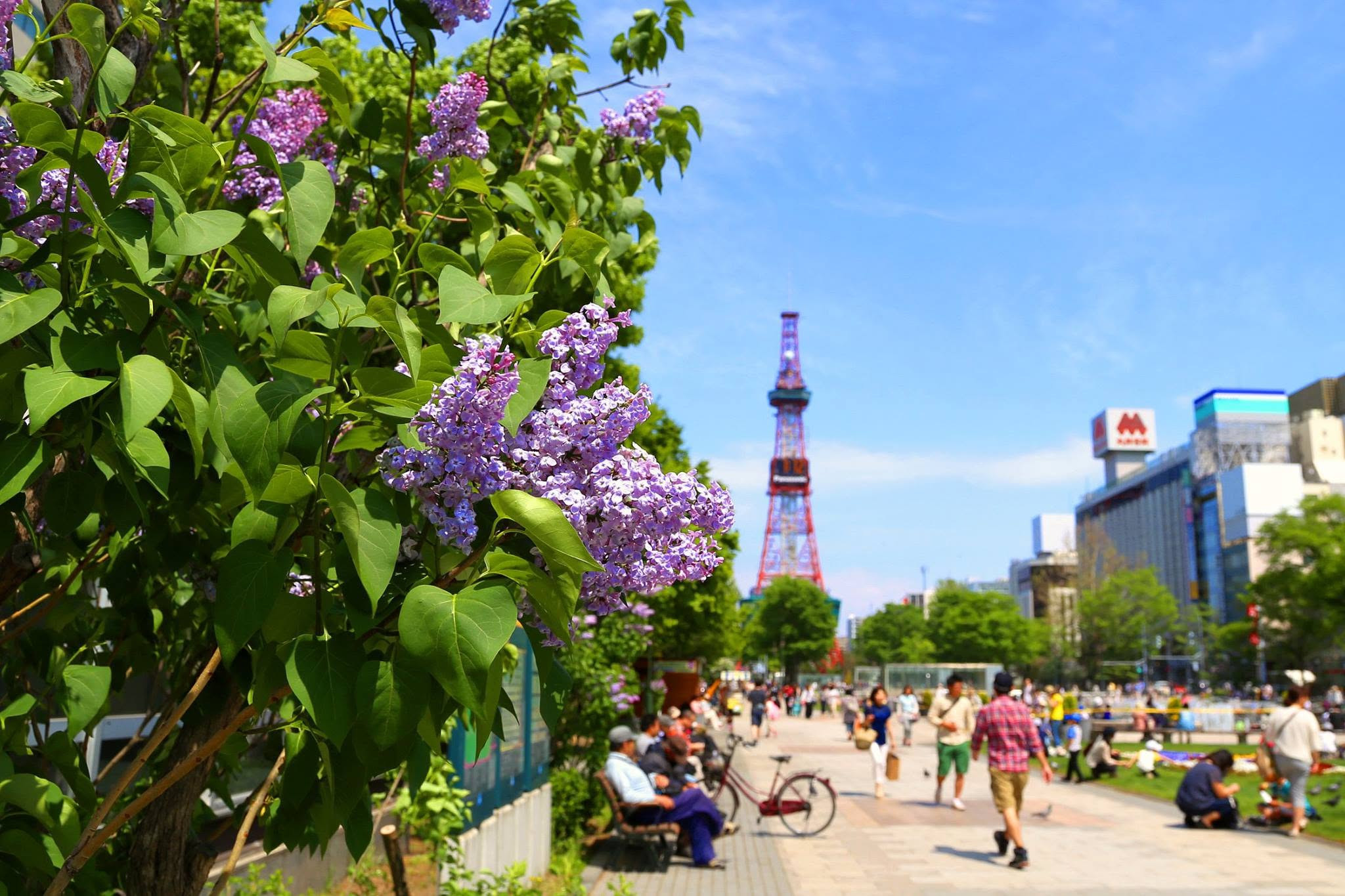
Hokkaido's capital was built as a planned city starting in 1869, laid out on a genuine grid pattern unlike the organically grown street layouts of most older Japanese cities, a design choice still visible in how easy the city is to navigate today. Sapporo hosted the 1972 Winter Olympics, and its annual Snow Festival remains a real fixture of the city's identity, alongside a colder, more spread-out lifestyle genuinely distinct from Japan's southern metro areas.
Anyone prioritizing lifestyle and climate over the deepest job market, especially winter sports enthusiasts.
Considerably lower rent than Tokyo or Osaka for comparable space.
- Japan's 5th-largest city, laid out on a genuine grid pattern since 1869
- Real, accessible winter sports culture built into daily life, not just a tourist draw
- A smaller international job market, a real trade-off against the lower cost of living
Healthcare & Education:
Universal Healthcare, Mandatory Enrollment:

Japan runs a genuine universal healthcare system, and enrollment in either National Health Insurance (Kokumin Kenko Hoken) or Employees' Health Insurance is mandatory for any resident staying more than 3 months, not optional supplemental coverage. Digital Nomad Visa holders sit outside this system entirely and must carry private international health insurance instead for the full 6-month stay, since they receive no residence card and no access to the national system.
Healthcare coverage
- Mandatory enrollment for residents staying beyond 3 months
- Covers roughly 70% of most medical costs, patient pays the remaining 30%
- Digital Nomad Visa holders excluded; private international insurance required instead
- World's highest concentration of centenarians, most in Okinawa specifically
- Among the highest life expectancy rates globally for both men and women
Typical costs
- Premiums: JPY 10,000-20,000/month, depending on income and municipality
- GP consultation: typically JPY 3,000-5,000 out of pocket after insurance
- Specialist consultation: typically JPY 5,000-10,000 out of pocket after insurance
- Private international insurance (Digital Nomad Visa): varies by provider and coverage level
- Emergency treatment: covered under National Health Insurance for enrolled residents
Education for Expat Families:

Public schools run free and are taught almost entirely in Japanese, a realistic option mainly for families planning a genuinely longer-term stay and prioritizing language immersion for their kids. International schools fill the gap for families not ready to commit to that immersion, concentrated specifically in Tokyo and Osaka.
International schools
- Cluster specifically in Tokyo and Osaka
- Annual fees: JPY 1.5-3 million (roughly $10,000-20,000)
- American, British, and IB curricula all represented
- Limited seats; waitlists are genuinely common at popular schools
- Some employers include education allowances in relocation packages
Public schools
- Free, taught almost entirely in Japanese
- A genuine option for families planning long-term residency
- Strong language immersion, a real advantage for younger children specifically
- Local enrollment requires residency registration at the municipal office
- School lunch programs (kyushoku) are standard and genuinely well-regarded
Lifestyle & Culture:
Social Norms and Daily Etiquette:
Japan's social norms reward observation over instruction, and getting the small things right matters more here than in most countries, since Japanese people rarely correct a foreigner's mistake directly. Punctuality functions as a genuine baseline expectation, not a courtesy, and several everyday habits carry more weight than visitors expect.
Daily etiquette
- Shoes come off at the entrance of most homes and some restaurants
- Business cards (meishi) exchanged with both hands and a small bow
- Pointing with a single finger reads as mildly rude
- Blowing your nose loudly in public is a genuine minor social misstep
- Punctuality is treated as an absolute baseline, not a courtesy
Language & integration
- English proficiency stays limited outside tourist areas and international business districts
- Learning even basic Japanese changes daily life meaningfully, grocery shopping to rental contracts
- Language exchange apps like HelloTalk help build local connections directly
- Meetup groups and expat communities exist in every major city
- Japanese ability isn't a legal requirement for most work visas, but genuinely helps beyond entry-level roles
Getting Started: Your First 90 Days:
The gap between a smooth landing and a stressful one in Japan comes down heavily to sequencing, since several essential steps (bank account, phone plan, apartment lease) each depend on having completed a different one first.
Preparation:
- Confirm your visa category and, if applicable, secure your Certificate of Eligibility (COE) before traveling
- Book short-term furnished housing for at least the first 2-4 weeks. Don't commit to a lease sight unseen
- Arrange international health insurance if your visa category doesn't qualify for National Health Insurance immediately
- Save at minimum 6 months of rent, covering both move-in costs and a real emergency buffer
First 2 Weeks:
- Register your address at the local municipal office within 14 days, a legal requirement tied to your residence card
- Apply for National Health Insurance and enroll in the pension system at the same municipal office visit
- Open a bank account, easier once your residence card and registered address are both in hand
- Get a local SIM or phone contract; most require a Japanese bank account or residence card to sign up
Settling in:
- Sign a longer-term lease once you understand neighborhood commute times firsthand, not from a map alone
- Ask directly about reikin-free listings and compare guarantor company fees across a few agencies before committing
- Register with a local doctor and confirm your health insurance card has arrived and is active
- Start basic Japanese lessons if you haven't already; daily tasks get considerably easier fast
Building Routine:
- Understand your first full utility and health insurance bills before assuming ongoing costs
- Join local expat or professional community groups for practical, current advice specific to your city
- Review whether your visa route offers a realistic path to permanent residency, and plan around that timeline deliberately
Essential Resources & Contacts:
Government and Immigration:
Japan's Immigration Services Agency handles visa applications and Certificates of Eligibility; local municipal offices (kuyakusho in Tokyo's wards) handle residency registration, health insurance, and pension enrollment.
Housing: Long-Term:
UR Housing (government-affiliated, no key money or guarantor) is worth checking first; Suumo and GaijinPot Housing both list foreigner-friendly private rentals with English support.
Housing: Temporary and Furnished, for the First few Weeks:
Furnished apartment services built for foreigners, including Tokyo Family Stays, Leopalace, Sakura House, and Maeda Real Estate, cut upfront costs considerably versus signing a traditional lease immediately. Sharehouse operators including Oakhouse, Sakura House, and Borderless House run cheaper still, a genuine option while a permanent neighborhood becomes clear.
Banking and Connectivity:
Japan Post Bank and Shinsei Bank are commonly recommended for foreigners opening their first account; major carriers (NTT Docomo, SoftBank, au) all require a residence card, with cheaper MVNO options available once a bank account is set up.
Community and Networking:
Meetup groups, local clubs, and language exchange events fill the gap job boards can't, since a genuine share of Japan's job opportunities never get posted publicly at all. Apps like HelloTalk help connect with Japanese speakers directly for language exchange, and searching for community groups by specific area helps build a local network faster than relying on job listings alone.
Independent Immigration Guidance:
Beyond government sources, independent Japan relocation consultancies (Japan Remotely among them) publish detailed, regularly updated breakdowns of visas, real move-in costs, job hunting, and daily-life logistics, worth cross-referencing against official guidance for the practical, on-the-ground detail government sites don't cover.





{{item.get_author.first_name}} {{item.get_author.last_name}}
Level 7
5 Photos
36 Reviews
{{item.comment_txt}}
{{item_reply.get_author.first_name}} {{item_reply.get_author.last_name}}
@ {{item_reply.reply_to}}, {{item_reply.reply_txt}}