
 AI trip planner
The best extreme adventure vacations in the USA combine a wild place with a hard, memorable challenge: climbing the cables of Half Dome in Yosemite, rafting the Colorado River through the Grand Canyon, heli-skiing in Alaska's Chugach Mountains, BASE jumping from Idaho's Perrine Bridge or summiting one of Colorado's 14,000-foot peaks. This guide covers 10 adventure destinations and 10 specific extreme experiences, with the permits, seasons, skill levels and safety facts you need to plan them properly as of October 2026.
Extreme does not have to mean reckless. Almost every activity here is either run by licensed guides or controlled by a permit system, and several (Half Dome, Angels Landing, Grand Canyon rafting, The Wave) are limited by lottery. The practical difference between a great adventure trip and a failed one is usually planning: entering lotteries months ahead, booking guides early and choosing the right season. If you prefer to plan a longer, budget-conscious trip, see our guide to backpacking in the United States.
How we chose these adventures: Our travel desk kept all 20 places and activities from the earlier edition and checked each against current park, permit and operator information in October 2026. We rated every entry by the skill it needs, from "fit beginner with a guide" to "experienced specialists only", so you can match the trip to your ability. Rules and seasons change; confirm with the park or operator before booking.

Extreme adventures in the USA compared by skill and season
Your experience and travel dates decide which adventure fits; the table shows each one.
| # | Adventure | State | Skill needed | Best season |
|---|---|---|---|---|
| 1 | Yellowstone | WY/MT/ID | Moderate to high | Jul–Sep, winter |
| 2 | Grand Canyon | AZ | Moderate to high | Apr–May, Sep–Oct |
| 3 | Yosemite | CA | High | May–Oct |
| 4 | Jackson Hole | WY | Moderate to expert | Dec–Mar, Jun–Sep |
| 5 | Lake Tahoe | CA/NV | All levels | Year-round |
| 6 | Kauai | HI | Moderate to high | May–Sep |
| 7 | Maui | HI | All levels | Year-round |
| 8 | Big Island | HI | All levels | Year-round |
| 9 | Acadia | ME | Moderate | Jun–Oct |
| 10 | Adirondacks | NY | Moderate to high | Jul–Oct, winter |
| 11 | Aerobatic flight | NV | None | Oct–May |
| 12 | BASE jumping | ID | Expert only | Year-round |
| 13 | Heli-skiing | AK | Advanced to expert | Feb–Apr |
| 14 | Waterfall rappelling | NH | Beginner | Jun–Sep |
| 15 | Canyoneering | UT | Beginner to advanced | Mar–May, Sep–Oct |
| 16 | El Capitan | CA | Expert | Apr–Jun, Sep–Oct |
| 17 | Mountain biking | CA | Advanced | Jun–Oct |
| 18 | Cumberland Caverns | TN | Beginner | Year-round |
| 19 | Paragliding | HI | None | Year-round |
| 20 | Colorado 14er | CO | Moderate to high | Jul–Sep |
Best extreme adventure destinations in the USA
Ten places where several big adventures are possible in one trip.
Yellowstone National Park, Wyoming, Montana and Idaho

Yellowstone's adventure side is its backcountry. The park has hundreds of miles of trails and some of the largest roadless areas in the lower 48 states, where multi-day trips cross grizzly and wolf country far from the crowds at Old Faithful. Backcountry camping needs a permit, and backpackers paddle or hike to campsites on the remote shores of Yellowstone Lake, one of the largest high-elevation lakes in North America. Near the lake, West Thumb Geyser Basin has hot springs right on the shoreline.
Winter is the more extreme season: most roads close to cars, and guided snowcoach and snowmobile trips reach Old Faithful through frozen landscapes, with cross-country skiing and snowshoeing from Old Faithful and Mammoth. This is grizzly country year-round outside the deep winter, so carry bear spray, travel in groups and keep at least 100 yards from bears and wolves.
West Yellowstone, Gardiner and Jackson are the gateways. Fit hikers manage day trips, but multi-day routes need backcountry experience; July to September is the main season, plus the winter tours. Popular lakeshore campsites fill in the advance permit window, so book early.
Grand Canyon National Park, Arizona

Going rim to river, or rafting all the way through, are the Grand Canyon's big adventures. The Colorado River runs about 277 miles through the park, and a full commercial rafting trip through the canyon takes one to three weeks, camping on beaches beneath the walls and running some of the largest rapids in North America. Trips with licensed outfitters (many start near Page) book out a year or more ahead, and no experience is needed on a guided raft; private trips use a separate weighted lottery.
For hikers, the classic challenge is rim to river. The North Kaibab Trail drops nearly 6,000 feet from the North Rim; after the 2025 Dragon Bravo Fire, the park reopened it for foot traffic in 2026, but the historic North Rim lodge was destroyed, so check the North Rim status page. The South Kaibab and Bright Angel trails from the South Rim, reached from Flagstaff or Las Vegas, are more accessible. Rangers strongly warn against hiking to the river and back in one day, especially in summer heat, and overnight stays below the rim need a backcountry permit.
April to May and September to October avoid the worst heat. For the definitive canyon trip, book a motorised or oar raft a year ahead, since the best dates go first.
Yosemite National Park, California

As the world capital of big-wall climbing, Yosemite is also home to one of America's most famous hikes. Half Dome's final ascent climbs a steep granite slope using two steel cables, a long day of roughly 14 to 16 miles round trip from the valley with about 4,800 feet of gain. The cables are usually up from late May to mid-October, and every hiker needs a permit: most are issued in a preseason lottery each March, with a smaller daily lottery two days ahead.
El Capitan, a sheer granite wall of about 3,000 feet, draws climbers from around the world. Big-wall climbers spending the night on the wall need a free wilderness permit, which became permanent in 2023. Beginners can take climbing lessons with the park's guide service, and backpacking, high-country trips from Tuolumne Meadows in summer, and winter skiing at Badger Pass round out the options.
Stay in Yosemite Valley, El Portal or Mariposa. Half Dome suits fit hikers; El Cap is for experts. When you enter the Half Dome preseason lottery in March, pick weekdays, where the odds are better.
Jackson Hole, Wyoming
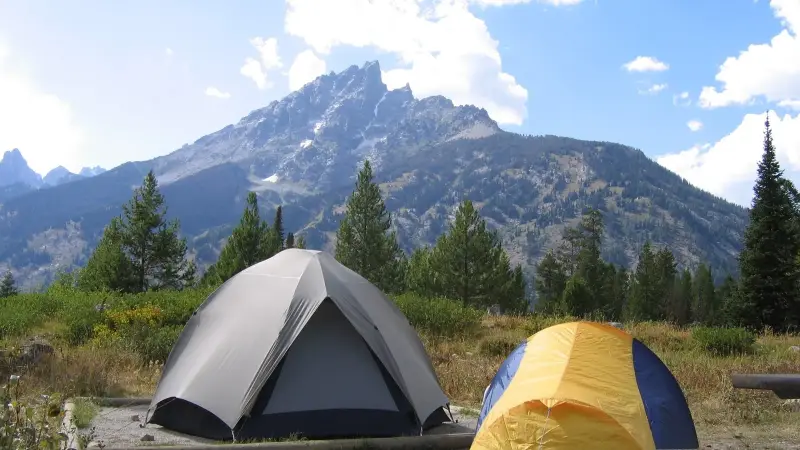
Steep skiing, the Snake River and the Tetons sum up Jackson Hole, a valley at the foot of the Teton Range next to Grand Teton National Park and an hour from Yellowstone. In winter, Jackson Hole Mountain Resort is famous among expert skiers for its steep terrain, deep snow and the notorious Corbet's Couloir, a narrow chute entered with a drop. Backcountry skiing beyond the resort is serious avalanche terrain, so go with a guide.
In summer the valley turns to whitewater rafting on the Snake River through the Snake River Canyon (fine for beginners), climbing in the Tetons (including guided ascents of the Grand Teton, 13,775 feet), mountain biking and hiking. Wildlife is everywhere: elk winter at the National Elk Refuge next to town, and moose are common.
Base yourself in Jackson or Teton Village and fly into Jackson Hole Airport (JAC). Ski from December to March, climb and raft from June to September, and hire a guide for any backcountry or Grand Teton climb, because conditions change fast.
Lake Tahoe, California and Nevada

Lake Tahoe works as an adventure base all year. Winter brings some of the biggest ski areas in the country, including Palisades Tahoe (former Olympic venue), Heavenly and Kirkwood, known for steep terrain and heavy Sierra snow. In summer the lake is used for kayaking, stand-up paddleboarding and parasailing, and the Tahoe Rim Trail, a long-distance trail circling the basin, gives multi-day backpacking with lake views.
Mountain biking is a highlight: the Flume Trail on the Nevada side runs along a cliff high above the lake, and Mr. Toad's Wild Ride near South Lake Tahoe (covered below) is a famous technical descent. The lake sits at high altitude and the water stays cold all year, so wetsuits are wise for long paddles.
All levels can mix several sports here in one trip, from December to March for snow and June to September for water and trails. Fly into Reno-Tahoe (RNO) and stay in South Lake Tahoe, Truckee or Incline Village. Afternoon winds whip up the lake, so start summer rides and paddles early.
Kauai, Hawaii

Kauai's Na Pali Coast is one of the most dramatic coastlines in the world, and the Kalalau Trail is its classic adventure: 11 miles each way along cliffs and through valleys to Kalalau Beach. You need a park entry or parking reservation for Hāʻena State Park to start, and a camping permit to go beyond Hanakāpīʻai, about 2 miles in. Stream crossings can be deadly after rain, so turn back if water is high.
Waimea Canyon, often called the "Grand Canyon of the Pacific", has rim trails with long views. Other adventures include kayaking up the Wailua River to a waterfall, zip-lining over valleys, snorkelling in summer, and surfing the North Shore's big winter waves (for experts only). In summer, guided sea kayak trips paddle the full Na Pali coastline.
Kalalau is for strong hikers, and May to September is the season for Na Pali. Hanalei in the north and Poipu in the south are the usual bases. Camping permits sell out quickly, so book as soon as your dates open.
Maui, Hawaii

Haleakalā, the volcano whose summit reaches 10,023 feet, is Maui's headline adventure. Sunrise from the top needs a vehicle reservation, and hikers can descend into the crater on the Sliding Sands Trail, through a landscape of cinder cones and red and black ash; it is a hard climb back out at altitude. Cyclists also ride down the volcano's long slopes on guided tours.
Off the coast, snorkelling and diving at Molokini, a partly submerged crater, is one of Hawaii's best dives, with clear water and reef fish. The Road to Hana adds waterfall hikes, and Maui is also the island for tandem paragliding (covered below). West Maui is still recovering from the 2023 Lahaina fire, so follow local guidance in affected areas.
Volcano and ocean fit in one year-round trip for all levels, based in Kihei, Kula or Paia. Bring warm layers to Haleakalā, where summit temperatures can drop near freezing at dawn.
Hawaiʻi Island (the Big Island), Hawaii
The largest and youngest Hawaiian island has an active volcano, lava fields, rainforests, snow on Mauna Kea in winter and black-sand beaches. Hawaiʻi Volcanoes National Park protects Kīlauea and Mauna Loa. Kīlauea has erupted in a long series of short episodes since December 2024, often inside its summit crater, so check the USGS Hawaiian Volcano Observatory and park alerts for current conditions and closed areas before you go. Hikes such as the Kīlauea Iki trail cross a solidified lava lake.
Other adventures include the night snorkel or dive with manta rays off the Kona coast, one of the world's best-known marine encounters, deep-sea fishing from Kona, and the steep descent into Waipiʻo Valley (access varies, so check current rules). Mauna Kea's summit, above 13,000 feet, is a stargazing site, but the drive needs a 4x4 and care at altitude.
All levels can visit year-round. Fly to Kona (KOA) or Hilo (ITO) and stay in Kona, Hilo or Volcano village. Viewing areas change with each eruptive episode, so check status on the day you visit the park.
Acadia National Park, Maine

Granite mountains rising straight from the sea make Acadia the East Coast's compact adventure park. Its iron-rung trails are the main thrill: the Precipice and the Beehive climb exposed cliffs using metal rungs and ladders bolted into the rock (the Precipice is usually closed in spring and early summer to protect nesting peregrine falcons). The park's trail network covers well over 100 miles.
Sea kayaking around the islands of Frenchman Bay, rock climbing on the sea cliffs at Otter Cliff with local guides, and cycling the historic carriage roads, which are closed to cars, give a full week of activity. The road to the summit of Cadillac Mountain needs a vehicle reservation in season, but you can hike or bike up without one.
Bar Harbor is the base, and June to October the season. The rung trails need moderate fitness and no fear of heights. Do them in dry weather only, as the rungs and rock get slippery.
Adirondack Mountains, New York
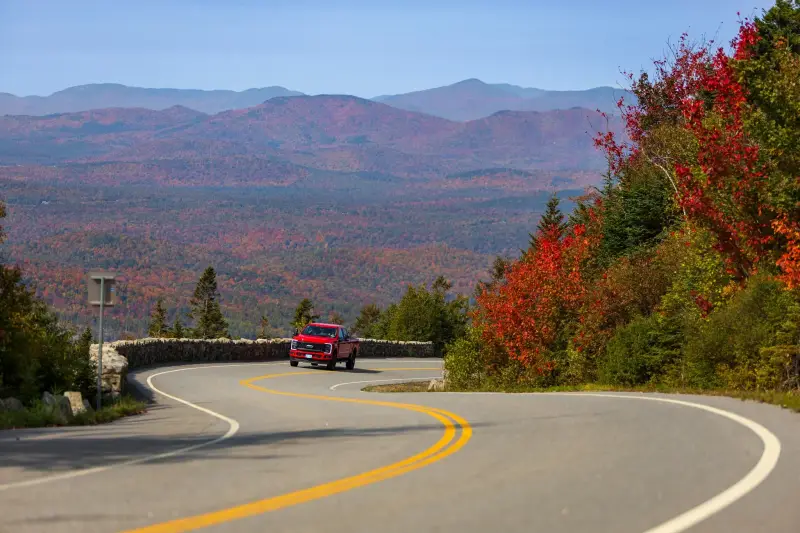
In northern New York, the Adirondack Park is one of the largest protected areas in the lower 48 states, a mix of public and private land with thousands of lakes and ponds and the 46 High Peaks. Climbing Mount Marcy, the highest point in New York State, is a long, demanding day through rough, rocky and often muddy terrain. Peak-baggers aim to climb all 46 High Peaks, many without marked trails to the top.
Paddlers have multi-day canoe routes such as the St. Regis Canoe Area, and winter brings serious snowshoe and ice-climbing trips, including guided ice climbing near Lake Placid and Keene Valley. Summer weekend parking at some trailheads, such as those in the Adirondack Mountain Reserve, needs advance reservations.
Lake Placid and Keene Valley are the bases. Fit hikers do well from July to October; winter climbs need experience. Allow more time than the mileage suggests, because Adirondack trails are steep and rocky.
 Umrah packages from Dhaka
10 best extreme adventure sports to try in the USA
Specific experiences, from a guided first taste to activities only for trained specialists.
Aerobatic flight experience, Las Vegas, Nevada
Several licensed operators near Las Vegas offer aerobatic flights in high-performance aircraft, flown with a professional pilot, and no flying experience is needed. After a safety briefing you climb over the Nevada desert and experience loops, rolls, hammerheads and vertical climbs, pulling several times the force of gravity. Most programmes let you take the controls for part of the flight, which is the closest most people will get to flying like a fighter pilot.
Flights usually last 20 minutes to an hour and run year-round, with the cooler months best. Expect weight and health limits, and the possibility of motion sickness; operators recommend a light meal beforehand. Combine it with Red Rock Canyon or Valley of Fire for climbing and hiking on the same trip.
For a pure adrenaline hit, book a morning flight. Desert air is smoother before the afternoon heat.
BASE jumping at Perrine Bridge, Twin Falls, Idaho
The Perrine Bridge carries US-93 486 feet above the Snake River Canyon at Twin Falls, Idaho, and it is widely described as the only bridge in the United States where BASE jumping is allowed year-round without a permit. Jumpers have only a few seconds of freefall before opening their parachutes and landing on the riverbank below. The bridge celebrated its 50th anniversary in 2026.
This one is for experts only. BASE jumping is extremely dangerous and requires hundreds of skydives and specific training first; there have been several deaths at the bridge. Local schools offer BASE courses for experienced skydivers, and tandem BASE jumps with qualified instructors are sometimes offered. For most visitors, the thrill is watching from the visitor centre and walkway on the bridge, and hiking or kayaking to Shoshone Falls nearby.
Non-jumpers get great views from the bridge walkway, weather permitting. Mornings are often busiest with jumpers.
Heli-skiing in the Chugach Mountains, Alaska
East of Anchorage, the Chugach Mountains are famous for heli-skiing in deep powder, with steep, snow-plastered peaks rising close to the sea. Licensed operators based near Girdwood (about an hour from Anchorage) and in Valdez fly skiers and snowboarders to the tops of runs that can be thousands of vertical feet long, on glaciers and spines unreachable by lifts. The main season is late winter to spring, when the days are long.
Strong advanced and expert skiers who are comfortable in deep snow and steep terrain are the audience. Every group skis with a certified guide and carries avalanche safety gear, and weather can ground helicopters for days, so allow buffer days in your plans.
Book a full week. Weather days are part of Alaskan heli-skiing.
Waterfall rappelling in the White Mountains, New Hampshire
Guiding services around North Conway, in the White Mountains of New Hampshire, lead waterfall rappelling (abseiling) trips in summer. After a short hike through the forest to the top of a falls, guides set ropes and teach you to descend wet rock beside, or through, the falling water. Guides provide helmets, harnesses and instruction, so beginners need no climbing experience, although you must be comfortable with heights and cold water.
The White Mountains also offer some of the toughest hiking in the eastern United States, including the Presidential Range and Mount Washington, known for extreme and fast-changing weather. Combine rappelling with a guided rock climbing day at Cathedral Ledge.
It makes a good first taste of ropes. Bring quick-dry clothes and a change of clothes, because you will get soaked.
Canyoneering in Moab, Utah

Moab, the red-rock town between Arches and Canyonlands national parks, is the canyoneering centre of the Southwest. Canyoneering combines hiking, scrambling, rappelling and sometimes swimming to travel down narrow slot canyons carved in sandstone. Local guiding companies run half-day and full-day trips for beginners, with rappels of various heights, and more advanced routes for experienced groups.
Moab is also known for mountain biking on slickrock, off-road driving, rafting on the Colorado River and climbing desert towers. Flash floods are the main danger in slot canyons; guides cancel trips when storms threaten, and independent groups should check the forecast and never enter a slot when rain is possible upstream.
Skip the July and August heat. March to May and September to October are far more comfortable.
Rock climbing on El Capitan, Yosemite, California

Rising about 3,000 feet above the floor of Yosemite Valley, El Capitan is the most famous big wall in the world. Most climbers take several days on routes such as The Nose, hauling food and water and sleeping on ledges or in portaledges hung from the wall. Overnight climbers need a free big-wall permit, available from a self-registration kiosk near the El Capitan Bridge. You must also pack out all human waste.
Climbing El Capitan takes years of experience in crack climbing and big-wall techniques, and spring and autumn are the climbing seasons. For everyone else, Yosemite's guide service teaches beginner and intermediate courses on smaller cliffs, and watching climbers through binoculars from El Capitan Meadow is a popular evening activity.
The wall is for climbers at the top of the sport; beginners should start with a guided day on smaller valley cliffs.
Extreme mountain biking at Lake Tahoe, California
Mr. Toad's Wild Ride, near South Lake Tahoe, is one of the most famous technical descents in the country, as the original guide said: a long downhill with rock gardens, steep drops and ledges through the forest. Riders often combine it with the Tahoe Rim Trail and the Saxon Creek trail in a big loop, or use shuttles to the top. It is for advanced riders with full-suspension bikes and protective gear.
For something less technical but with big lake views, the Flume Trail on the Nevada shore follows a narrow path high above the water. Bike shops in South Lake Tahoe and Incline Village rent bikes and run shuttles. The riding season runs from late spring snowmelt to autumn, roughly June to October.
Walk the hardest sections the first time. There is no shame on a trail this rocky.
Overnight caving at Cumberland Caverns, Tennessee
Cumberland Caverns near McMinnville, Tennessee, has over 27 miles of mapped passages and is the longest show cave in the state. Besides regular walking tours, it runs adventure caving trips where you crawl through tight passages, climb and squeeze through muddy tunnels, and overnight packages where groups sleep underground in a large cave room after an evening of exploring.
Overnight trips suit families, youth groups and first-time cavers, while the harder wild caving tours have minimum age limits. Trips run year-round, and advance reservations are required for adventure tours and overnight packages. The cave also hosts underground concerts in a big chamber called the Volcano Room.
It is an unusual group adventure. Bring clothes you can throw away, as the crawling tours are very muddy.
Paragliding on Maui, Hawaii
Tandem paragliding on Maui launches from high on the slopes of Haleakalā in the Kula area of upcountry Maui, giving long flights over pasture, forest and towns with the ocean and the West Maui Mountains beyond. A certified pilot flies the wing while you sit in front, so no experience is needed. Flights are quiet and smooth in good conditions, and some pilots offer short lessons in the air.
Flights run year-round but depend on wind and weather and are often scheduled early in the day. Weight limits apply. Combine the flight with a Haleakalā sunrise or a drive along the upcountry roads for a full day on the volcano.
Keep the next morning free in case your flight is moved for wind.
Hiking a Colorado 14er, Rocky Mountains
Colorado has 58 peaks above 14,000 feet (53 if you count only peaks with at least 300 feet of prominence), and a summer summit day on one of these "14ers" is a rite of passage. Mount Elbert, the state's highest at 14,440 feet, has non-technical trails that fit hikers can complete in a long day. Popular first 14ers also include Quandary Peak near Breckenridge (parking reservations or shuttle needed in summer) and Mount Bierstadt near Georgetown, in the Sawatch and Front Ranges.
Altitude is the real challenge: headaches, nausea and exhaustion are common, so spend a night or two at altitude first, drink plenty of water and turn back if symptoms get worse. The season runs July to September, and summer afternoon thunderstorms are dangerous above treeline, so start before dawn and aim to be off the summit by late morning.
Set a turnaround time before you leave the trailhead; storms often build by noon.
How to plan an extreme adventure vacation in the USA safely
Start with permits, because they decide your dates. Half Dome, Angels Landing in Zion, The Wave in Arizona, Grand Canyon backcountry camping and private river trips, the Kalalau Trail and several Hawaiian parks all use lotteries or advance reservations, often opening months ahead. Work backwards from those windows, then book guides and lodging.
Be honest about your skill level. Many of the activities here (rafting, canyoneering, waterfall rappelling, tandem paragliding, aerobatic flights, caving) are designed for fit beginners with a professional guide. Others (El Capitan, heli-skiing, BASE jumping) need years of training. Use licensed guides in national parks and wilderness areas, and check that your travel insurance covers adventure sports, high altitude and helicopter evacuation; many standard policies exclude them, and rescue and medical costs in the USA are very high.
If you are traveling from abroad, entry rules depend on your passport (some nationalities use an ESTA under the Visa Waiver Program, others need a visitor visa). Major gateways for these adventures include Denver, Las Vegas, Salt Lake City, San Francisco, Seattle and Honolulu. For more places to sleep under the stars between adventures, see our guide to the most scenic camping spots in the USA.
Safety and planning tips for adventure trips in the USA
Enter the permit lotteries early and check that your insurance covers adventure sports. Half Dome, Angels Landing and The Wave lotteries open months ahead, many standard travel policies exclude altitude and evacuation, and flash floods in canyons and lightning above treeline are the biggest killers, so turn back when storms threaten.
- Enter lotteries early. Half Dome, Angels Landing and The Wave lotteries open months ahead. Mark the application windows in your calendar.
- Check your insurance. Confirm cover for adventure sports, altitude and evacuation. Many standard travel policies exclude them.
- Respect the weather. Flash floods in canyons and lightning above treeline are the biggest killers. Cancel or turn back when storms threaten.
- Acclimatise to altitude. Spend a night at moderate altitude before 14ers or Haleakalā. Drink water and descend if symptoms worsen.
- Use licensed guides. Choose guides permitted to operate in the park or forest you are visiting. Ask about qualifications and safety gear.
- Carry bear spray. In Yellowstone, Grand Teton and Glacier, carry bear spray on every hike and keep it accessible.
Want to add more classic sights between adventures? Our guide to famous landmarks in the USA helps you plan the quieter days.
Before any remote hike, climb or paddle, leave a written plan with someone at home: route, parking spot, expected return time and the time at which they should call for help. Mobile coverage is patchy or absent in much of the backcountry, so download offline maps and consider carrying a satellite messenger.
Planning a trip to United States? Read our United States travel guide, compare hotels in United States or search flights.
 Get the app










{{item.get_author.first_name}} {{item.get_author.last_name}}
{{item.comment_txt}}
{{item_reply.get_author.first_name}} {{item_reply.get_author.last_name}}
@ {{item_reply.reply_to}}, {{item_reply.reply_txt}}