

The Reichstag dome and the Brandenburg Gate anchor most Berlin itineraries, both free, though the Reichstag requires advance registration through the Bundestag's own website, not a third-party ticket seller. Museum Island holds 5 separate museums and has carried UNESCO World Heritage status since 1999. The Berlin Wall Memorial on Bernauer Strasse preserves a genuine 70-meter section of the original Wall, more historically direct than the more-photographed East Side Gallery.
Berlin's most-searched attraction, the Reichstag dome, is free to enter and completely unbookable at the door. Nearly every guide mentions the dome; almost none explains that visitors need to register online with their name and date of birth weeks or months ahead for summer dates, or that same-day walk-up slots at the service center near the building sell out by mid-morning in peak season. That gap between "free" and "walk right in" causes more disappointed travelers in Berlin than any other single detail.
This guide covers 20 attractions organized by district, each with a verified fact: a construction date, a UNESCO listing year, a real registration or ticket requirement. None of them lean on the word "breathtaking" to do the work a fact should do. History gets corrected where it needed correcting too: the Brandenburg Gate's actual construction history, not a garbled version of it. A full 3-day itinerary, a real breakdown of how the U-Bahn and S-Bahn ticketing actually works, and a neighborhood-by-neighborhood guide to where to stay round out the practical side.
5 attractionsHistoric Mitte: Gates, Government, and Memory
Berlin's political core sits inside a walkable stretch of Mitte, where an 18th-century peace monument, a reconstructed parliament, and 2 of Europe's most direct Holocaust memorials sit within a few hundred meters of each other.
Brandenburg Gate:
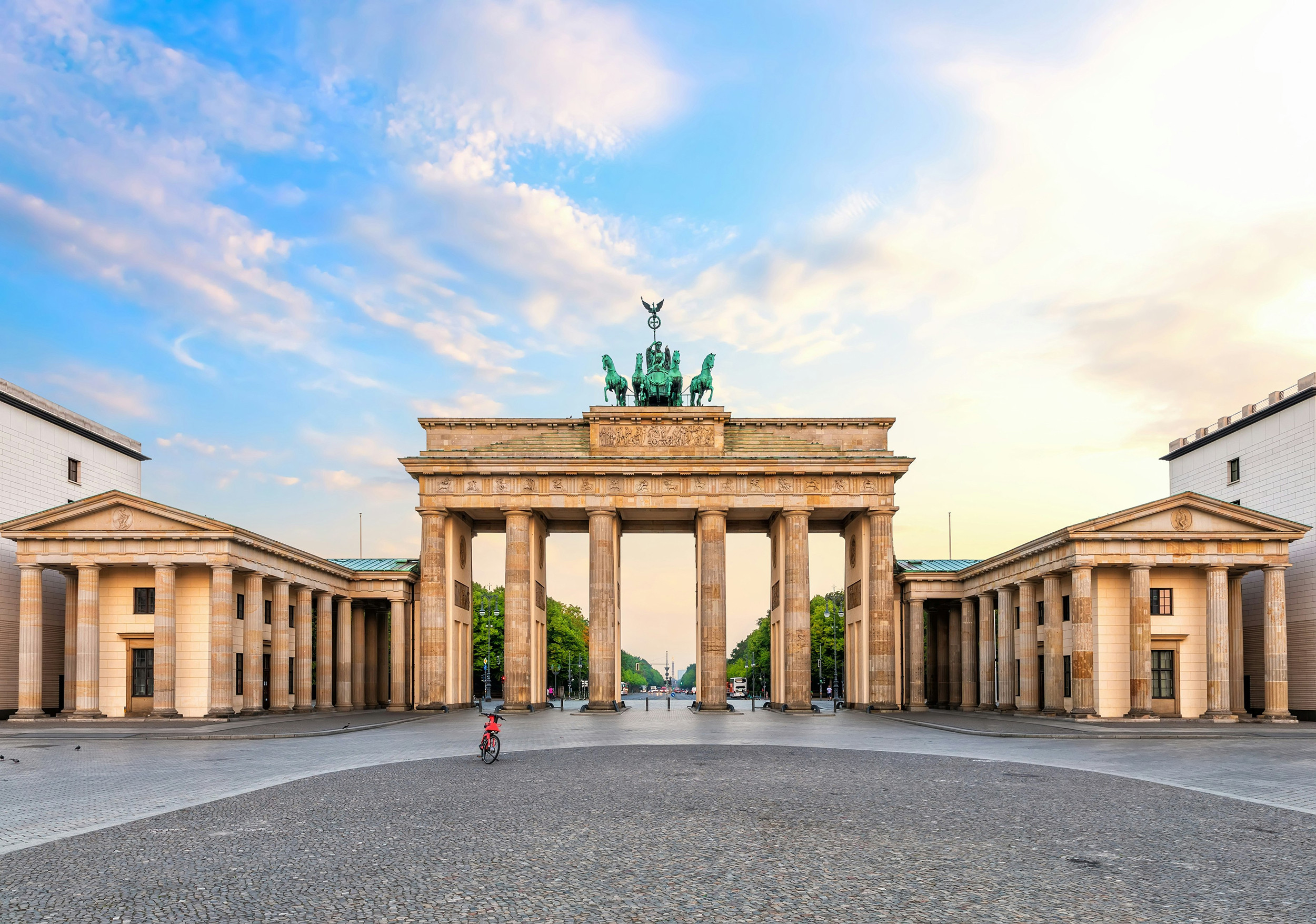
Frederick William II commissioned the Brandenburg Gate in 1788 as a monument to peace, and architect Carl Gotthard Langhans modeled it on the Propylaea, the ceremonial gateway to the Acropolis in Athens. Construction finished in 1791, and the bronze Quadriga on top, a chariot drawn by 4 horses and driven by the goddess of victory, was added by sculptor Johann Gottfried Schadow. Napoleon took the Quadriga to Paris as a war trophy in 1806; it returned to Berlin in 1814 after his defeat. The gate stood inside the Berlin Wall's death strip from 1961 to 1989, sealed off from both sides of a divided city, before becoming the site of Germany's reunification celebrations on the night the Wall fell.
Reichstag Building and Dome:
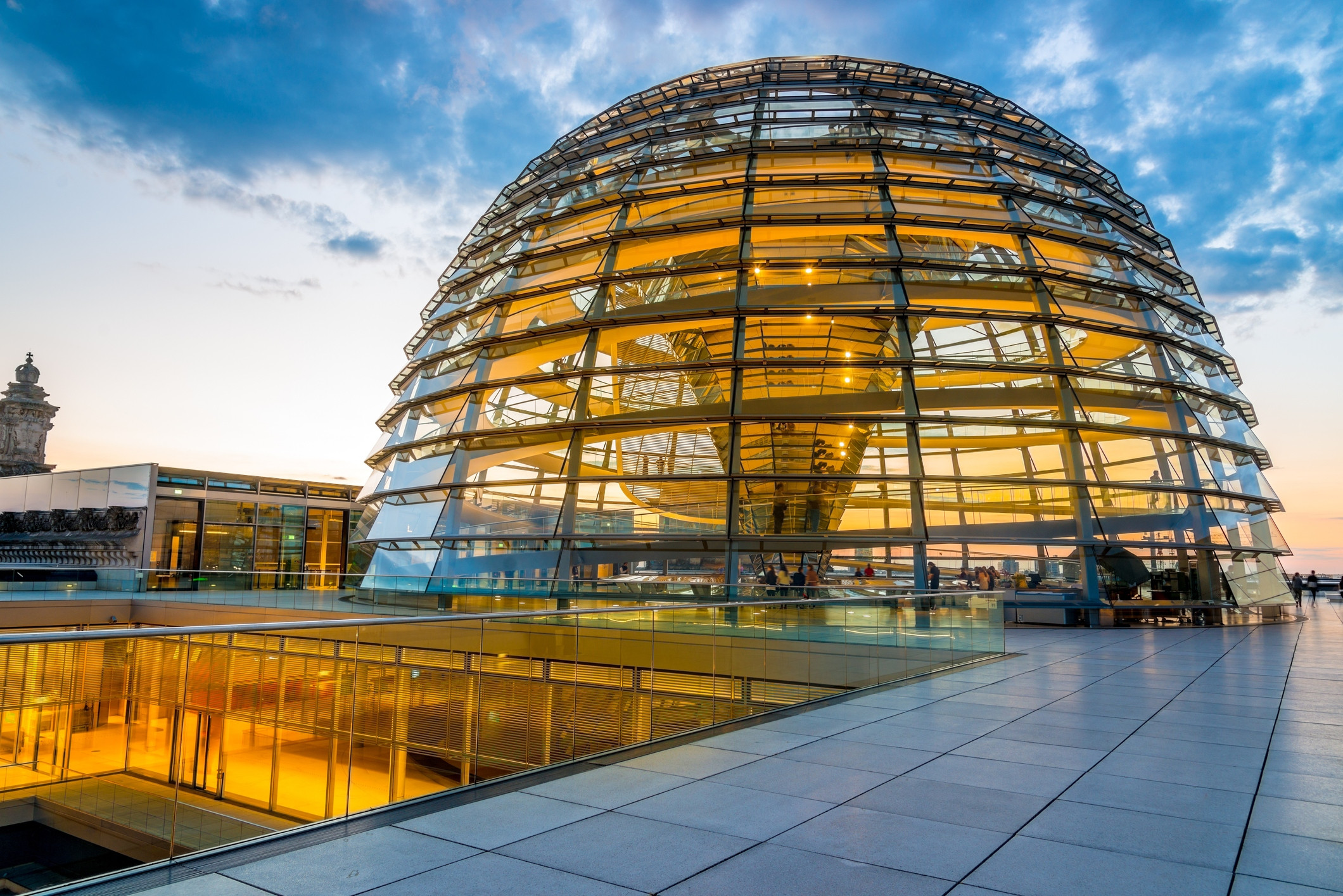
Paul Wallot built the original Reichstag from 1884 to 1894 to house the Imperial Diet of the newly unified German Empire. A fire in 1933, heavy damage in the 1945 Battle of Berlin, and decades of disuse during the Cold War division left it a shell before architect Norman Foster's post-reunification reconstruction added the glass dome, opened in 1999. The dome's mirrored steel cone channels natural light into the plenary chamber below, and a spiral ramp lets visitors walk up while looking directly down into where the Bundestag meets. Entry is free, but every visitor must register in advance through the official Bundestag website with their name and date of birth; same-day walk-up registration exists at a service center near the building but regularly sells out by mid-morning in summer.
Memorial to the Murdered Jews of Europe:
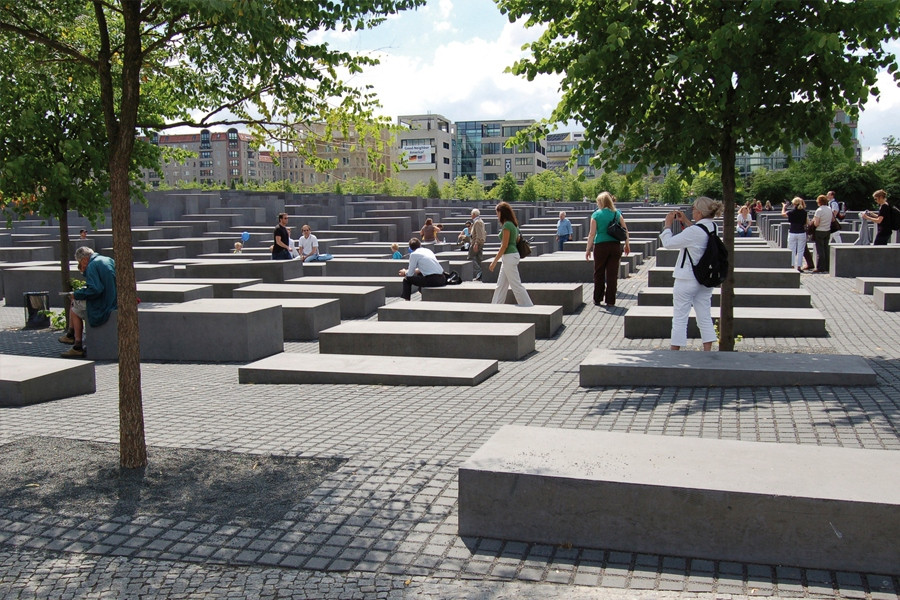
Architect Peter Eisenman designed this memorial as a field of 2,711 concrete slabs of varying heights, covering roughly 19,000 square meters just south of the Brandenburg Gate. Walking into the grid, the ground dips and the slabs rise overhead, creating a disorienting effect that was deliberate: Eisenman wanted visitors to feel genuine unease, not observe a conventional monument from a distance. An underground Information Centre beneath the field documents the stories of individual victims and families, free to enter, and considerably more detailed than the outdoor field alone conveys.
Berlin Wall Memorial:
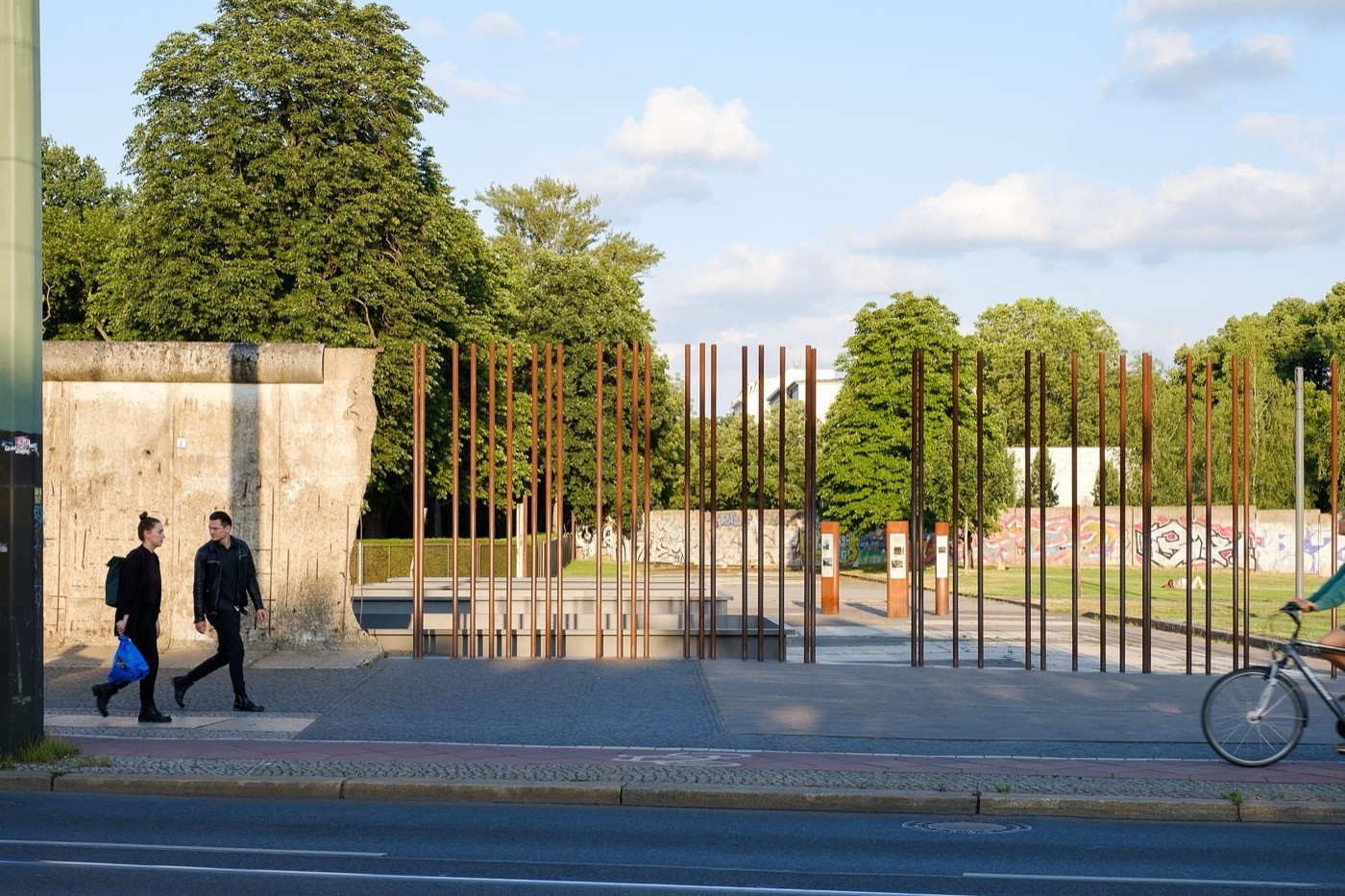
Bernauer Strasse sat directly on the border between the Soviet and French sectors, which meant the street itself, not just a wall, divided East and West Berlin, and apartment buildings on the eastern side had their doors bricked shut while residents on upper floors jumped from windows to reach the West. The memorial preserves a genuine 70-meter section of the original Wall, including the death strip, watchtower, and border fortifications, alongside a documentation center explaining escape attempts and the roughly 140 people confirmed to have died trying to cross at various points along the Wall over its 28-year existence.
Checkpoint Charlie:
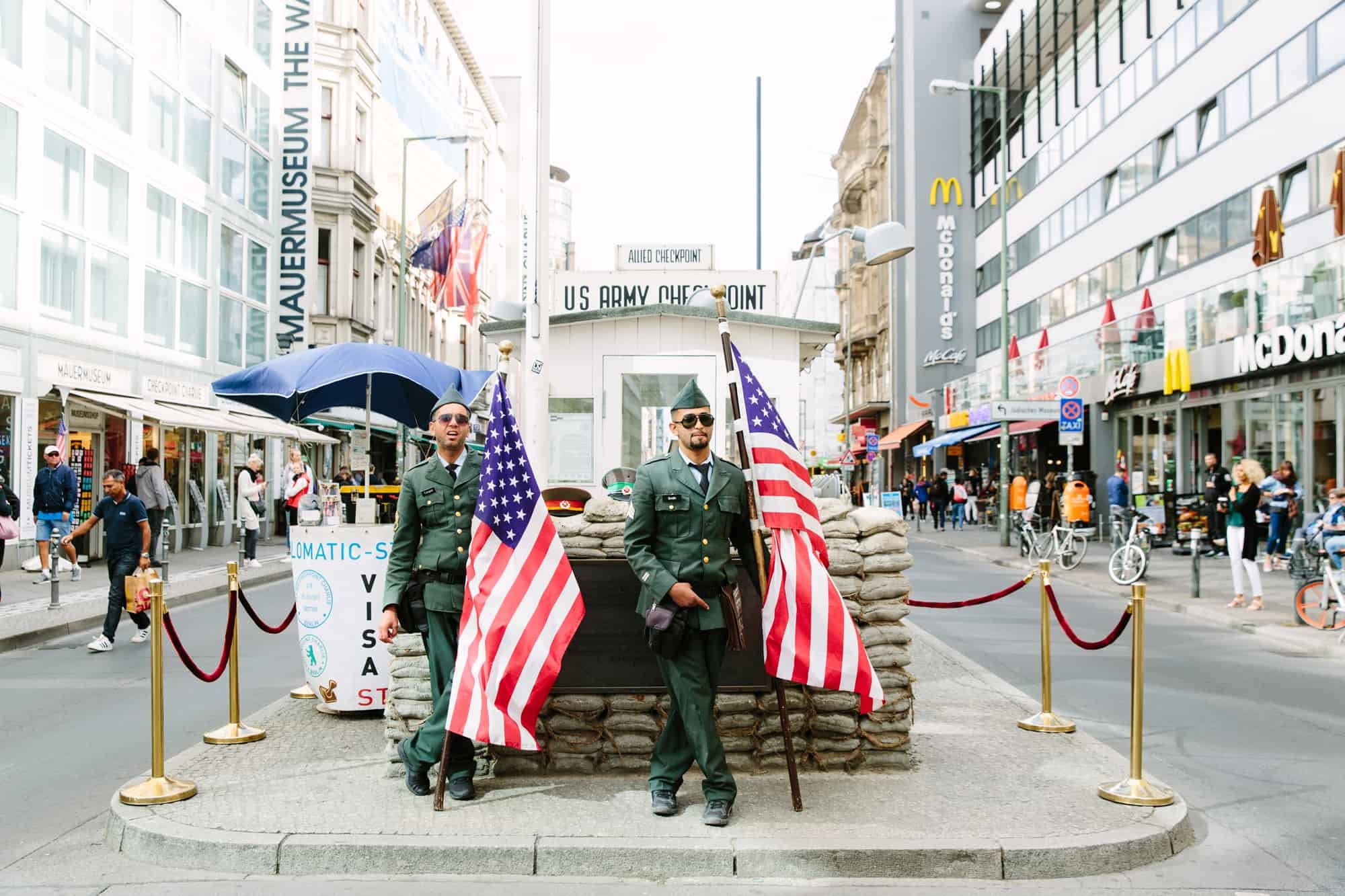
Checkpoint Charlie was the primary crossing point for Allied personnel and foreign visitors between East and West Berlin, and it became the site of a tense October 1961 standoff when American and Soviet tanks faced off roughly 100 meters apart for 16 hours. The original guard hut is long gone (a replica stands at the site today), but the Wall Museum next to the crossing documents real escape attempts, including hidden compartments in cars and homemade hot air balloons, using actual objects used in successful crossings.
4 attractionsMore Essential Stops in Mitte:
4 more sites within the same historic core, covering the darker administrative machinery of the Nazi regime, a rebuilt commercial square, and 2 very different museum approaches to German history.
Topography of Terror:
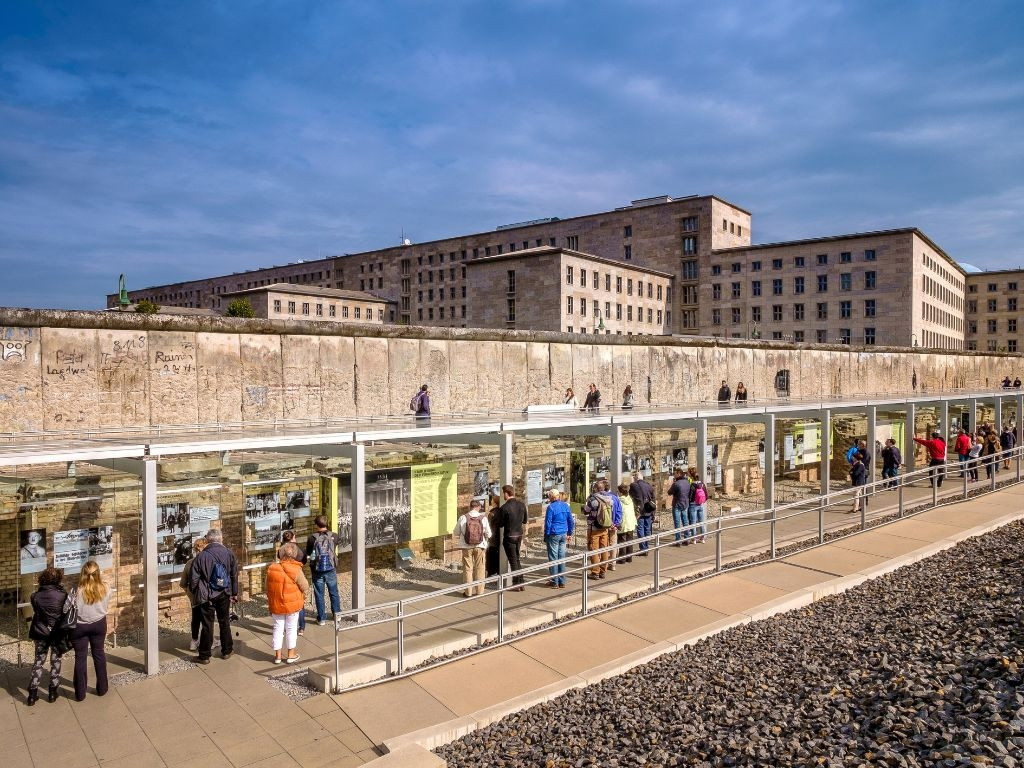
This documentation center sits directly on the former site of the Gestapo, SS, and Reich Security Main Office headquarters, the actual administrative core from which the Nazi regime's terror apparatus was run. Opened in its current permanent form in 2010, the exhibition runs both indoors and along an outdoor trench beside a preserved stretch of the Berlin Wall that happens to sit on the same grounds, 2 separate historical layers occupying 1 site. Entry is free, and the outdoor exhibition can be viewed even outside the indoor building's opening hours.
Potsdamer Platz:
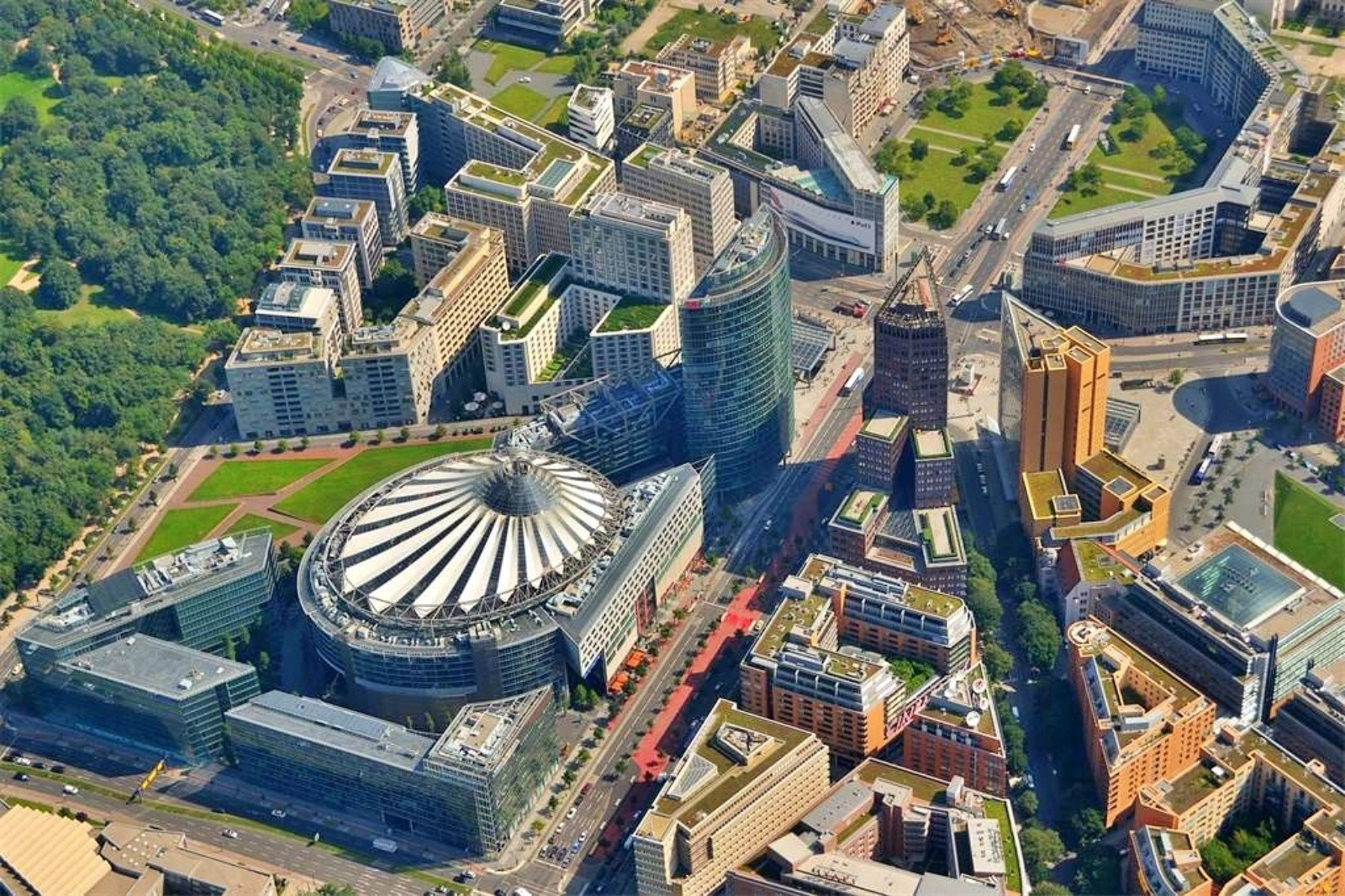
Potsdamer Platz held Europe's first traffic light, installed in 1924, when it ranked among the busiest intersections on the continent. Allied bombing leveled most of the square in WWII, and the Berlin Wall then cut directly through it, leaving the area a genuine no-man's land for nearly 3 decades. Reunification triggered one of Europe's largest urban construction projects here through the 1990s, and the rebuilt square now centers on the Sony Center's distinctive tent-shaped glass roof and hosts the Berlinale Palast, the main venue for the annual Berlin International Film Festival.
DDR Museum:
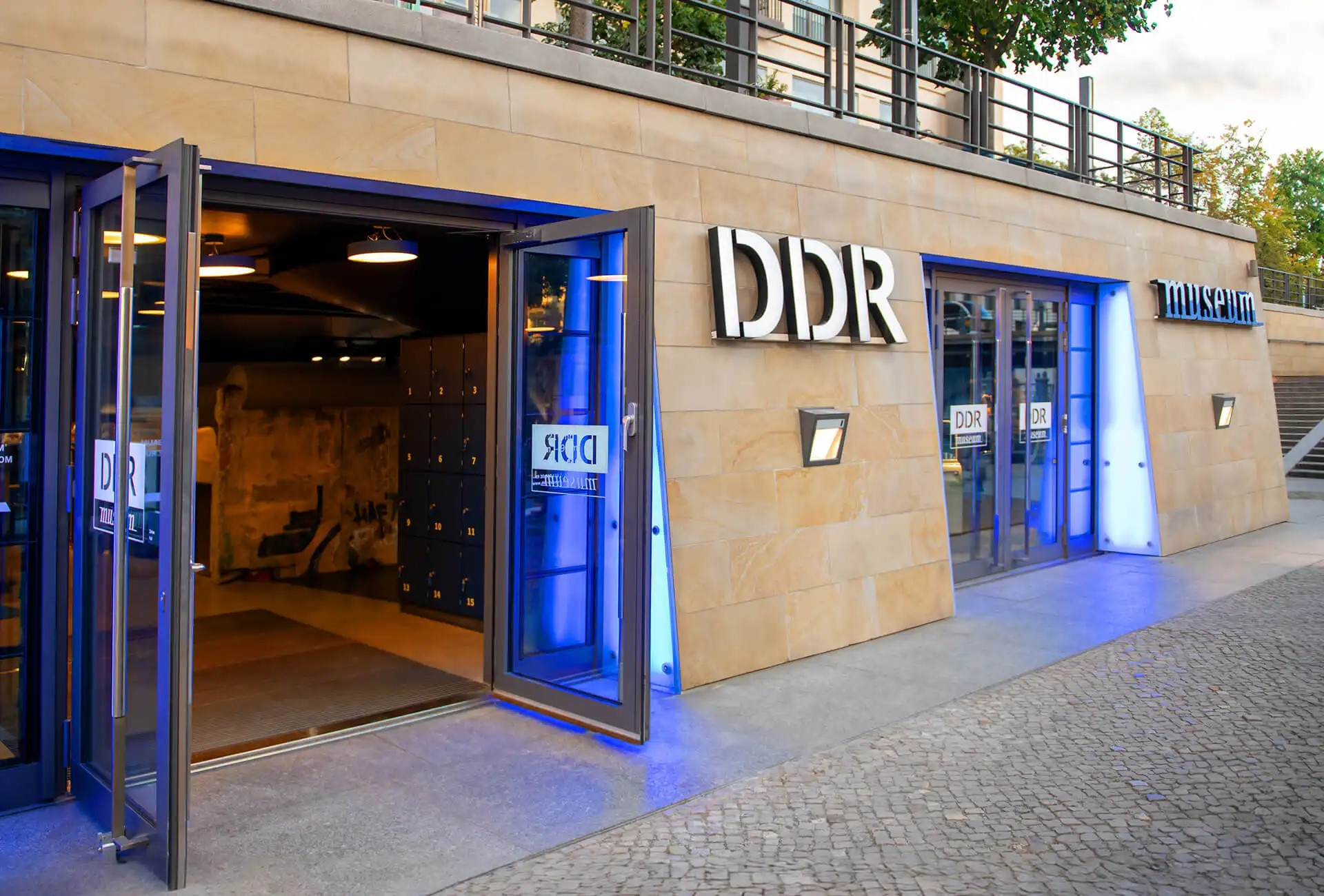
The DDR Museum, opened in 2006 directly across the Spree from Berlin Cathedral, covers everyday life in East Germany through hands-on exhibits, not glass display cases: visitors can sit inside a replica Trabant car, walk through a reconstructed GDR apartment, and handle reproduction household objects from the era. That interactive approach makes it a genuinely different experience from the more solemn documentation centers elsewhere in Mitte, and it consistently ranks among Berlin's higher-rated museums specifically for accessibility to visitors without deep prior knowledge of German history.
Jewish Museum Berlin:
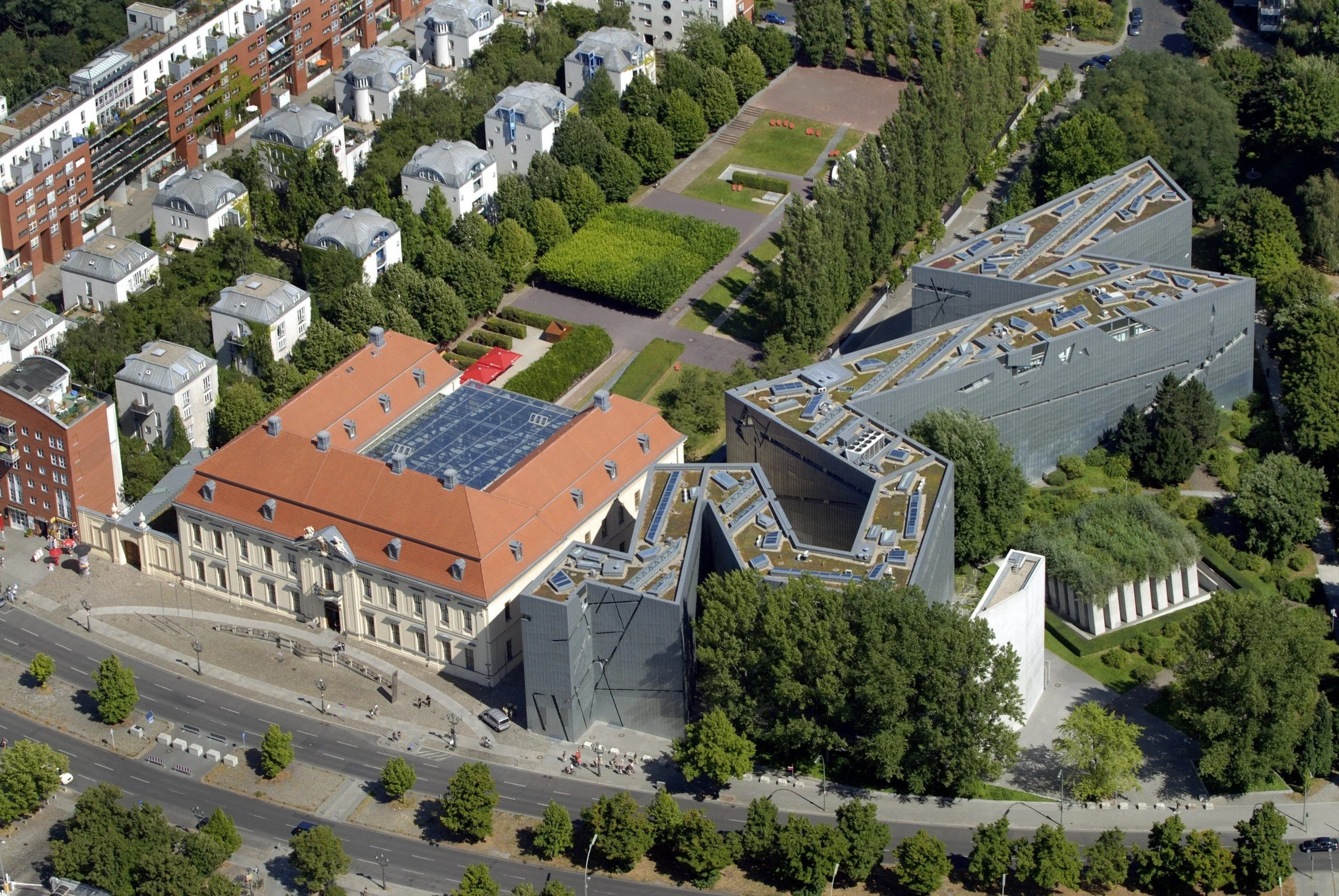
Architect Daniel Libeskind designed this museum's zigzag, zinc-clad building with no visible main entrance from the street; visitors actually enter through an underground passage connecting to an adjacent historic building next door. Libeskind built the structure around a series of "Voids," empty concrete spaces running vertically through the building that represent the absence left by the Holocaust, and the outdoor Garden of Exile holds 49 tilted concrete pillars planted with willow oak, deliberately disorienting to walk through. Opened in 2001, it ranks among the largest Jewish museums in Europe by both collection and building footprint.
4 attractionsMuseum Island and the Historic Core:
5 museums sit on a single island in the Spree River, a concentration of collections UNESCO recognized as a World Heritage Site in 1999.
Museum Island (Pergamonmuseum, Neues Museum, Altes Museum, Alte Nationalgalerie, Bode-Museum):
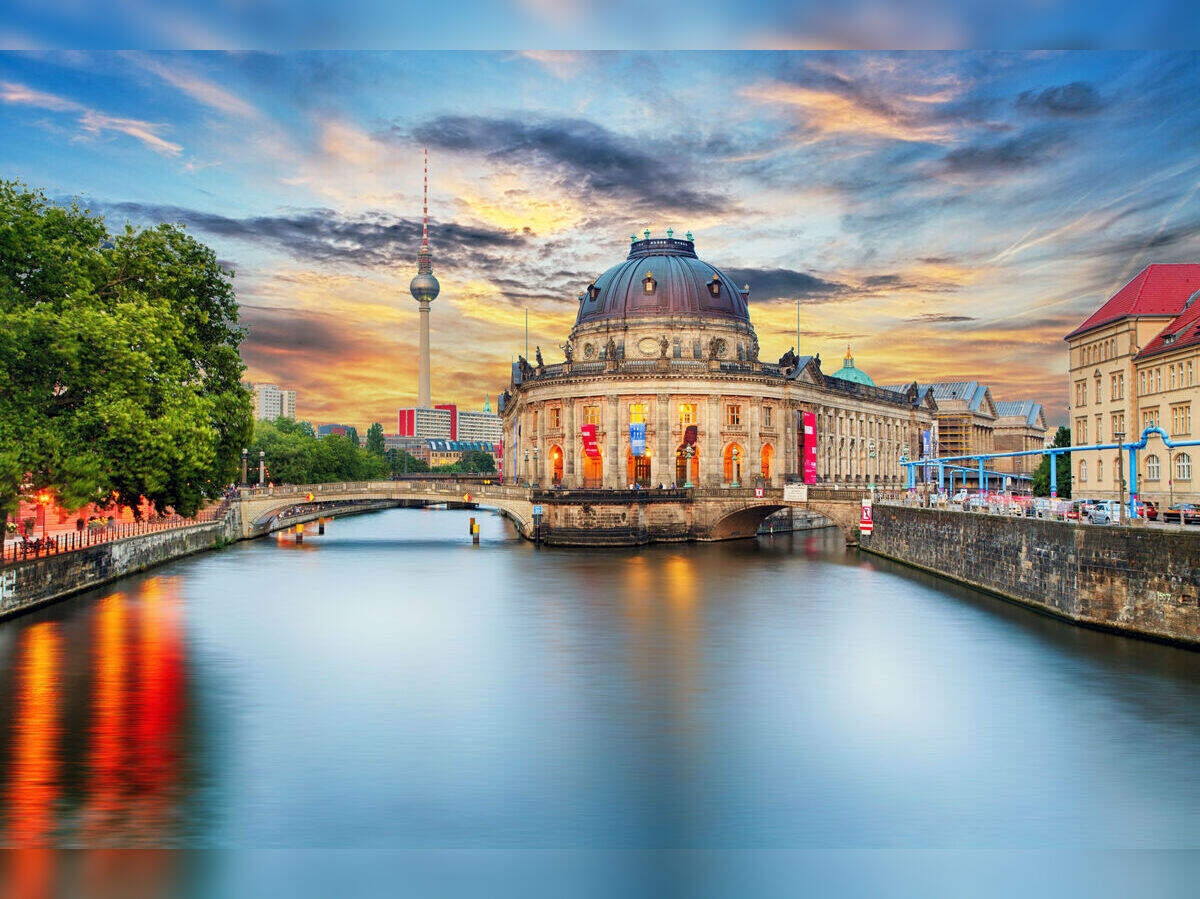
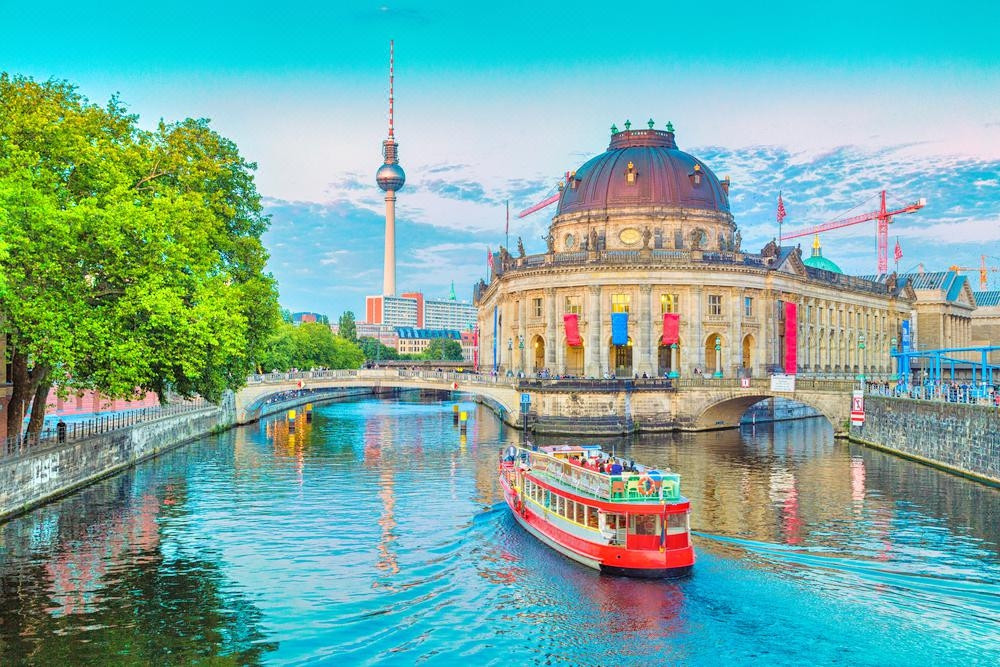
Museum Island holds 5 separate museums built between 1830 and 1930, each with a distinct collection: the Pergamonmuseum for ancient Near Eastern and Islamic art (partially closed for renovation through the late 2020s, check current gallery access before visiting), the Neues Museum for Egyptian antiquities including the Nefertiti bust, the Altes Museum for classical Greek and Roman art, the Alte Nationalgalerie for 19th-century painting and sculpture, and the Bode-Museum for Byzantine art and sculpture. UNESCO listed the entire island as a World Heritage Site in 1999, citing both the individual buildings' architecture and the ensemble's role in the history of museum design itself.
Berlin Cathedral (Berliner Dom):
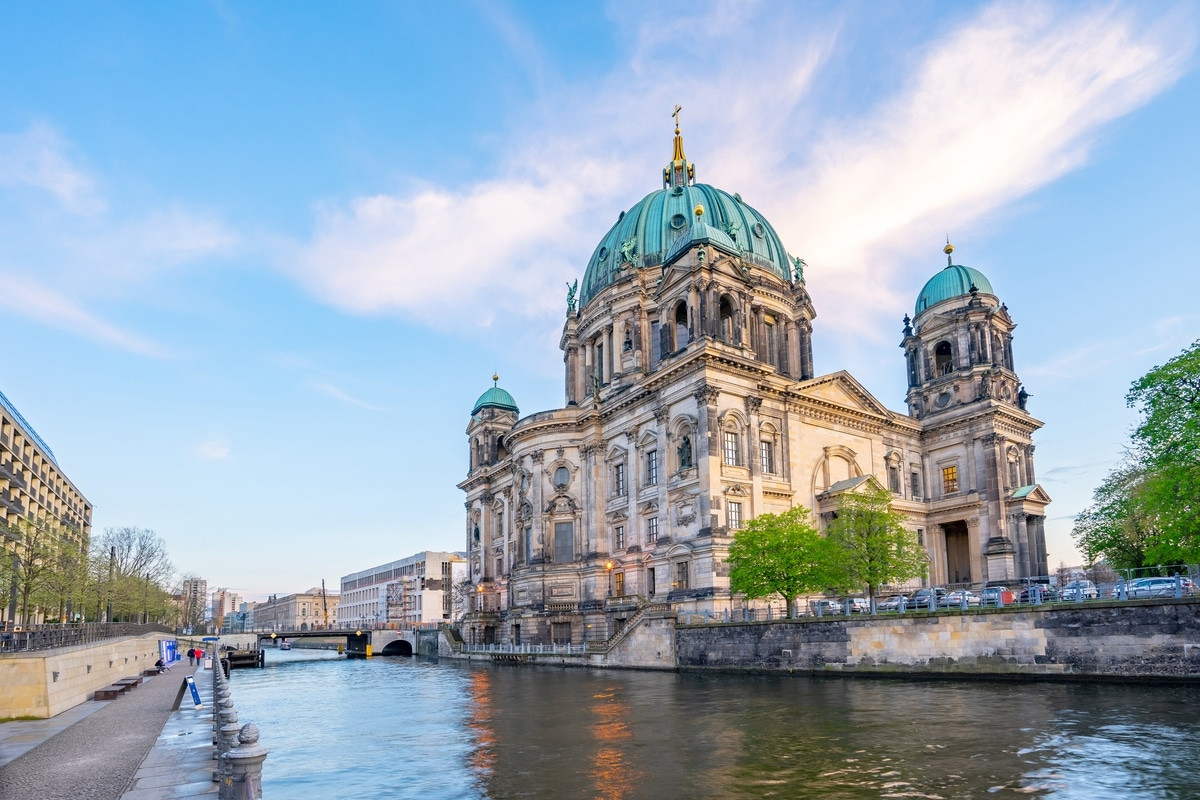
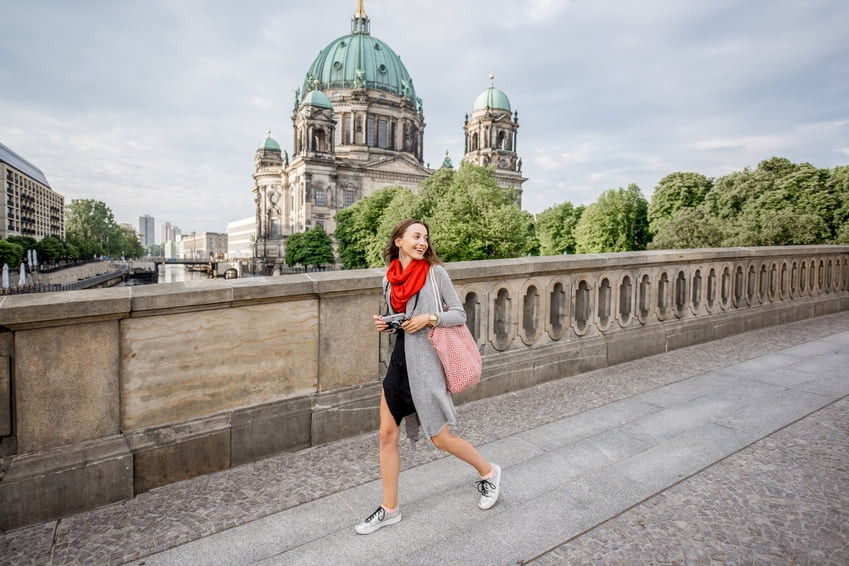
The current Berlin Cathedral, completed in 1905 in a New Baroque style, replaced 2 earlier churches on the same site and stands as the largest Protestant church in Germany, with a dome rising 75 meters above the Spree. Climbing the 270 steps to the dome gallery gives a panoramic view over Museum Island and the surrounding city, and the Hohenzollern Crypt below houses close to 100 sarcophagi and monuments spanning several centuries of Prussian royal history. Restoration after WWII bomb damage ran for decades, and the cathedral's imperial staircase still carries Albert Hertel's original 1905 tempera paintings.
Gendarmenmarkt:
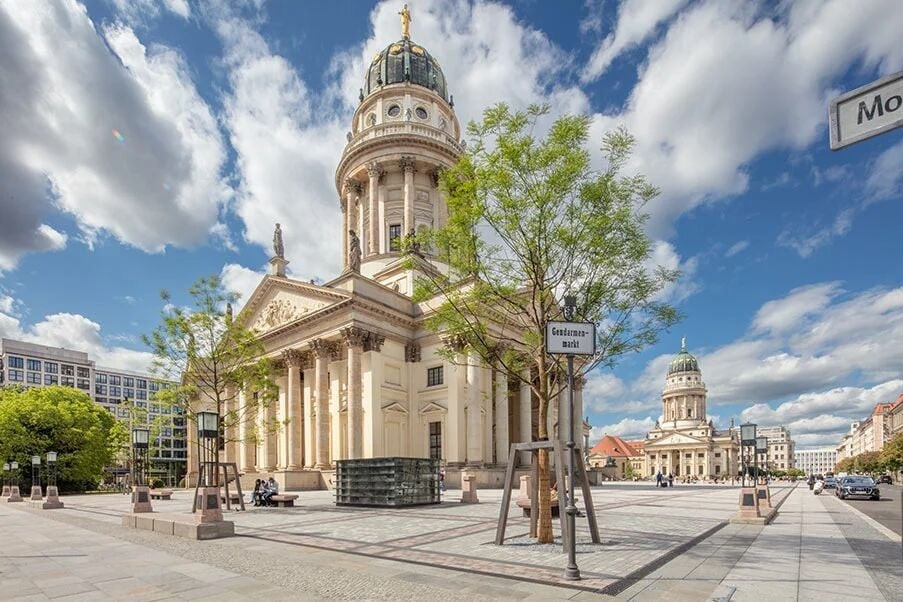
This square takes its name from the Gens d'armes, a Prussian regiment garrisoned nearby in the 18th century, and it's framed by 2 nearly identical domed cathedrals, the French Cathedral and the German Cathedral, along with the Konzerthaus concert hall in between. The French Cathedral was built for Huguenot refugees who fled religious persecution in France after 1685, a real piece of Berlin's early immigrant history, not a purely decorative building. The square hosts one of Berlin's most visited Christmas markets each December.
Alexanderplatz and the World Clock:
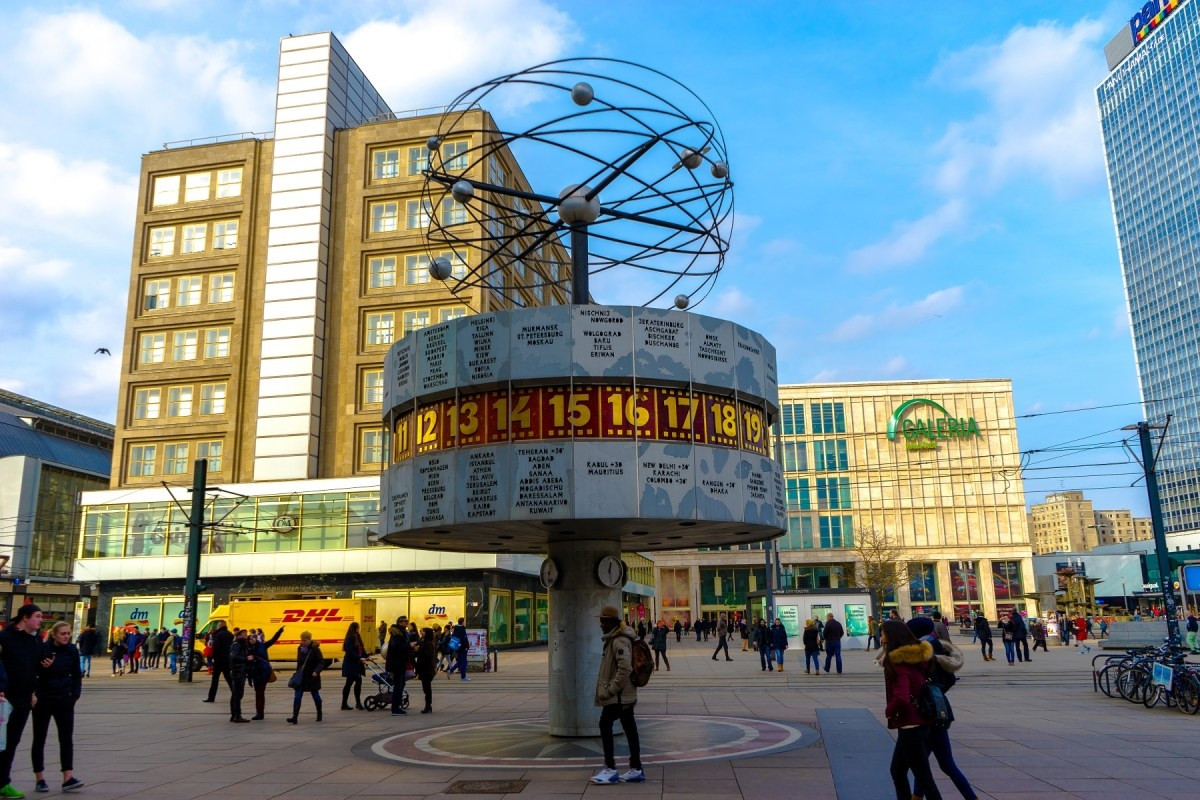
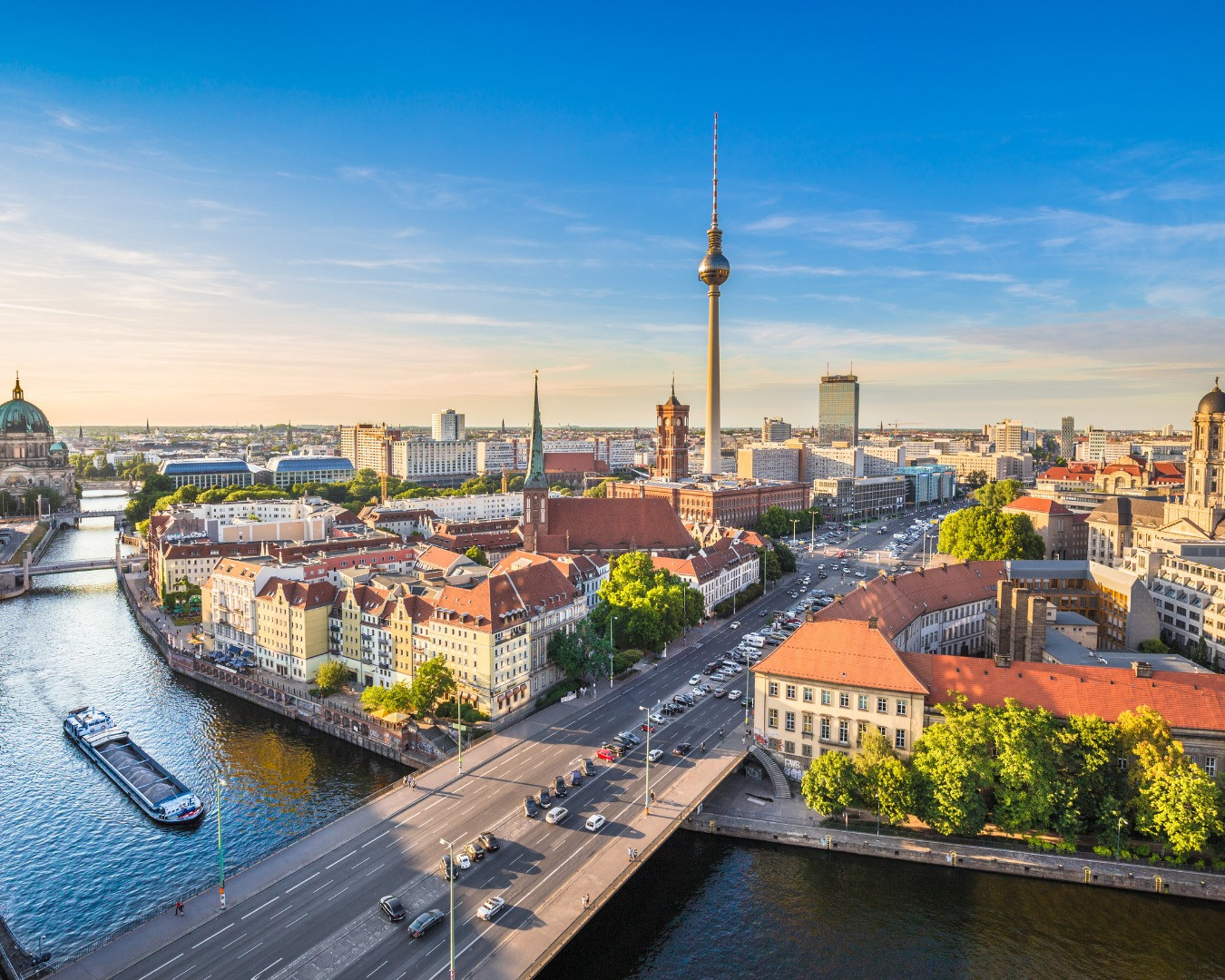
Alexanderplatz sits at the base of the Fernsehturm and functions as one of Berlin's busiest transit and shopping hubs, anchored by the Weltzeituhr (World Time Clock), installed in 1969 and displaying the current time in 148 cities simultaneously. The square carries real Cold War-era design, built up under East German urban planning, and the Neptune Fountain nearby predates that era by decades, moved to its current location from the site of the former Berlin City Palace.
3 attractionsViews and Landmarks:
Germany's tallest structure and 2 very different green spaces for a break from museums and memorials.
Berlin TV Tower (Fernsehturm):
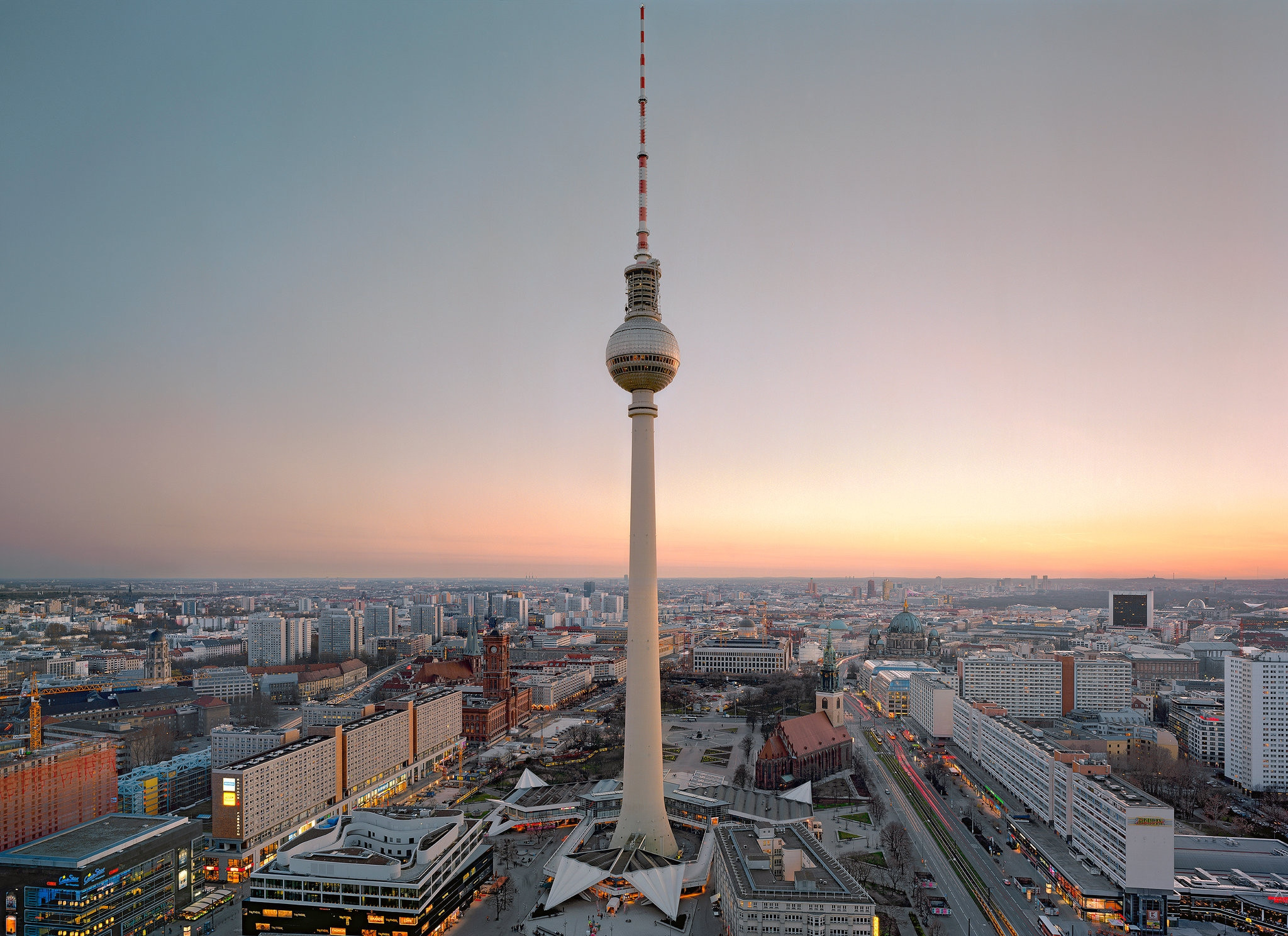
The East German government built the Fernsehturm between 1965 and 1969, and at 368 meters it remains the tallest structure in Germany and the 2nd-tallest freestanding structure in Europe after Moscow's Ostankino Tower. Intended partly as a demonstration of GDR technological confidence, the tower's steel sphere holds an observation deck at 203 meters and a revolving restaurant above it. On sunny days the sun reflects off the sphere's tiled surface in a cross pattern, a genuinely unplanned optical effect that West Berliners nicknamed "the Pope's Revenge" during the Cold War, since the officially atheist East German state had inadvertently built a giant cross visible across the city.
Tiergarten and the Victory Column:
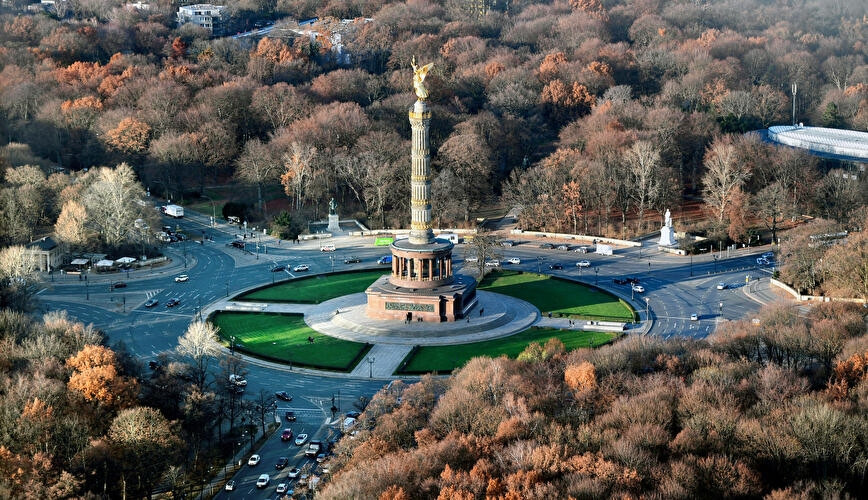
Tiergarten covers 210 hectares in the middle of the city, originally a royal hunting ground before being redesigned as a public park in the 19th century by landscape architect Peter Joseph Lenné. The Victory Column (Siegessäule) rises 67 meters from a roundabout inside the park, topped by an 8-meter gilded statue of Victoria that Berliners call "Golden Lizzy," commemorating 19th-century Prussian military victories. Climbing the column's 285 steps reaches an observation platform with genuine bullet damage from WWII still visible on parts of the structure.
East Side Gallery:
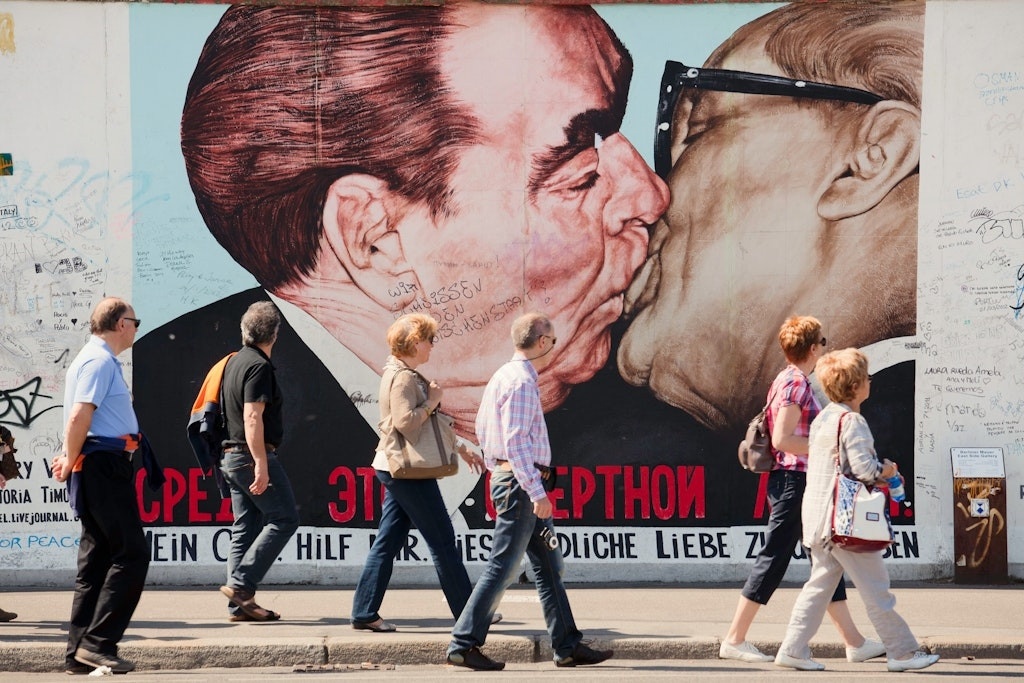
This 1.3-kilometer stretch of the Wall along the Spree River is the longest remaining section still standing, and more than 100 artists from around the world painted it starting in 1990, turning a former death-strip barrier into an open-air gallery. Dmitri Vrubel's mural of Leonid Brezhnev and Erich Honecker kissing, based on an actual 1979 photograph, remains the most photographed panel on the wall. A metal fence installed in 2017 protects the murals from ongoing graffiti and vandalism after repeated damage.
4 attractionsCharlottenburg and former West Berlin:
Berlin's western half carries a distinct character from the more heavily memorialized east, built around a royal palace and a genuinely grand shopping boulevard.
Charlottenburg Palace and Gardens:
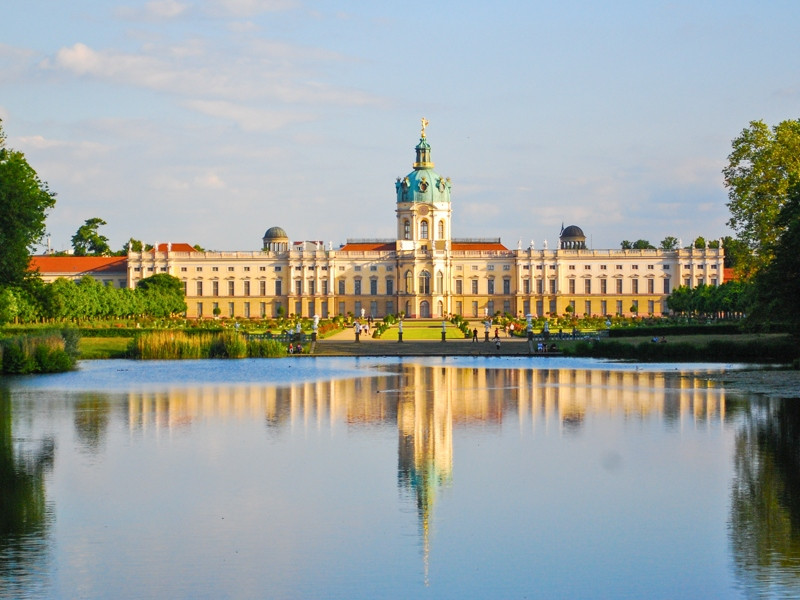
Built starting in 1695 as a summer residence for Sophie Charlotte, wife of Elector Friedrich III, Charlottenburg Palace grew over the following century into the largest palace in Berlin, and it remains the only Hohenzollern royal residence in the city still substantially intact. The baroque gardens behind the palace include a mausoleum, a belvedere teahouse, and formal French-style parterres alongside more naturalistic English garden sections added later. Interior tours cover the New Wing's private apartments and porcelain collections, restored after significant WWII bomb damage.
Kurfürstendamm and KaDeWe:
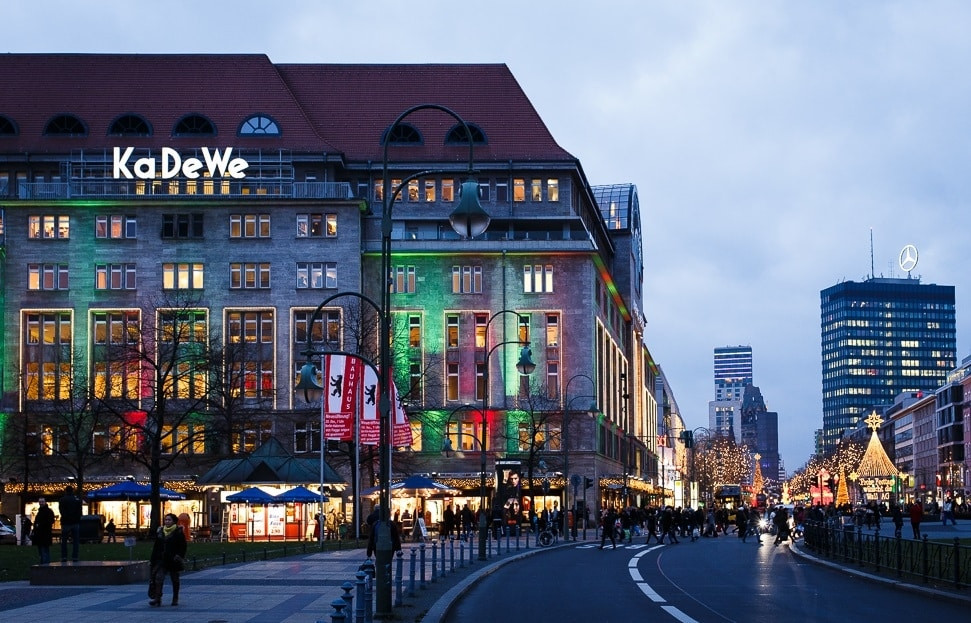
Kurfürstendamm, known locally as Ku'damm, functioned as the commercial heart of West Berlin during the Cold War division and remains one of the city's primary shopping boulevards, running from the ruined Kaiser Wilhelm Memorial Church toward Halensee. KaDeWe, Kaufhaus des Westens, opened in 1907 and ranks as continental Europe's largest department store by sales area, with a food hall on the top floor considered one of Berlin's genuine culinary destinations independent of the shopping itself.
Kaiser Wilhelm Memorial Church:
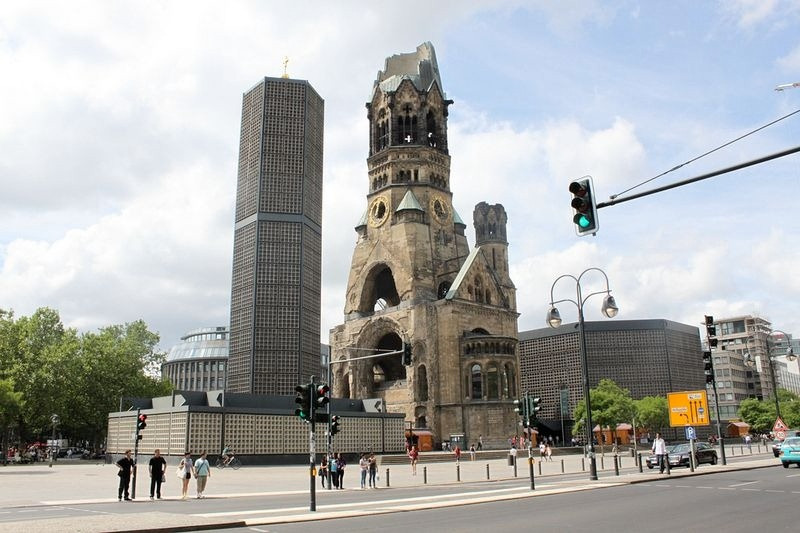
Allied bombing in November 1943 destroyed most of this neo-Romanesque church, built originally in 1895, and Berlin deliberately left the damaged bell tower standing after the war as a permanent anti-war memorial. Full reconstruction was never the plan. A modern octagonal church and bell tower, completed in 1961 with blue stained glass, stand alongside the ruin, creating a direct visual contrast between the old damaged structure and the new one built beside it.
Zoo Berlin:
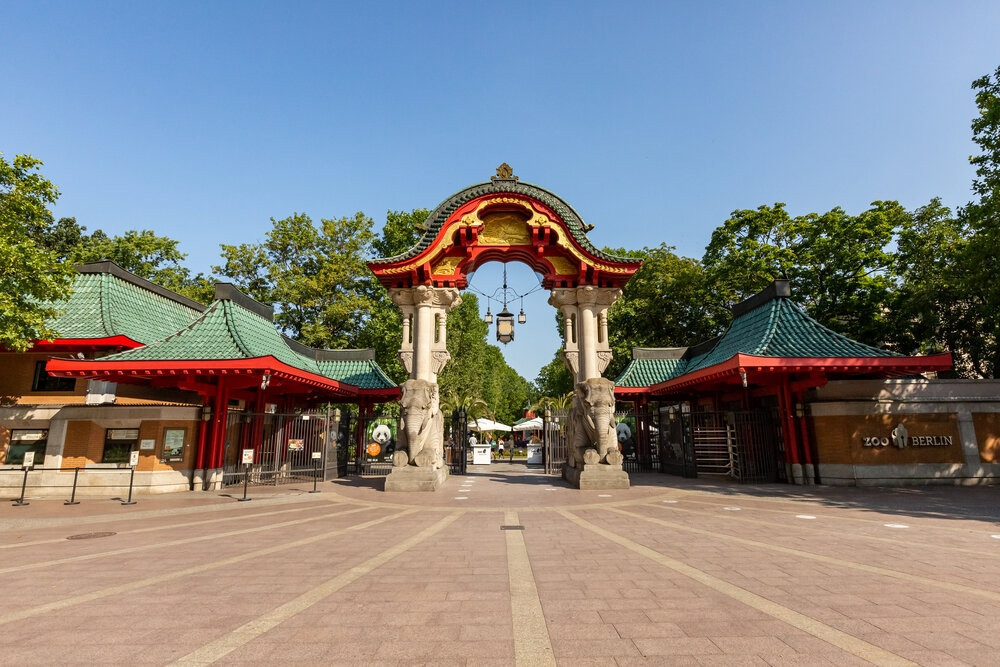
Founded in 1844 with backing from naturalists Alexander von Humboldt and Martin Lichtenstein, Zoo Berlin is Germany's oldest zoo, holding roughly 18,600 animals across around 1,400 species, among the most species-rich zoos in the world. The zoo survived near-total destruction in WWII with only 91 animals left alive by 1945, then rebuilt over the following decades; a polar bear named Knut, born here in 2006, became a global media phenomenon after his mother rejected him and zookeepers hand-raised him instead.
Getting Around Berlin:
Berlin's public transport network runs on 4 connected systems: the U-Bahn (10 underground lines), the S-Bahn (overground trains, including the Ringbahn loop on lines S41 and S42 circling the inner city), trams (concentrated in the former East), and buses filling in the gaps. Most inner-city trips take 30-40 minutes door to door. The whole network runs on 3 fare zones, A (city center), B (outer Berlin), and C (surrounding areas including Potsdam and Schönefeld Airport), and a single ticket covers all 4 transport types within your zone, no separate tickets needed for switching between train and bus.
Trains run all night on weekends; on weekdays, night buses take over once U-Bahn and S-Bahn service stops around 1am. Paper tickets need validating at the small machines on platforms or inside trams and buses before you board, easy to forget as a first-time visitor and the source of most on-the-spot fines. The BVG app sells mobile tickets directly and covers real-time departures across the whole network, worth downloading before you land, not figured out scrambling at the airport.
Where to Stay in Berlin:
Mitte holds most of the major sights and draws the largest share of visitors as a result. The neighborhoods below sit close enough to stay central without putting you in the middle of the busiest tourist streets.
Mitte
The city center borough itself, holding Checkpoint Charlie, Museum Island, Alexanderplatz, the Brandenburg Gate, and the Holocaust Memorial within walking distance of each other. The most convenient base for a first visit, and the most heavily touristed.
Prenzlauer Berg
A quieter, more residential inner-city neighborhood known for tree-lined squares like Kollwitzplatz and Helmholtzplatz, a strong cafe scene, and an early wave of gentrification that gives it a polished feel today, not an edgy one.
Kreuzberg
Berlin's most consistently described as its hippest inner-city district, with a large Turkish and Middle Eastern population, live music venues, and a genuine split in character: livelier bars and nightlife in the east, calmer and more well-heeled streets to the west.
Friedrichshain
A grittier counterpart to Prenzlauer Berg, popular with students and clubbers, home to the RAW Gelände nightlife complex and techno club Berghain, plus the Stalin-era Karl-Marx-Allee boulevard and the East Side Gallery.
Charlottenburg
The commercial heart of former West Berlin, upscale and tourist-friendly, built around the Kurfürstendamm shopping boulevard, Berlin Zoo, and Charlottenburg Palace, with a solid cluster of museums and galleries nearby.
A 3-Day Berlin Itinerary:
3 days covers a genuine introduction to Berlin: the major sights, plus enough time to get past them into the neighborhoods, food, and nightlife. Berlin is flat and walkable, so this itinerary leans on walking with public transport filling the gaps.
Day 1: Historic Mitte and Museum Island
Brandenburg Gate, Reichstag, and the Holocaust Memorial
Start at the Brandenburg Gate, then walk to the Reichstag (assuming you registered for the dome in advance) before continuing to the Memorial to the Murdered Jews of Europe nearby. All 3 sit within a 10-15 minute walk of each other.
Unter den Linden and Museum Island
Walk the historic Unter den Linden boulevard toward Museum Island, and pick 1-2 of the 5 museums; attempting all of them in a single afternoon leaves no real time for any of them. A Spree River boat tour is a genuine alternative if you'd rather see the city from the water than another museum interior.
Hackescher Markt
The streets spiraling out from Hackescher Markt, including Oranienstraße and Alte Schönhauser Allee, fill with bars and restaurants by evening, a solid area to end the first day without needing to plan much further.
Day 2: World War Two and the Cold War
Karl-Marx-Allee to Alexanderplatz
Start in Friedrichshain and walk the Stalin-era Karl-Marx-Allee boulevard, a genuinely different architectural experience from central Mitte, before arriving at Alexanderplatz and the TV Tower.
Checkpoint Charlie and Cold War history
Visit Checkpoint Charlie, then the site of the former Gestapo headquarters nearby (now the Topography of Terror museum), for a direct look at both sides of the city's 20th-century history in a single afternoon.
Friedrichstrasse
Friedrichstrasse runs dinner and cocktail options at a higher density than most Mitte streets, a practical spot to close out a history-heavy day.
Day 3: Charlottenburg and former West Berlin
Zoologischer Garten and Kurfürstendamm
Start around Zoologischer Garten station, then walk the Kurfürstendamm shopping boulevard toward the Kaiser Wilhelm Memorial Church, West Berlin's defining Cold War-era commercial strip.
Charlottenburg Palace
Spend the afternoon at Charlottenburg Palace and its gardens, with time for 1 of the nearby museums or photo galleries if the pace allows.
Kantstrasse
Kantstrasse holds a genuine concentration of Berlin's dinner and live jazz options, a fitting close to a trip that started at the Brandenburg Gate and ends in the neighborhood that defined the other half of the divided city.
Optional day 4: Kreuzberg, Neukölln, or Potsdam
With a 4th day, head into Kreuzberg or Neukölln for a more residential, less-touristed feel, or take the train out to Potsdam, the former royal seat just outside Berlin. The forests and lakes around Grunewald are a genuine option too, and one most visitors on a standard 3-day trip never get to see.




{{item.get_author.first_name}} {{item.get_author.last_name}}
Level 7
5 Photos
36 Reviews
{{item.comment_txt}}
{{item_reply.get_author.first_name}} {{item_reply.get_author.last_name}}
@ {{item_reply.reply_to}}, {{item_reply.reply_txt}}