
The top tourist places in India run from the high deserts of Ladakh and the lakes of Kashmir to the backwaters of Kerala, the forts of Rajasthan, the beaches of Goa and the hill country of the north-east, and each region has its own best season, so plan India one region at a time. This list brings together 36 places that are totally worth visiting, from famous names like Agra and Jaipur to quieter choices such as Lambasingi, Shillong and Imphal.
Each entry below covers the top places to see, the best things to do and the right time of year to go. Use the comparison table to match places to your travel month, then read the full sections for the destinations on your shortlist. For a single city in depth, see the guide to the top tourist attractions in Agra, and for a wider list arranged by region, the 100 places to visit in India.
Travelling in India: essential facts at a glance
- Best time overall: October to March for most of the plains, coasts and Rajasthan
- Himalaya season: May to September for Ladakh and high passes; spring and autumn for most hill stations
- Monsoon: Roughly June to September across most of the country
- Entry rules: Most visitors need a visa or e-Visa; rules depend on your passport
- Currency: Indian rupee (INR); UPI and cards are common in cities
- Main gateways: Delhi, Mumbai, Bengaluru, Kolkata, Chennai and Hyderabad airports
- Getting around: Domestic flights for long hops, trains and private cars between nearby cities
- Permits: Some north-eastern and border areas need an Inner Line or Protected Area Permit
Top 36 tourist places in India compared: region, type and best time
Seasons below are general guides; local weather varies with altitude, and high-altitude roads open and close with the snow.
| # | Place | Region | Best for | Best months |
|---|---|---|---|---|
| 1 | Uttarakhand | North (Himalaya) | Mountains, pilgrimage | Apr–Jun, Sep–Nov |
| 2 | Jammu and Kashmir | North (Himalaya) | Lakes, valleys | Apr–Oct; Dec–Feb for snow |
| 3 | Arunachal Pradesh | North-east | Mountains, tribal culture | Oct–Apr |
| 4 | Sikkim | North-east (Himalaya) | Mountains, monasteries | Mar–May, Oct–Dec |
| 5 | Ladakh | North (high Himalaya) | High desert, monasteries | May–Sep |
| 6 | Himachal Pradesh | North (Himalaya) | Hill stations, trekking | Mar–Jun, Sep–Nov |
| 7 | Goa | West coast | Beaches, nightlife | Nov–Feb |
| 8 | Mumbai | West coast | City, food, film | Nov–Feb |
| 9 | Bangalore | South | City, gardens | Oct–Feb |
| 10 | New Delhi | North | Capital, monuments | Oct–Mar |
| 11 | Kolkata | East | City, culture | Oct–Mar |
| 12 | Rajasthan | North-west | Forts, desert | Oct–Mar |
| 13 | Ooty | South (Nilgiris) | Hill station | Mar–Jun, Sep–Nov |
| 14 | Pondicherry | South-east coast | French quarter, beaches | Oct–Mar |
| 15 | Tamil Nadu | South | Temples, coast | Nov–Feb |
| 16 | Andaman and Nicobar Islands | Bay of Bengal | Islands, diving | Nov–Apr |
| 17 | Meghalaya | North-east | Waterfalls, caves | Oct–May |
| 18 | Karnataka | South | Heritage, coast, coffee hills | Oct–Mar |
| 19 | Kerala | South-west | Backwaters, beaches | Sep–Mar |
| 20 | Agra | North | Mughal monuments | Oct–Mar |
| 21 | Varanasi | North | Ghats, pilgrimage | Oct–Mar |
| 22 | Jaisalmer | North-west | Desert, fort | Oct–Mar |
| 23 | Rann of Kutch | West | Salt desert | Nov–Feb |
| 24 | Aurangabad | West-central | Ajanta and Ellora caves | Oct–Mar |
| 25 | Sunderbans, West Bengal | East | Mangroves, tigers | Sep–Mar |
| 26 | Hampi | South | Ruined capital | Oct–Feb |
| 27 | Mysore | South | Palaces, Dasara | Oct–Feb |
| 28 | Kaziranga National Park, Assam | North-east | Rhino safari | Nov–Apr |
| 29 | Rishikesh | North | Yoga, rafting | Sep–Nov, Feb–May |
| 30 | Jaipur | North-west | Pink City, forts | Oct–Mar |
| 31 | Amritsar | North | Golden Temple | Oct–Mar |
| 32 | Lambasingi | South-east (Eastern Ghats) | Hill village | Nov–Jan |
| 33 | Shimla | North (Himalaya) | Hill station | Mar–Jun; Dec–Jan for snow |
| 34 | Shillong | North-east | Hill city, music | Oct–May |
| 35 | Imphal | North-east | Loktak Lake, culture | Oct–Mar |
| 36 | Dimapur | North-east | Gateway to Nagaland | Oct–Mar |
Top 36 tourist places in India that are totally worth visiting
The 36 places below start in the Himalaya with Uttarakhand, Jammu and Kashmir, Arunachal Pradesh, Sikkim and Ladakh, then move to Himachal Pradesh, Goa and big cities such as Mumbai, Bangalore, New Delhi and Kolkata. Each entry gives the top places to see, the best things to do and the right time of year to go.
01. Uttarakhand
Uttarakhand runs from the Ganges plains at Haridwar up to the glaciers of the Garhwal and Kumaon Himalaya, and most trips here follow one of three lines: the spiritual towns of Haridwar and Rishikesh, the old British hill stations of Mussoorie and Nainital, or the high mountain routes towards the Char Dham shrines and the Valley of Flowers.
Distances look short on the map but mountain roads are slow, so pick one region per week. The Valley of Flowers National Park opens on 1 June and usually closes on 31 October; the walk starts at Govindghat, about 13 km below the base village of Ghangaria, and no overnight stays are allowed inside the park. Jim Corbett, India's oldest national park, sits in the foothills and is easy to reach from Delhi.
Top Places to Visit in Uttarakhand
- Rishikesh: Rishikesh is known for yoga schools, riverside ashrams and the evening Ganga Aarti at Parmarth Niketan. It is also the base for white-water rafting and for the drive north to the Char Dham shrines. Dehradun's Jolly Grant airport is about 45 minutes away.
- Nainital: A Kumaon hill town built around the pear-shaped Naini Lake. Row across the lake, take the cable car to Snow View, and walk up to Naina Peak for Himalayan views on clear mornings. Kathgodam is the nearest railway station, about an hour below.
- Mussoorie: The closest hill station to Dehradun, with the Mall Road promenade, Lal Tibba viewpoint in Landour and Kempty Falls on the road west. Weekends bring heavy Delhi traffic.
- Haridwar: One of Hinduism's seven holy cities, where the Ganges leaves the hills. Join the evening aarti at Har Ki Pauri and visit the hilltop Mansa Devi and Chandi Devi temples by ropeway.
- Jim Corbett National Park: India's oldest national park, in the Kumaon foothills. Book jeep safaris online well in advance; Dhikala zone, with forest lodges inside the park, is the most sought after.
- Valley of Flowers National Park: A UNESCO-listed alpine valley (UNESCO) above Ghangaria, open from 1 June to 31 October. Flowers peak in July and August; the nearby Hemkund Sahib gurdwara shares the same trail.
- Auli: A ski slope above Joshimath with views of Nanda Devi. A long cable car and a chairlift serve the slopes, and the Gorson Bugyal meadow walk starts from the top.
- Chopta: A meadow village on the road between Ukhimath and Gopeshwar, often called a mini Switzerland for its forests and views. It is the trailhead for the steep walk to Tungnath temple and on to Chandrashila summit. Stays are basic camps and lodges.
Top Things to Do in Uttarakhand
- Trekking: Short walks such as Chopta to Chandrashila suit first-timers, while Roopkund, Har Ki Dun and Kedarkantha take several days. All need a registered guide and warm kit. Go in May-June or September-October, outside the monsoon.
- River Rafting: Rapids above Rishikesh, starting at Shivpuri and other put-in points, range from easy to grade III and IV. Choose a licensed operator; rafting pauses during the monsoon.
- Pilgrimage: Kedarnath, Badrinath, Gangotri and Yamunotri form the Char Dham circuit, open from late spring to autumn. Pilgrims must register online with the state government before setting out.
- Wildlife Safari: Corbett is known for tigers and elephants, and Rajaji near Haridwar for elephants. Safaris are booked online through the parks' official portals. Core zones close during the monsoon.
- Yoga and Meditation: Rishikesh has many teacher-training schools and short drop-in classes. Check reviews and the teacher's accreditation before paying for a long course.
- Cable Car Rides: The Auli ropeway from Joshimath and the Mussoorie Gun Hill ropeway give quick mountain views. Both can stop in high wind or heavy snow, so check before going.
- Camping and Adventure Activities: Riverside camps near Shivpuri pair rafting with bonfires, while Mukteshwar and Bhimtal offer climbing, rappelling and paragliding. Choose operators registered with the state tourism board.
Best Time to Visit Uttarakhand
For Rishikesh, Haridwar and the foothills, October to March is comfortable, while April to June suits the hill stations and high routes. The Valley of Flowers blooms best from mid-July to August, inside the monsoon, when landslides can block roads, so keep spare days. Auli's ski season runs in the snowy months of January and February. Corbett's main safari zones close during the monsoon.
02. Jammu and Kashmir
Kashmir's valley is ringed by the Pir Panjal and Great Himalayan ranges, and Srinagar's Dal Lake is the starting point for almost every trip. Stay on a houseboat, take a shikara to the floating vegetable market at dawn, and walk the Mughal gardens of Shalimar and Nishat on the lake's eastern shore.
From Srinagar, three valleys make easy excursions: Gulmarg with its gondola and ski slopes, Pahalgam with Betaab and Aru valleys, and Sonmarg on the road towards Ladakh. Gurez is remote and needs extra planning. Srinagar airport has direct flights from Delhi and Mumbai. Security conditions in parts of the region change, so check your government's current advice before travel.
Top Places to Visit in Jammu and Kashmir
- Srinagar: The summer capital, built around Dal and Nigeen lakes. Stay on a houseboat, visit Shalimar and Nishat Bagh, and see the wooden Jamia Masjid in the old city.
- Pahalgam: A riverside town on the Lidder, about two to three hours from Srinagar. It is the base for pony rides to Baisaran meadow and the starting point of the Amarnath Yatra.
- Gulmarg: A high meadow with one of Asia's longest and highest cable cars. The two-stage Gulmarg Gondola reaches Apharwat ridge, and winter brings serious skiing.
- Sonmarg: The last valley before Zoji La on the road to Ladakh. Ponies carry visitors to Thajiwas Glacier, where snow lies into early summer.
- Aru & Betaab Valley: Two side valleys near Pahalgam. Aru is a quiet village and trek base for Kolahoi Glacier and Tarsar Lake, while Betaab Valley is a short, popular stop.
- Gurez Valley: A remote valley near the Line of Control, reached over the Razdan Pass. It has wooden Dard-Shin villages and Habba Khatoon peak, and Indian visitors need a permit from Bandipora.
Top Things to Do in Jammu and Kashmir
- Boating in Dal Lake, Srinagar: Shikara rides at sunrise reach the floating vegetable market, and longer trips cross to Nigeen Lake. Agree the price and route with the boatman before setting off.
- Skiing in Gulmarg: Gulmarg's Apharwat slopes suit intermediate and expert skiers from roughly December to March. Hire gear and instructors from registered operators in the village.
- Trekking: The Great Lakes trek from Sonmarg, the Tarsar Marsar circuit from Aru and the Kolahoi Glacier walk are the best-known routes. They are done between July and September. Hire a registered guide and carry ID for army checkpoints.
- Angling & Fishing in Pahalgam: The Lidder river is known for brown trout. Fishing needs a permit from the state fisheries department, and the season is fixed each year.
- White Water River Rafting in Pahalgam and Sonmarg: The Lidder near Pahalgam and the Sindh near Sonmarg offer short rafting runs. The season is late spring and summer, when snowmelt raises the rivers. Trips last about an hour.
- Shopping for Leather Items, Pashmina Shawls, and Traditional Kashmiri Handicraft: Look for genuine pashmina, papier-mâché, walnut-wood carving and crewel embroidery in Srinagar's old city and Polo View market. Ask about certification, as fake pashmina is common. Government emporiums offer fixed prices.
- Trying Wazwan (traditional dishes): Wazwan is a multi-course feast cooked by a waza, a hereditary chef. Rogan josh, gushtaba and yakhni are the classic dishes; restaurants in Srinagar serve shorter versions.
Best Time to Visit Jammu and Kashmir
April to October is the main season, with spring blossom in April and May and green meadows in summer. Autumn brings golden chinar trees in October and November. December to February brings snow to Gulmarg for skiing, but roads to Sonmarg and Gurez can close.
03. Arunachal Pradesh
Arunachal Pradesh is India's north-easternmost state, bordering Bhutan, China and Myanmar, and much of it is mountain forest home to dozens of tribal communities. Tawang, with its large monastery, lies over the high Sela Pass, while Ziro's rice-terraced valley is home to the Apatani people and hosts a music festival in September.
Every foreign visitor needs a Protected Area Permit, applied for through the e-FRRO portal or an approved local tour operator, and Indian visitors need an Inner Line Permit. Roads are long and slow, and landslides are common in the rains. Most travellers fly into Guwahati or Dibrugarh in Assam, or Itanagar's Donyi Polo airport, then continue by road.
Top Places to Visit in Arunachal Pradesh
- Tawang: Home to Tawang Monastery, the largest Buddhist monastery in India, founded in the seventeenth century, and close to the Bhutan and Tibet borders. Reaching it means crossing Sela Pass by road from Tezpur or Guwahati; most travellers break the drive at Dirang or Bomdila. Visit between October and April, and check whether snow has closed the pass.
- Ziro Valley: A wide rice-growing valley of the Apatani people, known for their paddy-cum-fish farming and old village customs. It sits on the UNESCO tentative list. Fly to Itanagar or take the overnight train to Naharlagun, then drive about four hours; the Ziro Festival of Music is held each September.
- Namdapha National Park: A large tiger reserve in the far east near Miao, stretching from lowland rainforest to snow peaks. Unusually, four big cats (tiger, leopard, clouded leopard and snow leopard) have been recorded. Access is by forest road from Miao and on foot; go between October and March.
- Bomdila: A small monastery town on the road to Tawang, with apple orchards and views of the Kangto range on clear days. It makes a useful overnight stop to acclimatise before Sela Pass. Visit the Gontse Gaden Rabgye Ling monastery above town.
- Itanagar: The state capital, with the brick Ita Fort ruins, a Buddhist gompa and the Jawaharlal Nehru State Museum covering tribal crafts. Donyi Polo airport at Hollongi now links it with Guwahati and Kolkata. It is the easiest place to start an Arunachal trip.
- Pasighat: An old town on the Siang river where it leaves the hills, and the base for D'Ering wildlife sanctuary and river trips upstream. The Solung festival of the Adi people is celebrated here in early September. Pasighat has its own small airport.
- Sela Pass: A high pass on the Tawang road with a small lake beside the road, often frozen in winter. Altitude sickness is common at this height, so do not linger if you feel unwell. Snowfall can close the road for hours, so start early.
- Along: Also called Aalo, a town in West Siang on the Siyom river with hanging cane bridges and Adi villages nearby. It is a stop on the road to Mechuka. Roads are slow, so allow a full day from Pasighat.
Top Things to Do in Arunachal Pradesh
- Trekking: Treks around Tawang, Mechuka and Ziro need a local guide and a valid permit for each district on your route. October to December has the clearest skies, and good boots are essential because trails can be wet year-round.
- Wildlife Safari: Namdapha and Pakke are the main reserves; Pakke is known for great hornbills and its community-led conservation. Visits are arranged through the forest department or local lodges, and jeep safaris are limited, so expect walking.
- River Rafting: The Siang and Kameng rivers have powerful big-water rapids suited only to experienced rafters with specialist operators. Trips run in the dry months after the monsoon.
- Explore Monasteries: Tawang, Bomdila and Dirang have Tibetan Buddhist monasteries open to visitors outside prayer hours. Walk clockwise around stupas, and ask before photographing monks.
- Attend Festivals: Losar (Tibetan New Year), Solung, Dree and the Ziro music festival are the best-known. Dates change each year with local calendars, so confirm with the state tourism department.
- Visit Tribal Villages: Apatani villages around Ziro and Adi villages along the Siang welcome visitors with a guide. Ask before taking photographs and bring small gifts, which are more welcome than cash.
- Birdwatching: Eaglenest, Namdapha and the Mishmi Hills attract serious birders for species found in few other places. October to April is the best season, and specialist guides book up early.
- Enjoy Local Cuisine: Try thukpa, momos, smoked pork with bamboo shoot, and apong, the local rice beer. Food in rural areas is simple, so carry snacks on long drives.
Best Time to Visit Arunachal Pradesh
October to April is the best period, with clear mountain views from October to December. Tawang and the high passes can be snowbound in mid-winter. The monsoon from June to September brings heavy rain and landslides.
04. Sikkim
Sikkim is a small Himalayan state between Nepal, Bhutan and Tibet, overlooked by Kangchenjunga, the third-highest mountain in the world. Gangtok, the capital, is the base for day trips to Tsomgo Lake and Nathula, while Pelling in the west has the best mountain views and the Pemayangtse and Rabdentse sites.
North Sikkim's Lachung and Yumthang Valley, and the high Gurudongmar Lake, need permits arranged through registered tour operators. The nearest airport is Bagdogra in West Bengal, several hours by road from Gangtok, and Pakyong airport has limited flights. As of 2026, foreign visitors must apply online for a Restricted Area Permit through the e-FRRO portal before arrival, as physical permits at the Rangpo and Melli checkposts have ended.
Top Places to Visit in Sikkim
- Gangtok: The capital, set along a ridge. MG Marg is a pedestrian high street with cafés and shops, and Enchey monastery and the Ganesh Tok viewpoint are short drives away. Most North Sikkim and Tsomgo trips are arranged from here through registered agents.
- Yuksom: The first capital of Sikkim, in the west, and the starting point for the Goecha La and Dzongri treks into Khangchendzonga National Park, a UNESCO site. The Coronation Throne at Norbugang marks the 1642 crowning of the first king. It is about four hours by road from Pelling.
- Yumthang Valley: A valley of rhododendrons and hot springs above Lachung in North Sikkim, at its best in April and May. Trips leave from Gangtok as two- or three-day packages with a permit arranged through a registered operator.
- Tsomgo Lake: A glacial lake on the Nathu La road, frozen in winter and ringed by snow in spring. A permit is needed and is arranged by Gangtok agents; the trip is usually combined with Baba Mandir. The road can close after heavy snow.
- Nathu La: A high pass on the India-China border, open on fixed days. Only Indian nationals may visit, with a permit; foreign visitors cannot go.
- Pelling: A west Sikkim village with some of the best views of Kangchenjunga at sunrise. Pemayangtse monastery and the Rabdentse ruins, the second capital, are within walking distance. October to December gives the clearest views.
- Lachung: A North Sikkim village on the way to Yumthang Valley, with an old monastery and apple orchards. It is visited on organised permit tours from Gangtok, usually with an overnight stay.
- Ravangla: A small south Sikkim town known for the Buddha Park and its large Buddha statue, with views of the main peaks on clear days. It sits on the road between Gangtok and Pelling, so it makes an easy stop.
- Rumtek Monastery: The seat of the Karmapa's Kagyu lineage in exile, about an hour from Gangtok. Carry ID for security checks at the gate, and visit in the morning when monks gather for prayers.
- Namchi: A south Sikkim town with the Char Dham pilgrimage complex and the Samdruptse statue of Guru Padmasambhava on a hilltop. It is about two hours from Gangtok.
- Do-Drul Chorten: A large white stupa in Gangtok surrounded by prayer wheels, built in the 1940s. It is a short walk from the Namgyal Institute of Tibetology.
- Jawaharlal Nehru Botanical Garden: A small forest garden near Rumtek with orchids and rhododendrons. It is free and makes a short stop on the way to or from the monastery.
- Zuluk: A village on the old silk route in East Sikkim, known for its zig-zag mountain road. A permit is required and is arranged through Gangtok agents; homestays are basic.
Top Things to Do in Sikkim
- Trekking: Goecha La and Dzongri from Yuksom are the classic routes, and all require registered guides and permits. Spring and autumn are the trekking seasons.
- River Rafting in Teesta River: The Teesta river offers rafting from Melli and Makha in the drier months. Choose a licensed operator and avoid the monsoon, when the river is dangerous.
- Paragliding: Tandem flights from near Gangtok give views over the hills in clear weather. Check the operator's licence and safety gear.
- Cable Car Ride in Gangtok: A short ropeway in Gangtok links the Deorali and Tashiling areas, with views over the town. It is cheap and quick; queues build on holidays.
- Motorbiking: Long, twisting mountain roads draw bikers. Rented two-wheelers from outside Sikkim may face restrictions, so rent locally and check permit rules for restricted areas.
- Mountain Biking: Trails around Pelling and Ravangla suit mountain bikers in the dry months. Bring your own gear, as rentals are limited.
- Bungee Jumping at Singshore Bridge: Singshore Bridge near Uttarey in West Sikkim is one of the highest bridges in Sikkim, spanning a deep gorge. Bungee jumps have been run here by operators in season. Confirm with local operators whether jumps are currently offered.
- Yak Safari: Yak rides are offered at Tsomgo Lake. Short rides suit families; check that the animals look well cared for.
- Helicopter Ride: Helicopter joyrides from Gangtok give views of the mountains in clear weather. Flights depend on visibility, so book for an early slot in the clearer months of October to December and keep a spare day in case of cancellation.
- Caving/Spelunking at North Lha-Ri-Nying Phu: A sacred cave near Pelling, visited with local guidance. Wear good shoes and bring a torch.
Best Time to Visit Sikkim
March to May brings rhododendrons and clear skies, and October to December offers the sharpest views of Kangchenjunga. The monsoon, June to September, causes landslides, and high areas can be snowbound in winter.
05. Ladakh
Ladakh is a high, dry plateau between the Karakoram and the Himalaya, with Leh as its main town. Buddhist monasteries such as Thiksey, Hemis and Diskit sit above green river valleys, and Pangong Tso and Nubra Valley are the classic trips from Leh by road over high passes.
Leh sits at a high altitude, so plan at least two rest days on arrival to acclimatise before going higher. Foreign visitors need a Protected Area Permit for Nubra, Pangong and other inner-line areas, arranged through a registered agent, while Leh itself is open. Flights from Delhi land at Leh airport; the road routes from Manali and Srinagar open only in summer.
Top Places to Visit in Ladakh
- Leh: The main town, at high altitude, with Leh Palace, Shanti Stupa and the old town. Rest for at least two days on arrival before going higher. Leh is also where permits, taxis and trek guides are arranged.
- Pangong Lake: A long, brackish lake that runs into Tibet, reached over Chang La. Foreign visitors need a Protected Area Permit. Nights are very cold even in summer, and lakeside camps have basic facilities.
- Tsomoriri: A high lake in Changthang, quieter than Pangong, with nomad camps and Korzok monastery. Permits are required, and the drive from Leh takes most of a day.
- Tso Kar: A salt lake near Tso Moriri, known for black-necked cranes and other birds in summer. It is often visited on the same trip as Tso Moriri.
- Nubra Valley: Reached over a high pass from Leh, Nubra has sand dunes and Bactrian camels at Hunder, Diskit monastery with its large Maitreya statue, and Turtuk village near the Pakistan border. Foreigners need permits.
- Zanskar Valley: A remote valley south of Kargil with old monasteries such as Karsha and Phuktal. Roads open only in summer, and travel is slow, so allow at least four days.
Top Things to Do in Ladakh
- Trekking & Hiking: The Markha Valley trek, with homestays along the way, is the best-known route. Treks need acclimatisation and a registered guide.
- Peak Climbing: Trekking peaks such as Kang Yatse and Stok Kangri need permits from the Indian Mountaineering Foundation. Some peaks have been closed at times for environmental reasons, so check before planning. Allow a week to acclimatise.
- Motor Biking: Riding from Manali or Srinagar to Leh is a classic summer trip. Leave spare days for weather and road closures.
- Mountain Biking: Downhill rides from Khardung La are offered by Leh operators with support vehicles. It is a long descent with sharp bends.
- White Water River Rafting: The Indus and Zanskar rivers offer rafting near Leh in summer. Beginner sections on the Indus suit first-timers.
- Camping: Camps at Pangong, Nubra and Tso Moriri range from basic tents to comfortable lodges. Book ahead in July and August.
- Wildlife Sighting, especially Snow Leopards: Hemis National Park is known for snow leopards, mainly seen on winter treks with specialist guides. Trips are cold and expensive.
- Attend Festivals in the Monasteries: Hemis Tsechu in summer and Losar in winter feature masked cham dances in monastery courtyards. Dates follow the Tibetan calendar.
Best Time to Visit Ladakh
May to September is the season, when high passes are open and days are warm. July and August are busiest. Winter is extremely cold, and the frozen Zanskar River trek draws a small number of experienced trekkers in January and February.
06. Himachal Pradesh
Himachal Pradesh covers the western Himalaya, from apple orchards and pine forests to the high-altitude deserts of Spiti and Lahaul. Shimla and Manali are the best-known hill stations, while Dharamshala and McLeod Ganj are home to the Tibetan government in exile and the Dalai Lama's temple.
The Atal Tunnel under the Rohtang Pass now links Manali to Lahaul year-round. The Kalka–Shimla Railway, a UNESCO site, is a slow, scenic way to reach Shimla. Kasol, Bir Billing and Spiti suit trekkers, paragliders and road-trippers. Kangra, Kullu and Shimla have small airports, but most travellers arrive by road from Chandigarh or Delhi.
Top Places to Visit in Himachal Pradesh
- Manali: A busy hill town in the Kullu Valley, split between the Mall Road and Old Manali's guesthouses and cafés. The wooden Hadimba temple sits in a cedar forest above town. Manali is the base for Solang Valley and the Atal Tunnel to Lahaul; overnight buses from Delhi take around 12 to 14 hours.
- Dharamshala: Upper Dharamshala, or McLeod Ganj, is home to the Dalai Lama's temple complex and the Tibetan government in exile. It is the start of the day hike to Triund ridge. Gaggal (Kangra) airport is about 45 minutes away.
- Dalhousie: A quiet hill station spread over five hills, with colonial churches and pine forests. The Khajjiar meadow, ringed by deodars, is a short drive away. It is cooler and calmer than Shimla in summer.
- Spiti Valley: A high-altitude desert valley with Key and Tabo monasteries and villages such as Langza and Komic. The Kunzum Pass route from Manali opens roughly from June to October; the Kinnaur route from Shimla stays open longer. Acclimatise as you climb.
- Kullu: The valley around Kullu town, known for its week-long Dussehra fair in October and rafting on the Beas. Bhuntar airport, near Kullu, has small-aircraft flights from Delhi that are often cancelled in bad weather.
- Kasauli: A small cantonment town about an hour from Chandigarh, with colonial buildings and walking trails to Monkey Point. It is a quiet weekend trip from Delhi.
- Chamba: An old town on the Ravi river with the stone Lakshmi Narayan temples and the Bhuri Singh museum. Chamba is known for its embroidered rumals and miniature paintings. It sits beyond Dalhousie and sees few visitors.
Top Things to Do in Himachal Pradesh
- Trekking: Triund from McLeod Ganj is a day hike, while Hampta Pass and Bhrigu Lake from Manali take several days. Go in May-June or September-October, and hire a registered guide for high passes.
- Adventure Sports: Bir Billing near Baijnath is one of the world's best-known paragliding sites, with tandem flights in spring and autumn. Solang Valley near Manali has paragliding in summer and skiing in winter.
- Wildlife Safari: Great Himalayan National Park in Kullu, a UNESCO site, is entered on foot from Sairopa and other gates. Treks of several days give the best chance of seeing pheasants and mountain goats.
- Visit Temples and Monasteries: The Hadimba temple, Bhimakali at Sarahan, Tabo monastery and the Tsuglagkhang in McLeod Ganj are the most important. Remove shoes and dress modestly.
- Enjoy Scenic Drives: The Spiti circuit via Kinnaur and the Manali-Leh road are among India's great drives. Hire experienced drivers, and check road status daily, as landslides are frequent.
- Try Local Cuisine: Siddu (steamed bread with filling), dham (the festival meal served on leaf plates) and trout from Kullu streams are the local dishes. Tibetan food is everywhere in McLeod Ganj.
- Visit Hot Springs: Manikaran in the Parvati Valley has a gurdwara and temple beside hot springs, and Vashisht near Manali has public baths. Both are free.
- Attend Local Festivals: Kullu Dussehra in October and the International Shivratri Fair at Mandi in February or March bring processions of village deities. Book stays early for both. Local fairs happen in many villages during summer.
Best Time to Visit Himachal Pradesh
March to June suits Shimla, Manali and Dharamshala, and September to November brings clear post-monsoon skies. Spiti is reachable mainly from June to October. Winter brings snow and skiing, and the monsoon brings landslides.
07. Goa
Goa is India's smallest state, a stretch of Arabian Sea coast with Portuguese-era churches, beaches and a relaxed pace. North Goa, around Calangute, Baga and Anjuna, is busy and lively, while South Goa, around Palolem and Agonda, is calmer.
Old Goa's churches, including the Basilica of Bom Jesus, are a UNESCO site, and Panjim's Fontainhas quarter keeps its colourful Latin-style houses. Dudhsagar Falls is spectacular after the monsoon. Goa has two airports, Dabolim and Manohar International at Mopa in the north, so choose the one closest to your beach. Hire a scooter or a taxi, as public transport is limited.
Top Places to Visit in Goa
- Calangute Beach: The busiest beach in North Goa, lined with shacks, hotels and water-sports stalls. It is crowded in peak season, so walk north to Candolim for space. Most visitors stay here for its many budget options.
- Basilica of Bom Jesus: A sixteenth-century church in Old Goa holding the remains of St Francis Xavier, part of the UNESCO-listed Churches and Convents of Goa. Entry is free; dress modestly. The relics are shown to the public in a special exposition held about once a decade.
- Fort Aguada: A seventeenth-century Portuguese fort and lighthouse at Sinquerim, guarding the mouth of the Mandovi. The upper fort gives wide sea views, and it is near Candolim.
- Baga Beach: Next to Calangute, known for clubs, bars and water sports. It is lively late into the night in season, so stay elsewhere if you want quiet.
- Anjuna Beach: A rocky beach known for its Wednesday flea market, which runs in the tourist season. It is quieter by day than its party reputation suggests.
- Dudhsagar Waterfalls: A tall, four-tiered waterfall on the Goa-Karnataka border, at its fullest after the monsoon. Visitors reach it by forest jeep from Collem through Bhagwan Mahavir sanctuary; jeep trips are suspended in the heaviest rains.
- Church of Our Lady of Immaculate Conception: The white church above Panjim's main square, with a zig-zag staircase. It is lit at night and is a short walk from Fontainhas.
- Dona Paula: A headland near Panjim with views over the Zuari estuary and Mormugao harbour. It is a quick stop on the way to South Goa.
- Chapora Fort: A ruined fort above Vagator beach with views over the Chapora river and coast. It is best at sunset; wear shoes for the rocky climb.
- Arambol Beach: A northern beach with a long-stay crowd, drum circles at sunset and a freshwater lake behind the dunes. It is far from the airports, so plan transfers.
- Palolem Beach: A crescent beach in South Goa with beach huts and calm water, popular with families. Kayaking and dolphin trips leave from here.
- Vagator Beach: A cliff-backed beach in the north, below Chapora Fort. It is known for sunsets and nearby nightlife. Rocks at the north end are good for photos.
Top Things to Do in Goa
- Watersports: Parasailing, jet-skiing and banana rides run from Baga and Calangute. Check that operators provide life jackets, and avoid rough-sea days.
- Shopping in Anjuna Flea Market and Night Market: The Anjuna flea market runs on Wednesdays and the Arpora night market on Saturday evenings, both mainly from November to April. Bargain firmly.
- Yoga & Ayurveda: Many resorts and retreats offer yoga classes and Ayurvedic treatments, especially around Arambol, Mandrem and Agonda. Courses run mainly from November to April.
- Visit Spice Plantation: Plantations near Ponda offer guided tours with a traditional Goan lunch. Book a morning visit before the heat.
- Bungee Jumping at Mayem Lake: A bungee platform over Mayem lake near Bicholim has operated in season. Check the operator's current status before going.
- Go-Karting in Arpora: A go-kart track in Arpora, close to Baga and Calangute, suits families and groups. Evening sessions are cooler, and the track sits near the Saturday night market, so the two fit into one outing.
- Try Seafood: Try xacuti, cafreal, prawn balchão and fish curry rice. Feni, distilled from cashew or coconut, is the local spirit. Beach shacks and village restaurants are the best places.
- Take an Electric Bike Tour: Guided e-bike tours run through Panjim and the old villages. They are a gentle way to see Latin Quarter houses and churches.
- Heritage Walk in Fontainhas: Fontainhas in Panjim has colourful Portuguese-era houses and narrow lanes. Go early morning for photos.
- Climb up to Chapora Fort: The short climb to the fort walls gives views over Vagator and the Chapora river. Go at sunset and wear shoes for the rocky path.
Best Time to Visit Goa
November to February is peak season, with dry, warm weather and the most crowds. The Christmas and New Year week is the most expensive. March to May is hot, and many beach shacks close for the monsoon from June to September.
08. Mumbai
Mumbai is India's commercial capital, a fast city on an island peninsula facing the Arabian Sea. The Gateway of India and the Taj Mahal Palace hotel stand side by side, and the Chhatrapati Shivaji Maharaj Terminus railway station is a UNESCO-listed Victorian Gothic building. Marine Drive's seafront curve glows at night.
Ferries from the Gateway reach the Elephanta Caves, also a UNESCO site, in about an hour. Dharavi tours show the city's huge informal industry, and Bandra is the district for cafés and street art. Mumbai's street food, such as vada pav and pav bhaji, is best tasted at busy stalls. Local trains are fast but packed at rush hour.
Top Places to Visit in Mumbai
- Gateway of India: A basalt arch on the waterfront at Apollo Bunder, built in the early twentieth century. Ferries to Elephanta leave from the jetties beside it. Go early morning to avoid crowds and touts.
- Marine Drive: A curved seafront promenade, nicknamed the Queen's Necklace for its lights at night. Walk from Nariman Point to Girgaum Chowpatty at sunset.
- Elephanta Caves: Rock-cut cave temples to Shiva on an island in the harbour, a UNESCO site. Ferries from the Gateway take about an hour each way, and there are steps up to the caves.
- Juhu Beach: A long suburban beach known for evening street food. Swimming is not recommended because of strong currents and pollution.
- Colaba Causeway: A shopping street in south Mumbai with stalls selling clothes, jewellery and souvenirs. Bargain hard, and visit nearby Leopold Cafe.
- Chhatrapati Shivaji Terminus: A UNESCO-listed Victorian Gothic railway terminus, still one of India's busiest stations. View the facade from the street at night when it is lit.
- Sanjay Gandhi National Park: A large forest park inside the city limits, with the Buddhist Kanheri Caves. Go on a weekday morning; leopards live here but are rarely seen.
- Haji Ali Dargah: A mosque and tomb on an islet off Worli, reached by a causeway that floods at high tide. Check tide times before visiting.
- Nehru Science Centre: An interactive science museum in Worli, popular with families. Allow two hours.
- Bandra-Worli Sea Link: A cable-stayed bridge across Mahim Bay linking Bandra and Worli. It is a toll road with no pedestrian access, so see it from Bandra Bandstand.
Top Things to Do in Mumbai
- Explore Bollywood: Studio tours in Film City in Goregaon show sets and production work. Visits run only as pre-booked guided tours, and shooting schedules decide which sets you see, so treat any promise of star sightings with caution.
- Street Food Tour: Try vada pav, pav bhaji and bhelpuri at busy stalls. During Ramzan, the night food stalls on Mohammed Ali Road are famous.
- Visit Dharavi Slum: Guided walks in Dharavi show recycling, pottery and leather workshops. Choose community-run tours and do not take photos without permission.
- Enjoy Sunset at Marine Drive: Marine Drive and Girgaum Chowpatty are the best sunset spots in south Mumbai. Walk from Nariman Point and stay for the lights.
- Elephanta Caves Excursion: Ferries run from the Gateway of India and take about an hour each way. There are steps up to the caves. Check the last return time.
- Shopping at Colaba Causeway: Bargain for clothes, accessories and souvenirs along the Causeway. Start low and walk away if needed. Stop at Leopold Cafe for a break.
- Gateway of India Boat Ride: Short harbour boat rides leave from the Gateway, giving views of the Taj hotel and naval docks. Rides last about half an hour.
- Visit Haji Ali Dargah: Visit at low tide to walk the causeway. Dress modestly and cover your head inside the shrine.
- Art Appreciation at Kala Ghoda: Kala Ghoda has galleries, the Jehangir Art Gallery and museums. The Kala Ghoda Arts Festival takes place in February.
- Relax at Chowpatty Beach: Girgaum Chowpatty is a city beach known for Ganesh immersion processions. Evening snack stalls sell bhelpuri and kulfi.
Best Time to Visit Mumbai
November to February is the most pleasant period. The monsoon, June to September, brings heavy rain, waterlogging and train disruption. Ganesh Chaturthi, usually in August or September, brings huge processions to the sea.
09. Bangalore
Bengaluru (Bangalore) is India's technology capital and Karnataka's state capital, set on a plateau with a mild climate. Lalbagh and Cubbon Park are its green lungs, and the Bangalore Palace and Tipu Sultan's summer palace show the city's royal past. The Vidhana Soudha houses the state legislature.
Bengaluru is known for craft beer, cafés and south Indian breakfasts. It is also a base for Mysuru, Nandi Hills and Coorg. Traffic is heavy, so use the Namma Metro where possible. Kempegowda International Airport is about an hour north of the city centre.
Top Places to Visit in Bangalore
- Lalbagh Botanical Garden: A botanical garden laid out in the eighteenth century, with a Victorian glasshouse that hosts flower shows around Republic Day and Independence Day. Go early in the morning, when walkers and birdwatchers have it mostly to themselves.
- Cubbon Park: A large green park in the city centre, home to the State Central Library and the High Court. Parts of the park close to traffic on weekends, which makes it pleasant for walking.
- Bangalore Palace: A Tudor-style palace built for the Wadiyar rulers, visited with an audio guide. The grounds are often used for concerts and events, which can close the palace to visitors.
- Tipu Sultan's Summer Palace: A two-storey teak palace from the eighteenth century in the old city, near the Kote Venkataramana temple. It takes about half an hour and pairs well with the nearby KR Market.
- Bannerghatta Biological Park: A zoo, safari park and butterfly park about an hour south of the city. Avoid weekends, when queues for the safari buses grow long.
- ISKCON Temple: A large hilltop temple complex in Rajajinagar run by the ISKCON movement. Evenings are busiest, with the aarti and crowds of devotees.
- Nandi Hills: A hill fort about 60 km north of the city, popular for sunrise. Leave very early on a weekday, as weekend traffic and parking can be severe.
- Commercial Street: A busy shopping street for clothes, shoes and accessories. Bargaining is expected at small shops.
- UB City: A luxury mall in the central business district, with upscale restaurants and rooftop bars. It sits on Vittal Mallya Road, a short ride from MG Road metro, and is busiest on weekend evenings.
- Innovative Film City: A theme park and film studio on the Bengaluru-Mysuru road, suited to families. Check opening days before the drive.
Top Things to Do in Bangalore
- Visit the Bangalore Palace: The audio guide explains the palace rooms and the Wadiyar family's history. Photography inside may cost extra.
- Explore Cubbon Park: Morning walks, weekend events and the State Central Library make Cubbon Park a pleasant half day. Parts close to traffic at weekends.
- Try Street Food: Try masala dosa, idli and filter coffee at long-running eateries in Basavanagudi and Malleshwaram. Breakfast is the best time, and queues move quickly.
- Visit Lalbagh Botanical Garden: Lalbagh is best early in the morning for birds and quiet walks. The garden's Glass House hosts the flower shows held around Republic Day in January and Independence Day in August, which draw big crowds.
- Experience Bangalore's Nightlife: Bengaluru is known for craft breweries and pubs, especially in Indiranagar and Koramangala. Last orders are earlier than in many cities.
- Shop at Commercial Street: Bargain for clothes and fabrics on Commercial Street, a lane of small shops near MG Road. Go on a weekday morning, as weekends are packed, and keep small notes for street stalls.
- Visit Innovative Film City: Rides, shows and studio sets suit families. Combine it with a trip to Mysuru.
- See the Art Scene: The National Gallery of Modern Art on Palace Road, set in a restored colonial mansion, and smaller private galleries host changing exhibitions. Check gallery listings before you go, as many smaller spaces close on Mondays.
- Attend a Music Concert: Venues around the city host live music at weekends, from rock to classical. Pubs around Church Street and Indiranagar run regular gigs, and local listings apps show the week's line-up.
- Go Trekking: Short treks at Savandurga and Ramanagara are popular day trips. Start early to avoid the midday sun.
Best Time to Visit Bangalore
The city is pleasant most of the year. October to February is the most comfortable, and the Lalbagh flower shows are held around Republic Day in January and Independence Day in August. April and May are the hottest months.
10. New Delhi
Delhi is India's capital and the usual starting point of the Golden Triangle with Agra and Jaipur. Old Delhi holds the Red Fort, Jama Masjid and the Chandni Chowk markets, while New Delhi's wide avenues lead to India Gate and the government buildings.
Humayun's Tomb, the Qutub Minar and the Red Fort are all UNESCO sites. The Delhi Metro reaches most of them and is cheap and clean, with a women-only coach on every train. Indira Gandhi International Airport is linked to the city by the Airport Express metro line. Air pollution is often severe in November and December, so check the air quality index.
Top Places to Visit in New Delhi
- Humayun’s Tomb: A Mughal garden tomb completed in the sixteenth century and a UNESCO site, widely seen as a forerunner of the Taj Mahal. Go late afternoon for soft light on the red sandstone.
- Delhi Jama Masjid: India's largest mosque, built by Shah Jahan in Old Delhi. Visitors must dress modestly, and a camera fee applies. Avoid prayer times.
- India Gate: A war memorial arch on Kartavya Path, with lawns that fill with families in the evening. The National War Memorial stands next to it.
- Qutub Minar: A tall brick minaret and UNESCO site in Mehrauli, begun in the twelfth century. The complex also holds an iron pillar that has resisted rust for centuries.
- Red Fort: A Mughal fort and UNESCO site, closed on Mondays. Buy tickets online to skip the queue, and expect security checks.
- Nizamuddin Dargah: A Sufi shrine where qawwali is sung on Thursday evenings. Dress modestly, cover your head and leave shoes at the entrance.
- Chandni Chowk: A crowded market lane in Old Delhi known for street food and fabrics. Take a cycle rickshaw from the metro and keep valuables secure.
- Raj Ghat: A memorial to Mahatma Gandhi on the Yamuna bank, marking his cremation site. It is free and quiet early in the day.
- Lotus Temple: A Bahá'í house of worship shaped like a lotus flower, open to people of all faiths. Entry is free, it is closed on Mondays, and visitors are asked to keep silence inside the prayer hall (as of October 2026).
- Akshardham Temple: A large Hindu temple complex on the Yamuna, opened in 2005. Phones and bags are not allowed inside, so leave them at the cloakroom. It is closed on Mondays.
- Rashtrapati Bhawan: The President's residence, with the Amrit Udyan gardens open to the public in season. Book a free slot online.
- Dilli Haat: A craft and food market with stalls from across India, near INA metro. A small entry fee applies.
Top Things to Do in New Delhi
- Try delectable street food: Try parathas in Paranthe Wali Gali, chaat and kebabs in Old Delhi. Go with a guide if you are unsure about hygiene.
- Listen to qawwalis at Nizamuddin: Qawwali is sung at Nizamuddin dargah on Thursday evenings. Arrive before sunset to find space.
- Take a tour on the Hop On Hop Off (HOHO) Bus: Hop-on hop-off buses cover the main sights in a loop. They are useful if you have one day.
- Go shopping in Chandni Chowk, Sarojini Nagar, Dilli Haat: Chandni Chowk suits spices and fabrics, Sarojini Nagar cheap clothes, and Dilli Haat regional crafts. Bargain everywhere except Dilli Haat's fixed stalls.
- Architecture photography: Mughal tombs, stepwells and colonial buildings make great subjects. Humayun's Tomb and Agrasen ki Baoli photograph best in soft early light, and some monuments charge an extra fee for video cameras.
- Heritage walk: Heritage walks cover Old Delhi, Mehrauli and Nizamuddin. Some are run free by local groups.
- Food walk: Food walks in Old Delhi run in the morning and evening. A guide helps you choose safe stalls.
- Clubbing: Clubs in Hauz Khas Village and Connaught Place stay busy at weekends. Carry ID, as age checks are common.
Best Time to Visit New Delhi
October to March is best, though early winter brings smog. February and March are the clearest months. Summer, April to June, is extremely hot, and the monsoon arrives around late June.
11. Kolkata
Kolkata was the capital of British India until 1911 and remains West Bengal's cultural centre, known for literature, film, music and sweets. The Victoria Memorial, a white marble hall in its own gardens, holds a museum, and the Howrah Bridge spans the Hooghly River. The Indian Museum is one of the oldest in the world.
Kumartuli is the potters' quarter where the Durga Puja idols are made. Durga Puja, usually in October, is listed by UNESCO as intangible cultural heritage and turns the city into a festival of pandals. Old trams still run on a few routes. Netaji Subhas Chandra Bose airport serves the city.
Top Places to Visit in Kolkata
- Victoria Memorial: A white marble memorial hall and museum completed in 1921 in honour of Queen Victoria, set in large gardens. The galleries cover the city's colonial history. It is lit at night, and the gardens are a pleasant evening stroll.
- Howrah Bridge: A steel cantilever bridge over the Hooghly, opened in 1943 and still carrying huge foot and road traffic. The Mullick Ghat flower market below it is busiest at dawn. Photography on the bridge itself is restricted.
- Dakshineswar Kali Temple: A nineteenth-century riverside temple to Kali north of the city, linked to the saint Ramakrishna. Boats cross the river to Belur Math, the Ramakrishna Mission headquarters. Expect long queues on festival days.
- Indian Museum: One of the oldest museums in the world, founded in 1814, with Indian sculpture, coins and natural history. It is in Chowringhee, close to Park Street. Allow two to three hours.
- Marble Palace: A nineteenth-century mansion in north Kolkata, packed with European statues and paintings. Visits need a free permit from the West Bengal tourism office, and photography is not allowed.
- Park Street: The city's main dining street, with long-running restaurants such as Flurys and Mocambo. It is especially lively at Christmas, when it is lit up.
- Kolkata Maidan: A large open park in the centre, used for football, cricket and morning walks. The Victoria Memorial and Eden Gardens border it.
- St. Paul's Cathedral: An Anglican cathedral in Gothic Revival style near the Victoria Memorial, with stained-glass windows. It is calm and free to enter.
- Mother Teresa's Missionaries of Charity: The mother house of the Missionaries of Charity, where Mother Teresa's tomb is kept. Visitors may sit quietly, and volunteers can register to help.
- College Street Book Market: A long book market near Calcutta University, with second-hand, academic and rare books. The Indian Coffee House upstairs is a historic meeting place.
Top Things to Do in Kolkata
- Take a Heritage Walk: Guided walks cover colonial Dalhousie Square and the old mansions of north Kolkata. Morning walks avoid the heat and traffic.
- Visit College Street Book Market: Browse for second-hand and rare books, and bargain gently. Sellers can find specific titles if you ask.
- Enjoy a Tram Ride: A few tram routes still run, a slow and cheap way to see the city. Check which routes are operating, as the network keeps shrinking.
- Taste Street Food: Try puchka, kathi rolls from Park Street and sweets such as rosogolla and mishti doi. Busy stalls are the safest choice.
- Attend a Cultural Performance: The city has strong theatre, music and dance scenes, especially in winter. Rabindra Sadan and Academy of Fine Arts are main venues.
- Visit Dakshineswar Kali Temple during Kali Puja: The temple is especially busy during Kali Puja in October or November. Go early in the morning.
- Explore the Riverfront: Walk along the ghats at Princep Ghat or take a cheap public ferry across the Hooghly. Sunset gives the best light on Howrah Bridge.
- Wander through South Park Street Cemetery: An eighteenth-century colonial cemetery with grand tombs and obelisks on Park Street. Go in the morning when the light is soft, and dress modestly, as it is still a protected burial ground.
- Attend a Cricket Match at Eden Gardens: Eden Gardens is one of India's oldest and largest cricket grounds. Book early for major matches.
- Enjoy Cultural Festivals: Durga Puja, usually in September or October, is the biggest festival. Pandal hopping runs late into the night.
Best Time to Visit Kolkata
October to March is the most comfortable. Durga Puja, in late September or October, is the highlight of the year but crowded. Summer is hot and humid, and the monsoon arrives in June.
12. Rajasthan
Rajasthan is India's largest state by area, a land of desert forts, palaces and colourful towns. Jaipur, Jodhpur, Udaipur and Jaisalmer form the classic circuit, with Pushkar, Bundi and Chittorgarh as additions. Ranthambore National Park in the east is one of the best places in India to see tigers.
The Hill Forts of Rajasthan, including Amber, Chittorgarh and Kumbhalgarh, are a UNESCO site. Heritage hotels in converted havelis and palaces are a feature of the state. Distances are long, so many travellers hire a car and driver. Jaipur, Jodhpur and Udaipur have airports.
Top Places to Visit in Rajasthan
- Jaipur: The state capital, with Amber Fort, the City Palace and the Hawa Mahal. It is the usual first stop on Rajasthan tours and well connected by air and rail.
- Udaipur: The lake city, with the City Palace on Lake Pichola. Boat rides on the lake show the Lake Palace hotel.
- Jaisalmer: The golden city on the edge of the Thar Desert, with a living fort and desert camps at Sam. It is the furthest west of the main circuit.
- Jodhpur: The blue city, below Mehrangarh Fort, one of India's most impressive forts. Walk the old town's blue lanes around the clock tower market.
- Pushkar: A holy lake town with one of the few Brahma temples in India. Its camel fair takes place around the Kartik full moon, usually in November. Alcohol and meat are not allowed in town.
- Mount Abu: Rajasthan's only hill station, with the marble Dilwara Jain temples. The temples allow photography only outside, and Nakki Lake in town is the usual spot for a sunset walk.
- Bikaner: A desert city with Junagarh Fort and the Karni Mata rat temple at Deshnoke. It is known for snacks such as Bikaneri bhujia.
Top Things to Do in Rajasthan
- Explore the majestic palaces and forts: Mehrangarh, Amber, Kumbhalgarh and Chittorgarh are the top forts. Kumbhalgarh's walls stretch for miles across the hills.
- Experience a desert safari: Camel and jeep safaris run from Jaisalmer and Bikaner. The Sam dunes are the busiest; Khuri, further south-west, is quieter, and an overnight camp gives the best sunset and sunrise views.
- Attend cultural festivals and events: The Pushkar fair and the Desert Festival in Jaisalmer are the highlights. Both follow the lunar calendar, so dates move each year; check them before booking, as rooms fill fast.
- Shop for traditional handicrafts and textiles: Look for block prints, bandhani tie-dye, blue pottery and silver jewellery. Buy from cooperatives where possible.
- Try Rajasthani cuisine: Try dal baati churma, laal maas and ker sangri. A thali at a family-run restaurant is the easiest way to sample several dishes at once; ask for laal maas less spicy if you are not used to chilli.
- Witness traditional folk performances: Folk music and dance are staged in heritage hotels and desert camps. Manganiyar musicians are the most famous.
- Explore rural villages: Village visits near Jodhpur show crafts and rural life. Bishnoi villages to the south are the usual stop, known for pottery, weaving and their tradition of protecting wildlife and trees.
- Visit wildlife sanctuaries: Ranthambore and Sariska are tiger reserves. Ranthambore is the easier one for sightings; safari permits are sold online through the state forest booking portal and popular zones sell out early in winter.
- Attend Rajasthani art and craft workshops: Workshops in block printing and blue pottery are offered in Jaipur and its surroundings. Sanganer and Bagru, near Jaipur, are the traditional block-printing towns, and short hands-on sessions let you print your own piece of cloth.
- Relax in luxury heritage hotels: Many palaces and havelis are now heritage hotels at all budgets. Udaipur and Jodhpur have the most famous.
Best Time to Visit Rajasthan
October to March is best, with warm days and cool nights. The Pushkar Camel Fair takes place around the Kartik full moon in October or November. April to June is very hot, especially in the desert.
13. Ooty
Ooty (Udhagamandalam) is the main hill station in the Nilgiri Hills of Tamil Nadu, surrounded by tea estates and eucalyptus forest. The Government Botanical Garden and Ooty Lake are the central sights, and Doddabetta Peak is the highest point in the Nilgiris.
The Nilgiri Mountain Railway, the only rack railway in India and a UNESCO site, climbs from Mettupalayam to Ooty; book seats early. Coonoor is quieter and sits among tea gardens. Mudumalai National Park is on the road to Mysuru. The nearest airport is Coimbatore.
Top Places to Visit in Ooty
- Ooty Lake: An artificial lake created in the 1820s, with rowing and pedal boats. It gets crowded at weekends, so go early on a weekday.
- Botanical Gardens: Terraced gardens laid out in the nineteenth century, home of the annual flower show in May. There is a fossilised tree trunk and a large lawn.
- Doddabetta Peak: The highest point in the Nilgiris, about 10 km from town, with a telescope house at the top. Clouds roll in by late morning, so go early.
- Nilgiri Mountain Railway: The UNESCO-listed rack railway between Mettupalayam and Ooty, the only rack railway in India. Book seats well ahead; the Mettupalayam-Coonoor section is the steepest and most scenic.
- Pykara Falls: Waterfalls on the Pykara river on the Mysuru road, with a boat house on the reservoir above. Combine with the Pine Forest and Shooting Point.
- Rose Garden: A terraced rose garden with thousands of varieties, best in spring and early summer. It is a short walk from the town centre.
- Avalanche Lake: A quiet lake in shola forest, reached in forest department vehicles. Trout fishing is possible with a permit.
- Emerald Lake: A reservoir surrounded by tea estates, away from the crowds. It is good for a quiet drive.
- Tea Gardens: Tea estates around Ooty and Coonoor offer factory visits and tastings. The Tea Factory and Museum near Doddabetta is the easiest.
- Glenmorgan: A grassland area with shola forest on the Pykara road, known for misty views. It is on the way to Pykara Lake and falls, so most visitors combine the three in a half-day drive from Ooty.
Top Things to Do in Ooty
- Enjoy a Toy Train Ride: The toy train is the classic way to arrive. Sit on the left going up for the best valley views.
- Explore the Botanical Gardens: A walk through the Botanical Gardens takes about an hour. Visit during the May flower show for the full display.
- Boat Ride in Ooty Lake: Rowing and pedal boats can be hired on the lake. Avoid afternoons at weekends.
- Visit the Tea Gardens: Visit a tea factory and taste fresh Nilgiri tea. Factories on the Coonoor road show the full process from leaf to packet and sell fresh tea at the end of the tour.
- Trek to Doddabetta Peak: A short walk from the car park reaches the Doddabetta summit viewpoint. Go early, before clouds.
- Explore the Tribal Toda Village: Toda settlements near Ooty show their barrel-shaped huts. Visit with respect and ask before taking photos.
- Enjoy a Picnic at Pykara Lake: Picnic spots by Pykara lake and dam, about halfway along the Ooty to Mudumalai road. Boating is offered on the lake, and the Pykara falls are a short drive away.
- Visit the Wax World Museum: A small wax museum in Ooty with figures of famous people. It works best as a short stop on a rainy afternoon.
- Horse Riding at Wenlock Downs: Pony rides are offered on the open downs. Agree the price first.
- Taste Local Delicacies: Try homemade chocolates and varkey biscuits, a local speciality. Shops along Commercial Road sell both, and varkey, a flaky layered biscuit, travels well as a gift.
Best Time to Visit Ooty
March to June is the main season, when the plains are hot. The annual flower show is held in May. September to November is clear after the monsoon, and winter nights can bring frost.
14. Pondicherry
Puducherry (Pondicherry) is a former French territory on the Coromandel Coast of Tamil Nadu. The White Town has French colonial houses, cafés and street names, and the seaside Promenade is closed to traffic in the evenings. The Sri Aurobindo Ashram is in the centre of town.
Auroville, an experimental international township, lies just north of town, with the golden Matrimandir at its centre. Paradise Beach is reached by boat. Puducherry is about three hours by road from Chennai airport. Rent a bicycle or scooter to get around.
Top Places to Visit in Pondicherry
- Auroville: An experimental international township just north of town, founded around the vision of the Mother. The Matrimandir, a golden sphere, stands at its centre. Start at the visitor centre for a free pass to the viewpoint.
- Promenade Beach: The seaside promenade along the Bay of Bengal, closed to traffic in the evening. It has a Gandhi statue and old lighthouse.
- Sri Aurobindo Ashram: The ashram founded around Sri Aurobindo, with a quiet courtyard for meditation. Silence is expected inside.
- French Quarter: The White Town, with French colonial houses, bougainvillea and cafés. The grid of streets between the seafront promenade and the canal is easy to explore on foot in the early morning or after sunset.
- Paradise Beach: A sandy beach reached only by boat from Chunnambar. It is good for swimming but crowded at weekends.
- Chunnambar Boat House: The backwater boat house that runs ferries to Paradise Beach. Arrive early on weekends.
- Arikamedu: An archaeological site of an ancient Indo-Roman trading port south of town. Little remains to see above ground.
- Pondicherry Museum: A museum with French colonial furniture and Chola-era bronzes. It stands beside Bharathi Park in the White Town, so it fits easily into a morning walk around the French Quarter.
- Immaculate Conception Cathedral: A Catholic cathedral in the old town, rebuilt in the eighteenth century. Its painted interior is calm and free to enter.
- Matrimandir Viewing Point: A viewing point outside the Matrimandir, open with a free pass from the Auroville visitor centre. Entry inside needs separate booking.
Top Things to Do in Pondicherry
- Explore the French Quarter: Walk the lanes of the French Quarter early in the morning. Many buildings carry plaques with their history.
- Visit Auroville: Visit the Auroville visitor centre and Matrimandir viewpoint. Entry to the inner chamber of the Matrimandir needs advance booking through the visitor centre, while the viewpoint is open to walk-in visitors.
- Relax at Promenade Beach: Watch the sunrise from the seafront promenade. The road closes to traffic in the evenings, when locals stroll.
- Try Water Sports: Surfing lessons and kayaking are offered at beaches north of town. Check sea conditions before booking.
- Visit Aurobindo Ashram: Join the silent meditation in the courtyard around the samadhi of Sri Aurobindo and the Mother. Silence is expected inside, and phones and cameras must stay away.
- Try Pondicherry Cuisine: Try French bakeries and Tamil and Franco-Tamil dishes in the White Town cafés. Franco-Tamil home cooking mixes French technique with local spices; look for dishes such as fish curry baked with herbs on the menus of heritage-house restaurants.
- Spend a Morning at Paradise Beach: Swim and relax at Paradise Beach, reached by boat from Chunnambar boat house south of the town. Go in the morning on a weekday, as boats queue up at weekends, and check the last boat back.
- Visit the Pondicherry Museum: The museum's coin, pottery and Arikamedu finds show the town's Roman-era trade links, worth an hour for history fans. Ask at the entrance about current closing days before you go.
- Take a Bicycle Tour: Bicycle tours cover the French Quarter and the Tamil Quarter. Early-morning rides avoid traffic, and bikes can be hired from shops near the seafront for a self-guided loop.
- Enjoy Yoga and Meditation: Yoga and meditation classes are offered in Auroville and Pondicherry. Some are free.
Best Time to Visit Pondicherry
October to March is best, though November and December can bring north-east monsoon rains. April to June is hot and humid.
15. Tamil Nadu
Tamil Nadu is the heartland of Dravidian temple architecture. Madurai's Meenakshi Temple, Thanjavur's Brihadisvara Temple and the shore temples of Mahabalipuram are among the most important, with the latter two in UNESCO-listed groups. Chennai is the state capital and main gateway.
The Nilgiris and Kodaikanal are hill stations, and Kanyakumari sits at the southern tip of India where three seas meet. Rameswaram is a key pilgrimage site. Temples have dress codes, and some inner sanctums are closed to non-Hindus. Chennai, Madurai, Coimbatore and Tiruchirappalli have airports.
Top Places to Visit in Tamil Nadu
- Chennai: The state capital, with Marina Beach, Fort St George and the Kapaleeshwarar Temple in Mylapore. It is the main gateway to Tamil Nadu.
- Mahabalipuram: A UNESCO-listed group of Pallava shore temples and rock carvings south of Chennai. The Shore Temple and Arjuna's Penance are the highlights. It is an easy day trip from Chennai.
- Madurai: The Meenakshi Amman temple complex, with towering gopurams covered in painted figures. The night ceremony is worth attending.
- Kodaikanal: A hill station with a star-shaped lake and forest walks. Coaker's Walk, a paved path along the hillside, gives views over the plains on clear mornings.
- Rameswaram: A pilgrimage island with the Ramanathaswamy temple and its long corridors. It is reached by the Pamban bridges.
- Ooty: The Nilgiri hill station, reached by the UNESCO-listed toy train from Mettupalayam. The Botanical Garden and the boat house on Ooty Lake are the main sights in town.
- Thanjavur: Home to the UNESCO-listed Brihadisvara Temple, built by the Chola king Rajaraja I. Thanjavur is also known for paintings and bronzes.
- Kanyakumari: India's southern tip, with the Vivekananda Rock Memorial reached by ferry. The ferry also serves the Thiruvalluvar Statue and the glass bridge linking the two; boats generally run from about 8am to 4pm, so start early to avoid long queues (as of October 2026).
- Coimbatore: A city near the Nilgiris and a gateway to Ooty. The Isha Yoga Centre with its Adiyogi statue is nearby.
- Tiruchirappalli: A city with the Rock Fort temple and the huge Srirangam temple complex. It has an international airport.
Top Things to Do in Tamil Nadu
- Explore the Temples: Madurai, Thanjavur, Kanchipuram and Srirangam are the most important temples. Dress modestly, and note that some sanctums are closed to non-Hindus.
- Enjoy South Indian Cuisine: Try dosa, idli, sambar and spicy Chettinad cuisine. Meals are often served on banana leaves.
- Visit Hill Stations: Ooty, Kodaikanal and Yercaud are cool hill stations. They are busiest in April and May.
- Attend Cultural Festivals: Pongal in mid-January is the main harvest festival. Villages decorate homes with kolam patterns and cook the sweet rice dish called pongal, and Jallikattu bull-taming events take place in parts of the state.
- Experience Traditional Arts and Crafts: Kanchipuram is known for silk sarees and Thanjavur for painting and bronze casting. Buy silk from the cooperative society shops to be sure of genuine zari work.
- Wildlife Safari: Mudumalai and Anamalai are wildlife reserves with safaris. Forest department jeep and bus safaris run in the early morning and late afternoon, which are also the best times to see elephants and gaur.
- Attend Classical Music and Dance Performances: Bharatanatyam and Carnatic music are performed in Chennai. The December music season is the peak.
- Explore Colonial Heritage: Visit Fort St George in Chennai, now home to the state assembly and a museum, and the Danish fort at Tranquebar on the coast. Tranquebar's quiet streets make a calm overnight stop between Puducherry and Thanjavur.
- Relax on Beaches: Marina Beach and Mahabalipuram are popular. Swimming at Marina is unsafe.
- Take a Backwater Cruise: Pichavaram has mangrove boat rides. Go early in the morning.
Best Time to Visit Tamil Nadu
November to February is the most comfortable on the plains. The north-east monsoon brings rain from October to December. Pongal, the harvest festival, takes place in mid-January.
16. Andaman and Nicobar Islands
The Andaman and Nicobar Islands lie in the Bay of Bengal, closer to Myanmar than to mainland India. Port Blair, renamed Sri Vijaya Puram in September 2024, is the gateway, with the Cellular Jail museum and its sound and light show. Havelock Island (Swaraj Dweep) holds Radhanagar Beach and the islands' best diving.
Neil Island (Shaheed Dweep) is quieter, and Baratang has limestone caves and mangroves. Government and private ferries link the islands; book them in advance in peak season. The Nicobar Islands and tribal reserves are closed to tourists. Flights arrive at Port Blair from Chennai, Kolkata and Delhi.
Top Places to Visit in Andaman and Nicobar Islands
- Havelock Island: Officially Swaraj Dweep since 2018, the island with Radhanagar Beach and the best diving in the islands. Government and private ferries from Port Blair take about two hours.
- Cellular Jail: A colonial prison in Port Blair (Sri Vijaya Puram), now a national memorial and museum. The evening sound and light show tells its history. Closed on Mondays.
- Ross Island: Officially Netaji Subhas Chandra Bose Dweep since 2018, with ruins of the British settlement and deer. Boats leave from Port Blair.
- Viper Island: A small island near Port Blair with the ruins of an old gallows. Boats take about 20 minutes from Port Blair; departure points and the harbour cruise schedule change, so confirm the jetty locally the day before.
- Neil Island: Officially Shaheed Dweep since 2018, a quieter island with coral reefs and a natural rock bridge. Ferries from Port Blair and Havelock connect it.
- Baratang Island: Known for limestone caves and mangrove creeks, reached by road and boat from Port Blair through a tribal reserve. Convoy rules apply.
- Rajiv Gandhi Water Sports Complex: A water-sports centre in Port Blair with jet skis and boats. It sits at Aberdeen Bazaar on the seafront, a short walk from the Cellular Jail, so it fits an afternoon in town.
- Little Andaman: A remote southern island with long beaches and surfing. Ferries are slow, so plan several days.
- Barren Island: India's only active volcano, seen from boats on day trips. Landing is not allowed.
- Long Island: A quiet island with Lalaji Bay beach. Reach it by ferry and a forest walk.
- Corbyn's Beach: A beach near Port Blair, good for evening walks. It is the closest beach to town, lined with coconut palms, and is better for a stroll and snacks than for swimming.
Top Things to Do in Andaman and Nicobar Islands:
- Scuba Diving: Dive sites around Havelock and Neil are the best known. Licensed dive centres on Havelock run beginner try-dives and PADI courses, and the calmer sea between November and April gives the best visibility.
- Snorkeling: Elephant Beach and North Bay are popular snorkelling spots. Boats leave in the morning.
- Mangrove Kayaking: Kayak trips run through the mangroves on Havelock. Night trips show bioluminescence.
- Underwater Sea Walking: Sea walking lets non-swimmers see coral with a helmet. It is offered at North Bay and Elephant Beach.
- Camping: Camping is limited and needs permission. Ask the tourism office first.
Best Time to Visit Andaman and Nicobar Islands
November to April is best, with calm seas for diving and ferries. The south-west monsoon, from late May to September, brings rough seas and ferry cancellations.
17. Meghalaya
Meghalaya, the abode of clouds, is a hilly state in north-east India known for heavy rain, waterfalls and living root bridges. Shillong is the capital, and Cherrapunji (Sohra) and Mawsynram are among the wettest places on earth.
The double-decker living root bridge at Nongriat is reached by a steep climb of thousands of steps. Mawlynnong is known as a clean village, and the clear Umngot River at Dawki is famous for boats that seem to float in the air. Shillong airport has limited flights, so most travellers fly into Guwahati, about three hours by road.
Top Places to Visit in Meghalaya
- Shillong: The state capital, with Ward's Lake, Shillong Peak and a strong music scene. Most trips around the state start here.
- Cherrapunjee: Also called Sohra, known for waterfalls, caves and heavy rain. It is about two hours from Shillong.
- Mawsynram: One of the wettest places on earth, near Sohra. The Mawjymbuin cave has a natural stalagmite.
- Tura: A town in the Garo Hills, the base for Nokrek and Balpakram. It is a long drive from Shillong or Guwahati, so plan at least two nights to make the trip worthwhile.
- Jowai: A town in the Jaintia Hills, near the Nartiang monoliths. The Behdienkhlam festival is held here in summer.
- Elephant Falls: A three-tiered waterfall near Shillong. Steps lead down to each tier.
- Nohkalikai Waterfalls: One of India's tallest plunge waterfalls, about 340 metres high, near Sohra. A viewing gallery near the car park gives the classic view; the flow is strongest in the monsoon, but mist often hides the falls then.
- Mawsmai Cave: A lit limestone cave near Sohra, open to visitors. Some passages are narrow.
- Umiam Lake: A reservoir near Shillong with boating and kayaking. It lies on the Guwahati to Shillong highway about 15 km before the city, and the water sports complex offers paddle boats, kayaks and speed boats.
- Mawlynnong: A village known for cleanliness, with a living root bridge nearby. It is busy at weekends.
- Dawki: A border town on the Umngot river with very clear water from November to April. Boat rides start from the riverbank at Dawki and Shnongpdeng; avoid weekends if you want a quiet ride.
- Double Decker Living Root Bridge: A double-decker root bridge in Nongriat, reached by thousands of steep steps from Tyrna. Plan a full day or stay overnight.
- Balpakram National Park: A national park in the Garo Hills with gorges. Access is difficult.
- Nohsngithiang Falls: A waterfall near Sohra, also called Seven Sisters Falls. The falls split into several streams over a limestone cliff and look fullest in and just after the monsoon.
Top Things to Do in Meghalaya
- Caving/Spelunking: Meghalaya has some of India's longest caves. Mawsmai near Sohra is a lit show cave for casual visitors, while the deeper systems in the Jaintia Hills need an experienced local guide and proper gear.
- Ziplining in Cherrapunjee: Ziplines run near Sohra over the gorges. Check operators' safety gear.
- Cliff jumping & Boating in Dawki: Boat rides and cliff jumps on the Umngot river at Dawki. Avoid the monsoon.
- Camping: Camping is offered near Dawki and Shnongpdeng. Riverside camps at Shnongpdeng pair well with kayaking, snorkelling and cliff-jumping in the dry months.
- Trekking: Trek to the root bridges at Nongriat and Rainbow Falls. The descent from Tyrna involves thousands of stone steps, so start early, carry water and plan an overnight stay in Nongriat if you want to reach Rainbow Falls.
- River Rafting: Rafting is offered on some rivers in season. Local operators run trips mostly in the cooler months; ask for life jackets and a safety kayaker before booking.
- Kayaking: Kayaking is offered at Umiam Lake. The water sports complex on the lake rents kayaks, and calm mornings are the best time to paddle.
- Wildlife Safari: Visit Balpakram and Nokrek national parks. Hoolock gibbons live in the forests.
- Photography: Waterfalls, valleys and villages make great subjects. The post-monsoon months of October and November give full waterfalls with clearer skies than the peak rains.
- Taste Local Cuisine: Try jadoh, doh khlieh and tungrymbai. Jadoh is rice cooked with pork and spices, doh khlieh a pork salad, and tungrymbai a fermented soybean dish; small eateries in Police Bazaar and Laitumkhrah serve them.
- Experience Music and Dance: Shillong has a lively rock music scene. Pubs and cafés host live bands at weekends, and every 24 May local singer Lou Majaw stages a Bob Dylan birthday tribute concert, held since 1972 (2026 was the 55th edition). Dylan himself has never performed in Shillong.
Best Time to Visit Meghalaya
October to April is clear and pleasant. The monsoon, June to September, makes waterfalls spectacular but brings landslides and slippery trails. The Dawki river is clearest from November to April.
18. Karnataka
Karnataka stretches from the Western Ghats coast to the Deccan Plateau, with temples, forests and coffee hills. Hampi's ruined Vijayanagara capital and the Chalukyan temples at Pattadakal are UNESCO sites, and Mysuru's palace is lit with thousands of bulbs on Sunday evenings and during Dasara.
Coorg (Kodagu) and Chikmagalur are coffee-growing hill districts, and Gokarna has quieter beaches than Goa. Bandipur and Nagarhole national parks hold tigers and elephants. Bengaluru is the main gateway, with airports also in Mangaluru and Mysuru.
Top Places to Visit in Karnataka
- Coorg: A coffee-growing hill district, also called Kodagu, with Abbey Falls, Raja's Seat and the Tibetan settlement at Bylakuppe. Madikeri is the main town, about five hours from Bengaluru. Homestays on coffee estates are the best way to stay.
- Gokarna: A temple town with the Mahabaleshwar temple and a string of quieter beaches such as Om and Kudle. It is reached by train via Gokarna Road station on the Konkan Railway.
- Hassan: A district with the Hoysala temples of Belur and Halebidu, known for intricate soapstone carving and listed by UNESCO in 2023. Visit both in one day from Hassan town.
- Jog Falls: A tall waterfall on the Sharavathi river, best after the monsoon from August to October. In the dry season the flow is much smaller because of the dam upstream.
- Udupi: A temple town known for the Krishna Matha and Udupi vegetarian cuisine. Malpe beach and St Mary's Island are nearby.
- Badami: Known for sixth-century rock-cut cave temples above a lake. It is the base for visiting Aihole and Pattadakal, a UNESCO site.
Top Things to Do in Karnataka
- Explore the Temples: Hampi, Belur, Halebidu and Pattadakal are the main temple sites. Hire a local guide to explain the carvings.
- Trekking in Western Ghats: Treks in Kudremukh, Kumara Parvatha and Coorg need forest permits. Some trails close in the monsoon.
- Wildlife Safari: Bandipur and Nagarhole are tiger reserves. Safaris are booked through the forest department.
- Coffee Plantation Tour: Coffee estates in Coorg and Chikmagalur offer guided tours. Estate homestays often include a plantation walk, and the blossom season in spring and the harvest in winter are the most interesting times to visit.
- River Rafting in Dandeli: Rafting on the Kali river at Dandeli runs mainly from October to May. Trips are run by licensed operators through the forest, and riverside camps make it easy to stay the night.
- Witness the Dasara Festival: Mysuru Dasara in September or October is the state's biggest festival. The final-day procession draws big crowds.
- Beach Hopping in Gokarna: Gokarna's beaches are linked by coastal walking paths. Carry water and go early.
- Caving in Badami: Visit the Badami cave temples early to avoid the heat. There are four main caves.
- River Cruise in Hampi: Round coracle boats cross the Tungabhadra at Hampi. Rides start near the riverbank below the Kodandarama temple and give close views of the boulders and riverside shrines.
- Visit Coffee Towns: Coorg and Chikmagalur are quiet coffee towns. Homestays serve estate coffee.
Best Time to Visit Karnataka
October to March is best for most of the state. Mysuru's Dasara takes place in September or October. The monsoon brings heavy rain to the coast and Western Ghats from June to September.
19. Kerala

Kerala lies along India's south-western Malabar Coast, between the Arabian Sea and the Western Ghats. The backwaters around Alappuzha and Kumarakom are explored by houseboat, Munnar's tea hills and Thekkady's Periyar reserve are in the mountains, and Kochi's Fort Kochi holds Chinese fishing nets, a synagogue and colonial buildings.
Varkala's cliffs and Kovalam's beaches are in the south. Ayurveda treatments are widely offered, and Kathakali dance performances are staged for visitors in Kochi. Kochi, Thiruvananthapuram, Kozhikode and Kannur have airports. The Kochi-Muziris Biennale, an art festival, is held in Fort Kochi.
Top Places to Visit in Kerala
- Alleppey: Also called Alappuzha, the main base for houseboats on the backwaters. Overnight houseboat cruises leave around midday and return the next morning. The Nehru Trophy boat race is held here in August.
- Munnar: A hill station with tea estates, Eravikulam National Park, home to the Nilgiri tahr, and the Tata Tea Museum. It is about four hours by road from Kochi.
- Cochin (Kochi): A port city with Fort Kochi's Chinese fishing nets, the Paradesi Synagogue in Mattancherry and St Francis Church. Cochin International Airport is the main gateway.
- Wayanad: A hill district with forests, waterfalls and the Edakkal caves with prehistoric carvings. It is a drive of several hours from Kozhikode.
- Kumarakom: A village on Vembanad lake with a bird sanctuary and lakeside resorts. The bird sanctuary is busiest with migrants in winter; walk its trails early in the morning.
- Periyar National Park: A tiger reserve at Thekkady with boat rides on Periyar lake. Guided nature walks run in the morning.
- Kovalam: A beach resort near Thiruvananthapuram with a lighthouse. Lighthouse Beach is the main stretch; swim only between the lifeguard flags, as currents can be strong.
- Kollam: A port town and gateway to the backwaters. A long ferry runs to Alappuzha.
- Thiruvananthapuram: The state capital, with the Padmanabhaswamy temple (open only to Hindus) and the Napier Museum. It is the nearest airport for Kovalam and Varkala.
- Thrissur: A cultural centre known for the Thrissur Pooram festival, with decorated elephants. It is held in April or May.
- Kasargod: A northern district with Bekal Fort overlooking the sea. It is far from the main circuit.
Top Things to Do in Kerala
- Trekking: Treks in Munnar and Wayanad lead to viewpoints and waterfalls. Many routes cross tea estates or forest, so book through the forest department or a registered guide and avoid walking alone.
- Wildlife Safari: Safaris in Periyar and Wayanad run in the mornings and evenings. Periyar's best-known trip is a boat ride on the lake; early slots give the best chance of seeing elephants at the water's edge.
- Houseboat Stay and Sail on the Backwaters: Houseboats are the classic way to see the backwaters. Choose licensed boats and agree the itinerary first.
- Ayurveda Massage: Ayurvedic treatments are widely available. Choose a centre approved by Kerala Tourism or run by a qualified Ayurveda doctor, and allow a full course of several days for proper treatments.
- Scuba Diving: Diving is limited but offered at a few beaches. Kovalam has a small dive centre for beginner dives; visibility is best outside the monsoon.
- Cycling & Biking: Cycling tours run through the backwater villages. Routes around Kumarakom and Alleppey follow canal paths past paddy fields, and morning rides avoid the midday heat.
- Windsurfing: A few beaches offer windsurfing in calm months. Lessons are occasional and depend on the operator, so ask your resort in advance.
- Bamboo Rafting in Periyar National Park: Bamboo rafting in Periyar is booked through the forest department. Trips take most of a day.
- Paragliding: Paragliding is offered at Vagamon in season. Tandem flights with licensed pilots run mainly in the dry months, weather permitting.
- Snorkeling: Snorkelling is offered at some beaches in calm weather. Ask locally about currents and go only with an operator who supplies life jackets.
- Spice or Coffee Plantation Tour: Spice tours run in Thekkady and coffee tours in Wayanad. Thekkady's spice gardens show cardamom, pepper and cinnamon growing, and most sell spices at the end of the walk.
- Birdwatching: Thattekad and Kumarakom are top birding sites. Kumarakom's sanctuary is on the shore of Vembanad lake, so it pairs easily with a backwater stay.
- Watch Folk Dance Performances: Kathakali shows are staged nightly in Kochi. Arrive early to see the make-up.
- Witness Snake Boat Race: Snake boat races are held in Alappuzha around August. The Nehru Trophy is the biggest.
- Try the Delicious Food of Kerala: Try appam, fish moilee and sadya on a banana leaf. Sadya is traditionally eaten with the right hand, and Onam is the time when it is served at its most elaborate.
Best Time to Visit Kerala
October to March is the best time for the backwaters and beaches. The monsoon, June to September, is popular for Ayurveda treatments. Onam, the harvest festival, takes place in August or September.
20. Agra
Agra sits on the Yamuna River south-east of Delhi and is home to the Taj Mahal, Agra Fort and Fatehpur Sikri, all UNESCO sites. The Taj is closed on Fridays, and entry starts at sunrise, when the marble glows and crowds are thinner.
Mehtab Bagh, across the river, gives a quiet view of the Taj at sunset. Itimad-ud-Daulah's tomb, the Baby Taj, shows early marble inlay. The Gatimaan Express and other trains link Delhi and Agra, and the Yamuna Expressway makes the road trip quick. Most travellers stay one night to see the Taj at sunrise.
Top Places to Visit in Agra
- Taj Mahal: Shah Jahan's white marble mausoleum for Mumtaz Mahal, a UNESCO site, closed on Fridays and open from sunrise. Buy tickets online, and bring only small bags.
- Fatehpur Sikri: Akbar's abandoned red sandstone capital, about an hour west, with the Buland Darwaza and Panch Mahal. It is also UNESCO listed.
- Agra Fort: The Mughal citadel on the Yamuna, a UNESCO site, open every day including Fridays. Akbar rebuilt the fort in red sandstone from 1565, and later rulers added white marble palaces inside.
- Itimad-ud-Daulah Tomb: The Baby Taj, an early marble tomb with fine stone inlay, on the east bank. Nur Jahan built it between 1622 and 1628 for her father, Mirza Ghiyas Beg, and its pietra dura inlay came before the Taj Mahal's.
- Mehtab Bagh: A riverside garden opposite the Taj, best for sunset views without the crowds. It stays open on Fridays, when the Taj itself is closed, which makes it the best way to see the monument that day.
- Akbar's Tomb/Sikandra: Akbar's tomb in Sikandra, on the road from Delhi. The large garden around the tomb is home to deer and langurs, and the place is usually far quieter than the Taj.
- Jama Masjid: A Mughal mosque near the Agra Fort railway station. It sits next to the old market.
- Chini Ka Rauza: A Persian-style tomb covered in glazed tiles near Itimad-ud-Daulah. It holds Afzal Khan, a poet and minister under Shah Jahan, and dates from the 1630s.
- Wildlife SOS: A rescue centre for elephants and sloth bears on the Mathura road. Visits need advance booking.
Top Things to Do in Agra
- Savour delicacies of Agra: Try petha, a sweet made from ash gourd. Bedai with jalebi is the classic breakfast.
- Shop at Kinari Bazar: A crowded bazaar near Jama Masjid for wedding goods, fabrics and spices. Go in the late afternoon, keep valuables close and bargain politely.
- Watch Kalakriti Dance Drama Show: A dance drama about the Taj Mahal's story, staged in the evening at the Kalakriti cultural centre. Start times shift with the season, so confirm the show time when booking.
- Watch Light & Sound Show at Agra Fort: A sound and light show held in the evening at Agra Fort. It tells the history of the fort and the Mughals; check the language of the session, as English and Hindi shows run at different times.
- Boat Ride on Yamuna River: Short boat rides on the Yamuna near Mehtab Bagh give river views of the Taj. Rides depend on water levels and are best at sunset; agree the fare before you board.
Best Time to Visit Agra
October to March is the best period. Winter mornings can be foggy in December and January, which can hide the Taj at sunrise. Summer is extremely hot.
21. Varanasi
Varanasi, on the west bank of the Ganges, is one of the world's oldest continuously inhabited cities and Hinduism's holiest. Life centres on the ghats, the stone steps leading down to the river. Dashashwamedh Ghat hosts the evening Ganga Aarti, and Manikarnika Ghat is the main cremation ground.
Take a boat on the river at sunrise to see the ghats. Sarnath, where the Buddha gave his first sermon, is a short drive away. The old city lanes are narrow and confusing, so a local guide helps. Lal Bahadur Shastri airport serves the city, and trains link it to Delhi and Kolkata.
Top Places to Visit in Varanasi
- Kashi Vishwanath Temple: The main Shiva temple, one of the twelve Jyotirlingas, now reached through the wide Kashi Vishwanath corridor from the river. Phones, bags and pens are not allowed inside; use the lockers. Queues are shortest early in the morning.
- Dasaswamedh Ghat: The busiest ghat, where the evening Ganga Aarti is performed by a row of priests. Arrive an hour early for a spot on the steps, or watch from a boat.
- Sankat Mochan Hanuman Temple: A Hanuman temple near Banaras Hindu University, busiest on Tuesdays and Saturdays. Phones are not allowed inside.
- Assi Ghat: The southern ghat, with a morning aarti and yoga session called Subah-e-Banaras. The session starts before dawn, so stay nearby, and the cafés around the ghat make it a good base.
- New Vishwanath Temple: A modern marble temple on the Banaras Hindu University campus, open to people of all faiths. It is calm compared with the old city.
- Tulsi Manasa Temple: A marble temple where verses of the Ramcharitmanas are inscribed on the walls. It stands next to the Durga Temple, so the two are easily visited together.
- Durga Temple: A red eighteenth-century temple near Durga Kund, dedicated to the goddess Durga. Leather items are not allowed inside, and the temple is busiest during the Navratri festival.
- Tibetan Temple: A Tibetan Buddhist temple in Sarnath, with prayer wheels and murals. Spin the prayer wheels clockwise as you walk around, as is the custom.
- Manikarnika Ghat: The main cremation ghat, where fires burn day and night. Watch respectfully and do not take photographs.
- Bharat Mata Mandir: A temple with a large relief map of undivided India carved in marble. It is on the Mahatma Gandhi Kashi Vidyapith campus.
- Vishwanath Gali: The narrow lane leading to the Vishwanath temple, lined with shops. Security checks apply at the temple gates; phones and bags must be left in lockers outside.
Top Things to Do in Varanasi
- Boat Ride on Ganga River: A sunrise boat ride shows the ghats waking up. Agree the price and duration with the boatman.
- Watch Ganga Aarti on Dasaswamedh Ghat: Watch the aarti from the steps or from a boat on the river. Arrive an hour early.
- Try Street Food: Try kachori sabzi for breakfast and thick lassi. Look for busy stalls in the old city lanes, where high turnover keeps food fresh.
- Try Food at Different Cafes: Cafés near Assi Ghat serve international food. Many have rooftops with river views and are good places to meet other travellers.
- Explore Ghats and Temples: Walk the ghats from Assi to Dashashwamedh in the early morning. Avoid the midday heat.
- Attend Music and Dance Performances: Classical music concerts are held at some venues. Small music schools near Assi Ghat run regular evening recitals; ask at your guesthouse for the week's schedule.
- Visit Sarnath: The Buddhist site where the Buddha gave his first sermon. Check the museum opening days before going.
- Experience Ayurvedic Massage: Ayurvedic massage is offered in many guesthouses. Look for places with trained therapists and clean, private rooms, and check prices before you start.
- Attend Workshops and Classes: Music, yoga and Hindi classes are offered. Short sitar or tabla lessons are popular with visitors, and many teachers offer one-off taster classes.
Best Time to Visit Varanasi
October to March is the best period. Dev Deepawali, when the ghats are lit with lamps, takes place on the Kartik full moon in November. The summer is very hot, and the monsoon raises the river.
22. Jaisalmer
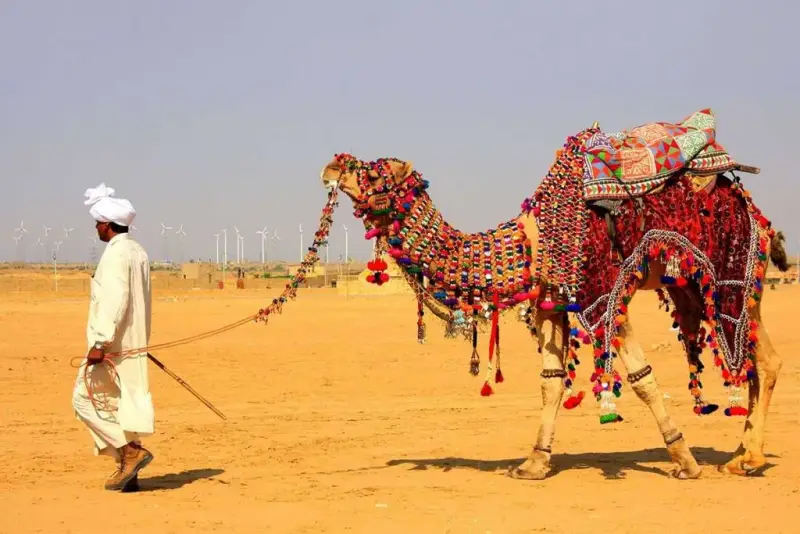
Jaisalmer is the golden city of the Thar Desert, near the Pakistan border. Its sandstone fort is one of the few living forts in the world, with homes, shops and temples inside the walls, and it is part of the UNESCO-listed Hill Forts of Rajasthan.
The carved havelis of Patwon ki Haveli and Nathmal ki Haveli are close to the fort, and Gadisar Lake is lovely at sunrise. Camel safaris and desert camps are set up at the Sam and Khuri dunes. Jaisalmer has a small airport with seasonal flights, and overnight trains link it to Delhi and Jaipur.
Top Places to Visit in Jaisalmer
- Jaisalmer Fort: A twelfth-century sandstone fort where people still live, with homes, shops, hotels and Jain temples inside the walls. Wear good shoes for the steep cobbled lanes. Part of the UNESCO-listed Hill Forts of Rajasthan.
- Sam Sand Dunes: Dunes west of town with camel safaris, jeep rides and desert camps. Sunset is busiest; book camps in advance in winter.
- Patwon ki Haveli: A group of five carved havelis built by a merchant family in the nineteenth century. One houses a museum.
- Nathmal ki Haveli: A haveli with carved facades built by two brothers, each carving one half. Look closely at the two sides, which do not match exactly; the haveli stands in the old city below the fort.
- Salim Singh ki Haveli: A haveli with a peacock-shaped roof and arched balconies. It is a short walk from the fort and can be combined with Nathmal ki Haveli in one morning.
- Kuldhara Village: An abandoned village west of Jaisalmer, linked to a legend of a curse. It is often visited on the way to Sam.
- Jain Temples: Carved Jain temples inside the fort. Open in the morning; leather is not allowed.
- Desert National Park: A large protected area of desert with the endangered great Indian bustard. Permits are needed.
- Gadisar Lake: A lake built in the fourteenth century with temples and ghats. Sunrise is lovely.
- Tazia Tower and Badal Palace: A five-storey tower and palace near Gadisar Lake. The tower is an example of Islamic-style design built by Muslim craftsmen for the royal family.
- Bada Bagh: A garden with royal cenotaphs north of town. Sunset is popular.
- Tanot Mata Temple: A temple near the Pakistan border, linked to the 1965 and 1971 wars. It is about 120 km from Jaisalmer and is looked after by the Border Security Force; carry ID, as checkpoints are common.
- Windmill Park: A wind farm near Bada Bagh. The turbines are visible from the cenotaphs at Bada Bagh, making a strong contrast in sunset photos.
Top Things to Do in Jaisalmer
- Camel Safari & Dune Bashing in Sam Dunes: Camel rides and jeep dune drives are offered at Sam and Khuri. Choose operators that treat camels well.
- Shopping in Sadar Bazaar, Bhatia Bazaar, Manak Chowk, Pansari Bazaar: Markets sell textiles, mirrorwork and silver jewellery. Bargain firmly.
- Parasailing in Kanoi: Parasailing in Kanoi in season. Kanoi lies near the Sam dunes; flights are towed by jeep across the sand and run mainly in the cooler months.
- Paramotoring: Paramotor flights over the dunes in winter. Flights depend on wind; book with an operator who provides a trained pilot and safety gear.
- Quad Biking: Quad bikes on the dunes at Sam. Rides are short and charged by time; agree the fare and the route before starting.
- Desert Camping: Desert camps with folk music and dinner. Book early.
- Wildlife safari in Desert National Park: Safaris in Desert National Park need permits. Permits are issued by the forest office in Jaisalmer, and the park is one of the few places to look for the great Indian bustard.
- Watch Puppet Show: Puppet shows at folk venues in the evening. Desert Cultural Centre near Gadisar Lake is one of the regular venues for kathputli puppet shows.
- Try delectable food of Rajasthan: Try dal baati and ker sangri in local restaurants. Rooftop restaurants in and around the fort pair local food with views of the walls lit up at night.
Best Time to Visit Jaisalmer
October to March is best, with cool desert nights. The Desert Festival is usually held in February. Summer is extremely hot.
23. Rann of Kutch
The Great Rann of Kutch in Gujarat is a huge seasonal salt marsh that turns into a white desert in winter. The Rann Utsav festival runs from late October to early March each year, with a tent city at Dhordo, about 85 km from Bhuj; the 2025–26 season ran from 23 October 2025 to 4 March 2026.
Full-moon nights on the white salt are the most popular and sell out first. Kalo Dungar, the highest point in Kutch, looks over the Rann. Bhuj is the base, with its palaces, museums and nearby craft villages for embroidery and block printing. Indian visitors need a permit for the white desert, issued at checkpoints.
Top Places to Visit in Rann of Kutch
- Kala Dungar (Black Hill): The highest point in Kutch, with views over the white salt desert. Go at sunset, and note that the area is close to the border with military checkpoints.
- Chhari Dhand Bird Sanctuary: A wetland bird sanctuary known for flamingos and cranes in winter. Go early in the morning.
- Dhordo Village: The village that hosts the Rann Utsav tent city. It is about 85 km from Bhuj.
- Hodka Village: A village with craft homestays in bhunga huts. Hodka lies in the Banni grasslands north of Bhuj and is a good base for the White Rann.
- Bhuj: The district town, with the Aina Mahal and Prag Mahal palaces. It is the base for the Rann.
- Mandvi: A coastal town known for wooden shipbuilding and the Vijay Vilas Palace. The shipyard on the river lets visitors watch dhows being built by hand.
Top Things to Do in Rann of Kutch
- Attend Rann Utsav: The festival runs from late October to early March, with a tent city at Dhordo. Full-moon nights sell out first.
- Stay in Hodka and Dhordo Villages: Homestays in bhunga huts are run by local families. Book in advance.
- Birdwatching: Flamingos and cranes come in winter. Chhari Dhand wetland, in the Banni area, is one of the best spots for birding between November and February.
- Jeep Safari: Jeep tours of the Rann run from Dhordo. Go at sunset.
- Cultural Experiences: Craft villages show embroidery and block printing. Buy directly from artisans.
Best Time to Visit Rann of Kutch
November to February is best, when the salt flats are dry and white. The full-moon dates during Rann Utsav are the highlight. The monsoon floods the Rann.
24. Aurangabad
Aurangabad, officially renamed Chhatrapati Sambhajinagar, is the base for the Ajanta and Ellora caves, both UNESCO sites. Ajanta's Buddhist caves hold some of the finest ancient paintings in India, and Ellora's Kailasa Temple is carved from a single rock.
Ajanta is closed on Mondays and Ellora on Tuesdays, so plan visits on different days. The Bibi Ka Maqbara in the city resembles the Taj Mahal, and Daulatabad Fort sits on the road to Ellora. The city's airport and railway station still appear under both names in bookings.
Top Places to Visit in Aurangabad
- Grishneshwar Temple: One of the twelve Jyotirlinga Shiva temples, near Ellora. Men must remove shirts in the sanctum.
- Bibi Ka Maqbara: A seventeenth-century tomb built by Aurangzeb's son for his mother, modelled on the Taj Mahal. It is in the city and takes about an hour.
- Ajanta Caves: UNESCO-listed Buddhist caves with ancient paintings, closed on Mondays. About two to three hours by road from the city.
- Ellora Caves: UNESCO-listed Buddhist, Hindu and Jain rock-cut temples, including the Kailasa Temple carved from a single rock. Closed on Tuesdays; about 30 km from the city.
- Daulatabad Fort: A hilltop fortress with a dark spiral tunnel on the road to Ellora. The climb is steep, so go early.
- Aurangabad Caves: Buddhist caves on the city's edge, quiet and rarely crowded. Go in the late afternoon for views.
- Siddharth Garden: A garden with a small zoo near the central bus stand. Run by the municipal corporation since 1984, it is the only zoo in the Marathwada region.
- Gul Mandi: A busy market in the old city. Go in the morning for fresh produce and spices and to see the market at its liveliest.
- Bani Begum Garden: A Mughal garden with a tomb near Khuldabad. It lies about 24 km from the city near Khuldabad and is named after Bani Begum, wife of one of Aurangzeb's sons.
- Panchakki: A seventeenth-century water mill powered by an underground channel. The mill was built in the eighteenth century to grind grain for pilgrims at the shrine of the Sufi saint Baba Shah Musafir, and a very old banyan tree shades the courtyard.
Top Things to Do in Aurangabad
- Eat at Yalla Yalla and Bhoj: Try naan qalia, the local mutton dish, and Maharashtrian thalis at restaurants such as Yalla Yalla and Bhoj. Naan qalia is a slow-cooked mutton dish served with flatbread, a Mughal-era speciality of Aurangabad.
- Photography: The caves and forts make great subjects. Flash is not allowed in the Ajanta caves.
- Attend Cultural Events: The Ellora Ajanta festival has been held in some years. Dates are announced by state tourism, so check before planning around it.
- Explore Local Markets: Markets sell Paithani silk and Himroo textiles. Himroo, a mixed cotton and silk weave, is made in the city's old workshops, some of which welcome visitors.
- Visit Museums: Visit museums on Maratha and Mughal history. The Bibi ka Maqbara and Aurangabad caves are close to the city centre and pair well with a museum visit.
- Experience Local Festivals: Ganesh Chaturthi is the main local festival. Processions fill the streets on the final day, when idols are immersed in water.
Best Time to Visit Aurangabad
October to March is best. The caves are greener during the monsoon, from July to September, but paths can be slippery. Summer is hot.
25. Sunderbans, West Bengal

The Sundarbans is the world's largest mangrove forest, spanning India and Bangladesh at the mouth of the Ganges delta. The Indian part is a tiger reserve and a UNESCO site, home to Bengal tigers that swim between islands, as well as crocodiles and many birds.
Visits are by boat, usually on two- or three-day trips from Kolkata, about three to four hours by road to Godkhali. Watchtowers such as Sajnekhali and Sudhanyakhali give the best chances of a sighting. Permits are needed for the forest and are usually arranged by tour operators.
Top Things to Do in Sunderbans
- Sight Royal Bengal Tigers: Tigers are hard to spot, but watchtowers such as Sajnekhali and Sudhanyakhali improve the chances. Most trips run on boats from Godkhali.
- Watch Playful Gangetic Dolphins: Dolphins live in the larger river channels. Watch for them in the early morning.
- Wildlife Photography: Birds, crocodiles and mangroves make great subjects. A long lens is essential.
- Birdwatching: The delta is rich in kingfishers, herons and migratory birds in winter. Early-morning boat rides give the best chance of sightings.
- Village Tour: Village visits show honey collection, fishing and island life. Go with a guide.
- Witness Phytoplanktons in Night Safari: Some boats run night trips to see bioluminescence. Visibility depends on season and moon phase; dark, moonless nights work best.
- Witness the Freshwater Crocs at Bhagabatpur Crocodile Project: A crocodile breeding centre at Bhagabatpur. It is reached by boat.
Best Time to Visit Sunderbans
November to February is best, with cool weather and calm water. The monsoon brings heavy rain and cyclone risk, and summer is hot and humid.
26. Hampi
Hampi, in Karnataka, holds the ruins of Vijayanagara, the capital of one of south India's great empires. The ruins are a UNESCO site spread across boulder-strewn hills along the Tungabhadra River. The Virupaksha Temple is still in use, and the Vittala Temple's stone chariot is the most famous image.
Rent a bicycle or scooter to cover the sites, and climb Matanga Hill for sunrise. Coracle rides on the river are possible. The nearest major railway station is Hosapete, and the nearest airport is at Vidyanagar. Hampi Utsav is a cultural festival held in some years.
Top Places to Visit in Hampi
- Virupaksha Temple: The main temple, still in active worship, at the end of Hampi Bazaar. Go at sunrise to see the temple elephant being bathed in the river. Dress modestly and leave shoes at the gate.
- Vithala Temple: A sixteenth-century temple famous for its stone chariot and musical pillars. The chariot appears on India's 50-rupee note. Arrive early, as it is the busiest site.
- Lotus Palace: A two-storey pavilion in the Zenana Enclosure, mixing Hindu and Islamic styles. It shares a ticket with the Vittala Temple.
- Yantrodharaka Hanuman Temple: A small Hanuman shrine on a riverside boulder, reached by coracle or a walk along the riverbank. Go at sunrise, when the river is calm and the light is soft.
- Hampi Bazar: A long colonnaded street in front of the Virupaksha Temple where traders once sold goods. Walk it early in the morning, then climb Matanga Hill at its eastern end for views over the ruins.
- Hippie Island (Virupapur Gadde): The village across the Tungabhadra, with guesthouses among rice fields and boulders. Ferry times depend on the water level, so check the last crossing.
- Queen's Bath: A sunken bathing complex in the royal area, with arched corridors around a pool. It is a short walk from the Royal Enclosure.
- Matanga Hills: The highest hill in the central ruins, with a small temple at the top. The climb takes about 30 minutes, and sunrise is the best time.
- Elephant Stable: A row of domed chambers that once housed the royal elephants. The lawns in front are good for a rest.
- Monolith Bull (Nandi): A large stone Nandi bull at the east end of Hampi Bazaar. Climb the steps nearby for a view down the street.
Top Things to Do in Hampi
- Watch the Sunset from Hanuman Temple: Climb Anjanadri Hill, said to be Hanuman's birthplace, for sunset over the boulders. The climb is long and steep, so carry water.
- Coracle Ride in Tungabhadra River: Round bamboo coracle boats cross and drift along the river. Rides are short; agree the price first.
- Bouldering: Hampi's granite boulders are a known bouldering destination. Local shops rent crash pads and guides show the problems.
- Cliff Jumping in Hampi's Lake: Swimming in the river and lakes is risky because of currents and rocks. Follow local advice.
- Cycling Tour: Cycling is the easiest way to cover the scattered ruins. Rent a bicycle in the bazaar or across the river.
- Yoga and Meditation: Yoga classes are offered in guesthouses across the river. The Virupapur Gaddi side is quieter, but the coracle crossing stops at night and in high water.
- Visit Local Villages: Anegundi, across the river, is an older village with crafts. Women's cooperatives here make banana-fibre bags and baskets, and the village has heritage homestays.
- Wildlife Safari: Daroji sloth bear sanctuary is nearby, about 15 to 20 km from Hampi. A watchtower gives views of bears coming down the rocks; late afternoon is the best time, and the gates close around 6pm.
- Explore Hippie Island: Virupapur Gadde has relaxed guesthouses among paddy fields. Check ferry times.
- Photography: Ruins at dawn and boulders at sunset are favourite subjects. Matanga Hill and Hemakuta Hill are the classic viewpoints; carry a torch for the walk down.
Best Time to Visit Hampi
October to February is best, when the days are warm and dry. Summer is very hot on the exposed rocks.
27. Mysore
Mysuru (Mysore) was the seat of the Wadiyar kings and is known for its palace, silk and sandalwood. Mysore Palace is lit with thousands of bulbs on Sunday evenings and during festivals. Chamundi Hill, with its temple and Nandi bull statue, gives a view over the city.
The Devaraja Market is great for spices and flowers, and Brindavan Gardens' fountains are lit in the evening. Srirangapatna, Tipu Sultan's island fortress, is close by. Mysuru is about three hours from Bengaluru by train or road.
Top Places to Visit in Mysore
- Mysore Palace: The royal palace of the Wadiyars, with ornate halls and painted ceilings. It is lit with thousands of bulbs on Sunday evenings and during Dasara. Shoes and phones are deposited at the entrance.
- Brindavan Gardens: Terraced gardens below the KRS dam outside the city, with an evening musical fountain. The light and musical fountain show runs in the early evening, roughly an hour long, with timings shifting between summer and winter.
- Somanathpura Temple: A thirteenth-century Hoysala temple about an hour from Mysuru, with fine carvings. The Keshava temple was consecrated in 1268 and is one of the best-preserved Hoysala temples, about 35 km from Mysuru.
- Mysore Zoo: One of India's oldest zoos, known for its gorillas and breeding programmes. Allow half a day.
- Chamundeshwari Temple: A hilltop temple to Chamundeshwari above the city, with a large Nandi statue partway up. Climb the steps or drive.
- Shuka Vana: A large aviary at the Avadhoota Datta Peetham, home to many parrots. It is free.
- Bonsai Garden: The Kishkindha Moolika Bonsai Garden, within the same ashram complex, holds more than 450 shaped miniature trees. The Avadhoota Datta Peetham's listed visiting hours in October 2026 are of 10am to 12:30pm and 3:30pm to 5:30pm, closed every Wednesday.
- Karanji Lake: A lake with a walk-through aviary and birdwatching. The lake has one of the largest aviaries in India, plus boating and a walking path.
- GRS Fantasy Park: An amusement park on the city's edge. It has a water park and rides, making it a good half-day stop for families.
- St. Philomena's Church: A neo-Gothic church with tall twin spires. Free entry.
Top Things to Do in Mysore
- Yoga Training: Yoga schools in Gokulam draw students from abroad for Ashtanga courses. Book ahead for long courses.
- Ayurveda Massage: Ayurveda centres offer treatments. Mysore is also a well-known centre for yoga, so many visitors combine treatments with classes.
- Buy Mysore Silk Saree: Buy Mysore silk sarees from the government showroom for genuine products. Prices are fixed.
- Try Local Dishes: Try Mysore masala dosa at long-running eateries. Mysore masala dosa is spread with red chutney inside, a local twist on the classic.
- Buy Mysore Pak: Buy Mysore pak, the city's famous sweet. Long-running sweet shops near the palace sell it fresh; it keeps for a few days.
- Visit Art Galleries: The Jaganmohan Palace art gallery holds paintings by Raja Ravi Varma. The palace also houses old musical instruments and clocks.
- Explore Local Markets: The Devaraja Market sells flowers, spices and incense. Go in the morning for the flower stalls, and check sandalwood items carefully, as fakes are common.
- Attend Cultural Events: Dasara in September or October is the main festival. In 2025 Dasara ran from 22 September to 2 October, ending with the Jamboo Savari elephant procession on Vijayadashami.
- Visit Coffee Plantations: Coffee estates in Coorg are about three hours away. Homestays on working estates offer plantation walks, making an easy extension from Mysore.
- Explore Lalitha Mahal Palace: A palace turned hotel on the edge of the city. Non-guests can visit the restaurant.
Best Time to Visit Mysore
October to February is best. Mysuru Dasara, in September or October, is the city's biggest festival. Summer is warm, and the monsoon is moderate.
28. Kaziranga National Park, Assam
Kaziranga National Park, on the floodplain of the Brahmaputra in Assam, is home to the world's largest population of greater one-horned rhinoceros; the 2022 census counted 2,613. The park is a UNESCO site and a tiger reserve, and it also holds wild elephants, water buffalo and swamp deer.
Jeep safaris run in several ranges, and elephant safaris are available in some zones. Stay in lodges near the Kohora gate. The nearest airports are Jorhat and Guwahati, the latter about five hours away by road.
Top Things to Do in Kaziranga
- Elephant Safari: Morning elephant rides run in some ranges and reach rhinos in tall grass at close range. Book through the forest department counters, and check current welfare policies before riding.
- Nature Walks: Guided walks are allowed only in buffer and fringe areas, never in the core zone. They must be led by a forest guard or licensed naturalist.
- River Safari: Boat trips on the Brahmaputra along the park's northern edge give a chance of river dolphins. Waterbirds are plentiful in winter.
- Village Visits: Karbi and Mishing villages near Kohora show stilt houses, weaving and rice-beer making. Go with a local guide.
- Photography: Rhinos, wild water buffalo and swamp deer make Kaziranga one of India's best places for wildlife photography. February and March give the clearest views.
- Cultural Performances: Lodges near Kohora stage Bihu and Karbi dances in the evening. Ask at your lodge for the schedule.
- Wildlife Rehabilitation Centers: The Centre for Wildlife Rehabilitation and Conservation near Kaziranga cares for rescued animals, including rhino calves. Visits are limited, so ask locally before going.
- Eco Camps and Nature Resorts: Eco-lodges line the highway near Kohora and Bagori. Book early for December to March.
Best Time to Visit Kaziranga
The park opens from November to April. February and March offer good visibility as grass is burned. The park closes in the monsoon, when the floodplains flood.
29. Rishikesh
Rishikesh sits on the Ganges where it leaves the Himalayan foothills and is known as a centre for yoga. The Lakshman Jhula and Ram Jhula suspension bridges cross the river, and the Parmarth Niketan ashram holds an evening Ganga Aarti. The Beatles Ashram, where the band once stayed, is now a graffiti-filled ruin.
White-water rafting runs on the stretch above town, from Shivpuri, and camping and bungee jumping are popular. Rishikesh is vegetarian and alcohol-free. Dehradun's Jolly Grant airport is about 45 minutes away, and Haridwar is the nearest major railway station.
Top Places to Visit in Rishikesh
- Parmarth Niketan: A large ashram on the east bank of the Ganges, best known for the evening Ganga Aarti. The ashram also runs yoga classes and the International Yoga Festival in March.
- Ganga Aarti: The evening aarti at Parmarth Niketan and Triveni Ghat draws large crowds. Arrive before sunset to find space.
- White Water Rafting: Rafting stretches start upstream at Shivpuri and other points. Trips run from autumn to spring; choose licensed operators.
- Neer Garh Waterfall: A small waterfall a short drive from Lakshman Jhula, with a short walk up. Best after the monsoon.
- Rajaji National Park: A national park between Rishikesh and Haridwar, known for elephants. Safaris run from the Chilla gate.
- Kunjapuri Temple: A hilltop temple about an hour from Rishikesh, popular at sunrise. On clear days it gives views of Himalayan peaks.
- Vashishta Gufa: A meditation cave upstream on the Rishikesh-Devprayag road. It is quiet and beside the river.
- Swarg Ashram: An area with ashrams and temples on the east bank. It is car-free.
- Ayurvedic Spa and Wellness Centers: Ayurvedic centres offer treatments and courses. Choose a centre with qualified doctors, and allow several days for a proper course.
- Chandi Devi Temple: A hilltop temple in Haridwar reached by cable car. Combine with Mansa Devi.
Top Things to Do in Rishikesh
- Trekking: Short treks lead to waterfalls and hilltop temples. The walk to Neer Garh waterfall and the drive or trek to Kunjapuri temple for sunrise are the most popular.
- Visit the Beatles Ashram: The ruined ashram where the Beatles stayed is now a graffiti-filled site. An entry fee applies.
- Riverside Cafes: Riverside cafés serve healthy vegetarian food. Rishikesh is alcohol-free.
- Ayurvedic Cooking Classes: Cooking classes teach Ayurvedic food. Classes usually cover simple dishes based on your body type and end with a shared meal.
- Sound Healing and Meditation Workshops: Sound healing and meditation workshops run in many centres. Short drop-in sessions are common around Tapovan and Lakshman Jhula.
- Visit Ashrams and Yoga Centers: Ashrams offer yoga classes and teacher training. Parmarth Niketan hosts the evening Ganga aarti on its ghat, open to everyone.
- Visit Shivpuri: Shivpuri is the rafting and camping base upstream. Rafting trips run mainly from autumn to early summer and stop in the monsoon, when the river is too high.
- Attend Spiritual Discourses: Ashrams host spiritual talks. Most are free.
- Explore Local Markets: Markets near Lakshman Jhula sell books and clothes. Rudraksha beads, yoga clothes and spiritual books are typical buys; bargain politely.
- Take a Dip in the Holy Ganges: Take a dip at Triveni Ghat, holding the chains. Currents are strong.
Best Time to Visit Rishikesh
September to November and February to May are the best periods. Rafting runs mainly from autumn to spring and pauses in the monsoon. The International Yoga Festival is held in March.
30. Jaipur
Jaipur, Rajasthan's capital, is the Pink City, laid out in a grid in the eighteenth century and now a UNESCO site. The City Palace, Hawa Mahal and Jantar Mantar observatory are in the old town, and Amber Fort stands on a hill north of the city.
Nahargarh Fort gives sunset views over the city, and Jaigarh Fort holds a giant cannon. The bazaars sell gems, textiles and blue pottery. A composite ticket covers several sites. Jaipur's airport and railway station are well connected to Delhi and Mumbai.
Top Places to Visit in Jaipur
- Jaipur Literature Festival: A literature festival held each January, one of the largest free literary festivals in the world. Book accommodation early.
- Elephant Village: An elephant village near Amber. Choose ethical sanctuaries that do not offer rides.
- Chokhi Dhani: Folk shows and dinner at Chokhi Dhani. It is busy at weekends.
- Jaipur Bazaars: Johari Bazaar and Bapu Bazaar sell gems, textiles and shoes. Bargain hard.
- Raj Mandir Cinema: An Art Deco cinema hall famous for its interiors. Watching a Hindi film here is an experience.
- Anokhi Museum of Hand Printing: A museum of hand printing in a restored haveli in Amber. It is closed on Mondays, and live block-printing demonstrations let you see the craft in action (as of October 2026).
- Jawahar Circle Garden: A circular park 452 m across near the airport, entered through the painted Patrika Gate and often called Asia's largest circular park. As of October 2026 it is open 6am to 9pm, with a musical fountain show at about 7pm and rose gardens, making it a good family stop.
- Sisodia Rani Garden: A garden on the Agra road with fountains and murals. The garden was built by Maharaja Sawai Jai Singh II for his queen, and its murals show the Radha-Krishna story.
- Jaipur Wax Museum: A wax museum in Nahargarh Fort. It also has a mirror palace hall; combine the visit with sunset views from the fort walls.
- Nahargarh Biological Park: A zoo and safari park near Nahargarh. Lion safaris run here.
Top Things to Do in Jaipur
- Sound and Light Show at Amer Fort: A sound and light show at Amber Fort in the evening. Shows run in English and Hindi.
- Blue Pottery Shopping: Buy blue pottery from local workshops. Genuine pieces are made from quartz with no clay; ask to see the workshop to be sure.
- Photography Tour: Photography tours of the old city run at dawn. Early starts give empty streets and soft light at Hawa Mahal and the markets.
- Visit Step Wells: Visit the Panna Meena ka Kund stepwell near Amber. Entry is free, but as of October 2026 guards stop visitors from walking down the steps, so view it from the edge.
- Anokhi Museum of Hand Printing: The museum documents the regional tradition of block printing with displays of tools, wooden blocks and printed textiles. A small shop sells printed fabrics; note that it closes for a summer break from mid-May to mid-July in most years.
- Vintage Car Rally: A vintage car rally is held in some years. Dates vary, so check local listings before planning around it.
- Chokhi Dhani: Folk shows and dinner at Chokhi Dhani. It is busy at weekends.
- Jaipur Cycle Tour: Cycle tours of the old city run early in the morning. Routes pass the flower market and quieter lanes before traffic builds.
- Albert Hall Night Tourism: Albert Hall museum is lit at night. Evening entry is offered.
- Street Food Tasting: Try pyaaz kachori and lassi. Rawat Mishthan Bhandar is famous.
Best Time to Visit Jaipur
October to March is best. The Jaipur Literature Festival is held in January. Summer is very hot.
31. Amritsar
Amritsar, in Punjab, is the spiritual centre of Sikhism. The Golden Temple (Harmandir Sahib) is open to all, and its community kitchen serves free meals to thousands of visitors every day. Cover your head and remove shoes before entering.
Jallianwala Bagh marks the 1919 massacre, and the Partition Museum covers the division of India in 1947. The beating retreat ceremony at the Attari-Wagah border, west of the city, is held daily before sunset; since May 2025 it has been held without handshakes or gate opening, and timings shift with the season. Sri Guru Ram Dass Jee airport serves the city.
Top Places to Visit in Amritsar
- Golden Temple: Sikhism's holiest shrine, open to everyone at all hours. Cover your head, leave shoes at the free deposit and wash your feet before entering the marble walkway.
- Wagah Border: The Attari-Wagah border, west of the city, where the BSF lowers flags at sunset. Since May 2025 the ceremony runs without handshakes or gate opening.
- Jallianwala Bagh: A walled garden marking the 1919 massacre. Bullet marks are still visible.
- Hall Bazaar: The old shopping street near the railway station. It is a short walk from the Golden Temple and good for clothes and Punjabi juttis.
- Gobindgarh Fort: An eighteenth-century fort restored as a heritage site. The site has the Sher-e-Punjab 7D show on Maharaja Ranjit Singh and a turban museum.
Top Things to Do in Amritsar
- Shopping for Phulkari and Jutis: Phulkari embroidery and hand-stitched juttis are sold in Hall Bazaar and around the Golden Temple. Check stitching quality, as machine-made copies are common.
- Try the Specialty of Amritsar Food: Amritsari kulcha with chole and thick lassi are the specialities. Dhabas in the old city near the Golden Temple are the best places to try them.
- Eat at Guru ka Langar: The Guru ka Langar serves free vegetarian meals to thousands every day. Sit on the floor in rows.
- Cheer for Indian Soldiers at Wagah Border Flag Ceremony: Arrive early for a seat in the stands. Carry only a phone and wallet.
- Watch the Light & Sound Show at Gobindgarh Fort: An evening show tells Punjab's history. Show times and languages vary, so check the schedule at the fort ticket counter.
Best Time to Visit Amritsar
October to March is best. Winter mornings can be foggy. Summer is very hot.
32. Lambasingi
Lambasingi is a small village in the Eastern Ghats of Andhra Pradesh, often called the Kashmir of Andhra because temperatures can fall close to freezing on winter nights. It sits among coffee and pepper plantations, and mist covers the valleys at dawn.
Lambasingi is about 100 km from Visakhapatnam by road. Facilities are basic, so book stays in advance. Nearby are the Kothapalli waterfalls and the Thajangi reservoir. Visakhapatnam has the nearest airport and railway station.
Top Places to Visit in Lambasingi
- Thajangi Reservoir: A reservoir near Lambasingi with boating and a quiet viewpoint. Sunrise over the water is the best time.
- Kothapalli Waterfalls: Small falls near Lambasingi where local guides lead short walks. Swimming is unsafe in high water.
- Ghat Road: The winding road into the Eastern Ghats passes coffee and pepper plantations. Morning drives give the best views before clouds gather.
- Susan Garden: A small garden of flowers and fruit trees on the Lambasingi road. It is a short roadside stop on the way to the hilltop village.
- Bojjannakonda: A Buddhist hill site with rock-cut stupas near Anakapalli. It is on the way from Visakhapatnam.
- Kondakarla Bird Sanctuary: A lake south of Visakhapatnam where migratory birds gather in winter. Go early in the morning.
- Annavaram Temple: A hilltop Vishnu temple on the highway between Visakhapatnam and Rajahmundry. The temple is dedicated to Satyanarayana Swamy and is busy on weekends and festival days.
- Yerravaram Waterfalls: Falls in the hills around Lambasingi. They are at their best after the monsoon.
Top Things to Do in Lambasingi
- Visit Kothapalli Waterfalls: A short drive and a walk reach the falls. Go just after the monsoon for the fullest flow, and wear shoes with grip.
- Experience Snowfall: Snow is very rare here. Frost and near-freezing nights occur in the coldest weeks of winter.
- Camping in Lambasingi: Campsites near the village offer tents and bonfires. Book ahead for winter weekends.
- Bird Watching at Kondakarla Bird Sanctuary: Visit Kondakarla early in the morning. The wetland draws migratory birds in winter, and boats are sometimes available locally.
- Nature Walk at Ghat Road: Walks along the ghat road give valley views at sunrise. Carry warm clothes, as mornings are cold in winter.
- Walking Through the Gardens, Apple Orchards, and Emerald Plantations: Strawberry farms, coffee estates and orchards line the roads around the hills. Visit in the cooler months for the best weather and fresh fruit.
Best Time to Visit Lambasingi
November to February is the best period, when mornings are misty and cold. Strawberry farms are open in winter. The monsoon is wet.
33. Shimla
Shimla was the summer capital of British India and is now Himachal Pradesh's capital. The Ridge and Mall Road form the centre, with Christ Church and colonial buildings, and Jakhoo Temple sits on the hill above. The Viceregal Lodge, now the Indian Institute of Advanced Study, is open for tours.
The Kalka–Shimla Railway, a UNESCO site, runs about 96 km from the plains. Kufri and Chail are nearby. Shimla's small airport has limited flights, and Chandigarh is about four hours away by road.
Top Places to Visit in Shimla
- Jakhoo Hill: Shimla's highest point, topped by a Hanuman temple and a giant statue. Monkeys snatch glasses and bags, so hold on to them.
- The Ridge: The open space at the top of town, with Christ Church. It gives views of the Himalaya.
- Viceregal Lodge: The former Viceregal Lodge, now the Indian Institute of Advanced Study. Guided tours show its rooms and lawns.
- Green Valley: A viewpoint on the Kufri road over a valley of pine and deodar. It is a short roadside stop and busiest at midday.
- Christ Church: A neo-Gothic church on the Ridge, one of the oldest in north India. Its foundation stone was laid in 1844 and it was consecrated in 1857; Lockwood Kipling, Rudyard Kipling's father, designed the original chancel window, and services are still held in Hindi and English.
- Tara Devi Temple: A hilltop temple south of Shimla with views over the town. A short drive and a steep climb.
- The Mall Road: The pedestrian main street with colonial buildings and cafés. Vehicles are restricted, so walk up from the lift near the Cart Road.
- Kalka Shimla Toy Train: The UNESCO-listed narrow-gauge line from Kalka, about 96 km long with more than 100 tunnels. The journey takes several hours; book seats in advance in the peak summer months.
- Himachal State Museum: A museum of Himachali paintings and crafts. It sits on a hill near Chaura Maidan and is a quiet walk from the Mall.
- Lakkar Bazaar: A market above the Ridge known for wooden toys. Walking up from the Ridge is a short climb past the Christ Church.
Top Things to Do in Shimla
- Toy Train Ride: The train from Kalka takes several hours. Book vistadome coaches early.
- Ice Skating: An open-air rink operates in winter. It is a natural ice rink dating from 1920, said to be Asia's oldest, and the season depends on cold nights, usually starting in late December.
- Rafting at Tattapani: Rafting on the Sutlej at Tattapani, north of Shimla, about 50 km by road. The area is also known for hot sulphur springs, now in pools beside the river.
- Skiing: Narkanda, north of Shimla, has small ski slopes. Snow conditions vary each year; short courses are run by the state in good snow seasons.
- Trekking: Short treks lead to Chadwick Falls and Shali Tibba. Carry water and start early, as weather in the hills can change fast.
- Nature Walks in Pine Forests: Walks through pine and deodar forest around Shimla. Glen and the Jakhu hill paths are popular, but watch for monkeys near Jakhu.
- Gorgeous views of Summer Hill: Summer Hill gives quiet walks near the university. The walk from the Mall is gentle, and the area is good for birdwatching.
- Paragliding: Paragliding is offered at Junga, south of Shimla. Flights depend on wind and weather; book with a licensed operator.
- Divine Blessings at Tara Devi Temple: The Tara Devi temple is a short drive and climb. The hilltop gives wide views over the hills.
Best Time to Visit Shimla
March to June is best for cool weather. December and January can bring snow. The monsoon brings landslides.
34. Shillong
Shillong is the capital of Meghalaya, a hill town with pine forests and a strong music scene. Ward's Lake and the Don Bosco Museum are in the centre, and Elephant Falls and Shillong Peak are on the outskirts. Police Bazaar is the main shopping area.
Shillong is the base for trips to Sohra (Cherrapunji), the living root bridges and the Dawki river. Most travellers fly to Guwahati and drive about three hours. Shillong airport at Umroi has limited flights.
Top Places to Visit in Shillong
- Shillong Peak and Viewpoint: The highest point near Shillong, inside an air force area. ID is checked at the gate, and access can close without notice.
- Laitlum Canyons: Deep canyons east of the city with sweeping views. Laitlum is about 24 km from Shillong; steep steps lead down to Rasong village, so wear good shoes.
- Police Bazar: The central market area, busy with shops and street food. Go in the evening, when food stalls set up.
- Mary Help for Christian Cathedral: A large Catholic cathedral, one of Shillong's landmarks. It is free to enter.
- Ward's Lake: A colonial-era lake in the city centre with paddle boats. The walking path around the lake makes an easy hour's stroll.
- Sweet Falls: A tall waterfall west of the city, best after the rains. The steps down are steep.
- Spread Eagle Falls: A waterfall in a cantonment area, named for its shape. Carry ID.
Top Things to Do in Shillong
- Horse Riding: Pony rides are offered around Ward's Lake and Shillong Peak. Agree the price first.
- Shopping: Police Bazaar and Bara Bazaar sell Khasi crafts and shawls. Bara Bazaar is the larger and more local market; go on weekday mornings.
- Cup of Coffee at Cafes: Laitumkhrah and Police Bazaar have cafés with live music. Weekends are the busiest nights.
- Nature Walks: Walks through pine forests around Shillong. Lum Sohpetbneng and Mawphlang sacred forest are popular; local guides explain the traditions.
- Camping: Campsites near Umiam Lake and Laitlum. Book with local operators, and bring warm layers for cold nights in winter.
- Rock Climbing: Climbing on the rocks at Laitlum with local operators. Check that operators supply helmets and harnesses.
- Sightseeing: Day trips go to Sohra, Mawlynnong and Dawki. Hire a car for the day.
Best Time to Visit Shillong
October to April is best. The Shillong Autumn Festival and the Cherry Blossom Festival take place in November. The monsoon is very wet.
35. Imphal
Imphal is the capital of Manipur, surrounded by hills. The Kangla Fort was the seat of Manipuri kings, and the Ima Keithel market is run entirely by women. The Imphal War Cemetery marks the 1944 battles.
Loktak Lake, south of the city, is known for its floating islands (phumdis), and Keibul Lamjao, the only floating national park in the world, protects the rare sangai deer. Manipur has seen ethnic conflict since 2023, so check your government's current advice and any permit rules before travel. Imphal airport has flights from Guwahati and Kolkata.
Top Places to Visit in Imphal
- Kangla Palace: The old seat of Manipuri kings on the Imphal river. It was the seat of the Meitei kings until the British took it after the Anglo-Manipur War of 1891, and it opened to the public after the Indian Army handed it to the state government in 2003.
- Matai Garden: A garden in Matai, about 5 km north of central Imphal on the highway, also called Ibudhou Asheiningthou Garden. An auto-rickshaw from the Ima Keithel market is the easiest way to get there.
- Tharon Cave: A cave in the Tamenglong hills with prehistoric finds. Access is remote; arrange a local guide in Tamenglong.
- Ema Keithel: The women's market, run entirely by women traders. Its size puts it among the largest in Asia.
- Andro: A village known for pottery and a cultural complex. The pottery tradition is done by hand without a wheel, and the complex has model houses of Manipur's communities.
- Manipur State Museum: A museum of Manipuri dress, crafts and history. It is near the Polo Ground in central Imphal, convenient to combine with Kangla Fort.
- Sirohi National Park: The Siroi hills in Ukhrul, home to the rare Shirui lily. It flowers in May and June.
- Imphal War Cemetery: A Second World War cemetery for soldiers who died in the 1944 Battle of Kohima and Imphal. It is maintained by the Commonwealth War Graves Commission.
Top Things to Do in Imphal
- Wildlife Safari: Keibul Lamjao on Loktak Lake is home to the rare sangai deer. It is the world's only floating national park; go between November and March, early in the morning, for the best chance to see the deer.
- Lake Tours: Boat trips on Loktak Lake show the floating phumdi islands. Sendra island is the usual starting point for boat rides and lake views.
- Shopping: Ema Keithel for textiles and crafts. This women-run market in Khwairamband is said to be Asia's largest of its kind; go in the morning, when stalls are full.
- Nature Walks: Walks around the old city and gardens. Kangla Fort, the old royal seat, has gardens and ruins that make a good starting point.
- Photography: Loktak Lake at sunrise is the best photo spot. Ask before photographing people.
- Sightseeing of Heritage Destinations: Kangla, war cemeteries and museums. Check the security situation first.
Best Time to Visit Imphal
October to April is best. The Manipur Sangai Festival is usually held from 21 to 30 November. The monsoon is wet.
36. Dimapur
Dimapur is the largest city in Nagaland and its main transport gateway, with the state's only airport and railway station. The Kachari ruins, a group of mushroom-shaped stone pillars, are the main historical site.
Most visitors pass through on the way to Kohima, about three hours by road, and to the Hornbill Festival, held each year from 1 to 10 December at Kisama Heritage Village. Indian visitors need an Inner Line Permit for Nagaland, and Dimapur district has been brought under the system; foreign visitors should check current registration and permit rules.
Top Places to Visit in Dimapur
- The Triple Falls: Waterfalls near Dimapur at Seithekima. Best visited after the rains with a local guide.
- Shiva Temple: A temple in Dimapur used by the local Hindu community. Visitors are welcome; remove shoes before entering.
- Zoological Park: A small zoo on the edge of the city. It suits families looking for a short outing.
- Nagaland Science Centre: An interactive science centre for children. It works well for a rainy afternoon with kids.
- Hong Kong Market: A busy market selling clothes and imported goods. Bargaining is expected; keep valuables close.
- Kachari Ruins: Mushroom-shaped stone pillars left by the medieval Dimasa Kachari kingdom. Looked after by the Archaeological Survey of India, the site has rows of domed sandstone pillars from the period when Dimapur was the Dimasa Kachari capital, before the kingdom moved to Maibong under pressure from the Ahoms.
- Sumi Town Baptist Church: A large Baptist church, one of Dimapur's landmarks. Visitors are welcome outside service times; dress modestly.
- Chumukedima Village: A village near Dimapur showing Naga rural life. Go with a guide.
Top Things to Do in Dimapur
- Traditional Homestays: Homestays let you eat and stay with Naga families. Book ahead.
- Waterfall Tours: Trips to the waterfalls near the city. Go in or just after the monsoon for the fullest flow, with a local driver who knows the roads.
- Nature Sightseeing and Photography: Nature photography in the hills. The Kachari Rajbari ruins in the city are a good subject too.
- Wildlife Sighting: Birds and small wildlife in nearby forests. Ntangki National Park is the nearest protected area; arrange visits through the forest department.
- Village Walks: Village walks with local guides. Ask before taking photos.
- Shopping: Markets for crafts and fabrics. Naga shawls and bamboo crafts are the best buys.
- Try Different Cuisines: Try smoked pork, bamboo shoot dishes and axone. Axone is fermented soybean with a strong smell; try it in small amounts first.
Best Time to Visit Dimapur
October to March is best. The Hornbill Festival in early December is the highlight. The monsoon is wet.
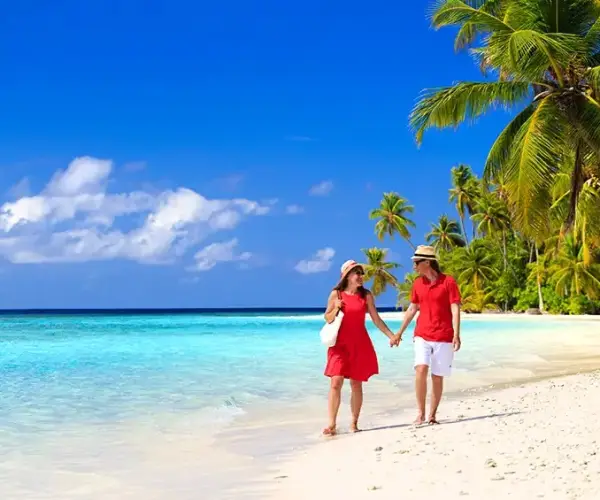 Exclusive holiday package offers
How to choose where to go in India by season
Match the region to the month and the rest follows. From October to March, the plains, the deserts of Rajasthan and Gujarat, Goa, Kerala and the big cities are at their most comfortable, which is why Agra, Jaipur, Varanasi, Jaisalmer and the Rann of Kutch cluster in the same season. April to June is hot on the plains, so it is hill-station time: Shimla, Mussoorie, Ooty, Darjeeling and the Kashmir valley. The short window from late May to September is the season for Ladakh and the high Himalayan passes, when the snow has cleared.
The monsoon, roughly June to September, brings heavy rain to most of the country and makes some mountain roads risky, but it is also when Meghalaya's waterfalls and the Western Ghats are at their greenest. For a first visit, the Golden Triangle of Delhi, Agra and Jaipur fits into a week; add Varanasi or Rishikesh for a second week, or fly south to Kerala and Goa. Compare flights to India and hotels on BookingMentor when your route is set.
Getting around India: trains, domestic flights and booking tips
The 36 places in this guide stretch from Ladakh to Kerala and from Rajasthan to Arunachal Pradesh, and distances between regions are long: Delhi to Kochi is more than 2,000 km in a straight line. Most trips combine a few domestic flights for the big jumps with trains or a hired car within a region.
| Option | Best for | Booking | Good to know |
|---|---|---|---|
| Domestic flights | Jumps between regions, such as Delhi to Goa, Kerala or the north-east | Airline websites and booking apps; IndiGo and Air India run the largest networks | Cheapest when booked a few weeks ahead; check baggage allowances on low-cost fares |
| Long-distance trains | Overnight journeys and routes such as Delhi to Agra, Jaipur or Varanasi | IRCTC website or app, or International Tourist Bureaus at major stations | Ordinary bookings open 60 days ahead (since November 2024); the Foreign Tourist Quota can be booked further ahead |
| Fast day trains (Vande Bharat, Shatabdi, Gatimaan) | Short city pairs in a few hours | IRCTC | Chair-car seating with meals on many routes; seats sell out on popular days |
| Car with driver | Rajasthan circuits, hill stations, Kerala backwaters | Licensed local operators; agree the daily rate, kilometres and driver costs in writing | Usually more practical than self-drive for visitors |
On overnight trains, the air-conditioned classes (1A, 2A and 3A) have bedding and lockable berths in 1A; sleeper class is far cheaper but non-air-conditioned and crowded. A waitlisted ticket is not a confirmed berth, so do not travel on it without checking the chart before departure. The Foreign Tourist Quota sets aside a small number of seats for holders of foreign passports on popular trains; book it on IRCTC with a foreign-nationality account or at a tourist bureau with your passport.
Leave buffers. Trains in north India often run late in the winter fog of December and January, and monsoon rains from June to September can delay hill and coastal routes. Some north-eastern and border areas need an Inner Line Permit or Protected Area Permit before travel, so arrange these before booking onward flights.
Practical tips for travelling to India's top tourist places
Apply early for an Indian visa or e-Visa through the official portal, since most nationalities need one. Arrange permits before you set off for Arunachal Pradesh, parts of Sikkim, Ladakh and other border areas, and book trains in advance, because popular routes sell out weeks ahead.
- Apply for your visa early. Most nationalities need an Indian visa or e-Visa, and the rules depend on your passport. Apply only through the official Indian e-Visa portal, or use our visa services.
- Check permits for the north-east and Ladakh. Arunachal Pradesh, parts of Sikkim, Ladakh and other border areas require permits for some or all visitors. Arrange them through a registered operator or the official channels before you set off.
- Book trains in advance. Popular routes sell out weeks ahead, especially around Diwali, Holi and the winter holidays. Tourist quotas exist for foreign visitors on many trains.
- Pack for altitude. Ladakh, Spiti and the high passes sit above 3,000 metres. Allow two days to acclimatise in Leh before any exertion, and carry warm layers even in summer.
- Dress for temples and mosques. Cover shoulders and knees, remove shoes before entering, and carry a scarf. Some temples restrict entry to their inner sanctum.
- Eat and drink carefully. Drink sealed or filtered water, choose busy food stalls where food is cooked fresh, and carry basic medicines for stomach upsets.
Planning a trip to India? Read our India travel guide, compare hotels in India or search flights.
 AI trip planner






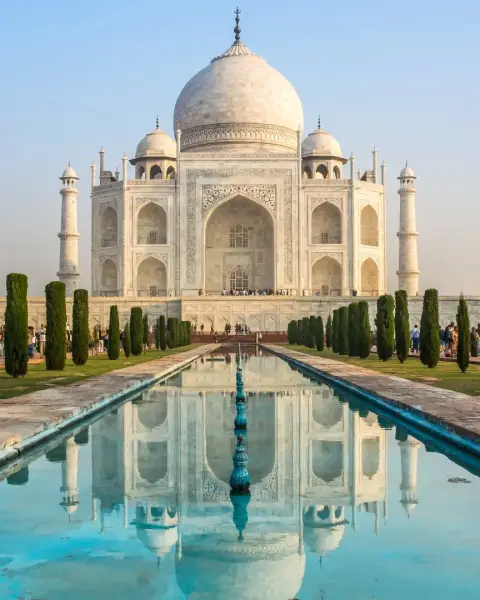
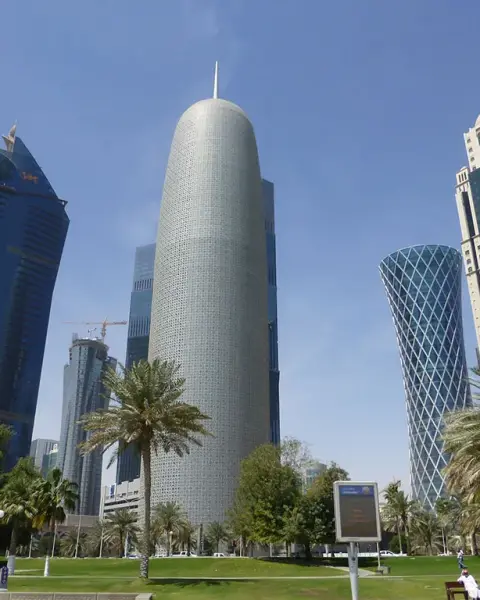
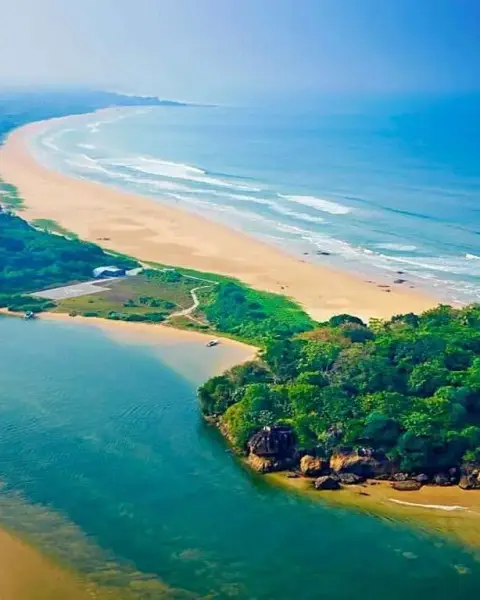
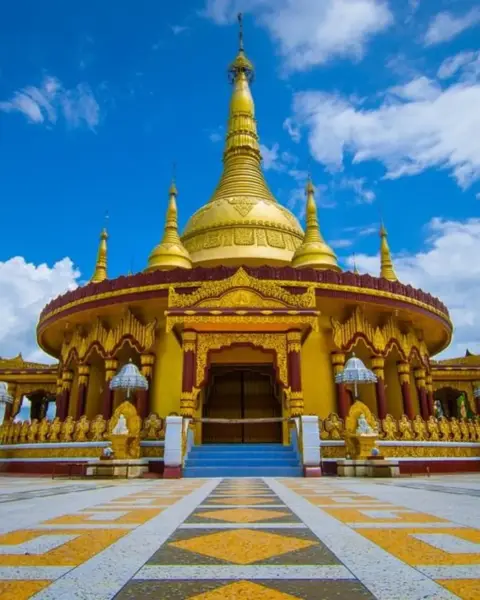
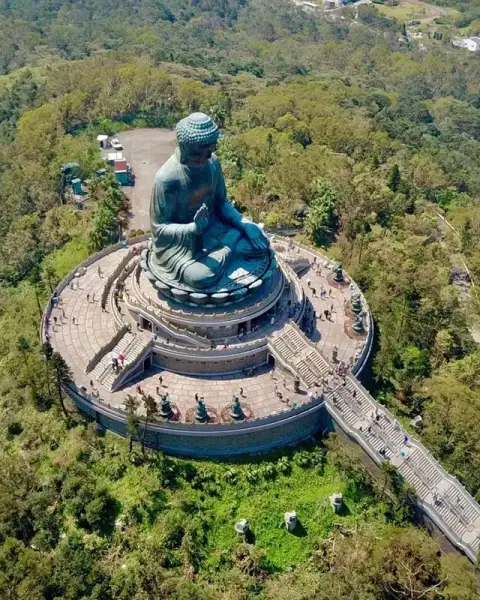

{{item.get_author.first_name}} {{item.get_author.last_name}}
{{item.comment_txt}}
{{item_reply.get_author.first_name}} {{item_reply.get_author.last_name}}
@ {{item_reply.reply_to}}, {{item_reply.reply_txt}}