

American food is regional before it is national. A plate of brisket in central Texas, a lobster roll on the Maine coast, and a bowl of gumbo in New Orleans have almost nothing in common except the passport of the people eating them. That variety is the whole point. This guide covers 25 dishes worth planning a meal around, and for most of them, the exact place that turned a local recipe into something the rest of the country copied.
I have eaten my way through more than 40 states over the past decade, from roadside barbecue joints in the Carolinas to century-old oyster houses in Boston. The dishes below are grouped by the region that owns them, because that is how you will actually encounter them when you travel. Prices reflect what I paid or confirmed in late 2025 and early 2026, and they cover the dish alone before tax and tip. A word on tipping sits near the end, because in the US it changes your bill by 18 to 22 percent and catches most first-time visitors off guard.
Southern Classics:
The American South treats food as its main cultural export. Slow cooking, frying, and the legacy of soul food shape almost everything on the plate, and a single state like North Carolina will argue with itself over the right way to make barbecue.
1. Nashville Hot Chicken:
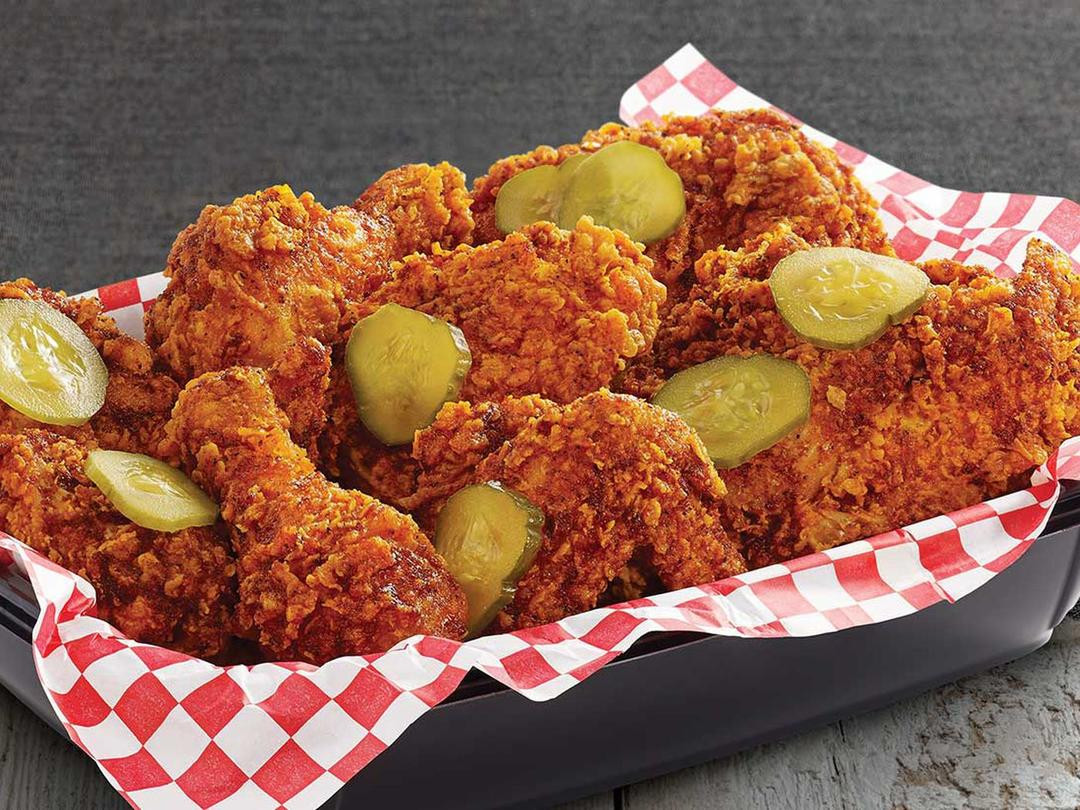
Hot chicken is fried chicken coated in a cayenne-and-lard paste that ranges from a warm tingle to genuine pain. The dish traces back to Prince's, where the recipe reportedly started as a spiteful over-spiced plate that the intended victim ended up loving. Order it "medium" on your first visit. Locals who order "shut the cluck up" hot at Hattie B's do it to prove a point, and the point hurts. It arrives on white bread with pickle chips, which are there to cut the heat, so use them.
2. Carolina Pulled Pork Barbecue:
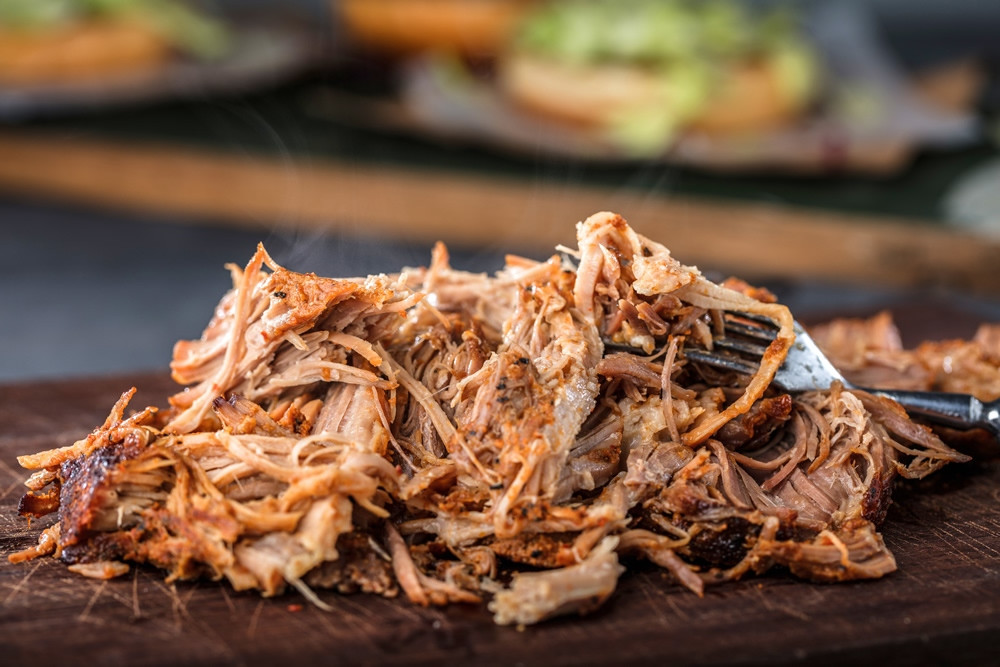
North Carolina splits over sauce. Eastern Carolina chops the whole hog and dresses it with a thin vinegar-and-pepper sauce that has no tomato in it at all. Western, or Lexington, style uses pork shoulder and a "dip" that adds a little ketchup and sweetness. Both go on a bun with a scoop of coleslaw right on the meat. Skylight Inn in Ayden has cooked over wood since 1947 and is worth the drive if you want to taste the eastern version at its source.
3. Chicken Fried Steak:
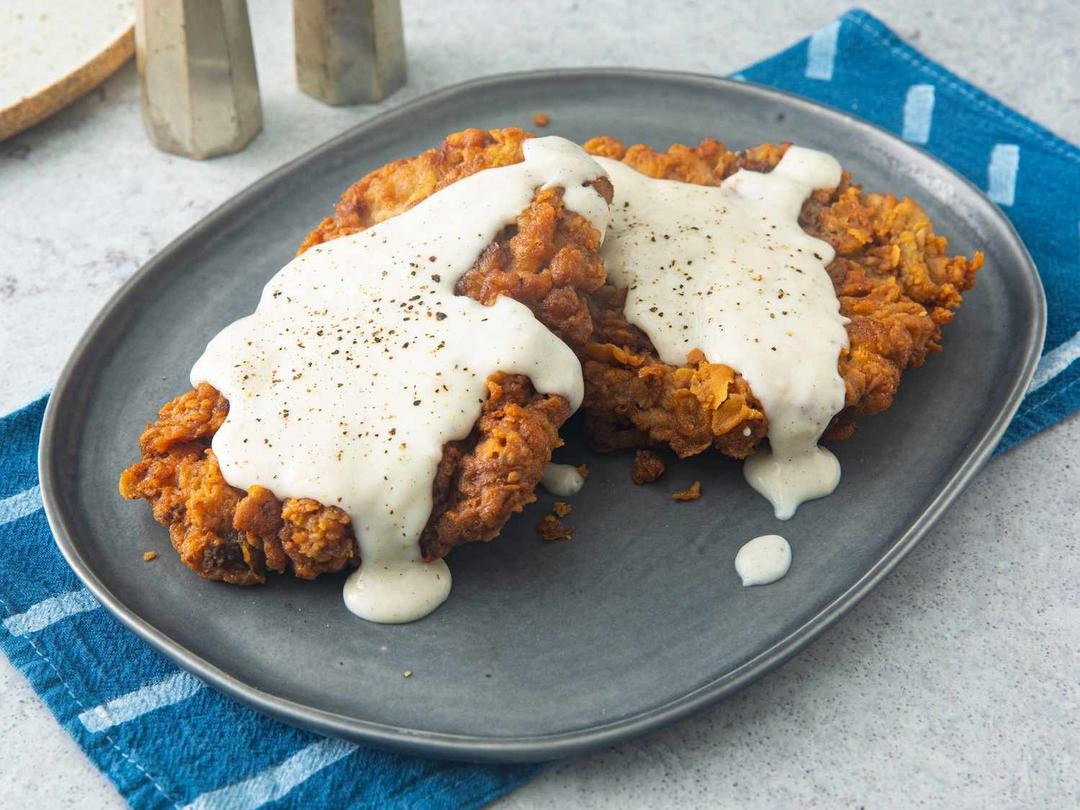
A tenderized beef cutlet gets battered and fried like fried chicken, then drowned in peppery cream gravy. Texans built it from the schnitzel their German and Czech ancestors brought to the Hill Country in the 1800s. The version smothered in brown gravy is technically country fried steak, a distinction locals will correct you on. Eat it for breakfast with eggs, or for dinner with mashed potatoes and green beans. Portions are Texas-sized, often overhanging the plate, so one order feeds a hungry person twice. The gravy is the tell of a good kitchen: it should be freshly made, thick, and heavy with black pepper.
4. Shrimp and Grits:
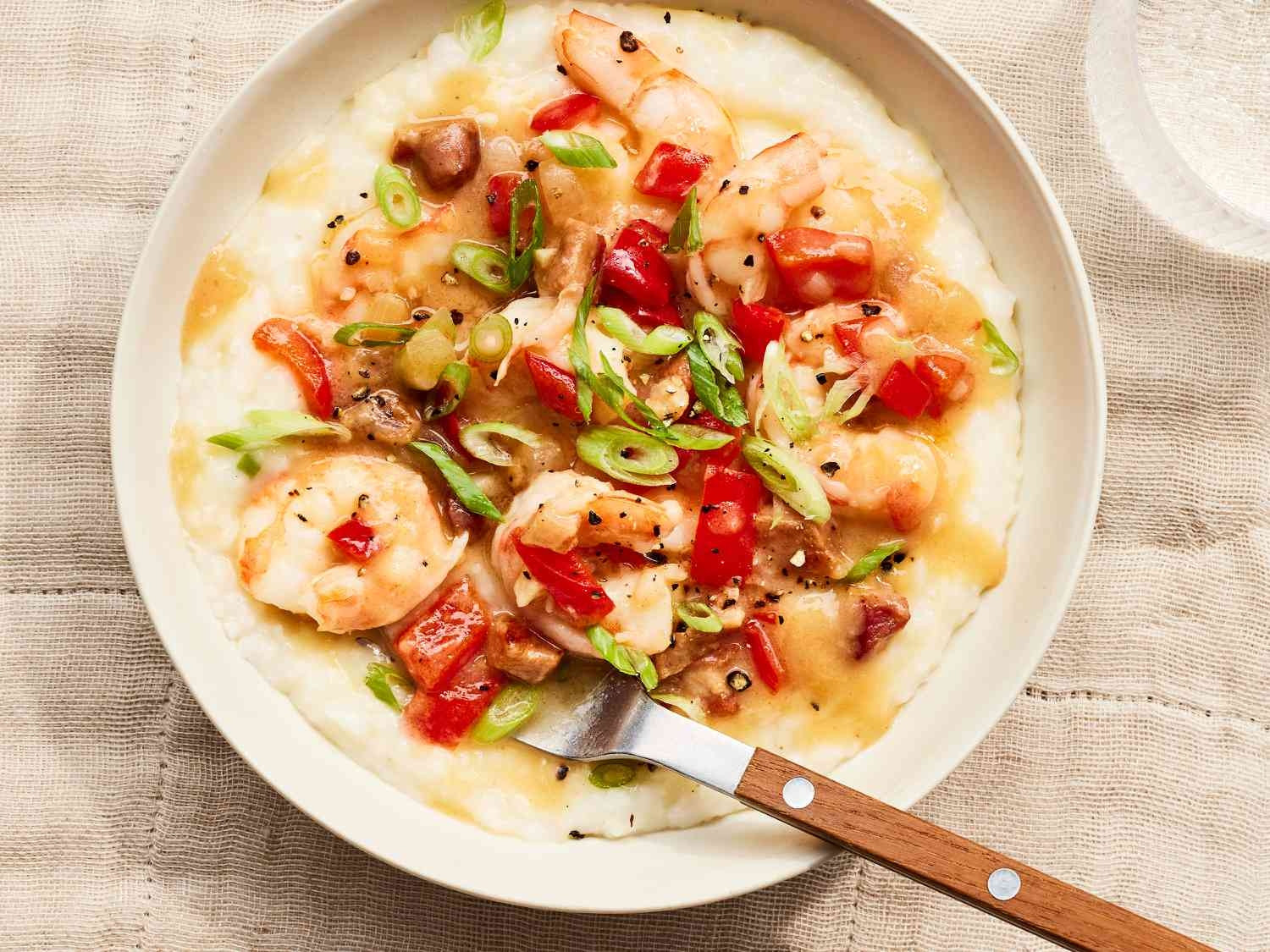
Grits are stone-ground corn cooked slow with butter and cheese into a creamy base. Coastal cooks in South Carolina topped them with local shrimp and a bacon or Andouille gravy, and the dish moved from fisherman's breakfast to restaurant centerpiece. Husk in Charleston sources its ingredients within the region and changes the plate with the season. Grits alone, plain with butter, run a couple of dollars as a side and are worth trying on their own.
5. Gumbo:
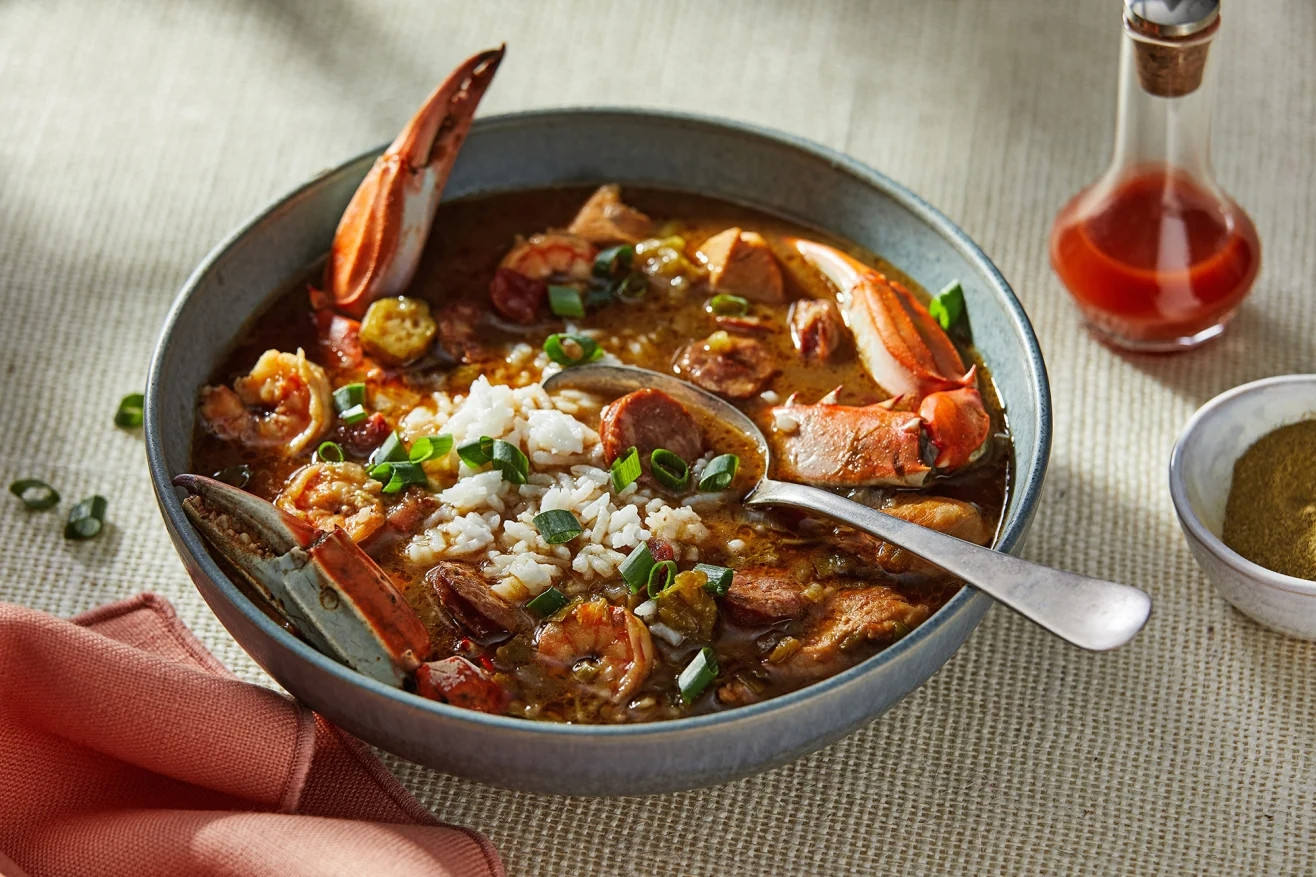
Gumbo starts with a roux, flour and fat cooked until it is the color of dark chocolate, then builds with the "holy trinity" of onion, celery, and bell pepper. From there it splits into seafood versions thickened with okra and country versions with chicken and Andouille sausage thickened with filé (ground sassafras). Antoine's has served New Orleans since 1840 and is the oldest family-run restaurant in the country. Order gumbo with a side of white rice and a hunk of French bread. At Li'l Dizzy's Café in the Treme neighborhood, the daily pot takes about two hours to make and yields 60 to 70 servings, and the owner calls it the most popular thing on the menu.
6. Fried green Tomatoes:
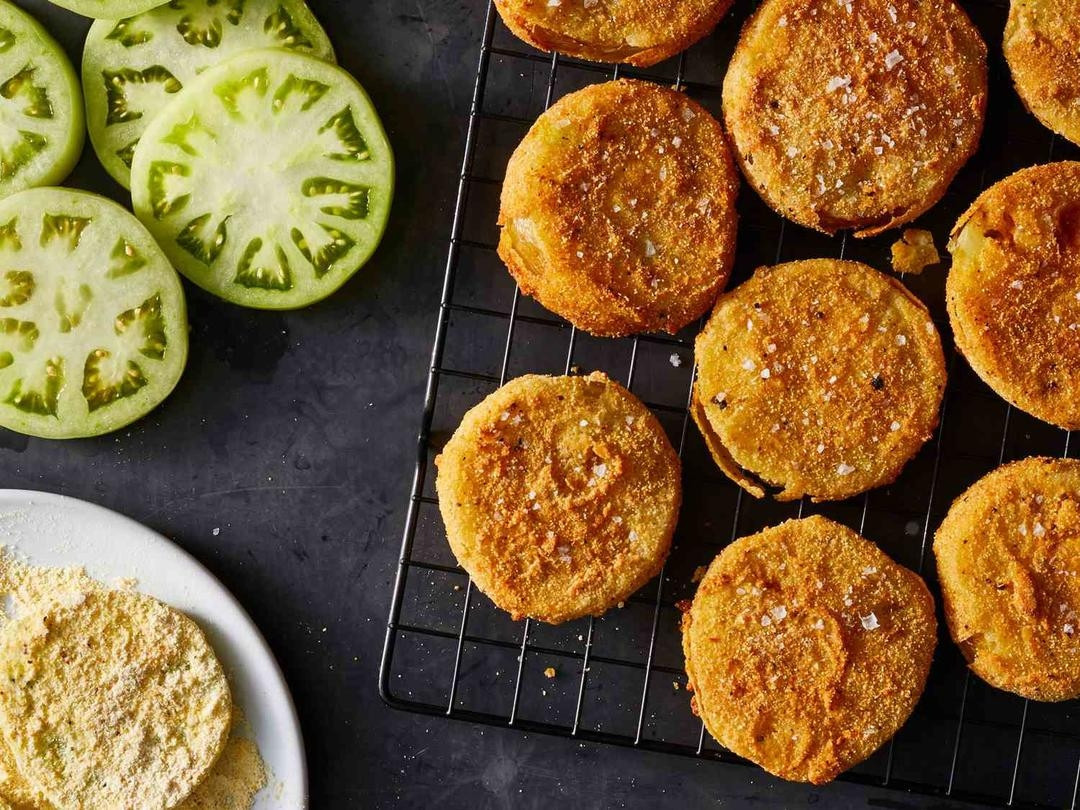
Green, unripe tomatoes are sliced thick, dredged in cornmeal, and fried until the outside crackles and the inside stays tart and firm. The sourness is the appeal, and a smear of remoulade or a drizzle of ranch balances it. This is a summer dish by nature, since it uses tomatoes picked before they ripen, so you will find it at its best from June through September. The 1991 film named after it turned a regional Southern staple into something visitors now seek out. Order it as a shared starter, since a plate of four or five slices is plenty for the table.
Northeast Staples:
The Northeast gave the country its most argued-over sandwiches and its coastal seafood traditions. Cities here defend their signature dishes with real intensity, and asking a Philadelphian where to get a cheesesteak will start a longer conversation than you expect.
7. Philly Cheesesteak:
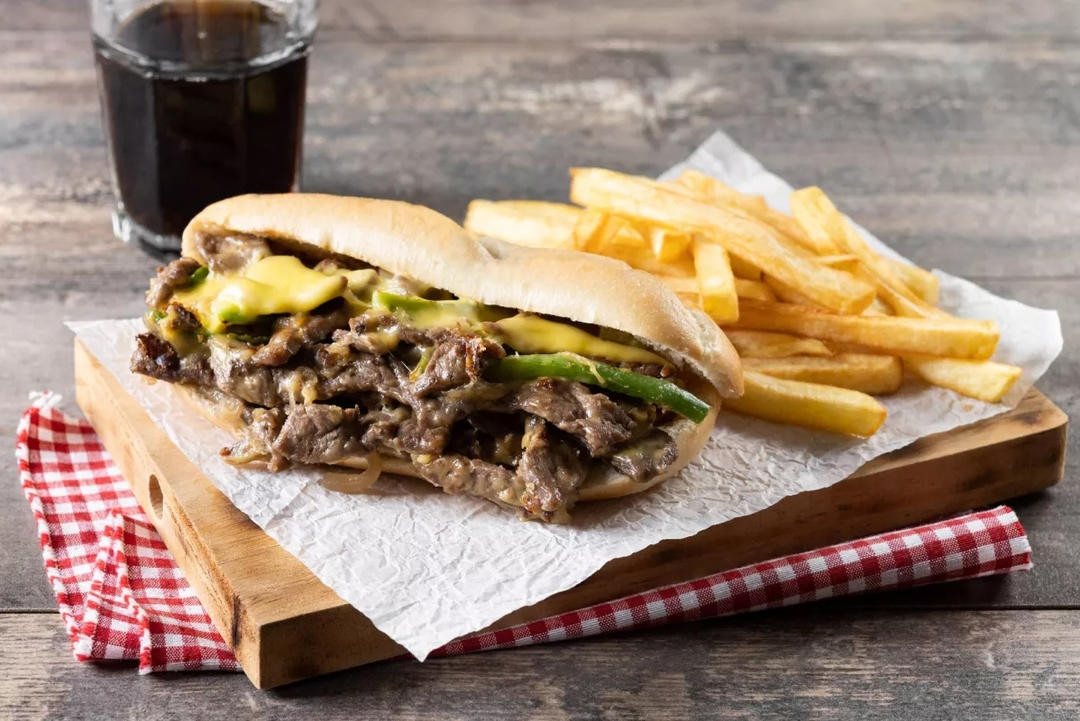
Thin-sliced ribeye is griddled and piled onto a long Amoroso roll with melted cheese. The great local debate is the cheese: Cheez Whiz, American, or provolone. To order at Pat's, you say the cheese then "wit" or "witout" for onions, so "whiz wit" gets you Cheez Whiz with onions. Fumble the order and you go to the back of the line. Locals rate Philadelphia sandwich shops the way other cities rate restaurants. Pat's has griddled steak since the 1930s, and its neon-lit corner at 9th and Passyunk stays open around the clock. Eat it standing at the counter with a side of Cheez fries, the way Philadelphians do at 2 a.m.
8. New England Clam Chowder:
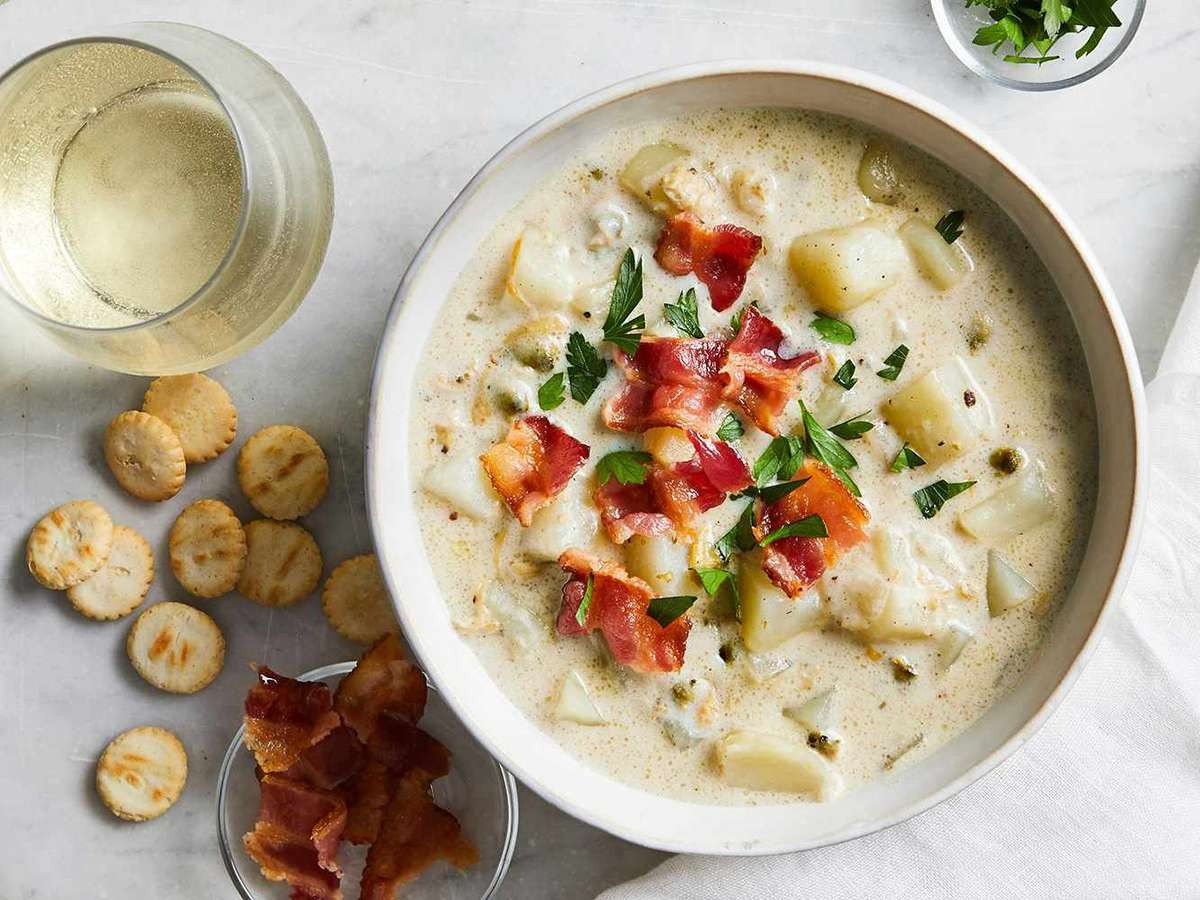
This is the creamy white chowder, thick with clams, potatoes, and salt pork, that people picture when they hear the word. The Manhattan version with tomatoes exists, and New Englanders consider it a separate and lesser thing. Union Oyster House has served the definitive bowl since 1826 and is the oldest continuously operating restaurant in the United States. Order it in a bread bowl if you skipped lunch, or as a cup before a plate of fried clams. The chowder should coat the back of a spoon without turning gluey, and good versions taste of the sea more than of cream. Oyster crackers on the side are the traditional garnish.
9. Lobster Roll:
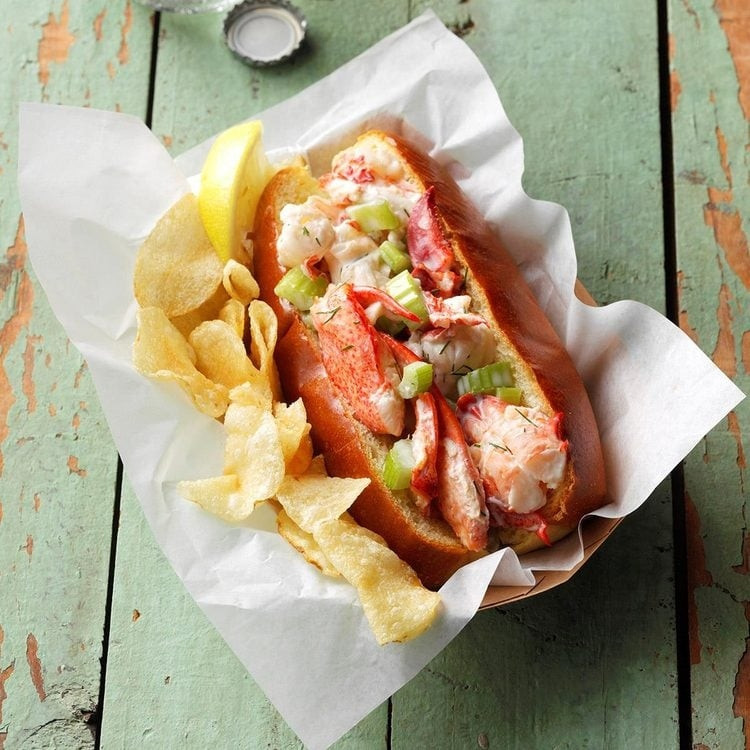
Maine serves its lobster cold, tossed lightly in mayonnaise, in a buttered and griddled split-top bun. Connecticut serves it warm with drawn butter and no mayo. Both are excellent, and the argument between them is real. Red's Eats in Wiscasset packs more than a full lobster's worth of meat into each roll and draws a line down the sidewalk all summer. Price moves with the season, so a roll costs less in late summer when the catch is high.
10. Buffalo Chicken Wings:
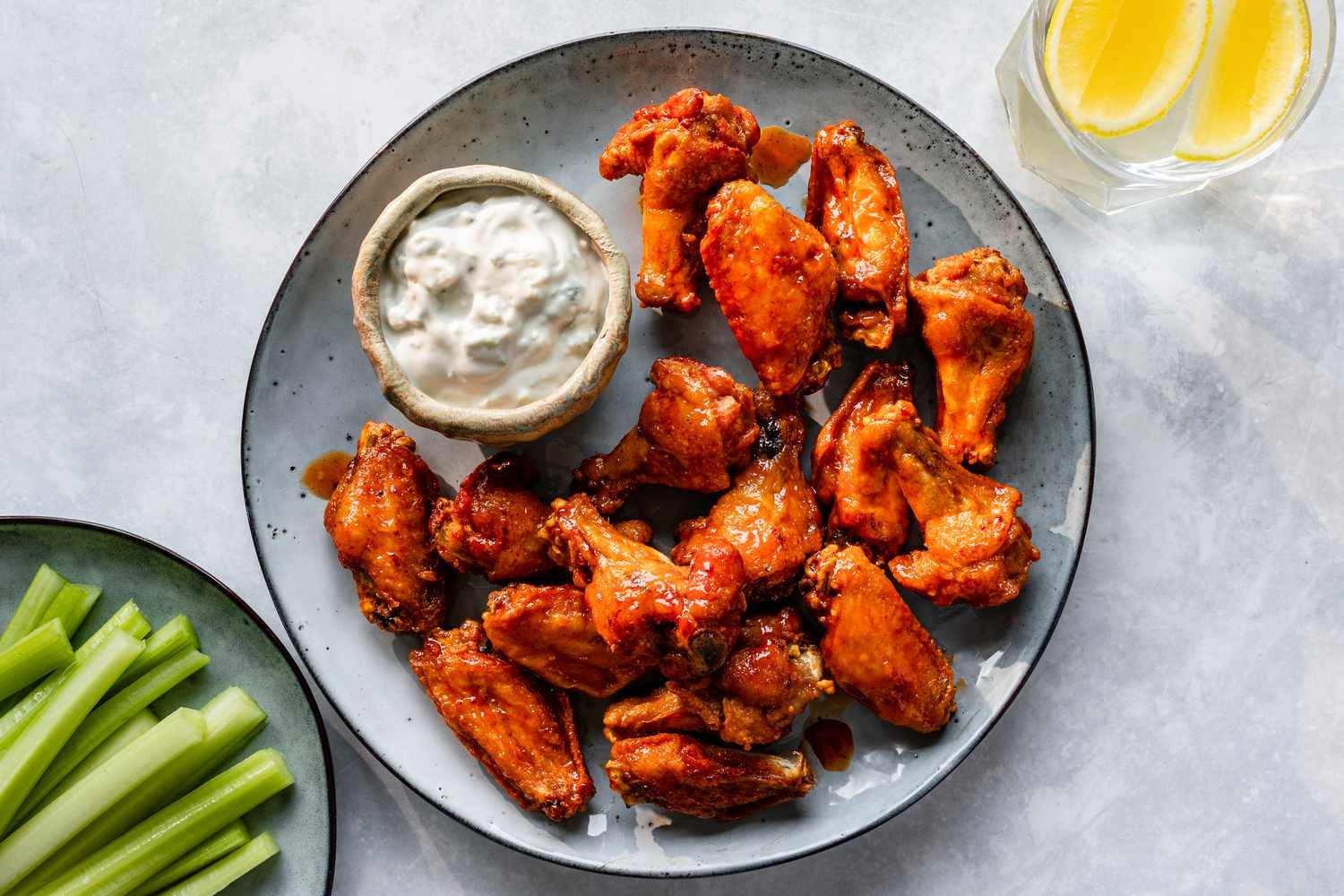
Deep-fried chicken wings tossed in a sauce of hot cayenne pepper sauce and butter, served with celery sticks and blue cheese dressing. Teressa Bellissimo made the first batch at the Anchor Bar in 1964 as a late-night snack for her son and his friends. Americans eat well over a billion wings on Super Bowl Sunday alone. Order them medium unless you have a tolerance to prove, and the blue cheese is there to cool the burn.
11. Maryland Crab Cakes:
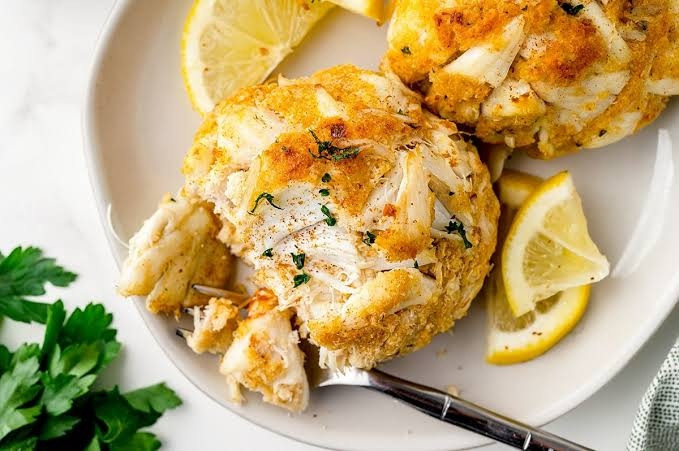
A proper Maryland crab cake is mostly crab, bound with just enough egg and breadcrumb to hold together, seasoned with Old Bay, and broiled to a golden top. The best ones use jumbo lump meat from Chesapeake blue crab and barely hold their shape. Faidley's inside Baltimore's Lexington Market has made them since 1886, and regulars eat them standing at the counter. Skip anywhere that pads the cake with heavy filler, which is the shortcut of a lazy kitchen. Blue crab season runs spring through fall, so a cake in July tastes noticeably better than one in January.
Midwest Comfort Food:
The Midwest built its food around agriculture and immigration: German, Polish, and Scandinavian communities settling farm country. Portions are large, the flavors are hearty, and two cities gave the country pizza and hot dogs worth traveling for.
12. Chicago Deep Dish Pizza:
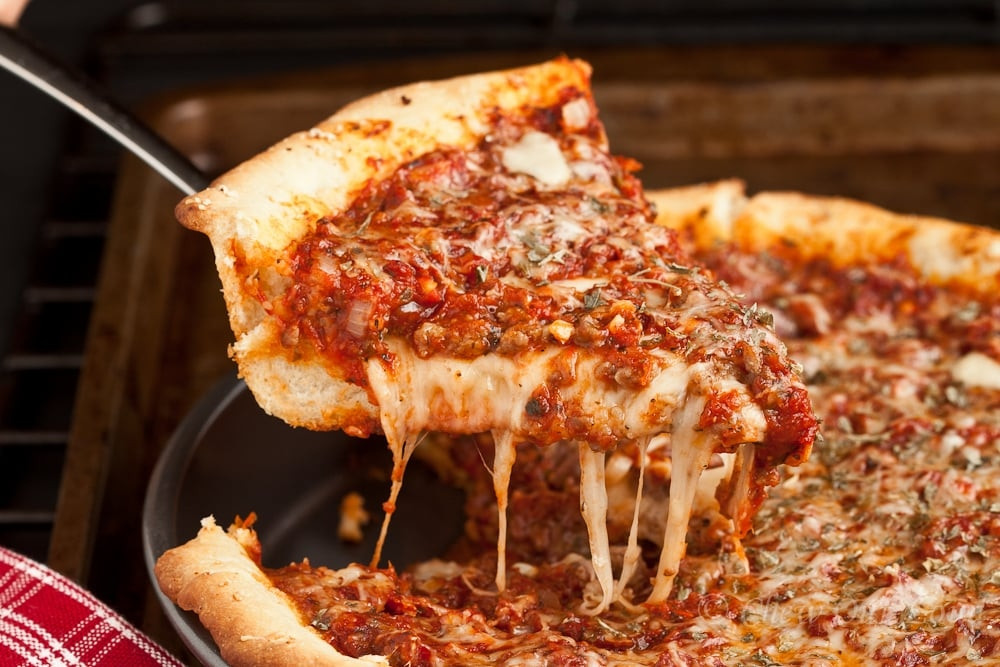
Deep dish is closer to a savory pie than a flatbread. A tall, buttery crust holds a deep layer of cheese, then chunky tomato sauce goes on top, reversed from a normal pizza. Ike Sewell and Ric Riccardo built it at Pizzeria Uno in 1943, and you can still eat the original at the same spot. It takes 30 to 45 minutes to bake, so order it as soon as you sit down. One slice is a full meal, and a knife and fork are not optional.
13. Detroit Coney Dog:
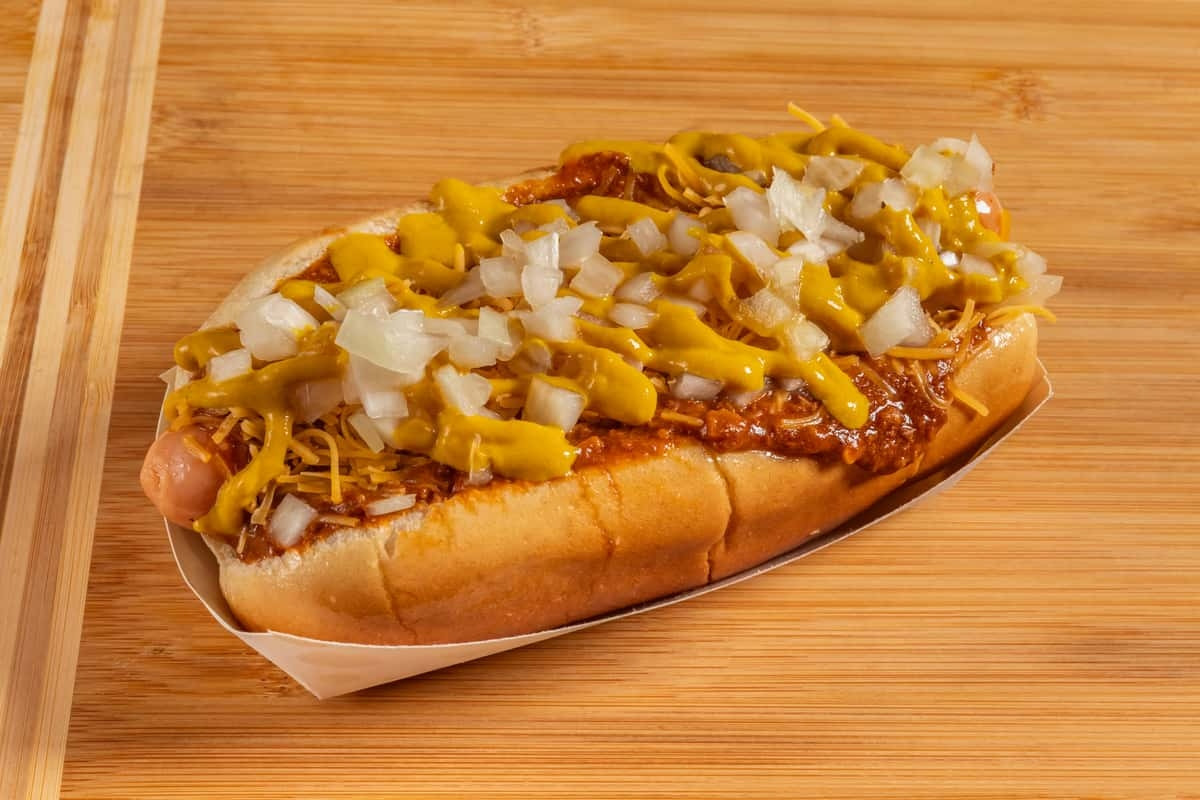
A natural-casing hot dog in a steamed bun, topped with a Greek-spiced beef chili (no beans), diced onions, and a yellow mustard stripe. Two rival stands sit side by side in downtown Detroit, American and Lafayette, and Detroiters pick a side and defend it. American has been open more than a century, and Lafayette sits right next door with its own devoted crowd. Order one from each and settle the argument yourself for under ten dollars. The dish has nothing to do with New York's Coney Island; Greek immigrants who arrived through that entry point brought the name with them.
14. Cheese Curds:
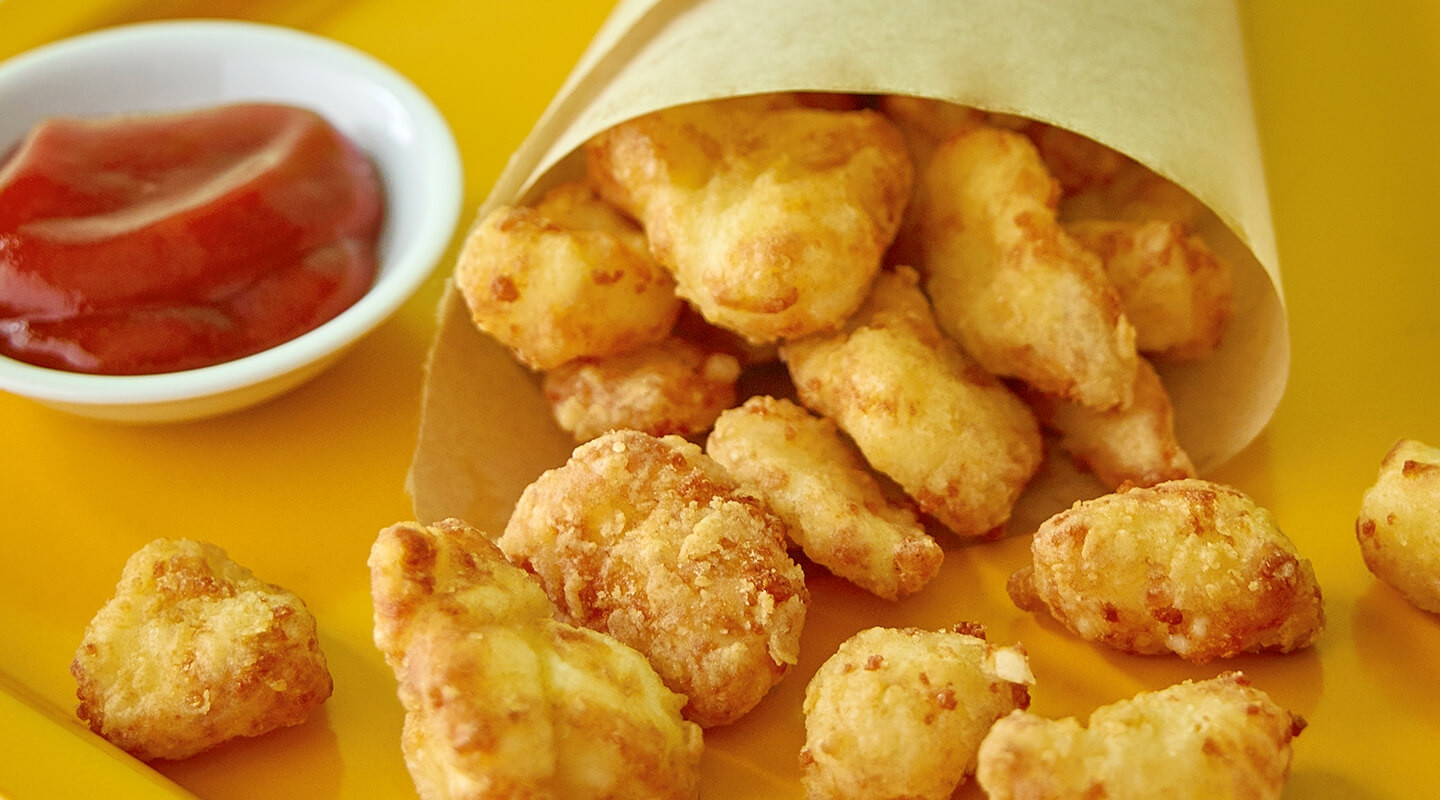
Fresh cheese curds are the young, squeaky bits of cheddar before it is pressed into blocks. Wisconsin eats them fresh by the handful (a good curd squeaks against your teeth) or battered and deep-fried into golden nuggets served with ranch. Fried curds show up at every county fair and Packers tailgate in the state. Eat them hot; they lose the squeak once they cool. Wisconsin produces more cheese than any other state, and fresh curds are the proof of a same-day batch. Roadside cheese shops sell them by the bag in flavors from plain to garlic dill, and a warm bag in the car is a state road-trip ritual.
15. Meatloaf:
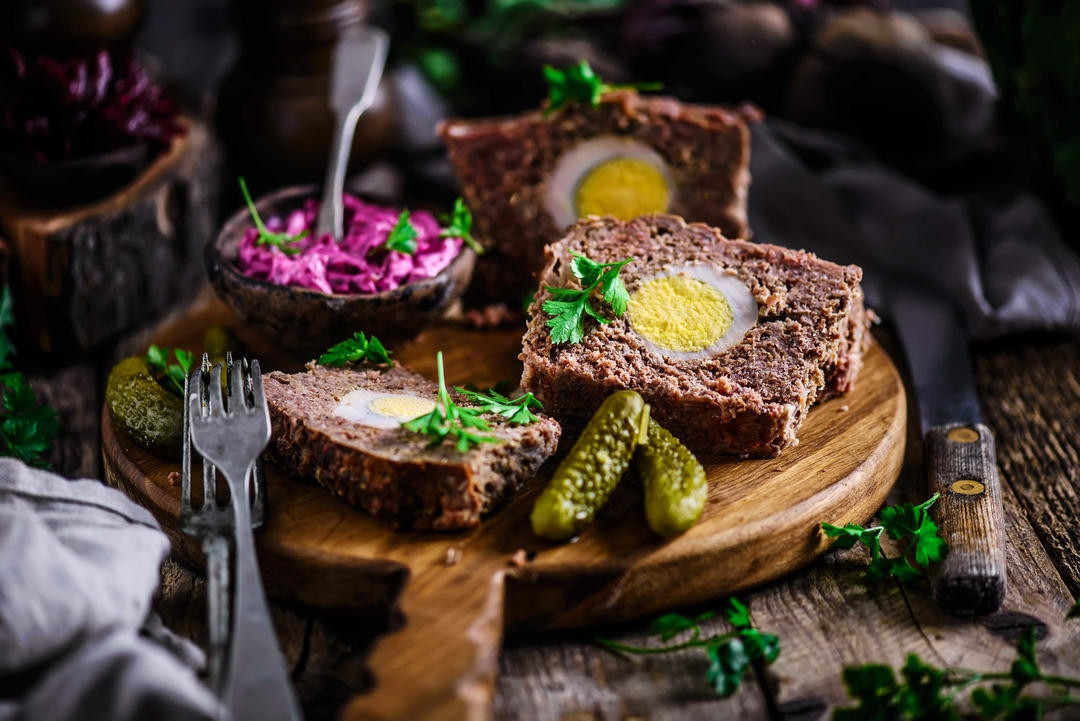
Ground beef mixed with breadcrumbs, egg, and onion, baked in a loaf and glazed with a ketchup-based topping. Meatloaf spread across American kitchens in the 1930s as a way to stretch a small amount of meat across a whole family. Diners serve it as a "blue plate special" with mashed potatoes and gravy. It is honest comfort food, and a good diner version beats any frozen dinner by a wide margin. Every American family has its own recipe, argued over at holidays, some sweet with extra ketchup, some savory with Worcestershire and onion. Leftover meatloaf on white bread the next day is a sandwich in its own right.
Western and Coastal Plates:
The West brought together Mexican, Asian, and ranching traditions, and Texas turned barbecue into a religion. Portions here lean toward the enormous, and the barbecue is worth structuring a whole trip around.
16. Texas Smoked Brisket:
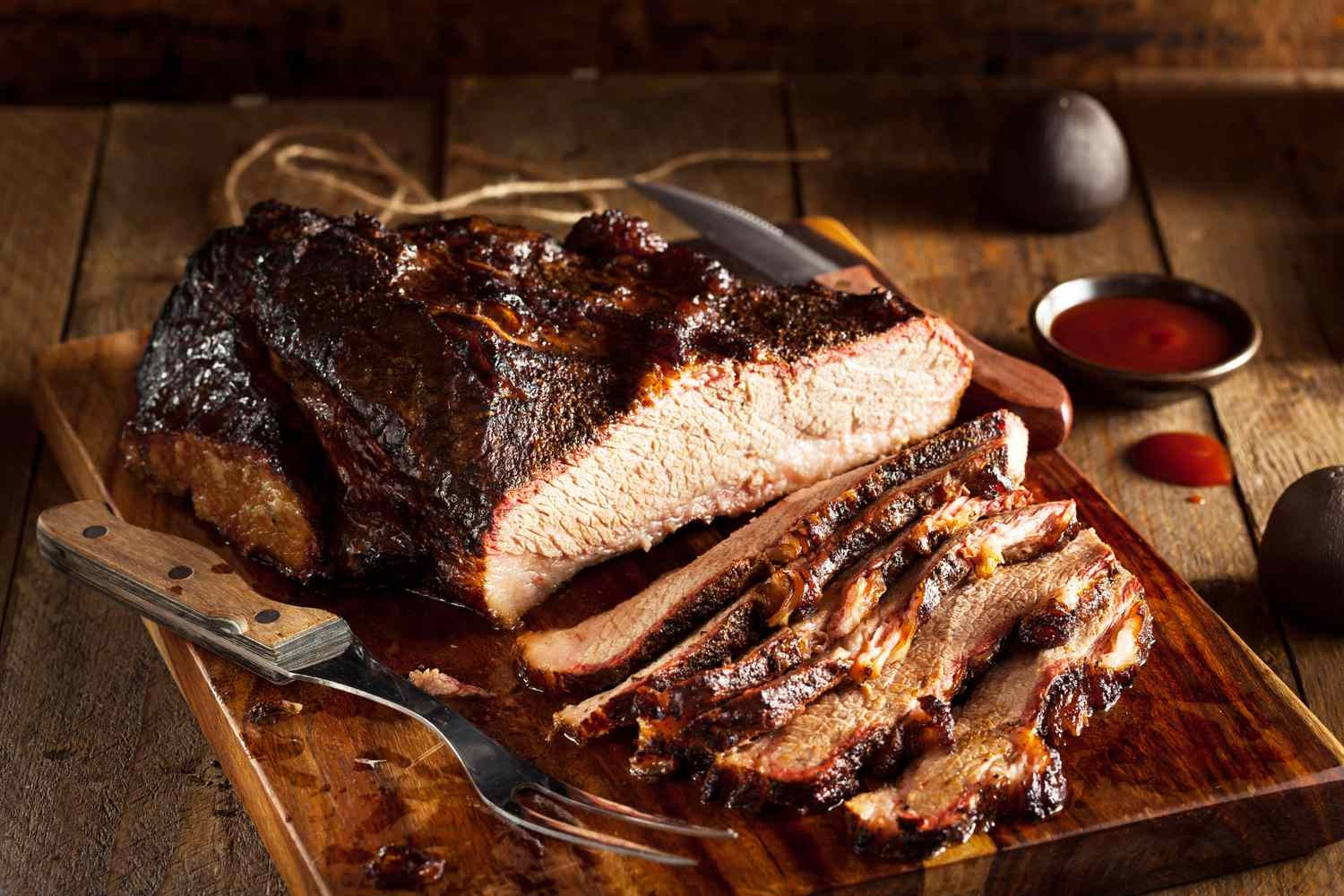
Beef brisket rubbed simply with salt and pepper, then smoked over post oak for 12 hours or more until a dark bark forms and the fat renders to butter. Central Texas built this from the German and Czech meat markets that smoked their unsold cuts. Franklin Barbecue in Austin draws a line that forms before dawn, and they sell out by early afternoon. Get there early, order the fatty (moist) brisket, and eat it plain before you reach for sauce. Texas is one of four great regional barbecue traditions in the US, alongside the Carolinas (whole-hog pork with vinegar sauce), Memphis (dry-rubbed ribs), and Kansas City (a sweet, tomato-based sauce on mixed meats), and locals in each defend their style with real heat.
17. San Francisco Cioppino:
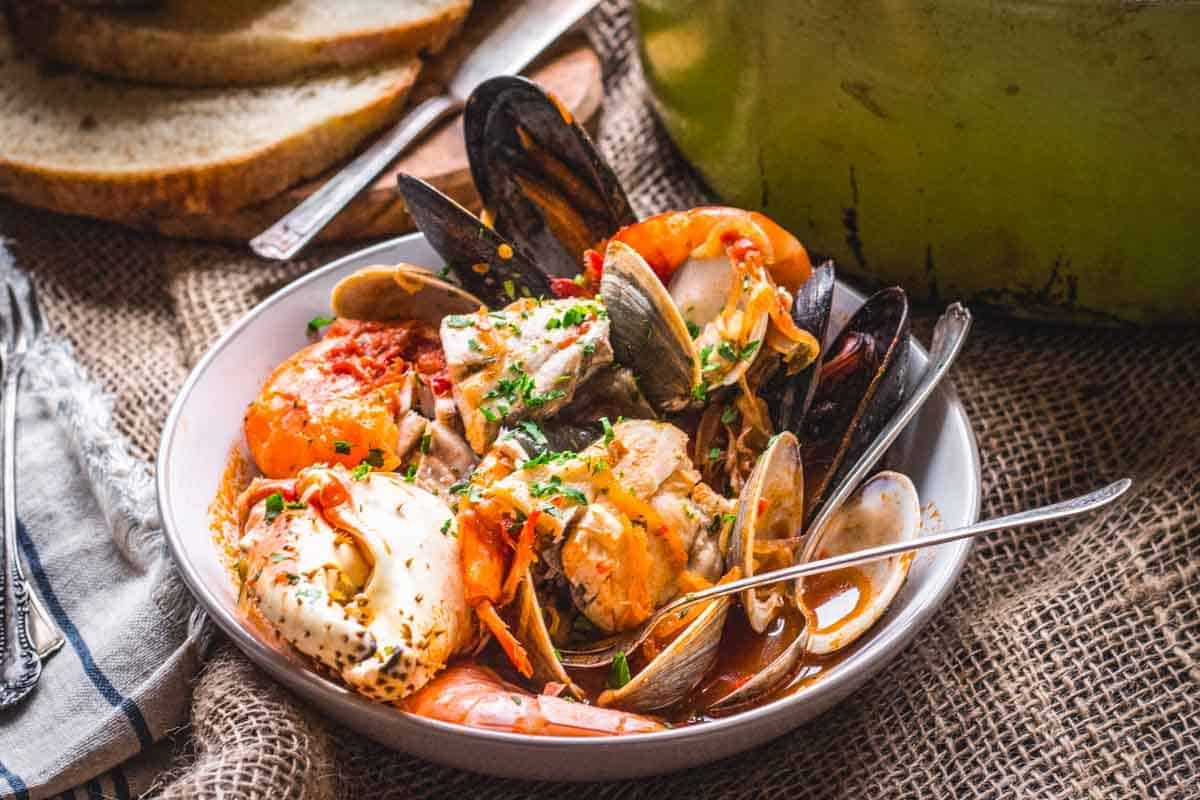
Cioppino is a tomato-based seafood stew loaded with Dungeness crab, shrimp, clams, mussels, and white fish. Italian fishermen in San Francisco built it from the day's unsold catch, and it became one of the city's signature dishes. Tadich Grill, one of the oldest restaurants in the state, serves the version most people consider definitive. Wear a bib without embarrassment, since cracking crab in a red broth is a messy business. Dungeness crab season peaks from November through spring, which is when the stew is at its best. Order it with sourdough bread, another San Francisco original, to soak up the tomato and wine broth at the bottom of the bowl.
18. Tex-Mex (Breakfast Tacos and Fajitas):
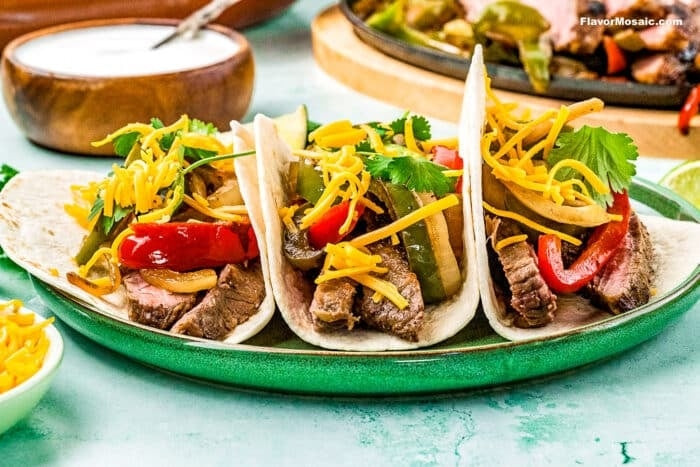
Tex-Mex is its own cuisine, distinct from the food of interior Mexico. Breakfast tacos wrap eggs, potato, cheese, and bacon or chorizo in a flour tortilla and fuel most of Texas before 9 a.m. Fajitas arrive on a sizzling skillet with grilled beef or chicken, peppers, and onions, ready to fold into warm tortillas. Order breakfast tacos from a no-frills taqueria, where they cost a couple of dollars and taste better than the sit-down versions.
19. All-American Cheeseburger:
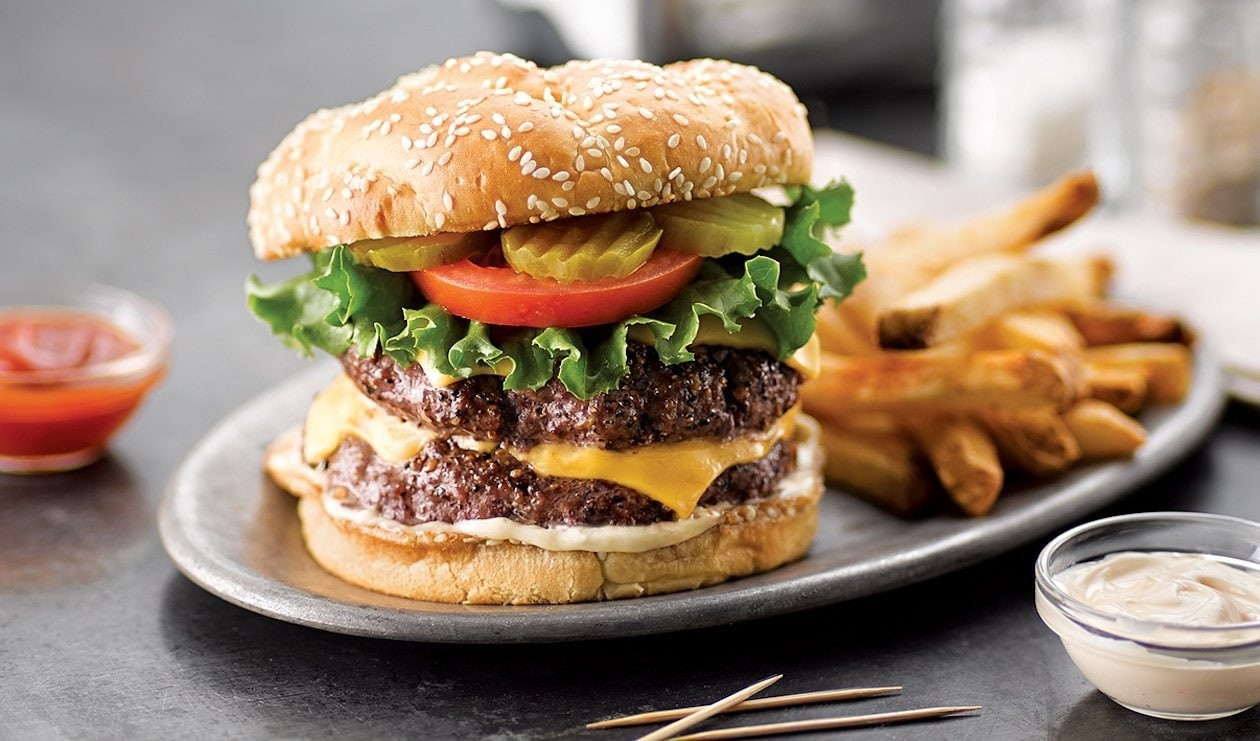
A griddled beef patty with cheese, lettuce, tomato, onion, and pickle on a soft bun is the food most associated with the country worldwide. Louis' Lunch in New Haven is recognized by the Library of Congress as the birthplace of the hamburger sandwich, and they still cook it in the original 1900s vertical broilers (and refuse to put ketchup on it). On the West Coast, In-N-Out has a devoted following and a secret menu; order a "Double-Double animal style" to eat it the way regulars do.
American Desserts:
American desserts run sweet and generous. A few are tied to specific regions, and one is so bound to national identity that it became a figure of speech.
20. Apple Pie:
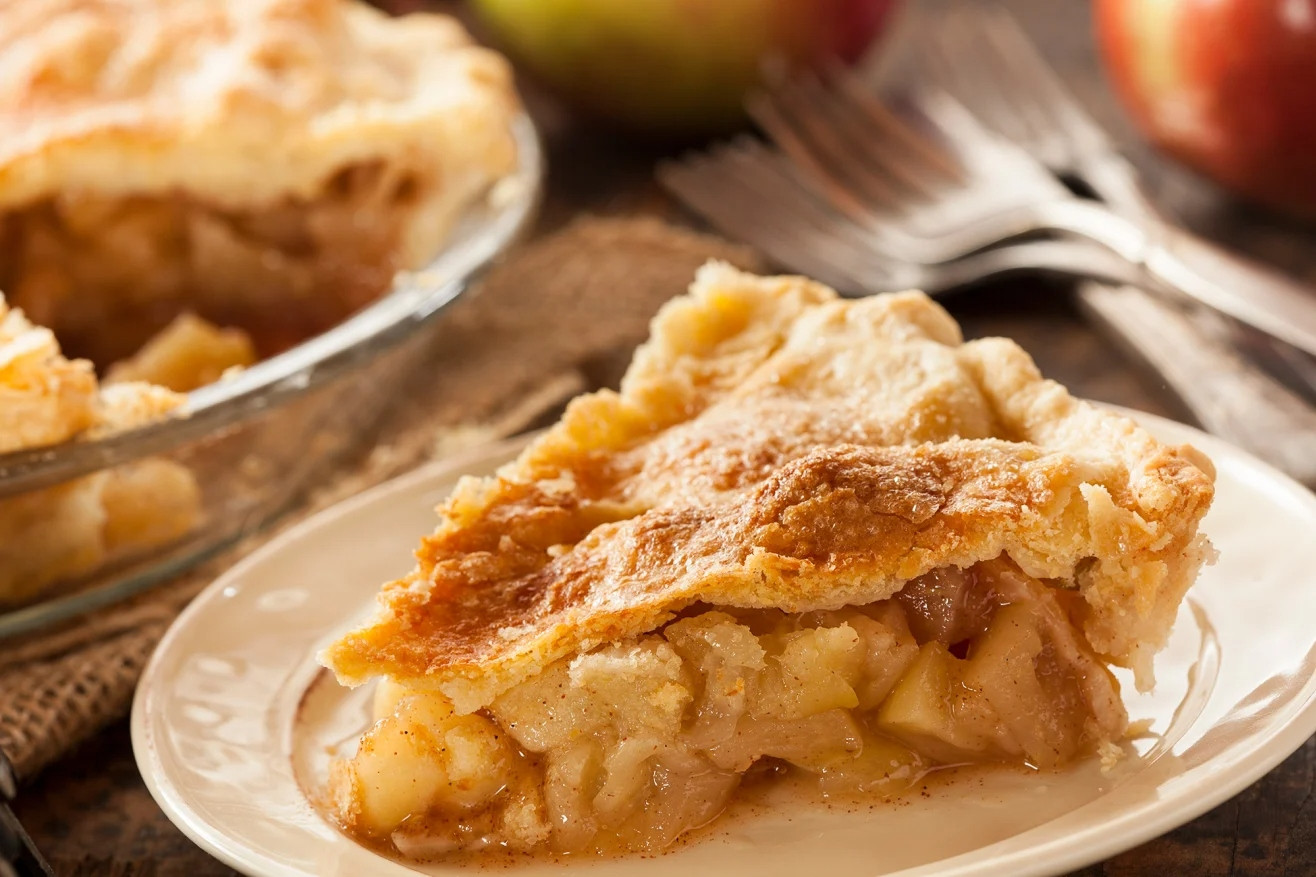
A double-crust pie of spiced, sliced apples, best served warm "à la mode" with a scoop of vanilla ice cream melting into it. The phrase "as American as apple pie" tells you how deeply it sits in the culture, even though the dish arrived with European settlers. Order it warmed, and if the diner offers a slice of sharp cheddar on top (a Midwest and New England habit), try it once. Fall is peak season, when apple orchards across New York, Michigan, and Washington open for picking and roadside stands sell pies still warm from the oven. A good crust should shatter, not bend.
21. Key Lime Pie:
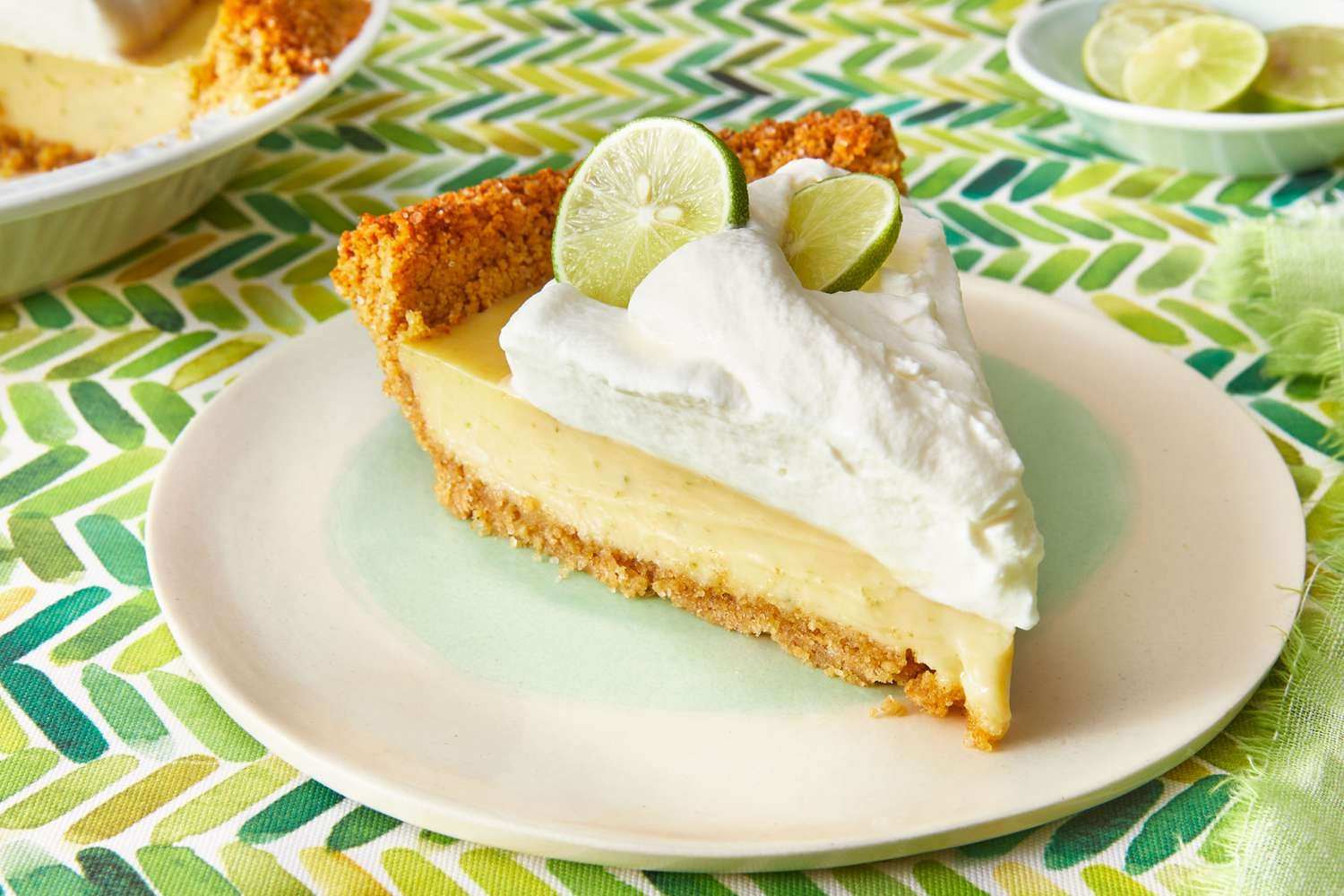
A custard of Key lime juice, egg yolks, and sweetened condensed milk in a graham cracker crust, topped with meringue or whipped cream. The filling should be pale yellow, not green; a bright green slice means artificial coloring and a tourist trap. It is the official pie of Florida, and Key West is the place to eat it. The tartness is sharper than a regular lime, which is the whole appeal. Some Key West shops freeze slices on a stick and dip them in chocolate, sold from walk-up windows along Duval Street. The dish dates to the late 1800s, when canned condensed milk reached the Florida Keys before reliable refrigeration did.
22. Pecan Pie:
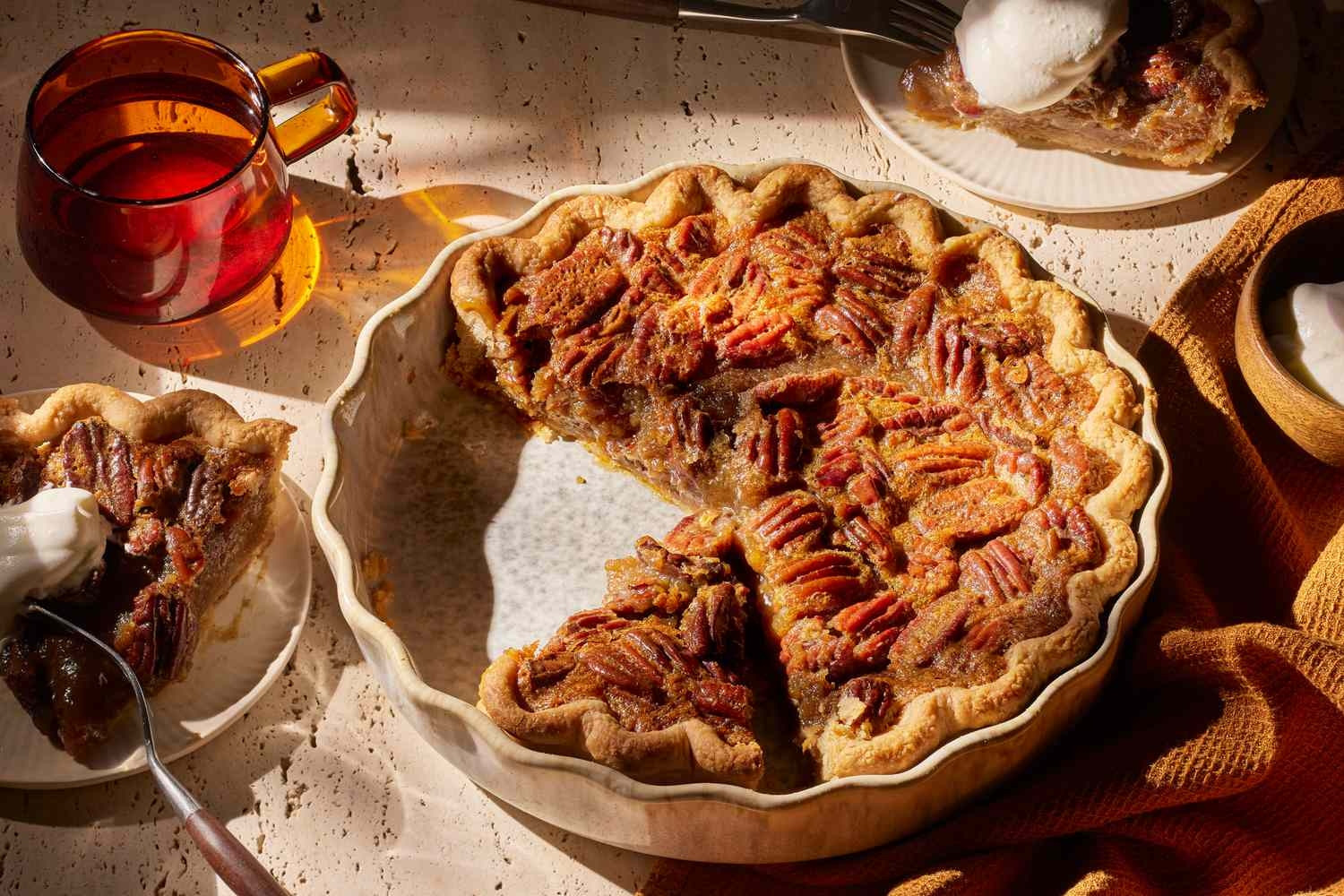
A gooey filling of pecans, eggs, butter, and corn syrup or molasses baked into a single crust. It is intensely sweet, so a small slice goes a long way, and a scoop of unsweetened whipped cream helps. Texas claims it hardest and eats it all year, though it appears on nearly every Thanksgiving table across the South. Pecans are native to the region, and Texas, Georgia, and New Mexico grow most of the country's crop. Some kitchens add bourbon or chocolate, and a chocolate pecan pie is sometimes called a Derby pie in Kentucky. A thin slice satisfies most people.
23. Banana Pudding:
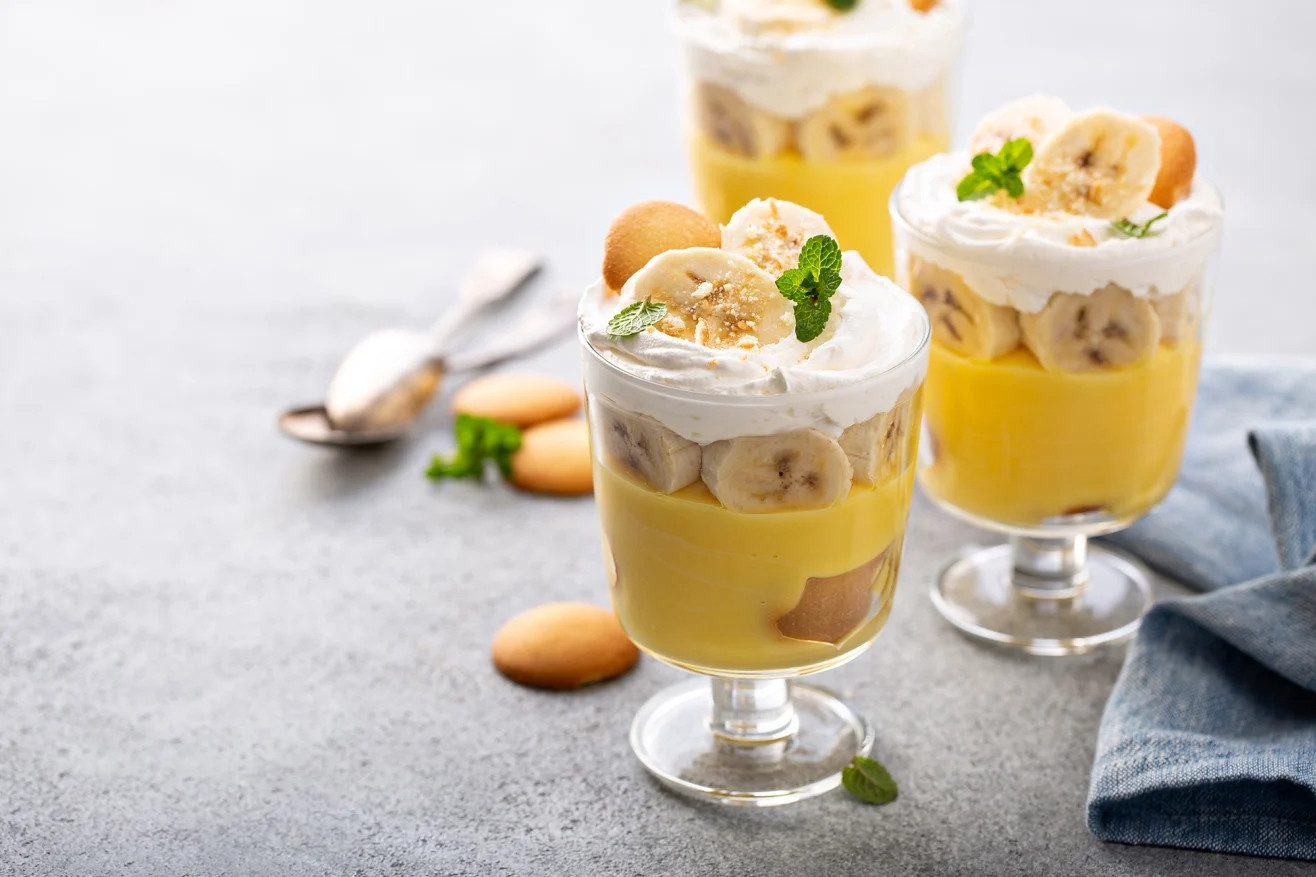
Layers of vanilla custard, sliced banana, and vanilla wafer cookies, topped with whipped cream or a baked meringue. The wafers soften into the custard overnight, which is why it tastes better the day after it is made. Magnolia Bakery in New York turned its version into a phenomenon, with lines out the door, but the dish belongs to the South. It shows up at church potlucks, family reunions, and barbecue joints, usually scooped from a big dish into a paper cup. Nilla Wafers are the traditional cookie, and purists insist on nothing else. Make it a day ahead for the best texture.
24. Root Beer Float:
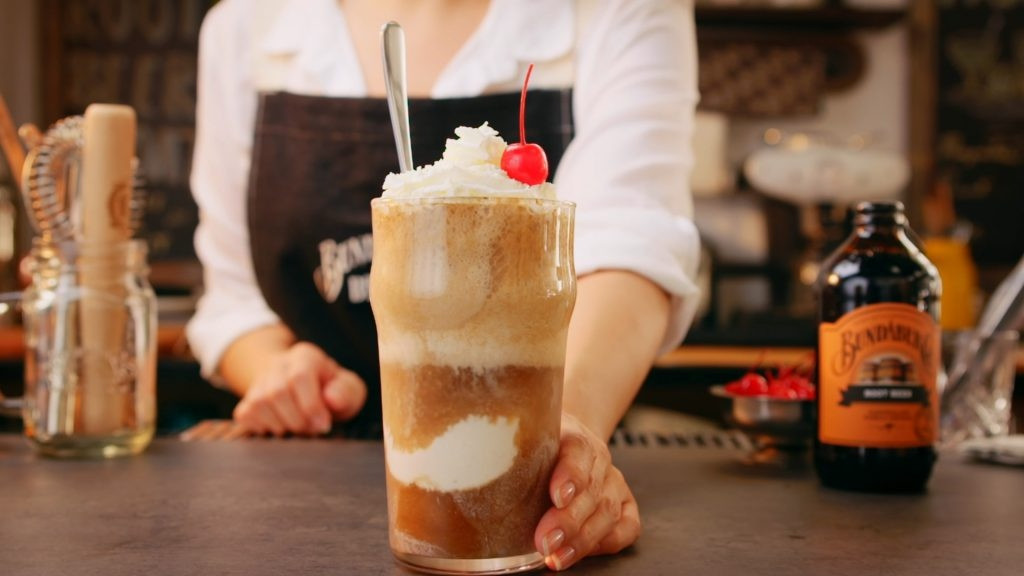
Vanilla ice cream dropped into a glass of cold root beer, which foams up into a creamy, fizzy float. A&W built its brand around root beer starting in 1919, and the float became a soda-fountain classic. Use a frosted glass and good vanilla ice cream, and drink it with both a straw and a long spoon. Root beer itself is a distinctly American soda, made originally from sassafras root, with a sweet medicinal flavor that surprises first-time visitors. Old-fashioned soda fountains and drive-ins still serve floats at the counter, and August 6 is celebrated as National Root Beer Float Day.
25. New York Cheesecake:
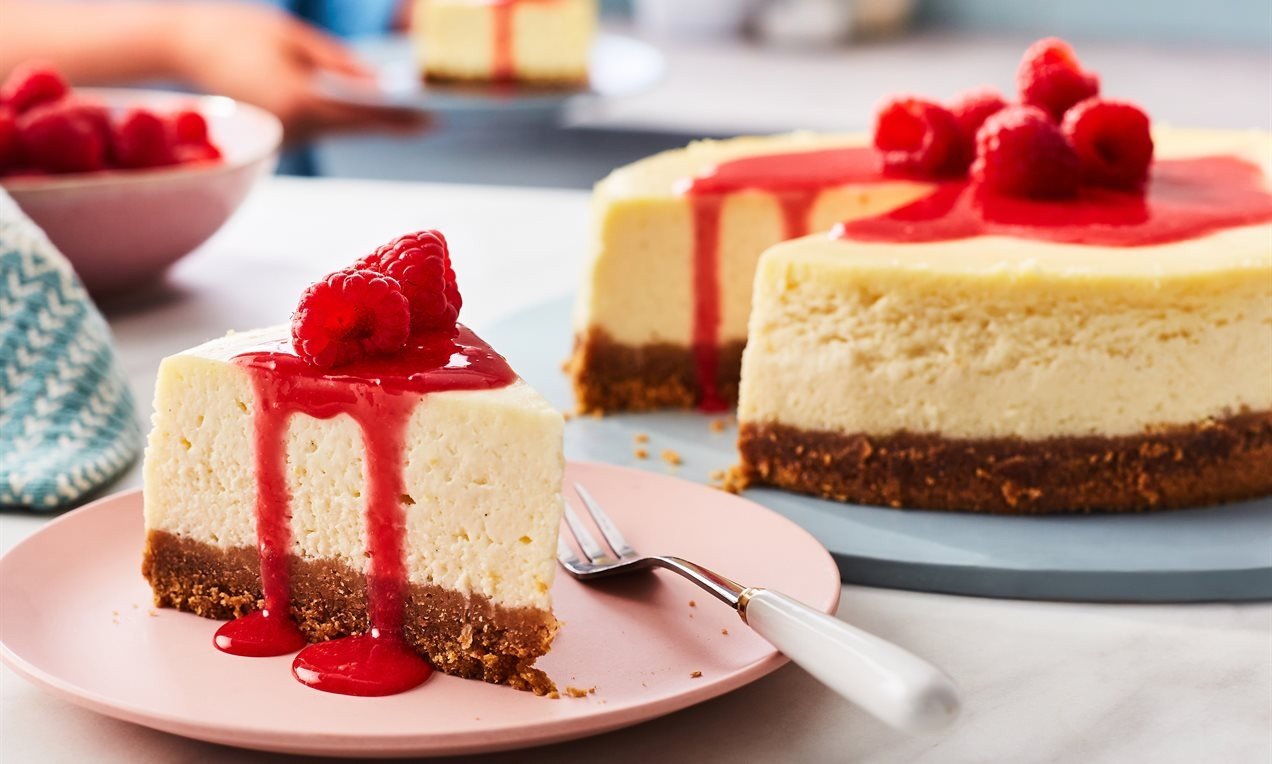
New York cheesecake is dense and rich, built on cream cheese for a texture closer to custard than the lighter styles you find elsewhere. Junior's in Brooklyn has made the benchmark version since 1950. Eat it plain first before you add strawberry or cherry topping, so you can taste what the fuss is about. The New York style skips the sour cream and heavy toppings that lighter versions use, and the result is a slice so dense that one is genuinely filling. Junior's ships its cheesecakes nationwide, but the Brooklyn counter with a cup of coffee is the way to have it.
Traveling to try these? Plan the food, not just the sights:
The dishes above are scattered across the country, so a single trip usually covers one region well. Pick a base city, eat what that region does best, and use a day trip or two for the founding restaurants worth the drive. BookingMentor's US city guides and restaurant listings can help you map the meals before you book flights.
Prices, Tipping, and Budgets:
Restaurant menus in the US show the price before tax and tip, and both get added at the end. Sales tax varies by state and city, from zero in a few states to over 10 percent in some cities. Tipping is the bigger surprise for visitors. In a sit-down restaurant, 18 to 22 percent of the pre-tax total is standard, and servers rely on it as most of their income. At a counter where you order and carry your own food, a tip is optional, though a dollar or two is common.
Here is a rough daily food budget for one person, based on 2026 prices in a mid-sized US city. A big city like New York or San Francisco runs 20 to 40 percent higher.
| Travel style | Breakfast | Lunch | Dinner | Daily total (with tips) |
|---|---|---|---|---|
| Budget (diners, food trucks, counters) | $6–10 | $10–15 | $15–22 | $35–55 |
| Mid-range (casual sit-down) | $10–16 | $18–28 | $28–45 | $65–100 |
| High-end (destination restaurants) | $18–30 | $35–60 | $70–150+ | $140–260+ |
A few money-savers that locals use: portions are large, so splitting a plate is normal and no one blinks. Lunch menus often carry the same dishes as dinner at lower prices. Tap water is free and safe everywhere, so you never need to buy bottled water with a meal. And the best barbecue, tacos, and hot chicken usually come from the cheapest-looking places, not the expensive ones.
Seasonal Food Calendar:
Some of these dishes are tied to a season or a holiday, and timing your trip changes what you can eat at its best. Fried green tomatoes and shrimp and grits peak in summer when the produce and shellfish are freshest. Lobster rolls are a summer coastal food, and Maine shacks like Red's Eats close for winter. Chesapeake blue crab, and the crab cakes made from it, runs from spring through fall.
Holiday food is worth planning around too. Thanksgiving, the fourth Thursday of November, brings roast turkey, cranberry sauce, and pumpkin pie to nearly every table, though most restaurants close that day. Southern black-eyed peas are a New Year's Day tradition believed to bring luck. Super Bowl Sunday in early February turns Buffalo wings and chili into a national event, and sports bars fill up hours before kickoff.
Food Safety forTravelers:
US restaurants operate under strict local health inspections, and standards are high across the country. Tap water is safe to drink everywhere in the US, so ice, salads, and rinsed produce carry no special risk. Street food and food trucks are held to the same inspection rules as restaurants, so a busy taco truck is as safe as a sit-down place, and the turnover means the food is fresh.
If you have allergies, US menus and servers take them seriously, and staff will tell you what a dish contains if you ask. Common allergens like peanuts, shellfish, and gluten are widely understood, and most restaurants can adapt a dish or point you to a safe option. For raw or lightly cooked items like oysters, stick to reputable oyster houses in coastal cities where turnover is high. Portion sizes are large, so a "small" or "half" order is often plenty, and taking leftovers home in a box is completely normal.
Tips for experiencing American Food Culture:
A few habits will help you eat well and feel at home fast:
- Pick local over chains. Family-owned diners and busy barbecue joints hold the real regional cooking. A full parking lot at a plain building is the best sign in the country.
- Time a food festival. Summer and fall fill up with state fairs and single-crop celebrations like the Okra Strut in Irmo, South Carolina, where locals cook what they know best.
- Ask about the dish. Gumbo, fry bread, and red beans and rice each carry a history, and owners love telling it. The story makes the meal better.
- Order the specialty, then the twist. Get what a place is known for first, then chase variations like a green chile cheeseburger in New Mexico or chicken and waffles in the South.
- Expect big portions. Splitting a main or taking a "to-go box" is normal everywhere, even at nicer restaurants.
- Eat early. Dinner runs 6 to 8 p.m., and many kitchens close by 9 or 10 outside big cities. Weekend brunch is a social event worth planning for.
- Know the small stuff. Coffee and soda refills are free at casual spots, tap water is free and safe, and the check often will not come until you ask.
Most Popular American Dishes by the Numbers:
Iconic and popular are not the same thing. The dishes that define American food culture to visitors are sometimes eclipsed, in everyday polling, by simpler comfort foods that Americans actually eat most often. YouGov surveys the US public continuously and publishes a popularity score, the percentage of people who hold a positive opinion of each dish. Here are the highest-rated American dishes from data collected in the first quarter of 2026.
| Rank | Dish | Positive opinion |
|---|---|---|
| 1 | French fries | 87% |
| 2 | Grilled cheese | 85% |
| 3 | Cheeseburger | 85% |
| 4 | Hamburger | 84% |
| 5 | Mashed potatoes | 84% |
| 6 | Fried chicken | 82% |
| 7 | Steak and baked potato | 81% |
| 8 | Apple pie | 79% |
| 12 | Southern fried chicken | 77% |
| 14 | Philly cheesesteak | 74% |
| 15 | BBQ ribs | 74% |
| 18 | Chicken wings | 72% |
The takeaway for a traveler: the burger and apple pie earn their reputation, ranking near the top on both fame and everyday affection. Several dishes on this guide's regional list, from the Philly cheesesteak to BBQ ribs and wings, also sit high in national popularity, so ordering them is a safe bet in almost any part of the country.
Frequently Asked Questions (FAQ's):
Q. What is the most famous traditional American food?
The hamburger is the dish most associated with the United States worldwide, followed closely by apple pie, which gave English the phrase "as American as apple pie." Regionally, barbecue, fried chicken, and clam chowder carry the same iconic weight within their home areas.
Q. Where was the Buffalo wing invented?
At the Anchor Bar in Buffalo, New York, in 1964. Teressa Bellissimo made the first batch as a late-night snack, tossing fried wings in cayenne hot sauce and butter and serving them with celery and blue cheese. You can still eat them at the same restaurant.
Q. What is the difference between Northern and Southern US barbecue?
Barbecue in the US is regional, not national. Texas smokes beef brisket with a simple salt-and-pepper rub. The Carolinas cook whole-hog or shoulder pork with a vinegar-based sauce. Kansas City uses a thick, sweet tomato sauce on a mix of meats, and Memphis is known for dry-rubbed ribs. Each region considers its own style the correct one.
Q. How much should I tip at a US restaurant?
At a sit-down restaurant, tip 18 to 22 percent of the pre-tax bill. Servers earn most of their income from tips, so this is a firm expectation, not a bonus. At counter-service spots where you carry your own food, a tip is optional, though a dollar or two is common.
Q. Is American street food safe to eat?
Yes. Food trucks and street vendors are held to the same health-inspection rules as restaurants in the US, and high turnover means the food is fresh. A busy taco truck or hot dog cart is a safe and often better-tasting choice than a tourist-facing sit-down restaurant.
Q. What American dish should a first-time visitor try?
Start with whatever the region you are visiting does best. In Texas, eat brisket. In New Orleans, order gumbo. In Buffalo, get wings at the Anchor Bar. In Chicago, try a deep dish pizza at Pizzeria Uno. Matching the dish to the place is how you taste it at its source.







{{item.get_author.first_name}} {{item.get_author.last_name}}
Level 7
5 Photos
36 Reviews
{{item.comment_txt}}
{{item_reply.get_author.first_name}} {{item_reply.get_author.last_name}}
@ {{item_reply.reply_to}}, {{item_reply.reply_txt}}