

Biodomo sits inside Parque de las Ciencias de Andalucía, and a BioDomo-only ticket costs 8.50 EUR general admission (7.50 EUR reduced), including a guided visit. Each session caps at 30 people, so booking online ahead matters more than arrival time. Hours run Tuesday-Saturday 10:00am-7:00pm continuously, Sunday 10:00am-3:00pm, closed Mondays.
Biodomo runs Tuesday through Saturday, 10:00am to 7:00pm, with no midday closure, and Sunday 10:00am to 3:00pm, closed all day Monday. The bigger detail most guides skip entirely: each BioDomo session caps at exactly 30 visitors, and the recommended visit runs about 45 minutes with a guide included.
This guide covers what Biodomo actually contains (3 real ecosystem zones with genuine species counts, not vague "biodiversity" language), the real ticket structure (a BioDomo-only option separate from the combined museum ticket), and the practical details, session caps, exact hours, what you can't bring in, verified against the venue's own published information, not repeated from other travel blogs.
Biodomo Granada Highlights:
Biodomo opened on July 25, 2016, inside Parque de las Ciencias de Andalucía, and it functions as a real conservation and education space, not a standard zoo attraction bolted onto a science museum. A handful of facts explain what actually makes it worth the ticket price.
The space runs on genuinely controlled temperature and humidity levels to keep each zone's climate close to its real-world counterpart, which is the actual reason visitor numbers and visit length stay capped, not simple crowd control. That environmental precision is also why the venue asks for a quiet visit and prohibits touching the glass: sudden noise and vibration affect animals living in a tightly managed artificial climate more than they would in a standard exhibit hall.
A few structural details explain what separates Biodomo from a standard zoo exhibit.
- Multi-level habitat design. Each zone integrates aquatic, ground-level, and canopy layers in a single space, with epiphytes and lianas climbing between levels, not plants and animals kept in separate, isolated displays.
- Zone-specific climate, not a generic jungle theme. Each of the 3 zones recreates the actual temperature, humidity, and plant composition of its real-world region, Indo-Pacific, Madagascar, and Amazon all run as distinct environments, not variations on a single tropical setting.
- Conservation work tied to the wider museum. Biodomo's animal collection connects to Parque de las Ciencias' broader research and education programs, including species-specific conservation work the museum runs separately from the exhibit space itself.
- A structured introduction for families. Every visit opens with a roughly 10-minute guided introduction covering the space's rules, useful for explaining to young kids exactly why touching the glass or using flash photography isn't allowed.
- Photography allowed, with real limits. Standard photography without flash is permitted throughout. Selfie sticks and tripods aren't, a rule aimed at protecting the animals. It isn't meant to restrict photography generally.
- A genuinely different sensory environment. The controlled temperature and humidity inside each zone create a real physical contrast to Granada's dry climate outside, noticeable within the first few minutes of a visit.
The 3 Zones Inside Biodomo:
Biodomo sits inside Parque de las Ciencias de Andalucía, Granada's science museum, and recreates 3 distinct ecosystems under one roof, not a standard zoo laid out by animal type.
Indo-Pacific Zone:
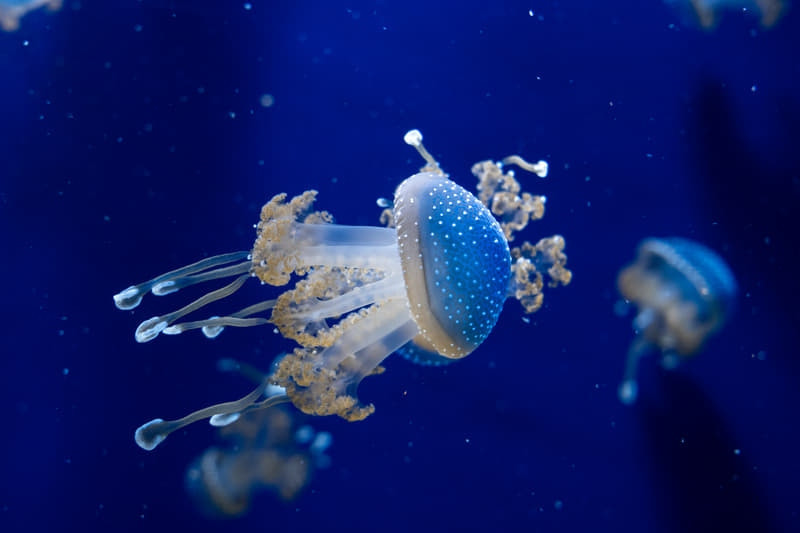
This zone recreates ecological regions from Southeast Asia, including replicas modeled on the Mekong River basin and the island of Sulawesi. The Greater Mekong Basin holds the second-largest freshwater fish biodiversity in the world, with more than 1,200 species documented across the river system, alongside its status as Asia's largest rice-growing region. Sulawesi's lowland forests contribute distinct mammal and bird species found nowhere else, reflected in the zone's animal selection.
Madagascar Zone:
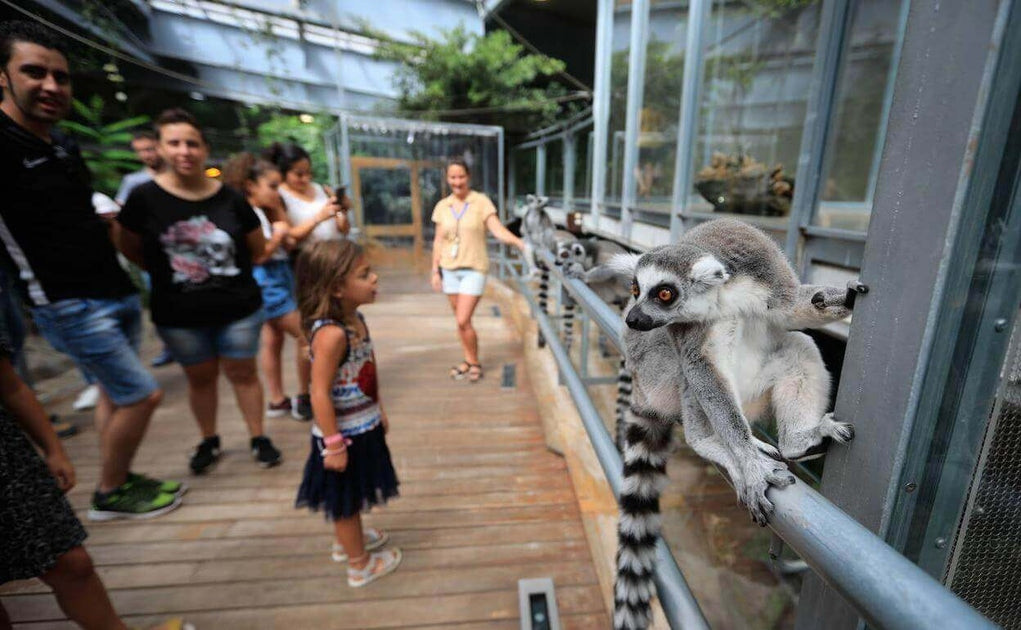
Madagascar ranks as the world's 4th-largest island, and this zone reflects its genuinely unusual range of terrain, jungle, tropical dry forest, plateau, and desert habitats within a single country. The island's coastline holds some of the largest coral reef and mangrove systems anywhere, and Madagascar's isolation from mainland Africa has produced more than 11,000 endemic plant species, plants that exist naturally nowhere else on Earth.
Amazon Zone:
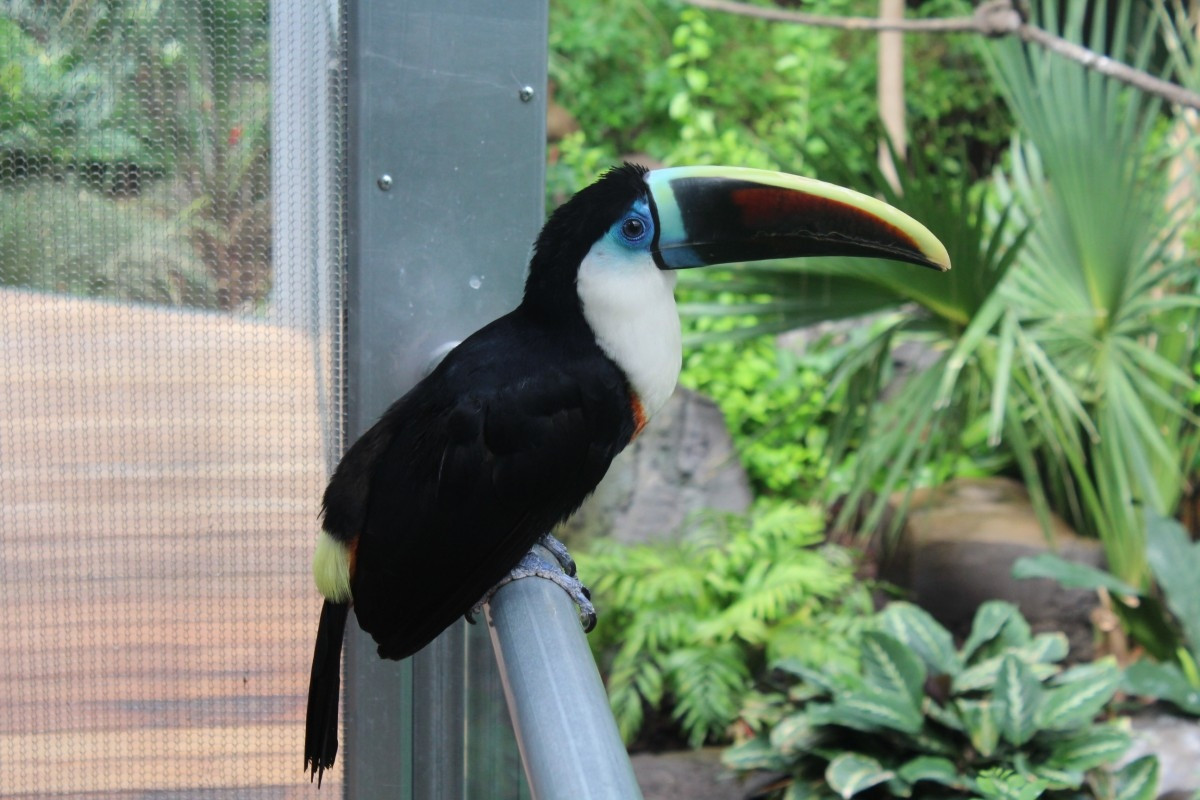
The Amazon zone centers on the river system's freshwater fish diversity alongside terrestrial species native to the rainforest: the six-banded armadillo, the two-toed sloth, and the trumpeter bird all appear here. The Amazon basin supports one of the highest concentrations of plant and animal species of any ecosystem on the planet, and the zone's design reflects that density, not a handful of animals isolated in separate enclosures.
Tickets and Prices:
Biodomo sells 2 separate ticket types, and mixing them up is the most common planning mistake. A BioDomo-only ticket includes a guided visit and costs less than most visitors expect; a combined ticket covering the full science museum plus BioDomo costs more but opens considerably more of the site.
Tarjeta Amiga cardholders get 1 free BioDomo entry every year, though that specific free entry has to be claimed directly at the museum's ticket office; it can't be booked through the website. Groups larger than 15 people, including school groups, need to book online in advance through the official application form.
Opening Hours:
BioDomo runs 6 days a week on a simple schedule: 1 shorter day on Sunday, 1 full closure on Monday, and a consistent 10am-7pm block the rest of the week.
Sunday's shorter 10am-3pm window catches visitors off guard more than any other detail on this page; showing up at 4pm on a Sunday means finding the doors already closed. The wider museum closes entirely on January 1st, January 6th, May 1st, and December 25th, and runs 2 free general-admission days each year, February 28th and the first Saturday following May 8th, the museum's anniversary date. Free-admission terms shift year to year, so confirm directly before planning a visit around them.
How to Get There:
Parque de las Ciencias sits at Avenida de la Ciencia, s/n, 18006 Granada, roughly 15 minutes from the city center. By bus, lines 5, 11, 21, and C5 all serve the area, with the Alcázar del Genil stop closest to the entrance; several other routes stop at Plaza de las Américas a short walk away. Drivers should take exit 129 off the E-902/A-44 ring road, with an underground parking area directly at the main entrance on Avenida de la Ciencia.
Parking runs 1 EUR for the first 3 hours, then 1.20 EUR per additional hour (0.02 EUR per minute), reasonable enough that a half-day visit rarely runs up a large bill. A taxi from central Granada costs roughly 5-8 EUR for the same 15-minute trip, a practical option for a family not wanting to manage bus transfers with young kids. Walking from the city center takes about 15-20 minutes for anyone staying nearby, and the hop-on hop-off Granada Sightseeing Bus also stops directly at the Science Park, a straightforward option for visitors already using that pass for other sights.
Visitor Rules and What to Know:
BioDomo's rules exist specifically to protect the animals living inside a shared, enclosed environment, not as arbitrary museum policy.
- No food or drink except water is permitted inside the BioDomo space itself.
- Flash photography, selfie sticks, and tripods are all prohibited. Regular photography without flash is allowed.
- Don't touch the glass, plants, or animals, and avoid trying to get an animal's attention by tapping or calling out.
- Keep noise to a minimum throughout the visit; this is a shared living space for the animals, not a standard exhibit hall.
- Follow staff instructions at all times, particularly in any area with free-roaming animals.
- The recommended visit length is 45 minutes, guided, though visitors are welcome to stay up to 1 hour, with sessions capped at 30 people.
Best Time to Visit:
Morning sessions, right after the 10:00am opening, tend to catch animals at their most active and give the best odds against a sold-out session. Weekday visits (Tuesday through Friday) run noticeably quieter than Saturday, and since hours run continuously with no midday break, arrival time matters less than simply booking a session in advance.
Given the 30-person session cap, booking online a few days ahead matters more here than at most attractions in Granada, particularly during Semana Santa, summer school holidays, and any weekend in peak tourist season (roughly April through October).






{{item.get_author.first_name}} {{item.get_author.last_name}}
Level 7
5 Photos
36 Reviews
{{item.comment_txt}}
{{item_reply.get_author.first_name}} {{item_reply.get_author.last_name}}
@ {{item_reply.reply_to}}, {{item_reply.reply_txt}}