



Venue
1 boulevard de la Croisette, 06400 Cannes, France
Cannes Film Festival guide
Cannes suits film lovers who are happy with the public side of the festival, since competition screenings are not sold to paying visitors. It usually runs twelve days in mid-May. Expect red-carpet premieres, crowds and photographers by the Croisette, and plan around the invitation-only rule before you book a seaside room.
The Festival de Cannes is where much of the year's most talked-about cinema has its premiere, and where the Palme d'Or, the most coveted prize in art-house film, is decided. For twelve days a seaside resort on the French Riviera becomes the working capital of the film business.
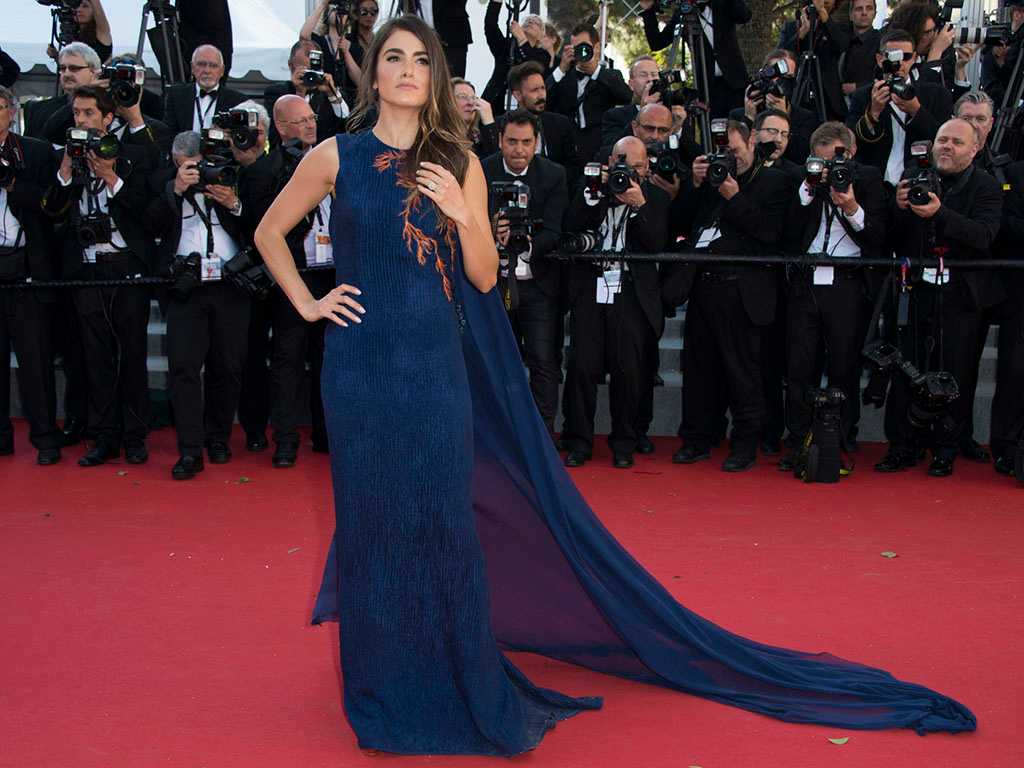
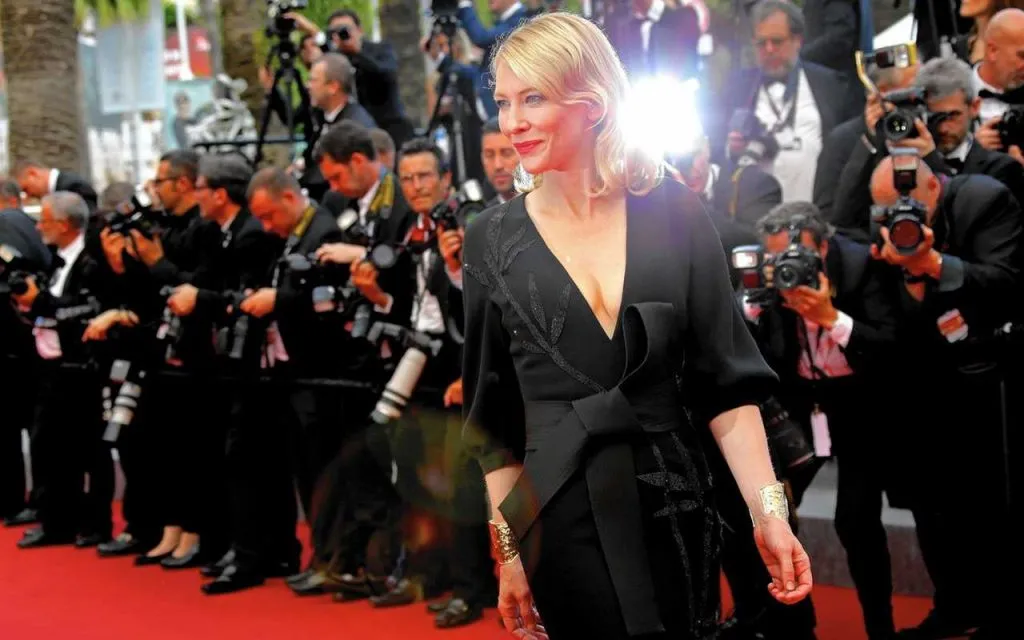
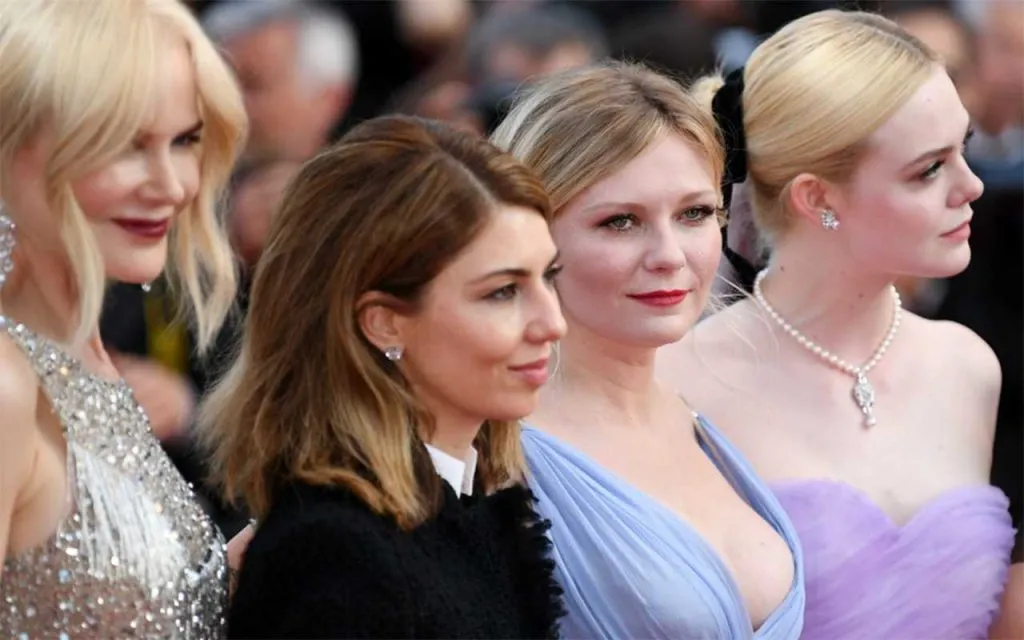
Two festivals share the town. One is public spectacle: evening premieres, gowns and a wall of photographers along the seafront, with pictures that reach front pages around the world the next morning. The other is trade. Producers, sales agents and distributors spend the fortnight doing deals, and a film's fortunes for the year ahead can be settled in a hotel suite overlooking the bay.
Most of that happens behind closed doors. The festival still spills into the streets, the beach and the cafés, and it is entirely possible to enjoy it without a badge.
1 boulevard de la Croisette, 06400 Cannes, France
Hotels near the venue fill up around the event dates.
Watching the arrivals costs nothing, but the stretch of barrier beside the Palais is short and the front row goes long before the first guests appear. Pick one evening, arrive well ahead and plan to stay put, because leaving for a coffee usually means losing the spot.
Carry your passport or national ID card at all times. Checks are frequent near the Palais, and showing a document quickly saves a lot of fuss.
What to wear depends on where you are going. At the barriers or the beach cinema, anything comfortable works. An invitation to an evening premiere is another matter: the dress code is strictly formal, and people in casual clothes are turned away at the steps. Pack one smart outfit in case a ticket comes your way.
May evenings by the sea turn cool once the sun has gone. Bring a light jacket or a thin jumper for the beach screenings, and a blanket if you plan to sit through a long film.
EU residents should travel with their European Health Insurance Card, which gives access to state healthcare in France on the same terms as French residents. Everyone else needs travel insurance that includes medical cover.
Prices in restaurants, bars and hotels rise during the festival. Set a daily budget before you arrive, and book a table for dinner, since walk-ins rarely work on a premiere night. Keep cards and phones close in the crowds on the Croisette, and agree on a meeting point with friends in case you are separated after the arrivals.
Sales agents and buyers work the stands of the film market while the Croisette fills with onlookers hoping to spot someone.
Premieres in the Grand Théâtre Lumière, a hall of more than 2,300 seats, open with the arrivals. The crowd at the barriers is thickest in the hour before the first cars pull up.
A free film on Plage Macé, with about 800 loungers on the sand and no ticket needed; it started at 9:30 pm in 2026. On nights when a big name attends, people queue for more than an hour, so eat early.
The jury hands out the Palme d'Or on the final Saturday.
Every Cannes trip starts from one rule. Competition screenings are closed to the paying public; the seats go to invited guests and holders of professional accreditation. Plan the visit around what stays open instead, which is more than most people expect. The red carpet can be watched from the barriers outside the Palais, and a free film plays on the beach each night.
Anyone aged 18 to 28 has a better option in the 3 Days in Cannes scheme, which opens Official Selection screenings to young film fans. Places go by application and fill fast. Register the day the scheme is announced.
Accommodation is the hard part. Cannes is small, the industry books its hotels far ahead, and rates climb sharply for the fortnight. Reserve as soon as your dates are fixed. If the town is full or the prices are absurd, base yourself in Nice or another stop on the coastal railway and come in by train each day. Three or four nights is a sensible length for a first visit: enough for one evening at the barriers, a night in front of the beach screen and a slow morning in the old town.
Cannes grew out of irritation with Venice. After political meddling in the Venice jury in 1938, France's minister of education and fine arts, Jean Zay, pushed for a rival festival on the Riviera, and a first edition was set for September 1939. The war cancelled it. The real debut finally opened on 20 September 1946 and ran until 5 October, with films from 21 countries.
The festival you see now took shape slowly. Its home, the present Palais des Festivals et des Congrès, was built in 1983 where the Croisette begins. Inside, the Official Selection is arranged in layers. The Competition, usually about 20 films, sits at the centre, with Un Certain Regard, Cannes Premiere, Special Screenings and the films shown Out of Competition around it, plus a competition for short films. Cannes Classics brings restored older work back to the big screen.
Two sidebars run their own programmes in town, independent of the festival. Critics' Week dates from 1962, and Directors' Fortnight followed in 1969. Serious film fans often follow these as closely as the main selection, and their screenings take place in their own venues outside the Palais.
Nice Côte d'Azur airport is about 27 km along the coast. An express coach runs from Terminal 2 to Cannes railway station; from Terminal 1, take the free tram or shuttle to Terminal 2 first.
Regional trains run along the coast, the obvious choice if you are sleeping in Nice or elsewhere on the line. Cannes station is about five minutes' walk from the Palais.
Palm Bus services stop near the Palais, but in the centre walking is usually as quick.
The next edition runs from 11 May to 22 May 2027. Book your room as soon as your dates are fixed, since rooms close to the festival are the first to go.
Mid-May on the Riviera is mild and mostly dry. Along this coast average highs are about 21°C and lows around 14 to 15°C, with about 40 mm of rain in the month (1991-2020 normals for Nice, the nearest long-running station).
Evenings by the sea can be cool enough for a jacket, especially for the late beach screening.
Met at arrivals at Nice Côte d'Azur Airport (NCE) and driven door to door to Palais des Festivals et des Congrès.
Places to eat in France before or after the celebrations.
40 Rue de la Plage, 69660 Collonges au Mont d'Or, France
Cuisine:Classic FrenchLyonnaise
Eiffel Tower, 2nd floor, Avenue Gustave Eiffel, 75007 Paris, France
Cuisine:Modern FrenchTasting menu
7 Rue du Faubourg Montmartre, 75009 Paris, France
Cuisine:FrenchTraditional bouillon
Others of this kind you opened on this device, so you can get back to them quickly.
No questions yet about Cannes Film Festival. Ask the community or our travel team, and the answer will show here once it is published.
Our team answers questions here
Sights within easy reach of the festival.
France
Plage du Midi is the stretch of free public beaches along the Boulevard du Midi in Cannes, just west of the old port, running toward La Bocca and Mandelieu-la-N...
Festivals held in the same weeks, if you want to plan more than one.
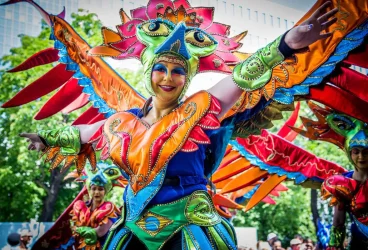
Cultural Events, Carnivals, Parade
Berlin, Germany
1 photo

Leisure Events, Cultural Events
Sedan, France
1 photo
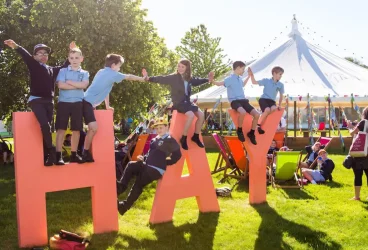
Cultural Events, Arts Festivals
Hay-on-Wye, United Kingdom
1 photo
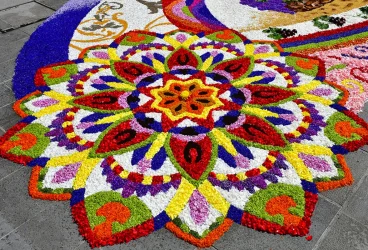
Cultural Events, Arts Festivals, Religious Festivals
Spello, Italy
1 photo
Festivals and events across France, with dates, venues and ticket details where available.
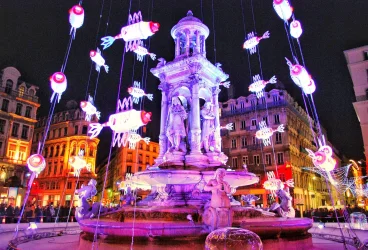
Cultural Events, Arts Festivals, Winter Festivals
Lyon, France
1 photo
Cultural Events, Carnivals, Parade
Menton, France
1 photo
Leisure Events, Arts Festivals, Community Events
Berck, France
1 photo
Live Events, Cultural Events, Arts Festivals
Avignon, France
1 photo
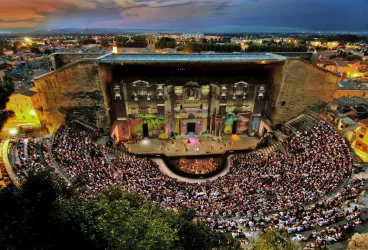
Live Events, Musical Events, Arts Festivals
Orange, France
1 photo
Tell us where and when you want to go, and local travel experts send you offers for your trip.
Booking
No. The Competition and the evening galas are for invited guests and accredited industry only, and no box office sells seats to the public. Free options exist outside the halls, and young adults can apply for a scheme that opens some Official Selection seats to them.
About 73,700 people live in Cannes, and during the festival the town holds more than 200,000. Over 30,000 of them come for the festival itself, almost 100 times the number of film people who turned up for the first edition in 1946.
General
Like the English word 'can'. The final s is silent, so 'cans' is wrong. In French the event is simply called the Festival de Cannes, and locals rarely bother with the word 'film'.
Film lovers aged 18 to 28 who register in advance. Successful applicants get access to Official Selection screenings. Places are limited and the window can close early: for 2026 it shut before the festival had started.
The festival's trade market, set up in 1959 and among the largest film markets in the world. Producers, sales agents and distributors use it to buy and sell films, and entry is for registered professionals, not the general public.
Because of a deal with Venice. In its early years Cannes ran in the autumn and competed head on with the Venice festival. In 1951 the two agreed to split the calendar, with Cannes moving to May and Venice keeping its autumn slot.
Several times. The planned 1939 edition was called off when the Second World War broke out. Shortage of money cancelled the 1948 and 1950 festivals, and in 1968 the festival was stopped in sympathy with the student protests in France.
Not quite. The Palme d'Or was created in 1955 and awarded until 1963, when it was replaced by a Grand Prix du Festival International du Film. It came back in 1975 and has been the main award ever since.
Fjord, by the Romanian director Cristian Mungiu, his second Palme d'Or. The jury was chaired by Park Chan-wook of South Korea, and the Grand Prix went to Minotaur by Andrey Zvyagintsev.
Go early to the Marché Forville, the town's produce market, then take the short boat ride out to the island of Sainte Marguerite. In the evening the Vieux Port is a good place for a drink, with the lights of the bars reflected in the water.
Timing & weather
Around 2 km of red carpet is laid outside the Palais over the course of the festival. It takes a beating, and the carpet on the steps is replaced three times a day so it looks fresh for each round of arrivals.
Yes. It sits further along the same coast and makes an easy day out when the queues start to wear on you. The coastal railway links the Riviera towns, so you can go without a car and be back for the evening screening on the beach.
We use necessary cookies to make this site work. With your permission we would also like to remember your preferences, measure how the site is used, and show relevant ads and partner offers. You can change your mind at any time under "Cookie settings" on our Privacy policy page.

 Umrah packages from Dhaka