

Qatar surprises most first-time visitors twice. First, when they realize how small the country actually is, you can drive from one end to the other in under three hours. Second, when they see how much sits inside that small footprint: a museum designed by I.M. Pei, a 1900s watchtower, an artificial island built for luxury shopping, and a desert that meets the sea at one of the few places on Earth where that happens.
Before any of that, a first trip to Qatar runs on a few practical decisions: whether you need a visa, what to wear, whether you can get a drink with dinner, and how hot it actually gets. This guide covers those questions first, then a full breakdown of getting there, getting around, what things cost, and the 16 places worth your time once you've landed.
Visa Requirements by Nationality:Qatar is one of the easier Gulf countries to enter, but the rules vary by passport
Qatar sorts visitors into four broad categories. Most travelers from major tourism markets fall into the first two and need little more than a passport and a return ticket.
Policy changes frequently, and individual exceptions exist (Pakistan's visa-on-arrival was suspended in March 2026, for instance). Always check your exact nationality at the official Hayya portal (hayya.qa) or visitqatar.com before booking flights, even if you've visited Qatar before.
What you'll need regardless of category
A passport valid at least 6 months beyond your arrival date, a confirmed return or onward flight, and proof of accommodation, either a hotel booking or a host's details if staying with someone.
The Discover Qatar requirement
Travelers from India, Pakistan, Thailand, Iran, and Ukraine must book their hotel through Discover Qatar specifically, not any other platform, to qualify for visa-on-arrival.
Long-stay health insurance
Staying longer than 30 days requires basic health insurance, available from approved providers for around QAR 50 (roughly $14) for a 30-day period.
Layovers and transit
Qatar Airways passengers with a layover of 5 to 96 hours can apply for a free transit visa at the Discover Qatar desk inside Hamad International Airport and turn the layover into a short visit.
Climate, Culture, and Etiquette:The four things that catch first-timers off guard
Climate by season
November to March: 20-25°C (68-77°F), the comfortable window for sightseeing and desert trips. June to September: regularly above 40°C (104°F), most activity moves indoors.
Alcohol
Served only inside licensed hotel restaurants and bars. Not sold in shops or regular restaurants. Public intoxication can lead to fines or arrest.
Dress code
Shoulders and knees covered in malls, souqs, and government buildings. Hotel pools and beach clubs are more relaxed. Mosques require extra coverage.
Prayer times and Friday
Five daily prayer times shape the rhythm of the day; some smaller shops close briefly during prayer. Friday is the main day of rest, many businesses open later or shift hours.
Ramadan Etiquette:
If your trip falls during Ramadan, expect shorter opening hours at malls, museums, and attractions, often shifted to late afternoon and evening. Eating, drinking, or smoking in public during daylight hours is considered disrespectful, even for non-fasting visitors. Hotels continue serving food to guests throughout the day, just away from public view. Evenings come alive after iftar, with extended hours and a noticeably different atmosphere at Souq Waqif and Katara.
Getting there and Getting Around:Hamad International to the Doha Metro
Hamad International Airport (HIA) sits about 20 minutes south of central Doha and is consistently ranked among the world's best airports for both design and efficiency. Qatar Airways runs it as a major long-haul hub, which means strong connections from nearly every region.
From the airport, the Doha Metro's Red Line runs directly into the city center, the fastest and cheapest way in if you're not carrying excessive luggage. Taxis and ride-hailing apps (Uber, Karwa) cover the same route in 15-25 minutes depending on traffic.
The Metro's daily cap of QAR 6 (about $1.65) means heavy sightseeing days cost the same as light ones once you've made three trips. Buy a Standard travel card at any station on arrival rather than paper tickets, which are no longer issued for repeat use.
Money, Costs, and Budgeting:What a first trip actually costs, by travel style
Qatar's currency is the Qatari Riyal (QAR), pegged to the US dollar at roughly 3.64 QAR per $1, which keeps prices predictable if you're converting on the fly. Credit cards are accepted nearly everywhere; carrying cash is mostly useful for the souq and small taxi fares.
A genuinely free day is possible: the Museum of Islamic Art, National Museum of Qatar, Mathaf, the National Library, Katara, and most of the historic forts charge no entry fee at all.
3-Day and 7-Day Itineraries:How much of Qatar you can realistically cover
Qatar's small size means even a short trip covers real ground. Three days is enough for Doha's core sites. A week opens up the desert, the northern forts, and a slower pace through everything else.
Arrival and the Corniche
Land, check in, and walk the Corniche toward sunset for your first proper view of the West Bay skyline across the water. Dinner at Souq Waqif puts you in the middle of the city's evening atmosphere on night one.
Museums and the Pearl
Morning at the Museum of Islamic Art, then the National Museum of Qatar if you have the stamina for a second major museum in one day. Afternoon and evening at The Pearl Qatar for a slower walk and dinner by the marina.
Katara and a desert taste
Morning at Katara Cultural Village, then a half-day desert tour to Khor Al Adaid if timing allows, departing early afternoon and returning by evening. If a half-day tour doesn't fit, swap in Souq Waqif's Falcon Souq and a slower souvenir-shopping morning instead.
Run the 3-day Doha itinerary above
Museums, Souq Waqif, Katara, and The Pearl as outlined. This covers the city's core in a comfortable pace rather than a rush.
Msheireb Museums and Radwani House
A slower, indoor-heavy day through Doha's social history. Pair with the Qatar National Library in the afternoon, especially useful if the day runs hot.
North to Al Zubarah and Al Khor
A rental car or private driver covers Al Zubarah Fort, Barzan Towers, and Al Khor Towers in a single long day trip, all in the country's north, roughly 1-1.5 hours from Doha each way.
Zekreet and Film City
A full day west to Zekreet Fort, the abandoned Film City, and the Zekreet Peninsula's umbrella rock formation on the coast. Bring water and sun protection; there's no shade and limited facilities on this route.
The desert safari, done properly
A full-day Khor Al Adaid tour with dune bashing, the inland sea itself, and a Bedouin-style camp dinner closes the trip on its most distinctive day. Book through a licensed operator and confirm pickup details the night before.
Both itineraries assume November-March travel. In summer, shift outdoor stops (Zekreet, Al Zubarah, the desert safari) to early morning or skip them in favor of indoor museum days.
Culture and Museums:The four stops that anchor most first trips
01 · Doha's most photographed buildingMuseum of Islamic Art:
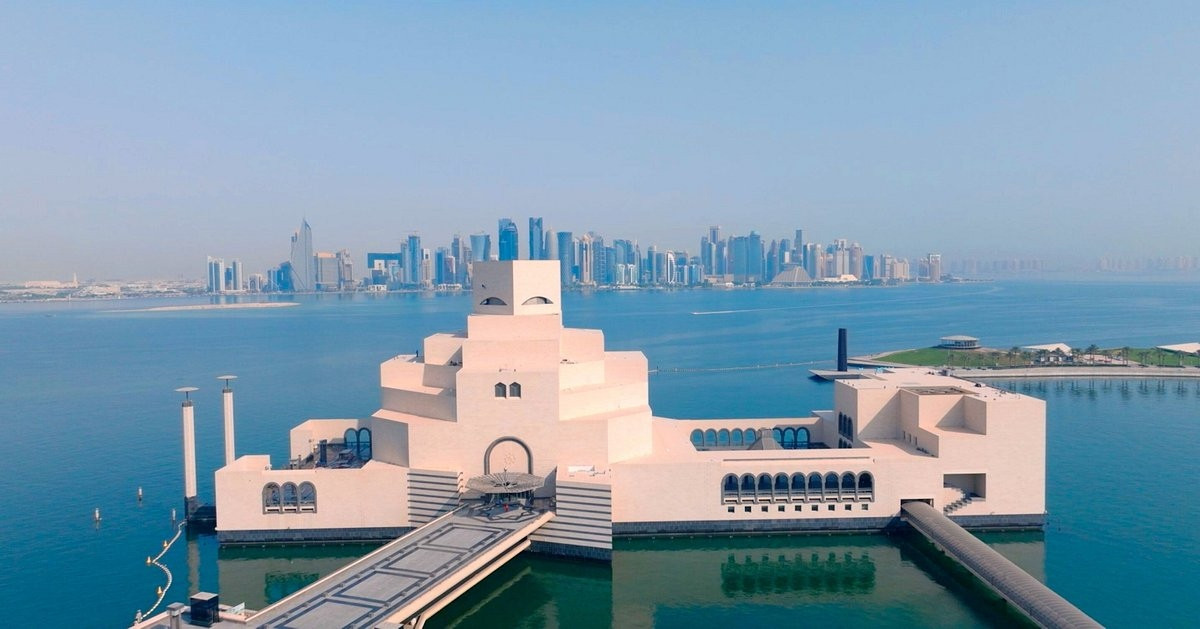
I.M. Pei designed the building at age 91, his last major project, and sited it deliberately on its own island so no neighboring tower could ever crowd its silhouette. The collection runs to roughly 1,400 years of Islamic art: manuscripts, ceramics, textiles, and metalwork gathered from Spain to China. A rare 17th-century Quran is on permanent display.
The museum sits a short walk from the southern end of the Corniche, making it easy to combine with a waterfront walk before or after.
02 · Shaped like a desert roseNational Museum of Qatar:
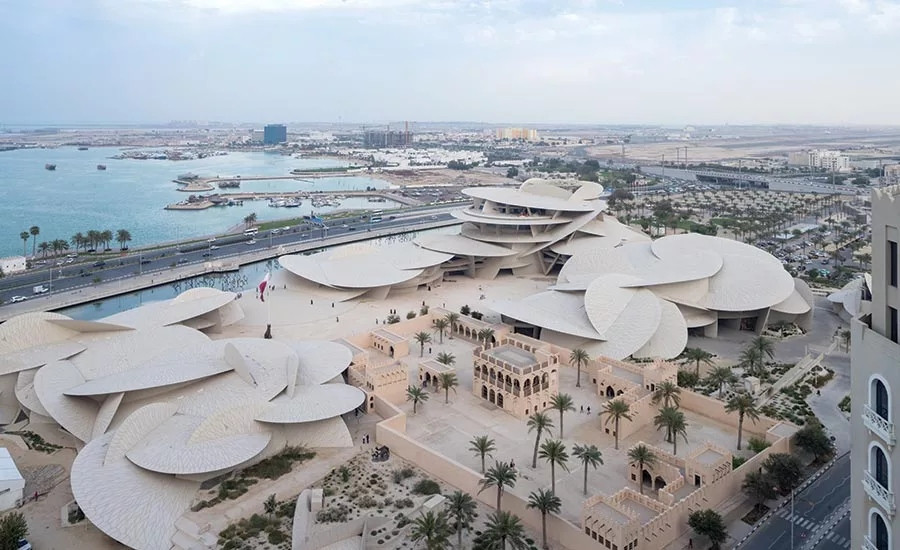
Jean Nouvel designed the building around the desert rose, a mineral formation found in Qatar's sabkha salt flats, giving the structure its interlocking disc shape. Inside, 11 galleries move through Qatar's geological past, its pearling and trading history, and its rapid modern development. The Pearl Carpet of Baroda, set with thousands of diamonds and pearls, is one of the collection's standout pieces.
The museum sits beside the Corniche near the airport road, close enough to the Museum of Islamic Art to pair both in a single morning if you move briskly.
03 · Doha's oldest working marketplaceSouq Waqif:
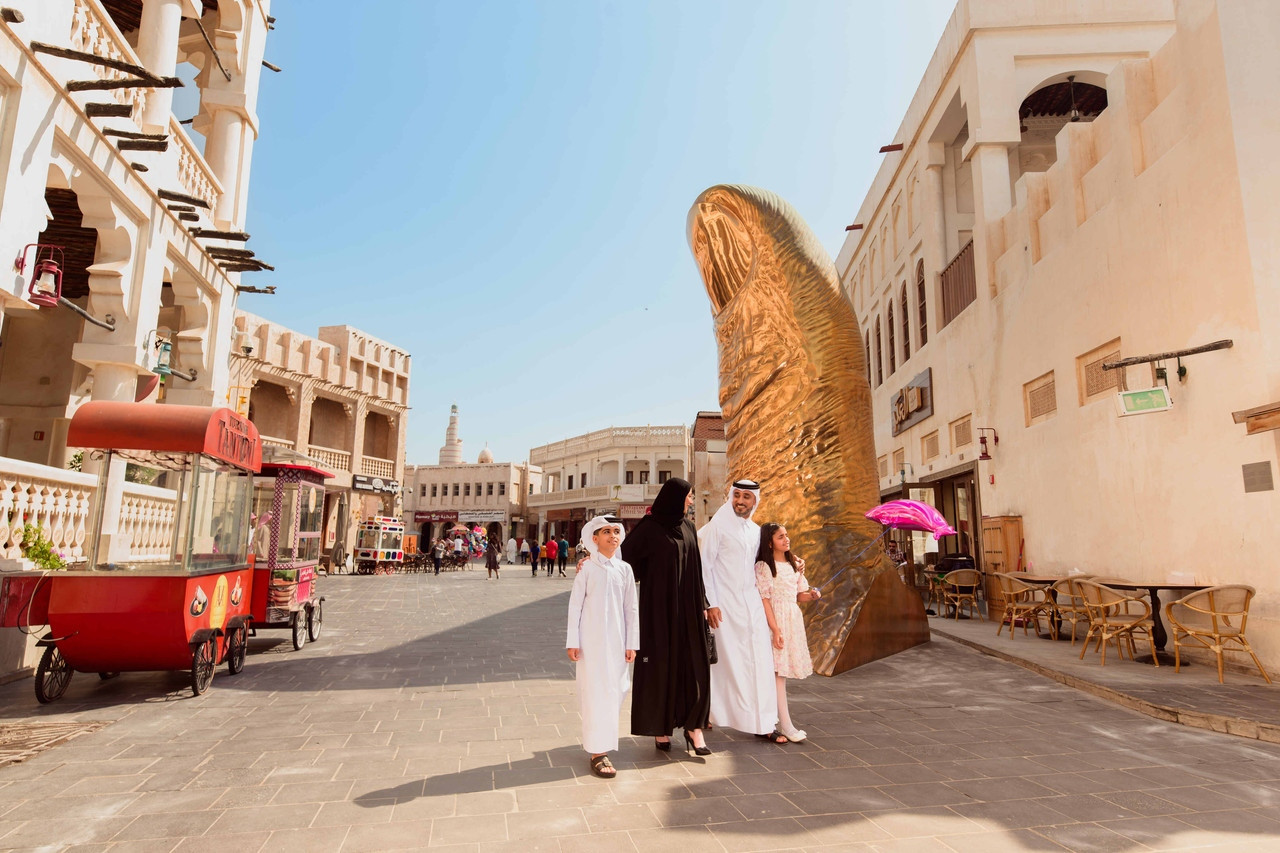
Souq Waqif still trades the way it did a century ago, mud-roofed shopfronts selling spices, textiles, and falcons sit beside restaurants serving everything from Lebanese mezze to Qatari machboos. Evenings draw the bigger crowds: shisha cafes fill up, restaurant terraces spill onto the walkways, and the market stays open well past sunset.
The Falcon Souq sits at the market's edge and is worth a slow walk through even if you're not buying.
04 · An amphitheater, two mosques, and a beachKatara Cultural Village:
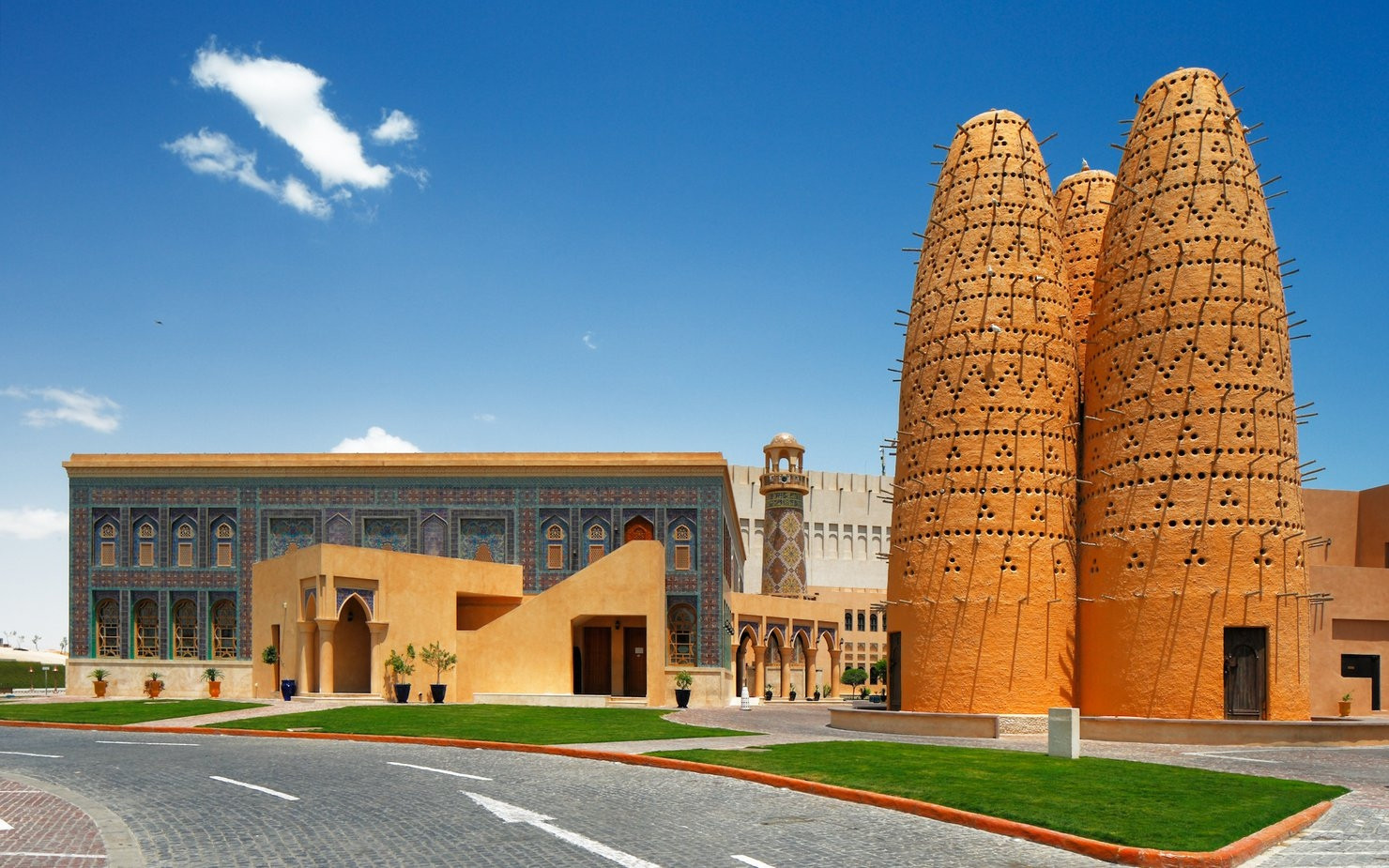
Katara packs a theater, an open-air amphitheater, two mosques, several art galleries, and a public beach into one walkable district between West Bay and The Pearl. Evening events run year-round, concerts, exhibitions, film screenings, and the district's restaurants face directly onto the water.
The Katara Mosque's blue-and-gold tilework photographs well in the late afternoon light, and the amphitheater hosts the Doha Film Institute's events through the cooler months.
Heritage Sites and Forts:Worth the drive out of Doha, especially in winter
05 · Qatar's only UNESCO World Heritage SiteAl Zubarah Fort and Archaeological Site:
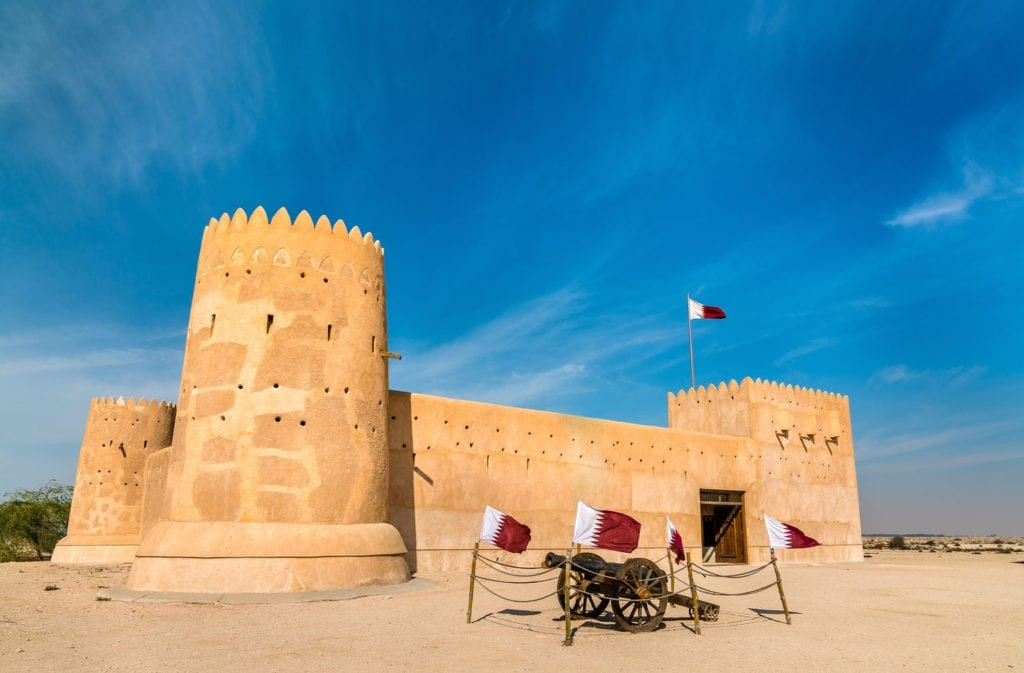
Al Zubarah was once a major pearling and trading port; the ruins now sit largely untouched in the desert near Madinat ash Shamal, about an hour and a half north of Doha. Walking the excavated streets and the fort itself gives a clearer sense of pre-oil Qatar than any museum display can.
There's no shade and no facilities on site, so visit in the morning or close to sunset, never midday, and bring water.
06 · An 18th-century fort and an abandoned film setZekreet Fort and Film City:
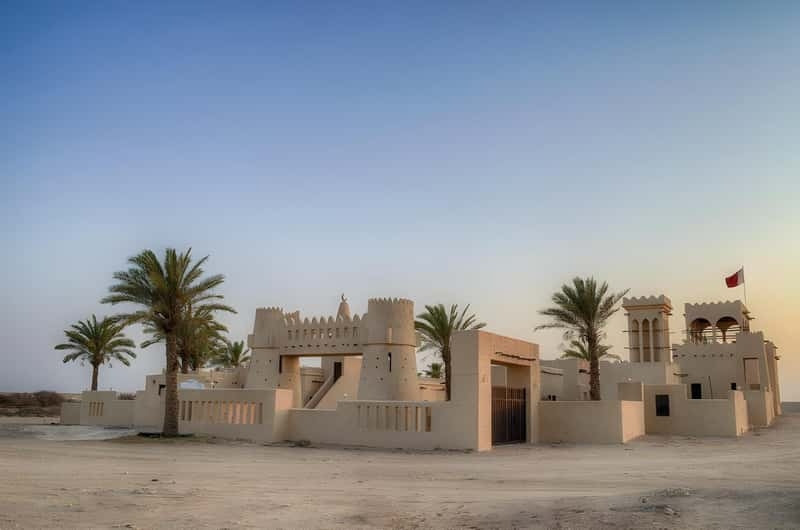
Zekreet Fort dates to the 1700s and started as a simple square structure before later additions added corner towers. A short drive away, Film City is a cluster of stone buildings built decades ago for a production whose exact origin nobody seems able to confirm, abandoned since, and left standing in the desert as an accidental attraction.
The Zekreet Peninsula's umbrella-shaped rock formation sits nearby on the coast and pairs naturally with both stops on the same half-day trip.
07 · Watchtowers that doubled as an observatoryBarzan Towers:
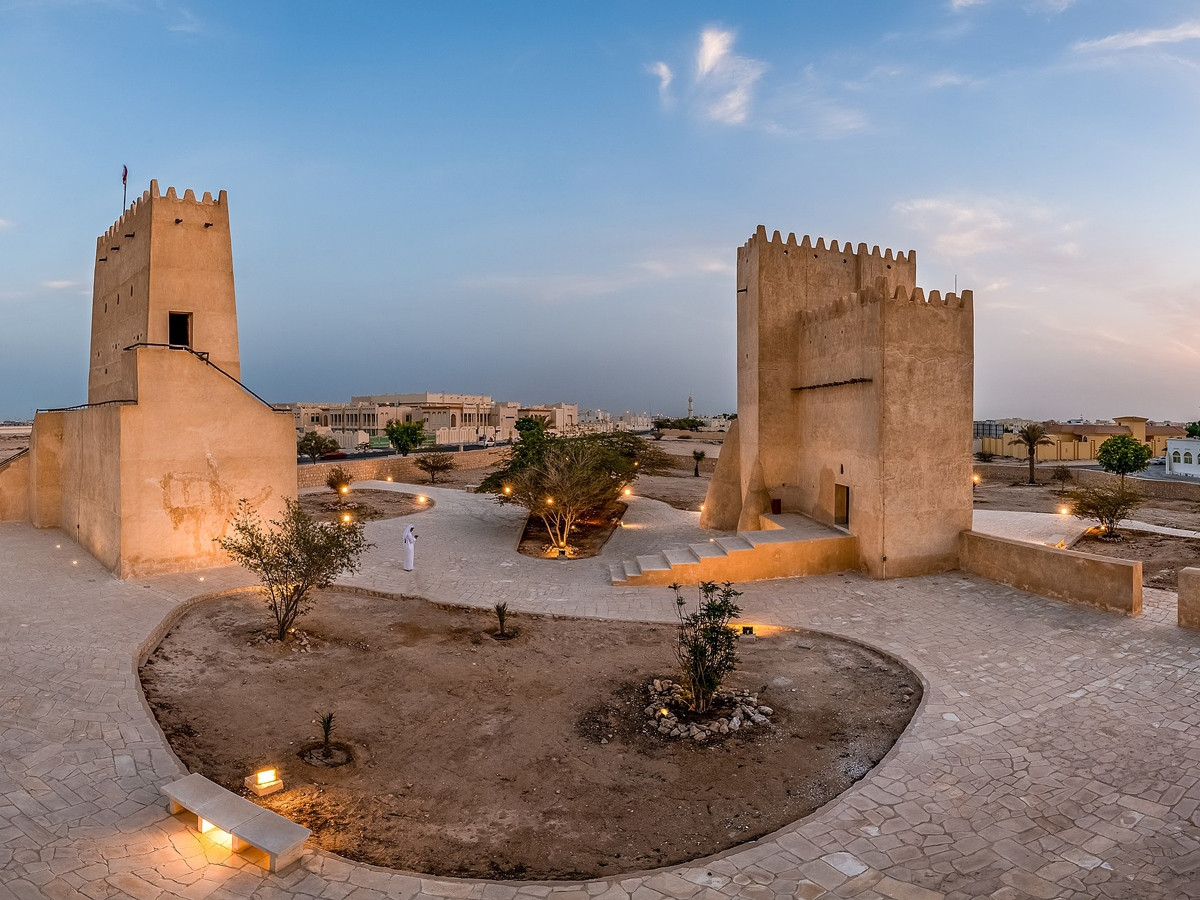
Built in the late 1800s and later renovated under Sheikh Mohammed bin Jassim Al Thani, the two towers originally watched for Ottoman incursions along the coast. Astronomers also used the towers to track the moon's position ahead of Ramadan. The walls run thick enough to keep the interior noticeably cooler than the desert air outside, and visitors can still climb the stairs to the top of both towers.
08 · Three towers guarding an old pearling townAl Khor Towers:
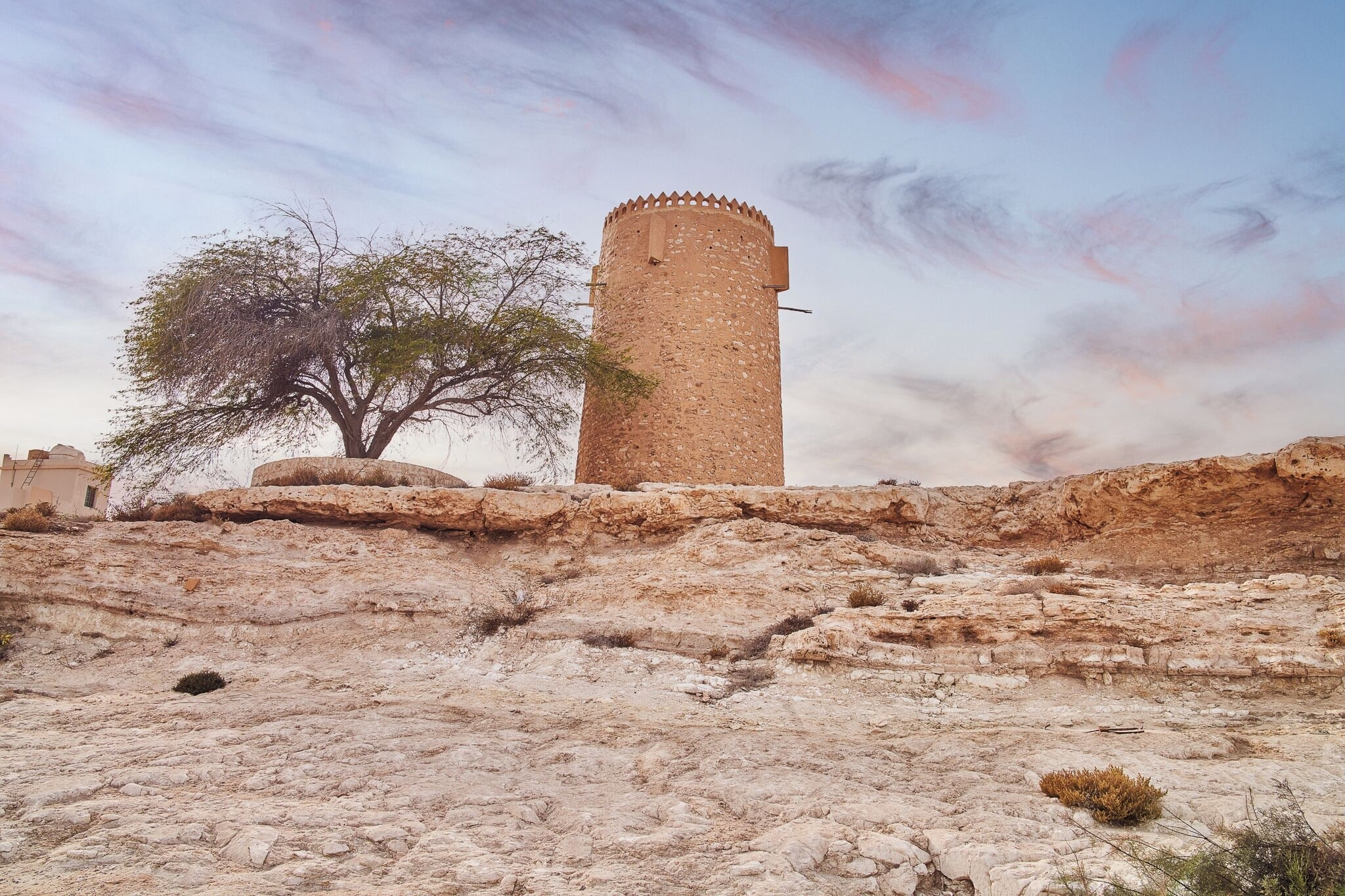
Built around 1900 in the fishing town of Al Khor, about 30 minutes north of Doha, these three watchtowers once monitored the port and tracked ships approaching from the Gulf. At roughly 8 meters tall, the towers give a clear view over the surrounding waterfront. The nearby Ain Hleetan well, historically valued for its mineral water, sits a short walk away.
09 · A family home turned museumRadwani House:
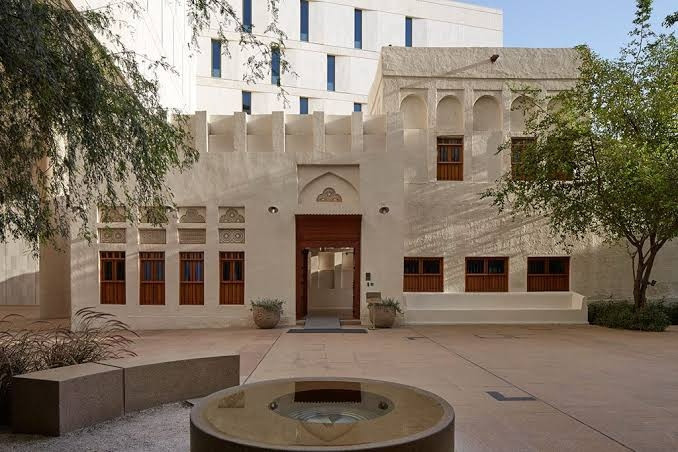
Built in the 1920s and home to the Radwani family for roughly 70 years before they left it abandoned in 1971, the house was restored and reopened to visitors after a 2007 research project. Walking through the kitchen, courtyard, and living spaces gives a far more domestic, lived-in sense of pre-oil Doha than the grander museums nearby.
The house is one of four buildings that make up the Msheireb Museums complex, worth visiting together if you have a free morning downtown.
10 · Four houses, one history of DohaMsheireb Museums:
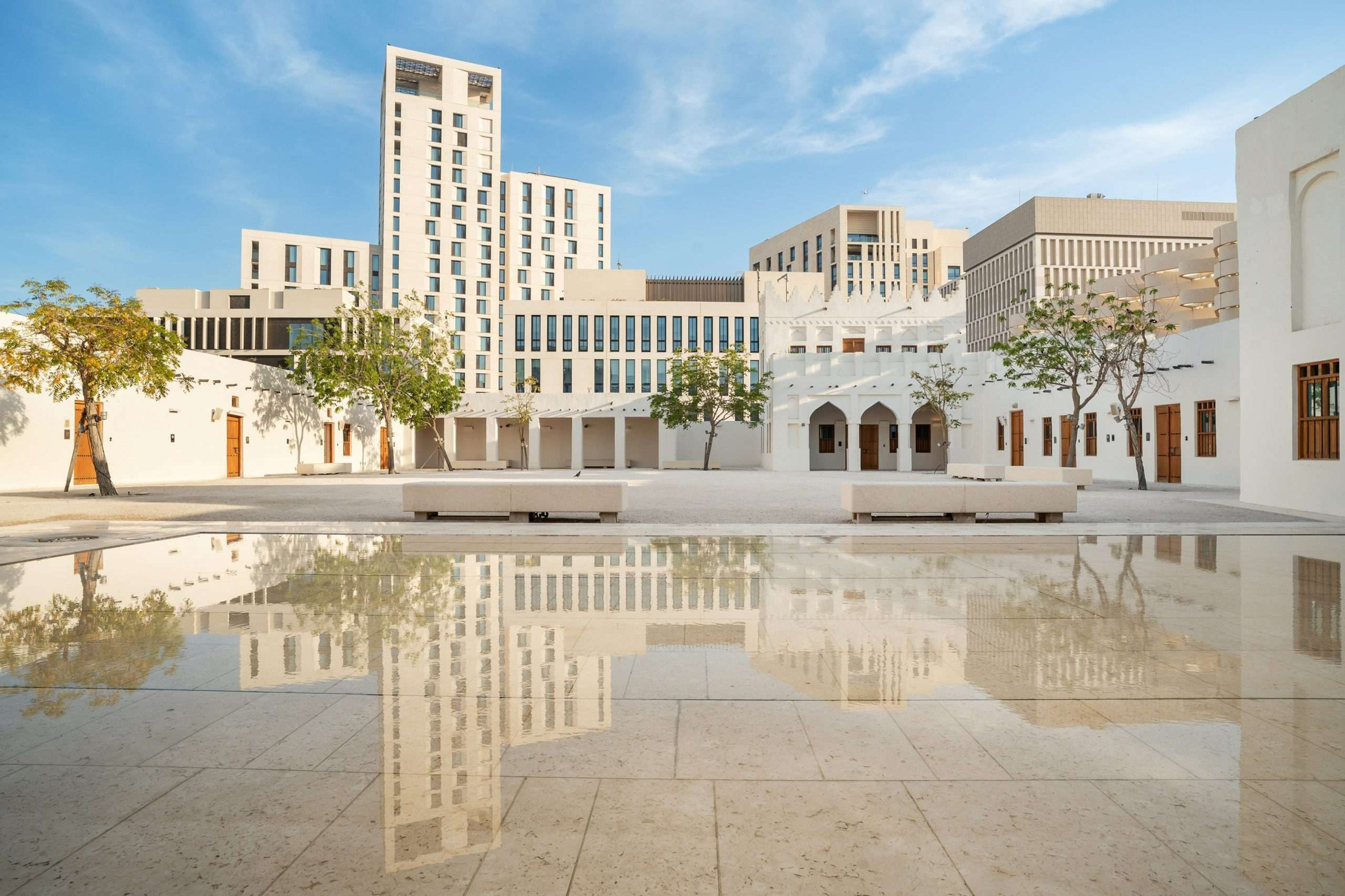
The Msheireb Museums combine four restored buildings, Bin Jelmood House, Mohammed bin Jassim House, the Company House, and Radwani House, into a single complex tracing Doha's growth from a small fishing settlement into its current form. Bin Jelmood House specifically addresses the region's history with slavery and the slave trade, a subject most Gulf museums avoid entirely.
Desert and the Inland Sea:The one day trip most first-timers regret skipping
11 · Where the desert meets the seaKhor Al Adaid (Inland Sea):
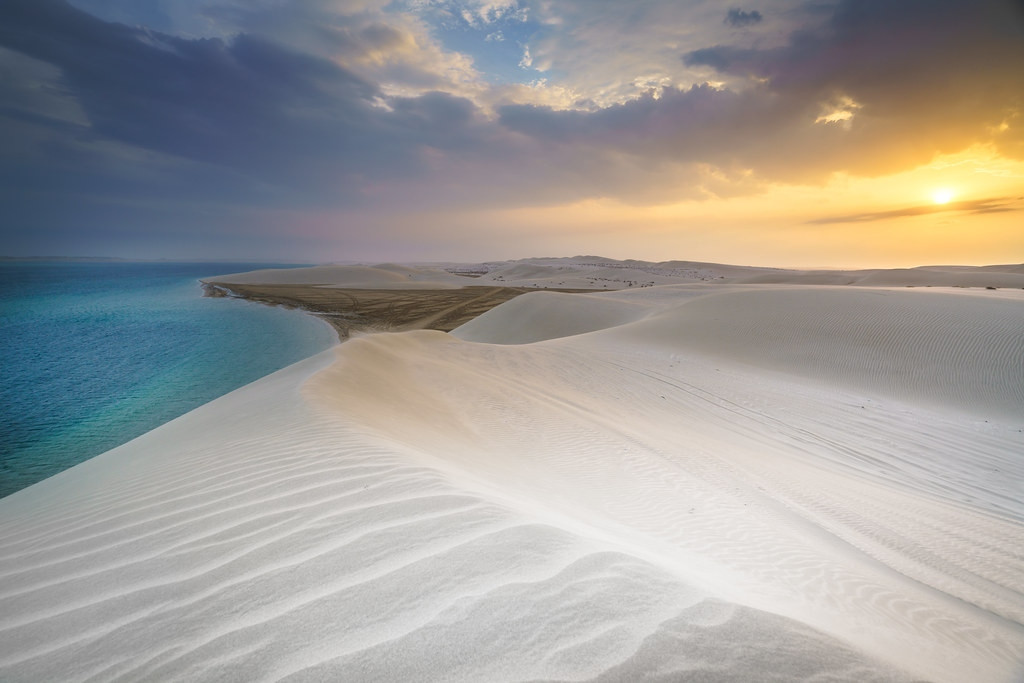
Khor Al Adaid is a UNESCO-recognized natural reserve about an hour south of Doha, where towering sand dunes run directly into the Gulf waters, one of very few places in the world where that happens. Most visitors book a half-day or full-day tour that includes dune bashing in a 4x4, the option to try sandboarding, and sometimes a Bedouin-style camp dinner under a sky with little light pollution.
Modern Doha, Shopping, and Family Stops:For an afternoon away from history and heat
12 · A four-square-kilometer artificial islandThe Pearl Qatar:
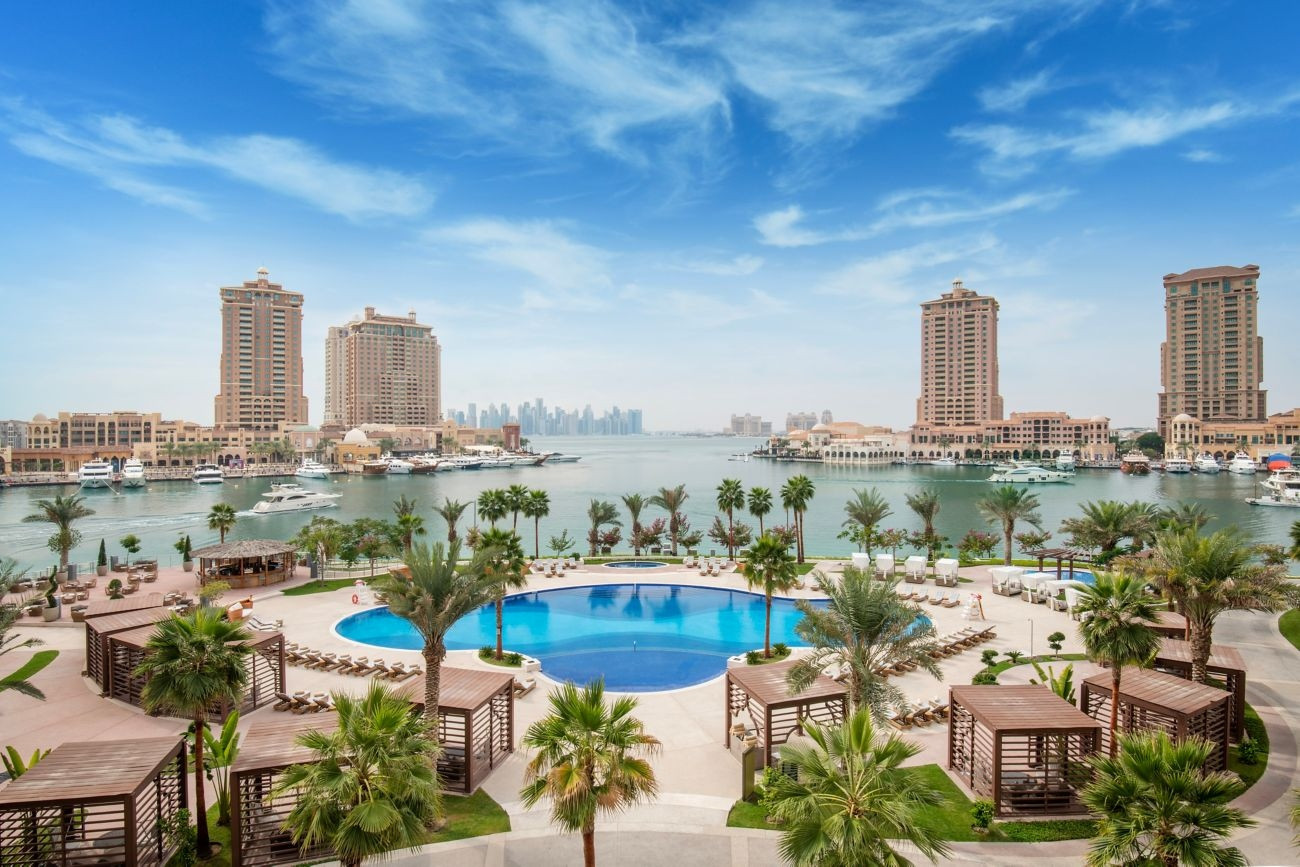
The Pearl was Qatar's first development to allow foreign nationals to own property outright, and it shows in the mix of international brands lining its waterfront, Versace, Aigner, and dozens more sit alongside marina-front cafes. The Qanat Quartier section deliberately echoes Venice's canals, and walking it at golden hour is one of the more relaxed things to do in Doha that doesn't involve a museum or a desert tour.
13 · Modern Arab art, 22 years in the makingMathaf: Arab Museum of Modern Art:
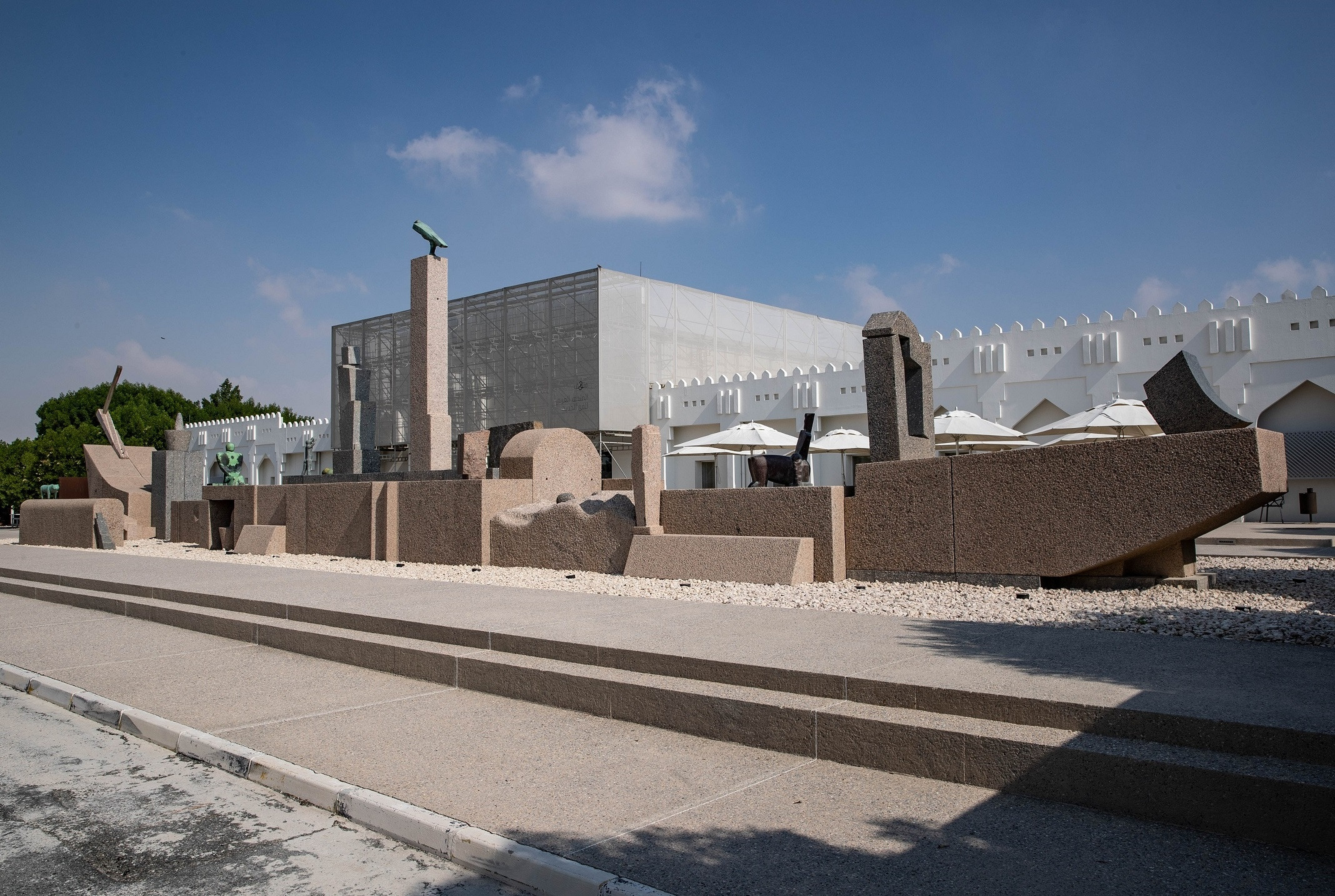
Sheikh Hassan bin Mohamed bin Ali Al Thani spent over two decades assembling the roughly 9,000-piece collection housed at Mathaf, drawing from artists across Turkey, Iran, and North Africa. The museum sits inside Education City and runs a free shuttle for visitors who'd rather not navigate the campus on foot.
14 · 500,000 publications under one roofQatar National Library:
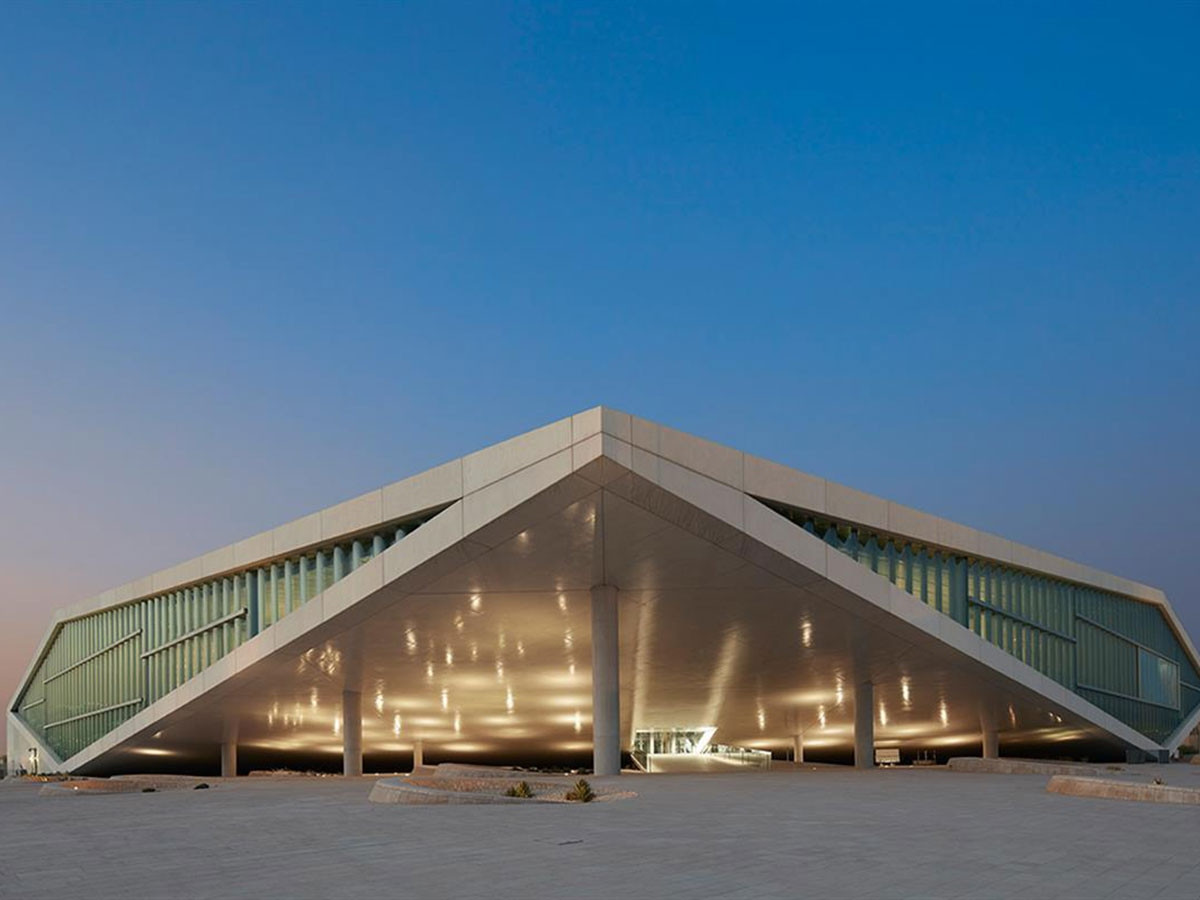
Opened in 2012 and formally inaugurated by Sheikh Tamim bin Hamad Al Thani in 2018, the library holds roughly 500,000 books, eBooks, and newspapers across a striking single-span reading hall. The heritage collection on the lower level includes manuscripts and historical maps of the Gulf region, worth the visit even for travelers who don't plan to read anything while they're there.
15 · Live falcons and the gear to keep themFalcon Souq:
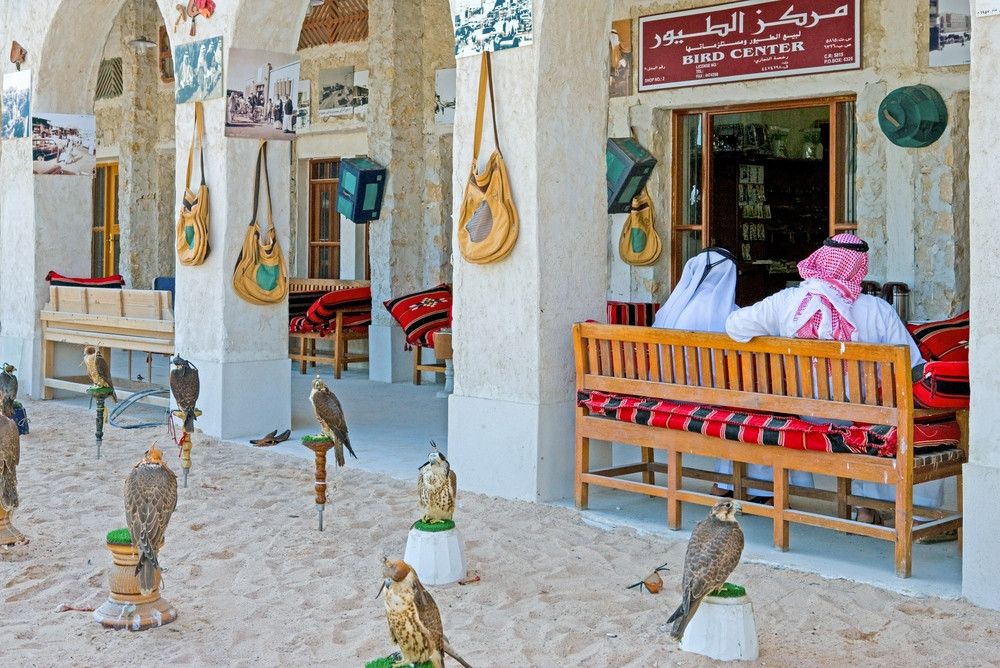
Falconry runs deep in Gulf Arab culture, and this market at the edge of Souq Waqif sells hoods, perches, and feed alongside the birds themselves. Most showroom owners are happy to talk through how a falcon is trained, just keep a respectful distance and don't approach the birds directly.
16 · An indoor escape for kids on a hot dayAngry Birds World:
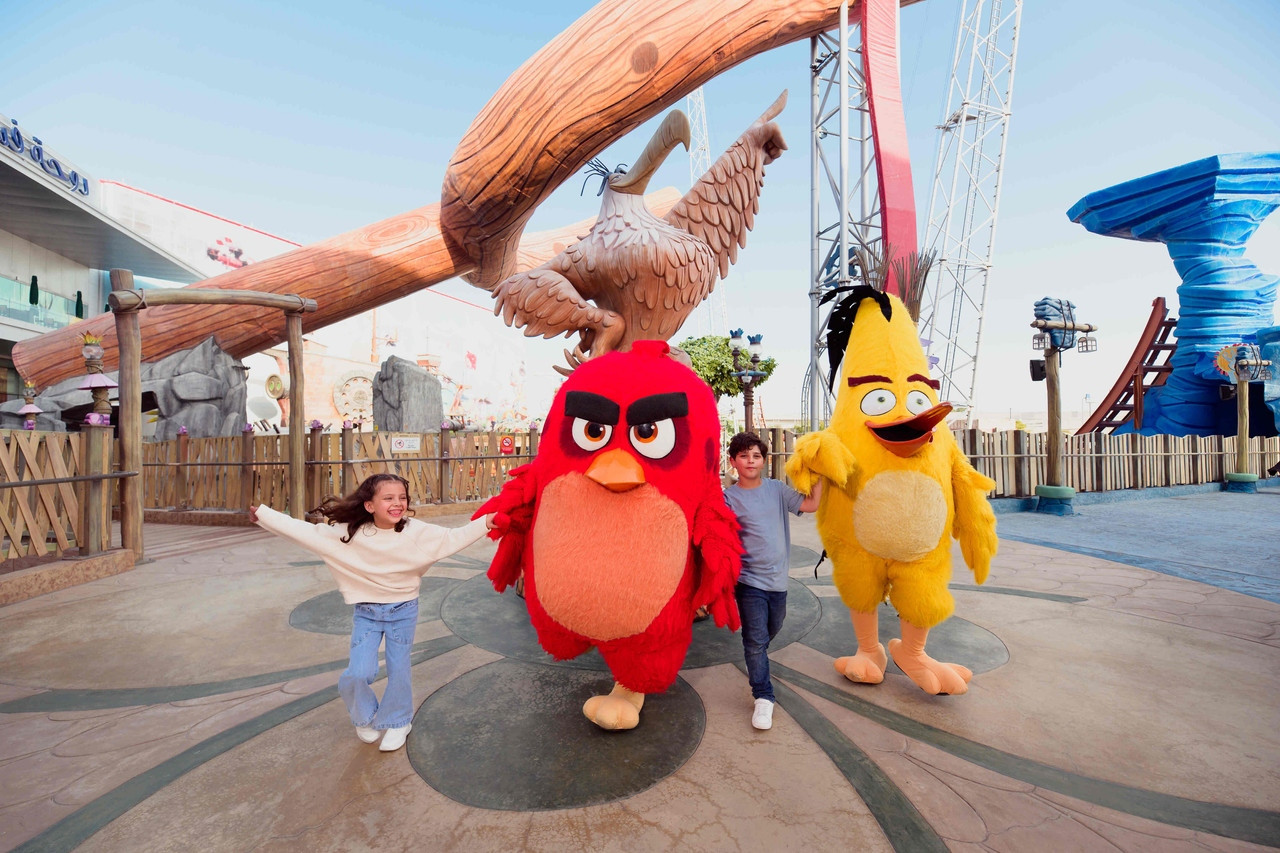
Inside Doha Festival City in Al Daayen, this indoor park covers rides and game-based attractions themed on the Angry Birds franchise, a practical option for families traveling with young children during the hotter months when outdoor plans aren't realistic.
Frequently asked questions (FAQ's):The questions first-time visitors actually search before booking
Q. Do I need a visa to visit Qatar?
It depends on your nationality. GCC citizens enter visa-free with no paperwork. Around 80 nationalities, including the UK, US, EU, Australia, Canada, Japan, and South Korea, get free visa-free entry for up to 90 days. Another large group, including India, China, Brazil, and Mexico, gets a 30-day visa on arrival. A smaller group, including India, Pakistan, Thailand, and Iran, must additionally book a hotel through the Discover Qatar platform. Citizens of countries not on any list apply for the Hayya e-visa online before flying.
Q. Is alcohol allowed in Qatar?
Alcohol is only served inside licensed hotel restaurants and bars. It isn't sold in regular restaurants, supermarkets, or shops, and drinking in public or being visibly intoxicated outside a licensed venue can lead to fines or arrest.
Q. What should I wear in Qatar as a tourist?
Modest dress is expected in public: shoulders and knees covered for both men and women in malls, souqs, and government buildings. Hotel pools and private resort areas are more relaxed. Mosques require additional coverage, and venues like Katara and the Museum of Islamic Art sometimes offer loaner abayas at the entrance.
Q. What is the best time of year to visit Qatar?
November through March, when daytime temperatures sit around 20-25°C (68-77°F) and outdoor sightseeing, desert trips, and beach time are all comfortable. June through September regularly tops 40°C (104°F), and most activity shifts indoors.
Q. Is Qatar safe for tourists?
Yes. Qatar consistently ranks among the safest countries in the world for both violent and petty crime. The bigger practical risk for first-time visitors is a cultural misstep, like public displays of affection or immodest dress, rather than crime.
Q. How many days do I need for a first trip to Qatar?
Three days covers Doha's main sites comfortably: the Museum of Islamic Art, Souq Waqif, Katara, and The Pearl. A full week lets you add a desert safari to Khor Al Adaid, the northern forts, and a slower pace through the smaller museums.
Q. How do I get around Doha?
The Doha Metro covers the major districts cheaply: QAR 2 per journey with a QAR 6 daily cap on a Standard travel card that costs QAR 10 to buy. It connects downtown, West Bay, and the airport directly. Taxis and ride-hailing apps cover everywhere the Metro doesn't, including Souq Waqif, The Pearl, and desert tour pickups.
Q. Can I visit Qatar during Ramadan?
Yes, but expect shorter opening hours at malls and attractions, and avoid eating, drinking, or smoking in public during daylight hours out of respect for those fasting. Hotels continue serving food to guests, just out of public view.
Q. Is Qatar expensive for tourists?
Doha runs expensive at five-star hotels and fine dining, but budget travelers can stay comfortably on a mid-range budget using the Metro, eating at Souq Waqif's local restaurants, and visiting the many free attractions like the National Library, Katara, and most of the historic forts.
Q. Is Qatar worth visiting if I only have a layover?
Yes, if your layover runs 5 hours or longer on Qatar Airways, you can apply for a free transit visa at the Discover Qatar desk inside Hamad International Airport and extend it into a short city visit. The Museum of Islamic Art, Souq Waqif, and the Corniche are all reachable in a half-day loop from the airport.
Q. What language is spoken in Qatar and is English enough?
Arabic is the official language, but English is widely spoken and used on most signage, menus, and in tourist-facing businesses. You won't need any Arabic to get around Doha comfortably.






{{item.get_author.first_name}} {{item.get_author.last_name}}
Level 7
5 Photos
36 Reviews
{{item.comment_txt}}
{{item_reply.get_author.first_name}} {{item_reply.get_author.last_name}}
@ {{item_reply.reply_to}}, {{item_reply.reply_txt}}