

Finland taxes worldwide income progressively, up to roughly 45% combined at the top for most residents, a real contrast to low-tax Southeast Asian destinations, but that tax funds free healthcare access, free education through university, and parental leave that pays for 320 working days. Non-EU professionals typically enter through the Specialist Permit or EU Blue Card, both requiring a minimum salary around EUR 3,937 a month and both fast-tracked to a decision in 2-4 weeks, against 2-3 months for a standard work permit. A single person can live comfortably in Helsinki on EUR 1,650 a month, considerably less in Tampere, Turku, or Oulu.
Finland doesn't pitch itself the way Southeast Asia's low-tax digital nomad destinations do. There's no territorial tax exemption and no visa route built around avoiding obligations elsewhere. What Finland offers instead is a genuinely different trade: high, transparent taxation in exchange for free healthcare access, free education from primary school through a PhD, and a shortage-occupation system that fast-tracks qualified specialists in 2 to 4 weeks, not months.
The practical details matter more than the general reputation. A Specialist Permit or EU Blue Card both require a minimum salary of EUR 3,937 a month as of January 2026, a real threshold worth confirming against a specific job offer before assuming eligibility. A January 2026 Aliens Act amendment opened new fast-track routes to permanent residence. This guide covers the actual 2026 visa pathways, what Finland's tax system really costs and provides in return, real expenses by city, and a practical settlement plan.
Why Choose Finland?
6 factors drive most relocation decisions to Finland, and they hold up against real scrutiny, not just World Happiness Report headlines.
None of this makes Finland effortless. Combined income tax and social contributions run 30-40% for most residents, winters run genuinely long and dark, and Helsinki's rental market runs tight and expensive by Nordic standards. The rest of this guide covers both sides honestly.
Quick Summary: Living in Finland
What's the fastest route for skilled professionals?
The Specialist Permit or EU Blue Card, both fast-tracked in 2-4 weeks at a EUR 3,937/month salary threshold.
Do EU citizens need a permit?
No. EU/EEA freedom of movement applies; registration of right of residence is required after 3 months.
How high are taxes really?
Most residents pay 30-40% combined; a flat 25% Key Employee rate exists for qualifying foreign experts.
Is healthcare genuinely accessible?
Yes, once kotikunta (municipality of residence) is registered, with an annual cost ceiling capping out-of-pocket spending.
How much does it cost to live comfortably?
EUR 1,650/month in Helsinki; EUR 1,400-1,700 in Tampere, Turku, or Oulu.
Which sectors are hiring hardest?
Nursing, software development, and engineering top Finland's official shortage occupation list.
Pros and Cons of Living in Finland:
Everything in this guide rolls up into a single honest trade-off. The list below pulls the genuine upsides and downsides together in one place, drawn from the detail covered throughout the rest of this guide.
Pros
- World's happiest country, 7 years running: a ranking that reflects real institutional trust, not just self-reported optimism
- Genuinely fast visa track for skilled professionals: Specialist Permit and EU Blue Card applications process in 2-4 weeks
- Free healthcare and education once registered: a tangible, visible return on Finland's high tax rate
- Generous parental leave: 320 combined working days paid by Kela, plus capped municipal daycare costs
- Real affordability outside Helsinki: Tampere, Turku, and Oulu all offer comfortable budgets with strong local job markets
- Low corruption, high institutional trust: government services function reliably for newcomers navigating an unfamiliar system
- Nature genuinely built into city life: Helsinki ranks among Europe's greenest capitals, with easy access to forest and coast
- Job-loss protection on work permits: 3 to 6 months to find new employment before status is affected, since June 2025
Cons
- High combined tax burden: most residents pay 30-40% of income in tax and social contributions, up to roughly 45% at the top
- Long, dark winters: especially pronounced further north in cities like Oulu, a genuine adjustment for newcomers
- A real healthcare registration gap: coverage depends on completing kotikunta registration, and the period before it carries genuine risk
- Separate qualification recognition for regulated professions: nurses, engineers, and teachers need EDUFI approval before a work permit can proceed
- A reserved social culture: Finnish norms favour quiet and personal space, which can read as coldness before newcomers learn to interpret it
- High VAT on everyday goods: at 25.5%, it adds a constant cost to daily life beyond income tax alone
- Long waits for some public health services: non-emergency and mental health care can involve waits of 6 to 18 months
- An uneven job market beneath the shortage headlines: 2026 data shows real hiring softness overall alongside acute shortages in specific fields; a shortage list doesn't guarantee an easy search outside those roles
Visa and Residency Pathways:
8 distinct routes exist depending on nationality and situation. The table below gives a quick point of comparison before the fuller detail on each.
EU/EEA Freedom of Movement:
EU and EEA citizens can live and work in Finland without a residence permit at all. Anyone staying longer than 3 months needs to register their right of residence with the Finnish Immigration Service (Migri) and register a municipality of residence (kotikunta) with the local Digital and Population Data Services Agency, the step that unlocks public healthcare and most social benefits.
Residence Permit for an Employed Person (TTOL):
This is the most common route for non-EU/EEA nationals with a confirmed job offer. The role must be full-time and meet salary criteria, a minimum gross salary of roughly EUR 1,600 a month in 2026, while still satisfying any applicable collective agreement for the specific industry. It may involve a labour market test confirming no suitable candidate is available within the EU/EEA, depending on the role and sector.
The Specialist Permit:
Built for expert-level roles, and expanded in 2026 to explicitly cover artificial intelligence, cleantech, biotech, and advanced manufacturing on top of its traditional tech and engineering base. The minimum gross salary is EUR 3,937 a month as of January 2026, and fringe benefits like a car or phone allowance can't be counted toward that floor; it must be base salary.
The EU Blue Card:
Finland's implementation of the EU Blue Card Directive targets highly qualified non-EU nationals with a university degree and a high-salary job offer, the same EUR 3,937/month threshold as the Specialist Permit. Its real advantage is EU-wide mobility: Blue Card holders can move to take up employment in another EU member state after 18 months, with time spent in Finland partially counting toward EU-wide Blue Card permanent residence.
The Self-Employment Residence Permit (Entrepreneur):
This is the route for genuinely working for yourself in Finland, not simply owning a company from abroad. It's a genuinely active category too: roughly 13% of Finland's employed workforce is self-employed, so the immigration system has real infrastructure built around it. Applicants must register their business with the Trade Register at the Finnish Patent and Registration Office (PRH) and demonstrate the business is viable and generates sufficient, regular income; the ELY Centre reviews the business plan, contracts, and qualifications behind the application. Self-employed residents must also carry mandatory YEL pension insurance, a real, ongoing cost distinct from standard employee pension contributions.
The Startup Permit:
Distinct from the Self-Employment permit above, the Startup Permit targets founders building a genuinely innovative, scalable business, not general freelance or consulting work. It requires a business plan assessed for growth potential, and qualifying applications move through a fast-track process that can return a decision in around 14 days, considerably faster than the standard self-employment route.
Intra-Corporate Transfer:
Employees already working for a multinational elsewhere who are being transferred to that company's Finnish operations follow a separate route, capped at a maximum stay of 3 years under this specific category.
Job-Loss Protection:
Losing a job no longer means losing status immediately. Standard TTOL permit holders get 3 months to find new employment while the permit stays valid; Specialist Permit holders, or anyone who has held a Finnish work permit for more than 2 years, get 6 months. Migri must be notified once employment officially ends.
The Path to Permanent Residence:
A January 8, 2026 Aliens Act amendment introduced 3 fast-track routes to permanent residence, alongside the existing standard path: an annual income of at least EUR 40,000, a recognised Master's or postgraduate degree plus 2 years of Finnish work experience, or C1-level Finnish or Swedish plus 3 years of work experience. The standard route still requires 4 years of continuous, lawful residence regardless of income.
Taxes: What You Pay and What You Get:
Finland taxes residents on worldwide income, progressively, through 2 layers stacked on top of each other. The national state tax runs across 5 brackets from 12.64% up to 37.5%, the top rate applying above roughly EUR 52,100 of taxable income. On top of that, every resident pays a flat municipal tax to their home municipality, ranging from about 4.70% to 10.90% depending on where they live, averaging around 7.5%. Employee social contributions add roughly 9-10% more: pension (7.30%), unemployment insurance (0.89%), and health insurance (around 1.96%).
Foreign experts have a genuine alternative: the Key Employee (avainhenkilo) regime offers a flat 25% tax rate on Finnish salary income, replacing the standard progressive-plus-municipal calculation entirely. It requires demonstrated special expertise, a minimum gross salary of EUR 5,800 a month, and no Finnish tax residency in the previous 5 years, and it must be applied for within 90 days of starting work. It's valid for up to 84 months (7 years). Below roughly EUR 85,000-90,000 a year, the standard progressive system, with its deductions, is often actually cheaper, worth running both calculations before choosing.
Cost of Living:
Helsinki costs meaningfully more than the rest of Finland, and the gap is worth planning around before signing a lease, not after. A 1-bedroom apartment in central Helsinki runs around EUR 1,000 a month, dropping to roughly EUR 750-800 outside the centre. The same apartment in Tampere, Turku, or Oulu runs EUR 600-900 a month.
Family budgets scale up considerably: a family of 4 in Helsinki typically spends EUR 3,300-4,800 a month including rent. Moving away from the capital region genuinely changes the math, in a mid-sized industrial town like Varkaus, a single person can live comfortably on under EUR 1,000 a month including housing.
Hidden Costs to Budget For:
1. The Registration Gap Before Healthcare Access:
Public healthcare coverage hinges on registering a municipality of residence (kotikunta), not simply on paying tax. The real risk sits in the gap before that registration completes, worth bridging with private health insurance if arriving without immediate registration in hand.
2. Municipal Tax Varies More Than People Expect:
Choosing a municipality with a lower flat tax rate, closer to 4.70% than 10.90%, can meaningfully change take-home pay for an identical salary, a real factor worth weighing alongside commute time and rent when choosing exactly where to live.
3. Rental Deposits and Competitive Markets:
Helsinki, Tampere, and Turku's rental markets run competitive, and landlords commonly ask for 1-2 months' deposit upfront plus proof of income, a real cash requirement to plan for before arrival, not after apartment-hunting begins.
4. Qualification Recognition for Regulated Professions:
Nurses, engineers, and teachers need foreign qualifications formally recognised by the Finnish National Agency for Education (EDUFI) before a work permit application in these fields can proceed, a process with its own timeline and fees separate from the visa itself.
5. Winter-Specific Costs:
Proper winter clothing and footwear, higher heating costs through Finland's long, cold months, and reduced daylight that pushes many newcomers toward light therapy lamps are real, recurring costs that people moving from warmer climates commonly underbudget for in their first year.
Work & Career Opportunities:
Finland's Ministry of Economic Affairs and Employment lists more than 56 official shortage occupations, and 3 sectors account for most of the real hiring activity: technology, healthcare, and engineering.
Technology: The Deepest Demand by Volume:
- Software developers: EUR 4,400/month average, senior specialists exceeding EUR 10,000/month
- Cybersecurity, AI/ML, and cloud specialists: acute shortage, commanding real salary premiums
- Finland needs 130,000 new IT hires by 2030, with demand already outpacing supply
Healthcare: An Official Critical Shortage:
- Nurses and practical nurses: on Finland's official June 2025 critical shortage decree, allowing permit holders to change employers freely within healthcare without a new permit
- Specialist physicians: also listed on the critical shortage list
- Projected nursing shortfall: growing from 309 in 2025 to over 15,000 by 2030 without further intervention
Engineering, Green Energy, and Skilled Trades:
- Automation and manufacturing engineers: steady demand tied to industrial modernisation
- Wind, hydrogen, and solar specialists: a genuinely growing sector as Finland expands renewable capacity
- Electricians and welders: among the skilled trades with the highest shortage intensity
Where and How to Find a Job in Finland:
Job hunting for shortage occupations genuinely works differently than for general roles. Healthcare and specialist tech positions see active international recruitment, while other fields lean more heavily on networking and Finnish or Swedish language ability.
General and government job boards
Sector-specific and qualification resources
Where to Live: Finland by City:
Finland's job market concentrates in a handful of cities, each with its own genuine industry specialisation, not simply a smaller version of Helsinki.
Helsinki:
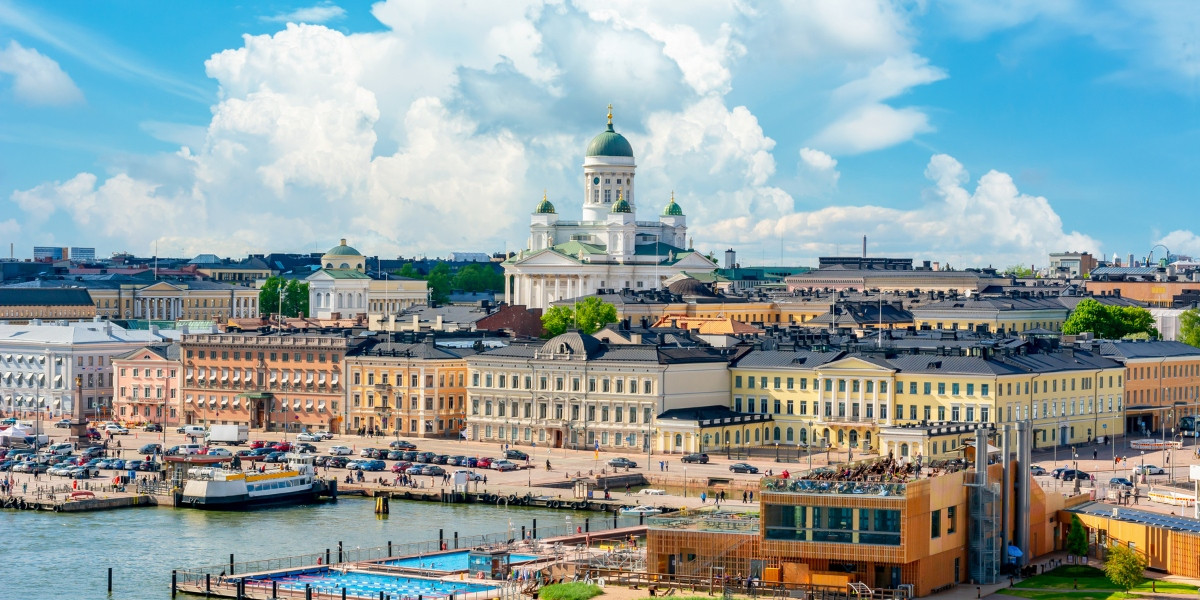
Finland's capital anchors the country's startup and gaming ecosystem, home to roughly 62% of Finnish startups along with companies like Supercell and Wolt. It offers the deepest job market nationally, across technology, finance, consulting, and healthcare, at the cost of Finland's highest rent and overall living expenses.
Tech, finance, and startup professionals wanting the single deepest job market and international community in the country.
None; Helsinki runs the highest cost of any Finnish city.
- 1-bedroom rent runs EUR 1,000/month centrally, EUR 750-800 outside the centre
- Recognised as one of Europe's greenest capital cities despite its density
- Helsinki's municipal tax rate sits among Finland's lower rates, a real factor in net pay
Tampere:
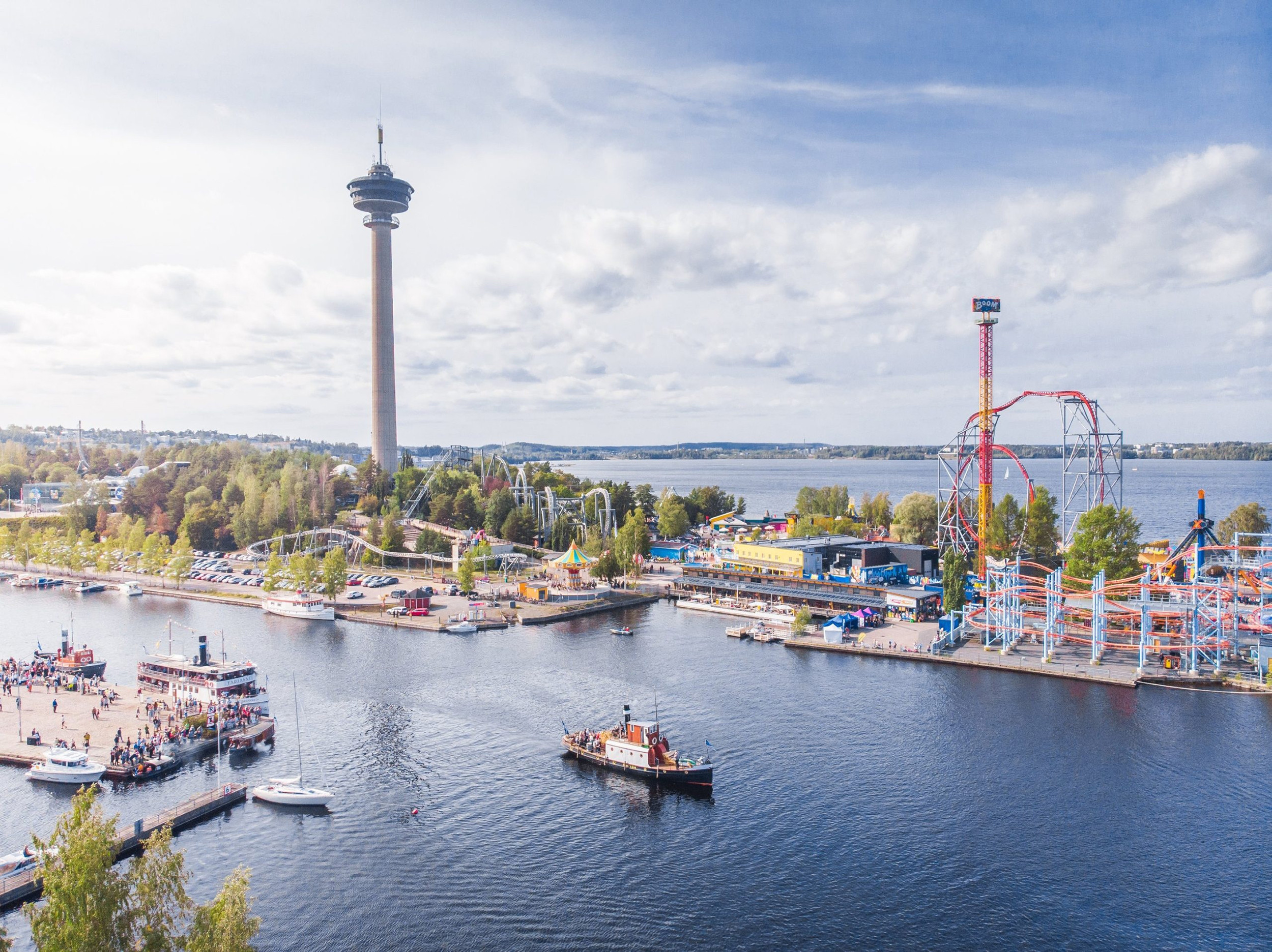
Finland's fastest-growing city and its industrial software hub, Tampere pairs a strong university (Tampere University and TAMK) with a genuinely diversified economy that runs meaningfully cheaper than Helsinki without sacrificing real career depth in engineering and tech.
Industrial software, engineering, and manufacturing professionals wanting strong career depth at a lower cost than the capital.
Rent runs 20-40% below Helsinki for comparable space, EUR 600-900 for a 1-bedroom.
- Home to Tampere University and TAMK, a genuine student and early-career hub
- Recognised specifically for industrial software strength within Finland's tech sector
- A single-person budget of EUR 1,400-1,700/month covers a comfortable lifestyle
Turku:
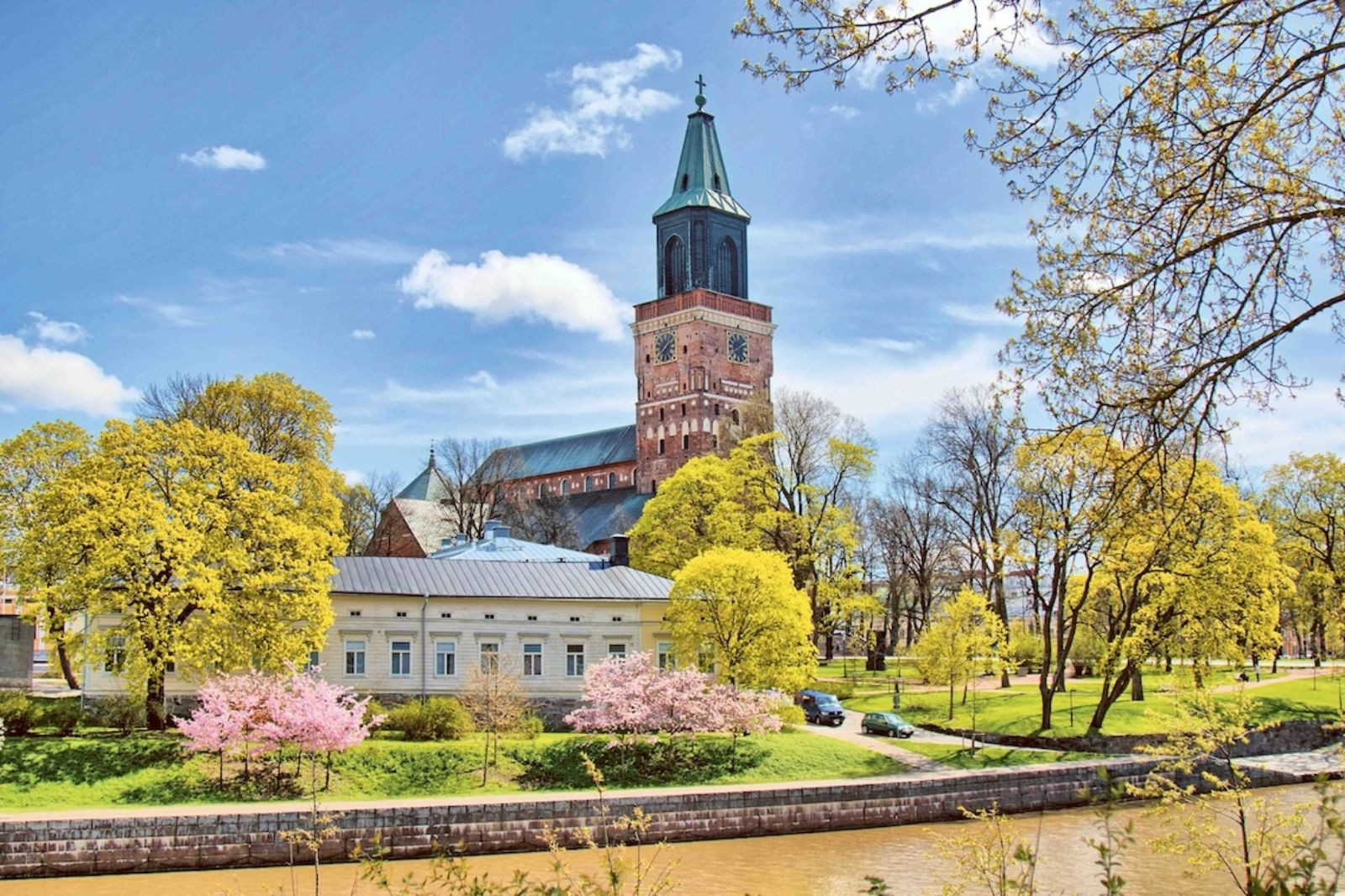
Finland's oldest city and former capital, Turku pairs the University of Turku and Abo Akademi with a genuine health-technology industry cluster, offering considerably lower rent and services cost than Helsinki while still delivering a full urban experience on Finland's southwest coast.
Health-tech professionals, students, and early-career workers wanting a full urban experience at meaningfully lower cost.
A studio apartment runs roughly EUR 560-600/month; the city-wide average rent sits around EUR 744.
- Home to the University of Turku and Abo Akademi, a major student population
- A recognised health-technology industry cluster distinct from Helsinki or Tampere's focus
- Price levels run roughly 15-20% below Helsinki on comparable goods and services
Oulu:
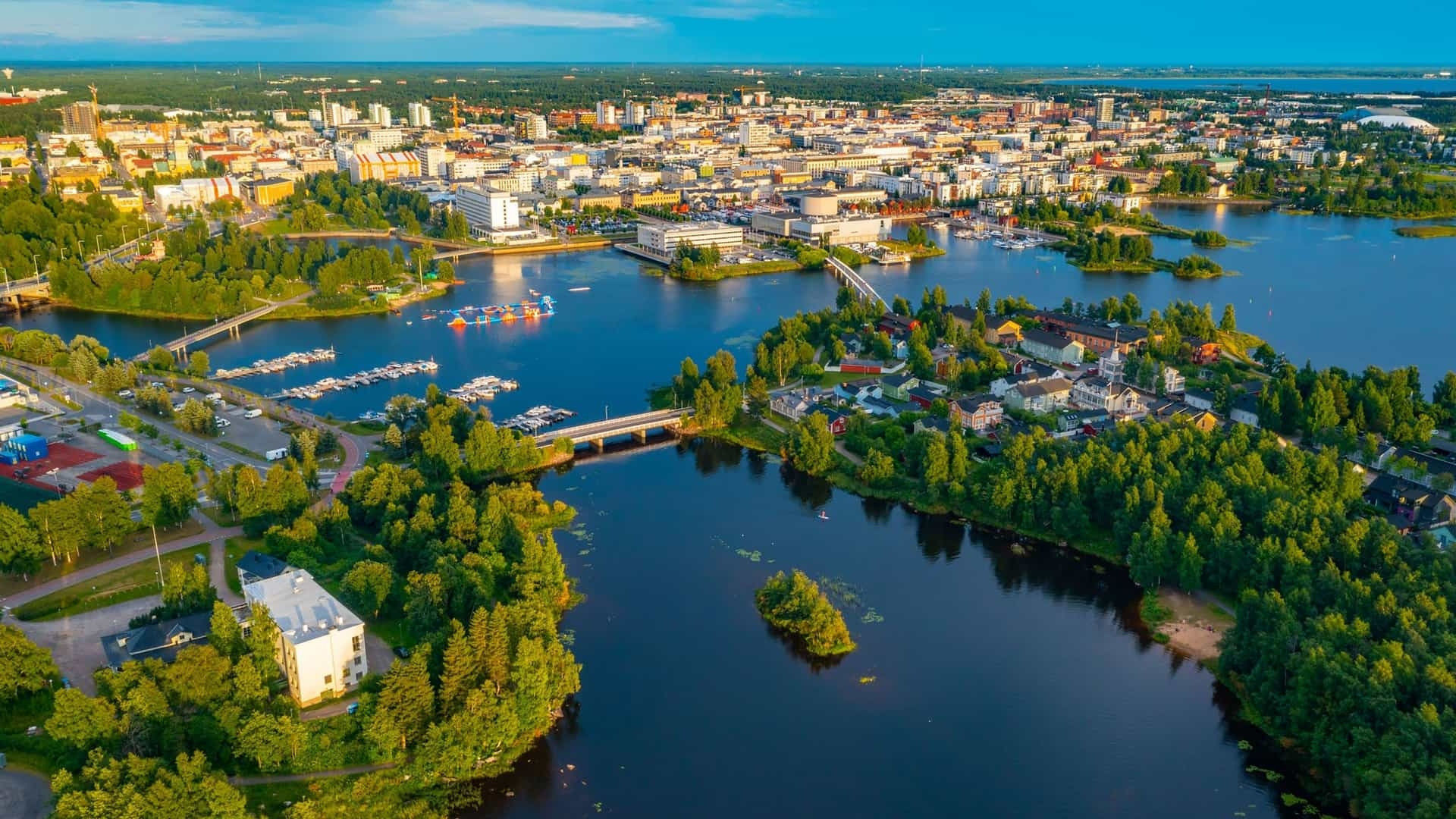
Finland's northern tech hub, Oulu built its reputation on Nokia's legacy wireless research presence and now leads specifically in 6G and wireless technology development, offering Finland's most affordable major-city housing alongside a genuinely specialised, internationally connected tech sector.
Wireless and telecommunications engineers, and anyone wanting Finland's cheapest major-city cost of living.
Studio apartments run EUR 408-550/month, the most affordable of Finland's 4 major tech cities.
- Builds directly on Nokia's historical wireless research presence in the city
- A genuine specialisation in 6G and next-generation wireless technology
- Considerably further north, with correspondingly longer, darker winters than southern Finland
Healthcare & Education:
Residence-Based, Not Tax-Based Access:
Finnish public healthcare hinges on registering a municipality of residence (kotikunta) through Kela and the local Digital and Population Data Services Agency, not simply on paying tax. Once registered, public health-centre visits carry low or, in several municipalities, free fees, and an annual payment ceiling (maksukatto) caps total out-of-pocket public healthcare costs each calendar year. EU/EEA citizens can use a European Health Insurance Card for temporary access before full registration completes.
How most employed expats actually access care
- Employer-provided occupational healthcare is the primary access point for most full-time employees
- Private providers (Terveystalo, Mehilainen, Pihlajalinna) run these employer packages, typically faster than the public system
- Emergency: 112. Non-emergency health advice: 116117
What genuinely takes planning
- The gap before kotikunta registration completes is the real coverage risk for new arrivals
- Public mental health services (psychotherapy via Kela reimbursement) carry long waits, 6-18 months
- Private therapy runs EUR 80-150/session for those who can't wait
Education for Families:
Public education is free from primary school through a PhD, and every child under school age is entitled to municipal daycare, capped at under roughly EUR 300 a month per child regardless of actual cost, with a meaningful discount for additional children in the same family. Finland's public education system carries a strong international reputation, and Helsinki, Tampere, and Turku all have international school options for families wanting a specific foreign curriculum alongside the Finnish system.
Lifestyle & Culture:
Balance, Nature, and Quiet, Built into Daily Structure:
Finland's roughly 2.4 million saunas for 5.6 million people make weekly sauna use a normal social ritual, not an occasional luxury, and "forest bathing," unhurried time spent among trees, is a genuinely ordinary way Finns decompress. Gender equality is embedded in law and practice: Finland is the only developed country where fathers spend more time with school-aged children than mothers, on average, and parental leave splits close to evenly between parents by default.
What works well
- Strong work-life balance backed by law, not just cultural norms
- 320 days of Kela-paid parental leave, split between parents
- Clean air, extensive nature access, even within major cities
What genuinely takes adjustment
- Long, dark winters, especially further north in cities like Oulu
- A reserved, low-small-talk social style that takes newcomers time to read correctly
- High combined tax and social contribution rates on every paycheck
Getting Started: Your First 90 Days:
The gap between a smooth move to Finland and a stressful one often comes down to registration timing specifically, since healthcare and most benefits hinge on formal steps that don't happen automatically on arrival.
Preparation
- Confirm the right permit category (Employed Person, Specialist, EU Blue Card) against the actual job offer and salary
- Start foreign qualification recognition through EDUFI early if entering a regulated profession
- Apply for the residence permit through Enter Finland, and book biometrics at an embassy or visa centre
- Arrange short-term accommodation for the first few weeks. Committing to a lease from abroad is a mistake worth avoiding
First 2 weeks
- Register a municipality of residence (kotikunta) with the Digital and Population Data Services Agency immediately
- Apply for a Finnish personal identity code, needed for nearly everything administrative
- Open a Finnish bank account; most major banks offer newcomer account packages
- Register with Kela to activate access to public healthcare and eligible benefits
Settling in
- Sign a lease once real commute times and neighbourhood fit are understood firsthand
- Confirm employer-provided occupational healthcare is active if employed full-time
- Register children for municipal daycare or school; most municipalities accept enrollment year-round
- Start Finnish language classes if planning to pursue the accelerated permanent residence route later
Building routine
- Confirm the residence permit card has arrived and all registrations are fully processed
- Review the first full budget cycle against the cost estimates in this guide and adjust
- Join professional networking groups and, if relevant, sector-specific expat communities
Essential Resources & Contacts:
Government and Immigration:
The Finnish Immigration Service (Migri) manages residence permit applications through the Enter Finland portal; Kela administers residence-based benefits including healthcare and parental leave.
Qualification Recognition:
The Finnish National Agency for Education (EDUFI) handles formal recognition of foreign qualifications for regulated professions like nursing, engineering, and teaching, a required step before a work permit application in these fields.
Banking and Registration:
Nordea, OP, Danske Bank, and S-Pankki all offer newcomer-friendly account opening; a Finnish personal identity code, issued after kotikunta registration, is generally required to open an account.
Housing:
Vuokraovi and Oikotie cover most rental listings nationally; large rental companies like Lumo and Sato offer quicker availability in competitive markets like Helsinki and Tampere.





{{item.get_author.first_name}} {{item.get_author.last_name}}
Level 7
5 Photos
36 Reviews
{{item.comment_txt}}
{{item_reply.get_author.first_name}} {{item_reply.get_author.last_name}}
@ {{item_reply.reply_to}}, {{item_reply.reply_txt}}