

India remains the leading overseas treatment destination for Bangladeshi patients, mainly because Bangladesh's own tertiary care system is limited for complex cardiac surgery, organ transplant, advanced cancer treatment, and specialised neurosurgery. A coronary bypass runs $4,500 to $10,000 in India against $12,000 to $18,000 in Turkey. The flight from Dhaka to Kolkata takes about an hour. Bangladeshi patients get a specific visa advantage over most other nationalities: up to 3 attendants on a Medical Attendant Visa instead of 2. India currently has 1,299 NABH-accredited hospitals and roughly 50 with JCI accreditation, the two accreditation marks worth checking before booking anywhere.
Every year, tens of thousands of Bangladeshi patients board a flight from Dhaka carrying a folder of medical reports and a decision already half-made. Most of them are heading somewhere in India: Kolkata for its proximity, Chennai for cardiac and transplant care, Delhi or Mumbai for complex oncology. The reasons rarely change. Bangladesh doesn't yet have the tertiary care density India built up over 3 decades of private hospital investment, and India's private hospitals learned to run at a scale and price point that undercuts Thailand, Turkey, and Singapore for most surgical categories.
This guide walks through what actually matters before booking a trip: which hospitals carry real accreditation, what a medical visa from Bangladesh requires step by step, what treatment genuinely costs by procedure, and what the recovery period looks like after flying home. Every figure here is sourced and dated July 2026, since hospital accreditation status and visa procedure details do shift.
Part 1 · Understand
Why Patients Travel Abroad for Treatment:
Patients leave their own country for treatment for 1 of 2 reasons, usually both at once: the procedure they need isn't reliably available at home, or it's available but the wait, the cost, or the quality gap makes travel worth the disruption. For Bangladeshi patients specifically, the gap shows up hardest in complex cardiac surgery, organ transplant, advanced cancer treatment, and specialised neurosurgery. Bangladesh's healthcare system has expanded fast over the past 2 decades, particularly in Dhaka and Chittagong, but the number of centres equipped for a liver transplant or a complex cardiac bypass with a high-volume surgical team remains small next to what India built during the same period.
Cost plays a real role too, though not in the simple way agency websites often present it. A cardiac surgery quote in the US can run past $100,000. The same procedure in India, at a hospital with a genuine international patient department, typically lands under $10,000 including the hospital stay. That gap exists because Indian private hospitals operate at a surgical volume most Western centres never reach. Medanta's cardiac programme alone has performed more than 15,000 surgeries. Volume drives down per-procedure cost without necessarily lowering surgical skill, since surgeons doing hundreds of the same operation a year tend to get faster and more consistent at it, not sloppier.
The last factor is simpler: trust built over time. Families in Dhaka, Chittagong, Sylhet, Khulna, and Rajshahi have been sending relatives to Kolkata and Chennai for treatment for long enough that word of mouth now does more work than any advertisement. A cousin who had a knee replaced in Chennai in 2019 becomes the reason a neighbour books the same hospital in 2026.
Why Choose India:
India didn't become the default answer for Bangladeshi medical travel by accident. 6 specific things line up at once, each checkable on its own terms instead of taken on faith from an agency's marketing page.
Real, checkable accreditation
India currently has 1,299 hospitals holding NABH accreditation, the country's own national quality standard run by the Quality Council of India and recognised internationally through ISQua membership. Roughly 50 Indian hospitals also hold Joint Commission International (JCI) accreditation, the same benchmark used to evaluate hospitals in the US, UK, and across the Gulf. Apollo, Fortis, Max, and Medanta hold both at several locations. Neither guarantees a specific patient's outcome, but both mean independent audits against defined safety standards, not just a hospital's own marketing claim.
Specialist depth built on repetition
A cardiac surgeon at a high-volume Indian hospital might perform several hundred bypass procedures a year. A joint replacement surgeon at Apollo or Max routinely handles case volumes that would take years to accumulate at a smaller regional hospital. Many senior Indian specialists trained or held fellowships at major centres in the UK, US, or Australia before returning to build these programmes at home.
Technology at the same tier as accreditation
Robotic-assisted surgery, PET-CT imaging, proton therapy for certain cancers, and advanced cardiac catheterisation labs exist at the same tier of Indian private hospitals that hold JCI accreditation. This isn't scattered across a few flagship exceptions; it's standard equipment at the accredited tier.
Cost that holds up under scrutiny
A knee replacement running $3,600 to $6,500 in India, against $8,500 to $13,000 in Turkey, is a consistent pattern across procedure after procedure. Lower operating costs and higher surgical throughput drive it, not a shortcut on materials or safety standards.
Success rates worth asking hospitals to define
Success rates for major procedures at India's top-tier hospitals track closely with comparable Western centres for the same procedure category. "Success rate" is still a number worth asking each hospital to define precisely, since a blanket claim on its own means little.
Direct flight access and language familiarity
Dhaka to Kolkata takes about an hour. Bengali is a working language on the wards in Kolkata specifically, and dedicated Bengali-speaking coordinators exist at hospitals in Chennai and Delhi that see meaningful Bangladeshi patient volume.
India and Bangladesh's Healthcare Relationship:
The medical relationship between the 2 countries runs on more than shared geography. India and Bangladesh signed cooperation agreements covering healthcare training and hospital partnerships that formalised what had already been happening informally for decades: Bangladeshi patients crossing into West Bengal or flying to Chennai because that's where a specific surgery or specialist was available.
Direct flight connectivity turned that informal pattern into routine travel. Dhaka to Kolkata takes about an hour, flown multiple times daily by Air India, Biman Bangladesh, IndiGo, and US-Bangla. That's shorter than many domestic flights within Bangladesh itself. Chennai and Delhi sit roughly 2 hours 45 minutes and 2 hours 35 minutes away respectively, still well within a single morning's travel.
Cultural and linguistic familiarity closes the remaining gap. Kolkata shares a language with Dhaka almost entirely; Bengali is spoken on the wards, not just at a reception desk. Hospitals in Chennai, Delhi, and Mumbai that see meaningful Bangladeshi patient volume have built dedicated international patient departments staffed with Bengali-speaking coordinators specifically because of that demand. Halal food is standard at hospital cafeterias and the surrounding restaurant clusters in all 4 cities, and Friday prayer facilities exist within or near most major hospital campuses.
Visa policy reflects the relationship too. Bangladeshi patients get a specific advantage most other nationalities don't: up to 3 accompanying attendants on Medical Attendant Visas. Most other countries applying for the same category face a standard cap of 2. It's a small detail on paper that matters enormously to a family travelling together for a parent's surgery.
India's Healthcare at A Glance:
A handful of numbers frame the scale of what's being compared here, pulled from NABH's own published accreditation count and industry cost data current as of mid-2026.
Part 2 · Choose
Popular Medical Specialities:
The 15 specialities below account for nearly all Bangladeshi patient travel to India, ranked roughly by patient volume, not alphabetically.
Cardiology and cardiac surgery:
Angioplasty, valve replacement, and coronary bypass draw the largest single share of Bangladeshi patients. Fortis Escorts Heart Institute (Delhi) and Medanta (Gurugram) run programmes built around genuinely high surgical volume, which keeps per-procedure cost down without cutting corners on the surgical team.
Oncology:
The gap between Bangladesh's domestic capacity and India's private hospital network is widest here. Tata Memorial (Mumbai, India's largest cancer-specific centre) and the oncology departments at Apollo and Fortis combine treatment with active clinical research.
Orthopaedics (Ioint Replacement):
Knee and hip replacement see high volume because they're planned procedures with a predictable recovery timeline, easy to schedule around a medical visa's validity window.
Neurosurgery and Spine Surgery:
Slipped discs, brain tumours, and complex spinal conditions requiring equipment not widely available in Bangladesh send a steady patient stream to neurosurgical units at Medanta, Fortis, and Apollo.
Organ Transplant:
Kidney and liver transplant represent some of the most technically demanding travel a patient makes, requiring an extended stay for both surgery and immediate post-transplant monitoring.
IVF and Fertility Treatment:
A steady, separate patient stream, often couples who've exhausted options at home and are looking for a clinic with a track record across multiple IVF cycles. A single flagship success story doesn't tell them much on its own.
Nephrology and Urology:
Dialysis management, kidney stone treatment, and urological cancers see meaningful patient flow, often linked directly to a later kidney transplant decision.
Gastroenterology and GI Surgery:
Liver disease, complex GI surgery, and endoscopic procedures draw patients to hospitals with dedicated hepatology units, particularly in Chennai and Delhi.
Bone marrow Transplant and Haematology:
Thalassemia, leukaemia, and lymphoma treatment, including paediatric cases, concentrate at specialised centres like Tata Memorial given the volume and equipment these conditions require.
Cosmetic and Plastic Surgery:
A lower-risk, shorter-stay category. Bangladeshi patients often combine this with a family member's more complex treatment during the same trip, since the recovery windows don't conflict.
Bariatric Surgery:
Weight-loss surgery for patients with obesity-linked conditions has grown as a category, usually bundled with a structured post-operative dietary programme.
Ophthalmology:
Cataract surgery, retinal treatment, and corneal transplant are common shorter-stay procedures, often paired with a companion's separate treatment during the same visit.
Dentistry:
Implants, full-mouth reconstruction, and orthodontic work draw patients seeking a cost and quality combination not available at home, typically completed across a shorter multi-visit schedule.
ENT (ear, nose and throat):
Cochlear implants, sinus surgery, and head and neck procedures see a smaller but consistent patient stream, often for conditions with limited paediatric specialist availability in Bangladesh.
Pulmonology:
Complex respiratory disease and lung-related procedures, including cases requiring advanced bronchoscopy or lung function assessment not widely available at home.
Popular Hospitals for Bangladeshi Patients in India:
The 12 hospitals below aren't a subjective "best of" list. They're the private and trust-run hospitals that consistently show up across NABH and JCI accreditation directories, carry meaningful international patient department infrastructure, and see genuine, ongoing Bangladeshi patient volume.
1. Apollo Hospitals:
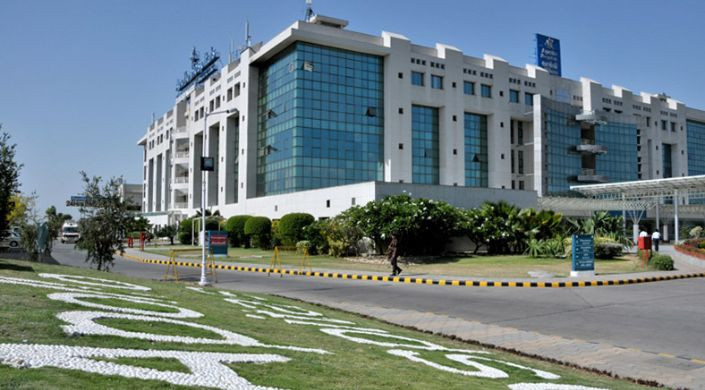
Apollo Hospitals anchors India's largest private hospital network, with more than 65 locations across the country and a genuine track record with Bangladeshi patients specifically, including dedicated liaison offices in Dhaka. The Chennai flagship alone runs 550+ beds across 60 departments, drawing patients from Chennai's position as one of India's most established cardiac and transplant referral cities.
Cardiologists, oncologists, and transplant surgeons work across a network large enough to move a complex case between cities when a specific specialist's expertise calls for it. The Chennai flagship alone runs more than 550 beds and 60 departments, with over 500 international patient consultations a month.
A dedicated Apollo Heart Centre, comprehensive transplant institute, and cancer treatment centre operate at the Chennai campus, with dedicated Bangladesh patient liaison offices in Dhaka run through authorised local representatives.
- Apollo Heart Centre
- Comprehensive transplant institute
- Cancer treatment centre
- Level 1 trauma and emergency department
21 Greams Lane, Thousand Lights West, Chennai, Tamil Nadu 600006 (flagship campus). Main line: 044-4040 1066.
2. Fortis Escorts Heart Institute:
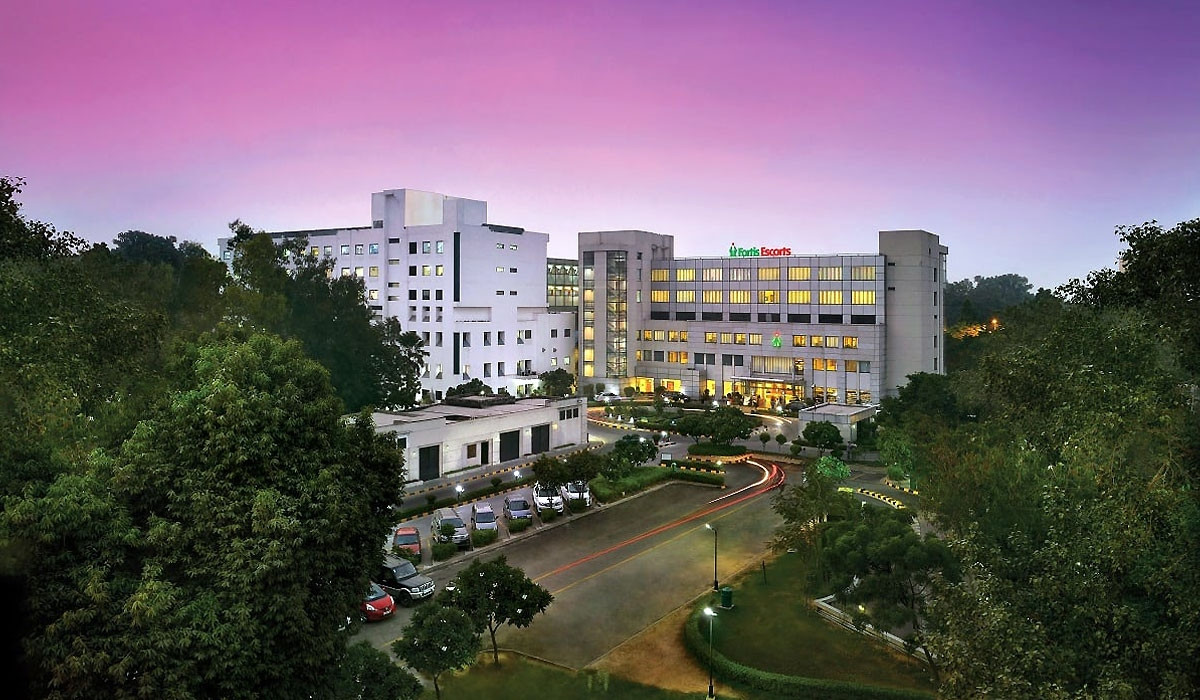
Fortis Escorts Heart Institute has operated in Delhi since 1988, growing into what's widely regarded as Asia-Pacific's largest private cardiac hospital by surgical volume. Bangladeshi patients travelling for complex cardiac surgery, particularly bypass and valve procedures, make up a meaningful share of the hospital's international patient base, drawn by its scale and JCI accreditation.
More than 100 cardiac specialists work here, backed by 1,600 support staff, handling upward of 14,500 admissions and 7,200 emergency cardiac cases a year. Several senior cardiologists on staff hold Padma Shri and Padma Bhushan honours, among India's highest civilian recognitions.
5 cardiac catheterisation labs, 158 critical care beds with ECMO support, and an electronic ICU system (Critinext), one of the first of its kind in the country, support a surgical record that includes more than 57,000 bypass surgeries and 67,000 angioplasties to date.
- 5 cardiac catheterisation labs
- 158 critical care beds with ECMO support
- Electronic ICU (Critinext)
- Dedicated paediatric cardiac surgery unit
Okhla Road, Sukhdev Vihar, New Delhi 110025. Main line: 011-2682 5013.
3. Medanta - The Medicity:
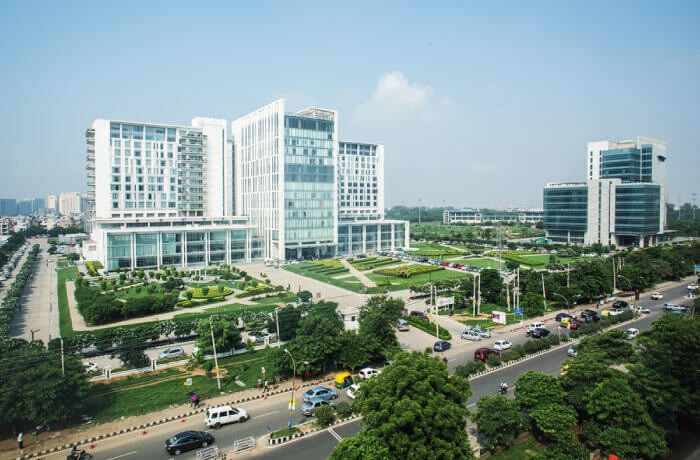
Medanta - The Medicity opened in 2009 as cardiac surgeon Dr. Naresh Trehan's answer to what a single, fully integrated tertiary hospital could look like in India. Bangladeshi patients travelling here for cardiac surgery, oncology, or organ transplant benefit from having nearly every relevant specialist under one roof, not scattered across separate facilities.
Founded by cardiac surgeon Dr. Naresh Trehan, Medanta's cardiac programme has performed more than 15,000 surgeries. It's built as a single large multi-specialty campus, not a network of smaller branches, which keeps most of a complex case's specialists physically on-site.
The Medanta Heart Institute, a dedicated cancer institute, and a liver and kidney transplant programme operate under one roof, supported by a neurosciences institute handling complex brain and spine cases.
- Medanta Heart Institute
- Cancer institute
- Liver and kidney transplant programme
- Neurosciences institute
CH Baktawar Singh Road, Sector 38, Gurugram, Haryana 122001. Main line: 0124-414 1414.
4. Max Super Speciality Hospital, Saket:
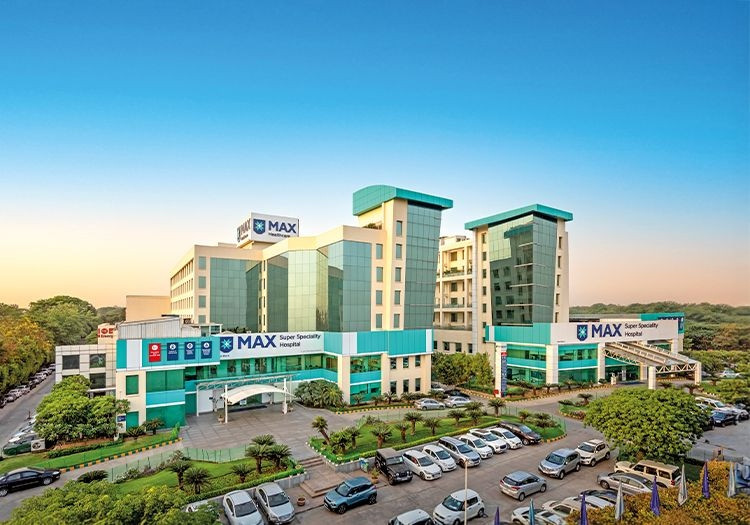
Max Super Speciality Hospital in Saket has built one of Delhi's highest-volume joint replacement and cancer care programmes, backed by an international patient desk with specific, practiced experience coordinating visa paperwork for Bangladeshi families. That familiarity with the MED and MED-X process alone saves real time during an already stressful planning period.
Joint replacement and cancer care teams here run high case volumes, with an international patient desk experienced specifically in coordinating visa documentation for Bangladeshi patients, a genuine time-saver during an already stressful planning stage.
A dedicated orthopaedic and joint replacement centre sits alongside a comprehensive cancer institute and cardiac sciences unit, all on the same Saket campus in south Delhi.
- Orthopaedic and joint replacement centre
- Cancer institute
- Institute of cardiac sciences
- International patient services desk
1, 2 Press Enclave Road, Saket Institutional Area, New Delhi 110017. Main line: 011-2651 5050.
5. Tata Memorial Centre:
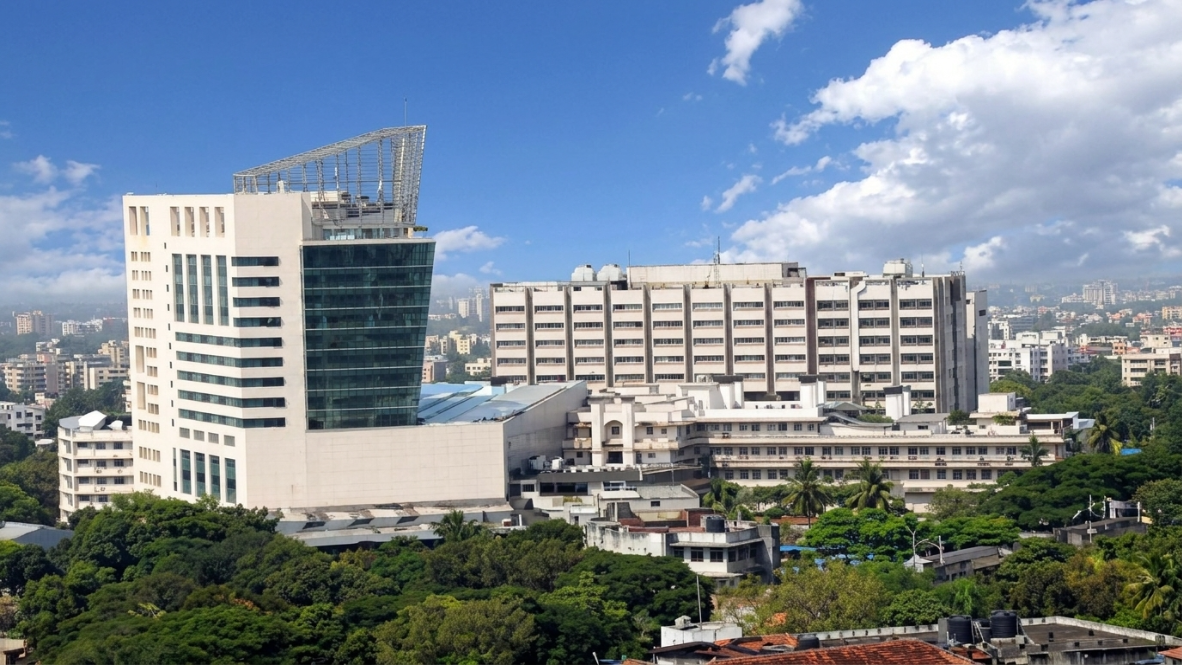
Tata Memorial Centre in Mumbai has operated as a dedicated cancer hospital since 1941, built specifically around oncology, not general tertiary medicine. Bangladeshi patients with complex cancers, including paediatric cases and blood disorders like thalassemia and leukaemia, travel here specifically for a depth of oncology expertise still uncommon at general hospitals.
Tata Memorial is a specialised cancer treatment and research centre, not a general multi-specialty hospital, and it handles an exceptionally high volume of complex oncology cases, including paediatric cancers and blood disorders like thalassemia and leukaemia that affect a meaningful number of Bangladeshi patients.
Dedicated bone marrow transplant, radiation oncology, and surgical oncology units operate across a 629-bed campus built specifically around cancer care. General tertiary services aren't part of its remit.
- Bone marrow transplant unit
- Radiation oncology centre
- Surgical oncology theatres
- Paediatric oncology ward
Dr. E Borges Road, Parel, Mumbai, Maharashtra 400012. Main line: 022-2417 7000.
6. BLK-Max Super Speciality Hospital:
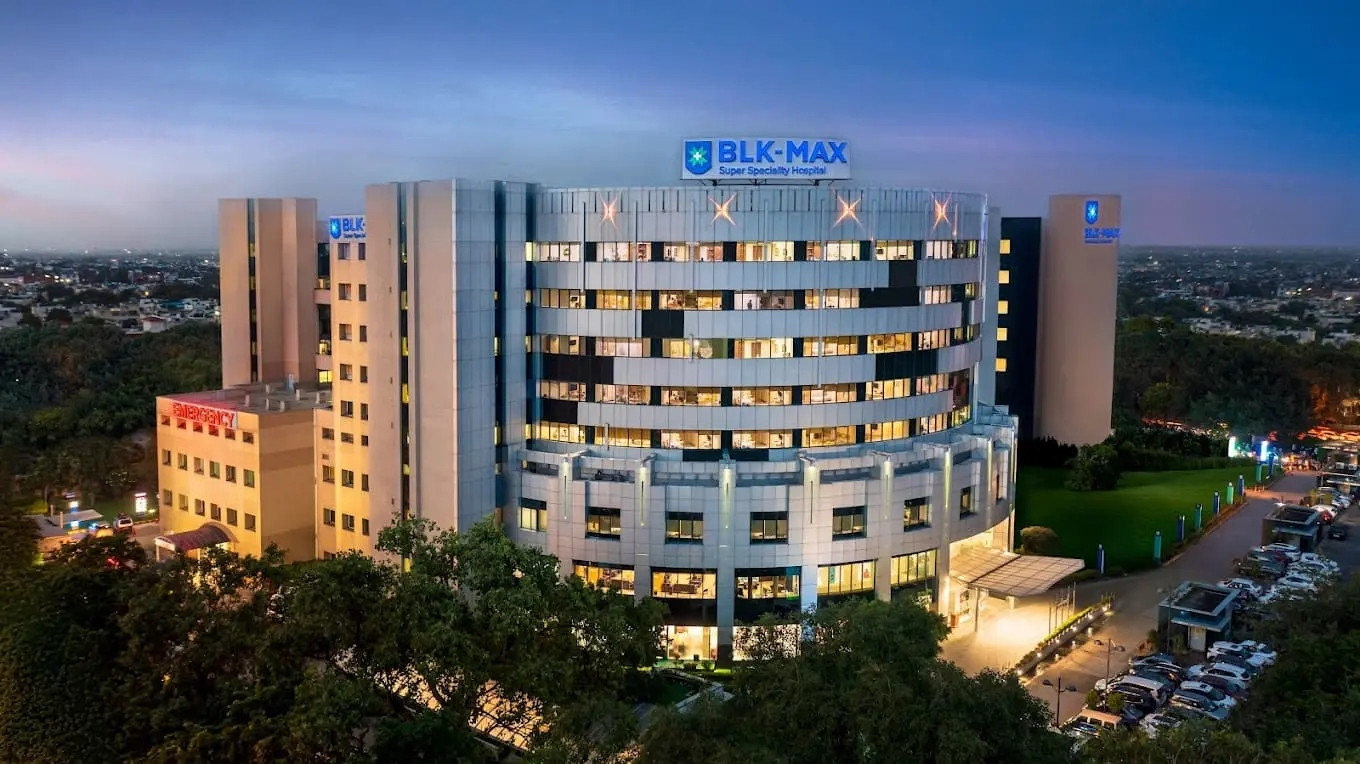
BLK-Max Super Speciality Hospital in Delhi has built a genuine reputation in cancer treatment that rivals dedicated oncology-only centres, while running strong cardiac surgery, kidney and liver transplant, and orthopaedic programmes on the same Pusa Road campus. That breadth matters for Bangladeshi patients whose diagnosis touches more than 1 specialty at once.
Consistently ranked among India's leading cancer treatment centres outside the dedicated oncology-only hospitals, with transplant surgeons handling kidney and liver cases alongside a strong cardiac surgery and orthopaedic team on the same campus.
A comprehensive cancer institute, a kidney and liver transplant programme, and a bone marrow transplant unit operate together, backed by robotic surgery capability across several specialities.
- Comprehensive cancer institute
- Kidney and liver transplant programme
- Bone marrow transplant unit
- Robotic surgery suite
Pusa Road, New Delhi 110005. Main line: 011-3040 3040.
7. Narayana Health (Rabindranath Tagore International Institute of Cardiac Sciences, Kolkata):
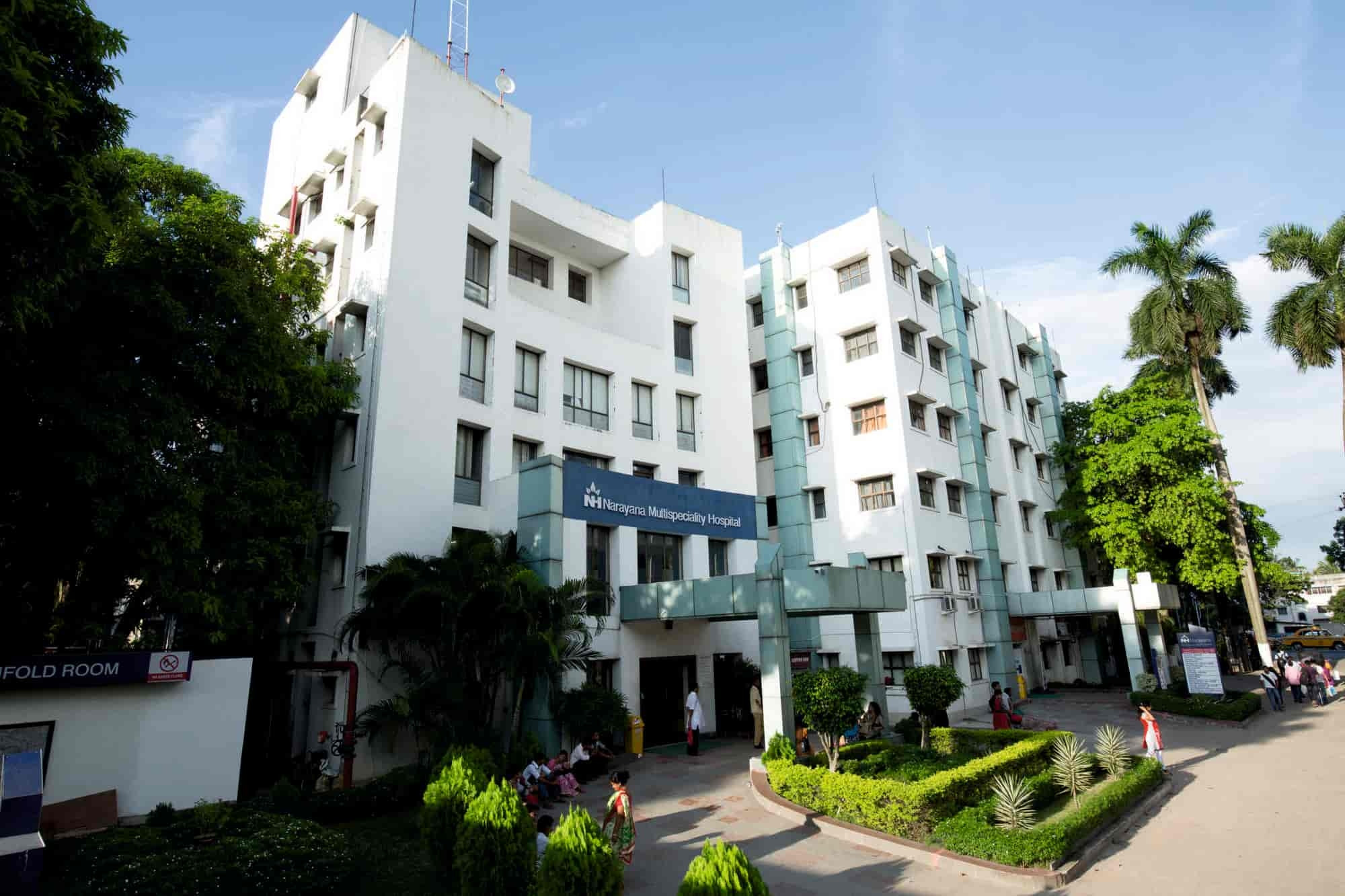
Narayana Health built its reputation on a specific idea: advanced heart surgery doesn't have to cost what Western hospitals charge for it. The group's Kolkata campus, a 681-bed quaternary care hospital with 16 operating theatres, sits particularly close to Bangladeshi patients given the city's short flight time and shared language.
Founded on a specific mission to make advanced heart surgery more affordable at scale, Narayana's cardiac teams work across 16 operating theatres at the Kolkata campus, a location that sits particularly close to Bangladeshi patients given the city's flight and language advantages.
A 681-bed quaternary care campus with 16 operating theatres supports high-volume cardiac surgery alongside general multi-specialty services, established in 2000 as part of the wider Narayana Health group.
- 16 operating theatres
- Dedicated cardiac surgery wing
- Multi-specialty general wards
- 681-bed quaternary care capacity
124 Mukundapur, EM Bypass, Kolkata, West Bengal 700099. Main line: 033-6628 4444.
8. AMRI Hospitals:
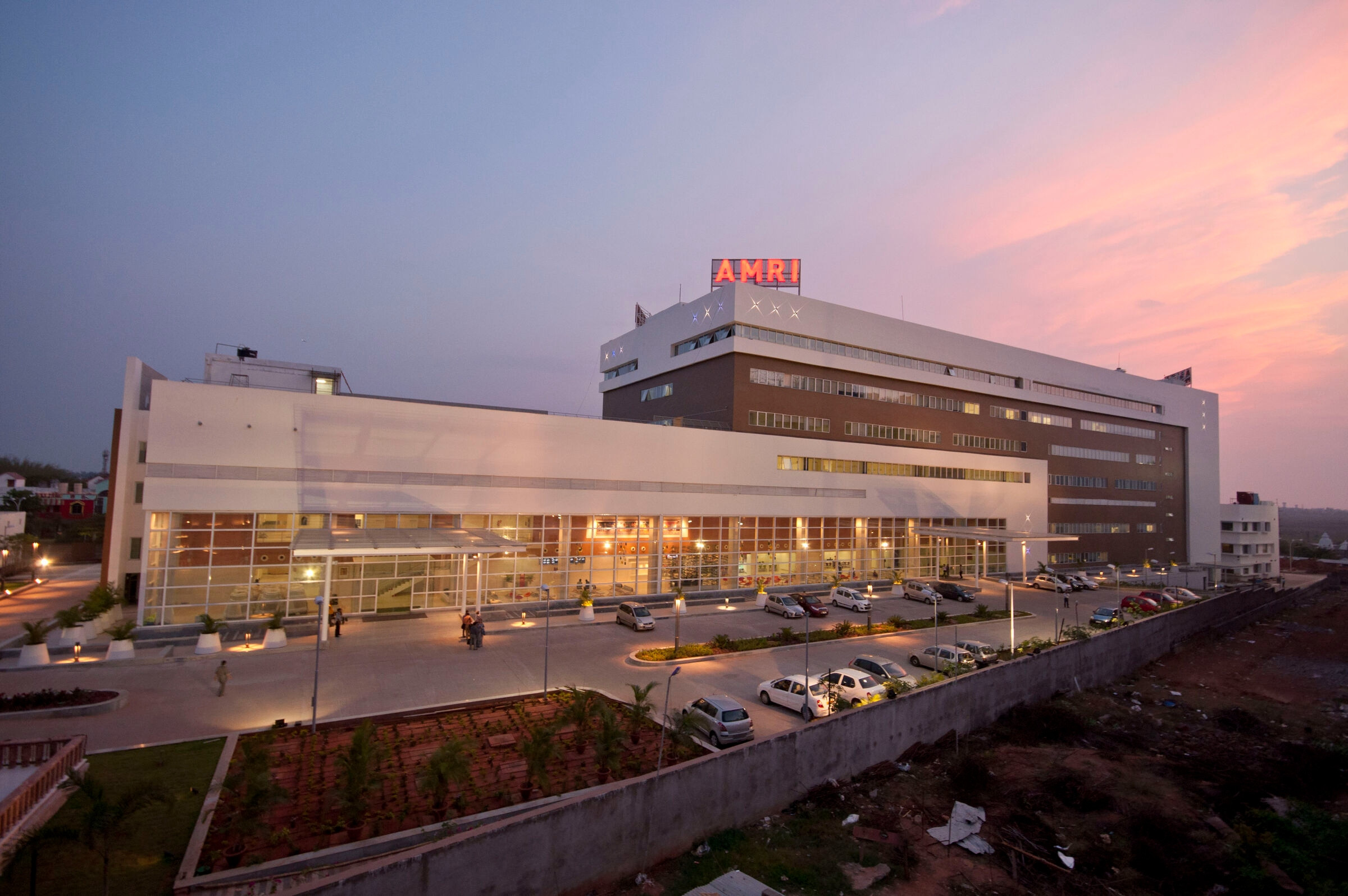
AMRI Hospitals runs 3 NABH-accredited campuses across Kolkata and has taken the relationship with Bangladeshi patients further than most Indian chains: it operates its own health centre in Dhaka, built specifically to support patients before they even book a flight. That local presence gives it a genuine head start on trust.
AMRI operates 3 NABH-accredited units across Kolkata and has gone further than most Indian hospital chains on this specific patient relationship: it runs its own health centre in Dhaka, built specifically to serve Bangladeshi patients before they even travel.
Green OT-certified operating theatres, a multi-specialty diagnostic wing covering cardiology, oncology, urology, and nephrology, and a modern paediatric ICU, uncommon among eastern India hospitals at this scale, all operate across the group's Kolkata campuses.
- Green OT-certified operating theatres
- Multi-specialty diagnostic wing
- Paediatric ICU
- Dhaka patient liaison centre
P-4 & 5, CIT Scheme LXXII, Block A, Gariahat Road (beside Dhakuria Bridge), Kolkata, West Bengal 700029. Main line: 033-6606 3800.
9. Artemis Hospital:
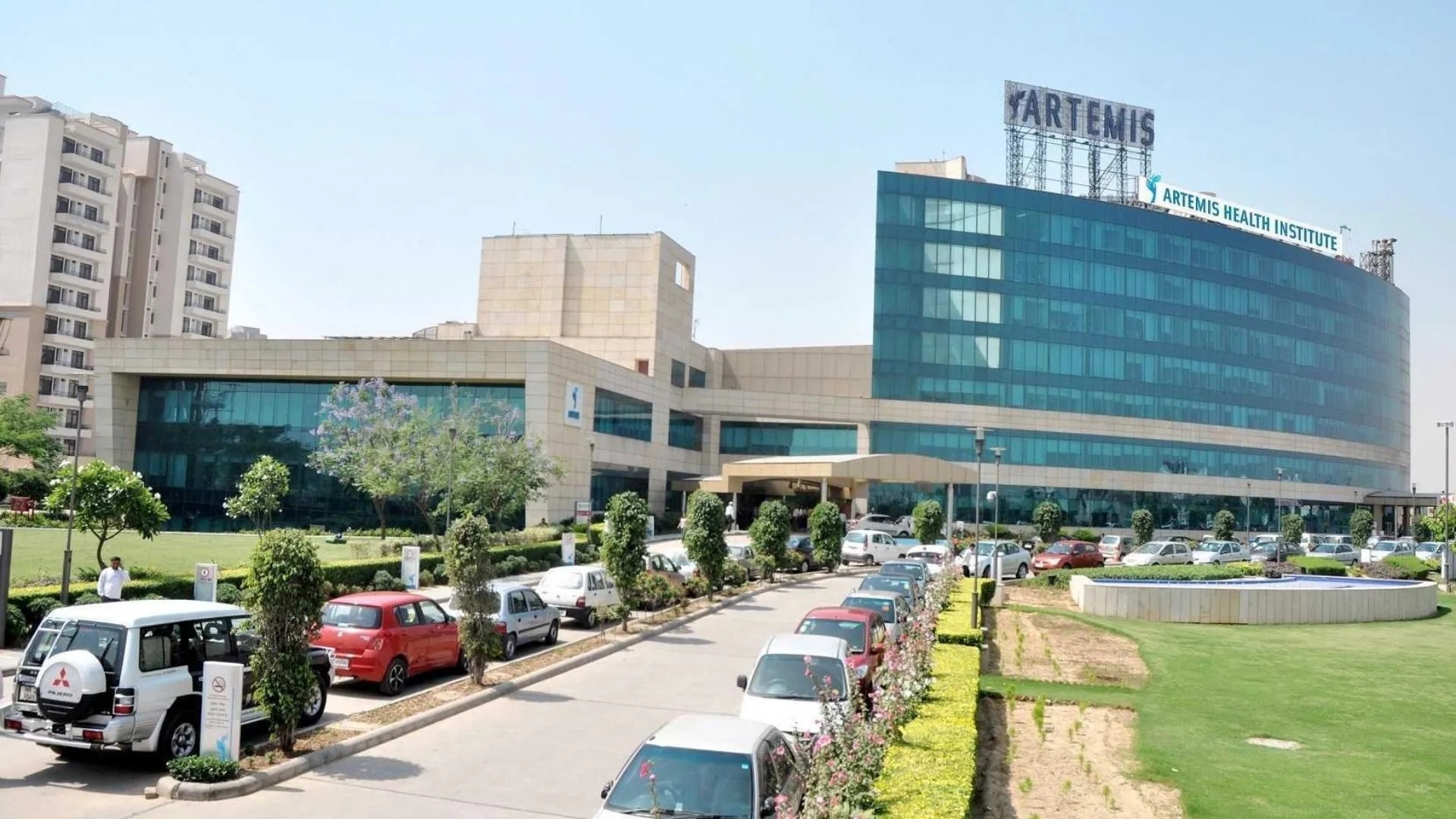
Artemis Hospital became the first in Gurugram to earn JCI accreditation, and has spent the years since building a genuine reputation in oncology and orthopaedic surgery specifically. More than 400 doctors work across 40 specialities on a 750-bed campus that now serves patients from over 50 countries, Bangladesh among the more consistent sources.
The first hospital in Gurugram to receive JCI accreditation, Artemis built its international patient reputation on oncology and orthopaedic surgery, with more than 400 doctors across 40 specialities and a 750-bed campus serving patients from over 50 countries.
12 recognised centres of excellence span oncology, orthopaedics, and cardiac care, spread across a 9-acre campus that earned a WHO Asia Pacific Hand Hygiene Excellence Award in 2011.
- 12 centres of excellence
- Dedicated oncology institute
- Orthopaedic and joint replacement unit
- Cardiac care centre
Sector 51, Gurugram, Haryana 122001. Main line: 0124-451 1111.
10. Kokilaben Dhirubhai Ambani Hospital:
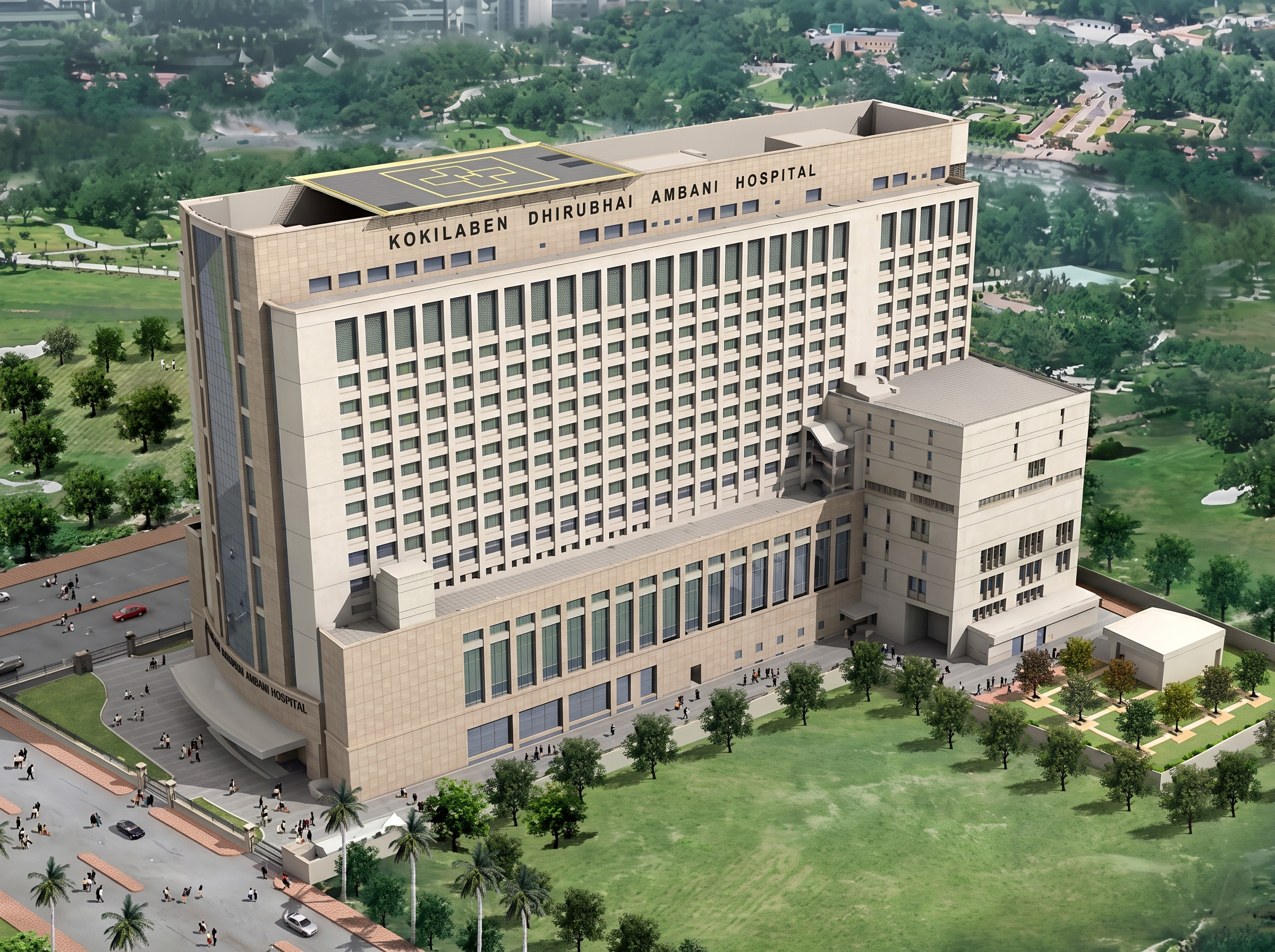
Kokilaben Dhirubhai Ambani Hospital opened in Mumbai in 2009 under the Reliance Group, and remains the only hospital in the city holding all 4 major Indian and international accreditations at once. Its particular strength in robotic-assisted surgery, alongside genuinely first-in-Asia equipment like its intra-operative MRI suite, draws complex referral cases from across the region.
Launched by the Reliance Group, Kokilaben holds the distinction of being the only Mumbai hospital carrying all 4 major Indian and international accreditations simultaneously, with a particular strength in robotic-assisted surgery across multiple specialities.
Asia's first EDGE Radiosurgery system, a 3-room intra-operative MRI suite (the first of its kind in South Asia), and India's first spine surgery suite featuring the O-arm all operate on a 750-bed campus.
- EDGE Radiosurgery system
- Intra-operative MRI suite
- O-arm spine surgery suite
- Robotic surgery programme
Rao Saheb Achutrao Patwardhan Marg, Four Bungalows, Andheri West, Mumbai, Maharashtra 400053. Main line: 022-4269 6969.
11. CMC Vellore:
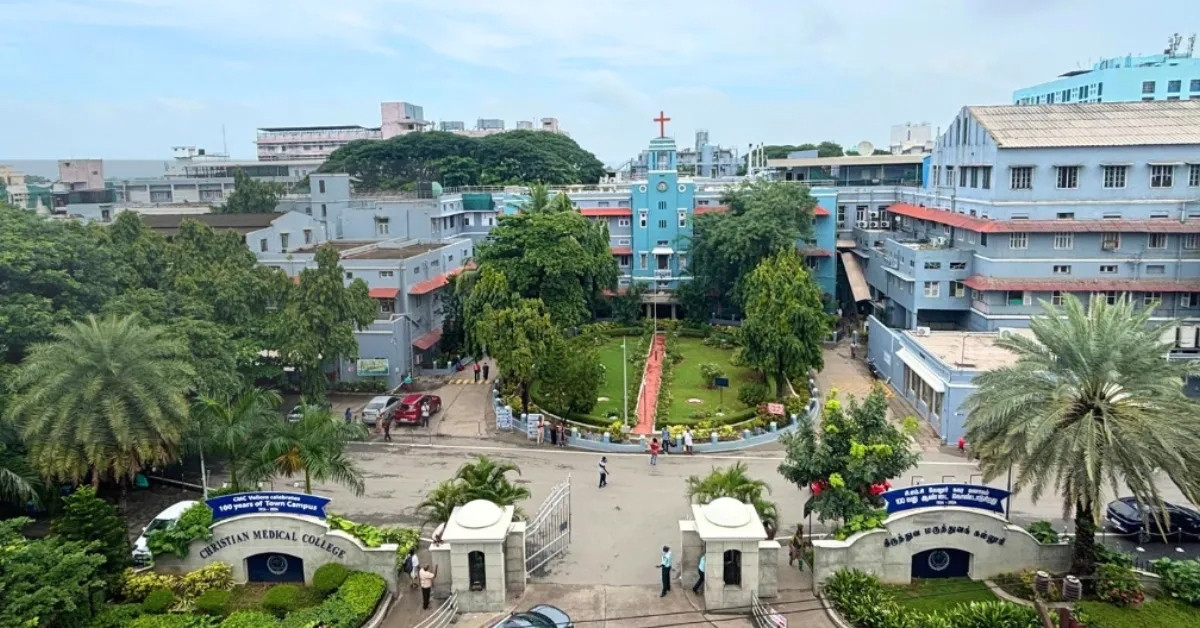
CMC Vellore has run continuously since 1900, when Dr. Ida Scudder started it as a single-bed clinic, and now sees more than 21 lakh outpatients a year across close to 2,500 beds. Its research-driven approach to complex, hard-to-diagnose conditions, and pricing well below the corporate hospital chains, draw a distinct type of Bangladeshi patient.
Started as a single-bed clinic in 1900, CMC Vellore now runs close to 2,500 beds and sees more than 21 lakh outpatients and over 1 lakh inpatients a year, a scale that reflects its particular strength in complex diagnosis and general medicine, alongside genuine depth in cardiology, neurology, nephrology, and gastroenterology.
A large multi-department diagnostic centre, established cardiology and nephrology units, and a research-driven approach to rare and hard-to-diagnose conditions set CMC apart from the corporate hospital chains, alongside pricing that runs meaningfully lower than the private chains for comparable care.
- Multi-department diagnostic centre
- Cardiology and nephrology units
- Gastroenterology department
- Research-affiliated clinical laboratories
Ida Scudder Road, Vellore, Tamil Nadu 632004. Main line: 0416-228 2010.
12. Manipal Hospitals:
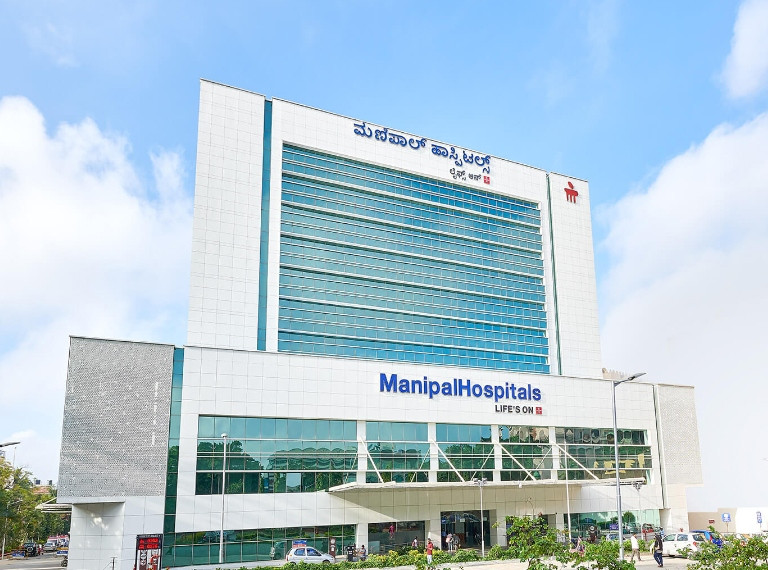
Manipal Hospitals has absorbed several formerly independent hospital brands into a single accredited network since 1991, and its Old Airport Road campus in Bangalore now functions as a genuine referral point for complex organ transplant and musculoskeletal cases across South India. Bangladeshi patients travelling south often choose this campus over the more familiar Delhi or Kolkata route.
Manipal's transplant and oncology teams work within one of India's larger multi-specialty hospital groups, with the Old Airport Road campus in Bangalore serving as a genuine referral point for complex musculoskeletal and organ transplant cases from across South India.
Dedicated organ transplant and oncology units operate alongside a comprehensive emergency department, on a campus that's absorbed several formerly independent hospital brands into a single accredited network over the past decade.
- Organ transplant unit
- Oncology centre
- Musculoskeletal and orthopaedic wing
- 24/7 emergency department
98, HAL Old Airport Road, Kodihalli, Bengaluru, Karnataka 560017. Main line: 080-3524 0555.
Finding the Right Specialist:
The hospital name matters less than the specific surgeon's experience with the exact procedure being planned. A cardiac surgeon with 20 years of general practice isn't automatically the right choice for a rare congenital heart repair; a different specialist at the same hospital, or a different hospital entirely, might have done that specific procedure 200 times. Most international patient departments will share a proposed surgeon's qualifications, case volume for the relevant procedure, and language ability before a patient commits to travel.
Ask directly for the number of times a surgeon has performed the specific procedure in question, not a general specialty case count. Ask whether the surgeon speaks Bengali, Hindi, or English fluently, since a language barrier during a pre-surgery consultation is a genuine risk factor for miscommunication about symptoms or history. A hospital's international patient coordinator should be able to arrange a video consultation with the proposed surgeon before the patient books flights, and a hospital reluctant to do this is worth treating as a warning sign, not a minor inconvenience.
Why Plan Your Trip:
Coordinating a hospital, a visa, flights, and accommodation across 2 countries at once is a genuinely heavy administrative load for a family already dealing with a medical diagnosis. BookingMentor compares hospital options against a patient's actual medical reports, without pushing a single preferred partner, arranges a free initial medical opinion from a relevant specialist, and assigns a dedicated coordinator who stays with the case from first report submission through the return flight home.
Visa assistance covers document preparation and IVAC appointment scheduling, since a rejected or delayed visa application is one of the most common causes of a postponed treatment date. Cost transparency means an itemised estimate broken into surgeon's fee, hospital stay, and any device or implant cost. A single bundled number hides what happens if a complication extends the hospital stay. Support runs around the clock, since a family managing a hospital admission in a different country doesn't work on business hours.
Part 3 · Plan
Medical VISA Guide:
India issues 2 separate visa categories for this exact situation. The patient applies for a Medical Visa (MED). Anyone travelling with them applies separately for a Medical Attendant Visa (MED-X), and Bangladeshi nationals get a specific advantage here: up to 3 attendants per patient, against the standard cap of 2 for most other nationalities. Both applications go through an Indian Visa Application Centre (IVAC) in Bangladesh, with centres in Dhaka and Chittagong handling the bulk of medical visa traffic.
Eligibility comes down to demonstrating genuine medical need. A hospital invitation or treatment letter from a recognised Indian hospital is the core document, since it establishes both the medical justification and the specific facility responsible for the patient's care. Bangladeshi nationals don't pay India's government visa fee for this category, though IVAC itself charges a processing service fee of roughly 600 to 700 BDT (about $7 to $9).
Processing typically takes about a week from submission, sometimes as fast as 2 to 3 working days when documentation is complete and the case is straightforward. Applying at least a month ahead of a planned, non-urgent procedure builds in room for any additional verification the visa office might request. Once issued, the visa is generally valid for up to a year or the length of treatment, whichever applies, with multiple entry permitted up to 3 times during that period; a patient needing a follow-up visit a few months after the initial surgery doesn't need to reapply from scratch.
On arrival in India, foreign nationals staying more than a short period must register with the local FRRO (Foreigners Regional Registration Office) within 24 hours, a step hospitals with dedicated international patient desks usually help arrange directly. If treatment or recovery runs longer than the visa's original validity, an extension is possible through the same FRRO office, supported by a letter from the treating hospital confirming the medical reason for the extended stay.
Planning Your Travel: Medical VISA from Bangladesh to India and what to Bring:
Medical visa from Bangladesh to India:
Bangladeshi patients apply for the MED visa (the patient) and MED-X visa (each attendant) through an Indian Visa Application Centre (IVAC) in Dhaka or Chittagong. Bangladeshi nationals don't pay India's government visa fee for this category, and up to 3 attendants are permitted per patient, a specific bilateral advantage over the standard cap of 2 for most other nationalities.
Documents Required for the Application:
A Bangladeshi passport valid for at least 6 months beyond the intended arrival date, with blank pages remaining for visa stamping.
A recent passport-size photograph on a plain background, for the patient and each attendant.
A hospital invitation or treatment letter, on the hospital's letterhead, naming the specific facility and confirming the tentative admission date.
Proof of relationship (birth certificate, marriage certificate, or similar) for each attendant applying on a MED-X visa.
IVAC charges a service fee of roughly 600 to 700 BDT (about $7 to $9) per application. Processing typically takes about a week from submission, sometimes 2 to 3 working days when documentation is complete. Once issued, the visa is generally valid for up to a year or the length of treatment, with multiple entry permitted up to 3 times during that period.
What to Bring:
Medical reports and scans
All recent diagnostic reports, imaging (X-ray, MRI, CT, on disc or drive where possible), current prescriptions, and a summary of any treatment already received in Bangladesh, ideally as digital copies too.
Passport and photos
Valid at least 6 months beyond arrival, plus a few extra passport-size photographs beyond what the visa application itself used.
Visa and hospital papers
The MED visa printout, MED-X papers for each attendant, and the original hospital invitation letter.
Current medicines
In original packaging, along with the prescriptions that cover them, since customs and hospital pharmacy staff both may ask to see them.
A letter from the local doctor
Diagnosis and treatment history from Bangladesh, where available, which speeds up the Indian specialist's first consultation.
Payment
An internationally enabled card and some cash, Indian Rupees or US Dollars; hospitals generally accept both, and a coordinator can advise on the most practical way to handle a larger deposit.
Comfortable clothing
Loose, layered clothes suited to hospital stays and the recovery period that follows.
The attendant's documents
Passport, photographs, and MED-X visa papers for each companion travelling with the patient.
Getting to India:
Dhaka to Kolkata is the shortest and most frequent route by a wide margin: about an hour to an hour and 10 minutes in the air, covering roughly 230 kilometres, with Air India alone running 5 daily flights and Biman Bangladesh, IndiGo, and US-Bangla adding further daily departures. For patients heading to Kolkata's hospital cluster, or connecting onward within India, this is usually the fastest way in.
Chennai, home to Apollo's flagship campus and a major cardiac and transplant hub, sits about 2 hours 45 minutes from Dhaka by direct flight, with 12 non-stop departures a week split across Biman Bangladesh, IndiGo, and US-Bangla. Delhi runs a similar distance at roughly 2 hours 35 minutes, served by 11 to 14 weekly non-stop flights on Air India, Biman Bangladesh, and IndiGo. Mumbai and Bangalore don't currently have the same density of direct non-stop service from Dhaka, so patients travelling to Tata Memorial in Mumbai or specific Bangalore specialists often connect through Kolkata or Delhi instead of flying direct.
Hazrat Shahjalal International Airport in Dhaka handles all these departures. On the Indian side, hospitals with established international patient departments typically offer, or can arrange, airport pickup timed to the patient's actual arrival, which matters more than it might sound for a patient travelling in poor health or immediately after a long connecting itinerary.
Accommodation Options:
Most Bangladeshi patients and their attendants stay at hotels near the treating hospital, not in the city centre, prioritising a short commute over amenities during an already stressful period. Budget and mid-range hotel clusters exist within walking distance of Apollo Chennai, Fortis Escorts Delhi, and Medanta's Gurugram campus specifically because of consistent international patient demand.
Guest houses, often run informally by families who've built a small business around exactly this patient traffic, offer a cheaper alternative with home-style Bengali or Bangladeshi cooking, particularly common around Kolkata's hospital districts. Service apartments suit longer stays, an organ transplant recovery period running several weeks, for instance, since they include a kitchen and more living space than a standard hotel room at a comparable nightly rate. Some larger hospitals, Medanta and Tata Memorial among them, also run their own on-campus guest house facilities specifically for patient families, usually priced below nearby commercial hotels and offering the shortest possible walk to the ward.
Local transportation:
Airport pickup arranged directly through the hospital removes the uncertainty of navigating an unfamiliar city immediately after a long flight, and most hospitals with international patient departments include this as a standard part of their coordination service. For patients in serious condition on arrival, hospitals can arrange an ambulance transfer directly from the airport in place of a standard car, worth requesting explicitly if the patient's condition warrants it.
Day-to-day movement between the hotel and hospital typically runs through app-based taxi services (Uber and Ola operate across all the major treatment cities) or a hospital-arranged private car, which costs more but removes any uncertainty about navigating an unfamiliar address. Metro systems exist in Delhi, Chennai, Kolkata, and Bangalore and connect reasonably well to major hospital clusters, a genuinely cheap option for attendants making frequent short trips (a pharmacy run, a meal outside the hospital) who don't want to pay for a car each time.
Part 4 · Budget
Planning the Cost of Treatment in India:
Understanding the full financial picture before travelling matters as much as choosing the right specialist. Medical travel involves several layers of cost beyond the hospital bill itself, and planning for each one removes uncertainty at a time when clarity matters most.
Varies with the specific diagnosis, the treating doctor, and the level of hospital facility chosen.
Bangladeshi nationals pay no Indian government fee for the MED visa or accompanying MED-X attendant visas. IVAC charges a service fee of roughly 600-700 BDT (about $7-9) per application.
Economy round-trip fares from Dhaka to India's main hospital cities typically fall between $70 and $130, well below what patients from further afield pay, since Kolkata sits barely 230 kilometres from Dhaka.
For nights before admission and during post-discharge recovery, options near major hospitals range from budget guesthouses at around $25 per night to mid-range serviced apartments at roughly $40, with premium 4- or 5-star options available at approximately $90 per night.
Day-to-day living costs in Indian cities, including meals and local transport, typically run around $15 per person per day.
A realistic estimate covering all these components together, not just the hospital quote, lets patients and families plan finances with confidence instead of hitting an unwelcome surprise far from home. The procedure table below gives a starting point; a coordinator or the hospital's international patient desk can turn that into a full itemised estimate covering treatment, visa, travel, and stay once the specific diagnosis and hospital are known.
Indicative Treatment Costs by Procedure:
The ranges below reflect typical international-patient package pricing at NABH- or JCI-accredited hospitals, cross-checked across multiple independent sources. The final estimate always depends on the specific medical reports, the hospital chosen, and the treating doctor.
Payment Options:
Most Bangladeshi patients pay directly, not through insurance, since cross-border insurance settlement between Bangladesh and India isn't standardised the way domestic claims are. Cash and card payments are accepted at every major hospital's international patient billing desk, and international bank transfer is common for the larger deposit typically requested before a scheduled surgery.
Some international health insurance policies do cover treatment abroad, worth checking directly with the insurer before travel. Assuming coverage applies without checking is a risky shortcut. Larger hospitals with high international patient volume, Apollo and Medanta among them, sometimes offer installment arrangements for higher-cost procedures, worth asking about directly during the initial cost estimate conversation, well before treatment has already started.
Part 5 · Your journey
Step-by-Step Patient Journey:
From a first message to a full recovery back in Bangladesh, the process runs through 6 phases. Most planned, non-emergency cases move through all 6 in 3 to 4 weeks; the IVAC visa step is usually the pace-setter.
Share your medical details
Diagnostic reports, imaging, prescriptions, and a summary of any treatment already received in Bangladesh, shared with a patient coordinator through the reports form or WhatsApp.
Compare treatment plans
A relevant specialist reviews the case and returns a proposed hospital, surgeon, and itemised cost estimate, usually within 24 to 48 hours. Where more than 1 reasonable option exists, alternatives are laid out side by side.
Visa and travel arrangement
Once confirmed, the hospital issues the invitation letter needed for the MED visa, and MED-X applications go in for each attendant at IVAC in Dhaka or Chittagong. Flights and accommodation near the hospital get booked in parallel.
Hospital care and treatment
Airport pickup on arrival, then admission. Pre-procedure tests confirm everything matches the original reports before the surgeon proceeds, with a coordinator handling translation and daily updates back to family in Bangladesh.
Recovery
Inpatient recovery followed by a move to a nearby hotel or guest house once the surgeon clears it, with scheduled follow-up visits back at the hospital before the final discharge check.
Ongoing follow-up
Return flight once medically cleared for travel, with a full discharge summary, medication schedule explained in Bengali, and a teleconsultation calendar to track recovery from Bangladesh.
What Happens After Treatment:
Recovery continues at home, not in India, for the vast majority of procedures. A patient discharged after cardiac surgery or a joint replacement typically flies home once the surgeon confirms the patient is medically stable for travel, not once recovery is fully complete. Teleconsultation fills the gap for most follow-up needs: medication adjustments, reviewing a wound healing photo or short video, and answering the questions that inevitably come up once a patient is managing recovery without daily hospital staff nearby.
Medication schedules, particularly for cardiac patients on long-term blood thinners or transplant patients on immunosuppressants, come with clear written instructions at discharge, and reputable hospitals confirm the patient understands the schedule in Bengali before departure. An English printout alone isn't enough. A structured follow-up calendar, set before the patient even leaves the hospital, typically includes a first check-in within 1 to 2 weeks of return and further scheduled points at intervals appropriate to the specific procedure, a repeat scan at 3 months for a transplant patient, for instance.
Frequently Asked Questions (FAQ's):
Q. How much does treatment in India cost compared to Bangladesh?
It depends on the procedure. Bangladesh's own tertiary care system is limited for complex cardiac surgery, organ transplant, advanced oncology, and specialised neurosurgery, which is the main reason patients travel at all. For a coronary bypass, India typically runs $4,500 to $10,000 all-in, and a knee replacement runs $3,600 to $6,500. These procedures either aren't widely available in Bangladesh at comparable volume or come with long waiting periods at the few centres that do offer them.
Q. Do Bangladeshi patients need a visa to get medical treatment in India?
Yes. Bangladeshi nationals need a Medical Visa (MED), applied for through an Indian Visa Application Centre (IVAC) in Bangladesh. Accompanying family members apply separately for a Medical Attendant Visa (MED-X). Bangladeshi nationals don't pay an Indian government visa fee, though IVAC charges a service fee of roughly 600-700 BDT.
Q. How many attendants can travel with a Bangladeshi patient to India?
Up to 3 attendants, each on a separate MED-X visa. This is a specific bilateral provision; most other nationalities are capped at 2 attendants.
Q. How long does the Indian medical visa take to process from Bangladesh?
Typically about a week from IVAC submission, sometimes faster (2-3 working days) if all documents are in order. Applying at least a month before planned travel leaves room for any additional verification.
Q. What documents are required for an Indian medical visa from Bangladesh?
A passport valid for at least 6 months beyond the travel date, a hospital invitation or treatment letter from a recognised Indian hospital, medical reports and prescriptions supporting the diagnosis, passport-size photographs, the completed online visa application, and proof of relationship for any accompanying attendants.
Q. How long is the Indian medical visa valid for?
Generally up to 1 year or the length of treatment, whichever applies, with up to 3 entries permitted during that period. Extensions are possible through the local FRRO office with a letter from the treating hospital.
Q. What is NABH accreditation and how many hospitals in India have it?
NABH (National Accreditation Board for Hospitals & Healthcare Providers) is India's own hospital quality accreditation body, run under the Quality Council of India and recognised by the International Society for Quality in Health Care (ISQua). As of the most recent published count, 1,299 hospitals across India hold NABH accreditation.
Q. How many JCI-accredited hospitals are there in India?
Roughly 50 hospitals in India currently hold Joint Commission International (JCI) accreditation, the same global patient-safety standard used to evaluate hospitals in the US, UK, and Gulf countries. The exact number shifts as accreditations are renewed or lapse, so checking JCI's own directory before booking is worth the extra step.
Q. What's the difference between NABH and JCI accreditation?
NABH is India's national accreditation standard, built specifically around Indian healthcare infrastructure and regulation, evaluated against roughly 600 parameters. JCI is an international benchmark used across many countries. Many leading Indian hospitals hold both simultaneously, and neither one guarantees an outcome for any individual patient.
Q. How long is the flight from Dhaka to India's major hospital cities?
Dhaka to Kolkata is the shortest hop, around 1 hour to 1 hour 10 minutes, flown daily by Air India, Biman Bangladesh, IndiGo, and US-Bangla. Dhaka to Chennai runs about 2 hours 45 minutes with 12 direct flights a week. Dhaka to Delhi takes roughly 2 hours 35 minutes with 11 to 14 weekly direct flights.
Q. Which Indian cities do Bangladeshi patients travel to most for treatment?
Chennai, Kolkata, Delhi, Mumbai, Bangalore, and Hyderabad see the largest share of Bangladeshi medical travellers, largely because these cities combine direct flight access from Dhaka with the highest concentration of NABH- and JCI-accredited private hospitals.
Q. Is treatment in India safe for Bangladeshi patients?
Choosing a hospital with valid NABH or JCI accreditation is the single most useful safety filter. Accreditation doesn't guarantee a specific outcome, but it does mean the hospital has been independently audited against defined patient-safety and clinical-governance standards, unlike an unaccredited facility with no external review.
Q. How much does a heart bypass surgery cost in India versus Turkey?
A coronary artery bypass graft (CABG) typically costs $4,500 to $10,000 in India, against $12,000 to $18,000 in Turkey and often $70,000 or more in the United States. Thailand sits closer to Turkey's range in practice, positioned as a premium medical tourism experience, not the lowest-cost option.
Q. Can Bangladeshi patients pay for treatment with insurance?
Some international health insurance policies cover treatment abroad, though coverage varies by insurer and policy. Most Bangladeshi patients pay directly, through cash, card, bank transfer, or hospital-arranged installment plans, since cross-border insurance settlement between Bangladesh and India isn't standardised the way domestic insurance is.
Q. What happens if a Bangladeshi patient needs follow-up care after returning home?
Most major Indian hospitals offer teleconsultation for follow-up after the patient returns to Bangladesh, covering medication adjustments, wound checks through photos or video, and scheduling any required repeat visit. Complex cases (organ transplant, cardiac surgery) usually have a structured follow-up calendar set before discharge.
Q. Do Indian hospitals have Bengali-speaking staff?
Most major hospitals with dedicated international patient departments, particularly in Kolkata, Chennai, and Delhi, employ Bengali-speaking patient coordinators specifically because of the volume of Bangladeshi patients they see. Kolkata hospitals in particular often have Bengali as a working language on the wards.
Q. What is the food situation like for Bangladeshi patients and attendants in Indian hospitals?
Bengali and Bangladeshi-style meals are widely available near major hospital clusters in Kolkata, Chennai, and Delhi, both through hospital cafeterias with regional menu options and nearby restaurants. Halal food is broadly available in all these cities given their established Muslim populations.
Q. What currency should Bangladeshi patients carry to India?
Indian Rupees (INR) for daily expenses; Bangladeshi Taka isn't accepted for retail transactions in India. Currency exchange counters at Chennai, Kolkata, Delhi, and Mumbai airports handle BDT to INR conversion, though rates are usually better at authorised money changers in the city than at the airport counter.
Q. Can a Bangladeshi patient get a second medical opinion before committing to treatment in India?
Yes. Most hospital international patient departments and medical tourism facilitators offer a free review of medical reports and a treatment plan with an itemised cost estimate before the patient commits to travel, typically within 24 to 48 hours of submission.
Q. How far in advance should a Bangladeshi patient plan a medical trip to India?
At least 3 to 4 weeks for planned, non-emergency procedures, to allow time for medical report review, hospital confirmation, visa processing at IVAC, and flight booking. Emergency cases are handled faster by hospitals with dedicated international patient teams, though visa processing itself still needs its usual timeframe.
Q. What's included in a typical medical tourism package cost estimate?
A properly itemised estimate separates surgeon's fee, hospital stay and nursing, anaesthesia, implants or devices if applicable, standard medication, and any pre-surgery diagnostics. Flights, visa fees, hotel stays, local transport, and companion expenses are typically quoted separately, kept out of the medical estimate itself.
Q. Which specialties is India best known for among Bangladeshi patients?
Cardiology and cardiac surgery, oncology, orthopaedics (particularly joint replacement), organ transplant, neurosurgery, and IVF and fertility treatment account for most Bangladeshi patient travel to India, largely reflecting where Bangladesh's own tertiary care capacity is most limited.
Q. Is public or private healthcare better for Bangladeshi medical tourists in India?
Nearly all Bangladeshi medical tourists use India's private hospital sector, not public hospitals. Private hospitals offer faster scheduling, dedicated international patient support, and more predictable costs; public hospitals in India are built primarily to serve domestic patients and don't typically have the same international patient infrastructure.
Q. What should a Bangladeshi patient check before choosing a specific hospital in India?
Current NABH or JCI accreditation status (checked directly against the accrediting body's own directory, since status can lapse), the treating surgeon's specific experience with the exact procedure, an itemised cost estimate instead of a single bundled figure, and what happens if a complication extends the hospital stay beyond the original plan.





{{item.get_author.first_name}} {{item.get_author.last_name}}
Level 7
5 Photos
36 Reviews
{{item.comment_txt}}
{{item_reply.get_author.first_name}} {{item_reply.get_author.last_name}}
@ {{item_reply.reply_to}}, {{item_reply.reply_txt}}