

Thailand draws more international patients for cosmetic surgery, dental work, and gender-affirming procedures than almost anywhere else in the world, backed by 65 JCI-accredited hospitals, more than any other Southeast Asian country. Rhinoplasty runs $800 to $5,500, a dental implant $900 to $3,000. Bangladeshi nationals aren't eligible for visa-on-arrival and need a visa arranged before travel, typically the Non-Immigrant O (Medical) visa, which allows up to 3 accompanying family members. The direct flight from Dhaka to Bangkok takes about 2 hours 40 minutes. For major surgery like cardiac bypass or joint replacement, India generally costs less than Thailand; Thailand's real strength lies in cosmetic, dental, and aesthetic care specifically.
Thailand built its medical tourism reputation on a different foundation than India did. Where India's pitch centres on complex surgery at a fraction of Western cost, Thailand's centres on cosmetic and aesthetic procedures performed with genuine surgical depth, in hospitals that feel more like 5-star hotels than clinical facilities, with a beach or a temple visit built into the recovery plan. Bumrungrad International Hospital alone treats patients from 190 countries every year.
This guide walks through what actually matters before booking a trip to Bangkok: which hospitals carry real JCI accreditation, what Thailand's medical visa requires step by step, what treatment genuinely costs by procedure, and what recovery looks like after flying home. Every figure here is sourced and dated July 2026, since hospital accreditation status and visa procedure details do shift.
Why Patients Travel Abroad for Treatment:
Patients leave their own country for treatment when the procedure isn't available at home, the wait is too long, or the price gap makes travel worth the disruption. For Bangladeshi patients considering Thailand specifically, the pull differs from what sends people to India: Thailand's advantage shows up hardest in cosmetic surgery, dental care, gender-affirming procedures, and fertility treatment, categories built on 3 decades of genuine global expertise, not simply undercutting Western prices on standard surgery.
Cost still matters, though it depends on the procedure. A facelift running $3,000 to $6,000 in Thailand, against $9,000 or more in the US, is a real gap; for major surgery like cardiac bypass, India often costs less than Thailand for the same procedure. Patients choosing Thailand for bigger procedures are usually paying for something specific: a hospital experience closer to a 5-star hotel, internationally trained staff, and a recovery period that can double as an actual holiday, backed by trust built since the 1990s, when Thailand first began hosting international patients at scale.
Why Choose Thailand:
6 things explain Thailand's position as a global medical tourism destination, each specific and checkable, instead of the generic marketing line every agency site repeats.
The deepest JCI Accreditation Bench in Southeast Asia:
Thailand holds 65 Joint Commission International (JCI) accredited organisations as of 2026, more than any other country in the region. JCI accreditation requires meeting more than 1,200 patient safety and care standards, reassessed every 3 years. Bumrungrad, Bangkok Hospital, Samitivej, and Vejthani all hold it, several with additional specialty-specific certifications on top.
Genuine Global Leadership in Cosmetic and Aesthetic Surgery:
Roughly 60% of Thailand's 1.4 million-plus annual international patients travel specifically for cosmetic procedures. That's not a side business; entire hospital wings and independent clinics exist purely for rhinoplasty, breast augmentation, and body contouring, performed by surgeons who often do little else.
Decades of Experience in Gender-Affirming Surgery:
Thailand built one of the world's most established gender-affirming surgery programmes over several decades, with surgical volume and post-operative care protocols that few other countries can match at the same price point, typically up to 70% below equivalent US pricing.
Dental Care Built for International Volume:
A single dental implant with crown runs $900 to $3,000 in Thailand, against $3,000 to $6,000 in the US, using the same Swiss and German implant systems Western clinics use. Many clinics complete a single implant's first-visit treatment within 3 to 5 days.
A Hospital Experience Built Around Comfort:
Hospitals like MedPark and Bumrungrad were purpose-built with hotel-grade patient rooms, and Thailand's broader tourism infrastructure means a recovery period can include a genuine holiday, not just a hotel room and nothing else.
Direct Flight Access from Dhaka:
The flight from Dhaka to Bangkok takes about 2 hours 40 minutes, flown non-stop by 3 airlines roughly 28 times a week combined, short enough that even a same-day arrival and consultation is realistic for planned procedures.
Thailand and Bangladesh's Healthcare Relationship:
The relationship between Thailand's private hospital sector and Bangladeshi patients has grown mostly through direct hospital outreach, not a government-level bilateral agreement of the kind India and Bangladesh share. Several major Bangkok hospitals run their own patient liaison presence in Dhaka; Praram 9 Hospital, known for its kidney transplant programme, operates a dedicated Dhaka office handling appointment scheduling, visa coordination, and emergency air ambulance arrangements. Bumrungrad International Hospital offers translation services in more than 30 languages, Bengali included, though most other hospitals lean on English as the working language for international patients.
Visa policy reflects a more standard relationship than India's. Bangladeshi nationals aren't eligible for Thailand's visa-on-arrival programme and must arrange a visa before travel. The Non-Immigrant O (Medical) visa does allow up to 3 accompanying family members, the same allowance Thailand extends to medical travellers generally, not a Bangladesh-specific concession the way India's equivalent provision is.
Thailand's Healthcare at a Glance:
A handful of numbers frame the scale of what's being compared here, drawn from JCI's own accreditation figures and recent medical tourism industry data current as of late 2025 and 2026.
Popular Medical Specialities:
The 15 specialities below are ranked roughly by patient volume and by how strongly each one reflects Thailand's actual global reputation, not alphabetically.
Cosmetic and Plastic Surgery:
Rhinoplasty, breast augmentation, facelifts, and body contouring draw roughly 60% of Thailand's 1.4 million-plus annual international patients. Bangkok's Yanhee International Hospital and a dense cluster of specialist clinics built entire practices around this category alone.
Dental Care:
Implants, full-mouth reconstruction, and All-on-4 procedures cost 50 to 70% less than equivalent US or Australian pricing, using the same Swiss and German implant systems, with many single-implant cases completed within a single 3 to 5 day visit.
Gender-Affirming Surgery:
Decades of surgical volume have made Thailand a genuine global leader here, with established WPATH-aligned pre-surgical evaluation protocols and typical savings up to 70% against US pricing.
Fertility and IVF Treatment:
Thailand's fertility clinics see a steady international patient stream, often couples seeking a clinic with a track record across multiple IVF cycles and clear, published success rate data. A single favourable anecdote doesn't tell them much on its own.
Orthopaedics and Joint Replacement:
Vejthani Hospital, nicknamed "King of Bones," has performed more than 10,000 joint replacement surgeries and holds JCI Clinical Care Program Certifications specifically for knee and hip replacement.
Cardiology and Cardiac Surgery:
Bangkok Hospital holds JCI Clinical Care Program Certification for cardiology specifically, and several Bangkok hospitals run dedicated cardiac catheterisation and surgical programmes for both routine and complex cases.
Ophthalmology:
LASIK, cataract surgery, and corneal procedures draw a steady international patient stream, often combined with a shorter recovery window that suits a wider trip itinerary.
Kidney and Organ Transplant:
Praram 9 Hospital's Kidney Disease and Transplantation Institute has performed more than 1,400 kidney transplants since 1992, with a specialised JCI accreditation on top of the hospital's own, and runs its own Dhaka liaison office specifically for Bangladeshi patients.
Bariatric Surgery:
Weight-loss surgery for patients with obesity-linked conditions has grown steadily, usually bundled with a structured post-operative dietary and follow-up programme.
Oncology:
MedPark and Bangkok Hospital both run dedicated cancer centres with multidisciplinary tumour boards, PET-CT imaging, and nuclear medicine capabilities, drawing patients whose home country lacks equivalent advanced diagnostic and treatment technology.
Wellness and Executive Health Screening:
Multi-day comprehensive health check packages, combining diagnostics with a resort-style stay, have become a distinct category of their own, particularly popular with patients who want a thorough screening without a specific diagnosis driving the trip.
Dermatology:
Laser skin treatment, scar revision, and advanced dermatological procedures see consistent demand, often paired with a cosmetic surgery trip during the same visit.
ENT (Ear, Nose and Throat):
Sinus surgery, hearing procedures, and head and neck treatment round out a category with steady but smaller international patient volume than Thailand's headline specialities.
Neurosurgery:
Complex brain and spine cases travel to hospitals like MedPark and Praram 9, both equipped with modern imaging and minimally invasive surgical technology for conditions requiring specialist equipment not always available at home.
Gynaecology and Women's Health:
Samitivej Sukhumvit, Thailand's first WHO and UNICEF-recognised Mother and Baby Friendly Hospital, anchors a broader network of women's health and maternity services with genuine international patient experience.
Popular Hospitals for Bangladeshi Patients in Thailand:
The 9 hospitals below aren't a subjective "best of" list. They're the JCI-accredited private hospitals that consistently show up in international patient volume, carry meaningful multilingual and coordination infrastructure, and in some cases maintain a direct presence aimed at Bangladeshi patients specifically.
1. Bumrungrad International Hospital:
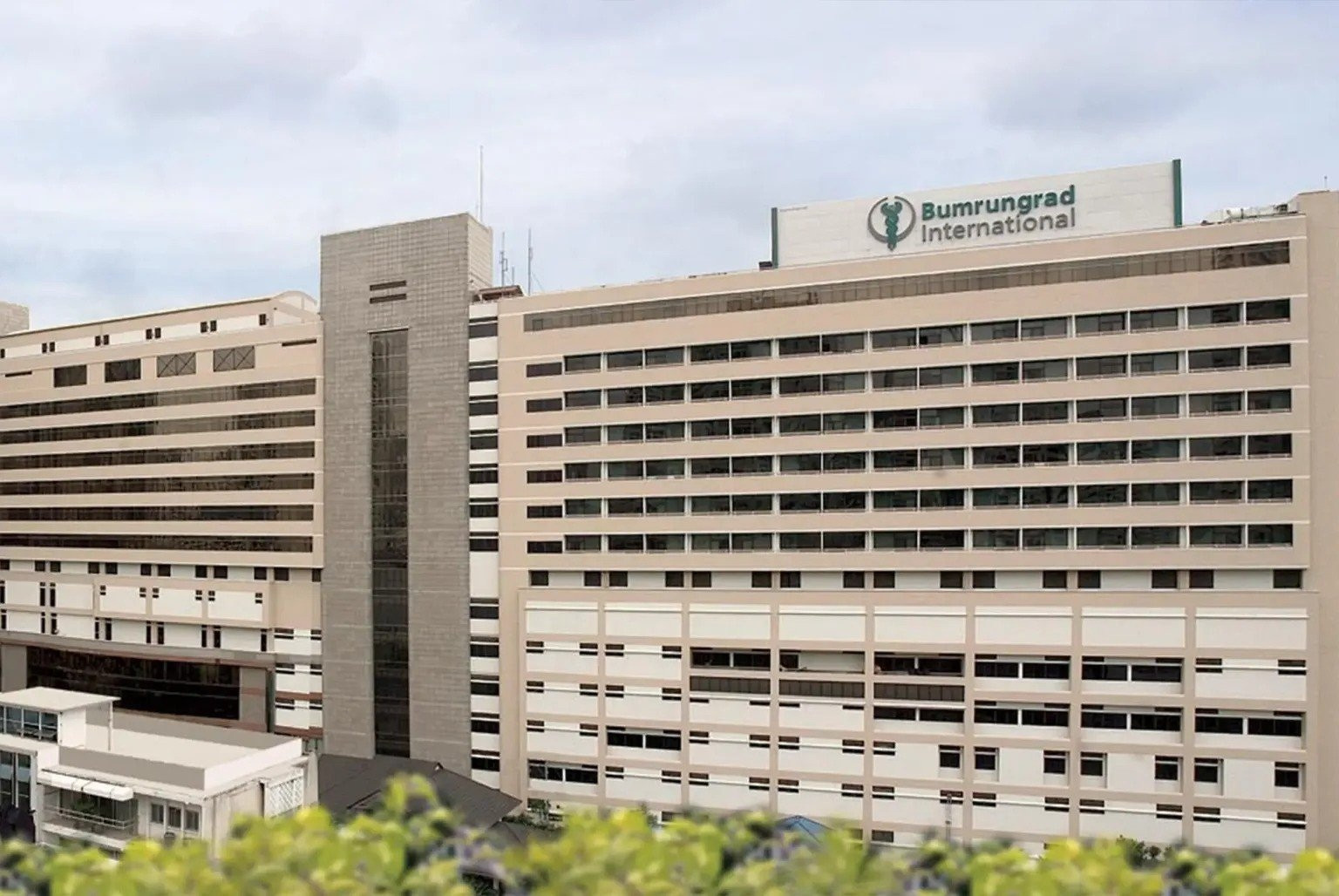
Bumrungrad opened in 1980 as a 200-bed facility and has grown into Southeast Asia's largest private hospital, treating more than 1.1 million patients a year from 190 countries. Newsweek has named it Thailand's top hospital for 6 consecutive years, and it's one of the few hospitals in the country offering Bengali-language translation specifically.
More than 1,200 physicians work across 47 specialty centres, handling over 5,500 outpatients daily across 115 medical specialties and subspecialties, a scale that lets the hospital move a complex case to the right subspecialist quickly, without referring the patient elsewhere.
63 dedicated ICU beds, comprehensive cardiology and oncology centres, and translation services in more than 30 languages support a hospital built specifically to run at genuine international scale, not just Thai domestic capacity with an international wing attached.
- 63 ICU beds
- 47 specialty centres
- Comprehensive cardiology centre
- International patient coordination desk
33 Sukhumvit 3 (Soi Nana Nua), Wattana, Bangkok 10110. Main line: 02-066-8888.
2. Bangkok Hospital:
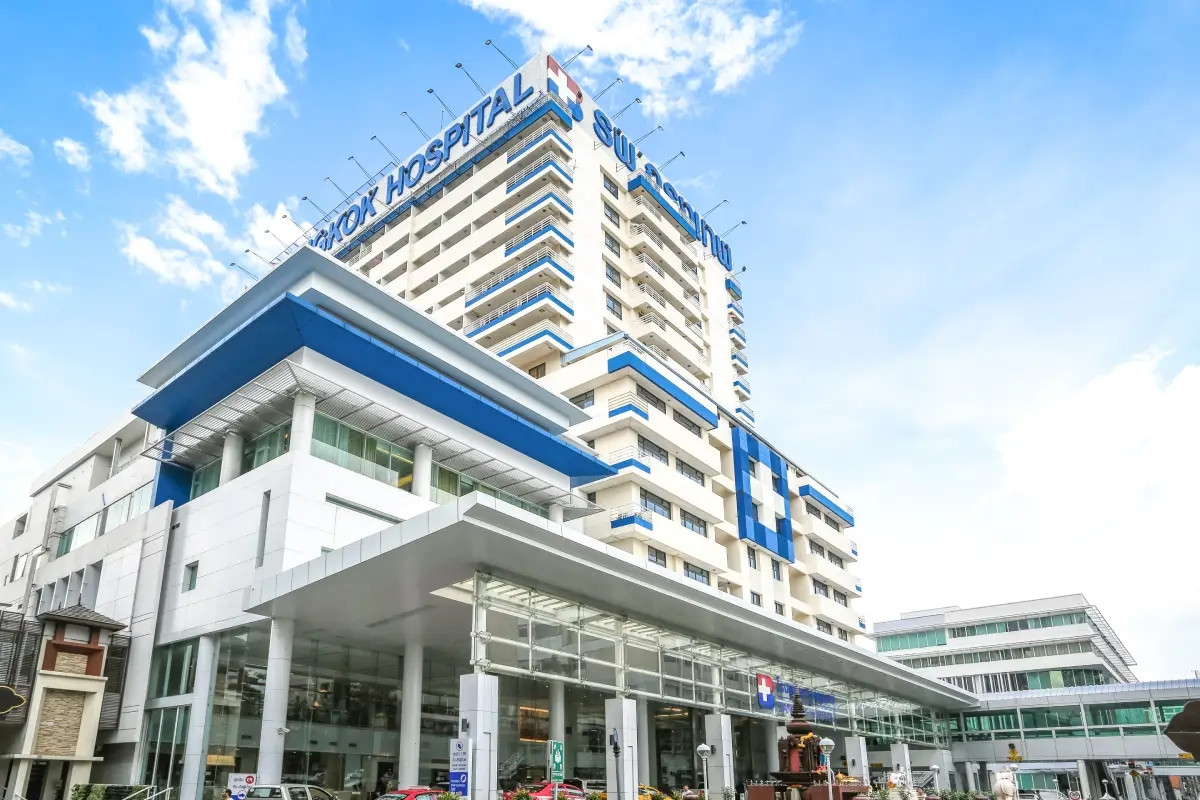
Opened in 1972 by a group of physicians and 30 nurses, Bangkok Hospital grew into the Bangkok Hospital Group, now Thailand's largest private hospital operator with 40 locations nationwide. Both Thai and international patients have relied on it for tertiary cardiology and oncology care across more than 5 decades of operation.
The hospital holds JCI Clinical Care Program Certification specifically for cardiology, neurology, lung disease, and geriatric orthopaedics, on top of its overall JCI accreditation, now in its 6th consecutive certification cycle.
Dedicated oncology and cardiology centres operate alongside the network's broader tertiary care capacity, with sister facility Bangkok International Hospital handling much of the group's neurology, orthopaedic, and spine referral work.
- Dedicated cardiology centre
- Oncology centre
- Geriatric orthopaedics programme
- International patient services
2 Soi Soonvijai 7, New Petchaburi Road, Huai Khwang, Bangkok 10310. Main line: 02-310-3000.
3. Samitivej Sukhumvit Hospital:
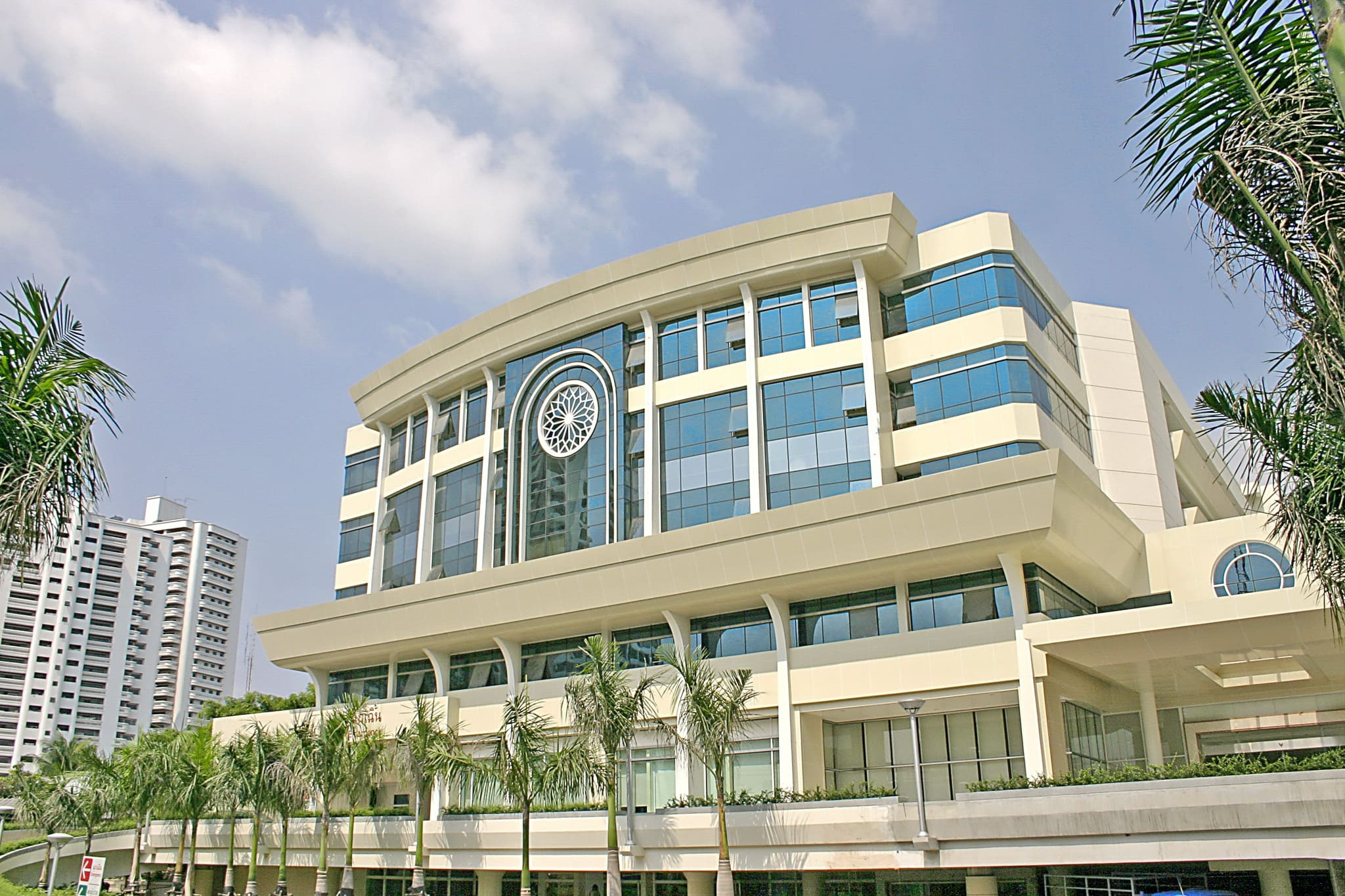
Founded in 1979, Samitivej Sukhumvit became Thailand's first hospital recognised by WHO and UNICEF as Mother and Baby Friendly in 1999, a distinction that still shapes its identity today. More than 400 specialists see over 400,000 patients a year, with particular depth in pediatrics, maternity care, and family medicine for international families.
The Liver and Digestive Institute partners directly with Japanese specialists, and the dedicated Samitivej Children's Hospital gives pediatric cases their own specialist-staffed facility, not a shared general ward.
Advanced operating theatres and imaging centres support cardiology, orthopaedics, and gastroenterology programmes, alongside the hospital's core pediatric and maternity infrastructure.
- Samitivej Children's Hospital
- Liver and Digestive Institute
- Maternity and neonatal centre
- Advanced imaging centre
133 Sukhumvit 49, Klongtan Nua, Vadhana, Bangkok 10110. Main line: 02-022-2222.
4. BNH Hospital:
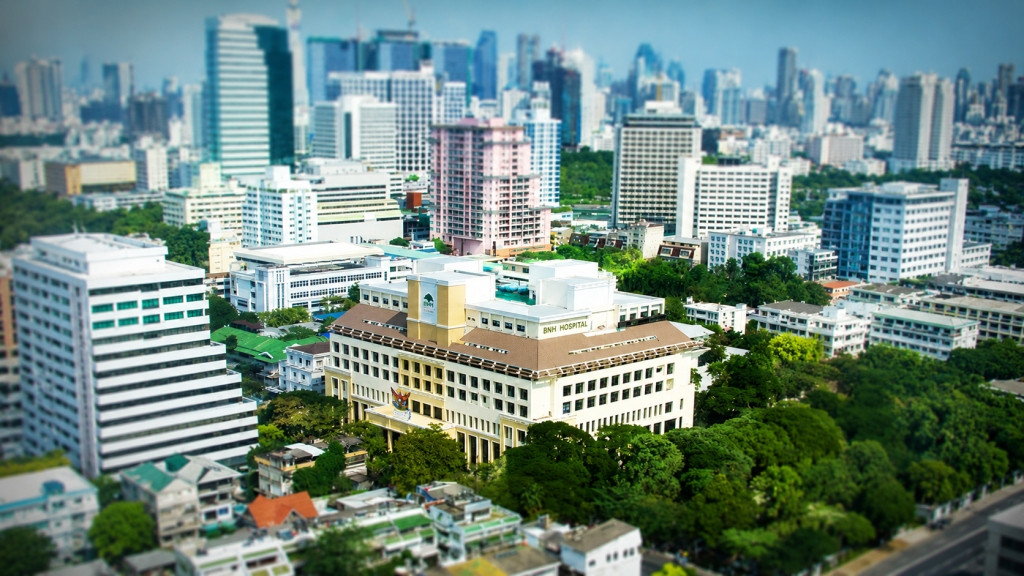
Sitting in Bangkok's Silom business district, BNH Hospital built its reputation serving the city's expatriate and business travel community, a position that gives it genuine day-to-day experience with international patients. That's a different foundation than a facility retrofitted for medical tourism. Maternity, neonatal, and general specialty care make up its core strengths today.
A long-established international patient base, built through decades serving Bangkok's business and diplomatic community, gives BNH's staff routine familiarity with the practical needs of patients unfamiliar with Thailand.
Reputable maternity, neonatal, and obstetric units operate alongside general internal medicine and specialty surgical services, all within walking distance of Bangkok's Sala Daeng BTS station.
- Maternity and neonatal unit
- General surgery department
- Executive health screening centre
- International patient services desk
9/1 Convent Road, Silom, Bang Rak, Bangkok 10500. Main line: 02-022-0700.
5. Vejthani Hospital:
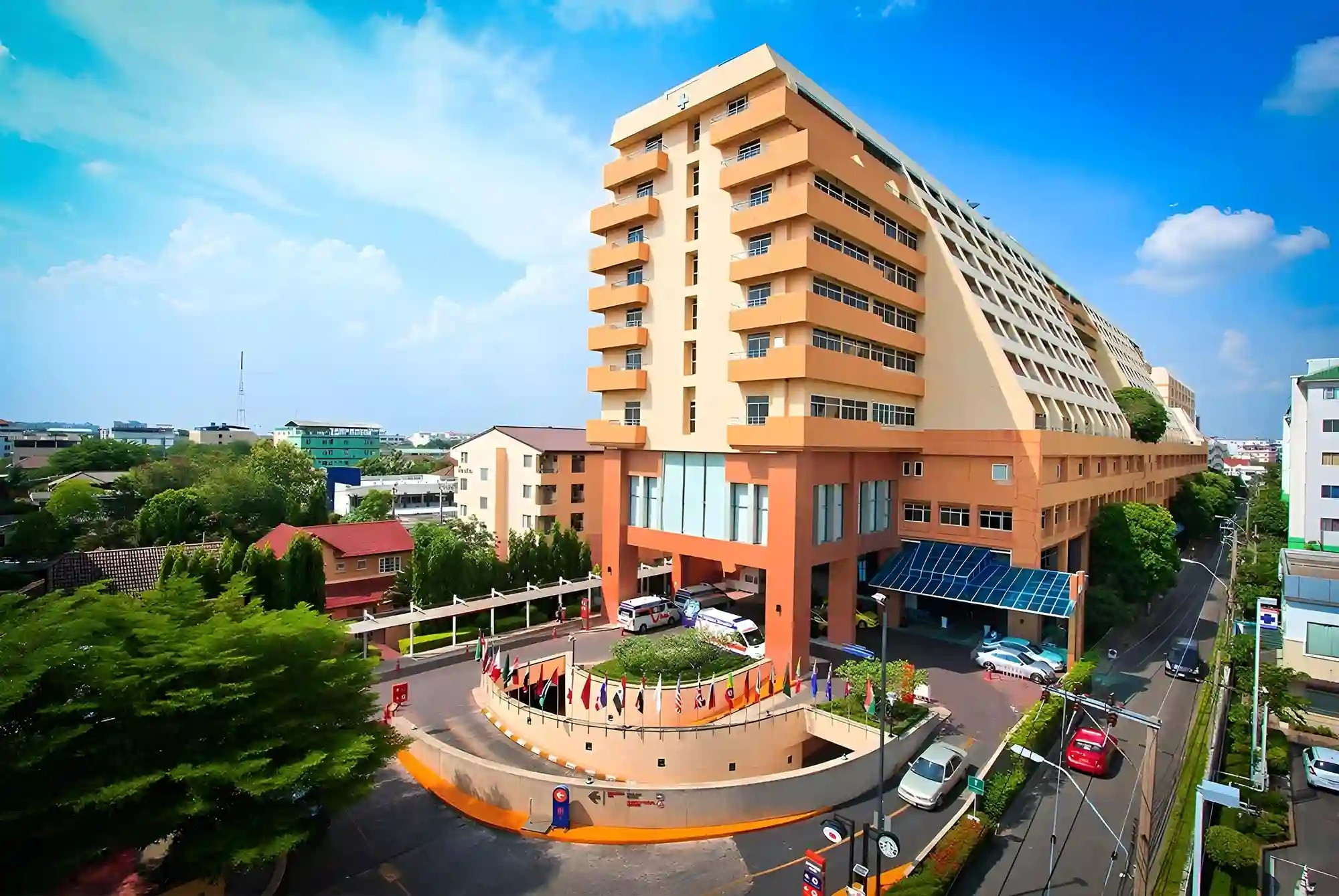
Vejthani earned its "King of Bones" nickname honestly: the hospital has performed more than 10,000 joint replacement surgeries and holds JCI Clinical Care Program Certifications specifically for knee replacement, hip replacement, and lumbar spine surgery. It serves more than 300,000 patients from over 100 countries annually, with JCI accreditation renewed 6 consecutive times since 2010.
Orthopaedic surgeons here work with robotic surgery systems including VELYS, ROSA, CORI, and MAKOplasty across 10 operating theatres, backed by translation services in more than 20 languages and a dedicated Arabic ward alongside its pediatric ward.
A total joint replacement centre, dedicated spine care unit, and advanced rehabilitation facilities operate together on a single 12-story campus, with a hospital service booth at Suvarnabhumi Airport for arriving patients.
- Total joint replacement centre
- Spine care unit
- 10 robotic-assisted operating theatres
- Advanced rehabilitation facility
1 Soi Lat Phrao 111, Khlong Chan, Bang Kapi, Bangkok 10240. Main line: 02-734-0000.
6. Praram 9 Hospital:
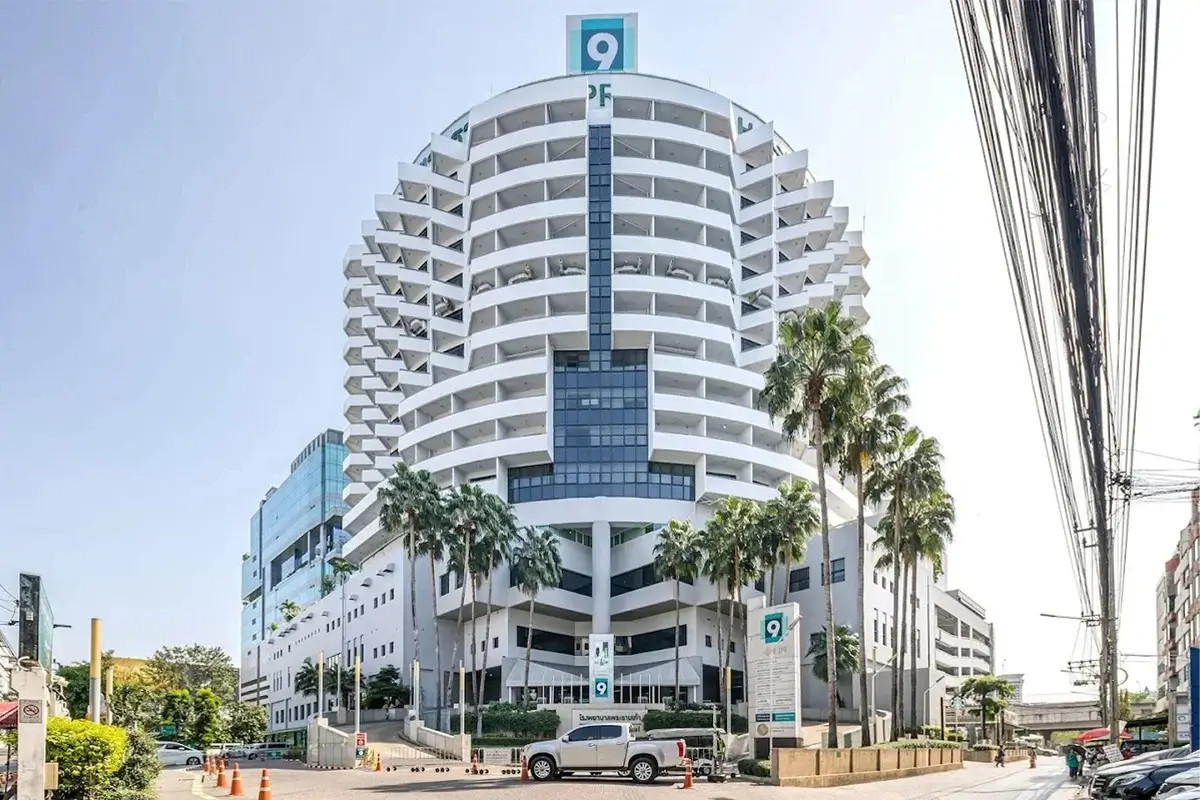
Praram 9's Kidney Disease and Transplantation Institute has performed more than 1,400 kidney transplants since 1992 with a success rate above 96%, earning both the hospital and its transplant institute separate JCI accreditation. It's also the rare Bangkok hospital running its own patient liaison office in Dhaka, staffed specifically to support Bangladeshi families.
More than 335 specialists work across kidney transplantation, cardiovascular surgery, and brain surgery, with interpreters covering English, Chinese, Burmese, Japanese, Cambodian, and Arabic for the hospital's broad international patient base.
The Kidney Disease and Transplantation Institute operates alongside a dedicated Cardiovascular Institute and Infertility Centre, supported by a 640-slice CT scanner, among the first installed in Thailand.
- Kidney Disease and Transplantation Institute
- Cardiovascular Institute
- Infertility Centre
- 640-slice CT imaging
99 Rama IX Road, Bang Kapi, Huai Khwang, Bangkok 10310. Main line: 02-202-9999. Dhaka office: Plot 105, Suite B3, Road 13/A, Block C, Banani, Dhaka 1213.
7. Yanhee International Hospital:
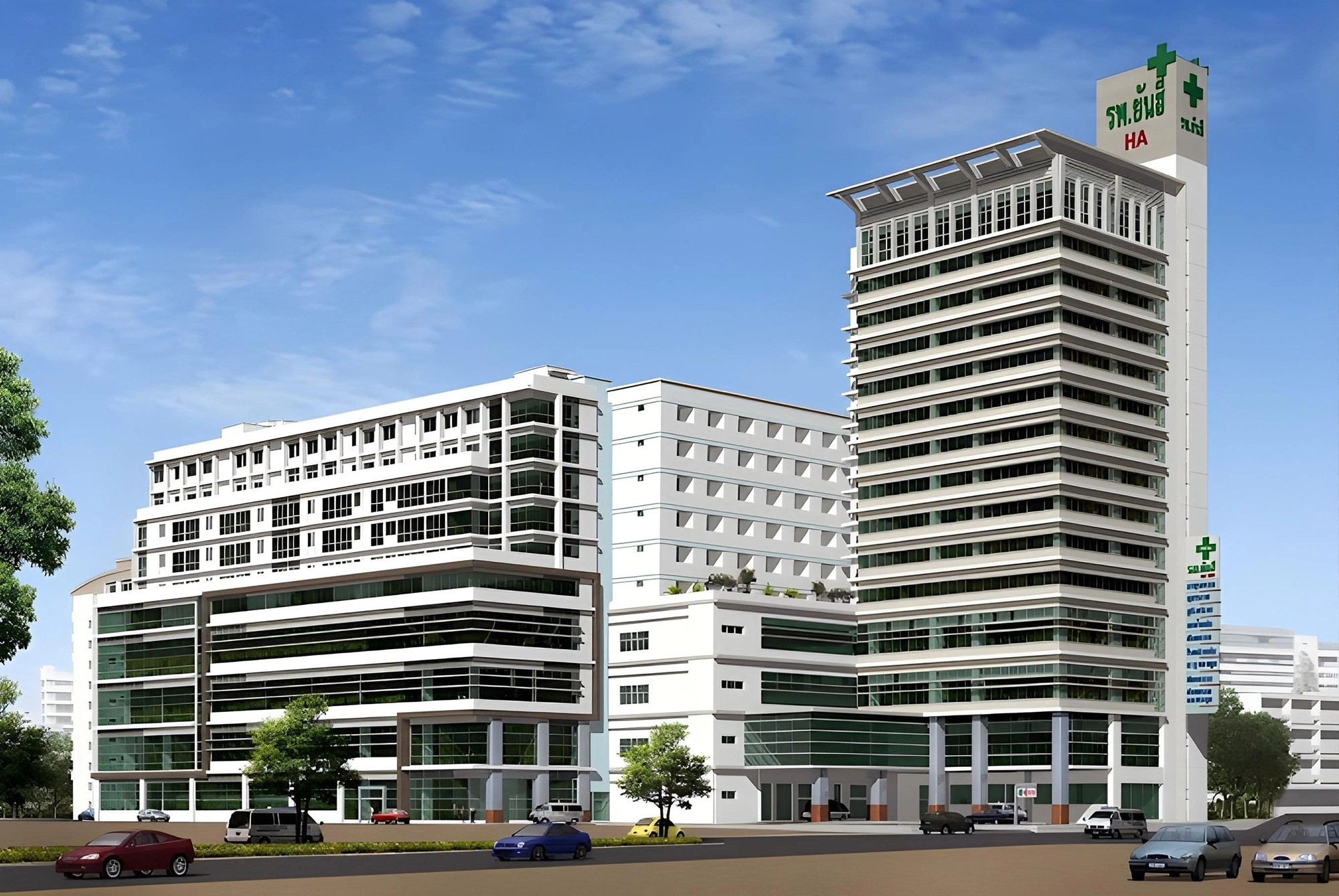
Yanhee has run as a general hospital since 1984, but its cosmetic and weight-loss surgery departments are what draw the bulk of its international patients today, alongside a full dental centre covering everything from routine care to complex oral surgery under one roof, all backed by JCI accreditation held since 2011.
Surgeons here handle a genuinely high volume of rhinoplasty, breast augmentation, and body contouring cases, giving the hospital a depth of cosmetic surgical experience that a general tertiary hospital's plastic surgery department typically doesn't match.
A dedicated cosmetic surgery centre operates alongside a full-service dental centre and a bariatric surgery programme, all within a single 400-bed campus built specifically around this patient mix.
- Cosmetic surgery centre
- Full-service dental centre
- Bariatric surgery programme
- Weight-loss and wellness clinic
454 Charansanitwong Road, Bang-O, Bangplad, Bangkok 10700. Main line: 02-879-0300.
8. MedPark Hospital:
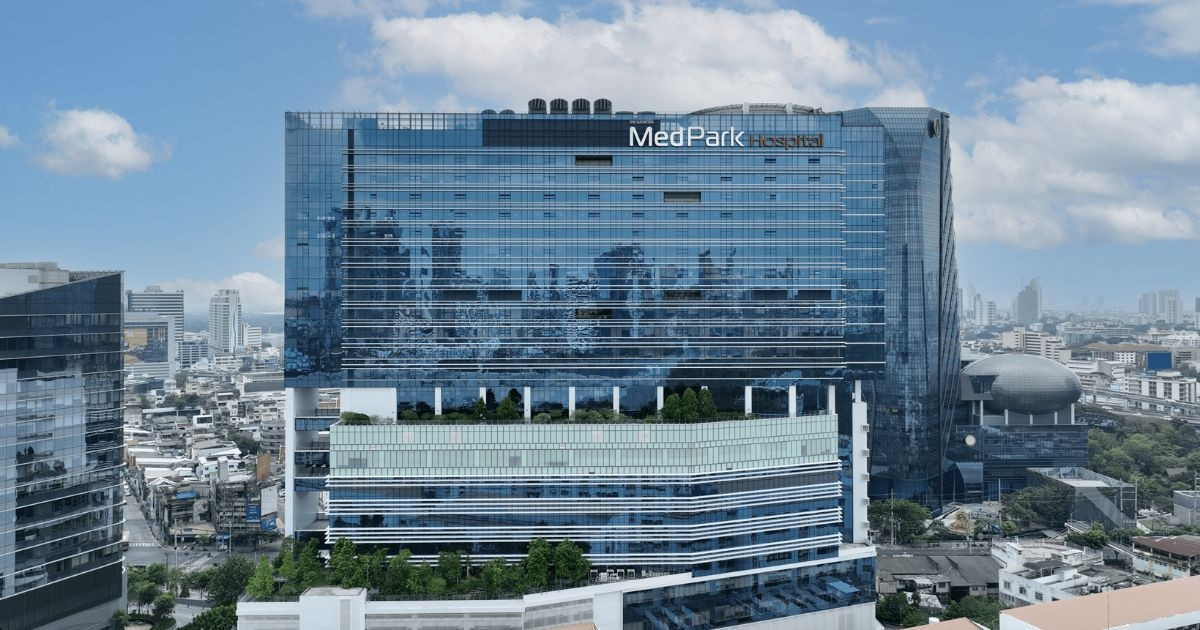
MedPark opened in 2020 and reached JCI 7th Edition accreditation within just 2 years, an unusually fast timeline that reflects how the hospital was purpose-built from the ground up for international-standard super tertiary care, spanning 90,000 square metres across 25 floors in Bangkok's Rama IV business district, close to 2 MRT stations.
More than 350 specialists work across 30-plus subspecialties, and roughly 70% hold international board certifications from American or European qualifying bodies, with genuine overseas training behind those credentials.
130 intensive care beds, hotel-grade patient rooms, negative pressure rooms, and modern operating theatres built for minimally invasive and robotic-assisted procedures reflect a hospital designed after Thailand's medical tourism sector had already matured, not before it.
- 130 intensive care beds
- Robotic-assisted operating theatres
- Negative pressure isolation rooms
- Dedicated cancer centre
3333 Rama IV Road, Khlong Toei, Bangkok 10110. Main line: 02-023-3333.
9. Samitivej Srinakarin Hospital:
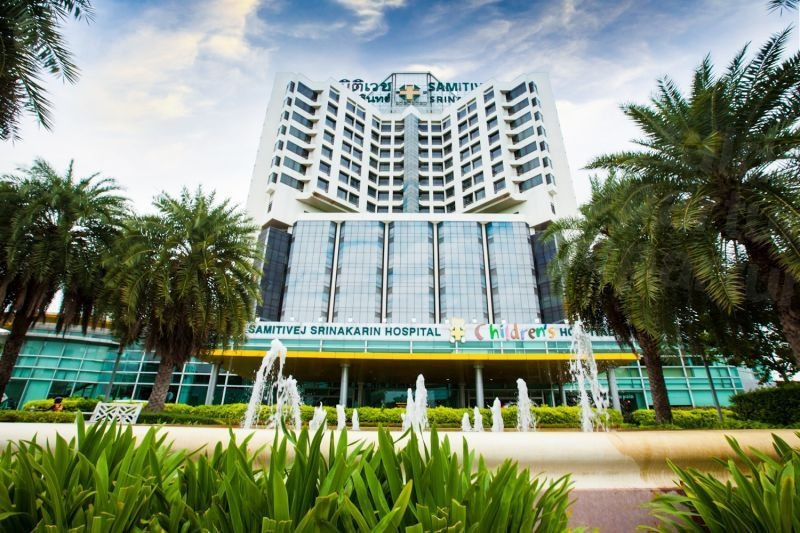
Samitivej Srinakarin extends the same family-centred care model as its sister campus on Sukhumvit to eastern Bangkok, a genuinely convenient option for patients arriving through Suvarnabhumi Airport who'd rather avoid a longer transfer into the city centre before their first consultation, particularly with young children or a patient in discomfort.
The hospital shares the Samitivej Group's clinical standards and international patient coordination systems, with particular strength in pediatrics, family medicine, and general surgical care.
Modern diagnostic imaging and a general surgical suite operate alongside pediatric and maternity services, positioned specifically for patients and families who value proximity to the airport over a central Bangkok address.
- Pediatric care unit
- General surgical suite
- Diagnostic imaging centre
- Airport-proximate location
488 Srinagarindra Road, Suanluang, Bangkok 10250. Main line: 02-378-9000.
Finding the Right Specialist:
A hospital's overall reputation matters less than the specific surgeon's experience with the exact procedure being planned, particularly in cosmetic surgery, where results depend heavily on an individual surgeon's technique and aesthetic judgement. The hospital's general infrastructure matters less here. A surgeon who performs a specific rhinoplasty technique 200 times a year is a different proposition from one who does it occasionally alongside a broader general surgery practice.
Ask directly for the surgeon's board certification and where they trained, since Thailand's top private-hospital surgeons frequently hold credentials from the US, UK, Australia, or Europe on top of Thai qualifications. Ask for before-and-after examples specific to a similar case, not a generic portfolio, and confirm whether the consultation itself happens with the operating surgeon or a coordinator who relays information secondhand. Most hospitals with genuine international patient departments can arrange a video consultation before travel, and a hospital reluctant to do this is worth treating as a signal to look elsewhere.
Medical VISA Guide:
Thailand doesn't extend Bangladeshi nationals visa-on-arrival access, so a visa has to be arranged before travel regardless of trip length. The essentials, point by point:
No visa-on-Arrival:
Bangladeshi passport holders must arrange a visa before travel; this isn't available on arrival at a Thai airport.
2 visa Options Depending on Treatment Length:
A tourist visa (TR) suits shorter procedures within a 60 to 90 day window. The Non-Immigrant O visa's medical sub-category, sometimes labelled MT, suits longer treatment and recovery.
Up to 3 Companions:
The Non-Immigrant O (Medical) visa covers the patient and allows up to 3 accompanying family members, each on a linked Follower visa.
Real Government Fees Apply:
2,000 THB (about $60) for single-entry, 5,000 THB (about $150) for multiple-entry, unlike India's fee-free arrangement for Bangladeshi nationals.
Financial Proof is Required:
Bank statements showing roughly $700 per person or $1,500 per family, demonstrating the ability to cover treatment and living costs without working in Thailand.
Processing and Re-Entry:
Standard processing runs 5 to 10 business days. Leaving Thailand mid-treatment requires a re-entry permit first (1,000 THB single, 3,800 THB multiple), or the visa is cancelled automatically.
Planning Your Travel: Medical VISA from Bangladesh to Thailand
Bangladeshi patients apply for the Non-Immigrant O (Medical) visa at the Royal Thai Embassy or a relevant consulate, since Bangladeshi nationals can't obtain a visa on arrival the way some nationalities can. Up to 3 accompanying family members apply separately for linked Follower visas.
Documents Required for the Application:
A passport valid for at least 6 months beyond the intended arrival date, with at least 2 blank pages remaining.
Recent passport-size photographs, no older than 6 months, for the patient and each accompanying family member.
A medical certificate from a doctor in Bangladesh describing the condition and the reason travel to Thailand is required.
An official appointment or admission letter from the Thai hospital, confirming the treatment plan and expected duration.
Financial evidence, typically recent bank statements, showing roughly $700 per person or $1,500 per family.
Standard processing runs 5 to 10 business days. Applying at least 3 to 4 weeks before planned travel leaves room for any additional document requests, and a re-entry permit is needed if the patient plans to leave Thailand and return during the course of treatment.
What to Bring:
Medical Reports and Scans:
All recent diagnostic reports, imaging, current prescriptions, and a summary of any treatment already received in Bangladesh, ideally as digital copies as well as printed ones.
Passport and Photos:
Valid at least 6 months beyond arrival with 2 blank pages, plus a few extra passport-size photographs beyond what the visa application used.
Visa and Hospital Papers:
The Non-Immigrant O visa printout, Follower visa papers for each accompanying family member, and the original hospital appointment letter.
Current Medicines:
In original packaging with the prescriptions that cover them, since Thai customs and hospital pharmacy staff may both ask to see them.
A Letter from the Local Doctor:
Diagnosis and treatment history from Bangladesh, which speeds up the Thai specialist's first consultation considerably.
Payment and Financial Proof:
An internationally enabled card, some cash in Thai Baht, and the same bank statements used for the visa application, since hospitals may ask to see proof of funds again at admission.
Comfortable Clothing:
Loose, layered clothes suited to Bangkok's hot, humid climate and to the hospital stay and recovery period that follows.
The Companion's Documents:
Passport, photographs, and Follower visa papers for each family member travelling with the patient.
Getting to Thailand:
Dhaka to Bangkok is a direct, non-stop route covering roughly 1,550 kilometres in about 2 hours 40 minutes, flown by Biman Bangladesh Airlines, Thai Airways, and US-Bangla Airlines, with around 28 flights combined each week. That frequency means a patient can usually find a convenient departure time within a day or 2 of when they need to travel, instead of working around a single weekly slot.
Flights land at Suvarnabhumi Airport, Bangkok's main international gateway, though a smaller number use Don Mueang. Several hospitals, Vejthani among them, maintain a service booth directly at Suvarnabhumi for arriving international patients, and most hospitals with dedicated international patient departments can arrange airport pickup timed to the patient's actual arrival, not a generic pickup window.
Accommodation Options:
Most Bangladeshi patients stay at hotels near the treating hospital, prioritising a short commute over a central tourist location during the treatment period itself. Bangkok's Sukhumvit area, home to Bumrungrad and Samitivej Sukhumvit, has the densest concentration of hotels within easy walking or short taxi distance of a major hospital.
Serviced apartments suit longer stays, a gender-affirming surgery recovery period running several weeks, for instance, since they include a kitchen and more living space than a standard hotel room at a comparable nightly rate. Patients combining cosmetic surgery with a recovery period sometimes extend their stay to a beach destination like Phuket or Pattaya afterward, since Thailand's tourism infrastructure makes that transition straightforward once a surgeon confirms the patient is fit to travel domestically.
Local Transportation:
Bangkok's BTS Skytrain and MRT metro systems connect directly to several major hospitals, Samitivej Sukhumvit sits near BTS Thonglor, Bumrungrad near BTS Nana, and BNH near BTS Sala Daeng, making day-to-day travel between a hotel and hospital genuinely simple without needing a car for every trip. A single BTS journey typically costs the equivalent of $1 to $2.
Taxis and app-based ride services (Grab operates across Bangkok) cover the routes metro doesn't reach directly, and most hospitals can arrange a private car or ambulance transfer for patients in less mobile condition. Tuk-tuks remain a Bangkok fixture for short hops but aren't the practical choice for a patient managing pain or limited mobility after surgery.
Planning the cost of treatment in Thailand:
Understanding the full financial picture before travelling matters as much as choosing the right specialist. Medical travel involves several layers of cost beyond the hospital bill itself, and planning for each one removes uncertainty at a time when clarity matters most.
Varies enormously by category. Cosmetic and dental procedures often cost less in Thailand than in India; major surgery like cardiac bypass or joint replacement typically costs more.
A single-entry Non-Immigrant O (Medical) visa costs 2,000 THB (about $60); multiple-entry costs 5,000 THB (about $150). Follower visas for accompanying family members carry their own fees at similar rates.
Economy round-trip fares from Dhaka to Bangkok typically fall between $250 and $450, varying by season and how far ahead the ticket is booked.
For nights before admission and during recovery, options near major Bangkok hospitals range from budget hotels at around $25 per night to mid-range serviced apartments at roughly $45, with premium options available from about $100 per night.
Day-to-day living costs in Bangkok, including meals and local transport, typically run around $20 per person per day.
A realistic estimate covering all these components together, not just the hospital quote, lets patients and families plan finances with confidence instead of hitting an unwelcome surprise far from home. The procedure table below gives a starting point; a coordinator or the hospital's international patient desk can turn that into a full itemised estimate once the specific diagnosis and hospital are known.
Indicative Treatment Costs by Procedure:
The ranges below reflect typical international-patient package pricing at JCI-accredited Bangkok hospitals, cross-checked across multiple independent sources. The final estimate always depends on the specific case, the hospital chosen, and the treating specialist.
Payment Options:
Most Bangladeshi patients pay directly, not through insurance, since cross-border insurance settlement between Bangladesh and Thailand isn't standardised the way domestic claims are. Cash, card, and international bank transfer are all accepted at every hospital listed in this guide, and a larger deposit is typically requested before a scheduled surgery.
Some international health insurance policies do cover treatment abroad, worth checking directly with the insurer before travel. Assuming coverage applies without checking is a risky shortcut. Larger hospitals with high international patient volume, Bumrungrad and Bangkok Hospital among them, work with more than 100 international insurance providers for direct billing, worth asking about during the initial cost estimate conversation.
Step-by-Step Patient Journey:
From a first message to a full recovery back in Bangladesh, the process runs through 6 phases. Most planned, non-emergency cases move through all 6 in 3 to 4 weeks; the Thai visa step is usually the pace-setter.
Share your medical details
Diagnostic reports, imaging, prescriptions, and a summary of any treatment already received in Bangladesh, shared with a patient coordinator through the reports form or WhatsApp.
Compare treatment plans
A relevant specialist reviews the case and returns a proposed hospital, surgeon, and itemised cost estimate, usually within 24 to 72 hours. Where more than 1 reasonable option exists, alternatives are laid out side by side.
Visa and travel arrangement
Once confirmed, the Thai hospital issues the appointment letter needed for the Non-Immigrant O (Medical) visa, and Follower visa applications go in for each accompanying family member at the embassy or consulate. Flights and accommodation get booked in parallel.
Hospital care and treatment
Airport pickup on arrival, then admission. Pre-procedure tests confirm everything matches the original reports before the surgeon proceeds, with a coordinator handling translation and daily updates back to family in Bangladesh.
Recovery
Inpatient recovery followed by a move to a nearby hotel once the surgeon clears it, with scheduled follow-up visits back at the hospital before the final discharge check.
Ongoing follow-up
Return flight once medically cleared for travel, with a full discharge summary, medication schedule, and a teleconsultation calendar to track recovery from Bangladesh.
What Happens After Treatment:
Recovery continues at home, not in Thailand, for most procedures. A patient discharged after cosmetic surgery or joint replacement typically flies home once the surgeon confirms medical stability for travel, not once recovery is fully complete. Teleconsultation covers most follow-up needs: reviewing a wound healing photo or short video, adjusting medication, and answering questions that come up once daily hospital staff aren't nearby.
Medication schedules, particularly for post-transplant immunosuppressants or extended cosmetic surgery recovery protocols, come with clear written instructions at discharge. A structured follow-up calendar, set before the patient leaves the hospital, typically includes a first check-in within 1 to 2 weeks of return and further scheduled points appropriate to the specific procedure, a wound check at 4 to 6 weeks for cosmetic surgery, for instance, or a repeat scan at 3 months for a transplant patient.
Frequently Asked Questions (FAQ's):
Q. Do Bangladeshi citizens need a visa to enter Thailand for treatment?
Yes. Bangladeshi passport holders aren't eligible for Thailand's visa-on-arrival programme, unlike many other nationalities. A visa has to be arranged before travel, either a tourist visa for shorter procedures or the Non-Immigrant O (Medical) visa, sometimes labelled MT, for longer treatment and recovery.
Q. What is the Thailand Non-Immigrant O Medical visa and what does it cost?
It's the visa category built specifically for medical treatment, covering the patient and up to 3 accompanying family members on linked Follower visas. A single-entry visa costs 2,000 THB (roughly $60), and a multiple-entry visa costs 5,000 THB (roughly $150). Stays typically run 60 to 90 days per entry and can be extended for longer treatment plans.
Q. How many companions can accompany a patient to Thailand?
Up to 3 accompanying family members or caregivers, each applying for a linked Follower visa tied to the patient's medical visa.
Q. What documents does a Bangladeshi patient need for a Thailand medical visa?
A passport valid at least 6 months beyond arrival with 2 blank pages, recent passport-size photographs, a medical certificate from a doctor in Bangladesh describing the condition, an official appointment or admission letter from the Thai hospital, and financial evidence, typically bank statements showing roughly $700 per person or $1,500 per family.
Q. How long does a Thailand medical visa take to process?
Standard processing runs 5 to 10 business days once the application and supporting documents are submitted at a Thai embassy or consulate. Applying at least 3 to 4 weeks before planned travel leaves room for any additional document requests.
Q. How many JCI-accredited hospitals does Thailand have?
65 JCI-accredited organisations as of 2026, more than any other country in Southeast Asia. JCI accreditation requires hospitals to meet more than 1,200 patient safety and care standards, reassessed every 3 years to maintain the certification.
Q. Is Thailand cheaper than India for medical treatment?
It depends on the procedure. For major surgery like cardiac bypass, knee replacement, or hip replacement, India generally costs less than Thailand. For cosmetic surgery, dental work, and gender-affirming procedures specifically, Thailand is often the more competitive and more experienced option globally, savings of 40 to 70% against US, UK, or Australian pricing being typical.
Q. How long is the flight from Dhaka to Bangkok?
About 2 hours 30 minutes to 2 hours 45 minutes on a direct flight, covering roughly 1,550 kilometres. Biman Bangladesh Airlines, Thai Airways, and US-Bangla Airlines all fly the route non-stop, with around 28 flights combined each week.
Q. What is Thailand best known for among medical tourists?
Cosmetic and plastic surgery accounts for the largest share, roughly 60% of Thailand's 1.4 million-plus annual international patients travel specifically for it. Dental care, gender-affirming surgery, fertility treatment, and orthopaedic surgery, particularly joint replacement, round out the country's strongest specialities.
Q. How much does cosmetic surgery cost in Thailand?
Rhinoplasty typically runs $800 to $5,500, breast augmentation $3,500 to $8,000, and a facelift $3,000 to $6,000, all substantially below equivalent pricing in the US, UK, or Australia, where the same procedures often start where Thailand's range ends.
Q. How much does a dental implant cost in Thailand?
A single dental implant with crown typically runs $900 to $3,000 in Thailand, against $3,000 to $6,000 in the US for the same procedure. Many Thai dental clinics use the same Swiss and German implant systems as Western clinics.
Q. Can a Bangladeshi patient bring family members to Thailand for treatment?
Yes, up to 3 accompanying family members or caregivers, each on a linked Follower visa tied to the patient's Non-Immigrant O (Medical) visa.
Q. Do Thai hospitals have Bengali-speaking staff?
Some do. Bumrungrad International Hospital, Thailand's largest private hospital, offers translation services in more than 30 languages including Bengali, and several hospitals with heavy South Asian patient volume maintain dedicated coordinators for Bangladeshi patients specifically, including at least 1 hospital running its own patient liaison office in Dhaka.
Q. What happens if a patient needs to leave Thailand briefly during treatment?
A re-entry permit is required before leaving the country, or the medical visa is automatically cancelled on departure. A single re-entry permit costs 1,000 THB (about $30) and a multiple re-entry permit costs 3,800 THB (about $115).
Q. Is Thailand safe for medical tourists?
Checking current JCI or Thailand's own Ministry of Public Health licensing status for a specific hospital is the most useful safety filter. Accreditation doesn't guarantee an individual outcome, but it does mean the facility has been independently audited against defined clinical and safety standards.
Q. How much does a knee replacement cost in Thailand?
Roughly $10,000 to $15,000 in Thailand, compared with $3,600 to $6,500 in India and $40,000 to $60,000 in the US. For major joint surgery specifically, India is typically the more cost-competitive regional option, while Thailand's advantage lies elsewhere, particularly cosmetic and dental care.
Q. What is gender-affirming surgery like in Thailand?
Thailand has built one of the world's most established gender-affirming surgery programmes, with decades of surgical volume behind it and costs that typically run up to 70% below equivalent procedures in the US. Most reputable clinics require a documented mental health evaluation in line with WPATH guidelines before scheduling surgery.
Q. Which Bangkok hospitals see the most Bangladeshi patients?
Bumrungrad International, Bangkok Hospital, Samitivej, Praram 9, and Vejthani see consistent Bangladeshi patient volume, largely due to established international patient departments, JCI accreditation, and in at least 1 case a dedicated Dhaka liaison office.
Q. Can a Bangladeshi patient get a second medical opinion before booking treatment in Thailand?
Yes. Most Thai hospitals with international patient departments, and medical tourism coordinators, review medical reports and return a treatment plan with an itemised cost estimate, typically within 24 to 72 hours of submission.
Q. What currency should Bangladeshi patients carry to Thailand?
Thai Baht (THB) for daily expenses; Bangladeshi Taka isn't accepted for retail transactions in Thailand. Currency exchange counters at Suvarnabhumi and Don Mueang airports handle BDT to THB conversion, though rates are usually better at licensed money changers in the city.
Q. How far in advance should a Bangladeshi patient plan a medical trip to Thailand?
At least 3 to 4 weeks for planned, non-emergency procedures, to allow time for medical report review, hospital confirmation, visa processing at a Thai embassy or consulate, and flight booking.
Q. What's included in a typical medical tourism cost estimate for Thailand?
A properly itemised estimate separates surgeon's fee, hospital stay and nursing, anaesthesia, any implants or devices, standard medication, and pre-procedure diagnostics. Flights, visa fees, hotel stays, local transport, and companion expenses are typically quoted separately from the medical estimate itself.
Q. Is public or private healthcare better for Bangladeshi medical tourists in Thailand?
Nearly all Bangladeshi medical tourists use Thailand's private hospital sector. Private hospitals carry the JCI accreditation, international patient departments, and multilingual staff that public hospitals, built primarily for the domestic Thai population, generally don't offer to the same degree.
Q. What should a Bangladeshi patient check before choosing a specific hospital in Thailand?
Current JCI accreditation status checked against JCI's own directory, the treating surgeon's specific experience with the exact procedure, an itemised cost estimate instead of a single bundled figure, and what happens if a complication extends the hospital stay beyond the original plan.




{{item.get_author.first_name}} {{item.get_author.last_name}}
Level 7
5 Photos
36 Reviews
{{item.comment_txt}}
{{item_reply.get_author.first_name}} {{item_reply.get_author.last_name}}
@ {{item_reply.reply_to}}, {{item_reply.reply_txt}}