

Canada is targeting 395,000 new permanent residents in 2026, with Provincial Nominee Program admissions jumping 66% (55,000 to 91,500) as category-based Express Entry draws increasingly favor healthcare and French-language candidates over the STEM and agriculture occupations prioritized through 2024. "Free healthcare from day 1" isn't universal: Ontario dropped its 3-month wait in 2024, but British Columbia, Quebec, Alberta, and Saskatchewan still enforce one, while Manitoba never had one at all.
Canada is targeting 395,000 new permanent residents in 2026 under its current Immigration Levels Plan, with the Provincial Nominee Program carrying a considerably larger share of that intake than in previous years, its admissions target rose 66%, from 55,000 to 91,500. Express Entry's category-based draws have shifted alongside it, now weighted toward healthcare and French-language candidates, a real departure from the STEM, transport, and agriculture occupations that dominated draws through 2024.
Healthcare access shifts by province in a way that catches a genuine number of newcomers off guard. Ontario eliminated its 3-month newcomer waiting period in 2024, so permanent residents there get OHIP coverage from the day they land. British Columbia, Quebec, Alberta, and Saskatchewan still enforce a 3-month wait, with private interim insurance a real necessity during that gap, while Manitoba has never had a waiting period at all. This guide covers the current 2026 immigration pathways, real costs by province and city, and a practical settlement plan built around what actually trips newcomers up.
Why Choose Canada?
6 factors drive most relocation decisions to Canada, and they hold up against real scrutiny, not just postcard scenery.
None of this makes Canada effortless. Housing costs in Toronto and Vancouver run genuinely high, the immigration system has grown more competitive and skills-targeted. It isn't simply volume-driven anymore, and healthcare access depends entirely on which province you land in. The rest of this guide covers both sides honestly.
Quick Summary: Moving to Canada
What's the main immigration system?
Express Entry, a points-based system (CRS) managing 3 federal economic programs through regular invitation draws.
Is there an easier alternative?
The Provincial Nominee Program, adding 600 CRS points and functionally guaranteeing an invitation once nominated.
Can students stay after graduating?
Yes, via the Post-Graduation Work Permit, a genuine bridge into Canadian work experience and PR eligibility.
Is healthcare really free immediately?
Only in some provinces. Ontario and Manitoba offer day-1 coverage; BC, Quebec, Alberta, and Saskatchewan still enforce a 3-month wait.
How much does immigrating actually cost?
Most single applicants budget CAD 3,000-5,000 in government fees, testing, and medical exams before settlement funds.
Which occupations does Canada prioritize?
Healthcare and French-language ability lead 2026's category-based draws, a shift away from 2024's STEM/agriculture focus.
Immigration Pathways:
Express Entry:
Express Entry manages 3 federal programs, the Federal Skilled Worker Program, the Canadian Experience Class, and the Federal Skilled Trades Program, through a single online profile scored under the Comprehensive Ranking System (CRS). Points come from age, education, language test results (English and/or French), and skilled work experience, and Immigration, Refugees and Citizenship Canada (IRCC) periodically invites the highest-scoring candidates in the pool to apply for permanent residence.
The Provincial Nominee Program (PNP):
Individual provinces and territories nominate candidates who meet their specific local labor market needs, and a provincial nomination adds 600 points directly to a candidate's CRS score, functionally guaranteeing an invitation at the next Express Entry draw regardless of the general cutoff. Canada's 2026-2028 Immigration Levels Plan raised the PNP's annual admissions target from 55,000 in 2025 to 91,500 in 2026, a 66% increase that has driven genuinely active nomination cycles across Ontario, British Columbia, Alberta, Saskatchewan, and Manitoba specifically.
The study permit and Post-Graduation Work Permit (PGWP)
International students need acceptance to a designated learning institution and proof of funds to obtain a study permit, and graduates of eligible programs can then apply for a Post-Graduation Work Permit, granting open work authorization and building the Canadian work experience that strengthens eligibility under the Canadian Experience Class and most Provincial Nominee Program streams considerably.
The Employer-Sponsored Work Permit:
Most standard work permits require a Canadian employer to first obtain a positive LMIA, confirming no Canadian citizen or permanent resident is available to fill the role, before the foreign worker can apply. Certain categories, including intra-company transfers and specific trade agreement provisions, are LMIA-exempt, a genuinely faster route for eligible applicants.
Family and Spousal Sponsorship:
Canadian citizens and permanent residents can sponsor a spouse, common-law partner, or eligible dependent for permanent residence, a genuinely separate pathway from the points-based economic system entirely. Processing focuses on verifying the relationship is genuine. Age, education, and work experience don't get scored here.
The Start-Up Visa Program:
Entrepreneurs need support from a designated Canadian venture capital fund, angel investor group, or business incubator, alongside qualifying language and settlement fund requirements, to access permanent residence through this route. It suits founders with a genuinely fundable business concept and existing investor interest considerably more than early-stage idea-only applicants.
Taxes: Federal and Provincial:
Canada taxes both federally and provincially, meaning the actual combined income tax rate genuinely differs depending on which province a newcomer settles in, not just their income level. Federal rates run progressively from 15% to 33%, and each province layers its own additional bracket structure on top, so 2 people earning identical salaries in different provinces can owe meaningfully different total tax.
Cost of Living:
Housing swings a Canadian budget more than any other line item, and the gap between Canada's most expensive cities and its more affordable ones is considerably wider than most newcomers expect. A 1-bedroom apartment in Toronto or Vancouver commonly runs CAD 2,200-2,900 a month, while the same apartment in Calgary or Winnipeg runs CAD 1,300-1,800, and Halifax runs CAD 1,100-1,600.
Combined, a single person in Toronto or Vancouver typically spends CAD 3,000-4,000 a month including rent; the same budget in Calgary, Winnipeg, or Halifax runs CAD 2,000-2,800. Choosing a mid-sized city over Canada's 2 most expensive metros is a genuine, common strategy newcomers use to stretch a first-year budget considerably further while still accessing real job markets.
Hidden costs: healthcare gaps and settlement funds
1. The Provincial Healthcare Waiting Period:
Ontario eliminated its 3-month newcomer waiting period in 2024, so permanent residents and eligible work permit holders now get OHIP coverage from day 1. British Columbia (MSP), Quebec (RAMQ), Alberta (AHCIP), and Saskatchewan still enforce a full 3-month wait from the date residency is established, and Manitoba has never had a waiting period at all. Private interim insurance during that gap runs roughly CAD 50-150/month per adult, a real cost most newcomers in wait-period provinces don't budget for.
2. Settlement Funds for Express Entry:
Applicants without a valid, arranged job offer need to prove settlement funds scaled to family size, roughly CAD 15,000-16,000 for a single applicant and considerably more for larger families, held in genuinely accessible accounts, not borrowed funds or assets tied up elsewhere.
3. Provincial Nomination Fees on Top of Federal Fees:
PNP applicants pay a separate provincial application fee (CAD 250-2,000) on top of federal permanent residence fees (CAD 1,500-2,300 per adult), a real stacking of costs that catches applicants budgeting only for the federal side.
4. Housing Costs Beyond Rent Itself:
Toronto and Vancouver's competitive rental markets often require first and last month's rent upfront, and many landlords request a credit check or Canadian rental history that newcomers genuinely don't have yet, sometimes requiring a guarantor or larger deposit to compensate.
5. Winter-Specific Costs:
Proper winter clothing, higher heating bills through Canada's cold months, and winter tires (legally required in Quebec, strongly recommended elsewhere) are real, recurring costs that newcomers from warmer climates commonly underbudget for in their first year.
Work & Career Opportunities:
Canada's labor shortages concentrate heavily in a handful of sectors, and 2026's immigration priorities track those shortages directly.
Healthcare: The Strongest 2026 Priority
- Physicians and Specialists: CAD 150,000-350,000+/year
- Registered Nurses: CAD 70,000-100,000/year
- Allied Health (dentists, chiropractors, dietitians): CAD 65,000-140,000/year
Technology:
- Software Development: CAD 75,000-130,000/year
- Data Science/AI: CAD 85,000-145,000/year
- IT Infrastructure/Cloud: CAD 70,000-115,000/year
Skilled Trades:
- Electricians/Plumbers: CAD 60,000-95,000/year
- Construction Management: CAD 70,000-110,000/year
- Welding/Heavy Equipment: CAD 55,000-90,000/year
Where and How to Find a Job in Canada:
Job hunting from abroad genuinely works differently depending on whether an occupation faces a real shortage. Healthcare, skilled trades, and specific tech roles see active foreign recruitment, while other fields lean more heavily on networking and Canadian work experience gained through a study permit or work permit first.
General job Boards:
Sector-Specific Resources:
Where to Live: Canada by City:
Canada's vast geography means city choice affects cost, climate, and language considerably more than in most countries this size of population.
Toronto:

Canada's largest city and its financial capital, Toronto holds the deepest job market nationally alongside the country's highest concentration of major bank headquarters, tech offices, and multinational companies.
Finance, tech, and corporate professionals wanting the single deepest job market in the country.
None; Toronto runs among the most expensive cities in Canada.
- Ontario's day-1 OHIP coverage applies here, a genuine settlement advantage
- Deepest concentration of corporate head offices in the country
- Rent runs CAD 2,200-2,900/month for a 1-bedroom, among Canada's highest
Vancouver:

British Columbia's largest city pairs a genuinely mild coastal climate, rare for Canada, with real Pacific Rim trade connections and a strong tech sector, at the cost of some of the highest housing prices in North America.
Tech professionals and anyone prioritizing climate and coastal access over the lowest cost of living.
None; Vancouver competes directly with Toronto for Canada's highest housing costs.
- BC still enforces a 3-month healthcare waiting period, budget for private interim insurance
- Canada's mildest major-city winter climate
- Strong Pacific Rim trade and tech industry presence
Calgary:

Alberta's largest city runs a genuinely different economic base from Toronto or Vancouver, historically energy-driven and increasingly diversifying into tech and finance, with no provincial sales tax stacking on top of federal GST.
Energy, finance, and increasingly tech professionals wanting a strong job market at a meaningfully lower cost than Toronto or Vancouver.
Rent runs 30-40% below Toronto/Vancouver for comparable space.
- Alberta charges no provincial sales tax, a real, ongoing savings on daily purchases
- Alberta enforces a 3-month healthcare waiting period like BC and Quebec
- A genuinely diversifying economy beyond its traditional energy-sector base
Montreal:

Quebec's largest city offers major-city infrastructure and culture at a genuinely lower cost than Toronto or Vancouver, with French as the primary language of daily life and business, a real consideration for anyone not already fluent.
French speakers and anyone specifically prioritized under 2026's French-language Express Entry draws.
Rent runs meaningfully below Toronto/Vancouver despite Montreal's major-city scale.
- French-language ability carries genuine, current immigration advantages in 2026
- Quebec's RAMQ enforces a 3-month healthcare wait, with an exception for workers on 30+ day contracts
- A distinctive, French-influenced culture unlike anywhere else in North America
Winnipeg & Halifax:
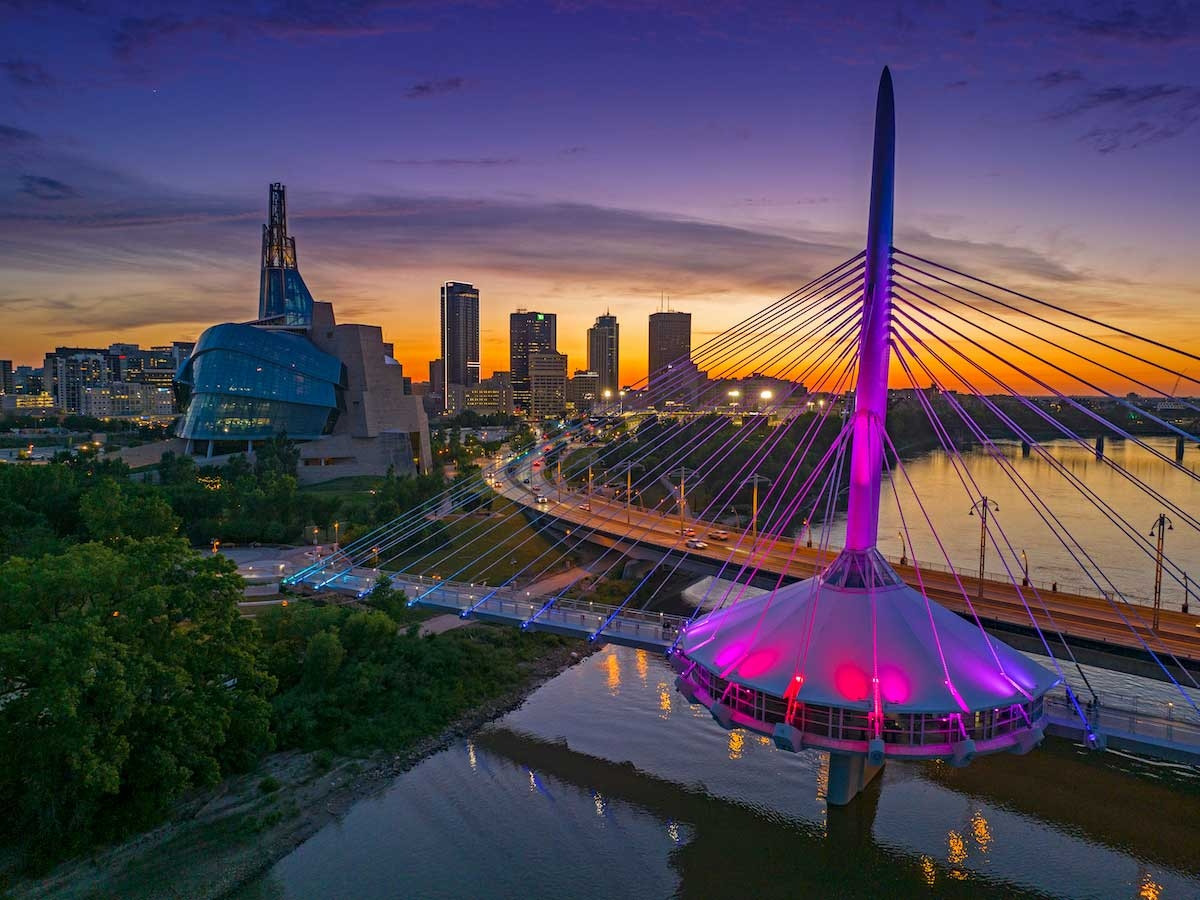
Manitoba's and Nova Scotia's capitals both offer genuinely lower costs of living than any major metro, with Manitoba specifically standing out for having no provincial healthcare waiting period at all, a real, immediate settlement advantage.
Newcomers prioritizing affordability and faster healthcare access over big-city scale.
Among the most affordable options with real, functioning job markets, rent 40-50% below Toronto/Vancouver.
- Manitoba Health begins coverage on the date of registration, no waiting period
- Both provinces run active Provincial Nominee Program streams targeting specific local shortages
- A smaller international job market, a real trade-off against the cost savings
Healthcare & Education:
13 sSeparate Systems, Not 1 National Plan:
The Canada Health Act sets minimum national principles, universality, portability, comprehensiveness, accessibility, and public administration, but each province and territory runs and funds its own healthcare system independently. Coverage start dates for newcomers genuinely differ by province, and confirming the specific rule for your destination province before arrival is a real, practical necessity, not an afterthought.
Waiting periods by province
- Ontario (OHIP): no wait, day-1 coverage since 2024
- Manitoba: no wait, ever, coverage begins at registration
- British Columbia (MSP): 3-month wait
- Quebec (RAMQ): 3-month wait (exception for 30+ day work contracts)
- Alberta (AHCIP) & Saskatchewan: 3-month wait
What to do about the gap
- Apply for your provincial health card the very first week you arrive
- The waiting period doesn't start until residency is established and the application submitted
- Private interim insurance runs roughly CAD 50-150/month per adult
- Moving provinces later can trigger a new waiting period and a 3-month transition under the old province's plan
Education for Newcomer Families:
Public schools are free and taught in English or French depending on the province and school board, genuinely accessible for newcomer families without needing a private-school budget. International and private schools exist in major cities for families wanting a specific curriculum, and Canada's public university system carries strong international recognition, a real draw for the study-to-PGWP-to-PR pathway covered above.
Lifestyle & Culture:
A Genuinely Multicultural, Bilingual Country:
English and French both hold official status nationally, though French dominates daily life specifically in Quebec and matters increasingly for 2026 immigration priorities elsewhere. Canada's cities run among the most ethnically diverse in the world, and multiculturalism functions as genuine official government policy, not just a demographic fact, a real structural difference from many countries' assimilation-focused approaches.
What works well
- Official multiculturalism policy genuinely shapes daily social norms
- English fluency alone covers daily life almost everywhere outside Quebec
- Strong, well-established immigrant communities across most major cities
What genuinely takes adjustment
- Winters run genuinely long and cold across most of the country
- Housing costs in Toronto and Vancouver specifically run high relative to salaries
- Healthcare access rules differing by province takes real adjustment to understand
Getting Started: Your First 90 Days:
The gap between a smooth landing and a stressful one in Canada often comes down to healthcare registration timing specifically, since the waiting period clock only starts once the paperwork is actually filed.
Preparation:
- Confirm your specific province's healthcare waiting-period rules and arrange private interim insurance if needed
- Verify your settlement funds meet the current threshold for your family size if applying without a job offer
- Book short-term accommodation for the first 2-4 weeks. Don't commit to a lease from abroad
- Gather documents (education credential assessment, language test results, police certificates) well ahead of time
First 2 Weeks:
- Apply for your Social Insurance Number (SIN), available online the day you land
- Apply for your provincial health card immediately, the waiting-period clock starts at application, not arrival
- Open a Canadian bank account; most major banks offer newcomer-specific account packages
- Start apartment viewing in person, especially in competitive markets like Toronto and Vancouver
Settling in:
- Sign a lease once you understand real commute times and neighborhood fit firsthand
- Confirm private interim health insurance is active if in a wait-period province
- Register children for school; most boards accept enrollment year-round for newcomer families
- Start building a Canadian credit history, genuinely useful for future housing and financing
Building Routine:
- Confirm your provincial health card has arrived and coverage is fully active
- Join local newcomer settlement services and professional networking groups
- Review your first full budget cycle against the cost estimates in this guide and adjust
Essential Resources & Contacts:
Government and Immigration:
Immigration, Refugees and Citizenship Canada (IRCC) manages Express Entry, study permits, and work permits; individual provincial immigration ministries administer their own Provincial Nominee Program streams.
Settlement Services:
Government-funded newcomer settlement agencies operate in every major city, offering free services including language classes, employment support, and help navigating provincial healthcare registration.
Banking and Credit:
RBC, TD, Scotiabank, BMO, and CIBC all offer newcomer-specific banking packages, often including a credit card with no Canadian credit history required for the first year.
Housing:
Rentals.ca, PadMapper, and Kijiji cover most major-city rental listings; provincial and municipal tenant rights offices are worth knowing directly given how competitive markets like Toronto and Vancouver can get.






{{item.get_author.first_name}} {{item.get_author.last_name}}
Level 7
5 Photos
36 Reviews
{{item.comment_txt}}
{{item_reply.get_author.first_name}} {{item_reply.get_author.last_name}}
@ {{item_reply.reply_to}}, {{item_reply.reply_txt}}