

Vietnam has no retirement visa, no digital nomad visa, and a constitution that vests all land in the state, and yet it hosts one of the fastest-growing foreign resident communities in Southeast Asia. The reason is arithmetic: a comfortable single-person budget in Da Nang starts around $700 a month, fiber internet runs $9-17, and a full local meal for two costs less than a coffee back home. The rules changed substantially over the past year, so a guide written in 2023 will steer you wrong on several points that matter.
This guide covers the practical path in the order most people actually need it: where to settle, the e-visa, work permit, and TRC pathway step by step, real cost-of-living numbers by city, budgets by profile, property and business rules, healthcare and banking, and a checklist for the move itself.
Why Vietnam is a Smart Relocation Choice in 2026:

Vietnam topped the InterNations Personal Finance Index for 5 consecutive years, and the numbers behind that ranking hold up: Numbeo puts average monthly costs for a single person around $429.70 before rent, roughly 61% below the United States, with rent averaging 74% lower. That affordability pairs with infrastructure that outperforms its price bracket, fiber speeds above 100 Mbps are standard in the 3 major cities, and GDP growth has averaged 6-7% over the past decade on the back of manufacturing, tech, and foreign investment, meaning real jobs exist here beyond teaching English.
The country also rewards patience over paperwork shortcuts. Enforcement tightened sharply under Decree 59/2026, effective April 1, 2026, which raised overstay fines and permits immediate deportation where fines go unpaid, so the old habit of treating Vietnam as a loosely-enforced border-run destination is no longer a safe assumption.
Where are the Best Places to Live in Vietnam as an Expat?
The right city depends on job market, budget, and climate preference, and Vietnam's expat hubs differ meaningfully from each other, each offering a genuinely distinct lifestyle.
Ho Chi Minh City
The commercial hub holds most of the country's foreign jobs and the deepest restaurant and nightlife scene. Expats cluster in District 1 for the walkable center, Thao Dien in Thu Duc City for villas and international schools, and District 7 for planned high-rises popular with Korean and Japanese residents. Rent and heat both run highest here of any Vietnamese city.
Hanoi
The capital runs cheaper and older than Saigon, centered on Hoan Kiem Lake with a millennium of history layered around it. Foreigners cluster in Tay Ho, the West Lake district, where lakeside rent starts around $400. Winter, December through February, brings grey skies and temperatures near 10°C in buildings without heating, a real filter for anyone who wants year-round warmth instead.
Da Nang
Da Nang has become the default base for remote workers: total living costs run 16.3% below Ho Chi Minh City, a 1-bedroom starts at $300, and My Khe Beach sits a 10-minute ride from anywhere in the city. The An Thuong neighborhood functions as the expat quarter, with coworking spaces and cafes built around the foreign crowd, and Hoi An sits 30km south for weekend trips.
Hoi An
The UNESCO-listed old town draws a smaller, quieter crowd of retirees and remote workers who want rice paddies over rooftop bars. Budgets of $800-1,100 a month cover a house, utilities, housekeeping, and daily restaurant meals, though serious healthcare and international schooling both sit in Da Nang, a short drive north.
Nha Trang and Da Lat
Nha Trang delivers the cheapest proper beachfront city living, $800-1,100 a month, though English is thinner here than in Da Nang. Da Lat sits at roughly 1,500 meters in the central highlands, holding 18-25°C year-round with no need for air conditioning, a genuine escape from tropical heat for remote earners who don't need a deep local job market.
Cost of Living by City:

Vietnam runs 60-70% cheaper than the United States across nearly every spending category, and the gap between cities is smaller than the gap between lifestyles.
Utilities for a 1-bedroom running air conditioning regularly land around $65-130 a month; fiber broadband at 100+ Mbps costs $9-17. A cleaner charges $2-3 an hour and a full-time live-in housekeeper about $125 a month, the recurring costs that most surprise new arrivals with how low they run.
Visas: e-VISA, Work permit, TRC, and Investor Routes:
Vietnam's visa system rewards employment and investment and offers almost nothing to retirees or remote workers by design, so the honest starting point is the list of what doesn't exist: no retirement visa, no digital nomad visa, and no confirmed golden visa as of mid-2026.
Remote workers occupy a cleaner position than most expect despite the absence of a dedicated visa: if the employer has no Vietnamese registration and income is paid outside Vietnam, no work permit is required, and the 90-day e-visa cycle is the standard, legal arrangement. The line gets crossed the moment income comes from Vietnamese clients or a Vietnam-registered entity, at which point a work permit becomes mandatory.
Visa Application Processes, Step by Step:
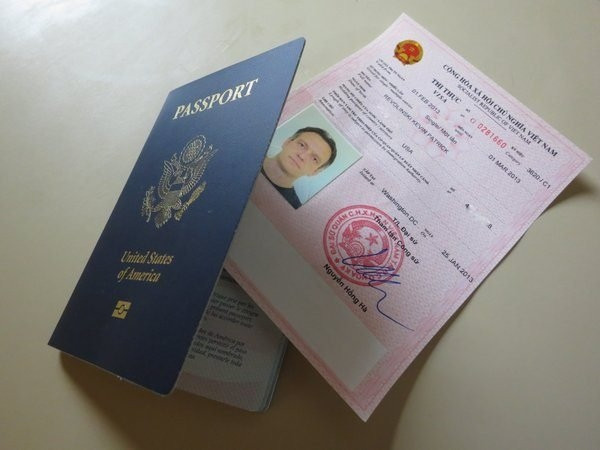
Each route runs through a different office, with different documents and different timelines. Getting this sequence wrong is the most common cause of delay.
E-visa, step by step:
- Confirm eligibility. All nationalities now qualify; no invitation letter is required for the e-visa specifically.
- Apply online at evisa.xuatnhapcanh.gov.vn, uploading a passport scan, passport-style photo, and your intended entry and exit dates.
- Choose single or multiple entry. Multiple entry costs more ($50 vs $25) but allows border runs without a fresh application each time.
- Pay the fee and wait for approval, typically about 3 business days.
- Enter through one of 83 approved entry points, expanded under Resolution 389 in December 2025.
- Track your 90-day window and plan a border run to Cambodia, Laos, or Thailand if you intend to stay longer.
Work permit and LD2 visa, step by step:
- Secure a job offer from a Vietnam-registered company willing to sponsor the process.
- Employer files the demand approval at least 30 days before your intended start date, justifying the hire of a foreign worker.
- Gather your documents: notarized and consular-legalized degree certificates, a legalized criminal background check, and a health examination at an approved Vietnamese hospital.
- Employer submits the work permit application under Decree 219/2025's updated procedure, through the employer's organizational VNeID account, mandatory since June 1, 2026.
- Receive the work permit, typically valid 1-2 years.
- Apply for the LD2 visa based on the approved work permit, granting entry and residence tied to the employment.
Temporary residence card (TRC), step by step:
- Confirm your visa category qualifies. Since early 2026, TRCs issue only to LD2 (work) and TT (dependent) visa holders; e-visa and DN visa entrants must first complete a visa conversion step.
- Confirm your work permit runs at least 12 months in validity, the minimum most immigration offices expect before accepting a TRC application.
- Prepare the document set: passport valid 13+ months beyond the application date, 2 recent 2x3cm photos, and a completed NA6 form (organization-sponsored) or NA8 form (individual).
- Submit at the provincial Immigration Department or through the national Public Service Portal via VNeID.
- Wait for processing, typically 5-15 working days, longer if the visa conversion step applies.
- Receive the TRC, valid up to 2 years for LD2/TT holders or up to 10 years for DT1 investors, and use it in place of further visa renewals until expiry.
DT investor visa, step by step:
- Register the company, obtaining the Enterprise Registration Certificate and Investment Registration Certificate; the Law on Investment 2025, effective March 1, 2026, allows the ERC to be secured before the IRC in non-restricted sectors, speeding up proof of capital.
- Transfer capital into the Vietnamese company account before visa approval, matching the DT tier you're applying under.
- Apply for the corresponding DT visa (DT1 through DT4, tiered by capital size) through the Immigration Department or a Vietnamese diplomatic mission.
- Apply for the TRC once the DT visa is issued; DT1 investors qualify for up to 10 years, while DT4 investors below roughly VND 3 billion do not qualify for a TRC at all.
Long-Term Status and Permanent Residency:

Permanent residency in Vietnam is technically possible but rarely granted to foreigners in practice, reserved mainly for those awarded a state medal, sponsored by a Vietnamese spouse, parent, or child after 3 or more consecutive years of temporary residence, or recommended as a scientist or expert by a ministerial agency. Most long-term foreign residents in practice simply renew their work permit and TRC every 1-2 years indefinitely; PR remains a rare exception. The proposed 10-year golden visa, if it clears the National Assembly, would add an investment-based residency pathway sitting between the current DT visa tiers and permanent residency, but realistic estimates place a first application date between late 2026 and 2028.
Budgets by Profile: Single, Couple, Family, Nomad
Da Nang and Hoi An typically run 10-20% below the figures above for every profile. The single biggest lever in any budget is location within a city: choosing an outer district over Thao Dien or Tay Ho can cut rent by close to half without much change in daily convenience.
Can you Buy Property as a Foreigner in Vietnam?

Foreigners cannot own land in Vietnam under any structure; the constitution vests all land in the people, administered by the state. What foreigners buy is a 50-year renewable use right over apartments, counted from the date the Pink Book ownership certificate is issued, with the Housing Law 2023 permitting one extension. Quotas apply per project: foreign buyers can hold at most 30% of units in any condominium building and 10% of houses in a landed project, capped at 250 houses per administrative area of 10,000 people. In popular expat districts of Ho Chi Minh City and Hanoi, quotas often fill before a project completes, which shrinks the resale buyer pool to Vietnamese citizens.
The 2025-2026 changes matter for owners. Since July 1, 2025, first-time ownership certificates issue at commune-level People's Committees after the district level was abolished. From the 2026 tax year, rental revenue up to VND 500 million a year is exempt from VAT and personal income tax, a fivefold jump from the old VND 100 million floor. Selling costs 2% of the gross sale price regardless of profit, and a completed sale takes 60-90 days from listing to transferred funds. The Housing Law 2023 also made foreigner-to-foreigner sales explicitly legal, which the 2014 law had left unclear.
Renting: Finding It, Signing it, Paying for It:
Most renters search through local Facebook groups, Batdongsan.com.vn, and expat-focused agents who typically bill the landlord, not the tenant, for their commission. Standard deposits run 1-2 months' rent, paid alongside the first month at signing, with leases typically running 12 months. Confirm in writing before signing: whether the unit is furnished (get a written inventory if so), who covers maintenance fees on a condo unit, and the exact terms for deposit return at lease end. Landlords must register your address with local police within 24 hours of move-in; confirm they actually do it, since the record gets checked during every visa and TRC procedure.
Food, Transport, and Daily Expenses:
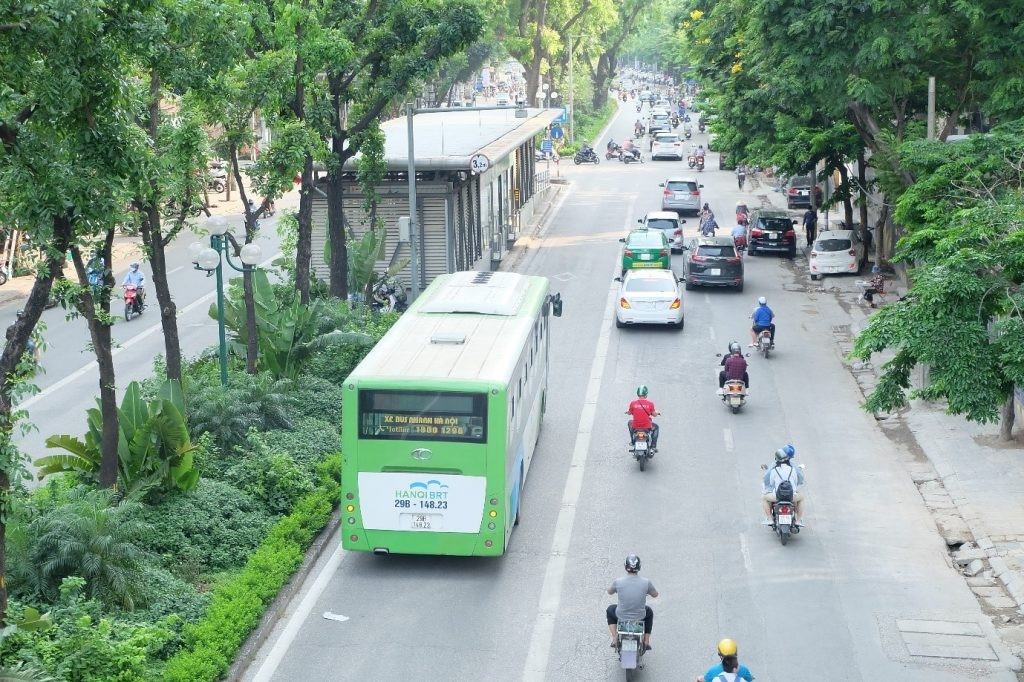
Street food is Vietnam's real cost-of-living advantage: 2 people eat a full local meal of rice or noodles, meat, vegetables, and draft beer for under $5, while a Western-style burger and imported beer runs $8-11. Grab covers ride-hailing and food delivery in every major city at a dollar or two per short ride. A prepaid mobile plan with unlimited data costs around $3 a month, and cinema tickets run $2.80-4.80.
Most expats without children get by on Grab and a rented motorbike without owning a car at all; new cars carry steep import duties, so vehicle ownership stays rare outside wealthier local and expat households alike.
Banking and Money Matters:
The Vietnamese dong trades around 24,000-25,500 VND per US dollar in 2026, and daily life runs increasingly cashless through local QR payments and bank transfer apps. Opening a local account requires a valid long-term visa or TRC at most banks, one more practical reason the TRC matters beyond just avoiding visa runs; e-visa residents typically pair a home-country account with Wise or a similar service for transfers at the mid-market rate. Landlords quote rent in dong or dollars but collect in dong, and salaries at Vietnamese employers pay by local bank transfer.
Healthcare and Insurance:

Vietnam's healthcare splits sharply between a crowded public system and a private tier that expats use almost exclusively. Private hospitals in Ho Chi Minh City, Hanoi, and Da Nang, including the Vinmec network, FV Hospital, and Hanoi French Hospital, handle routine and emergency care to international standards, with a GP consultation running $30-60. No visa category grants foreigners subsidized state healthcare access; employed expats get the public option through payroll social insurance contributions of about 10.5% of salary but nearly all keep private international insurance for anything serious, and complex cases still fly to Bangkok or Singapore.
Working, Business, and Entrepreneurship:

Vietnam's average local net salary sits around $412 a month according to Numbeo, which frames why the law requires employers to justify hiring a foreigner through the demand approval process, proving no suitable local candidate is available. The reliable foreign job categories are English teaching, tech and software roles concentrated in Ho Chi Minh City's growing startup scene, manufacturing and supply-chain management around the industrial provinces, and positions at foreign-invested enterprises, which can hire staff directly through their Vietnamese representative offices.
Entrepreneurs typically register a 100%-foreign-owned limited liability company through the Investment Registration Certificate and Enterprise Registration Certificate process, with the Law on Investment 2025 allowing founders in non-restricted sectors to secure the ERC first, which speeds up proof of address and capital for later visa applications. A handful of conditional sectors, including retail trading, education, and certain logistics activities, require additional sub-licenses or a Vietnamese joint-venture partner; everything else is open to full foreign ownership by default. Business setup with a local law firm typically takes several weeks to a few months depending on sector.
Culture and Social Codes:

Vietnam is a one-party socialist republic, a real difference from the multiparty democracies many Western expats come from, and this shapes certain everyday realities: press freedom ranks low internationally, and public criticism of the government carries real legal risk, and tourist status offers no exemption from it. Daily social life, by contrast, runs warm and welcoming; the Vietnamese, across generations, are consistently noted by long-term residents as eager to engage with and help foreigners settle in.
English functions well in expat districts of Ho Chi Minh City, Hanoi, and Da Nang, and fades quickly outside them. Vietnamese uses the Latin alphabet with diacritic tone marks, which makes street signs and menus more approachable to read than many other Asian scripts even before the language itself is learned; the 6 tones remain the genuine long-term challenge for most learners.
Safety and Everyday Precautions:
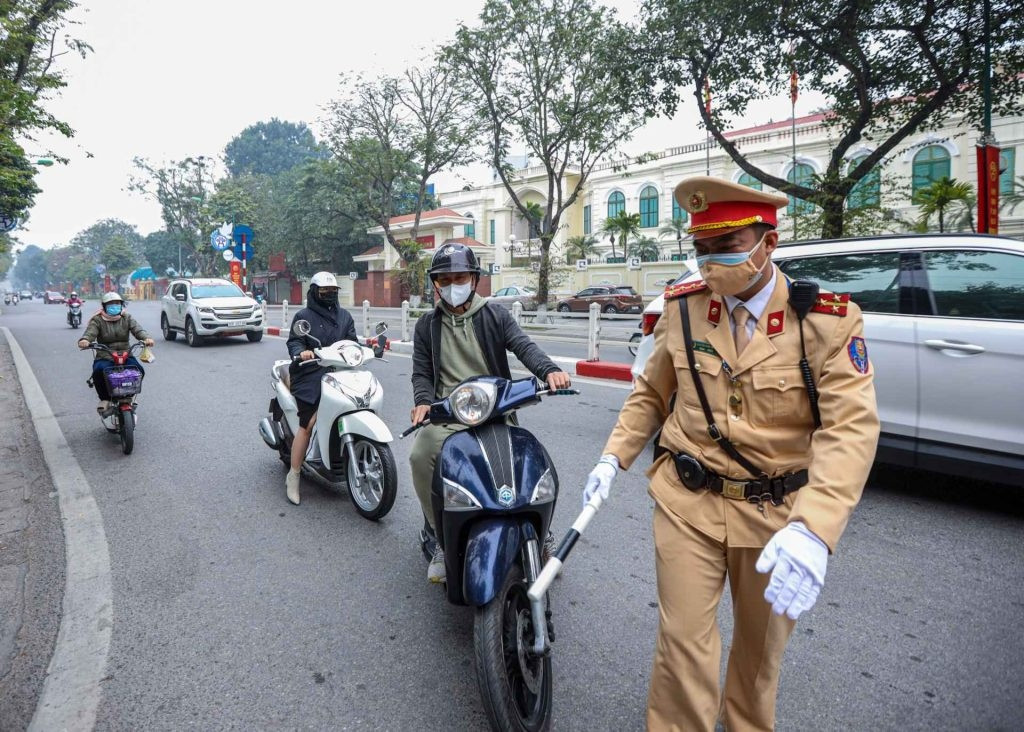
Violent crime against foreigners is rare, and Vietnam rarely experiences the earthquakes or tsunamis that complicate expat life elsewhere in the region. Petty theft, including bag and phone snatching from passing motorbikes, happens often enough in busy tourist areas of Ho Chi Minh City and Hanoi that keeping valuables secured and out of easy reach is standard local practice. Traffic is the more consistent daily risk: most residents ride motorbikes, helmets are legally required, and an International Driving Permit paired with a converted Vietnamese license is the legal baseline for riding anything above 50cc; foreigners are not permitted to rent or drive a car without a Vietnamese driver's license.
Family, Children, and International Schools:

Vietnam's state education system covers pre-school through high school and vocational training, but most expat families opt into the private and international school market instead, which follows American, International Baccalaureate, or Australian curricula and is genuinely deep in the 3 major cities. Annual fees run roughly $10,000-30,000 per child depending on the school and curriculum, a real household budget item from the earliest planning stage, and waiting lists at the most sought-after schools run 6-12 months, so families relocating with children should start the school application well before finalizing the visa itself.
The 90-Day Relocation Checklist:

Visa first, city second, lease third. Getting that sequence backward is the single most common reason people spend months re-doing paperwork they could have sorted before ever boarding a flight.
Days 1-30: Before you Book Anything
- Decide your visa path: e-visa border runs, employer-sponsored LD2, or a DT investor visa. Picking late wastes weeks, since document requirements diverge from day one.
- Gather income and employment documentation. LD2 needs a confirmed job offer and employer sponsorship; the e-visa route needs none, but proof of onward travel and funds helps at entry.
- Get private international health insurance quotes. No visa category provides subsidized public healthcare, so this is effectively mandatory for everyone.
- Shortlist your target city based on job market, budget, and climate preference.
- Set up a Wise account (or similar), verified from your home country, so you have a working way to move money before a local bank account exists.
Days 31-60: Applications and Logistics
- Submit your visa application: the e-visa online, or the work permit process through your new employer.
- Book 3-4 weeks of serviced apartment or short-term rental in your target city before committing to a 12-month lease sight unseen.
- Start researching international schools now if relocating with children, since waiting lists at the best schools run 6-12 months.
- Research coworking spaces if remote work is the plan, particularly in Da Nang or Ho Chi Minh City.
- Organize shipping logistics. Ship only what's genuinely irreplaceable, since furniture and electronics are generally cheaper bought locally than shipped.
Days 61-90: Arrival
- Get a local SIM from a retail Viettel or Mobifone store in your first days, not the airport kiosk, which typically charges more for the same data package.
- Begin your bank account application once your TRC or long-term visa is in hand; the full process commonly takes several working days once you're in the branch.
- Test 2-3 neighborhoods in person before signing any lease.
- Get every lease term in writing before transferring a single dong of deposit.
- Register with your home country's embassy. Optional, but worth doing.
Your Handy Moving to Vietnam Checklist:
A shorter, category-by-category version to run through before you pack a single box.
Accommodation
- Have you researched neighborhoods in your target city?
- If you've found a place, have you contacted the landlord or agent directly?
- Have you received a written rental agreement before transferring any deposit?
- Have you asked the landlord to set up home Wi-Fi ahead of your arrival?
Work
- Have you received a job offer from a Vietnamese employer, or confirmed remote work with a foreign employer?
- Has your employer started the demand approval and work permit process?
- Have you started your LD2 visa or e-visa application?
- Do you have proof of income or savings ready if a visa officer requests it?
Healthcare
- Have you taken out international health insurance before moving?
- Does your policy cover emergency evacuation to Bangkok or Singapore?
- Have you identified a private hospital near your target neighborhood?
Banking
- Have you set up a Wise account or similar for transfers before you have a local bank?
- Have you calculated a full monthly budget including rent, insurance, and visa costs?
- Do you know which documents your target bank requires to open a local account?
Relocation
- Have you applied for your visa well ahead of your planned departure date?
- Have you arranged a local SIM card plan for arrival?
- Have you checked pet import requirements if bringing an animal?
- Have you gotten a shipping quote if bringing furniture, and compared it against buying locally?
- Have you researched international schools if relocating with children?
- Have you learned basic Vietnamese greetings and numbers to help with daily life?






{{item.get_author.first_name}} {{item.get_author.last_name}}
Level 7
5 Photos
36 Reviews
{{item.comment_txt}}
{{item_reply.get_author.first_name}} {{item_reply.get_author.last_name}}
@ {{item_reply.reply_to}}, {{item_reply.reply_txt}}