
The travel gadgets worth packing in 2026 are the ones that solve a real problem on the road: a power bank that airlines will accept, a universal adapter with fast USB-C charging, noise-cancelling headphones for long-haul flights, a tracker inside your checked bag and a digital luggage scale that saves you an excess-baggage fee at the counter. Everything else on this list is useful for a particular kind of trip, and the notes under each item say which one.
Choosing who to fly with? Our ranking of the best airlines in the world compares carriers for long-haul trips.
This guide covers 16 gadgets, from essentials to niche extras, with named models that are on sale as of October 2026, the airline rules that affect them, and the honest downside of each. If you are building a full kit, pair it with our complete travel packing list, and read the airport security guide before you pack anything with a lithium battery.
How this list was put together: Each gadget was chosen for how often it solves a problem travelers actually report (flat phones, lost bags, overweight luggage, poor sleep on planes) and checked against current airline and aviation-security rules on batteries as of October 2026. Model names were confirmed as real, currently sold products; prices are left out because they change weekly between retailers and countries.
Travel gadgets compared at a glance
Decide what to pack first with this table. "Essential" items earn their space on almost every trip; "situational" items only make sense for certain travelers.
| # | Gadget | Priority | Best for | Watch out for |
|---|---|---|---|---|
| 1 | Luggage tracker or smart luggage | Essential | Checked bags, connecting flights | Battery rules for built-in power banks |
| 2 | Portable power bank | Essential | Everyone | Cabin only; in-flight use often banned |
| 3 | Noise-cancelling headphones | Essential | Long-haul flyers | Bulky in a small bag |
| 4 | Universal travel adapter | Essential | International trips | Does not convert voltage |
| 5 | Portable Wi-Fi hotspot | Situational | Groups, laptops | Another device to charge |
| 6 | Smart or purifying water bottle | Situational | Hikers, hot climates | Empty it before security |
| 7 | Mini projector | Situational | Long stays, families | Needs a dark room |
| 8 | Digital luggage scale | Essential | Anyone flying with a weight limit | Small battery to replace |
| 9 | Compression socks | Essential (long flights) | Flights over 4 hours | Sizing matters |
| 10 | Smartphone camera gear | Situational | Content creators | Gimbals add weight |
| 11 | Supportive travel pillow | Essential (long flights) | Overnight flights | Personal fit |
| 12 | Portable blender | Situational | Health-focused travelers | Blade and battery rules |
| 13 | RFID-blocking wallet | Situational | Card-heavy travelers | Low real-world risk |
| 14 | Solar charger | Situational | Trekking, camping | Slow in cloud |
| 15 | Anti-theft backpack | Situational | Cities with pickpocketing | Heavier than plain packs |
| 16 | Hidden camera detector | Situational | Rentals, solo travelers | False alarms |
The 16 best travel gadgets for 2026, reviewed
Luggage tracker or smart luggage
Top of the list for anyone checking a bag, especially on connections: a tracker inside your checked bag tells you where the bag is when the airline cannot, and the live location can back up a lost-bag claim. Bluetooth tags such as Apple AirTag (iPhone) and Samsung Galaxy SmartTag2 (Samsung Android phones) are the simplest option. They are small, run for about a year on a CR2032 coin-cell battery, and report their position through nearby phones on each network. That makes them accurate in busy airports and much less useful in remote places. Samsonite has offered trackable cases through its Track&Go system for years, but most travelers get the same benefit for far less by dropping a tag into an existing bag.
Suitcases with built-in power banks are a different matter. Tags are allowed in checked bags, but since 2018 most airlines require the battery in a smart bag to be removable, and if the bag goes in the hold the battery has to come out and travel in the cabin with you. Buy one only if the battery pops out in seconds. A tracker is the better choice for most people; a USB port on a suitcase is a nice extra and no reason on its own to buy one.
Before check-in, photograph your bag and the tracker screen. A live location on your phone speeds up a baggage claim at the airline desk.
Portable power bank
Every traveler with a smartphone needs one. A power bank keeps maps, boarding passes, banking apps and ride-hailing working through a long travel day, and it belongs in the cabin bag only. Two models from the original list still make sense: the Anker PowerCore 26800 PD, a large-capacity USB-C PD bank that sits just under the 100 Wh line, and the Omni 20 from Omnicharge, which has an AC-style output that can top up some laptops. For most trips, 10,000 to 20,000 mAh is the capacity sweet spot.
The rules matter more than the brand. Under IATA-based rules followed by most airlines and by the US TSA, power banks travel in the cabin only, never in checked luggage. Up to 100 Wh needs no approval; 101 to 160 Wh needs the airline's approval and is limited to two spares per person; above 160 Wh is not allowed on passenger aircraft. Several airlines tightened this further: the Lufthansa Group, for example, has banned using or charging power banks on board since 15 January 2026, and Emirates also restricts in-flight use. Check your airline's dangerous-goods page before every trip, because these policies changed repeatedly in 2025 and 2026.
The watt-hour rating (Wh) is printed on the casing. Security staff may refuse a bank with no visible rating, so do not buy unlabelled units.
Noise-cancelling headphones
On flights over five hours, constant engine drone is tiring, and active noise cancellation removes most of it; the same goes for trains and open-plan hostels. Over-ear models beat earbuds on long flights because they cut low-frequency noise better and stay comfortable for hours, and you should expect a full long-haul flight on one charge. Sony replaced the WH-1000XM5 with the WH-1000XM6 in May 2025, adding a stronger processor, more microphones and, usefully for packing, a folding design again. The Bose QuietComfort Ultra headphones remain the main rival and are often preferred for comfort over very long sectors.
Both work wirelessly, but keep them in their case in your personal item and pack the 3.5 mm cable as a wired backup: most seat-back entertainment systems still use a wired socket, and some older aircraft need a two-prong airline adapter. If budget matters, last year's flagship models usually drop in price once a successor launches and are still excellent on planes.
Switch noise cancelling on during the cruise phase, not take-off and landing, so you still hear crew announcements.
Universal travel adapter
Pack this on every trip, and on multi-country trips in particular. One adapter that fits several plug types (most designs cover types A, C, G and I) replaces a bag of country-specific plugs, and newer designs combine it with a fast multi-port charger. The Zendure Passport III, launched in 2022, uses GaN technology to deliver up to 65 W across several USB-C and USB-A ports, enough for a phone, earbuds and many laptops at once. Epicka makes simpler, cheaper universal adapters with built-in USB ports that suit lighter use. Look for USB-C PD output and a replaceable fuse.
An adapter changes the plug shape only. It does not convert voltage. Phone and laptop chargers labelled 100 to 240 V are fine anywhere, but single-voltage appliances such as some hair dryers and straighteners can be damaged on a 220 to 240 V supply. Many universal adapters are also ungrounded, so a laptop power brick with an earth pin may need a dedicated plug.
Check the plug type of each country on your route; India, South Africa and a few others use plugs that some universal adapters do not cover.
Portable Wi-Fi hotspot

Families, groups and remote workers get the most from a pocket hotspot, which creates a private Wi-Fi network from pay-as-you-go mobile data bought through an app, so several phones, a tablet and a laptop can share one connection without a local SIM. GlocalMe devices use cloud-SIM technology, so you buy data packs by day, region or gigabyte without inserting a SIM. Solis, the brand formerly called Skyroam, sells similar global hotspots; note that the original Skyroam Solis model depended on 3G networks and stopped working when carriers retired them, so buy a current 4G or 5G model. Expect to charge it nightly, though some double as a power bank.
For a solo traveler with a recent phone, an eSIM is usually simpler and cheaper, because it needs no extra device or charging. A hotspot wins when a family or team shares data, when a phone does not support eSIM, or when you work on a laptop for long stretches away from hotel Wi-Fi.
Compare the hotspot's day pass with a local SIM at the airport. In much of Asia, a local tourist SIM is cheaper for long stays.
Smart or purifying water bottle
Buying bottled water every day adds up and creates plastic waste, so a bottle you can refill anywhere is a sensible health pick for hot climates, hikers and long-haul flyers. Two types help. The HidrateSpark PRO tracks how much you drink and glows to remind you, which helps on hot city days and long flights where dehydration creeps up. The LARQ Bottle PureVis uses UV-C light in its cap to reduce bacteria in the water and keep the bottle itself from smelling. Both recharge by USB through the cap or base.
Be clear about what UV-C does and does not do. It is aimed at microbes, not at sediment, heavy metals or chemicals, so it does not make cloudy or contaminated water safe. In places where tap water is unsafe, a filter bottle or bottled water is the better choice. Any bottle must be empty at screening, so refill it airside.
In countries with unsafe tap water, fill up from hotel filtered-water dispensers and use the bottle to cut plastic waste.
Mini projector

A palm-sized projector is a long-stay extra that turns a hotel wall or tent fabric into a screen for films, photo slideshows or a presentation. The Anker Nebula Capsule II is the size of a drinks can and runs Android TV apps; the ViewSonic M1 Mini Plus is lighter and cheaper with a simpler picture.
Image quality depends on a dark room, so evenings work best: in daylight even good mini projectors look washed out. Battery life is roughly one film per charge, so pack the charger. This is a gadget for families and groups on long rentals, villa holidays or road trips with children, not for a three-day city break.
Download films before you leave home. Streaming over hotel Wi-Fi to a projector often stutters.
Digital luggage scale
This one saves money for anyone flying with a baggage allowance. Airlines charge heavily for overweight bags, and a hotel bathroom scale is rarely accurate with a suitcase on it. A pocket-sized digital scale hooks onto the bag handle and gives you the weight in seconds, usually up to about 50 kg, running on a small replaceable or USB battery. The Etekcity Digital Luggage Scale is inexpensive and accurate enough for checking a 23 kg limit; the Travelon Micro Scale is smaller still.
Weigh your bag before you leave home and again before the return flight, when souvenirs and shopping tend to push it over. Remember that many low-cost carriers also weigh cabin bags, often with limits of 7 to 10 kg.
Aim for 0.5 kg under the limit. Airport scales and hand-held scales can differ slightly.
Compression socks for flights

Sitting still for hours slows blood flow in the legs, which causes swollen ankles and, for some people, raises the risk of deep vein thrombosis. That makes graduated compression socks a comfort pick for long-haul flyers and older travelers on flights or drives over about four hours. They apply gentle pressure that is strongest at the ankle to help circulation. Physix Gear and Sockwell (with its Circulator line) are well-reviewed brands with clear sizing charts.
Pick the right size by calf and ankle measurement, not shoe size, and put the socks on before boarding. Anyone with a history of clots, recent surgery or circulation problems should ask a doctor which compression level is right before flying.
Socks help, but so does walking the aisle every hour or two and drinking water and skipping alcohol.
Smartphone camera gear
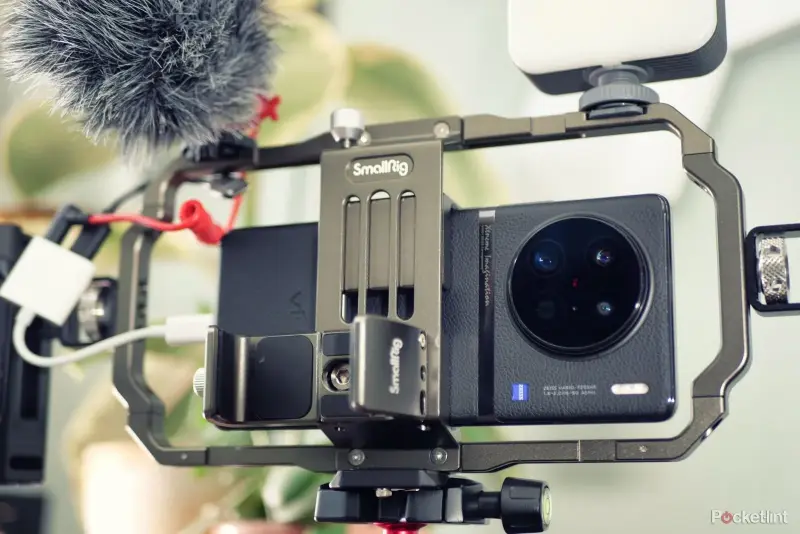
Modern phones take excellent photos, and for vloggers and keen photographers a few accessories add what the phone lacks. Moment makes high-quality clip-on style lenses (wide, telephoto, macro) that mount through a dedicated case. For video, a three-axis gimbal such as the DJI Osmo Mobile 7 series smooths out walking shots and has subject tracking for solo filming.
Before buying, check that the lens mount fits your phone model and that a gimbal's extra few hundred grams are worth it for how much video you actually shoot. Some heritage sites and museums ban tripods and stabilisers, so carry a plain grip as a backup.
A small tripod with a phone clamp covers night shots and group photos at a fraction of a gimbal's size.
Supportive travel pillow

The classic U-shaped pillow lets the head roll forward, which is why many people wake from red-eye and long-haul flights with a stiff neck. Two packable designs address that. The Trtl Pillow Plus wraps around the neck with an adjustable internal support and folds flat. The Cabeau Evolution S3 is a memory-foam pillow with straps that attach to the seat headrest to stop the head dropping, and it compresses into a pouch. Both have removable, washable covers.
Reviews split by priority: the Trtl suits travelers short on bag space, while the Cabeau suits people who mainly want to sleep on overnight flights. Neither stops every chin-to-chest slump; a window seat gives you a wall to lean on.
Clip the pillow to the outside of your bag so it does not eat cabin-bag space.
Portable blender

Niche, but useful for travelers with dietary needs on long self-catering stays: a rechargeable personal blender makes smoothies, protein shakes and baby food in a hotel room or campervan. The BlendJet 2 is the best-known model and charges by USB-C; NutriBullet also sells a cordless portable version.
Airline security staff treat blades differently from country to country, and the lithium battery means a blender is safest in the cabin and not the hold, where some airlines do not allow it. Check the airline's rules and expect questions at screening. For most trips, buying fresh juice locally is easier.
Pack powders in sealed sachets and blend with bottled or filtered water in places where tap water is unsafe.
RFID-blocking wallet

Mostly a peace-of-mind purchase, RFID-blocking wallets use a metal-lined layer to stop contactless cards and e-passports being read from close range. The Bellroy Travel Wallet holds a passport, cards, boarding pass and a pen; the Vaultskin Manhattan is a slim card wallet for daily use.
To be honest about it, the real-world risk of contactless skimming is low, and banks generally limit contactless amounts and cover fraud. The bigger value of a good travel wallet, for frequent flyers and organised packers, is organisation: passport, cards and documents in one place, ready at check-in and immigration.
Carry one backup card separately from your main wallet so a single loss does not leave you without money.
Solar charger

Off the grid, folding solar panels keep a phone and GPS going for trekkers, campers and overlanders on multi-day trips with no socket. The Goal Zero Nomad 10 is compact and rugged; the BigBlue 28W panel has more surface area and two USB ports, which suits two people sharing. Output is usually USB-A, so check for USB-C on newer models.
Output drops sharply in cloud, shade and when the panel is not angled to the sun, so direct sun matters. The best setup is to charge a power bank from the panel during the day and charge the phone from the power bank at night.
Strap the panel to the top of your pack while walking so it charges between stops.
Anti-theft backpack

Built for busy cities and public transport, anti-theft backpacks hide their zips against your back, use slash-resistant fabric and straps, and add lockable pulls. Pacsafe's Venturesafe range is built around these features for travel days; the XD Design Bobby Pro is a sleek city pack with hidden zips and a USB pass-through port.
No bag stops a determined thief, and these packs are heavier than a basic daypack. They make most sense in crowded transport hubs, markets and tourist areas where pickpocketing is common.
In crowds, wear the pack on your front and keep your phone in a zipped inner pocket, not your back trouser pocket.
Hidden camera detector

For privacy in private rentals, and for solo travelers in particular, a detector uses two methods: a red LED viewfinder that makes camera lenses glint, and a radio-frequency sensor that picks up wireless transmissions. The K18 is a popular combined RF and lens detector; the SpyFinder Pro is a simple lens finder with a strong LED ring.
RF detectors give false alarms near routers, phones and smart-home devices, so treat a beep as a reason to look closely, since it proves nothing on its own. Check smoke alarms, clocks, USB chargers and decorations that face the bed or shower. If you find a device, photograph it, leave, and report it to the booking platform and local police.
Even without a detector, a phone torch swept slowly around a dark room catches many lenses.
 Exclusive holiday package offers
What travel gadgets cost and where to buy them
Gadget prices swing with sales and new models, so treat any figure as a snapshot. A few reference points, in US dollars as of October 2026: Apple's AirTag four-pack lists at US$99, with single trackers often on sale for under US$30; flagship noise-cancelling headphones such as Sony's WH-1000XM6 list at around US$460 and drop by US$50 to US$100 in big sales. For most of the other items, the useful decision is which tier to buy.
| Gadget type | When the budget option is enough | When paying more is worth it |
|---|---|---|
| Power bank | A 10,000 mAh pack from a known brand charges a phone about twice | Laptop users need high-wattage USB-C output; stay under 100 Wh for flights |
| Luggage tracker | Any tracker that works with your phone's own finding network | Multi-packs lower the price per bag for families |
| Headphones | Earbuds with basic noise cancelling for short flights | Over-ear flagships for frequent long-haul and night flights |
| Adapter | A simple plug adapter for one destination | An all-in-one with several USB-C ports if you carry many devices |
| Luggage scale, socks, pillow, RFID wallet | Almost always: these are low-tech and cheap versions work | Only for fit and comfort (pillows, sized compression socks) |
| Projector, blender, solar charger, camera gear | Rarely: cheap units tend to be dim, weak or slow | Buy once you know you will use it on most trips |
Where to buy. Buy electronics with batteries from the brand's own store or an authorised retailer: counterfeit power banks with inflated capacity labels are common on marketplaces and can be unsafe in the cabin. Big online sale periods are the best time for headphones and trackers. Airport shops are convenient for a forgotten adapter or pillow but usually charge more than high-street shops, and if you buy electronics abroad, check whether the warranty is honoured in your home country.
Which travel gadgets to buy first on a budget
If you buy only four things, make them a power bank under 100 Wh, a universal adapter with USB-C, a tracker for checked luggage and a digital luggage scale. Together they solve the problems travelers report most often (flat phones, wrong plugs, lost bags and surprise fees) for less than the cost of one premium pair of headphones.
Add noise-cancelling headphones, compression socks and a supportive pillow next if you fly long-haul. Leave the projector, blender and solar panel until you know your trips call for them; they are heavy, need charging and stay in the bag on most city breaks.
When choosing, favour gadgets that solve problems on every trip over those for rare situations. A 10,000 mAh power bank is usually enough to recharge a phone two to three times and sits comfortably below the 100 Wh limit. A universal adapter with at least one USB-C port and a fused design covers most countries. A luggage tracker only helps if its network is strong where you travel, so check reviews for your region. Buy from established brands: cheap unbranded batteries and chargers are a common cause of fires and are more likely to be confiscated at security.
Airline battery rules for travel gadgets in 2026
Almost everything on this list contains a lithium battery, and that decides where it can travel. Devices with batteries installed (headphones, projectors, trackers) are generally allowed in both cabin and checked bags when switched off, but spare batteries and power banks must go in the cabin. Many airlines now go further and ban using or charging power banks during the flight.
Rules are set by each airline within aviation-safety standards, and they have changed several times since 2025. Before flying, read the "dangerous goods" or "restricted items" page of every airline on your ticket, including codeshare partners.
The common baseline across most airlines follows international aviation guidance. Power banks and spare lithium-ion batteries up to 100 Wh are allowed in hand luggage without approval, usually up to a limited number per passenger. Batteries between 100 and 160 Wh need the airline's approval, and anything above 160 Wh is generally not allowed on passenger aircraft. If your power bank shows only mAh, multiply by the voltage (usually 3.7 V) and divide by 1,000: a 20,000 mAh bank is about 74 Wh.
Since 2025 several airlines, particularly in Asia and the Middle East, have restricted or banned using power banks on board, and some require them to be kept in sight and out of overhead lockers. If a checked bag contains a device with a built-in battery, such as a smart suitcase, the battery may have to be removable. Gate staff may move your cabin bag to the hold on full flights, so take power banks out of it first.
Tips for packing and using travel gadgets
- One cable type. Choose gadgets that charge by USB-C so one cable and one charger cover everything.
- Label capacities. Keep power banks with a visible Wh rating; unlabelled ones can be confiscated at security.
- Cabin for batteries. Pack every spare battery and power bank in your carry-on, with terminals protected.
- Download offline. Save maps, films and boarding passes offline before you leave the hotel Wi-Fi.
- Use a pouch. A small tech pouch keeps cables, adapters and trackers together and speeds up security checks.
Before each trip, charge everything fully the night before, test the adapter with your heaviest device, and check that trackers are paired to your phone. Set phones to download updates over hotel Wi-Fi to save mobile data abroad, and turn off roaming if you rely on an eSIM. Keep a short cable and a compact charger in your day bag, since hotel rooms and airports rarely have sockets where you need them. When flying, pack gadgets near the top of your bag, because some airports ask for larger electronics to be removed at security.








{{item.get_author.first_name}} {{item.get_author.last_name}}
{{item.comment_txt}}
{{item_reply.get_author.first_name}} {{item_reply.get_author.last_name}}
@ {{item_reply.reply_to}}, {{item_reply.reply_txt}}