

The Philippines has 7,641 islands and 36,289 kilometers of coastline, which is more than the United States. Palawan was named the world's best island by Travel + Leisure in both 2024 and 2025. Siargao, Boracay, and Palawan took three of the top five spots in Conde Nast Traveler's best islands in Asia rankings. The country holds two UNESCO World Heritage Sites open to tourists: the Puerto Princesa Underground River and the Banaue Rice Terraces.
This guide covers 20 destinations across all three island groups, Luzon, Visayas, and Mindanao, with specific costs in Philippine pesos (PHP) and USD, how to get there from Manila, and the best month to visit each. Accommodation, transport, and entry fees reflect 2026 prices. Every destination includes one honest practical note, because no place is perfect and knowing the drawbacks in advance makes for a better trip.
At a Glance - All 20 Destinations:
Top 20 Most Beautiful Places in the Philippines:Ordered by international recognition and traveler impact
01 · Palawan ProvinceEl Nido
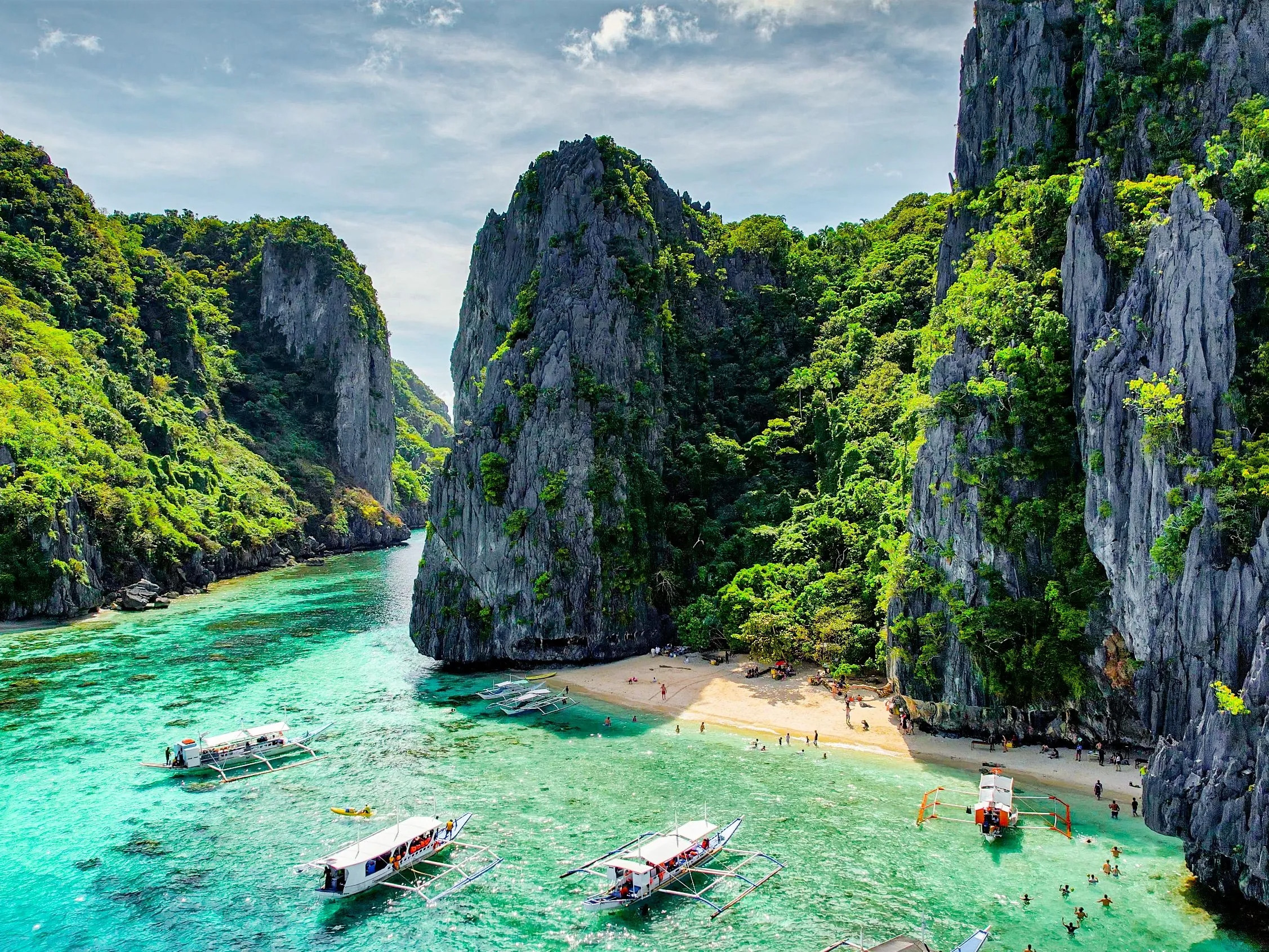
El Nido earns its place at the top of nearly every Philippines list because nothing else in the country looks like it. The town sits on the northern tip of Palawan island, surrounded by 50 limestone karst islands that rise straight out of turquoise water. The Big Lagoon alone, accessible by kayak through a narrow rock gap, is the kind of place people fly across the world to see.
The island-hopping system is well-organized into four routes labeled A through D. Tour A is the most popular, covering the Big and Small Lagoons, Secret Lagoon, and Shimizu Island, at PHP 1,500 to 2,000 per person (about $26-35 USD). Snorkeling gear and lunch are included. The coral reefs in some areas, particularly around the Bacuit Archipelago, hold fish populations that rival anything in the Coral Triangle. Divers will find 50+ sites within a 45-minute boat ride from town.
Most visitors fly into Puerto Princesa (1.5 hours from Manila) and take a 5.5-hour van north to El Nido. Budget accommodation on Hama Street runs PHP 800-1,500 per night ($14-26 USD). The best months are November through April. Outside that window, northwest monsoon swells make some boat routes dangerous.
02 · Palawan ProvinceCoron
Coron is built on WWII history and extraordinarily clear water. In September 1944, American aircraft sank a Japanese fleet sheltering in the bay, and those 12 shipwrecks now sit in 10 to 40 meters of water with visibility frequently exceeding 30 meters. Divers who've been to the Red Sea and the Great Barrier Reef consistently rank the Coron wrecks among the best dives they've done anywhere. The Okikawa Maru alone is 160 meters long.
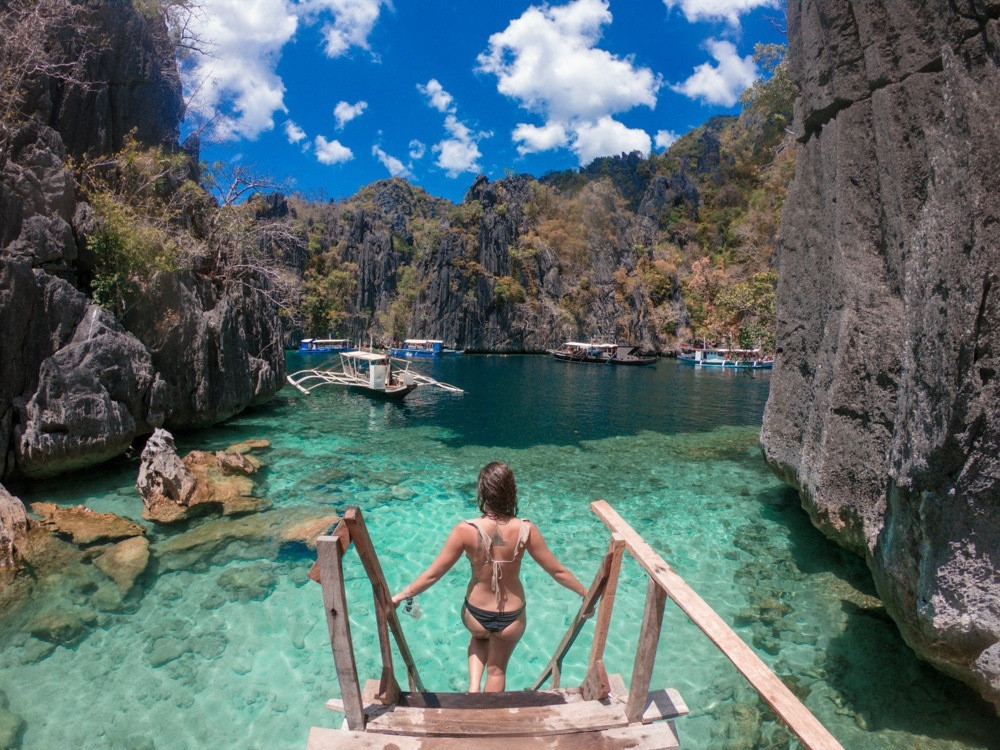
Kayangan Lake, often called the cleanest lake in the Philippines by the Department of Environment and Natural Resources, is the other reason people come. The entry point requires a 15-minute uphill walk but the view over the lake from the platform at the top is the most-photographed image in Coron. Twin Lagoon connects a saltwater and freshwater pool through an underwater cave passage. Most visitors do these on combined day tours from PHP 1,500-2,500 per person.
03 · Palawan ProvincePuerto Princesa Underground River
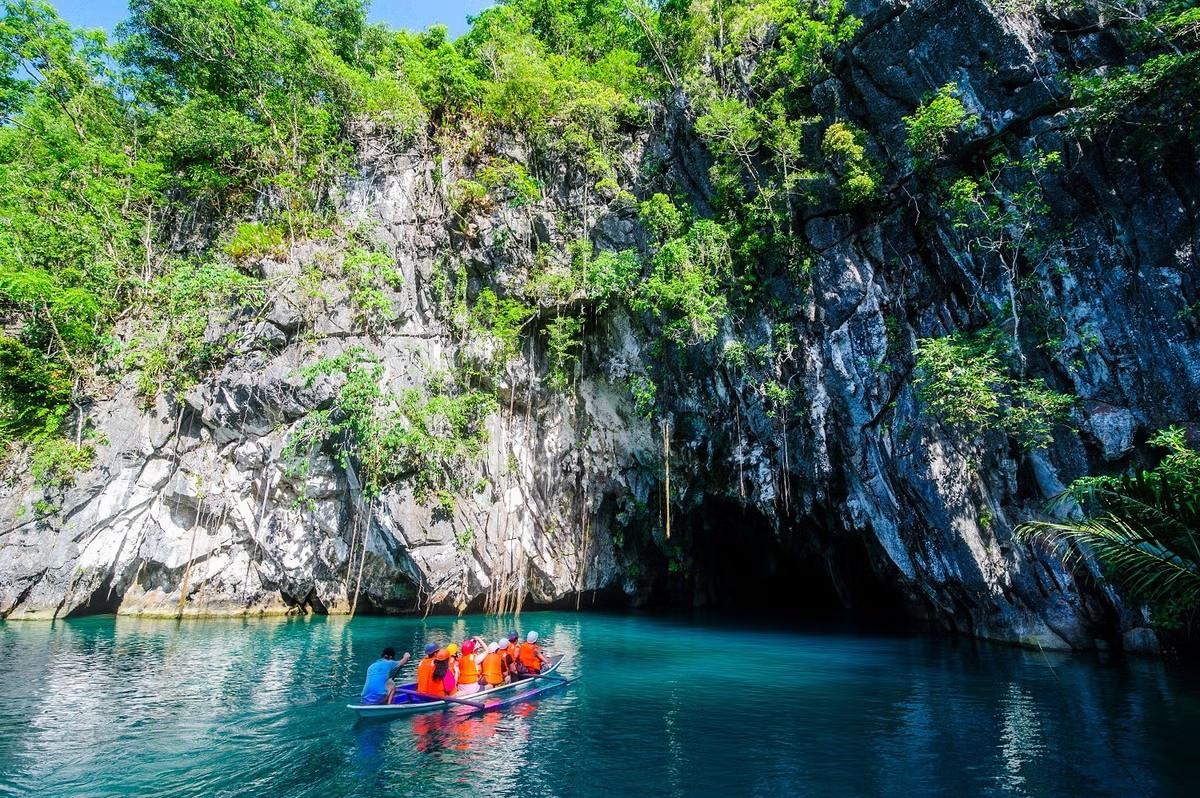
The Puerto Princesa Subterranean River was named a UNESCO World Heritage Site in 1999 and one of the New 7 Wonders of Nature in 2012. The river runs 8.2 kilometers underground through a limestone karst cave system before emptying directly into the South China Sea. Visitors paddle 4.3 kilometers into the cave on small wooden boats with a guide, passing chambers as wide as 60 meters with stalactites hanging 20 meters from the ceiling.
The cave holds five distinct ecosystems, including one of the largest cave rooms in Asia, called the Italian's Chamber, which is roughly 360 meters long. Bats by the million roost in the roof. The smell is distinctive and the humidity is high, but the scale of what you're paddling through is hard to convey in photographs. Entry permits cost PHP 150 for the conservation fee plus PHP 800-1,200 for the mandatory guided tour, depending on the package.
04 · Aklan ProvinceBoracay
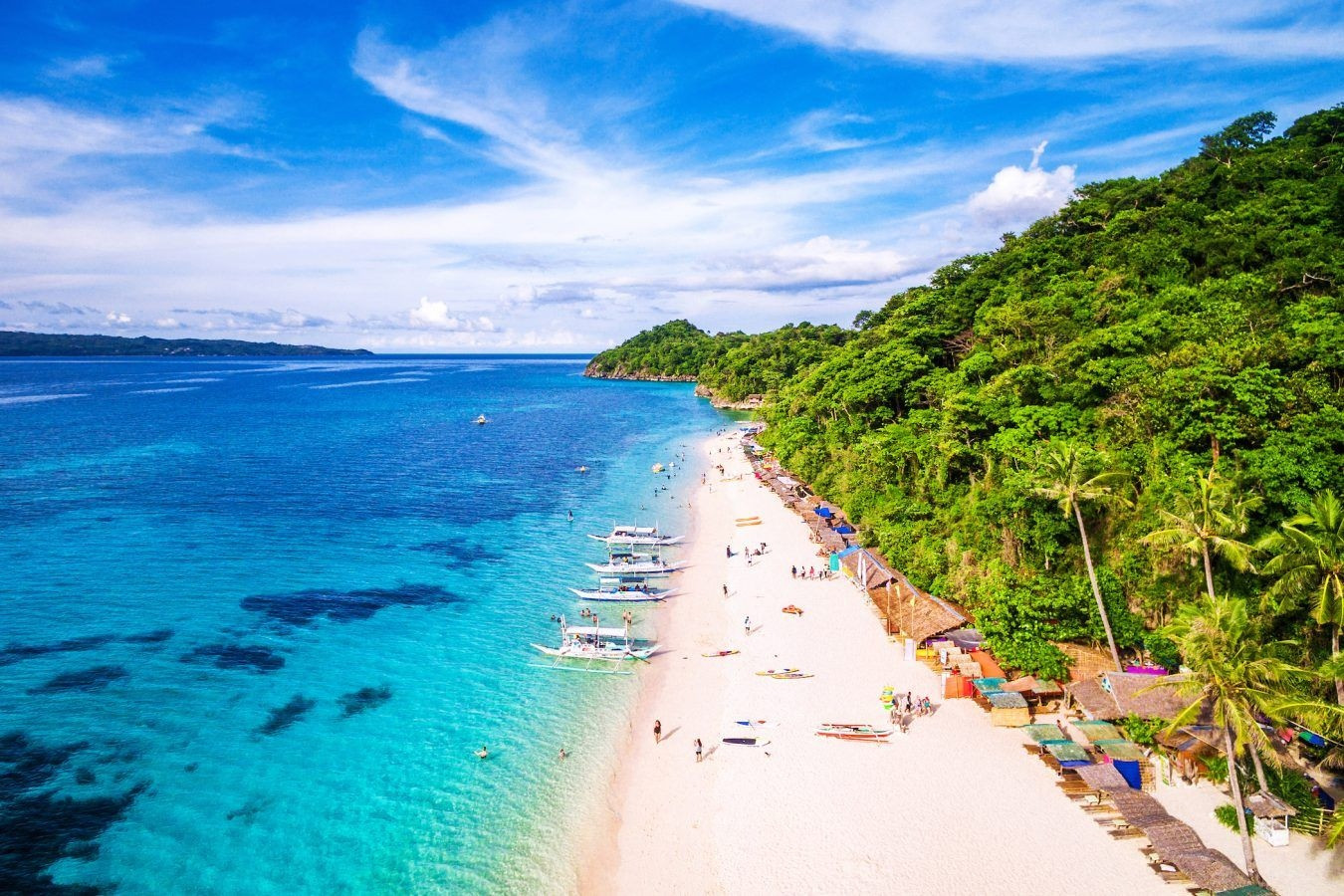
White Beach in Boracay stretches 4 kilometers along the western coast of this 10-square-kilometer island. The sand is 95% pure quartz, which accounts for its powdery texture and the way it stays cool even in direct afternoon sun. The water in Station 2 is typically 28-30°C from November through May with flat, calm conditions ideal for swimming.
The island was closed for six months in 2018 for environmental rehabilitation, which genuinely improved sewage management and reduced overdevelopment. Post-closure Boracay is noticeably cleaner than before. The 2026 daily visitor cap stands at 19,000, maintained by the Inter-Agency Task Force. Resorts line all three stations, with Station 1 at the north being the least crowded and most upmarket, Station 2 in the center offering the best variety, and Station 3 in the south being the most budget-friendly. A 3-hour paraw sailing trip at sunset costs PHP 500-800 per person.
05 · Surigao del NorteSiargao Island
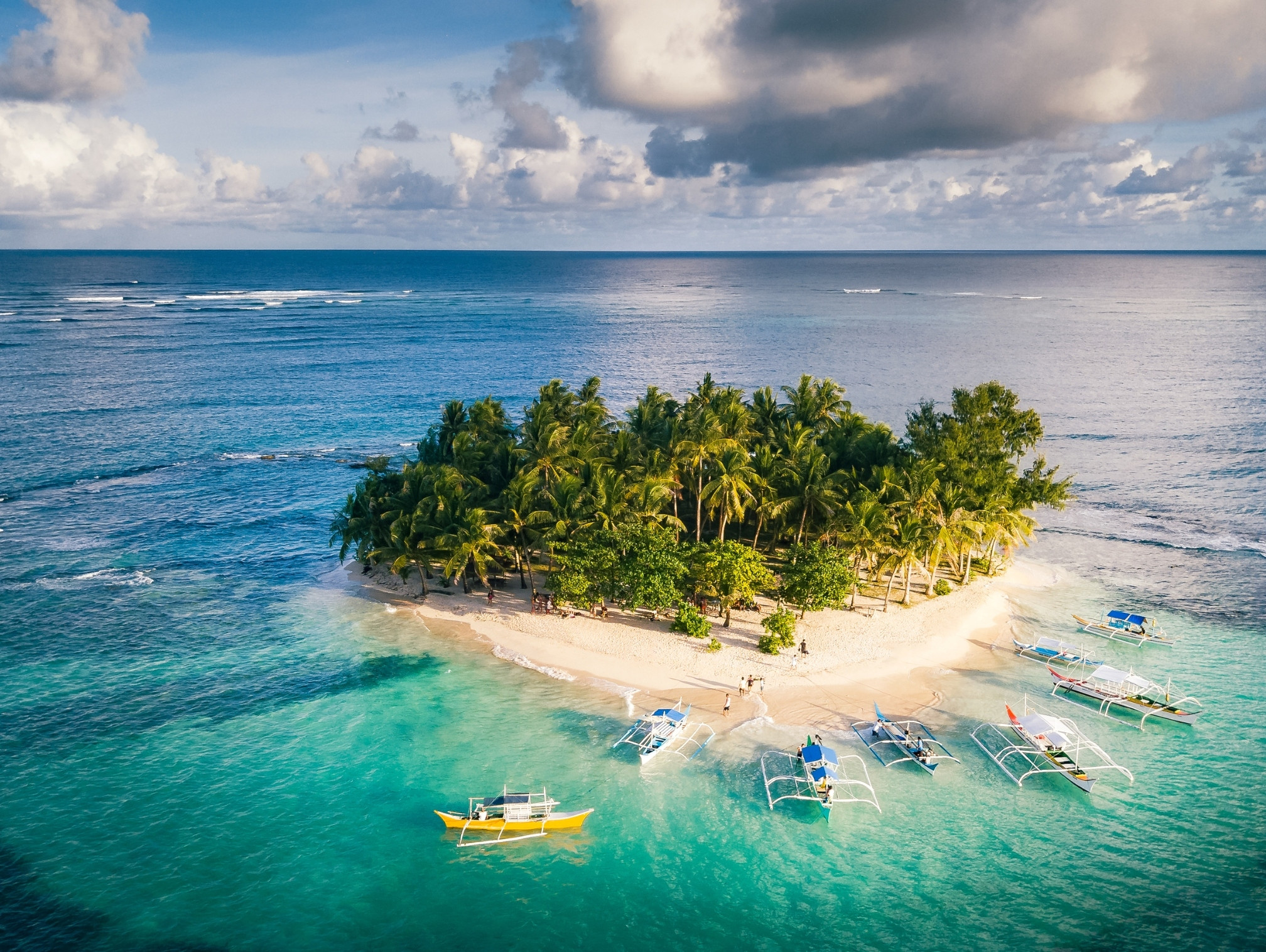
Cloud 9 is a barreling right-hand reef break that Surfer magazine named one of the 20 best waves on earth. It works best from August through November when northwest swells stack up at the teardrop-shaped reef. For non-surfers, Siargao has a different appeal: coconut-lined roads, a network of quiet islands accessible by rented motorbike (PHP 350-500 per day), and a pace of life that most visitors find instantly relaxing.
Sugba Lagoon, 40 kilometers north of General Luna town, is a two-hour outrigger boat ride through mangrove channels to a wide, mirror-flat green lagoon surrounded by jungle. Magpupungko Rock Pools near Pilar are tidal pools in eroded basalt that fill with clear water at high tide. The entire island is small enough that you can cross it in 45 minutes by motorbike, and most roads outside General Luna see almost no traffic. Renting a motorbike and just riding is legitimately one of the best things to do here.
06 · Central VisayasBohol
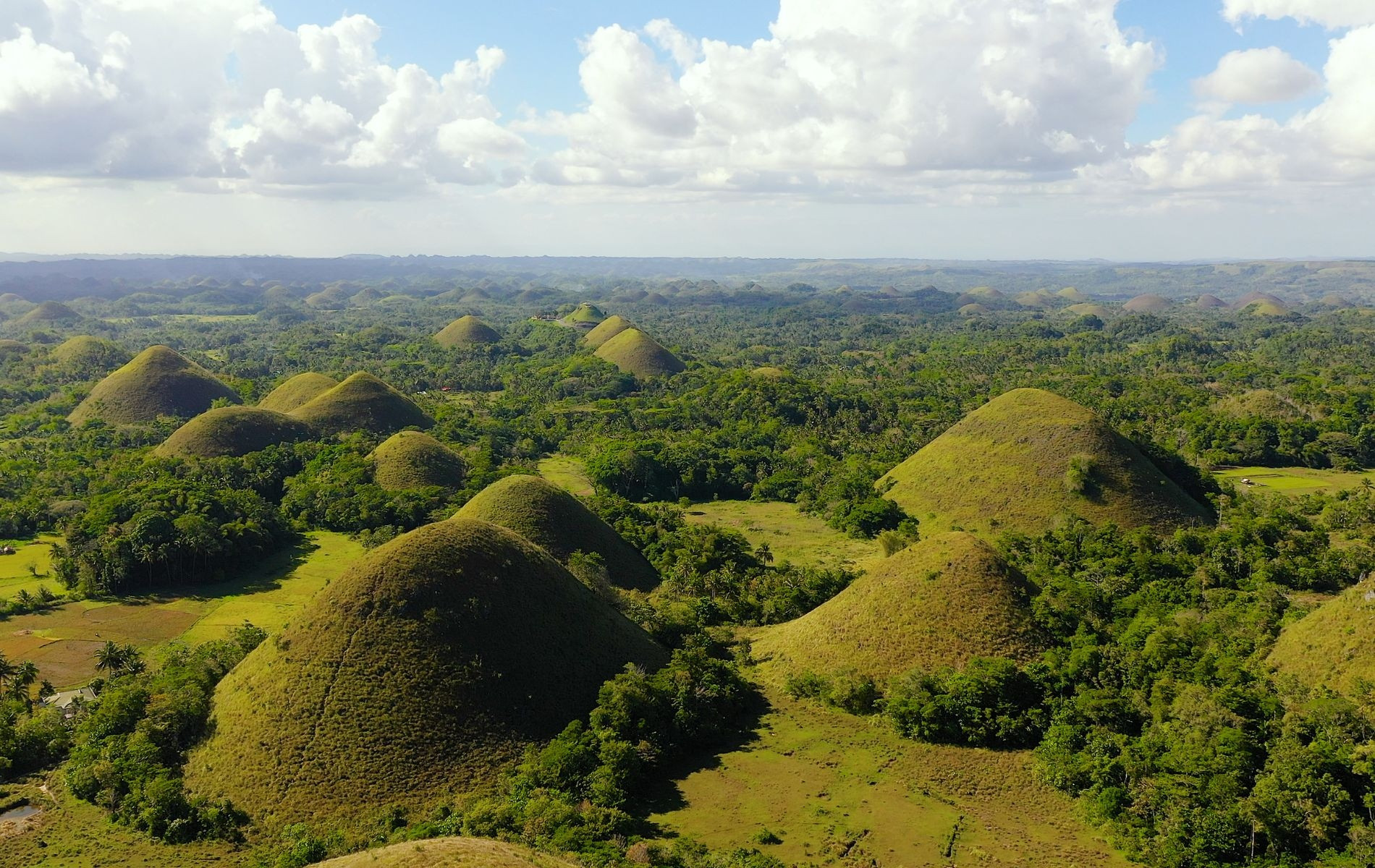
Bohol has 1,268 Chocolate Hills, not "over 1,200" as most travel blogs repeat. The hills are perfectly dome-shaped limestone formations between 30 and 120 meters tall, spread across 50 square kilometers of the island's interior. They turn brown from July to October during the dry-out period after the wet season, which is when the "chocolate" resemblance is strongest. The best viewing platform is at the Carmen hills complex, which charges PHP 50 admission and provides a 360-degree panoramic view.
The Philippine tarsier (Carsopithecus syrichta) found here is one of the world's smallest primates at 85-160 grams. The Tarsier Conservation Area in Corella is the legitimate sanctuary; avoid the roadside stalls that allow tourists to hold the animals. A Loboc River floating restaurant cruise runs 1.5 hours along a jade-green river with live folk music and costs PHP 550-700 including a buffet meal.
07 · Batanes ProvinceBatanes Islands
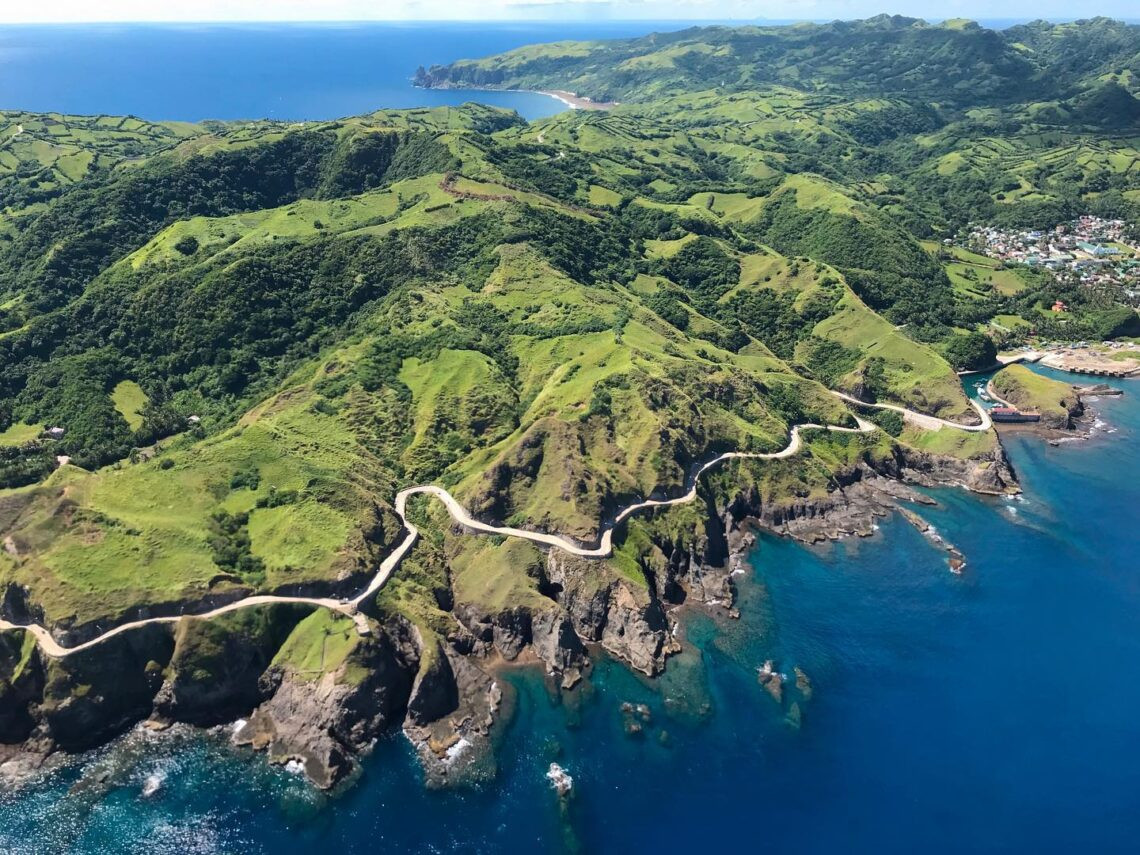
Batanes sits 160 kilometers north of Luzon, closer to Taiwan than to Manila, and looks nothing like the rest of the Philippines. Rolling green hills drop into violent Pacific coastline. Stone houses built by the Ivatan people centuries ago still stand occupied. There are no traffic lights on the islands. Cows and horses graze on clifftops above open ocean.
The group of 10 islands has a total population of around 17,000. Batan is the main island, with Sabtang and Itbayat accessible by falowa (traditional wooden boat). Naidi Hills on Batan gives a view over the Pacific on one side and the Philippine Sea on the other simultaneously. The Chavayan village on Sabtang, where Ivatan stone houses have been preserved largely intact, was once named by the Philippine government as a national cultural treasure. National Geographic has featured Batanes repeatedly and singled it out as among Asia's most unspoiled destinations.
08 · Central VisayasCebu

Cebu is where most international visitors to the Visayas start, and it earns that position. The Mactan Cebu International Airport is the second-busiest in the Philippines, with direct international flights from Japan, South Korea, Hong Kong, Singapore, and the Middle East. From Cebu City, every major Visayas destination is within 4 hours.
The whale shark interaction at Oslob is the most visited single tourism activity in the Philippines, drawing 800 to 1,200 visitors per day. The sharks are fed by local fishermen to keep them near shore, which is controversial among marine biologists, but the interaction itself, snorkeling alongside 5 to 6 meter whale sharks in 10 meters of clear water, is genuinely extraordinary. Entry costs PHP 300 plus PHP 500 for snorkeling (PHP 1,000 for scuba). Kawasan Falls has three tiers of turquoise water reaching 40 meters at the main cascade. Canyoneering from Matutinao village costs PHP 800-1,200 and finishes with a cliff jump into the pool below the falls. Magellan's Cross, planted in 1521 by Ferdinand Magellan, stands in a chapel on Carbon Street in Cebu City and is the oldest Christian symbol in the Philippines.
09 · Ifugao Province, Northern LuzonBanaue Rice Terraces
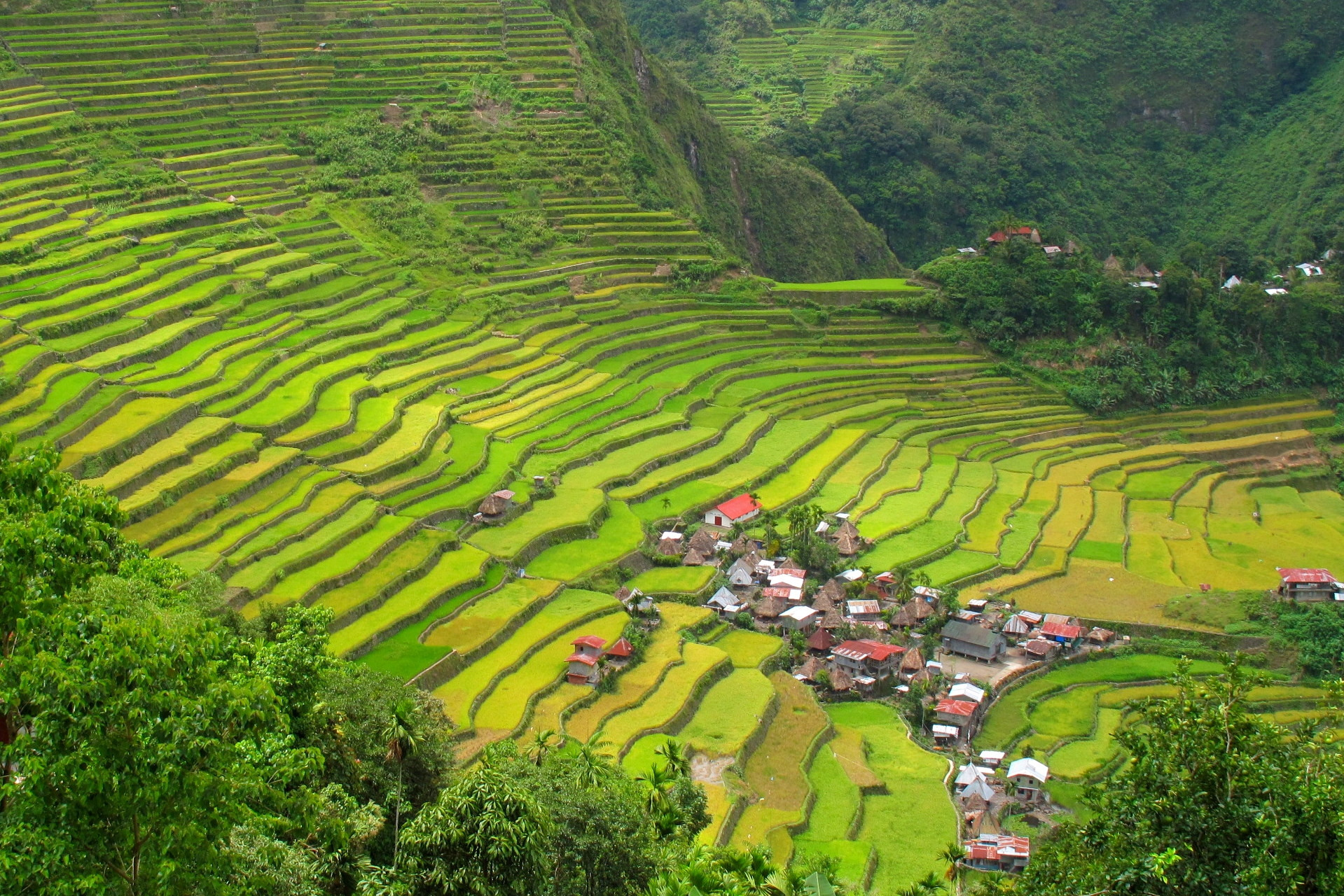
The Banaue Rice Terraces were carved into the Cordillera mountains by the Ifugao people over 2,000 years ago using only hand tools. They cover 10,360 square kilometers of mountainside and, if the walls were laid end to end, would encircle half the globe. UNESCO added them to the World Heritage list in 1995. The terraces are still farmed by Ifugao families today using the same irrigation channels their ancestors designed.
The Banaue View Point, 1.3 kilometers from the town center, gives the clearest panorama and costs PHP 30 to enter. Sunrise from this platform, when mist sits in the valley between the green terraces, is one of the most photographed scenes in the Philippines. Batad village, 12 kilometers from Banaue town by 4WD and a 3-kilometer hike, sits inside an amphitheater of terraces and is considered the most dramatic section. The hike in takes about 1.5 hours from the saddle. A guide for the Batad circuit costs PHP 500-700 per group and is worth hiring for the trail descriptions alone.
10 · Northern MindanaoCamiguin Island
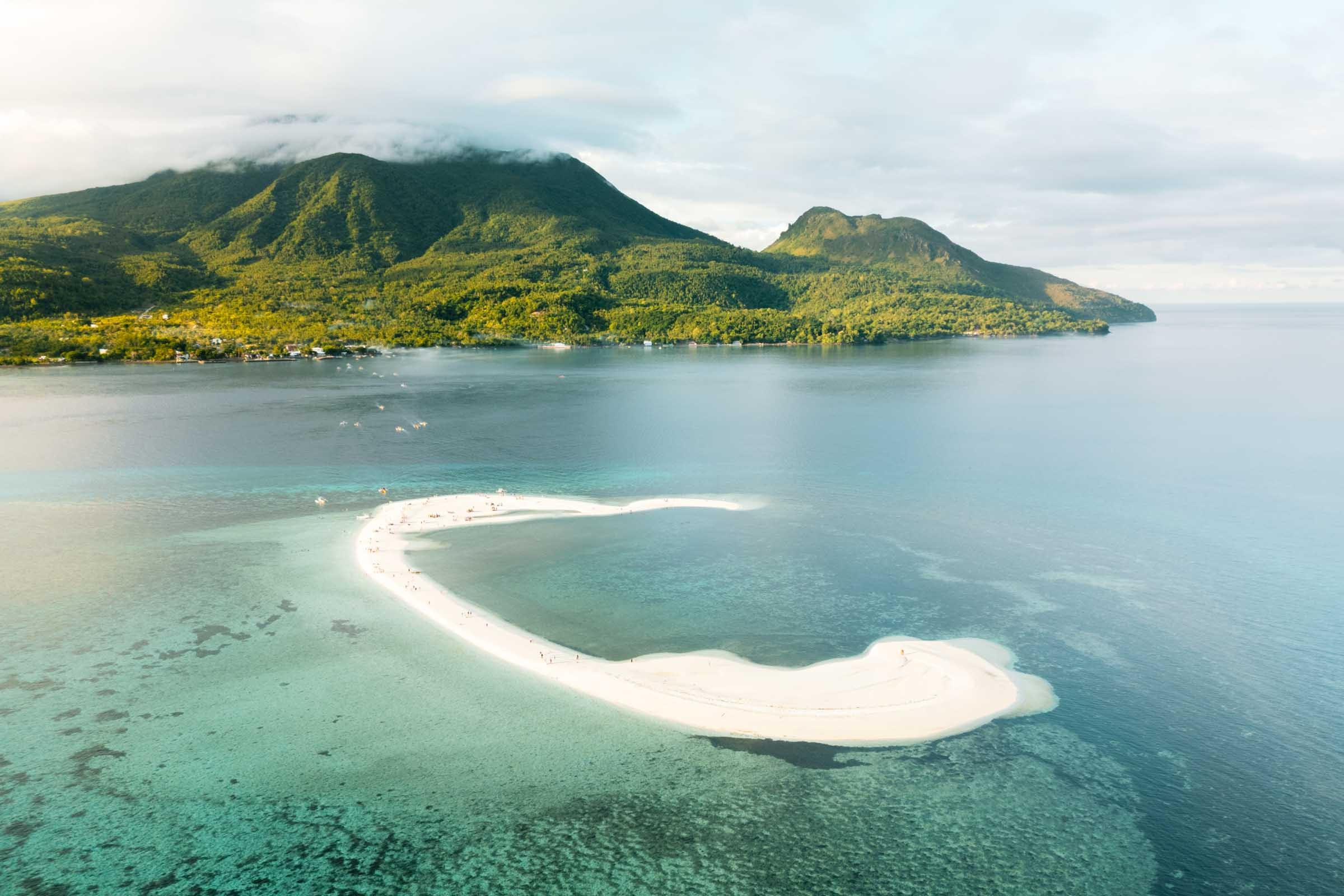
Camiguin is the only island in the world with more volcanoes than towns. It has seven volcanoes on a landmass the size of Singapore (238 square kilometers) and a population of 93,000. The most recent eruption was in 1953 at Hibok-Hibok, a 1,330-meter volcano you can climb in 6-8 hours with a registered guide (PHP 600-800). The 2026 DOT visitor numbers show Camiguin growing at 18% year-on-year as word spreads without the crowds yet materializing.
White Island is a white sandbar 1 kilometer off Mambajao's coast that appears and submerges with the tide. At low tide, it stretches about 150 meters long with nothing on it, just white sand and a view of Hibok-Hibok volcano behind you. Sunken Cemetery, a Catholic cemetery drowned by the 1871 eruption of Catarman volcano, now sits 6 meters underwater with a large white cross marking it at the surface. Soda water springs at Ardent Hot Springs bubble up from volcanic activity at a constant 40°C.
11 · Albay Province, LuzonMayon Volcano
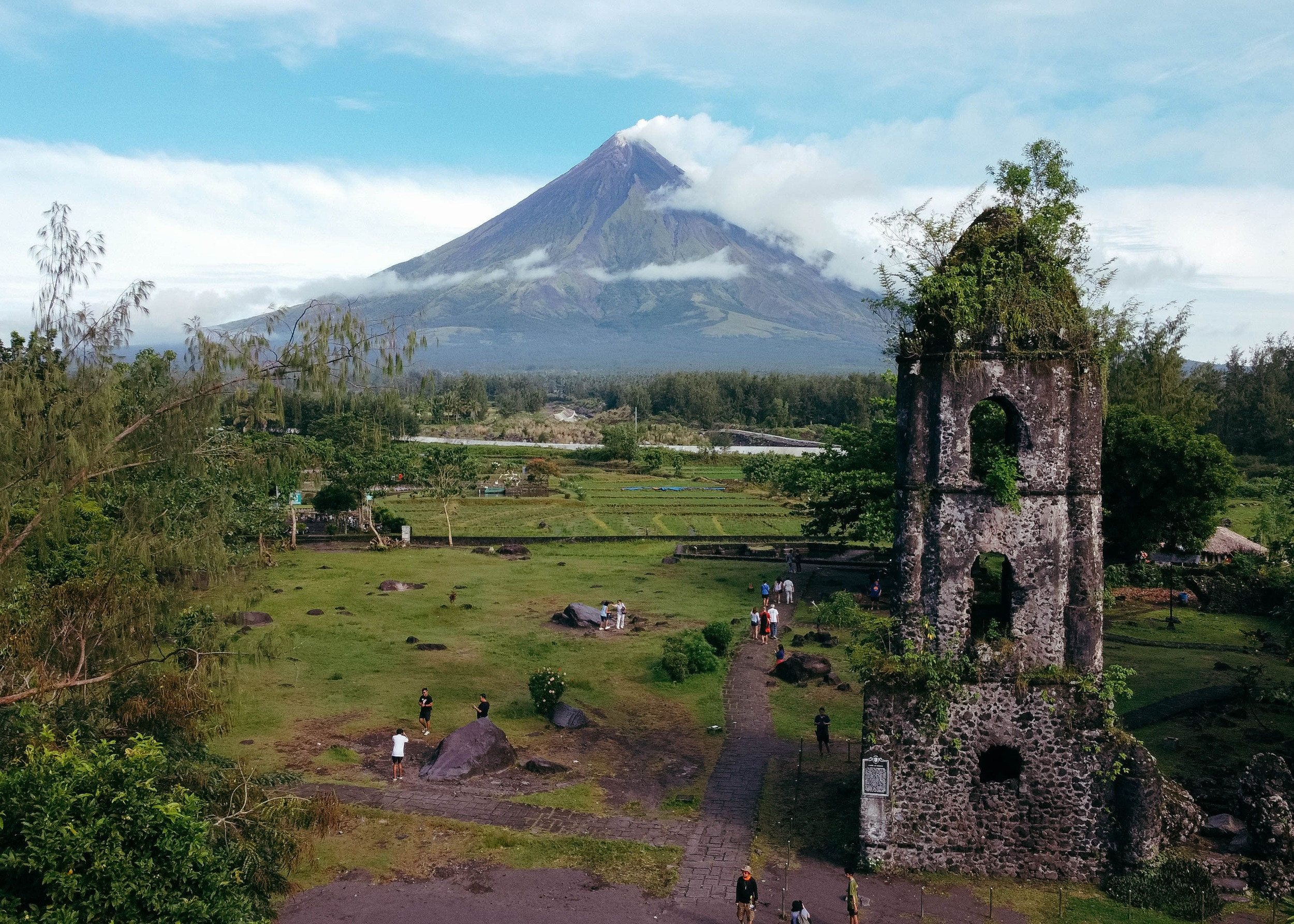
Mayon Volcano at 2,463 meters is the most active volcano in the Philippines with 51 eruptions recorded since 1616. Its cone has a slope angle of 35 degrees maintained across its circumference, which is why volcanologists use it as a textbook example of a "perfect stratovolcano." The Philippine Institute of Volcanology and Seismology (PHIVOLCS) monitors it continuously and sets the Danger Zones that determine how close visitors can get.
ATV rides through hardened lava fields on the southeastern side start at PHP 800 per person for a 2-hour circuit. The Cagsawa Ruins, where a 16th-century church tower protrudes from a 1814 lahar deposit with Mayon as the backdrop, is the most photographed view in Albay Province and costs PHP 50 to enter. The best clear morning views of the summit are from the Lignon Hill Nature Park above Legazpi City. Sunrise at Lignon Hill, when the cone is backlit before the heat haze builds, costs PHP 30 entry and is the best free photography opportunity in the Bicol region.
12 · Negros OrientalDumaguete
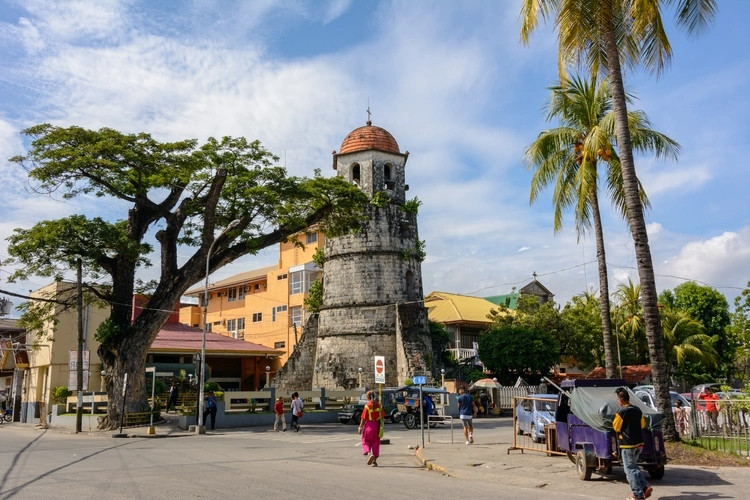
Dumaguete is a university city of 140,000 people that manages to feel genuinely livable rather than purely touristic. Silliman University, founded in 1901, is the oldest American-founded university in Asia and its 62-hectare campus runs along the waterfront. The Boulevard Walk, a kilometer-long esplanade along the Rizal Blvd, has cheap outdoor restaurants serving grilled fish and a consistent evening breeze off the Tanon Strait.
Apo Island, 30 kilometers south by a 30-minute fast boat from Malatapay market (PHP 500-800 per person round trip), is one of the most successful marine sanctuary models in Southeast Asia. Sea turtle sightings on every dive are near-guaranteed because green and hawksbill turtles have been protected there since 1982. The reef walls drop 30 meters with visibility of 20-25 meters on most days. Twin Lakes National Park, 28 kilometers inland, holds Lakes Balinsasayao and Danao inside a rainforest at 860 meters elevation, accessible for PHP 100 entry and good for kayaking and bird watching.
13 · Ilocos Sur, Northern LuzonVigan
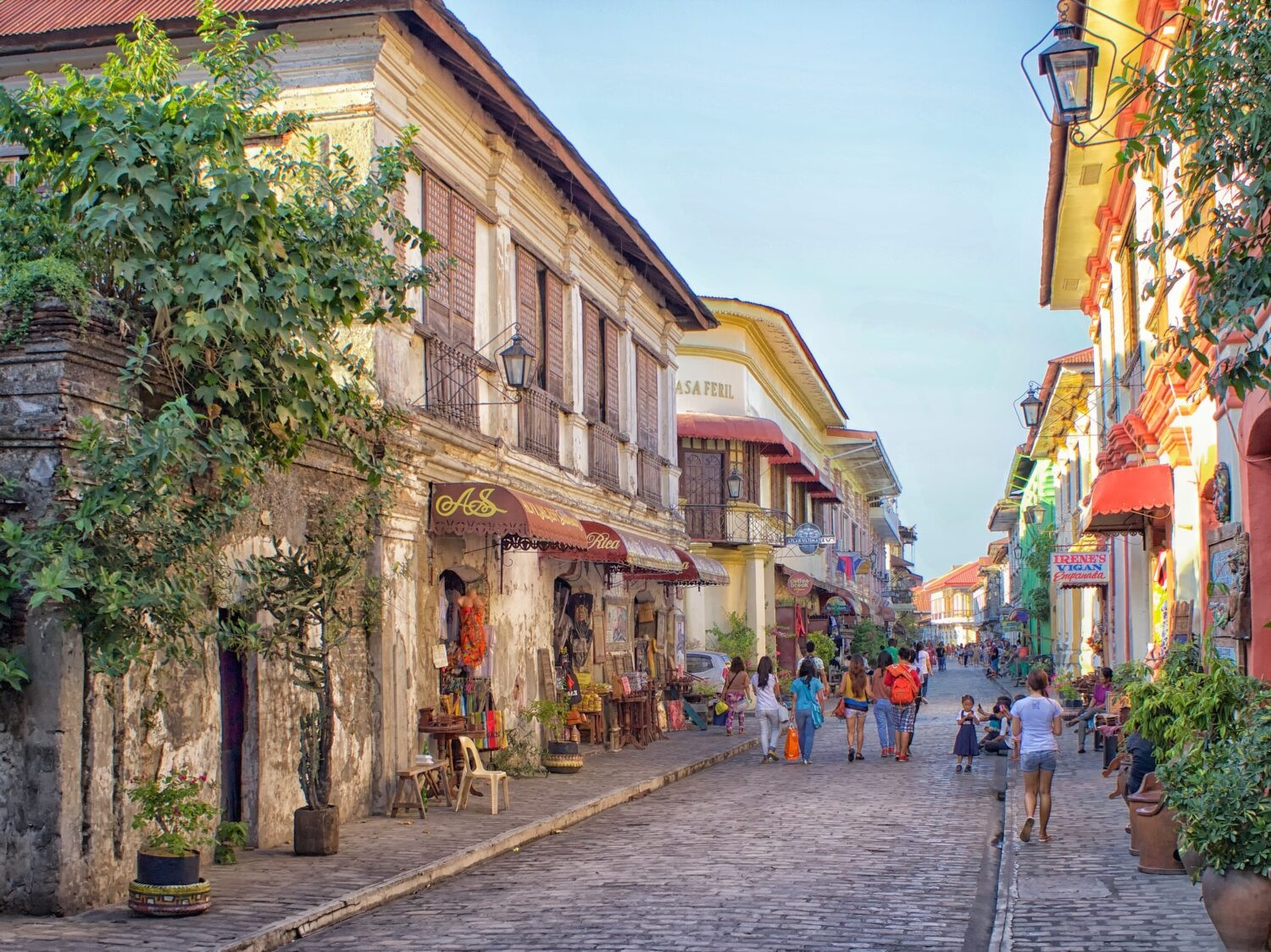
Vigan is the only surviving example of a planned Spanish colonial city in Asia. Every other Spanish-built city in the Philippines was destroyed in WWII, rebuilt, or heavily modified. Vigan was spared because the Spanish commander surrendered without a fight. UNESCO added it to the World Heritage list in 1999. Calle Crisologo, the main cobblestone street, is 150 meters of 19th-century merchant houses converted into restaurants, antique shops, and heritage hotels.
Kalesas (two-wheeled horse-drawn carriages) cost PHP 150-200 for a 30-minute tour of the historic core. The Padre Jose Burgos National Museum in the Quema House has three floors of artifacts from the Ilocano colonial period, including a functional 19th-century calesa and hand-painted earthenware. Vigan empanada is a local version deep-fried in orange-tinted oil with a filling of egg, Ilocano longganisa sausage, and green papaya. It costs PHP 35 from street vendors near the plaza and tastes completely different from Manila-style empanada. Eat it at the Saturday night street market outside the cathedral.
14 · MindanaoDavao City
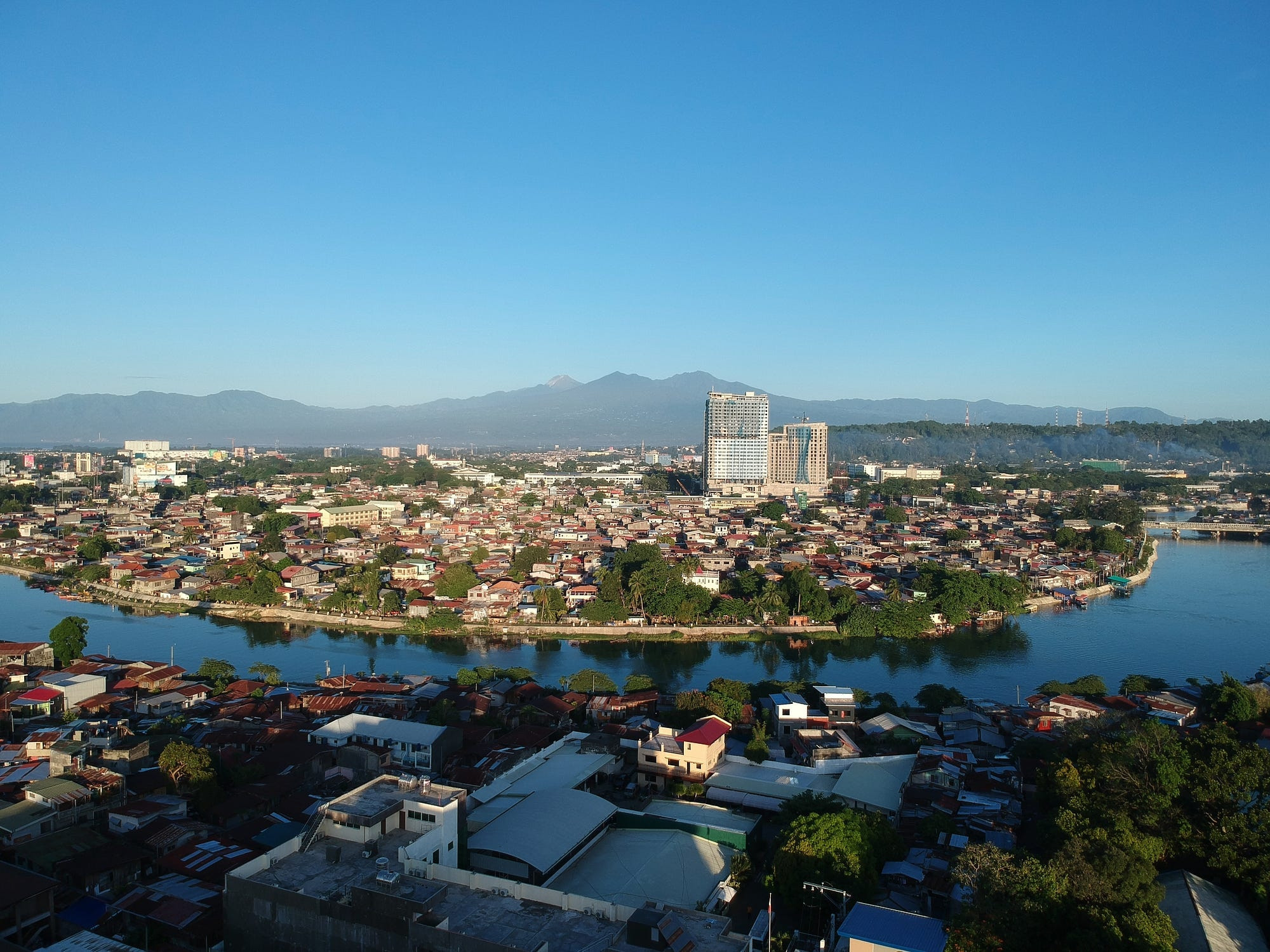
Davao City is the largest city in the Philippines by land area (2,444 square kilometers) and home to Mount Apo, which at 2,954 meters is the highest peak in the country. The Philippine Eagle Center in Malagos, 36 kilometers from the city, holds 35 Philippine Eagles (Pithecophaga jefferyi) in large enclosures. The Philippine Eagle is the national bird, has a wingspan of up to 2.2 meters, and is critically endangered with fewer than 800 individuals remaining in the wild. Entry costs PHP 200 for adults.
Davao is also the only city in Mindanao that Western governments consistently classify as low-risk for tourists, maintaining its status through active city-wide governance. Eden Nature Park, 40 kilometers above the city at 1,200 meters elevation, has a hanging bridge, zipline, and garden facilities at PHP 200 entry. The city's downtown night market on Magsaysay Park, open nightly from 7pm to 2am, is the most varied street food market in Mindanao, with grilled tuna jaw (panga ng tuna), durian ice cream, and local barbecue all costing under PHP 100 per item.
15 · Bohol ProvincePanglao Island
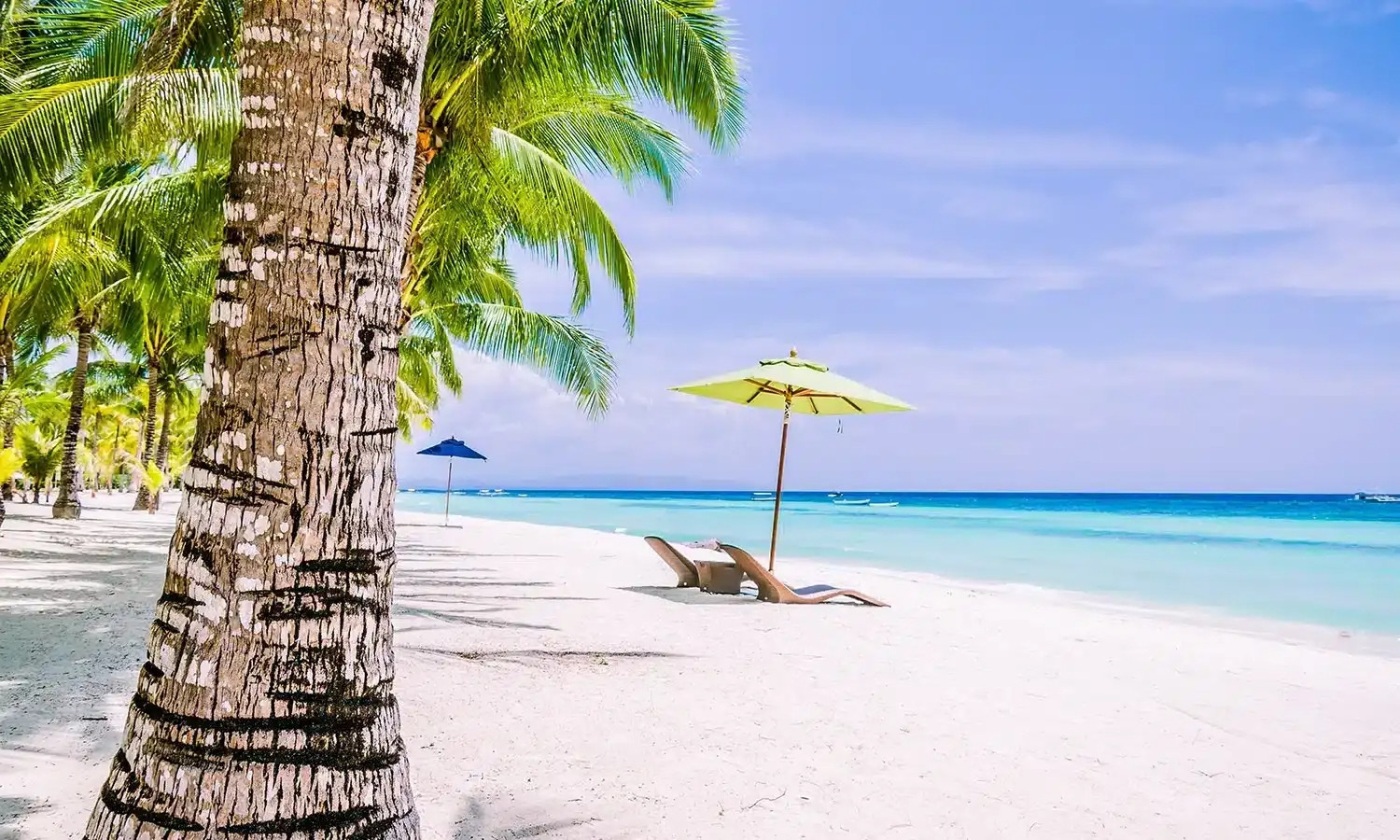
Panglao is connected to Bohol's main island by two bridges and gets significantly more beach tourism than Tagbilaran City. Alona Beach, a 400-meter stretch on the southwestern corner of the island, is the center of tourism with dive shops offering PHP 1,800-2,500 per dive including equipment. The house reef at Balicasag Island, a 45-minute boat ride from Alona Beach, has a sheer wall drop from 5 to 40 meters with very high fish density, sea turtles feeding on the coral, and black-tip reef sharks patrolling the sand bottom. A trip to Balicasag costs PHP 600-800 for the boat plus PHP 150 sanctuary entrance fee.
Hinagdanan Cave, 3 kilometers from Dauis town, contains a natural pool 30 meters inside the cave illuminated through a hole in the ceiling. Locals swim there. Entry costs PHP 50. The water is clear and cold.
16 · Cebu ProvinceCamotes Islands
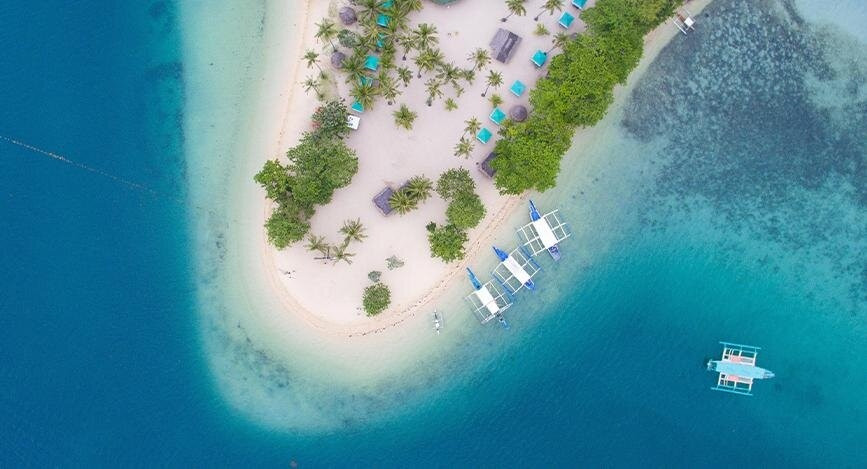
The Camotes Islands, a group of four islands (San Francisco, Tudela, Poro, and Pilar) in the Camotes Sea between Cebu and Leyte, receive a fraction of the tourists that Boracay or El Nido get, which is entirely the point. Santiago Bay in San Francisco municipality has 700 meters of white sand beach with no high-rise development behind it. Buho Rock Resort has a natural swimming pool carved into a seaside cliff, accessible by cliff jump or ladder, with open Pacific water washing into it from below. Entry costs PHP 100.
Lake Danao, a freshwater lake in the island's interior, is visible from a short viewpoint hike. The island is small enough that a rented motorbike (PHP 300/day) takes you from end to end in under an hour. The ferry from Danao Port north of Cebu City takes 2 hours and costs PHP 160 per person.
17 · Mountain Province, LuzonSagada
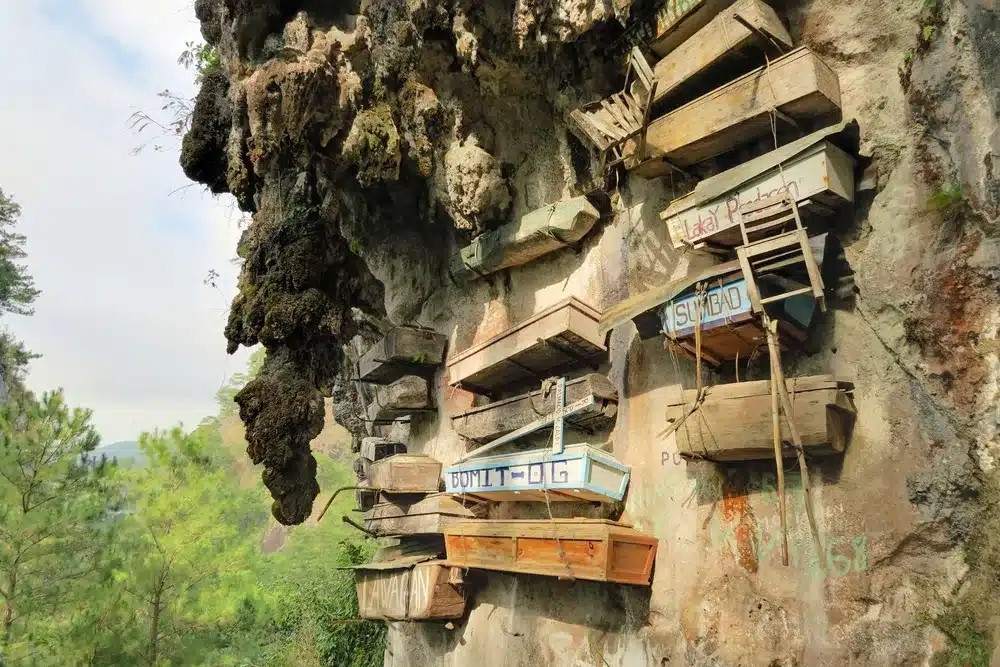
Sagada sits at 1,500 meters elevation in the Cordillera mountains of northern Luzon and maintains a culture unlike anywhere else in the Philippines. The Kankanaey people who inhabit the area hang coffins on the limestone cliff faces of Echo Valley rather than burying their dead, a practice that has continued for 2,000 years. Around 100 hanging coffins remain in place; the oldest are estimated at 500 years old. Visiting requires a registered guide (PHP 500-700 for 2-3 people for a 2-hour tour) and registration at the Sagada Tourism office (PHP 100 per person).
Lumiang Cave connects through 1.5 kilometers of cave to Sumaguing Cave, the largest cave in the Cordillera. The complete cave connection tour takes 3-4 hours, involves wading through waist-deep water, squeezing through tight formations, and climbing on a rope, and costs PHP 1,000-1,200 for guide and lamp. The weekly market in Sagada town on Saturdays draws Kankanaey farmers from surrounding villages selling pine honey, root crops, and handwoven blankets.
18 · Sulu Sea, Palawan ProvinceTubbataha Reef National Park
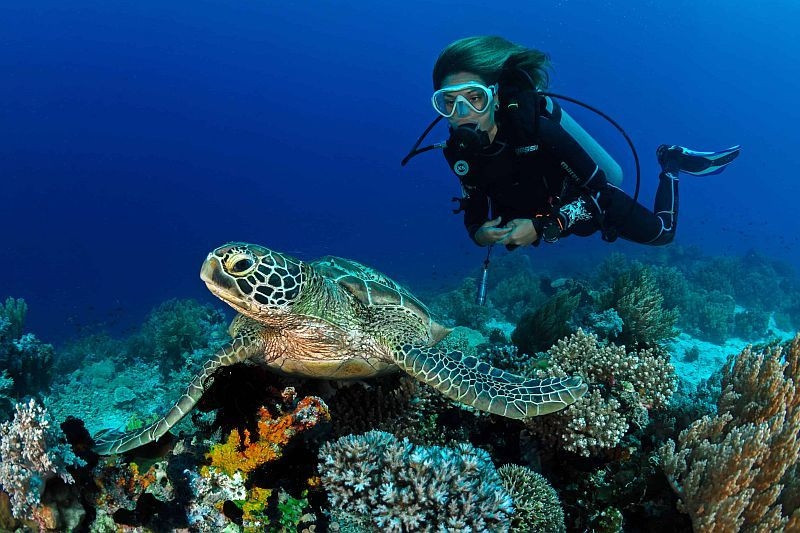
Tubbataha Reef is a UNESCO World Heritage Site (1993, extended 1999) in the middle of the Sulu Sea, 150 kilometers southeast of Puerto Princesa. There is no island to stay on. The only way to visit is by liveaboard dive boat, and the park is only open from March to June when the weather allows the crossing. A typical 7-10 day liveaboard starts at $1,800-4,500 USD depending on the operator and cabin class.
The reef holds more than 360 coral species, 500 fish species, 11 shark species (including whale sharks and hammerheads at Jessie Beazley Reef), and nesting sites for green turtles and seabirds. Visibility regularly exceeds 30 meters. The Tubbataha Reef Management Office limits permits to 1,800 diver visits per year across the entire season to maintain the ecosystem. Operators include Blue Safaris, Atlantis Azores, and Infiniti Liveaboard.
19 · Manila, LuzonIntramuros, Manila
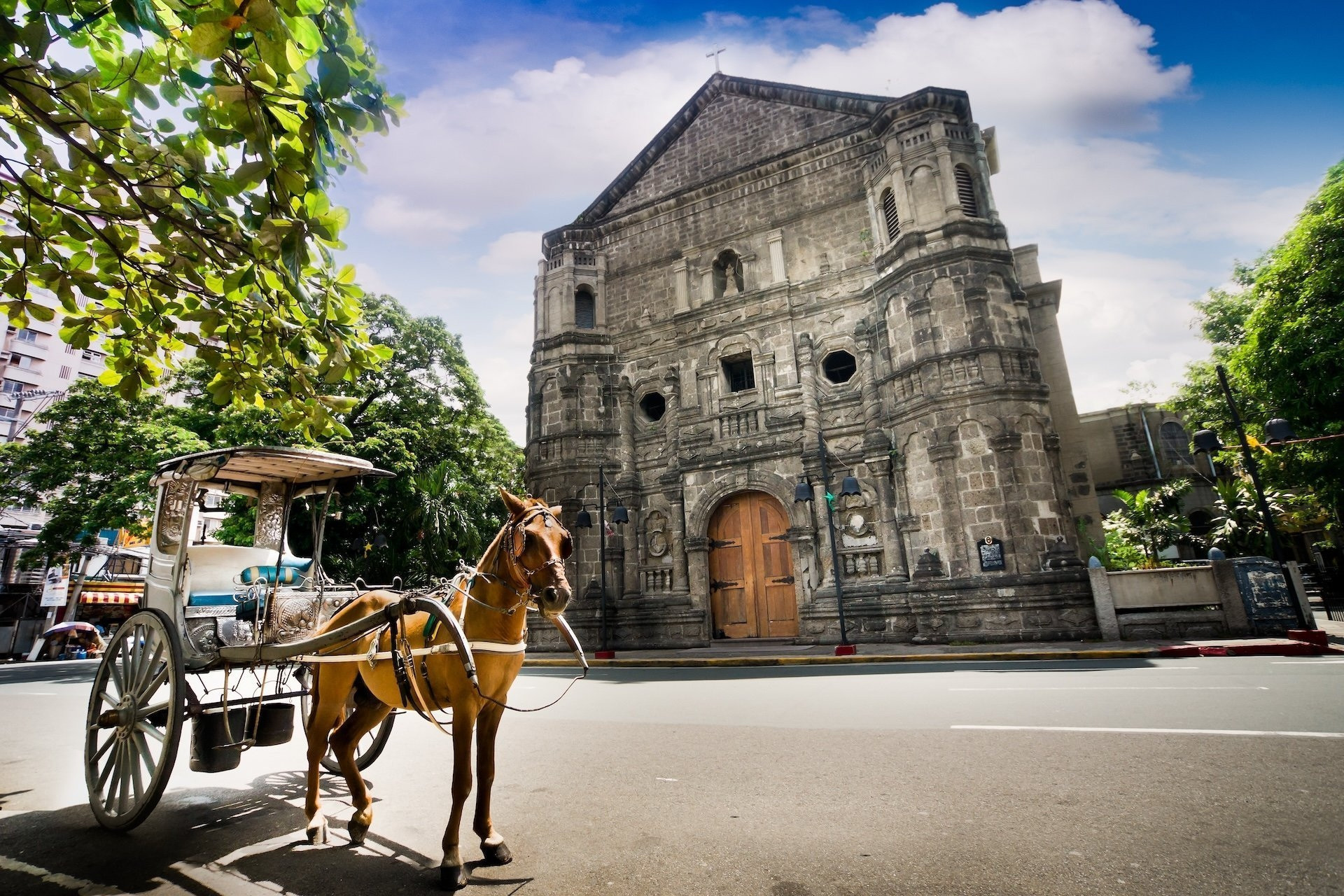
Intramuros, which means "within the walls" in Latin, is the original city of Manila built by Spanish colonizers in 1571 on the southern bank of the Pasig River. The walls are 6 kilometers in circumference, up to 12 meters high, and built from volcanic limestone. The walled city survived earthquakes, fires, and 300 years of colonial rule before the 1945 Battle of Manila reduced most of it to rubble in a month of urban fighting between US and Japanese forces. What remains is a reconstructed historic district with Fort Santiago, the National Geographic-featured Binondo Chinatown food scene 2 kilometers away, and the original Manila Cathedral still standing on Cabildo Street.
National Geographic included Manila in its Best of the World 2026 coverage, citing food culture rather than sightseeing as the primary reason to visit. Binondo, founded in 1594, is the world's oldest Chinatown and its streets hold Chinese-Filipino fusion food that exists nowhere else. Goto (rice porridge with intestines and crackers), pan de sal, and kiampong (steamed Chinese rice) from the original stalls on Quintin Paredes Street cost under PHP 100 each. Fort Santiago has a Rizal Shrine commemorating the national hero Jose Rizal's last hours before his 1896 execution, and costs PHP 75 to enter.
20 · Cebu ProvinceBantayan Island
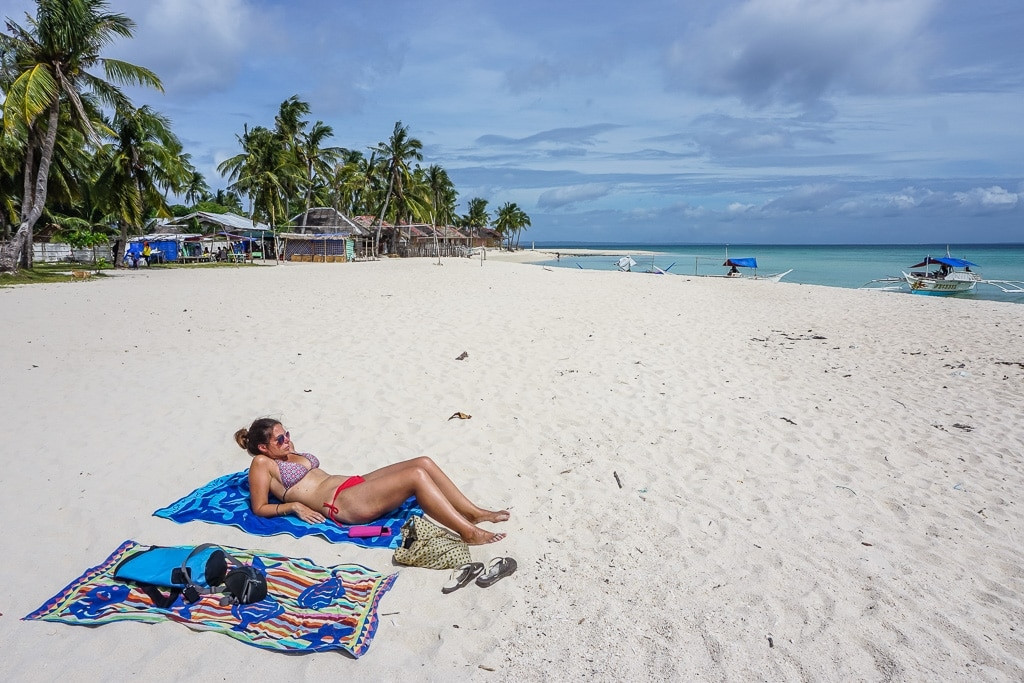
Bantayan Island sits off the northern tip of Cebu and receives enough visitors to have good accommodation options but not so many that the beaches feel crowded. The sand on Ogtong Beach at the Santa Fe resort area is comparable in quality to Boracay's, fine white coral with no rocks at the waterline, but the price for a beachside cottage is PHP 800-1,500 per night rather than PHP 4,000-8,000. The island is 13 kilometers by 7 kilometers. You can cover most of it by motorbike in an afternoon.
Bantayan town has the oldest church in northern Cebu, the Sts. Peter and Paul Parish Church built in 1788, and a small plaza where the evening's social activity concentrates around PHP 40 grilled corn and local cold drinks. The ferry from Hagnaya Port in northern Cebu takes 1 hour and costs PHP 185 per person. Hagnaya is a 2.5-hour bus ride from Cebu City's North Bus Terminal at PHP 120.
Philippines by traveler typeWhere to go based on what you actually want from the trip
Beach and island hoppers
El Nido for limestone lagoons and dramatic cliffs. Boracay for the best-serviced beach in the country. Bantayan or Camotes for a quiet beach without a large tourist crowd. Budget about 4 nights per island to actually settle in rather than just transit.
Scuba divers
Coron for the WWII wrecks. Apo Island near Dumaguete for guaranteed sea turtle encounters. Tubbataha Reef (March to June, liveaboard only) for the most biodiverse reef in the Philippines. Panglao for a budget-friendly introduction to Visayas diving.
History and culture
Vigan for the only surviving Spanish colonial city in Asia. Intramuros in Manila for the 1571 walled city and the world's oldest Chinatown in Binondo. Banaue Rice Terraces for 2,000-year-old Ifugao engineering. Sagada for the 2,000-year-old hanging coffin tradition.
Adventure and trekking
Mount Apo in Davao at 2,954 meters for the Philippines' highest summit. Hibok-Hibok in Camiguin for a 1,330-meter volcano with hot spring access at the base. Kawasan Falls canyoneering in Cebu for cliff jumps into turquoise pools. Sagada cave connection for a 3-4 hour underground scramble.
Families with young children
Boracay Station 2 for calm, shallow water and resort facilities. Bohol for the Chocolate Hills and tarsier sanctuary (children are consistently amazed by the tarsiers). Cebu for the whale shark experience at Oslob and Kawasan Falls swimming without the canyoneering section.
Off the beaten path
Batanes for the most distinctly different landscape in the country. Camiguin for seven volcanoes and almost no foreign tourists. Camotes Islands for a Boracay-quality beach without the development. Port Barton in Palawan for a small-town alternative to El Nido, 3 hours south by road.
Best time to visit the Philippines by regionThe Philippines has one weather pattern and several exceptions to it
The standard advice is "visit during the dry season, November to May." That's accurate for most of the country, but the Philippines is 1,850 kilometers from north to south and each island group responds to weather systems differently. Here's what actually changes by region.
Palawan (El Nido, Coron, Puerto Princesa)
The dry season runs November through May, with the clearest skies in February and March. The southwest monsoon hits Palawan hard from June through September, when heavy rain and rough seas make island hopping dangerous. October is transitional and unpredictable. December to April is the window most dive operators use for the more exposed northern sites.
Visayas (Cebu, Bohol, Siargao, Boracay)
November through April is generally dry and calm. Siargao is an exception: surfers specifically target August through November when northwest swells produce the best waves at Cloud 9. Cebu and Bohol can receive typhoon-related rain from October through December but rarely see direct typhoon hits. The 2013 Typhoon Haiyan was unusual in its intensity for the region.
Northern Luzon (Banaue, Sagada, Vigan)
March through May is the clearest weather. December through February can be cold at altitude, with Sagada and Banaue dropping to 10-15°C overnight. The Cordillera mountains create their own rainfall patterns independent of the national dry season, so expect fog and morning mist even in the peak months at elevation.
Batanes (far north)
March to May is the only reliably stable period for flights and outdoor activity. June through November sees typhoons move through the Bashi Channel. Flights cancel without warning. The Batanes weather station in Basco records the highest average wind speeds of any airport in the Philippines.
Mindanao (Davao, Camiguin)
Mindanao sits below the typhoon belt and receives year-round rainfall rather than a sharp wet/dry split. Davao's driest months are March through May. Camiguin is similar. Flooding can occur from September through November in lower-lying areas, but active volcanoes aside, severe weather events are rarer here than in Luzon or the Visayas.
How to plan your Philippines tripTwo itineraries that actually work given flight logistics
7-day Philippines itinerary
14-day Philippines itinerary
Frequently asked questionsCommon questions about visiting the Philippines
Q. What is the most beautiful place in the Philippines?
Palawan is consistently ranked the most beautiful place in the Philippines. Travel + Leisure named it the world's best island in 2024 and 2025. El Nido and Coron, both in Palawan, receive the highest number of international accolades for their limestone cliffs, hidden lagoons, and underwater visibility. For something completely different and less visited, Batanes Islands in the far north offers dramatic rolling hills and a completely distinct landscape from the rest of the country.
Q. Is the Philippines worth visiting in 2026?
Yes. The Philippines has 7,641 islands, two UNESCO World Heritage Sites open to tourists, and some of the most biodiverse marine ecosystems on earth. Budget travel is accessible: a solid guesthouse in El Nido costs $20-35 per night, and island-hopping tours run about $26-35 per person including lunch. The DOT reported 5.45 million international arrivals in 2024, recovering toward pre-pandemic levels, and most major tourist infrastructure across Palawan, Visayas, and Manila is operating at full capacity.
Q. When is the best time to visit the Philippines?
November to May is the dry season across most of the Philippines, called Amihan, with northeast trade winds and temperatures between 24-31°C. December through February is the coolest and most pleasant period for most destinations. For Palawan and the Visayas, November through April is ideal. Batanes in the far north is best from March through May. Siargao's surf season peaks August through November. The wet season from June to October brings typhoons mainly to Luzon and Eastern Visayas; Mindanao and southern Palawan see fewer storms.
Q. Is the Philippines safe for tourists?
The main tourist destinations — Palawan, Boracay, Siargao, Cebu, Bohol, Banaue, Vigan, and Batanes — are safe for international visitors. Standard urban precautions apply in Manila. Most Western governments classify the popular tourist islands as standard travel destinations with no specific advisories. Mindanao's interior and the Sulu Archipelago carry travel advisories from several countries; stick to Davao City and popular island destinations in the south rather than remote areas in those provinces.
Q. How many islands does the Philippines have?
The Philippines has 7,641 islands, of which about 2,000 are inhabited. The three main island groups are Luzon in the north (where Manila is), Visayas in the center (Cebu, Bohol, Siargao), and Mindanao in the south (Davao, Camiguin). Palawan, one of the most visited provinces, is a separate elongated island stretching 450 kilometers southwest toward Borneo.
Q. Which is better for a first visit — Palawan or Boracay?
Palawan (El Nido or Coron) is better if you want dramatic scenery, island hopping, and snorkeling in turquoise lagoons. El Nido is wilder; Coron is calmer with world-class wreck diving. Boracay is the better choice if you want a beach holiday with good restaurants, nightlife, and easy logistics. White Beach has resort-quality services at every budget level. First-timers who want variety often combine 4-5 nights in Palawan with 3-4 nights in Boracay.
Q. What is the Philippines most famous for?
Internationally, the Philippines is most famous for its beaches — particularly White Beach in Boracay and the limestone lagoons of El Nido. Among divers, Tubbataha Reef (a UNESCO World Heritage Site in the Sulu Sea) and the WWII shipwrecks of Coron rank among the top dive sites on Earth. The Banaue Rice Terraces, carved by the Ifugao people over 2,000 years ago, are often described as the Eighth Wonder of the World. The Philippines is also the world's largest archipelago nation by number of islands.
Q. What is the cheapest way to travel around the Philippines?
Budget airlines Cebu Pacific and AirAsia Philippines connect Manila to most major destinations for $20-60 USD if booked 4-8 weeks ahead. Between islands, ferries run by 2GO Travel and Cokaliong are the cheapest option for longer routes: a Manila to Cebu ferry takes 22 hours but costs about $15-25 in economy class. Within islands, tricycles (motorcycle sidecars) cost PHP 15-30 for short hops. Budget accommodation runs $12-30 per night for a clean private room across the popular islands.




{{item.get_author.first_name}} {{item.get_author.last_name}}
Level 7
5 Photos
36 Reviews
{{item.comment_txt}}
{{item_reply.get_author.first_name}} {{item_reply.get_author.last_name}}
@ {{item_reply.reply_to}}, {{item_reply.reply_txt}}