

Camping in the US runs through 1 booking system for most federal land, Recreation.gov, and almost nobody explains how it actually works before recommending a campground. Reservations open on a strict rolling window, exactly 6 months before your arrival date, at 10:00 AM Eastern, and popular summer weekend sites at parks like Yosemite or Zion can sell out within minutes of that window opening.
This guide covers 25 real, currently operating campgrounds across 7 regions, each with an actual site count, a specific geographic or historical fact, and honest best-time-to-visit advice, not a repeated seasonal template.
Alaska:
Alaska's 2 entries on this list sit at opposite ends of the state and require the most planning of anywhere on this guide, worth it for terrain nowhere else in the country offers.
Bartlett Cove Campground:
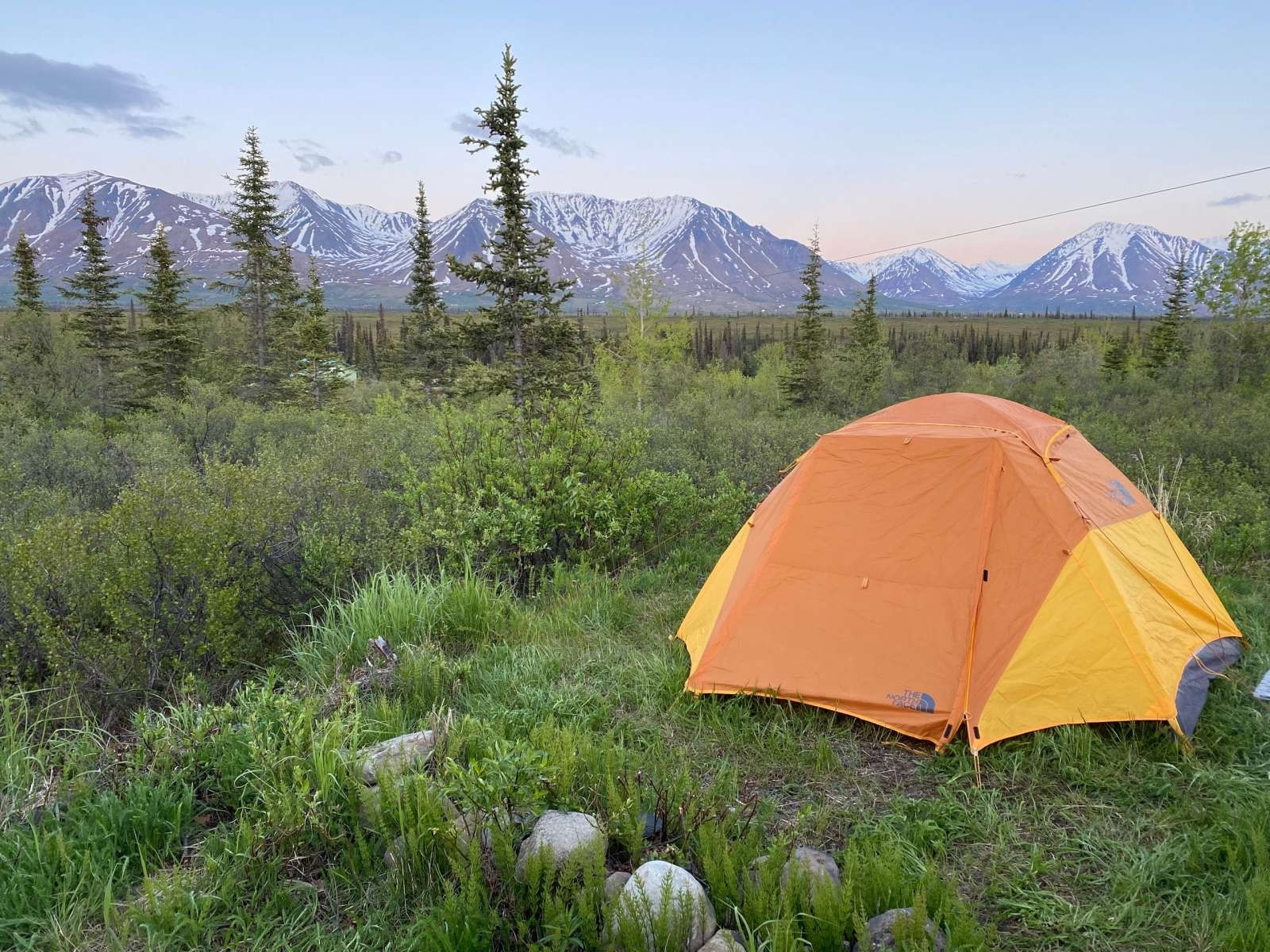
Bartlett Cove sits on calm coastal water inside Glacier Bay National Park, reachable only by ferry or small plane from Juneau, no road connects to the park at all. Spruce and hemlock forest surrounds the free, walk-in tent sites, and humpback whales, sea otters, and harbor seals show up in the bay regularly enough that a sighting is closer to expected than lucky. The park's ranger station runs daily naturalist programs through summer, and kayak rentals in Bartlett Cove put paddlers directly among tidewater glaciers within a few hours.
Free walk-in tent sites, potable water, and vault toilets. No showers, no RV hookups, and no vehicle access at all, everything arrives by ferry or plane.
Late June through August, when the ferry runs reliably and daylight stretches past 10pm.
Wonder Lake Campground:
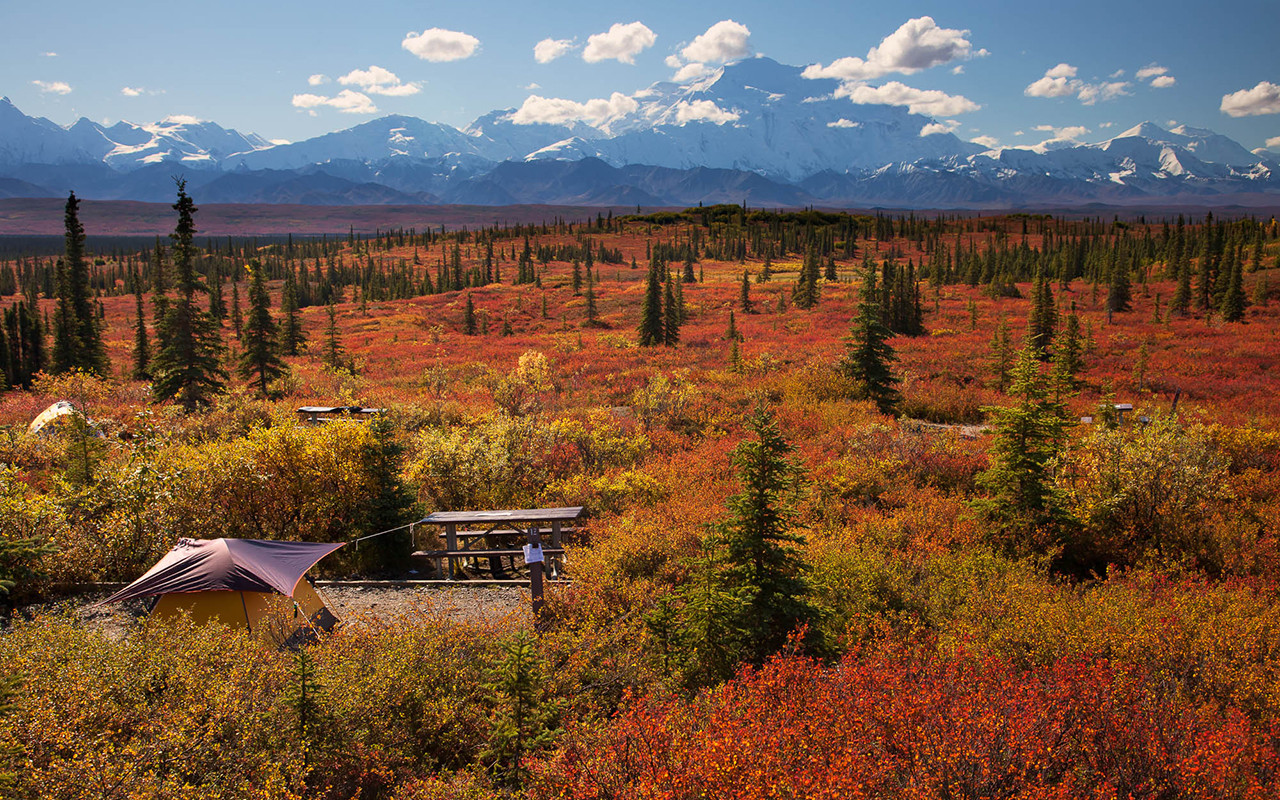
Wonder Lake sits 85 miles into Denali National Park along the single park road, reachable only by the park's shuttle bus system since private vehicles are barred past mile 15. On clear days, Denali, at 20,310 feet the tallest peak in North America, reflects directly in the lake's still water, a view park photographers rate among the best in the entire system. Grizzly bears, caribou, and wolves roam the surrounding tundra in genuine numbers, and the campground's 28 sites book out within minutes of release on Recreation.gov.
Vault toilets and potable water at the campground. No showers, no RV or trailer sites, and no cell signal, reachable only by the park shuttle bus.
Late May through August, when the shuttle system runs and river crossings stay passable.
Pacific and West Coast:
California and Washington account for most of this region, and the range runs from granite valley walls to genuine temperate rainforest.
Upper Pines Campground:
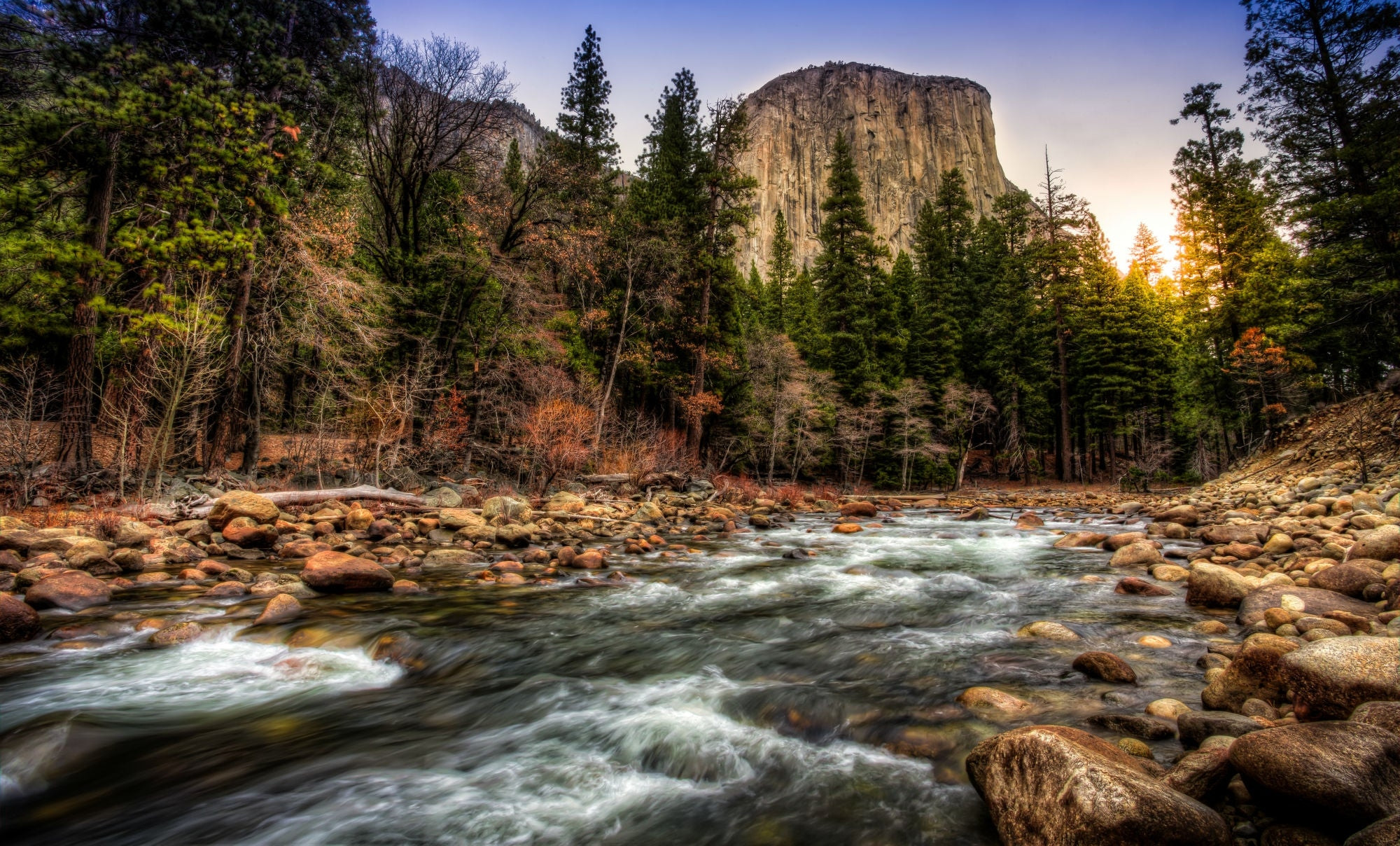
Upper Pines sits in Yosemite Valley within walking distance of the Mist Trail and Vernal Fall, with El Capitan and Half Dome visible directly from many sites. At 238 sites, it's the largest campground in the valley and the only one open year-round, which also makes it the hardest to book, summer weekend reservations release on Recreation.gov's rolling 6-month window and commonly sell out within minutes. Black bears are active throughout the valley, and every site includes a metal bear box, mandatory for any food or scented item.
Flush toilets, potable water, and a mandatory metal bear box at every site. RV sites available, though without electric, water, or sewer hookups.
May through June for waterfalls at peak flow; September for fewer crowds with most trails still open.
Hoh Campground:
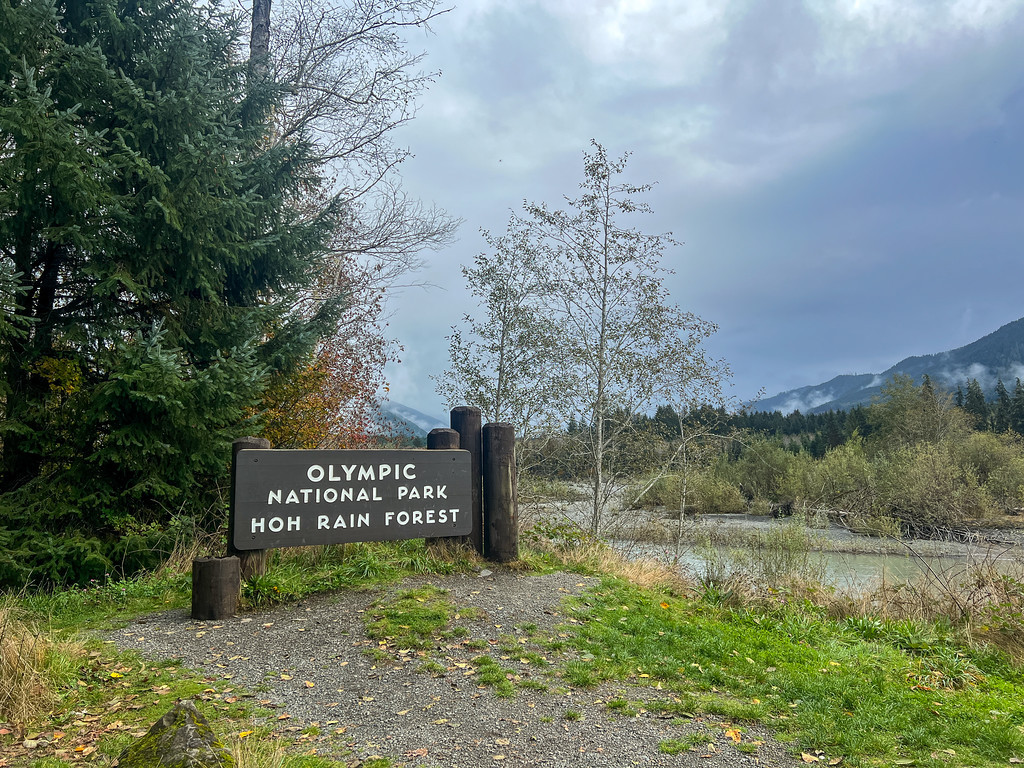
The Hoh Rain Forest receives up to 170 inches of rain a year, among the wettest climates in the continental US, and the result is a genuine temperate rainforest: moss-draped bigleaf maples, ferns taller than a person, and Roosevelt elk grazing in the valley's open meadows. The 78-site campground sits beside the Hoh River, and the Hall of Mosses and Spruce Nature Trail both start within a few minutes' walk of the sites, no long drive required to see the forest's signature scenery.
Vault toilets, potable water, picnic tables, and fire rings at each site. No showers and no hookups, standard for a rainforest campground this remote.
July through September, the driest window in a climate defined by rain the rest of the year.
North Cascades National Park Campgrounds:
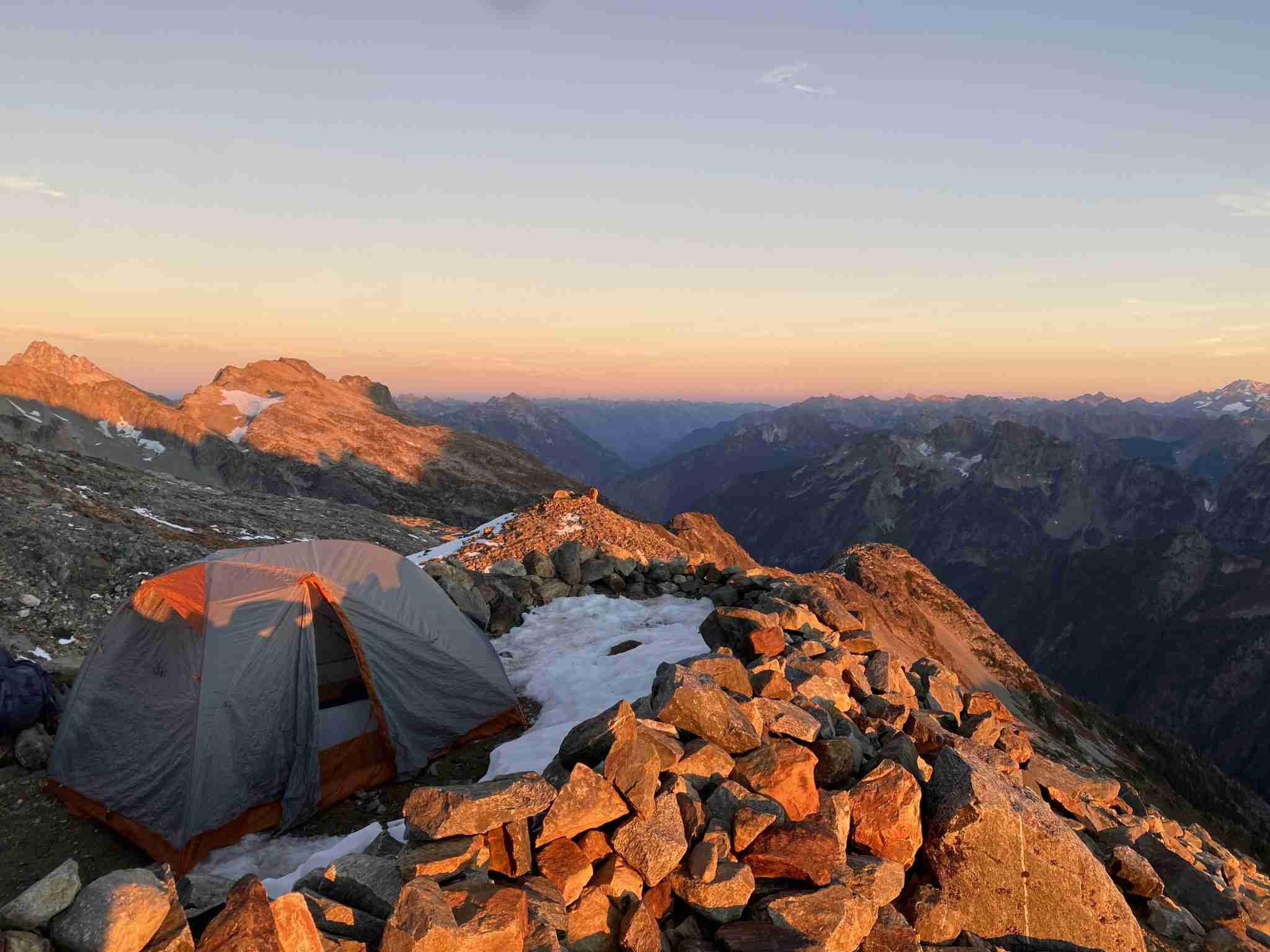
North Cascades draws under 30,000 backcountry visitors a year, a fraction of Yosemite's or Zion's crowds, despite jagged peaks and more glaciers than any other park in the contiguous US outside Washington's own Mount Rainier and Olympic. Newhalem Creek and Colonial Creek both offer drive-up sites along Highway 20, with Diablo Lake's turquoise, glacier-fed water visible from several overlooks along the same road. Hiking here skews genuinely strenuous, with fewer easy, flat trails than most national parks on this list.
Vault toilets and potable water at both Newhalem Creek and Colonial Creek. Some sites accommodate small RVs, but no hookups are available anywhere in the park.
July through September, when the North Cascades Highway (closed by snow in winter) stays fully open.
D.L. Bliss State Park Campground:
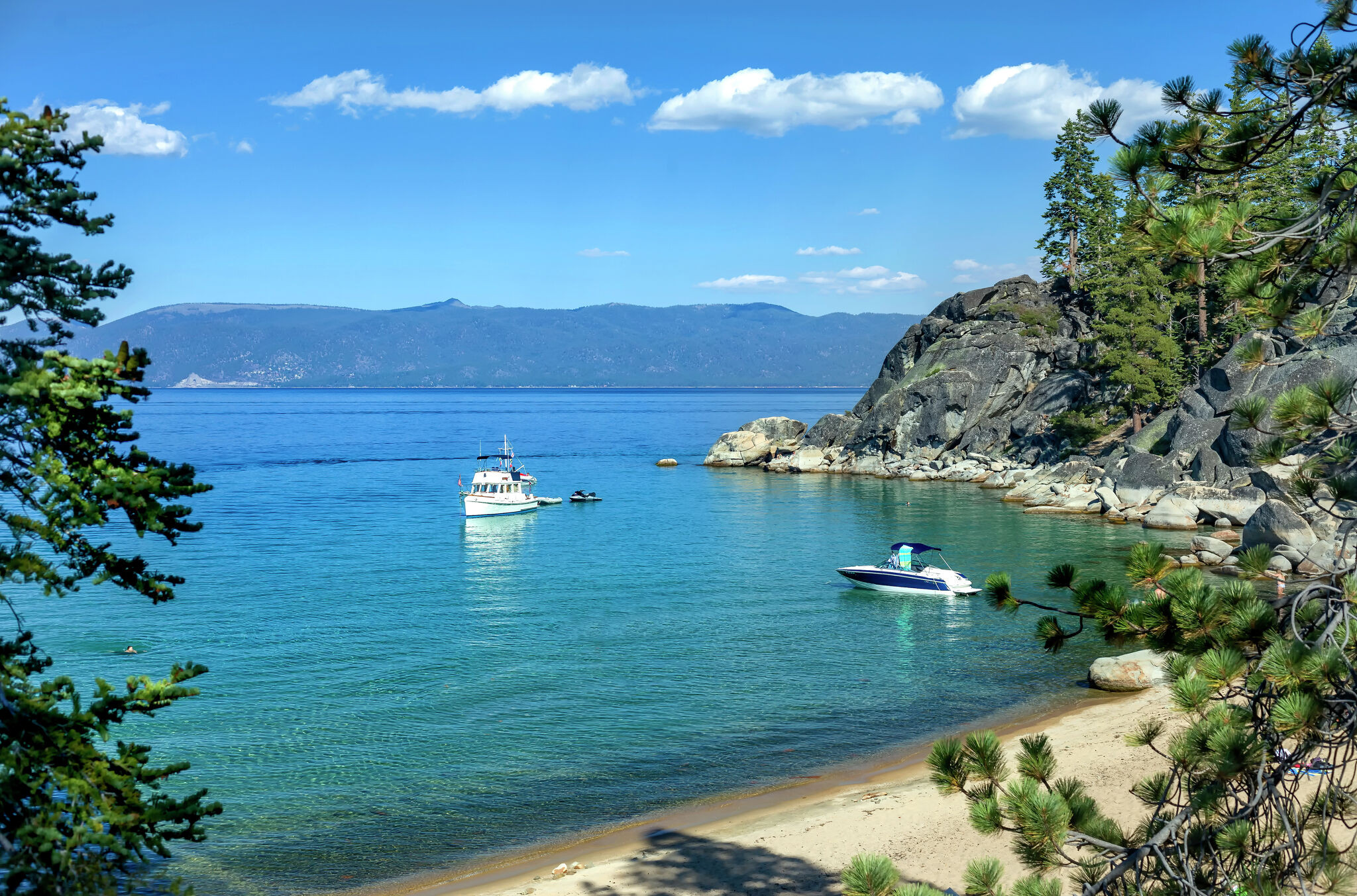
D.L. Bliss sits on Lake Tahoe's west shore, and Rubicon Trail, a mostly flat, roughly 4.5-mile path along the water, connects the campground directly to Emerald Bay State Park without a car. Lake Tahoe's clarity runs among the highest of any large lake in the US, and the park's 150 sites, split between forest and near-shore locations, book out for summer weekends well before the season starts. The Sierra Nevada backdrop and the lake's turquoise shallows near Lester Beach draw both campers and day-trippers in roughly equal numbers.
Flush toilets, potable water, and coin-operated showers nearby. No RV hookups, though several sites sit close enough to the beach for direct lake access.
June through September, when Tahoe's high-elevation nights (around 6,200 feet) stay reliably above freezing.
San Elijo State Beach Campground:
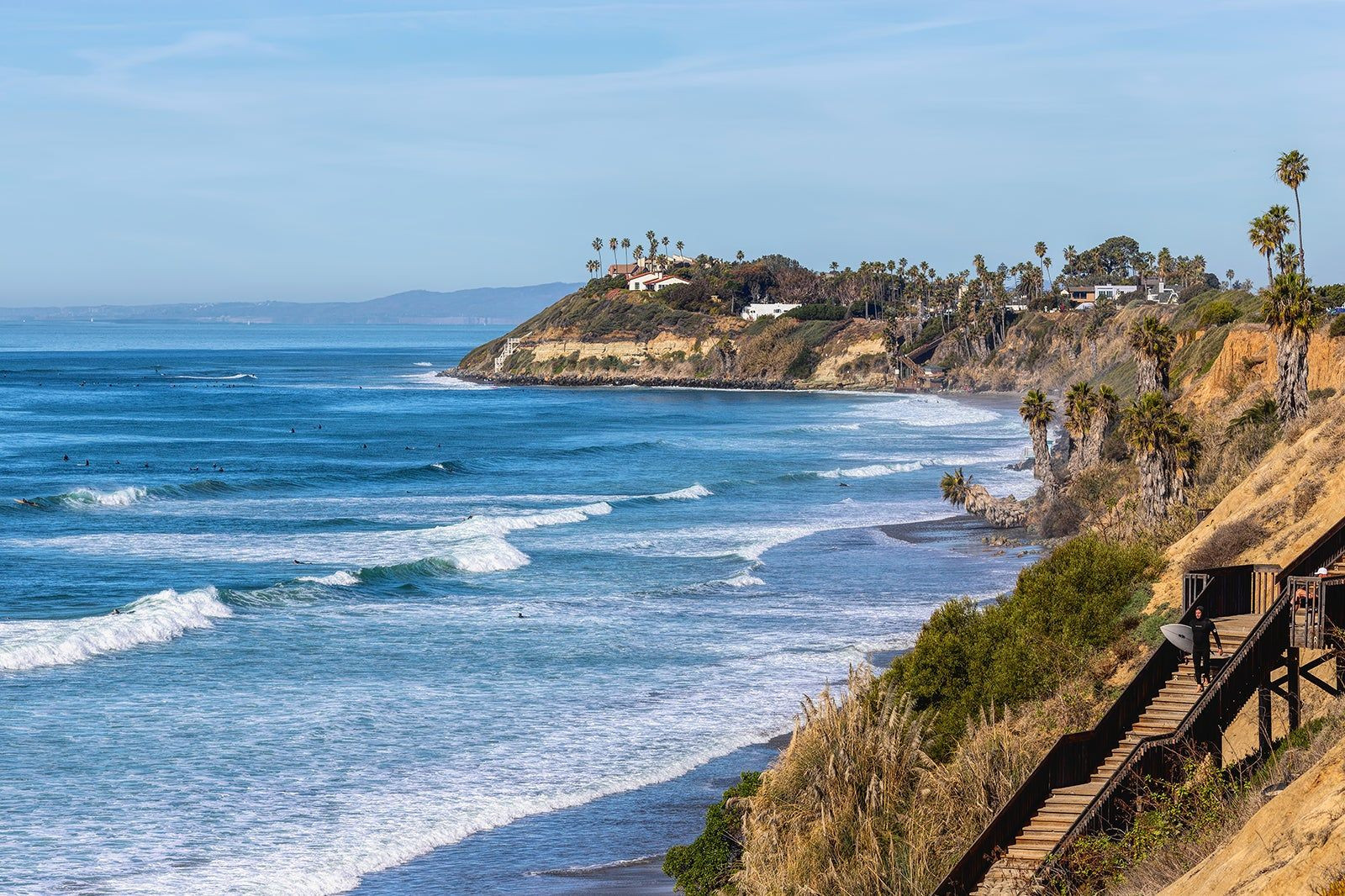
San Elijo sits on coastal bluffs above the Pacific between Del Mar and Encinitas, close enough to San Diego that it functions as a genuine weekend option, not a destination trip. Most of the 171 sites sit close enough to the bluff edge for direct ocean views, and a stairway leads straight down to the beach for surfing, swimming, or simply watching the sunset without driving anywhere. Its proximity to San Diego means it books out faster, relative to its size, than almost any other entry on this list.
Flush toilets, coin-operated showers, and potable water. Many sites sit directly on the bluff with unobstructed ocean views, a genuine rarity at this price point.
May through October, for reliably sunny skies and warm enough water for swimming.
Southwest Desert:
This region packs the most extreme temperature swings of anywhere on the list, most of these campgrounds are genuinely dangerous to visit in July and August, and genuinely excellent the rest of the year.
Watchman Campground:
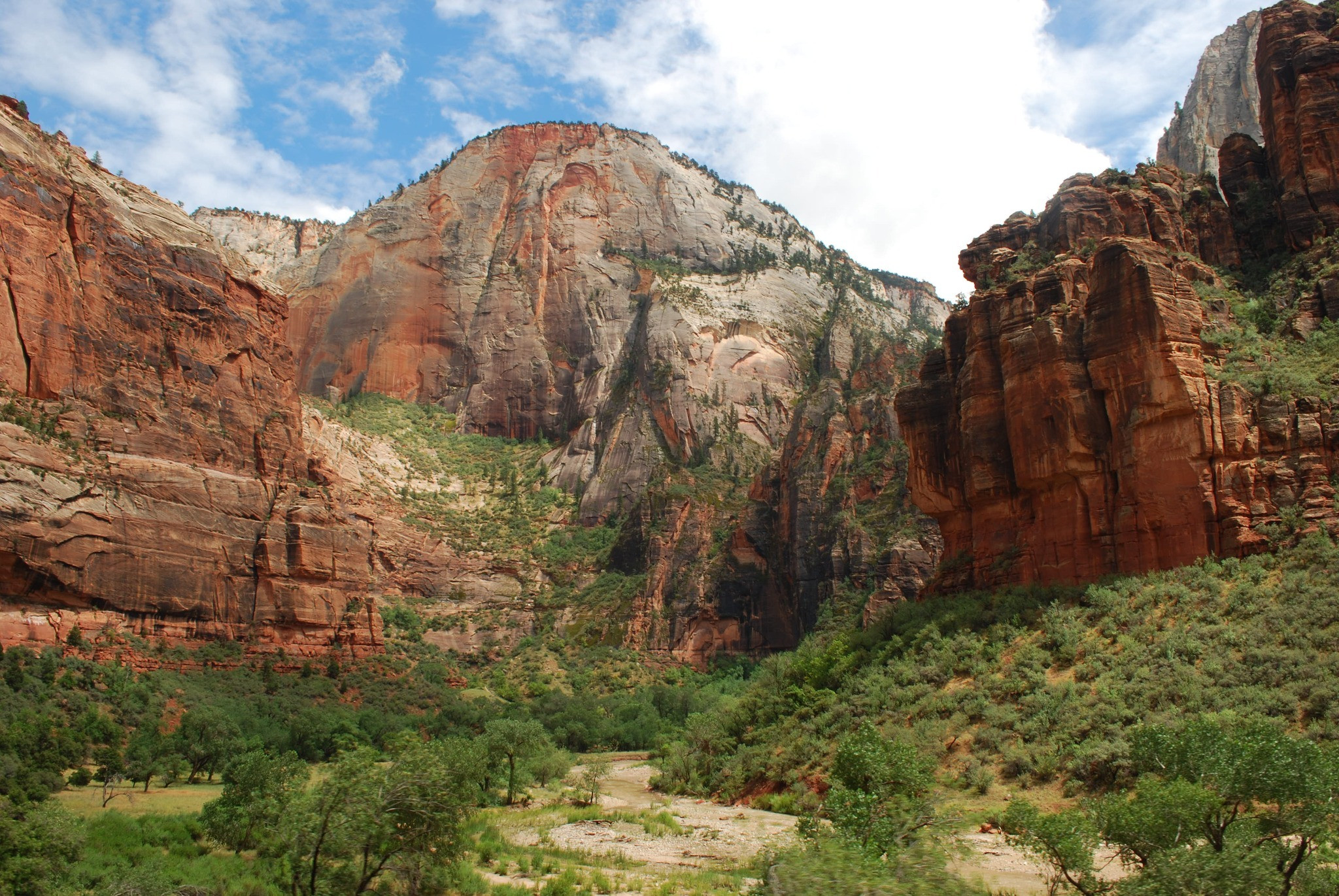
Watchman sits along the Virgin River at Zion's south entrance, close enough to walk into Springdale for dinner, and its 176 sites put it within striking distance of both Angels Landing and the Narrows without needing the park shuttle for the approach. Zion's sandstone cliffs run genuinely red and orange at sunrise and sunset, a mineral effect from iron oxide in the rock, not a trick of the light. Angels Landing requires an advance permit through a separate lottery system, worth applying for before the trip, not after arrival.
Flush toilets, potable water, and a mix of tent and RV sites, some with electric hookups. Shuttle access to the park's main trailheads runs directly from the campground.
March through May or September through November, avoiding summer heat that regularly exceeds 100°F in the canyon.
Mather Campground:
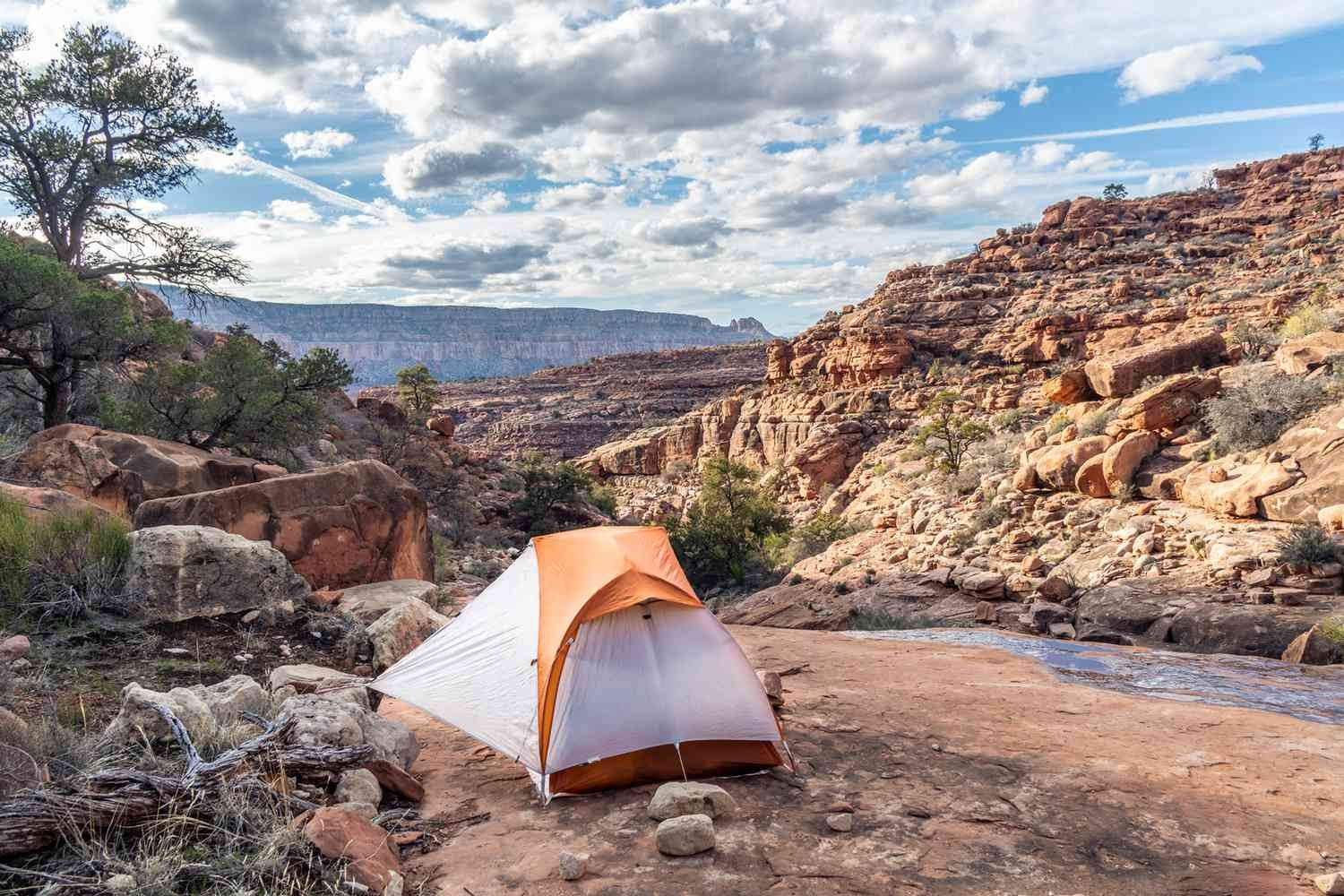
Mather sits on the South Rim near Grand Canyon Village, and staying overnight means catching sunrise or sunset over the canyon without the day-trip crowds that pack the rim overlooks by mid-morning. At 327 sites, it's one of the largest national park campgrounds in the country, with a full grocery store and laundry facility on-site, genuine amenities most remote campgrounds on this list don't offer. The canyon itself runs a mile deep in places, carved by the Colorado River over roughly 6 million years.
Flush toilets, coin-operated showers, potable water, and an on-site camp store and coin laundry, genuine amenities most remote campgrounds on this list don't offer.
March through May or September through November, when rim temperatures stay comfortable for hiking.
Havasu Falls Campground:
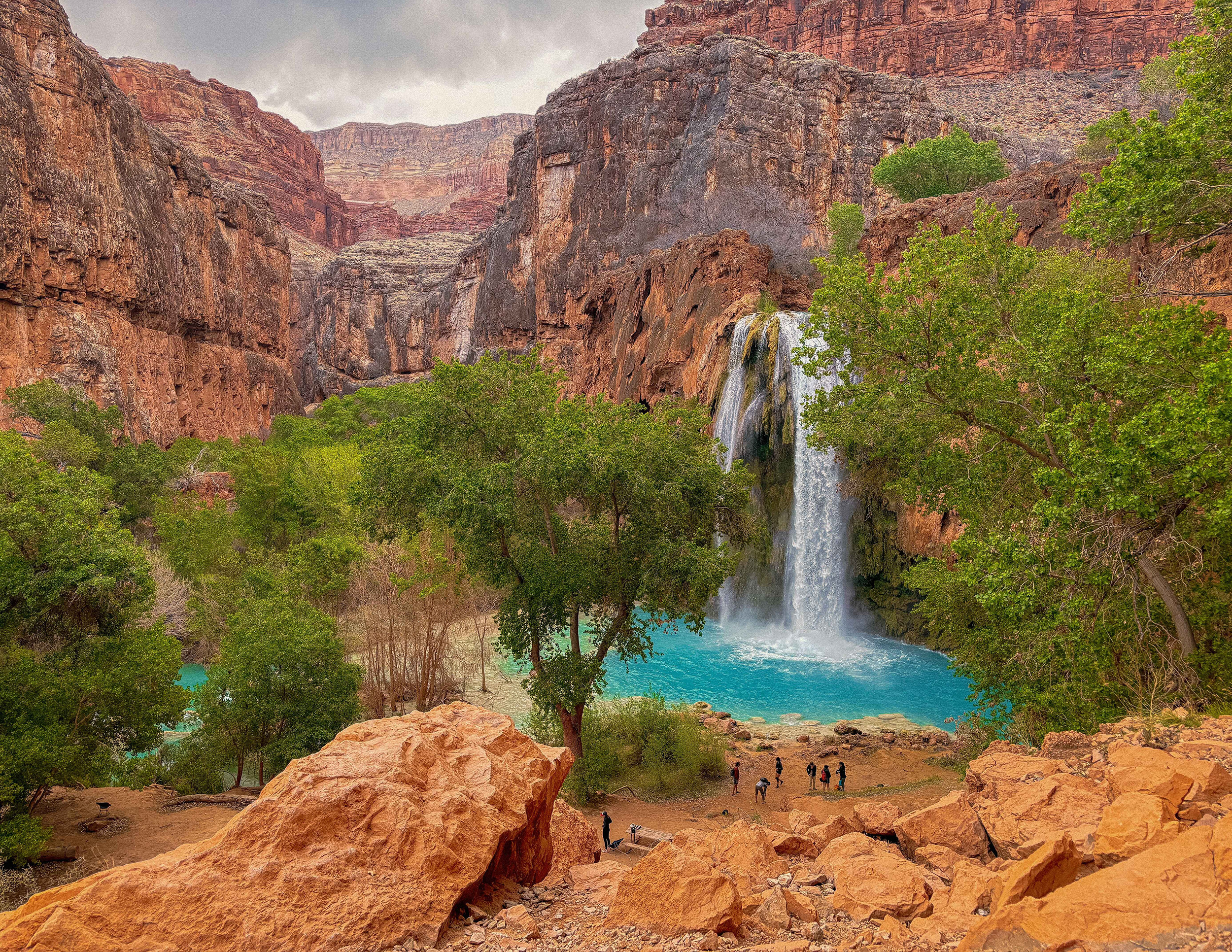
Reaching Havasu Falls requires a 10-mile hike each way from Hualapai Hilltop, on tribal land inside the Havasupai Reservation, not the main Grand Canyon park system, and a permit from the tribe directly, not Recreation.gov. The reward is a series of turquoise waterfalls colored by dissolved calcium carbonate, the same mineral effect seen at Plitvice in Croatia, dropping through red canyon walls into pools genuinely warm enough to swim in year-round. Permits sell out within hours of release each February for the following season.
Composting toilets and a natural spring for drinking water near the falls. No vehicle access of any kind and no hookups, everything is carried in on foot or by pack mule.
March through May or September through October, avoiding both summer flash-flood risk and winter cold.
North Campground:
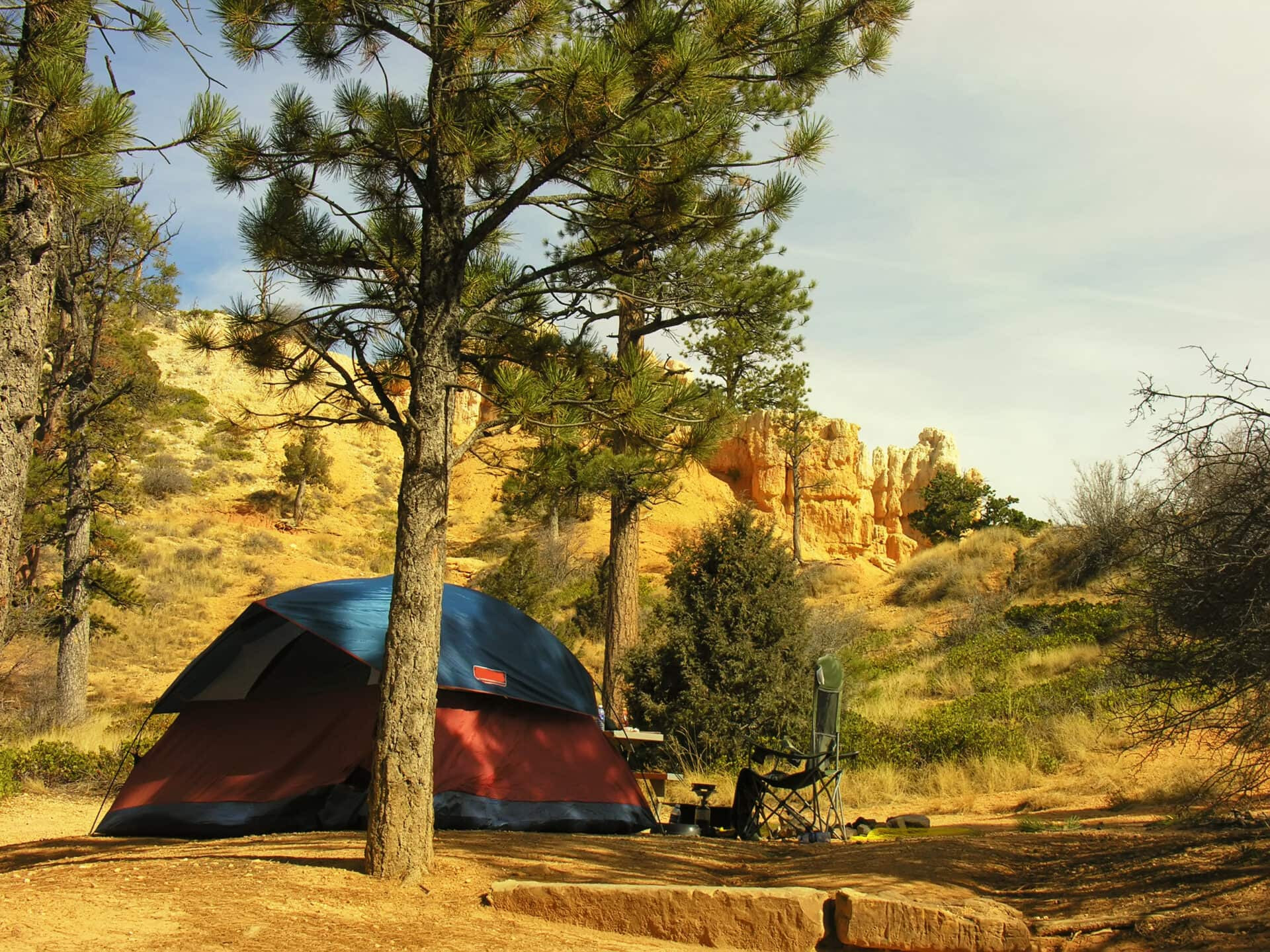
Bryce Canyon isn't a canyon in the geological sense; it's a horseshoe-shaped amphitheater packed with hoodoos, tall, thin rock spires carved by frost-wedging and erosion, more densely concentrated here than anywhere else on Earth. North Campground's 99 sites sit close enough to walk directly to the rim, and the park's elevation, above 8,000 feet, keeps the night sky dark enough that thousands of stars are visible without a telescope. Navajo Loop Trail drops directly into the hoodoo field from a trailhead a short walk from the campground.
Flush toilets in-season, potable water, and standard tent and RV sites. No showers and no hookups, and toilets switch to vault-style during the winter off-season.
May through June or September through October, avoiding both winter snow and peak summer crowds.
Atlatl Rock Campground:
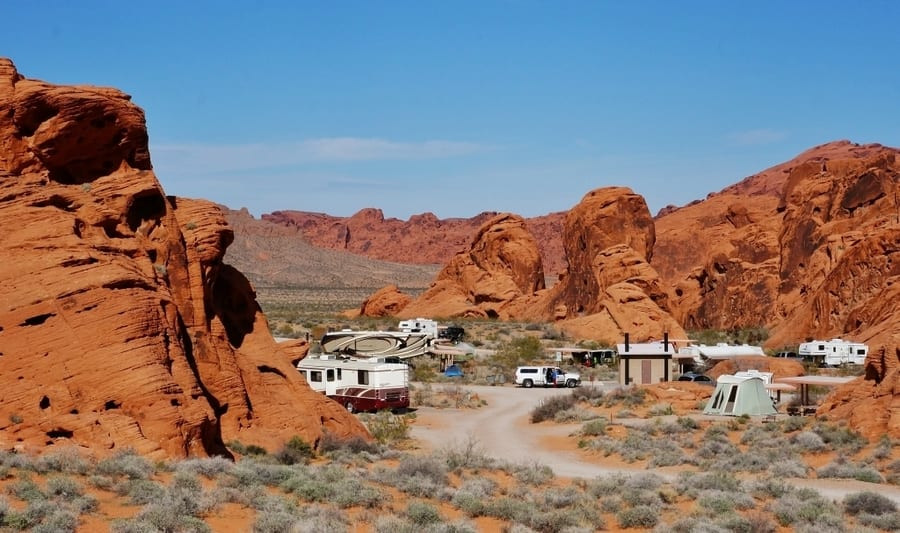
Valley of Fire sits about an hour from Las Vegas, and its red Aztec sandstone formations, the source of the park's name, genuinely appear to glow at sunrise and sunset. Atlatl Rock itself carries Native American petroglyphs estimated at several thousand years old, viewable from a short staircase a few minutes from the campground's 44 sites. The park's proximity to Las Vegas makes it one of the more accessible desert camping options on this list, without sacrificing genuine backcountry scenery once inside the park boundary.
Flush toilets, potable water, and picnic tables at every site. No showers and no RV hookups, though the sites sit close enough to walk directly to the petroglyphs.
March through May or September through November, since summer temperatures regularly clear 100°F.
Big Bend National Park campgrounds:
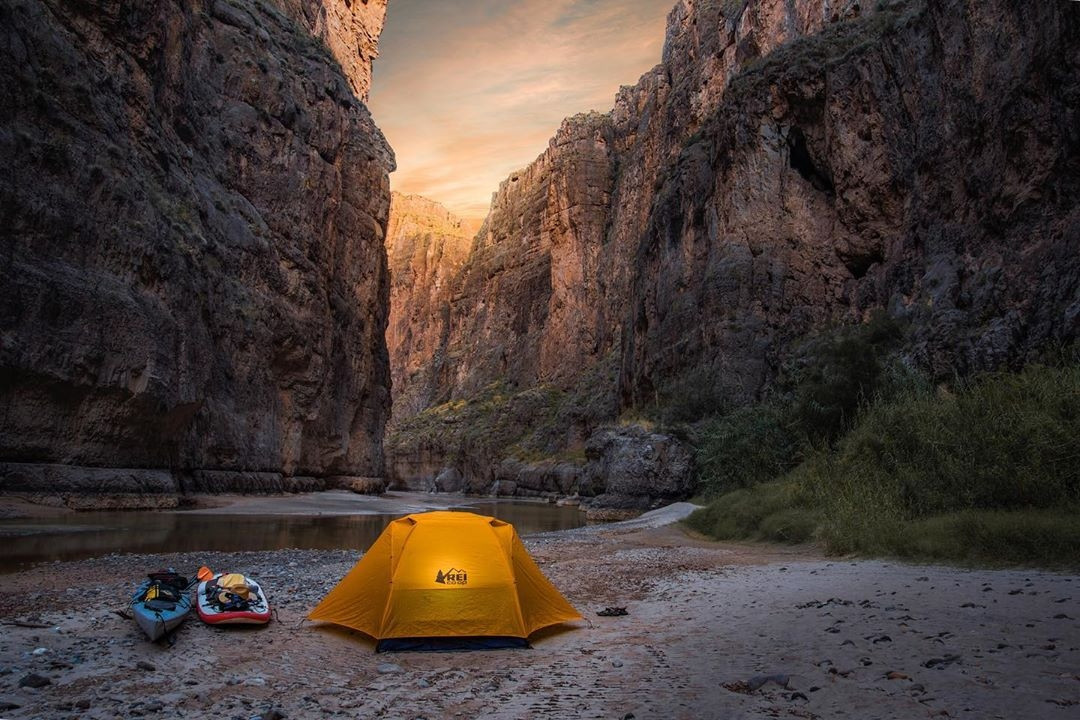
Big Bend sits along the Rio Grande on the Mexican border, remote enough that it ranks among the least-visited major national parks despite covering over 800,000 acres of desert, canyon, and mountain terrain. The park's distance from any major city keeps light pollution minimal, and its International Dark Sky Park designation reflects genuinely some of the darkest skies in the contiguous US. Chisos Basin Campground sits at higher elevation than the desert floor, several degrees cooler, a real consideration given the park's summer heat routinely exceeds 100°F.
Flush toilets and potable water at Chisos Basin. No showers and no hookups, and generator use is restricted during certain hours to preserve the park's quiet.
November through March, since summer heat makes daytime hiking genuinely dangerous.
Rocky Mountains and Great Plains:
Colorado, Wyoming, Montana, and South Dakota cover the widest elevation range on this list, from alpine lake basins above 9,000 feet down to Badlands prairie.
Silver Bell Campground:
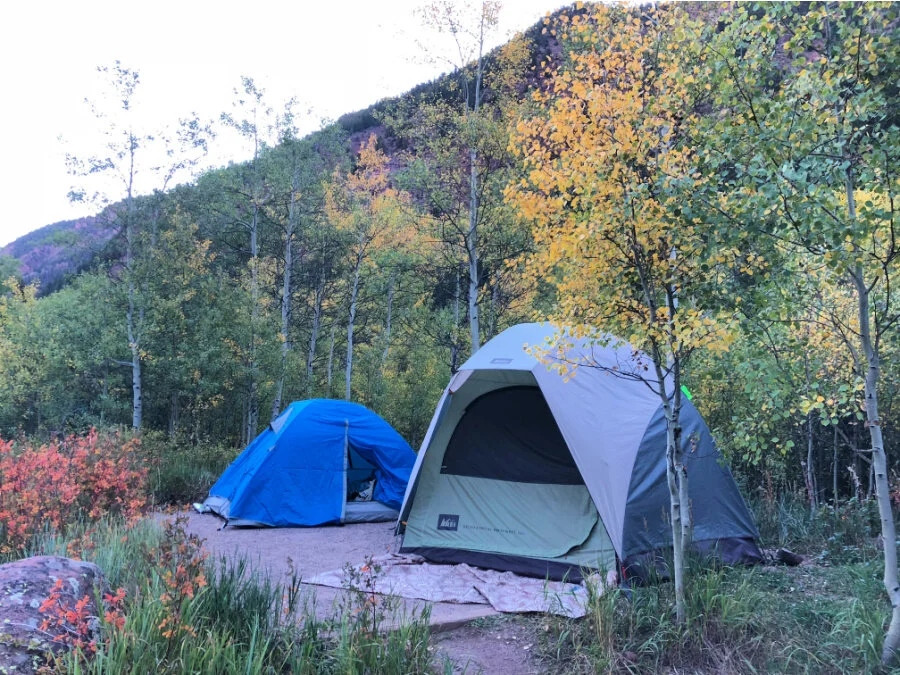
Silver Bell sits near Aspen inside the Maroon Bells-Snowmass Wilderness, and the Maroon Bells themselves, twin 14,000-foot peaks, rank among the most photographed mountains in Colorado, especially once aspen groves turn gold in late September. Access to the Maroon Bells Scenic Area requires a shuttle bus reservation during peak summer and fall hours, private cars are restricted to control crowding at the main overlook. The campground's elevation, above 9,500 feet, means nighttime temperatures drop sharply even in July.
Vault toilets and potable water at high elevation. No showers, no hookups, and nighttime temperatures drop sharply even in midsummer given the site's altitude.
Late June through early September for wildflowers; late September for peak aspen color.
Jenny Lake Campground:
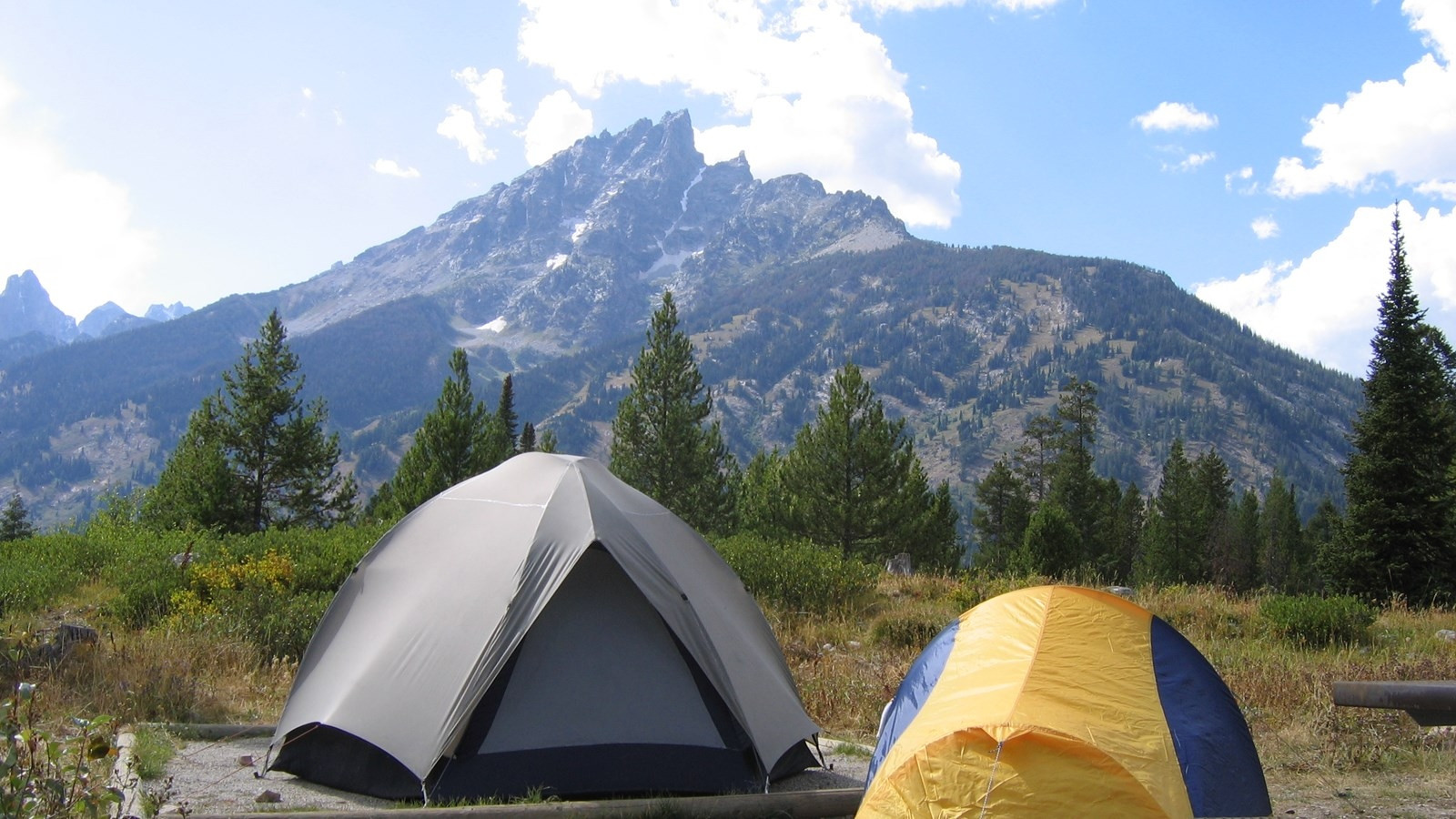
Jenny Lake sits directly beneath the Teton Range, and the mountains rise so abruptly from the valley floor, with almost no foothills, that the reflection in the lake's still morning water is one of the most reproduced images of any US national park. The campground restricts stays to tents and small vehicles only, no large RVs, keeping the 49 sites genuinely quiet relative to Grand Teton's more developed campgrounds. A boat shuttle across the lake cuts several miles off the hike to Hidden Falls and Inspiration Point.
Vault toilets and potable water, tent sites only, no RVs or trailers of any size. No showers and no hookups, kept deliberately quiet relative to Grand Teton's larger campgrounds.
June through September, when park roads and the boat shuttle both run without weather interruption.
Many Glacier Campground:
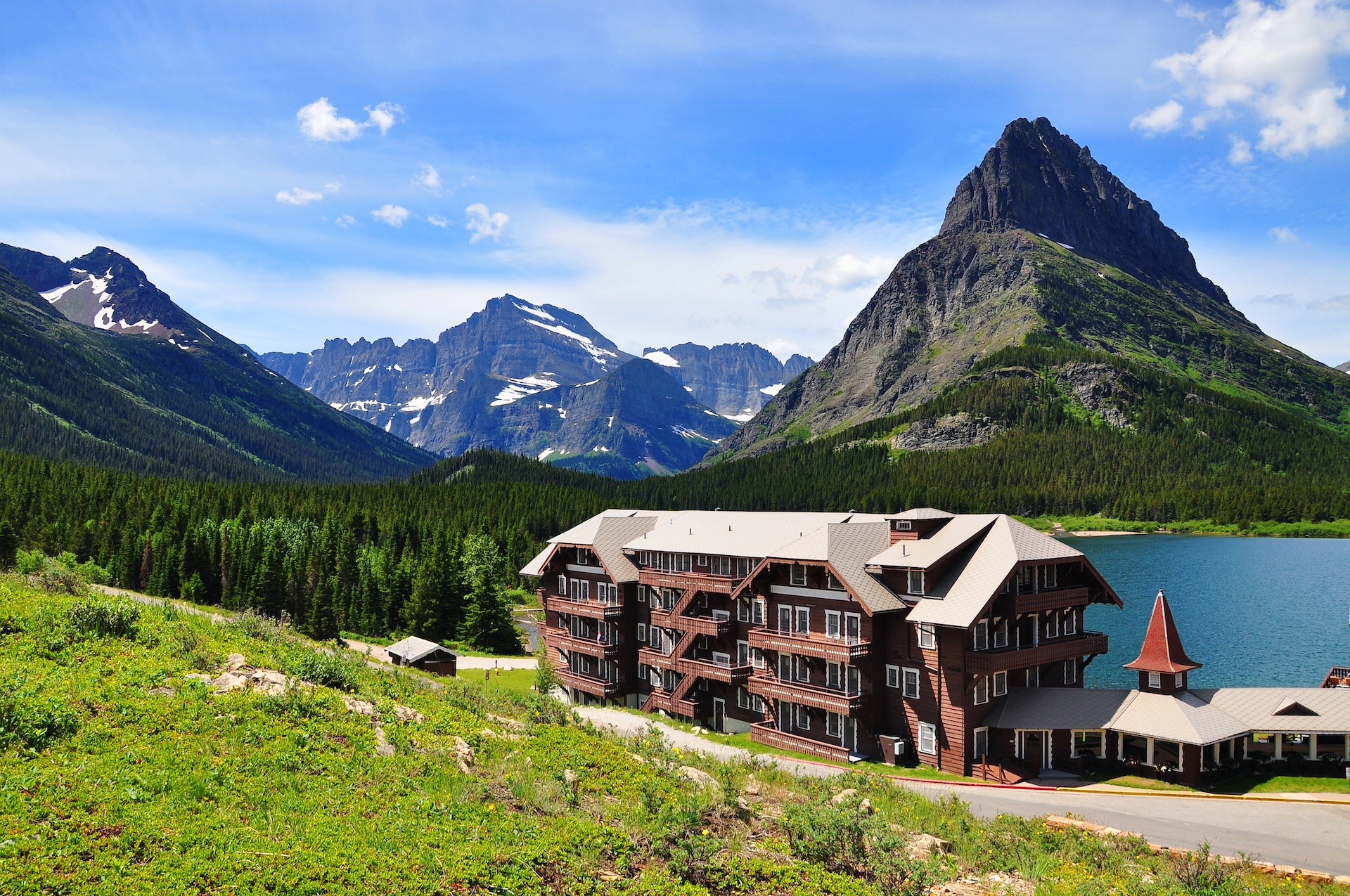
Many Glacier sits in the section of Glacier National Park with the highest concentration of the park's remaining glaciers and some of its best grizzly bear habitat, a real consideration for food storage and trail awareness, not just marketing language. Swiftcurrent Lake mirrors the surrounding peaks at sunrise, and the area's hiking trail network connects to some of the park's most-cited routes, including the Grinnell Glacier Trail. The road into Many Glacier is unpaved for its final stretch and closes seasonally with snow.
Vault toilets, potable water, and mandatory bear-proof food storage at every site given the area's high grizzly activity. No showers and no hookups.
Late June through early September, when the unpaved access road and most trails stay snow-free.
Yampa River State Park:
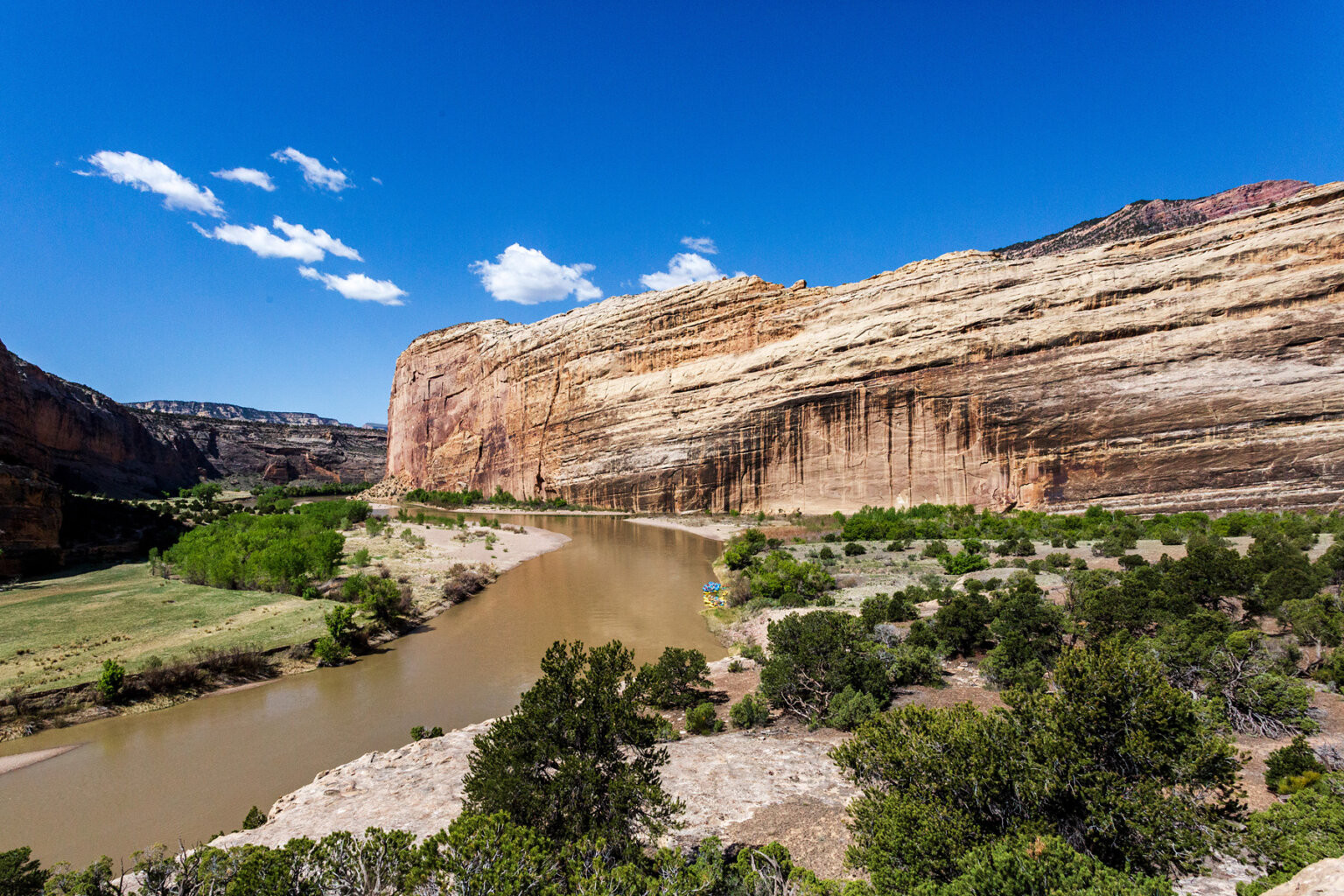
Yampa River State Park sits in northwestern Colorado, considerably less visited than the state's mountain-town campgrounds further south, and the Yampa itself remains one of the few major rivers in the Colorado River basin without a dam altering its natural flow pattern. Canyon walls rise along much of the river corridor, and the park's campgrounds sit close enough to the water for direct fishing and kayak access. Its lower profile keeps sites available even during peak summer weekends when Colorado's more famous parks book out months ahead.
Vault toilets and potable water at riverside sites. No showers and no hookups, with direct river access for fishing and kayaking from most campsites.
May through September, when river flow and warm days both suit paddling and fishing.
Cedar Pass Campground:
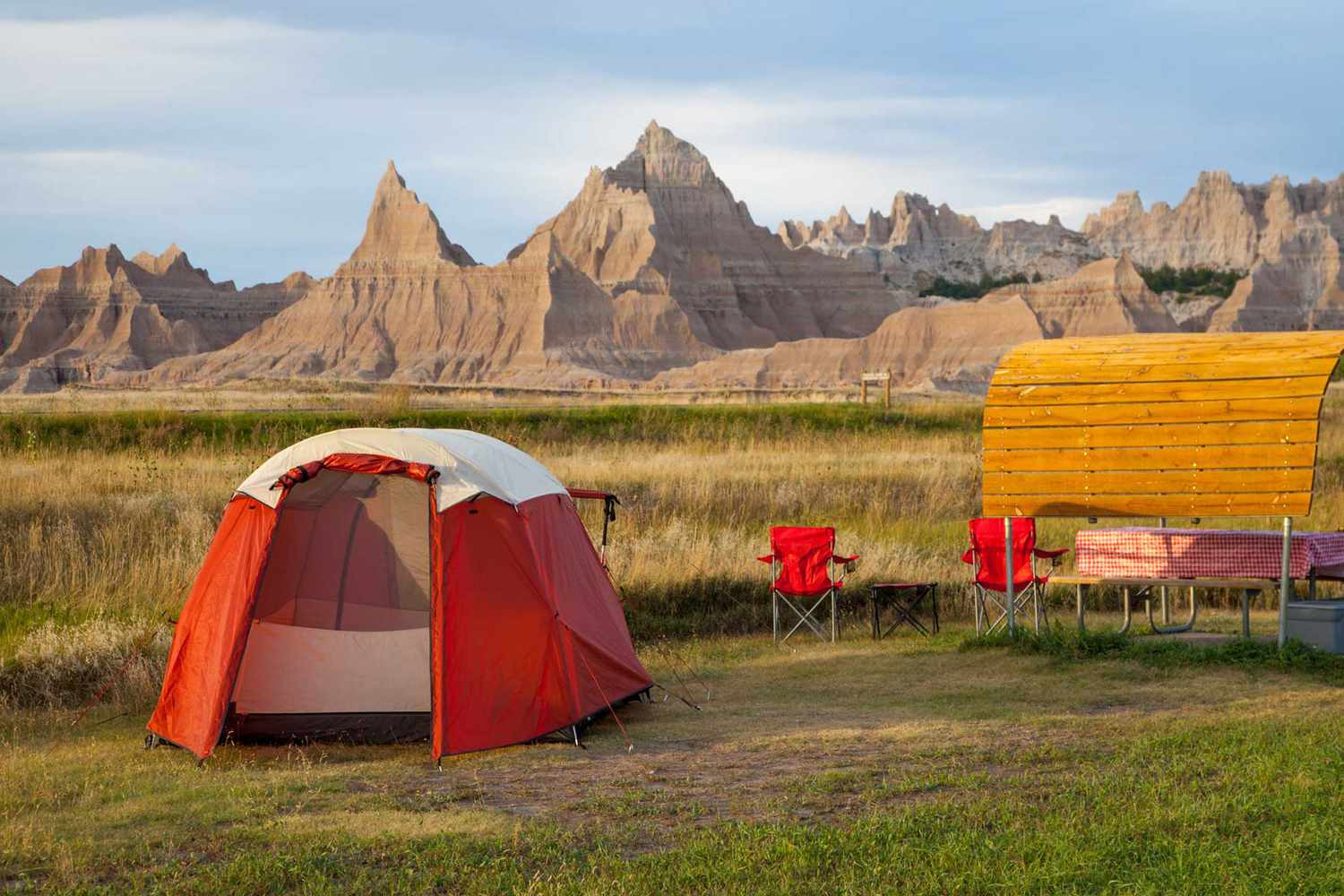
Badlands' layered rock formations, striped in bands of red, tan, and gray from millions of years of sediment deposit, look distinctly different from every other landscape on this list, closer to an eroded canyon system than a typical prairie. Cedar Pass Campground's 96 sites sit close enough to the formations for direct sunrise views without a drive, and the surrounding prairie holds a real bison population along with prairie dog towns visible from several park roads. Fossil beds throughout the park have produced specimens dating back roughly 75 million years.
Flush toilets, potable water, and a mix of tent and RV sites, some with electric hookups. No showers, though the sites sit close enough to the formations for direct sunrise views.
April through June or September through October, avoiding summer heat that regularly tops 100°F on exposed terrain.
Hawaii and the Midwest:
2 genuinely different landscapes: a dormant volcano above the clouds, and sand dunes rising directly from a Great Lake.
Hosmer Grove Campground:
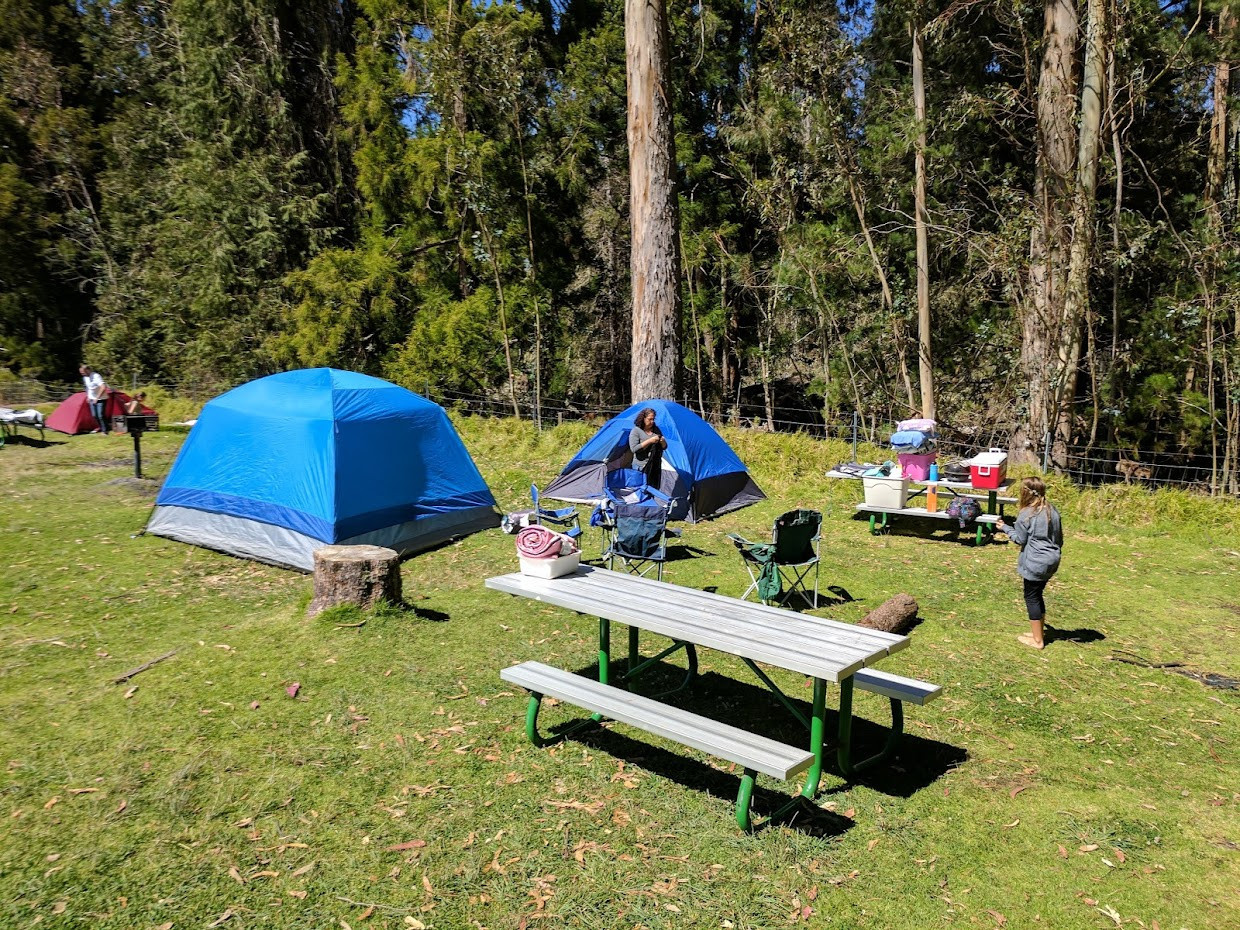
Hosmer Grove sits at roughly 6,800 feet on the slopes of Haleakala, a dormant volcano whose crater stretches wide enough to be visible from space, and the elevation puts campers above cloud level often enough that sunrise here counts among Hawaii's most-cited natural views. The surrounding forest holds several native Hawaiian bird species found nowhere else on Earth, including the endangered `i'iwi. Reservations for the sunrise viewing area inside the park, separate from the campground itself, sell out on Recreation.gov well ahead of most travel dates.
Vault toilets and potable water at roughly 6,800 feet elevation. No showers and no hookups, and temperatures drop considerably cooler than typical tropical Hawaii.
April through October for the driest, clearest sunrise conditions.
Sleeping Bear Dunes Campgrounds:
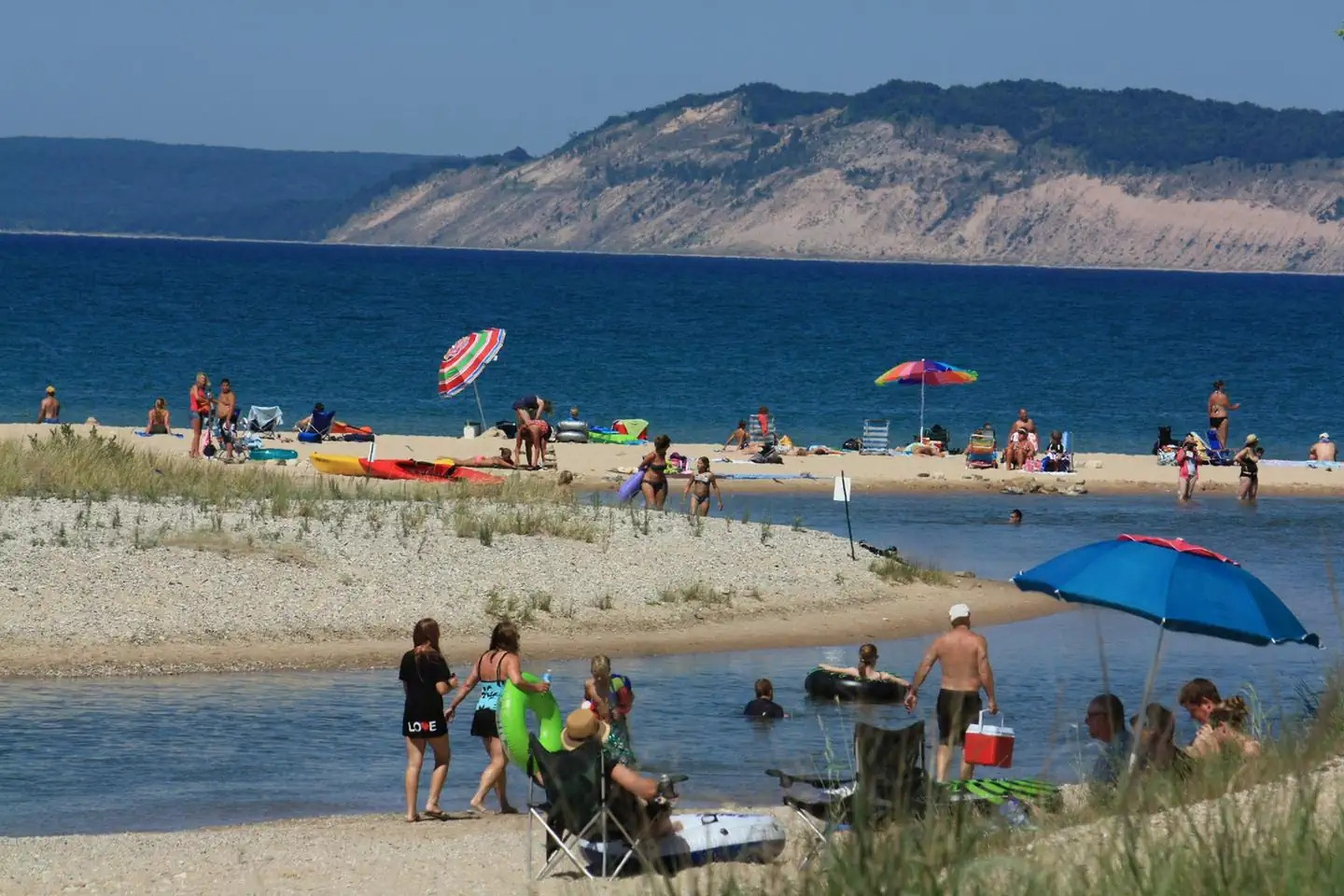
Sleeping Bear Dunes rise directly from Lake Michigan's shoreline, and the tallest dunes here reach over 400 feet above the lake, a genuine climb that regularly surprises visitors expecting a casual beach walk. Platte River Campground and D.H. Day Campground both sit within the National Lakeshore, giving direct access to both the dune climb and Lake Michigan's clear, cold water for swimming. Sunset views over the lake from the dune ridge rank among the most-photographed scenes in the Midwest park system.
Flush or vault toilets depending on the specific campground (Platte River versus D.H. Day), with potable water throughout. Some electric sites available, no full hookups.
June through September, for warm enough water to swim after the dune climb.
Northeast Coast:
Maine, Pennsylvania, and Maryland cover granite coastline, a barrier island, and 1 of the darkest skies on the entire Eastern Seaboard.
Blackwoods Campground:
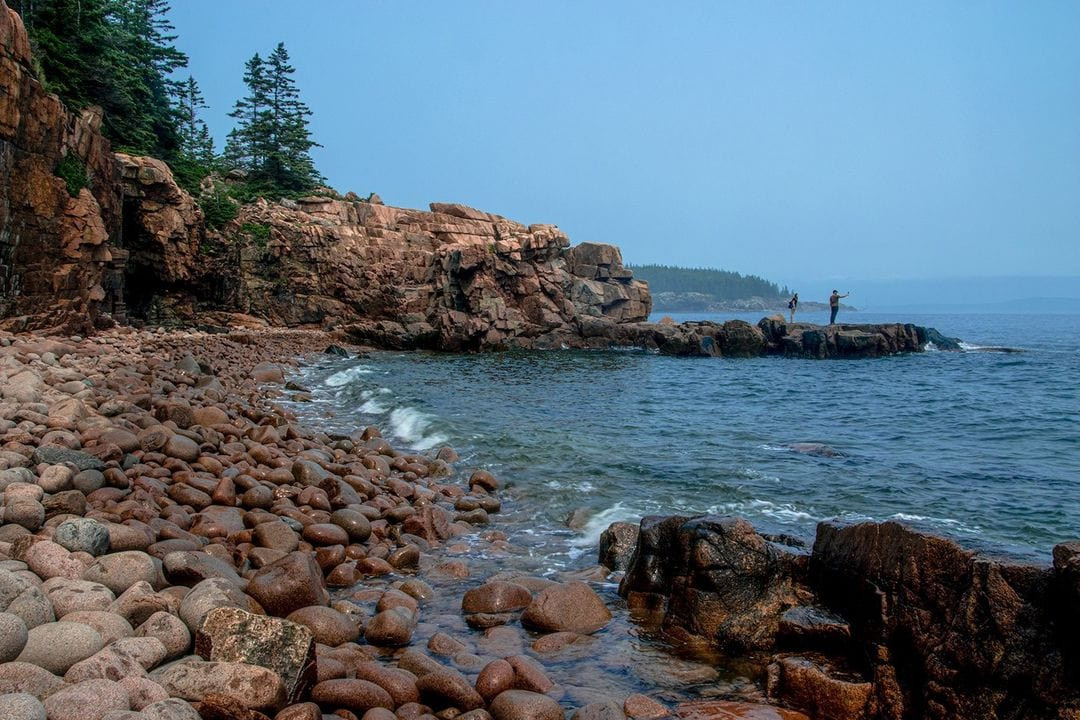
Blackwoods sits on Mount Desert Island's granite coastline, and Cadillac Mountain, at 1,530 feet the tallest peak on the US Atlantic coast, sees the first sunrise in the continental US for part of the year, a real, verifiable distinction, not a tourism slogan. The park's 45-mile network of carriage roads, built by John D. Rockefeller Jr. between 1913 and 1940 and closed to cars, gives cyclists and walkers direct access to the coastline without traffic. The 281 sites sit walking distance from Ocean Path's rocky shoreline trail.
Flush toilets and potable water at the campground itself. No showers on-site, though coin-operated showers are available a short drive away in nearby Bar Harbor.
Late June through September for reliable warmth; late September through mid-October for fall foliage.
Seawall Campground:
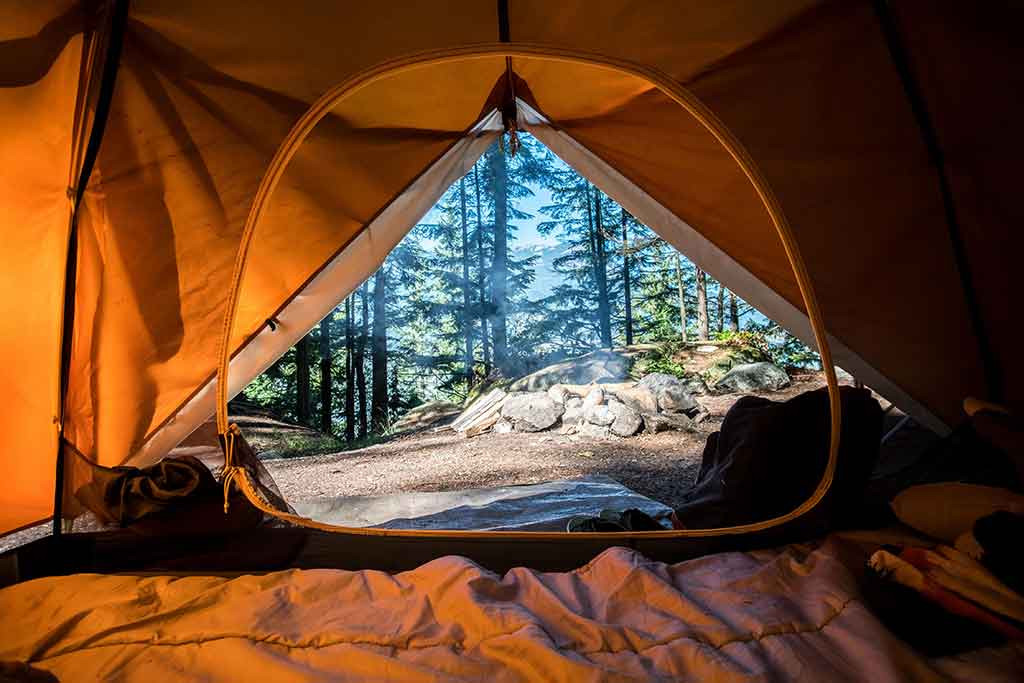
Seawall sits on Mount Desert Island's quieter southwest side, considerably less trafficked than Blackwoods despite being inside the same national park, and its 202 sites run first-come, first-served, not the fully reservable system at Blackwoods. The campground takes its name from an actual natural seawall of stacked cobblestones, built by storm wave action, not by hand, running along the nearby shoreline. Tidepooling at low tide here reveals sea stars, anemones, and crabs directly accessible without a boat.
Vault toilets and potable water. No showers and first-come, first-served booking only, no advance reservation system like Blackwoods uses.
June through September for warm days and calm tidepooling conditions.
Cherry Springs State Park:
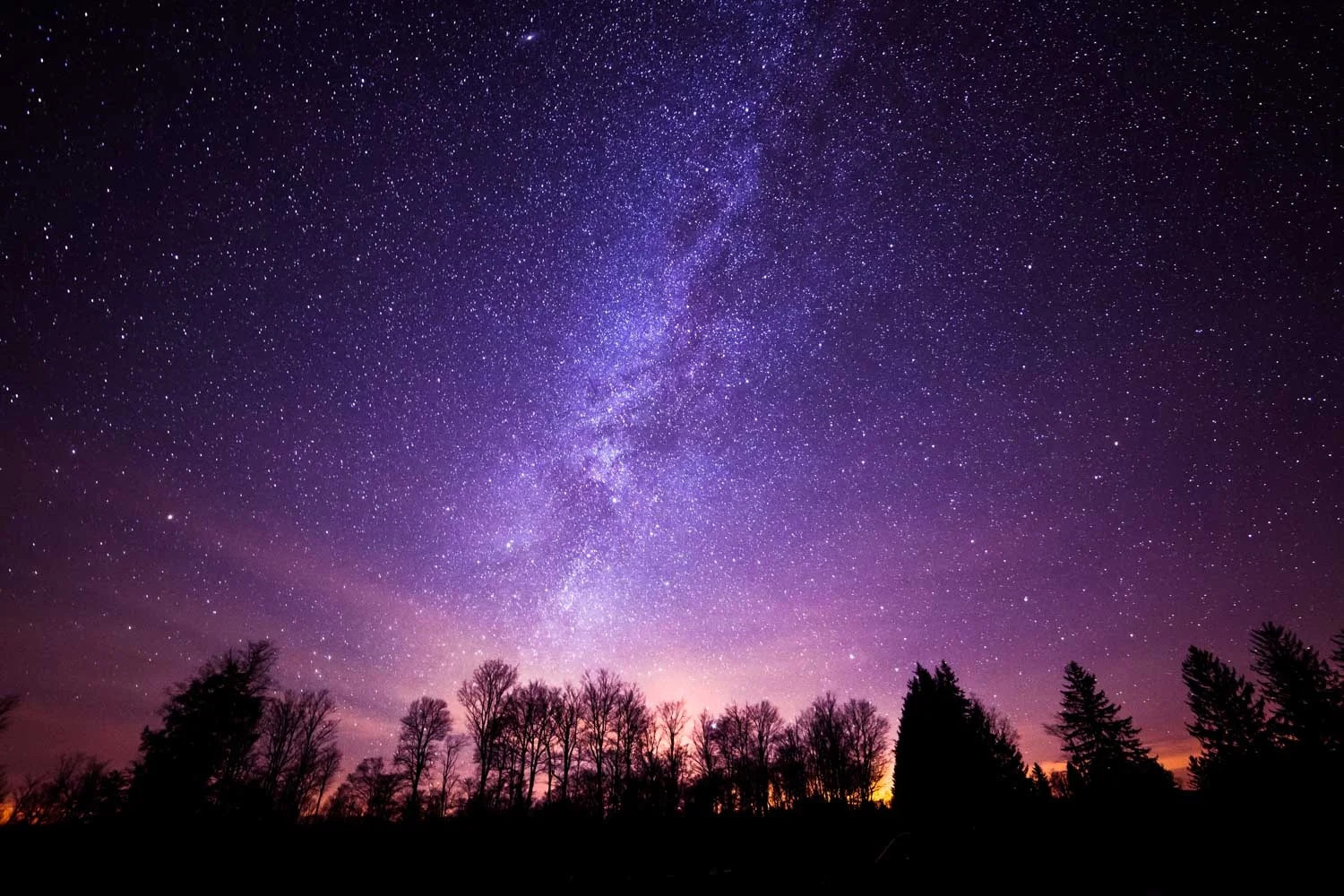
Cherry Springs holds an official Gold-tier International Dark Sky Park designation, the highest rating the International Dark-Sky Association awards, and its 2 dedicated astronomy fields sit specifically oriented for unobstructed 360-degree sky views. On a clear, moonless night the Milky Way's core is visible to the naked eye, a sight genuinely unavailable within several hundred miles in most directions given East Coast light pollution. The park enforces strict lighting rules after dark, red-light flashlights only, which keeps the astronomy fields functional for serious stargazers.
Vault toilets and potable water, plus 2 dedicated astronomy fields with unobstructed 360-degree sky views. No showers and no hookups.
New moon periods from September through November or March through May, for the darkest, driest skies.
Assateague Island National Seashore:
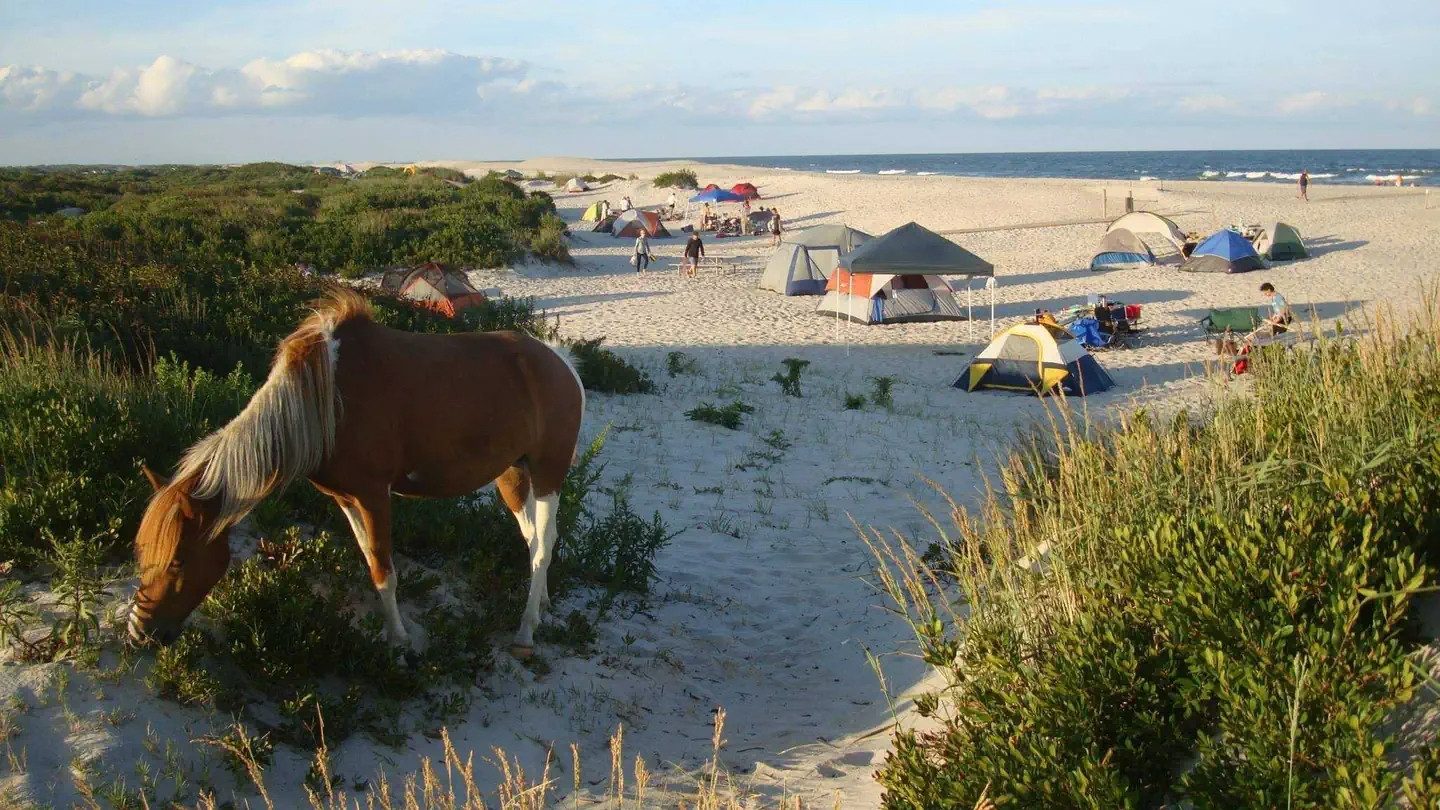
Assateague's wild horse population, genetically distinct bands descended from horses documented on the island since at least the 1600s, roams freely across the dunes and marsh, close enough to campsites that approaching them is both discouraged and, given their size, a genuinely bad idea. Oceanside camping here means pitching a tent directly behind the dune line, with Atlantic surf audible from most sites. The island splits into a Maryland section, managed by the National Park Service, and a Virginia section under a separate wildlife refuge.
Mostly vault toilets with some flush facilities, plus potable water. No showers, and both oceanside and bayside site options with genuinely different wind and sun exposure.
May through September, for warm enough water and air for beach camping.
The South and Appalachians:
The single most-visited national park in the entire US system gets its own dedicated entry.
Elkmont Campground:
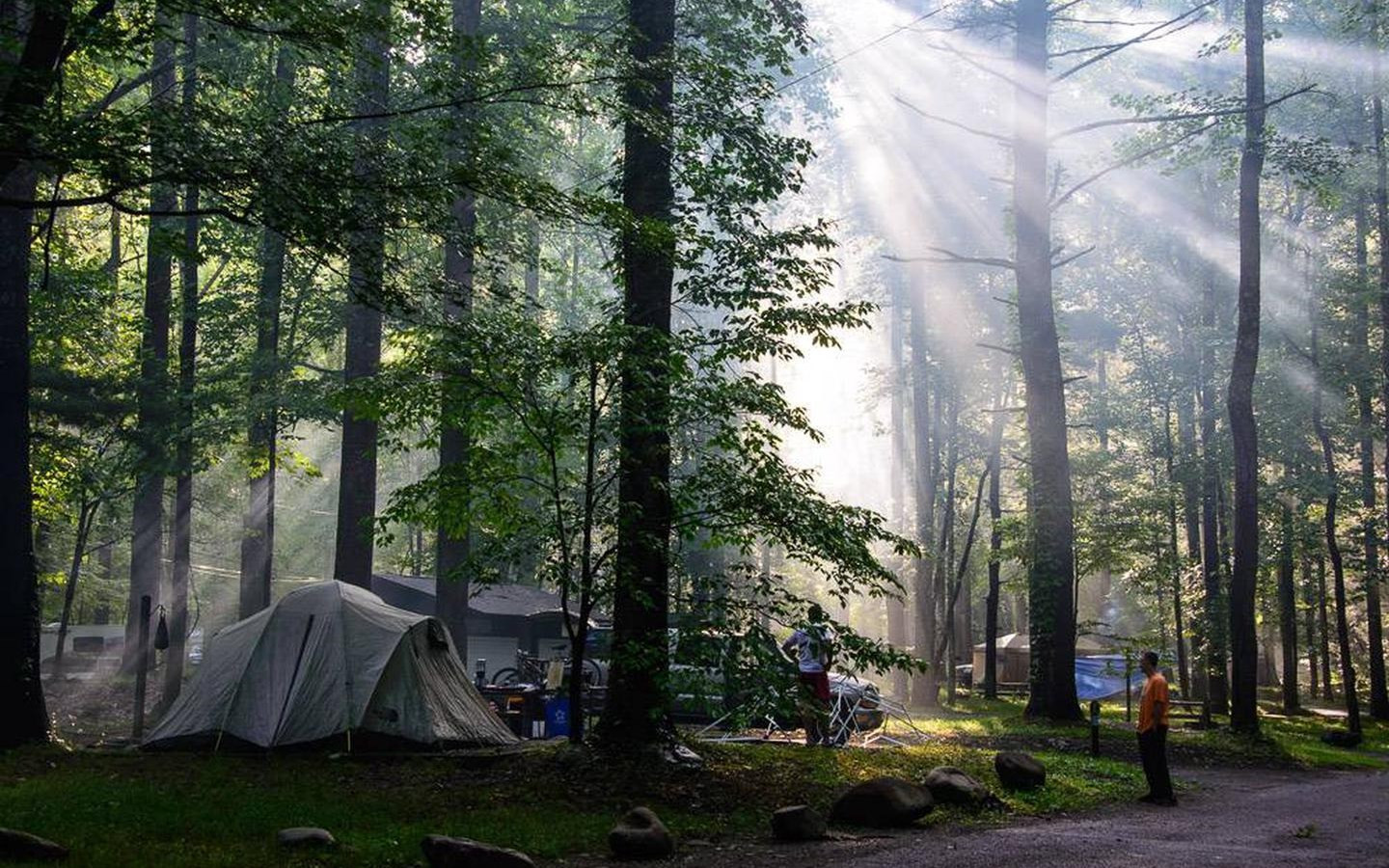
Great Smoky Mountains draws over 12 million visitors a year, more than any other national park in the country, and Elkmont, its largest campground at 220 sites, sits beside the Little River close enough for direct wading access. For roughly 2 weeks in early June, the park hosts one of only a few reliable synchronous firefly displays in the Western Hemisphere, thousands of fireflies blinking in unison, an event popular enough that Recreation.gov now runs a separate lottery just for viewing access during peak nights.
Flush toilets and potable water. No showers and no hookups, with many sites sitting directly beside the Little River for wading access.
April through June for wildflowers and the firefly event; October for fall foliage.
How Recreation.gov Booking Actually Works:
Recreation.gov manages reservations for over 3,600 federal facilities and more than 103,000 individual campsites nationwide, national parks, national forests, and Army Corps of Engineers land all run through the same system. Most sites release on a rolling 6-month window: a July 15 arrival date opens for booking on January 15 at exactly 10:00 AM Eastern. High-demand parks break from that pattern; Yellowstone releases an entire summer season's reservations on a single date in late March or early April, skipping the daily rolling system entirely, and its Bridge Bay, Canyon, Grant, Madison, and Fishing Bridge campgrounds are shifting onto Recreation.gov's system starting with the 2027 season.
Every booking carries a separate service fee on top of the nightly camping rate: $8 for online or app bookings, $9 by phone, $3 in person at a ranger station. Cancelling more than 2 days before arrival refunds the camping fee minus a $10 service charge; cancelling the day before or the day of arrival forfeits the first night's fee entirely. The detail worth remembering: close to 61% of all reservations eventually get cancelled, and most of those cancellations happen 10-14 days before the scheduled check-in date, so a sold-out campground in January can still open up in early July if you keep checking.
Frequently Asked Questions (FAQ's):
Q. How does Recreation.gov booking actually work?
Most federal campgrounds release new dates on a rolling 6-month window, opening at exactly 10:00 AM Eastern Time. A site for a July 15 arrival opens for booking on January 15 at 10:00 AM ET. High-demand parks like Yellowstone use a different system, releasing an entire season's reservations on a single date in late March or early April, with no daily rolling system at all.
Q. What does it cost to book through Recreation.gov?
Recreation.gov charges a separate service fee on top of the nightly camping fee: $8 for online or app bookings, $9 for phone reservations, and $3 for booking in person at a ranger station. Cancelling more than 2 days before arrival refunds the camping fee minus a $10 service fee.
Q. Is it true that a lot of campground reservations get cancelled?
Yes. Roughly 61% of Recreation.gov camping reservations are eventually cancelled, and most cancellations happen 10-14 days before the scheduled check-in date. Checking back regularly in that window, not giving up after the initial release sells out, is a genuinely effective strategy for popular campgrounds.
Q. What is the most popular national park campground in the US?
Elkmont Campground in Great Smoky Mountains National Park sits inside the single most-visited national park in the country, over 12 million visitors a year. Upper Pines in Yosemite Valley and Mather Campground on the Grand Canyon's South Rim also rank among the hardest reservations to secure nationwide.
Q. Can I show up without a reservation and still find a campsite?
Some campgrounds, including Seawall in Acadia, still run first-come, first-served, and many reservable campgrounds hold a small number of same-day or walk-up sites even during peak season. Arriving early in the day and having a backup campground in mind both improve the odds considerably.
Q. Which campgrounds on this list don't require a reservation fee at all?
Bartlett Cove in Glacier Bay National Park offers free walk-in tent sites with no camping fee, though reaching it requires a paid ferry or flight. Several first-come, first-served sites, including Seawall in Acadia, also skip the Recreation.gov booking fee entirely since no online reservation is involved.
Q. What's the best national park campground for seeing wildlife?
Many Glacier Campground in Glacier National Park sits in one of the park's highest-density grizzly bear areas, with moose and mountain goats also common. Denali's Wonder Lake and Yellowstone's Lamar Valley-adjacent campgrounds both offer strong odds for wolves, caribou, and bears in a single visit.
Q. Which campgrounds are best for stargazing?
Cherry Springs State Park in Pennsylvania holds a Gold-tier International Dark Sky Park rating, the highest available, with 2 fields built specifically for astronomy. Big Bend National Park in Texas and Cedar Pass in Badlands National Park both offer genuinely dark skies far from city light pollution.
Q. How far in advance should I book a popular campground like Yosemite or Zion?
For rolling-window parks like Yosemite, log in and book at exactly 10:00 AM Eastern on the day the 6-month window opens for your target date; popular summer weekend sites commonly sell out within minutes. For single-release parks like Yellowstone, mark the specific release date in late March or early April and be ready that morning.
Q. Do national park campgrounds have showers and full hookups?
Rarely, and it varies enormously by campground. Larger developed sites like Mather Campground at the Grand Canyon include a grocery store and laundry facility nearby, while remote sites like Wonder Lake in Denali or Bartlett Cove in Glacier Bay offer no showers, no hookups, and often no cell signal at all.






{{item.get_author.first_name}} {{item.get_author.last_name}}
Level 7
5 Photos
36 Reviews
{{item.comment_txt}}
{{item_reply.get_author.first_name}} {{item_reply.get_author.last_name}}
@ {{item_reply.reply_to}}, {{item_reply.reply_txt}}