

Qatar's essential stops are the Museum of Islamic Art (I.M. Pei's 2008 building, a 1,400-year collection), Souq Waqif for traditional markets and food, the Pearl-Qatar for a Mediterranean-style marina evening, and Khor Al Adaid, the UNESCO-recognised Inland Sea, for the desert. The country's newest attraction, Lawh Wa Qalam: M.F. Husain Museum, opened November 28, 2025, in Education City, the world's first museum dedicated to the Indian artist. Most central Doha sights are free to enter and walkable from each other; desert and northern heritage sites need a car or a guided tour. November through March gives the most comfortable weather for anything outdoors.
Qatar's list of attractions has grown fast enough that most guides to it go stale within a year. A museum dedicated entirely to Indian modernist M.F. Husain opened in Education City in November 2025, designed by Husain himself before his death in 2011, and it's the kind of specific, dated addition that separates a current guide from one written 2 years ago and never touched since. Qatar Museums has also confirmed a dedicated Auto Museum is coming, and a new contemporary art quadrennial, Rubaiya Qatar, launches in November 2026.
This guide covers 56 places across 10 categories: Doha's essential 10, the modern skyline, cultural and heritage landmarks, beaches and islands, desert adventures, family entertainment, shopping, spiritual sites, nature escapes, and a final set of experiences that don't fit neatly anywhere else. Each entry gives real opening hours, a realistic visit duration, and what actually makes the place worth the trip, not just an adjective-heavy description of how it feels to stand there.
Doha's Essential 10:
These 10 cover the range of what makes Doha worth visiting on their own, before touching anything further out.
01. Doha Corniche:
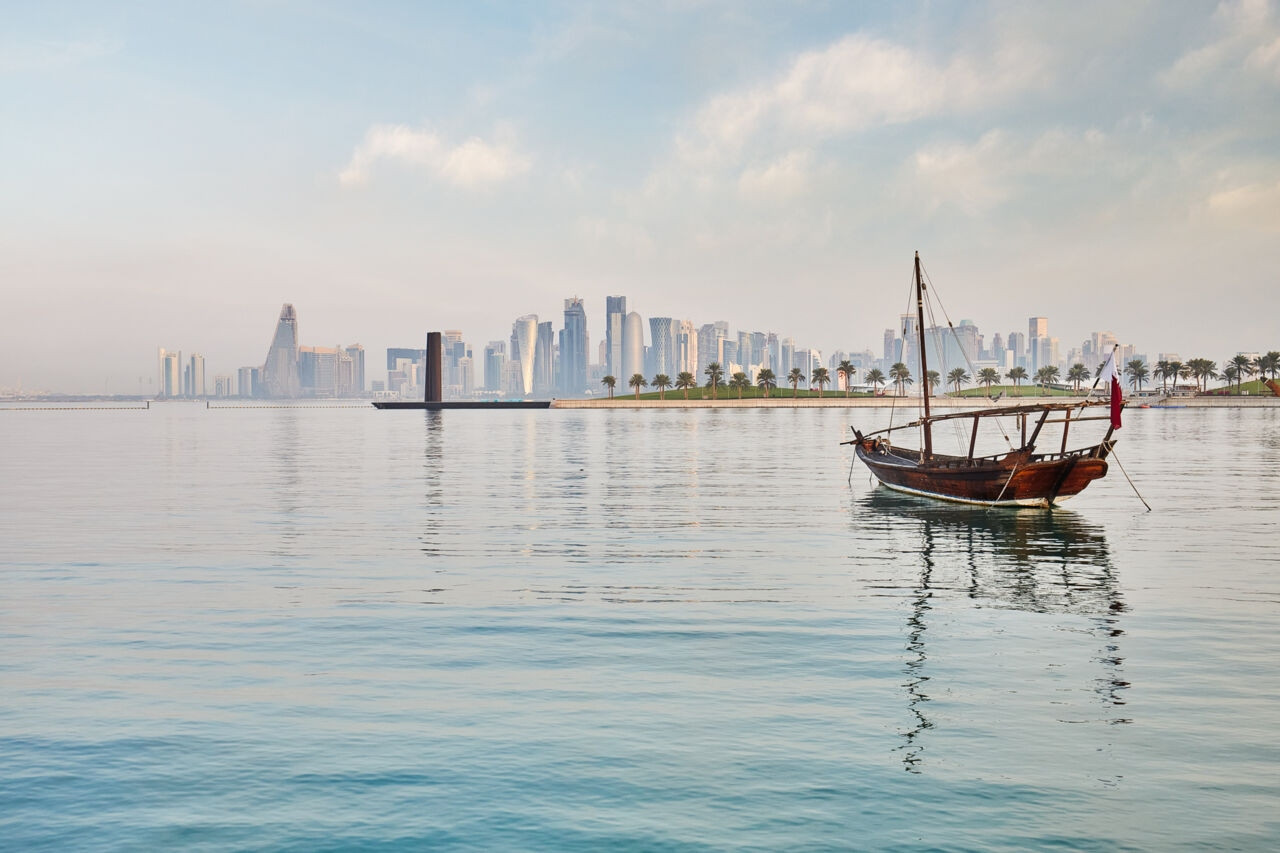
A 7-kilometre waterfront promenade curving along Doha Bay, facing the West Bay skyline across the water. Mornings bring joggers and cyclists; evenings bring dhow cruises and a genuinely crowded stretch of families walking after sunset. It connects on foot to the Museum of Islamic Art at one end and Souq Waqif inland, with small parks and public art breaking up several stretches, including a stone dhow sculpture near the midpoint.
02. The Pearl-Qatar:
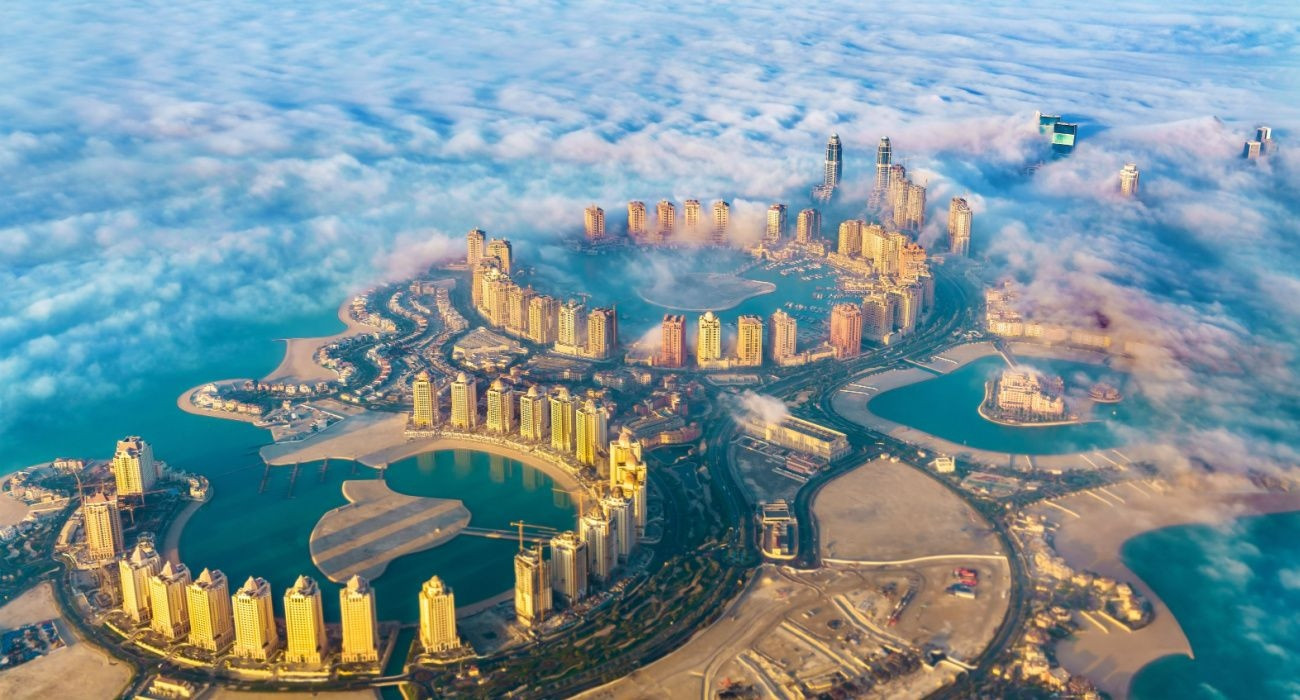
An artificial island built for roughly 45,000 residents, its Porto Arabia district modelled on Mediterranean marina towns, complete with a curved waterfront promenade lined by yachts and cafes. Qanat Quartier, a separate section, leans into a Venice-style canal layout with gondola-adjacent architecture. The island covers roughly 4 square kilometres of reclaimed land, and its retail strip runs higher-end boutiques alongside cafes open well past midnight.
03. Souq Waqif:
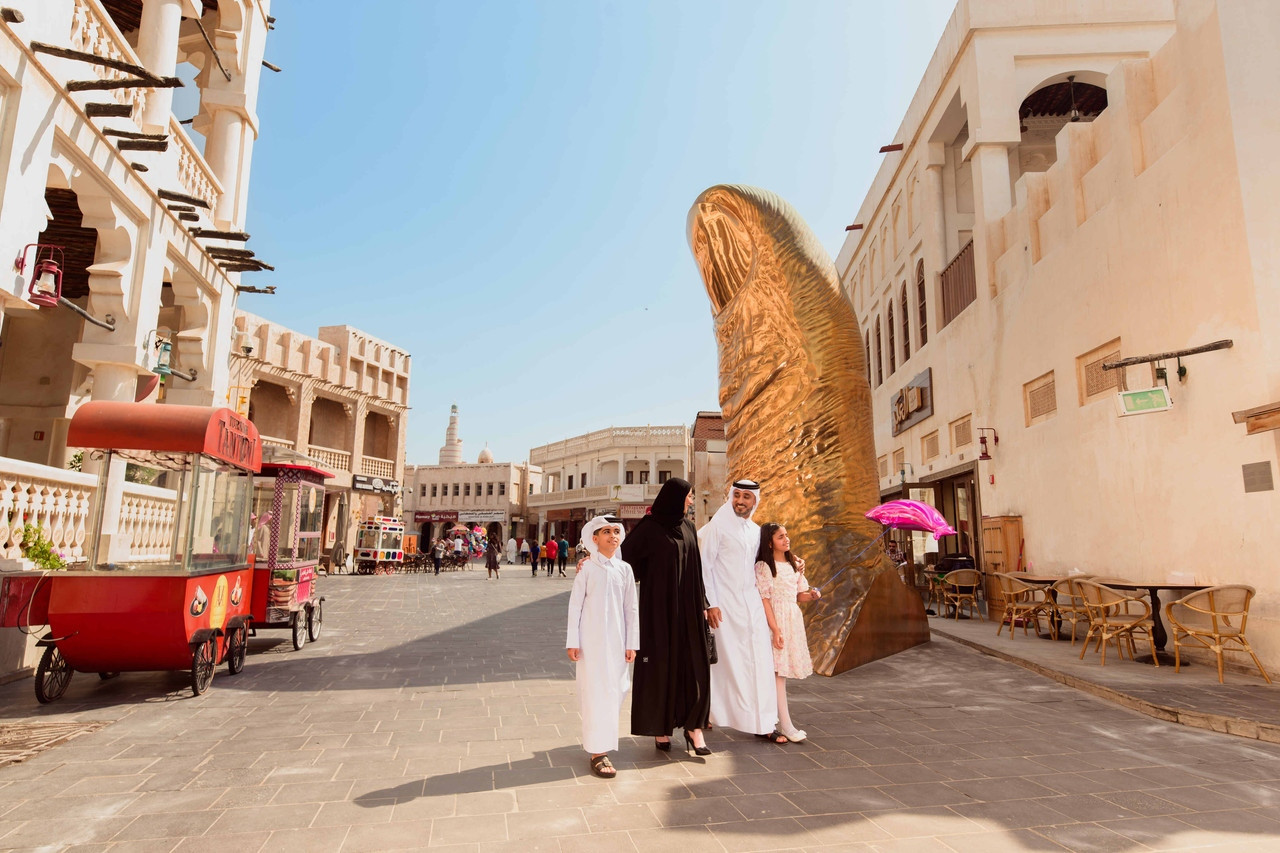
Doha's rebuilt traditional market, its narrow lanes lined with spice stalls, textile shops, and falcon vendors selling to genuine local falconry buyers, not just tourists. The souq gets considerably livelier after 7pm, when temperatures drop and restaurants along its edges fill up. Live music and street performances run on weekend evenings, and the Falcon Souq section still handles real trade in birds, equipment, and veterinary services for local falconers.
04. Katara Cultural Village:
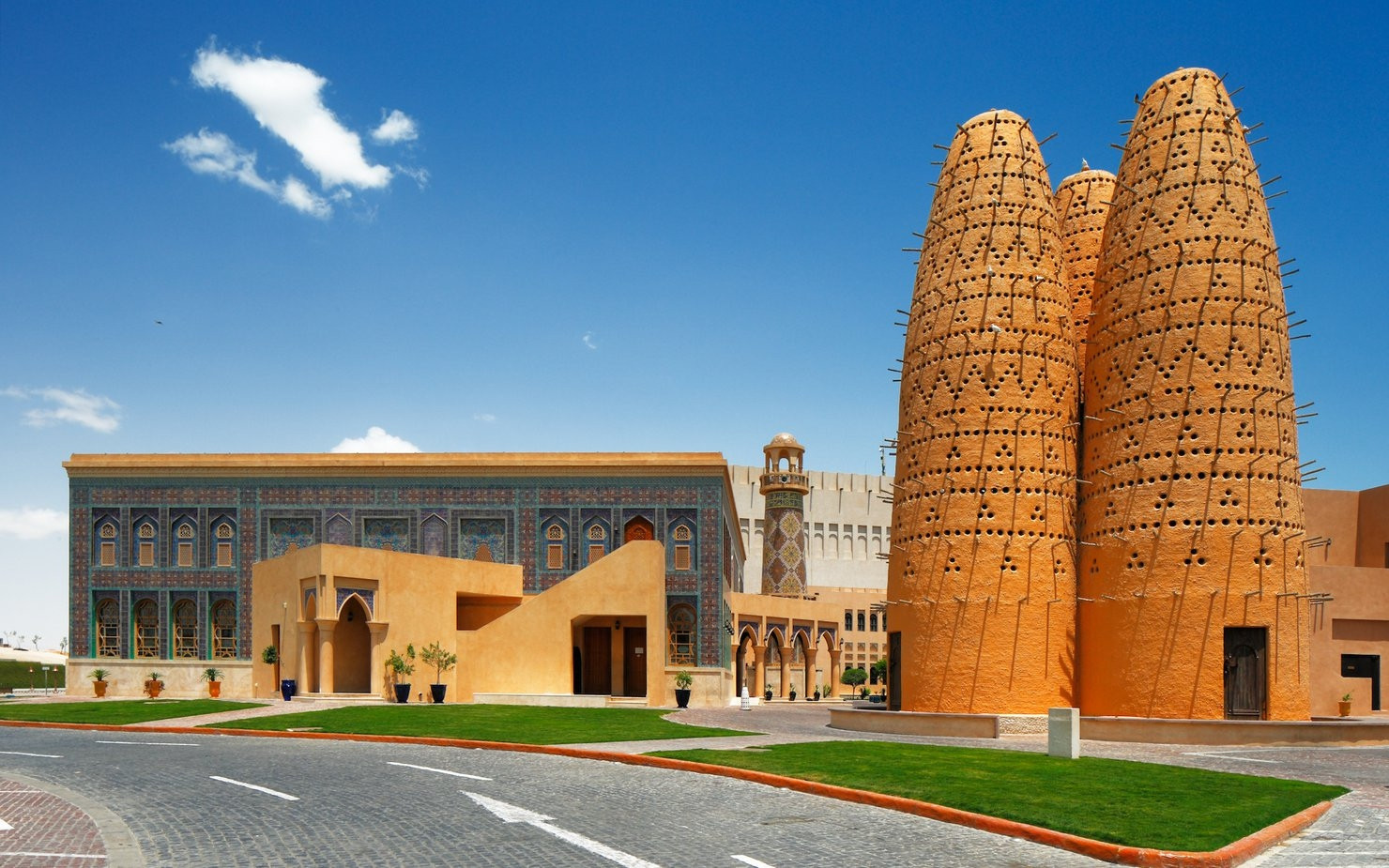
A purpose-built cultural district housing an amphitheatre, multiple galleries, and Katara Mosque, all within walking distance of Katara Beach. Its calendar runs genuinely full: film festivals, art exhibitions, and seasonal markets rotate through the venue most months of the year. The amphitheatre itself seats around 5,000 and has hosted international opera and orchestral performances, giving the district a cultural weight beyond its role as a walkable seafront leisure destination.
05. National Museum of Qatar:
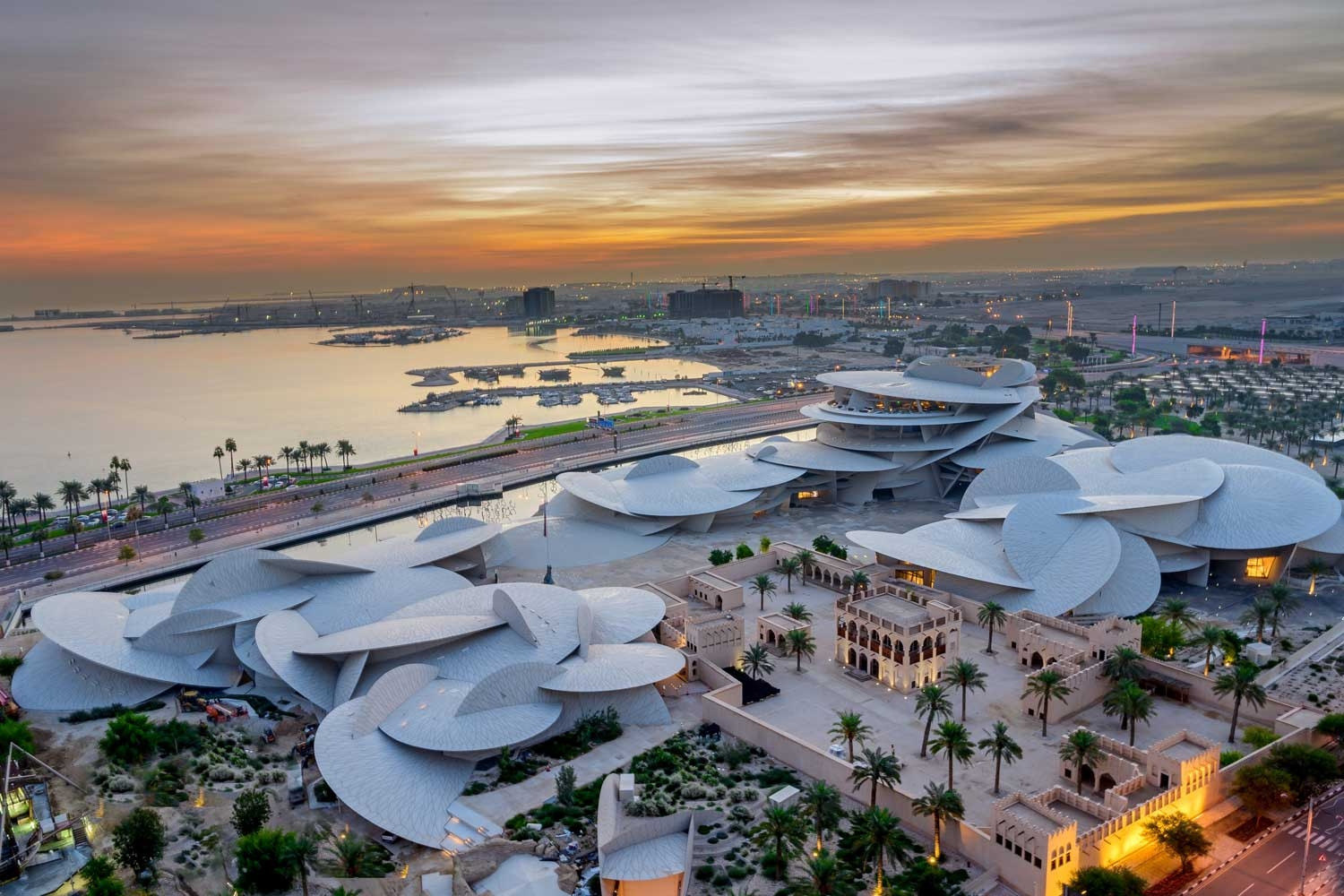
Jean Nouvel's 2019 building takes the shape of a desert rose crystal formation, wrapping 11 galleries that trace Qatar's history from pre-oil pearl diving through the present. The building alone, disc-shaped panels interlocking at odd angles, draws photographers who never step inside. A continuous 1.5-kilometre gallery path uses immersive film and archival objects, not static cases, a design that took roughly a decade to complete.
06. Museum of Islamic Art:
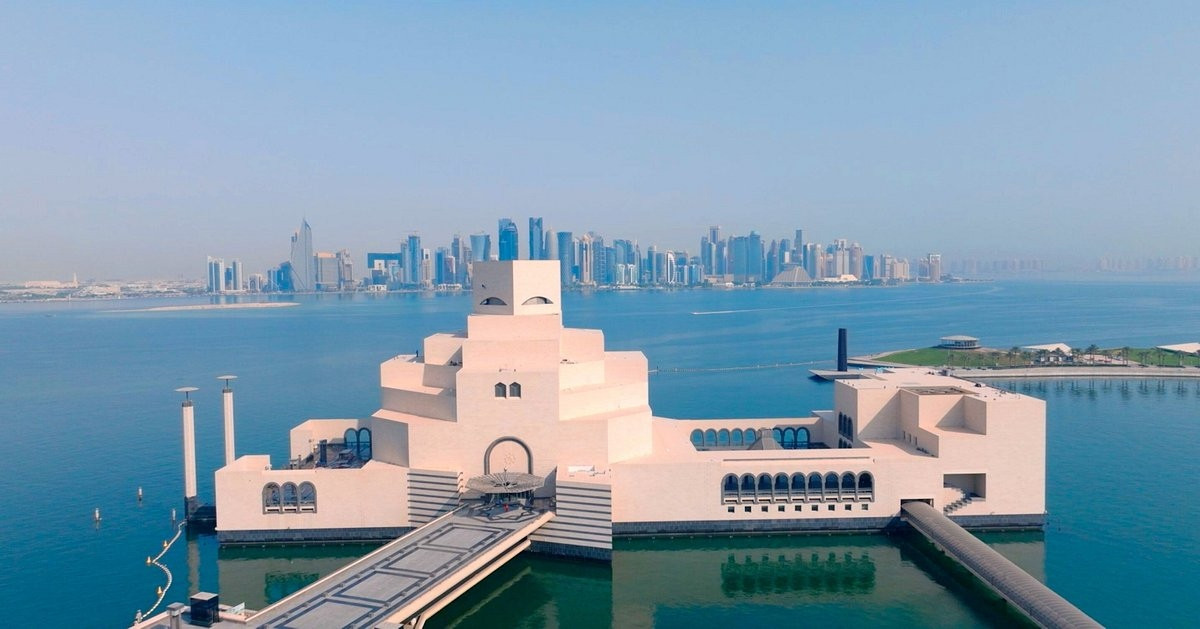
I.M. Pei's final major building, completed in 2008 on its own reclaimed island off the Corniche. The collection spans roughly 1,400 years of Islamic art, ceramics, textiles, and metalwork from Spain to China, and the surrounding park gives one of the better sunset views of West Bay. Pei travelled across the Islamic world researching historic architecture before finalising the design, and the museum's cafe sits within the same waterfront building.
07. Msheireb Downtown Doha:
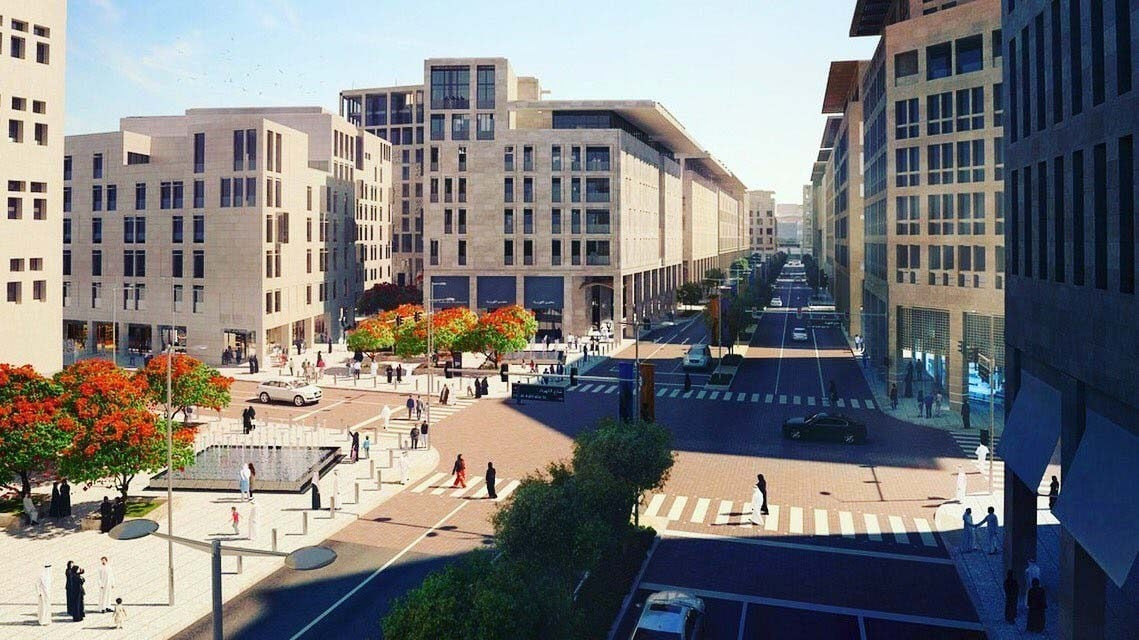
Marketed as one of the world's first fully-integrated smart city districts, Msheireb pairs restored early-20th-century heritage houses with sustainable, wind-tower-inspired modern buildings. The pedestrian streets stay genuinely shaded even at midday, a real practical advantage in Doha's heat. 4 heritage houses within the district now function as small museums covering Qatari social history, and the wider development includes over 100 buildings completed across more than a decade of construction.
08. Aspire Park:
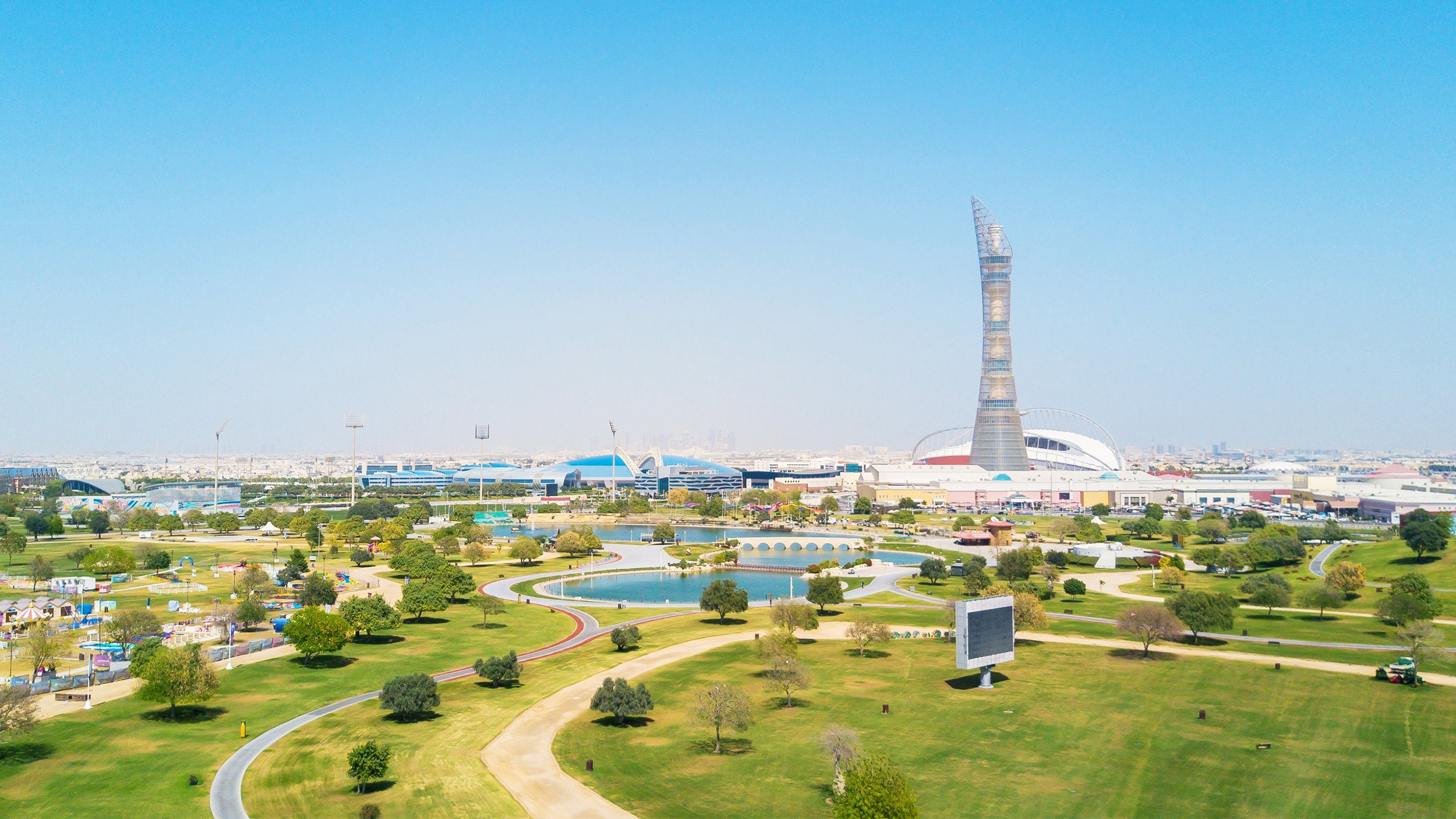
An 88-hectare park built around a central lake, with Aspire Tower rising directly behind it, giving joggers and picnicking families a genuine skyline backdrop. Cycling tracks loop the perimeter, and the shaded playground areas make it one of the more practical family stops in the city. The park sits within the wider Aspire Zone sports complex, built for the 2006 Asian Games, and its track remains a popular training spot.
09. Villaggio Mall:
An indoor mall built around a Venice-style canal running its full length, complete with gondola rides between wings. It's a genuinely popular family stop specifically for the indoor theme park attached, worth planning around midday when outdoor sightseeing isn't practical anyway. The mall opened in 2006, one of the first large-scale themed retail developments in Doha, with painted sky ceilings mimicking daylight along the canal walkway.
10. Khalifa International Stadium:
Originally built in 1976 and fully renovated for the 2022 FIFA World Cup, the stadium's twin arches and cooling technology set the design standard for Qatar's other World Cup venues. Guided tours run through the changing rooms and pitch-side areas on non-event days. Seating capacity sits at just over 40,000, and the stadium's cooling system can hold pitch-level temperatures around 18°C even when outside temperatures exceed 40°C during summer matches.
Skyline and Modern Architecture:
5 places show off Qatar's building boom most directly, from a purpose-built new city to a single twisting tower.
11. Lusail City
Qatar's newest planned city, built north of Doha on reclaimed and desert land, designed to eventually house around 450,000 residents. Its skyline, marina district, and Lusail City Mall have already become a genuine destination independent of the residential development still finishing around them. The city is divided into distinct districts, a marina, an energy city, and a leisure island, with construction continuing since the 2022 World Cup.
12. Lusail Marina Promenade:
A walkway tracing Lusail's marina, lined with cafes and framed by the same modern towers visible from the water. It draws a noticeably younger, more local crowd in the evenings than the Pearl-Qatar's marina does, still working out its identity as the surrounding city fills in. Weekend evenings bring food trucks and pop-up markets, and the walkway connects directly to Lusail's tram line back into Doha.
13. Lusail Iconic Stadium:
The largest of Qatar's World Cup venues, seating 80,000 and hosting the December 18, 2022 final between Argentina and France. Its gold-toned exterior, inspired by traditional Islamic bowl and vessel patterns, is genuinely one of the most photographed stadium exteriors built for the tournament. The stadium sits at the centre of Lusail's masterplan, surrounded by planned residential towers, with upper tiers slated for eventual community use.
14. Doha Exhibition and Convention Center:
A large-scale convention venue hosting Qatar's biggest trade shows and exhibitions through the year, its architecture built around soaring, tent-inspired ceiling structures. Worth checking the events calendar before visiting, since access outside a scheduled event is limited. The venue spans roughly 40,000 square metres of exhibition space across multiple halls, and it regularly hosts government summits and international conferences alongside commercial trade fairs throughout the calendar year.
15. Tornado Tower:
A 52-storey office tower in West Bay, its facade spiralling upward in a genuinely distinctive twist that sets it apart from the more conventional glass boxes surrounding it. Best viewed from across the water along the Corniche, especially once its exterior lighting activates after dark. Completed in 2008, the tower stands roughly 195 metres tall, one of the most recognisable silhouettes in West Bay skyline photographs.
Cultural and Heritage Landmarks:
5 sites cover Qatar's history before the skyline, from a UNESCO-listed fort to petroglyphs carved centuries ago.
16. Al Zubarah Fort:
Qatar's only UNESCO World Heritage Site, an 18th-century fort and the ruins of a once-major pearling and trading town surrounding it, roughly 105 kilometres northwest of Doha. The archaeological site remains genuinely under active excavation, one of the largest, best-preserved examples of an 18th and 19th-century Gulf trading town anywhere. UNESCO inscribed the site in 2013, and the visitor centre displays artefacts recovered from the dig.
17. Barzan Towers:
2 late-19th-century watchtowers near Umm Salal Mohammed, built to monitor the surrounding freshwater wells and desert approach roads. Their round and square forms, unusual for the region, still stand largely intact, with sunrise and sunset giving the strongest light for photographs. The taller of the 2 towers once doubled as an informal astronomical observation point, and both remain freely accessible without an entry fee or scheduled tour requirement.
18. Sheikh Faisal Bin Qassim Al Thani Museum:
A private museum holding one of the region's largest personal collections, thousands of objects spanning Islamic manuscripts, vintage cars, and archaeological pieces, assembled over decades by a single collector. The scale genuinely surprises first-time visitors expecting a smaller, more conventional gallery. The vintage car section alone runs into the hundreds of vehicles, and separate halls cover Qatari heritage, weaponry, and a recreated traditional souq environment within the same complex.
19. Al Wakrah Heritage Village:
A restored coastal town south of Doha, its wind towers and pearl-diving history preserved alongside a working souq and waterfront cafes. Al Wakrah's dhow harbour still sees working fishing boats, a genuine contrast to the more tourist-oriented restorations elsewhere. The town predates Doha as a settlement, and its museum sections cover the pearl trade specifically, with tools and photographs documenting the industry before oil.
20. Al Jassasiya Rock Carvings:
More than 900 petroglyphs cut into limestone outcrops in northeastern Qatar, depicting boats, cup-marks, and animal figures whose exact age and purpose remain genuinely debated among archaeologists. No formal facilities exist on site, worth bringing water and sun protection for the exposed walk between clusters. The largest concentration of rosette-pattern carvings in the Gulf sits here, and researchers debate whether some relate to navigation.
Beaches and Islands
5 spots cover Qatar's coastline, from a resort island to a genuine wildlife nesting ground.
21. Katara Beach:
A managed public beach within Katara Cultural Village, its calm, shallow water suited to families and its proximity to the amphitheatre and restaurants making it easy to turn a beach afternoon into a full evening without moving locations. Lifeguards patrol during peak hours, and sun loungers are available to rent directly on the sand, a genuine convenience compared to several of Qatar's more basic public beaches.
22. Simaisma Beach:
A quieter public beach north of Doha, its shallow water and open sand making it a genuine local family spot, not a tourist draw. Facilities stay basic, worth bringing shade and food instead of expecting beachside vendors. The beach sits close enough to Al Khor that combining both in a single day trip is straightforward, and weekday visits tend to leave stretches of sand nearly empty.
23. Fuwairit Beach:
Qatar's known hawksbill turtle nesting site, with nesting season typically running through the warmer months. Visitors are asked to keep a genuine distance from nests and hatchlings, and a designated conservation area on the beach marks where to avoid walking. Conservation volunteers monitor the site during nesting season, and the beach extends far enough that quiet stretches remain even when watchers gather at the protected zones.
24. Al Thakira Mangroves:
One of Qatar's largest mangrove forests, its channels navigable by kayak and home to herons, flamingos in season, and crabs along the mudflats. Morning visits give the calmest water and the best chance of spotting wading birds before the heat picks up. The mangroves form part of a wider protected coastal reserve, and guided kayak tours typically run 90 minutes to 2 hours through channels too narrow for larger boats.
25. Banana Island:
A private resort island a short boat ride from Doha, its overwater villas and full-service spa built for an actual overnight stay, though day-pass access covers the beach and pools for anyone not booking a room. The ferry crossing itself, about 25 minutes, is part of the appeal. The resort runs its own ferry terminal in Doha, and day-pass guests get access to most facilities excluding the overwater villas.
Desert Adventures:
5 spots cover Qatar's desert side, from a UNESCO-recognised inland sea to an abandoned film set.
26. Khor Al Adaid (Inland Sea):
A UNESCO-recognised natural reserve in southern Qatar where the desert meets open water directly, reachable only by 4x4 across roughly an hour of dunes. Most visitors book a guided safari instead of the drive independently, since the soft sand genuinely requires experience to navigate. The inland sea connects to the Arabian Gulf through a narrow channel, one of few places worldwide where dunes descend into open seawater.
27. Sealine Desert Dunes:
The most accessible major dune field from Doha, roughly an hour's drive south, popular for dune bashing tours and sandboarding. Sealine Beach Resort sits close enough to pair a morning in the dunes with an afternoon at the beach without a second long drive. Dune heights reach several dozen metres in places, and licensed operators generally require closed-toe shoes during the faster bashing sections.
28. Mesaieed Desert Safari:
A broader stretch of desert near the industrial city of Mesaieed, offering longer safari routes than Sealine specifically, often bundled with a traditional Qatari meal at a desert camp partway through the trip. Full-day packages typically combine dune bashing, a camel ride, and sandboarding into a single itinerary, and several operators run overnight desert camping options here for visitors wanting to see the stars away from city light pollution entirely.
29. Zekreet Desert:
A limestone plateau in western Qatar, its wind-carved mushroom rock formations genuinely unlike anything else in the country. Richard Serra's "East-West/West-East" sculpture, 4 steel plates rising from the desert floor, sits nearby and is worth combining with a Zekreet visit. The Serra installation, completed in 2014, spans roughly 1 kilometre across the desert, and the rock formations formed through centuries of wind erosion on softer limestone.
30. Film City:
A constructed desert village built as a film set and left standing, its weathered facades photographing convincingly as genuine ruins despite being entirely artificial. It sits within the wider Zekreet area, easy to pair with the rock formations on the same trip. The structures were built for a regional television production, and their deliberately aged appearance has made the site a recurring backdrop for photography since.
Family and Entertainment:
5 indoor options give a real answer to Doha's summer heat, all built for families specifically.
31. Doha Quest:
An indoor theme park inside Doha Festival City, its rides and VR attractions built around a jungle-adventure theme. Fully air-conditioned, which makes it a genuinely practical midday stop during the hottest months. The park spans multiple themed zones across 2 floors, combining roller coasters with simulator rides and a dedicated younger children's area, and single-day tickets typically allow unlimited rides instead of per-ride payment.
32. Angry Birds World:
A licensed indoor park built around the Angry Birds game franchise, its rides and character meet-and-greets aimed squarely at younger children, not teens or adults. The park includes a mix of physical rides and interactive game-based attractions themed directly around the franchise's characters, and staffed character appearances run on a rotating schedule throughout the day, worth checking on arrival for exact timing.
33. Gondolania Theme Park:
Villaggio Mall's in-house theme park, its rides ranging from gentle carousel-style attractions to genuine roller coasters, alongside the arcade and the mall's signature indoor canal running alongside the park. The park's centrepiece coaster loops directly above the mall's shopping level, visible from several retail storefronts, and ticket packages typically bundle a set number of rides instead of charging per attraction individually.
34. Desert Falls Water & Adventure Park:
A water park built into Meryal, its slides and lazy river offering a genuine outdoor water alternative during Qatar's cooler months, when outdoor water parks stay comfortable instead of uncomfortably hot. The park includes multiple slide towers of varying intensity alongside a dedicated toddler splash zone, and heated pool sections extend the practical visiting season further into Qatar's cooler winter months than most outdoor water parks manage.
35. Snow Dunes at Doha Festival City:
An indoor snow park kept below freezing year-round, genuinely popular specifically because it's the one place in Doha where snow exists at all. Jackets are provided at entry; regular clothing underneath is enough. The attraction includes dedicated snow tubing lanes and a play area for younger children, and the temperature contrast alone, stepping from Doha's heat into a sub-zero room, makes it a memorable stop for visiting families.
Shopping and Lifestyle:
5 malls cover Qatar's retail scene, each with a distinct enough identity to justify visiting more than one.
36. Doha Festival City
Qatar's largest mall by retail space, home to Doha Quest, Snow Dunes, and Angry Birds World under one roof, making it the single most efficient stop for a family entertainment day combined with shopping. The mall spans multiple wings across 2 levels, and its cinema complex runs both standard and premium large-format screenings, giving families a full day's worth of options without needing to leave the building.
37. Mall of Qatar:
A large mall on the western edge of Doha, its layout built around a central atrium hosting seasonal events and exhibitions throughout the year, alongside a standard mix of international and regional retail brands. The mall includes a dedicated family entertainment zone and a large hypermarket anchor, and its location west of the city centre draws a genuinely more local, less tourist-heavy crowd.
38. City Center Mall Doha:
One of Doha's older, more centrally located malls, its cinema and food court making it a reliable, no-frills option closer to West Bay than the newer malls built further out. The mall opened in the early 2000s and has been renovated multiple times since, and its central location makes it a practical stop for business travellers staying in nearby West Bay hotels without needing a long taxi ride.
39. Tawar Mall:
A smaller, neighbourhood-scale mall serving daily retail needs more than tourist shopping, useful specifically for anyone staying nearby who wants groceries or essentials without a long drive. The mall's tenant mix leans toward everyday retail, pharmacies, and casual dining, not international luxury brands, making it a genuinely practical stop for longer-stay visitors managing routine errands, not a sightseeing destination in its own right.
40. Lagoona Mall:
A West Bay mall built around waterfront dining specifically, its restaurants and cafes facing the lagoon, not an interior food court, giving it a genuinely different atmosphere from a standard enclosed mall. The lagoon-facing terrace seating stays popular through the cooler evening hours, and the mall's boutique retail mix leans toward mid-to-upper-range fashion brands instead of the mass-market chains found at some of Doha's larger malls.
Spiritual and Religious Sites:
5 mosques cover a genuine range of Islamic architectural styles across Doha, most open to respectful non-Muslim visitors outside prayer times.
41. Imam Muhammad Ibn Abd Al Wahhab Mosque:
Qatar's State Grand Mosque, capable of holding roughly 30,000 worshippers, its 93 domes and single towering minaret making it the country's largest and most architecturally significant mosque. Guided tours run for visitors interested in the building's Islamic art and calligraphy specifically. The mosque is named after the founder of the Wahhabi movement, and its scale makes it one of the largest single mosque structures anywhere in the Gulf region.
42. Katara Mosque:
A smaller mosque within Katara Cultural Village, its blue-and-gold tiled minaret visible from much of the surrounding district. It sits close enough to the beach and amphitheatre to fold into a broader Katara visit without a separate trip. The mosque's design draws on Ottoman-influenced tilework, not the more common Qatari style seen elsewhere, giving it a genuinely distinct visual identity within the wider cultural village setting.
43. Education City Mosque:
A contemporary mosque on the Education City campus, its clean geometric lines matching the modern university buildings surrounding it instead of following a traditional dome-and-minaret template. The building was designed specifically to serve the campus's international student population, and its prayer hall uses natural light through geometric screening, not conventional stained glass, a deliberate architectural break from older mosque designs elsewhere in Qatar.
44. Abdul Wahhab Mosque in Al Wakrah:
A neighbourhood mosque in Al Wakrah's heritage district, its scale and setting genuinely more modest than the State Grand Mosque, worth pairing with a wider Al Wakrah Heritage Village visit instead of a standalone trip. The mosque serves the local Al Wakrah community first and foremost, and its courtyard design reflects the same traditional Qatari architectural style visible throughout the surrounding restored heritage buildings nearby.
45. Golden Mosque at Katara:
A gold-tiled mosque within Katara, its exterior catching direct sunlight in a way that makes it one of the more photographed religious buildings in the district, especially in the hour before sunset. The gold tilework covers the exterior dome and portions of the facade specifically, a deliberate design choice distinguishing it from Katara's other, more understated mosque, and it remains a functioning place of worship alongside its visual appeal.
Nature and Scenic Escapes:
5 spots cover Qatar's less-visited natural landscapes, from an underground cave to a traditional camel racetrack.
46. Dahl Al Misfir Cave:
A limestone cave known locally as the "Cave of Light," its vertical shaft dropping into a chamber lit by a natural opening above. Entering the cave itself requires permission and, in most cases, a guide; the entrance and surrounding desert are viewable without one. The cave's depth and the gypsum crystals found within have made it a genuine subject of geological study, distinct from other limestone formations.
47. Umm Bab "Palm Tree Beach":
A quiet western coast beach, its scattered palm trees genuinely unusual for Qatar's coastline and giving it a distinct look from the more built-up beaches closer to Doha. The beach sits near Umm Bab town, roughly an hour's drive from the capital, and its distance from central Doha keeps visitor numbers genuinely low even on weekends, making it one of the quieter coastal options covered in this guide.
48. Purple Island:
A mangrove-fringed island near Al Khor, connected to the mainland at low tide and reachable by kayak or on foot depending on conditions. Its name comes from a historical dye extracted from local shellfish, once traded through the area. Archaeological surveys have found evidence of ancient dye-production activity on the island itself, and the surrounding mangrove and mudflat ecosystem supports a genuinely wide range of resident and migratory bird species.
49. Ras Abrouq Peninsula:
A rocky coastal stretch near Zekreet, its eroded cliffs and tidal flats drawing migratory birds through the cooler months. The peninsula sits close enough to Film City and the Zekreet rock formations to combine all 3 into a single desert-coast day trip. Fossil deposits have been documented along sections of the peninsula's exposed rock, and the area remains largely undeveloped, a genuinely quiet contrast to Qatar's more built-up northern coastline.
50. Al Shahaniya Camel Racetrack:
A working racetrack where camel racing, one of Qatar's oldest sports, still runs on a modern track using robotic jockeys, a genuine local innovation that replaced child jockeys following international pressure in the mid-2000s. Race mornings draw a real crowd of owners and trainers, not just tourists. The robotic jockeys, remote-controlled by trainers riding alongside, weigh only a few kilograms and became standard practice regionally.
Unique experiences, plus what's new
6 places round out the list, including the country's newest attraction, added here specifically because no other current guide to Qatar covers it yet.
51. Aspire Tower (The Torch Doha):
A 300-metre tower with a distinctive tilted, torch-shaped silhouette, its observation deck giving an elevated view over Aspire Park and the wider Aspire Zone sports complex. A revolving restaurant near the top adds a genuine reason to stay beyond the deck itself. Completed in 2007 ahead of the Asian Games, the tower briefly ranked among the world's tallest buildings designed primarily for non-residential, non-office use at the time.
52. Qatar National Library:
A single vast reading room built by OMA (Rem Koolhaas's firm), its cascading white shelving visible from nearly every point in the building. It holds a genuine heritage library section alongside the general collection, including rare manuscripts open for public viewing. The library opened in 2018 and holds over a million physical volumes, and its heritage collection specifically includes historical maps and documents relating to the wider Gulf region's history.
53. Education City:
A single campus hosting satellite branches of Georgetown, Northwestern, Cornell, and several other international universities, each occupying its own architect-designed building. It's genuinely walkable in an afternoon, and several buildings, including the National Library and mosque covered elsewhere in this guide, sit within it. The campus spans roughly 12 square kilometres, and its buildings were designed by internationally recognised architects, each giving a distinct identity.
54. Qatar Philharmonic Orchestra:
Qatar's national orchestra, performing regularly at the Qatar National Convention Centre and occasionally at Katara's amphitheatre, mixing Western classical repertoire with commissioned Arab and regional compositions. Checking the season schedule ahead of a trip is worth doing, since performances don't run continuously. Founded in 2007, the orchestra draws musicians from more than 20 countries, and its regional commissions specifically aim to introduce contemporary Arab composers to a wider international audience.
55. Doha Skyline by Dhow Cruise:
A traditional wooden dhow, converted for tourist cruises, running along the Corniche as the West Bay skyline lights up after dark. It remains the single most reliable way to see Doha's skyline from the water, and most operators depart directly from the Corniche itself. Dhows were historically used for pearl diving and fishing before Qatar's oil economy developed, and several operating today are restored original vessels.
56. Lawh Wa Qalam: M.F. Husain Museum
The world's first museum dedicated entirely to M.F. Husain, one of modern India's most significant painters, opened November 28, 2025. Husain designed the building himself before his death in 2011, and the museum traces his artistic career from the 1950s onward through paintings, sketches, and personal archives. It's the single newest attraction in this entire guide, and worth building a Doha itinerary around if modern art is a genuine interest.
Planning Your Visit:
Timing matters more in Qatar than in most destinations, given how directly the desert heat affects what's actually enjoyable to do outdoors. November through March brings daytime temperatures in a genuinely comfortable range for the Corniche, desert safaris, and beach days. June through September pushes past 40°C regularly, and outdoor sites like Al Zubarah Fort or the rock carvings at Al Jassasiya become considerably less pleasant, worth shifting those specifically toward an indoor-heavy itinerary instead.
Central Doha rewards walking or a short taxi ride between sights: the Corniche, Souq Waqif, Msheireb, and the museums sit close enough together that a rental car adds more hassle than it saves. Everything further out, Al Zubarah Fort, the northern beaches, and any desert site, genuinely needs a car, a taxi arranged in advance, or a guided tour, since public transport doesn't reach most of them directly. Qatar's metro covers central Doha and Lusail efficiently but stops well short of the coastal and desert sites covered throughout this guide.






{{item.get_author.first_name}} {{item.get_author.last_name}}
Level 7
5 Photos
36 Reviews
{{item.comment_txt}}
{{item_reply.get_author.first_name}} {{item_reply.get_author.last_name}}
@ {{item_reply.reply_to}}, {{item_reply.reply_txt}}