

The safest US cities for solo female travelers by the 2026 Numbeo Safety Index are Salt Lake City (64.4), Irvine (63.3), and Boise (61.6). For a first solo trip, Charleston and Savannah offer compact, walkable historic districts. This guide ranks 15 destinations by traveler type, with real safety scores, named neighborhoods, and current transit costs, not general reassurance.
Irvine, California scored 63.3 on the 2026 Numbeo Safety Index. Detroit scored 27.2. Both are American cities, and the gap between them tells you more about planning a solo trip than any generic reassurance ever will. Safety in the US doesn't scale by country, or even by state. It scales by neighborhood, by time of day, and by how well you've researched the specific 4 or 5 blocks you'll actually be walking.
This list uses that data directly. Every city below is ranked with its current safety index score where one exists, a real neighborhood to base yourself in, and an honest note on where that same city gets riskier after dark. No filler about "hidden gems" or "must-see" attractions. Just the information you'd want from a friend who already made the trip.
Safest by the numbersCities Where the Data Backs the Reputation:
These 4 cities post some of the highest Numbeo Safety Index scores of any city in the country, US or Canadian. None of them are typical tourist-brochure picks, which is exactly why the prices and crowds stay manageable.
01Irvine, California:
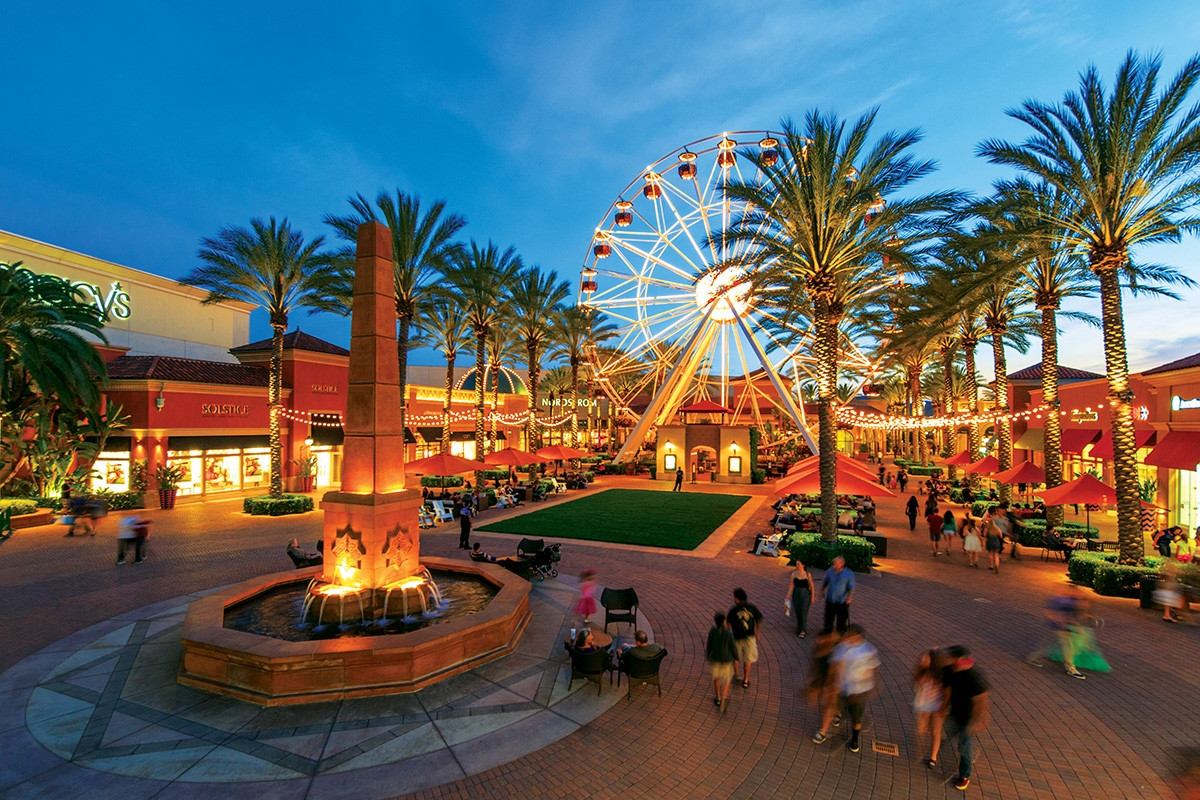
Irvine posts a 63.3 safety score, one of the highest of any US city Numbeo tracks, and it earns that number honestly: this is a master-planned Orange County city built around wide sidewalks, extensive bike paths, and a police department built around community policing programs, not just incident response. Base yourself near the Irvine Spectrum Center or University Park, both walkable to shopping and dining without a car. The tradeoff is nightlife: Irvine goes quiet early, so pair it with a few days in nearby Newport Beach or Laguna Beach if you want evening energy.
Things to see, do & explore in Irvine
- Orange County Great Park: an 86-acre park with a seasonal tethered hot air balloon ride offering views out to the Pacific.
- Aldrich Park at UC Irvine: a circular eucalyptus grove at the center of campus, open to the public and free to walk.
- Wild Rivers Waterpark: a full-day water park in nearby Irvine Spectrum, reopened with 20-plus rides and slides.
02Salt Lake City, Utah:
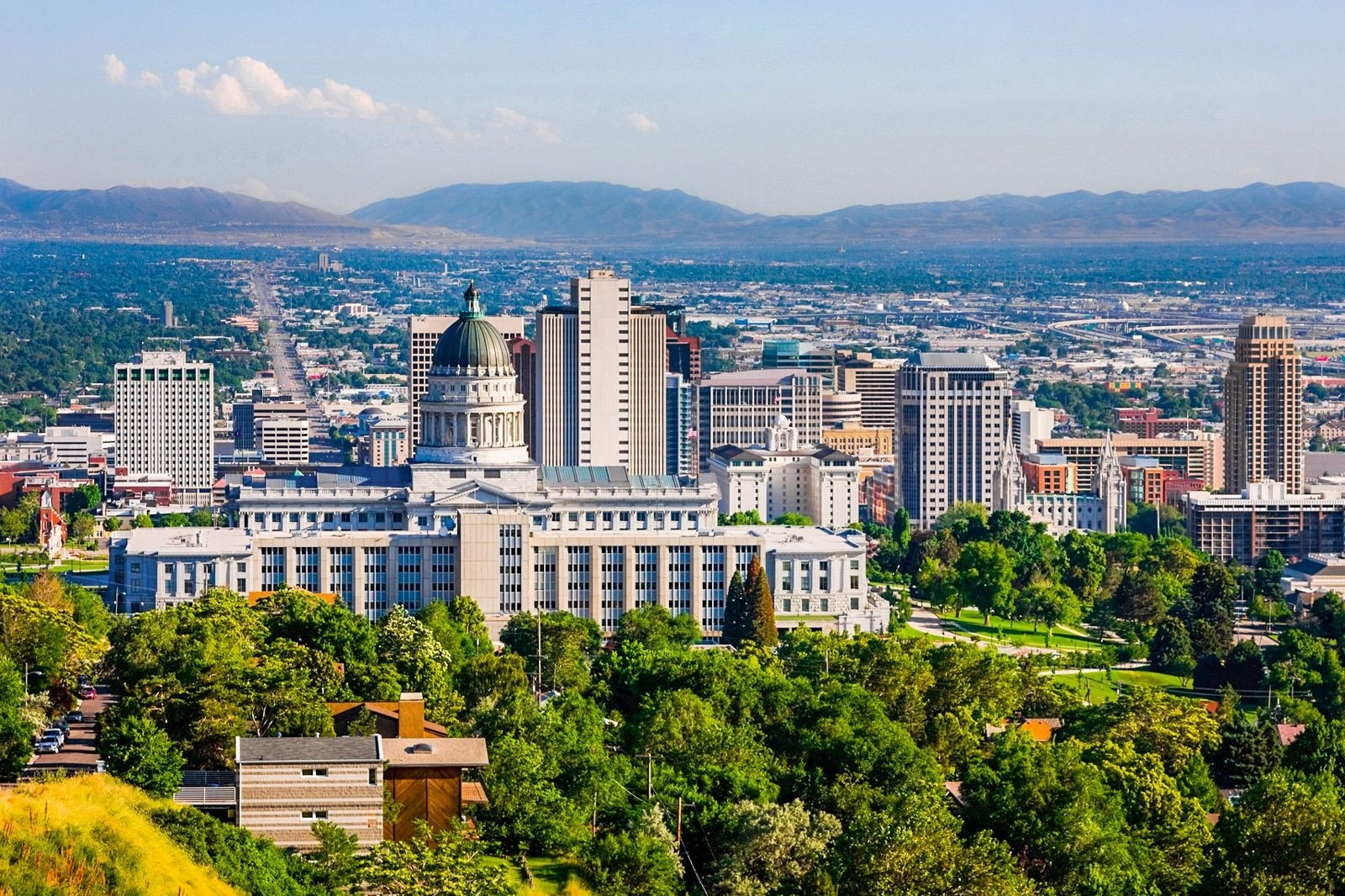
Salt Lake City scores 64.4, the single highest safety index of any major US city on the current list. The downtown grid is genuinely easy to navigate, numbered streets running in both directions from Temple Square, and the free-fare zone on the TRAX light rail covers most of the tourist core. Solo hikers use it as a base for the Wasatch Range trailheads 15-30 minutes away, and the city's altitude (4,226 feet) means pack layers even in summer. Sugar House and the 9th and 9th neighborhood both offer walkable cafes and shops without needing a rental car.
Things to see, do & explore in Salt Lake City
- Natural History Museum of Utah: built into the base of the Wasatch foothills, with a dinosaur hall and rooftop trail access.
- Red Butte Garden: a 100-acre botanical garden on the University of Utah campus with summer outdoor concerts.
- Utah State Capitol: free public tours of the marble rotunda and grounds, with skyline views over downtown.
03Boise, Idaho:
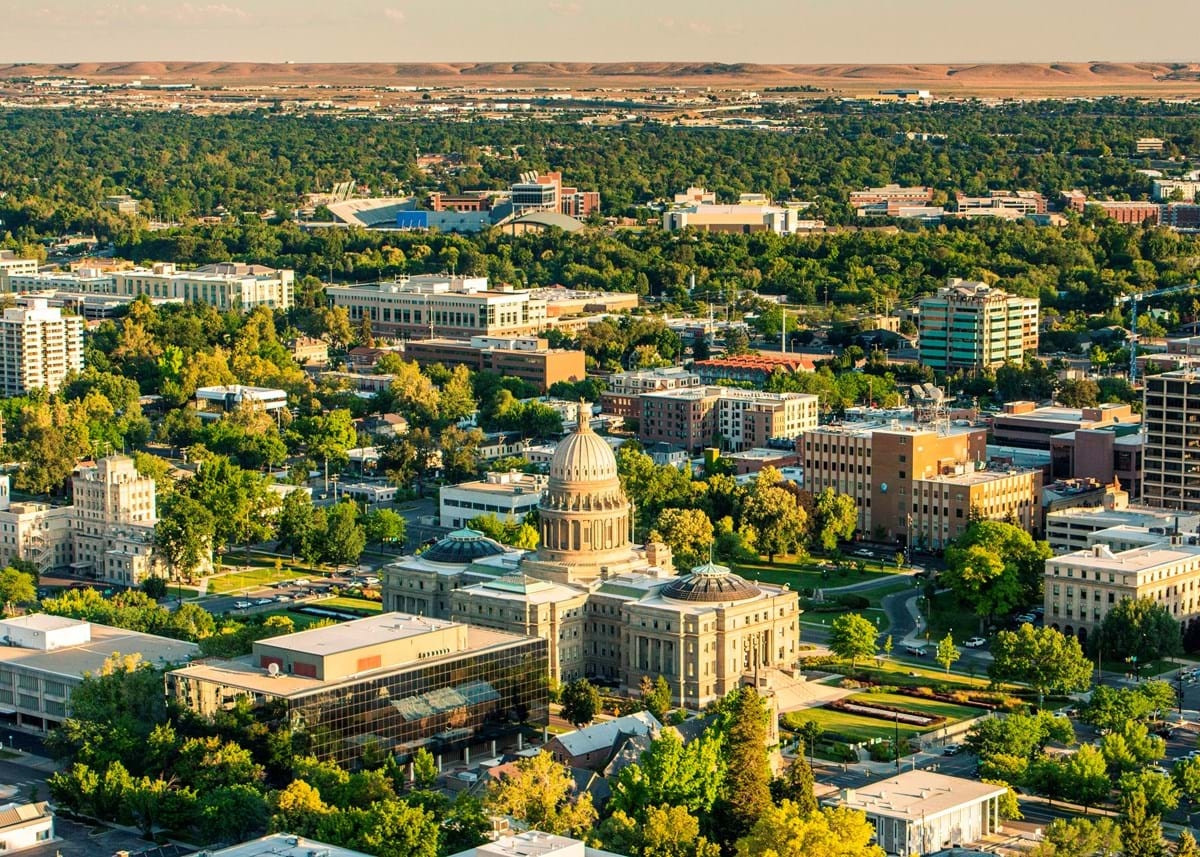
Boise's 61.6 score reflects a city small enough to walk end to end and stable enough that locals genuinely do. The Boise River Greenbelt, a paved 25-mile path along the water, connects downtown to Boise State University and several parks, and it's lit and used late into the evening. Downtown Boise itself is compact: the Basque Block, the Grove Plaza, and 8th Street's restaurant row all sit within a 10-minute walk of each other. It's a smaller media market than the coastal cities on this list, so flights run pricier relative to the trip length; budget accordingly.
Things to see, do & explore in Boise
- Boise Art Museum: inside Julia Davis Park, with rotating regional exhibits and a sculpture garden out back.
- World Center for Birds of Prey: a working raptor research center a short drive from downtown, with live falcon flights.
- Idaho Botanical Garden: set against the old Idaho State Penitentiary grounds, with themed gardens through 3 seasons.
04San Diego, California:
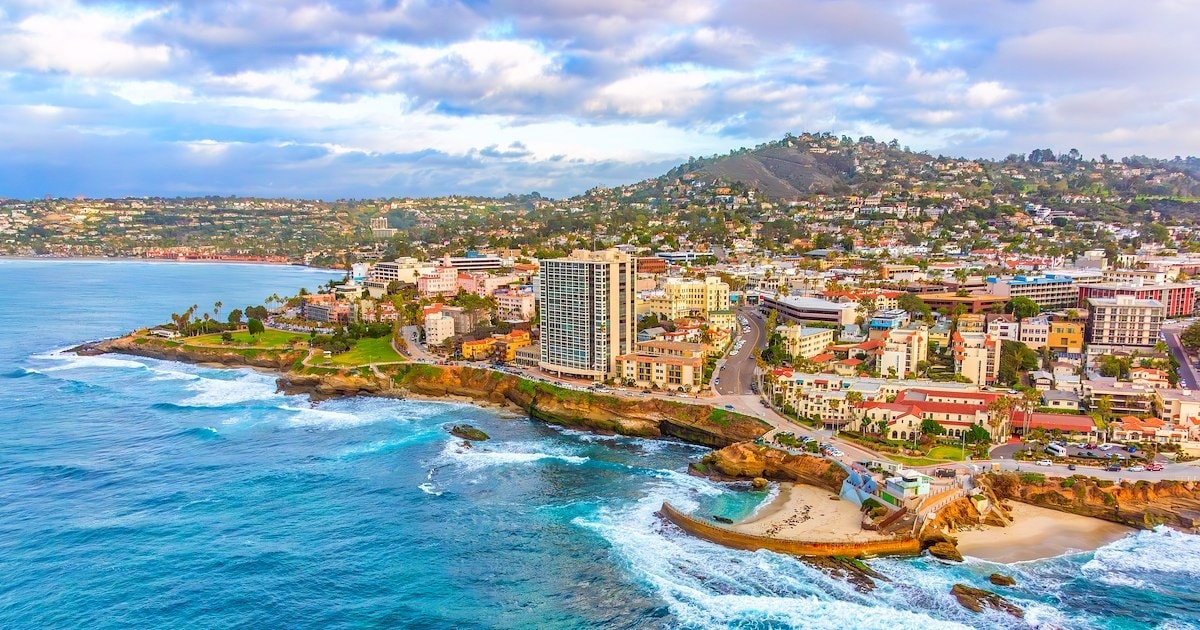
San Diego's 59.9 score comes with a genuine perk for solo travelers: near-perfect year-round weather removes the guesswork from planning outdoor time. Balboa Park alone holds 17 museums and the San Diego Zoo, walkable from the Bankers Hill neighborhood. The Gaslamp Quarter gets loud and crowded on weekend nights, fine for people-watching from a restaurant patio, less ideal for wandering alone after 1 a.m. La Jolla, 20 minutes north by trolley, offers tide pools and sea lion colonies with a quieter, more residential feel if the downtown energy isn't what you're after.
Things to see, do & explore in San Diego
- USS Midway Museum: a retired aircraft carrier on the downtown waterfront, self-guided with cockpit access.
- Cabrillo National Monument: tide pools and a historic lighthouse at the tip of Point Loma, with whale-watching in winter.
- Sunset Cliffs Natural Park: a quieter, less-crowded alternative to La Jolla for watching the sunset over the ocean.
Best for a first solo tripLow-stress, Walkable, Forgiving of Mistakes:
A first solo trip goes better in a place where getting lost costs you 10 minutes, not an hour. These 3 towns compress their highlights into a walkable core.
05Charleston, South Carolina:
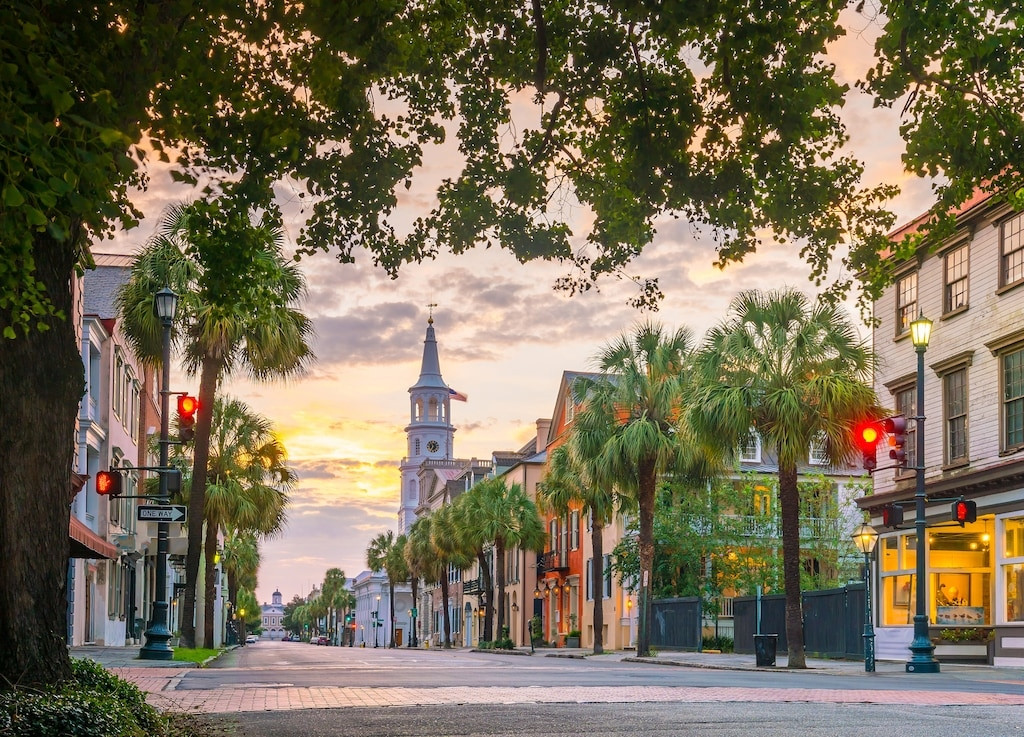
Charleston's historic peninsula runs about 1.5 miles end to end, and nearly everything worth seeing, the Battery, Rainbow Row, the City Market, sits inside it. The DASH trolley loops the district for free. Solo travelers gravitate toward the French Quarter for its concentration of restaurants with bar seating, an easy way to eat well alone without feeling conspicuous. Folly Beach, a 25-minute drive, gives you a beach day without adding a second city to the itinerary. Humidity peaks from June through August; spring and fall trips are considerably more comfortable for walking.
Things to see, do & explore in Charleston
- Magnolia Plantation and Gardens: one of the oldest public gardens in the US, with a separate, unflinching slavery history tour.
- Fort Sumter boat tour: a ferry ride out to the site where the Civil War began, run by the National Park Service.
- Charleston City Market: home to Gullah artisans still hand-weaving sweetgrass baskets using techniques passed down for generations.
06Savannah, Georgia:
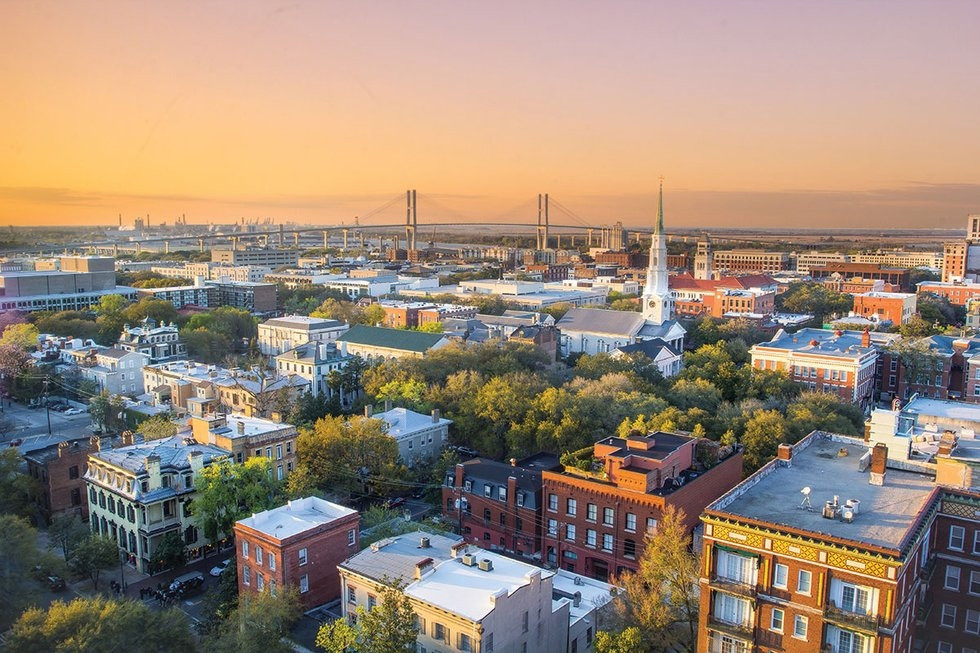
Savannah's historic district is built around 22 shaded squares, each a natural rest stop and landmark, which makes the layout close to impossible to get truly lost in. The free DOT shuttle covers the downtown loop. Forsyth Park anchors the southern end and hosts a Saturday farmers market worth timing a visit around. Tybee Island, 20 minutes east, adds a beach day without a rental car if you book the seasonal shuttle. Savannah leans heavily into ghost-tour tourism after dark; it's genuinely fun and well-trodden by solo travelers, but stick to the licensed tour operators listed on the city's official tourism site; skip the street-corner flyers.
Things to see, do & explore in Savannah
- SCAD Museum of Art: a restored 1856 railroad depot turned contemporary art museum, run by the local art college.
- Mercer-Williams House Museum: the antebellum mansion made famous by "Midnight in the Garden of Good and Evil."
- Bonaventure Cemetery: a Spanish-moss-draped historic cemetery on the river, popular for a quiet morning walk.
07Portland, Maine:
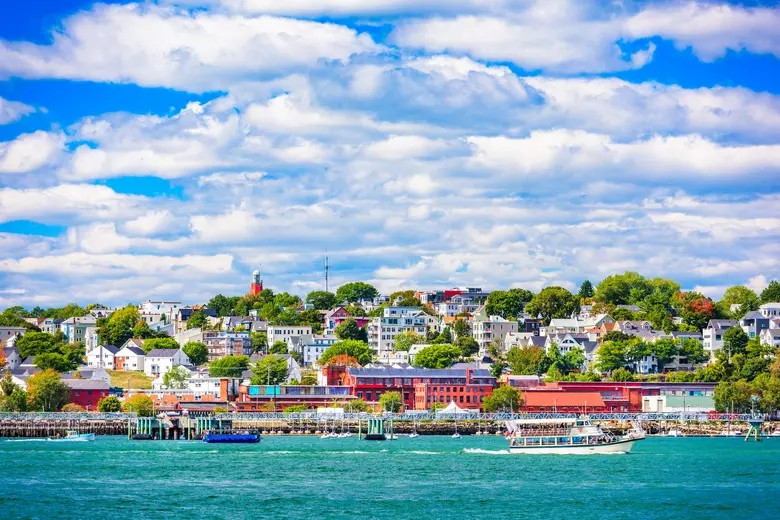
Portland's Old Port neighborhood covers about 6 walkable blocks of cobblestone streets, seafood restaurants, and independent shops, small enough that solo travelers rarely need transport once they've checked in. The Eastern Promenade Trail gives a flat waterfront walk with harbor and island views without any hiking gear required. Higgins Beach and Scarborough Beach both sit within a 20-minute drive for a coastal day trip. Prices climb sharply in July and August lobster season; a shoulder-season visit in late May or September gets you the same town at meaningfully lower hotel rates.
Things to see, do & explore in Portland (Maine)
- Portland Head Light: the state's oldest lighthouse, a 15-minute drive into Cape Elizabeth with cliffside trails.
- Casco Bay Lines ferry: a passenger ferry out to Peaks Island for a few hours away from the mainland.
- Portland Museum of Art: a compact, walkable museum downtown with a strong collection of Maine-based artists.
Best for outdoor-focused tripsTrails, Red Rock, and Desert Quiet:
These 3 destinations trade nightlife for landscape, and each one has a specific, bookable way to see the terrain without hiking solo into anything remote.
08Sedona, Arizona:
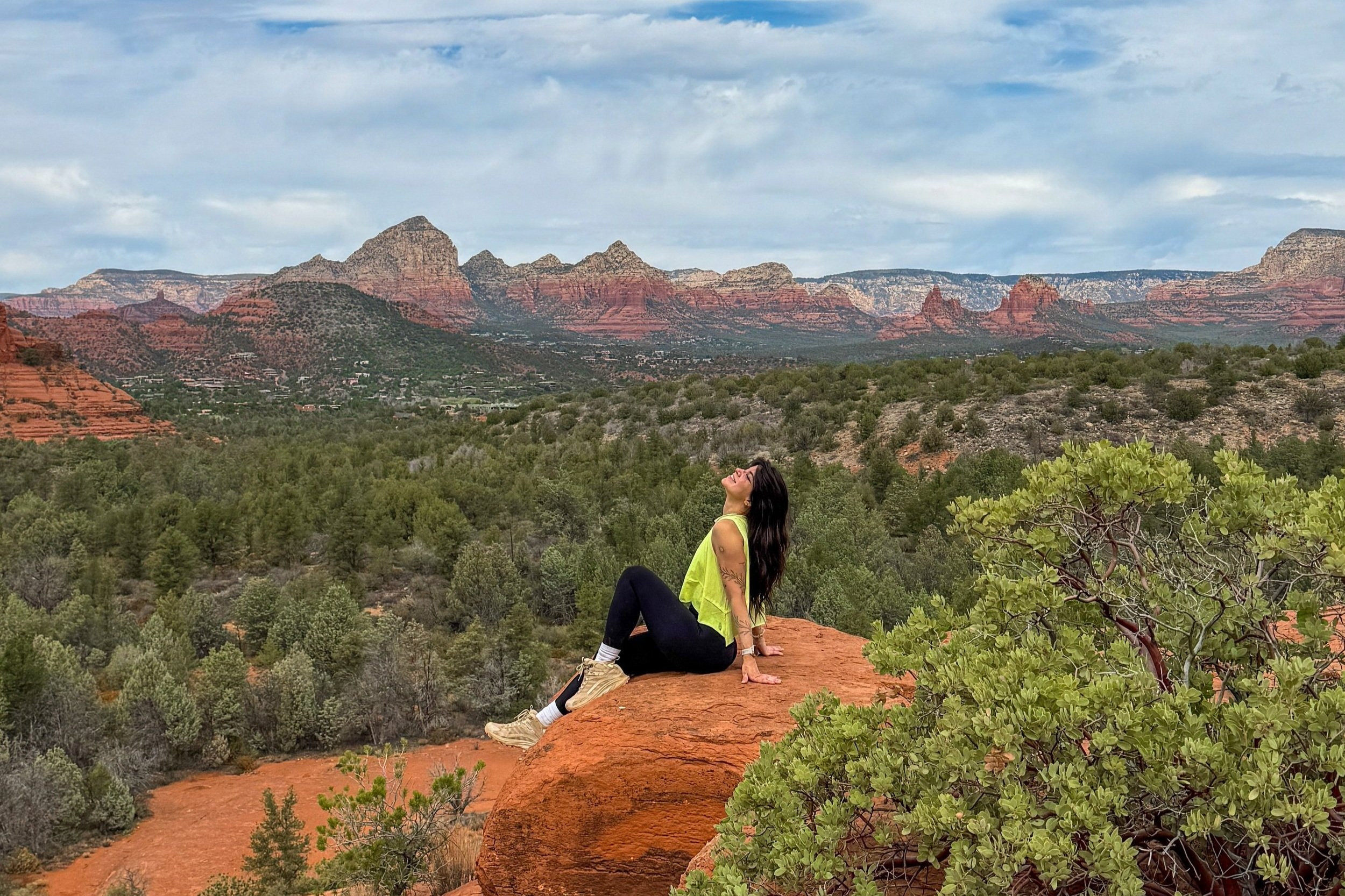
Sedona sits inside red rock formations that make even a short walk from your hotel feel like a hike. The Bell Rock Pathway and Airport Mesa trails both run under 2 miles round trip and stay busy enough with other visitors that solo hikers rarely feel isolated. Sedona's Pink Jeep Tours and similar operators run guided off-road trips if you'd rather not drive the backcountry roads alone. The town itself is small, so book dinner reservations in advance during October and November, the 2 busiest shoulder-season months, when day-trippers from Phoenix fill up the limited restaurant seating.
Things to see, do & explore in Sedona
- Chapel of the Holy Cross: built directly into the red rock cliffs, with a viewing platform open to all visitors.
- Slide Rock State Park: a natural rock water slide in Oak Creek Canyon, best visited on a weekday morning.
- Tlaquepaque Arts and Crafts Village: a walkable, Spanish-colonial-style arts complex with working galleries and studios.
09Asheville, North Carolina:
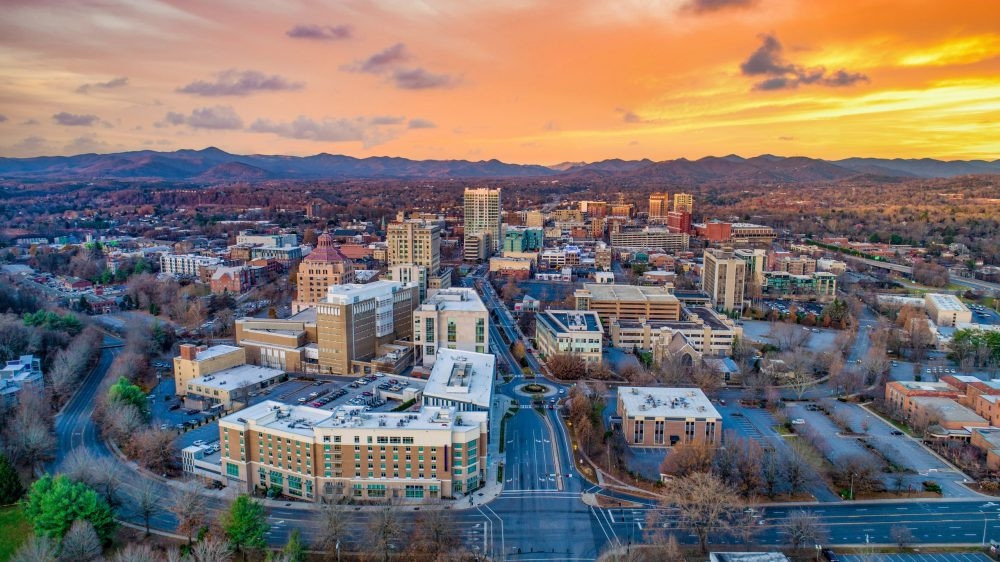
Asheville pairs a walkable, art-deco downtown with immediate access to the Blue Ridge Parkway, a scenic drive with pull-offs and short trails every few miles. The River Arts District, a converted industrial stretch of studios and breweries along the French Broad River, works well for an afternoon on foot. Solo travelers commonly base near downtown and rent a car only for the parkway days. Asheville's brewery scene is genuinely large, over 30 breweries within the metro area, so an afternoon brewery crawl on foot downtown is a realistic, low-key solo activity that doesn't require joining a tour group.
Things to see, do & explore in Asheville
- Biltmore Estate: the largest privately owned home in the US, with gardens and a working winery on the grounds.
- North Carolina Arboretum: 434 acres of trails and gardens just off the Blue Ridge Parkway.
- Grove Arcade: a restored 1929 indoor market downtown with local shops and a walkable food hall.
10Moab, Utah:
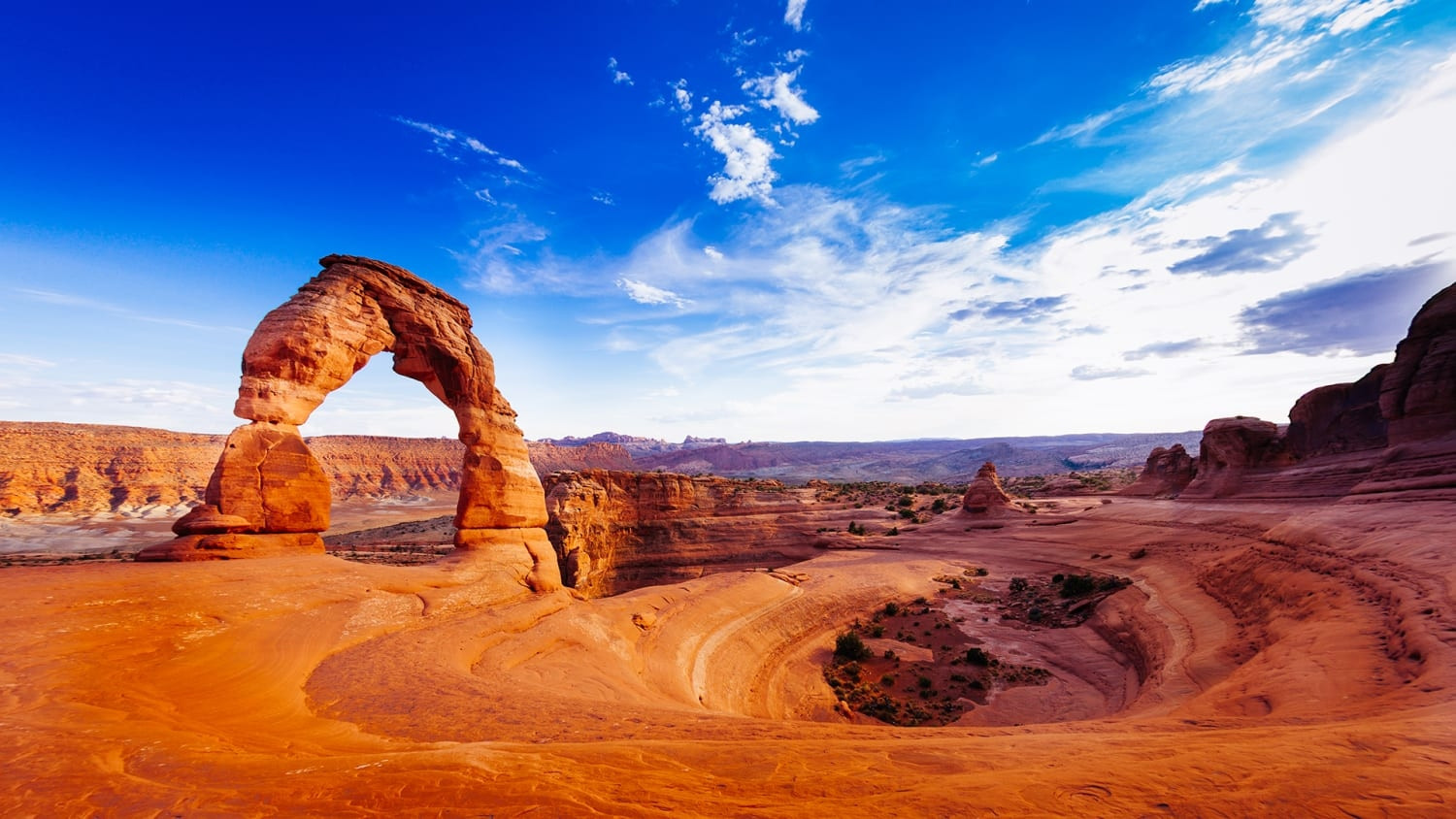
Moab is the access point for both Arches National Park and Canyonlands, and it's one of the few entries on this list built almost entirely around outdoor activity, with little walkable town center to speak of. Solo travelers typically rent a car for the parks themselves but can walk Moab's compact Main Street for dinner and gear shops. Guided options matter more here than almost anywhere else on this list: outfitters run rafting trips on the Colorado River and jeep tours into the backcountry, both safer solo choices than attempting remote 4x4 trails alone. Summer temperatures regularly clear 100°F; spring and fall are the better windows.
Things to see, do & explore in Moab
- Dead Horse Point State Park: a canyon overlook often compared to a mini Grand Canyon, a short drive from Arches.
- Delicate Arch at sunset: a moderate 3-mile round-trip hike to Utah's most photographed natural arch, busy but genuinely worth timing for golden hour.
- Moab Giants: a life-size dinosaur track park with a museum, an easy half-day between the bigger parks.
Culture and nightlife, done with a planBigger Energy, Still Manageable Alone:
These 3 cities have real nightlife and live music scenes. None of them require avoiding that scene to travel safely, but each has a specific area or hour where the calculus changes.
11Nashville, Tennessee:
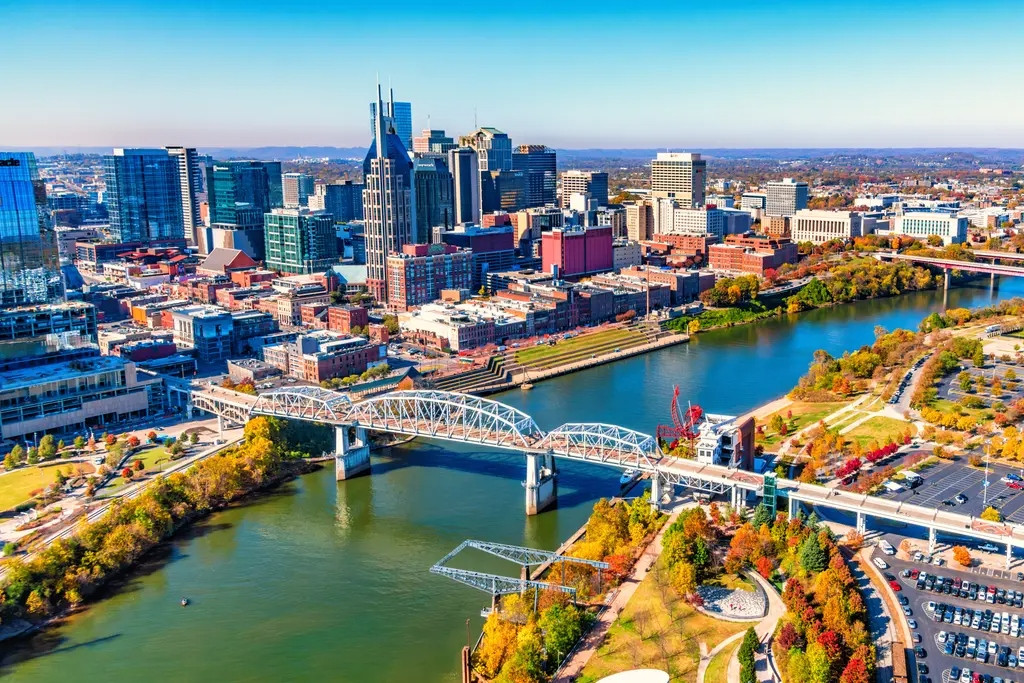
Broadway's honky-tonks are loud, packed, and genuinely easy to enjoy solo, since live music venues are one of the few nightlife settings where sitting alone at the bar reads as completely normal. For a quieter evening with the same quality of music, 5th and Taylor and the venues in the Gulch neighborhood draw a more local, less bachelorette-party crowd than Broadway itself. Nashville's rideshare availability is strong and pricing stays reasonable even late at night, worth using for the walk back to a hotel after midnight regardless of distance.
Things to see, do & explore in Nashville
- Country Music Hall of Fame: a full-day museum downtown covering the genre from its earliest recordings to today.
- The Parthenon: a full-scale replica of the Athens original in Centennial Park, housing an art museum inside.
- Frist Art Museum: a rotating-exhibition museum inside a restored 1934 Art Deco post office building.
12Austin, Texas:
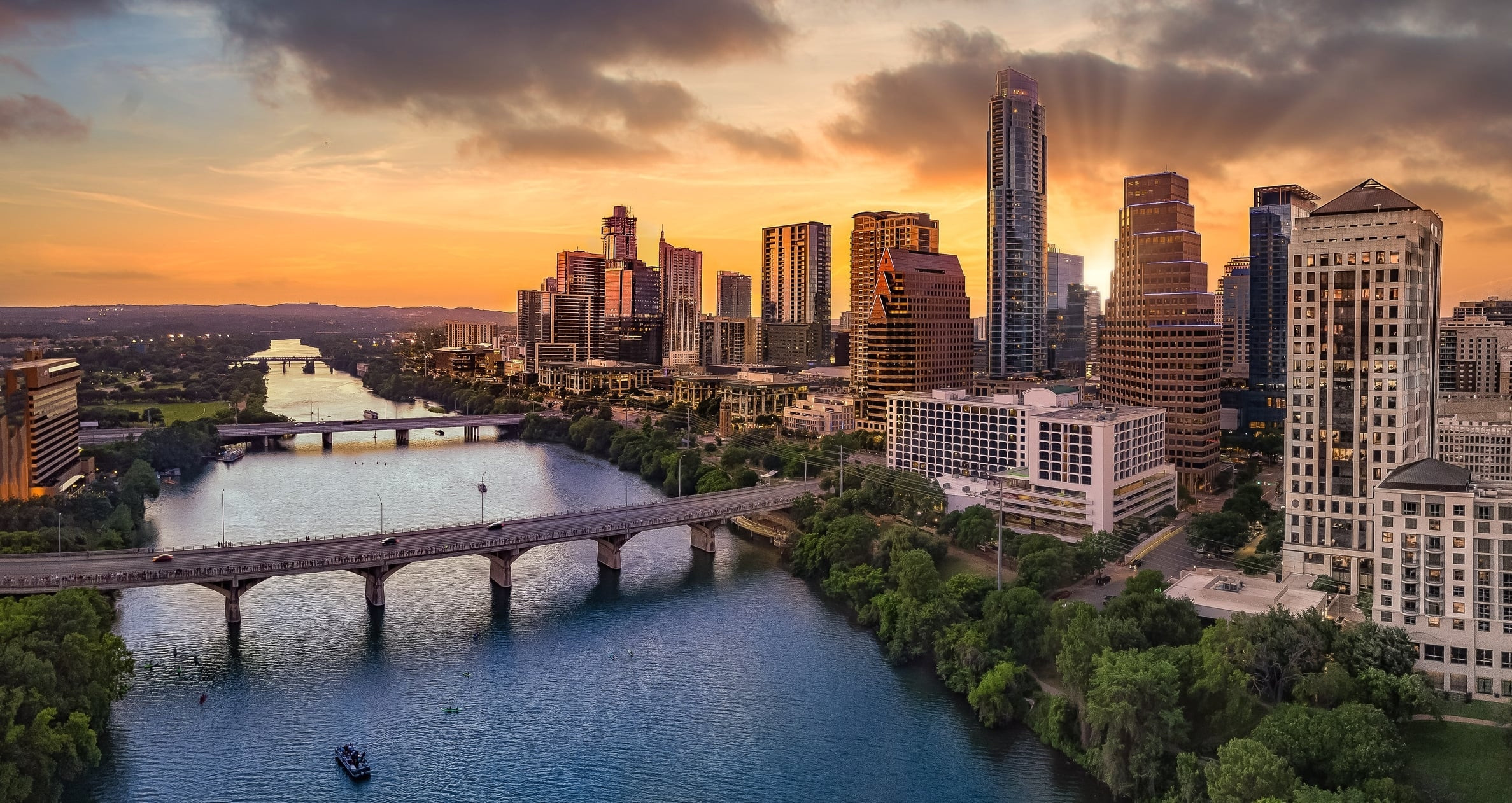
Austin's live music scene extends well past its famous festivals, South by Southwest and Austin City Limits, into a year-round calendar of smaller venues along Red River Street and South Congress Avenue. Lady Bird Lake's Ann and Roy Butler Hike-and-Bike Trail, a 10-mile loop through downtown, is genuinely one of the more pleasant urban trails in the country and stays populated with runners and cyclists into the evening. Austin's Numbeo safety score sits at 56.0, respectable but not exceptional, so the same downtown-after-dark judgment calls that apply in any mid-sized US city apply here too.
Things to see, do & explore in Austin
- Barton Springs Pool: a natural spring-fed swimming pool that stays 68-70°F year-round, right in Zilker Park.
- Texas State Capitol: free public tours of the largest state capitol building in the country by square footage.
- Mount Bonnell: a short climb to Austin's highest point, with a well-known sunset view over Lake Austin.
13New Orleans, Louisiana:
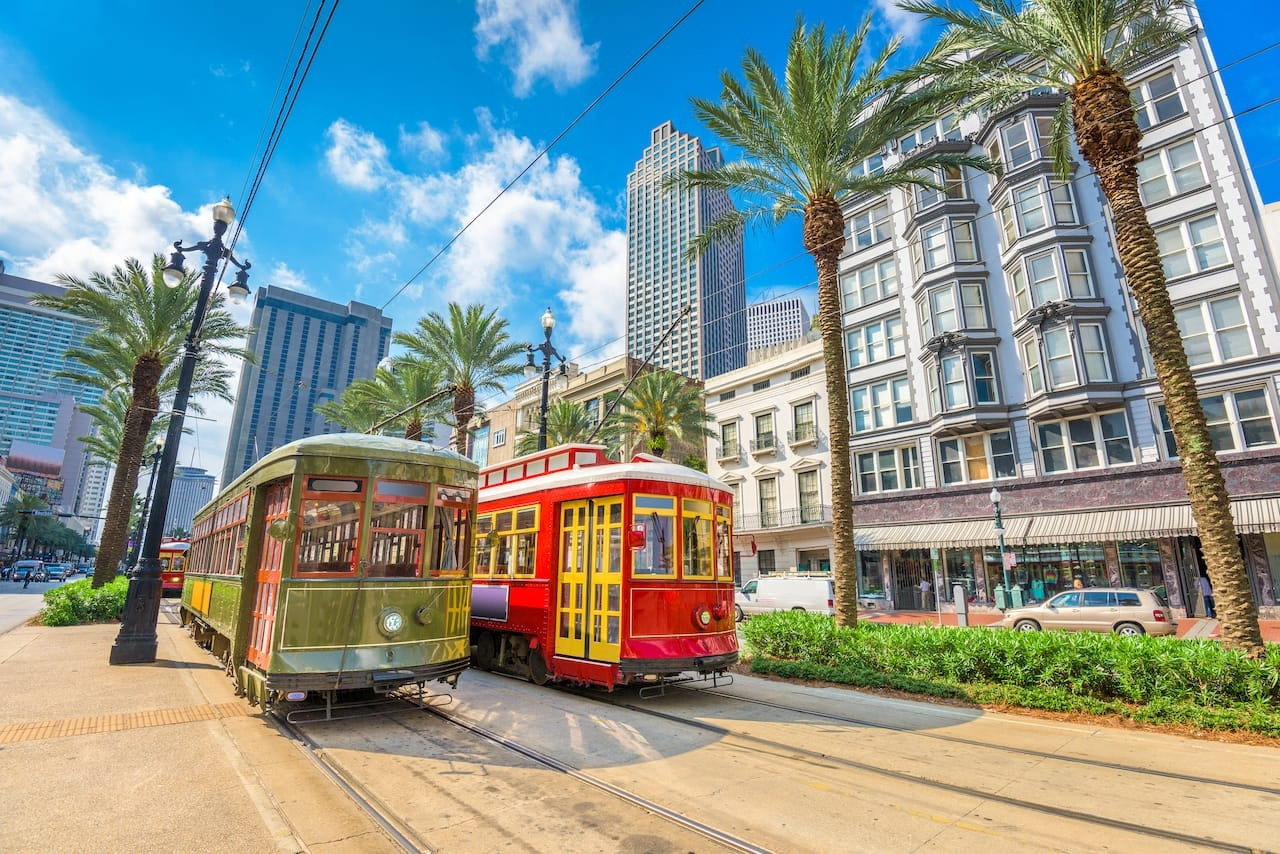
New Orleans posts a 32.2 safety score, meaningfully lower than every other city on this list, and it deserves an honest note, not a glossed-over one. The French Quarter and Garden District are heavily trafficked, well-lit, and genuinely fine to explore during the day and early evening. Bourbon Street after midnight is a different environment entirely: pickpocketing and aggressive street solicitation both increase sharply, and the standard local advice, confirmed by the city's own tourism safety guidance, is to travel in a group or by rideshare once the later Bourbon Street crowd sets in. The food and music are worth the trip; plan your evenings around that reality.
Things to see, do & explore in New Orleans
- St. Louis Cathedral: the oldest continuously operating cathedral in the US, anchoring Jackson Square.
- St. Charles Avenue streetcar: a historic streetcar line through the Garden District, one of the cheapest sightseeing rides in the city.
- National WWII Museum: a Smithsonian-affiliated museum widely regarded as one of the best of its kind in the country.
The classic city breakBig, Expensive, and Still Genuinely Doable Alone:
New York and San Francisco are the 2 most-searched entries on almost any solo female travel list, and both earn the spot for reasons that have nothing to do with hype.
14New York City, New York:
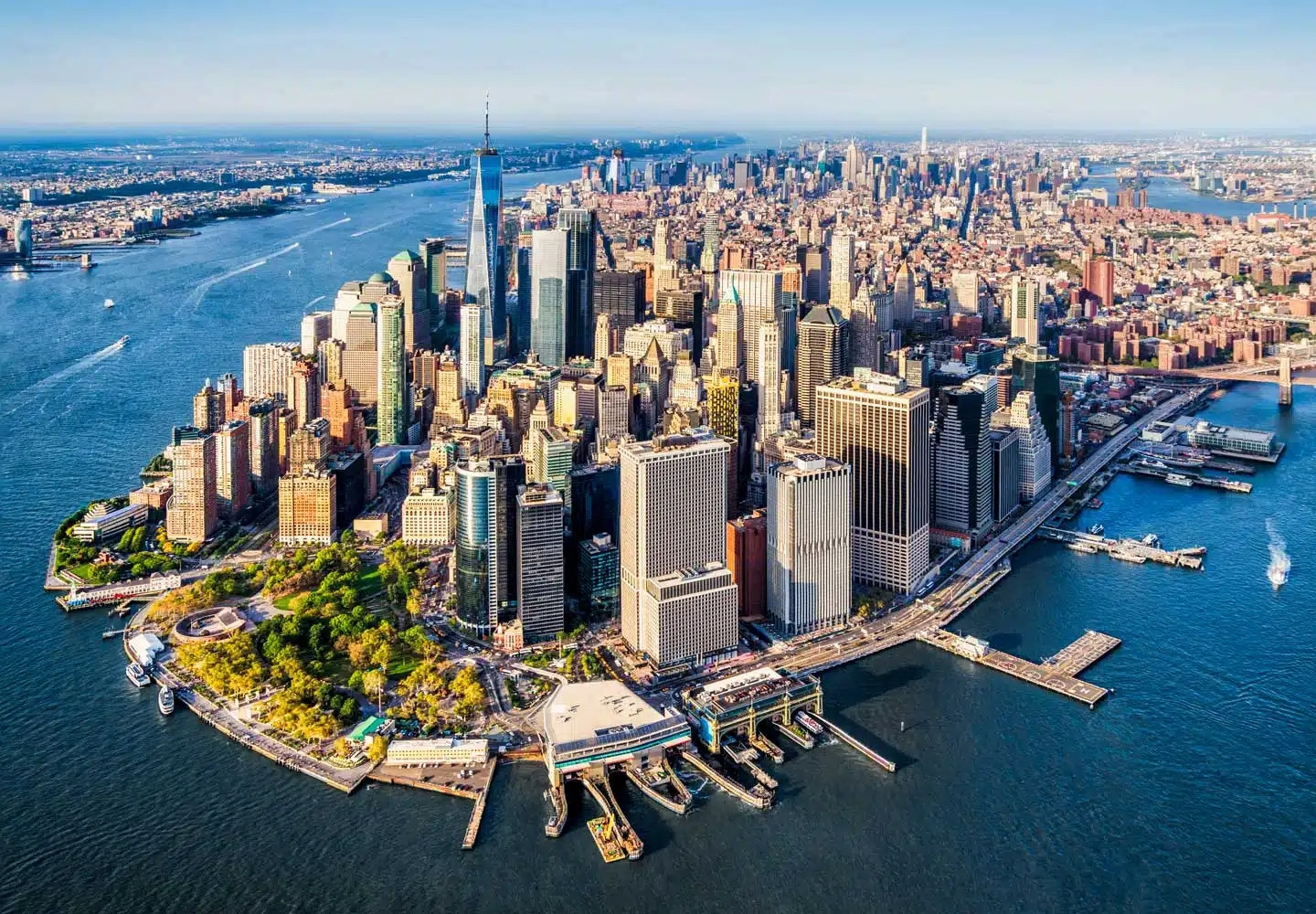
Manhattan posts a 49.1 safety score, a genuine improvement over its reputation and driven largely by round-the-clock foot traffic that keeps most tourist-heavy areas populated at nearly every hour. The subway runs 24 hours, and solo travelers commonly stick to well-lit, busier stations and avoid empty subway cars late at night, standard local practice, not a tourist-specific precaution. The Upper West Side, Greenwich Village, and Park Slope in Brooklyn all read as quieter, more residential bases than Times Square, with easier access to genuinely good, less touristy food. A 7-day unlimited MetroCard runs $34, cheaper than 3 individual cab rides.
Things to see, do & explore in New York City
- The High Line: an elevated former rail line turned public park, running through Chelsea with Hudson River views.
- The Metropolitan Museum of Art: pay-what-you-wish for New York State residents, easily worth 2 separate half-day visits.
- Staten Island Ferry: a free round-trip ferry ride with a clear view of the Statue of Liberty and Lower Manhattan skyline.
15San Francisco, California:
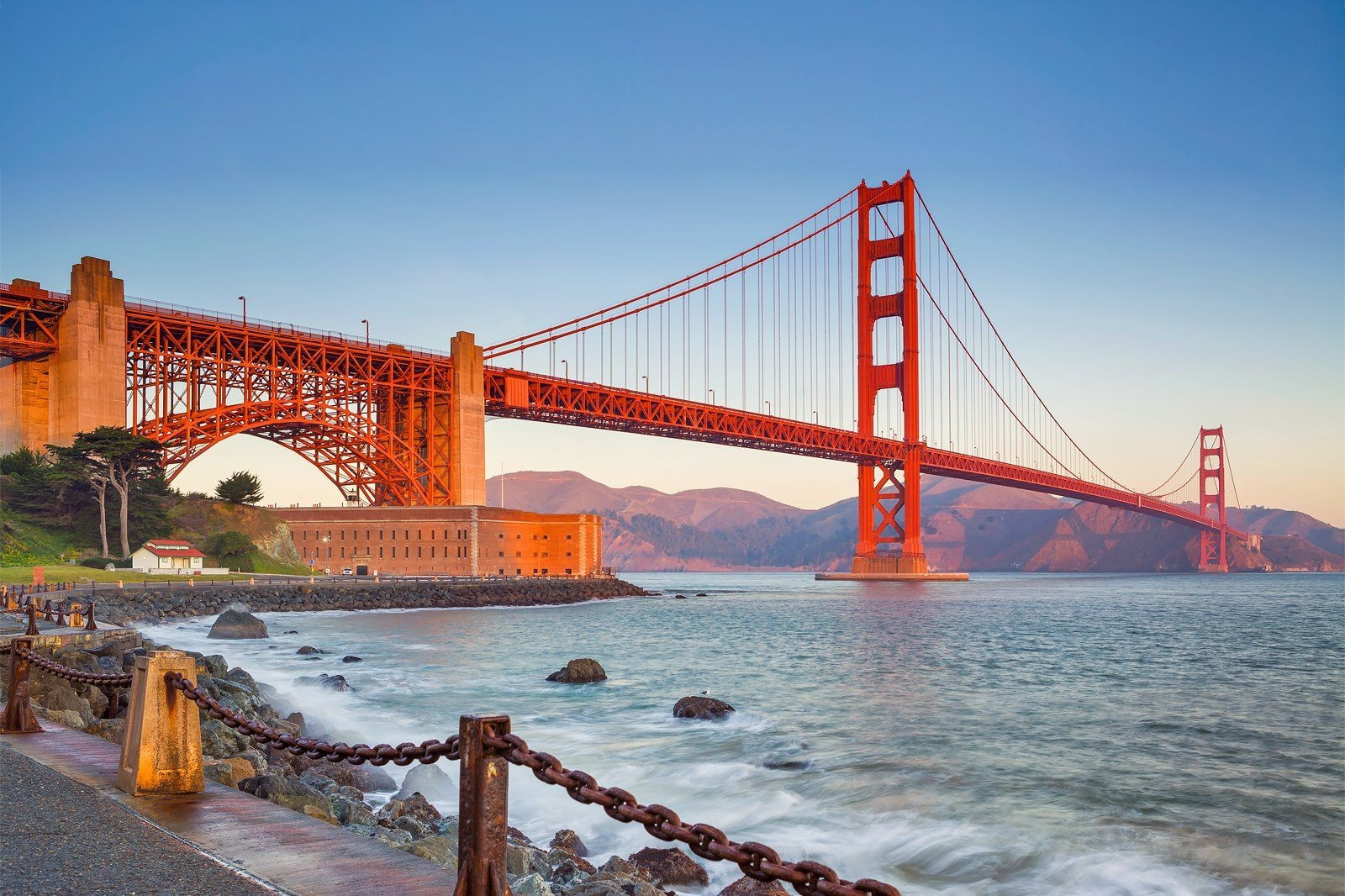
San Francisco's compact geography, 7 miles by 7 miles, means most neighborhoods are walkable or a short Muni ride apart. The Marina, Cow Hollow, and Noe Valley all offer a quieter, more residential solo-travel base than the areas immediately around Union Square. The safety picture varies more block to block here than almost anywhere else on this list: the Tenderloin, a few blocks from several major hotels, carries real, well-documented safety concerns worth avoiding after dark, while neighborhoods a 10-minute walk away feel entirely different. Golden Gate Park and the Presidio both give full days of walkable outdoor time without leaving the city.
Things to see, do & explore in San Francisco
- Alcatraz Island: the former federal prison, reachable only by a ferry that sells out days in advance in summer.
- Ferry Building Marketplace: a food hall on the waterfront with a Saturday farmers market considered one of the best in the state.
- Powell Street cable car: a working, National Historic Landmark cable car line up and over Nob Hill.
Staying Safe: The Parts that Actually Matter:
Registering with the US State Department's Smart Traveler Enrollment Program (STEP) costs nothing and takes 10 minutes if you're traveling internationally into the US; domestic US travelers can skip this and instead simply share a live location link with 1 trusted contact for the duration of the trip, a habit that matters more than any packing list. Request a room away from the ground floor and away from stairwell exits at check-in; most hotels will accommodate this without extra cost if you simply ask. Screenshot your hotel address and confirmation number before you lose signal, since relying entirely on a phone app to retrieve an address in an unfamiliar area adds unnecessary friction at exactly the moment you don't want it.
The single most useful habit across every city on this list is the same one locals use: know your route before you leave the hotel. Save the live navigation for emergencies. Looking down at a screen while moving through an unfamiliar area is the single biggest tell that marks someone as an easy target, far more than gender or traveling alone ever does. Pair that with checking a city's specific police-run crime map, most major US cities publish one, for the exact blocks around your hotel before booking, not just a general reputation.
Where to Stay: Hostels and Hotels that Get it Right:
HI USA, the domestic branch of Hostelling International, runs female-only dorm rooms in nearly every one of its 50-plus US locations, and that single feature is worth filtering for on any hostel booking site before price or location. Selina and Freehand both built their US properties around solo travelers specifically, with communal kitchens and lobby bars designed for meeting other guests without the forced-mixer feel of an organized group activity. San Francisco's Fisherman's Wharf HI hostel and the Freehand Chicago both post consistently strong solo-female reviews for exactly this reason: shared spaces that make it easy to end up in conversation with someone at 8 p.m. without needing to plan it.
On the hotel side, the detail worth asking about by name is room placement, not amenities. Front desks can typically place you on a floor with more occupied rooms and away from stairwell or elevator alcoves if you ask directly at check-in, a request nearly every mid-range and upscale chain in the US will honor at no extra charge. Kimpton properties in particular have built a reputation among solo female travelers for staff who handle this request without making it feel like a special case, worth checking if one exists in whichever city on this list you're booking.
Eating out Alone, Without the Performance:
The restaurant habit that changes everything is sitting at the bar, skipping the table-for-one request entirely. Bar seating comes with a built-in conversation partner in the bartender, faster service, and zero awkward hovering by a host stand while a 2-top gets cleared. Nashville's honky-tonks and Austin's live-music venues both make this especially easy, since a bar seat during a set is the default way locals watch a show, solo or otherwise. Ramen counters, oyster bars, and any restaurant built around an open kitchen tend to work the same way: the seating itself is designed around watching something happen, which removes the self-consciousness some solo diners feel at a traditional table.
Lunch is also a genuinely underused move. The same restaurant that feels like a production to enter alone at 8 p.m. on a Saturday is a completely normal solo stop at 1 p.m. on a Tuesday, often at a meaningfully lower price point on a lunch-specific menu. Save the splurge dinner reservations for the nights you'd rather cook a simple meal back at the hostel kitchen or hotel room anyway, and use lunch to try the destination's best-known restaurant without the wait or the price tag.
A Packing list for this Trip:
This list skips the generic travel-blog staples, a phone charger, a good book, and focuses on the items that solve a real problem specific to solo travel across these 15 destinations: security gaps at the room door, climate swings from Salt Lake City's cold nights to Moab's 100°F afternoons, and the one document mistake that turns a lost wallet into a genuinely bad week.
Documents & money
- Passport or ID photo, stored in an encrypted note app, separate from the physical document
- 1 backup debit or credit card, packed in a different bag than your primary card
- Printed hotel confirmations for the first 2 nights, in case signal drops before you land
- Travel insurance policy number, saved offline, not just in an email you need Wi-Fi to open
Room security & tech
- Portable door alarm or wedge lock, under $15, sets up in seconds on any hotel or hostel door
- Offline maps, downloaded before you leave home Wi-Fi, for cell gaps around Arches and the Blue Ridge Parkway
- Portable charger, at least 10,000mAh, charged the night before every travel day
- A second, dead-simple phone lock screen note listing an emergency contact, in case your phone is found by someone else
Climate: cold and elevation
- A packable down layer, for Salt Lake City and Boise nights that drop cold even in July
- Lip balm with SPF, elevation dries and burns faster than sea-level sun exposure suggests
- Closed hiking shoes, not sneakers, for the Wasatch Range and Boise Greenbelt trailheads
Climate: desert heat
- A 1-liter reusable water bottle, refilled constantly in Sedona and Moab's 100°F daylight hours
- A wide-brim hat, more effective than sunscreen alone on exposed red-rock trails
- Electrolyte tablets, genuinely useful before a full day at Arches or Canyonlands, not just a gimmick
Climate: humidity and rain
- A compact umbrella, for New Orleans and Savannah's sudden afternoon downpours
- Quick-dry fabric tops, genuinely different from cotton in New Orleans August humidity
- A dry bag or ziplock for your phone, useful on both humid-city days and any beach stop
Solo-specific extras
- A lightweight day pack, big enough for a water bottle and layers, small enough to wear at a bar counter without it being in the way
- 1 outfit you'd wear to a nicer restaurant alone, for the honky-tonk or bar-seat dinner nights in Nashville or Austin
- A paperback or e-reader, the single best prop for solo dining without feeling like you're waiting for something






{{item.get_author.first_name}} {{item.get_author.last_name}}
Level 7
5 Photos
36 Reviews
{{item.comment_txt}}
{{item_reply.get_author.first_name}} {{item_reply.get_author.last_name}}
@ {{item_reply.reply_to}}, {{item_reply.reply_txt}}