
 Umrah packages
The best food destinations for 2026 are cities where eating well is part of daily life: Hanoi's pavement noodle stalls, Bangkok's night markets, Istanbul's meyhanes, Lima's lunchtime cevicherías, Singapore's hawker centres. This guide picks 25 of them across Asia, Europe, Africa and the Americas and tells you what to order, where locals actually eat it, and how to plan a trip around a menu.
The list is built for travelers who choose a destination by its food. If one city tempts you, our guides go deeper: the Bangkok attractions guide, 40 Bangladeshi dishes to try, the Mexico City restaurant guide and Barcelona's top attractions.
How we chose these destinations: our travel desk weighed the depth of each city's everyday food culture (markets, street stalls and family restaurants as well as fine dining), how easy it is for an international visitor to eat well on a moderate budget, and recognition such as Michelin Guide coverage or UNESCO listings, checked in October 2026. We do not rank cities against each other; the order runs roughly region by region across five continents. Prices are left out because they move fast; we note where a city is cheap or expensive to eat in.
Quick guide to the 25 best food destinations
Dish and budget will narrow the cities fastest; each has a full entry below.
| # | City | Must-try | Cost to eat |
|---|---|---|---|
| 1 | Hanoi, Vietnam | Phở, bún chả | $ |
| 2 | Bangkok, Thailand | Pad krapow, boat noodles | $ |
| 3 | Chiang Mai, Thailand | Khao soi, sai ua | $ |
| 4 | Dhaka, Bangladesh | Kacchi biryani, fuchka | $ |
| 5 | Jaipur, India | Dal baati churma, pyaaz kachori | $ |
| 6 | Singapore | Hainanese chicken rice, laksa | $$ |
| 7 | Kyoto, Japan | Kaiseki, yudofu | $$$ |
| 8 | Tokyo, Japan | Sushi, ramen | $$ |
| 9 | Seoul, South Korea | Korean barbecue, bibimbap | $$ |
| 10 | Istanbul, Türkiye | Kebab, meze, baklava | $$ |
| 11 | Marrakech, Morocco | Tagine, harira | $ |
| 12 | Cape Town, South Africa | Cape Malay curry, bobotie | $$ |
| 13 | Rome, Italy | Carbonara, cacio e pepe | $$ |
| 14 | Paris, France | Croissants, coq au vin | $$$ |
| 15 | Barcelona, Spain | Tapas, pintxos | $$ |
| 16 | Lisbon, Portugal | Bacalhau, pastéis de nata | $$ |
| 17 | Copenhagen, Denmark | Smørrebrød, New Nordic | $$$ |
| 18 | Athens, Greece | Souvlaki, meze | $$ |
| 19 | New Orleans, USA | Gumbo, po'boys | $$ |
| 20 | Mexico City, Mexico | Tacos al pastor | $ |
| 21 | Lima, Peru | Ceviche | $$ |
| 22 | Cartagena, Colombia | Arepas, fried fish | $ |
| 23 | Buenos Aires, Argentina | Asado, empanadas | $$ |
| 24 | São Paulo, Brazil | Feijoada, pastel | $$ |
| 25 | Melbourne, Australia | Brunch, coffee | $$$ |
Top 25 food destinations for 2026: full guide
Hanoi, Vietnam

Asia's street-food capital eats on low plastic stools. Mornings start with phở, the beef noodle soup Hanoi claims as its own, and lunch is bún chả: grilled pork patties and belly in a sweet-sour dipping broth with rice noodles and herbs. Most of the best stalls in the Old Quarter and the streets around Hoan Kiem Lake cook one dish and sell out. The Michelin Guide arrived in Vietnam in 2023, covering Hanoi and Ho Chi Minh City, and its Bib Gourmand list is full of these one-dish shops. Finish with cà phê trứng, egg coffee, a Hanoi invention.
Autumn and spring are the most comfortable seasons for eating outdoors, and the city suits budget travelers and noodle lovers. Eat where the stools are full of locals; a fast-turning pot means a fresh broth.
Bangkok, Thailand

From breakfast rice soup to late-night stir-fries, Bangkok runs on street food. Order pad krapow (holy basil stir-fry with a fried egg), boat noodles in small bowls, som tam and mango sticky rice in season. Chinatown's Yaowarat Road turns into a food street after dark, and neighbourhood night markets keep night owls fed. The city also has a deep restaurant scene, from family-run shophouses to tasting menus, so you can eat at every budget in the same day.
Go in the cool season, roughly November to February. It is an easy first stop for travelers new to Asia. Ask for "phet nit noi" (a little spicy) if you are not used to Thai chilli.
Chiang Mai, Thailand

Northern Thai flavours set Chiang Mai apart from Bangkok: less coconut sugar, more herbs and grilled meat. The essential dish is khao soi, egg noodles in a coconut curry broth topped with crispy noodles, pickled mustard greens and lime. Look also for sai ua (herb-packed sausage), nam prik ong (a tomato and pork chilli dip) and sticky rice eaten by hand. Night bazaars and the Sunday walking street make grazing easy, and the city is a popular base for cooking classes.
Visit from November to February, before the burning season. Slow travelers and cooking-class takers should book a farm-based class to learn how northern curry pastes are pounded.
Dhaka, Bangladesh

Biryani and street snacks define Dhaka, and the food is richest in Old Dhaka. Kacchi biryani, slow-cooked mutton and rice sealed in a pot, is the city's celebration dish. Street snacks include fuchka (crisp shells filled with spiced chickpeas and tamarind water), jhalmuri, chotpoti and kebabs at Chawkbazar during Ramadan evenings. Bengali home cooking adds fish curries, bhorta mashes and mishti (sweets). For a full dish-by-dish guide, see our Bangladeshi food guide.
Winter, roughly November to February, is the time for adventurous eaters and biryani fans to come. Go to the Old Dhaka lanes around Chawkbazar and Nazira Bazar with a local or a food walk; the lanes are dense and the best shops are unsigned.
Jaipur, India
Royal Rajasthani cooking comes from the desert: dishes built to keep, with ghee, lentils and millet. Dal baati churma pairs baked wheat balls with lentils and a sweet crumble. Breakfast is pyaaz kachori, a fried pastry stuffed with spiced onion, with chai. Laal maas, a fiery mutton curry, shows the meat side of Rajput cooking. Much of the food is vegetarian, which makes the city easy for plant-based travelers.
Eat in the old city bazaars and heritage hotels between October and March, when culture lovers will find the city most comfortable. Ask for "kam mirch" if you want less chilli in laal maas.
Singapore

In December 2020 Singapore's hawker culture was added to UNESCO's list of Intangible Cultural Heritage, and neighbourhood hawker centres are where the city eats. In one hall you can order Hainanese chicken rice, laksa, char kway teow, satay and carrot cake (fried radish cake) from Chinese, Malay and Indian stalls. It is clean, organised and affordable compared with the city's restaurants.
Any time of year works, and the mix of stalls suits families and groups with different tastes. Leave a packet of tissues on a seat to "chope" (reserve) it, as locals do.
Kyoto, Japan

Kaiseki, the seasonal multi-course meal where presentation matters as much as taste, was born in Kyoto. Temple neighbourhoods serve shojin ryori (Buddhist vegetarian cooking) and yudofu, tofu simmered in kombu broth. Nishiki Market, a long covered street of food stalls, sells pickles, seafood, tamagoyaki and sweets, and Gion has many of the traditional dining rooms.
Spring and autumn are the best seasons, though also the busiest. Food purists and special-occasion trips should book kaiseki dinners well ahead and tell the restaurant about allergies when reserving.
Tokyo, Japan

Few cities match Tokyo's range of restaurants, from tiny ramen counters to sushi bars and izakaya. A good day might include a convenience-store onigiri breakfast, a standing soba lunch, and yakitori under the railway arches at night. Department-store food halls (depachika) are worth an hour on their own.
First-time visitors to Japan and ramen lovers do well in spring and autumn. Ticket-machine ramen shops are quick and cheap; have cash ready.
Seoul, South Korea

Eating in Seoul is social: Korean barbecue grilled at the table, banchan side dishes refilled for free, and fried chicken with beer late at night. Try bibimbap, tteokbokki (spicy rice cakes) from street carts, and mung-bean pancakes at traditional markets. Food alleys, markets and barbecue streets show how Koreans eat on an ordinary day.
Come in spring or autumn, ideally in a group. Barbecue restaurants often require at least two portions, so go with a friend.
Istanbul, Türkiye

Where Europe meets Asia, the food mixes Ottoman, Anatolian and Mediterranean cooking. Eat simit for breakfast, döner and Adana kebab at lunch, and long meze dinners with rakı in a meyhane. Fish sandwiches by the Golden Horn, baklava and Turkish coffee complete the picture. Karaköy and the Spice Bazaar area are good places to start.
Meze lovers and history buffs should plan for spring or autumn. Cross to the Asian side in Kadıköy for a less touristy food market.
Marrakech, Morocco

Spice and slow cooking rule in Marrakech: tagines of lamb with prunes or chicken with preserved lemon, couscous on Fridays, and harira soup in medina restaurants. At dusk Djemaa el-Fna square fills with food stalls serving grilled meats, snails and sweet chebakia, and the atmosphere is half the reason to go.
Spring and autumn are best, since summer is very hot. At the square, choose busy stalls and agree prices before ordering.
Cape Town, South Africa

Locals call it "rainbow cuisine", drawing on Cape Malay, African and European traditions. Try bobotie (spiced baked mince with an egg topping), Cape Malay curries in the Bo-Kaap, and braai (barbecue), with waterfront markets for grazing. Wine estates in Stellenbosch and Franschhoek are within driving distance.
Wine lovers and road-trippers should aim for the southern summer and autumn, and book a winelands day with a driver so nobody has to stay sober.
Rome, Italy

Roman cooking is short and strict: four pastas (carbonara, cacio e pepe, amatriciana, gricia), carciofi alla romana and giudia, thin-crust pizza and supplì. Neighbourhood trattorias in Testaccio and Trastevere serve the classics best.
Spring and autumn suit pasta lovers and couples. Eat lunch late and dinner from about 8 pm, as Romans do.
Paris, France

Bakeries and bistros reward simple eating in Paris: a morning croissant from the neighbourhood boulangerie, a jambon-beurre at lunch, and a bistro dinner of steak frites or coq au vin. Covered markets and fromageries show the depth of French produce, and the city has a large number of Michelin-starred restaurants for a splurge.
Romantics and pastry fans should visit in spring or autumn. Order the prix-fixe lunch menu at good restaurants, which gives better value than dinner.
Barcelona, Spain

Small plates are the Barcelona way: pan con tomate, patatas bravas, jamón and croquetas. La Boqueria market on La Rambla is famous for fresh produce and counter bars, Carrer de Blai in Poble-sec is lined with cheap pintxos bars, and El Born has plenty more. Catalan dishes include crema catalana.
Groups and bar-hoppers have the most fun here in spring and autumn. Visit La Boqueria early in the morning, before the tour groups.
Lisbon, Portugal

Old tascas in Alfama sit alongside new kitchens. Bacalhau (salt cod) comes in countless preparations, grilled sardines fill the streets in June, and pastéis de nata are best warm with cinnamon, especially in Belém. Market halls and tinned fish shops are a good source of edible souvenirs.
Spring to early autumn is the season, and Lisbon makes a good budget Europe trip for seafood lovers. Order the daily fish from the counter display; it is usually the freshest dish.
Copenhagen, Denmark

New Nordic cooking, built on foraged, seasonal ingredients, became famous here, and the fine-dining scene still attracts food travelers. Everyday eating is smørrebrød, open rye sandwiches topped with herring, roast beef or egg and shrimp, plus food halls and excellent bakeries.
Late spring and summer are best. Smørrebrød is a lunch dish, and most traditional places close in the evening.
Athens, Greece

Taverna culture means two speeds in Athens: souvlaki and gyros on the go, and long meze meals of tzatziki, grilled octopus, horiatiki salad and slow-baked dishes from the oven. The central market area is the place to see Greek produce, and Psyrri and Plaka are full of tavernas.
Families and budget Europe trips both work well in spring and autumn. Order several small plates to share in place of individual mains.
New Orleans, USA

Creole and Cajun cooking blends French, Spanish, African and Caribbean traditions. Order gumbo, jambalaya, red beans and rice, po'boy sandwiches and beignets, and in season, crawfish boils, in the French Quarter or at neighbourhood po'boy shops.
Late autumn to spring is the time to go. Music and food lovers can pair dinner with live music on Frenchmen Street.
Mexico City, Mexico

Tacos are an all-day affair in one of the world's great taco cities: al pastor shaved from a spit, suadero, barbacoa on weekends and tlacoyos from street griddles. Markets and fondas serve home-style lunches. Our Mexico City restaurant guide covers 50 places.
Spring and autumn suit taco lovers on a budget food trip. Look for stands with a crowd and freshly pressed tortillas.
Lima, Peru

Often called Latin America's culinary capital, Lima treats ceviche as a lunchtime dish, made with very fresh fish cured in lime and leche de tigre. Surquillo Market is popular for affordable seafood, Miraflores and Barranco have plenty of cevicherías, and the city's Nikkei and Chifa cooking show Japanese and Chinese influence.
The city works year-round for seafood lovers and fine-dining fans. Eat ceviche before mid-afternoon, because many cevicherías close early.
Cartagena, Colombia
Caribbean coast flavours meet Colombian cooking in Cartagena: arepas de huevo, whole fried fish with coconut rice and patacones, ceviche and tropical fruit from street vendors in the old town and Getsemaní. Colombian coffee rounds it off.
December to April, the drier months, is best for combining beach days with food. Buy fresh fruit cups from street vendors in the old town for a cheap snack.
Buenos Aires, Argentina

Steak is the point of Buenos Aires. Neighbourhood parrillas in Palermo and San Telmo grill beef, chorizo and provoleta over wood and charcoal. Empanadas, Italian-style pizza and helado (ice cream) with dulce de leche are everywhere, and dinner starts late.
Meat lovers and wine fans should come in spring or autumn and order bife de chorizo, the classic Argentine cut.
São Paulo, Brazil

One of the largest Japanese communities outside Japan lives in São Paulo, centred on Liberdade, alongside Brazilian classics: feijoada on Wednesdays and Saturdays, pastel at the municipal market and street fairs, and the mortadella sandwich.
Any season works for diverse eaters. Try feijoada on a Saturday, when restaurants serve it as a full lunch.
Melbourne, Australia
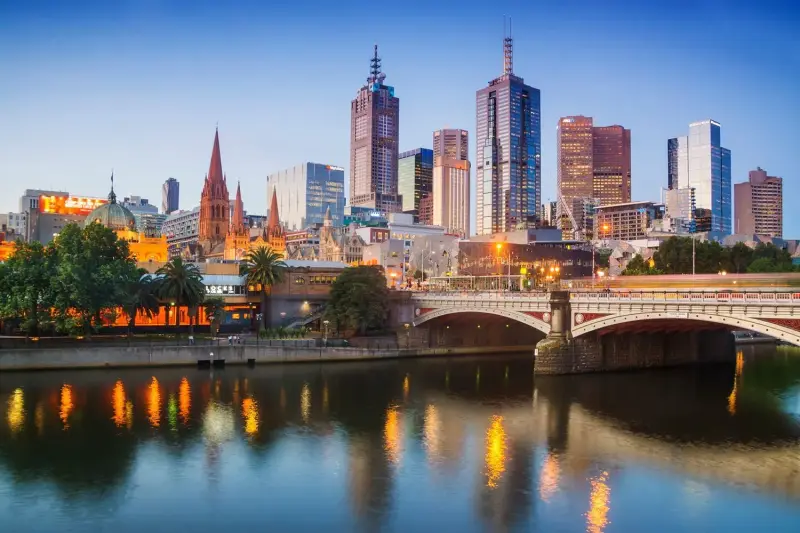
Immigration built Melbourne's food culture: Italian, Greek, Vietnamese and Chinese cooking, plus serious coffee and brunch cafés in the CBD laneways. Food markets and multicultural inner suburbs give range at every budget.
Coffee lovers and brunch fans should visit in spring or autumn and order a flat white, the city's default coffee.
How to plan a food-focused trip
Pick a city by the dish you most want to eat, then build the days around meal times. Book one special meal ahead, keep the rest flexible, and spend at least one morning in a market. A food walk with a local guide on the first day helps you learn what to order for the rest of the trip.
Timing matters as much as the destination. Many markets are at their best before 9am, street stalls in hot countries open after sunset, and some of the most famous dishes are tied to a season, such as truffles in autumn or mango desserts in the hot months. Check public holidays as well: during Ramadan, Lunar New Year or long national holidays, family-run restaurants may close for days, while night markets and festival food stalls appear. Also check the weekly closing day of any restaurant you have traveled for, because Monday and Sunday closures are common.
Pace the eating. Three full sit-down meals a day leave no room for snacks, so plan one main meal and fill the rest with small plates, market bites and bakery stops. Choose a central hotel near a market or food street, which turns late dinners and early breakfasts into a short walk. For a booked tasting menu, reserve as soon as bookings open, often 30 to 60 days ahead at popular places, and mention allergies or dietary needs when booking.
Set a food budget per day and keep part of it in cash, since many stalls and small eateries do not take cards. Learn the words for your allergies or dietary limits in the local language, or carry them written on a card to show the cook.
Compare fares on our flights page and stays on the hotel page. Entry rules depend on your passport, so check the destination's official immigration portal before booking.
Tips for eating safely and well abroad
The US Centers for Disease Control and Prevention gives a simple rule set that works almost anywhere. Eat hot food while it is still steaming and cold food while it is properly chilled, since germs multiply fastest in lukewarm dishes left standing. Peel fruit yourself and skip pre-cut fruit, avoid fresh salads and raw salsas where water quality is doubtful, and avoid raw or undercooked meat and seafood, ceviche included. Steaming hot tea and coffee are safe; fountain drinks, fresh juice squeezed by others and unpasteurised dairy are not. Check that bottle seals are intact, because some vendors refill bottles with tap water, and wash hands or use a sanitiser with at least 60 percent alcohol before every meal.
- Choose busy stalls. A queue of locals means fast turnover and fresh food.
- Watch the water. In cities where tap water is unsafe, drink bottled water and be careful with ice.
- Learn food words. A few words for "spicy", "no meat" and allergies help a lot.
- Carry small cash. Street vendors and market stalls often do not take cards.
- Check closing days. Markets and small restaurants close on set days; check before you go.
- Pack edible souvenirs. Spices, tea, tinned fish and sweets travel well; check customs rules at home.
Planning a trip to Hanoi? Read our Hanoi travel guide or search flights.
 Holiday offers










{{item.get_author.first_name}} {{item.get_author.last_name}}
{{item.comment_txt}}
{{item_reply.get_author.first_name}} {{item_reply.get_author.last_name}}
@ {{item_reply.reply_to}}, {{item_reply.reply_txt}}