

The Burj Khalifa stands 828 meters tall across 163 floors, designed by Adrian Smith of Skidmore, Owings & Merrill, and welcomes more than 17 million visitors a year, over 45,000 people a day. A standard ticket to its lower observation decks starts around AED 169, while the Museum of the Future a short walk away runs AED 149 for standard entry.
This guide covers Dubai district by district, since that's how the city actually divides for visitors: Downtown for the skyscrapers, Old Dubai for the souks and creek, the Palm for the beach resorts, and the desert for everything outside the city limits. Every price and hour below comes from official ticketing sources, checked current for 2026.
Dubai's 4 Districts that Define a First Visit:
These four cover the range: the skyscraper core, the pre-oil old town, the man-made island, and the desert that surrounds it all.
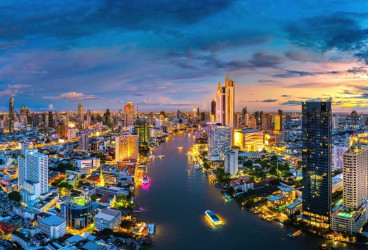
Downtown Dubai, the Skyline Everyone Comes to See:
Burj Khalifa, the Dubai Mall, and the Dubai Fountain, all within walking distance
Burj Khalifa anchors Downtown Dubai at 828 meters across 163 floors, designed by Adrian Smith of Skidmore, Owings & Merrill and opened in 2010. Three ticket tiers cover the experience: At The Top (Levels 124 and 125) starts around AED 169 to 179 for non-prime slots, At The Top SKY (Level 148, the world's highest observation deck at 555 meters) starts around AED 343 to 399, and The Lounge (Levels 152-154) runs up to AED 649 with a dining experience included. Prices climb for sunset bookings, the most requested time of day.
The Dubai Mall sits directly beneath the tower, spanning roughly 4 million square feet with over 1,200 stores, an ice rink, an aquarium visible free from the ground floor, and a 26-screen cinema. Outside, the Dubai Fountain runs choreographed water shows with jets reaching 150 meters, free to watch from the promenade on a set schedule throughout the evening.
Old Dubai, the City Before the Skyscrapers:
Al Fahidi, the Gold Souk, and a one-dirham boat ride across the creek
Al Fahidi Historic District preserves Dubai's pre-oil architecture, wind-tower buildings built from coral and limestone, now home to galleries, cafes, and the Dubai Museum. A traditional abra boat crosses Dubai Creek for one dirham, connecting Bur Dubai to Deira, where the Gold Souk displays jewelry from hundreds of vendors and the nearby Spice Souk sells saffron, frankincense, and dried fruit by weight.
This district runs on a completely different rhythm than Downtown. There's no single dominant landmark, just narrow lanes, working markets, and a sense of the trading port Dubai was before oil money built the skyline a few kilometers south.
Palm Jumeirah, the Island Built From the Sea:
Atlantis The Palm and a beachfront skyline you can't see from the mainland
Palm Jumeirah is a man-made archipelago shaped like a palm tree, visible from space and home to Atlantis The Palm, Aquaventure Waterpark, and a string of beach clubs along the fronds. The Pointe and Nakheel Mall sit at the trunk, with restaurants and a beachfront promenade facing back toward the mainland skyline, a view that doesn't exist from Downtown itself.
The View at The Palm, an observation deck at the top of The Palm Tower, gives a 240-meter-high vantage point over the full island shape, something ground-level visits can't replicate.
The Desert, Dubai's other Landscape:
Dune bashing, Bedouin camps, and a sky full of stars an hour from the skyline
Most desert safaris run a similar structure: an afternoon pickup, a dune bashing session in a 4WD vehicle, a stop for sandboarding or camel riding, then a Bedouin-style camp dinner with belly dancing and a Tanoura show as the sun sets. The contrast with Downtown's glass towers, just an hour's drive away, is the whole point.
Al Marmoom Desert Conservation Reserve, southeast of the city, protects a quieter stretch of desert specifically for stargazing and wildlife spotting, an alternative to the larger commercial safari camps closer to the city.
Downtown vs Old Dubai: Which should You see First?
This is the real planning fork for a first Dubai trip, and the honest answer depends on whether you want the skyline or the history first.
5-Day Dubai Itinerary: What to See, Do and Eat:
A 5-day trip covers the city's headline attractions, one full desert day, and a side trip to Abu Dhabi, without rushing any single stop. Budget roughly $1,200-2,400 per person for mid-range accommodation, food, activities, and local transport across the five days.
📅 Day 1: Old Dubai, culture and history
📅 Day 2: Downtown, modern Dubai
📅 Day 3: Desert adventure
📅 Day 4: Day trip to Abu Dhabi
📅 Day 5: Relaxation and final views
8 More Attractions Worth Building a Day Around:
Beyond the four districts, these eight cover specific attractions worth a dedicated stop, each with its own entry fee, hours, and reason to visit.
Dubai Aquarium & Underwater Zoo, Sharks Inside a Shopping Mall:
140+ marine species, a free view from the mall floor
One of the world's largest suspended aquariums sits inside the Dubai Mall, holding more than 140 species across a 10-million-liter tank, including sand tiger sharks, rays, and giant grouper. The main tank wall is visible completely free from the mall's ground floor, a genuine attraction in itself for anyone not buying a ticket.
A paid ticket opens the full three-story Underwater Zoo, including a glass-bottom boat ride over the tank and a walk-through tunnel surrounded by fish on all sides. The "Swim with the Sharks" add-on lets certified divers and beginners alike get into the water with the resident shark population under supervision.
Museum of the Future, A Building that looks like Nothing else in Dubai:
AED 149 standard entry, Arabic calligraphy across the entire facade
The Museum of the Future's exterior carries Arabic poetry by Sheikh Mohammed bin Rashid Al Maktoum across every window, an oval-shaped building with no straight lines visible from the outside. Inside, visitors take on a role before journeying through exhibits imagining the world in 2071: AI-driven ecosystems, a DNA library, and a mixed-reality recreation of the Amazon rainforest among them.
Standard entry runs AED 149, including access to all floors and interactive exhibits, valid for one chosen time slot on a single day. The Pioneer Pass costs more but adds skip-the-line entry, complimentary valet parking, and AED 50 in retail credit, useful if your schedule needs flexibility, not a fixed slot.
Dubai Miracle Garden, 150 Million Flowers in the Desert:
A seasonal garden that closes for the hottest months entirely
Spread across 72,000 square meters in Al Barsha South, Dubai Miracle Garden displays over 150 million flowers shaped into structures, a flower-covered Airbus A380 replica, English-style cottages, and a Floral Clock that changes appearance with the season among the highlights. Walking the full grounds takes a real couple of hours given the scale.
The garden's biggest practical constraint is that it doesn't run year-round. Extreme summer heat makes maintaining the flowers impossible, so the attraction typically operates only during the cooler months, broadly aligning with Dubai's better tourist season anyway.
Dubai Frame, the city's Past and Present in one Structure:
A 150-meter gold frame with a glass-floor bridge at the top
Dubai Frame stands in Zabeel Park, a literal 150-meter picture frame built to golden-ratio proportions, with older districts visible to the north through one side and the modern skyline visible to the south through the other. A glass-floored bridge connects the two viewing levels at the top, giving a vantage point that doesn't exist anywhere else in the city.
The ground level holds two separate galleries: one tracing Dubai's history from a small fishing and trading settlement to its current skyline, the other imagining the city's future, a smaller-scale companion piece to the Museum of the Future a few kilometers away.
Jumeirah Mosque, the one Mosque Built for Visitors to Enter:
Guided tours run specifically for non-Muslim visitors
Built entirely from white stone following the architectural style of Cairo's Al-Azhar Mosque, Jumeirah Mosque stands out as one of the few mosques in Dubai actively set up for non-Muslim visitors, with guided tours run by the Sheikh Mohammed Centre for Cultural Understanding. The tours cover Islamic architecture, prayer practice, and a Q&A session, framed as a genuine cultural exchange, not a passive viewing.
The mosque's intricate stonework catches the most attention after dark, when interior lighting illuminates the facade during evening prayer times, a different visual experience than the daytime tour offers.
La Mer Beach, Murals, Watersports, and a Lifeguard-Patrolled Shoreline:
A waterpark at one end, dining lined up along the other
La Mer combines a beachfront promenade with street art and murals, palm trees, and water sports including jet skiing, kayaking, and fly-boarding, all under lifeguard patrol throughout the day. The Laguna Waterpark sits at the northeast end of the beach, adding slides and pools for anyone wanting more than open water.
Cafes and restaurants line the shore for the full length of the beach, making this one of the easier districts to spend a full day in without needing to leave for food, unlike some of the more isolated beach stretches further out.
Hatta, the Mountains an Hour from the Skyline:
A Dubai exclave bordering Oman, genuinely outside the city's climate and pace
Hatta sits in the Hajar Mountains, a Dubai exclave bordering Oman, and offers a fundamentally different landscape than anywhere else covered in this guide: kayaking and mountain biking at Hatta Dam, zip-lining and wall climbing at Hatta Wadi Hub, and a Heritage Village showing what mountain life looked like before oil money transformed the rest of the emirate.
The drive out alone marks a real shift, from desert and skyline to terraced mountain terrain within about 90 minutes, a contrast that makes Hatta the genuine outdoor counterpoint to both the city's desert safaris and its beach districts.
Ski Dubai, Real Snow Inside a Shopping Mall:
22,500 square meters of snow, five runs, and live penguins
Ski Dubai sits inside the Mall of the Emirates, the Middle East's first indoor ski resort, covering 22,500 square meters of real, maintained snow across five runs, including a 400-meter slope, regardless of the 40°C+ heat outside the mall's walls. Equipment rental comes included with admission, making it accessible to first-time skiers who've never touched snow before arriving in Dubai.
A snow park alongside the ski runs adds tobogganing and play areas for younger visitors, plus a small colony of live penguins that make scheduled appearances, a genuine novelty that draws as many non-skiers as skiers through the doors.
Popular Malls to Visit in Dubai:
Dubai's malls run as full entertainment destinations, not just shopping centers. These six cover the range from the world's largest to a quiet neighborhood alternative.
The Dubai Mall
Covers 12 million square feet with over 1,200 stores across four levels, directly connected to Burj Khalifa by an air-conditioned walkway. Home to the Dubai Aquarium, an Olympic-sized ice rink, and Fashion Avenue for the deepest luxury brand selection in the city.
Mall of the Emirates
2.4 million square feet of retail space and around 630 international brands, anchored by Ski Dubai, the Middle East's first indoor ski resort with 22,500 square meters of real snow, five runs, and a snow park with live penguins.
Ibn Battuta Mall
Named for the 14th-century explorer, with six courts themed after the regions he traveled: Andalusia, Tunisia, Egypt, Persia, India, and China, each with distinct architecture, including a hand-painted Persian dome and a full-size ship replica in the China Court.
Dubai Festival City Mall
Set on Dubai Creek with over 500 stores, the city's only IKEA, and the IMAGINE show, a nightly water, light, and fire display. Reachable by Green Line Metro to Creek Station, then a short abra ride across the water.
Mercato Shopping Mall
A boutique mall built around Italian Renaissance-style architecture, with over 90 stores in a noticeably calmer, village-like setting than Dubai's mega-malls. Regular Italian food festivals and fashion pop-ups run alongside the standard retail mix.
Dubai Marina Mall
Over 160 stores across multiple levels with direct harbour views and waterfront dining, reachable via the Dubai Tram and the nearby Damac Properties metro station. A compact, scenic alternative to the larger malls further inland.
Essential Dubai Travel Tips for 2026:
Book Burj Khalifa and Museum of the Future in advance
Both run timed entry and sell out popular slots, especially sunset at Burj Khalifa and weekday mornings at the museum. Book online before arriving in Dubai, not the day of.
Dress modestly in public spaces
Shoulders and knees covered in malls, mosques, and government buildings. Swimwear is fine at beaches and pools, but cover up walking to and from them.
Use the Metro for Downtown and Marina attractions
The Red Line covers Burj Khalifa, the Dubai Mall, and the Marina area directly. A Nol Card preloaded with credit makes transfers between Metro, bus, and tram seamless.
Plan outdoor activities around the season
November through April brings comfortable temperatures for desert safaris and walking tours. May through October regularly exceeds 40°C, making indoor attractions like the Mall, Museum of the Future, and Ski Dubai the more practical daytime choice.
Ask before photographing people
Get permission before taking photos of individuals, particularly women. Photography of government buildings, military sites, and airports is also restricted.
Try a Dubai brunch
Friday brunch, often running for several hours with multiple courses and sometimes live entertainment, is a genuine local institution and a useful way to sample the city's restaurant scene in one sitting.
Where to Stay in Dubai, 2026:
Tiers run by location and price point, since several mid-range hotels sit just as close to major attractions as the luxury properties.
- Burj Al Arab (Jumeirah)
- Atlantis The Palm (Palm Jumeirah)
- Armani Hotel Dubai (Burj Khalifa)
- Four Seasons Resort Dubai (Jumeirah Beach)
- Four Points by Sheraton (Downtown/Marina)
- Crowne Plaza Dubai (Sheikh Zayed Road)
- InterContinental Dubai Marina
- Novotel Suites Dubai Mall of the Emirates
- Golden Tulip Deira
- Hampton by Hilton
- Royalton Hotel Dubai
- City Seasons Dubai Hotel
Frequently Asked Questions (FAQ's):
Verified for June 2026.






{{item.get_author.first_name}} {{item.get_author.last_name}}
Level 7
5 Photos
36 Reviews
{{item.comment_txt}}
{{item_reply.get_author.first_name}} {{item_reply.get_author.last_name}}
@ {{item_reply.reply_to}}, {{item_reply.reply_txt}}