

To answer that definitively, this guide combines TripAdvisor's 2025 Travelers' Choice Awards (based on millions of verified reviews), UNESCO World Heritage designations, annual visitor statistics from national tourism boards, and expert editorial research. The result is a ranked, data-backed list that reflects what real travelers — not just writers — rate most highly.
According to TripAdvisor's latest data, the Basílica de la Sagrada Família in Barcelona has risen to become the world's single highest-rated tourist attraction for 2025, dethroning the Eiffel Tower after a dominant performance in traveler reviews. Other perennial giants — the Colosseum (7–8 million visitors/year), the Taj Mahal (7–8 million/year), and Machu Picchu (1.5 million/year, strictly capped) — continue to draw enormous global interest.
Whether you are planning your bucket list, researching a specific destination, or simply curious about the world's greatest sites, this comprehensive 2026 guide gives you everything: historical context, practical logistics, ticket prices, the best time to visit.
Quick Reference - All 25 Attractions at a Glance:
| # | Attraction | Country | Annual Visitors | Status | Best Time | Ticket (approx.) |
|---|---|---|---|---|---|---|
| 1 | Sagrada Família | Spain | 4.5M/yr | Heritage | Mar–May, Sep–Nov | €26–€40 |
| 2 | Eiffel Tower | France | ~7M/yr | Iconic | Apr–Jun, Sep | €11–€28 |
| 3 | Taj Mahal | India | 7–8M/yr | UNESCO | Oct–Mar | ₹1,100 (~$13) |
| 4 | Great Wall of China | China | 40M+/yr | UNESCO | Apr–May, Sep–Oct | ¥40–¥65 (~$6–$9) |
| 5 | The Colosseum | Italy | 7–8M/yr | UNESCO + Wonder | Apr–Jun, Sep–Oct | €16–€22 |
| 6 | Machu Picchu | Peru | 1.5M/yr (capped) | UNESCO + Wonder | May–Sep | $55–$80 |
| 7 | Angkor Wat | Cambodia | ~2.6M/yr | UNESCO | Nov–Feb | $37–$62 |
| 8 | Pyramids of Giza | Egypt | 14M+/yr | UNESCO + Wonder | Oct–Apr | ~$15–$30 |
| 9 | Petra | Jordan | ~1.1M/yr | UNESCO + Wonder | Mar–May, Sep–Nov | $70–$90 |
| 10 | Grand Canyon | USA | ~6M/yr | UNESCO | Mar–May, Sep–Nov | $35/vehicle |
| 11 | The Louvre Museum | France | 8.9M/yr | Museum | Sep–Nov, Jan–Mar | €17–€22 |
| 12 | Sydney Opera House | Australia | 8M+/yr | UNESCO | Sep–Nov, Mar–May | A$43 (guided) |
| 13 | Acropolis of Athens | Greece | ~3M/yr | UNESCO | Apr–May, Sep–Oct | €20–€30 |
| 14 | Stonehenge | UK | ~1.5M/yr | UNESCO | May–Sep | £24–£30 |
| 15 | Niagara Falls | Canada/USA | ~14M/yr | Natural Wonder | Jun–Sep | Free (park) |
| 16 | Great Barrier Reef | Australia | ~2M/yr | UNESCO | Jun–Oct | A$150–$300 (tours) |
| 17 | Statue of Liberty | USA | ~4.5M/yr | UNESCO | Apr–Jun, Sep–Oct | $24–$32 |
| 18 | Burj Khalifa | UAE | ~1.87M/yr | Architecture | Nov–Mar | AED 149+ |
| 19 | Forbidden City | China | ~17M/yr | UNESCO | Apr–May, Sep–Oct | ¥40–¥60 (~$6–$8) |
| 20 | London Eye | UK | ~3.5M/yr | Landmark | Mar–Sep | £30–£40 |
| 21 | Potala Palace | China (Tibet) | 350K/yr (capped) | UNESCO | Apr–Oct | ¥200 (~$28) |
| 22 | Prague Castle | Czech Republic | ~1.8M/yr | Heritage | Apr–Jun, Sep–Oct | €14–€18 |
| 23 | Mount Fuji | Japan | 5M+ (area) | UNESCO | Jul–Aug (summit) | ¥2,000 (~$13) |
| 24 | Mount Kilimanjaro | Tanzania | ~50K climbers/yr | UNESCO | Jan–Mar, Jun–Oct | $700–$2,000+ |
| 25 | Bourbon Street, New Orleans | USA | 17M (city)/yr | Cultural District | Sep–Nov, Feb | Free |
Sources: TripAdvisor Travelers' Choice 2025, UNESCO World Heritage List, national tourism statistics. Ticket prices are approximate — verify on official websites before visiting.
The Eiffel Tower

The Eiffel Tower is the world's most visited paid monument, welcoming approximately 7 million people every year. Completed in 1889 for the World Exhibition, the iron lattice structure designed by Gustave Eiffel stands 330 metres tall and was, for 41 years, the world's tallest man-made structure. Today it remains the undisputed symbol of Paris and one of the most photographed landmarks on Earth.
The tower has three public floors: the first (57m), second (115m), and the summit (276m). The second floor offers the best panoramic views of Paris, while the summit — accessible by lift only — provides clear-day views stretching up to 70 kilometres. Each night, 20,000 light bulbs and computer-programmed beacons create a sparkling show visible from across the city, every hour on the hour after dark.
- Metro Line 6: Bir-Hakeim station (5-min walk)
- Metro Line 9: Trocadéro (best view on arrival)
- RER C: Champ de Mars–Tour Eiffel station
- Bus lines 82, 42, 69 — Tour Eiffel stop
- Book online at least 2 months ahead — walk-in queues exceed 3 hours at peak
- Arrive at your booked time slot — latecomers may be turned away
- Summit tickets sell out fastest — book separately if desired
- On-site restaurant: Madame Brasserie (1st floor) — book in advance
- The best free view of the Eiffel Tower is from the Trocadéro gardens — arrive before sunrise for golden-hour photography
- Evening visits (after 9 PM in summer) offer the iconic light show with cooler temperatures and thinner crowds
- Taking the stairs to the 2nd floor costs €11.30 vs €17.10 for the lift, and is often faster during peak season
- Be vigilant against pickpockets around the base — it is one of the most targeted tourist areas in Paris
- The tower occasionally closes in extreme weather — check the official website before your visit
The Taj Mahal

The Taj Mahal is arguably the most perfectly proportioned building on Earth and one of the greatest expressions of love in architectural form. Mughal Emperor Shah Jahan commissioned it in 1631 as a mausoleum for his beloved wife, Mumtaz Mahal. Over 20,000 artisans worked for 21 years to complete the complex, which was finished in 1653.
Constructed primarily from white Makrana marble, the main mausoleum is perfectly symmetrical on all four sides and features a 73-metre central dome flanked by four identical minarets. Semi-precious stones including lapis lazuli, jade, jasper, and carnelian are inlaid in elaborate floral and calligraphic patterns throughout. At sunrise the dome takes on a soft pink hue; at midday it appears brilliant white; and at dusk it glows golden. Designated a UNESCO World Heritage Site in 1983 and one of the New Seven Wonders of the World (2007), it receives 7–8 million visitors per year.
- Train from Delhi: Gatimaan Express (1.5 hrs) to Agra Cantt — fastest option
- From station: pre-paid taxi or auto-rickshaw to the South Gate
- By road: 200 km from Delhi via Yamuna Expressway (~3 hrs)
- Closed on Fridays — plan around this
- Open sunrise to sunset (except Friday)
- Admission includes shoe covers and a water bottle
- Bag size restrictions apply — no large luggage permitted
- Interior access to the main mausoleum is included in the ticket
- Visit at sunrise — fewest crowds and the most beautiful light on the white marble
- Hire a government-licensed guide (₹1,000–₹1,500) to understand the full historical and symbolic significance
- Full moon night viewing (a few nights per month) creates an ethereal experience — book this separately well in advance
- Dress modestly; be prepared for thorough security checks at all entry gates
- Only transact inside the official compound — avoid street vendors outside the gates
The Great Wall of China

The Great Wall of China is the world's largest man-made structure and the most visited heritage site on the planet, drawing over 40 million visitors annually across its many sections. Built in multiple phases from the 7th century BC through the 17th century AD, the wall stretches an extraordinary 21,196 kilometres including all branches and secondary walls across northern China.
The most visited sections are from the Ming Dynasty (1368–1644), when the wall was reinforced with brick and stone. The Badaling section, 80 km from Beijing, is the most restored and most visited — drawing roughly 10 million visitors per year. For travelers seeking better scenery with fewer crowds, the Mutianyu and Jinshanling sections offer dramatic landscapes and more authentic historical atmosphere.
- Badaling— most restored, most crowded, best facilities
- Mutianyu— quieter, beautiful, optional toboggan ride
- Jinshanling— best photography, partially wild
- Simatai— evening visits possible, UNESCO integrity award
- High-speed train from Beijing Qinghe station — 25 minutes, recommended
- Bus 877 from Deshengmen bus station — 1.5 hours
- Organized day tours from Beijing — most convenient option overall
- Avoid Chinese national holidays, especially Golden Week (October) — Badaling can see 100,000+ visitors in a single day
- Mutianyu is the best all-round section: beautiful, less crowded, with a cable car up and optional toboggan down
- Wear flat, sturdy shoes — the steps are uneven and steep in many sections
- Bring your own water and snacks; vendors inside the wall charge premium prices
- Autumn (September–October) brings crisp air and dramatic foliage — the finest season for photography
The Colosseum
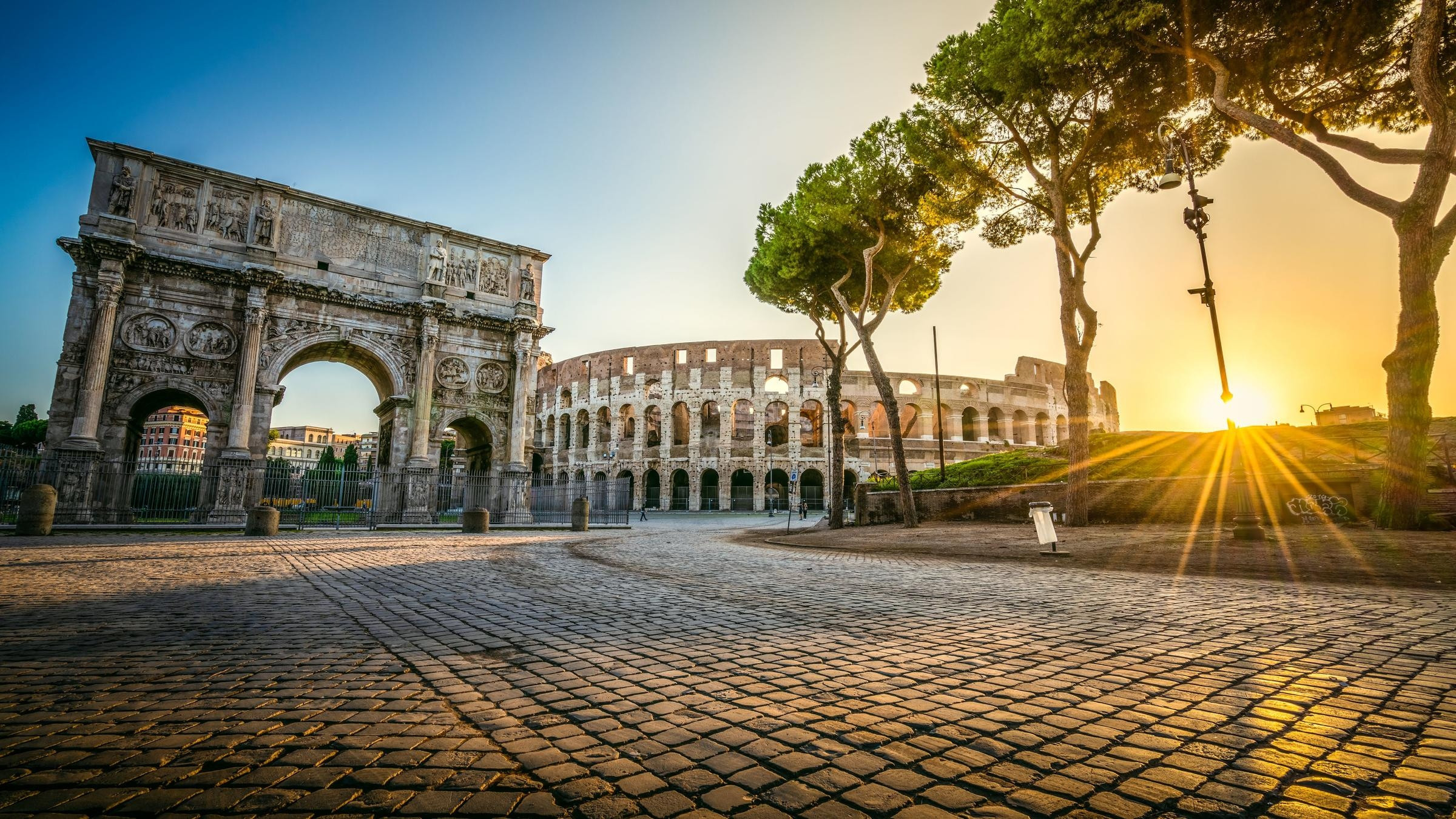
The Colosseum is the world's largest ancient amphitheater and one of Rome's most iconic symbols. Completed in 80 AD under Emperor Titus, it hosted gladiatorial contests, animal hunts, public executions, and dramatic re-enactments for nearly 400 years. At its peak it could hold between 50,000 and 80,000 spectators. Today it receives 7–8 million visitors annually, making it one of the most visited paid attractions on Earth.
Designated both a UNESCO World Heritage Site (as part of the Historic Centre of Rome) and one of the New Seven Wonders of the World (2007), the Colosseum is a masterpiece of Roman engineering. Its elliptical design, complex underground tunnel system (the hypogeum), and tiered seating arrangement were revolutionary for their era and have influenced stadium architecture for two millennia.
- Metro Line B: Colosseo station — 2-minute walk
- Bus lines 51, 75, 85, 87 to the Colosseo stop
- Tram Line 3: Colosseo stop
- Combined ticket includes Palatine Hill and Roman Forum — excellent value
- Book online — walk-up queues regularly exceed 2 hours
- Arena floor access available with special ticket (€22)
- Free entry for EU citizens under 18
- Book a guided underground tour to access the hypogeum — the gladiator tunnel network is a completely different perspective on the site
- Visit in the first hour after opening (9 AM) or the last two hours before closing for significantly thinner crowds
- Combine with the Roman Forum and Palatine Hill in one day — all covered by the same ticket
- Bring a hat and sunscreen — the site has very limited shade during summer months
- The Celian Hill Park (free, across the street) offers excellent elevated views for exterior photography
The Louvre Museum

The Louvre is the world's largest and most visited art museum, and a historic monument in the heart of Paris. Originally built as a medieval fortress in the late 12th century, it became a royal palace before opening to the public as a museum in 1793. Today its iconic glass pyramid entrance, designed by architect I. M. Pei and inaugurated in 1989, is one of the most recognizable structures in Paris.
The collection spans over 35,000 works across nine departments — from ancient Egyptian antiquities and Greek sculptures to Renaissance paintings and Islamic art. Its most famous resident is Leonardo da Vinci's Mona Lisa, which draws an estimated 30,000 visitors every single day. Other masterpieces include the Venus de Milo, Winged Victory of Samothrace, and The Wedding at Cana. With 8.9 million annual visitors, it remains comfortably the world's most visited museum.
- Metro Line 1 or 7: Palais Royal–Musée du Louvre station — direct underground entrance
- Bus lines 21, 27, 39, 48, 68, 69, 72, 95 to Musée du Louvre
- RER A: Châtelet–Les Halles (10-min walk)
- Book timed-entry tickets online — skip the queue at the pyramid
- Free entry on the first Friday of each month (6 PM–9:45 PM) for visitors under 26
- Allow at least half a day; a full tour requires multiple visits
- The Mona Lisa room is extremely crowded — visit early morning or late evening
- Enter via the Richelieu Wing or Porte des Lions instead of the main pyramid to avoid the longest queues
- Wednesday and Friday evenings (open until 9:45 PM) are significantly less crowded than daytime visits
- Download the free official Louvre app for offline maps and audio guides — the museum is enormous
- The Denon Wing contains the Mona Lisa, Venus de Milo, and Winged Victory — ideal for a condensed highlight visit
- Combine with the Tuileries Garden next door for a peaceful post-museum stroll toward the Eiffel Tower
The London Eye

The London Eye is Europe's tallest cantilevered observation wheel and one of London's most visited paid attractions. Opened in 2000 to mark the millennium, the 135-metre structure stands on the South Bank of the Thames directly opposite the Houses of Parliament. Each rotation takes approximately 30 minutes, during which riders in one of 32 fully enclosed glass capsules enjoy sweeping 360-degree views across the city extending up to 40 kilometres on a clear day.
The landmark encompasses iconic views including Buckingham Palace, St Paul's Cathedral, the Tower of London, Canary Wharf, and Windsor Castle in the far distance. The London Eye attracts approximately 3.5 million visitors annually and serves as one of the most popular New Year's Eve fireworks viewing platforms in Europe — private capsule bookings for the countdown sell out a full year in advance.
- Underground: Waterloo station (Jubilee, Bakerloo, Northern lines) — 5-minute walk
- Underground: Westminster station (District, Circle, Jubilee) — 8-minute walk across Westminster Bridge
- Thames Clipper river bus to Waterloo Pier — most scenic approach
- Bus: Routes 211, 77, RV1 to Waterloo stop
- Book online at least 2–3 weeks ahead for best price and to avoid queues
- Fast Track tickets (~£45) skip the boarding queue — worth it in peak season
- Private capsule hire available for special occasions — book months ahead
- Champagne experience packages available with the "Experience" ticket tier
- Book the sunset time slot in summer (8–9 PM in June–July) for the most beautiful golden-hour views across London
- Clear winter days (November–February) often provide the best visibility — up to 40km views with no summer haze
- The free view of the Eye itself from Victoria Embankment (north bank of the Thames) is one of the great London cityscape photographs
- Combine with the South Bank cultural walk: Tate Modern, Shakespeare's Globe, and Borough Market are all within 1 km
- Children under 3 ride for free; under 16s receive a discounted ticket — excellent family value
Acropolis of Athens
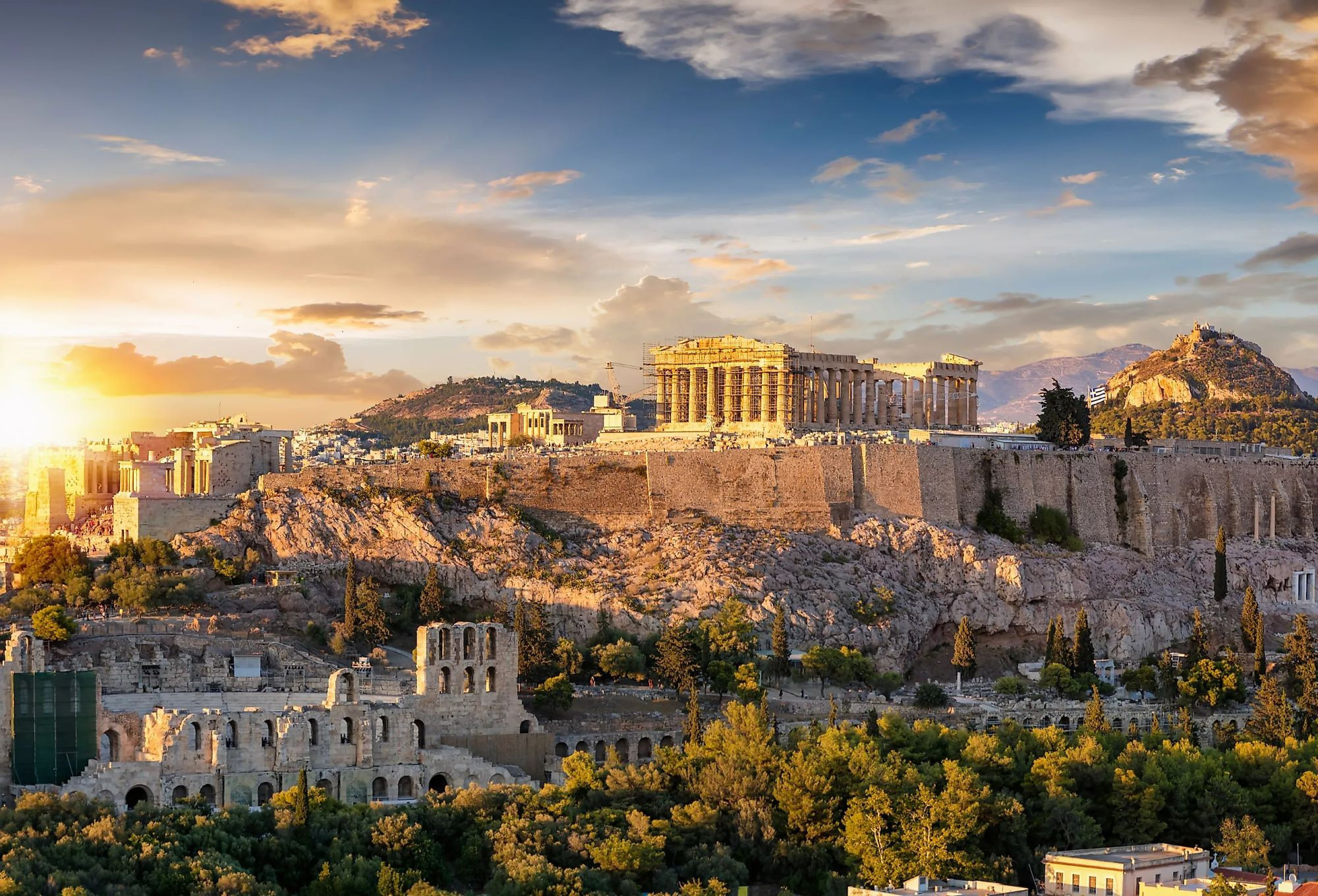
The Acropolis of Athens is the most important surviving monument of ancient Greek civilization and the symbolic birthplace of Western democracy, philosophy, and the arts. Perched on a rocky outcrop 156 metres above the city, the Acropolis has been continuously inhabited for over 5,000 years. Its crowning glory, the Parthenon, was built between 447 and 438 BC as a temple dedicated to the goddess Athena.
The complex includes the Parthenon, the Erechtheion with its famous Porch of the Caryatids, the Temple of Athena Nike, and the monumental Propylaea gateway. The New Acropolis Museum at the base of the hill, opened in 2009, houses thousands of artefacts and offers a world-class companion experience. UNESCO Heritage Site since 1987, the Acropolis draws approximately 3 million visitors annually.
- Metro Line 2 (red): Acropoli station — 5-minute walk to the main entrance
- Metro Line 1 (green): Monastiraki station — 15-minute walk through the old city
- Bus lines 230 and 040 to Acropoli stop
- Combined ticket (€30 high season) covers the Acropolis plus 6 other archaeological sites
- Free entry on national holidays and select Sundays in winter
- Open daily from 8 AM; last entry varies by season
- Wear flat rubber-soled shoes — the ancient marble is extremely slippery
- Visit at opening (8 AM) or in the last hour before closing — midday crowds in July and August are intense and the heat is brutal
- The view from Filopappou Hill opposite is the best angle for photographing the full Acropolis without crowds in the frame
- Visit the New Acropolis Museum before the hilltop — it dramatically deepens understanding of the site
- Bring water and a hat — there is almost no shade on the hilltop and Athens summer temperatures exceed 40°C
- A licensed guide enormously enriches the experience — book through the Greek Ministry of Culture approved list
The Grand Canyon
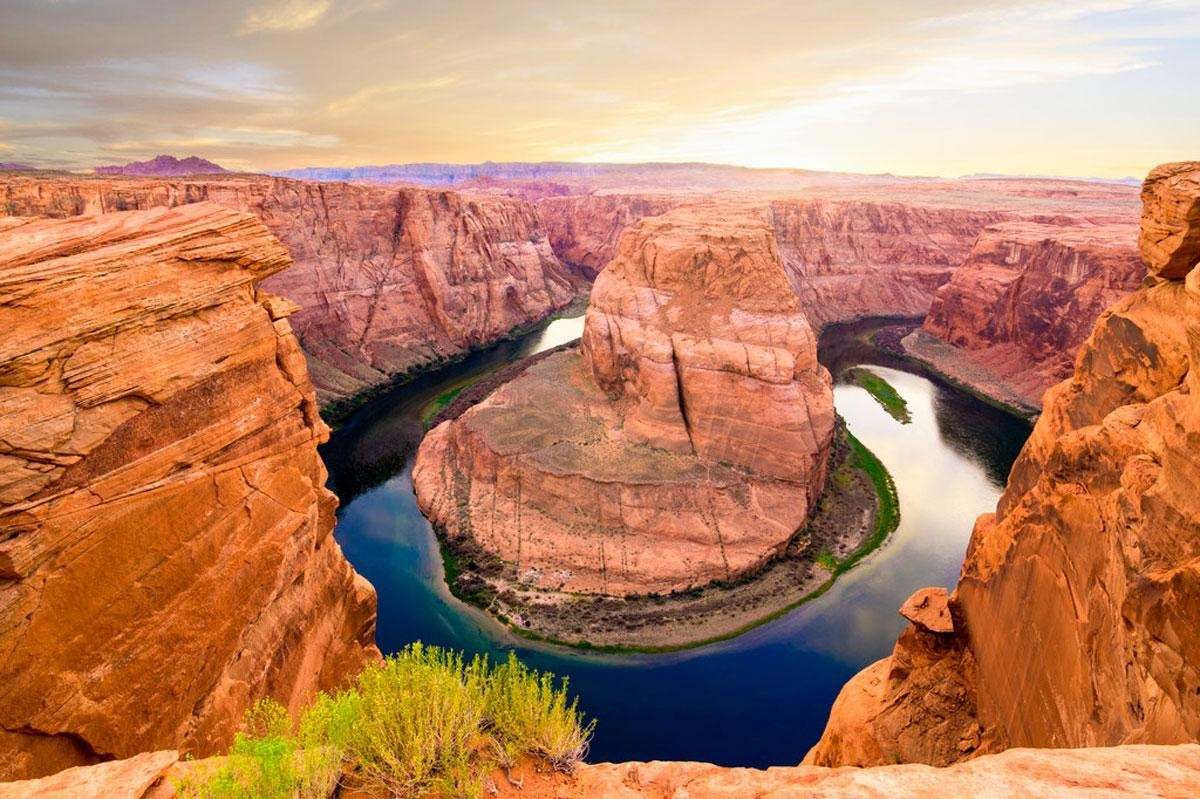
The Grand Canyon is one of Earth's most awe-inspiring natural wonders. Carved by the Colorado River over approximately 5–6 million years, the canyon stretches 277 miles long, up to 18 miles wide, and reaches depths of over a mile. The exposed rock layers reveal 2 billion years of geological history visible in a single glance from the South Rim. Activities range from rim-side hiking and mule rides to multi-day white-water rafting through the canyon floor, helicopter tours, and stargazing nights in one of the USA's clearest dark-sky zones.
- Sunrise and sunset at Mather Point or Hopi Point are transformative — arrive 30 minutes early to secure a spot
- Never attempt to hike to the canyon floor and back in a single day in summer — this is a documented medical emergency risk
- The Bright Angel Trail is the safest and most scenic rim-to-river hike (9 miles each way)
- Helicopter tours from Grand Canyon Airport (Tusayan) offer an extraordinary aerial perspective of the canyon's true scale
- Reserve inner-canyon camping permits through the National Park Service up to 4 months in advance
Potala Palace, Lhasa

The Potala Palace is one of the most magnificent and remote palace complexes in the world, perched 3,700 metres above sea level on a rocky hill dominating the Lhasa valley in Tibet. Originally built in the 7th century AD, the current structure was rebuilt and expanded in the 17th century by the 5th Dalai Lama and served as the spiritual and administrative seat of Tibet for three centuries until 1959. The palace rises 13 storeys and contains over 1,000 rooms, 10,000 shrines, and approximately 200,000 statues.
The White Palace (administrative) and Red Palace (religious) house the golden chortens (tombs) of eight Dalai Lamas, priceless religious manuscripts, and an extraordinary collection of Buddhist art accumulated over 1,300 years. Designated a UNESCO World Heritage Site in 1994, visitor numbers are strictly capped at 2,300 per day in high season to protect the fragile structures. All foreign visitors require a Tibet Travel Permit to enter the region.
- Fly to Lhasa Gonggar Airport from Chengdu, Kunming, Beijing, or Xi'an
- Tibet Railway: Qinghai–Tibet Railway from Xining — a spectacular scenic journey at altitude
- Tibet Travel Permit required for all foreign visitors — arrange through a licensed Tibet travel agency
- Tibet Travel Permit (TTB permit) is mandatory for foreign visitors — your agency arranges this
- Daily cap of 2,300 in high season — book through authorized agencies well in advance
- Spend at least 2–3 days in Lhasa before visiting to acclimatize to the altitude
- Photography restrictions apply inside the palace — check current rules
- Altitude sickness is a genuine risk — arrive in Lhasa at least 2 days before visiting the palace and stay well hydrated
- The best photography is from Chakpori Hill (directly opposite) at golden hour — the red and white facades glow magnificently
- Combine with Jokhang Temple (15-min walk) and the Barkhor Street pilgrimage circuit for the spiritual heart of Lhasa
- Hire a licensed Tibetan guide — historical and spiritual context transforms the experience enormously
- Spring (April–May) and autumn (September–October) offer the clearest skies and most moderate temperatures
Sydney Opera House
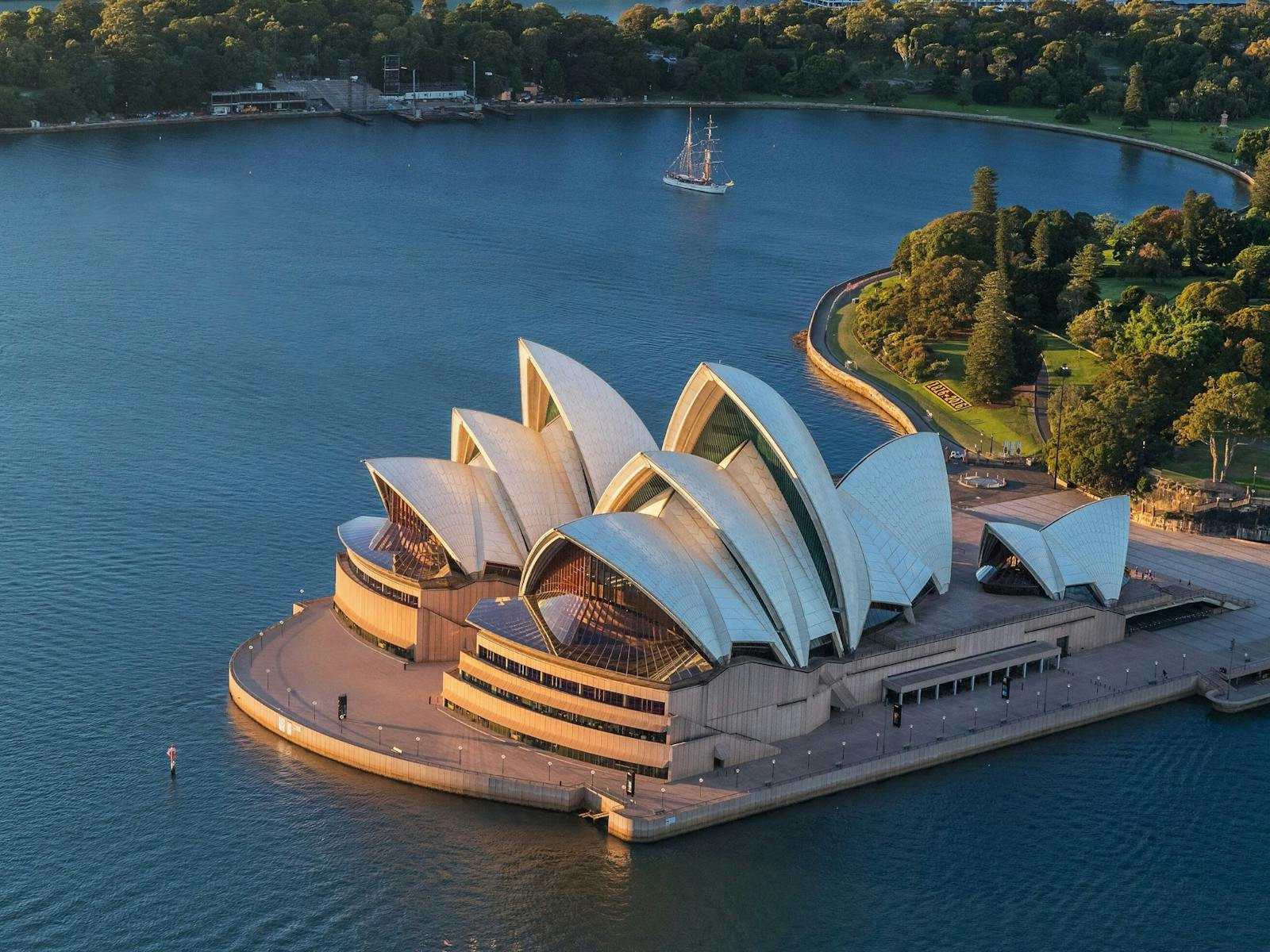
The Sydney Opera House is one of the 20th century's greatest architectural achievements and Australia's most internationally recognized landmark. Designed by Danish architect Jørn Utzon and completed in 1973 after a famously troubled 14-year construction, its soaring white shell-like roof structures rising from Sydney Harbour have become one of the most distinctive silhouettes in the world.
Designated a UNESCO World Heritage Site in 2007 — only 34 years after its opening, making it one of the fastest-ever structures to receive the designation — the Opera House hosts approximately 1,500 performances each year attended by over 1.4 million audience members. It is home to Opera Australia, the Sydney Symphony Orchestra, the Australian Ballet, and the Sydney Theatre Company. A further 6+ million visitors come to experience the iconic forecourt and harbour promenade.
- Train: Circular Quay station — 5-minute walk along the harbour foreshore
- Ferry: Circular Quay wharves — the most scenic arrival option
- Bus: Multiple routes to Circular Quay stop
- Light Rail: Circular Quay stop (L2 line)
- Book guided tours at least 2 weeks in advance — especially the backstage tour
- Check the performance calendar — attending a show is a richer experience than touring alone
- The exterior forecourt is free to explore at any time of day or night
- Restaurants and bars inside are open to non-performance visitors
- The best photography is from Circular Quay ferry wharves or from the Harbour Bridge — both offer the iconic combined city shot
- The 1-hour guided tour covers the main performance halls and backstage areas — highly recommended
- Attending an actual performance is a completely different and more meaningful experience than a tour alone
- Sunrise from the Opera House steps, with the bridge in the background, is one of the great city photography moments
- The Opera Bar on the lower forecourt is the ideal place for a sunset drink with harbour views — book ahead
Statue of Liberty

The Statue of Liberty is one of the most universally recognized symbols of freedom and democracy in the world. Gifted to the United States by France and dedicated on October 28, 1886, the copper statue depicts the Roman goddess Libertas holding a torch aloft and a tablet inscribed with the date July 4, 1776. At 93 metres from ground to torch tip, it was the world's tallest iron structure at the time of its completion.
Designated a UNESCO World Heritage Site in 1984, the statue stands on Liberty Island in New York Harbor and is accessible only by ferry. The crown (offering panoramic harbour views through 25 windows) allows only 240 visitors per day — crown tickets routinely sell out 3–4 months in advance. The nearby Ellis Island Immigration Museum, included in the same ferry ticket, tells the story of the 12 million immigrants who passed through between 1892 and 1954.
- Ferry from Battery Park, Lower Manhattan (Statue Cruises — the only authorized operator)
- Ferry also departs from Liberty State Park, New Jersey
- Subway to Bowling Green (Line 4/5) or South Ferry (Line 1) for Battery Park
- Ferry ride takes approximately 15 minutes
- Crown tickets ($24 adult) sell out 3–4 months in advance — book immediately upon confirming travel dates
- Pedestal tickets ($21.50) offer good elevated views and are easier to book
- Grounds-only ticket ($24) covers both Liberty Island and Ellis Island — excellent value
- Ferry runs year-round with a reduced schedule in winter
- Book crown access the moment you confirm your travel dates — 3 to 4 months minimum is recommended
- Take the first ferry of the day (~9 AM) to beat crowds and get the best morning light for photography
- The Staten Island Ferry (completely free) passes close to the statue and offers excellent exterior views
- Allow a full day to visit both Liberty Island and Ellis Island — the Ellis Island museum alone deserves 2–3 hours
Stonehenge

Stonehenge is one of the world's most famous prehistoric monuments and one of Britain's greatest archaeological mysteries. Constructed in multiple phases between approximately 3000 BC and 1500 BC on Salisbury Plain in Wiltshire, England, it consists of a circular arrangement of massive standing stones, some weighing up to 25 tonnes, transported from quarries in Wales over 200 kilometres away.
The purpose of Stonehenge remains debated among scholars, though it is widely believed to have served as a ceremonial and burial site, a solar calendar, and a place of healing pilgrimage. The monument is precisely aligned with the midsummer sunrise and midwinter sunset, demonstrating sophisticated astronomical knowledge. Stonehenge is a UNESCO World Heritage Site (1986) attracting approximately 1.5 million visitors annually. The modern visitor centre, opened in 2013, includes a world-class exhibition and a life-size prehistoric landscape replica.
- Train to Salisbury from London Waterloo (1h 20m), then Stonehenge Tour Bus (30 min)
- Direct seasonal bus from Salisbury coach station
- Car: 2-hour drive from London via the A303 — park at the visitor centre
- Organized day tours depart daily from London Victoria station
- Book online in advance — English Heritage tickets sell out in summer
- Standard visits follow a roped path around the stones — you cannot touch them
- Special inner circle access must be booked separately, months in advance
- A shuttle bus (or 30-min walk) connects the visitor centre to the stones
- Summer and winter solstice events (June 21, December 21) allow free public access inside the stone circle — an unmissable experience
- The stones are most atmospheric at dawn and dusk — book a special access early-morning or evening visit
- Combine with nearby Avebury (15 miles away) — an even larger stone circle that visitors can walk through freely
- The surrounding Salisbury Plain is dotted with ancient burial mounds — a landscape of immense prehistoric richness
- Check weather forecasts carefully — the Plain is fully exposed and can be cold and windy even in summer
Niagara Falls

Niagara Falls is one of the world's most powerful waterfalls and North America's greatest natural spectacle, located on the border between Ontario, Canada, and New York, USA. It comprises three separate falls: the Horseshoe Falls (the largest, on the Canadian side), the American Falls, and the smaller Bridal Veil Falls. Together they process approximately 3,160 tonnes of water per second — the highest flow rate of any waterfall in North America — creating a mist cloud visible from over 30 kilometres away.
Niagara Falls draws approximately 14 million visitors per year, making it one of the most visited natural attractions on Earth. The famous Maid of the Mist boat tour, operating since 1846, brings visitors within metres of the base of the Horseshoe Falls — an utterly drenching and unforgettable experience. The nearby Clifton Hill entertainment district and the evening illumination of the falls round out a destination that delights visitors of all ages.
- From Toronto: 1.5-hour drive or GO Bus/train to Niagara Falls station
- From New York City: 7-hour drive or Amtrak to Niagara Falls NY station
- WEGO transit buses connect all Canadian side attractions
- Organized bus tours depart daily from both Toronto and New York City
- Canadian side (Niagara Falls, Ontario) offers the best panoramic views — recommended base
- Maid of the Mist boat tour: ~$30 USD — book in advance for summer visits
- Journey Behind the Falls (Canada): tunnel to the base — ~CAD $22
- Evening illumination of the falls runs nightly year-round — spectacular after dark
- The Canadian side provides the most iconic view — the full curve of the Horseshoe Falls is visible from Queen Victoria Park
- Bring a waterproof jacket for the Maid of the Mist — the provided ponchos are minimal against the spray
- Winter visits (December–February) are magical — the falls partially freeze and crowds are minimal
- The Niagara SkyWheel observation wheel provides aerial views of both falls — particularly stunning after dark
- Stay on the Canadian side for better accommodation value and the best waterfront restaurants with falls views
Mount Kilimanjaro
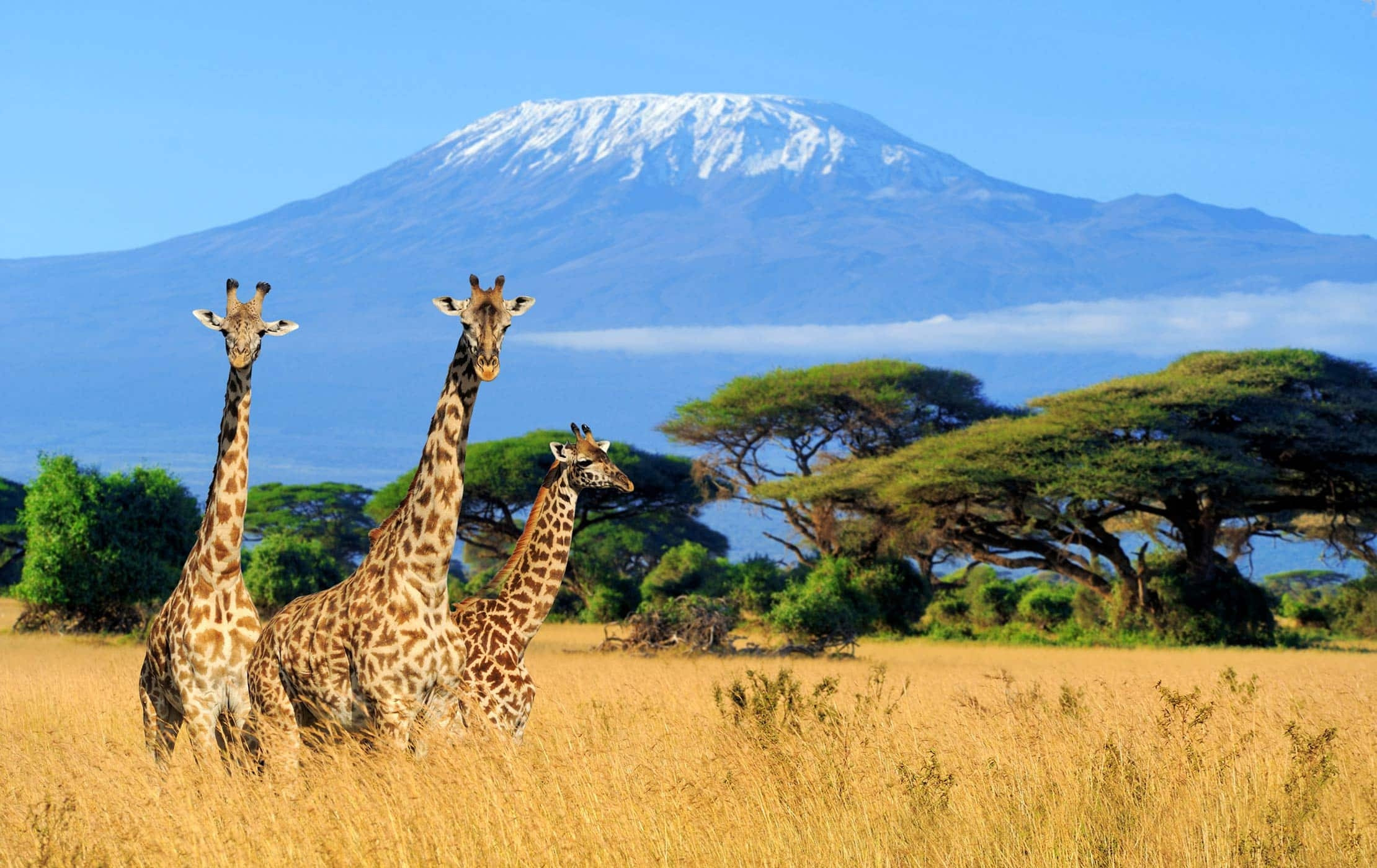
Mount Kilimanjaro is Africa's highest peak and the world's highest free-standing mountain, rising 5,895 metres above the Tanzanian plains. Unlike most of the world's great peaks, Kilimanjaro requires no technical climbing equipment or prior mountaineering experience to reach the summit — making it the most accessible high-altitude summit on Earth and drawing approximately 50,000 climbers per year. The summit, Uhuru Peak on the Kibo crater rim, is covered in glaciers that have shrunk approximately 85% since 1912 due to climate change.
The mountain passes through five distinct ecological zones: cultivated farmland, equatorial rainforest, heath and moorland, alpine desert, and arctic summit — making the climb an extraordinary botanical and ecological journey. Designated a UNESCO World Heritage Site and national park in 1987, all climbers must be accompanied by a licensed guide and registered with the Kilimanjaro National Park Authority (KINAPA). The experience is typically combined with a Serengeti or Ngorongoro safari for the ultimate Tanzania adventure.
- Fly to Kilimanjaro International Airport (JRO) from Nairobi, Dar es Salaam, or direct international routes
- Airport is 50 km from Moshi town — most climbers base in Moshi or Arusha
- All climbers must book through a licensed operator registered with KINAPA
- Machame Route(7 days) — most scenic, high success rate, recommended for fit climbers
- Lemosho Route(8 days) — quietest, best acclimatization, highest overall summit rate
- Marangu Route(5–6 days) — only hut-based route; shorter but lower summit success rate
- Rongai Route(7 days) — only northern approach; drier and quieter
- Choose a 7–8 day route (Machame or Lemosho) over the shorter Marangu — extra acclimatization days lift summit success rates from ~65% to ~85%+
- Summit night temperatures drop to -15°C or below — invest in proper base layers, insulating mid-layers, and a windproof outer shell
- The summit push begins around midnight — pace yourself extremely slowly ("pole pole" in Swahili means "slowly slowly" and is the guiding mantra)
- Combine with a Serengeti or Ngorongoro Crater safari for the ultimate Tanzania bucket-list adventure
- Book a reputable operator with experienced, well-paid guides and porters — they are your safety net and deserve fair wages
Mount Fuji
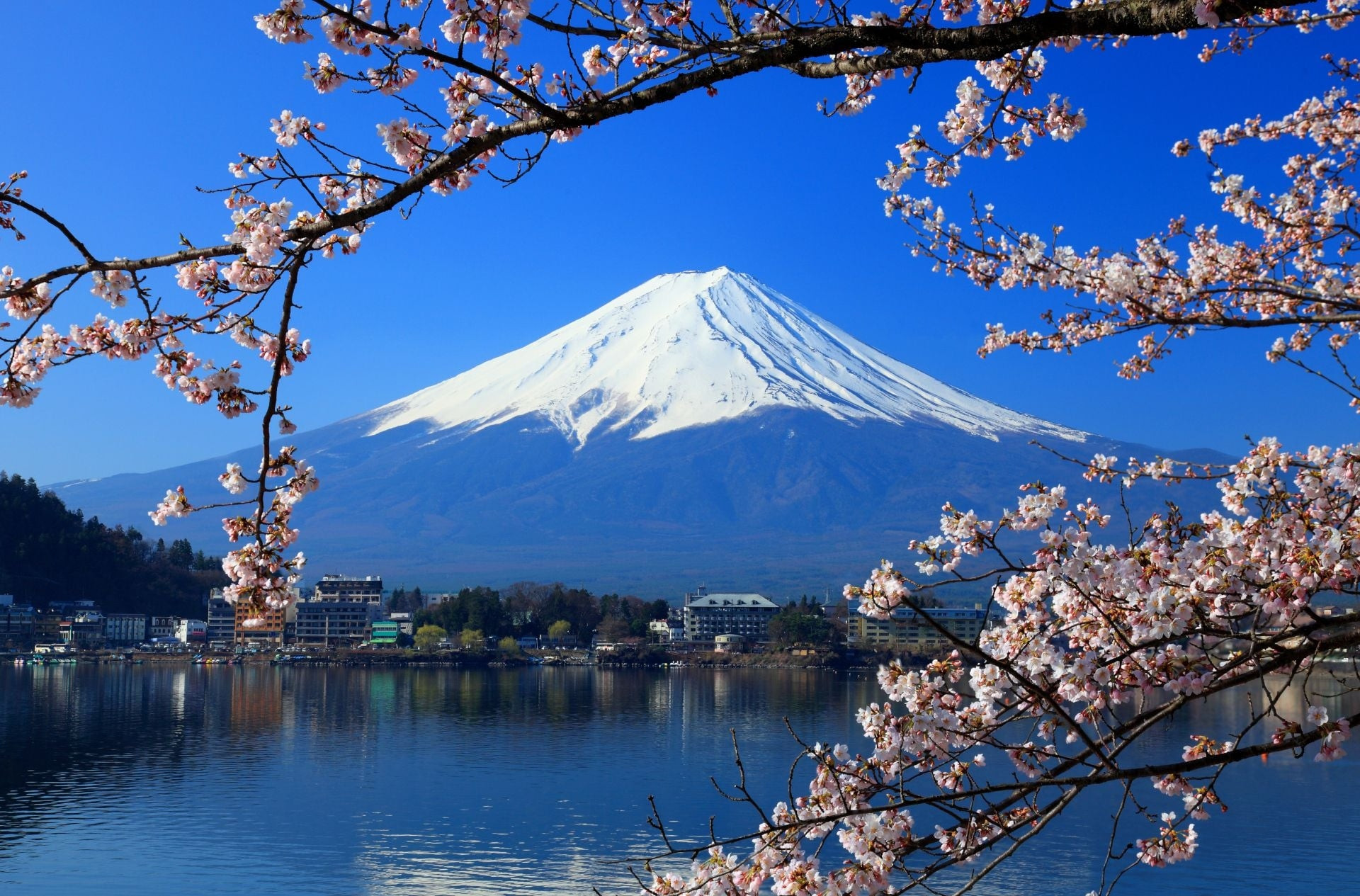
Mount Fuji is Japan's highest peak and most iconic natural landmark, rising 3,776 metres in a near-perfect symmetrical cone that has inspired Japanese art, poetry, and spiritual practice for millennia. An active stratovolcano that last erupted in 1707, it is considered a sacred mountain in both Shinto and Buddhist traditions and has been a site of pilgrimage for over 1,200 years.
Designated a UNESCO World Heritage Site in 2013 as a “Cultural Heritage” site — recognizing its profound influence on Japanese art and identity — Mount Fuji draws over 5 million visitors to its surrounding lake district each year, with approximately 300,000 making the summit climb during the official season of July and August. In 2024, Japanese authorities introduced strict crowd control measures on the Yoshida Trail, including a gate closing at 4 PM and a daily visitor cap, in response to significant overtourism pressures.
- From Tokyo: Shinkansen or direct highway bus to Kawaguchiko (90 min from Shinjuku)
- Direct Fuji Express bus from Shinjuku Bus Terminal to 5th Station — summer season only
- Local bus from Kawaguchiko station to 5th Station — summer season only
- Best scenic views from Hakone and the Kawaguchiko lakefront
- Official climbing season: July 1 – September 10 only — do not attempt outside these dates
- ¥2,000 conservation fee paid at the 5th Station gate (Yoshida Trail)
- Yoshida Trail: 5–7 hours up, 3–5 hours down from 5th Station
- Mountain hut lodges require advance reservation — book months ahead for popular dates
- Most climbers begin the overnight ascent around midnight to reach the summit for sunrise (go-raiko) — one of the great natural spectacles in Asia
- Bring warm clothing even in summer — summit temperatures average 5°C in July and wind chill can be severe
- The Yoshida Trail (north side) is the most popular and best-serviced; the Fujinomiya Trail (south) is shorter but steeper
- Non-climbers get superb views from the Fuji Five Lakes district — Kawaguchiko offers classic reflected-mountain photography
- Altitude sickness affects many who ascend too quickly — rest at mountain huts and stay well hydrated throughout
The Forbidden City (Palace Museum)
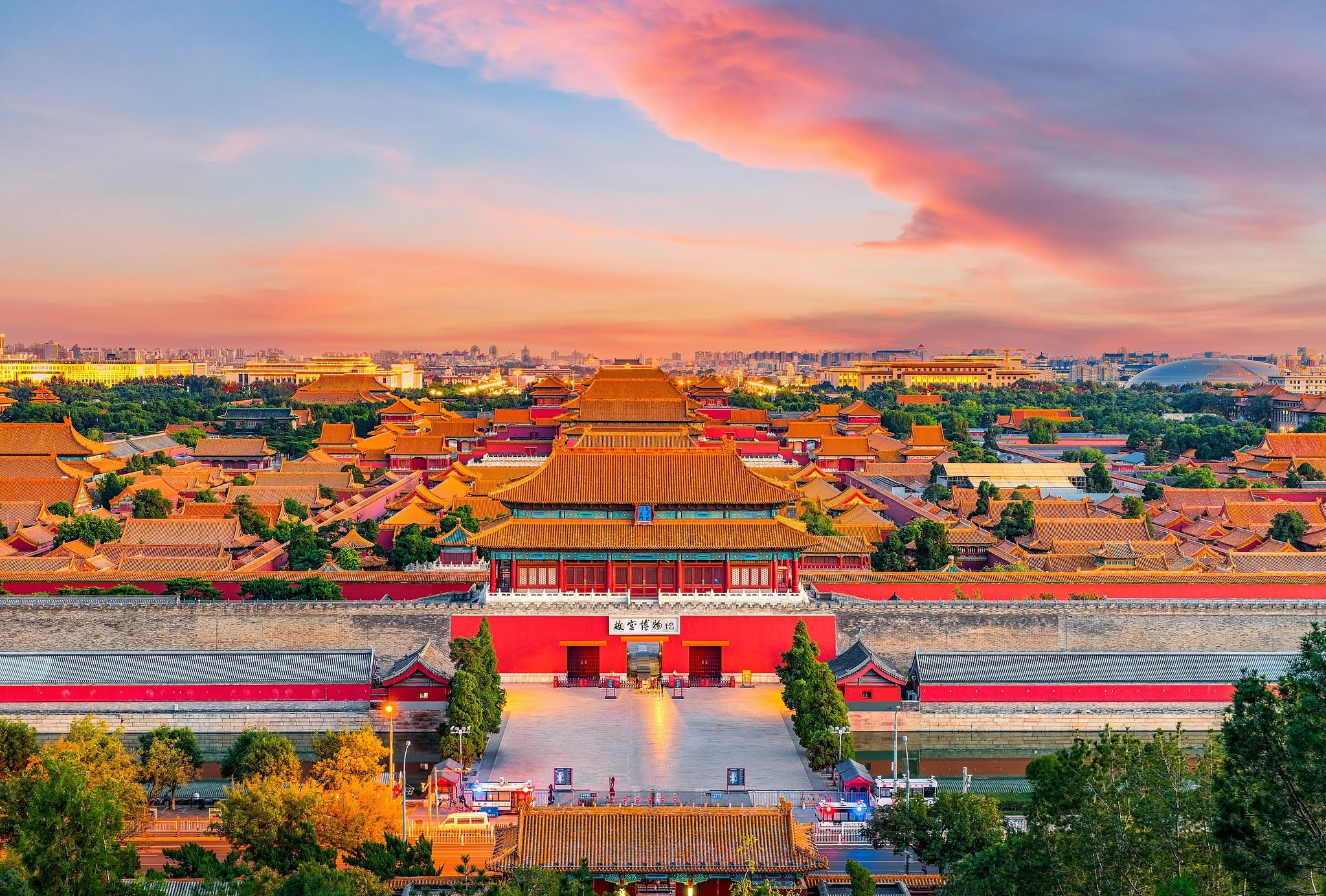
The Forbidden City is the world's largest and best-preserved imperial palace complex, and China's most visited historical site with approximately 17 million visitors per year. Serving as the home of 24 Chinese emperors across the Ming and Qing dynasties from 1420 to 1912, it was named the Forbidden City because ordinary citizens were barred from entering without imperial permission for nearly 500 years.
The complex covers 72 hectares and contains 980 surviving buildings with approximately 9,000 rooms, enclosed within walls 10 metres high and a 52-metre-wide moat. Its design follows strict principles of Chinese cosmology, aligned precisely on a north–south axis through the centre of Beijing. The Palace Museum's collection holds over 1.86 million items including imperial paintings, calligraphy, bronzes, jade, ceramics, and textiles — one of the world's most important art collections. UNESCO Heritage Site since 1987.
- Metro Line 1: Tiananmen East or Tiananmen West station — 5-minute walk to the south gate (main entrance)
- Metro Line 8: towards Gulou Dajie for the north gate exit
- Bus lines 1, 4, 10, 22, 37 to Tiananmen stop
- Real-name booking required online via the official Palace Museum website — passport details needed
- Daily visitor cap of 80,000 — book at least 2 weeks ahead during peak season
- Enter from the south gate (Meridian Gate); exit at the north (Divine Might Gate)
- Closed on Mondays
- Visit Tiananmen Square (adjacent, free) first at sunrise before crowds arrive, then proceed through the Gate of Heavenly Peace
- The western side of the complex (Ximiao area) is far less crowded than the central axis and contains exquisite smaller courtyard gardens
- The view from Jingshan Park directly to the north (small entrance fee) is the definitive overhead perspective — iconic for photography
- Allow 3–4 hours minimum for the main axis; a full day is needed to cover the western and eastern side halls
- The Palace Museum app (English version available) offers excellent augmented reality reconstructions of original furnishings
Burj Khalifa, Dubai

The Burj Khalifa is the world's tallest building and one of the most dramatic feats of modern engineering ever constructed. Standing 829.8 metres tall with 163 floors, it has held the world record since its completion in 2010 and surpasses its nearest rivals by over 150 metres. Designed by Skidmore, Owings & Merrill and inspired by the Hymenocallis spider lily flower, it contains offices, luxury apartments, the Armani Hotel, and two observation decks attracting nearly 2 million visitors annually.
At The Top (124th and 125th floors, 452m) and At The Top SKY (148th floor, 555m) offer views across the Arabian Gulf stretching over 95 kilometres on a clear day. The surrounding Downtown Dubai district features the Dubai Mall (world's largest shopping centre by total area), the Dubai Fountain (world's largest choreographed fountain), and the Dubai Opera — making this one of the most entertainment-dense tourism zones in the world.
- Metro Red Line: Burj Khalifa/Dubai Mall station — direct underground connection to Dubai Mall
- Taxi from Dubai International Airport: ~20–30 minutes depending on traffic
- Observation deck entrance is through Dubai Mall, Level 1, near Cheesecake Factory
- Book online in advance — "At the Top" from AED 149; SKY (148F) from AED 380
- "Sunrise" and "Sunset" priority slots cost more but offer the most spectacular views
- Dubai Fountain show runs every evening from 6 PM — free to watch from the boardwalk
- Avoid June–September — extreme heat of 40–50°C makes outdoor areas unpleasant
- Book the sunset time slot — watching the sun drop over the Dubai skyline from 452m is one of the most surreal experiences in modern travel
- The 148th floor SKY experience is far less crowded and more exclusive than the standard 124th floor — worth the premium
- The Dubai Fountain show from the boardwalk after dark rivals any light show in the world — completely free
- Combine your visit with Dubai Mall's giant aquarium, ice rink, and VR Park for a full day of entertainment
- The best exterior photography is from Zabeel Park lookout or from the Dubai Frame building opposite
Machu Picchu

Machu Picchu is the most celebrated archaeological site in the Americas. Built in the 15th century by the Inca Emperor Pachacuti at 2,430 metres above sea level, the "Lost City of the Incas" was abandoned and only rediscovered by the wider world when American explorer Hiram Bingham visited in 1911. Peruvian authorities strictly cap daily visitors to protect the site — tickets sell out months in advance, particularly for the Huayna Picchu mountain hike. The site is accessible via a scenic train from Cusco or Ollantaytambo to Aguas Calientes, followed by a 25-minute bus ride up the mountain.
- Book tickets 4–6 months ahead at the official Machu Picchu portal — they sell out months in advance
- Spend at least 2 nights in Cusco first to acclimatize to the altitude (3,400m)
- Take the first morning bus (5:30 AM) to see the sunrise through the cloud layer — extraordinary
- The Inca Trail trek (4 days) requires permits booked a full year in advance
- Pack rain gear even in dry season — mountain weather changes rapidly at altitude
Pyramids of Giza & the Great Sphinx

The Great Pyramid of Giza is the only surviving structure from the original Seven Wonders of the Ancient World. Built around 2560 BC as the tomb of Pharaoh Khufu, it stood as the world's tallest man-made structure for over 3,800 years at 146.5 metres. The Giza Necropolis includes three main pyramids (Khufu, Khafre, and Menkaure), the Great Sphinx, and numerous smaller tombs. The newly opened Grand Egyptian Museum nearby houses thousands of artefacts including the complete treasures of Tutankhamun, making this one of the richest archaeological tourism zones in the world.
- Arrive at opening (8 AM) — the plateau becomes intensely hot and crowded by late morning
- Interior access to the Great Pyramid requires a separate ticket — cramped and hot, but extraordinary
- Hire an official licensed guide through your hotel or a registered agency — avoid touts at the gate
- Bring abundant water and strong sun protection — there is no shade on the Giza plateau
- Negotiate camel and horse ride prices before mounting — agree on a return price upfront
Prague Castle
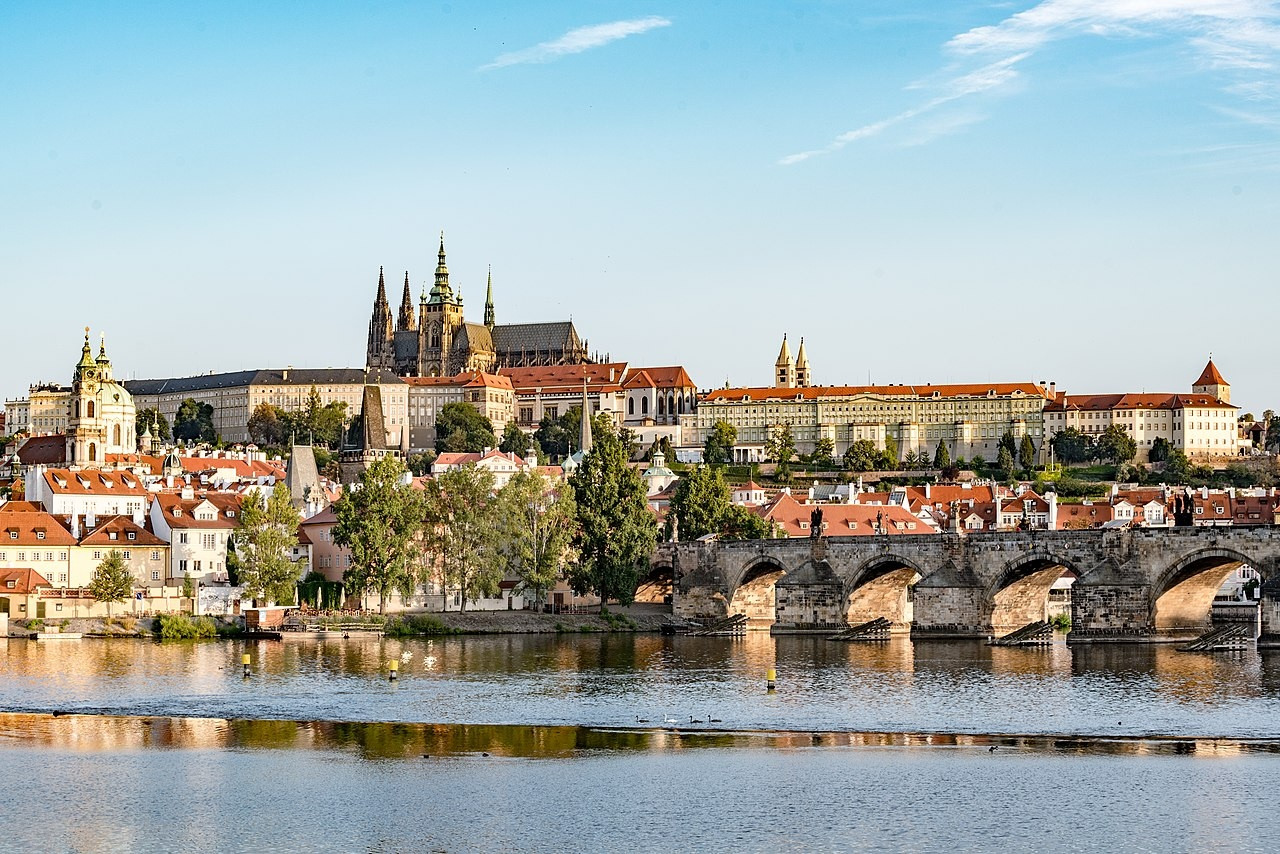
Prague Castle is the largest ancient castle complex in the world, covering approximately 70,000 square metres on the Hradčany hilltop overlooking the city. Founded in the 9th century, it has served as the seat of Bohemian kings, Holy Roman Emperors, and the Presidents of the Czech Republic for over 1,100 years and remains the official residence of the Czech head of state today.
The complex encompasses several distinct attractions: St. Vitus Cathedral (the largest church in the Czech Republic, housing the Crown Jewels of Bohemia and royal tombs), the Old Royal Palace with its magnificent Vladislav Hall, St. George's Basilica (Prague's oldest surviving church), the Golden Lane — a street of tiny colourful medieval houses where Franz Kafka briefly lived — and numerous towers, gardens, and galleries. It attracts approximately 1.8 million visitors annually and offers some of the finest views over Prague's UNESCO-protected historic centre below.
- Tram 22 from Náměstí Míru or Vinohradská to Pražský Hrad stop — most direct route
- Metro Line A (green): Malostranská station, then 15-min uphill walk through Malá Strana
- Walk up from Charles Bridge through Malá Strana — scenic 20-minute climb through historic streets
- Circuit A (€18) covers all major attractions; Circuit B (€14) covers the highlights
- Castle grounds open daily from 6 AM (attractions from 9 AM)
- Changing of the Guard at noon with fanfare — a free and popular spectacle
- St. Vitus Cathedral south tower climb offers the best rooftop views of Prague
- Enter from the eastern gate (U Prašného Mostu) rather than the western main gate to avoid the longest morning queues
- The changing of the guard at noon is most impressive — be in the first courtyard by 11:45 AM
- The view from the Castle ramparts over the red rooftops of Malá Strana and the Charles Bridge is the quintessential Prague photograph
- The Royal Garden behind the castle is peaceful and largely crowd-free — especially beautiful in spring when tulips bloom
- Golden Lane (Zlatá ulička) is included in all circuit tickets — Kafka's house is No. 22
Bourbon Street & the French Quarter, New Orleans
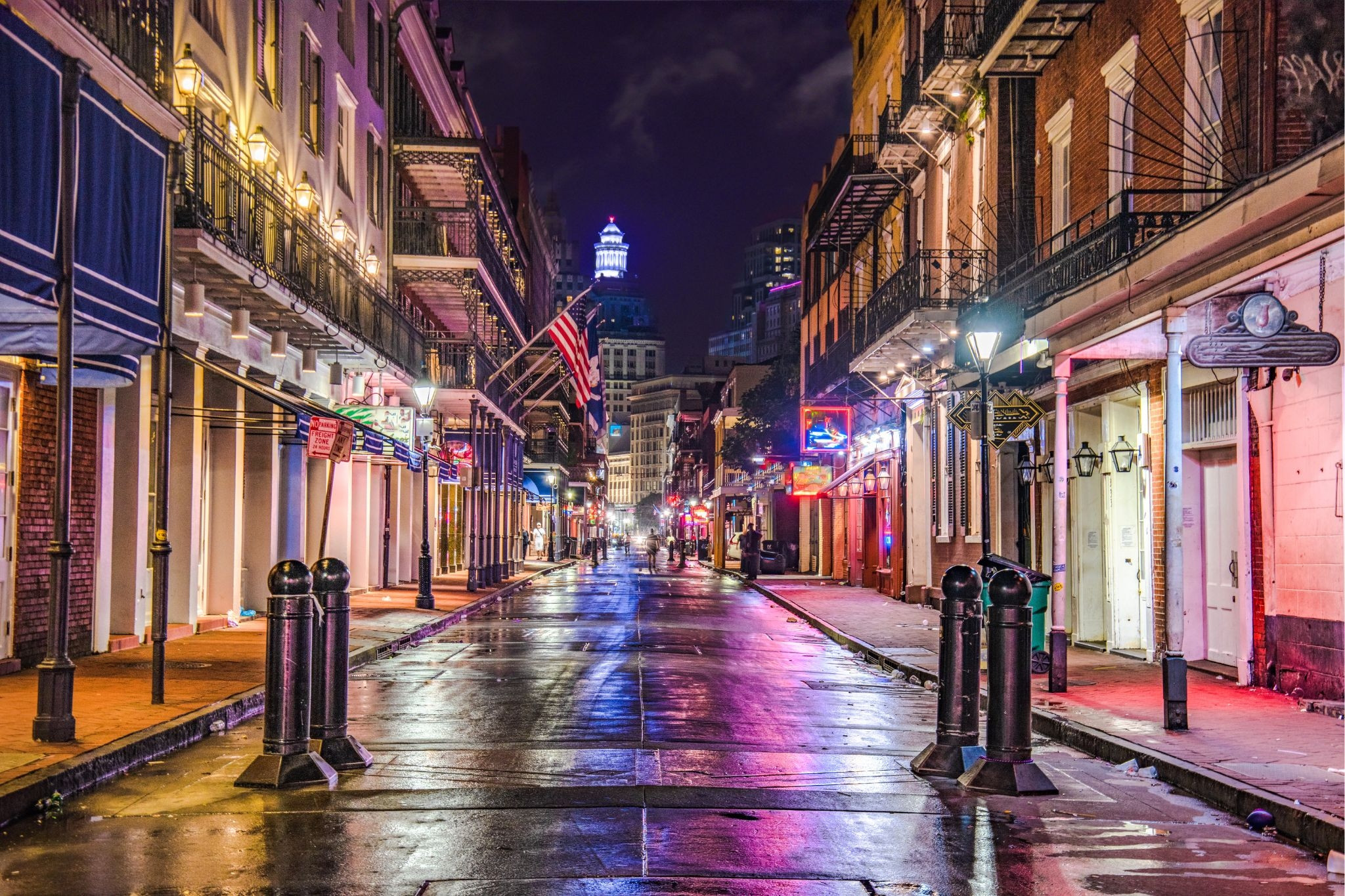
Bourbon Street is the most famous street in New Orleans and the heart of the French Quarter — a 13-block stretch of bars, live music venues, restaurants, and jazz clubs that has been the epicentre of American nightlife and cultural tourism since the early 20th century. The French Quarter itself, established in 1718 as the original city of New Orleans by French colonists, is the oldest urban neighbourhood in the United States and is listed on the National Register of Historic Places.
New Orleans is the birthplace of jazz, and Bourbon Street and surrounding streets — particularly Frenchmen Street — are where this tradition lives most vibrantly today. The city draws approximately 17 million visitors annually, generating $9 billion in tourism revenue. The peak event is Mardi Gras (Fat Tuesday, typically in February or March), which draws over 1 million visitors for its famous parades, costumes, and street celebrations — one of the greatest public festivals on Earth. The neighbourhood's unique architecture, a blend of French and Spanish colonial styles with cast-iron lace balconies, makes every block a visual feast.
- Fly into Louis Armstrong New Orleans International Airport (MSY) — 25-minute drive to the French Quarter
- Streetcar: St. Charles Line or Canal Street Line to French Quarter stops
- Taxi or rideshare from the airport: ~$35–$45 to Bourbon Street
- Amtrak: City of New Orleans from Chicago; Crescent from New York — arrives at Union Passenger Terminal
- Bourbon Street is a pedestrian zone at night — street-side bars serve "go cups" for drinks taken outside
- Frenchmen Street (15-min walk from Bourbon) is the authentic jazz scene preferred by locals
- Café Du Monde (open 24/7) for beignets and café au lait — an essential New Orleans ritual
- Book accommodation 3–6 months ahead for Mardi Gras — the entire city fills up completely
- Frenchmen Street (in the Faubourg Marigny neighbourhood) is where the most authentic live jazz happens nightly — a local secret that should not be
- Take a guided history walking tour of the French Quarter — the stories behind the architecture, voodoo culture, and Creole history are extraordinary
- Visit during Jazz Fest (late April/early May) for the city's greatest musical celebration — world-class artists across 12 stages for 10 days
- The Garden District (streetcar ride from Canal Street) offers beautiful antebellum mansions and oak-lined streets as a contrast to the Quarter
- Food is as important as music in New Orleans — eat at least one meal each at a boulangerie, a classic Creole restaurant, and a po'boy shop
Petra — The Rose-Red City

Petra is the ancient Nabataean city carved directly into rose-red sandstone cliffs in southern Jordan. Its most famous monument, Al-Khazneh (The Treasury), is a spectacular 40-metre-high facade carved into a cliff face, famously featured in Indiana Jones and the Last Crusade. The site spans 264 square kilometres and contains over 900 carved structures. Petra by Night — a candlelit evening experience at the Treasury — is one of the most enchanting travel experiences in the entire Middle East.
- Plan for at least 2 days — the site is far larger than most visitors anticipate
- Start early (gates open at 6 AM) to reach the Treasury before tour groups arrive at 9–10 AM
- The Monastery (Ad Deir) requires an 800-step climb but is arguably even more impressive than the Treasury
- Petra by Night (Monday, Wednesday, Thursday evenings) is worth the extra ticket cost
- Comfortable walking shoes are essential — the Siq entrance canyon alone is 1.2 km each way
Great Barrier Reef
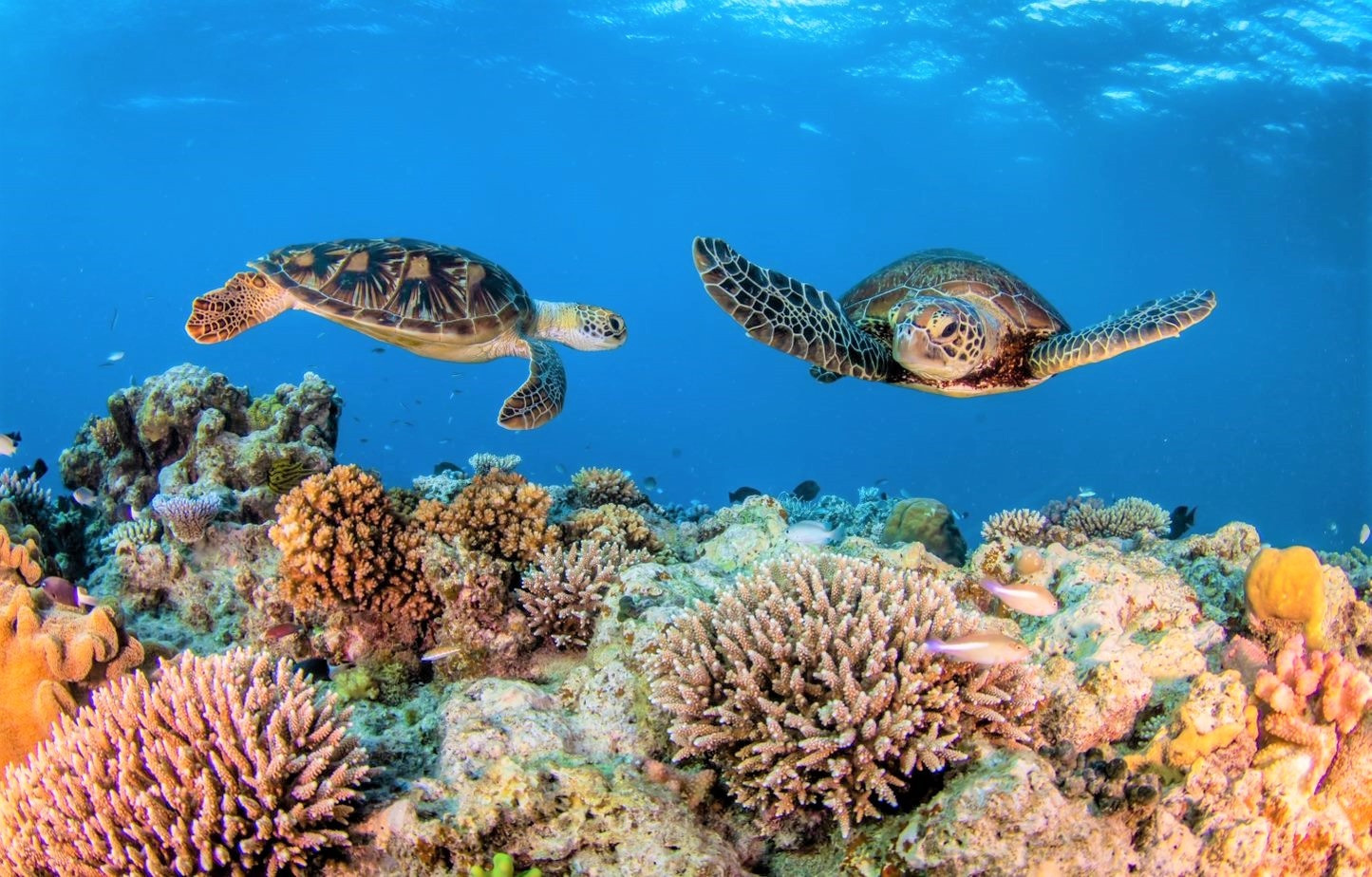
The Great Barrier Reef is the world's largest coral reef system, stretching over 2,300 kilometres along the northeast coast of Queensland, Australia. It encompasses 2,900 individual reefs, 900 islands, and supports extraordinary marine biodiversity including over 1,500 fish species, 4,000 types of mollusc, 240 bird species, and six of the world's seven marine turtle species. Designated a UNESCO World Heritage Site in 1981, it generates approximately A$6.4 billion in economic value for Australia annually.
The reef faces significant pressure from climate change — coral bleaching events in 2016, 2017, 2020, 2022, and 2024 have damaged portions of the reef. This makes it one of the most urgent bucket-list destinations: a natural wonder to experience before its character changes further. Day tours from Cairns and Port Douglas are the most popular way to visit, with snorkelling and scuba diving among the coral gardens the primary draw.
- Fly to Cairns International Airport — main gateway to the reef
- Day tour boats depart from Cairns Marina and Port Douglas daily
- Helicopter and seaplane tours available for aerial reef views
- Liveaboard dive boats depart from Cairns for multi-day expeditions
- Choose tours to the Outer Reef for clearest water and best coral — not the Inner Reef
- Snorkelling gear usually provided; bring reef-safe sunscreen
- Intro scuba dives are available for non-certified divers — no experience needed
- June–October: clearest visibility, calmest seas, and no tropical stingers (jellyfish)
- Book a reputable eco-certified tour operator — they follow reef protection protocols and have better guides and equipment
- Request Outer Reef destinations (Agincourt Reef, Flynn Reef) for the most pristine coral and clearest water
- Wear a full-length stinger suit (provided by operators June–October) for protection against jellyfish and sunburn
- The Whitsunday Islands section offers a spectacular sailing holiday alternative to day tours from Cairns
- Even non-swimmers can enjoy the reef through semi-submersible or glass-bottom boat tours
Angkor Wat
Angkor Wat is the world's largest religious monument, covering approximately 400 acres. Built in the early 12th century by Khmer King Suryavarman II, it was originally a Hindu temple dedicated to Vishnu before converting to Buddhism in the late 13th century. The central tower rises 65 metres and is surrounded by a moat stretching 1.5 km × 1.3 km — the world's largest temple moat. The temple appears on Cambodia's national flag. Sunrise at Angkor Wat, reflected in the moat's still waters, is one of the most photographed moments in all of Asia.

- Spend at least 2–3 days to explore the full Angkor Archaeological Park (over 1,000 temples)
- Sunrise at the main temple (arrive by 5 AM) — cloud cover permitting, it is transcendent
- Hire a tuk-tuk driver for a full day (~$15–$20) to cover the major temple circuit efficiently
- Dress modestly — shoulders and knees must be covered to enter temple sanctuaries
- Buy tickets the evening before your visit to maximize your morning time at the site
Basílica de la Sagrada Família:
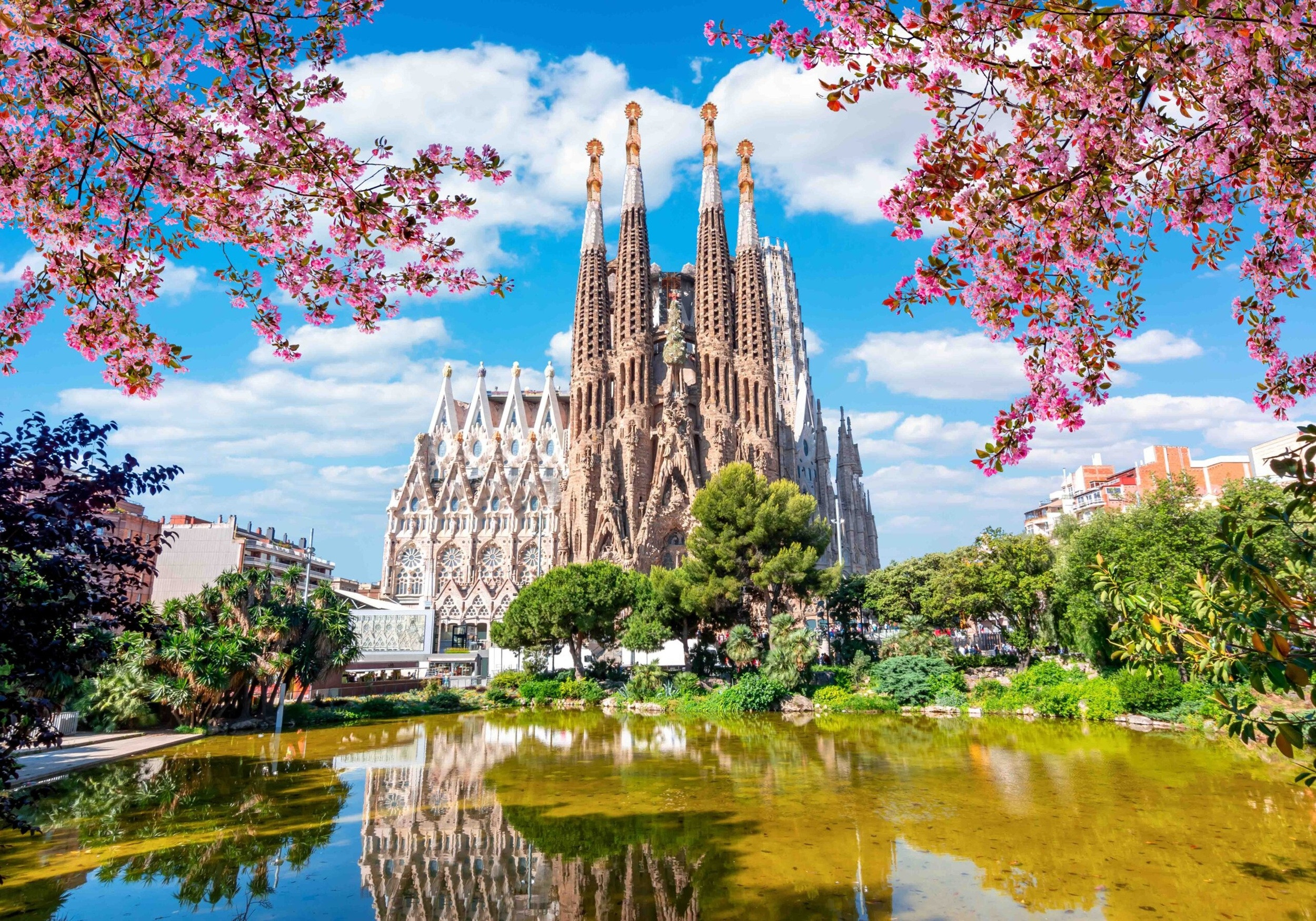
The Basílica de la Sagrada Família is Antoni Gaudí's unfinished masterpiece and, according to TripAdvisor's 2025 Travelers' Choice Awards, the single highest-rated tourist attraction on Earth. Designed in Gaudí's signature Catalan Modernisme style, the basilica has been under continuous construction since 1882 — making it one of the longest ongoing architectural projects in history — with completion expected around 2030.
Gaudí devoted the last 43 years of his life to the project. The basilica's soaring towers, nature-inspired facades, and kaleidoscopic stained-glass interiors create a light experience unlike any other building on Earth. It draws approximately 4.5 million visitors annually and generates over €30 million per year in ticket revenue that directly funds its own completion. Notably, a famous social-media selfie spot near the basilica was banned in 2025 due to chronic crowd congestion — a reflection of just how sought-after this attraction has become.
- Metro L2 (purple) or L5 (blue) — Sagrada Família station
- Bus lines 19, 33, 34, 43, 50, 51 stop nearby
- 10-minute walk from Passeig de Gràcia
- Book tickets online 2–3 months in advance
- First entry slot (9:00 AM) is least crowded
- Tower access requires a separate €10 add-on ticket
- Audio guide included in standard admission
- Buy tickets directly from the official Sagrada Família website — reseller markups can be significant
- Visit on a sunny morning — the Nativity facade stained-glass light show is most spectacular before noon
- Combine with Park Güell (same architect, 20 minutes by taxi) for a full Gaudí day
- Avoid August and Easter week — crowds peak and prices are highest
- The view from Carrer de Mallorca, directly in front of the Nativity facade, is the classic photography angle
The 25 top-rated tourist attractions in the world bear immense importance to travelers. Most of these attractions are either UNESCO World Heritage Sites or Wonders of the World. Every year millions of tourists visit these destinations to experience the history, culture, and architecture of different centuries. Every tourist must visit these places at least for once in their lifetime. If you are interested in witnessing the age-old history, you must visit one of these 25 top-rated tourist attractions. And if you are more interested in adventure and natural beauty, don’t forget to visit the Great Barrier Reef or Niagara Falls.
Frequently Asked Questions:
Everything travelers ask about visiting the world's top tourist attractions — from visitor statistics to practical booking advice.
Q. What is the number one tourist attraction in the world in 2026?
According to TripAdvisor's 2025 Travelers' Choice Awards — based on millions of verified traveler reviews — the Basílica de la Sagrada Família in Barcelona, Spain holds the title of the world's top-rated tourist attraction. It climbed from 4th place in 2024 to reclaim the #1 position it last held in 2023. Among landmarks measured by sheer visitor volume, the Eiffel Tower in Paris remains the most visited paid monument, welcoming approximately 7 million people per year.
Q. Which tourist attraction receives the most visitors per year?
The Great Wall of China receives the most visitors of any single heritage site, with over 40 million annually. The Forbidden City (Palace Museum) in Beijing draws approximately 17 million visitors per year. Among individual paid monuments, the Eiffel Tower (7 million/year) and the Colosseum in Rome (7–8 million/year) consistently rank among the most visited globally. Niagara Falls draws approximately 14 million visitors per year to its surrounding area.
Q. What are the New Seven Wonders of the World?
The New Seven Wonders of the World were selected through a global public vote in 2007. They are: (1) the Great Wall of China, (2) the Colosseum in Rome, Italy, (3) Machu Picchu in Peru, (4) the Taj Mahal in India, (5) Chichen Itza in Mexico, (6) Christ the Redeemer in Brazil, and (7) Petra in Jordan. Of the original Seven Wonders of the Ancient World, only the Great Pyramid of Giza survives and remains one of the most visited attractions on Earth.
Q. Which of these attractions are UNESCO World Heritage Sites?
18 of the 25 attractions in this guide hold UNESCO World Heritage Site designation. These include: the Taj Mahal, Great Wall of China, Colosseum, Acropolis of Athens, Machu Picchu, Angkor Wat, Sydney Opera House, Stonehenge, Pyramids of Giza, Petra, Grand Canyon, Great Barrier Reef, Statue of Liberty, Forbidden City, Potala Palace, and Mount Fuji. UNESCO designation recognizes outstanding universal value and provides international conservation protections.
Q. What is the best time of year to visit the world's top tourist attractions?
The optimal visiting season varies by location. For European sites (Eiffel Tower, Colosseum, Sagrada Família, Acropolis), April–June and September–October offer mild weather with fewer crowds than peak summer. For the Taj Mahal, October–March is ideal. For Machu Picchu, May–September (dry season) is strongly recommended. The Great Barrier Reef is clearest from June–October. For desert sites (Pyramids of Giza, Petra), October–April avoids extreme heat. In all cases, booking tickets 2–6 months in advance is strongly advised.
Q. How much does it cost to visit the world's top tourist attractions?
Ticket prices vary widely. Free or low-cost: Niagara Falls (free park entry), Bourbon Street (free), Great Wall of China (~$6–$9), Forbidden City (~$6–$8). Mid-range: Taj Mahal (~$13), Grand Canyon ($35/vehicle). Higher cost: Eiffel Tower (€11–€28), Colosseum (€16–€22), Sagrada Família (€26–€40), Petra ($70–$90). Expedition attractions: Machu Picchu ($55–$80), Mount Kilimanjaro ($700–$2,000+ guided). Always book directly from official websites to avoid reseller surcharges.
Q. Which attractions are best for families with young children?
The best family-friendly attractions include: Niagara Falls (boat tours accessible for all ages), the Grand Canyon (ranger programs and easy South Rim walks), the Sydney Opera House (family performances), the Forbidden City (vast grounds and rich visual storytelling), and the London Eye (a gentle 30-minute ride with panoramic views). The Eiffel Tower and Sagrada Família both have lifts and are accessible for strollers and wheelchairs. For older children, the Colosseum, Great Wall, and Angkor Wat offer deeply engaging historical content.
Q. Can I book hotels and tours to these attractions on bookingMentor?
Yes — BookingMentor offers hotels, vacation packages, guided tours, and travel planning services for destinations across the world, including many of the top attractions in this guide. You can compare accommodation options near the Eiffel Tower, Taj Mahal, Great Wall, Colosseum, Machu Picchu, Angkor Wat, and other major sites, and book directly through the platform. Visit vacation-packages to explore current offers and begin planning your trip.






{{item.get_author.first_name}} {{item.get_author.last_name}}
Level 7
5 Photos
36 Reviews
{{item.comment_txt}}
{{item_reply.get_author.first_name}} {{item_reply.get_author.last_name}}
@ {{item_reply.reply_to}}, {{item_reply.reply_txt}}