

Hagia Sophia costs €25 to enter. The Blue Mosque next door costs nothing. Topkapi Palace runs about €55 with the Harem included, and most guides won't tell you that until you're standing at the gate. Istanbul rewards people who plan around its prices and its prayer times, not just its skyline.
This guide covers all 25 things worth your time in Istanbul in 2026, each one in full detail rather than a one-line mention, starting with the landmarks everyone comes for and moving into the experiences, viewpoints, and neighborhoods that turn a checklist trip into a real one. Every price below was checked against official ticket pages and on-site sources this month, in euros, dollars, and lira, because exchange rates move and old blog posts don't get updated.
If you only have two days, read the first six entries and the itinerary table near the bottom. If you have four days or more, the neighborhood section after that is where the city actually gets interesting.
Prices are approximate in euros as of June 2026 and converted at the gate in Turkish lira; expect ±10% movement with exchange rates. Free sites listed here have no entrance fee but may charge for special exhibits.
The landmarks Worth Your Time:Start here if this is your first trip to Istanbul
01 — Sultanahmet · Built in 537 ADHagia Sophia:
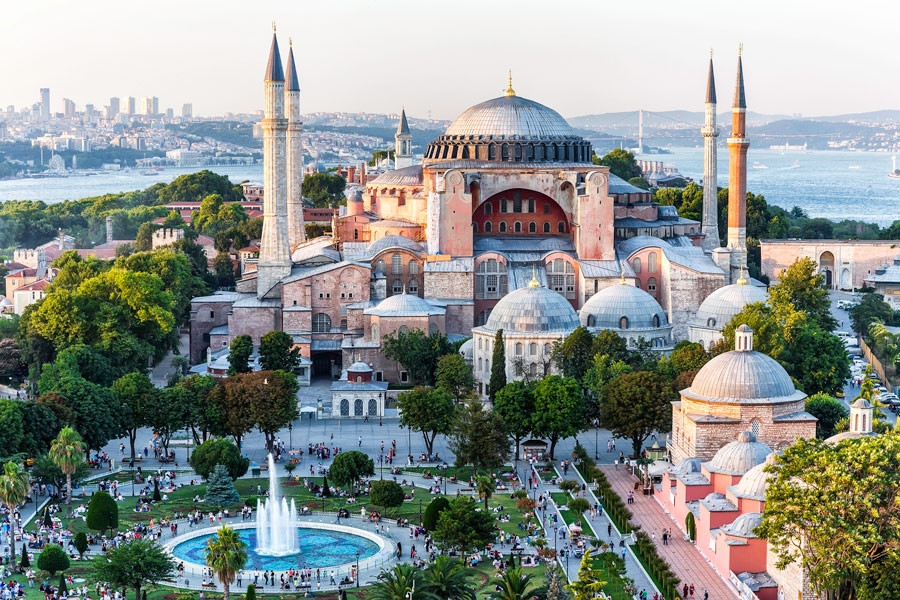
Hagia Sophia has been a Byzantine cathedral, an Ottoman mosque, a secular museum, and since 2020 a mosque again. The dome is 31 meters across and was the largest in the world for nearly a thousand years. Walk in and the scale hits you before any of the history does: gold mosaics fading into bare brick where centuries of plaster have been stripped back during restoration.
Entry costs €25 for foreign visitors, sold only at the on-site ticket counter. There's no official online ticket, so any website offering one is a third-party reseller charging extra. The building closes to tourist visits during the five daily prayer times, with the longest closure usually around midday on Fridays.
Go right at opening, 9:00 AM, or after 4:00 PM. Midday between June and September means a 30-45 minute wait even outside peak season.
02 — Sultanahmet · Free EntryBlue Mosque (Sultan Ahmed Mosque):
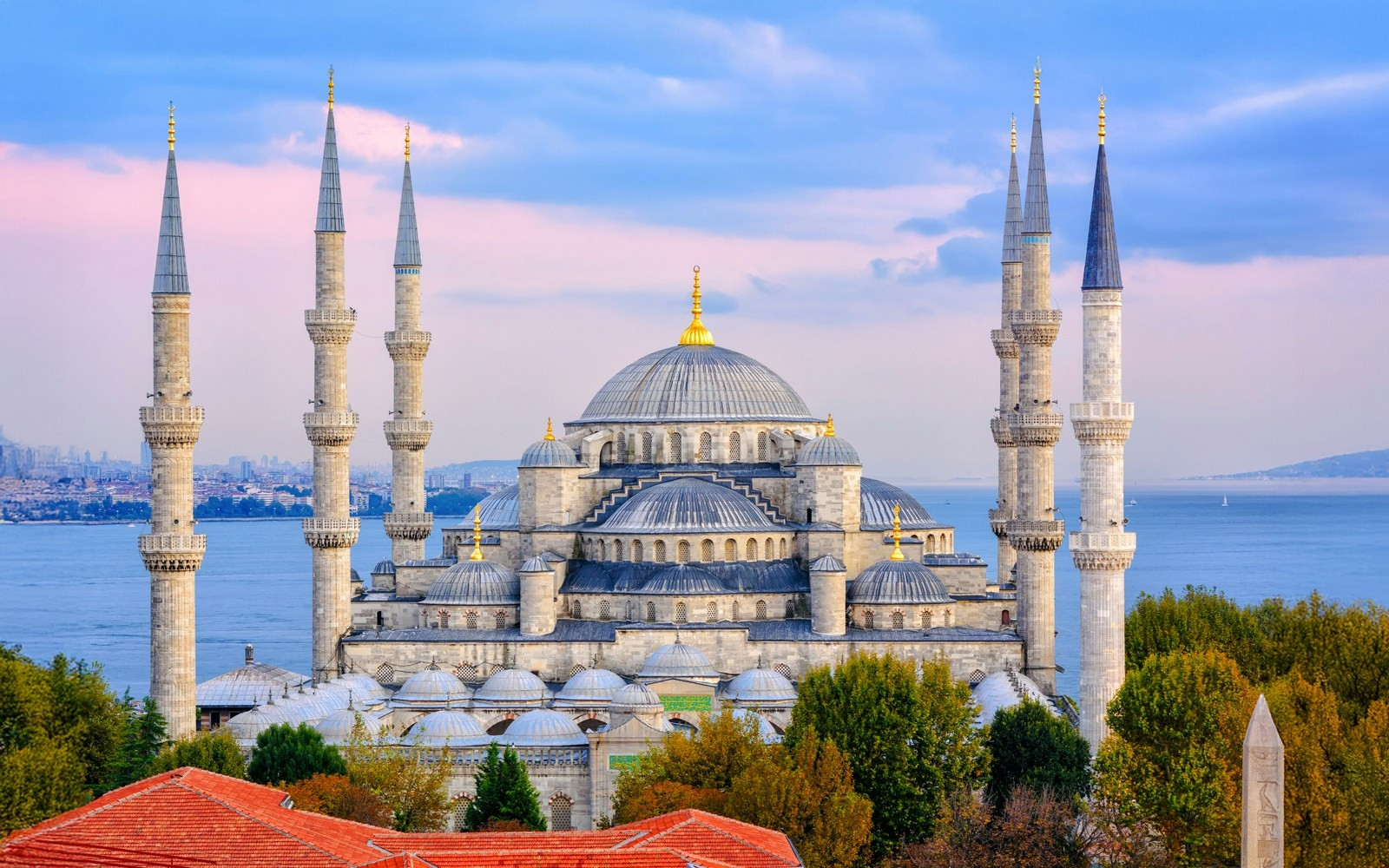
The Sultan Ahmed Mosque sits a two-minute walk from Hagia Sophia, and the contrast between the two is the whole point of visiting both in one day. Built between 1609 and 1616, it earned its nickname from over 20,000 hand-painted İznik tiles in shades of blue covering the interior walls. Unlike Hagia Sophia, this is a working mosque with no entrance fee.
Dress code is enforced: shoulders and knees covered for everyone, a headscarf for women. Free scarves and wraps are available at the entrance if you show up without one. Shoes come off at the door, same as any mosque.
Midday light through the 200-plus stained glass windows is the best reason to visit between 11:00 AM and 2:00 PM on a non-Friday.
03 — Sultanahmet · Ottoman Royal ResidenceTopkapi Palace:
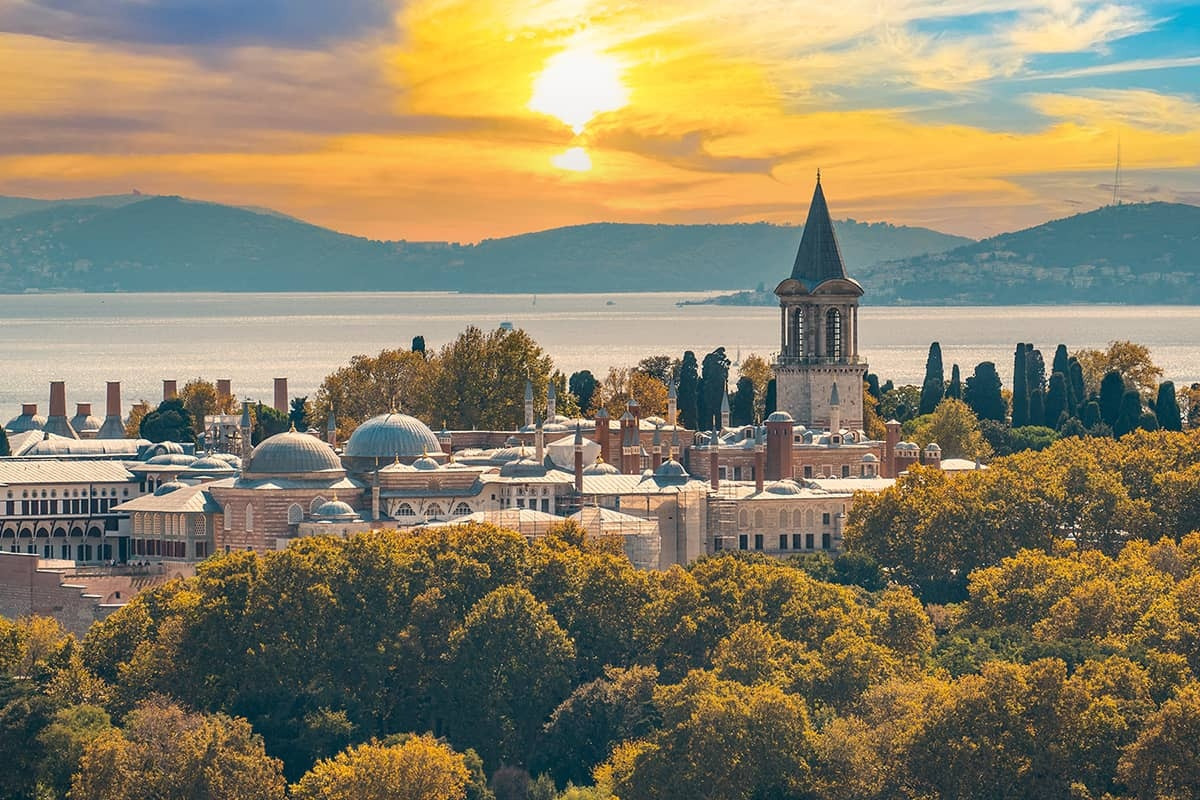
Topkapi was the administrative and residential heart of the Ottoman Empire for almost 400 years. The complex spreads across four courtyards on a promontory overlooking the Bosphorus, the Sea of Marmara, and the Golden Horn at once, a view no other site in the city matches. The Imperial Treasury holds the 86-carat Spoonmaker's Diamond and the Topkapi Dagger.
The combined ticket, covering the main palace, the Harem, and Hagia Irene, runs 2,750 Turkish lira for foreign visitors, roughly €55 or $62 in 2026. A ticket for just the main palace courtyards is cheaper but must be bought at the gate; the combined ticket can be bought online ahead of time. The Harem section, where the sultan's family lived, requires this combined ticket and is worth the extra cost.
Set aside at least 2.5 hours. Three if the Harem is part of your plan, which it should be.
04 — Sultanahmet · 6th Century Water ChamberBasilica Cistern:
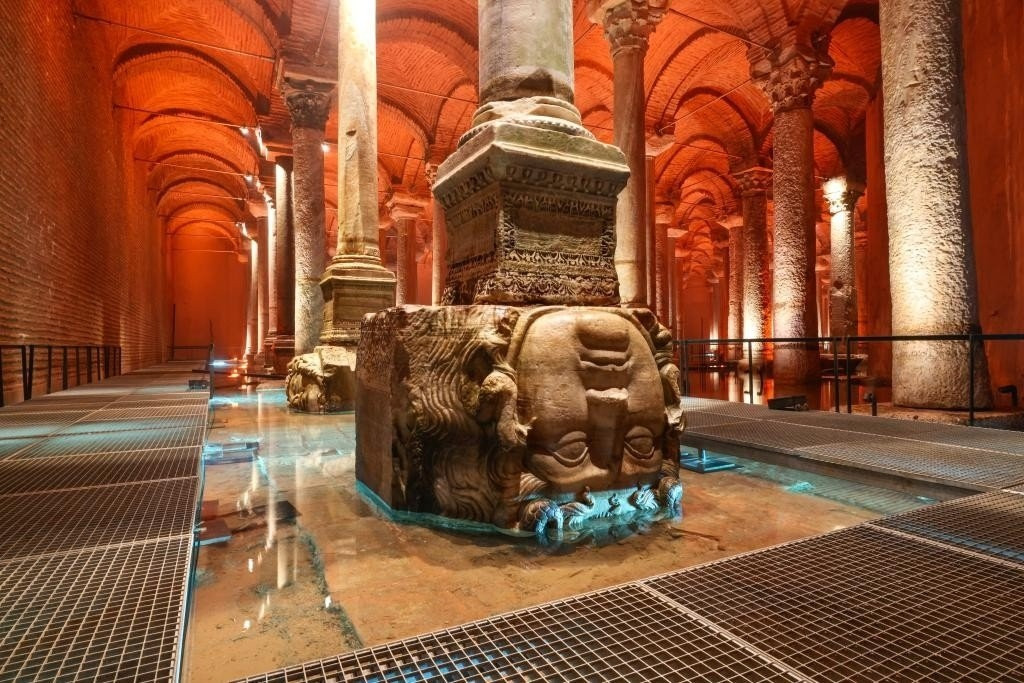
Emperor Justinian built this underground reservoir in 532 AD to supply water to the Great Palace. Today it holds 336 marble columns rising out of shallow, lit water, with two column bases carved into Medusa heads near the back wall, one upside down, one sideways, for reasons no inscription explains. The air is several degrees cooler than the street above, which matters in July.
Entry costs €38 in 2026, up from the €15-20 range many older articles still quote. Raised walkways let you move through the whole space in 30-40 minutes without needing to be especially fit or mobile.
Visit right after Hagia Sophia. It's a three-minute walk and the temperature drop is genuinely welcome after standing in a ticket queue.
05 — Beyazıt · One of the World's Oldest MarketsGrand Bazaar:
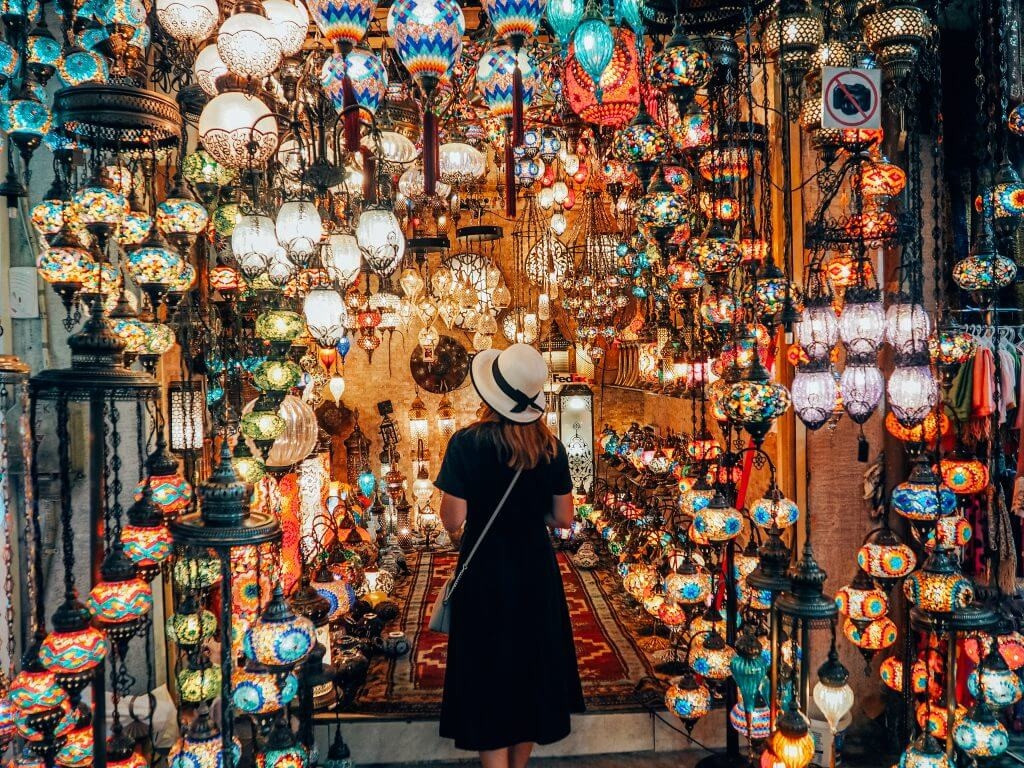
The Grand Bazaar (Kapalıçarşı) has been trading since 1461 and now holds more than 4,000 shops under 61 covered streets. Carpets, leather, lanterns, ceramics, and gold jewelry dominate, with quality and price varying enormously from stall to stall even within the same row. Getting lost here is normal and part of the experience; the layout doesn't reward a fixed plan.
Entry is free. Bargaining is expected and starting offers around 40-50% of the asking price is standard practice, not rudeness. Walk away from a stall that won't move at all on price; there's almost always an equivalent one nearby that will.
Sundays are quieter than weekdays, which sounds backwards until you remember most tour groups schedule weekday visits.
06 — Eminönü · The Smaller, More Intense MarketSpice Bazaar:
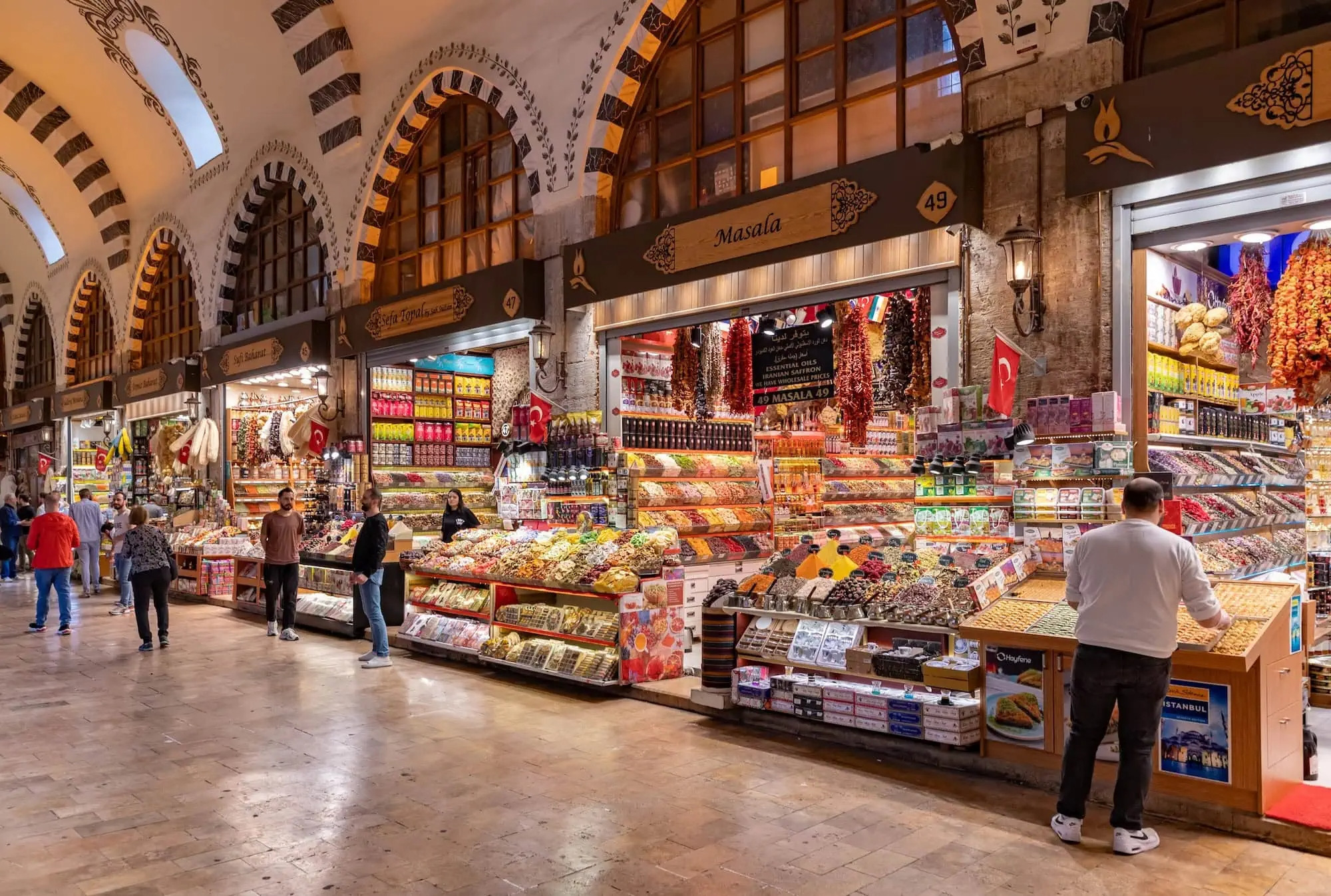
The Spice Bazaar (Mısır Çarşısı) holds maybe 80 shops instead of 4,000, but the smell hits you before the colors do: sumac, saffron, rosewater, dried apricots stacked higher than your head. It's an easier market for a first visit than the Grand Bazaar, partly because the L-shaped layout means you can't actually get lost.
Entry is free. Turkish delight (lokum) and pistachio baklava here run roughly the same price as elsewhere in the city, so buying for the experience rather than the discount makes sense. Vendors offering free samples aren't obligating you to buy.
The streets immediately outside, especially toward Eminönü ferry terminal, sell the same spices for less than inside the covered market itself.
07 — Galata · Built 1348Galata Tower:
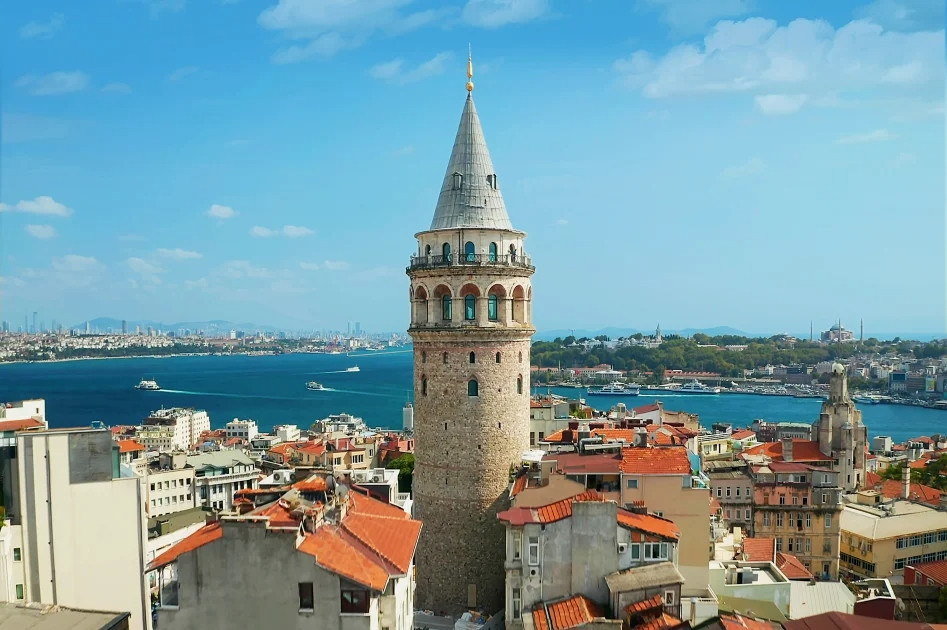
The Genoese built this stone tower in 1348 to guard their trading colony across the Golden Horn from the old city. At 67 meters, it isn't the tallest viewpoint in Istanbul anymore, but the angle is the right one: you see the Sultanahmet skyline, the Golden Horn, and the Bosphorus bridges all from a single spot, which no other accessible viewpoint offers in one frame.
Entry costs around €30, sold both at the door and online. The online ticket includes a timed entry slot, worth booking in summer when same-day queues stretch past an hour.
The streets immediately around the tower base, especially heading down toward Karaköy, have become one of the city's better areas for independent cafés and street art over the past few years.
08 — Eminönü / Beşiktaş Departure PointsBosphorus Cruise:
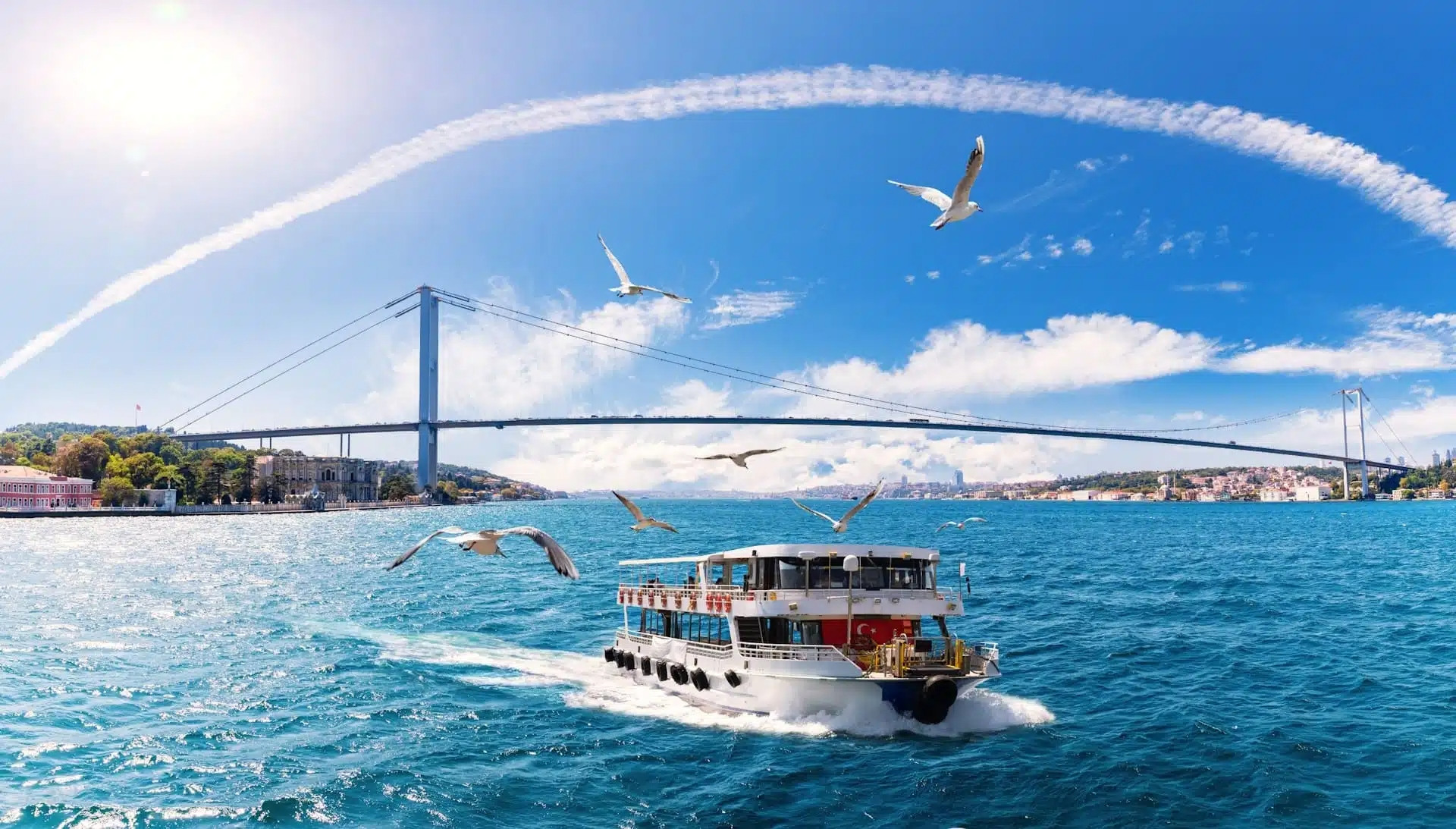
A boat ride between two continents sounds like a gimmick until you're actually on the water watching wooden Ottoman mansions, fortress walls, and two suspension bridges pass on either side. The public ferry operated by Şehir Hatları runs a long Bosphorus circuit for around €10-15 and takes roughly two hours each way at a relaxed pace.
Private sunset cruises run €40-90 depending on group size and whether dinner is included, and are worth the upgrade specifically for the golden hour an hour before sunset, when the water and the mosque silhouettes both turn the same color.
Sit on the right side heading north out of Eminönü for the better angle on Dolmabahçe and the first bridge.
09 — Beşiktaş · The 19th-Century Sultans' PalaceDolmabahçe Palace:
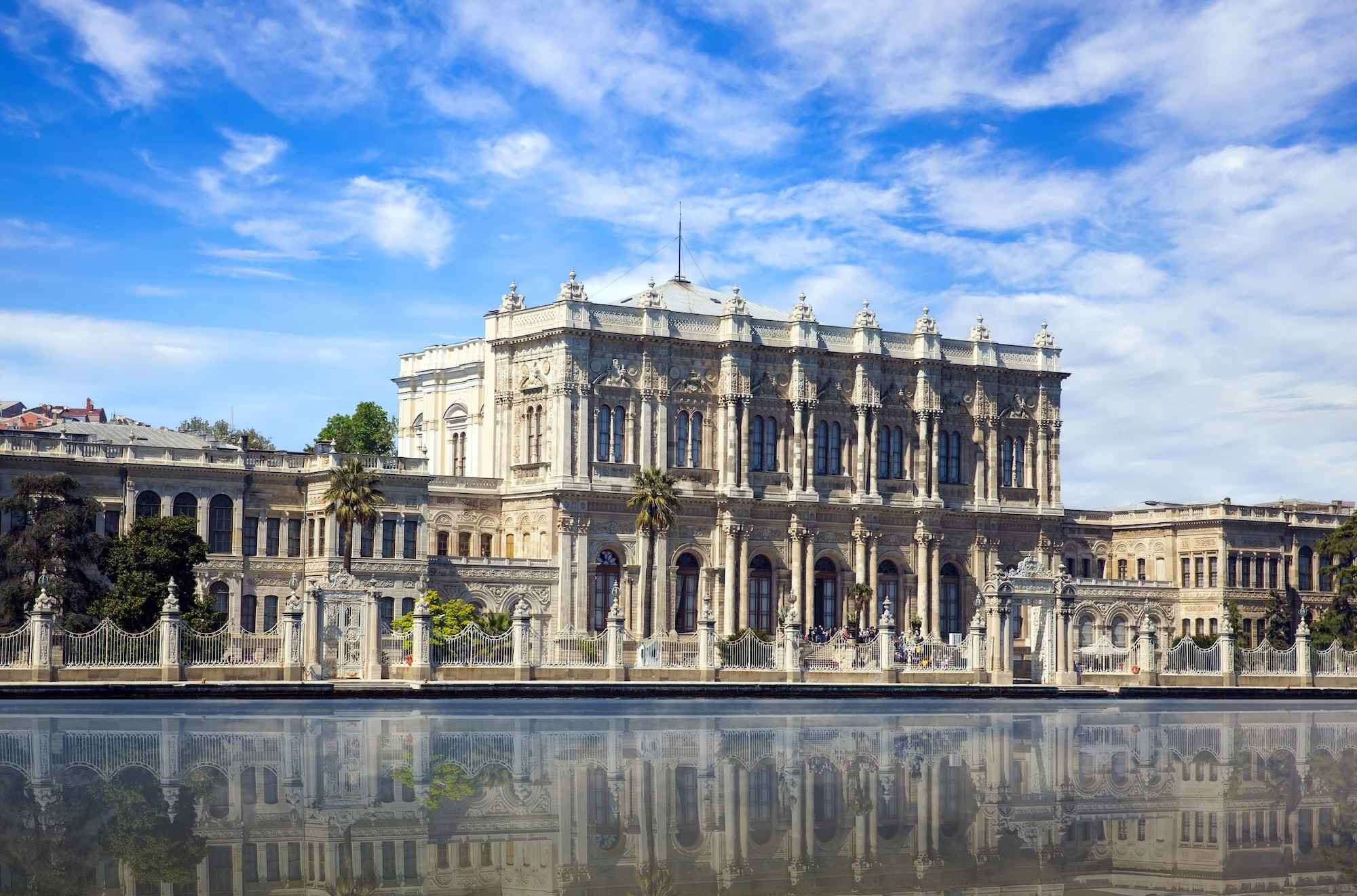
Where Topkapi shows Ottoman power in its traditional form, Dolmabahçe shows it trying to look European. Built in the 1850s to compete visually with the palaces of Paris and Vienna, it holds the largest crystal chandelier in Turkey, weighing 4.5 tonnes, and was where Atatürk, founder of the Turkish Republic, died in 1938. Clocks throughout the palace are still set to 9:05, the time of his death.
Entry runs roughly €25 and visits are guided in timed groups rather than self-paced, which keeps crowds from bunching in any one room. Photography rules are stricter here than at Topkapi; check current signage before you walk in with a camera out.
The Museum Pass Istanbul does cover Dolmabahçe, unlike Hagia Sophia and the Basilica Cistern, which makes it worth bundling if your itinerary already justifies the pass.
10 — Fatih · Mimar Sinan's MasterworkSüleymaniye Mosque:
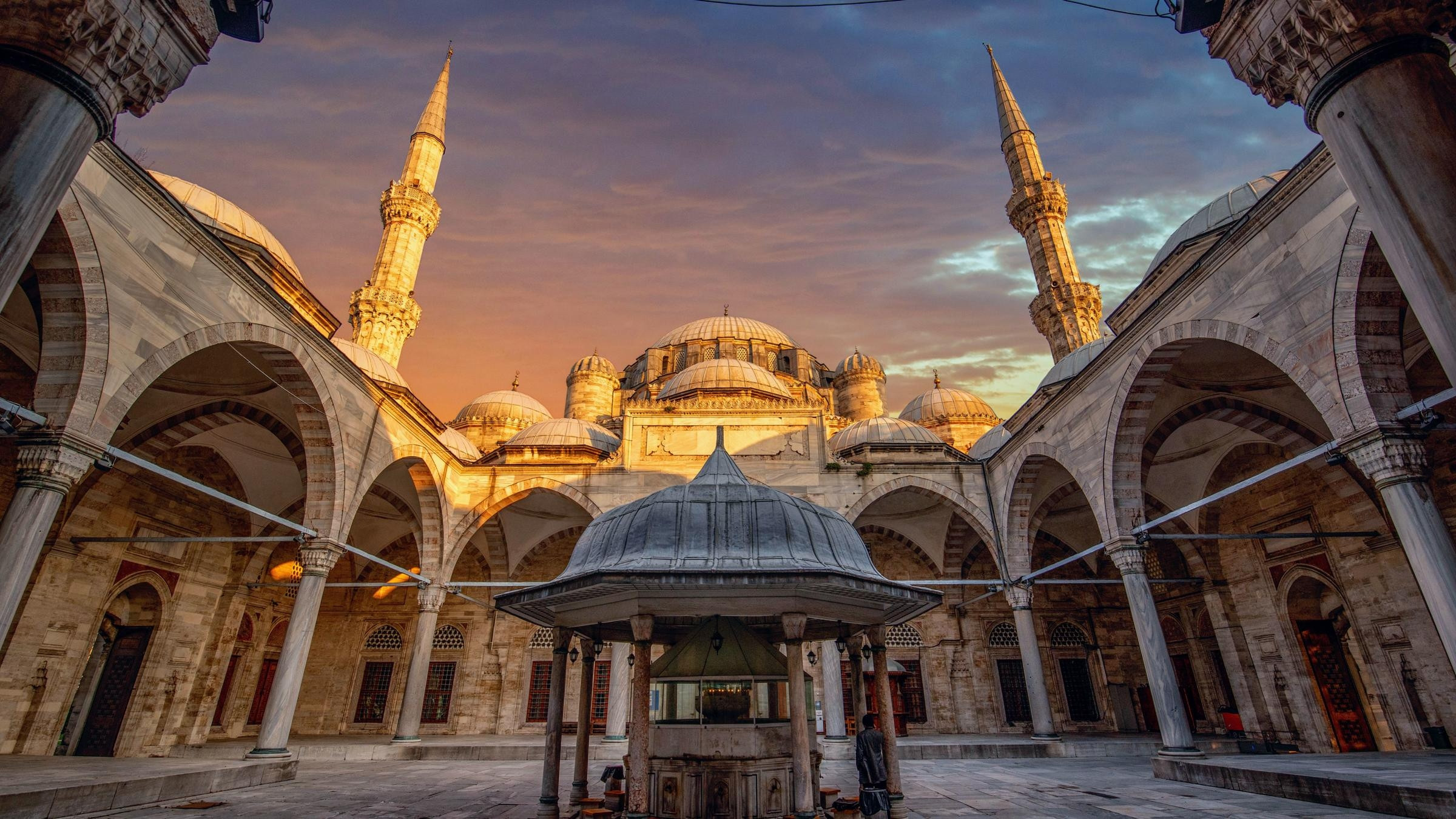
Architect Mimar Sinan built the Süleymaniye for Sultan Süleyman the Magnificent, finishing in 1558, and considered it one of his better designs, though not his personal best (that's the Selimiye in Edirne, by his own account). The terrace behind the mosque looks over the Golden Horn and gets a fraction of the visitors that the Sultanahmet viewpoints do.
Entry is free, same dress code as the Blue Mosque. Süleyman and his wife Hürrem Sultan are both buried in mausoleums in the mosque courtyard, open to visitors at no extra charge.
Tea houses on the surrounding streets serve some of the cheapest, most authentic çay in the old city, a fraction of Sultanahmet prices.
Beyond the landmarks:Where to go once Sultanahmet is checked off
11 — Asian Side · A Different PaceKadıköy and Moda:
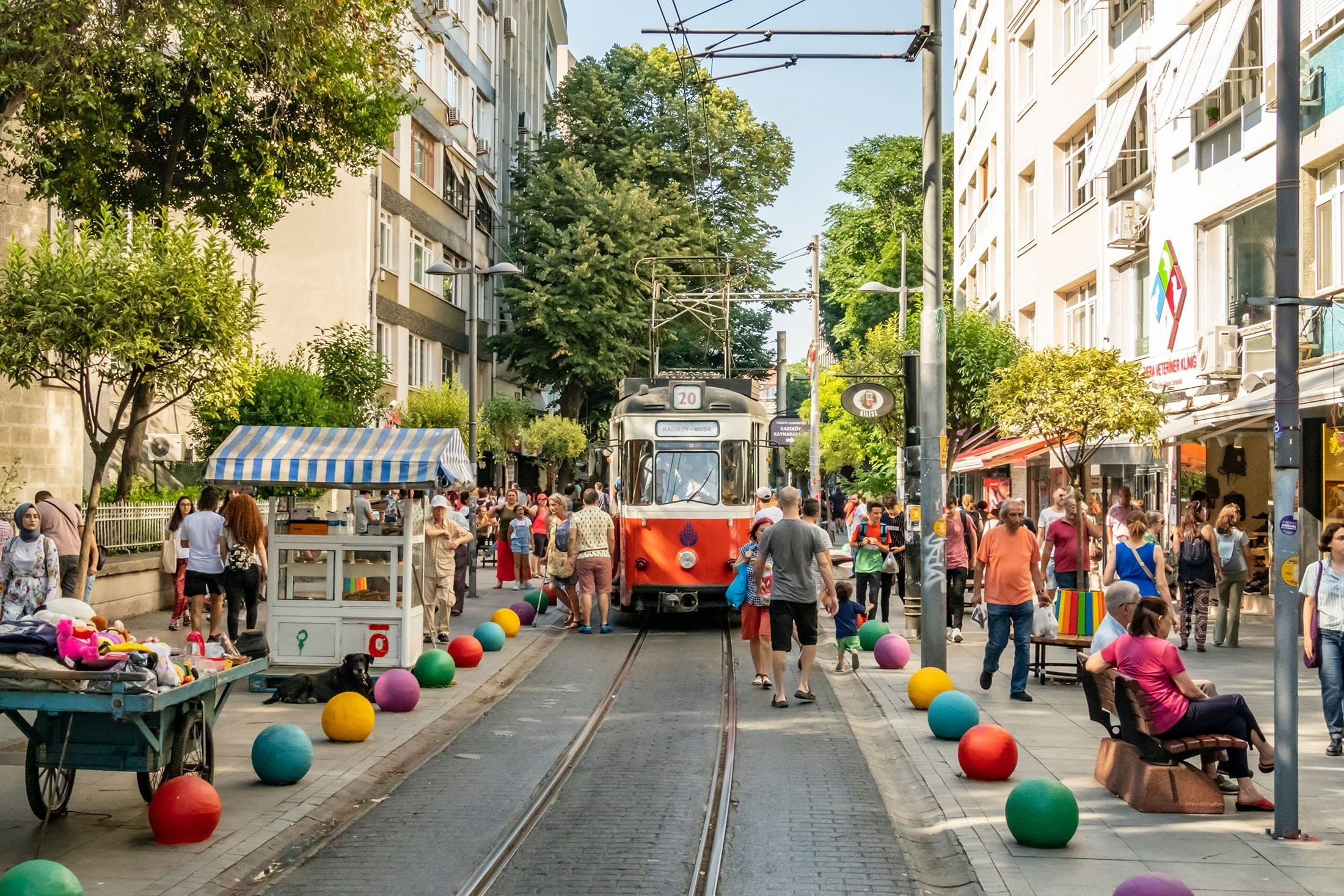
The ferry from Eminönü to Kadıköy takes about 20 minutes and costs under €1 with an Istanbulkart, and the crossing alone is worth doing for the view back at the old city. Kadıköy itself runs a busy fish market and a maze of bar streets, while Moda, a 15-minute walk south along the water, slows right down into bookshops, vinyl stores, and cafés where nobody is in a hurry.
This side of the city skips most tour group itineraries entirely, which is exactly why locals who actually live in Istanbul spend more time here than in Sultanahmet.
Plan a half day minimum. A full day if you're tired of crowds and want to eat without a tourist menu markup.
12 — Fatih · Colorful Streets, Layered HistoryBalat and Fener:
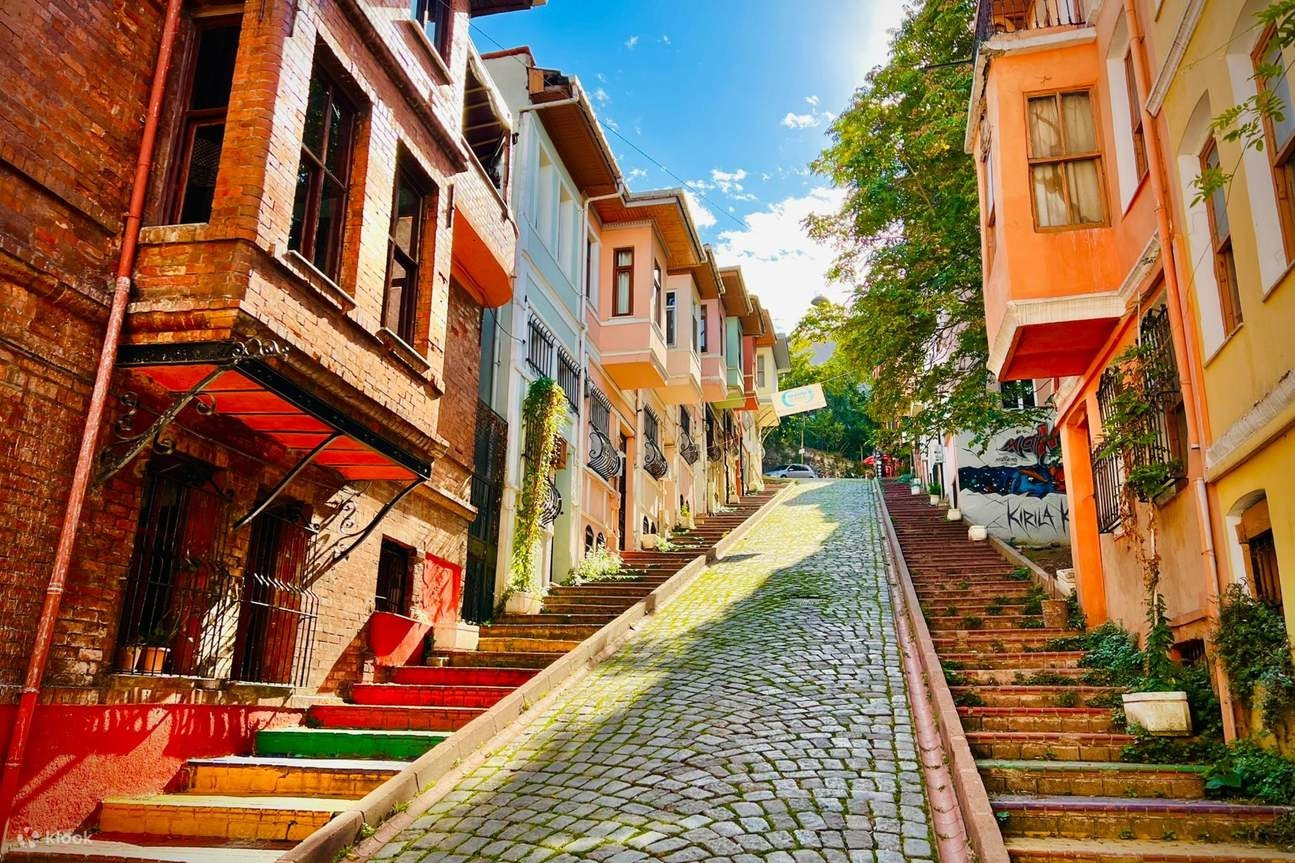
Balat and neighboring Fener were historically Istanbul's Jewish and Greek Orthodox quarters, and the painted wooden houses lining the steep streets have made the neighborhood one of the most photographed in the city over the past several years. The Bulgarian St. Stephen Church, built almost entirely from cast iron in 1898, sits a short walk from the colorful row houses.
Walking the neighborhood costs nothing. A few cafés have raised prices noticeably since the area's surge in popularity, so check a menu before sitting down rather than assuming local pricing.
Combine with Fener's hilltop streets for views back across the Golden Horn that most day-trippers miss entirely.
13 — Bosphorus Shore · Wooden MansionsArnavutköy:
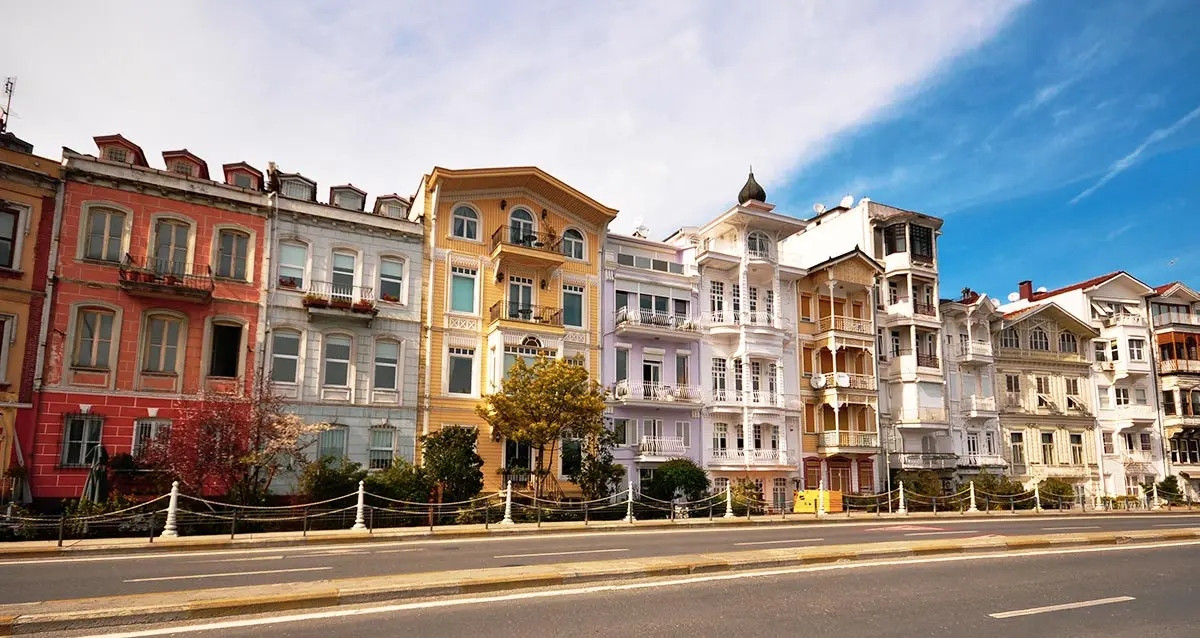
Pastel-colored wooden Ottoman mansions called yalı line the waterfront here, many still privately owned and lived in rather than preserved as museum pieces. Fishermen cast lines off the seawall in the early morning, and a row of seafood restaurants along the water makes this one of the better dinner spots on the European Bosphorus shore, away from the inflated prices nearer Sultanahmet.
No entrance cost to walk the neighborhood. A seafood dinner with a water view runs noticeably less than equivalent restaurants in Beyoğlu, partly because Arnavutköy still gets fewer tourists despite the setting.
Golden hour here, looking across toward the Asian side, is one of the more underrated photo opportunities in the city.
14 — Eyüp · Named for a French NovelistPierre Loti Hill:
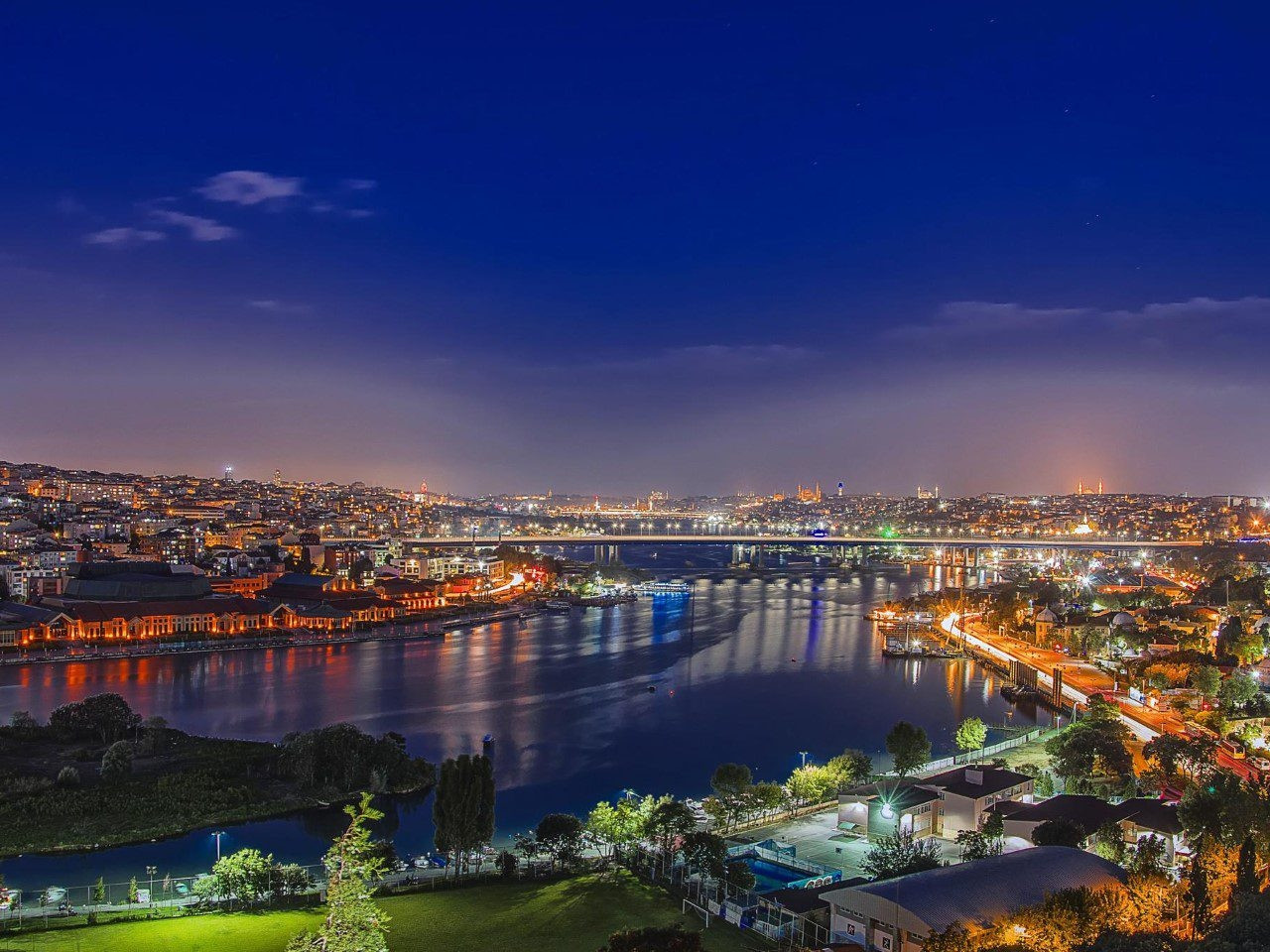
French novelist Pierre Loti wrote about the view from this hill in the 19th century, and the café at the top still carries his name. A cable car from Eyüp costs about €1 each way and saves a steep uphill walk past an old Ottoman cemetery. From the top, the Golden Horn spreads out below with mosque minarets on both banks.
Eyüp itself, at the base of the hill, holds Eyüp Sultan Mosque, one of the most sacred Islamic sites in Turkey, built around the tomb of a companion of the Prophet Muhammad. The mosque draws religious visitors more than tourists, which keeps the atmosphere notably calmer than Sultanahmet.
Allow 60-90 minutes including the cable car ride and tea at the top.
15 — Çemberlitaş · Built 1584Çemberlitaş Hamam:
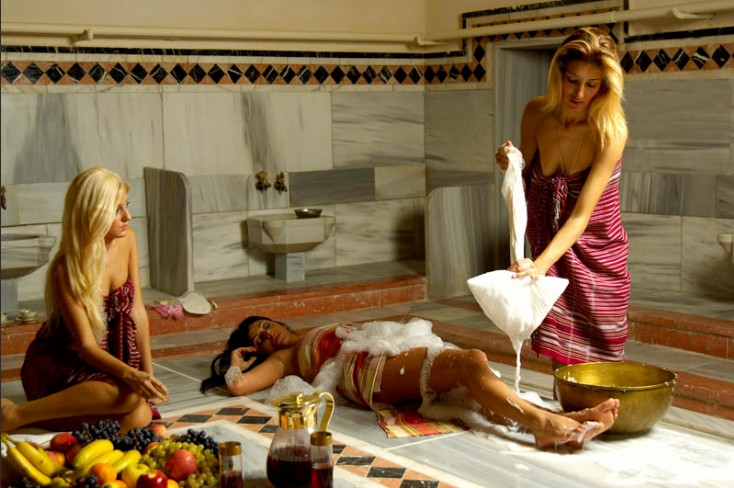
Mimar Sinan, the same architect behind the Süleymaniye Mosque, designed this Turkish bath in 1584, and it still operates daily with marble heating slabs, steam rooms, and an attendant scrub-down that strips off more dead skin than you'd think possible. Separate sections for men and women keep it comfortable for first-timers nervous about the format.
Packages range roughly €40-70 depending on whether you add an oil massage to the basic scrub and soap wash. Historic hamams like this one cost more than neighborhood bathhouses locals actually use, but the 16th-century architecture is part of what you're paying for.
Book a slot rather than walking in during peak afternoon hours in summer, when wait times stretch past 45 minutes.
Before You Go:Tickets, timing, and the mistakes that cost people half a day
Tickets and passes:
The Museum Pass Istanbul (about €105 for 5 days) covers Topkapi and roughly 100 state sites, but not Hagia Sophia, the Basilica Cistern, or Dolmabahçe. Buy those three separately at the gate or their own ticket pages.
If your list is short, paying per-site often beats the pass
Mosque etiquette:
Shoulders and knees covered, shoes off at the door, headscarf for women. Free scarves are usually available at major mosque entrances. Avoid visiting during the five daily prayer windows.
Friday midday prayer closes mosques longest to tourists
Getting around:
Get an Istanbulkart on arrival, sold at machines in every metro and tram station, for trams, buses, ferries, and the metro. Ferries cross between continents for under €1 and beat traffic entirely.
Sultanahmet and Galata are both walkable once you're there
Avoiding common scams:
Confirm a taxi's meter is running before it pulls away, or use the BiTaksi app. Agree on a price at restaurants without posted menus before you sit down, especially near Sultanahmet's main tourist strip.
Most problems are overpricing, not anything more serious
A 4-day Istanbul Itinerary:Landmarks first, neighborhoods after
What it Actually Costs:A realistic daily budget by ticket and travel type
- 1
Free sites that still anchor a full day: the Blue Mosque, Süleymaniye Mosque, the Grand Bazaar and Spice Bazaar (entry only), Balat, Fener, and Arnavutköy cost nothing to enter and can fill an entire itinerary alongside one or two paid landmarks.
- 2
The core paid landmarks (around €140 total): Hagia Sophia (€25), Topkapi Palace with Harem (€55), the Basilica Cistern (€38), and Dolmabahçe Palace (€25) cover the major sites most first-time visitors want, before any cruise or hamam.
- 3
Experiences that add up fast: a sunset Bosphorus cruise (€40-90), a hamam visit (€40-70), and Galata Tower (€30) can double a day's spending if booked at premium times rather than off-peak.
- 4
Transport stays cheap regardless: an Istanbulkart loaded with credit covers trams, buses, the metro, and ferries at under €1 per ride, and crossing continents by public ferry costs less than a coffee.
Frequently Asked Questions (FAQ's):The questions people actually search before booking
Q. How many days do you need in Istanbul?
Two full days cover the main Sultanahmet landmarks: Hagia Sophia, the Blue Mosque, Topkapi Palace, and the Basilica Cistern. Four days lets you add the Bosphorus, the Grand Bazaar, and at least one neighborhood on the Asian side like Kadıköy. A week allows day trips to the Princes' Islands or along the Bosphorus coast.
Q. What is the entrance fee for Hagia Sophia in 2026?
Hagia Sophia charges €25 (about $29) for foreign visitors to enter the Visitor Gallery in 2026. Children aged 8 and under enter free with ID. Tickets are sold on-site only; Hagia Sophia does not offer an official online ticket, so any site selling one is a third-party reseller with a markup.
Q. Is the Blue Mosque free to visit?
Yes. The Blue Mosque (Sultan Ahmed Mosque) is an active mosque and free to enter for all visitors. It closes to tourists during the five daily prayer times, with the longest closure around Friday midday prayer. Women need a headscarf and everyone needs covered shoulders and knees; scarves and wraps are provided free at the entrance if you don't bring your own.
Q. How much does Topkapi Palace cost?
The combined ticket covering the main palace, the Harem, and Hagia Irene costs 2,750 Turkish lira, roughly €55 or $62, for foreign visitors in 2026. A ticket for just the main palace courtyards and exhibits is cheaper but has to be bought at the gate; the combined ticket can be bought online in advance. Topkapi Palace is closed on Tuesdays.
Q. Does the Istanbul Museum Pass cover Hagia Sophia?
No. The state-run Museum Pass Istanbul, priced around €105 for five days, does not cover Hagia Sophia, the Basilica Cistern, or Dolmabahçe Palace. It covers Topkapi Palace and roughly 100 other state museums and sites. If your list centers on Hagia Sophia and the Cistern, paying per ticket usually works out cheaper than the pass.
Q. What is the best area to stay in Istanbul?
Sultanahmet puts you within walking distance of Hagia Sophia, the Blue Mosque, Topkapi Palace, and the Grand Bazaar, which suits a first visit focused on the major sights. Beyoğlu and Galata offer a livelier base with better restaurants and nightlife, a short tram or walk from the old city. Kadıköy, on the Asian side, is quieter and cheaper, with a 15-20 minute ferry ride into the historic peninsula.
Q. Do I need a visa to visit Istanbul?
Most visitors from the EU, UK, US, Canada, and Australia need an e-Visa, applied for online before arrival and typically processed within minutes to 24 hours. Check the official Turkish e-Visa government site directly, since several lookalike sites charge inflated fees for the same application.
Q. Is Istanbul safe for tourists in 2026?
Istanbul's tourist areas are generally safe to walk during the day and evening. The most common problems are overpriced taxi rides and aggressive touts near Sultanahmet rather than violent crime. Use the BiTaksi app or confirm the meter is running before a taxi departs, and agree on a price before sitting down at any restaurant that doesn't post one.






{{item.get_author.first_name}} {{item.get_author.last_name}}
Level 7
5 Photos
36 Reviews
{{item.comment_txt}}
{{item_reply.get_author.first_name}} {{item_reply.get_author.last_name}}
@ {{item_reply.reply_to}}, {{item_reply.reply_txt}}