

Discover the ultimate city with the highest number of UNESCO World Heritage Sites. Prepare to be captivated by the rich tapestry of cultural wonders awaiting you. Nestled in the embrace of history, this enchanting location boasts an abundance of UNESCO treasures.
Step into a realm where time stands still and explore the magnificence of the UNESCO World Heritage sites, meticulously preserved by the United Nations Educational, Scientific and Cultural Organization. From the majestic wonders of Beijing to the ancient allure of Córdoba, these cities are veritable treasure troves of historical significance.
Yet, it's not just about quantity; it's about the sheer magnitude of marvels that await. Delve into the heart of Rome or Mexico City, where every step reveals a multitude of captivating UNESCO gems, condensed into singular sites.
10 Best City With The Highest Number Of UNESCO World Heritage Sites:
Here are 8 top destinations for checking off some of the best UNESCO locations. As we delve into these remarkable locations, we not only honor our shared heritage but also deepen our understanding of the world and our place within it.
Córdoba, Spain:
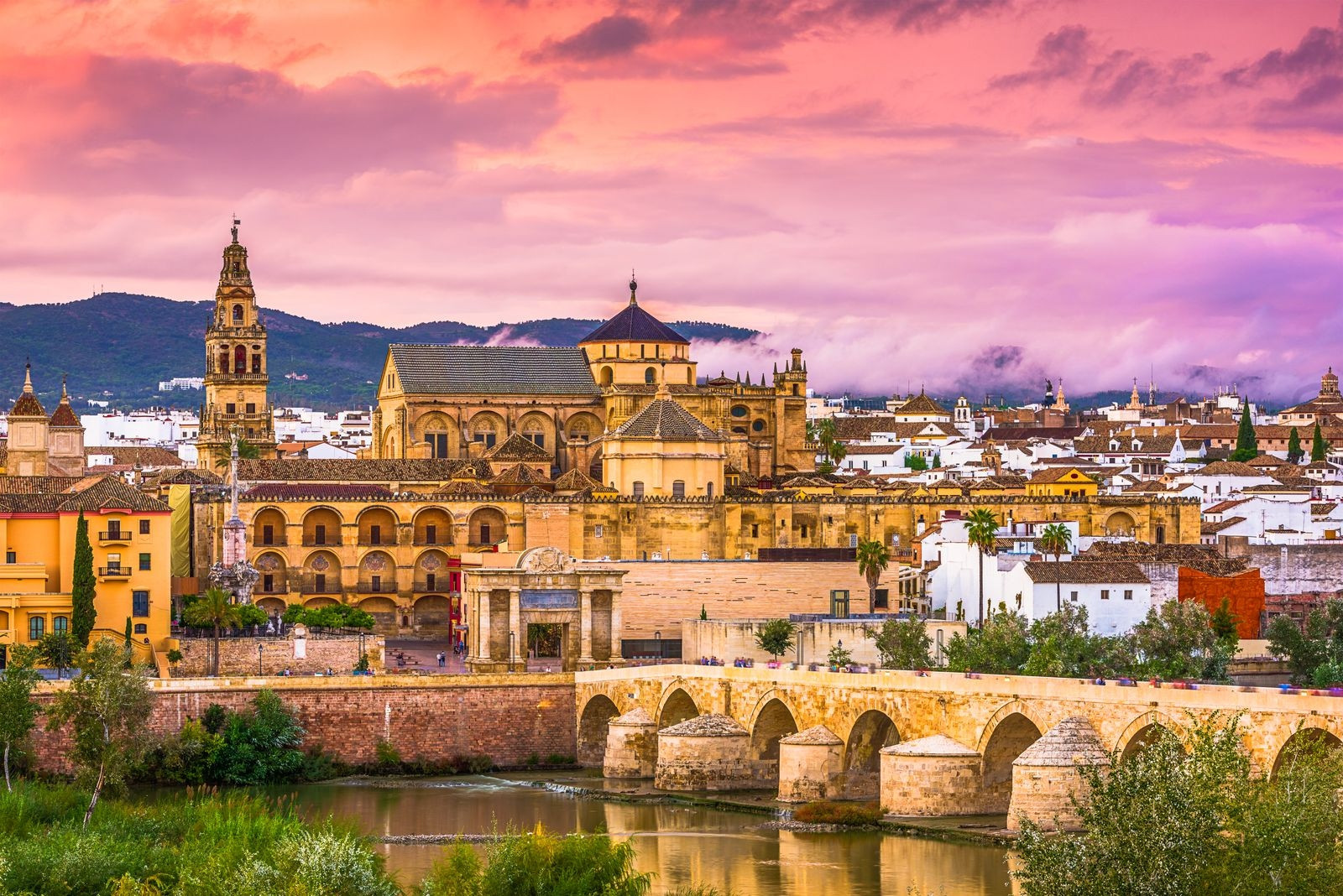
Cordoba indeed holds four inscriptions on the UNESCO World Heritage List. As you explore these remarkable locations, you become a witness to the extraordinary achievements of humanity, gaining a deeper appreciation for the interconnectedness of our shared past and the importance of preserving these priceless treasures for future generations. Lose yourself in the mesmerizing blend of cultures at the awe-inspiring Mosque-Cathedral, a masterpiece of Islamic and Christian architecture.
Wander the enchanting streets of the Jewish Quarter, where medieval charm and Sephardic heritage intertwine. Feel the grandeur of Alcázar de los Reyes Cristianos, the fortress-palace that witnessed the triumphs and tribulations of kings. Be transported to a bygone era at Medina Azahara, the magnificent ruins of an ancient Islamic city.
List of UNESCO World Heritage Sites in Córdoba, Spain:
🧭 Recommended Stay: 2–3 Days (Perfect UNESCO Experience)
To experience all four UNESCO elements properly, follow this structure:
💡 Why 2–3 days is essential:
Córdoba is not about checking monuments—it’s about experiencing how history blends into daily life.
🧭 Day 1: Islamic & Christian Architectural Masterpiece Route:
🕌 01. Mosque–Cathedral of Córdoba (Mezquita-Catedral) (1984):
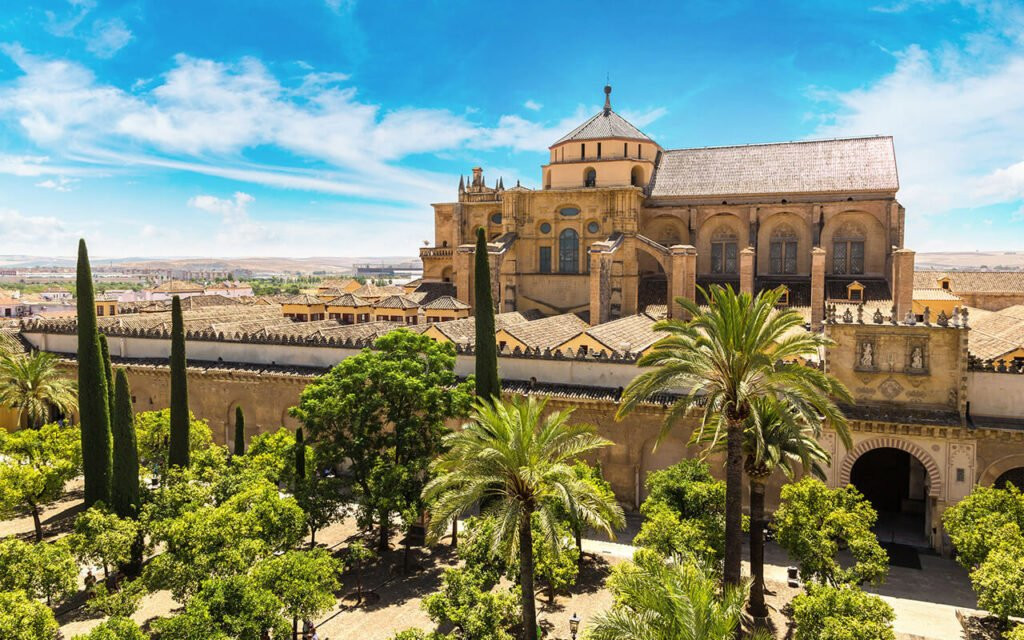
This is the heart of Córdoba and its most iconic UNESCO site.
The Mezquita-Catedral is a rare architectural fusion where Islamic and Christian design coexist in the same structure. Its endless red-and-white arches, massive prayer hall, and later Christian cathedral additions make it one of the most unique religious buildings in the world.
💡 Travel Insight:
Visit early in the morning to experience silence before tourist groups arrive. The lighting inside is also perfect for photography at this time.
🏛️ 02. Historic Quarter of Córdoba (1994):
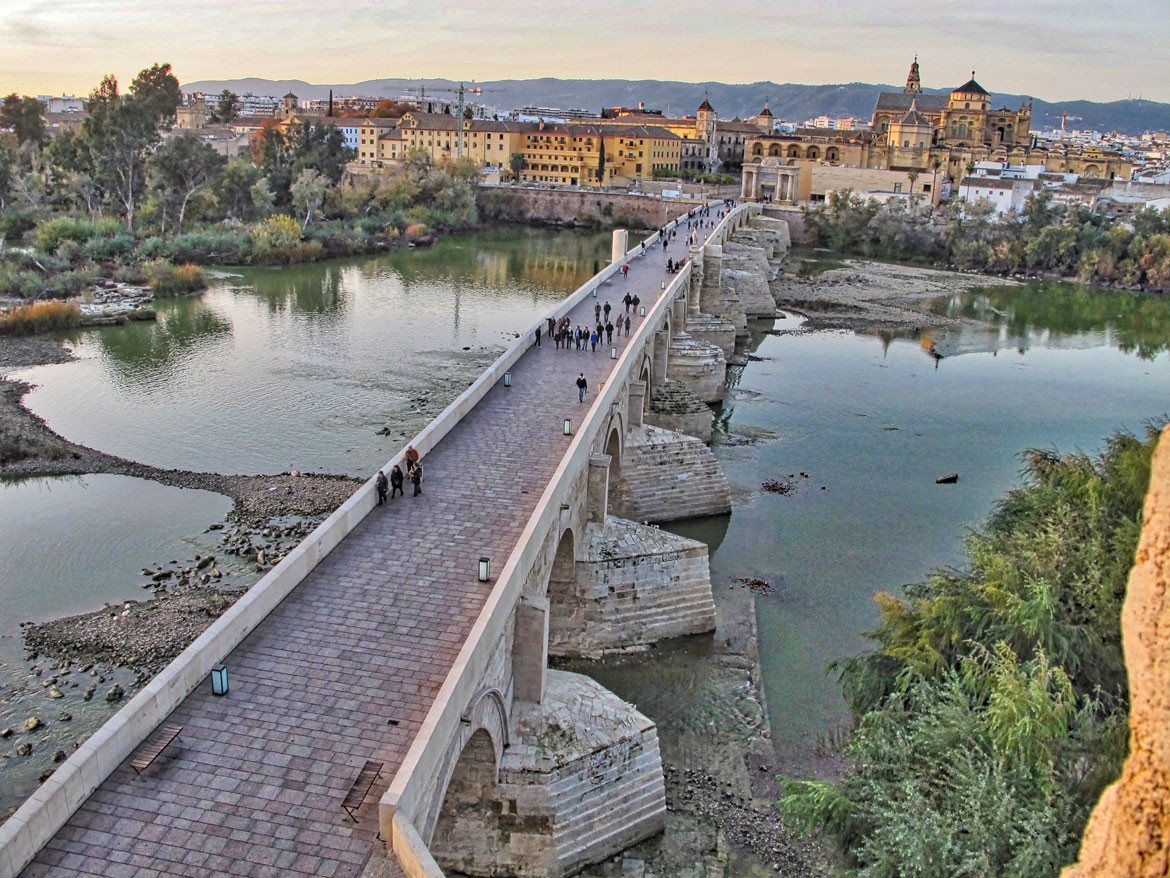
After visiting the Mezquita, step directly into the surrounding UNESCO-listed historic quarter.
This area represents Córdoba’s layered identity—Roman foundations, Islamic urban planning, and Christian-era transformations all exist within narrow streets and whitewashed houses.
✨ What to Experience:
- Walking through Judería (Jewish Quarter)
- Hidden courtyards and flower-filled alleys
- Small artisan shops and cafés
💡 Why it matters:
This is not just a walking area—it is the living continuation of Córdoba’s 2,000-year history.
🧭 Day 2: Culture, Tradition & Hidden Heritage:
🌸 03. Festival of the Patios of Córdoba (2012):
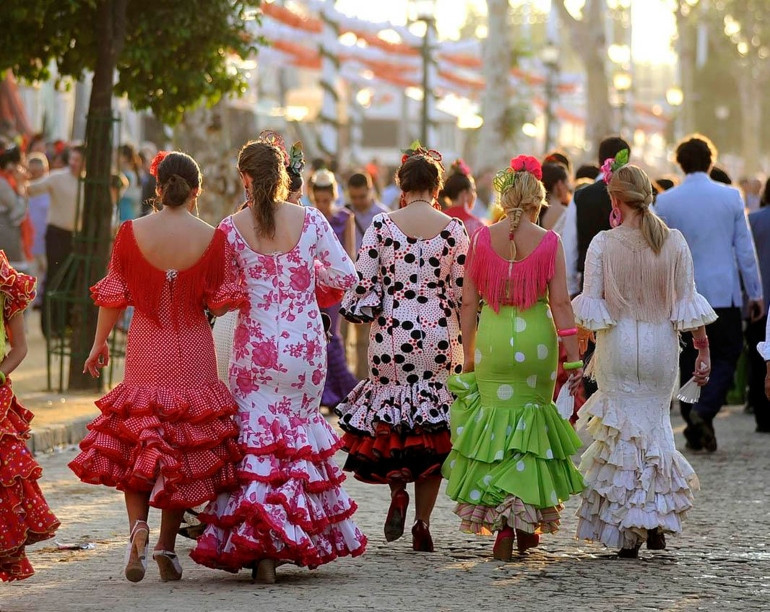
Unlike traditional monuments, this UNESCO recognition is based on living cultural heritage.
Córdoba’s courtyards (patios) are decorated with flowers, fountains, and intricate tiles—creating one of the most beautiful residential traditions in Europe.
🌿 Best Time to Experience:
- Early May (Patio Festival season)
- Spring months for open courtyard access
💡 Travel Insight:
Even outside festival season, many patios remain open for visitors, especially in the historic quarter.
🏰 04. Medina Azahara (2018):
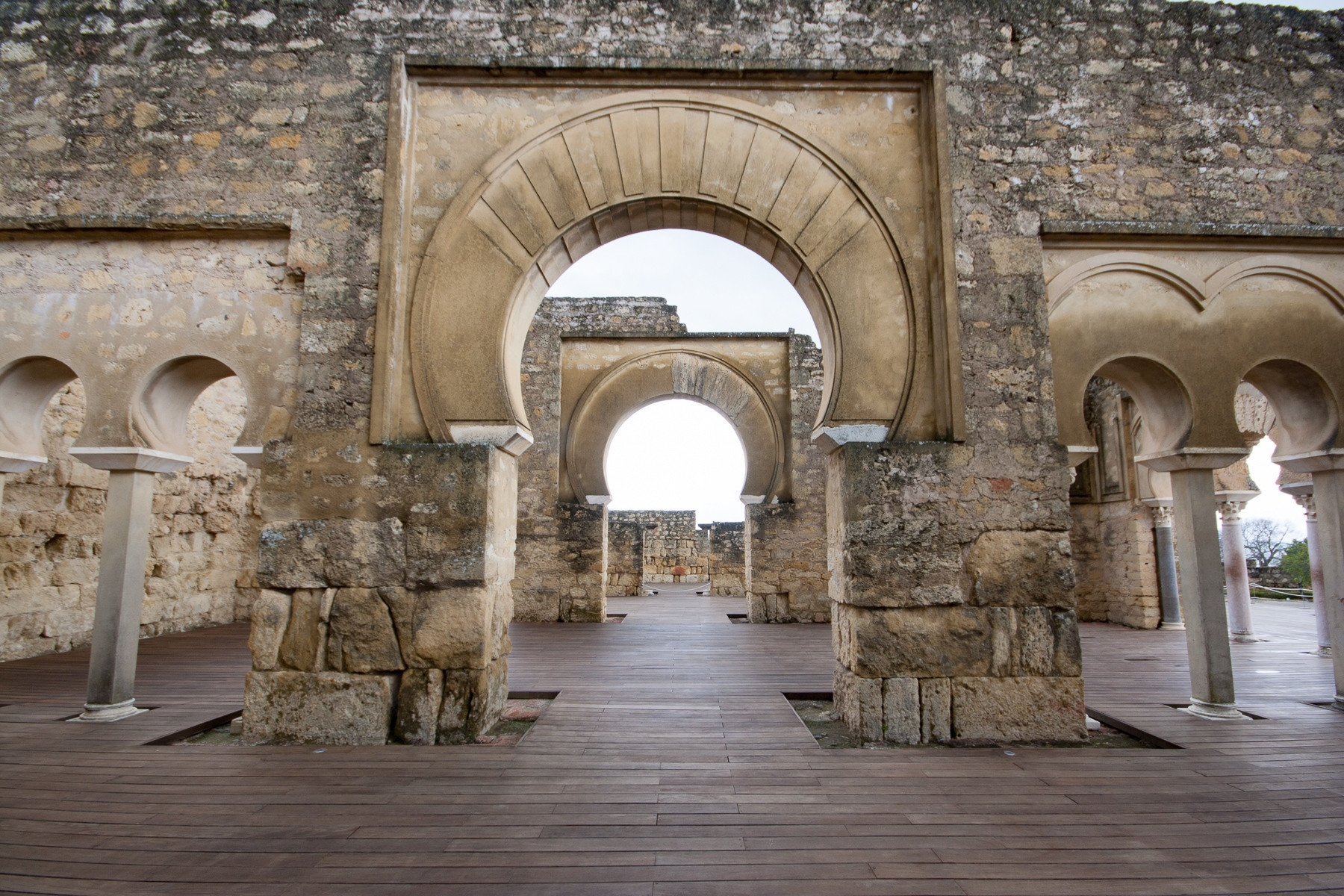
Located just outside the city, Medina Azahara is the most underrated UNESCO site in Córdoba.
Once a grand palatial city of the Caliphate of Córdoba, it was built as a symbol of political power and luxury—but later destroyed and forgotten for centuries.
✨ What to Expect:
- Archaeological ruins of palaces and halls
- Museum explaining Islamic Spain’s golden age
- Panoramic views over the valley
💡 Travel Insight:
This site requires half a day and is best visited in the afternoon when temperatures are cooler.
💰 Travel Tip:
🌸 Best Time to Visit:
- April–May: Patio Festival + best cultural experience
- September–October: Fewer crowds + better hotel prices
❌ Avoid:
- July–August (extreme heat, often above 40°C)
Suggested to Read: Visit the USA: Home of Beautiful UNESCO World Heritage Sites!
Beijing, China:
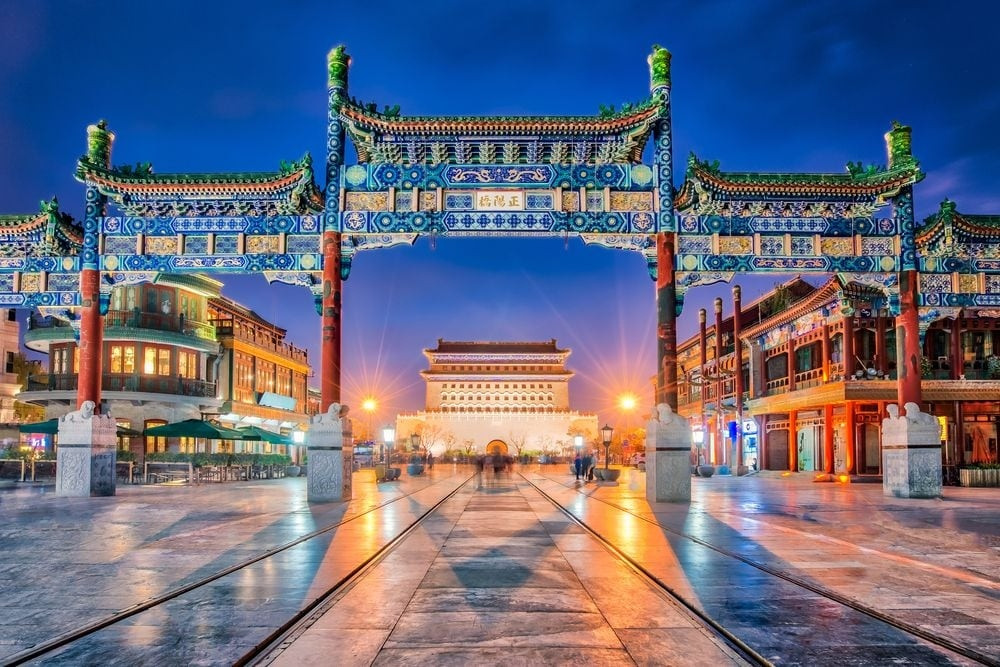
Discover the timeless wonders of Beijing, China's UNESCO World Heritage Sites! From the majestic Great Wall to the enchanting Forbidden City, prepare to be transported to an era of ancient grandeur and cultural marvels. Traverse the iconic Summer Palace, where imperial gardens and tranquil lakes create a serene oasis. Immerse yourself in the exquisite Temple of Heaven, where emperors once sought celestial guidance.
Wander through the historic hutongs, narrow alleys lined with traditional courtyard homes, offering a glimpse into Beijing's rich past. Marvel at the intricate craftsmanship of the Ming Tombs, where emperors rest in eternal splendor. Whether you seek architectural brilliance, artistic mastery, or spiritual enlightenment, Beijing's UNESCO World Heritage Sites represent the city's rich history, culture, and architectural heritage.
List of UNESCO World Heritage Sites in Beijing, China:
🧭 Recommended Stay: 4–5 Days (Ideal Beijing UNESCO Experience)
💡 Why this matters:
Beijing is not a “quick sightseeing city”—it is a layered imperial history experience that requires time to understand.
🧭 Day 1: Imperial Core of Ancient China:
🏯 01. Forbidden City (Palace Museum):
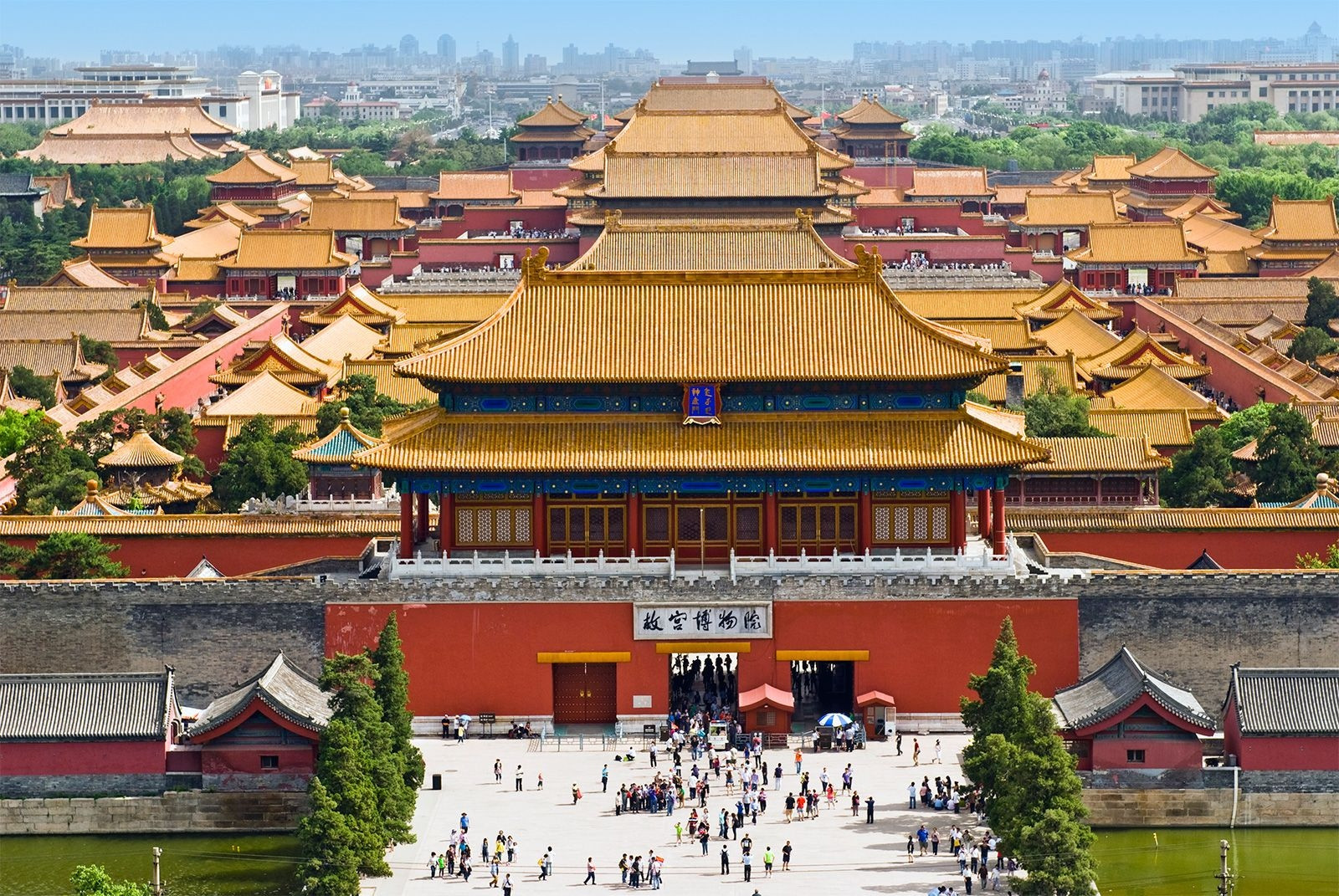
The Forbidden City is the heart of imperial China and one of the most important UNESCO World Heritage Sites in the world.
Once home to 24 emperors of the Ming and Qing dynasties, this massive palace complex contains nearly 1,000 buildings, ceremonial halls, and courtyards arranged in perfect symmetry.
✨ What to Experience:
- Hall of Supreme Harmony (imperial ceremonies)
- Imperial throne rooms
- Hidden inner courtyards and gardens
💡 Travel Insight:
Arrive early morning—this site becomes extremely crowded after 10 AM.
🧭 Day 2: Spiritual & Cultural Beijing:
⛩️ 02. Temple of Heaven:
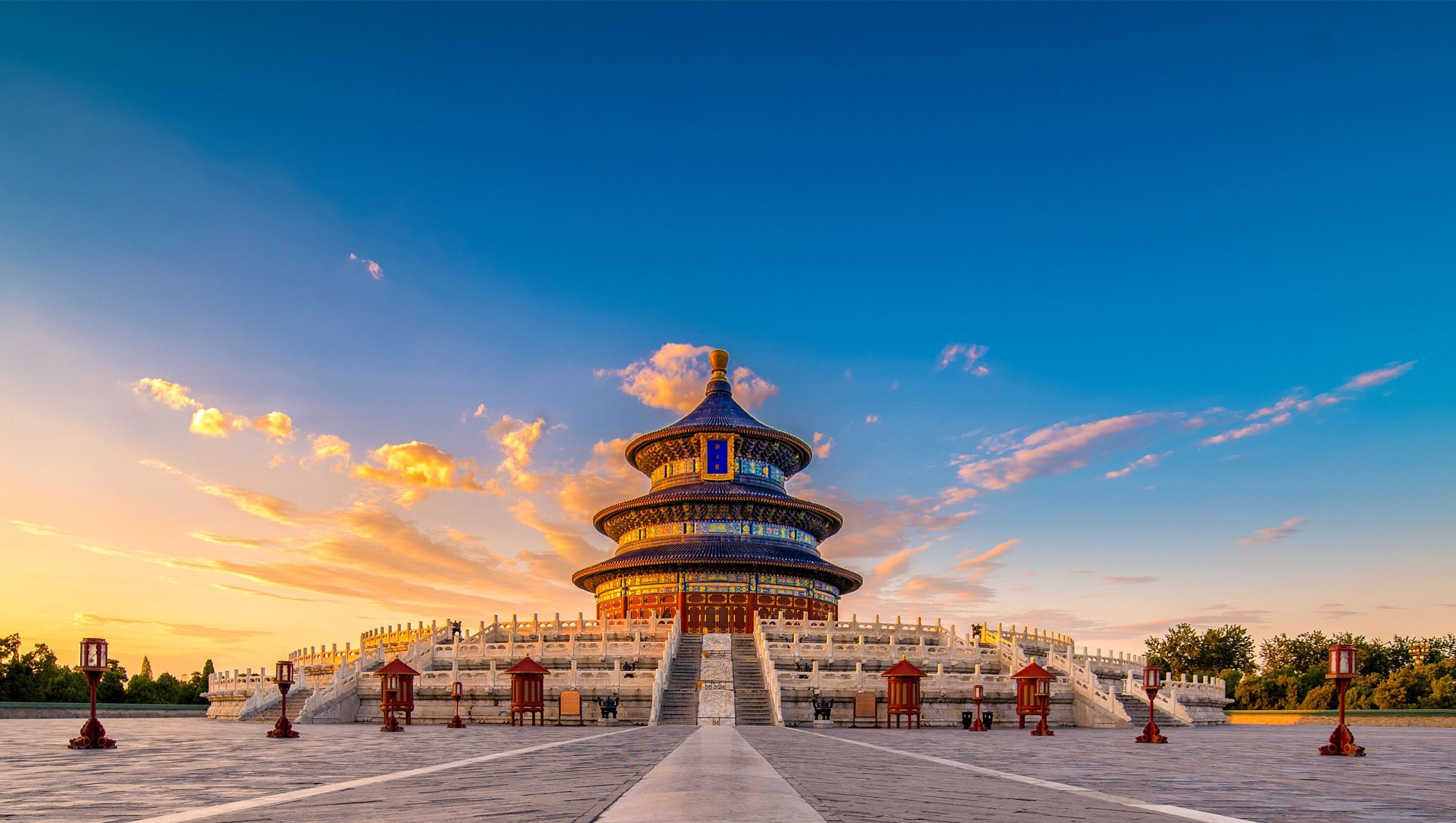
The Temple of Heaven was where emperors performed rituals to pray for good harvests.
Its circular architecture represents the connection between heaven and earth—one of the most important concepts in Chinese philosophy.
🌿 What to Experience:
- Hall of Prayer for Good Harvests
- Echo Wall acoustic phenomenon
- Morning local tai chi gatherings
💡 Travel Insight:
Visit early morning to see locals practicing tai chi in a peaceful atmosphere.
🌸 03. Summer Palace:
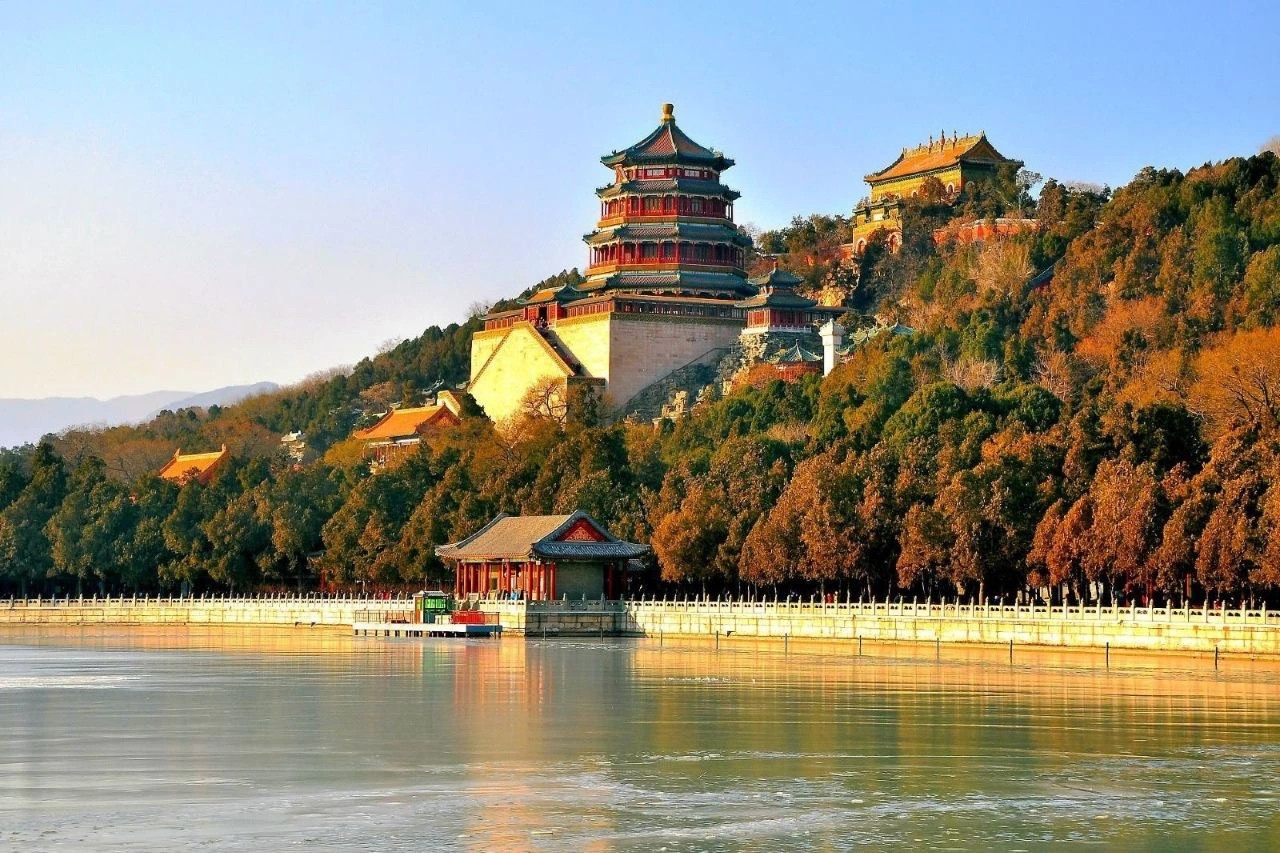
The Summer Palace is a vast royal garden built for relaxation and retreat.
It is centered around Kunming Lake and Longevity Hill, combining natural beauty with imperial architecture.
✨ What to Experience:
- Long Corridor painted walkway
- Boat ride on Kunming Lake
- Tower of Buddhist Incense
💡 Travel Insight:
This is Beijing’s most relaxing UNESCO site—plan at least half a day here.
🧭 Day 3: Engineering Marvels & Ancient Power:
🧱 04. Great Wall of China (Beijing Sections):
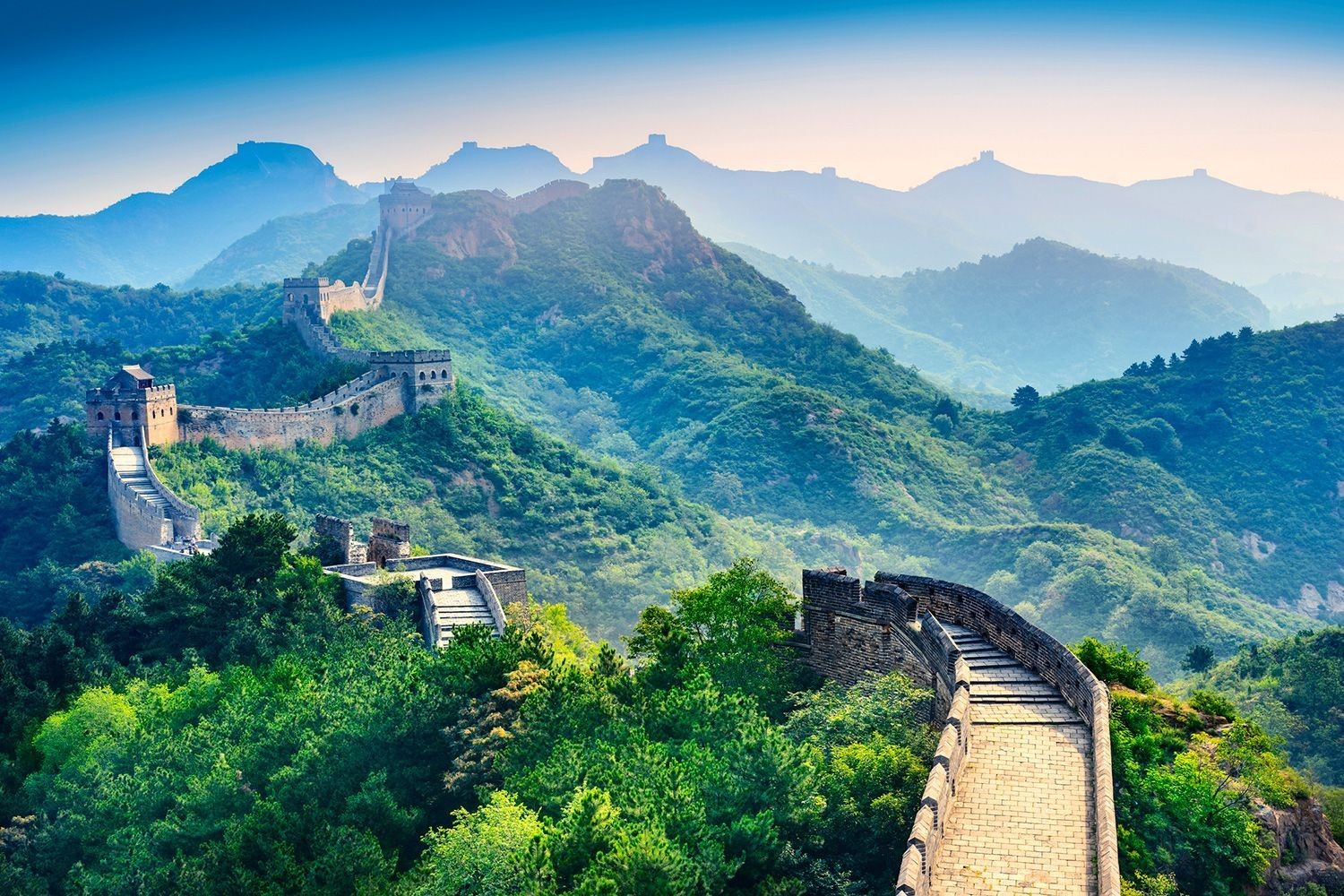
The Great Wall of China is one of the most iconic structures in human history.
The sections near Beijing (Badaling, Mutianyu) offer accessible and well-preserved views of this ancient defense system.
✨ What to Experience:
- Mountain hiking sections
- Watchtowers and panoramic views
- Cable car or toboggan ride (Mutianyu)
💡 Travel Insight:
Choose Mutianyu for fewer crowds and better scenery compared to Badaling.
🧭 Day 4: Imperial Legacy & Hidden History:
🏺 05. Imperial Tombs of Ming & Qing Dynasties:
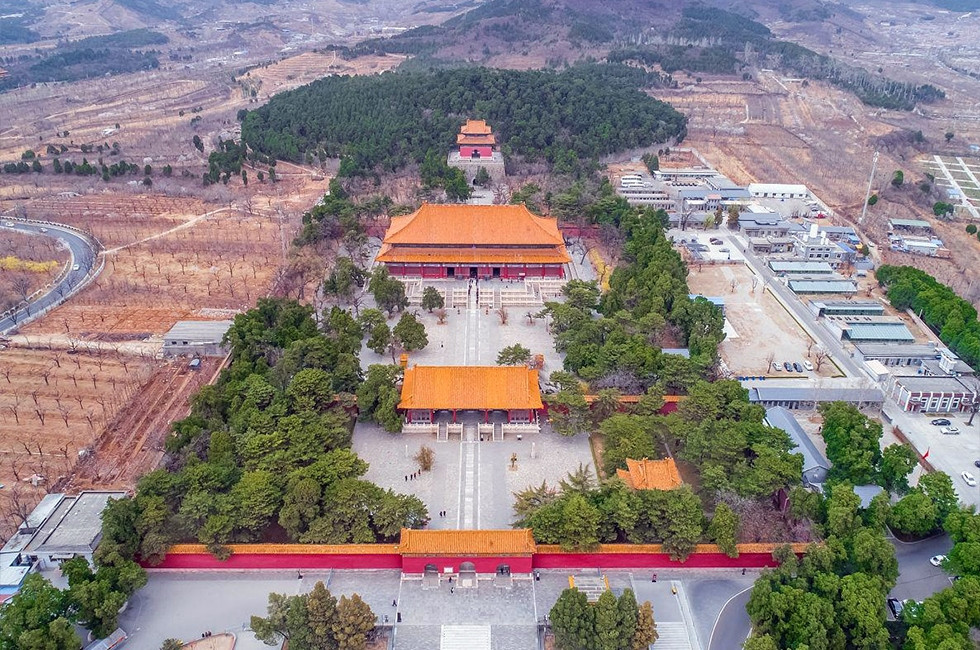
Located outside central Beijing, these tombs represent the final resting places of Chinese emperors.
✨ What to Experience:
- Sacred Spirit Way (stone statues)
- Underground burial architecture
- Quiet forest surroundings
💡 Travel Insight:
This site is often skipped—but it gives deep insight into imperial beliefs about death and afterlife.
🧬 06. Peking Man Site (Zhoukoudian):
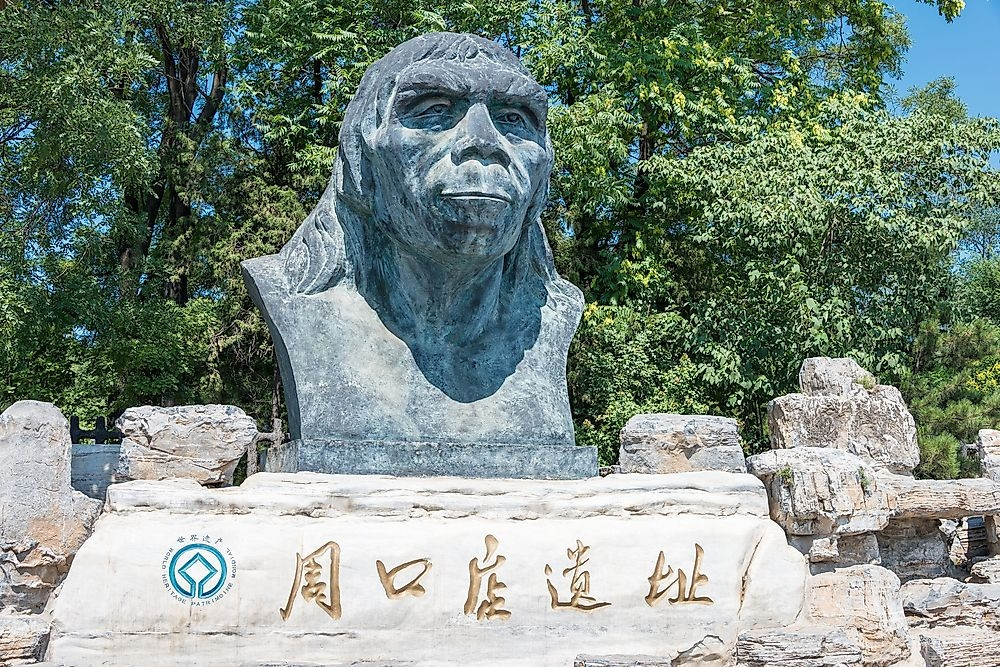
This archaeological site is one of the most important human evolution discoveries in the world.
✨ What to Experience:
- Fossil excavation sites
- Museum of early human history
- Ancient survival evidence
💡 Travel Insight:
Best visited if you are interested in anthropology or prehistory.
🚤 07. Grand Canal (Beijing Section):
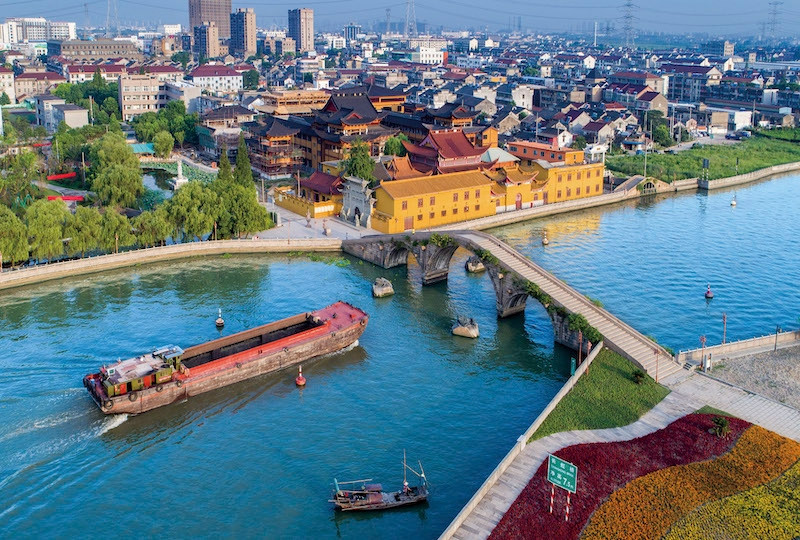
The Grand Canal is one of the longest and oldest artificial waterways in the world.
It played a major role in trade, agriculture, and political unity in ancient China.
✨ What to Experience:
- Riverside walking areas
- Historical water transport routes
- Scenic canal viewpoints
💡 Travel Insight:
Visit during sunset for the most scenic photography experience.
💰 Travel Tip: How to Experience Beijing Smartly:
🍂 Best Time to Visit:
- Spring (April–May): Best weather + blooming gardens
- Autumn (September–October): Clear skies + perfect Great Wall views
❌ Avoid:
- Winter extreme cold (unless snow photography is your goal)
Rome, Italy:
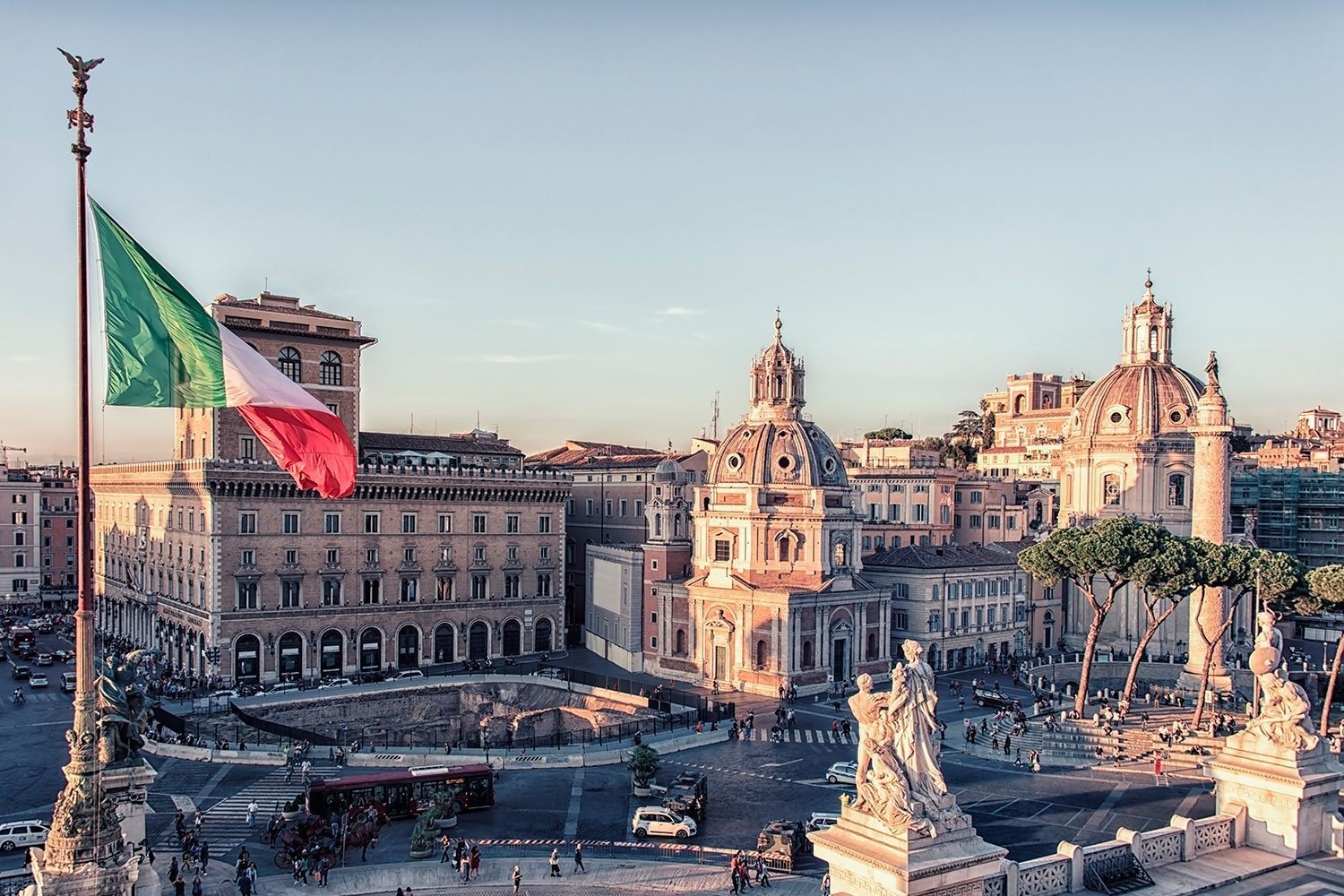
Of the 55 UNESCO sites in Italy, Rome shines as the epitome of cultural heritage. As the capital of Italy and once the majestic capital of the Roman Empire, Rome stands as a testament to the grandeur of antiquity. Its streets hold the echoes of history, with extraordinary archaeological areas seamlessly integrated into the vibrant urban fabric.
Rome's UNESCO sites bear witness to unparalleled artistic achievements, accumulated over a staggering span of nearly 3,000 years. Majestic monuments of antiquity, meticulously preserved, invite visitors to step back in time and immerse themselves in the awe-inspiring remnants of a glorious past.
List of UNESCO World Heritage Sites in Rome, Italy:
🧭 Recommended Stay: 4–5 Days (Ideal Rome UNESCO Experience):
💡 Why this matters:
Rome cannot be understood in a rush—it is a city where every street corner holds history.
🧭 Day 1: Ancient Rome – The Birth of an Empire:
🏛️ 01. Historic Centre of Rome & Vatican Extraterritorial Properties:
The Historic Centre of Rome represents thousands of years of continuous civilization—from the Roman Empire to Renaissance Europe.
Within this UNESCO zone lie some of the world’s most iconic landmarks, including ancient ruins, basilicas, and artistic masterpieces.
✨ What to Experience:
- Colosseum (ancient gladiator arena)
- Roman Forum (political center of ancient Rome)
- Renaissance-era churches and piazzas
- Vatican City masterpieces (St. Peter’s Basilica, Sistine Chapel)
💡 Travel Insight:
This area is vast—do not rush it. Even 2 days is not enough to fully absorb its depth.
🧭 Day 2: Sacred Routes & Hidden Ancient Paths:
🛣️ 02. Appian Way (Via Appia Antica):
The Appian Way is one of the oldest and most important roads of the Roman Empire, often called the “Queen of Roads.”
Walking here feels like stepping directly into ancient history, surrounded by stone roads, pine trees, ruins, and catacombs.
✨ What to Experience:
- Ancient cobblestone Roman road walking
- Catacombs beneath the city
- Ruins of Roman villas and tombs
💡 Travel Insight:
Rent a bike to explore deeper stretches—it gives a more immersive experience than walking alone.
🧭 Day 3: Baroque Rome & Iconic Landmarks:
⛲ 03. Trevi Fountain:
The Trevi Fountain is one of the most famous fountains in the world and a masterpiece of Baroque art.
Legend says that tossing a coin ensures your return to Rome—but beyond the myth, it is a symbol of romance and timeless beauty.
✨ What to Experience:
- Stunning Neptune sculpture centerpiece
- Evening lighting and water reflections
- Coin-toss tradition
💡 Travel Insight:
Visit early morning or late night to avoid extreme crowds.
🏛️ 04. Pantheon:
The Pantheon is one of the best-preserved monuments of ancient Rome and a masterpiece of engineering.
Its massive dome and central oculus have influenced architecture for nearly 2,000 years.
✨ What to Experience:
- Perfectly preserved Roman dome
- Sunlight beam through the oculus
- Tombs of Renaissance figures
💡 Travel Insight:
Stand inside during rain—the open oculus creates a magical natural effect.
🧭 Day 4: Fortress, Power & Panoramic Views:
🏰 5. Castel Sant’Angelo:
The Castel Sant'Angelo is a monument of transformation—once a mausoleum, later a fortress, and even a papal refuge.
It reflects Rome’s layered history of empire, religion, and military power.
✨ What to Experience:
- Spiral ramp leading to the top
- Panoramic views of the Vatican and Tiber River
- Ancient prison cells and papal escape routes
💡 Travel Insight:
Visit during sunset for the best skyline photography of Rome.
💰 Travel Tip: How to Experience Rome Smartly in 2026
🌸 Best Time to Visit:
- April–June: Ideal weather + cultural events
- September–October: Fewer crowds + better prices
❌ Avoid:
- Peak summer (July–August): extreme heat + overcrowding
Mexico City, Mexico:
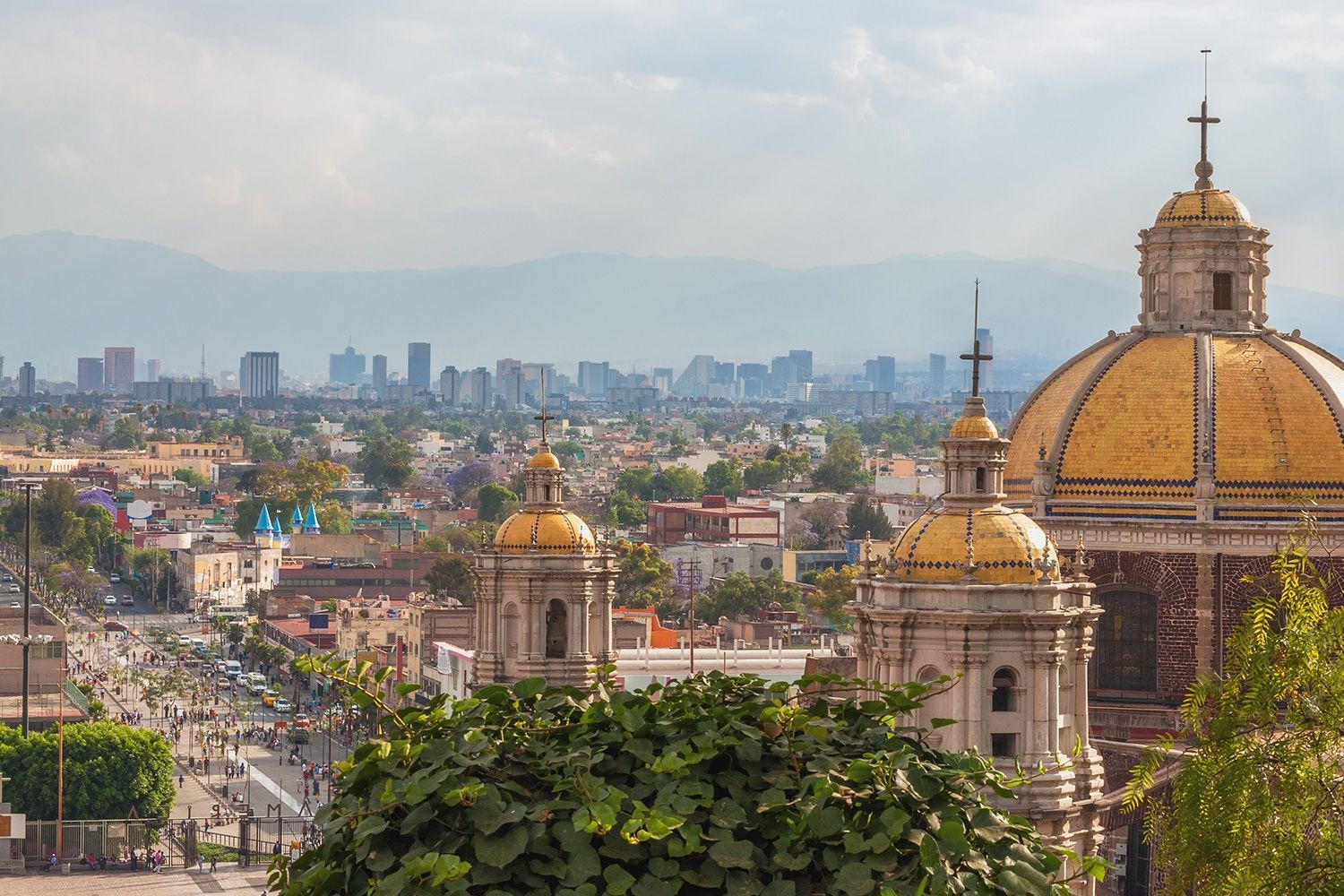
UNESCO World Heritage Sites in Mexico City highlight the city's historical, architectural, and cultural significance, preserving and promoting their outstanding universal value for future generations to appreciate. Immerse yourself in history at the Historic Center, boasting iconic landmarks like the majestic Metropolitan Cathedral and the ancient Templo Mayor ruins. Step into the extraordinary Xochimilco, a network of canals lined with vibrant floating gardens, brimming with cultural significance.
Explore the mystical pre-Columbian city of Teotihuacan, home to the awe-inspiring Pyramid of the Sun and the Pyramid of the Moon. Marvel at the remarkable murals of Diego Rivera at the Palacio Nacional and Palacio de Bellas Artes, showcasing Mexico's rich artistic heritage. Indulge in the culinary delights of the city, blending traditional flavors with modern flair.
List of UNESCO World Heritage Sites in Mexico City, Mexico:
🧭 Recommended Stay: 3–5 Days (Ideal UNESCO Experience):
💡 Why this matters:
Mexico City is massive—each UNESCO site represents a completely different era of civilization.
🧭 Day 1: The Historic Heart of Mexico:
🏛️ Historic Centre of Mexico City & Xochimilco:
The Historic Centre of Mexico City represents centuries of transformation—from the Aztec capital of Tenochtitlán to Spanish colonial rule and modern urban life.
At its core, this area blends archaeology, colonial architecture, and vibrant street culture.
✨ What to Experience:
- Metropolitan Cathedral (largest cathedral in Latin America)
- National Palace murals by Diego Rivera
- Templo Mayor archaeological ruins (Aztec civilization remains)
- Zócalo square cultural life
🚤 Xochimilco Floating Gardens:
The Xochimilco is one of the last remaining traces of the ancient Aztec water system.
Colorful boats float through canals surrounded by music, food vendors, and traditional culture.
✨ What to Experience:
- Traditional trajinera boat ride
- Floating gardens (chinampas)
- Live mariachi music on water
💡 Travel Insight:
Visit on weekends for the most vibrant cultural atmosphere—but weekdays offer a calmer experience.
🧭 Day 2: Modern Architecture & Artistic Legacy:
🏠 Luis Barragán House and Studio:
The Luis Barragán House and Studio is a masterpiece of modern architecture and color theory.
Luis Barragán’s work is globally recognized for combining minimalism with emotional depth using light, geometry, and vibrant colors.
✨ What to Experience:
- Minimalist interior design spaces
- Strong use of natural light and shadow
- Pink and yellow geometric walls
- Personal workspace of Barragán
💡 Travel Insight:
This site requires advance booking and guided tours—capacity is very limited.
🧭 Day 3: Academic & Urban Modernism:
🎓 Central University City Campus (UNAM):
The UNAM University City Campus is one of the most important modernist architectural complexes in Latin America.
Designed in the mid-20th century, it reflects the vision of integrating education, art, and urban planning.
✨ What to Experience:
- Olympic Stadium murals and architecture
- Central Library mosaic façade
- Open plazas and modernist buildings
- Public art integrated into campus design
💡 Travel Insight:
This is not just a university—it feels like an open-air museum of modern Mexican identity.
💰 Travel Tip: How to Experience Mexico City Smartly (2026)
🌸 Best Time to Visit:
- November–April: Best weather + cultural festivals
- Avoid rainy season (June–September) for outdoor exploration
Moscow, Russia:
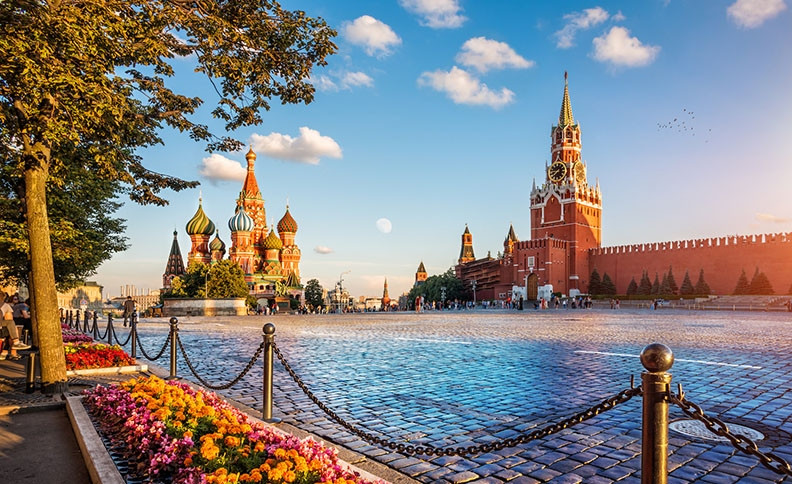
Moscow, Russia, is home to several UNESCO World Heritage Sites, showcasing the city's rich history and cultural significance. The iconic Red Square, flanked by the majestic St. Basil's Cathedral and the historic Kremlin, is a must-visit destination. Discover the opulence of the Kremlin, a fortified complex that houses magnificent cathedrals and the official residence of the Russian President.
Take a stroll through the charming lanes of the Kitay-Gorod district, where ancient churches and merchant houses transport you to another era. Don't miss the Novodevichy Convent, a stunning architectural ensemble with a tranquil cemetery that holds the final resting places of famous Russian figures. Lastly, explore the breathtaking Church of the Ascension at Kolomenskoye, a masterpiece of white stone architecture surrounded by picturesque landscapes.
List of UNESCO World Heritage Sites in Moscow, Russia:
🧭 Recommended Stay: 2–4 Days (Ideal Moscow UNESCO Experience):
💡 Why this matters:
Moscow’s UNESCO sites are not just landmarks—they represent different layers of Russian identity: political, spiritual, and architectural evolution.
🧭 Day 1: The Political & Cultural Heart of Russia:
🏛️ Kremlin and Red Square:
The Kremlin and Red Square is the most iconic UNESCO site in Russia and the symbolic center of the nation’s political and cultural identity.
The Kremlin is a fortified complex that has served as the seat of power for centuries, while Red Square is one of the most famous public squares in the world.
✨ What to Experience:
- Kremlin walls and ancient towers
- St. Basil’s Cathedral with its colorful domes
- State Historical Museum architecture
- Lenin’s Mausoleum (historical significance)
💡 Travel Insight:
This area is best explored slowly—security checks and large crowds mean you should allocate a full day.
🧭 Day 2: Spiritual Heritage & Monastic Architecture:
⛪ Ensemble of Novodevichy Convent:
The Novodevichy Convent is one of the most beautiful religious complexes in Russia, blending spiritual importance with architectural elegance.
It played a major role in Russian Orthodox history and was also connected to royal families.
✨ What to Experience:
- Smolensk Cathedral interior
- Ornate bell tower architecture
- Peaceful monastery grounds and cemetery
- Classic Moscow Baroque design elements
💡 Travel Insight:
This site offers a calmer experience compared to central Moscow—ideal for reflection and photography.
🧭 Day 3: Origins of Russian Architecture:
🏰 Church of the Ascension, Kolomenskoye:
The Church of the Ascension Kolomenskoye is one of the earliest stone tent-roof churches in Russia and a masterpiece of 16th-century architecture.
It marks a major shift in Russian architectural style and is often considered a prototype for later church designs.
✨ What to Experience:
- Unique tent-shaped roof structure
- Riverside park surroundings
- Panoramic views over the Moskva River
- Peaceful heritage atmosphere
💡 Travel Insight:
Visit in the late afternoon for soft lighting and fewer tourists.
💰 Travel Tip: How to Experience Moscow Smartly (2026)
🌸 Best Time to Visit:
- May–September: Best weather + outdoor exploration
- December–February: Snowy scenic views but very cold
Mumbai, India:
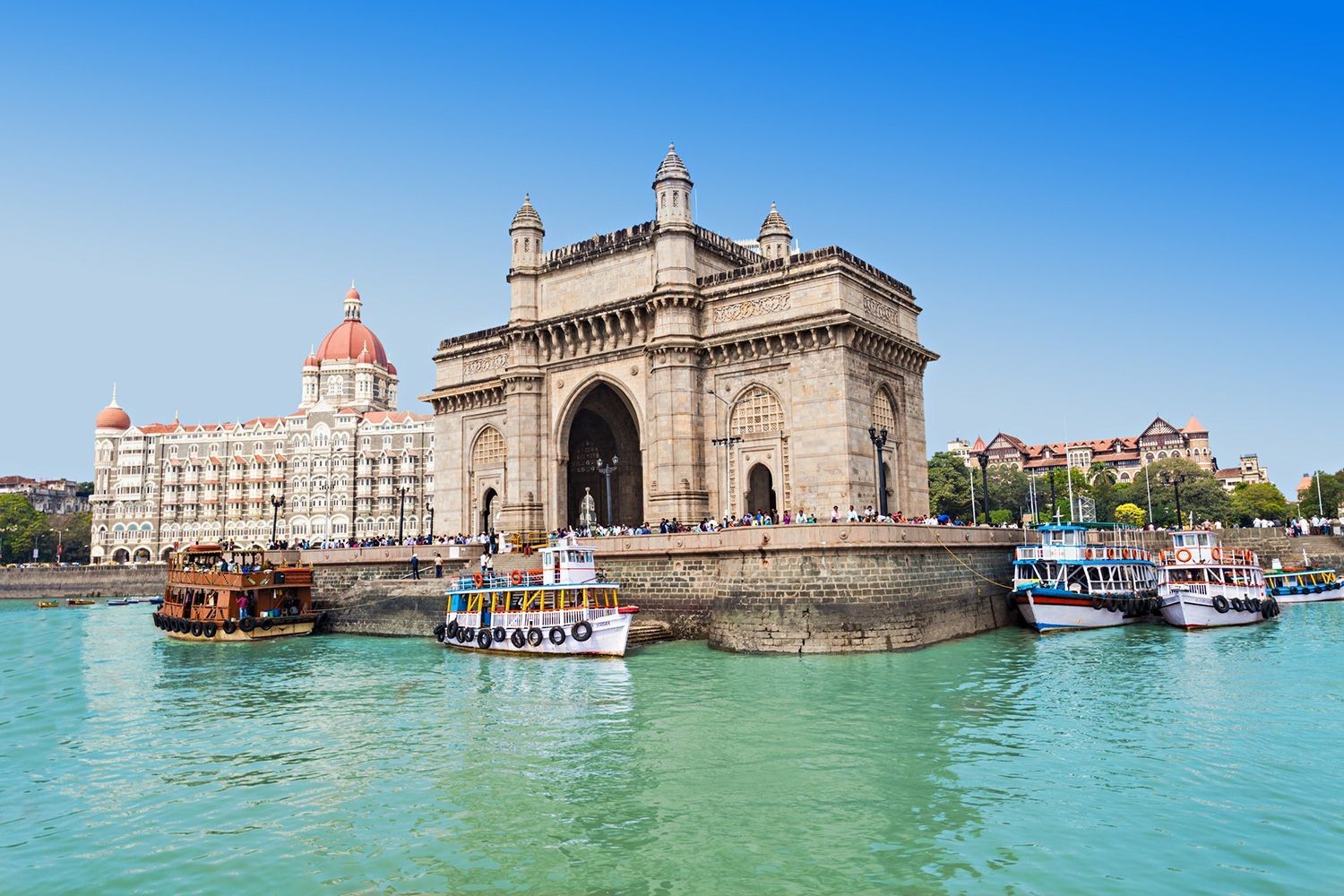
Mumbai, India, boasts a rich cultural tapestry, and it is home to several UNESCO World Heritage Sites. The majestic Chhatrapati Shivaji Terminus, a Victorian Gothic-style railway station, stands as an architectural masterpiece and a symbol of Mumbai's heritage. The Elephanta Caves, located on Elephanta Island in Mumbai Harbor, showcase ancient rock-cut temples dedicated to Lord Shiva, adorned with intricate sculptures.
The iconic ensemble of Victorian and Art Deco buildings in the city's Fort area, known as the Victorian Gothic and Art Deco Ensemble of Mumbai, represents the city's cosmopolitan heritage. Exploring Mumbai's UNESCO World Heritage Sites provides a fascinating journey into the city's rich history and architectural marvels.
List of UNESCO World Heritage Sites in Mumbai, India:
🧭 Recommended Stay: 2–3 Days (Ideal UNESCO Experience):
💡 Why this matters:
Mumbai’s UNESCO sites are not clustered—they are spread across urban, coastal, and island environments, requiring thoughtful planning.
🧭 Day 1: Colonial Grandeur & Urban Heritage Walk:
🏛️ Victorian Gothic and Art Deco Ensembles of Mumbai:
The Victorian Gothic and Art Deco Ensembles of Mumbai represent one of the world’s most unique urban heritage landscapes.
This site showcases two contrasting architectural styles:
- Victorian Gothic (19th century colonial influence)
- Art Deco (early 20th century modernist movement)
Together, they form a rare visual timeline of Mumbai’s transformation into a global city.
✨ What to Experience:
- Oval Maidan heritage buildings
- Art Deco Marine Drive facades
- Gothic revival structures near Fort area
- University of Mumbai and High Court architecture
💡 Travel Insight:
This is best explored on foot as a heritage walking tour between Fort and Marine Drive.
🧭 Day 2: Iconic Landmark & Spiritual Gateway:
🚉 Chhatrapati Shivaji Terminus (CST):
The Chhatrapati Shivaji Maharaj Terminus is one of the most visually striking railway stations in the world and a masterpiece of Victorian Gothic architecture blended with Indian craftsmanship.
It is not just a railway station—it is a symbol of Mumbai’s identity and colonial history.
✨ What to Experience:
- Grand stone dome and turrets
- Intricate stained glass windows
- Busy real-time railway operations
- UNESCO-listed façade photography spots
💡 Travel Insight:
Visit early morning or evening when lighting enhances the architectural details and crowds are manageable.
🧭 Day 3: Ancient Spiritual Heritage Escape:
🪨 Elephanta Caves:
The Elephanta Caves are located on Elephanta Island and represent one of India’s most important archaeological and spiritual sites.
These caves date back to the 5th–8th centuries and are dedicated primarily to Lord Shiva.
✨ What to Experience:
- Massive Trimurti Shiva sculpture (three-faced Shiva)
- Intricate rock-cut temple chambers
- Ferry ride from Mumbai harbor
- Island walking trails and viewpoints
💡 Travel Insight:
Go early in the morning to avoid heat and enjoy a peaceful ferry journey across the Arabian Sea.
💰 Travel Tip: How to Experience Mumbai Smartly (2026)
🌤️ Best Time to Visit:
- November–February: Best weather for walking tours
- Avoid monsoon season (June–September) due to heavy rainfall
New Delhi, India:
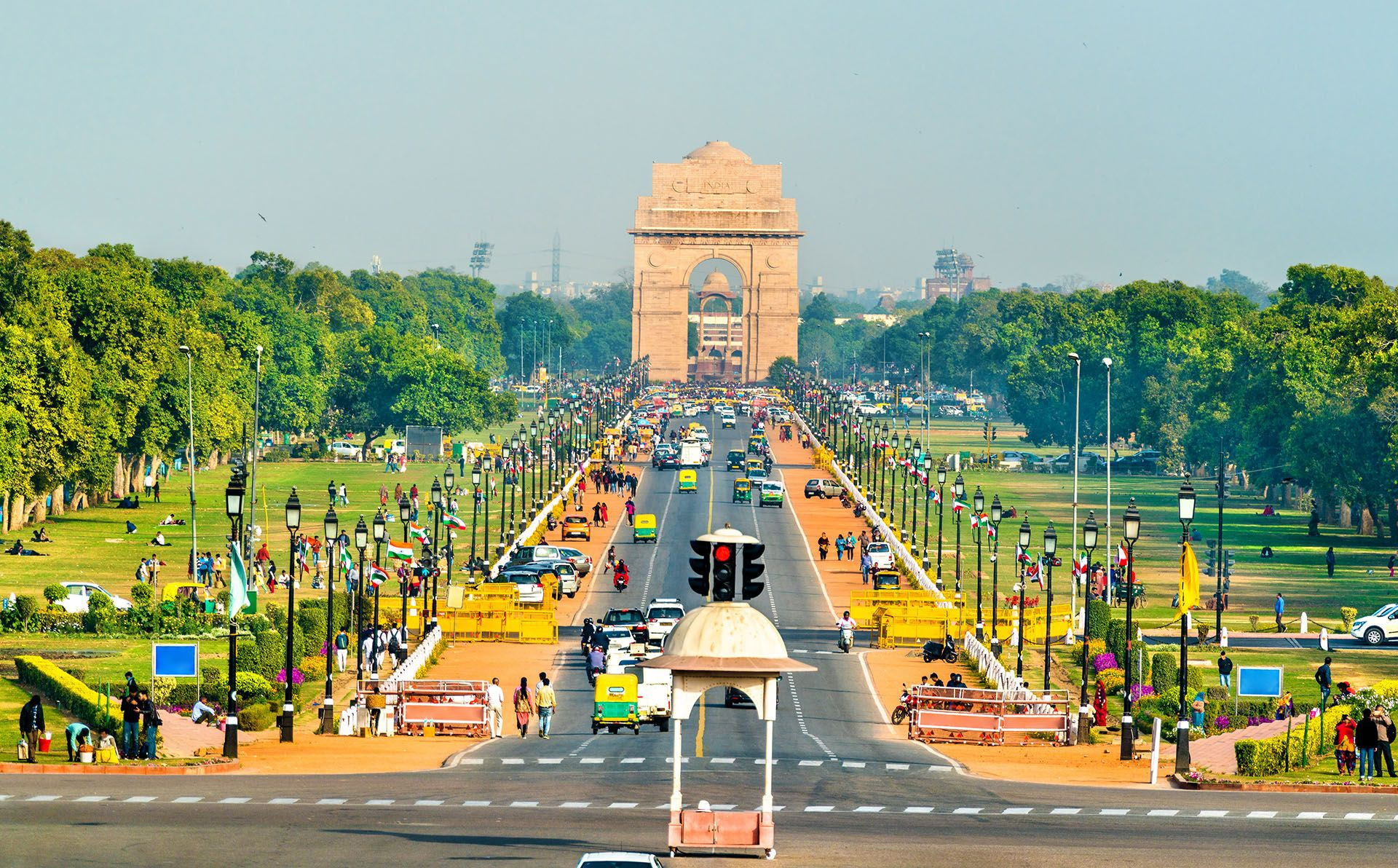
New Delhi, the capital city of India, is a treasure trove of UNESCO World Heritage Sites that reflect the city's historical and cultural significance. The iconic Red Fort, a magnificent Mughal fortress, stands as a testament to India's rich architectural heritage. Its impressive walls, intricate marble work, and majestic gates take visitors back to the era of Mughal grandeur.
The Qutub Minar, a towering minaret built in the 12th century, showcases exquisite Islamic architecture and intricate carvings. Another UNESCO site, the Humayun's Tomb, is a masterpiece of Persian and Mughal architecture, serving as the final resting place of Mughal Emperor Humayun.
List of UNESCO World Heritage Sites in New Delhi, India:
🧭 Recommended Stay: 2–3 Days (Ideal UNESCO Experience):
💡 Why this matters:
Delhi’s UNESCO sites are not just monuments—they are chronological layers of Indian history spanning over 800 years.
🧭 Day 1: Mughal Imperial Power & Red Fort Zone:
🏰 Red Fort Complex:
The Red Fort Complex is one of the most powerful symbols of Mughal architecture and Indian independence history.
Built with striking red sandstone, the fort reflects a fusion of Persian, Timurid, and Indian design traditions, making it one of the most important historical landmarks in India.
✨ What to Experience:
- Massive fortified walls and Lahore Gate
- Diwan-i-Aam (Hall of Public Audience)
- Diwan-i-Khas (Hall of Private Audience)
- Mughal gardens and water channels
- Evening light and sound show
💡 Travel Insight:
Visit in the late afternoon and stay for the sound-and-light show to experience the fort’s history in narrative form.
🧭 Day 2: Mughal Legacy & Persian-Inspired Architecture:
🕌 Humayun’s Tomb:
The Humayun's Tomb is one of the most elegant examples of early Mughal architecture and a direct architectural inspiration for the Taj Mahal.
Set within symmetrical Persian-style gardens, it reflects the concept of paradise in Islamic architecture.
✨ What to Experience:
- Perfect symmetrical garden layout (Charbagh design)
- Central white marble tomb structure
- Intricate lattice stone carvings
- Peaceful morning atmosphere
💡 Travel Insight:
Early morning visits offer the best lighting and fewer crowds—ideal for photography and calm exploration.
🧭 Day 3: Ancient Delhi & Early Islamic Architecture:
🗼 Qutb Minar and its Monuments:
The Qutb Minar is the tallest brick minaret in the world and a masterpiece of early Indo-Islamic architecture.
This complex marks the beginning of Muslim rule in India and showcases the evolution of architectural fusion.
✨ What to Experience:
- Qutb Minar tower (73 meters tall)
- Quwwat-ul-Islam Mosque ruins
- Alai Darwaza gateway
- Iron Pillar of Delhi (famous for rust resistance)
💡 Travel Insight:
Visit in the late afternoon when sunlight enhances the sandstone textures and shadow patterns.
💰 Travel Tip: How to Experience New Delhi Smartly (2026)
🌤️ Best Time to Visit:
- October–March: Best weather for sightseeing
- Avoid summer (April–June) due to extreme heat
Berlin, Germany:
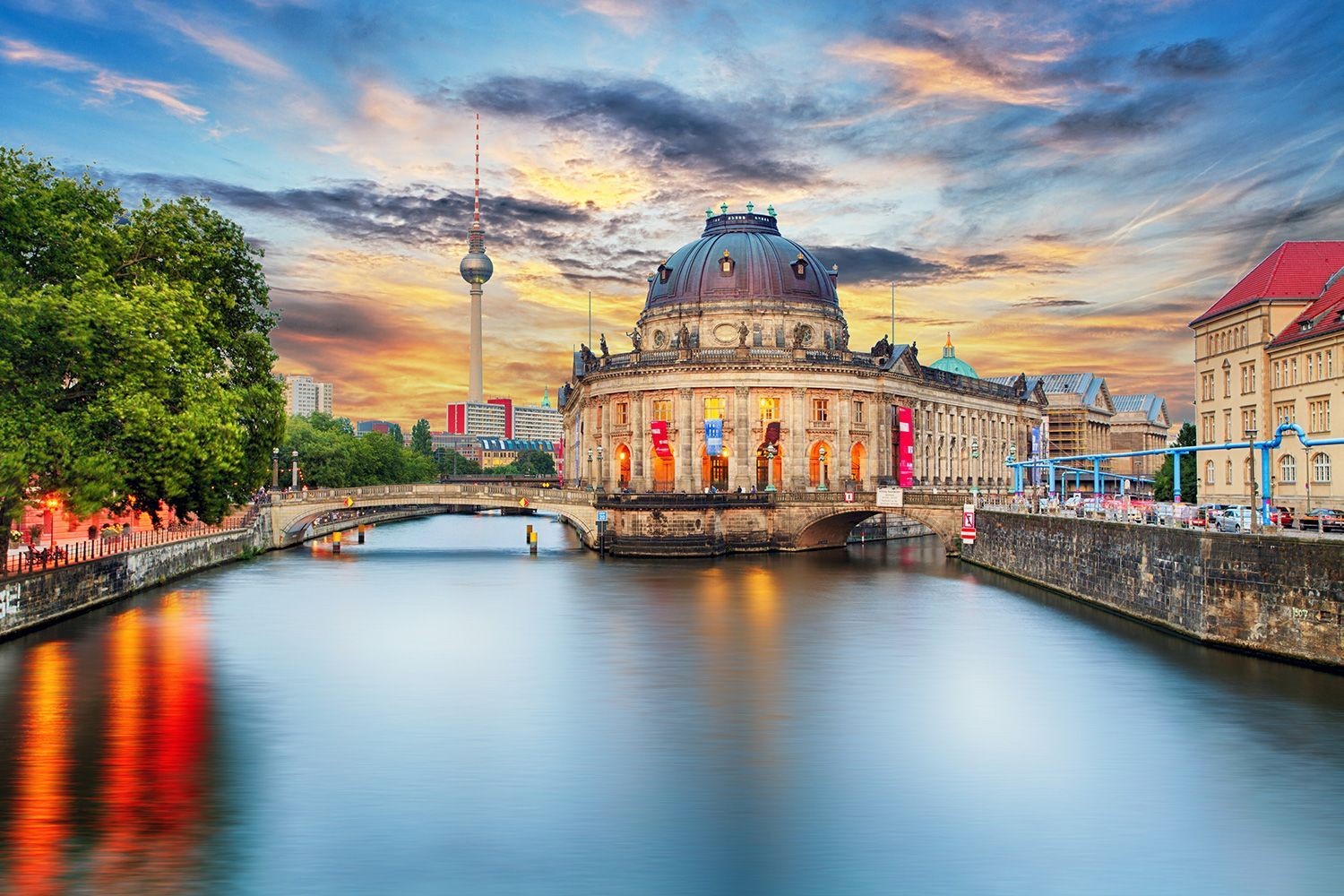
Uncover the hidden gems of Berlin, Germany, as you embark on a thrilling expedition through its mesmerizing UNESCO World Heritage Sites. Prepare to be awestruck by Museum Island, where ancient artifacts and captivating stories come to life in extraordinary museums. Step into a world of architectural brilliance at the Berlin Modernism Housing Estates, where visionary designs redefined urban living.
Trace the footsteps of history along the remnants of the Berlin Wall, a powerful symbol of resilience and unity. Lose yourself in the enchanting allure of Sanssouci Palace, surrounded by breathtaking gardens that transport you to a bygone era of regal splendor.
List of UNESCO World Heritage Sites in Berlin, Germany:
🧭 Recommended Stay: 3–4 Days (Ideal Berlin UNESCO Experience):
💡 Why this matters:
Berlin’s UNESCO sites are not clustered—they represent three completely different eras of human development: monarchy, modernism, and global culture.
🧭 Day 1–2: Royal Heritage & Prussian Grandeur (Berlin–Potsdam):
🏰 Palaces and Parks of Potsdam and Berlin:
The Palaces and Parks of Potsdam and Berlin represent one of Europe’s most impressive royal heritage networks, built during the era of the Prussian kings.
This UNESCO site combines grand palaces, landscaped gardens, lakes, and artistic architecture spread across Berlin and nearby Potsdam.
✨ What to Experience:
- Sanssouci Palace terraced gardens (Potsdam)
- Charlottenburg Palace interiors and baroque design
- New Palace and Orangery Palace architecture
- Scenic lakes, sculptures, and royal parklands
💡 Travel Insight:
Allocate a full day for Potsdam—it is not just a side trip, but a core UNESCO experience.
🧭 Day 3: Modernism & Urban Design Revolution:
🏘️ Berlin Modernism Housing Estates:
The Berlin Modernism Housing Estates represent one of the most important urban planning revolutions of the 20th century.
These housing estates were designed to solve housing shortages while improving quality of life through light, space, and green surroundings.
✨ What to Experience:
- Horseshoe Estate (Hufeisensiedlung)
- Carl Legien Housing Estate
- Functionalist architecture and geometric design
- Green courtyards and community spaces
💡 Travel Insight:
Unlike typical tourist sites, these estates show how architecture shaped social life—best explored with context or a guided walk.
🧭 Day 4: Cultural Core & Museum Civilization:
🏛️ Museum Island (Museumsinsel):
The Museum Island Berlin is one of the most important cultural centers in Europe, housing five world-renowned museums in one island complex.
It represents over 6,000 years of human history—from ancient civilizations to European art masterpieces.
✨ What to Experience:
- Pergamon Museum (ancient world reconstructions)
- Neues Museum (Egyptian treasures & Nefertiti bust)
- Altes Museum (classical antiquities)
- Bode Museum (sculptures & Byzantine art)
- Alte Nationalgalerie (19th-century European art)
💡 Travel Insight:
Do not rush Museum Island—it requires at least half a day to truly appreciate its depth.
💰 Travel Tip: How to Experience Berlin Smartly (2026)
🌤️ Best Time to Visit:
- May–September: Best weather + outdoor experiences
- December: Christmas markets + cultural atmosphere
Bruges, Belgium:
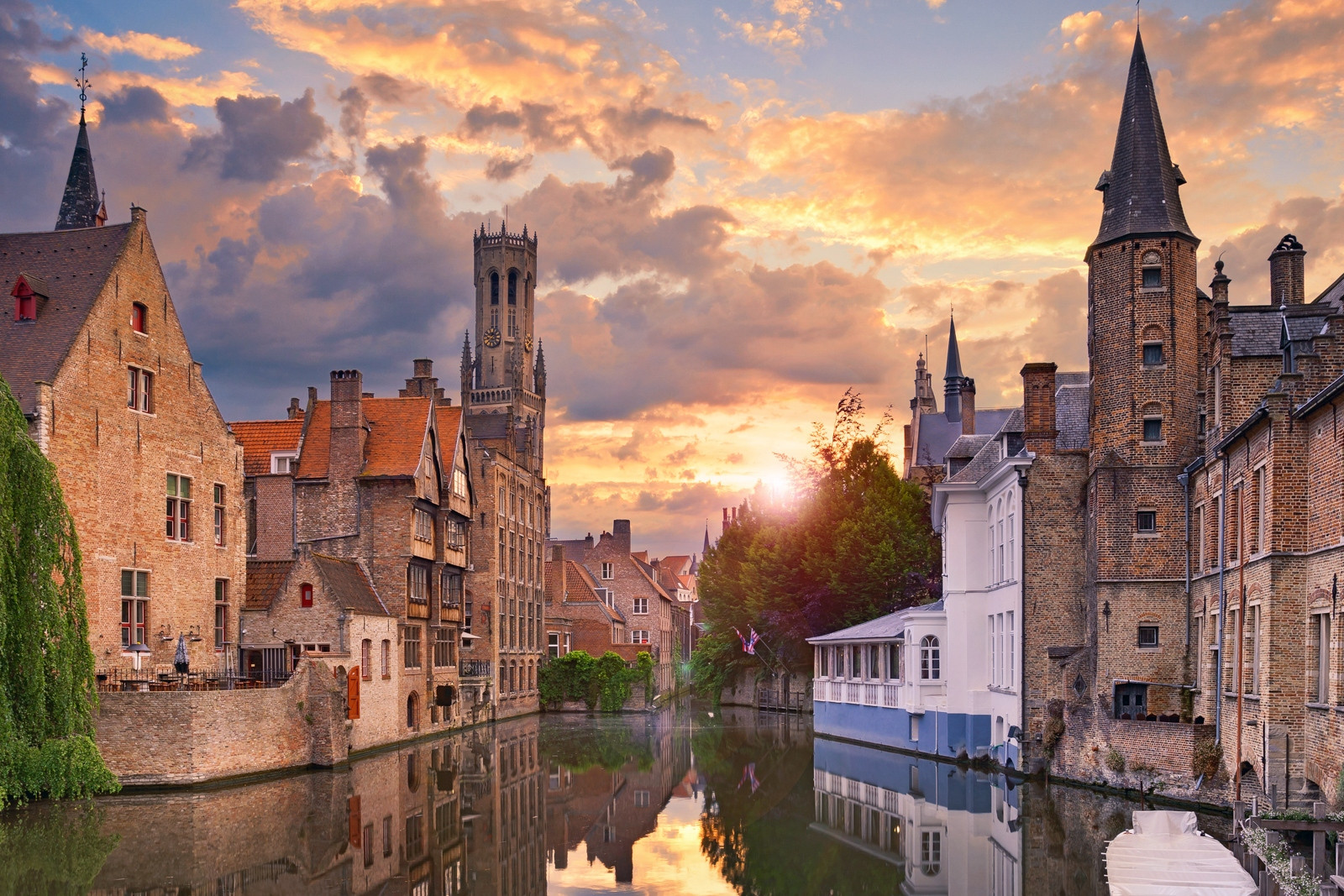
Bruges, Belgium, is home to a number of UNESCO World Heritage Sites that showcase the city's rich history and architectural beauty. Prepare to be transported to a bygone era as you uncover the UNESCO World Heritage Sites nestled within the charming city of Bruges, Belgium. With its cobblestone streets and medieval allure, this enchanting destination is a living testament to the past.
Ascend the majestic Belfry Tower, a sentinel of history that grants you a mesmerizing panorama of the city below. Wander through the labyrinthine lanes, where meticulously preserved medieval architecture tells tales of a bygone era. Immerse yourself in the ethereal beauty of the Church of Our Lady, where Michelangelo's masterpiece, the Madonna and Child, resides.
List of UNESCO World Heritage Sites in Bruges, Belgium:
🧭 Recommended Stay: 2–3 Days (Ideal Bruges UNESCO Experience)
💡 Why this matters:
Bruges is not a fast-paced city—it is designed for slow travel, emotional atmosphere, and immersive medieval experience.
🧭 Day 1: Medieval City Core & Canal Experience:
🏰 Historic Centre of Brugge:
The Historic Centre of Bruges is one of Europe’s best-preserved medieval urban landscapes.
It feels like stepping into the 14th century, where canals replace roads and Gothic facades define the skyline.
✨ What to Experience:
- Markt Square with colorful guild houses
- Canal boat ride through medieval waterways
- Cobblestone street walking tours
- Traditional Belgian chocolate shops
💡 Travel Insight:
Bruges is best explored on foot—cars are limited in the historic core, preserving its peaceful atmosphere.
🧭 Day 2: Iconic Tower, Art & Sacred Heritage:
🏛️ Belfry of Bruges:
The Belfry of Bruges is the city’s most iconic landmark, standing tall over the historic center.
It once served as a treasury, watchtower, and civic symbol of independence.
✨ What to Experience:
- 366-step climb to the top
- Panoramic city views
- Historic bell and carillon system
- Old treasury chambers
💡 Travel Insight:
Visit early morning to avoid queues and enjoy clear skyline views.
⛪ Our Lady’s Church (Church of Our Lady Bruges):
The Church of Our Lady Bruges is one of the most important religious landmarks in Bruges.
It houses world-famous art and represents centuries of Gothic architectural development.
✨ What to Experience:
- Michelangelo’s “Madonna and Child” sculpture
- Gothic spire (one of Europe’s tallest brick towers)
- Ornate chapels and religious art collections
💡 Travel Insight:
This is not just a church—it is a museum of sacred European art history.
🧭 Day 3: Art, Peace & Monastic Heritage:
🎨 Groeningemuseum:
The Groeningemuseum showcases six centuries of Flemish and Belgian artistic evolution.
It is one of the most important art museums in Belgium, especially for Early Netherlandish painting.
✨ What to Experience:
- Works by Jan van Eyck
- Paintings by Hieronymus Bosch
- Hans Memling masterpieces
- Flemish Renaissance art collections
💡 Travel Insight:
Ideal for art lovers—plan at least 1.5–2 hours for a full experience.
🌿 Beguinage of Bruges:
The Beguinage of Bruges is a peaceful UNESCO site that reflects the spiritual lifestyle of beguine women in medieval Europe.
It is one of the quietest and most reflective places in Bruges.
✨ What to Experience:
- Whitewashed historic houses
- Peaceful inner gardens
- Beguinage chapel
- Silent walking paths
💡 Travel Insight:
This is the perfect contrast to Bruges’ tourist-heavy center—ideal for calm reflection.
💰 Travel Tip: How to Experience Bruges Smartly (2026)
🌤️ Best Time to Visit:
- April–June: Spring canals + fewer crowds
- September–October: Golden autumn atmosphere
- December: Christmas markets (highly scenic)
London, United Kingdom:
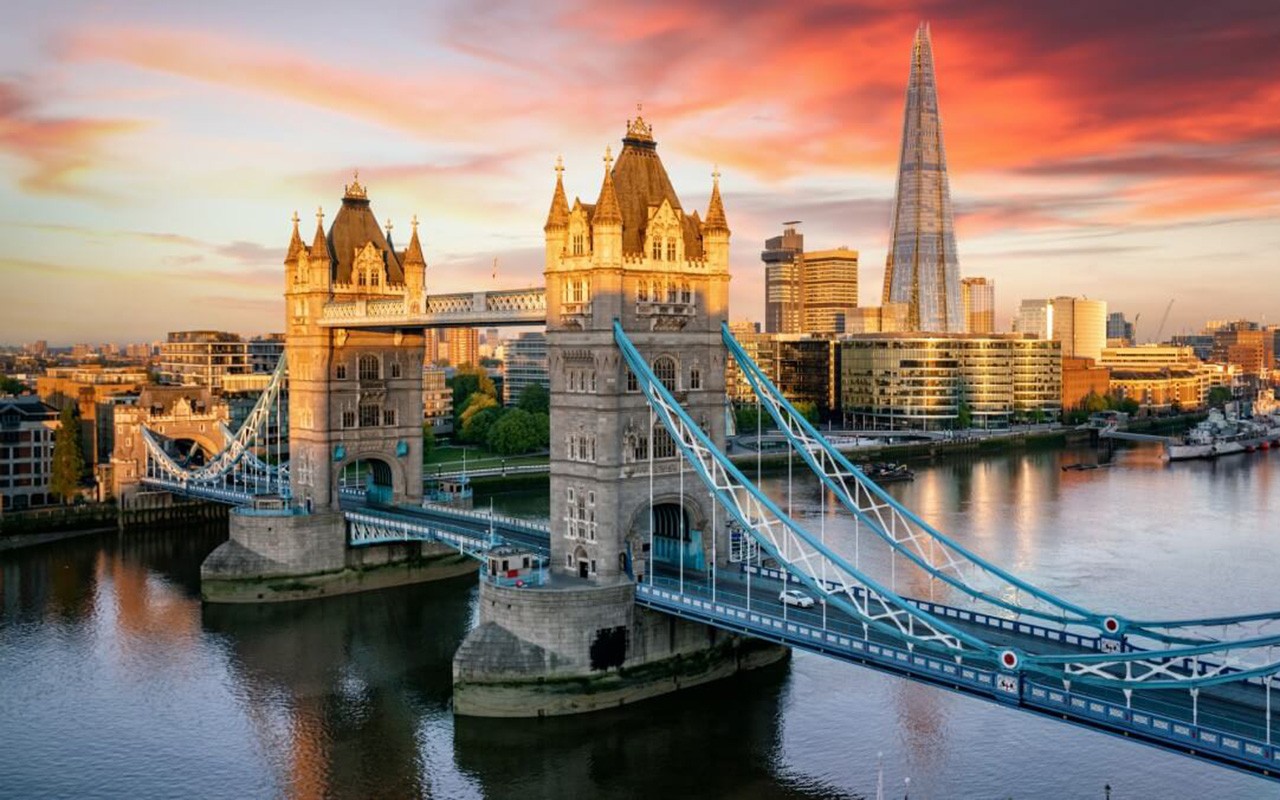
London, the capital of the United Kingdom, is home to several UNESCO World Heritage Sites. These iconic landmarks showcase the city's rich history and cultural significance. The Tower of London, with its medieval fortress and crown jewels, stands as a symbol of power and intrigue.
The historic settlement of Greenwich, known for the Royal Observatory and the Prime Meridian, offers breathtaking views of London's skyline. The majestic Palace of Westminster, housing the iconic Big Ben, is an architectural marvel. The Royal Botanic Gardens, Kew, dazzle visitors with their stunning landscapes and diverse plant collections. Additionally, the site of Maritime Greenwich highlights London's maritime heritage.
List of UNESCO World Heritage Sites in London, United Kingdom:
🧭 Recommended Stay: 3–5 Days (Ideal London UNESCO Experience)
💡 Why this matters:
London’s UNESCO sites are not geographically close—they represent different global systems: governance, empire, science, and nature.
🧭 Day 1: Royal Power & Political Heritage Core:
🏛️ Palace of Westminster, Westminster Abbey & St. Margaret’s Church:
The Westminster Palace and Westminster Abbey represents the heart of British political and religious history.
The Palace of Westminster is home to the UK Parliament, while Westminster Abbey has hosted coronations, royal weddings, and state ceremonies for centuries.
✨ What to Experience:
- Big Ben and Gothic Revival architecture
- House of Commons and House of Lords exterior
- Westminster Abbey royal tombs
- St. Margaret’s Church historic interiors
💡 Travel Insight:
This area is best visited early morning to avoid heavy tourist crowds and security congestion.
🧭 Day 2: Fortress of History & Royal Secrets:
🏰 Tower of London:
The Tower of London is one of the most famous fortresses in the world, with nearly 1,000 years of continuous history.
It has served as a royal palace, prison, treasury, and execution site—making it one of the most historically complex UNESCO sites.
✨ What to Experience:
- Crown Jewels exhibition
- White Tower (Norman fortress core)
- Medieval battlements and walls
- Beefeater guided tours (Yeoman Warders)
💡 Travel Insight:
Arrive early to avoid long queues for Crown Jewels entry.
🧭 Day 3: Science, Navigation & Global Timekeeping:
🌍 Maritime Greenwich:
The Maritime Greenwich is where modern navigation and global time standards were established.
It represents Britain’s maritime dominance and scientific contributions to global exploration.
✨ What to Experience:
- Royal Observatory (Prime Meridian line)
- Greenwich Park panoramic views
- Old Royal Naval College architecture
- National Maritime Museum
💡 Travel Insight:
Stand on both hemispheres at the Prime Meridian—one of London’s most iconic photo spots.
🧭 Day 4 (Optional): Nature, Science & Global Conservation:
🌿 Royal Botanic Gardens, Kew:
The Royal Botanic Gardens Kew is one of the world’s most important botanical research and conservation centers.
It combines scientific research with breathtaking landscapes and historical glasshouses.
✨ What to Experience:
- Palm House Victorian glass architecture
- Treetop walkway views
- Rare plant collections from around the world
- Seasonal flower gardens
💡 Travel Insight:
Kew is best visited in spring or summer when the gardens are at full bloom.
💰 Travel Tip: How to Experience London Smartly (2026)
🌤️ Best Time to Visit:
- May–September: Best weather + outdoor exploration
- December: Christmas lights + cultural atmosphere
Suggested to Read: 100 Most Famous & Beautiful UNESCO World Heritage Sites
Embarking on a journey to explore the cities with the highest number of UNESCO World Heritage Sites is like diving into a time capsule of human history and cultural magnificence. From the sprawling wonders of Beijing and Córdoba to the condensed treasures of Rome and Mexico City, these destinations offer an immersive experience like no other. Each site stands as a testament to the beauty, ingenuity, and significance of our collective heritage. Whether you're a history enthusiast, a cultural explorer, or simply a lover of breathtaking landmarks, these cities beckon with open arms, ready to transport you to a world where the past intertwines seamlessly with the present. Discover, marvel, and cherish these UNESCO gems as windows into our shared human story.





{{item.get_author.first_name}} {{item.get_author.last_name}}
Level 7
5 Photos
36 Reviews
{{item.comment_txt}}
{{item_reply.get_author.first_name}} {{item_reply.get_author.last_name}}
@ {{item_reply.reply_to}}, {{item_reply.reply_txt}}