
Panchagarh is the northernmost district of Bangladesh and the one place in the country where travelers regularly see the snow peaks of Kanchenjunga from their own soil. Most trips are built around that view from Tetulia, but the district has far more to fill two or three days: flat tea gardens that run right up to the Indian border, the earthwork ruins of Bhitargarh, a Mughal-era mosque at Mirzapur, the Banglabandha zero point and quiet stretches of the Mahananda and Karatoya rivers.
For the full overview, read our guide to the best places to visit in Bangladesh.
This guide walks through each of those places with what to expect, how to reach them and when to go, so you can plan a realistic trip from Dhaka or from elsewhere in the north. If you are building a longer route through the region, our guides to Thakurgaon and Nilphamari cover the neighbouring districts, and the wider Bangladesh attractions guide helps place Panchagarh on a national itinerary.
Panchagarh essentials at a glance
Panchagarh sits in Rangpur Division at the far northern tip of Bangladesh. Its name joins "panch" (five) and "garh" (fort). October to early December gives the best chance of mountain views, and two to three days on the ground is enough. The overnight train from Dhaka takes about 11 hours, and the nearest airport is Saidpur in Nilphamari District. The table sets out the six main places side by side.
| Place | Area | Best for | Time needed | Best time |
|---|---|---|---|---|
| Tetulia, Kanchenjunga viewpoint | Tetulia, 40 to 55 km from town | Photographers, early risers | Two mornings if you can | October to early December, sunrise to about 9 am |
| Bhitargarh fort city | Amarkhana, Panchagarh Sadar | History and archaeology readers | 2 to 3 hours | Dry months |
| Tea gardens | Panchagarh to Tetulia road | Walkers, families, photographers | Half a day with stops | June to October |
| Mahananda and Karatoya rivers | Tetulia bank and Panchagarh town | Sunset walks, picnics | An afternoon | Boating mainly after the monsoon |
| Banglabandha land port and zero point | Banglabandha Union, Tetulia | Border curiosity, morning views | About 1 hour | Clear mornings |
| Debiganj Zamindar Bari | Debiganj Upazila, south Panchagarh | Colonial-era architecture fans | Under an hour | Any season |
Why Panchagarh is worth the long trip north
Panchagarh rewards travelers who want a Bangladesh that looks nothing like the delta. The land is drier and flatter, the air in winter is clear enough to show the Himalayan wall on the horizon, and the roads to Tetulia pass tea bushes, stone-collecting sites on the riverbeds and small bazaars where cross-border trade sets the rhythm of the day.

The district takes its name from five old forts once spread across the area. Their remains are faint today, but Bhitargarh, the largest of the fortified sites, still shows its earthen ramparts and moats. Add the tea trail and the border points, and the district suits three kinds of traveler: photographers chasing the mountain view, history readers who like unrestored sites, and anyone who wants a slow countryside break with very few other tourists outside peak weekends.
Bhitargarh deserves more time than most visitors give it. The fort city covers about 25 square kilometres and dates back to around the 5th century, before it was abandoned in the 17th century, and at its height it was among the largest walled cities in northern South Asia. Its territory was laid out as four concentric quadrangles divided by earthen and brick ramparts with moats. Excavations by a University of Liberal Arts Bangladesh team since 2008 have uncovered early medieval temples, a stupa, a residential complex and stone dams used for irrigation.
 Plan your trip with AI
Top places to visit in Panchagarh
The six places below are the core of almost every Panchagarh itinerary. They sit along one north-south axis from Panchagarh town to Tetulia and Banglabandha, so you can string them together without backtracking.
Tetulia, the Kanchenjunga viewpoint

Tetulia (also spelled Tentulia) is the northernmost upazila of Panchagarh and sits close to the Indian border, with the Mahananda River marking much of the boundary. On clear mornings after the monsoon, the Kanchenjunga massif appears as a white band above the northern horizon. Local news reports place the peak roughly 120 to 160 km away depending on the measurement, which explains why it only shows when dust and haze have cleared.
The view is strongest just after sunrise, when the snow catches pink and then gold light, and it often fades by mid-morning as haze builds. Visibility is never guaranteed: a single hazy week can hide the range completely, so build at least two mornings into your plan. The riverside area around the Tetulia Dak Bungalow and the Banglabandha zero point are the two most used viewing spots. Plan for October to early December, between sunrise and about 9 am. Tetulia is roughly 40 to 55 km from Panchagarh town by road, and the Himalayan skyline here is the reason most photographers and early risers make the trip at all.
Bhitargarh, the ancient fort city

Bhitargarh lies north of Panchagarh town in Amarkhana Union of Sadar Upazila. It is a large fortified settlement enclosed by concentric earthen walls and moats, and archaeologists have linked its early phases to the first millennium AD. Excavations have exposed brick structures, a temple base and stretches of wall, though much of the enclosed land is now farmland and tea plots.
Do not expect a fenced monument with signage and a ticket office. Bhitargarh is best visited with a local guide or a driver who knows where the exposed sections are, and the visit is about reading the landscape: the line of a rampart through a field, the curve of an old moat now used as a pond. Go in the dry months, when paths are firm. The Bhitargarh Eco-Park beside the site adds trees and picnic space for families. Allow two to three hours, and hire a guide or a driver who knows the site. Few visitors ever see the excavations, which is part of the appeal for anyone who reads about history and archaeology.
Tea gardens of Panchagarh and Tetulia

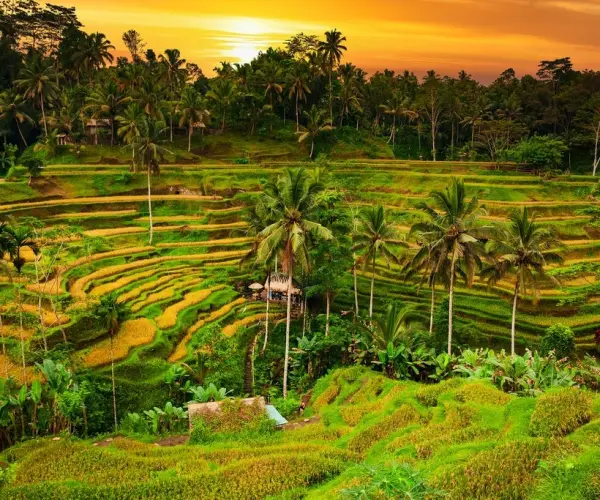
Panchagarh is now Bangladesh's second tea region after greater Sylhet, which is why locals call it the "second Sylhet". The difference is obvious at first sight: the bushes here grow on level ground, often in small family plots alongside large estates, so a drive to Tetulia passes long green rows broken by bamboo and betel nut. The flat terrain also makes the gardens easy to walk, even for older travelers.
The plucking season runs through the warmer months, so a monsoon or early autumn visit shows workers in the rows and the deepest green. Ask your driver to stop at a roadside garden near Tetulia where the border fence is visible; it is one of the few places in the country where tea, river and international boundary appear in a single frame. Always ask before walking into a private plot. The rows are greenest from June to October. Give the Panchagarh to Tetulia road half a day with stops; walkers, families and photographers all find something here, including gardens that touch the border fence.
Mahananda and Karatoya rivers

The Mahananda flows down from the Darjeeling hills and forms part of the border at Tetulia. In the dry season its bed turns into a wide spread of sand and stones, and men wading in the shallows to collect gravel are a common sight. The bank near the Tetulia Dak Bungalow is the easiest place to sit and watch the river with India on the far side.
The Karatoya runs through Panchagarh town itself and is one of the oldest named rivers of Bengal, mentioned in early texts as a sacred stream. Today it is a modest, quiet river, good for a late-afternoon walk or a short local boat ride when the water is high after the rains. Both rivers are easiest to reach from the Tetulia bank and in Panchagarh town, and their wide stony beds suit sunset walks and picnics. Do not cross toward the border line.
Banglabandha land port and zero point

Banglabandha, in Tetulia Upazila, is the northernmost point of Bangladesh. The land port here opened in 1997 and handles trade with India and, through Indian territory, with Nepal and Bhutan. Lines of stone and goods trucks, customs sheds and the zero point marker make it a lively stop, and on clear mornings it doubles as a Kanchenjunga viewpoint.
Tourists can visit the zero point area, but the port is a working customs zone. Photography of officials or security posts is not welcome, and the immigration crossing itself is only for travelers with the right visa and documents for India. Treat it as a viewpoint and a slice of border life. An hour is enough at this northern tip of the country. The crossing is open only to people with valid travel documents; everyone else comes for the trucks rolling in from India, Nepal and Bhutan and the morning view.
Debiganj Zamindar Bari

Debiganj is the southernmost upazila of Panchagarh, and its zamindar house is a reminder of the landed families who ran rural Bengal under British rule. The building shows the familiar zamindari mix of arches, columns and high rooms, with weathering and later alterations visible everywhere.
Debiganj is off the Tetulia axis, so combine it with a trip toward Nilphamari or Saidpur to avoid a special return journey. Expect an unrestored building that may be partly in use; ask locals before entering any part of it. The house sits in Debiganj Upazila near the Teesta, and fans of colonial-era architecture will need under an hour. Visit it on the drive toward Saidpur.
More attractions in Panchagarh district
These smaller sites fit around the main six. None needs more than an hour, and most are best added on the way between town and Tetulia.
Mirzapur Shahi Mosque

A three-domed Mughal-period mosque in Mirzapur village of Atwari Upazila, with terracotta floral panels on its facade. It is still used for prayer, so visit outside prayer times and dress modestly. Built in the Mughal era, it rewards anyone who likes old architecture and a quiet half hour.
Tentulia Dak Bungalow

A colonial-era rest house on high ground above the Mahananda, run by the district council. Its lawn is a favourite sunrise spot for the mountain view; staying here needs advance permission from the authority that manages it. Come for sunrise over the river.
Maharaja Dighi

A large old tank inside the Bhitargarh area, ringed by raised banks and trees and linked by local legend to the king of the fort city. Good for a walk after exploring the ramparts. It works for a picnic or a short walk.
Panchagarh Rocks Museum

Set up at Panchagarh Government Women's College, the museum shows stones, fossil wood and old artefacts gathered from the district's riverbeds and villages. Check opening days locally, as it follows the college schedule. Curious families and students get the most from it.
Gorakhkali Temple

A local place of worship that becomes busy during religious festivals. Remove shoes where asked and request permission before photographing worshippers. It is a small Hindu temple, and festival time is the liveliest moment to visit.
Baradipara, Ramer Dighi and Sitalpati weavers
The partly ruined Baradipara Zamindar Bari, the folklore pond of Ramer Dighi and villages weaving sitalpati cane mats round out a slow day. Pair them with the Bhitargarh Eco-Park and a tea factory visit near Tetulia, where some producers welcome buyers for fresh-packed tea. These villages suit slow travelers, and the mats make good souvenirs.
Best time to visit Panchagarh for Himalayan views
For Kanchenjunga, plan for mid-October to early December. The monsoon rain has washed the air, the sky is often cloudless at dawn, and Bangladeshi news outlets report the first sightings of the season in this window each year. From late December fog sets in across the north, mornings get cold, and the range is seen less often.
Come between June and September if tea and greenery matter more than mountains. The gardens are at their greenest and rivers are full, but rain interrupts plans and the peaks stay hidden. Spring (March to May) is warm and dry with dust haze, a quiet period for travelers who mainly want history sites without crowds.
| Season | Mountain view | Tea gardens | Notes |
|---|---|---|---|
| Oct to early Dec | Best chance | Still green | Peak domestic tourist weekends |
| Late Dec to Feb | Occasional | Pruned, dull | Cold fog, chilly nights |
| Mar to May | Rare (haze) | Fresh flush | Hot afternoons, few visitors |
| Jun to Sep | Unlikely | Greenest | Rain, muddy village paths |
A 3-day Panchagarh itinerary
This plan assumes an overnight train from Dhaka arriving in the morning and a base in Panchagarh town or Tetulia.
Day 1: Town, Bhitargarh and the Karatoya
Arrive, rest, then spend the afternoon at Bhitargarh, Maharaja Dighi and the eco-park. End with an evening walk by the Karatoya in town.
Day 2: Tea road to Tetulia and Banglabandha
Drive north through the tea gardens, stop at a small factory, reach Banglabandha zero point by afternoon and stay overnight in Tetulia.
Day 3: Sunrise and the Mahananda
Be at the Dak Bungalow lawn before dawn for Kanchenjunga. After breakfast, walk the Mahananda bank, then head back via Mirzapur Shahi Mosque in Atwari.
Distances shape the pace. Banglabandha sits about 57 km north of Panchagarh town, at the north-western tip of Bangladesh and only around 7 km from Siliguri in India, so Day 2 is a full day once tea-garden stops are added. The zero point is a working land port for trucks from India, Nepal and Bhutan, so expect lorries and customs traffic around the viewpoint. If the morning of Day 3 is cloudy, the mountain view will not appear; staying a fourth night in Tetulia gives a second chance in October and November.

How to get to Panchagarh from Dhaka
The train is the most comfortable option for most travelers. Panchagarh Express and other intercity trains run from Dhaka to Panchagarh, and the overnight Panchagarh Express takes roughly 11 hours, leaving Dhaka late at night and arriving in the morning. Fares depend on class; book through the official Bangladesh Railway e-ticketing service as early as allowed, because sleeper and AC seats sell out fast in October and November.
Overnight buses from Dhaka take about 10 to 12 hours, longer on Friday nights and before holidays. Several operators run AC and non-AC coaches to Panchagarh town and some continue to Tetulia.
Flying saves the most time. Domestic airlines fly between Dhaka and Saidpur, a flight of under an hour; the airport is in neighbouring Nilphamari District, about two hours by road from Panchagarh town. Search domestic flights to Saidpur and arrange a car from the airport in advance.
Biman Bangladesh Airlines, US-Bangla Airlines, Novoair and Air Astra all fly the Dhaka to Saidpur route, so comparing all four usually finds a fare that suits. Travelers heading straight to Tetulia should allow for a longer transfer: the town is roughly 130 km from Saidpur Airport, and a car is the practical option since buses involve changes in Panchagarh.
Where to stay in Panchagarh
Panchagarh has no international-standard hotels. Rooms are simple, clean at best, and fill quickly on autumn weekends. Two bases make sense: Panchagarh town for history sites and onward transport, or Tetulia for the sunrise view without a pre-dawn drive.
Government rest houses
Both need permission in advance.
- Tetulia Dak Bungalow (riverside)
- Panchagarh Circuit House (town)
Town hotels
Expect basic to mid-range rooms.
- Hotel HK Palace, Hotel Islam, Hotel Pritam
- Hotel Rajnagar, Hotel Mouchak, Central Guest House
Budget boarding and homestays
These are the simplest rooms in the district.
- Nirab Rest House, Rokkhana Boarding, Hilton Boarding
- Village homestays around Tetulia
Choose the base by plan. Panchagarh town is better for anyone arriving by train or bus, visiting Bhitargarh and eating in a wider choice of restaurants. Tetulia suits travelers whose main goal is the Kanchenjunga sunrise, because Banglabandha lies about 57 km north of town and pre-dawn drives in winter fog are slow. Government rest houses need advance permission through the district administration, so do not count on them for a walk-in stay. In homestays, expect shared bathrooms, cold water in winter and meals cooked to order; ask for a blanket and mosquito net before night falls.
Call ahead to confirm rooms and rates, as most of these places do not take online bookings. You can also compare available hotels on bookingMentor for the wider Rangpur region.

Panchagarh trip budget: transport, hotels and meals
Panchagarh is one of the cheaper trips in Bangladesh once you are there; the main cost is getting 400-plus kilometres north and back. The figures below are the published fares we could confirm, with the date they were set, plus the items whose price depends on season and bargaining. Check live fares when booking, as of October 2026.
| Cost item | What to expect | Notes |
|---|---|---|
| Train, Dhaka to Panchagarh (Panchagarh Express) | Fares set at launch in 2019: Tk 550 for a Shovan chair and Tk 1,035 for an AC Snigdha seat; AC berths cost more | Book on the Bangladesh Railway e-ticketing service; berths sell out first in October and November |
| Bus, Dhaka (Gabtoli) to Panchagarh | BRTA's government fare chart lists about Tk 1,005 for a standard 51-seat non-AC coach; AC coaches are priced by the operator and cost more | Reports in 2026 show many counters charging above the chart, especially before holidays |
| Flight to Saidpur plus car | The fastest option and the most expensive; add a car for the two-hour drive to Panchagarh | Book the car in advance; few taxis wait at Saidpur |
| Hotel or rest house | Basic town hotels and boarding houses are low-cost by Bangladeshi standards; rates rise on autumn weekends | Most do not take online bookings, so phone ahead and agree the rate |
| Local transport | Easy bikes, CNG auto-rickshaws and hired cars; a day's car hire covering Tetulia, Banglabandha and the tea gardens is the main local cost | Agree the full route and price before you set off |
| Meals | Rice, fish, vegetables and dal at local restaurants cost little; there are no upmarket restaurants | Carry snacks for early sunrise starts at Tetulia |
For a three-day trip, the cheapest combination is a Shovan chair or non-AC bus each way, a basic town hotel and shared local transport. Traveling as a group of three or four brings the cost per person down sharply, because a hired car for the day costs the same whether one person rides or four. Peak Kanchenjunga-viewing weeks from late October to November are the busiest, and rooms in Tetulia should be booked well ahead.
Panchagarh travel tips
Pack for cold dawns
From November, dawn at Tetulia is far colder than Dhaka. A fleece, hat and thick socks make the sunrise wait bearable.
Carry cash
ATMs are in Panchagarh town and Tetulia bazaar, but rural stalls, drivers and boatmen want cash. Mobile wallets work at some shops.
Respect the border
Much of Tetulia runs along the international line. Stay on public roads, keep away from fences and follow instructions from border guards.
Eat local
Winter brings fresh pitha (rice cakes) at roadside stalls, and river fish curries are standard in town restaurants. Bring home a packet of Tetulia tea.
Dress modestly
Villages are conservative. Covered shoulders and knees avoid attention, and are required at mosques and temples.
Insurance for outdoor plans
Major hospitals are far away in Rangpur. Travel insurance and a small first-aid kit are sensible for anyone doing long drives or river walks.
Tea is newer here than in Sylhet. Commercial planting in Tetulia began with the Kazi and Kazi Tea Estate run by Gemcon Group, and other gardens such as Sharial followed, so many estates are small and run by local smallholders who sell green leaf to nearby factories. Ask before photographing pickers, and buy packaged tea from factory outlets, where the origin is clear.

Planning a trip to Bangladesh? Read our Bangladesh travel guide, compare hotels in Bangladesh, browse tours or search flights.








{{item.get_author.first_name}} {{item.get_author.last_name}}
{{item.comment_txt}}
{{item_reply.get_author.first_name}} {{item_reply.get_author.last_name}}
@ {{item_reply.reply_to}}, {{item_reply.reply_txt}}