

A 2020 systematic review in Travel Behaviour and Society found consistent evidence linking childhood travel to socio-emotional benefits (enhanced sociability, lower fear of unfamiliar situations) and cognitive benefits (better spatial knowledge), though the review's own authors note rigorous studies remain limited. Language acquisition happens fastest under age 5, making early exposure genuinely useful for that specific skill. The biggest practical mistake parents make is overpacking the itinerary, leaving no downtime for kids to actually process new experiences.
Search "why kids need to travel" and most results say the same thing: it broadens horizons, builds confidence, creates memories. None of it points to an actual study. That gap matters, because real research on this topic exists, it's just smaller and more specific than the confident blog-post claims built on top of it.
A 2020 review published in Travel Behaviour and Society looked at every study on children's travel and psychological wellbeing published between 1999 and 2020. It found real evidence for some benefits, honest gaps in others, and it said so directly. Nothing was papered over. That's the standard this guide holds to: what the research actually supports, broken down by age, plus the practical side, destinations that work for specific developmental stages and the safety details that actually prevent problems.
What the Research Actually Shows:
Most "benefits of travel" articles cite research the way advertising cites doctors: vaguely, and without a name attached. The actual research is more specific and more honest about its own limits.
The 2020 Systematic Review:
Researchers reviewing every available study on children's travel and psychosocial wellbeing between 1999 and 2020 (published in Travel Behaviour and Society) found a real pattern: studies most consistently documented socio-emotional benefits, including enhanced sociability and lower fear of unfamiliar or crime-prone situations, alongside cognitive benefits centered on better spatial knowledge, the ability to mentally map and navigate unfamiliar environments.
The same review is honest about a real limitation: only 3 of the studies it examined measured both the psychological and cognitive domains together, and the authors describe the overall body of evidence as still somewhat anecdotal, in need of replication. It isn't settled science yet. That's a genuinely different claim than "travel makes your kid smarter," and it's the more trustworthy one.
Separately, researchers at Griffith University's Department of Tourism, Sport and Hotel Management, including doctoral researcher Zhuxian Li and senior lecturer Elaine Chiao Ling Yang, have built an ongoing research program specifically on how children learn during family travel, using social cognitive theory as a framework. Their work treats family trips as an informal learning environment worth studying with the same rigor as a classroom, a genuinely different approach from treating travel purely as leisure.
A 2022 study using 321 children's drawings to analyze what kids actually remember and process from family trips found something practically useful: children's perception shifts with age, from concrete, people-focused memories in younger kids toward more abstract impressions as they get older, and kids showed a consistent, strong response to novel activities and to the people they met, more than to landmarks or scenery. If the goal is a trip a child will actually remember, the people and the unusual moments matter more than the itinerary's highlights reel.
The Specific Skills Travel Builds:
Language Acquisition, but Only in a Specific Window:
Children under about age 5 acquire new languages and sounds considerably faster than older kids or adults, a well-established finding in language development research, not specific to travel. What travel adds is genuine exposure: hearing a language spoken natively, in context, does more for that early acquisition window than a workbook or an app. This is a real, time-limited advantage. It's not present in the same way for a 12-year-old.
Spatial Cognition and Navigation:
The clearest cognitive finding from the 2020 review centers on spatial knowledge, the practical skill of building a mental map of an unfamiliar place and using it to navigate. Kids who regularly move through new environments (a foreign city, a different neighborhood, an unfamiliar transit system) get real, repeated practice at this specific skill, distinct from general "smarts" and measurable on its own terms.
Comfort with the Unfamiliar:
The socio-emotional finding with the strongest evidence is a reduction in fear of unfamiliar or higher-crime situations, alongside enhanced sociability. Kids who've navigated new environments with a parent nearby build a genuine track record of unfamiliar situations turning out fine, which shapes how they approach the next unfamiliar situation. This isn't the same as "confidence" in the abstract; it's specific evidence accumulated over specific experiences.
Problem-Solving Under Real Conditions:
A missed train, a menu with no English, a hotel room mix-up: these are genuine, low-stakes problems that require a kid (especially an older one, actively involved, not just present) to think through options with incomplete information. Research on cognitive flexibility in children links this kind of unscripted problem-solving to broader gains in adaptive thinking, the skill of adjusting a plan when the first approach doesn't work.
What Works at Each Age:
Generic advice to "just travel with your kids" skips the part that actually matters: what's developmentally useful changes a lot between age 1 and age 15.
Infants and toddlers (0-2)
Won't remember it, but still benefits:
A 1-year-old won't recall a specific trip. Early exposure to unfamiliar sounds and textures, new foods, and new faces still supports general sensory development, and Griffith University's research on family travel notes that even pre-verbal children process novelty differently from familiar routine. Keep the itinerary light; this age group gets more out of a slower pace than a packed schedule.
Preschool (3-5)
The language acquisition window is wide open:
This is the strongest age range for language exposure specifically. Kids this age also start forming their first genuine explicit memories, so the "novel activities and interesting people" factor from the 2022 drawing study starts mattering directly. A hands-on activity with a real person (a local kid to play with, an animal to feed) lands harder than a monument.
School age (6-11)
Spatial navigation and independence practice:
Kids this age can genuinely help navigate: reading a map, figuring out a metro system, ordering food themselves. This is where the spatial cognition research applies most directly, and it's also the age where letting a child make small decisions (which museum first, what to order) builds the "unfamiliar situations turn out fine" pattern the socio-emotional research points to.
Tweens and teens (12+)
Real problem-solving and cultural comparison:
Older kids can handle genuine unscripted problems (a delayed flight, a language barrier) and benefit most from being given real responsibility inside the trip, not just tagging along. This age group also starts making direct comparisons between their home culture and what they're seeing, the beginning of the empathy and adaptability gains most often cited in travel psychology research.
10 Destinations that fit Real Developmental Stages:
A generic "best places for kids" list built around theme parks skips the actual reasoning. These 10 are picked for a specific developmental reason tied to the research above, each with a real best-time-to-visit window and the attractions that make the reasoning work in practice.
Tokyo, Japan
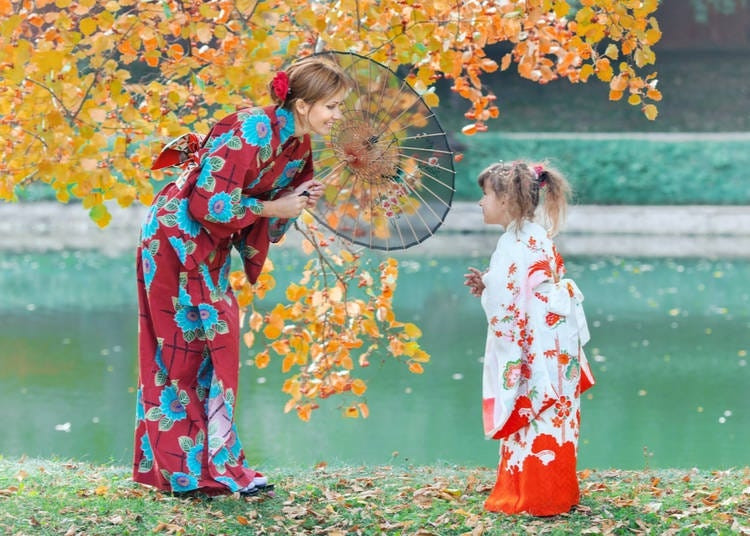
Tokyo's train system is genuinely navigable by a school-age child with a parent's guidance, real spatial-navigation practice, not a metaphor. The city runs on color-coded, numbered rail lines that make wayfinding genuinely learnable within a few days, considerably more approachable than London's older, more tangled Underground map. Disneyland and DisneySea add the "novel activity" factor the memory research points to, and both parks sit on the same rail network that makes the rest of the city workable with kids in tow. Convenience stores on nearly every block also simplify snack logistics far more than in most major cities, a small but genuinely real relief for a parent managing a hungry child mid-transit between attractions.
Major tourist attractions for children in Tokyo
- Tokyo Disneyland and DisneySea, both reachable directly by the same navigable rail network used for the rest of the city.
- The Ghibli Museum, dedicated to Studio Ghibli's animated films, a strong pick for kids who already know Totoro or Spirited Away.
- The Fire Museum, with real fire trucks and hands-on exhibits for younger kids less interested in a full-day theme park.
- The Pokemon Centre, a low-effort stop between bigger, more tiring activities.
London, United Kingdom
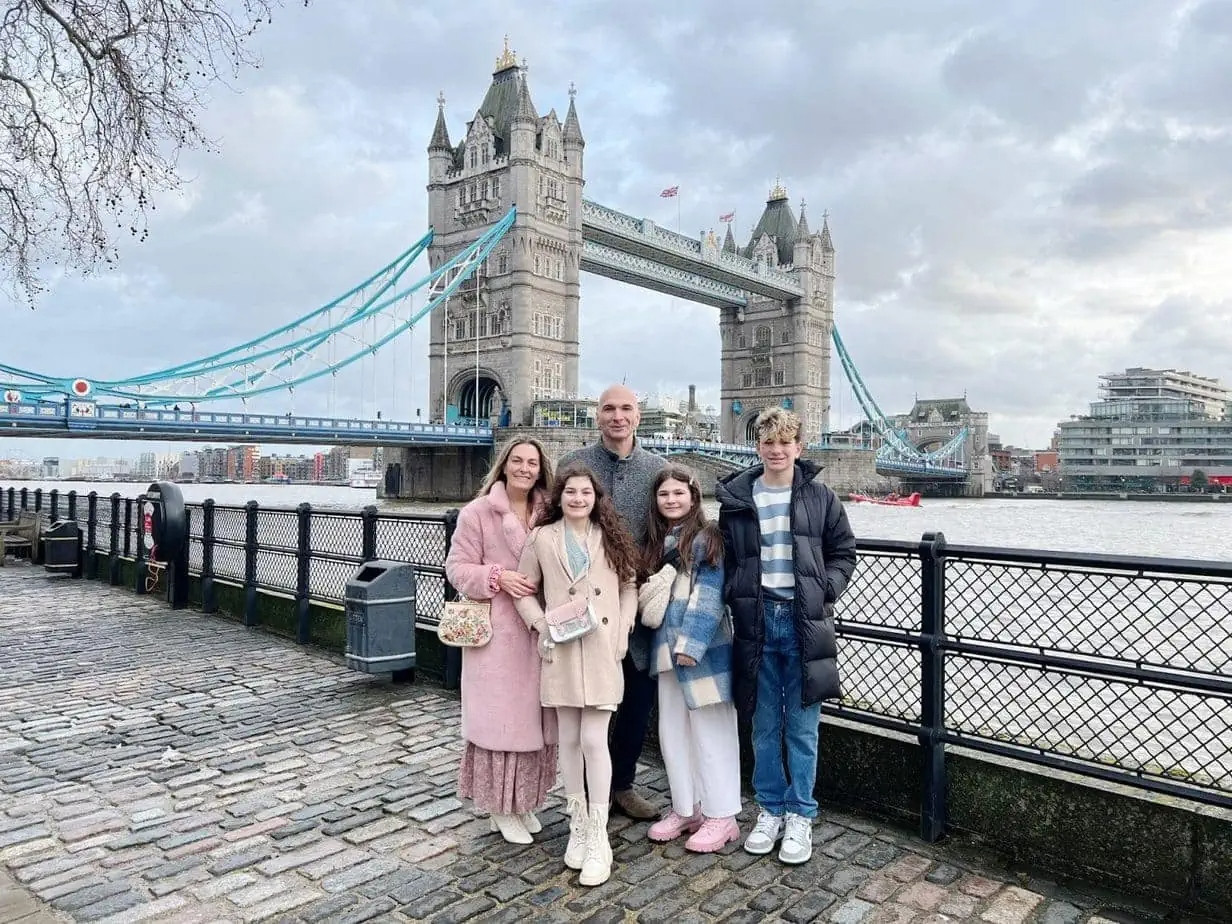
London's major museums charge no general admission, a genuine practical advantage for a family trip where a single paid attraction can otherwise eat a full day's budget elsewhere. The city's Underground system gives older kids real, low-stakes navigation practice similar to Tokyo's rail network, though London's zone-based fare structure and older map take longer to learn by comparison. Parks like Hyde Park and Regent's Park break up museum-heavy days with genuine outdoor space, useful for kids who've hit their limit on quiet indoor galleries after a few hours. The city's size also means a family can spend a full week without repeating a single major attraction, unlike smaller capitals that start feeling exhausted after 2 or 3 days.
Major tourist attractions for children in London
- The Natural History Museum and the Science Museum, both free to enter and built around hands-on exhibits, not glass display cases.
- The Warner Bros. Studio Tour, covering the Harry Potter films' actual sets and props.
- Madame Tussauds, a wax museum that works well as a lighter break between heavier history days.
- The London Eye, a straightforward, low-effort viewpoint over the whole city.
Miami, Florida, USA
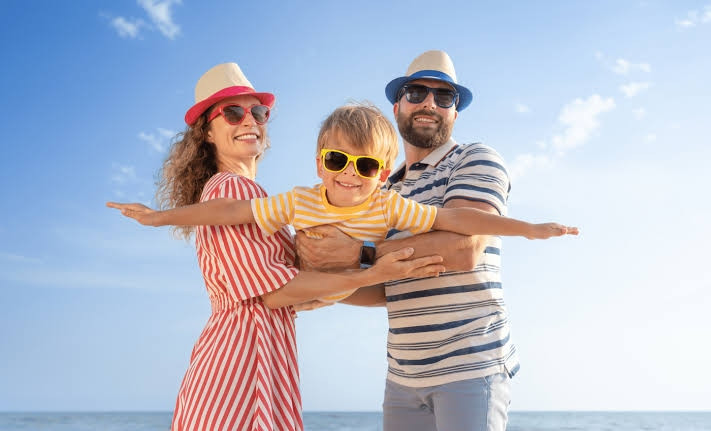
For US families, Miami offers a genuine trial run for family travel logistics, flights, unfamiliar hotel routines, a new climate, without the added complexity of a passport or a language barrier, useful before committing to international travel with young kids. The city's warm weather removes most of the seasonal packing stress that colder destinations require, and direct flights connect Miami to nearly every major US airport, cutting down on the layover risk that adds real stress to a trip with toddlers in tow. Its mix of beach time and structured indoor attractions gives parents a genuine choice on any given day, depending on how the kids are actually handling the heat, the pace, or both by mid-afternoon.
Major tourist attractions for children in Miami
- Zoo Miami and Jungle Island, both giving younger kids direct animal encounters without a long travel day.
- The Phillip and Patricia Frost Museum of Science, covering space, the human body, and the environment through interactive displays built for kids.
- Key Biscayne's calmer beaches, a lower-key stop between more structured activities.
Edinburgh, Scotland:
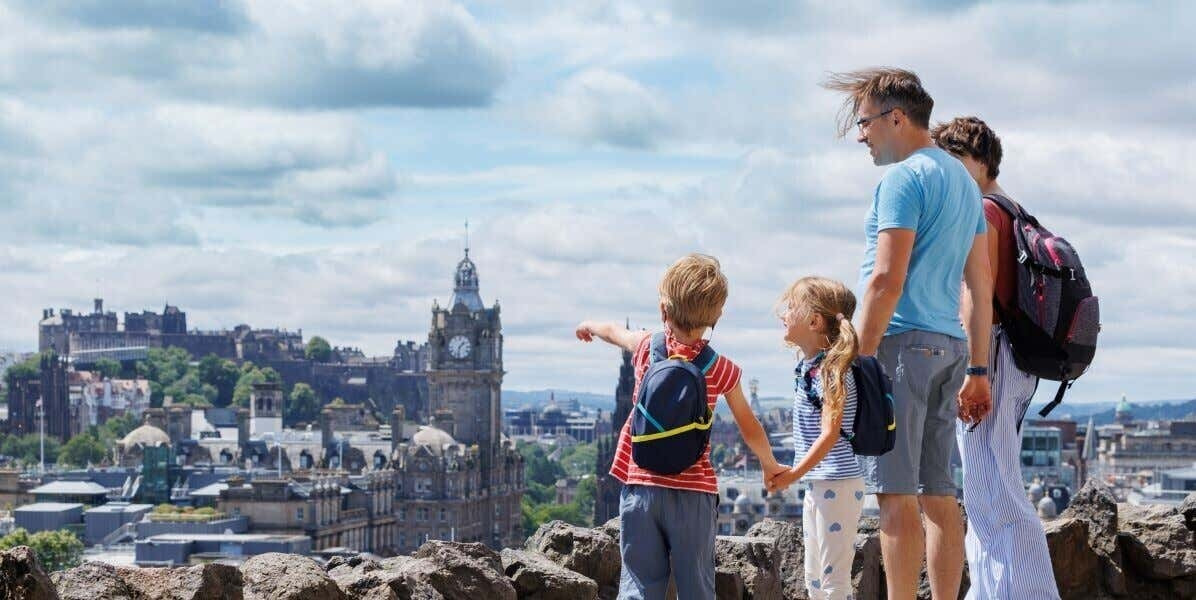
Compact and walkable enough for a preschooler, Edinburgh keeps most of its major sights within a genuinely short walk of each other, unlike sprawling capitals where a single day's plan requires multiple transit connections. Edinburgh Castle and the National Museum of Scotland both lean on hands-on exhibits that reward a child's curiosity over passive sightseeing, a real distinction from museums built primarily for adult visitors. The city's genuinely walkable Old Town also means a tired preschooler can be carried the rest of the way home without a complicated transit plan, a practical detail that matters more at this age than any single attraction on the itinerary.
Major tourist attractions for children in Edinburgh
- Edinburgh Castle, including its daily One O'Clock Gun, a genuine draw even for younger kids.
- The National Museum of Scotland, mixing Scottish history with dinosaurs and space exploration under one roof.
- Edinburgh Zoo and Gorgie City Farm, both lower-intensity animal-focused stops for a break from indoor museum days.
Costa Rica (Monteverde):
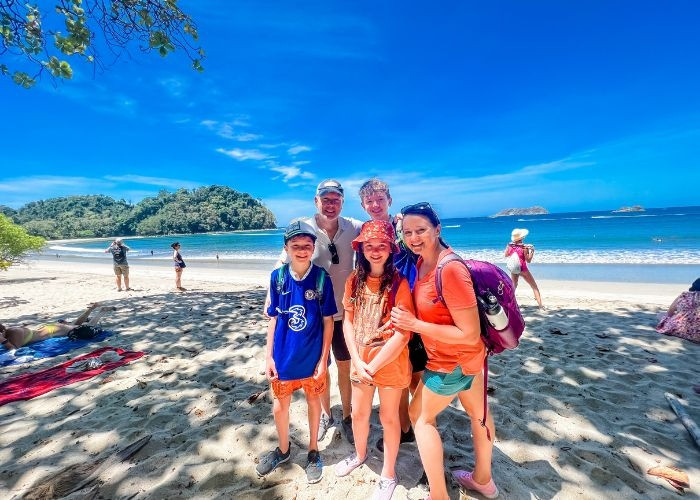
Cloud forest reserves and zipline canopy tours give older kids genuine physical problem-solving (route-finding on a trail, working directly with a guide) in a natural setting, distinct from the urban navigation practice a city trip offers. Monteverde's elevation keeps the cloud forest cool and misty even when the Costa Rican coast runs hot, a real climate difference worth planning around; beach-trip weather assumptions don't apply everywhere in the country. The area's ecotourism infrastructure, guided reserves, established trail systems, trained local guides, means older kids get real independence on a trail without the actual risk of a genuinely unmarked wilderness route.
Major tourist attractions for children in Monteverde
- Santa Elena Cloud Forest Reserve, for wildlife spotting including monkeys, birds, and butterflies.
- Selvatura Park, combining hanging bridges and zipline courses built for a range of ages and comfort levels.
- The San Luis waterfall, reachable by a moderate hike or horseback ride, with a natural swimming stop at the base.
Reykjavík, Iceland:
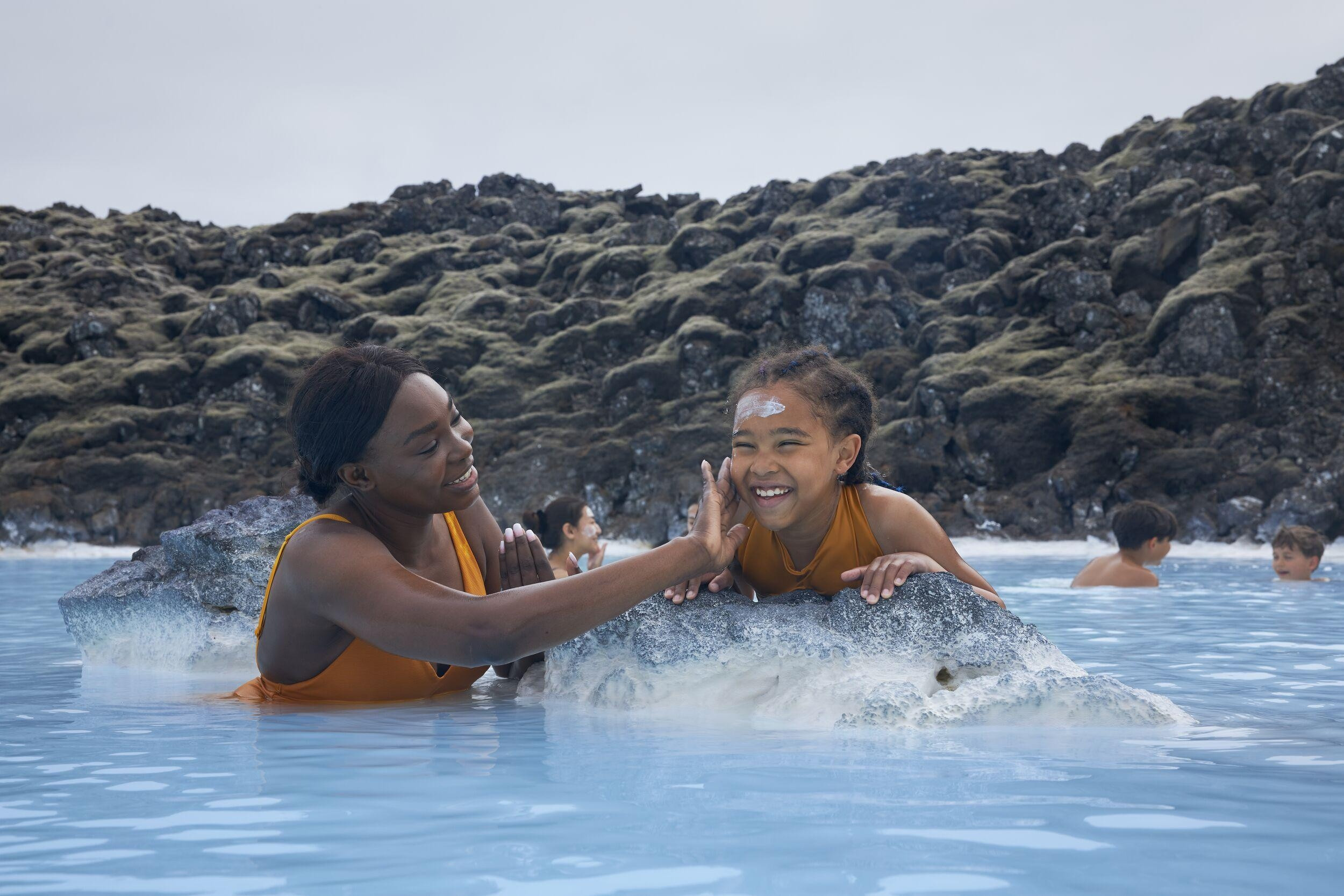
A single compact city with geothermal pools, whale-watching, and genuinely dark winter skies for aurora viewing gives teens direct, memorable novelty without a complicated itinerary to manage. Reykjavík's small size means a family can walk most of the city center on foot, removing the transit-logistics burden that a bigger capital adds on top of everything else. The country's 2 very different visiting seasons, near-endless summer daylight versus genuinely dark winter skies, give a family a real choice depending on whether the trip is built around outdoor activity or aurora-watching, not a single fixed formula that works year-round. Icelandic food, dried fish, skyr, and rye bread baked underground using geothermal heat, also gives older kids a genuine, low-stakes cultural comparison point against food back home.
Major tourist attractions for children in Reykjavík
- Perlan, combining a natural history museum, a planetarium show, and an observation deck in a single stop.
- Whales of Iceland, with life-size whale models for kids who don't spot a real one on a harbor tour.
- Flyover Iceland, a motion-simulator flight over the country's glaciers and waterfalls.
Toronto, Canada:
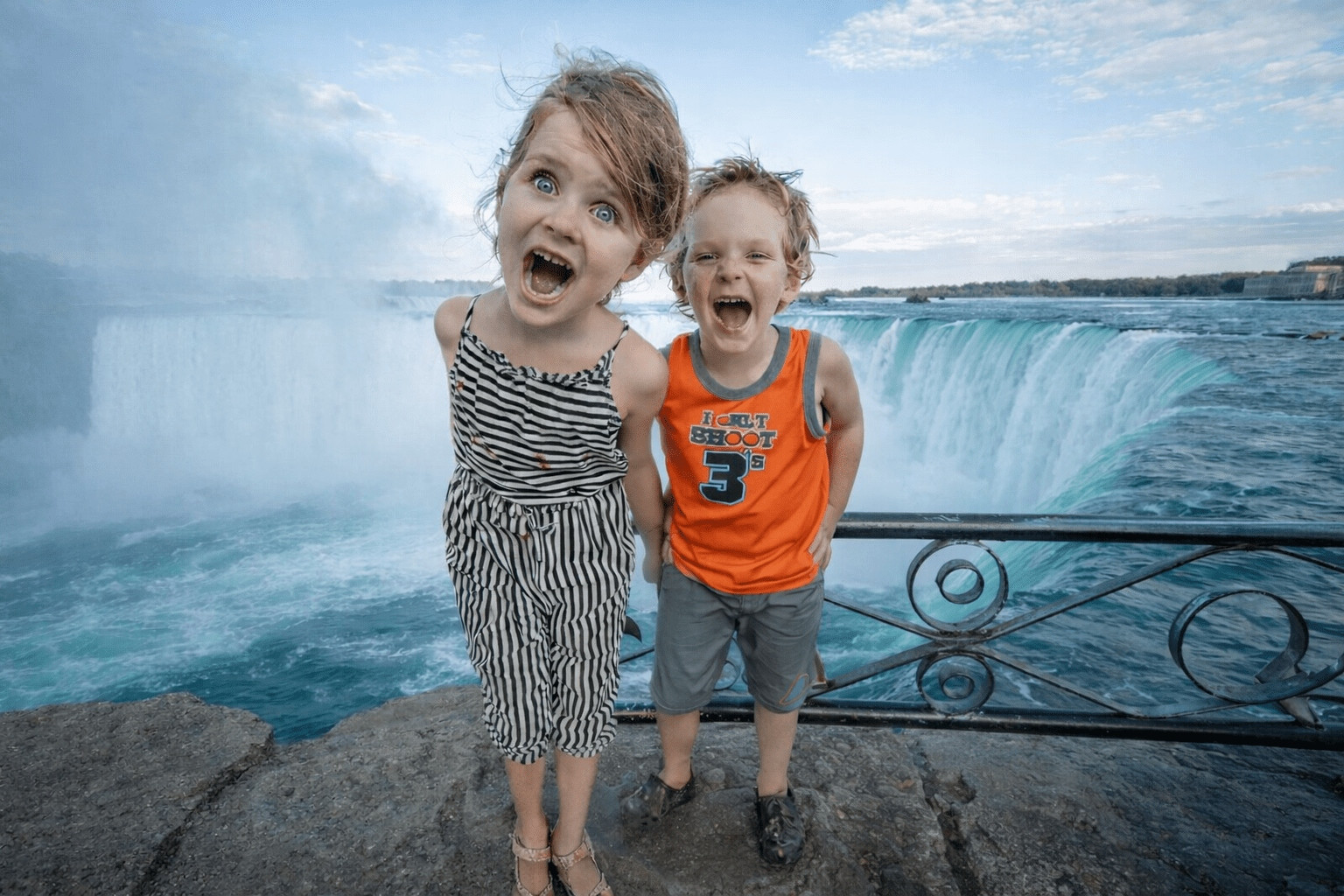
English-speaking and logistically simple, Toronto works well for a first international trip with young kids, where a language barrier adds real stress, not a useful challenge, for a toddler still learning to speak their own first language. The city's public transit and taxi infrastructure runs predictably enough that a tired parent isn't navigating an unfamiliar system on top of managing a cranky toddler. Toronto's mix of indoor attractions also matters more here than in warmer destinations, since Canadian weather can turn cold or wet with little warning even outside winter, and having a backup indoor plan removes a genuine source of trip stress.
Major tourist attractions for children in Toronto
- Ripley's Aquarium of Canada, holding more than 20,000 aquatic animals with interactive exhibits over static viewing tanks.
- Casa Loma, a genuine castle with secret passages, giving younger kids a real sense of indoor exploration.
- Centreville Amusement Park on Toronto Island, with rides kept age-appropriate for toddlers and preschoolers specifically.
Mexico City, Mexico:
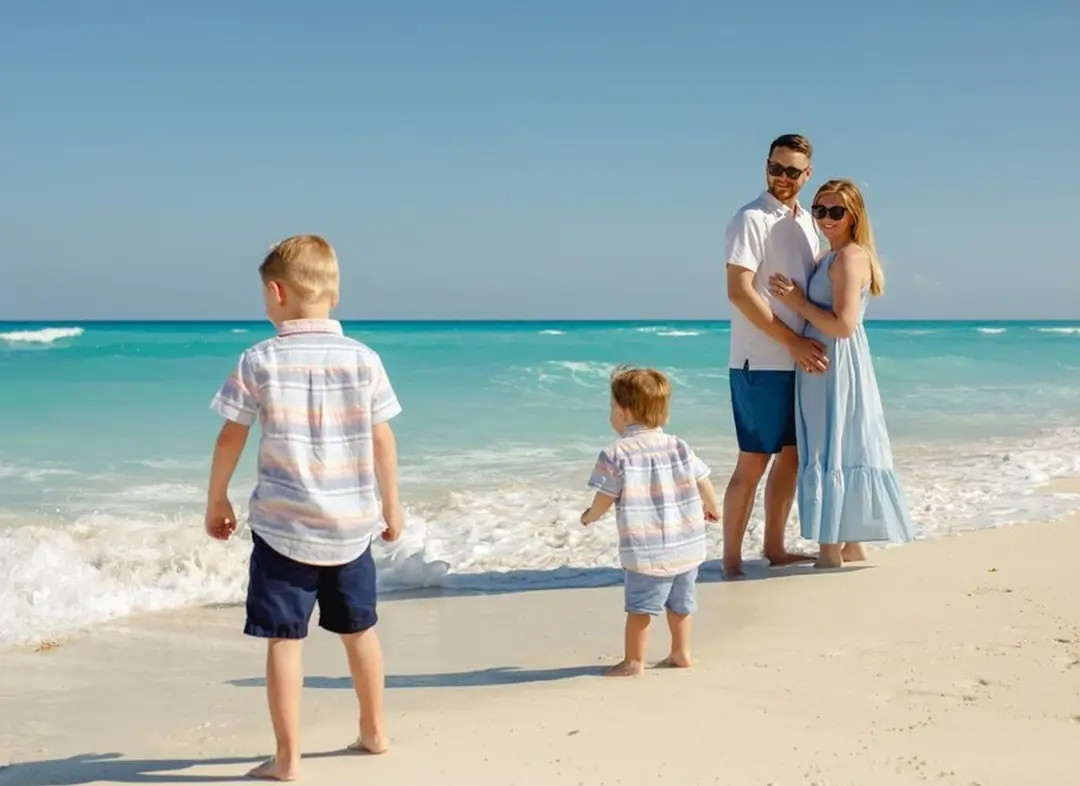
Mexico City offers a real opportunity for early Spanish-language exposure during the window when kids acquire new sounds fastest, paired with Xochimilco's canal boats for the genuine "novel activity" factor the memory research points to. The city's high elevation keeps daytime temperatures moderate even in summer, more comfortable for young kids than the humidity of a lower-elevation tropical destination. Its large, walkable historic center also means families can base themselves in a single neighborhood and reach most major sights without long transfers, a real advantage when a preschooler's patience for travel time runs short. The city's strong street-food culture, when approached with reasonable caution about vendor hygiene, also gives young kids an early, low-pressure introduction to genuinely different flavors, well before they're old enough to travel somewhere requiring more caution around food and water.
Major tourist attractions for children in Mexico City
- Xochimilco's trajinera boats, floating through the canals for a genuinely different sensory experience than standard city sightseeing.
- Chapultepec Castle, set on a hill with panoramic views and a real change of pace from street-level sightseeing.
- Acuario Inbursa, with interactive marine exhibits for a break from outdoor heat.
Galápagos Islands, Ecuador:
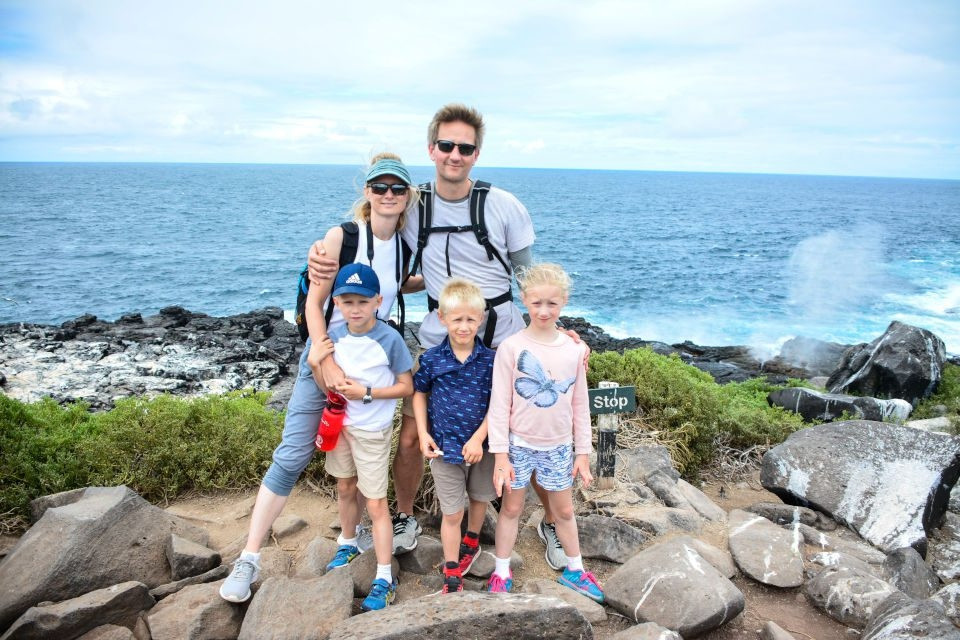
Direct wildlife encounters (giant tortoises, marine iguanas) give kids the "interesting people and novel activities" memory hook without needing language skills or complex city navigation to get there. The islands' isolation from mainland tourism infrastructure means wildlife here shows little fear of humans, genuinely different from a typical zoo visit where animals stay at a distance behind glass or fencing. Getting there requires a flight from mainland Ecuador plus a boat or land-based tour arrangement, more logistics than most destinations on this list, but the payoff is direct animal encounters no other trip on this list can match, and few other destinations anywhere let a school-age child walk within a few feet of a wild tortoise without a fence between them.
Major tourist attractions for children in the Galápagos
- Reserva El Chato, home to more than 10,000 giant tortoises roaming freely.
- Tortuga Bay, a white sand beach suited to snorkeling with sea turtles and rays for confident young swimmers.
- Las Grietas, a natural swimming hole formed by volcanic activity, a genuinely different landscape from a standard beach day.
Puglia, Italy:
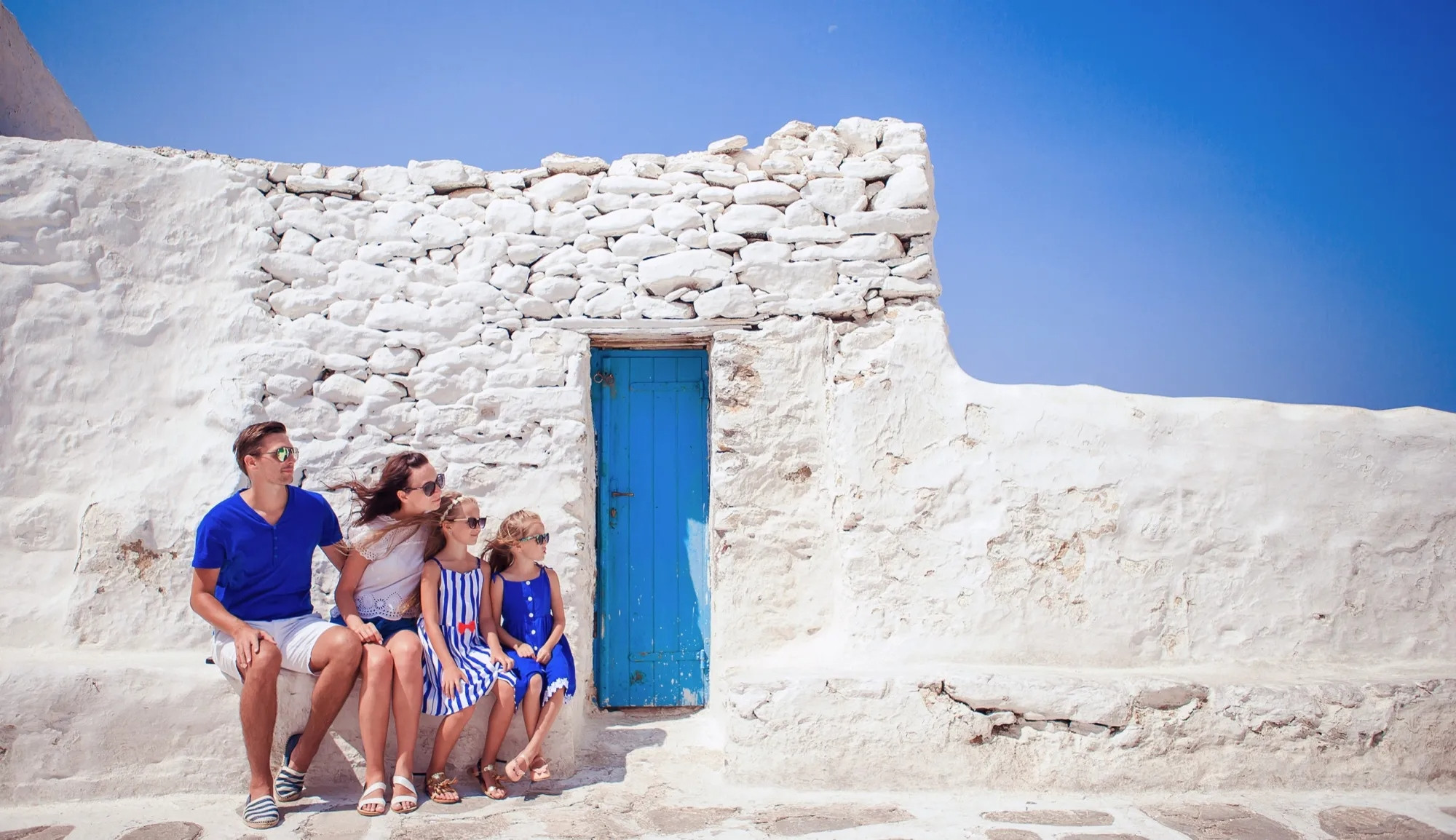
Slower-paced and beach-centered, Puglia genuinely suits the "light itinerary, real downtime" approach that works best for the youngest travelers, since a packed sightseeing schedule works directly against that age group's actual needs. The region's smaller towns and shorter driving distances between stops mean less total time strapped into a car seat compared with Italy's more spread-out northern regions. Puglia's beach towns also run considerably less crowded and less expensive than Italy's better-known coastal destinations further north, a real practical advantage for a family trip that doesn't need to compete with the Amalfi Coast's summer crowds, and its shallow coastal water tends to warm up earlier in the season than the deeper bays further north.
Major tourist attractions for children in Puglia
- Alberobello's trulli, traditional cone-roofed stone houses, genuinely unusual even for a toddler on a slow walk through town.
- Scialara Beach in Polignano a Mare, with calm, clear water suited to the youngest swimmers.
- Aquapark Egnazia, with a lazy river and children's play area for an easy, low-planning afternoon.
What to Pack hile Traveling with Kids:
Packing for a family trip comes down to a short list of items that repeatedly solve the same problems: boredom, spills, illness, and jet lag.
- A change of clothes for every family member, not just the kids, packed in a carry-on, not checked luggage, since spills and accidents happen more often in transit than at the destination.
- A basic first aid kit (a thermometer, infant pain reliever, bandages), which matters most in the middle of the night in an unfamiliar place, exactly when nothing nearby is open.
- At least 2 days' worth of diapers in the carry-on for infants and toddlers, avoiding inflated airport prices during a delay.
- Baby wipes and hand sanitizer, which cover more situations than either seems to at first, from sticky hands to wiping down a public changing table before use.
- A stroller and car seat, gate-checked for free on most airlines; worth doing even for a short flight since checking them at the counter just adds an extra stop.
- Downloaded movies, shows, and offline-capable apps, loaded before departure since in-flight wifi frequently fails to stream reliably mid-flight.
- A small "busy bag" with age-appropriate items: teethers and a familiar stuffed animal for babies, small toys or a sensory item for toddlers, card games or building sets for school-age kids.
- An advance bassinet request for infants on longer flights; most airlines allow this but require a phone call, not an online booking.
- Chewy snacks like gum or gummy candy, which help with ear pressure during takeoff and landing for kids old enough to chew safely.
- Global Entry or the Mobile Passport app for international trips, speeding up the return through customs considerably; apply well before departure since processing takes weeks.
Advice for Traveling with Children:
- Limit screen time before the trip, not during it. A tablet handed over too early stops working as a tool exactly when it's needed most, on a long delay or a rough patch mid-flight.
- Book direct flights when the option exists and the price difference is reasonable. Every layover adds a chance for a missed connection or a meltdown in an unfamiliar gate area.
- Revisit a destination the parents already know for toddlers and infants specifically, removing the pressure to see every sight and allowing the pace to slow down without guilt.
- Teach a small child "red light, green light" before the trip. It turns a stressful moment, a toddler suddenly bolting through an airport or a market, into a game they'll actually stop for.
- Wear an infant in a carrier through the airport. It keeps both hands free and tends to keep a baby calmer than being pushed in a stroller through security lines.
- Get outside in natural daylight soon after arrival in a new time zone; it helps reset a child's body clock faster than staying indoors.
- Consider a short, low-dose course of melatonin for the first couple of nights in a new time zone, worth discussing with a pediatrician before a first international trip.
- Book a morning-arrival flight paired with an early hotel check-in when the property allows it, cutting down the hours spent waiting around exhausted before a bed is available.
- Keep expectations realistic. Trips with young kids rarely go exactly as planned, a missed nap, a skipped attraction, a meltdown at the worst possible moment, and none of that means the trip failed.
- Stay flexible when the schedule slips. A parent who adjusts calmly generally gets a better trip out of it than one who insists on sticking to the original plan regardless of how the kids are actually doing.
Traveling with Kids without it Backfiring:
The single most common mistake isn't a safety failure. It's overpacking the itinerary. Cramming every day with back-to-back activities leaves no time for a child to actually process what they've seen, and the researchers behind the 2022 memory study specifically note that downtime matters for converting a new experience into something a child actually retains, not just something they were dragged through.
The practical safety basics still matter, and they're simple: confirm entry and vaccination requirements for the specific destination at least a month ahead, since some countries enforce proof of vaccination (yellow fever remains the most commonly checked one) at the border. If a child is traveling with only 1 parent, or with a relative who isn't a legal guardian, several countries require a notarized consent letter from the absent parent, worth arranging weeks in advance, not the night before a flight. Pack a basic first aid kit and any regular medications in a carry-on, not checked luggage, and confirm the destination's tap water safety before assuming bottled water is unnecessary.






{{item.get_author.first_name}} {{item.get_author.last_name}}
Level 7
5 Photos
36 Reviews
{{item.comment_txt}}
{{item_reply.get_author.first_name}} {{item_reply.get_author.last_name}}
@ {{item_reply.reply_to}}, {{item_reply.reply_txt}}