

The United States is one of those rare places where wildlife still feels truly alive and untamed. From icy northern forests to sun-drenched coastlines, every landscape holds its own cast of incredible animals. Some are massive and powerful. Others are quiet, elusive, and easy to miss if you’re not paying attention.
This guide brings you not as a dry checklist, but as real experiences you can actually plan for. You’ll find where these animals live, when they appear, and what it feels like to see them in the wild.
Think of it less like reading a list—and more like preparing for moments you’ll remember for years. A bison crossing a misty valley in Yellowstone. Dolphins cutting through blue ocean water. A bald eagle circling silently overhead.
These are the kinds of encounters that stay with you.
Top 15 Incredible Creatures You Can See In USA:
Get ready to embark on an unforgettable journey through the top 15 most incredible wildlife in the USA and discover the best locations to witness these magnificent creatures up close.
01. American Bison (Buffalo):
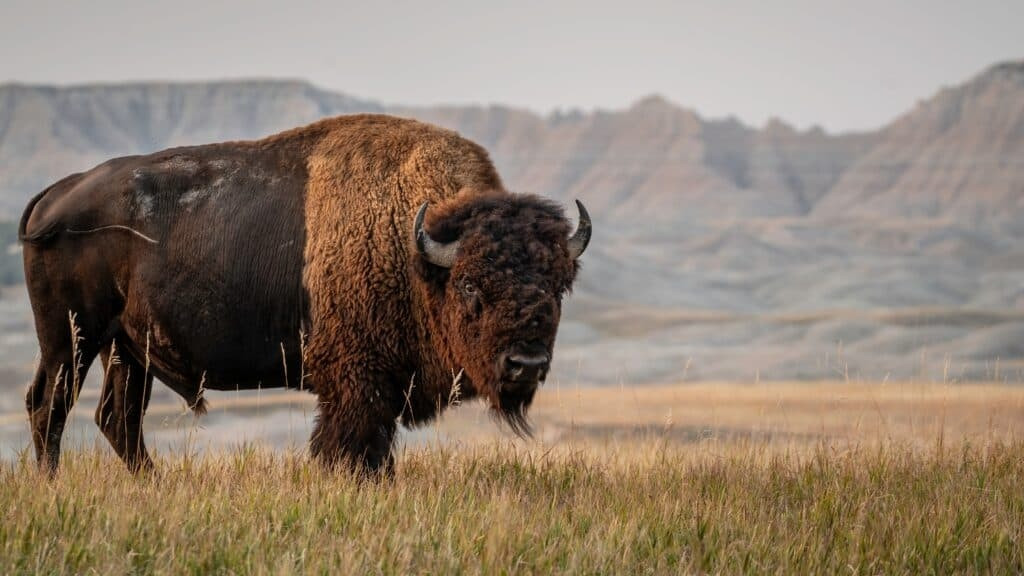
Often called “buffalo,” the American bison is the largest land mammal in North America—and one of the most iconic wildlife experiences in the USA. These massive, shaggy-coated animals once roamed the Great Plains in the millions. Today, seeing a herd move across open grassland feels like stepping back in time. Despite their calm appearance, bison are powerful and unpredictable, capable of short bursts of speed that surprise many visitors. Watching them graze at sunrise or cross a misty valley is one of those rare, unforgettable moments in the wild.
📍 Where to see:
- Yellowstone National Park
- Badlands National Park
- Custer State Park
🗓️ Best time:
- May to October (most active and visible)
- Early morning & sunset for the best sightings
💡 Experience tip:
Keep a safe distance (at least 25 meters)—bison may look slow, but they can run faster than humans. Use a zoom lens for photos, and if you’re in Yellowstone National Park, try the Lamar Valley area for some of the most consistent sightings.
02. Moose:
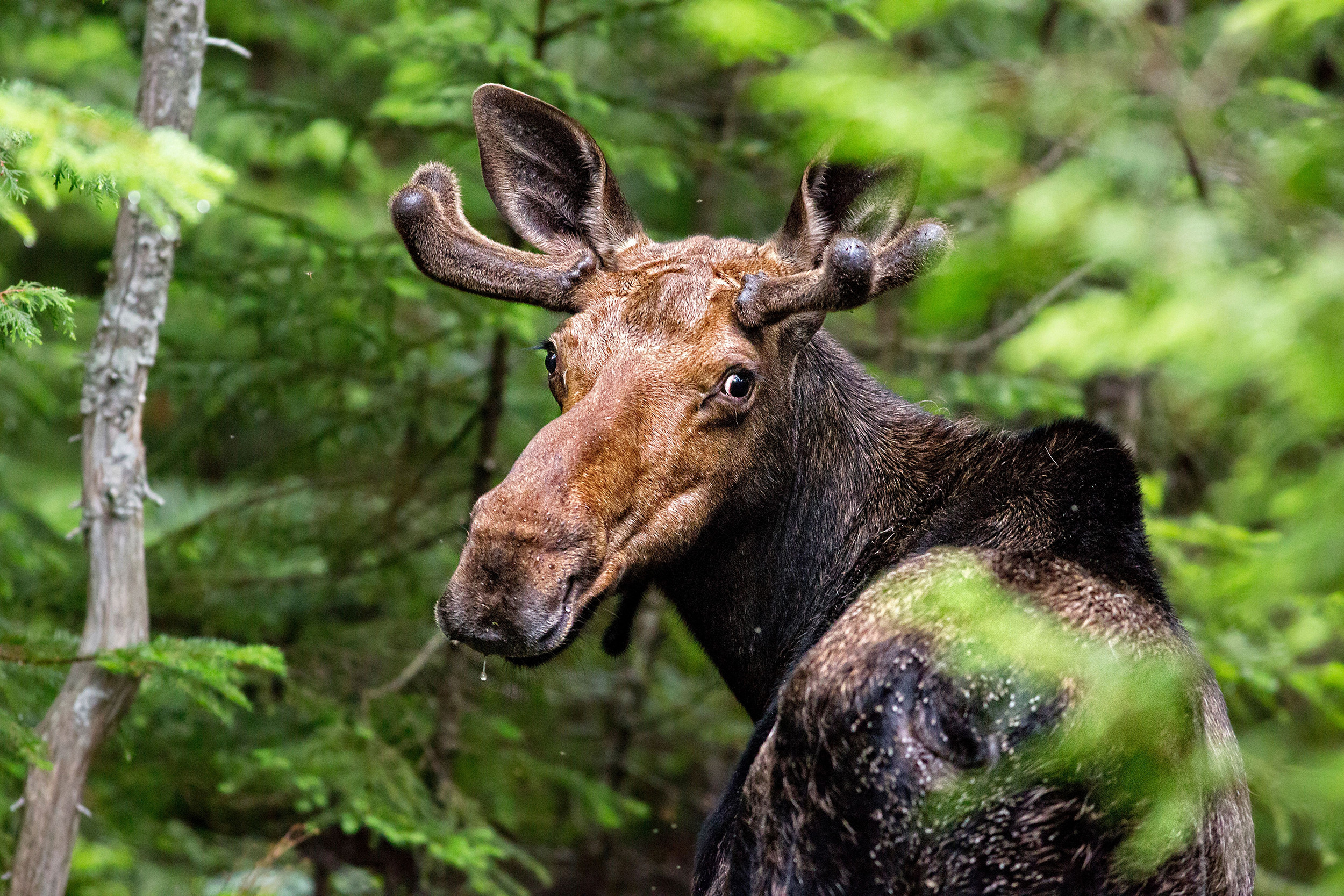
The moose is the largest member of the deer family—and easily one of the most awe-inspiring animals you can encounter in the wild. With their towering height, long legs, and (in males) massive antlers, moose look almost prehistoric. Despite their size, they often move quietly through forests and wetlands, feeding on aquatic plants and leaves. Spotting one in the wild—especially emerging from a misty lake at sunrise—feels rare and unforgettable.
Moose are generally solitary and can be unpredictable if disturbed, particularly during mating season or when mothers are with calves. That’s why observing them from a safe distance adds to the thrill of the experience.
📍 Where to see:
- Denali National Park
- Grand Teton National Park
- Rocky Mountain National Park
🗓️ Best time:
- September to October (rutting season – highest activity)
- Early morning & dusk for best sightings
💡 Experience tip:
Head to wetlands, lakes, or marshy areas at sunrise. Moose are often seen feeding in shallow water. Keep at least 50 meters distance, and never block their path—moose can become aggressive if they feel threatened.
03. Bats:
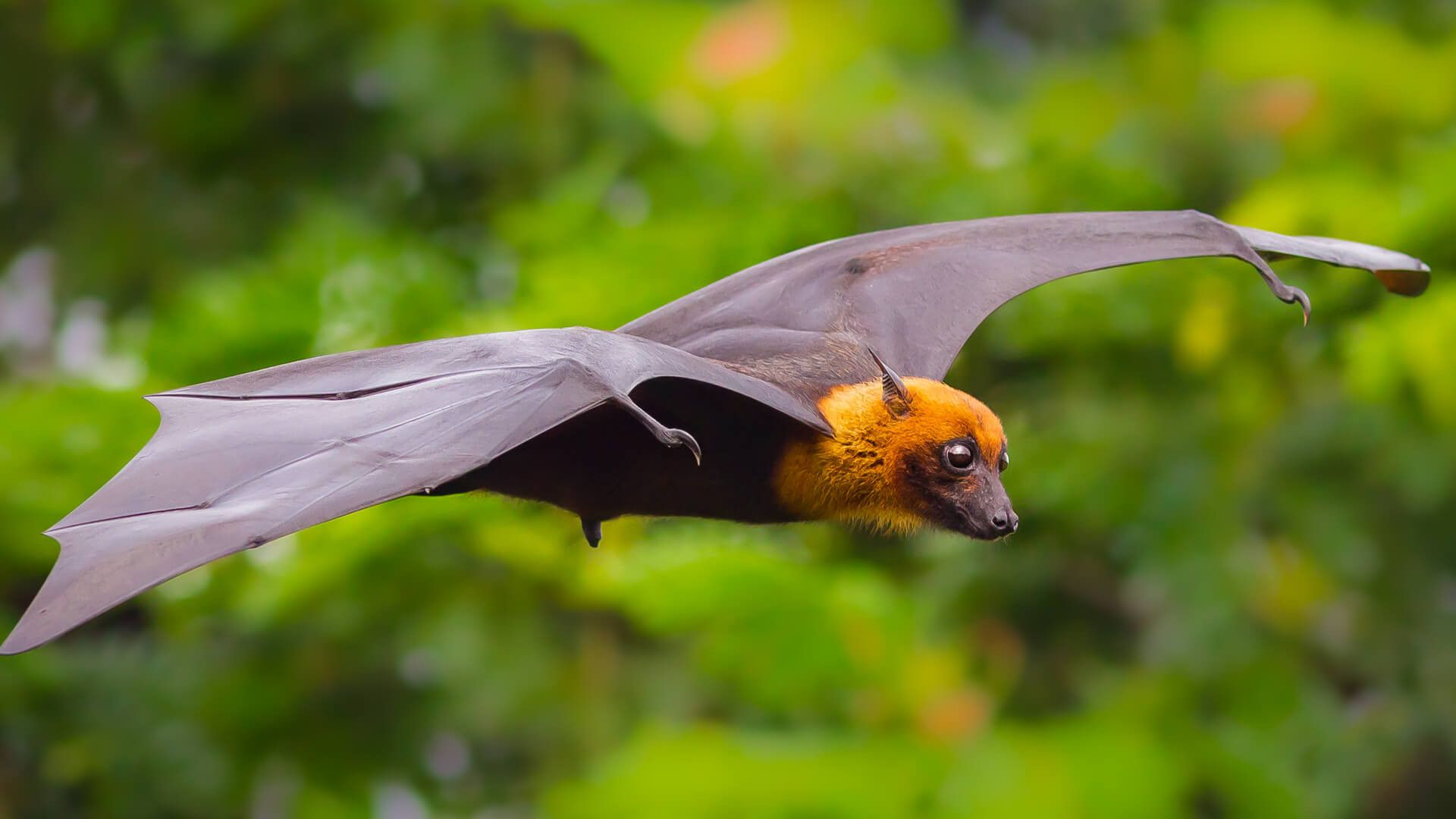
Bats are some of the most misunderstood—and fascinating—wildlife in the United States. As the only mammals capable of true flight, they play a crucial role in ecosystems by controlling insect populations and pollinating plants. Most species are nocturnal, navigating the night sky using echolocation—a biological sonar that allows them to hunt with incredible precision in total darkness.
While they might seem mysterious or even a bit eerie, witnessing thousands (or even millions) of bats emerging from a cave at sunset is one of the most unforgettable wildlife spectacles in North America.
📍 Where to see:
- Bracken Cave
- Congress Avenue Bridge
- Carlsbad Caverns National Park
🗓️ Best time:
- March to October (peak activity in summer)
- Sunset for mass emergence
💡 Experience tip:
Arrive 30–45 minutes before sunset to secure a good viewing spot. Stay quiet and avoid flash photography—this helps keep the bats undisturbed. At places like Congress Avenue Bridge, you can watch over a million bats take flight in waves—it’s surreal.
04. Wild Ponies:
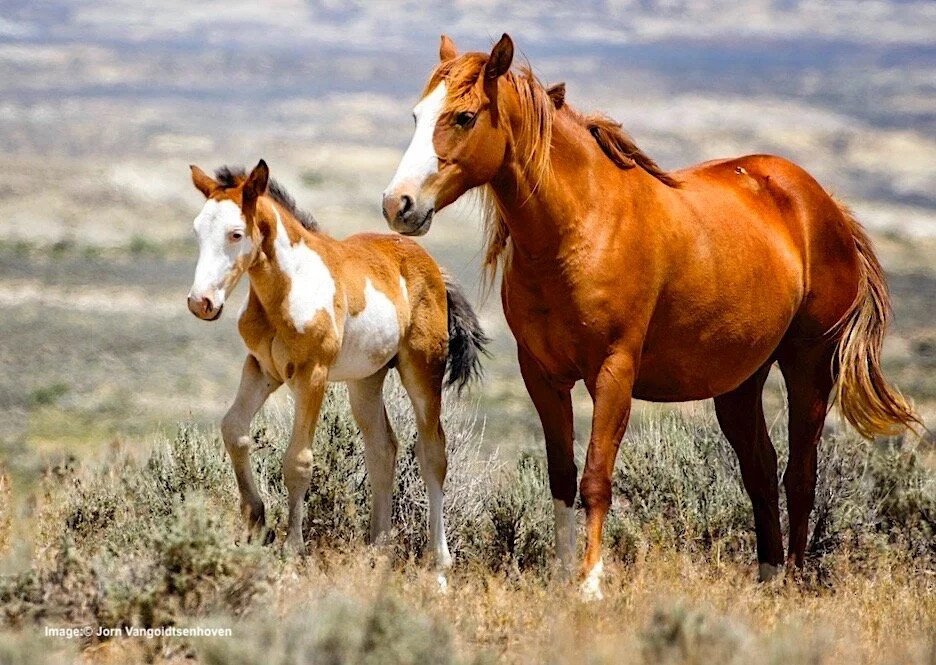
Wild ponies are one of the most enchanting and unexpected wildlife experiences in the United States. Roaming freely along windswept beaches and coastal marshes, these small, hardy horses have adapted to harsh environments where few animals thrive. Their story is just as fascinating—many believe they descended from shipwrecked Spanish horses centuries ago, adding a sense of mystery to every sighting.
Watching a herd of wild ponies move across sandy dunes with the ocean in the background feels almost cinematic. Unlike zoo encounters, this is raw, untamed nature—where animals live completely on their own terms.
📍 Where to see:
- Assateague Island
- Chincoteague Island
- Outer Banks
🗓️ Best time:
- Late spring to early fall (May–September)
- Sunrise & sunset for the best light and activity
💡 Experience tip:
Keep a safe distance (at least 40 feet)—these ponies are wild and protected. Do not feed them, as human food can harm their health. On Assateague Island, early morning walks along the beach offer the highest chance of peaceful, crowd-free sightings.
05. Manatees (Sea Cows):
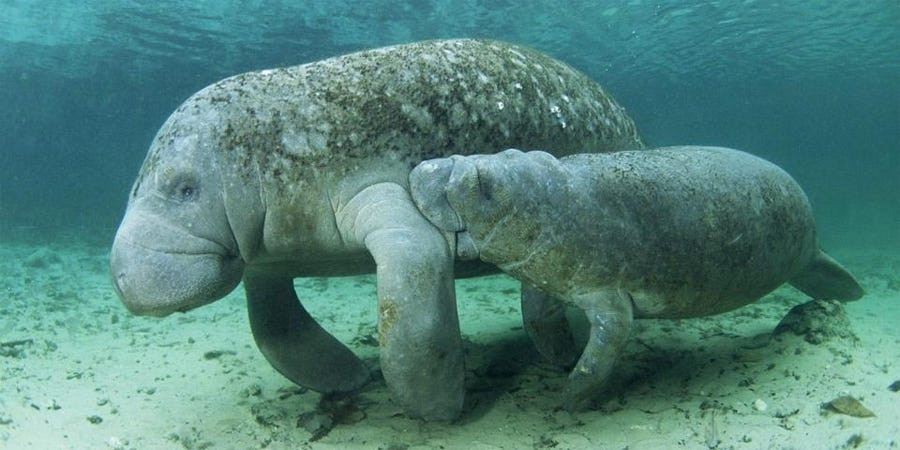
Manatees are among the gentlest creatures you can encounter in the wild. Often called “sea cows” because of their slow, grazing behavior, these large marine mammals glide peacefully through warm, shallow waters. Despite their size, they’re incredibly calm and curious, sometimes drifting close to swimmers or kayaks. Watching a manatee rise slowly to the surface for air—barely disturbing the water—feels quiet, almost surreal.
In the United States, manatees are most commonly found in Florida, especially in areas where warm spring water flows year-round. During colder months, they gather in large numbers, creating one of the most unique wildlife experiences you can witness.
📍 Where to see:
- Crystal River
- Blue Spring State Park
- Tampa Bay
🗓️ Best time:
- November to March (peak season – large تجمع)
- Early morning for calmer water
💡 Experience tip:
Visit Blue Spring State Park on a cold winter morning when hundreds of manatees gather in the warm springs. If you plan to swim or kayak, choose licensed eco-tour operators and avoid touching the animals—respectful observation ensures their safety.
06. Bald Eagles:
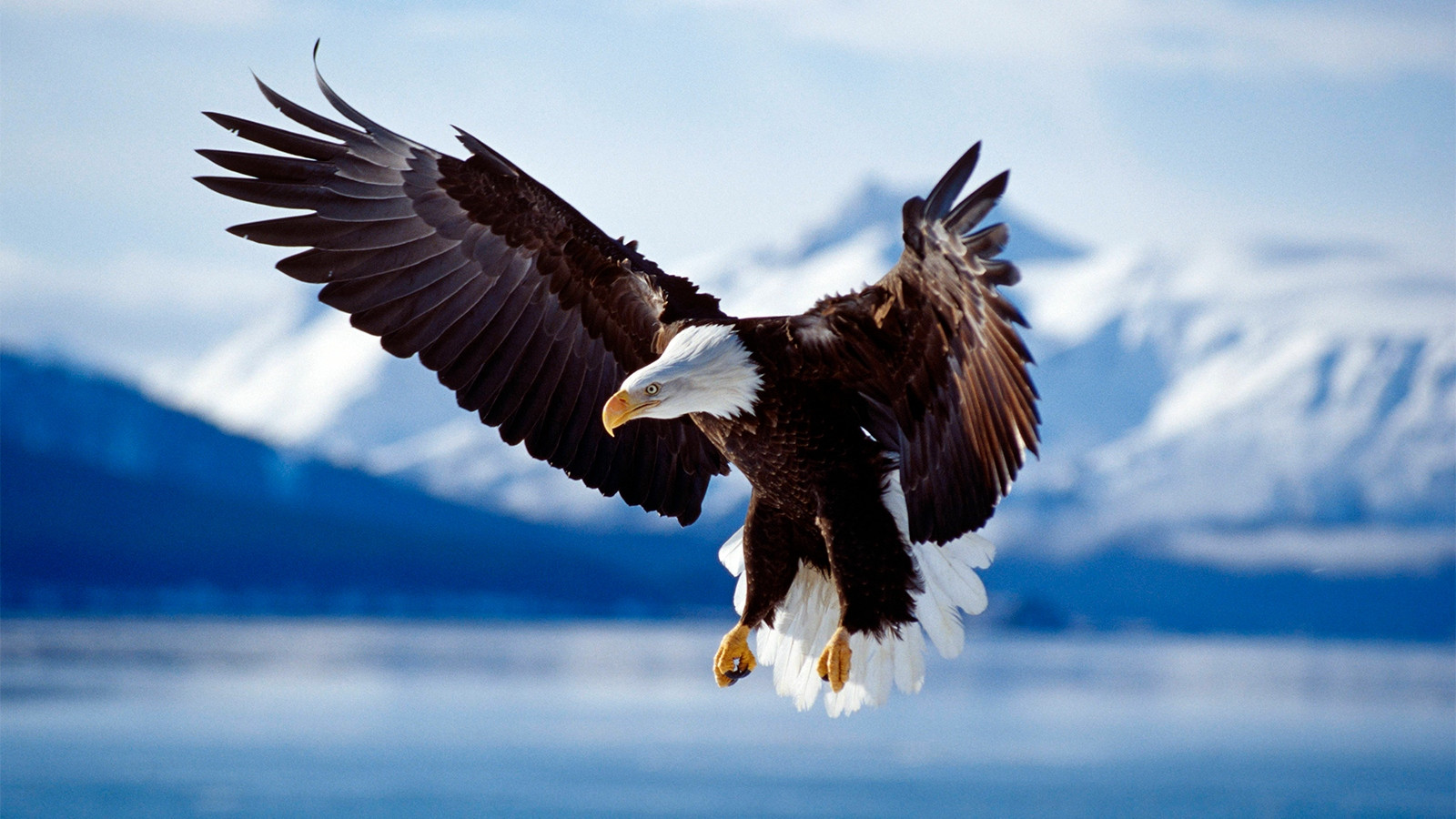
The bald eagle is one of the most iconic birds in North America and a powerful symbol of the United States. With its striking white head, dark brown body, and impressive wingspan, spotting a bald eagle in the wild feels truly special. These birds of prey are skilled hunters, often seen soaring high above rivers and lakes or perched near water scanning for fish.
Once endangered, bald eagles have made a remarkable comeback thanks to conservation efforts. Today, seeing one in its natural habitat is not just possible—it’s one of the most rewarding wildlife experiences for travelers.
📍 Where to see:
- Alaska
- Yellowstone National Park
- Chesapeake Bay
🗓️ Best time:
- November to March (peak visibility in many regions)
- Early morning for active hunting
💡 Experience tip:
Head to rivers, lakes, or coastal areas during winter when food is concentrated and eagles are easier to spot. In Alaska, you can witness large gatherings of bald eagles, especially during salmon runs—an unforgettable sight for wildlife lovers.
07. Alligators:
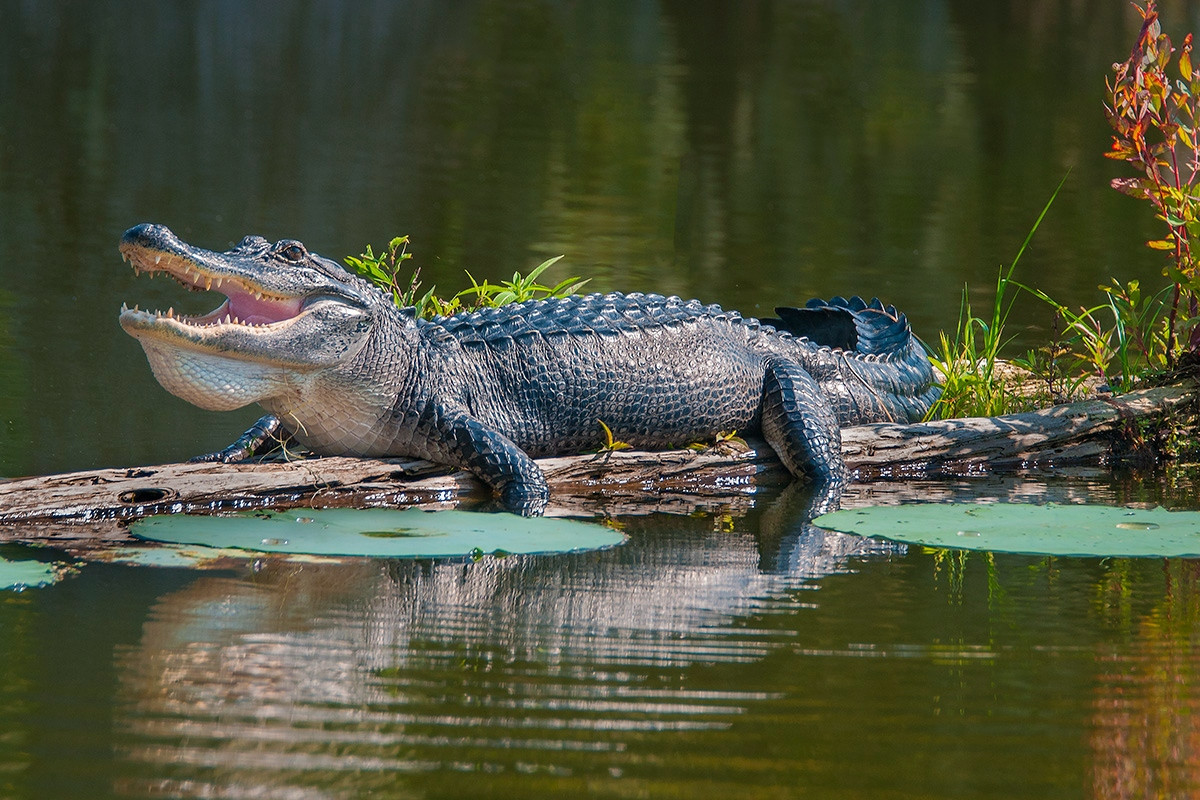
Alligators are one of the most thrilling—and slightly intimidating—wildlife encounters you can have in the United States. These powerful reptiles have existed for millions of years, and seeing one glide silently through dark water or bask along a swampy bank feels like stepping into a prehistoric world. Despite their fearsome reputation, alligators are generally calm if left undisturbed, making them a fascinating species to observe safely from a distance.
They thrive in freshwater environments like swamps, marshes, rivers, and lakes—especially in the southeastern U.S., where warm climates support large populations.
📍 Where to see:
- Everglades National Park
- Louisiana
- Okefenokee Swamp
🗓️ Best time:
- April to October (most active in warm weather)
- Early morning & late afternoon for best sightings
💡 Experience tip:
Join a guided airboat or swamp tour in Everglades National Park for a safe and immersive experience. Always keep your distance and never feed alligators—this can make them aggressive and dangerous.
08. Flamingos:
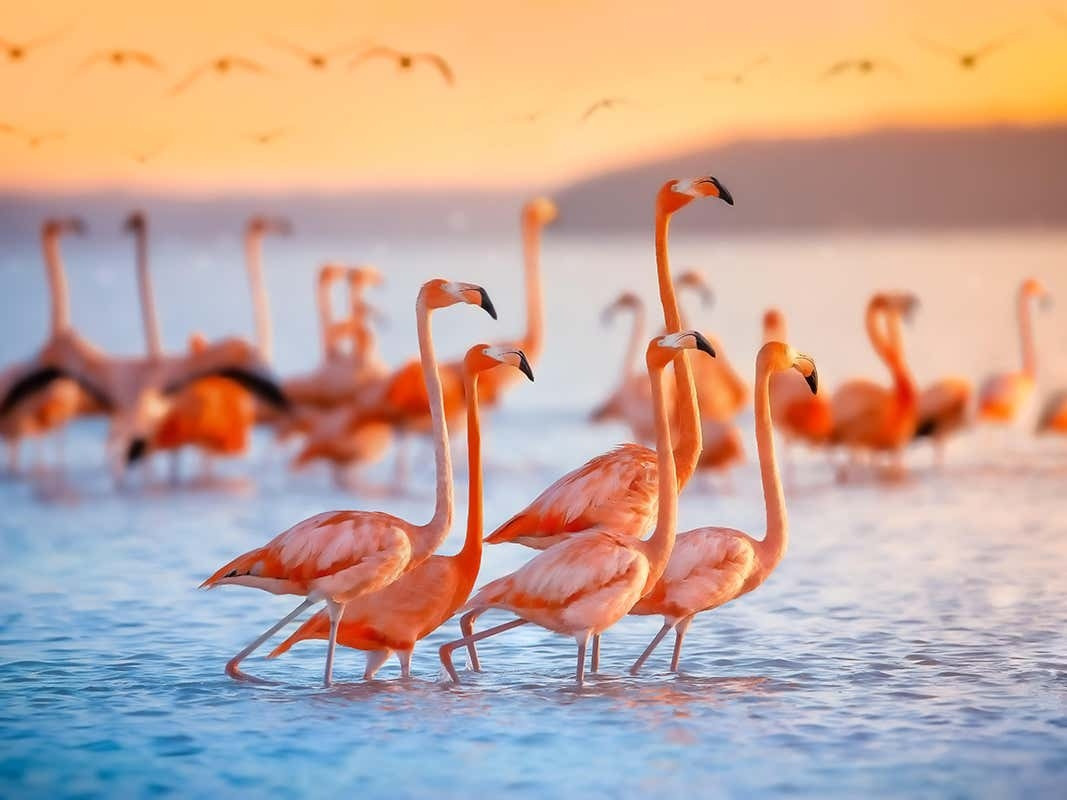
Flamingos are among the most striking birds you can see in the wild, instantly recognizable for their vivid pink color, long legs, and elegant posture. Watching a group of flamingos wading through shallow water—often standing on one leg—feels almost surreal. Their unique color comes from their diet, rich in algae and crustaceans, which gives them that signature rosy hue.
In the United States, flamingos are not as widespread as other wildlife, but sightings have become increasingly notable in certain coastal regions, especially in southern Florida. These rare appearances make spotting flamingos even more exciting for travelers and birdwatchers.
📍 Where to see:
- Everglades National Park
- Florida Keys
- South Florida
🗓️ Best time:
- Year-round (rare sightings)
- Higher chances after storm or migration events
💡 Experience tip:
Bring binoculars and keep expectations realistic—flamingo sightings in the U.S. are still relatively rare compared to other countries. If you’re visiting Everglades National Park, combine your trip with other wildlife spotting (alligators, birds) to make the experience worthwhile.
09. Black Bears:
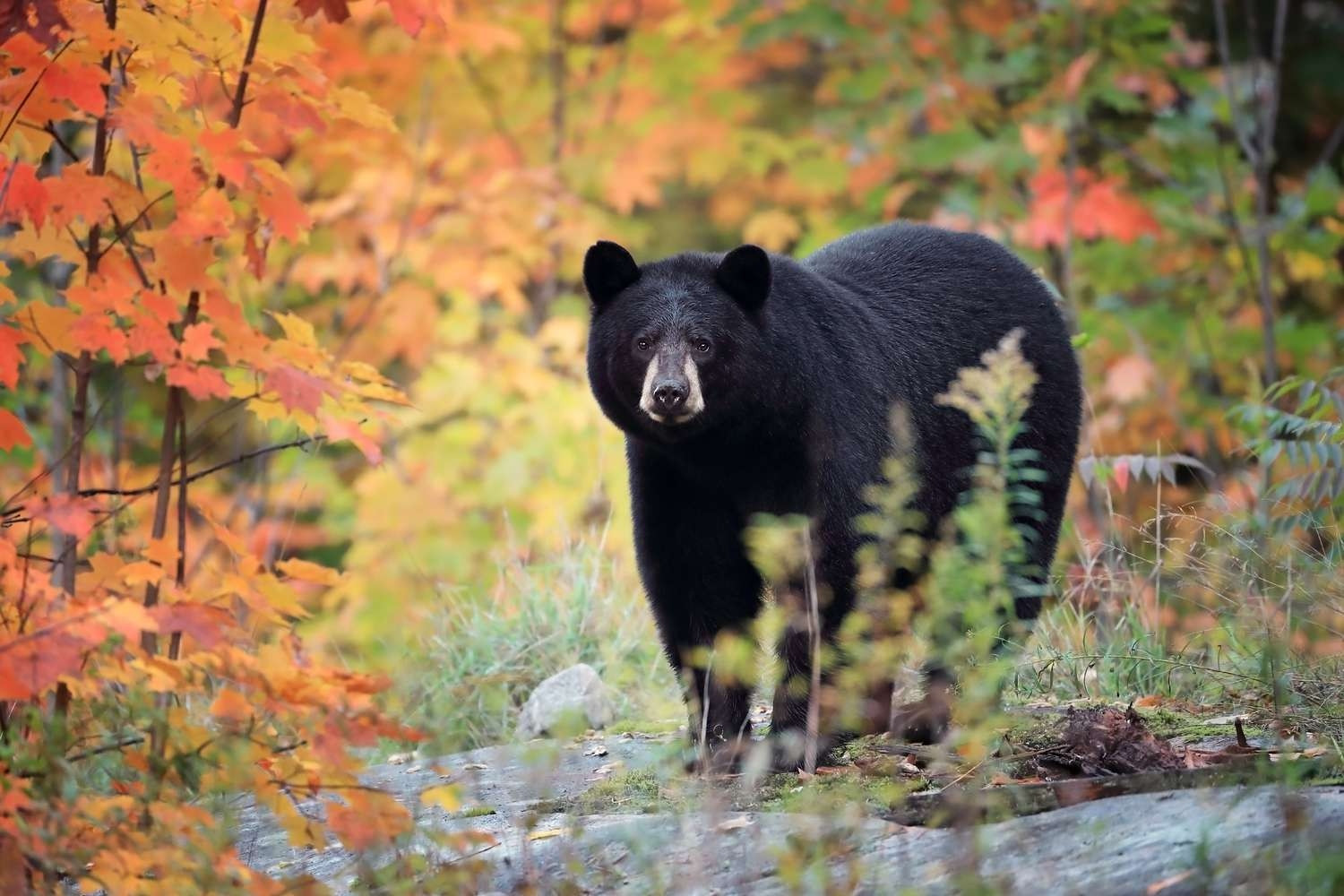
Black bears are one of the most widely distributed large mammals in the United States and a true highlight for wildlife travelers. Despite their size and strength, they are generally shy and prefer to avoid humans. Seeing a black bear in the wild—especially moving quietly through a forest or foraging near a meadow—feels powerful and humbling at the same time.
These bears are highly adaptable, living in forests, mountains, and even near some suburban edges. Their behavior changes with the seasons: in spring and summer they actively forage, while in fall they focus heavily on food before winter dormancy.
📍 Where to see:
- Great Smoky Mountains National Park
- Yosemite National Park
- Shenandoah National Park
🗓️ Best time:
- Spring to early fall (April–October)
- Early morning or dusk for highest activity
💡 Experience tip:
Drive slowly through forest roads or hike early in the morning when bears are most active. In Great Smoky Mountains National Park, black bears are often seen near trails and open fields—but always maintain a safe distance and never feed them. Carrying bear-safe food storage is essential in many parks.
10. Elk:
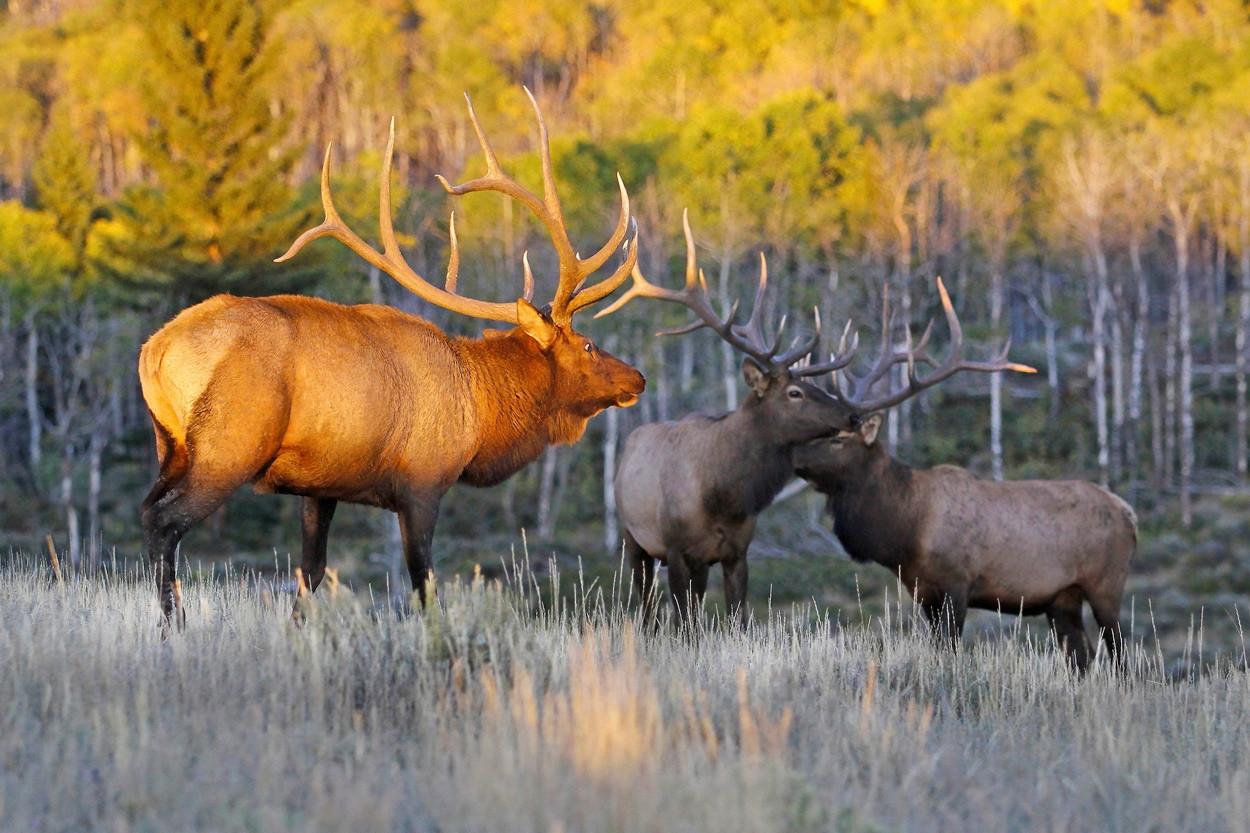
Elk are one of the most majestic and photogenic large mammals in North America. With their tall stature, long legs, and impressive antlers (especially in males), they create some of the most iconic wildlife scenes in the USA. Watching a herd of elk move across open valleys or hearing a bull elk bugle during mating season is an unforgettable experience—it feels raw, wild, and cinematic.
Elk are highly social animals, often forming large herds that migrate seasonally between higher and lower elevations. They are most active during dawn and dusk, when valleys and meadows come alive with movement and sound.
📍 Where to see:
- Yellowstone National Park
- Rocky Mountain National Park
- Great Smoky Mountains National Park
🗓️ Best time:
- September to October (rutting season – best for bugling and mating displays)
- Early morning & sunset for peak activity
💡 Experience tip:
Visit open meadows and valley floors during early morning hours. In Rocky Mountain National Park, elk often gather in large herds near roads and grasslands, making them relatively easy to spot—but always observe from a distance, especially during rut season when bulls can become aggressive.
11. Brown Bears:
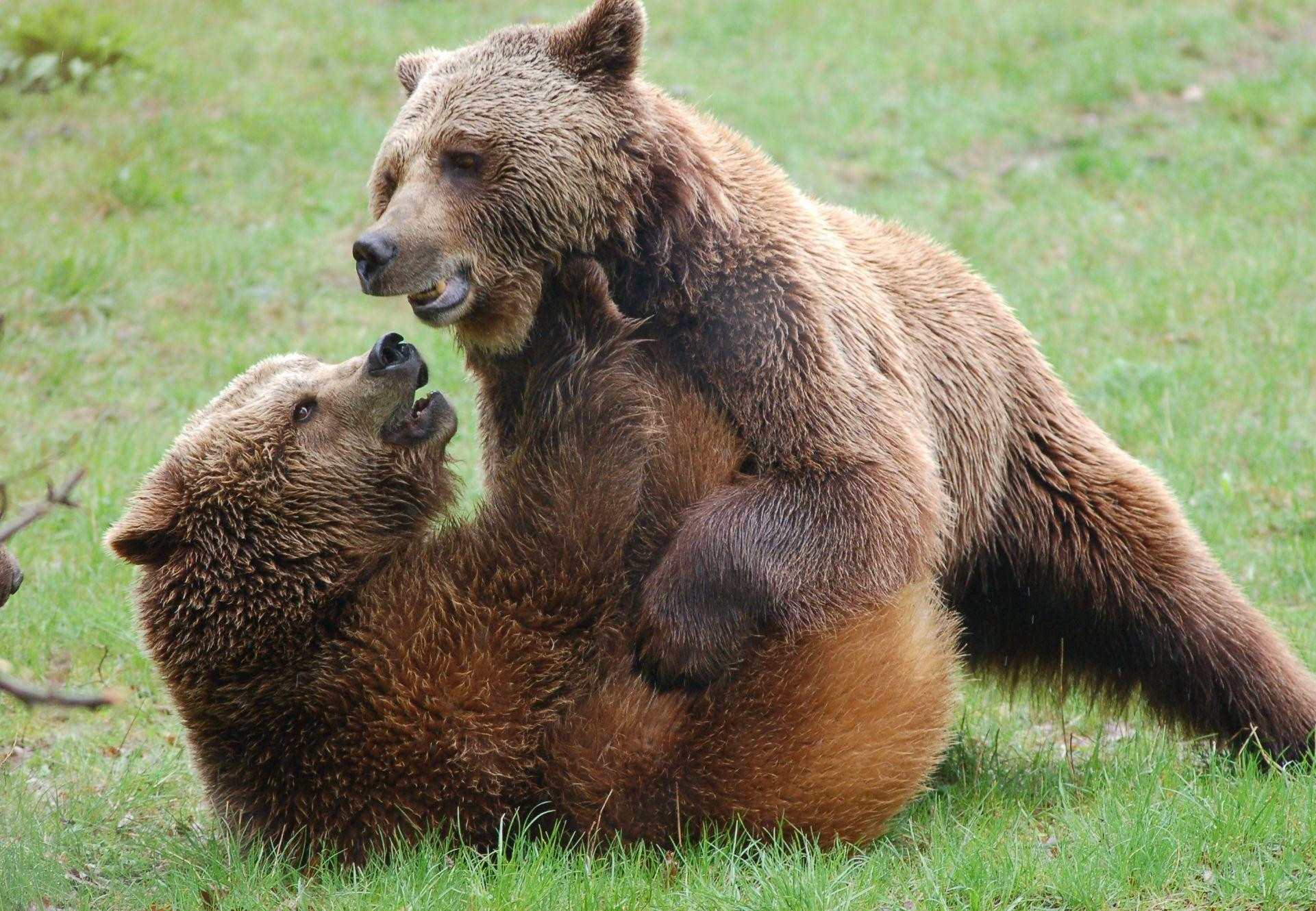
Brown bears—often called grizzly bears in inland North America—are among the most powerful and iconic predators in the United States. Seeing one in the wild is both thrilling and humbling. With their massive build, strong shoulders, and distinctive hump, they dominate the landscapes they inhabit. Despite their intimidating presence, brown bears are typically focused on feeding—especially during salmon runs and berry seasons—rather than human interaction.
They are most commonly found in remote wilderness areas where food is abundant and human activity is limited. Observing them safely from a distance, often in open valleys or riverbanks, is one of the most unforgettable wildlife experiences in North America.
📍 Where to see:
- Yellowstone National Park
- Denali National Park
- Katmai National Park and Preserve
🗓️ Best time:
- June to September (peak activity and feeding season)
- July to September in Alaska (best salmon viewing opportunities)
💡 Experience tip:
For the best and safest sightings, join guided tours in Katmai National Park and Preserve, especially at Brooks Falls where bears gather to catch salmon. Always carry bear spray in backcountry areas and maintain extreme caution—never approach or attempt to feed them.
12. Butterflies:
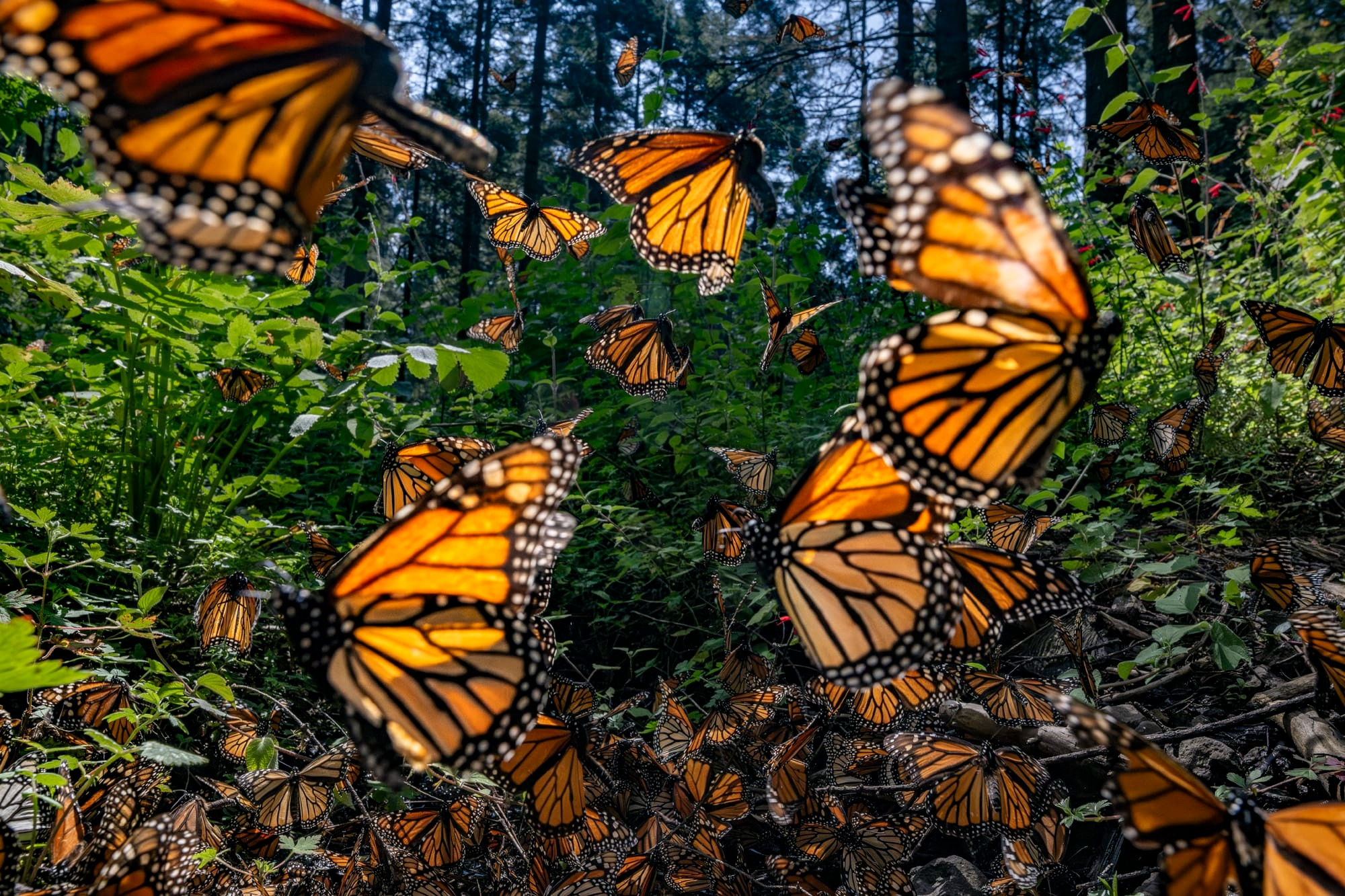
Butterflies are some of the most delicate and visually stunning creatures you can encounter in the wild. With their vibrant wing patterns and graceful flight, they bring a sense of calm and beauty to natural landscapes. Beyond their appearance, butterflies play a crucial ecological role as pollinators, helping maintain healthy ecosystems across forests, meadows, and wetlands.
In the United States, butterfly sightings vary by species and season, with certain areas becoming temporary migration hotspots where thousands gather, creating breathtaking natural displays.
📍 Where to see:
- Monarch Butterfly Biosphere Reserve
- Point Pelee National Park
- Great Smoky Mountains National Park
🗓️ Best time:
- Spring to early fall (March–September)
- August–October (peak monarch migration season)
💡 Experience tip:
Visit wildflower-rich areas early in the morning when butterflies are most active and less disturbed by wind. In Great Smoky Mountains National Park, you can often see multiple species at once during summer hikes. Avoid sudden movements and bright artificial colors if you want them to land nearby for photography.
13. Florida Panther:
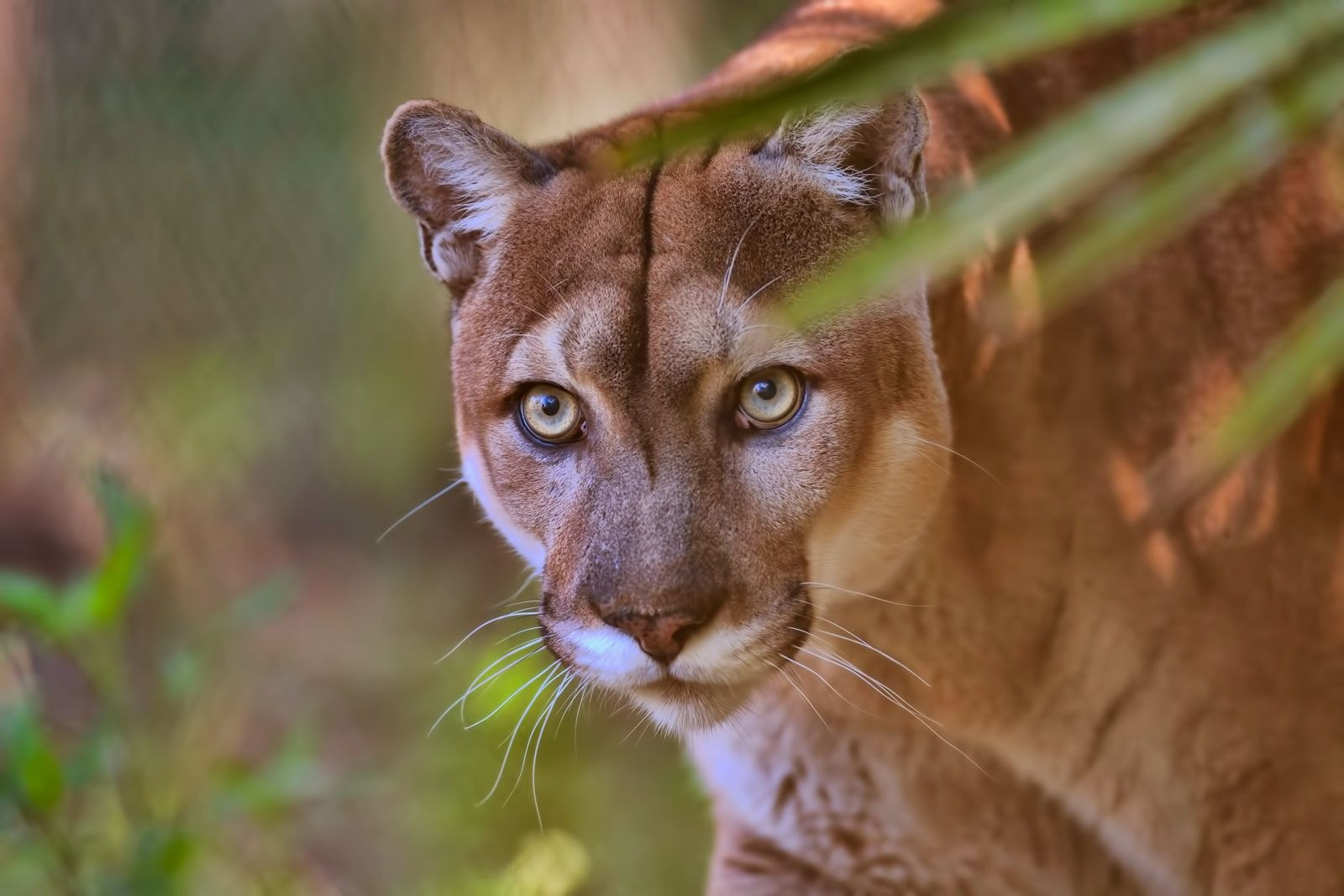
The Florida panther is one of the rarest and most elusive big cats in North America. A subspecies of the cougar, it is known for its sleek body, tawny coat, and quiet, stealthy movement through dense wilderness. Unlike many other wildlife species, spotting a Florida panther in the wild is extremely rare—making it one of the most mysterious and sought-after animals in the United States.
These cats primarily inhabit remote wetlands, forests, and swamps in southern Florida. They are solitary, territorial, and mostly active during dawn and night, which adds to their hidden nature. Even if you don’t see one directly, knowing they are present adds an exciting sense of wilderness to the landscape.
📍 Where to see:
- Everglades National Park
- Big Cypress National Preserve
- Fakahatchee Strand Preserve State Park
🗓️ Best time:
- November to March (cooler months, higher activity)
- Dawn and nighttime hours for best chance of movement
💡 Experience tip:
Your best chance of indirect sightings (tracks, camera captures, or brief glimpses) is in Big Cypress National Preserve. Always travel quietly and use guided wildlife tours if possible. Keep in mind that Florida panthers are extremely sensitive to human presence, so patience and respect for distance are essential.
14. Elephant Seals:
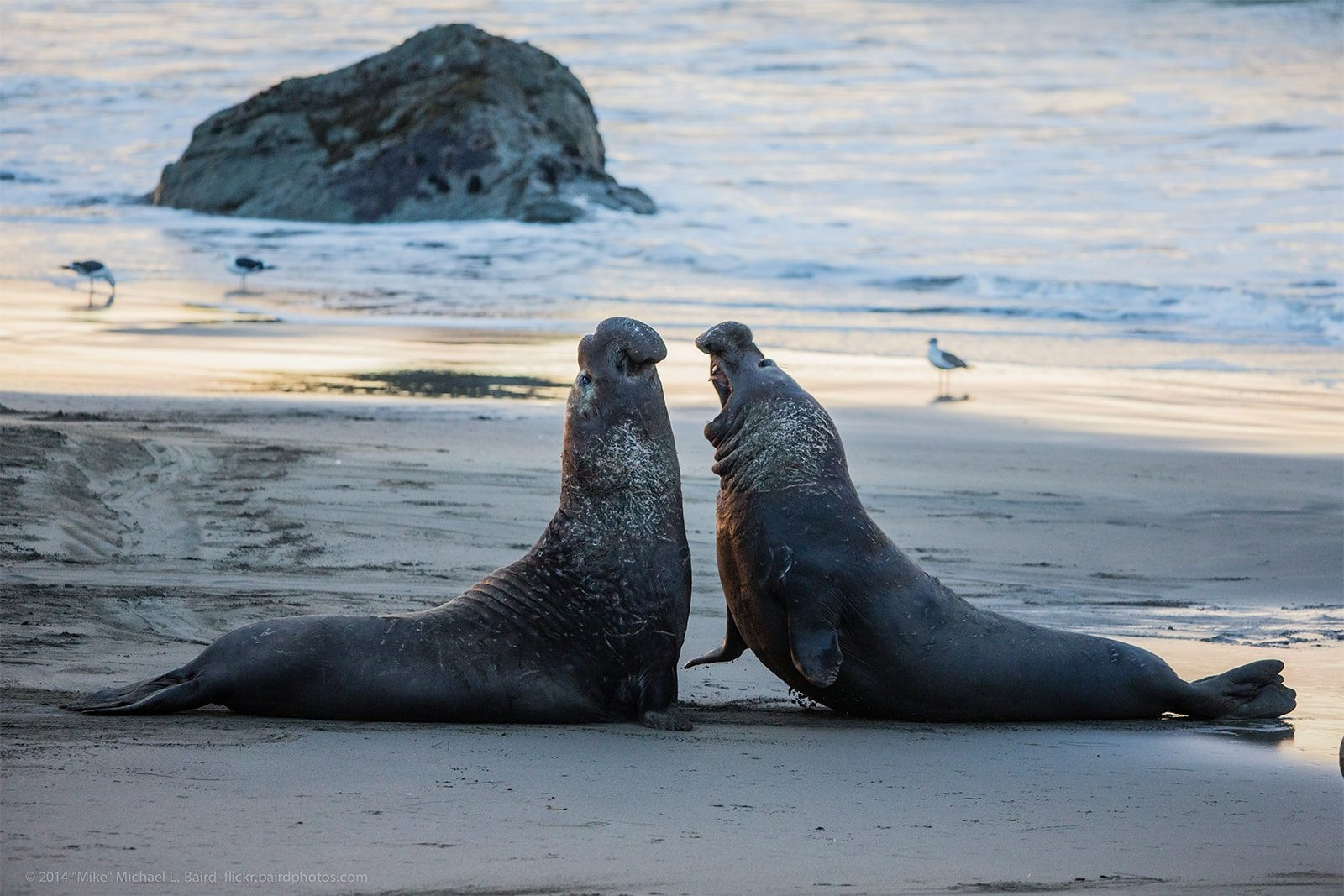
Elephant seals are some of the most massive and dramatic marine mammals you can witness along the U.S. coastline. Despite their size and slightly awkward appearance on land, they are powerful ocean swimmers, spending most of their lives at sea and only coming ashore to breed, molt, or rest. Males are especially impressive, with large, trunk-like noses (which give them their name) and intense dominance battles during mating season.
Seeing hundreds or even thousands of elephant seals crowded on beaches is one of the most unique wildlife spectacles in North America. The sounds—deep roars, barking, and constant movement—make it feel like a living wildlife documentary.
📍 Where to see:
- Piedras Blancas Elephant Seal Rookery
- Ano Nuevo State Park
- Point Reyes National Seashore
🗓️ Best time:
- December to March (breeding season – peak activity)
- April to August (molting season – still large gatherings)
💡 Experience tip:
Visit Piedras Blancas Elephant Seal Rookery for one of the easiest and most accessible viewing experiences—no hiking required, just a boardwalk overlooking the beach. Bring binoculars for better viewing, and avoid going too close, especially during breeding season when males can be highly territorial.
15. Dolphins:
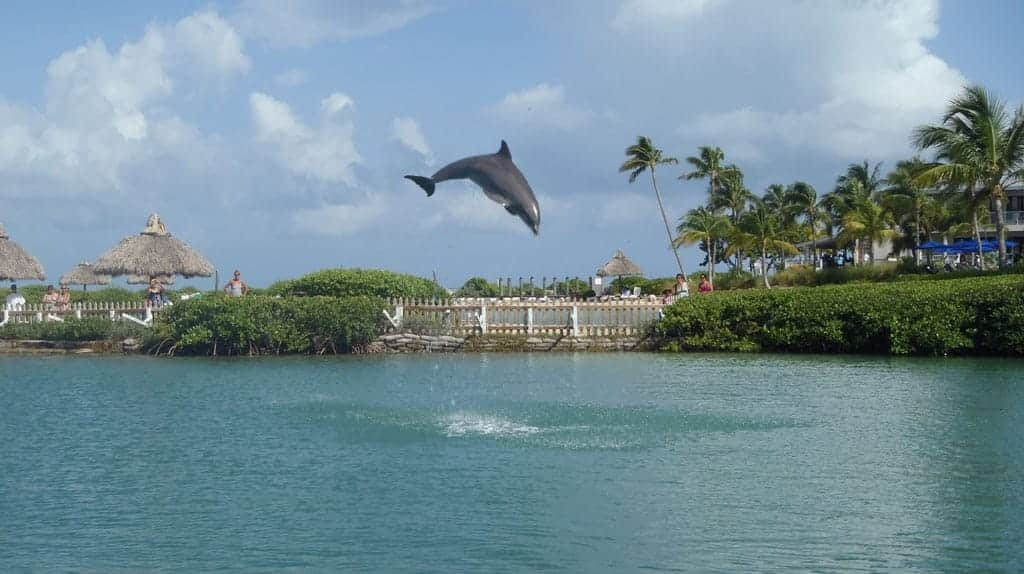
Dolphins are among the most intelligent and captivating marine mammals in the world, known for their playful behavior, complex communication, and strong social bonds. They live in groups called pods and use a sophisticated system of clicks, whistles, and body movements to coordinate, hunt, and interact. Watching dolphins swim beside boats or leap through ocean waves is one of the most joyful wildlife experiences a traveler can have.
In the United States, dolphins are commonly found along warm coastal waters where food is abundant. While they are widespread, seeing them in large numbers or in natural hunting behavior adds a truly special dimension to any coastal trip.
📍 Where to see:
- Florida Keys
- San Diego
- Hawaii
🗓️ Best time:
- Year-round (varies by region)
- Early morning and sunset for most active behavior
💡 Experience tip:
Join an eco-friendly boat tour in Florida Keys for the best chance to see dolphins swimming freely in pods. Choose operators who avoid chasing or disturbing them—ethical wildlife viewing ensures you see natural behaviors like feeding, jumping, and playful interactions.
Wildlife travel in the USA is not about ticking off species. It’s about slowing down and noticing the world as it really is—unfiltered, unpredictable, and alive.
Some moments will be loud and dramatic. A herd of elk moving through open fields. A brown bear catching salmon in rushing water. Others will be almost silent. A manatee drifting just beneath the surface. A butterfly landing briefly on a wildflower.
What ties them together is the feeling they create—something raw, real, and difficult to describe once you’ve experienced it.
As 2026 unfolds, wildlife tourism is shifting. It’s no longer just about “seeing animals.” It’s about understanding where they live, respecting their space, and choosing experiences that protect the places they depend on.
If there’s one thing to carry from this guide, it’s simple.
Don’t just look for wildlife. Go where life still feels wild.






{{item.get_author.first_name}} {{item.get_author.last_name}}
Level 7
5 Photos
36 Reviews
{{item.comment_txt}}
{{item_reply.get_author.first_name}} {{item_reply.get_author.last_name}}
@ {{item_reply.reply_to}}, {{item_reply.reply_txt}}