Check out the best places & events in the city. Each one is worth of visiting. Experience which you never forget.

Shanghai, China
0 Photo 0 View

Cultural Events
Thailand
0 Photo 0 View
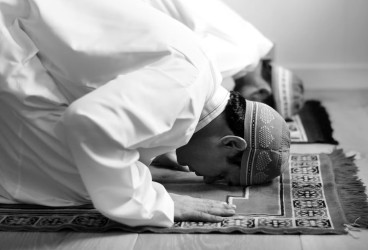
Religious Festivals
Global Event
0 Photo 0 View

Social Festivals
Global Event
0 Photo 0 View

Parade
Philippines
0 Photo 0 View

Cultural Events, Folk Festival
Indonesia
0 Photo 0 View

Cultural Events
Japan
0 Photo 0 View

Cultural Events, National Day
Japan
0 Photo 0 View

National Day, Social Festivals
Indonesia
0 Photo 0 View

Cultural Events, Religious Festivals
Thailand
0 Photo 0 View
Check out the events. Each one is worth & Create Memories. Visiting Experience which You Never Forget.
Baishabi is the New Year's Day of the Chakma people, an indigenous community living in Bangladesh and India. It is celebrated on the 1st day of the month of Baishakh in the Bengali calendar, which usually falls in mid-April.
The history of Baishabi festival can be traced back to centuries ago. It is believed that the festival originated as a harvest festival, celebrating the end of the winter season and the beginning of the new agricultural year. However, over time, Baishabi has evolved into a more general New Year's celebration, incorporating elements of Chakma culture and traditions.
The Baishabi festival is celebrated by the Chakma people with great enthusiasm and fervor. On the day of the festival, people wake up early and clean their homes. They then dress up in traditional Chakma clothes and visit temples and monasteries to offer prayers. After prayers, people gather in their villages and communities to celebrate.
The Baishabi festival is marked by a variety of cultural activities, including traditional Chakma dances, songs, and music. People also feast on special dishes prepared for the occasion. One of the most popular dishes eaten on Baishabi is Pajan, a pancake made from rice flour and various vegetables.
The Baishabi festival is a significant event for the Chakma people. It is a time for them to celebrate their culture and traditions, and to come together as a community. The festival also serves as a reminder of the Chakma people's deep connection to nature and the land.
In addition to the cultural and social significance, Baishabi festival is also an important economic event for the Chakma people. During the festival, there is a great demand for traditional Chakma handicrafts and products. This provides an opportunity for the Chakma people to earn extra income and promote their culture to a wider audience.
The Baishabi festival is a truly unique and special event. It is a celebration of the Chakma people's culture, traditions, and way of life.
Date of Celebration: Baishabi, also known as Pohela Boishakh, is celebrated on the 14th of April each year. It marks the first day of the Bengali calendar year.
Significance: Baishabi is the New Year's Day of the Chakma people, an indigenous community living in Bangladesh and India. It is also a harvest festival, celebrating the end of the winter season and the beginning of the new agricultural year.
Celebrations: Baishabi is celebrated with great enthusiasm and fervor. People wake up early and clean their homes, dress up in traditional Chakma clothes, and visit temples and monasteries to offer prayers. After prayers, people gather in their villages and communities to celebrate. The festival is marked by a variety of cultural activities, including traditional Chakma dances, songs, and music. People also feast on special dishes prepared for the occasion, such as Pajan, a pancake made from rice flour and various vegetables.
Economic significance: Baishabi festival is also an important economic event for the Chakma people. During the festival, there is a great demand for traditional Chakma handicrafts and products. This provides an opportunity for the Chakma people to earn extra income and promote their culture to a wider audience.
Historical Origin: The festival's history can be traced back to ancient times when it was primarily an agricultural celebration associated with the harvest season. Its modern form was influenced by the Mughal Empire in the 16th century.
Cultural Significance: Baishabi is a celebration of Bengali culture and identity. It brings people from all walks of life together and promotes a sense of unity and pride among Bengalis.
Traditional Attire: People dress in colorful traditional attire, with women often wearing white and red sarees symbolizing purity and strength. Men may wear panjabis or kurta-pajamas.
Religious Observance: The day begins with visits to temples and other religious places for prayers and blessings. People seek a fresh start to the year by paying homage to their deities.
Artistic Performances: Traditional music, dance, and processions are integral to the festivities. The "Mongal Shobhajatra," a colorful and vibrant procession, is a highlight of the day.
Food and Feasting: Special Bengali dishes are prepared for the occasion, including various types of "pitha" (rice cakes) and sweets. Families and friends come together to enjoy these delicacies.
Public Holiday: Baishabi is a public holiday in Bangladesh, allowing people to participate fully in the celebrations.
International Recognition: The Baishabi festival has gained international recognition and attracts tourists from around the world who want to experience Bengali culture and traditions.
Symbolism: Baishabi represents a fresh start, new beginnings, and the hope for a prosperous year ahead. It's a time for people to put aside their worries and embrace the joy and optimism of the new year.
Check out the best Incredible Event & Festival, Don't Miss!. Each one is worth of visiting. Experience which you never forget.


Hello, How can We Help You?
The Baishabi festival is the New Year's Day of the Chakma people, an indigenous community living in Bangladesh and India. It is celebrated on the 1st day of the month of Baishakh in the Bengali calendar, which usually falls in mid-April.
The Baishabi festival is celebrated on the 1st day of the month of Baishakh in the Bengali calendar, which usually falls in mid-April.
The Baishabi festival is celebrated by the Chakma people, an indigenous community living in Bangladesh and India.
The Baishabi festival is a significant event for the Chakma people. It is a time for them to celebrate their culture and traditions, and to come together as a community. The festival also serves as a reminder of the Chakma people's deep connection to nature and the land.
The Baishabi festival is celebrated with great enthusiasm and fervor. People wake up early and clean their homes, dress up in traditional Chakma clothes, and visit temples and monasteries to offer prayers. After prayers, people gather in their villages and communities to celebrate. The festival is marked by a variety of cultural activities, including traditional Chakma dances, songs, and music. People also feast on special dishes prepared for the occasion, such as Pajan, a pancake made from rice flour and various vegetables.
Browse Locals. Find the one you like. Plan & discuss activities before you meet. Witness the city through the eyes of a local.

Dhaka, Bangladesh
Happiness is a journey, not a destination. Live in present"
05 Packages Available

Dhaka, Bangladesh
Happiness is a journey, not a destination. Live in present"
05 Packages Available

Dhaka, Bangladesh
Happiness is a journey, not a destination. Live in present"
05 Packages Available

Dhaka, Bangladesh
Happiness is a journey, not a destination. Live in present"
05 Packages Available
Check out the best places & events in the city. Each one is worth of visiting. Experience which you never forget.
50 Hotel
10 Tour
50 Destination
10 Restaurant
Sukhothai
$48/night average

50 Hotel
10 Tour
50 Destination
10 Restaurant
Sukhothai
$58/night average

50 Hotel
10 Tour
50 Destination
10 Restaurant
Sukhothai
$68/night average

50 Hotel
10 Tour
50 Destination
10 Restaurant
Sukhothai
$38/night average

50 Hotel
10 Tour
50 Destination
10 Restaurant
Sukhothai
$49/night average
50 Hotel
10 Tour
50 Destination
10 Restaurant
Sukhothai
$48/night average




{{item.get_author.first_name}} {{item.get_author.last_name}}
Level 7
5 Photos
36 Reviews
{{item.title}}
{{item.content}}