
Venue
Not confirmed yet. Please check with the organiser before you go.
Culture Day (Bunka no Hi) guide
Bunka no Hi falls every year on 3 November, a national holiday dedicated to culture, freedom and peace. Expect free museum galleries, school culture festivals, local art shows and, in Hakone, a samurai procession through the hot-spring town. It suits travellers who like low-key, ticket-free events; most things simply require turning up.
Bunka no Hi, Culture Day, is the national holiday Japan sets aside by law to cherish freedom and peace and to encourage culture. It is less a single festival than a mood: free museum galleries, school culture festivals, local art shows and, in Hakone, samurai marching through a hot-spring town.
For a visitor it is an easy holiday to join. Nobody needs a ticket, and much of what happens is free, from national museum galleries to student plays in school halls. It is also a chance to watch a whole country spend its day off on art and learning.
Not confirmed yet. Please check with the organiser before you go.
Hotels near the venue fill up around the event dates.
Banks and government offices shut for the holiday, as do many companies, but shops, department stores and restaurants trade normally and get busier than a typical Tuesday. Draw cash the week before if you rely on a bank counter. Trains run to the holiday timetable, and day-trip trains out of the big cities fill early. Book reserved seats for any trip into the mountains, keep luggage small, and eat early or late to dodge the holiday lunch rush.
The Hakone Daimyo Procession forms up at Sounji Temple, a short walk from Hakone-Yumoto station.
A route of about 6 km through the hot-spring town, with brass bands at the front and back and dance troupes along the way. Watch the start near the station, then walk ahead to catch it again.
The samurai arrive at the Yumoto Fujiya Hotel.
Museums that waive entry keep their usual hours, so arrive at opening for the shortest queues.
Bunka no Hi has no single venue, so the first job is choosing how to spend it. In Tokyo the draw is free art. In 2023, fifteen museums and sites around Japan opened their collections without charge on the day, among them Tokyo National Museum's regular galleries, the National Museum of Western Art, the National Museum of Modern Art and the National Museum of Nature and Science. Lists change from year to year, so check each museum's own site in late October.
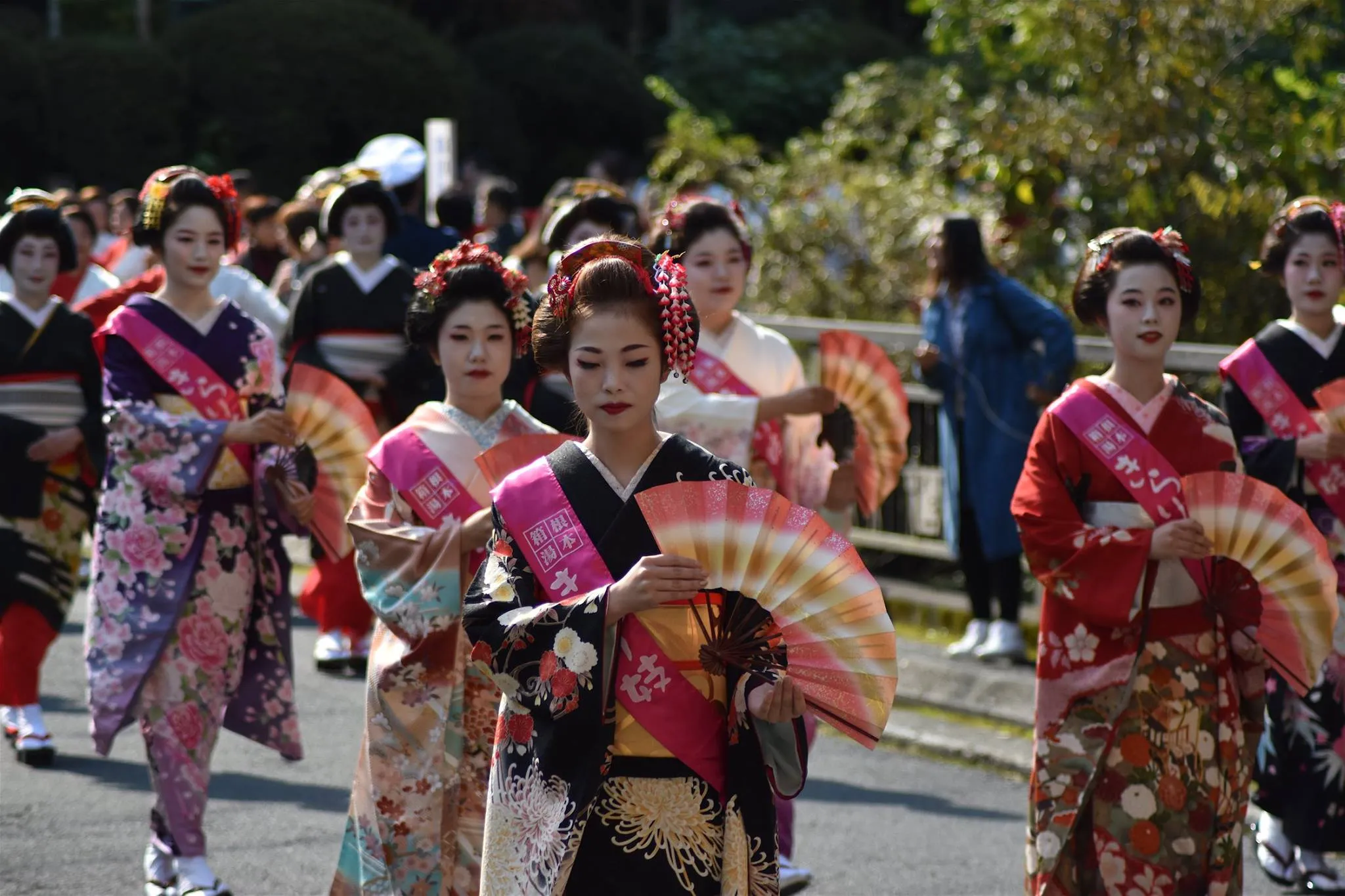
Hakone offers the opposite: a morning on the street watching the Daimyo Gyoretsu, a re-created daimyo retinue dressed as Edo-era samurai and princesses. You can do it as a day trip from Tokyo. Staying the night in a ryokan in Hakone-Yumoto is calmer, though rooms for the holiday book out early, and the Monday before is a popular day off for a long weekend.
Further south, 3 November is the main day of the Ohara Festival in Kagoshima, which needs its own trip. Our Japan travel guide sets either option inside a longer itinerary. Whichever you choose, a reserved seat on the train matters more than the hotel.
The date has worn several identities. Its holiday life began in 1868 under the name Tencho-setsu, the birthday of Emperor Meiji. After his death in 1912 it lost that status, then came back in 1927 as Meiji-setsu in his memory. On 3 November 1946 the postwar constitution was announced, and in 1948 the day was renamed Culture Day, devoted by law to freedom, peace and culture. The old name has not quite gone away. Since 2012 groups of Diet members have lobbied to call it Meiji Day, and an all-party group backing the idea counted 92 members in April 2022.
The Order of Culture has been presented on this day since 1936. It is among the highest honours the Imperial family gives, and it is not limited to Japanese citizens: the Apollo 11 astronauts and the literature scholar Donald Keene are on the list.
Beyond the palace, the holiday shows up in smaller ways. An arts festival sponsored by the Agency for Cultural Affairs runs around the date, Maritime Self-Defense Force ships in port are dressed with flags, and NHK broadcasts the All Japan Kendo Championship live from the Nippon Budokan. Hakone's procession recalls the Edo era, when daimyo had to travel to Edo every other year along the Tokaido road.
Tokyo Haneda is about 15 km south of Tokyo Station, linked by the Keikyu Airport Line, the Tokyo Monorail and limousine buses to Shinjuku. Narita handles more long-haul flights, including from Bangkok and Dhaka.
The Odakyu Romancecar runs from Shinjuku to Hakone-Yumoto in about 80 minutes. All seats are reserved; tickets go on sale at 10 am Japan time one month before travel (EMot Online Tickets or Odakyu stations). The limited express charge is 1,200 yen on top of your fare or pass; a two-day Hakone Freepass is 7,100 yen.
From Tokyo Station, take the JR Tokaido Line to Odawara and change to the Hakone Tozan Railway for Hakone-Yumoto.
Trains run to the holiday timetable. Aim to be off the train before the 9:45 ceremony.
We have no hotels listed in Japan yet. The ones below are in Tokyo and Kyoto, so treat them as a base for the wider trip. The next date is 3 November 2026. Book as soon as your dates are fixed, since rooms close to the festival are the first to go.
Tokyo
Kyoto
Hiroshima
Okinawa
Osaka
Early November is one of the most settled times of year in Tokyo. Average highs are about 17°C and lows about 9°C, with around 95 mm of rain in the month (1991-2020 normals). Records from 1965 to 1996 show only three wet Culture Days.
Hakone, in the hills, is a few degrees cooler, and the autumn colour is starting.
Met at arrivals and driven door to door to Japan.
Places to eat in Japan before or after the celebrations.
1F, 1-7-19 Otemachi, Naka-ku, Hiroshima, Japan
Cuisine:Hiroshima okonomiyaki
1-4-15 Dotonbori, Chuo-ku, Osaka 542-0071, Japan
Cuisine:OkonomiyakiOsaka
459 Shimokawara-cho, Higashiyama-ku, Kyoto 605-0825, Japan
Cuisine:Kyoto kaisekiJapanese
Minamiaoyama Garden Court, 2-6-15 Minami-Aoyama, Minato-ku, Tokyo 107-0062, Japan
Cuisine:InnovativeJapanese
Others of this kind you opened on this device, so you can get back to them quickly.
No questions yet about Culture Day (Bunka no Hi). Ask the community or our travel team, and the answer will show here once it is published.
Our team answers questions here
Sights within easy reach of the festival.
Japan
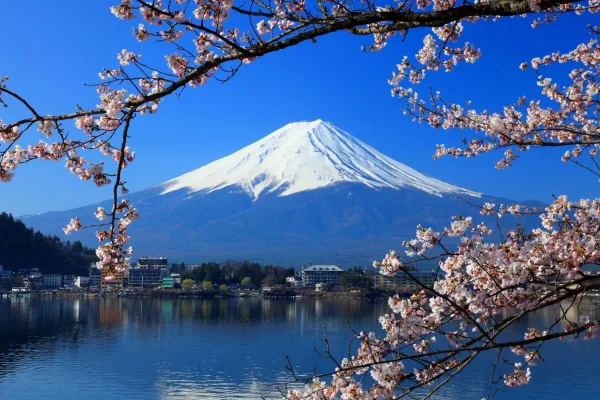
Mount Fuji is Japan's highest mountain at 3,776 m, an active volcano on the border of Yamanashi and Shizuoka prefectures about 100 km south-west of Tokyo. Climb...
Festivals held in the same weeks, if you want to plan more than one.
Arts Festivals, Film Festivals
Thessaloniki, Greece
Cultural Events, Social Festivals, Community Events
Lewes, United Kingdom
1 photo
Festivals and events across Japan, with dates, venues and ticket details where available.
Cultural Events, Religious Festivals, Parade
Takayama, Japan
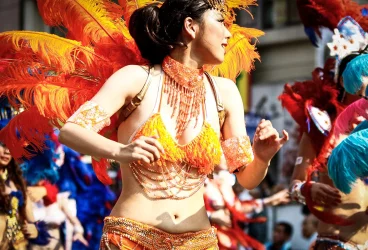
Musical Events, Carnivals, Parade
Tokyo, Japan
21 photos
Cultural Events, Arts Festivals, Film Festivals
Tokyo, Japan
Tell us where and when you want to go, and local travel experts send you offers for your trip.
Stay & facilities
No. Shops, restaurants and most sights stay open and are busier than usual. It is banks, government offices and many companies that close for the day.
General
Usually only the collections and permanent galleries. Museums that open free on 3 November tend to keep charging for ticketed special exhibitions, so check the individual museum before you go.
Sometimes. Visitors have been invited to march as samurai or members of the lord's retinue. Ask the Hakone tourism association well in advance if you want to take part in costume.
No. The procession uses the public streets of Hakone-Yumoto and anyone can watch from the pavement, including the opening ceremony at Sounji Temple.
No. It takes place inside the Tokyo Imperial Palace, where the Emperor presents the awards to the year's recipients. The rest of the country marks the day in museums, schools and streets.
Schools and universities hold their bunkasai on or near Culture Day. Students stage plays, put up exhibitions of their work and run food stalls through their clubs. Check the school's website for opening hours and whether outside visitors are admitted.
It was in 2023, when it appeared on a list of museums and sites waiving entry on 3 November. Confirm closer to the date, as the offer is not guaranteed every year.
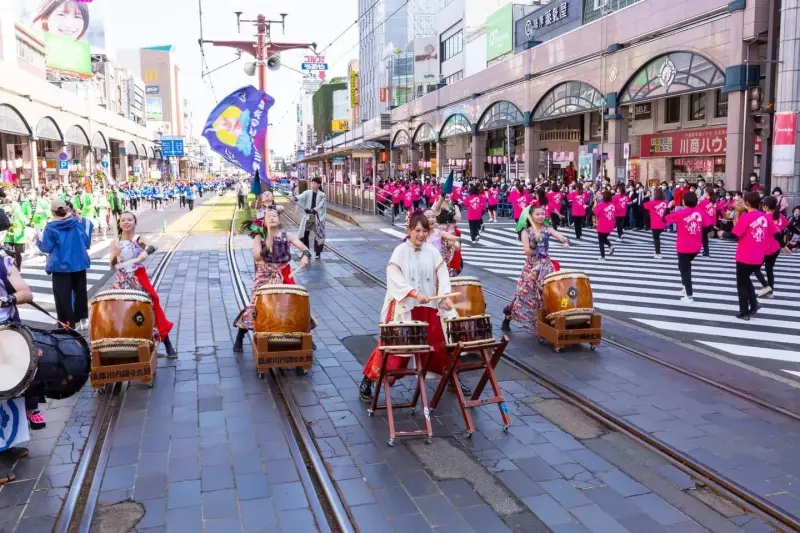
Kagoshima's Ohara Festival reaches its main day, with thousands of dancers moving in lines along the tram street through the Tenmonkan district. It is southern Kyushu's largest festival.
In 2023 the National Film Archive of Japan was among the free sites, as was the Printing Museum. Both are worth a look if the big art museums are crowded.
As the lord's palanquin approaches, the escort calls out for the crowd to get down and bow, just as a daimyo's retinue would have done on the Tokaido road in the Edo period.
Booking
A 2026 listing gives about 170 to 200 marchers in Edo-period dress; Japan's national tourism site puts it nearer 400. Either way, expect samurai, princesses, local geisha and dance troupes.
We use necessary cookies to make this site work. With your permission we would also like to remember your preferences, measure how the site is used, and show relevant ads and partner offers. You can change your mind at any time under "Cookie settings" on our Privacy policy page.

 Get the bookingMentor app