



Venue
Cheuriya, Kumarkhali Upazila, Kushtia District, Bangladesh

লালন মেলা (Lalon Mela) guide
Lalon Mela suits music lovers and anyone drawn to the Baul tradition, as singers gather at Fakir Lalon Shah's shrine near Kushtia. It is held every year from 17 October for about three days, with a second gathering at Dol Purnima in February or March. The singing peaks after dark, so rest by day.
Lalon Mela is the gathering of Baul singers, fakirs and their followers at the shrine of Fakir Lalon Shah in Cheuriya, on the edge of Kushtia, where his songs are sung through the night in his memory. It is the closest thing the Baul world has to a homecoming.
Lalon was a mystic poet whose songs question every wall people build between themselves, of caste, class or creed. They are still sung on both sides of the border, and they still travel the way he meant them to, from one voice to the next.
His death anniversary became a national day of observance in 2025, and the fair is now run with state support. The heart of it has not changed: sadhus, students and families sitting together on the ground, listening until dawn.
Cheuriya, Kumarkhali Upazila, Kushtia District, Bangladesh
Hotels near the venue fill up around the event dates.
The akhra is a shrine first and a fairground second. Dress modestly, with shoulders and knees covered, take off your shoes where others do or when you are asked, and keep your voice down near the mausoleum.
Ask before photographing or filming a Baul or a sadhu, and accept a no. If you sit down in a singing circle, stay for at least one full song, and do not reach for an instrument unless it is handed to you.
You will sit on the ground for hours, and nights by the river grow cool towards dawn. Bring a shawl or light blanket and a mat or folded sheet to sit on. A small torch helps on the walk back through the fair after midnight, when stall lights start going out, and a power bank keeps your phone alive till morning.
Carry water and small notes for tea, snacks and rickshaws, and keep phone and wallet in a front pocket. The crush near the main stage can be tight.
The fair is large and dark in places. Agree a meeting point, such as the mausoleum gate, and a time to regroup before your group splits up. Children should carry a card with your phone number and the name of your hotel.
Security was visible in 2025, with CCTV cameras and watchtowers around the grounds, and the security posts are the place to head if someone goes missing. Keep to the lit paths between the stage and the river after midnight.
The main cities where the festival is celebrated.
Discussions of Lalon's philosophy, and a steady stream of pilgrims to the mausoleum.
Sleep in the afternoon if you plan to stay up.
Invited singers take the stage each night.
Small circles of Bauls sing for each other in the courtyard and along the riverbank. Bring something to sit on.
The lanes fill with people leaving. Walk the first stretch or wait over tea for the crowd to thin.
Remove them before entering the mausoleum.
Modest clothes covering shoulders and knees are the norm for everyone.
Sit on the ground with the circle, and ask before filming close up.
Visitors often leave a small donation or flowers at the shrine.
Build the trip around the nights. The singing at Lalon's akhra gathers strength after dark and carries on until dawn, so sleep in the afternoon and reach the shrine in time for the evening sessions, when well-known artists take the main stage. Away from the stage, small circles of Bauls sing for each other on the ground until the sky pales. Bring something to sit on. Nobody expects chairs.
Give yourself a spare day if you can. One night shows you the main stage; a second lets you slow down, find a circle whose singers you like and return to it. Daylight hours are good for the mausoleum and the museum, which are quieter before the evening crowds. For the town and the rest of the district, our Kushtia page is the place to start.
Lalon Shah, whom devotees also call Lalon Sain or Lalon Fakir, was a 19th-century mystic poet, and no figure looms larger in the Baul tradition. He never wrote his songs down. Disciples learned them by ear and passed them on, and of the thousands credited to him, scholars accept about 800 as his own.
The lyrics pull at the lines society draws between castes, classes and faiths. Song after song places God within the person, not in temple or mosque. The best loved, Khachar Bhitor Ochin Pakhi, imagines the soul as an unknown bird inside a cage, and it is sung as readily in West Bengal as in Bangladesh. Listen for the ektara, the one-string instrument most Bauls carry, and the duggi, the small hand drum that keeps time beneath it.
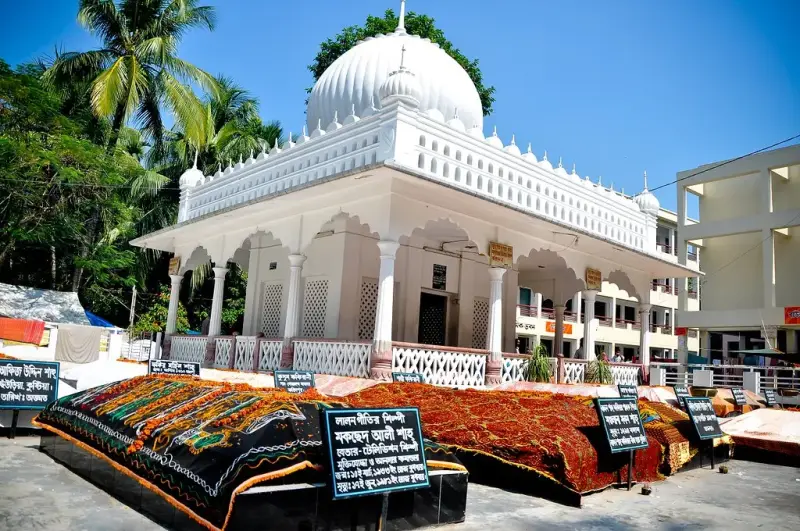
The shrine has grown around the songs. Lalon was buried in the middle of his own akhra, and a mausoleum was raised over the grave in 1963. In 2004 the Lalon Academy added a museum and an auditorium beside it. The fair spills out along the bank of the Kali River next door, with stalls, families and groups of sadhus spread down to the water.
Shyamoli Paribahan, Hanif Enterprise and others run from several Dhaka terminals, Kalyanpur among them, covering the 248 km in about 6 hours. Expect about BDT 550 to 700 non-AC and BDT 1,000 to 1,200 on an AC coach.
The Madhumati, Sundarban and Benapole expresses have all called at Kushtia Court station, with fares from BDT 410 to 943 by class. Services in the south-west were rerouted after the Padma Bridge rail link opened, so check the current timetable with Bangladesh Railway.
Kushtia has no airport. The nearest is Jashore, served by Dhaka to Jashore flights, with a long drive north. International arrivals land at Hazrat Shahjalal International Airport in Dhaka.
Rickshaws and auto-rickshaws wait outside the stations and every driver knows the akhra. Agree the fare first.
Kushtia town has only a few hotels and they go quickly in festival week, so book the moment you decide to come.
The alternative is one long night: arrive in the afternoon, stay at the akhra until morning and take a daytime coach back to Dhaka.
October in Kushtia is warm and humid, with highs around 31°C and nights about 24°C. The monsoon is ending, but some rain can still fall in the month.
The songs at the Lalon shrine run through the night, when it is more comfortable than the afternoons.
Door to door from Jashore Airport (JSR) to Lalon Akhra, with stops where you like.
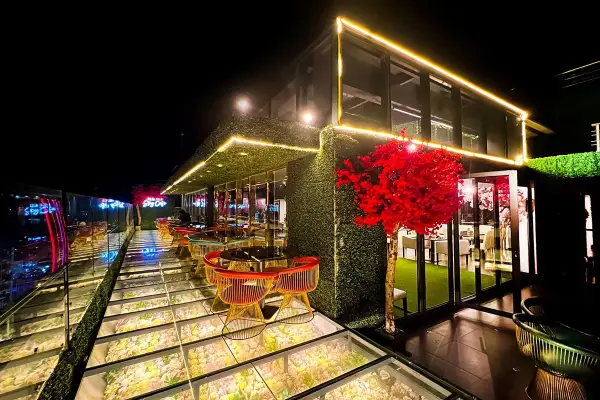
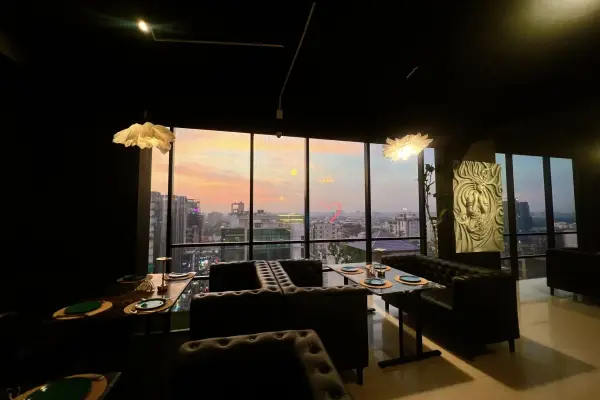
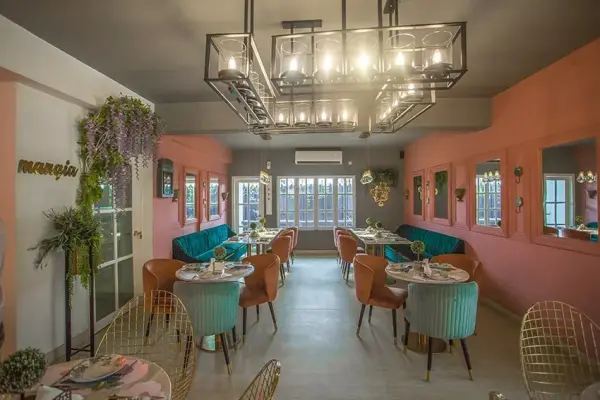
Places to eat in Bangladesh before or after the celebrations.

House 16, Road 4, Block F. Banani Chairmanbari Moshjid Road. Beside Banani Police Station Dhaka, 1213
Cuisine:BengaliBangla-Chinese

15th Floor, Six Seasons Hotel, House 19, Road 96, Gulshan 2, Dhaka 1212, Bangladesh
Cuisine:InternationalBuffet

Level 12-13 & Rooftop, Rahman Regnum Center, 191/B Gulshan Link Road, Tejgaon, Dhaka 1208, Bangladesh
Cuisine:ContinentalChinese
Dasura Tower (2nd Floor), Mirpur Road, opposite Sher-e-Bangla National Cricket Stadium, Mirpur, Dhaka 1216
Cuisine:BangladeshiChinese

Khan Tower (Level 13-14), Plot 14 & 16, Sonargaon Janapath, Sector 11, Uttara, Dhaka 1230, Bangladesh
Cuisine:ThaiContinental

Road 11, Banani, Dhaka, Bangladesh
Cuisine:BengaliSteaks


Others of this kind you opened on this device, so you can get back to them quickly.
No questions yet about লালন মেলা (Lalon Mela). Ask the community or our travel team, and the answer will show here once it is published.
Our team answers questions here
Festivals held in the same weeks, if you want to plan more than one.
Food Festivals, Cultural Events, Folk Festival
Dhaka, Bangladesh

Cultural Events, Folk Festival, Religious Festivals
Nong Khai, Thailand
1 photo

Cultural Events, Religious Festivals
Thailand
Cultural Events, Religious Festivals, Parade
Surat Thani, Thailand
Festivals and events across Bangladesh, with dates, venues and ticket details where available.

Cultural Events, Religious Festivals, Fair
Bagerhat, Bangladesh
Cultural Events, Folk Festival, Social Festivals
Dhaka, Bangladesh
Cultural Events, National Day, Parade
Dhaka, Bangladesh
10 photos
Tell us where and when you want to go, and local travel experts send you offers for your trip.
Hire someone who lives in Bangladesh to plan the route, translate and get you to the best spots early.
General
Yes. There is no ticket for the fair or for the singing at the shrine. Now and then an institution stages a special performance or exhibition with a small fee, but the heart of the gathering costs nothing.
They can, and they always have. Lalon taught that divisions of faith, caste and nationality matter less than people think, and visitors of every background sit among the devotees. Respectful behaviour is all that is asked.
Bauls are the wandering mystic singers of Bengal, followers of a devotional path that puts inner experience above ritual. They travel, sing and live simply, and Lalon is the greatest name in their tradition.
The academy built the museum and auditorium at the shrine complex and in 2025 organised the anniversary programme with the culture ministry and the district administration. Musicians, craftspeople and food vendors who hope to take part usually register through it in advance.
Yes, and it makes a good daytime outing between nights at the akhra. The Kuthibari at Shilaidaha, also in Kumarkhali Upazila, was the Tagore family's country house and is now the Tagore Memorial Museum. Rabindranath began translating Gitanjali there in 1912.
In 2025 there was. Alongside the Kushtia fair, Dhaka held a tribute concert at Suhrawardy Udyan on the anniversary. Watch the capital's listings in mid-October if you cannot make it to Cheuriya.
Very little. Most conversations at the fair are in Bengali, and many Bauls come from villages where English is rarely used. A Bengali-speaking friend or guide makes the visit far richer, since the songs and the talks are the whole point.
Bengali. The words carry most of the meaning, so read a few English translations before you go, starting with the caged-bird song, and the late-night singing will make far more sense.
Both are three-day song melas at the same shrine. The autumn one marks Lalon's death and now carries national status, while the spring one follows the full moon of Falgun, late in the dry season, when sitting out all night is a little gentler.
Stay & facilities
Plenty. Stalls along the riverbank sell tea, snacks and simple meals well into the night, alongside crafts and toys. Cash is the only practical way to pay, and the tea stalls are where most visitors end up between songs.
We use necessary cookies to make this site work. With your permission we would also like to remember your preferences, measure how the site is used, and show relevant ads and partner offers. You can change your mind at any time under "Cookie settings" on our Privacy policy page.









 Get the bookingMentor app