
 Get the app
Matara is a working coastal city (about 74,000 people at the 2011 census) at the southern end of Sri Lanka's railway, and most travellers use it as a calmer, cheaper base between the beach towns of Mirissa and Tangalle. In a two-day visit you can walk the Dutch Star Fort and the old Matara Fort, swim with turtles at Polhena, climb to the giant seated Buddha at Weherahena and stand at Dondra Head, the island's southernmost point. The city is easy to reach from Colombo by train or the Southern Expressway, and it has banks, hospitals and markets that the smaller resorts lack.
This guide covers the ten places most worth your time, then the practical side: how to get there, when the sea is calm, where to base yourself, what things cost and which day trips fit best. If Matara is one stop on a longer trip, start with our overview of the best places to visit in Sri Lanka.
Matara essentials
Matara lies in the Southern Province, about 160 km south of Colombo by road. The train from Colombo Fort takes roughly 2.5 to 4 hours depending on the service, and a car on the Southern Expressway (E01) does it in about 2.5 to 3 hours. November to April brings calm seas on the south coast; May to September is the southwest monsoon, with rougher water. The currency is the Sri Lankan rupee (LKR), and ATMs and banks are common in town. Most visitors need an ETA before travel, though the rules depend on your passport. Give the town two full days, or three with day trips.

Best places to visit in Matara
Matara's sights are the Dutch Star Fort, the old Matara Fort, the turtle reef at Polhena, the giant seated Buddha at Weherahena and Dondra Head, the southernmost point of Sri Lanka. The sights below are grouped from the town centre outwards, so you can walk the first four in one morning and use a tuk-tuk for the rest.
01. Star Fort: Matara's six-pointed Dutch redoubt

The Star Fort is a compact six-pointed redoubt built by the Dutch East India Company in the 1760s, after the Matara uprising of 1762 showed that the main fort across the river was exposed to attack from land. It stands on the east bank of the Nilwala River, near the bridge, and was designed to hold a small garrison, food and ammunition until help arrived from the larger fort. A moat still surrounds the walls, and the gateway carries an ornate coat of arms.
Inside you will find a central well and small rooms once used as cells, later adapted by the British for administrative use. The site is small, so plan 30 to 45 minutes, ideally in the morning before the walls heat up. Star forts are rare in Sri Lanka, and history and architecture fans will find the shape easiest to understand from the gate and the ramparts. From the road it is hard to read.
02. Matara Fort and the colonial quarter

The Portuguese built the first Matara Fort around 1560, and the Dutch rebuilt it substantially in 1640 after they took Galle. Its long stone rampart sits in the town centre on the promontory that separates the Nilwala River lagoon from the sea, so a walk along it gives water on both sides, and at sunset the sea and river views are at their best. Inside the walls is a small grid of streets with a clock tower, an old church and government buildings, still in everyday use.
Galle Fort is a polished tourist quarter; this one is a working neighbourhood, and you can stroll among offices, schools and homes with almost no other visitors. Allow an hour for slow walks and photography, or pair it with the Star Fort across the bridge for a two-hour heritage walk.
03. Old Dutch trade building (Nupe Market)
On the western side of town stands the old Dutch-era market building known locally as Nupe Market. The T-shaped hall has tall conical roof sections, whitewashed columns and open sides held up by timber beams, with a roof of traditional clay tiles. It shows how European trading buildings were adapted to the island's heat and rain.
Fifteen to twenty minutes is enough here, and most visitors combine it with the fort walk. Architecture lovers and photographers will want the morning light on the roofline.
04. Paravi Duwa Temple: the island shrine

A narrow suspension footbridge links Matara's main beach, near the town centre, to Paravi Duwa, a shrine on a tiny islet just offshore. The shrine is small, with a stupa and a few buildings, but the setting is the draw: waves break on the rocks around you and the town feels far away.
It is an active place of worship, so remove shoes where asked, cover shoulders and knees, and keep noise down. A visit takes about 30 minutes. Early morning is the most peaceful time, and the bridge gives a good view back along the bay.
05. Matara Beach

Matara's town beach runs along the bay in front of the town centre, the fort and the Paravi Duwa islet. It is a local beach first, used for evening walks, kite flying and family outings, so it feels very different from the resort strips further west.
The sea here is more exposed than at Polhena, so swim only on calm days in the dry season and stay close to shore; Polhena is the safer choice. For most visitors it works best as a one- or two-hour sunset walk, with street food stalls setting up in the evening.
06. Polhena Beach: reef swimming and turtles

Locals recommend Polhena, a small, reef-sheltered bay roughly 2 km west of the centre, for swimming. A reef offshore breaks the waves and leaves a calm, shallow area that suits children and cautious swimmers on most dry-season days, which makes it the pick for families.
Green turtles are seen here very regularly, often in water only a metre or two deep, which makes Polhena one of the easiest places on the south coast for snorkellers to see them. Visibility is not always high, so go on a calm morning and plan half a day. Keep your distance from the turtles and do not feed them. Small guesthouses and cafés line the back of the beach, and it is quiet on weekdays.
07. Crow Island and the Nilwala river mouth
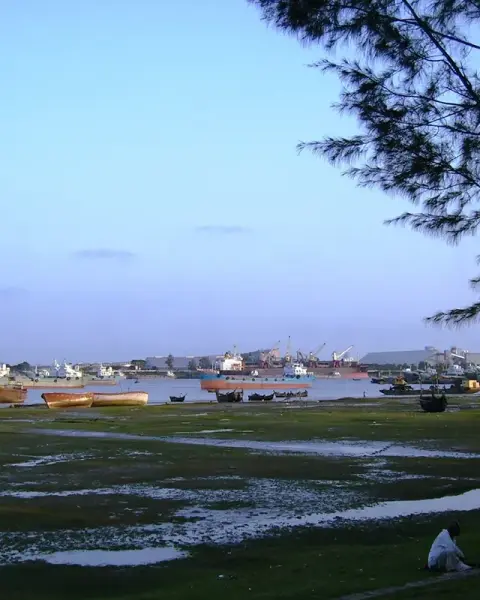
Crow Island sits where the Nilwala River reaches the Indian Ocean, close to the town centre. It is laid out as a beach park with walking paths, mangroves and play areas, and it is busy with local families at weekends and on public holidays.
The sea at the river mouth is choppy and rough, and swimming is not recommended here. An hour is enough for a walk, birdwatching along the mangroves or a picnic in the shade.
08. Weherahena Temple

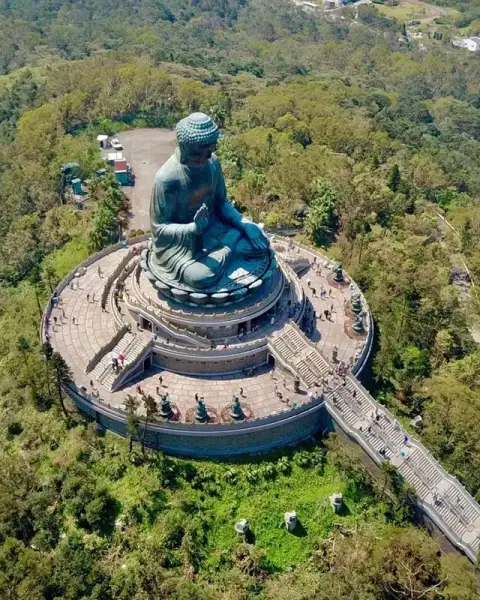
Weherahena, a few kilometres east of the centre, is known for its huge seated Buddha, about 39 metres tall and completed in 1976, and for the long tunnel shrine dug into the mound beneath it. The tunnel walls are covered in hundreds of colourful paintings of Jataka stories, the tales of the Buddha's previous lives, and anyone interested in temple art should allow an hour.
Photography is not allowed inside the tunnel, so leave cameras in your bag. The temple holds an annual procession with dancers and elephants around late November or early December; ask locally for the exact date if you want to see it. Dress modestly and remove shoes and hats at the entrance.
09. Medawatta Beach
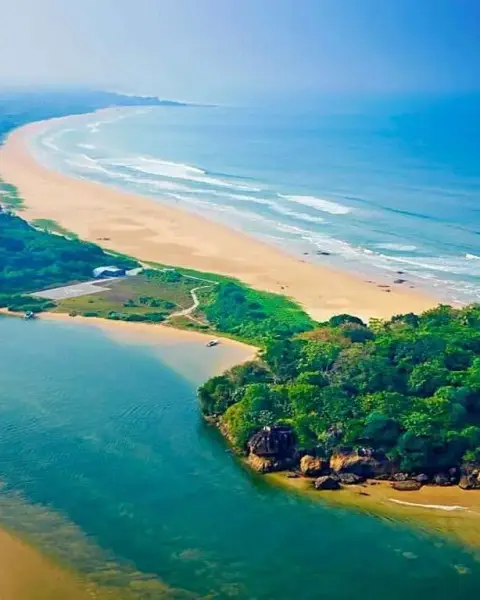
Framed by small headlands on the eastern side of Matara, Medawatta is a quieter beach. Reaching some parts involves a short scramble, which keeps numbers low. Waves are often good for surfing, so it suits board riders more than swimmers, and it makes a good two-hour stop for a quiet walk.
A few guesthouses and hotels sit nearby. Check the sea with locals before going in, especially early in the season.
Medawatta is also the natural base for Dondra Head, about 6 km south-east of the town centre.
10. Dondra Head Lighthouse: the southern tip of Sri Lanka

Just east of Matara, a short tuk-tuk ride away, Dondra Head is the southernmost point of Sri Lanka, and its octagonal white lighthouse stands about 49 metres (161 ft) tall, the highest in the country. It was designed by Sir James Nicholas Douglass, begun in 1887 and brought into service around 1889 to 1890, built with bricks shipped from England and granite. There are 196 steps to the top.
Access to the tower interior depends on the keepers on the day, so treat climbing as a bonus. The grounds, the views and the rocky coast below are worth the trip either way, especially in late afternoon when the southern-tip photo looks best; allow 1 to 1.5 hours. Dondra town also has the Devinuwara Devalaya, an important temple and the focus of a large annual festival.
Matara itinerary: two days in and around town
The order follows the light and the heat. The Star Fort was built by the Dutch after the 1761 Matara rebellion and finished in 1765 to guard the main fort from the river side, so the two belong together on the first morning. Polhena's reef water is calmest and clearest from about November to April; outside those months, keep day 1 afternoon flexible. The lighthouse has 196 steps inside, and the cape is far enough out that a tuk-tuk is the easy option.
Two days in Matara
On the first morning, start at the Star Fort, cross the river to Matara Fort and its rampart, then walk to the Nupe market building. Spend the afternoon swimming and snorkelling with turtles at Polhena, and stay on the beach for sunset.
Day 2 begins early with the footbridge to Paravi Duwa, followed by a tuk-tuk to Weherahena before the midday heat. Save Dondra Head lighthouse for late afternoon, then finish at Matara Beach or Crow Island for the evening.
 Plan your trip with AI
How to get to Matara from Colombo and the airport
Matara is about 160 km from Colombo and has been the southern end of the E01 Southern Expressway since March 2014; it is also reached by the coastal railway, which was extended beyond Matara to Beliatta in April 2019. The train is cheaper and more scenic; the expressway is quicker and more comfortable.
Getting to Matara, main options
| Route | Mode | Typical time | Notes |
|---|---|---|---|
| Colombo Fort to Matara | Train (Coastal Line) | About 2.5 to 4 hours | Express services are faster; book reserved seats where available |
| Colombo to Matara | Car or AC bus on the E01 expressway | About 2.5 to 3 hours | Expressway buses leave from Colombo's southern suburbs |
| Colombo to Matara | Galle Road (A2) | About 4 hours or more | Slow but passes coastal towns |
| Bandaranaike International Airport (CMB) | Car transfer | About 3 to 3.5 hours | Via the outer ring road and expressway |
| Matara to Beliatta | Train | Short hop | The line was extended to Beliatta in 2019 |
If you are flying in, compare arrival times on our flights page; late-evening landings are easier with a pre-booked car than with public transport.
Best time to visit Matara
Matara is at its best from November to April, when the south coast is in its dry season and the sea at Polhena is usually calm and clear. From May to September the southwest monsoon brings rain and heavier swell, and swimming becomes risky on the open beaches. Temperatures stay warm all year, typically in the high 20s to low 30s °C, so the season decision comes down to the sea.
December to March is the peak season, when guesthouses at Polhena and Mirissa fill with European winter travellers and rates rise; book a week or more ahead for Christmas and New Year. April is a good shoulder month, still mostly dry and quieter, though the Sinhala and Tamil New Year around 13 and 14 April brings domestic holiday traffic and some family-run businesses close for a few days. October and November are transitional, with afternoon showers and calmer prices.
Whale-watching boats from Mirissa, a short drive west, run mainly from November to April, the same window as the calm sea. In the wet months, Matara still works for temples, the Star Fort and day trips inland, and hotel rates drop. Watch for red flags on beaches and swim only at Polhena's reef-protected lagoon when the swell is up.
Where to stay in Matara: Polhena, town or Medawatta
Polhena is the best base for a beach stay, with small guesthouses near the reef; it is quiet in the evening and a short tuk-tuk from town. The town centre and fort area are practical for train arrivals, banks and markets, and rooms near the fort have sea or river views but more traffic noise. Medawatta and the east side suit surfers and travellers who want a quieter stretch with easy access to Dondra and Weherahena.
Matara has more guesthouses and mid-range hotels than luxury resorts. For higher-end stays, many travellers look west to Mirissa and Weligama or east to Tangalle. Compare current options on our hotel booking page.
Season matters more than the area. From about November to April the south coast is dry and Polhena's lagoon is at its calmest, so beach rooms fill first and are worth booking ahead. Outside that window, rougher seas make a town or fort-area room just as good, and often cheaper. Surfers often pick Madiha, about 4 km from the centre on the east side, for its breaks.
Day trips from Matara
Tangalle has long, quiet beaches and an old Dutch fort used as a prison, and it makes a good beach day away from the crowds. From Dikwella or Tangalle you can reach Mulkirigala Rock Temple, cave temples built into a rock outcrop over 200 metres high, with murals and reclining Buddhas on several terraces. Tradition credits King Saddhatissa with founding it, and cave inscriptions date to the 2nd to 1st centuries BC. Temple lovers come for the art, everyone else for the views.
West of Matara, Mirissa and Weligama have surf schools, whale-watching departures from Mirissa harbour in season and a busier café scene with more nightlife. Further on, Galle and Unawatuna combine heritage at the UNESCO-listed Galle Fort with reef beaches for swimming; see our Unawatuna beach guide.
Kataragama, the pilgrimage town further east, is about 116 km from Matara by road. There is no railway to Kataragama, so go by bus or with a car and driver via Hambantota.
Practical tips for visiting Matara
Check Sri Lanka's official ETA portal before you travel; requirements and fees depend on your passport, and our visa page can help. Matara has plenty of ATMs and banks, which the smaller beach villages lack, but carry small notes for tuk-tuks and temple donations. Tuk-tuks are the easiest way between sights; agree the fare first or use a ride-hailing app where available. At temples, cover shoulders and knees, remove shoes and hats, and never pose with your back to a Buddha statue.
A few more points help a stay in Matara go smoothly. Poya days, the full-moon public holidays held every month, close bars and stop the sale of alcohol, and temples get busy with white-clad worshippers, so plan an evening drink around them. Tap water is not safe to drink; buy sealed bottles or use a refill filter. Matara town is hot and busy at midday, so visit the fort, market and temples in the morning and keep the beach for late afternoon. The Southern Expressway and the coastal railway both end near Matara, which makes it a practical base for travelling on to Tangalle and the east or back to Galle and Colombo. Sea turtles feed in the shallows at Polhena: watch from a distance and never feed or touch them.
Planning a trip to Sri Lanka? Read our Sri Lanka travel guide, compare hotels in Sri Lanka or search flights.
 Holiday offers






{{item.get_author.first_name}} {{item.get_author.last_name}}
{{item.comment_txt}}
{{item_reply.get_author.first_name}} {{item_reply.get_author.last_name}}
@ {{item_reply.reply_to}}, {{item_reply.reply_txt}}