

Is Nuwara Eliya Worth Visiting?
It depends almost entirely on how much time you have left over after Sigiriya, Kandy, and the coast. With two weeks or more in Sri Lanka, yes, Nuwara Eliya adds something none of those other stops give you: real cold, British-era architecture that's still in daily use rather than roped off, and the country's highest concentration of tea estates in one walkable area. With under a week, it competes directly with Ella for the same time slot, and Ella usually wins that fight for first-timers.
The case against it shows up repeatedly in traveler reviews: no major temples or ancient ruins, an evening scene that shuts down early, and a feeling that the signature sights (tea, waterfalls, hiking) exist elsewhere in Sri Lanka too, just with better weather. The case for it is just as specific: Victoria Park is genuinely one of the best-kept public gardens in South Asia, the Hill Club and the Post Office are working buildings, not museum pieces, and nowhere else in the country gets cold enough at night to need a real jacket.
Nuwara Eliya or Ella, which is Better?
For a first Sri Lanka trip, Ella wins on raw experience density: Nine Arches Bridge, Little Adam's Peak, Ella Rock, and a backpacker social scene all sit within walking distance of each other, and the town stays warmer and livelier into the evening. Nuwara Eliya wins on atmosphere and quiet, plus a genuinely different climate that Ella, sitting lower in elevation, doesn't replicate.
Most itineraries that have room for both do 1-2 nights in Nuwara Eliya, then continue by train to Ella for 2-3 nights, connected by one of Sri Lanka's most scenic rail routes either way. If you can only pick one and you're not building a longer hill-country loop, Ella's easier hikes and shorter travel times from Kandy make it the safer default for a first visit.
Is the Horton Plains Entrance fee Worth it?
This is the single most argued-about cost in Nuwara Eliya, and the split in opinion is real, not just a few unlucky visitors. Foreign adults pay $55-75 total once the entrance ticket, service charge, vehicle permit, and 18% VAT are added together, against a local rate of roughly 150 LKR (about $0.50). That gap, not the absolute price, is what drives most of the complaints.
Visitors who arrive before 8 AM and catch World's End clear of cloud consistently call the hike worth it, describing the 9-11 kilometer loop as manageable for most fitness levels and Baker's Falls as a genuine highlight along the way.
The recurring complaints are specific: wildlife sightings limited to the occasional sambar deer, restroom facilities that don't match the price, and a price gap with local visitors that several reviewers call out directly as the sharpest they've encountered anywhere in Sri Lanka.
The honest takeaway: pay it if World's End and Baker's Falls are genuinely on your must-see list and you can commit to the 5 AM start that clear-sky views require. Skip it if you're hiking mainly for wildlife or expecting resort-grade facilities, since Ella Rock and Little Adam's Peak nearby deliver comparable hiking scenery for free.
How Many Days Do you Actually Need?
One full day covers Gregory Lake, Victoria Park, and the colonial town center at a relaxed pace. Two days adds Horton Plains without a rushed early morning. Three or more only makes sense if the area's scattered waterfalls, the golf club, or a proper tea estate factory tour matter enough to you to justify the extra driving time, since most of those sit 20-30 kilometers outside town in different directions.
What if you're combining it with Ella in one trip?
Spend 1 night in Nuwara Eliya for the town itself, then move to Ella for 2-3 nights where the bulk of the hiking and the social scene live. Trying to do Horton Plains and a full Ella itinerary back to back in under 4 days total tends to leave one or both feeling rushed, based on how frequently that exact complaint shows up in trip-planning forums.
What's Worth Doing if you Go?
Five things earn a place regardless of how long you stay: Horton Plains for World's End and Baker's Falls if the fee doesn't put you off, Gregory Lake for an easy in-town afternoon, Victoria Park for genuinely well-kept gardens, a tea estate factory tour (Pedro is the closest to town) for the actual production process rather than just the view, and the colonial trio of Holy Trinity Church, the Post Office, and the Hill Club for architecture that's still in active use.
Beyond those five, the area's waterfalls (St. Clair's, Devon, Ramboda, Lover's Leap) are all free and worth a scenic drive if you have a car or driver for the day, but none of them individually justifies a dedicated trip the way Horton Plains or the town center does. Adam's Peak and Kirigalpotta both demand real planning and stamina, closer to a separate hiking trip than an add-on afternoon.
All 25 Best Places to Visit and Things to Do:The complete list, in order of how often each one earns a spot on a Nuwara Eliya itinerary
This is the full version of the quick answer above: every place worth knowing about in Nuwara Eliya, with what it actually costs, when to go, and the specific thing that trips visitors up. Sites 1-10 sit in or right next to town. Sites 11-23 need a short drive. The last two, Adam's Peak and Kirigalpotta, are separate hiking trips rather than half-day add-ons.
All prices in Sri Lankan Rupees (LKR) or US dollars as of June 2026.
01 — UNESCO World Heritage Site Since 2010Horton Plains National Park:
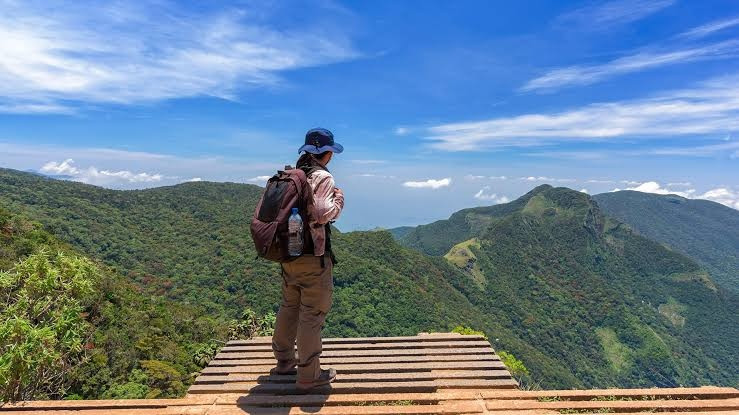
Horton Plains sits about 30 kilometers from Nuwara Eliya town and gets you to World's End, a cliff edge that drops nearly 4,000 feet, plus Baker's Falls along the same 9.5-kilometer loop trail. Sambar deer wander close to the path without much concern for hikers, and on a clear morning the view from World's End stretches far enough to see the southern coast on a good day.
The full cost adds up fast. Entry runs $55-75 per foreign adult once the ticket, service charge, vehicle permit, and 18% VAT get totaled, and $28-38 for children. A safari jeep is hired separately on top of that, since the park entrance fee covers walking access only. SAARC nationals pay a reduced rate.
Wear real hiking shoes and a warm layer for the early morning cold. The trail is flat and walkable for most fitness levels once the sun is up, but the pre-dawn start catches people off guard.
02 — Built by Governor William Gregory, 1872-1877Gregory Lake:
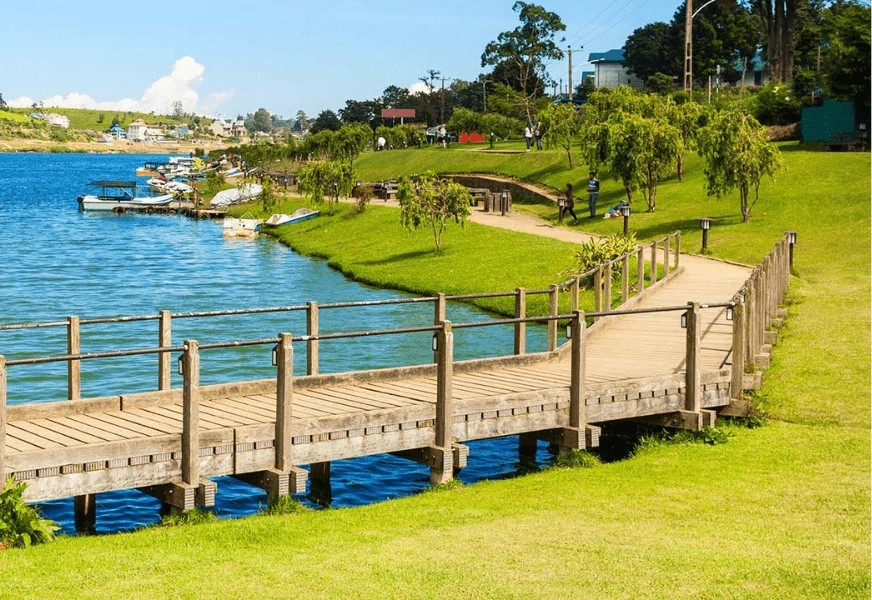
This man-made lake sits inside the town itself, a few minutes' walk from most hotels in central Nuwara Eliya, and a dam built during the British era backs it up to power an old hydropower plant still in use today. Swan-shaped pedal boats float across the surface alongside more conventional rowboats and motorboats, and the lakeside path makes a decent evening walk even if you skip the boats entirely.
A standard boat ride runs around 500 LKR for half an hour. A motorboat costs roughly 1,500 LKR for the same duration, and a 15-minute horse ride along the shore goes for about 300 LKR. Foreign visitor entry to the lakeside area itself sits in the 200-500 LKR range depending on the season and which access point you use.
The lakeside restaurant and snack bar make this an easy lunch stop between morning sightseeing and an afternoon tea estate visit.
03 — Sri Lanka's Second-Largest Botanical GardenHakgala Botanical Garden:
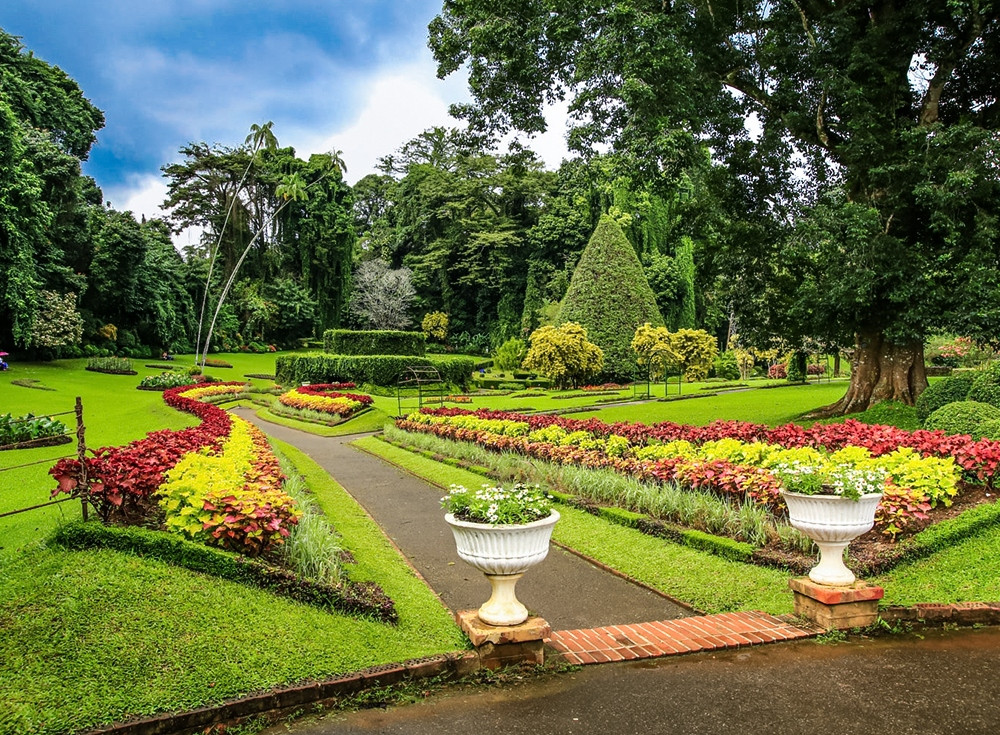
Hakgala spreads across 28 acres beneath Hakgala Peak and splits into distinct sections: an Upper Flower Garden, a Fernery holding old experimental tea bushes, a Rock Garden, an Arboretum, a Rose Garden, and a Glass House. The site also appears in the Ramayana under the name Ashok Vatika, which draws a steady stream of Hindu visitors connecting the garden to that legend, not just botanists and casual photographers.
Entry costs 1,500 LKR for foreign adults and children alike, and just 60 LKR for Sri Lankan citizens. The price is fixed and paid in cash at the gate. April brings the fullest bloom across the roses and seasonal flower beds, the same month Victoria Park peaks too, so pairing both gardens on one April trip makes sense if your dates align.
A golf cart tour around the grounds is available if booked in advance, useful for visitors who can't manage the longer walking paths comfortably.
04 — Named for Queen Victoria's Diamond JubileeVictoria Park:
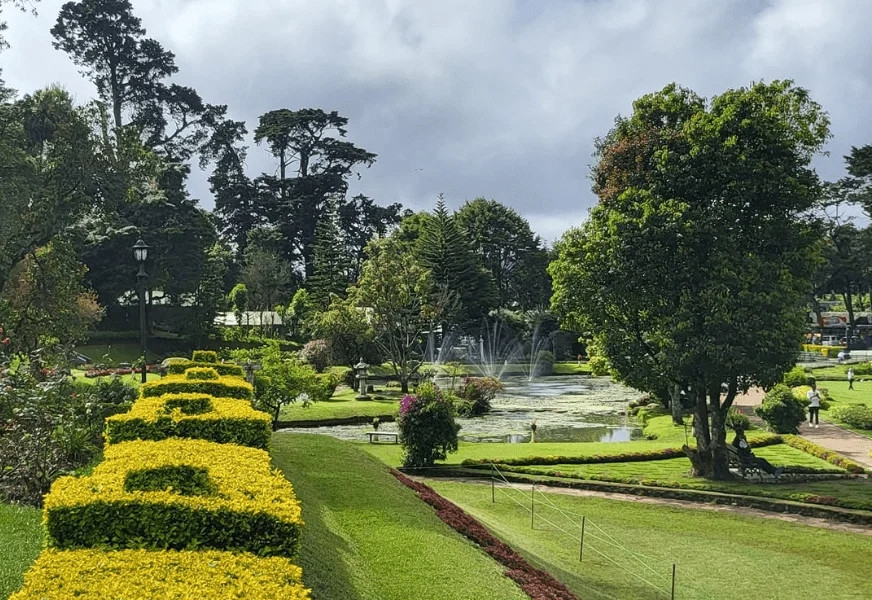
Victoria Park sits in the heart of Nuwara Eliya and gets cited repeatedly as one of the best-maintained public gardens in South Asia, a claim that holds up once you're inside walking past trimmed lawns, a children's play area, and a small miniature train at the far end. The Nanu Oya River runs through the grounds, creating several small ponds that draw a genuine concentration of bird species, including the Indian Blue Robin and the Kashmir Flycatcher, both prized sightings among regional birdwatchers.
Foreign visitors pay 300-500 LKR depending on which entrance and which season; locals pay 40 LKR. The gap surprises some visitors at the gate, and a few travelers turn around rather than pay it, but the fee funds the park's upkeep directly and the grounds show it.
Early morning visits suit birdwatchers best, since the quieter hours before the park fills with families give the better sighting odds.
05 — Factory Built in 1885Pedro Tea Estate:
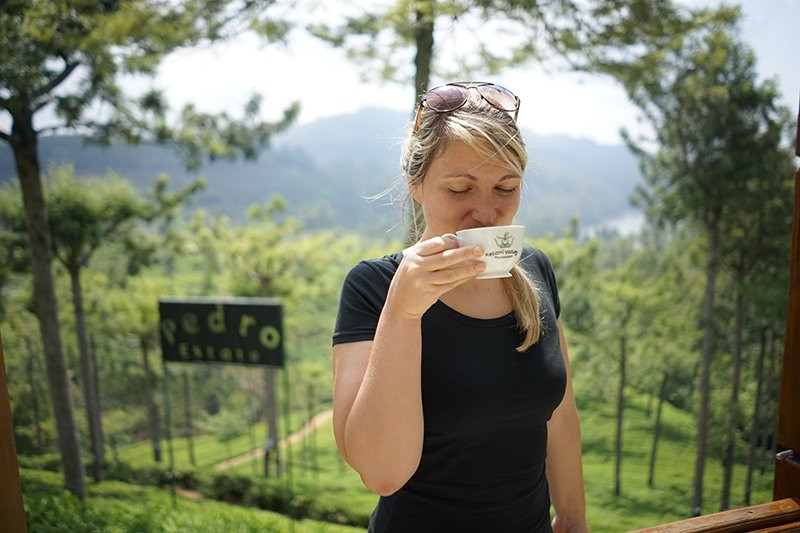
Scottish planters identified Nuwara Eliya's cool climate as ideal for tea production generations ago, and Pedro Tea Estate stands as one of the more accessible, visitor-ready operations among the dozens scattered across the surrounding hills. The factory tour runs about 20 minutes and walks you past machinery dating to the original 1885 construction, mechanical equipment still in active daily use rather than preserved behind glass.
Walking the estate grounds costs nothing. The guided factory tour, including a tea tasting at the end, charges a modest fee that varies by operator and season, generally in the 200-500 LKR range, though some visits are folded into a larger tour package instead of priced separately.
Morning visits before 11 AM avoid the bulk of tour-bus traffic that arrives midday.
06 — 6,890 Feet Above Sea LevelOne Tree Hill:
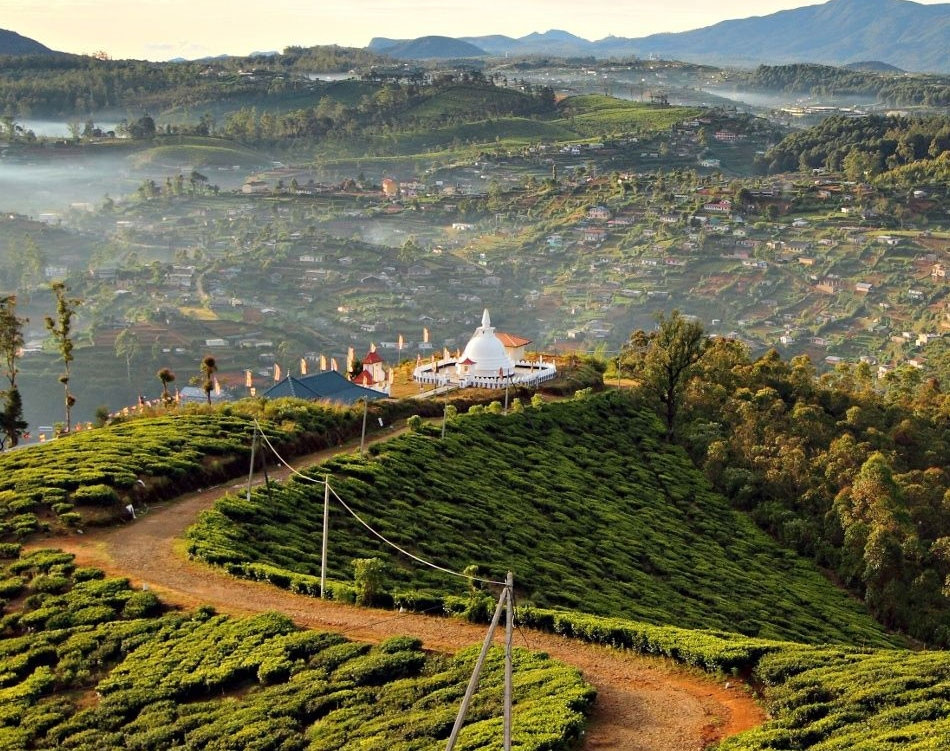
The trek to One Tree Hill covers 4 kilometers through tea plantations on the edge of town, and most visitors call the 2.5-hour round trip worth it specifically for the sunrise. A small Buddhist temple sits along the route, a natural rest point about two-thirds of the way up, and the 360-degree view from the summit takes in the whole spread of Nuwara Eliya below.
Entry is free. The trail is unpaved and gets slippery after rain, so this works better as a dry-morning activity than a rainy-afternoon one.
Sturdy shoes matter more here than on most of the flatter walks on this list, given the elevation gain and loose dirt sections.
07 — Gothic and Tudor Colonial ArchitectureHoly Trinity Church:
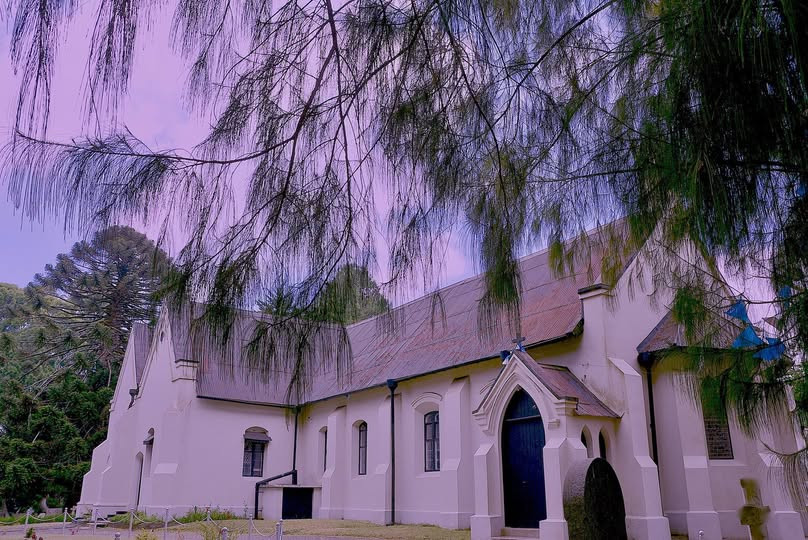
Holy Trinity Church mixes Gothic and Tudor architectural details in a way that immediately signals its British colonial origins, and it still functions as an active spiritual center for weddings, christenings, and funerals in the local community, not just a photo stop. Queen Elizabeth II and Prince Philip visited in 1945, before her coronation, and the Queen gave the church a stained glass window depicting biblical scenes that remains on display today.
Entry is free, and the interior stays open most of the day for visitors who want a quiet moment away from the town's busier streets.
Pair this with the Post Office a short walk away, since both sit close together in the colonial-era core of town.
08 — Built 1894, Tudor-Style Red BrickNuwara Eliya Post Office:
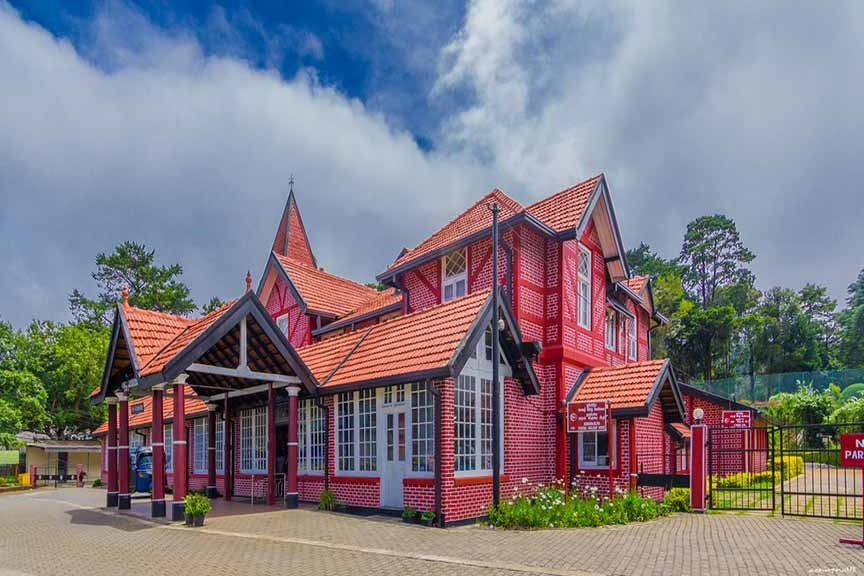
This two-story red-brick building with its clock spire has functioned as a working post office since 1894, making it one of the oldest still-operating examples of its kind in Sri Lanka. A 2012 renovation turned part of the building into a small tourist-facing display, and a 2017 proposal to convert the whole structure into a hotel fell through after postal staff pushed back, keeping it in active postal use today rather than becoming another converted heritage hotel.
Entry is free. Sri Lanka Post issued a 10-rupee stamp in 1990 featuring the building, a small but real marker of how embedded this structure is in the country's postal identity, not just a colonial leftover.
Five minutes is enough for the exterior and a quick look inside; this works best stacked alongside Holy Trinity Church and the Hill Club rather than as a standalone trip.
09 — Originally a Gentleman's Club, Mid-1800sThe Hill Club:
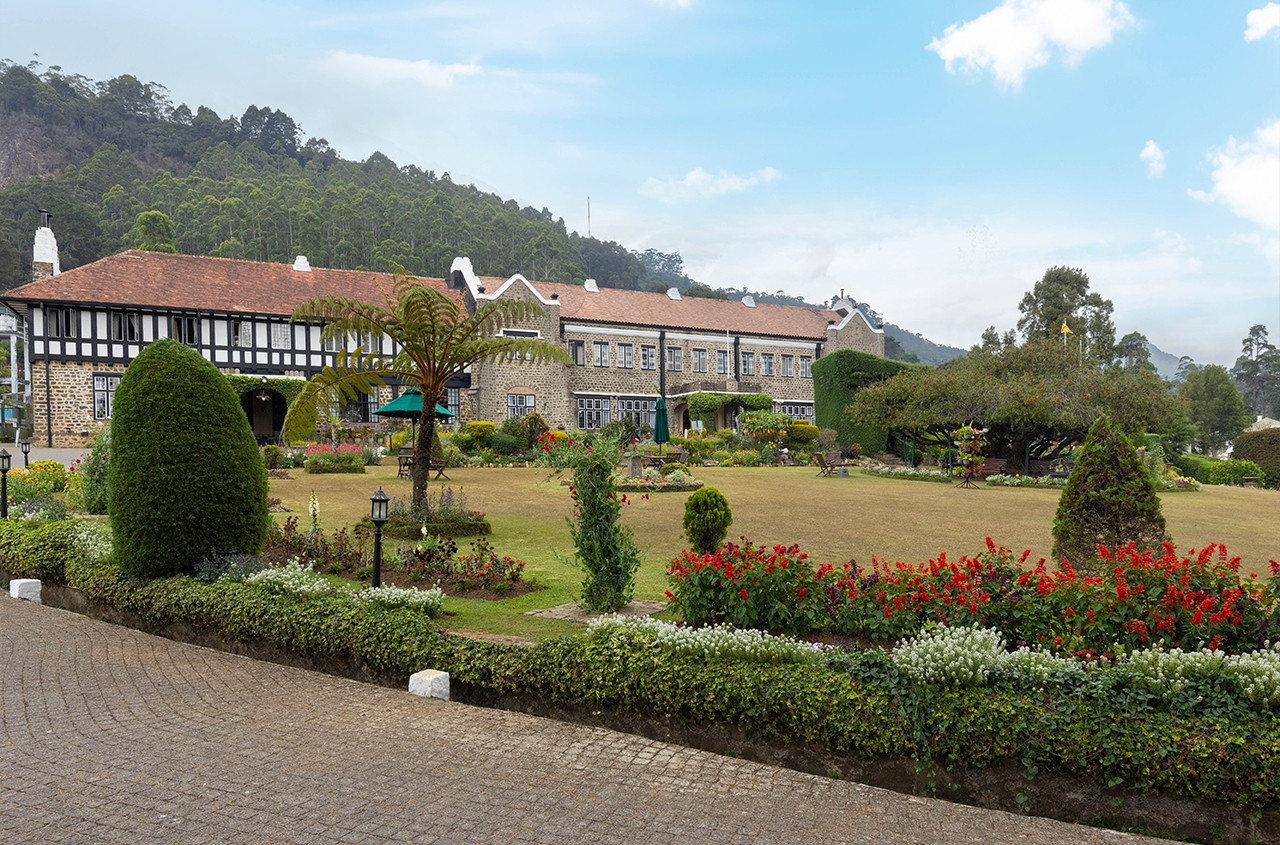
British planters founded the Hill Club as an exclusive social space in the mid-1800s, centered on billiards, horse-riding, and golf, and for decades it operated as an all-male institution. It now admits women and children, a shift that changed its character without erasing the original building's atmosphere. The reading room holds an old book collection still available for borrowing, a detail that separates it from a typical preserved-museum stop.
A visitor tour of the club costs roughly 100 LKR, a small fee for what amounts to walking through a genuinely preserved 19th-century social institution rather than a recreation of one.
Dress codes still apply in some areas of the club; smart casual clothing is the safer choice over shorts or flip-flops.
10 — Founded 1889, Second Oldest Tournament After the Ryder CupNuwara Eliya Golf Club:
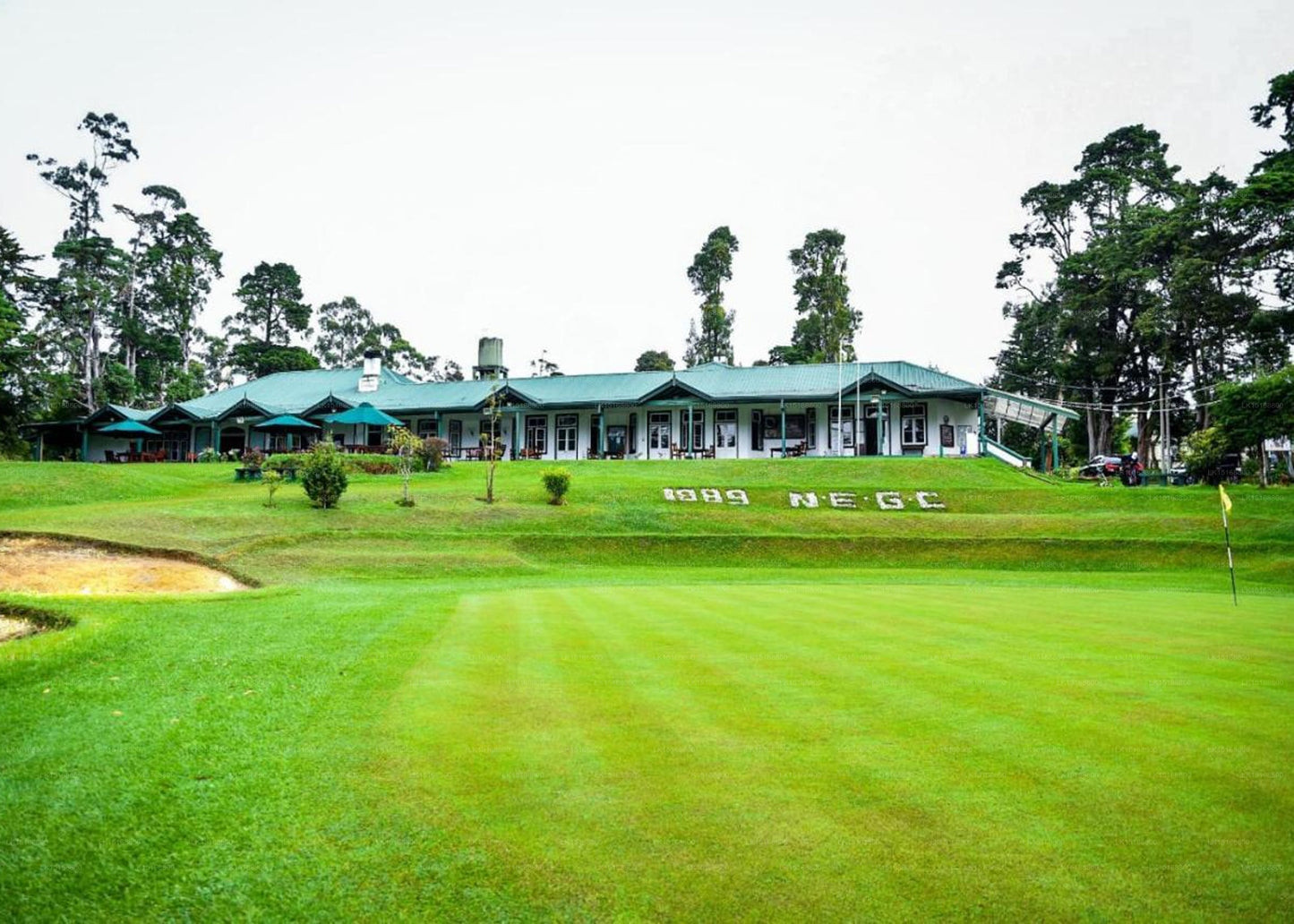
British tea planters founded this course in 1889 specifically for recreation in the cool hills, and it now ranks among the oldest golf clubs in Asia. The Burdett Trophy, first played in 1902, runs here annually and stands as the second-oldest continuously contested golf tournament after the Ryder Cup, a detail that surprises most visitors who don't expect this level of golf history in Sri Lanka's hill country. The 18-hole, par-71 course plays to 6,075 yards, short by modern standards, but tight, tree-lined fairways demand accuracy over distance.
A round costs around 5,900 LKR on weekdays and 7,200 LKR on weekends and public holidays, with club rental pushing the total higher for visitors without their own clubs. Non-golfers can still visit the bar and lounge areas, which carry their own old-world atmosphere even without playing a round.
Tee times fill up faster on weekends, particularly during the February-April high season, so book ahead if a specific time matters.
Within a Short Drive:Waterfalls, temples, and parks beyond the town center
11 — The Only Temple Dedicated to Sita WorldwideSeetha Amman Kovil:
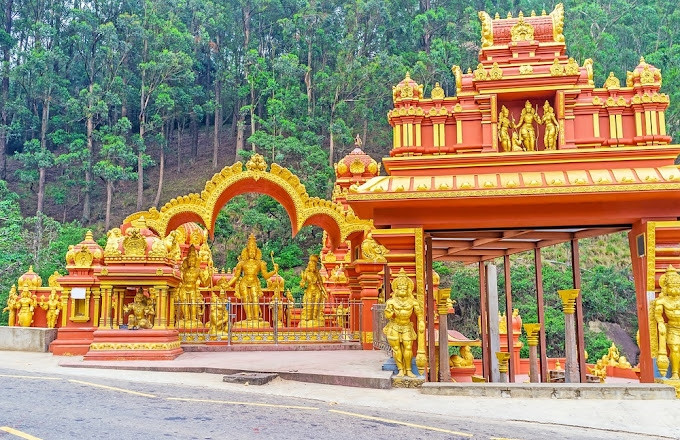
This temple near Hakgala Botanical Garden holds genuine significance in the Ramayana tradition: tradition holds that Sita prayed here to Lord Rama after Ravana abducted her, asking for deliverance during her captivity in this region. It claims the distinction of being the only temple in the world dedicated specifically to Sita, a detail that draws Hindu pilgrims from well beyond Sri Lanka on dedicated Ramayana circuit tours.
Entry is free. The temple sits close enough to Hakgala that pairing both stops in one outing makes sense for most visitors heading that direction.
Modest dress applies, same as any active temple in Sri Lanka, shoulders and knees covered.
12 — Declared a National Park in 2006Galway's Land National Park:
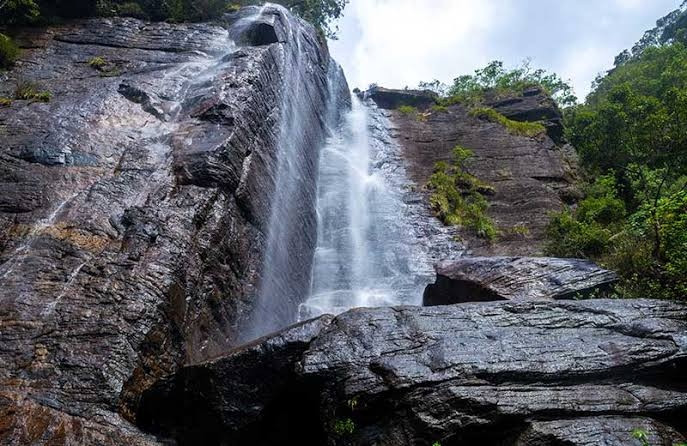
At just 27 acres, Galway's Land ranks among Sri Lanka's smallest national parks, but the dense montane forest packs in real biodiversity for its size. Over 20 rare migratory bird species and 30 native species use this park, making it one of the country's strongest birdwatching sites despite its compact footprint, and wild boars and barking deer share the same small forest.
Entry runs approximately 700 LKR for foreign visitors. Overnight stays are possible at the Galway Forest Lodge for visitors who want extended birdwatching time rather than a single daytime visit.
Early morning visits give the best activity levels; the forest quiets down noticeably by midday.
13 — Known as Sri Lanka's "Little Niagara"St. Clair's Falls:
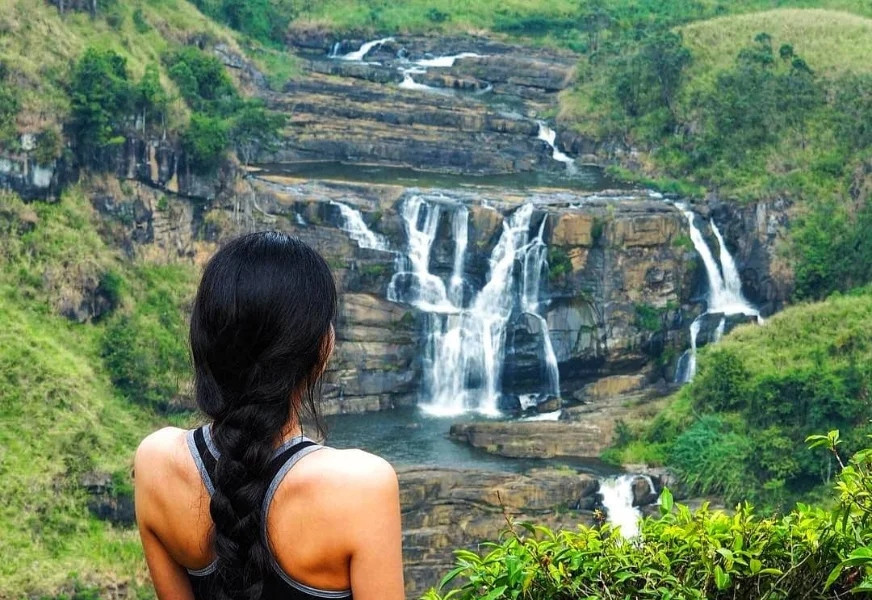
St. Clair's Falls sits at 1,198 meters elevation near the town of Talawakele, roughly 30 kilometers from Nuwara Eliya, and ranks as one of the widest waterfalls in the country, which earns it the "Little Niagara" comparison locals and guidebooks both use. The Kothmale Oya River feeds it, itself a tributary of the larger Mahaweli River system, and surrounding tea estates frame the falls in a way that makes this one of the more photographed waterfalls in the hill country.
Entry is free, and roadside viewing areas let you see the falls without a long walk from the car.
Combine with Devon Falls on the same drive, since both sit along a similar stretch of road heading toward Talawakele.
14 — 109-Meter DropRamboda Falls:
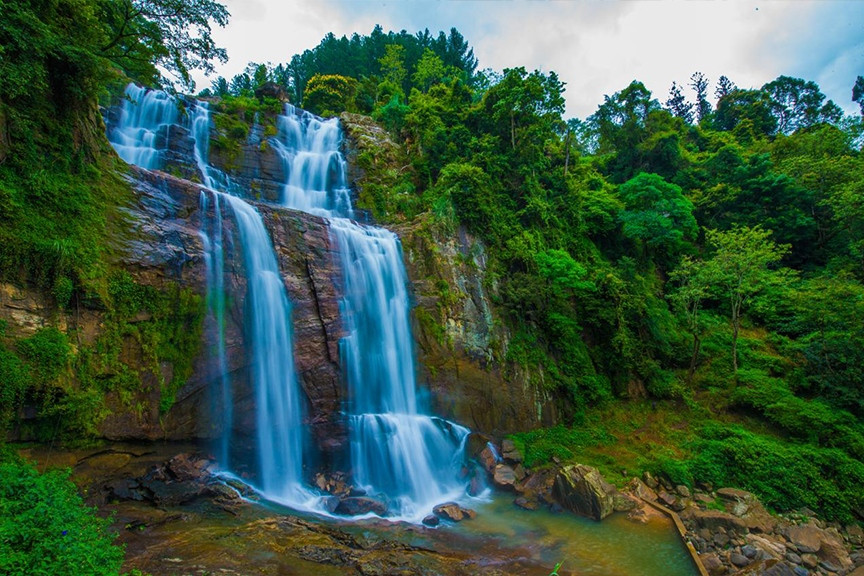
Ramboda Falls plunges 109 meters down a cliff face fed by the Panna Oya River, which itself feeds into the Kothmale Oya further downstream. The falls sit along the main Kandy-Nuwara Eliya road, making them an easy stop for anyone driving between the two towns rather than a dedicated detour.
Entry is free, with roadside viewpoints offering a direct line of sight to the falls without a hike. The spring and monsoon seasons push the water flow to its fullest, which makes the falls noticeably more dramatic than during the drier months.
A short staircase near the main viewpoint gets you closer to the base for a better photo angle than the road-level view alone.
15 — 318-Foot Drop, Named for a British Coffee PlanterDevon Falls:
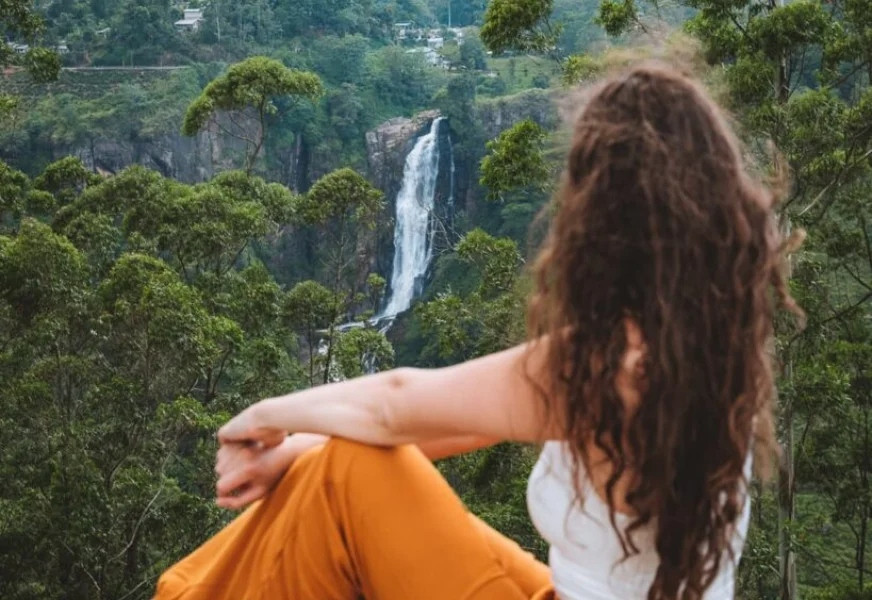
Devon Falls drops 318 feet through the Dimbula Village area, fed by a tributary of the Kothmale Oya, and splits into three separate streams before pooling at the base, a structure that gives it the nickname "Veil of the Valley" for the way the water fans out as it falls. The waterfall takes its name from a British settler who once ran a coffee plantation nearby, a small historical footnote that most visitors miss entirely while photographing the falls.
Entry is free, and the falls are visible from a roadside viewpoint on the Nawalapitiya-Dimbula Road. St. Clair's Falls sits close enough nearby to see both on the same drive.
The viewpoint requires no walk from the road, making this one of the more accessible waterfall stops for visitors with limited mobility or time.
16 — A 30-Meter Cascade Steeped in FolkloreLover's Leap:
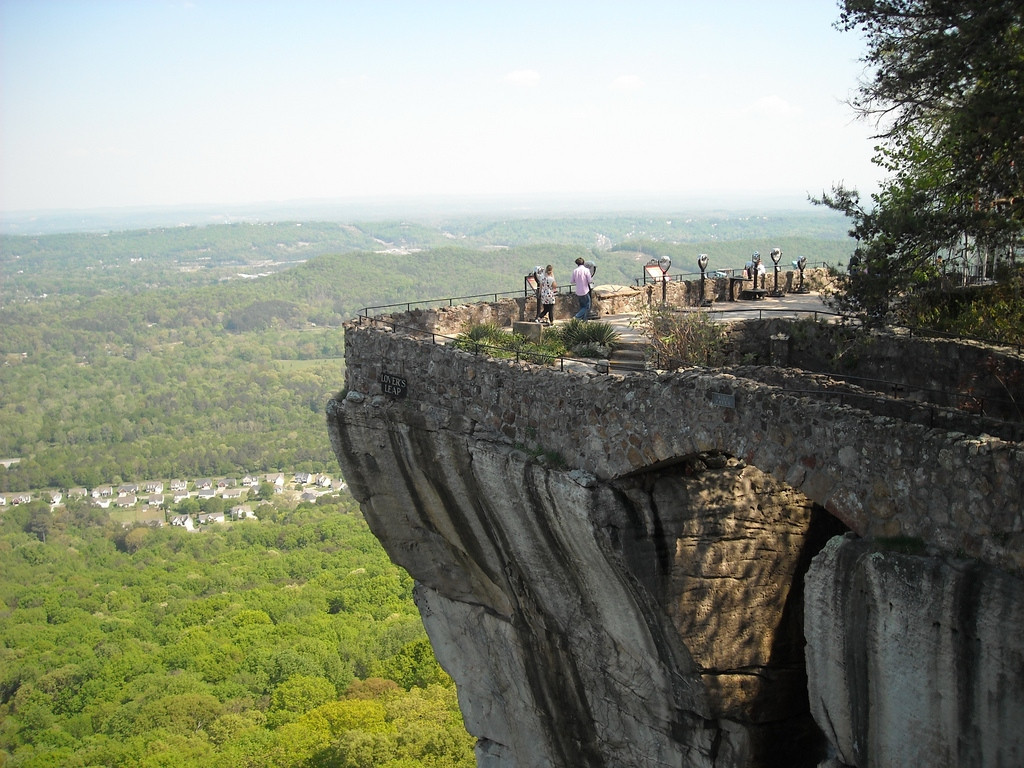
Lover's Leap sits just 2 kilometers from central Nuwara Eliya in Hawa Eliya, close enough that it works as a half-day hike rather than a planned excursion. The walk in passes directly through a working tea estate, and the waterfall drops 30 meters into a pool below, with the local romantic folklore tied to the name giving it a slightly different draw than the area's other, purely scenic falls.
Entry is free. Monsoon season pushes the water volume up considerably, turning a fairly gentle cascade into a genuinely dramatic one.
Sturdy shoes help on the dirt path, especially if rain has fallen recently.
17 — A 60-Meter Cascade Over 25 Carved StepsNanu Oya Falls:
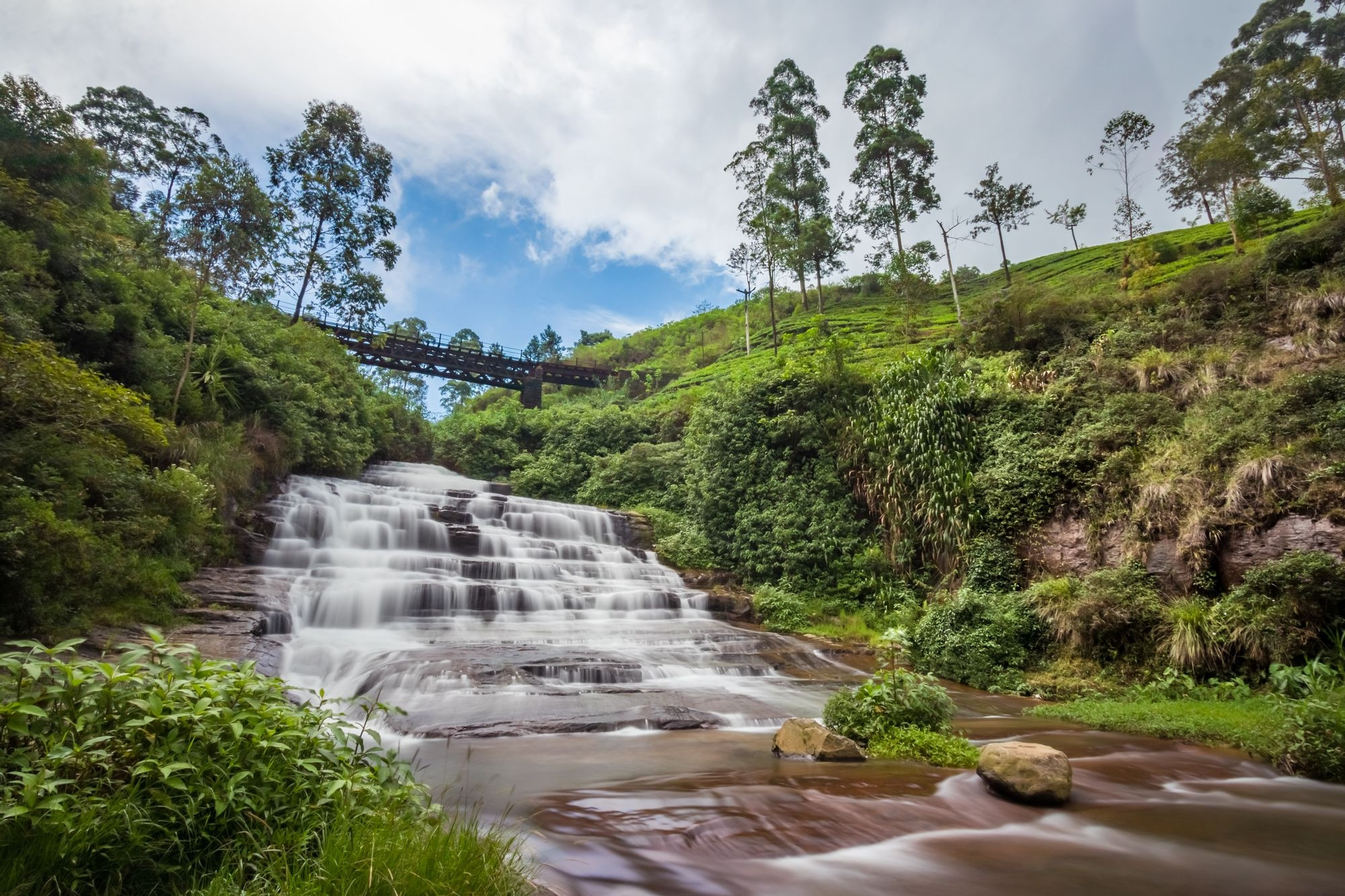
Nanu Oya Falls drops 60 meters where the Nanu Oya River meets the Kotmale and Mahaweli river systems, and the water tumbles down 25 steps cut into the rock face, generating enough mist at the base to cool the whole immediate area. The setting suits families with young kids better than some of the steeper hikes on this list, given the easier access and gentler terrain.
Entry is free, open around the clock. Nearby landmarks including Adam's Peak, Lover's Leap, and Gregory Rock give this spot a natural pairing with other stops in the same general direction.
This sits near Nanu Oya railway station, the same station most train travelers use to reach Nuwara Eliya from Colombo, making it a convenient first or last stop depending on your route.
18 — A 70-Meter Cluster of CascadesKolapathana Falls:
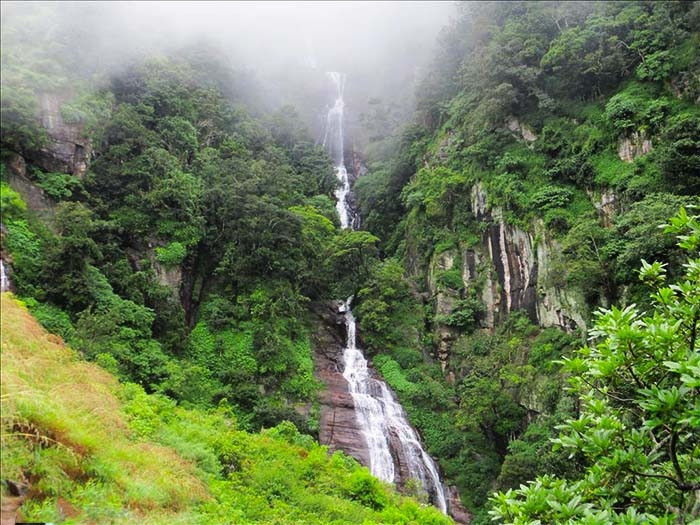
Kolapathana Falls in the village of Mandaram Nuwara drops 70 meters across several distinct cascades, with the lowest section known specifically as Kolapathana Ella. From a distance, the full cluster comes into view at once, several separate streams visible together rather than one single drop, which sets it apart visually from most of the single-cascade falls elsewhere on this list.
Entry runs about 100 LKR, one of the few small fees among this guide's waterfall entries rather than a free roadside stop.
The site suits a relaxed picnic stop as much as a photo opportunity, with enough space around the falls to sit and stay a while.
19 — Pick-Your-Own Berries in SeasonStrawberry Fields:
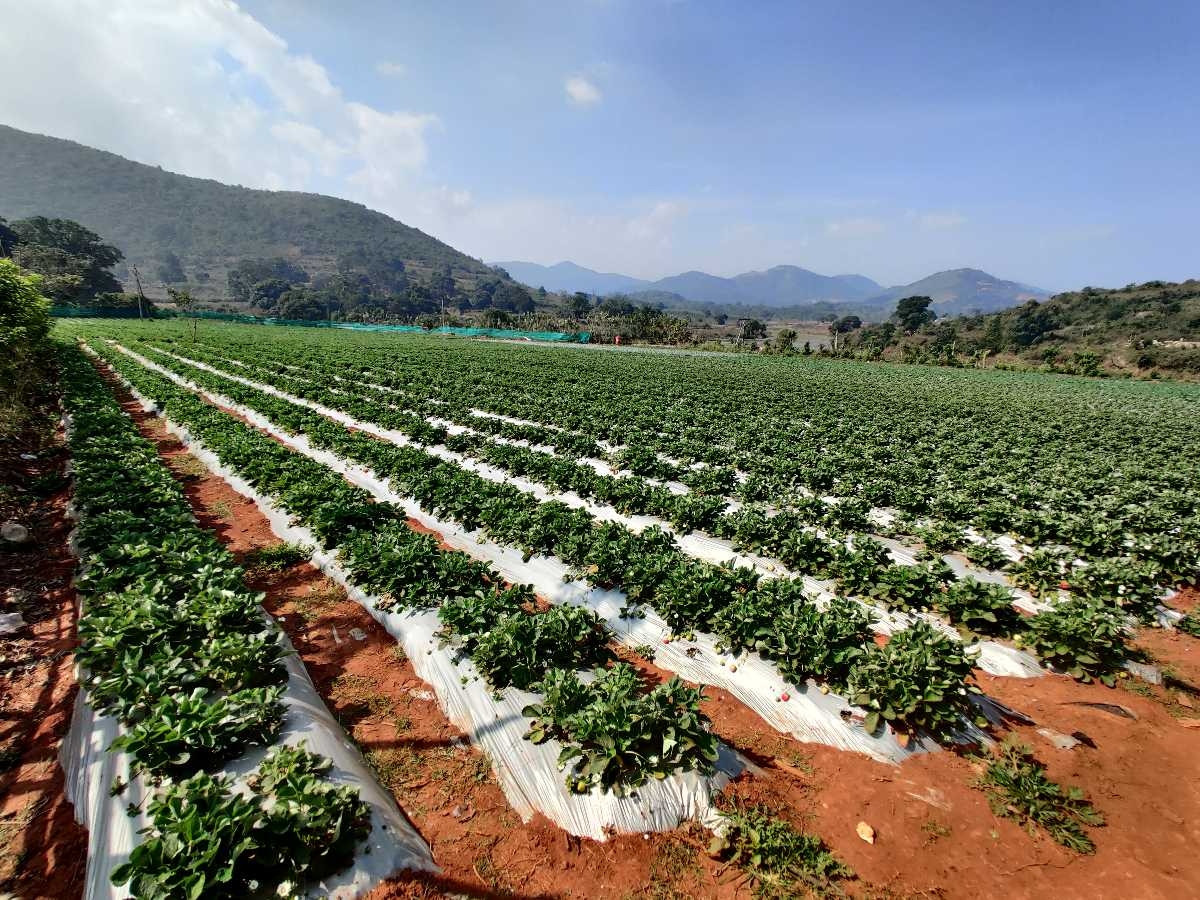
Nuwara Eliya's cool climate, the same factor that makes it Sri Lanka's tea capital, also makes it one of the only regions in the country where strawberries grow well. Several fields on the edge of town let visitors walk through the rows and pick their own berries during peak season, with stalls selling fresh strawberries and locally made products like jam alongside the fields themselves.
Walking the fields and photographing them costs nothing; berries you pick or buy are priced separately by weight, generally a modest cost reflecting local market rates rather than a tourist markup.
Morning visits avoid the day's heat and tend to find the freshest, least-picked-over berries still on the plants.
20 — Nicknamed "Little New Zealand"Ambewela Farm:
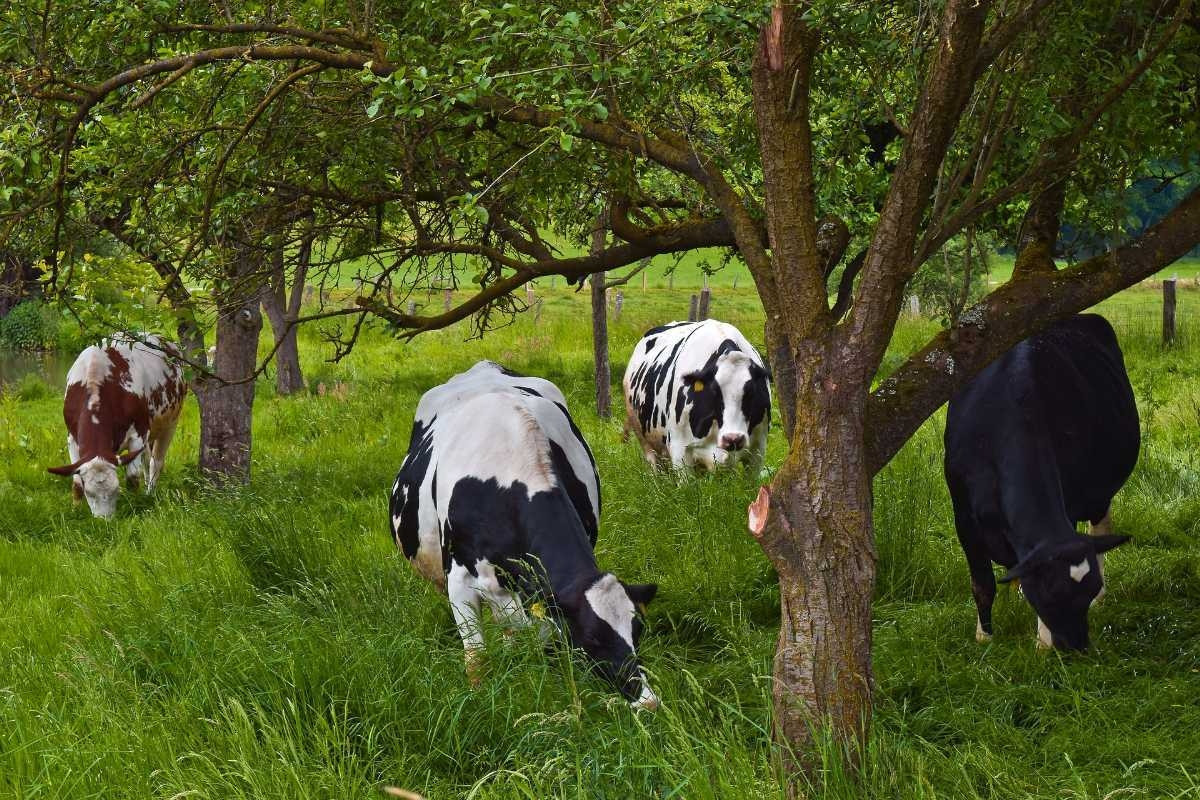
Ambewela Farm earns its "Little New Zealand" nickname from rolling green meadows that genuinely do resemble that country's pastoral landscapes, an unusual sight in tropical Sri Lanka. Ayrshire cattle, prized specifically for high-quality milk production, graze across the farm, and visitors can walk barefoot through the soft grass, watch the milking process, and get a real sense of organic dairy farming rather than a staged version of it.
Entry is free. The farm functions as a working operation first, a tourist stop second, which gives it a more authentic feel than some of the more commercialized attractions in the area.
Cooler weather here suits a relaxed midday visit better than the early-morning timing some other entries on this list require.
21 — A Former Catchment Area Turned ViewpointMoon Plains:
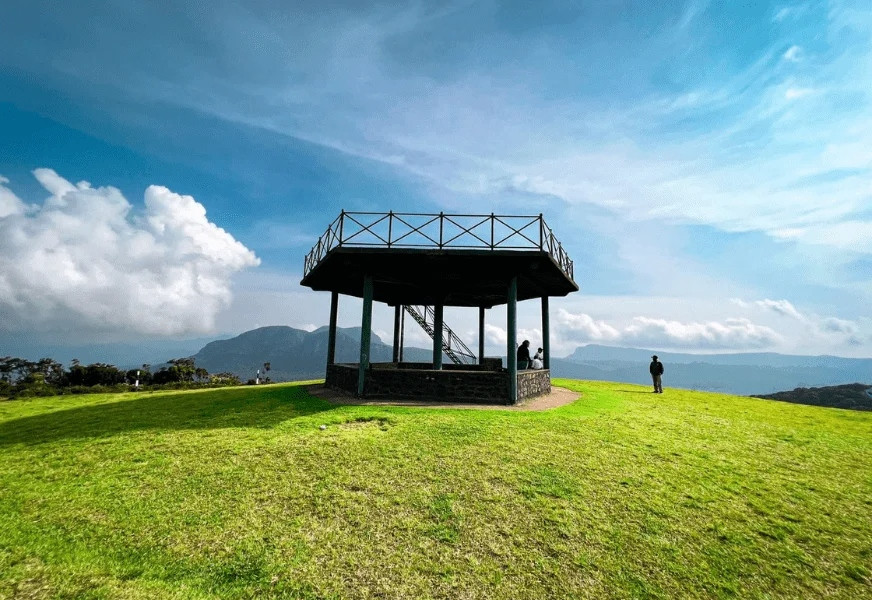
Moon Plains stretches across open grassland framed by tea estates, forest reserves, and distant mountains, and the centerpiece is a valley roughly 400 meters long and 30-40 meters deep that served as a water catchment area until the late 1990s. The terrain feels noticeably different from the tighter, greener hills closer to town, giving the spot its slightly otherworldly nickname.
Entry is free. Endemic wildlife sightings are possible here, making it worth a slower walk rather than a quick drive-by stop, particularly for visitors with any interest in Sri Lanka's native species.
No facilities exist on-site, so bring water and sun protection if planning to stay more than a quick visit.
22 — Nuwara Eliya's "Winter Market"Bale Bazaar:
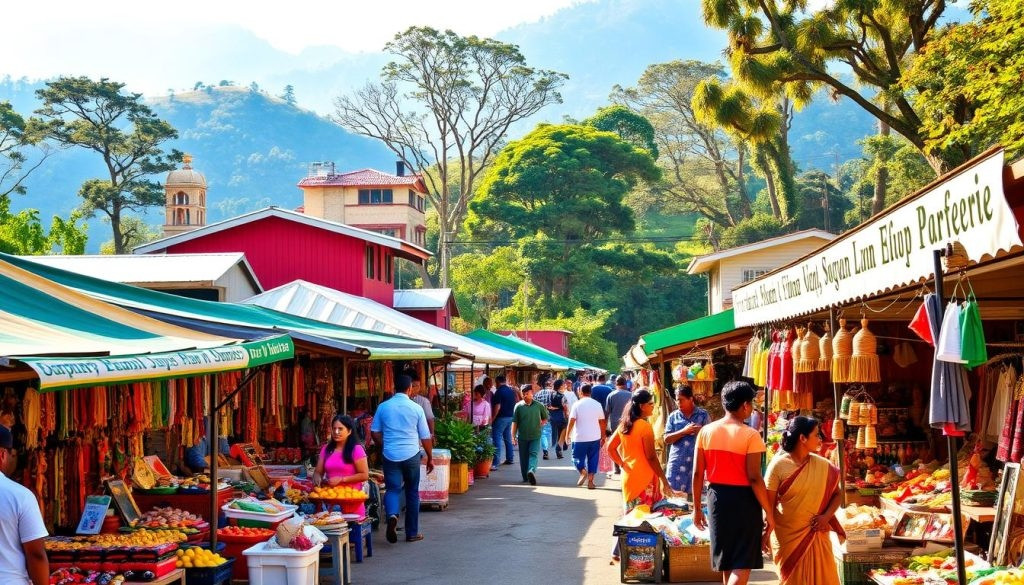
Most of Sri Lanka stays warm year-round, which makes Nuwara Eliya's persistently cool climate unusual enough to support its own dedicated winter-clothing market. Bale Bazaar sells jackets, sweaters, gloves, and hats, along with a mix of restaurants, cafes, and food stalls covering both local and international dishes, making it as much a food stop as a shopping one.
Entry costs nothing. Bargaining is normal and expected here, in line with most markets across Sri Lanka, and prices generally run affordable rather than tourist-inflated.
Hours can shift during peak tourist periods and holidays, so checking ahead avoids a wasted trip if your schedule is tight.
23 — Home to Sri Lanka's Largest Hanuman StatueShri Bhakta Hanuman Temple:
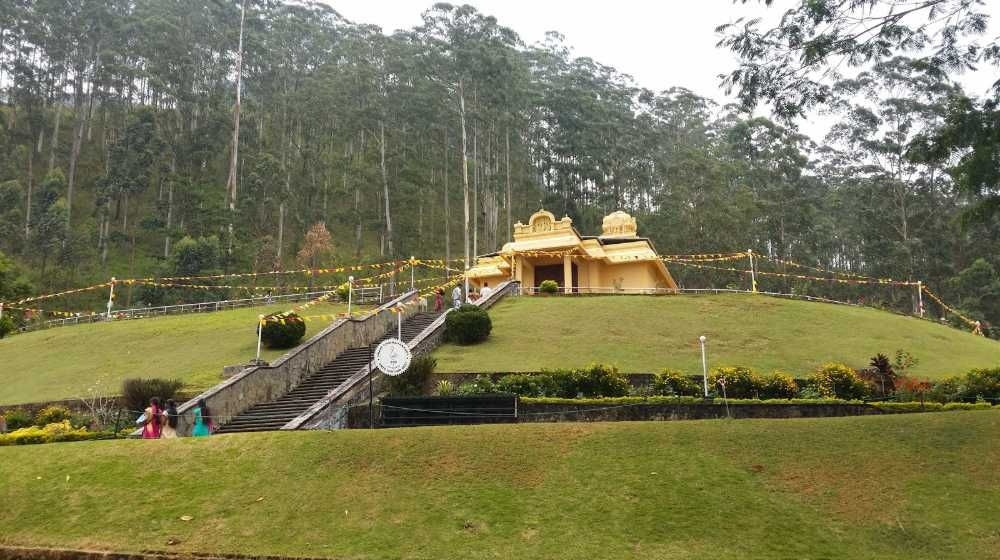
Built by the Chinmaya Mission roughly 30 kilometers north of Nuwara Eliya in Ramboda, this temple houses the largest Hanuman statue in Sri Lanka, standing 18 feet tall. Hanuman temples are genuinely rare across the country, tied to a legend that Hanuman's fiery tail once burned part of the island, which makes a temple of this scale here notable beyond its size alone. Tradition holds this as a stop on Hanuman's route before reaching Ashok Vatika, tying it directly into the same Ramayana narrative connected to Seetha Amman Kovil and Hakgala.
Entry is free, though donations are welcomed and genuinely fund the site's upkeep. An on-site canteen serves meals to visitors, a practical detail that makes this a workable lunch stop on a longer Ramboda-area day.
The tranquil hillside setting suits a slower visit, not a quick photo stop, especially for travelers also visiting Seetha Amman Kovil or Hakgala as part of a Ramayana-themed day.
For Serious Hikers:Two climbs that need planning, not just a morning
24 — 2,243 Meters, Sacred to Four ReligionsAdam's Peak:
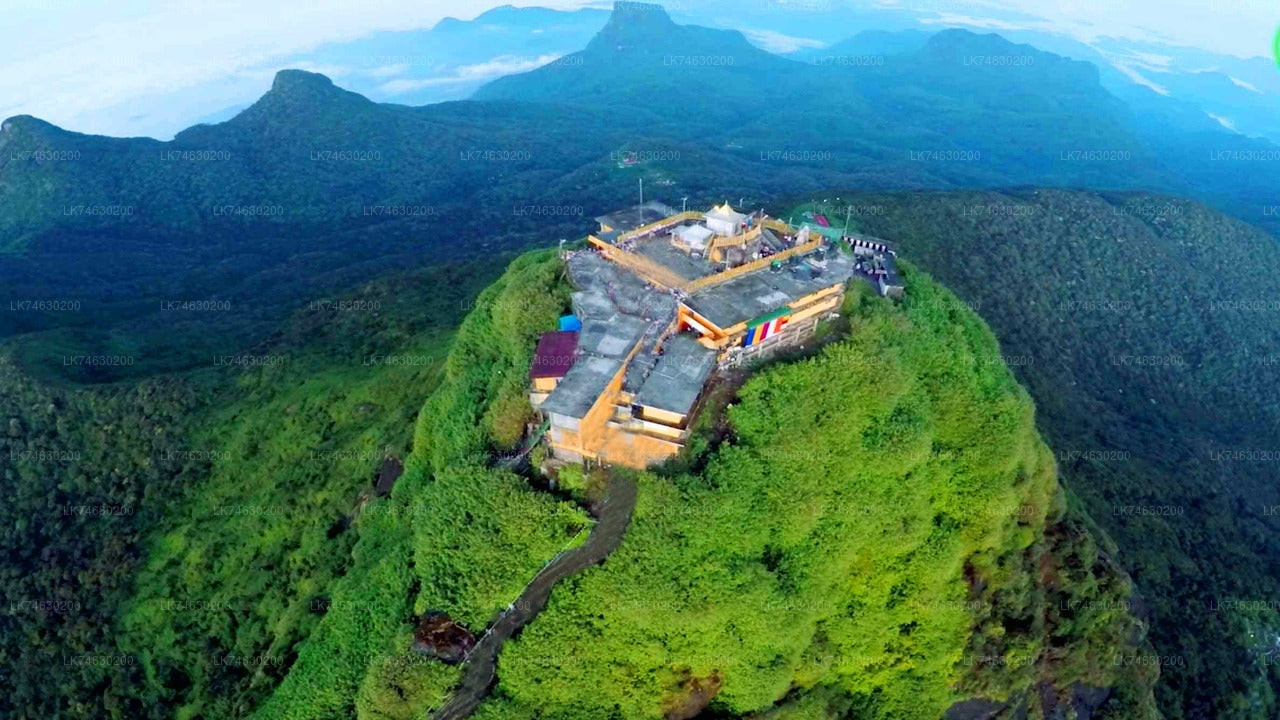
Adam's Peak, also called Sri Pada, holds a footprint carved into stone at the summit that four different traditions claim for four different figures: Adam in Christian and Islamic belief, Buddha in Buddhist tradition, and Lord Hanuman in Hindu tradition tied to his search for Sita. Whatever you believe about the footprint, climbing the mountain at night to reach the summit by sunrise is the standard approach, and the view from the top, when clear, takes in a genuinely wide stretch of Sri Lanka's central highlands.
Entry is free of charge. The climb itself, not the entry fee, is the real cost here in terms of time and physical effort, typically a multi-hour overnight ascent on stone steps lit by stalls and shrines along the way during pilgrimage season.
Pilgrimage season, December through May, brings the steps to life with food stalls and fellow climbers, while off-season climbs are quieter but some facilities along the route close.
25 — Sri Lanka's Second-Highest Peak, the Highest You Can Actually ClimbKirigalpotta:
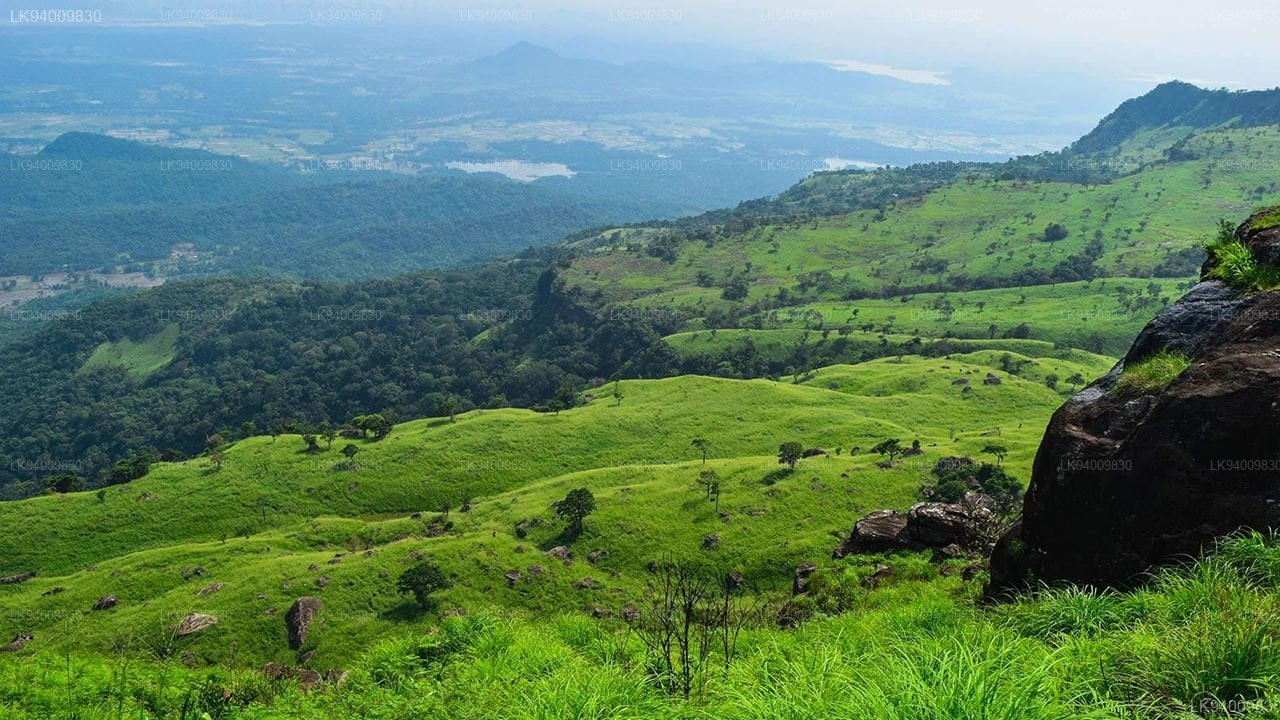
Kirigalpotta rises to 2,388 meters, technically Sri Lanka's second-highest mountain, but functionally the highest one open to the public, since Pidurutalagala, the actual tallest peak, sits inside a restricted military zone. The 7-kilometer trail runs through Horton Plains National Park itself and takes about 3 hours to summit, a quieter and less-trodden route than the main World's End loop most visitors stick to.
Since the trail sits inside Horton Plains, the park's entrance ticket covers access here too, meaning no separate fee beyond what you already paid to enter Horton Plains in the first place. Several hiking tour operators around Nuwara Eliya offer guided versions of this route with equipment and meals included for visitors who want support rather than a self-guided climb.
Since this shares Horton Plains' entrance fee and gate hours, plan the same early start, ideally before 7 AM, to beat the cloud cover that rolls in by mid-morning.
What Does Everything Actually Cost?
A Realistic 2-Day Plan:
This assumes you've already decided Nuwara Eliya is worth the 1-2 nights and want the highest-value version of a short stay, not an exhaustive checklist.
Frequently Asked Questions (FAQ's):
Q. Is Nuwara Eliya worth visiting?
Yes, if you have at least 5-6 days total in Sri Lanka's hill country and want cool weather, colonial architecture, and tea estates in one place. No, if you're trying to cover Kandy, Ella, and the south coast in under a week, since Nuwara Eliya's attractions overlap with what Ella and Kandy already offer, just colder and quieter. One full day covers the essentials; two lets you add Horton Plains without rushing.
Q. Is Nuwara Eliya or Ella better?
Ella wins for first-time visitors and backpackers: easier hikes, a livelier social scene, and the famous Nine Arches Bridge train shot. Nuwara Eliya wins for travelers who want genuinely cold evenings, British colonial buildings, and a quieter pace. Most multi-week itineraries do both, connected by the same scenic rail line, spending 1-2 nights in Nuwara Eliya and 2-3 in Ella.
Q. Is the Horton Plains entrance fee worth it?
Opinion splits hard on this one. Foreign visitors pay $55-75 once the entrance ticket, service charge, vehicle permit, and tax are totaled, against a local rate near $0.50. Visitors who go for World's End specifically and arrive before 8 AM tend to call it worth it. Visitors expecting abundant wildlife or pristine facilities are more often disappointed, since sightings are limited to sambar deer in most visits and the restrooms get frequent complaints relative to the price.
Q. How many days do you need in Nuwara Eliya?
One full day covers Gregory Lake, Victoria Park, and the colonial-era town center. Two days adds Horton Plains without a rushed morning. Three or more makes sense only if you're also chasing the area's scattered waterfalls (St. Clair's, Devon, Ramboda) or want a tea estate factory tour beyond a quick stop.
Q. What currency are Nuwara Eliya prices in, and how much do attractions actually cost?
Sri Lankan Rupees (LKR), not Indian Rupees, a mix-up that shows up often in older travel blogs. At roughly 319 LKR per US dollar in mid-2026, Victoria Park runs 300-500 LKR for foreigners, Hakgala Botanical Garden costs 1,500 LKR, and Horton Plains is the outlier at $55-75 once every fee is added.
Q. Can you visit Nuwara Eliya as a day trip from Kandy or Ella?
From Kandy, yes: the drive runs 2.5-3 hours each way, tight but doable for the town center plus one tea estate. From Ella, it's a longer stretch at 3-4 hours by train each way, which makes an overnight stay the more realistic option rather than a single-day round trip.






{{item.get_author.first_name}} {{item.get_author.last_name}}
Level 7
5 Photos
36 Reviews
{{item.comment_txt}}
{{item_reply.get_author.first_name}} {{item_reply.get_author.last_name}}
@ {{item_reply.reply_to}}, {{item_reply.reply_txt}}