

Venue
Faculty of Fine Arts, University of Dhaka, Shahbagh, Dhaka, Bangladesh

Pohela Falgun guide
Pohela Falgun falls on 14 February every year, and Dhaka greets spring in yellow and marigold clothing. It suits travelers interested in Bengali culture, with the Basanta Utsab centred on the courtyard at Dhaka University's fine arts faculty. Arrive early to claim a spot under the trees.
Pohela Falgun, the first day of the Bengali month of Falgun, is the day Bangladesh welcomes spring, and in Dhaka the change shows first in what people wear. Women come out in yellow and marigold-orange saris with flowers in their hair, men in yellow panjabis, and the city's art students lead the singing.
The centre of it all is the Basanta Utsab, the spring festival held at Charukola, as Dhaka calls the University of Dhaka's Faculty of Fine Arts. Choirs, dancers and poets open the morning, and a procession then carries the mood out into the city.
Its weight comes from more than the weather. Falgun arrives in the month Bangladesh gives to the memory of its Language Movement, and greeting spring with Bengali songs has long been a way for the capital to say who it is.
Faculty of Fine Arts, University of Dhaka, Shahbagh, Dhaka, Bangladesh
Hotels near the venue fill up around the event dates.
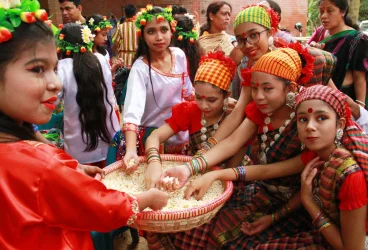
Yellow and marigold orange are the colours of the day. Women wear saris in those shades, usually with a flower crown, a garland or marigolds in the hair, and often glass bangles and a teep on the forehead. Men wear a yellow panjabi.
A visitor in grey or blue is perfectly welcome. To blend in, a yellow scarf or shawl does most of the work, and a single marigold behind the ear finishes it. February mornings can feel fresh, so wear a light layer you can take off by midday, and flat shoes for a long day on foot.
Bakultala is small and fills within minutes of the start. Pick a spot at the edge, sit if those around you sit, and keep bags in front of you. Do not push towards the performers or stand up during a song when everyone behind you is seated.
When the procession forms, either join it at the back or step aside and let it pass. Children are easy to lose in the crush, so agree a meeting point, such as the faculty gate, before you go in.
Phones and cameras are everywhere on the day. Ask before photographing anyone, especially women and families in festival dress, and take a refusal gracefully. Do not hold a lens up over the heads of the people in front of you while a song is under way.
By evening the date belongs to couples. Many come to the parks to sit quietly together, and some would rather not appear in a stranger's pictures. Point your camera elsewhere.
In 2027 Ramadan is expected to be under way by mid-February, and many people around you will be fasting from dawn to sunset. Eat and drink discreetly in daylight, away from the crowd, and keep your water bottle in your bag.
Some restaurants open late or serve only from iftar, the meal that breaks the fast at sunset, and tables at that hour go quickly on a date that is also Valentine's Day. Book your evening meal before the day.
Settle along the edge of the courtyard, where you can see without blocking the families behind.
Choirs open it, dancers take the floor, poets recite (2023 timing).
The whole gathering pours out through the gate.
The campus, the park and the stalls nearby are all on foot.
A second programme for anyone who cannot face the early start.
Parks and restaurants fill with couples; reserve dinner in advance.
Everything on this day turns on one small courtyard. Bakultala lies within the fine arts faculty of Dhaka University, a place the whole city calls Charukola, and its trees shade the country's best-attended spring festival. It fills fast. Arrive before the singing starts and settle along the edge, where you can see the performers without blocking the families behind you.
Shape the rest around the morning. When the courtyard empties, walk across to the Ekushey book fair by Suhrawardy Udyan and spend the middle of the day among the publishers' stalls, then decide whether the afternoon session at Charukola deserves a second visit. Reserve a dinner table before you leave the hotel. For neighbourhoods, hotels and other sights, our guide to Dhaka is the next place to look.
Bengal has always welcomed spring, but in Dhaka the greeting took on an edge in the 1950s and 1960s. Singing for Falgun in public, in Bengali and in festival colours, became a way for the city's people to make their identity seen at a time when it was contested. Students at Charukola gave that impulse a fixed form in 1991, when they began the Basanta Utsab in their own courtyard. It grew every year. Today a national body, the Jatiya Basanta Utsab Udjapan Parishad, runs it.
The programme has barely changed in spirit. Seasonal songs, dance and recitation fill the courtyard, then the crowd walks out together. There are no speeches worth waiting for and no headline act. The point is to be there, dressed for the season, singing along.
February adds its own weight. It is the month of the 1952 Language Movement, remembered for the students killed while demanding recognition for Bengali, and the spring festival shares the calendar with the month-long book fair and with the martyrs' day on 21 February. Many Dhaka families go to all three within a fortnight.
International flights land at Hazrat Shahjalal International (DAC) at Kurmitola, about 17 km north of the centre. Direct routes include Kolkata to Dhaka, Bangkok to Dhaka, Dubai to Dhaka and London to Dhaka.
Order a prepaid car outside international arrivals or book through Obhai or Pathao. The Elevated Expressway to Farmgate costs a toll of 80 taka.
Metro Line 6 has opened at about 7 am, the same hour the singing starts, so take an early CNG auto-rickshaw or ride-hail car. Use the metro (Shahbag or Dhaka University stations) for the afternoon.
The campus, the park and the book fair grounds sit close together; roads clog by mid-morning.
A hotel within walking distance of Shahbagh or the university spares you a hunt for transport at first light.
The date is also Valentine's Day, so rooms and restaurant tables fill; book early.
 Top Rated
20 photos

Dhaka
 Top Rated
19 photos

Dhaka
 Top Rated
15 photos

Dhaka
 10 photos

Dhaka
Free cancellation
 Save 14%
5 photos

Dhaka
Free cancellation
 5 photos

Dhaka
Mid-February in Dhaka is warm by day and mild at night. February averages a high of 28.3°C and a low of 16.6°C, with rain on about two days (1991-2020 normals).
Early mornings in the courtyard can feel cool.
The busiest routes into Dhaka (DAC).
Door to door from Hazrat Shahjalal International Airport (DAC) to Bakultala, with stops where you like.
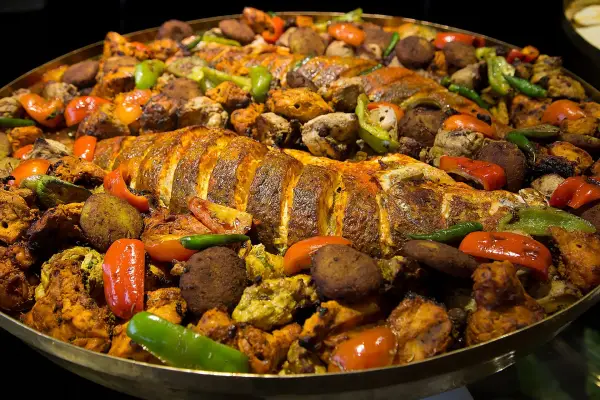
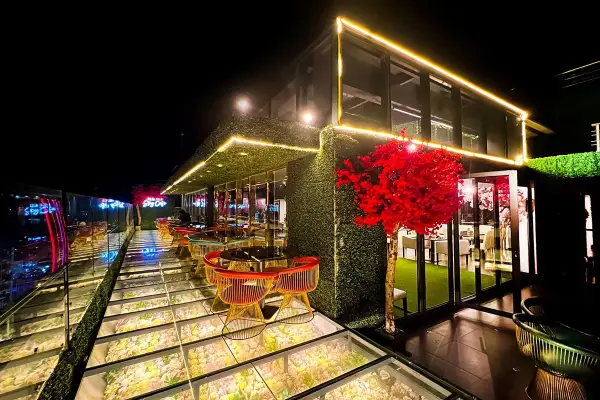
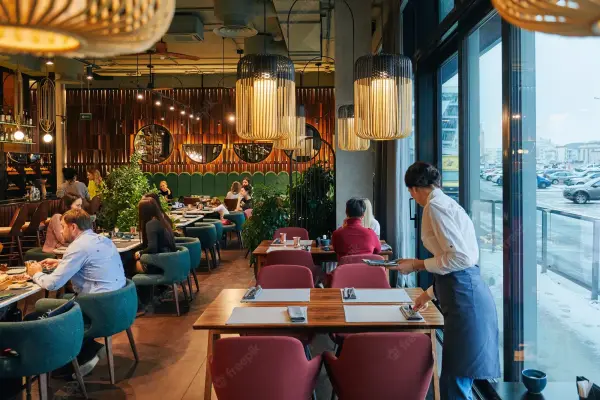
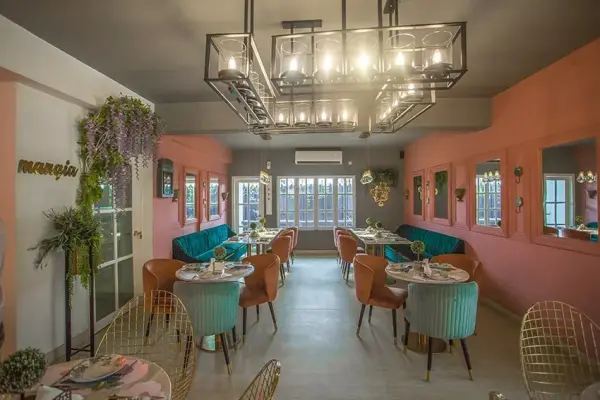
Places to eat in Dhaka before or after the celebrations.

House 16, Road 4, Block F. Banani Chairmanbari Moshjid Road. Beside Banani Police Station Dhaka, 1213
Cuisine:BengaliBangla-Chinese

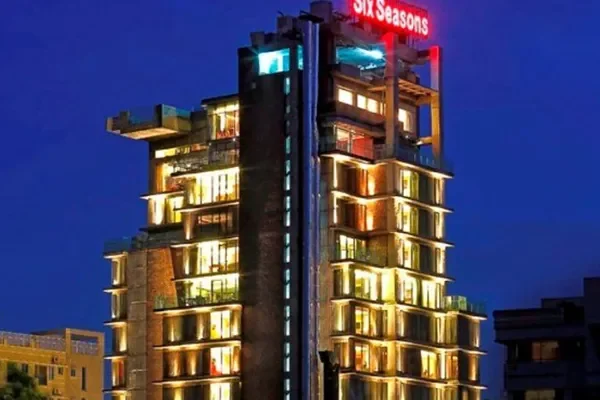
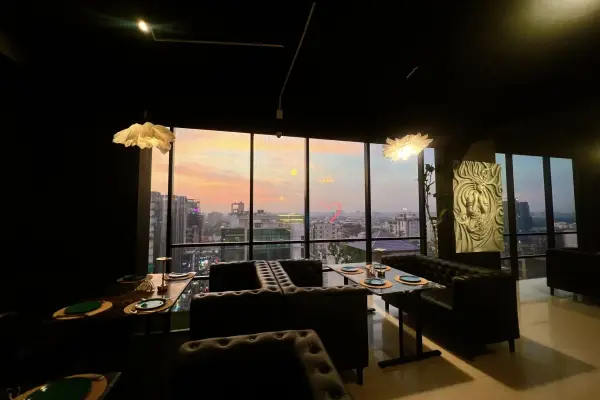
15th Floor, Six Seasons Hotel, House 19, Road 96, Gulshan 2, Dhaka 1212, Bangladesh
Cuisine:InternationalBuffet

Level 12-13 & Rooftop, Rahman Regnum Center, 191/B Gulshan Link Road, Tejgaon, Dhaka 1208, Bangladesh
Cuisine:ContinentalChinese
Dasura Tower (2nd Floor), Mirpur Road, opposite Sher-e-Bangla National Cricket Stadium, Mirpur, Dhaka 1216
Cuisine:BangladeshiChinese

Khan Tower (Level 13-14), Plot 14 & 16, Sonargaon Janapath, Sector 11, Uttara, Dhaka 1230, Bangladesh
Cuisine:ThaiContinental

Road 11, Banani, Dhaka, Bangladesh
Cuisine:BengaliSteaks


Others of this kind you opened on this device, so you can get back to them quickly.
No questions yet about Pohela Falgun. Ask the community or our travel team, and the answer will show here once it is published.
Our team answers questions here
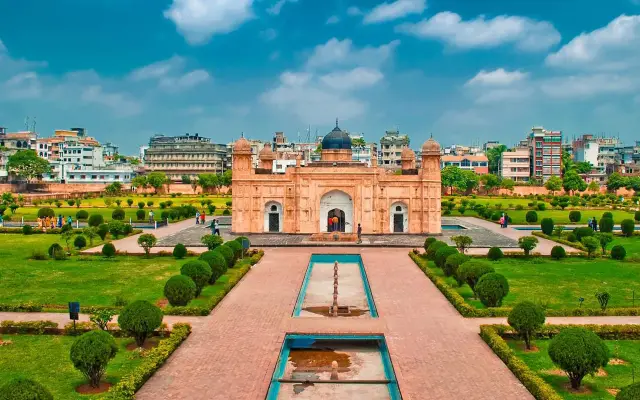
Sights within easy reach of the festival.
Dhaka
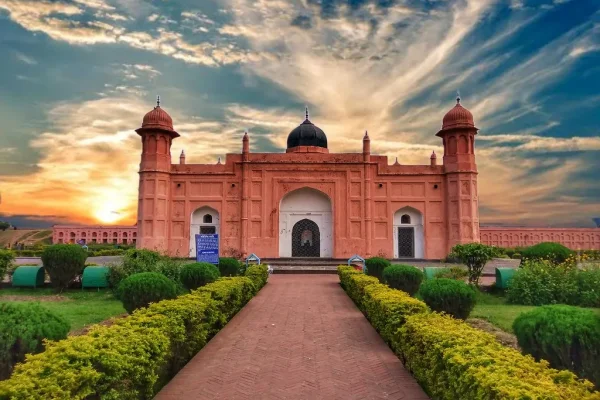
Dhakeshwari Temple, officially Dhakeshwari Jatiya Mandir, is the National Temple of Bangladesh and the country's largest Hindu temple, on Dhakeshwari Road near...
Dhaka
The fort stands in the Lalbagh area of Old Dhaka, near the old course of the Buriganga River. Prince Muhammad Azam Shah, a son of the emperor Aurangzeb, started...
Festivals held in the same weeks, if you want to plan more than one.

Food Festivals, Cultural Events, Fair
Dhaka, Bangladesh
1 photo

Musical Events, Cultural Events, Folk Festival
Bắc Ninh, Vietnam
2 photos

Cultural Events, Religious Festivals, Parade
Colombo, Sri Lanka
Festivals and events across Bangladesh, with dates, venues and ticket details where available.
Food Festivals, Cultural Events, Folk Festival
Dhaka, Bangladesh

Cultural Events, National Day, Parade
Dhaka, Bangladesh
10 photos
Tell us where and when you want to go, and local travel experts send you offers for your trip.
Hire someone who lives in Dhaka to plan the route, translate and get you to the best spots early.
General
The revised Bengali calendar fixed the first of Falgun on 14 February from 2020, one day later than before. The overlap gives the date a double life: spring songs in the morning, couples at dinner by night.
Recent years have brought afternoon programmes to Rabindra Sarani in Uttara and to Bahadur Shah Park in Old Dhaka. The Bangladesh Shilpakala Academy has also staged music, dance and recitation on its open-air Nandan Mancha stage, a handy option if you are staying near Segunbagicha.
Not quite. Pohela Falgun is the date, the first day of the spring month. Basanta Utsab, meaning spring festival, is the programme of songs, dance and procession staged on it, most famously in the Charukola courtyard.
Yes. People across Bangladesh dress in spring colours for the day, and towns hold gatherings of their own. The university courtyard in the capital simply draws the largest crowd in the country.
It is the tree-shaded courtyard of the fine arts faculty at the University of Dhaka, home of the city's main spring festival. On an ordinary day it is a quiet campus yard where art students sit between classes.
Falgun is the eleventh month and opens the Bengali spring. Pohela means first, so the festival's name simply means the first of Falgun.
Generally yes. The procession leaves the campus after the morning songs, and visitors often fall in at the back. Keep to the pace of the people around you, follow whoever is directing the route, and step out if it gets too dense.
Very. Each of the two sessions in 2023 drew thousands into a small space. The crush peaks in the first hour of the morning programme and eases once the procession has left.
A panjabi is the long, collarless tunic Bangladeshi men wear for festivals and prayers, usually over loose trousers. For Pohela Falgun, yellow is the colour to choose.
Families & accessibility
Plenty do, many dressed in small yellow panjabis and saris to match their parents. The courtyard is packed in the morning, so leave the pushchair behind, carry small children and keep older ones within reach.
We use necessary cookies to make this site work. With your permission we would also like to remember your preferences, measure how the site is used, and show relevant ads and partner offers. You can change your mind at any time under "Cookie settings" on our Privacy policy page.









 Umrah packages from Dhaka