

Most families still get 60 days visa-free entry as of mid-2026, but Thailand's Cabinet approved cutting that to 30 days back on May 19, 2026, a change not yet published in the Royal Gazette as of this writing, meaning it isn't in force yet but could take effect on short notice. Every traveler, including kids, needs their own Thailand Digital Arrival Card (TDAC) completed online within 72 hours of arrival. Tap water isn't safe to drink anywhere in the country.
Thailand's visa-free entry is genuinely in flux right now. Most guides state a flat "60 days visa-free" as settled fact, but Thailand's Cabinet already approved reverting that to 30 days for most nationalities, and that change is sitting in a real gap: approved by Cabinet on May 19, 2026, but not yet published in the Royal Gazette, which is the step that actually makes it binding. Until publication, the current 60-day rule holds. Once it publishes, the new rule takes effect just 15 days later.
This guide covers that entry situation in detail first, since it affects trip planning more than any single destination choice, then 8 real destinations with kid-specific activities folded directly in, plus health, transport, packing, and budget sections grounded in specific, checkable facts.
Quick Summary: Thailand with Kids
The full detail follows below. For anyone skimming, here's the shape of it.
Where should you go first?
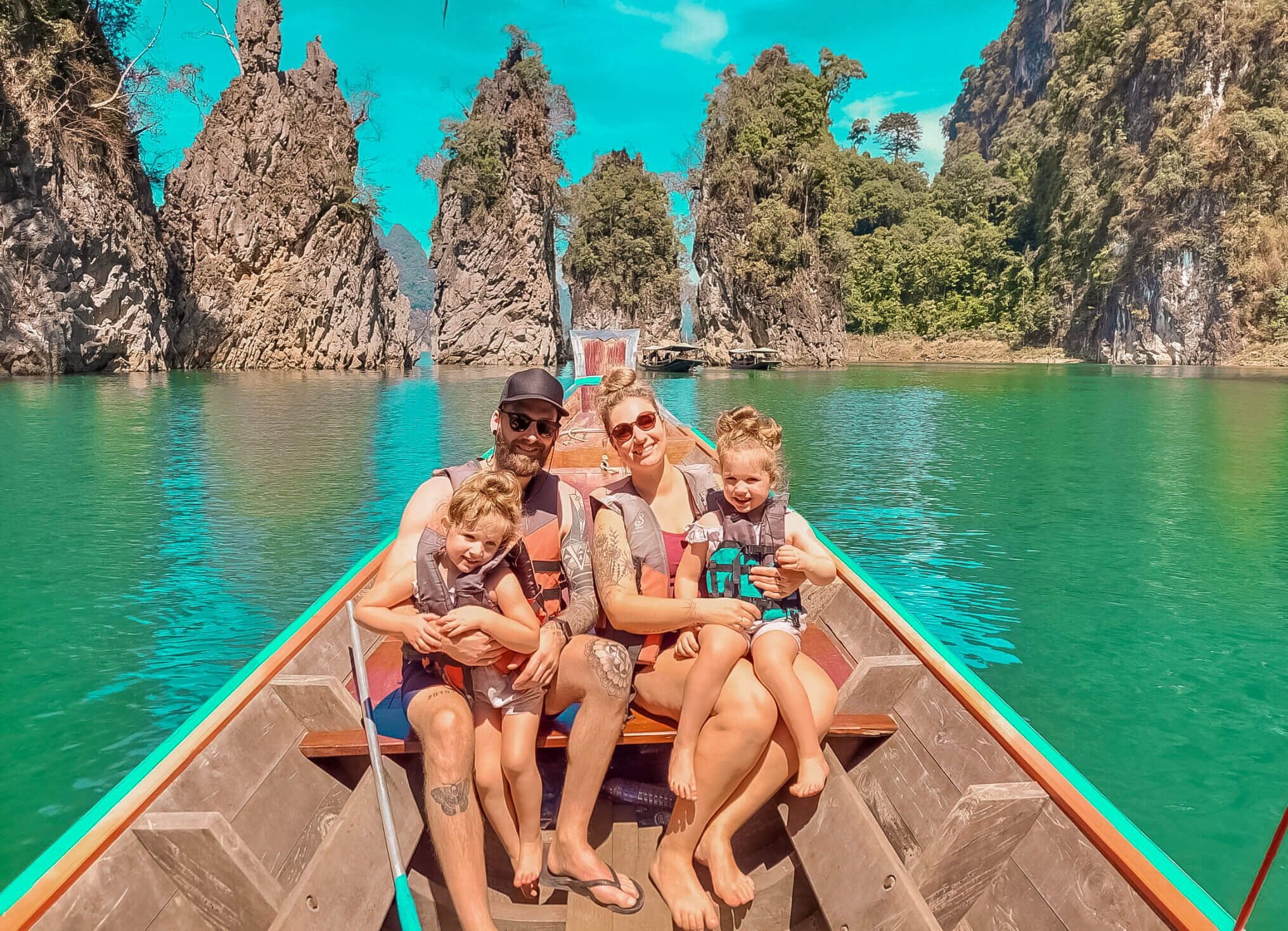
Hua Hin, Krabi/Ao Nang, or Khao Lak all suit a first family trip: calm beaches, short transfers, and a genuinely slower pace than Phuket's busier stretches.
When's the best time to visit?
November through February covers the widest range of regions comfortably. Traveling in July or August specifically, the Gulf coast (Koh Samui, Koh Tao) runs a better bet than the Andaman side, though even there, sunny days aren't guaranteed.
How many days do you need?
10-14 days for a relaxed trip covering 2-3 regions without constant repacking. Families with a baby or toddler often do better staying longer in fewer places.
Does it work with a baby or toddler?
Yes, genuinely well, if you travel slowly and pick destinations with calm beaches, pool access, and short transfers. Koh Yao Noi and Khao Lak both suit this age range particularly well.
What should you pack that's easy to forget?
Swim diapers specifically, they're genuinely hard to find locally, so bring more than you think you'll need. Public changing tables are uncommon outside major malls too.
Is it safe for kids?
Yes, with standard precautions: heat, traffic, mosquitoes, and picking the right region for the season all matter more than any unusual risk.
Visa and Entry Requirements for 2026:
Roughly 93 countries currently qualify for Thailand's visa exemption, including the US, UK, most of the EU, Australia, Canada, and New Zealand, and eligible travelers arriving by air currently receive 60 days on arrival with no advance visa application. Arrivals by land border are capped at 30 days regardless of nationality, a real distinction worth knowing if entering overland from Cambodia, Laos, or Malaysia.
Every traveler, adult or child, needs their own Thailand Digital Arrival Card (TDAC), a free online form that replaced the paper TM6 card in May 2025. Submit it within 72 hours before arrival; it applies on every single entry, not just a first visit. A new mobile app, THIM, becomes mandatory starting August 2026, tied to the same arrival-tracking system, though full details were still being finalized as of mid-2026.
Proof of funds (10,000 THB per person or 20,000 THB per family) is an official requirement, checked at the immigration officer's discretion, not universally, but worth carrying regardless since being asked and unable to show it can mean denied entry. A single extension of a visa-exempt stay is available at a local immigration office for 1,900 THB, though a 2nd extension within the same calendar year is capped at just 7 days under rules introduced in late 2025.
The Best Times to Visit Thailand with Kids:
Thailand runs 3 broad seasons nationally, though the exact timing and intensity shift somewhat between the north (Chiang Mai) and the south (the islands and Bangkok).
Best overall
November through February:
The cool, dry season brings the most comfortable temperatures nationwide and the clearest skies for outdoor sightseeing, temple visits, and beach days alike. This is also peak tourist season, so book flights, hotels, and any island resort with family rooms well ahead, particularly around the December-January holiday window.
Hot season
March through May:
Temperatures climb to their highest of the year nationally, genuinely uncomfortable for extended outdoor activity with young kids by midday. Plan sightseeing for early morning or late afternoon, and build in pool or air-conditioned breaks through the hottest midday hours.
Rainy season, region-dependent
June through October (varies by region):
The southwest monsoon brings the heaviest rain to the Andaman coast (Phuket, Krabi) roughly May through October, while the Gulf coast (Koh Samui) actually sees its wettest stretch later, October through December, running on a different pattern from the rest of the country. Bangkok and Chiang Mai see afternoon downpours through this window too, often heavy but short. An all-day washout is genuinely rare.
Health and Safety:
Talk to a travel medicine provider or pediatrician 4-6 weeks before departure, since specific vaccine recommendations depend on your child's age, existing immunizations, and the regions on your itinerary. Dengue fever is a genuine nationwide risk, and Japanese encephalitis carries more relevance for rural or extended-stay itineraries, both making mosquito repellent and lightweight long sleeves at dusk a practical daily habit, not an optional packing item.
Tap water isn't safe to drink anywhere in the country, for adults or kids. Stick to bottled or filtered water, including for brushing teeth. Ice at established restaurants is generally made from purified water in a controlled facility and considered safe; ice at informal street stalls carries more variability, worth a moment's judgment call, not an automatic order. Thailand is generally safe for family travel, though standard precautions apply in crowded markets and tourist zones: keep a hand on young kids, and stay alert for pickpockets in the busiest areas.
Best Places to Visit in Thailand with Kids:
Bangkok:
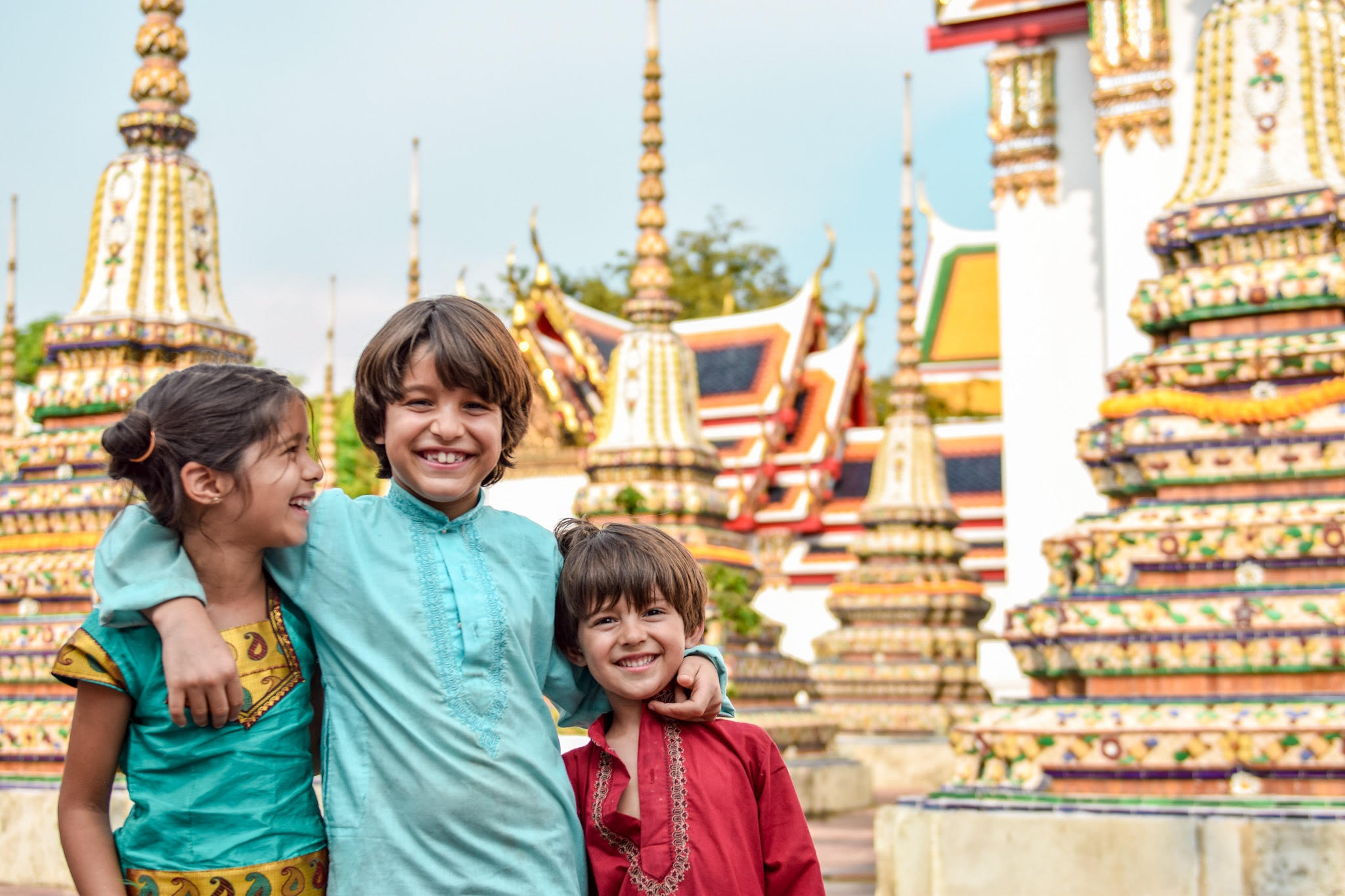
Bangkok's Grand Palace and Wat Pho (home to the 46-meter reclining Buddha) both reward a morning visit before the heat and crowds build, and the BTS Skytrain and MRT subway both run air-conditioned and largely stroller-manageable, a real relief from the city's street-level heat and traffic. Chatuchak Weekend Market runs an estimated 15,000-plus stalls, genuinely overwhelming for young kids if the whole visit isn't time-boxed in advance, and Lumpini Park offers a straightforward green-space break between more structured stops.
- Wat Pho and the Grand Palace, best visited together in the morning before midday heat and tour groups peak.
- Chatuchak Weekend Market, worth planning a specific loop in advance given its genuine scale.
- A Chao Phraya River boat ride, a cooler, traffic-free way to see several major sights from the water.
- Dusit Zoo or a similar family-oriented green space for a lower-key day.
- Siam Ocean World, an aquarium in the heart of the city, a genuine rain-day or midday-heat backup.
Chiang Mai:
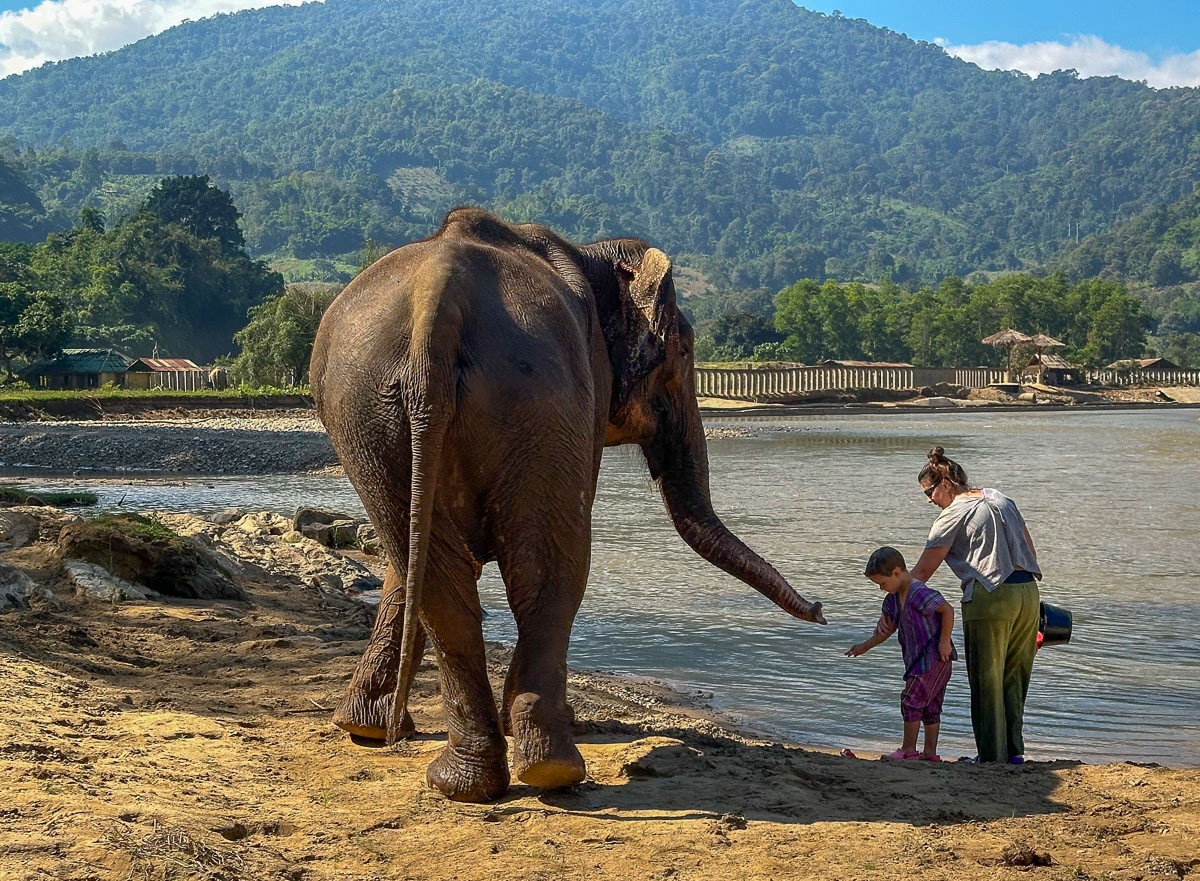
Chiang Mai's Old City holds a walkable concentration of temples, including Wat Phra Singh and Wat Chedi Luang, and the surrounding mountains hold genuine ethical elephant sanctuaries where visitors feed and bathe elephants, not ride them, worth choosing deliberately over venues still offering rides or performances. The Sunday Night Market (Walking Street) runs through the Old City's closed-off main road, and Doi Suthep temple, reachable by a short drive up the mountain, gives a scenic half-day with genuine panoramic views over the city.
- An ethical elephant sanctuary, feeding and bathing, not riding, worth researching the specific venue's practices first.
- Wat Phra Singh and Wat Chedi Luang, both walkable within the Old City's compact grid.
- Doi Suthep, a mountaintop temple with panoramic valley views, a short drive from the city.
- Sunday Night Market (Walking Street), food stalls and handicrafts along the Old City's main road.
- Chiang Mai Zoo, including a panda exhibit, for a lower-key day between temple visits.
Phuket:
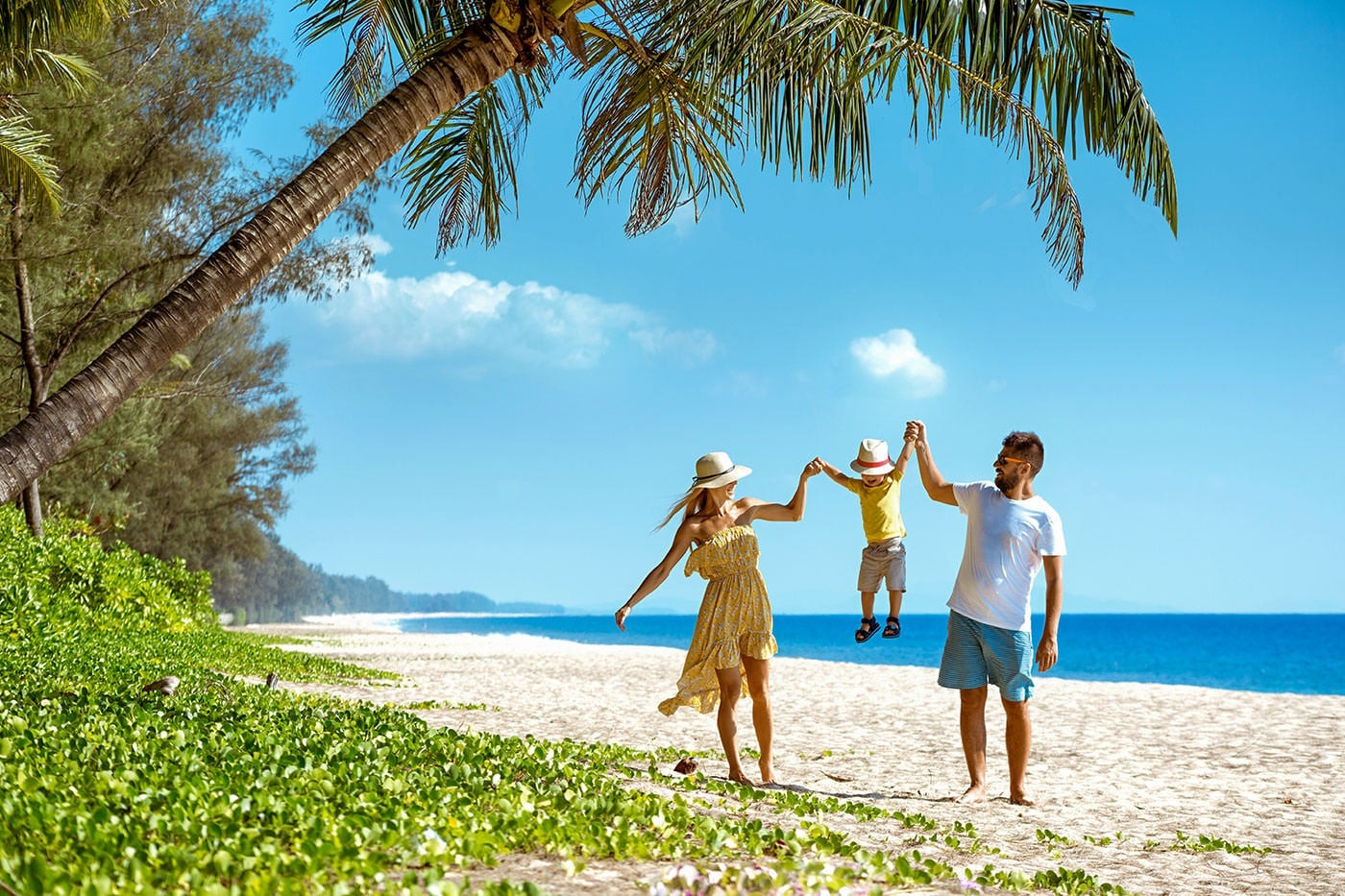
Phuket's Patong Beach carries the island's densest concentration of resorts and nightlife, genuinely useful for that specific trip type, genuinely overwhelming for a family wanting a quieter beach day. Kata and Karon beaches both run calmer with a more family-oriented resort mix, and longtail boat trips out to the Phi Phi Islands or James Bond Island (Khao Phing Kan) add a full-day excursion built around swimming and limestone scenery, not nightlife.
- Kata or Karon Beach, calmer and more family-oriented than Patong's nightlife-dense strip.
- A longtail boat trip to Phi Phi Islands, swimming and snorkeling stops built around the day.
- James Bond Island (Khao Phing Kan), in Phang Nga Bay, a striking limestone formation.
- Splash Jungle Water Park, a genuine full-day option with luggage storage, useful for a last-day visit before a late flight.
- Big Buddha Phuket, a 45-meter hilltop statue with panoramic island views; free wraps are provided at the entrance if you forget to cover shoulders and knees.
Krabi and Railay:
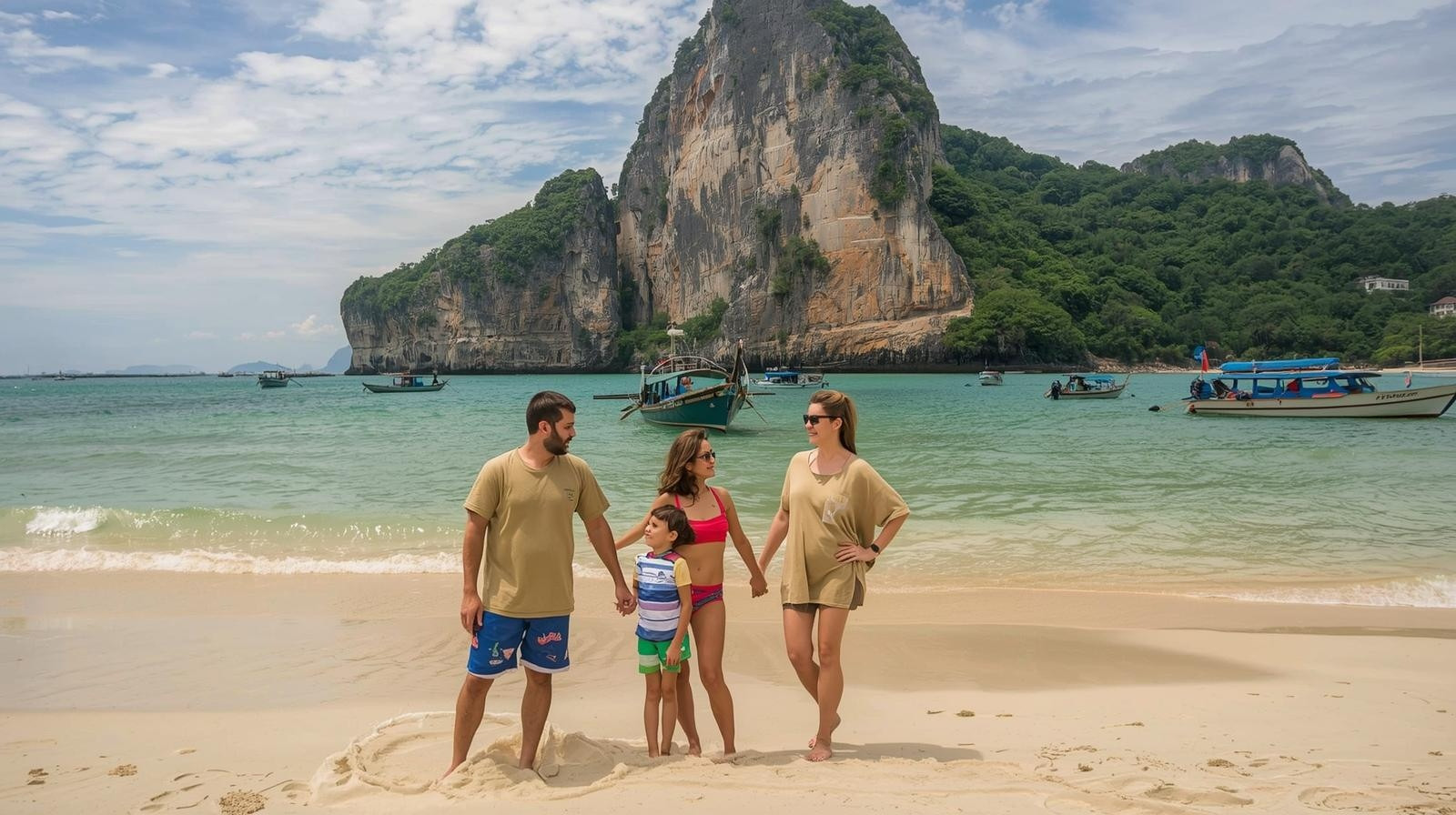
Railay's dramatic limestone cliffs are reachable only by boat, no road connects it to the mainland, which keeps the pace genuinely slower than Phuket's more built-up coastline. Rock climbing (with routes for beginners), kayaking through mangrove channels, and calm swimming at Railay Beach all work well for families, and the Emerald Pool and Blue Pool inland offer a freshwater alternative to the coast for a change of pace.
- Railay Beach, calm swimming beneath genuine limestone cliff scenery.
- Beginner rock climbing, guided routes suited to first-timers, including many kids.
- Kayaking through mangrove channels, a slower-paced way to see the coastline.
- Emerald Pool and Blue Pool, freshwater swimming spots inland from the coast.
- The Four Islands boat tour, combining several nearby islands and snorkeling stops in a single day.
Koh Samui:
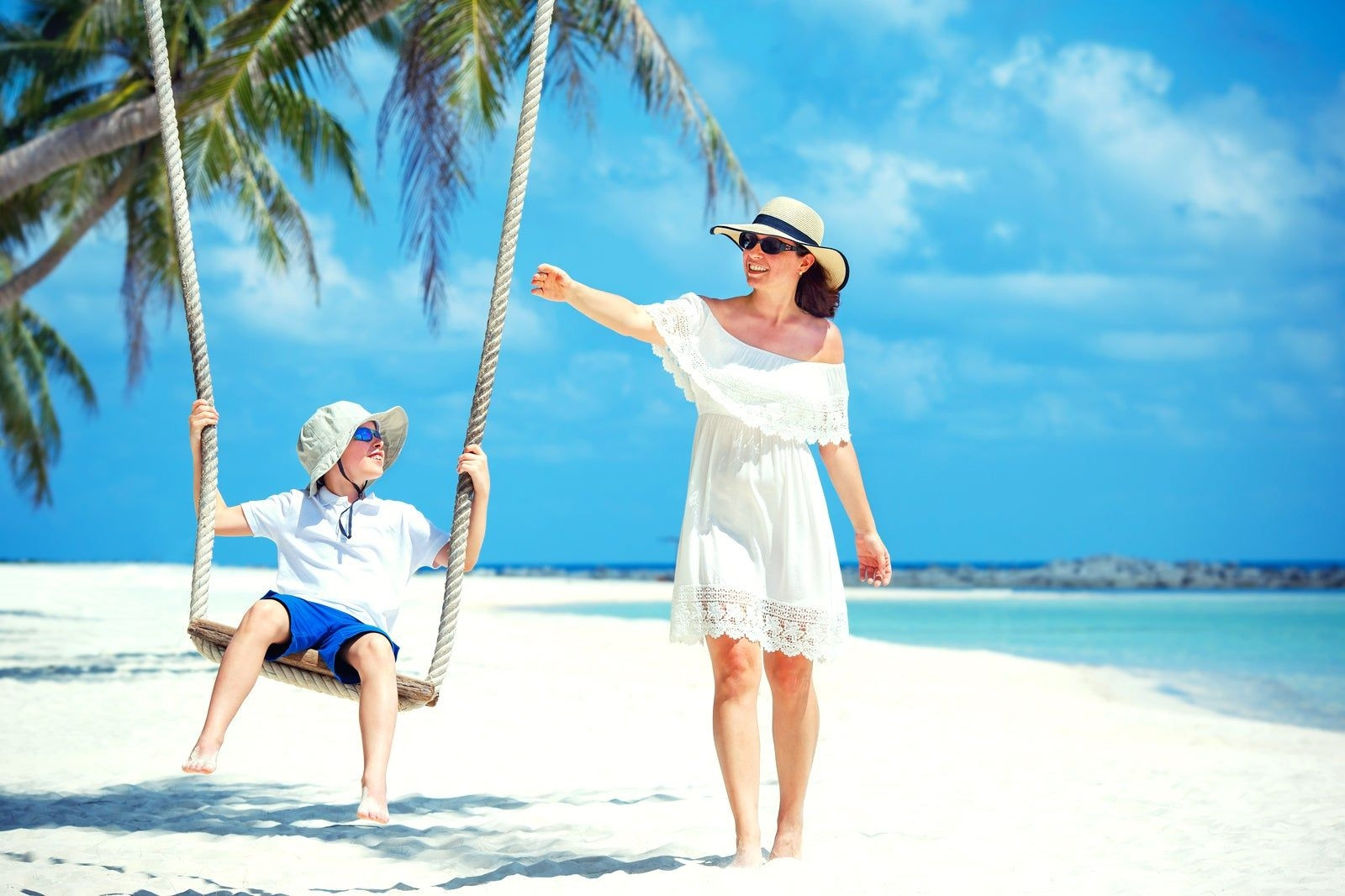
Koh Samui runs its own airport with direct flights from Bangkok, a genuine convenience over the boat-and-transfer combination several other islands require. Chaweng and Lamai both hold family-oriented resort stretches, and a day trip to the Ang Thong Marine Park (a cluster of limestone islands with hiking and kayaking) adds a scenic break from beach time, along with the island's own waterfalls (Na Muang) accessible without a long transfer.
Best time: December through August generally; the Gulf coast's wettest stretch runs October through December, on a different pattern from the Andaman side.
- Chaweng or Lamai Beach, both holding a real concentration of family resorts.
- Ang Thong Marine Park, a day-trip boat tour through limestone islands with hiking and kayaking.
- Na Muang Waterfalls, on the island itself, no long transfer required.
- The Fisherman's Village night market in Bophut, food stalls and a walkable pier.
- A Muay Thai demonstration, several venues offer family-viewable exhibition matches.
Hua Hin:
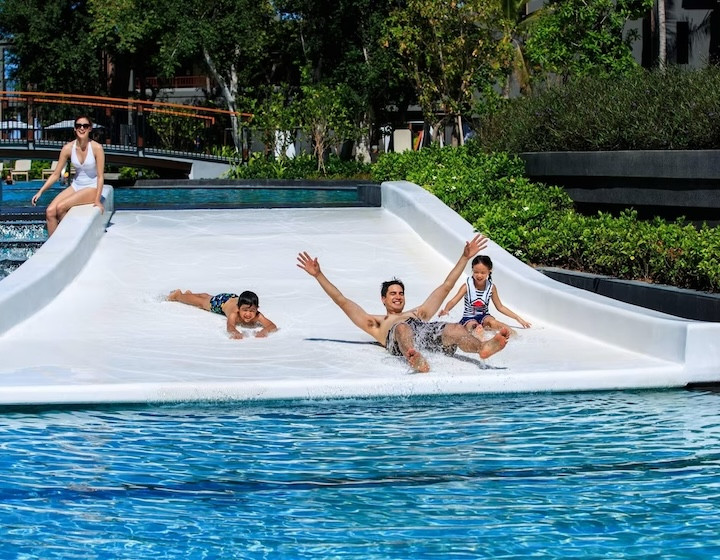
Hua Hin sits roughly 3 hours from Bangkok by road, close enough for families not wanting a domestic flight added to the itinerary, and the beach itself runs long and gently sloped, genuinely calmer water than several of the more exposed island beaches further south. The night market in town runs a manageable scale compared to Bangkok's Chatuchak, and Hua Hin's train station, a genuine historic building from the early 20th century, adds a photogenic, low-effort stop.
Best time: November through February for the coolest, driest conditions; the beach stays swimmable most of the year regardless.
- Hua Hin Beach, long and gently sloped, genuinely calmer than several island beaches.
- The Hua Hin night market, a manageable scale for a family evening browse.
- Hua Hin railway station, a genuine early-20th-century building, a quick photogenic stop.
- Cicada Market (weekend evenings), art, crafts, and food stalls with live music.
- Vana Nava Water Jungle, a water park suited to a full family day.
Kanchanaburi:
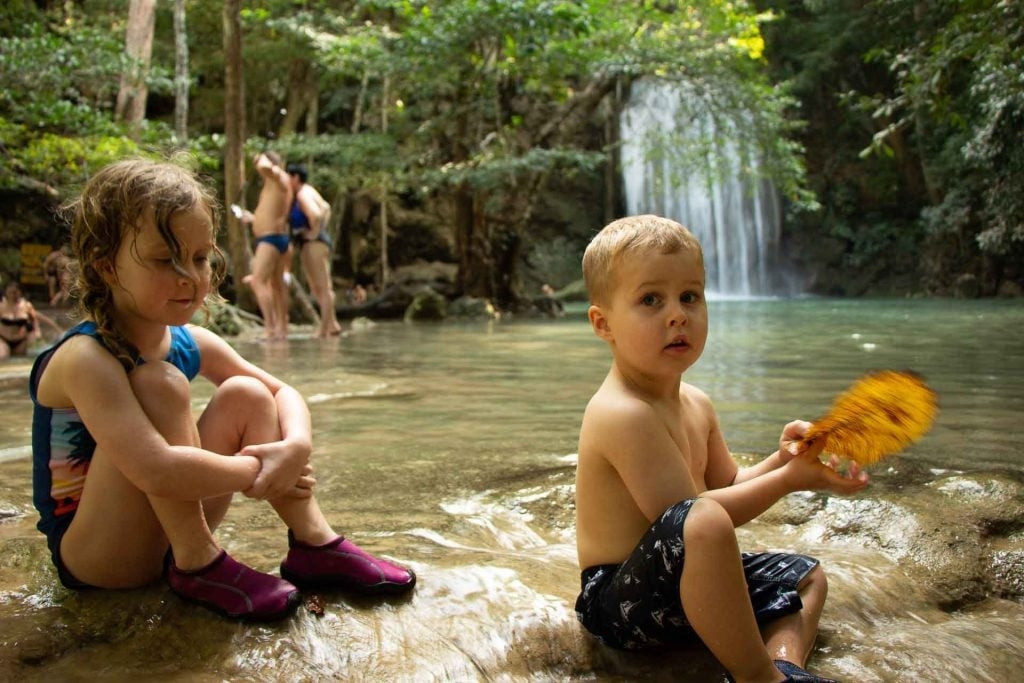
Kanchanaburi holds the Bridge over the River Kwai, part of the genuine WWII-era "Death Railway" built by Allied POWs and forced laborers under brutal conditions, a real, weighty history worth previewing with older kids before visiting. The Thailand-Burma Railway Centre museum gives direct historical context, and ElephantsWorld, a genuine sanctuary further from the bridge, lets families feed and bathe elephants without riding, alongside real waterfalls (Erawan National Park's multi-tiered falls) for a lighter, nature-focused day.
Best time: November through February for comfortable temperatures at both the historical sites and Erawan's waterfall trails.
- The Bridge over the River Kwai, walkable, with the Thailand-Burma Railway Centre museum nearby for context.
- ElephantsWorld, a genuine sanctuary offering feeding and bathing, no riding.
- Erawan National Park, a multi-tiered waterfall with swimmable pools at several levels.
- A ride on the Death Railway train, crossing the original viaduct along the Kwai Noi river.
- Hellfire Pass Memorial, a genuine, sobering WWII site best suited to older kids.
Ayutthaya:
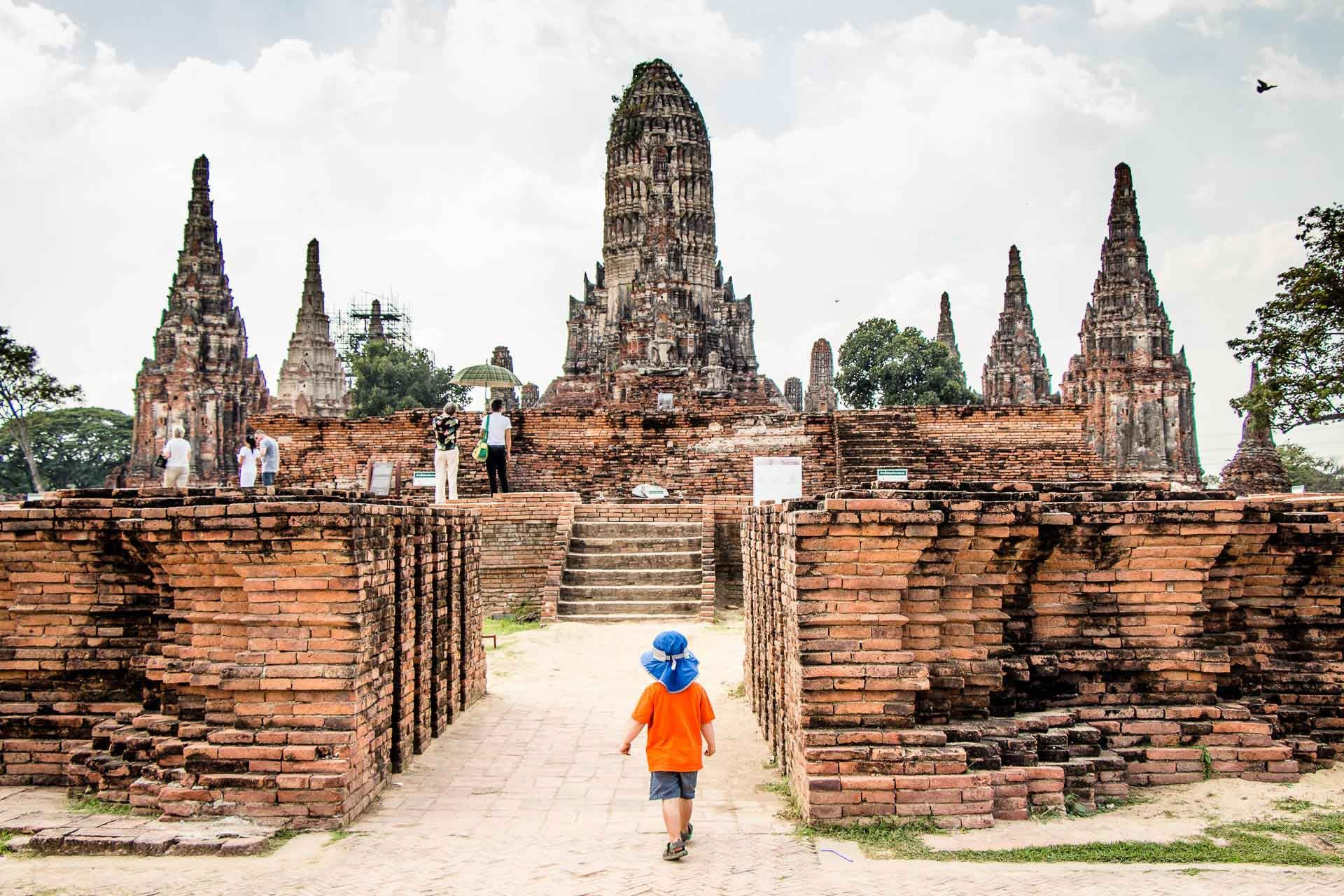
Ayutthaya sits close enough to Bangkok, roughly 80 km, for an easy day trip or a relaxed overnight, and the UNESCO-listed historical park holds Wat Mahathat's famous Buddha head entwined in tree roots, a genuinely striking, easily photographed sight kids remember. Renting bicycles to cover the flat, spread-out ruins works well for school-age kids and older, and a river cruise around the old city's canals adds a different vantage point on the same ruins.
Best time: November through February for comfortable cycling temperatures around the flat, exposed ruins.
- Wat Mahathat, home to the famous sandstone Buddha head grown into a tree's roots.
- Bicycle rental, a genuinely practical way to cover the flat, spread-out historical park.
- Wat Chaiwatthanaram, a riverside temple complex with dramatic Khmer-style architecture.
- A river cruise around the old city's canals, a different vantage point on the same ruins.
- The Ayutthaya night market, food stalls along the river for an easy evening stop.
Getting Around with Kids:
Thailand's size and infrastructure make several transport modes genuinely practical, rarely all suited to the same leg of a trip.
Domestic flights:
The fastest option between distant regions, Bangkok to Chiang Mai runs about 1 hour 15 minutes by air versus 9-11 hours by road or rail. Book ahead for popular routes, since prices climb and seats sell out closer to departure, especially around the November-February peak season.
Trains:
Thailand's rail network connects Bangkok to the north (Chiang Mai), the south (as far as the Malaysia border), and Kanchanaburi in the west. Overnight sleeper trains suit families reasonably well on longer routes, book a lower berth for young kids given the upper berth's ladder access.
Buses:
An extensive, affordable network, best suited to shorter routes given ride comfort limitations for young kids over long hauls.
BTS Skytrain and MRT (Bangkok):
Air-conditioned and largely stroller-manageable, though not every station has an elevator and rush hour (roughly 7-9am and 5-7pm) gets genuinely crowded, worth avoiding with a stroller if the schedule allows flexibility.
Grab
Available in all major Thai cities, with a fixed fare shown before booking, removing the negotiation risk of hailing a taxi on the street.
Tuk-tuks
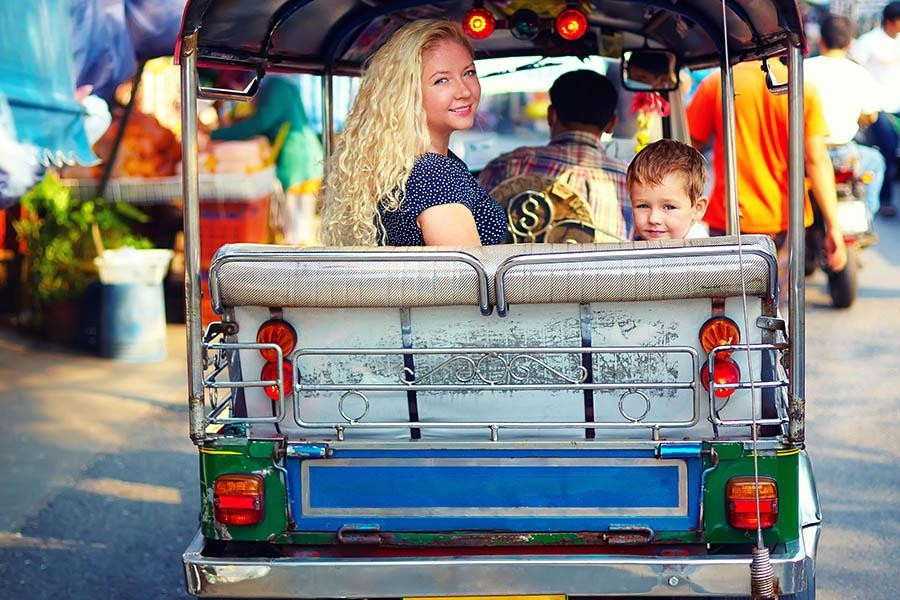
A genuine novelty for kids, but agree on the price before getting in, since tuk-tuks don't run on meters, and reserve them for short hops. For longer cross-city trips, a metered taxi or Grab works out cheaper and more comfortable.
Songthaews (shared pickup trucks)
Common in Chiang Mai and smaller towns, a cheap, shared way to cover short distances, though without individual seatbelts, worth factoring in for very young kids.
Cultural Etiquette Worth Teaching Kids:
The wai, a slight bow with palms pressed together, functions as Thailand's standard greeting, and kids who offer even an approximate version generally receive warm, delighted reactions from locals. Feet carry genuine cultural weight as the "lowest" part of the body, teach kids not to point their feet at people, Buddha images, or anything on a table, and not to step over someone sitting on the floor. Temples require covered shoulders and knees for entry, worth packing a light layer specifically for temple visits even on a hot beach-focused trip, and shoes come off before entering temple buildings and many homes.
The Thai monarchy holds a genuinely protected status legally, avoid jokes or casual comments about the royal family in public, a real legal matter (lèse-majesté law), not just a cultural sensitivity. Raising your voice or showing visible anger in public is considered a loss of face for everyone involved, worth modeling calm even during a frustrating travel moment with tired kids nearby.
What to Pack:
Thailand's climate stays warm nationally, but the specific packing priorities shift by region and by activity.
Clothing, by Region and Activity:
- Bangkok and the south (beaches, islands): lightweight, breathable clothing and generous sunscreen matter more than layers, worn year-round.
- Chiang Mai and the north, November through February: mornings and evenings run genuinely cool, pack at least 1 light layer per family member.
- Temple visits, anywhere: a lightweight layer covering shoulders and knees, needed even on an otherwise beach-focused trip.
Health and medical:
- Mosquito repellent (DEET or Picaridin), given dengue fever's nationwide presence.
- Sunscreen, SPF 50+, reapplied through the day on beach and outdoor sightseeing days alike.
- Prescription medications and a basic first aid kit, packed in a carry-on, not checked luggage.
- Oral rehydration salts, genuinely useful for any food-related stomach issue.
- Travel insurance confirming medical evacuation coverage, not just treatment costs.
Documents and Money:
- Each traveler's completed TDAC, submitted within 72 hours of arrival, including for kids.
- A passport valid 6+ months beyond your exit date.
- Proof of onward travel (a return or connecting ticket), checked more strictly at land borders than airports.
- Small THB bills, since street vendors and some drivers claim not to have change for larger notes.
For babies and toddlers specifically
- Swim diapers, genuinely hard to find locally, pack more than a single trip's worth from home.
- Wet wipes and tissues, public restrooms and changing tables are inconsistent, and many toilets don't stock either.
- A lightweight stroller for cities, a carrier for temples or uneven terrain, both genuinely useful for different parts of the same trip.
- A portable travel cot if your hotel or villa can't guarantee a crib, worth confirming availability when booking, not assuming it.
Comfort and entertainment
- Offline-downloaded shows, movies, or games, for train and car stretches without reliable wifi.
- Reusable water bottles, refillable from purified sources, not single-use plastic bought at every stop.
- A few familiar snacks, to bridge the gap on days when local food doesn't appeal to a picky eater.
- A travel journal for kids old enough to write or draw, a genuine way to keep them engaged with what they're seeing.
What Works at Each Age:
Generic Thailand advice treats a toddler and a teenager as interchangeable travelers. They aren't, and what actually works shifts considerably across that range.
Infants and toddlers (0-2)
Keep the itinerary light and the Destinations Few:
Pick 2 destinations at most, Hua Hin and Bangkok work well together without a domestic flight, and Khao Lak or Koh Yao Noi both suit this age range particularly well given their calmer beaches, quieter pace, and shorter transfers than Phuket's busier stretches. Let naps set the schedule. The itinerary should bend around them, not the other way. Thailand's heat hits this age group hardest, and pediatric guidance generally cautions against combined DEET and sunscreen products for infants under 2 months, worth checking current advice before departure.
Preschool (3-5)
Hands-on and animal encounters beat historical sites:
Ethical elephant sanctuaries and beach time both work well at this age precisely because they need no extended attention span or reading. Save the heavier history (Kanchanaburi's Death Railway sites, the more intense parts of Ayutthaya's ruins) for when kids are old enough to actually engage with the context.
School age (6-11)
Real independence and real history both start working:
Kids this age can genuinely help navigate a market stall, try beginner rock climbing at Railay, or cycle Ayutthaya's ruins themselves. This is also a reasonable age to start the WWII history conversation directly, previewing Kanchanaburi's Bridge over the River Kwai and its museum before visiting.
Tweens and teens (12+)
Real trekking, real history, and real adventure activities open up:
Longer Chiang Mai treks, Krabi's more demanding rock climbing routes, and the full weight of Kanchanaburi's Hellfire Pass Memorial all suit this age far better than younger kids. Muay Thai classes (not just exhibition viewing) also become a genuine option, several gyms in Bangkok and Chiang Mai run beginner sessions for teens.
A Realistic 10-Day Itinerary:
10 days covers a genuine introduction without the constant repacking a full-country trip requires. This route sticks to central and southern Thailand. A northern leg adds real distance on top.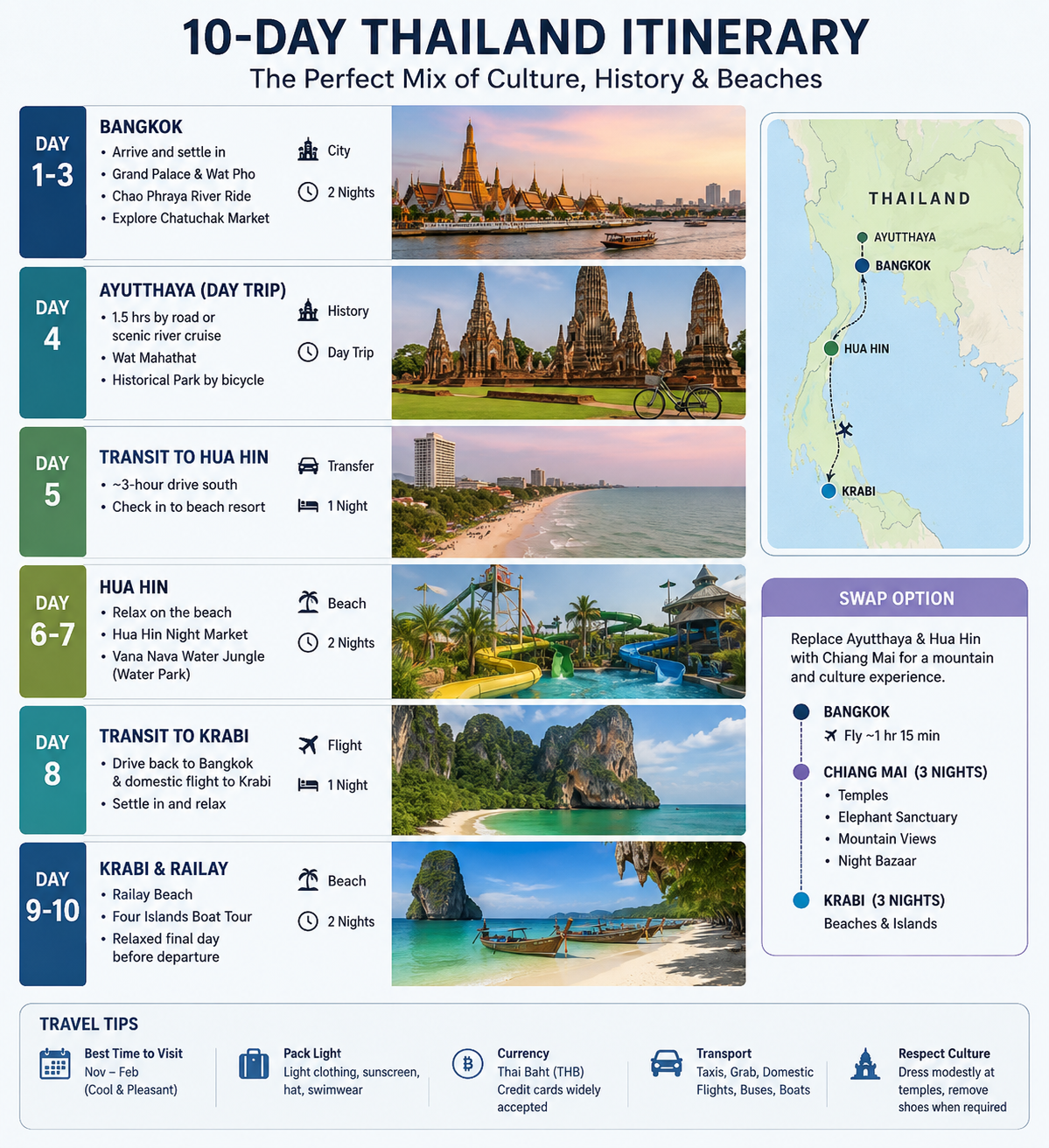
Arrive, adjust to the time zone with a light first day, then 2 full days covering the Grand Palace and Wat Pho, a Chao Phraya river ride, and Chatuchak Market.
A day trip from Bangkok (about 1.5 hours by road or a scenic river cruise option), covering Wat Mahathat and the historical park by bicycle.
A roughly 3-hour drive south, checking into a beach resort for the back half of the trip.
Beach days, the night market, and Vana Nava Water Jungle for a full-day water park break.
Domestic flight back through Bangkok to Krabi (or direct if available), settling in for the trip's final beach stretch.
Railay Beach, a Four Islands boat tour, and a final relaxed day before departing from Krabi International Airport.
Money, Costs, and Budgeting:
The Thai Baht (THB) trades at roughly 32-36 per USD depending on current exchange rates, and ATMs are widely available in cities and tourist areas, though most charge a foreign transaction fee (roughly 220 THB) on top of your home bank's own fees. Credit cards work at hotels and larger restaurants; smaller street vendors and markets run cash-only.
Tipping isn't mandatory but is genuinely appreciated for guides and drivers, roughly $1-5 per day depending on service length, handed over directly. Bargaining is standard at markets and with street vendors, not at fixed-price stores, restaurants, or malls, and a calm, friendly negotiation generally lands a better price than a rushed one.
Emergency Contacts and Medical Care:
Thailand's national emergency numbers are 191 for police and 1669 for medical emergencies and ambulance service, with English-language response varying by region, a hotel front desk or tour guide can often communicate faster in a genuine emergency. For anything beyond minor issues, international-standard private hospitals in the country's major cities are worth knowing before you need them.
Bumrungrad International Hospital, Bangkok:
A large private hospital with English-speaking staff and a dedicated pediatric department, among the most internationally recognized hospitals in Southeast Asia.
Bangkok Hospital network (Bangkok, Phuket, Chiang Mai, Pattaya, and other cities):
A private hospital chain with branches across the country's major tourist regions, generally the first call outside Bangkok itself.





{{item.get_author.first_name}} {{item.get_author.last_name}}
Level 7
5 Photos
36 Reviews
{{item.comment_txt}}
{{item_reply.get_author.first_name}} {{item_reply.get_author.last_name}}
@ {{item_reply.reply_to}}, {{item_reply.reply_txt}}