

Cambodia runs a territorial tax system, meaning foreign-sourced income isn't taxed locally at all, a genuine draw for remote workers and digital nomads that most competing Southeast Asian destinations can't match. A single person can live comfortably in Phnom Penh on $900 to $1,400 a month, the ER retirement visa extension requires no minimum income or bank deposit, and total annual visa compliance costs run $400 to $600, a fraction of Thailand's roughly $22,000 deposit requirement. The trade-off is healthcare: private hospitals in Phnom Penh handle routine care well, but serious cases are commonly referred to Bangkok or Singapore.
Most "living in Cambodia" guides lead with the postcard version: Angkor Wat, cheap beer, a $500 apartment. What actually shapes whether a move works is duller and more specific. Cambodia's territorial tax system means a remote worker earning $100,000 from US clients while living in Phnom Penh owes $0 in Cambodian tax on that income, a real, structural advantage over almost every neighboring country. The visa system backs this up: the ER retirement extension needs no minimum income or bank deposit at all, unlike Thailand's roughly $22,000 requirement, and total annual visa compliance runs $400 to $600.
What the marketing rarely states plainly is the healthcare gap. Private hospitals in Phnom Penh handle routine and moderately complex care reliably, but serious cases are commonly referred to Bangkok, about an hour away by air, or Singapore. This guide covers the actual 2026 visa pathways, the territorial tax system in practical terms, real costs by city, and a practical settlement plan built around what genuinely trips newcomers up.
Why Choose Cambodia?
6 factors drive most relocation decisions to Cambodia, and they hold up against real scrutiny, not just cheap-beer-and-temples marketing.
None of this makes Cambodia effortless. Healthcare access genuinely lags behind Thailand or Singapore, the work permit rules around remote work and self-employment tightened meaningfully in 2026, and infrastructure outside Phnom Penh and Siem Reap stays basic. The rest of this guide covers both sides honestly.
Quick summary: Living in Cambodia
What's the main visa system?
The Ordinary (E-class) visa, extendable into business, retirement, general, or student sub-categories.
Is there an easy retirement route?
Yes, the ER extension, age 55+, no minimum income, no bank deposit, roughly $275-300/year.
How is foreign income taxed?
It isn't. Cambodia's territorial tax system taxes only Cambodia-sourced income, up to 20%.
Is healthcare reliable?
For routine care, yes, mainly in Phnom Penh. Serious cases evacuate to Bangkok or Singapore.
How much does it cost to live comfortably?
$900-1,400/month in Phnom Penh; considerably less in Siem Reap or Kampot.
What do most expats work in?
Teaching, NGO work, and hospitality management lead the expat job market by volume.
Visa and Residency Pathways:
The Tourist (T-class) visa:
The Tourist visa suits holidays and short scouting trips, not long-term living. It's valid 30 days and can be extended once for another 30, giving a maximum stay of about 60 days, and it can't be converted into work, business, or long-term residency status.
The Ordinary (E-class) visa:
Anyone planning to work, retire, study, or otherwise stay beyond a short visit needs the Ordinary (E-class) visa, extendable for 1, 3, 6, or 12 months under a specific sub-category. Multiple-entry permission is usually granted alongside 6- or 12-month extensions, and processing through a registered agent typically takes about 5 business days.
ER: The Retirement Extension:
The ER extension is available to foreigners aged 55 or above who can demonstrate they're retired and financially self-sufficient. Unlike Thailand's roughly $22,000 deposit requirement or the Philippines' $15,000 to $50,000 threshold, Cambodia asks for no minimum income and no bank deposit, and mandatory health insurance isn't required in most cases, though it's strongly recommended given the healthcare gap covered later in this guide.
EB: The Business and Employment Extension:
The EB extension covers employed and self-employed foreigners running or working in a Cambodian business, and requires registration with the Ministry of Labour and Vocational Training (MLVT) for a work permit, renewed annually. Employers are legally responsible for handling this for their staff, and applicants should insist on proper documentation. Informal, cash-paid arrangements leave them exposed during inspections.
EG: The General Extension:
The EG category functions as a flexible holding category, commonly used by people arranging a business registration, a longer job search, or other longer-term plans not yet formalised. It's genuinely easier to obtain than EB but doesn't carry the same legal standing for actual employment.
ES: The Student Extension:
The ES extension covers foreign students enrolled in a recognised Cambodian study programme, requiring an acceptance letter and proof of enrollment from the institution.
The 2026 e-Arrival Card:
As of 2026, travellers must submit an e-Arrival Card online within 7 days before their flight, alongside whatever visa applies. Air arrivals no longer receive a physical passport stamp; entry is confirmed by email instead, worth keeping accessible during the trip in case it's requested.
Taxes: The Territorial System:
Cambodia taxes residents only on Cambodia-sourced income. Income earned from foreign clients, foreign employers, or foreign investments while physically living in Cambodia isn't taxed locally at all, a genuinely rare structure that makes Cambodia one of Southeast Asia's most attractive bases for remote workers and digital nomads specifically. Domestic-sourced income is taxed progressively, with a top rate of 20%, and there's no capital gains tax or wealth tax at the personal level.
This doesn't remove tax obligations at home. Most countries still require citizens or tax residents to declare foreign income even while living abroad, and Cambodia's territorial system doesn't override a home country's own tax rules. Anyone with significant income or assets should confirm their actual home-country tax residency status with a cross-border tax advisor before assuming Cambodia's system alone settles the matter.
Cost of Living:
Rent swings a Cambodian budget more than any other line item, and the gap between Phnom Penh and Cambodia's smaller expat towns is considerably wider than many newcomers expect. A modern 1-bedroom apartment in Phnom Penh's central BKK1 or Tonle Bassac areas runs $400 to $700 a month, while the same in Siem Reap runs $150 to $350, and Kampot runs $100 to $250.
Combined, a lean single-person budget in Phnom Penh runs $550 to $800 a month; a comfortable lifestyle with a modern apartment and regular dining out runs $900 to $1,400. Siem Reap and Kampot both run meaningfully lower for equivalent comfort, driven mainly by cheaper rent. Couples typically spend less than double the single-person figure, since rent and internet costs are shared.
Hidden Costs to Budget For:
1. The Healthcare Evacuation Gap:
Private hospitals in Phnom Penh handle routine and moderately complex care, but serious cases are commonly referred to Bangkok or Singapore. Evacuation-inclusive international health insurance, $80 to $200 a month, is a real, ongoing cost most newcomers underbudget for. It's essential, not optional.
2. Work Permit Costs for the Self-Employed:
The 2026 tightening around self-employed and freelance work means consultants and online workers physically based in Cambodia may need a work permit through the MLVT, an annual cost and paperwork burden that purely tourist-visa-based digital nomads previously avoided.
3. Visa Agent Fees on Top of Government Fees:
Most E-class extensions are processed through a registered agent, not directly, and agent fees are typically bundled into the commonly quoted $275-600 annual visa cost, worth confirming exactly what's included before paying.
4. Rental Deposits and Furnishing Gaps:
Standard deposits run 1 to 2 months' rent paid upfront in USD cash, and while most apartments come furnished, small gaps (a better mattress, kitchen equipment) commonly add a few hundred dollars in the first month.
5. International School Fees for Families:
Established international schools in Phnom Penh charge Western-equivalent tuition, a real, substantial cost families need to budget for well beyond the general cost-of-living figures quoted for single expats or couples.
Work & Career Opportunities:
Cambodia's expat job market concentrates in a handful of sectors, and none of them resemble the points-based, shortage-occupation targeting seen in countries like Canada. Demand tracks Cambodia's own growth areas: education, international development, and tourism.
Education: Teaching at International Schools and Language Centers
- Licensed teachers, established international schools: $2,500-4,500/month, often with flight allowance and medical insurance
- TEFL-qualified teachers, private language centers: $1,000-1,500/month
- Kindergarten and early years: a growing 2026 sector, often prioritising personality and TEFL credentials over formal K-12 licensure
NGO and Non-Profit Work
- Project management and development roles: salary varies widely by organisation and funding source
- Social work, fundraising, and specialist technical roles: consistent demand given Cambodia's large NGO sector
Tourism and Hospitality
- Senior hotel and resort management: $2,000-4,000+/month, higher for regional oversight roles
- Tour operations and destination management: tied closely to Siem Reap's Angkor Wat-driven tourism economy
Where and How to Find a Job in Cambodia:
Job hunting in Cambodia leans heavily on networking and direct outreach to specific schools, NGOs, or hotel groups, considerably more than the large national job board culture seen in bigger economies.
General and NGO-focused job boards
Teaching-specific resources
Where to Live: Cambodia by City
City choice affects cost, healthcare access, and job market considerably more in Cambodia than in many countries this size, given how concentrated infrastructure stays in just 2 cities.
Phnom Penh:
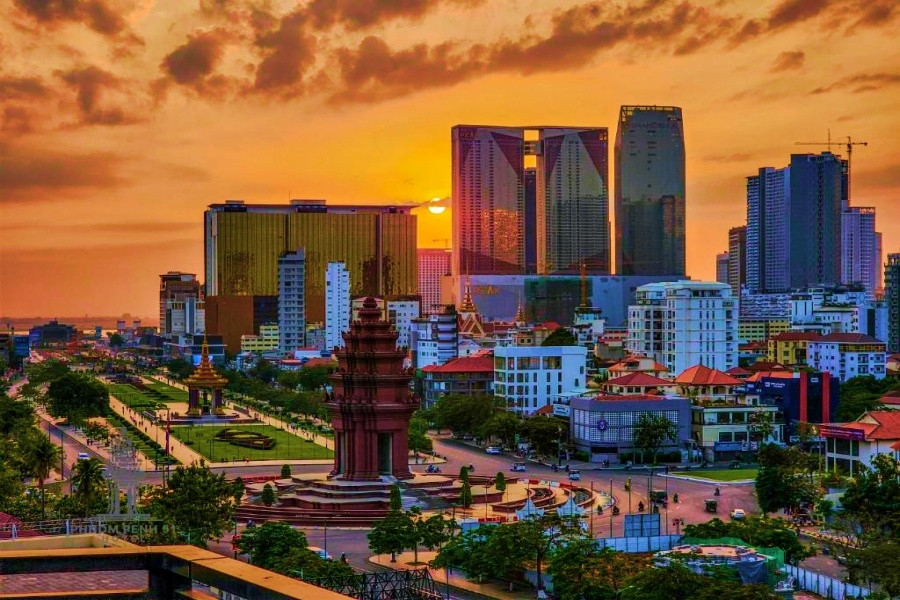
Cambodia's capital and largest city sits at the confluence of the Mekong, Tonle Sap, and Bassac rivers, and concentrates roughly 90% of the country's quality medical infrastructure alongside its widest job market. As the political and economic center, Phnom Penh draws the bulk of Cambodia's foreign investment and NGO presence, at the cost of the highest rent and living expenses in the country.
Anyone working locally, needing reliable healthcare access, or wanting the widest social and professional network.
None; Phnom Penh runs the highest cost of Cambodia's major cities.
- BKK1, Tonle Bassac, and Daun Penh are the most established expat neighbourhoods
- Toul Tom Poung (Russian Market) offers a more bohemian, budget-friendly alternative
- Rent runs $400-700/month for a modern 1-bedroom in central areas
Siem Reap:
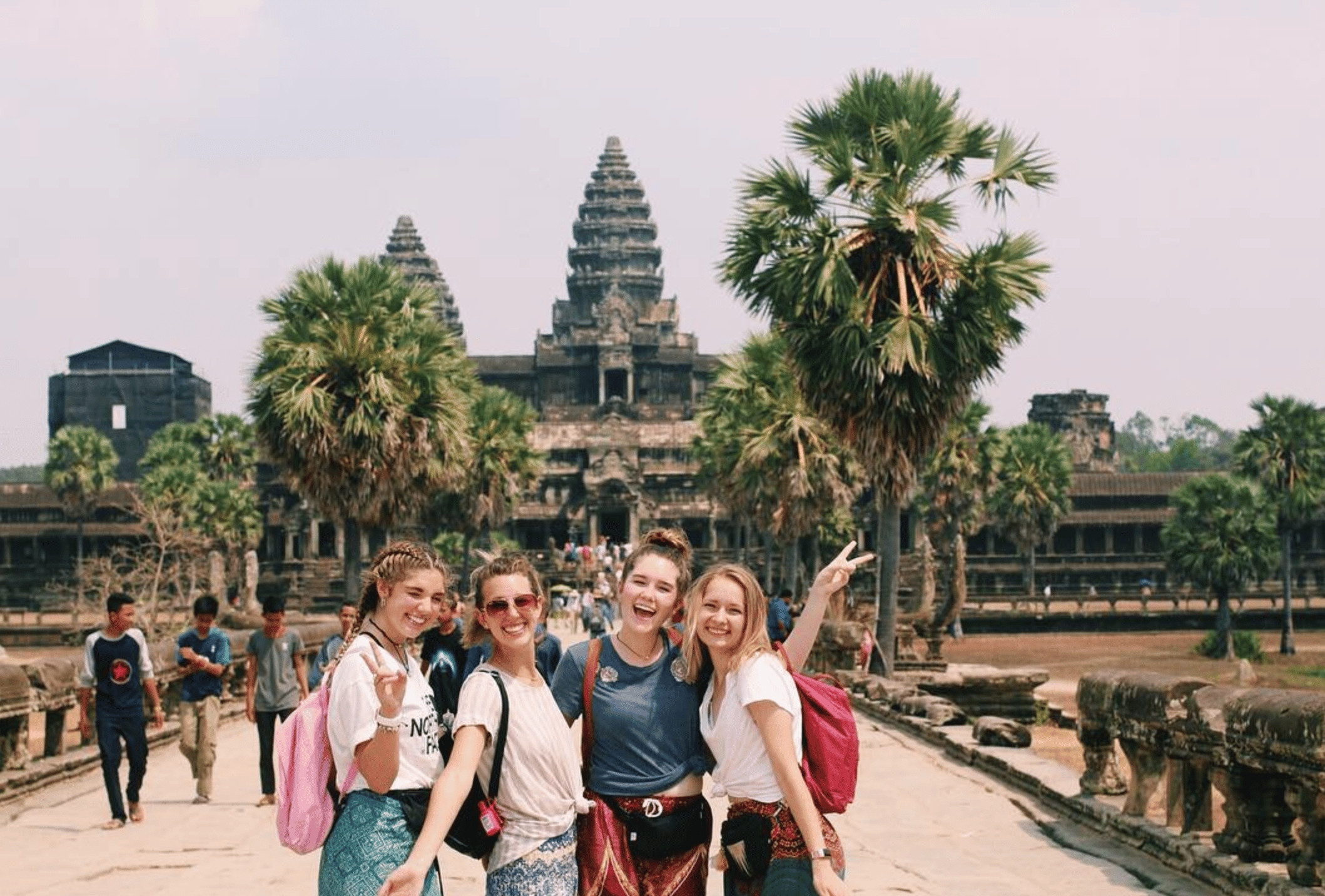
The gateway to Angkor Wat runs at a genuinely softer pace than Phnom Penh, with a strong, established expat community and meaningfully lower rent. Its economy revolves almost entirely around tourism, which means restaurants, cafes, and services built for international visitors are genuinely plentiful, at the cost of weaker healthcare access and a job market that's considerably smaller and more seasonal than the capital's.
People wanting a walkable, slower-paced city without giving up a real expat social scene or reliable internet.
Rent runs $150-350/month, meaningfully below Phnom Penh for comparable space.
- Royal Angkor International Hospital and Bangkok Hospital Siem Reap cover routine and moderate care
- Anything requiring surgery or advanced imaging generally means a trip to Phnom Penh
- Rental supply outpaces demand, genuinely favouring negotiation
Kampot:
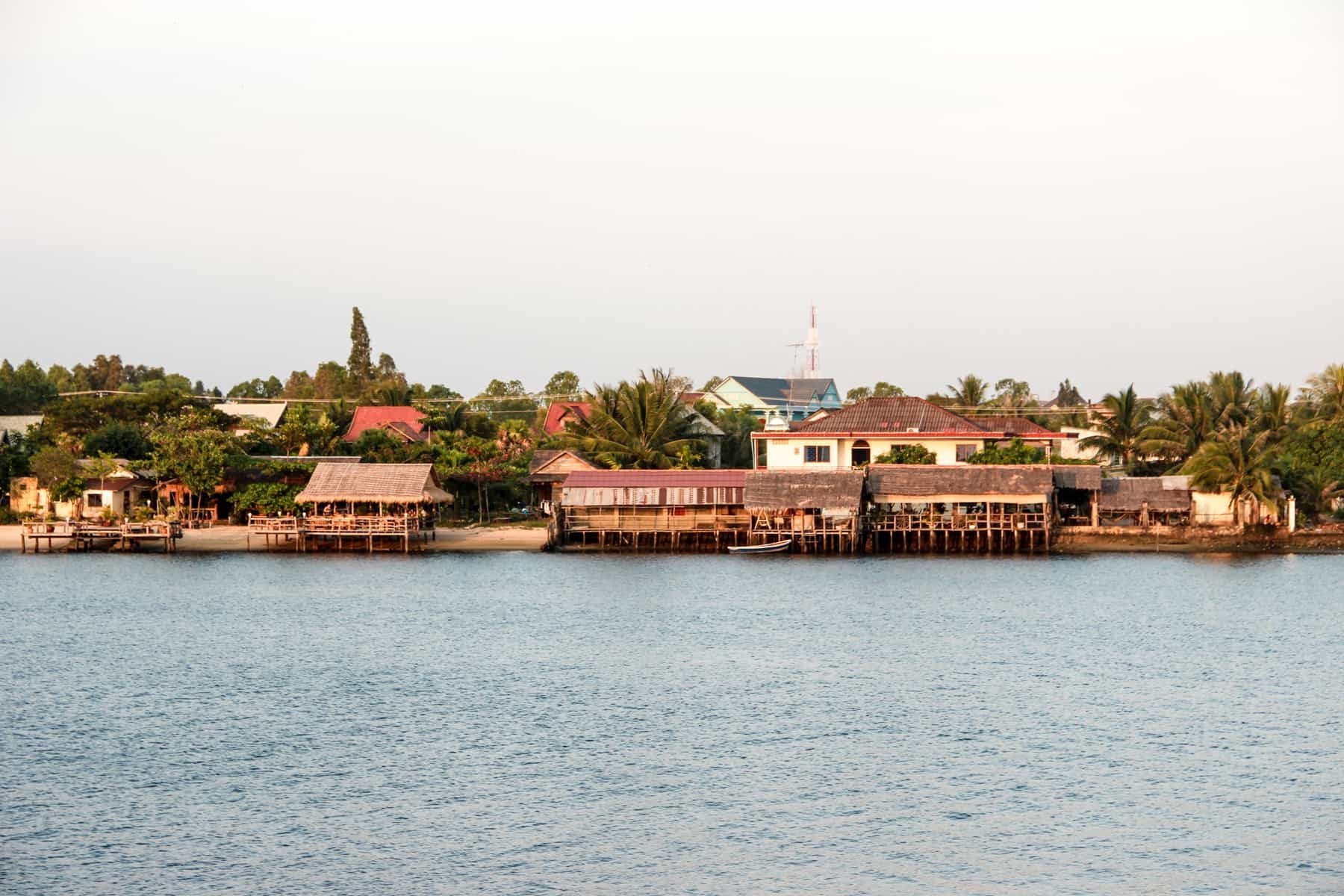
A quiet riverside town in southern Cambodia, Kampot draws retirees and remote workers prioritising tranquillity over amenity density, at Cambodia's lowest cost among the 3 main expat hubs. The surrounding countryside grows Kampot pepper, internationally recognised and protected under a geographic indication, and the town itself retains a good amount of French colonial-era architecture, giving it a genuinely distinct character from Cambodia's larger cities.
Retirees and remote workers wanting a genuinely small-town pace with a real, if modest, expat community.
The cheapest of Cambodia's popular expat towns, rent from $100-250/month.
- Sonja Kill Memorial Hospital, a respected non-profit, covers general medicine and surgery locally
- Serious cases still require a trip to Phnom Penh
- A genuinely quieter, less transient social scene than Siem Reap
Sihanoukville:
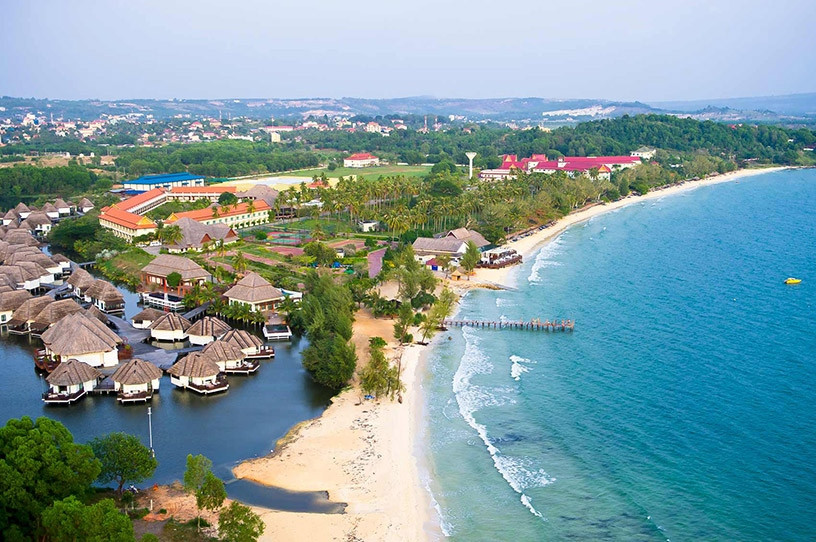
Cambodia's main coastal city has developed rapidly in recent years, driven substantially by Chinese investment in casinos and construction, offering beach access and a fast-changing skyline, paired with meaningfully weaker healthcare infrastructure than Phnom Penh or Siem Reap. Nearby islands, Koh Rong among them, draw a separate, more transient expat and tourist population focused specifically on beach life, not long-term settlement.
Expats prioritising coastal living who accept a real trade-off on healthcare access.
Varies considerably by neighbourhood given the city's fast, uneven development.
- Serious medical cases require roughly a 2.5-hour drive to Phnom Penh or evacuation abroad
- Development has moved fast enough that neighbourhood quality varies block to block
- Best suited to those who've already spent time in the city before committing
Kep:
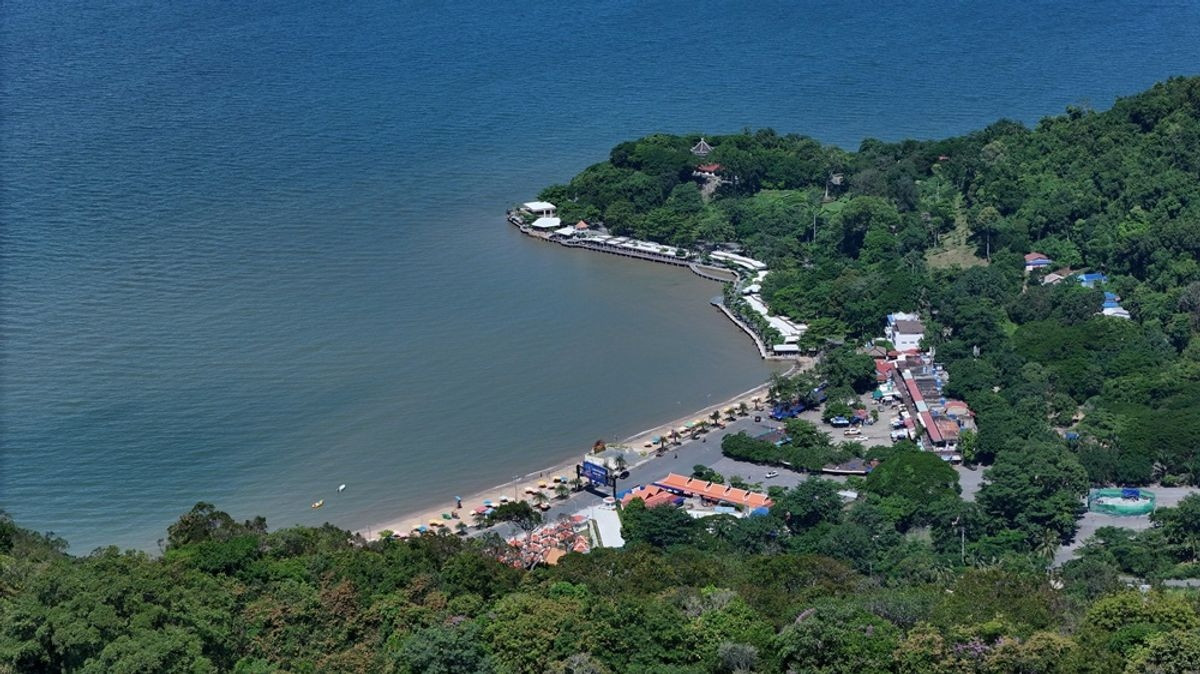
A small coastal town near Kampot, Kep offers the quietest and most secluded option of Cambodia's popular expat destinations, with minimal healthcare infrastructure of its own. Once a fashionable seaside resort for Cambodia's elite during the French colonial period, Kep today is known mainly for its crab market and a genuinely slow pace of life that draws a small, tight-knit community of long-term foreign residents.
Retirees seeking genuine seclusion, comfortable relying on Kampot or Phnom Penh for anything beyond basic care.
Comparable to or slightly below Kampot, with a considerably smaller rental market.
- The smallest and quietest of Cambodia's popular expat towns
- Minimal healthcare infrastructure; Kampot or Phnom Penh cover anything beyond basic needs
- Doesn't offer the larger expat community found in Phnom Penh or Siem Reap
Healthcare & Education:
A Real Gap Between Phnom Penh and Everywhere Else:
Phnom Penh concentrates the large majority of Cambodia's quality medical infrastructure. Royal Phnom Penh Hospital, affiliated with Bangkok Dusit Medical Services, offers direct billing with international insurers and a broad specialist roster. Sunrise Japan Hospital and Sen Sok International University Hospital round out the capital's main private options. Outside the capital, quality drops off quickly, and for genuinely complex conditions, major surgery, or advanced diagnostics, medical evacuation to Bangkok or Singapore is standard practice, not a rare exception.
What works well
- Routine care, minor surgery, and chronic disease management, mainly in Phnom Penh
- English-speaking staff standard at the capital's main private hospitals
- Siem Reap's Royal Angkor International and Bangkok Hospital Siem Reap cover moderate care, the latter with its own helipad
What genuinely takes planning
- Evacuation-inclusive insurance, $80-200/month, treated as essential, not optional
- Sihanoukville and Kep have minimal serious-care infrastructure
- Chronic conditions requiring specialist follow-up may mean regular trips to Phnom Penh
Education for Expat Families:
Phnom Penh has several established international schools, including ISPP and Northbridge, offering IB, British, or American curricula at Western-equivalent standards, with licensed teachers typically earning $2,500-4,500/month. Siem Reap has a smaller number of options, and families settling outside these 2 cities should expect meaningfully fewer international schooling choices, often requiring a move or a long commute for older children specifically.
Lifestyle & Culture:
A Dollarised, Welcoming, and Genuinely Fast-Changing Country:
Khmer is Cambodia's national language, though English is widely spoken in tourist and expat-facing businesses in Phnom Penh and Siem Reap specifically, enough that daily life is genuinely manageable without any Khmer at all in those 2 cities. Respect for elders and religious custom runs through daily etiquette: the sampeah greeting (palms together, a slight bow) is standard, and touching someone's head or pointing feet at a person or religious image is considered disrespectful.
What works well
- USD pricing removes currency friction almost entirely in daily life
- Active, established expat communities in Phnom Penh and Siem Reap
- Genuinely welcoming culture toward long-term foreign residents
What genuinely takes adjustment
- Healthcare access rules and evacuation planning take real upfront learning
- The 2026 work permit tightening for freelancers adds genuine legal complexity
- Infrastructure quality varies sharply once outside the 2 main cities
Getting Started: Your First 90 Days:
The gap between a smooth move to Cambodia and a stressful one often comes down to visa and insurance timing specifically, since both are considerably easier to arrange before departure than after.
Preparation:
- Confirm which E-class sub-category fits (or whether a Tourist visa suits a shorter scouting trip)
- Arrange international health insurance with evacuation coverage before departure, not after
- Submit the e-Arrival Card within 7 days of the flight
- Book short-term accommodation for the first 1-2 weeks. Committing to a lease from abroad is a mistake worth avoiding
First 2 Weeks:
- Buy a local SIM card, useful immediately for maps, banking apps, and ride-hailing
- Register with the home embassy if recommended for the relevant nationality
- Start viewing apartments in person in the chosen neighbourhood
- Join 1 or 2 city-specific expat Facebook groups for practical, current advice
Settling in:
- Sign a lease, negotiating 10-20% off the listed price where the market allows
- Open a local bank account at ABA, ACLEDA, or Canadia using the rental contract as proof of address
- Register children at an international school if applicable, ideally before this stage
- Process the relevant E-class visa extension through a registered agent
Building Routine:
- Confirm the visa extension is fully processed and multiple-entry status is active if needed
- Review the first full budget cycle against the cost estimates in this guide and adjust
- If working independently, get direct guidance on the current work permit requirement instead of assuming informal practice is safe long-term
Essential Resources & Contacts:
Government and Immigration:
Cambodia's General Department of Immigration manages visa and extension processing; the Ministry of Labour and Vocational Training (MLVT) handles work permits for employed and self-employed foreigners.
Visa and extension Agents:
Registered guesthouses, employers, or dedicated immigration agents commonly process E-class extensions on a client's behalf, typically bundling the government fee into a single quoted price.
Banking:
ABA Bank, ACLEDA Bank, and Canadia Bank all offer newcomer-friendly account opening, English-language service, and mobile banking through Cambodia's Bakong QR payment system.
Housing:
Facebook groups (Phnom Penh Rentals, Siem Reap Housing, Kampot Expats) remain the most-used resource for finding a rental before or shortly after arrival.






{{item.get_author.first_name}} {{item.get_author.last_name}}
Level 7
5 Photos
36 Reviews
{{item.comment_txt}}
{{item_reply.get_author.first_name}} {{item_reply.get_author.last_name}}
@ {{item_reply.reply_to}}, {{item_reply.reply_txt}}