

Malaysia stands out in Southeast Asia for one specific reason: it lets foreigners own freehold property outright, houses and land included, not just a leasehold or a strata-titled condo unit the way Thailand, Cambodia, and Vietnam restrict foreign buyers. That single legal difference shapes a lot of the country's appeal, alongside genuinely excellent, English-speaking private healthcare, a road network and public transport system built to a higher standard than most regional neighbors, and a multicultural population, Malay, Chinese, and Indian communities each with their own language, cuisine, and holidays, that makes daily life feel less like a single monoculture than almost anywhere else in the region.
This guide covers the practical path in the order most people actually need it: where to settle, the visa options from Employment Pass to MM2H to the DE Rantau digital nomad pass, real cost-of-living numbers by city, property and business ownership rules, healthcare and banking, and the cultural and safety details that make the difference between a smooth move and a frustrating one.

- Why Malaysia is a smart relocation choice in 2026
- Where are the best places to live in Malaysia as an expat?
- Cost of living by city
- Visas: Employment Pass, MM2H, and DE Rantau
- Visa application processes, step by step
- Long-term status, PR, and citizenship
- Budgets by profile: single, couple, family, nomad
- What is the average expat salary in Malaysia?
- Buying property as a foreigner
- Renting: finding it, signing it, paying for it
- Food, transport, and daily expenses
- Banking and money matters
- Healthcare and insurance
- Working, business, and entrepreneurship
- Culture and social codes
- Safety and everyday precautions
- Family, children, and international schools
- The 90-day relocation checklist
- Frequently asked questions
Why Malaysia is a Smart Relocation Choice in 2026:
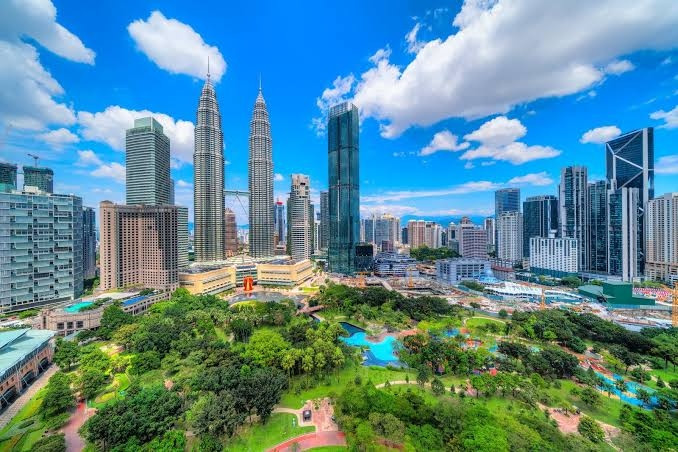
Demand for relocation destinations with a monthly cost of living under €1,500 rose an estimated 34% through 2026, as housing and living costs kept climbing across the UK, Australia, and much of Western Europe. Malaysia sits near the top of that search, and the reasons hold up under scrutiny, not just as marketing copy: a comfortable Kuala Lumpur or Penang lifestyle costs a fraction of an equivalent one in Western Europe or Singapore, while private hospitals, fiber internet, and international schools stay genuinely high quality, not a diminished budget version.
The standout financial detail is tax treatment: foreign-sourced income received by Malaysian tax residents is currently exempt from local tax under a provision that's been extended multiple times (sources differ on the exact current end date, so confirm the latest status with LHDN or a tax advisor before relying on it for planning). For a remote worker or entrepreneur billing clients abroad, that's a materially different outcome than most European relocation options, where local tax residency after roughly 183 days pulls in worldwide income at progressive rates.
English functions as a genuine working language across business, healthcare, and daily commerce, removing a barrier that trips up relocations to much of the rest of Asia. Malaysia's Muslim-majority population, halal food available everywhere, and a mosque in every neighborhood also make it a specifically comfortable landing point for professionals and families from the Middle East, North Africa, and South Asia, alongside its broader appeal to Western and regional expats.
Where are the Best Places to live in Malaysia as an Expat?
The right city depends on your lifestyle, family situation, and work setup, and Malaysia's expat hubs genuinely differ from each other, not just offer variations on the same theme.
Kuala Lumpur
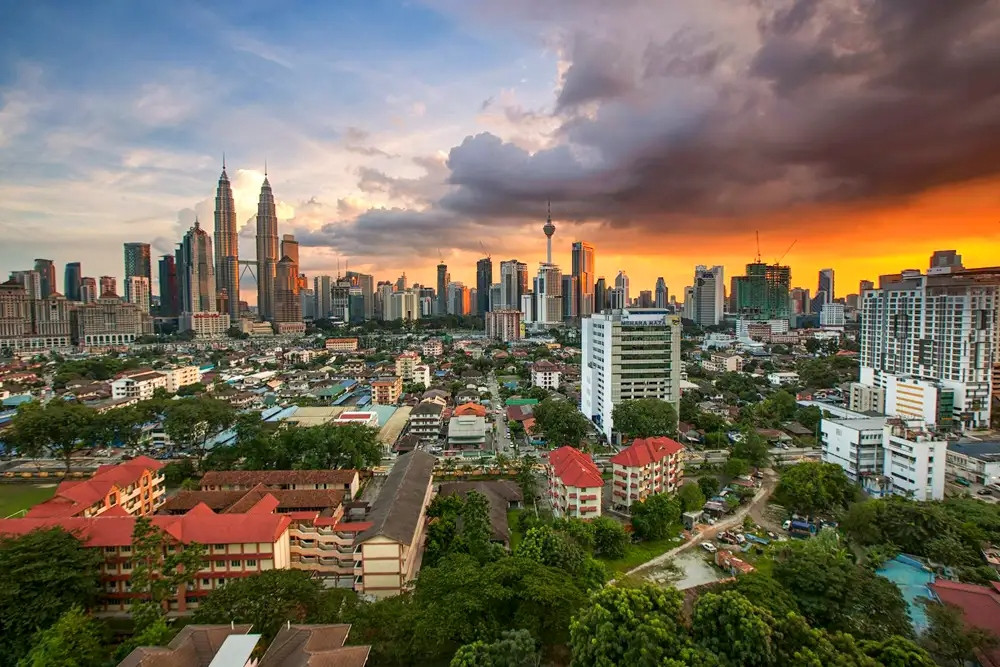
The country's economic and political capital, with the deepest job market, best private healthcare, and widest choice of international schools. Expat-favored neighborhoods include Bangsar, Mont Kiara, KLCC, and Bukit Bintang, with Subang Jaya and Petaling Jaya offering noticeably cheaper alternatives a short commute away. Foreign nationals make up roughly 9% of the city's population, and Internations ranked it among the world's best cities for expats as recently as 2022.
Penang (George Town)
Malaysia's second-largest expat community centers on George Town, a UNESCO World Heritage old city built from British colonial, Chinese, and Indian architectural influences dating to the British East India Company's 1786 arrival. Roughly 10-20% cheaper than KL for daily living, with a strong medical tourism industry: over 1 million foreign patients visit Penang and KL hospitals combined each year.
Johor Bahru
Malaysia's second-largest city and the gateway to Singapore, increasingly popular thanks to the Johor-Singapore Special Economic Zone and the new RTS rail link connecting directly to Singapore's transit system. Rent and daily costs run noticeably below KL, while still offering easy weekend access to Singapore's higher wages for cross-border commuters.
Langkawi
An archipelago of 99 islands with a duty-free status that keeps alcohol and imported goods cheaper than the mainland, a real draw for retirees and remote workers wanting beaches over a city grid. Job opportunities run thin outside tourism and hospitality, so most foreign residents here work remotely or live on pension income instead of local employment.
Ipoh, Kota Kinabalu, and Kuching
Ipoh offers colonial architecture and noticeably lower rent than KL or Penang with a smaller but genuine expat presence. Kota Kinabalu (Sabah) sits close to Mount Kinabalu and rainforest, appealing to expats prioritizing nature and a slower pace, while Kuching (Sarawak) pairs cultural diversity with a walkable riverfront. Both sit in East Malaysia, which operates its own immigration controls under the Federal Constitution, a legacy of the 1963 formation of Malaysia, meaning even domestic travelers from the Peninsula pass through separate immigration checks.
Cost of Living by City:
Malaysia ranks as the 5th cheapest country for cost of living in Southeast Asia, roughly 170% cheaper than Singapore and about 12% cheaper than Thailand.
Utilities for a 1-bedroom running air conditioning regularly land around RM150-300 a month; fiber broadband at 100-300 Mbps costs RM80-120. For scale, the average local monthly salary for skilled professional jobs runs RM8,000-25,000 (~$1,900-6,100), and Malaysia's overall cost of living sits roughly 50% below the United States and about half the United Kingdom's.
Visas: Employment Pass, MM2H, and DE Rantau:
Malaysia runs 3 genuinely distinct long-stay tracks depending on whether you're employed locally, working remotely for foreign clients, or simply want to reside long-term without working.
The Employment Pass remains the standard route into Malaysia for anyone taking a local job: your employer registers on the Expatriate Services Division (ESD) portal, confirms the salary threshold, and, for regulated professions like medicine, engineering, or accounting, you'll also need registration with the relevant professional body (MMC, BEM, or MIA) in parallel with the visa application.
DE Rantau, launched in October 2022 by the Malaysia Digital Economy Corporation (MDEC), is the cleanest option for remote workers with no Malaysian employer: it explicitly forbids earning Malaysian-sourced income, requires $24,000 a year in verifiable foreign income, and costs roughly RM1,060 for the principal applicant plus RM500 per dependent. Processing runs 2-8 weeks depending on the source, and since May 2025 all fees are non-refundable regardless of outcome, a real change from the old 75% refund-on-rejection policy many older guides still reference. If you're already in Malaysia on a tourist visa when DE Rantau gets approved, you must exit and re-enter; the tourist stamp cannot convert directly.
Visa Application Processes, Step by Step:
Each of the 3 main routes runs through a different portal, with different documents and different timelines.
DE Rantau, Step by Step:
- Confirm eligibility. Tech workers (software, IT, data roles) need $24,000/year minimum in foreign income; non-tech remote workers face a higher $60,000/year bar. Income must come entirely from non-Malaysian employers or clients.
- Gather your documents. Completed application form, valid passport, recent passport photo, CV, proof of current employment or freelance work, documentation of the remote work arrangement, and proof of income (3 months of payslips or invoices).
- Register on MDEC's portal. Create your account at mdec.my/derantau, separate from Malaysia's standard immigration system.
- Submit the application and pay the fee. RM1,000 (~$230) for the principal applicant, RM500 (~$115) per dependent.
- Wait for processing. Typically 4-8 weeks. Health insurance valid in Malaysia can be submitted after initial approval, provided it has at least 3 months' remaining validity.
- Travel and complete final endorsement. Approved applicants have 6 months to enter Malaysia and submit the final endorsement application.
- Receive your pass. Issued within roughly a week of the endorsement application, valid 12 months at designated hubs including Kuala Lumpur, Penang, Langkawi, and select parts of Sabah and Sarawak.
- If rejected, appeal within 1 month or reapply once the underlying issue (usually income documentation) is resolved.
MM2H, Step by Step:
- Choose your tier. Silver (RM500,000 deposit), Gold (RM2,000,000), Platinum (RM5,000,000), or the SEZ category for Forest City in Johor.
- Engage a MOTAC-authorized agent. MM2H runs through licensed agents, not a direct government portal, and applications cannot be submitted from inside Malaysia; you must apply from abroad.
- Gather financial proof. Bank statements demonstrating the fixed deposit amount, plus income documentation for certain tiers.
- Complete medical examinations at a clinic recognized under the MM2H program, and arrange health insurance meeting the program's minimum coverage.
- Submit the application through your agent, including a clean criminal record check from your home country.
- Once approved, place the fixed deposit in a licensed Malaysian bank.
- Complete the mandatory property purchase within the timeframe specified for your tier (RM600,000-2,000,000 depending on tier).
- After 1 year, you may withdraw up to 50% of the fixed deposit for approved uses (the property purchase itself, healthcare, or education), provided the remaining balance still meets your tier's minimum.
Employment Pass, Step by Step:
- Secure a job offer meeting the salary threshold: RM5,000+/month for Category II, RM10,000+/month for Category I.
- Your employer registers the position on the Expatriate Services Division (ESD) portal; this step is initiated by the company, not you.
- Begin professional body registration in parallel if your role is regulated (MMC for doctors, BEM for engineers, MIA for accountants), instead of waiting for Employment Pass approval first.
- Employer submits supporting documents: company registration papers, your passport, qualifications, and CV.
- Track status through the ESD portal, which provides real-time updates and lets your employer respond to requests for additional documents directly.
- Receive approval and the Employment Pass, valid 1-2 years (Category II) or up to 5 years (Category I), renewable.
Long-Term Status, PR, and Citizenship:
The Residence Pass-Talent (RPT) offers the clearest employer-independent path for established professionals: after 3 years on an Employment Pass earning RM15,000+ a month in an approved sector, RPT grants up to 10 years of residency without needing continuous employer sponsorship, a genuinely rare benefit in Southeast Asia. MM2H itself does not grant permanent residency regardless of tier; it's a long-stay visa, renewable, but distinct from PR or citizenship under Malaysian law. Full Malaysian PR and citizenship remain possible but demanding, generally requiring extended continuous residency, and most long-term foreign residents in practice simply renew their Employment Pass, RPT, or MM2H visa indefinitely instead of pursuing citizenship.
Budgets by Profile: Single, Couple, Family, Nomad:
Malaysia's international schools charge 30-40% less than equivalent Singapore institutions and roughly half of comparable Hong Kong schools, which is the single biggest reason many Singapore-based families specifically relocate to Johor Bahru while keeping careers across the border.
What is the Average Expat Salary in Malaysia?
Malaysia's national average salary sits well below what most Western expats are used to earning at home: roughly RM6,610 (about $1,398) a month across all professions, compared with an average salary in the UK closer to $3,700. That gap matters less than it looks, given how far a foreign income, especially one earned outside Malaysia entirely, stretches against the local cost of living. Expats working in specialized fields or senior roles typically earn well above the national average, and a handful of professions consistently top Malaysia's salary tables.
Tax status changes the real take-home picture considerably. Non-tax-resident foreigners, generally anyone spending under 182 days in Malaysia in a calendar year, are taxed at a flat 30% on Malaysian-sourced income, a materially higher rate than the progressive scale tax residents pay. Malaysia holds double taxation agreements with the UK, Australia, New Zealand, France, Germany, Italy, South Africa, and the US among others, which prevents the same income from being taxed twice; confirm your specific situation against the relevant treaty with a tax advisor instead of assuming coverage applies automatically.
Can you Buy Property as a Foreigner in Malaysia?
Yes, and Malaysia's openness here is genuinely unusual in the region: foreigners can own freehold houses, condominiums, and land under their own name, not merely a leasehold or strata title, subject to a state-set minimum purchase price and a mandatory State Authority Consent process (Section 433B of the National Land Code) that typically takes 3-6 months. Prohibited categories are narrow but firm: agricultural land and Malay Reserved Land are off-limits regardless of price, and most landed residential property in prime areas remains restricted to Malaysian buyers only, even where the state technically permits foreign purchases above its price threshold.
State rules and thresholds change without notice; verify current figures with the relevant State Economic Planning Unit before making an offer.
Beyond the purchase price, budget for the full cost stack: an 8% flat stamp duty for foreign residential buyers, effective January 1, 2026 (replacing the previous tiered system), legal fees of 0.4-1% of the purchase price, a state consent application fee of RM1,000-3,000 on top of the 3-6 month processing time, and an annual condo sinking fund contribution of 1-3% of the purchase price if buying a strata unit. Financing is available to foreigners, typically at a 60-70% loan-to-value margin, somewhat lower than what Malaysian citizens can access.
Renting: Finding it, Signing it, Paying for it:
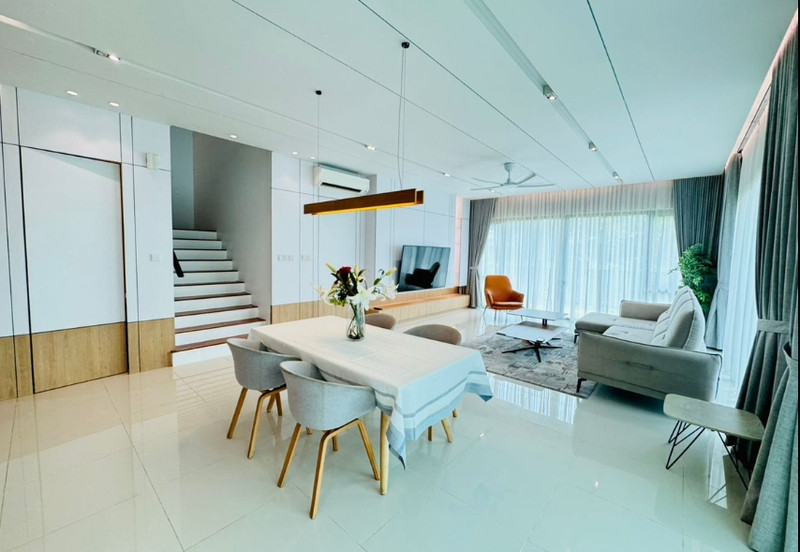
Most renters search through PropertyGuru Malaysia, iProperty, and Mudah.my, or through a licensed property agent who typically charges the landlord, not the tenant, a commission. Standard security deposits run 2 months' rent plus 1 month's utility deposit, paid alongside the first month at lease signing, with leases typically running 12 months. Confirm in writing before signing: whether the unit is furnished (get a written inventory if so), who pays for maintenance/sinking fund charges on a condo unit, and the exact terms for deposit return at lease end.
Food, Transport, and Daily Expenses:
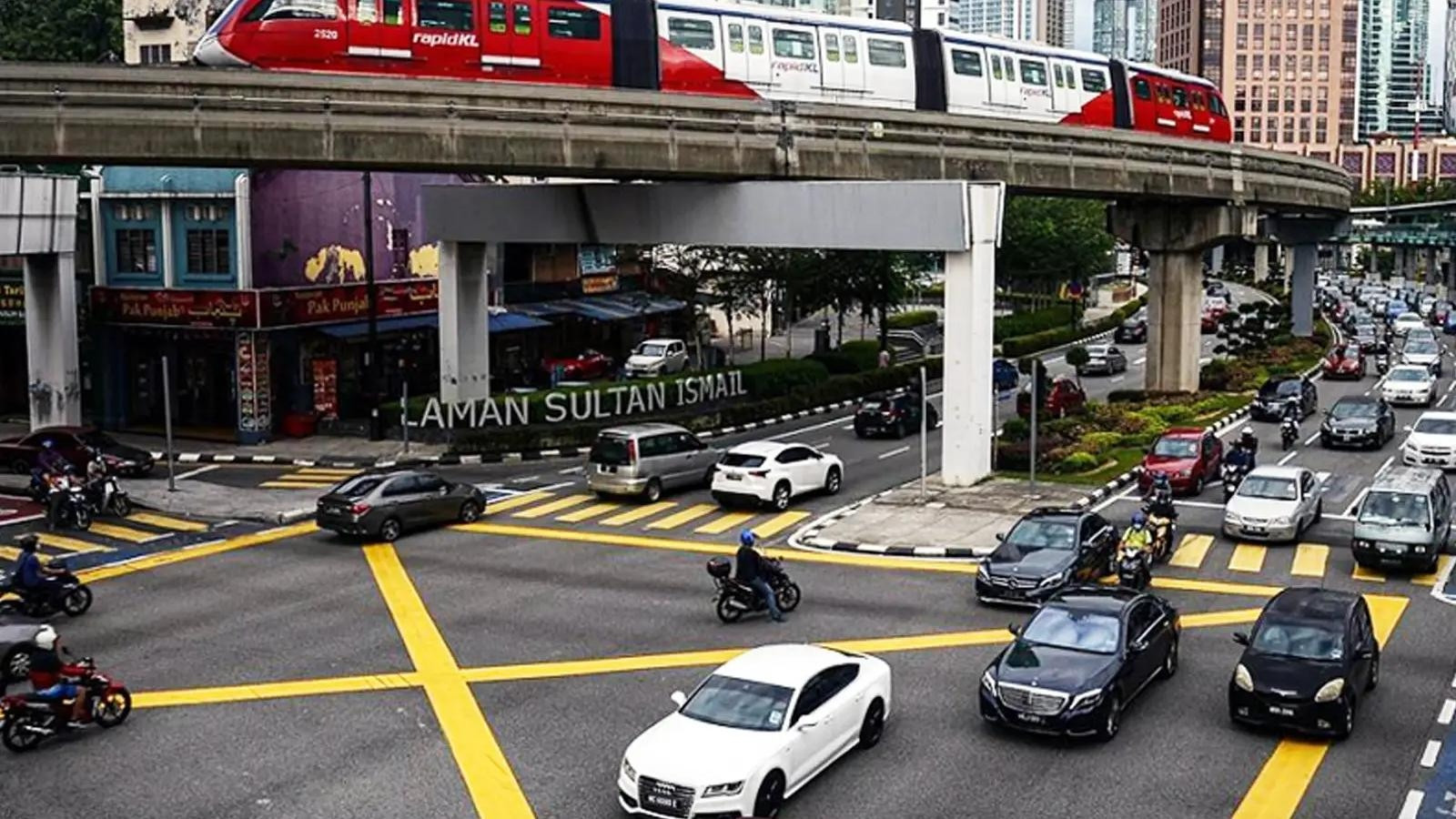
Hawker-stall and local food-court meals are Malaysia's real cost-of-living advantage: a basic lunch in a business district runs $2.55-6.12, and a fast-food combo meal costs $4-5. Grab, Malaysia's dominant ride-hailing app, covers over 30 cities and typically runs $2.50-4.50 for a 3km ride depending on demand; metered taxis in KL start around $0.75-1 plus $0.30 per additional kilometer, though tourist-area drivers often push flat, inflated fares instead. Monthly public transit passes run $12.75-25.49, and the intercity ETS electric train service connects major Peninsular cities considerably faster than driving.
Petrol runs among the cheapest in the world thanks to government fuel subsidies, roughly RM2.05/liter for RON95, though recent subsidy rationalization has nudged prices up slightly. New cars, by contrast, cost considerably more than in Western markets due to import duties and local content rules; most expats without children manage comfortably on Grab and public transit in KL and Penang without owning a car at all.
Banking and Money Matters:
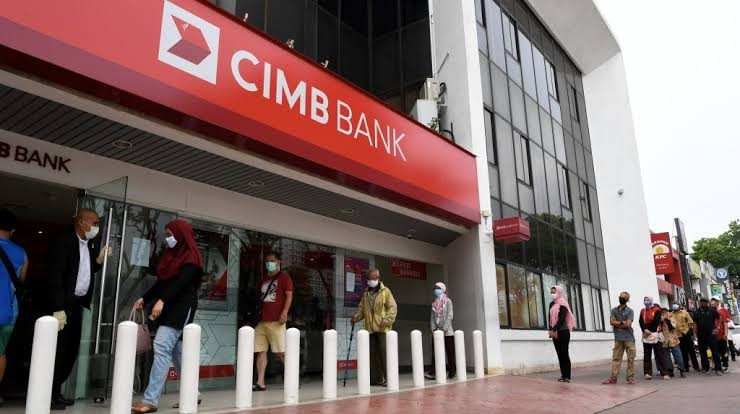
Major banks including Maybank, CIMB, and Public Bank all open accounts for foreign residents holding an appropriate long-stay visa (Employment Pass or MM2H typically qualify more easily than a tourist stamp), generally requiring a passport, visa, proof of local address, and sometimes an employer or MM2H approval letter. DE Rantau holders often struggle to open a standard account precisely because the pass explicitly bars Malaysian-sourced income, which is why many use Wise or a similar international transfer service instead for receiving foreign payments at the real exchange rate.
A local account becomes close to essential for anyone staying beyond a few months regardless of visa type: landlords expect local bank transfers for rent, utility providers require direct debit from a Malaysian account, and most local payment apps and e-wallets are tied to a domestic bank account, not a foreign card.
Healthcare and Insurance:

Malaysia runs a genuine 2-tier healthcare system: a tax-funded public system reserved for citizens at heavily subsidized rates, and a private system that most expats use instead. Foreigners technically can use public hospitals, but pay full, unsubsidized fees, sometimes cited at 24 to 100 times what a Malaysian citizen pays for the same treatment, on top of longer wait times and less English-language service than private facilities offer. The World Health Organization ranks Malaysia's healthcare system 49th globally, and JCI-accredited private hospitals in Kuala Lumpur and Penang, including Prince Court Medical Centre and Gleneagles, draw over 1 million foreign medical tourists a year for their combination of Western-trained doctors, modern equipment, and same-day specialist access without the referral delays common in the US or UK.
Since July 2025, private healthcare for non-citizens carries an additional 6% sales and service tax that Malaysian citizens don't pay, on top of already-higher foreigner pricing; government and university hospital care remains exempt for everyone. Basic private international health insurance starts around $400 a year and covers most standard procedures; foreign workers may also qualify for the employer-arranged Foreign Worker Hospitalization and Surgical Scheme (FWHS), which carries an annual claim limit around RM20,000 and restricts which hospitals you can use.
Working, Business, and Entrepreneurship:

A Sendirian Berhad (Sdn Bhd), Malaysia's private limited company structure, is the standard vehicle for foreign entrepreneurs and allows 100% foreign ownership in most sectors, with legal minimum paid-up capital as low as RM1, though sectors like retail and wholesale trade typically need closer to RM500,000 in practice to satisfy licensing requirements. Every Sdn Bhd needs at least 1 Malaysian-resident director (someone residing in Malaysia 182+ days a year) and a Malaysian-resident company secretary; foreign founders without a qualifying local partner typically satisfy this by appointing a professional local director through a corporate services firm, a standard, legal arrangement distinct from an illegal nominee-ownership structure. Setup through a corporate services provider runs roughly RM3,000-5,000 and takes 5-10 working days.
A handful of strategic sectors, telecommunications, certain financial services, and a few others, require minimum Malaysian or Bumiputera equity participation instead of allowing full foreign ownership; everything else is open by default. Companies meeting SME criteria (paid-up capital under RM2.5 million, annual gross income under RM50 million) qualify for a reduced 17% tax rate on the first RM600,000 of chargeable income, versus the standard 24% corporate rate.
Culture and Social Codes:
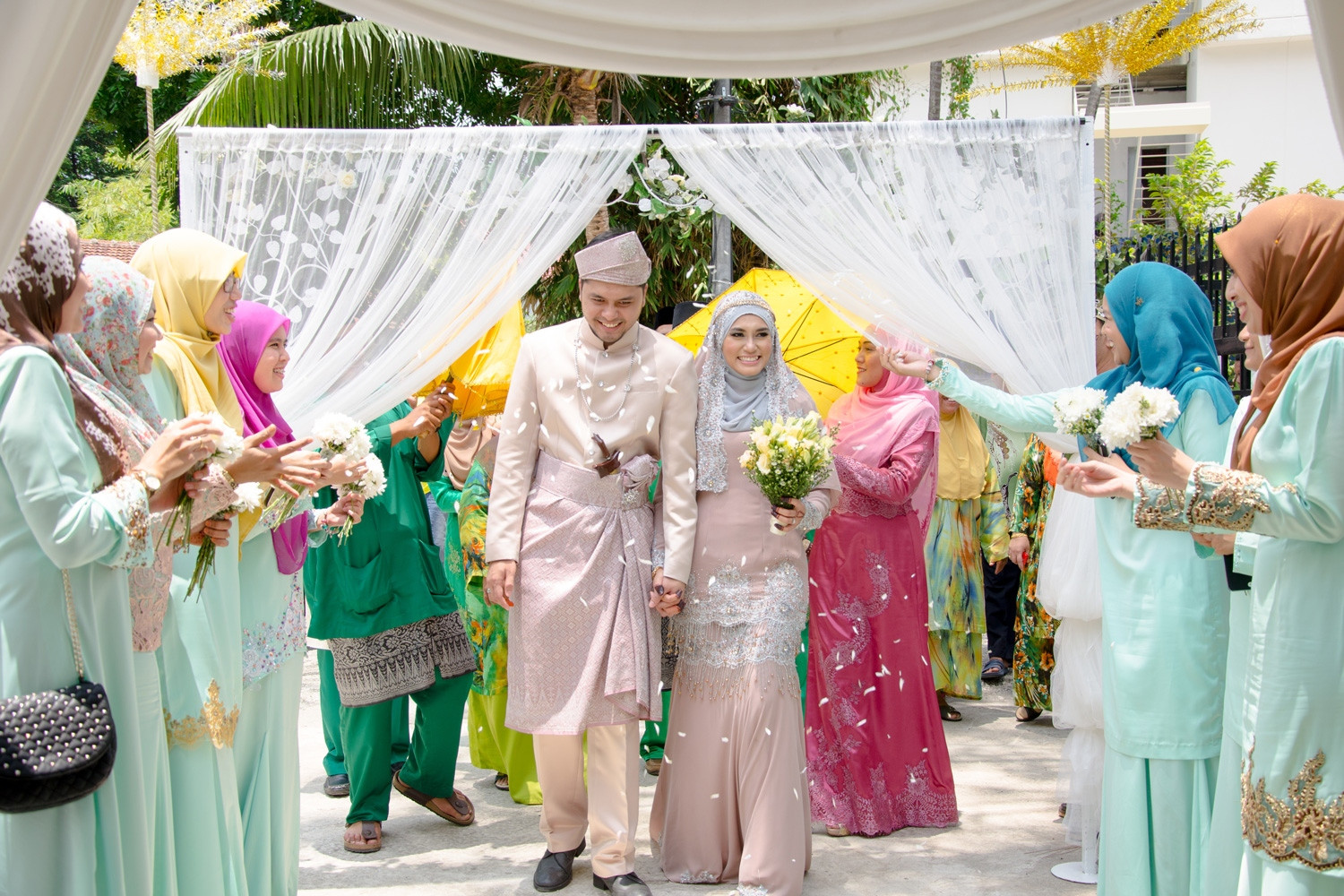
Malaysia's population splits across 3 major ethnic communities, Malay, Chinese, and Indian, each with distinct languages, cuisines, and religious holidays that all get observed nationally: Hari Raya, Chinese New Year, and Deepavali all carry public holiday status, a rhythm to the year unlike almost anywhere else in the region. Islam is the official religion and the majority faith among ethnic Malays specifically, which shapes some everyday norms, modest dress expectations in religious and government settings, no public eating or drinking during daylight hours in Ramadan out of basic courtesy, and alcohol availability that varies noticeably by state (freely available in KL and Penang, far more restricted in more conservative states like Kelantan and Terengganu).
English functions as a genuine working language across business, government, and daily commerce, a legacy of British colonial administration that makes Malaysia one of the more linguistically accessible countries in the region for new arrivals. That said, learning basic Bahasa Malaysia greetings and numbers still goes a long way with older generations, market vendors, and government office staff outside the main tourist and business districts.
Safety and Everyday Precautions:
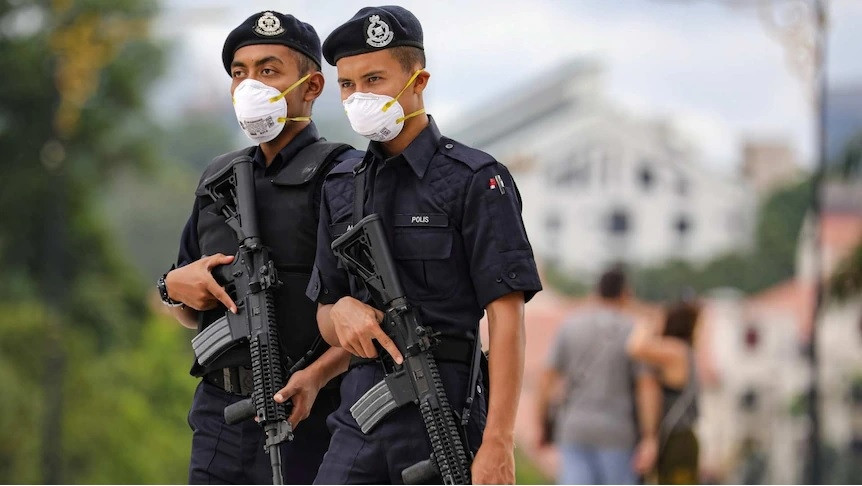
Malaysia is generally considered safe for expats and ranks favorably against most regional neighbors on standard safety indices, though standard urban precautions apply: petty theft, including bag and phone snatching from passing motorbikes, happens often enough in busy areas of KL and Penang that keeping valuables secured and out of easy reach on the street is standard practice. Traffic is the more consistent daily risk; Malaysia's roads carry a genuinely higher accident rate than most Western countries, and motorbikes in particular weave through traffic in ways that catch new arrivals off guard as both drivers and pedestrians.
Family, Children, and International Schools:

Malaysia's international school market is genuinely deep, and pricing undercuts most regional competitors: fees run 30-40% below equivalent Singapore schools and roughly half of comparable Hong Kong institutions, a real factor in why families relocating within the region often choose Malaysia specifically. Annual tuition still adds up meaningfully for a family with multiple children, commonly RM33,000+ per child per year at well-regarded institutions in KL, Penang, or Johor Bahru, and belongs in the household budget from the earliest planning stage, not as an afterthought. Waiting lists at the most sought-after schools run 6-12 months, so families relocating with children should start the school application well before finalizing the visa itself.
The 90-Day Relocation Checklist:
Visa first, city second, property third. Getting that sequence backward is the single most common reason people spend a year re-doing paperwork they could have sorted before ever boarding a flight.
Days 1-30: Before You Book Anything
- Decide your visa path: DE Rantau, MM2H, or Employment Pass. Picking late wastes weeks, since the document requirements diverge from day one.
- Gather income documentation. DE Rantau needs 3 months of payslips or invoices on hand; MM2H needs bank statements proving the fixed deposit amount.
- Get private health insurance quotes. It's a hard requirement for MM2H and effectively mandatory for everyone else.
- Shortlist your target city based on job market, budget, and family needs.
- Set up a Wise account (or similar), verified from your home country, so you have a working way to move money before a local bank account exists.
Days 31-60: Applications and Logistics
- Submit your visa application: DE Rantau through MDEC's portal, or MM2H through a MOTAC-authorized agent.
- Book 3-4 weeks of serviced apartment or short-term rental in your target city instead of committing to a 12-month lease sight unseen.
- Start researching international schools now if relocating with children, since waiting lists at the best schools run 6-12 months.
- Research coworking spaces if remote work is the plan.
- Organize shipping logistics. Ship only what's genuinely irreplaceable, since furniture and electronics are generally cheaper bought locally than shipped.
Days 61-90: Arrival
- Get a local SIM from a retail Digi or Hotlink store in your first days, not the airport kiosk, which typically charges 2-3 times more for the same data package.
- Begin your bank account application in week 1. The full process (passport, visa approval, proof of address, minimum deposit) commonly takes 3-7 working days once you're in the branch, longer once you account for securing a proof-of-address document first.
- Test 2-3 neighborhoods in person before signing any lease.
- Get every lease term in writing before transferring a single ringgit of deposit.
- Register with your home country's embassy. Optional, but worth doing.






{{item.get_author.first_name}} {{item.get_author.last_name}}
Level 7
5 Photos
36 Reviews
{{item.comment_txt}}
{{item_reply.get_author.first_name}} {{item_reply.get_author.last_name}}
@ {{item_reply.reply_to}}, {{item_reply.reply_txt}}