

Bangladeshi cuisine is one of South Asia's most underrated food cultures. Built around the country's river-rich landscape — home to over 260 fish species — and shaped by centuries of Mughal, Persian, and indigenous Bengali influences, the food here is bold, aromatic, and deeply personal. In this guide, we cover the 40 most iconic Bangladeshi dishes you must try, organized by category, with firsthand tasting notes, the best places to eat them, prices in BDT, and the cultural stories behind each dish.
Best 08 Bangladeshi Snacks:
01. Nimki / Kucho Nimki (নিমকি):
নিমকি | Savory Diamond CrackersNimki: Small diamond-shaped crackers made from wheat flour kneaded with salt, black cumin (kalonji), and oil, then deep-fried until crisp and golden brown.
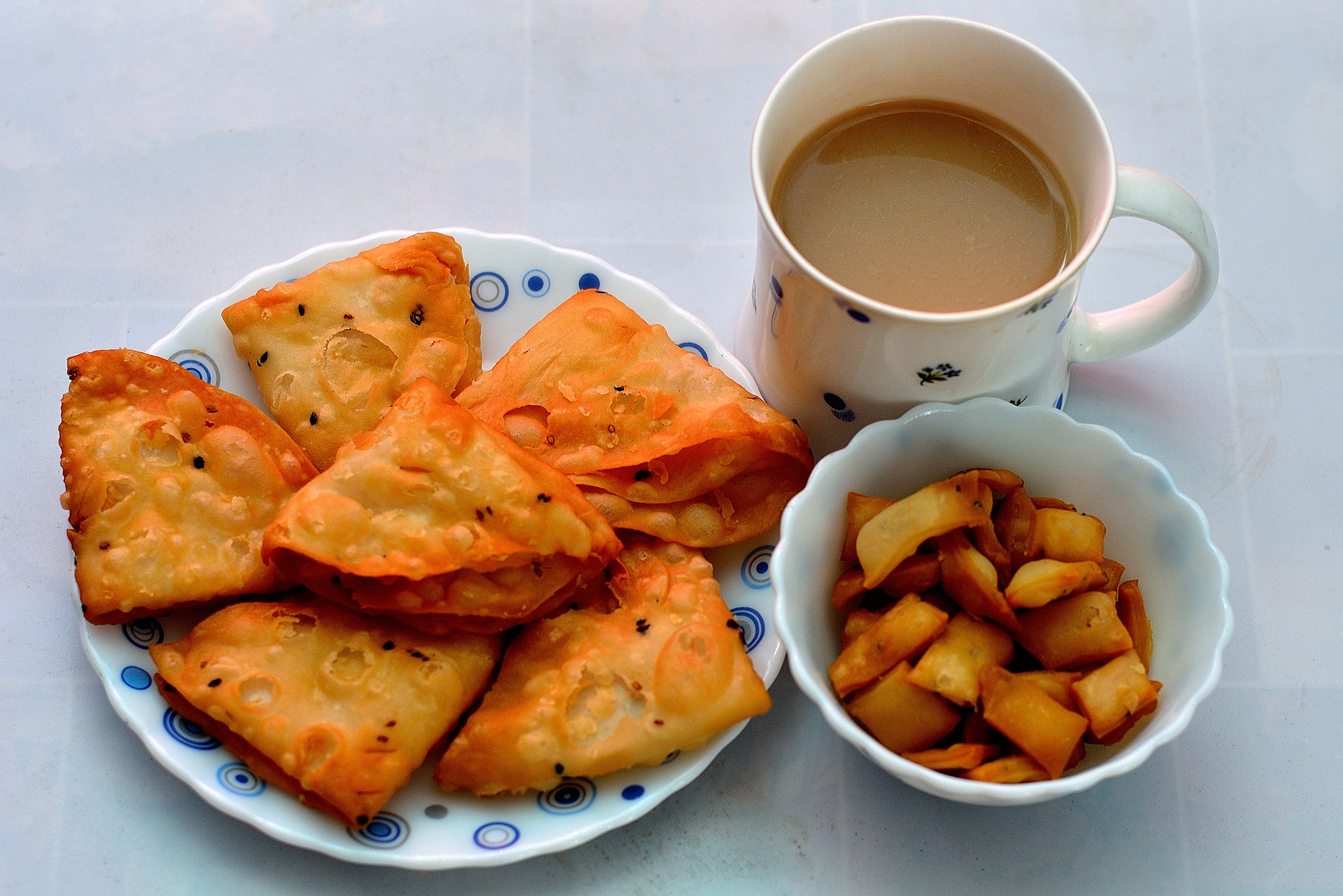
Nimki is the quintessential Bangladeshi tea-time cracker — the local equivalent of a British biscuit, but far more addictive. The dough is seasoned with black cumin seeds (kalonji) that release a faintly anise-like aroma when fried. Properly made Nimki shatters when you bite it, releasing a warm, salty, faintly smoky flavor. They are made at home for Eid and religious festivals, and sold in every corner shop in Bangladesh year-round. Larger versions (Nimki) are eaten as a snack; tiny ones (Kucho Nimki) are sprinkled into Chotpoti and Jhalmuri for extra crunch.
02. Beguni (বেগুনি):
বেগুনি | Spiced Eggplant FrittersBeguni: Thin slices of eggplant (brinjal) coated in a spiced chickpea flour (besan) batter seasoned with turmeric, chili, and cumin — deep-fried until golden and crisp.
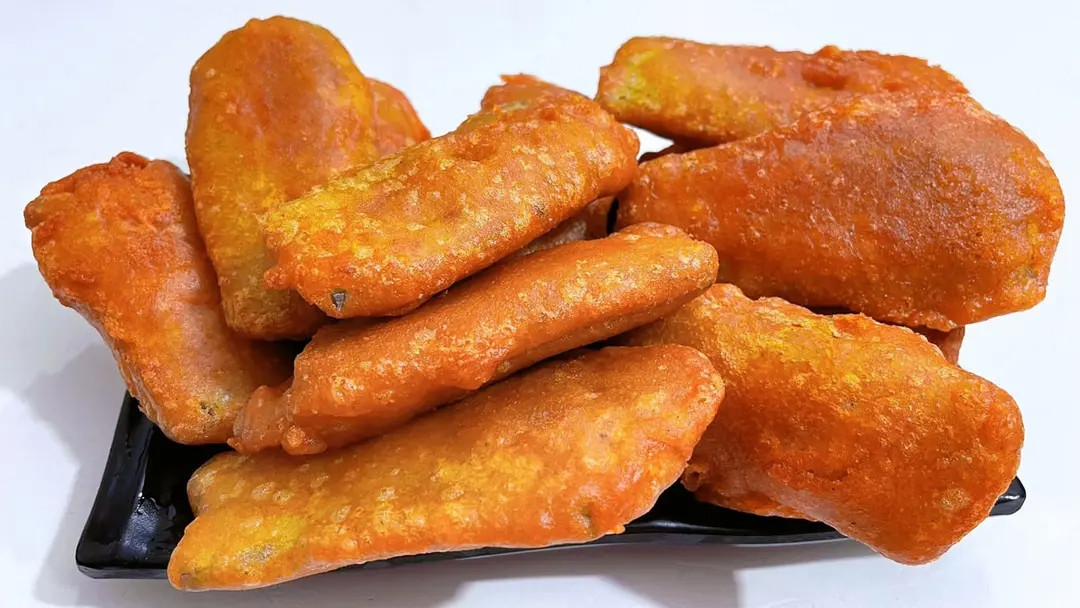
Beguni is the rain-season snack of Bangladesh. There is a cultural tradition — almost a law — that Bengalis eat Beguni with Khichuri (rice and lentils) on stormy monsoon afternoons. The batter is seasoned with turmeric, chili powder, and cumin, giving the fritter a vibrant yellow color and a bold, savory bite. The eggplant inside steams in its own moisture, creating a soft, silky interior against the crunchy exterior. During Ramadan, Beguni is one of the most consumed iftar snacks in Bangladesh, sold from massive woks at street stalls across every city and village.
03. Chicken Tikka (চিকেন টিক্কা):
চিকেন টিক্কা | Charcoal-Grilled Spiced ChickenBangladeshi Chicken Tikka: Boneless chicken pieces marinated for 4–12 hours in yogurt, garlic, ginger, and a blend of Bangladeshi spices including raw papaya paste as a tenderizer, then grilled over live charcoal until charred and juicy.
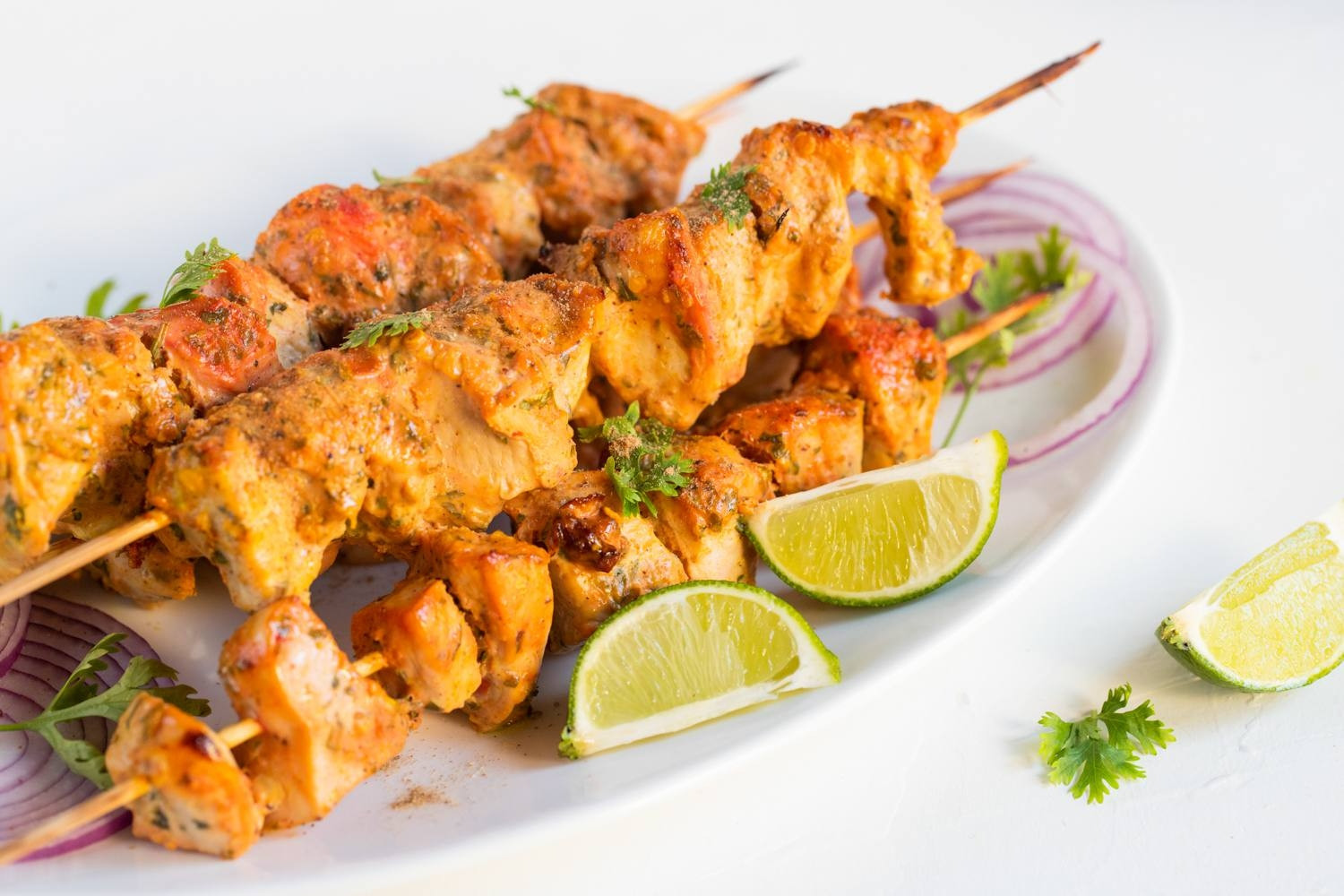
Bangladesh's version of Chicken Tikka has a distinctive quality advantage over most versions: local cooks use raw papaya paste (a traditional Bangladeshi tenderizing technique) in the marinade, resulting in extraordinarily juicy chicken even after high-heat charcoal grilling. The charcoal grilling is non-negotiable — gas-grilled versions simply cannot replicate the smoky depth. Served with raw onion rings, green chili, and a squeeze of lemon, Bangladeshi Chicken Tikka is one of the most satisfying street-food meals in the country.
04. Bhapa Pitha (ভাপা পিঠা):
ভাপা পিঠা | Steamed Rice Cake with Coconut & JaggeryBhapa Pitha: A steamed rice flour cake filled with freshly grated coconut and date palm jaggery (khejur gur), gently perfumed with cardamom — Bangladesh's most beloved winter sweet.
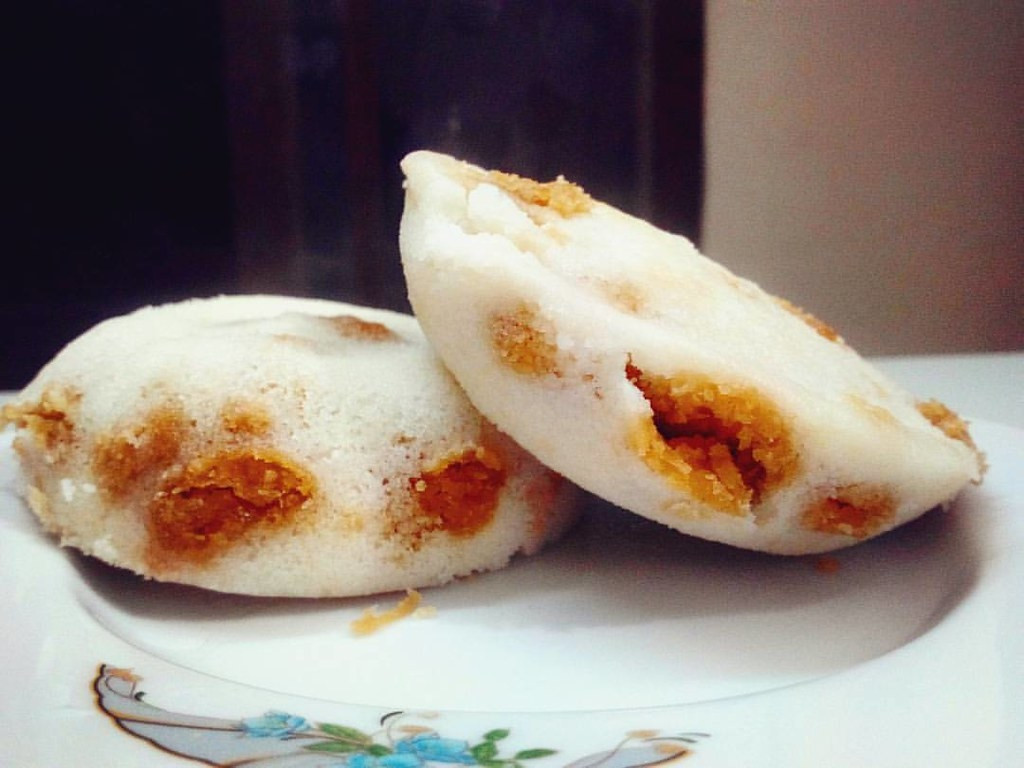
Bhapa Pitha is inseparable from winter mornings in Bangladesh. The moment the temperature drops in November, street vendors set up bamboo steamers across every neighborhood, and the sweet smell of coconut and jaggery fills the air. The rice flour shell has a slightly chewy, mochi-like texture — soft and warm — while the jaggery filling melts inside from the steam's heat. Date palm jaggery (khejur gur), harvested only in winter, gives Bhapa Pitha its uniquely smoky-caramel sweetness that cannot be replicated with regular sugar. This seasonal quality is why Bhapa Pitha is so eagerly awaited each year.
05. Ghugni (ঘুগনি):
ঘুগনি | Spiced Chickpea CurryGhugni: A thick, boldly spiced curry of boiled yellow or white chickpeas cooked with potato, onion, tomato, and whole spices, topped with chopped onion, green chili, coriander, and tamarind chutney.
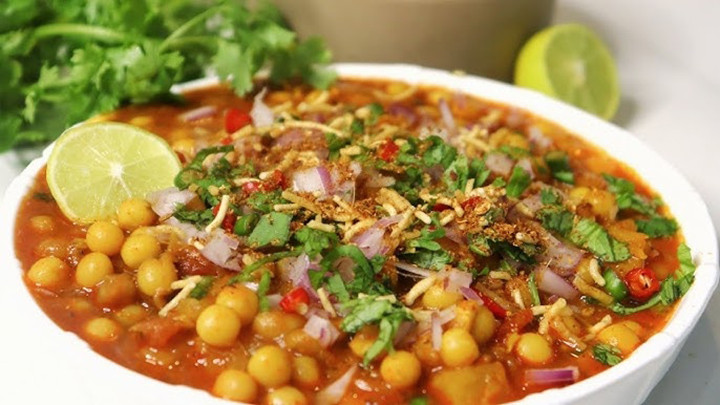
Ghugni occupies a special place in Bangladeshi street food as the ultimate filling, affordable dish. The chickpeas are cooked until very tender, absorbing the spices deeply, and the tamarind chutney drizzled on top adds a bright sourness that cuts through the richness. It is a favourite breakfast across North Bengal (Rajshahi, Rangpur divisions) where it is served with puffed rice (muri). A bowl of Ghugni provides substantial protein and complex carbohydrates for the price of a few taka — one reason it is beloved across every economic stratum in Bangladesh.
06. Pakora:
পেঁয়াজি | Onion & Lentil FrittersPeyaji (Bangladeshi Pakora): Chunky fritters made from thinly sliced onion, green chili, and coriander bound with gram flour and spices, deep-fried in mustard oil until crispy and golden.
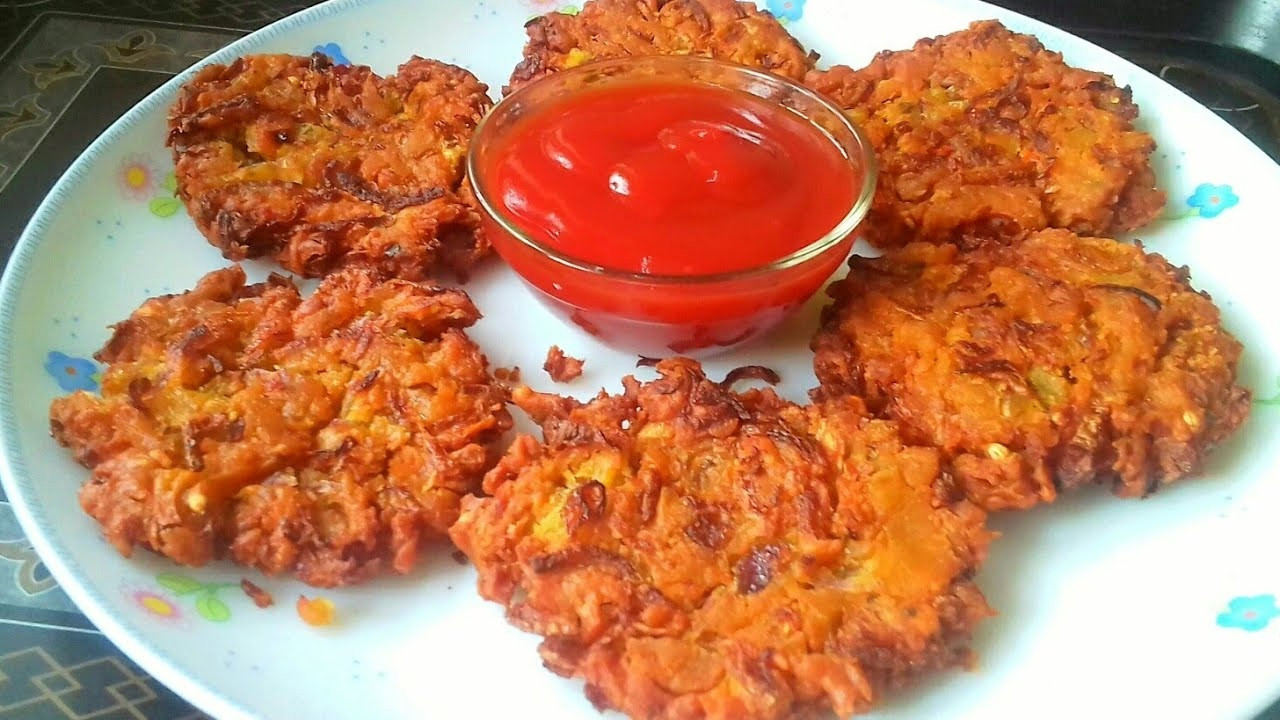
In Bangladesh, pakora is most commonly made as Peyaji — onion fritters — rather than with mixed vegetables. The use of mustard oil (rather than vegetable oil) is the key differentiator: it gives Bangladeshi fritters a slightly sharp, nutty depth that is distinctly Bengali. During Ramadan, Peyaji is the single most consumed iftar snack in Bangladesh, sold by the millions from makeshift stalls across every city and village from 3 PM onward. The Bangladesh government monitors Peyaji prices during Ramadan to prevent profiteering — a measure of how culturally essential this fritter is.
07. Paratha (পরোটা):
পরোটা | Layered Fried FlatbreadBangladeshi Paratha: A multi-layered flatbread made from whole wheat flour, folded with oil or ghee and cooked on a hot tawa (griddle) until crisp on the outside with soft, flaky, pull-apart layers inside.
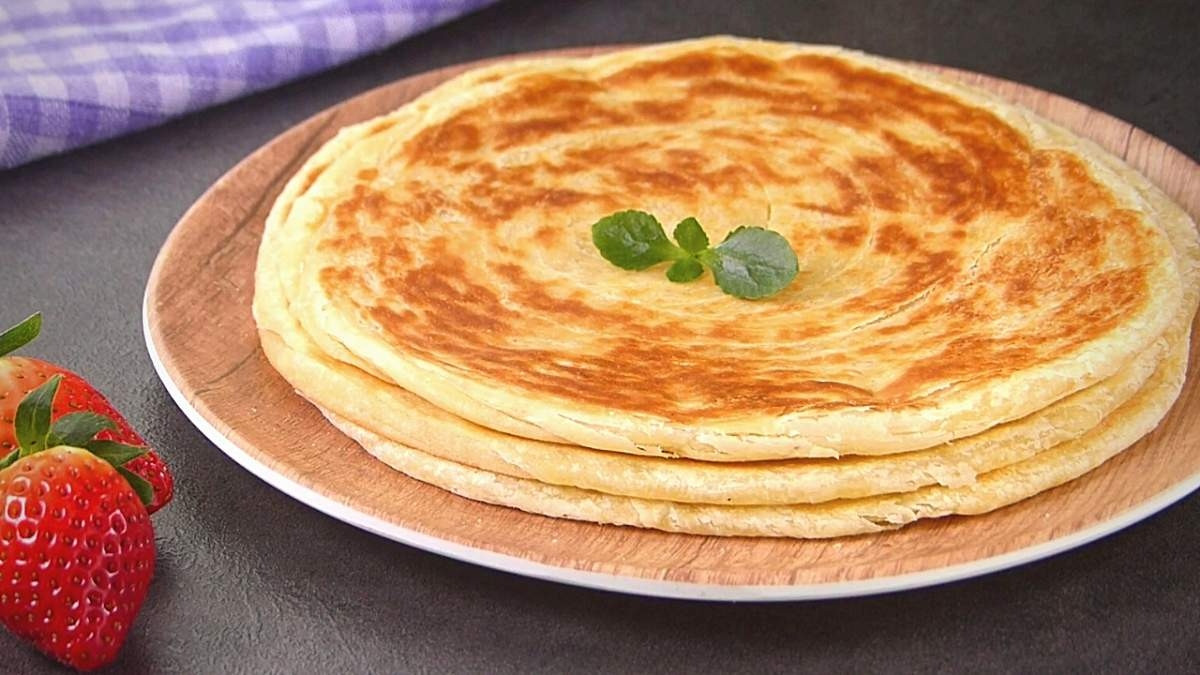
Paratha is Bangladesh's most eaten breakfast bread — more popular than roti or rice in the morning across urban Bangladesh. The layering technique (achieved by folding the oiled dough multiple times before rolling) creates distinct, almost pastry-like flakes that tear apart satisfyingly. Bangladeshis eat paratha with egg bhaji (fried eggs with onion and chili), vegetable curries, dal, or simply with a spoonful of sugar and a cup of strong milk tea. Egg Paratha — where a beaten egg is cracked directly onto the paratha as it cooks on the tawa, binding to the surface — is a particularly beloved street-food version, quick, filling, and costs just ৳25–40.
08. Lucchi / Luchi (লুচি):
লুচি | Puffed Fried White Flour BreadLuchi: Small, round flatbreads made from refined white flour (maida), deep-fried in oil until they puff into golden hollow spheres — light, airy, and slightly chewy inside.
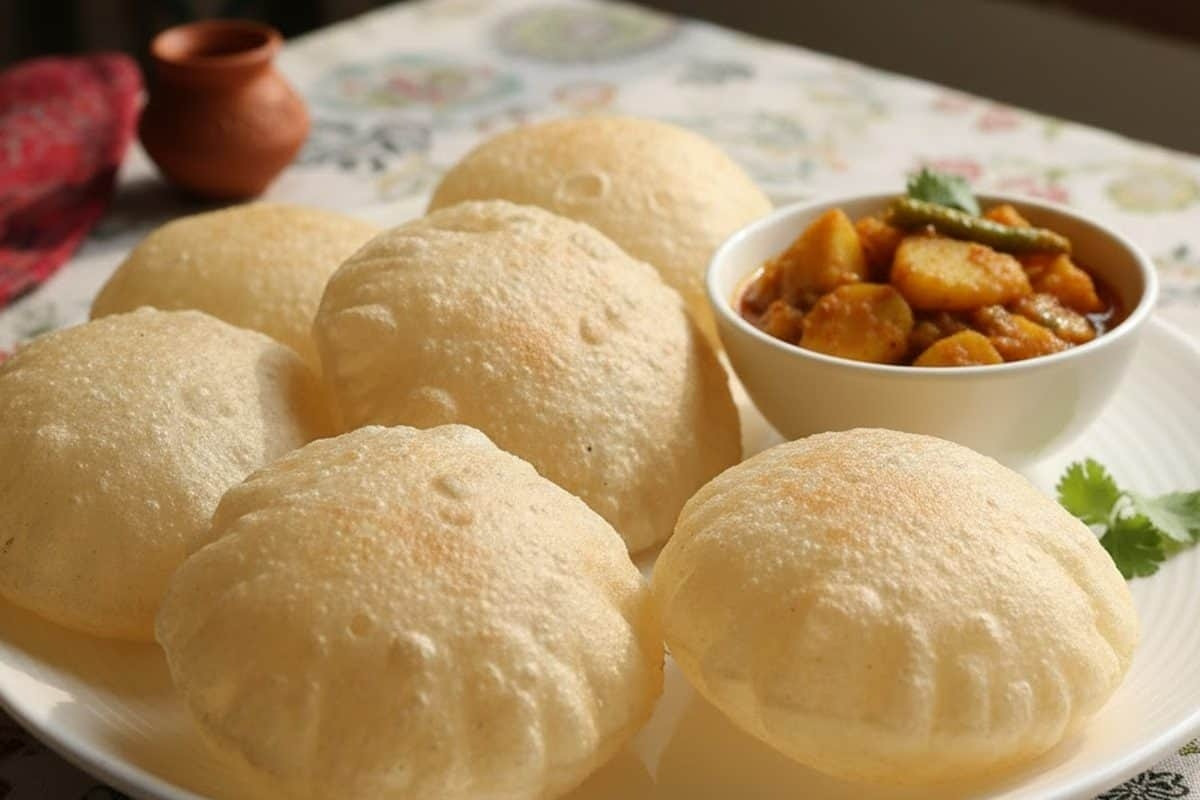
Luchi occupies higher prestige than ordinary paratha in Bangladeshi food culture — it is the bread served at weddings, religious feasts (dawat), and Puja celebrations. The all-white-flour dough and frying method creates a completely different texture: pillowy, hollow, and melt-in-the-mouth. They must be eaten immediately after frying while still puffed — they deflate and harden within minutes, so Luchi is always made and served continuously at feasts. Paired with Aloor Dom (spiced potato curry) or Cholar Dal (spiced split chickpea dal), Luchi is one of Bangladesh's most festive and satisfying breakfast combinations.
Top 12 Street Foods in Dhaka & Bangladesh:
09. Chotpoti (চটপটি):
চটপটি | Spiced Tamarind Yellow Pea SnackChotpoti: A sweet-sour-spicy street snack of boiled yellow peas mixed with diced potato, tamarind sauce, green chili, raw onion, coriander, and topped with a boiled egg and crunchy sev or crushed crackers.
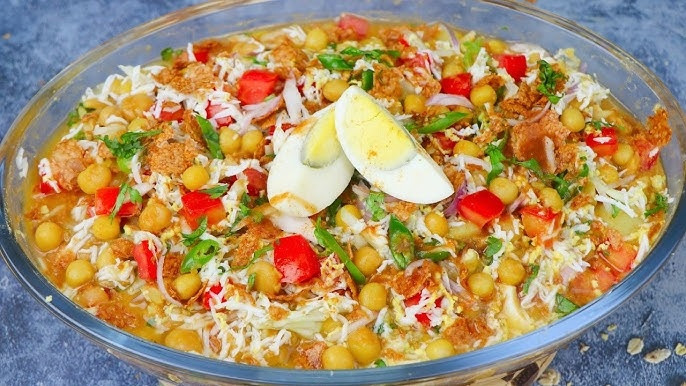
Chotpoti is the street food that defines Bangladeshi snacking. The name itself is an onomatopoeia — chot pot chot pot — mimicking the sound of a spoon mixing the ingredients together in the bowl. The genius of Chotpoti is its layered complexity: earthy peas, sharp raw onion, fruity tamarind, herbal coriander, burning green chili, and the textural contrast of soft potato against crunchy sev. Every vendor has a signature recipe — a specific ratio of tamarind to chili to cumin — that their regulars are loyal to for decades. Finding your Chotpoti vendor is a rite of passage in every Bangladeshi city.
10. Fuchka / Panipuri (ফুচকা) ⭐ Most Iconic:
ফুচকা | Hollow Fried Puri with Tamarind WaterFuchka: Crispy hollow spheres (puris) made from semolina and flour, filled with a spiced mashed potato and chickpea mixture, then flooded with cold tangy tamarind-spiced water (tetul pani) and eaten in one single bite.
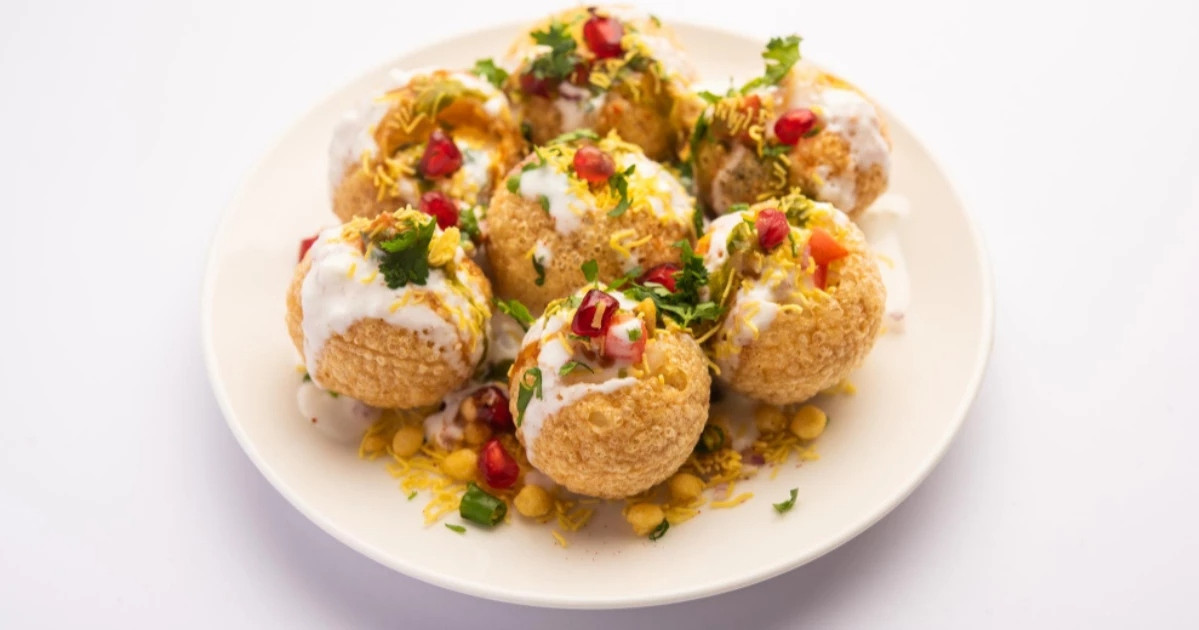
Fuchka is more than street food — it is a social ritual. Groups of friends, office workers, and university students gather around Fuchka vendors for the shared experience of watching each puri be filled, dunked, and eaten in rapid succession. The tamarind water (tetul pani) varies dramatically between vendors: some add raw green mango (aamshor), some add black salt, some add mint. Finding "your" Fuchka vendor — the one whose tetul pani matches your palate exactly — is a rite of passage in every Bangladeshi city. Note: Bangladeshi Fuchka is tangier and spicier than Indian Panipuri, and the filling is drier and more potato-forward.
11. Jhalmuri (ঝালমুড়ি):
ঝালমুড়ি | Spiced Puffed Rice MixJhalmuri: Puffed rice (muri) tossed with mustard oil, diced onion, green chili, coriander, tomato, cucumber, chanachur (spiced mixed snacks), and a squeeze of lemon — a light, crunchy, addictive street snack ready in 60 seconds.
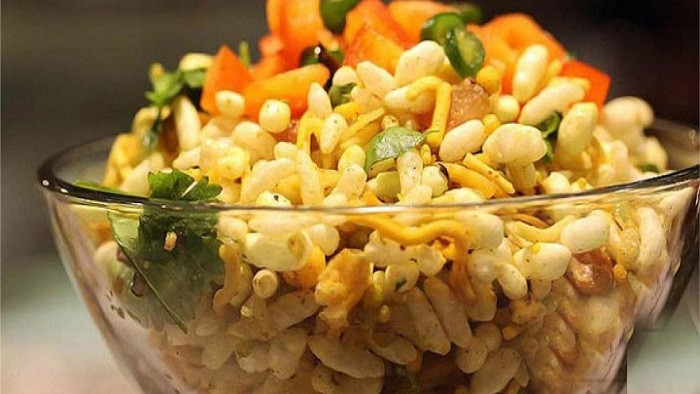
Jhalmuri is Bangladesh's answer to a quick, light snack — it takes 60 seconds to make, costs almost nothing, and delivers a perfect combination of crunch, spice, and freshness. The vendor mixes everything in a tin bowl or plastic bag with practiced efficiency, the mustard oil giving the puffed rice a nutty coating that keeps the spices clinging to every grain. The chanachur adds extra crunch and deeper savory spice. Eaten while walking, from a paper cone or small newspaper packet — that is the only correct way to eat Jhalmuri. A vendor who makes it too far in advance and lets it go soggy should be avoided.
12. Bakarkhani (বাকরখানি):
বাকরখানি | Old Dhaka Layered Flatbread from the TandoorBakarkhani: A large, crispy, multi-layered flatbread from Old Dhaka made with refined flour, ghee, and a touch of sugar, baked in a traditional tandoor oven — cracker-like in texture with a subtly sweet, buttery flavor.
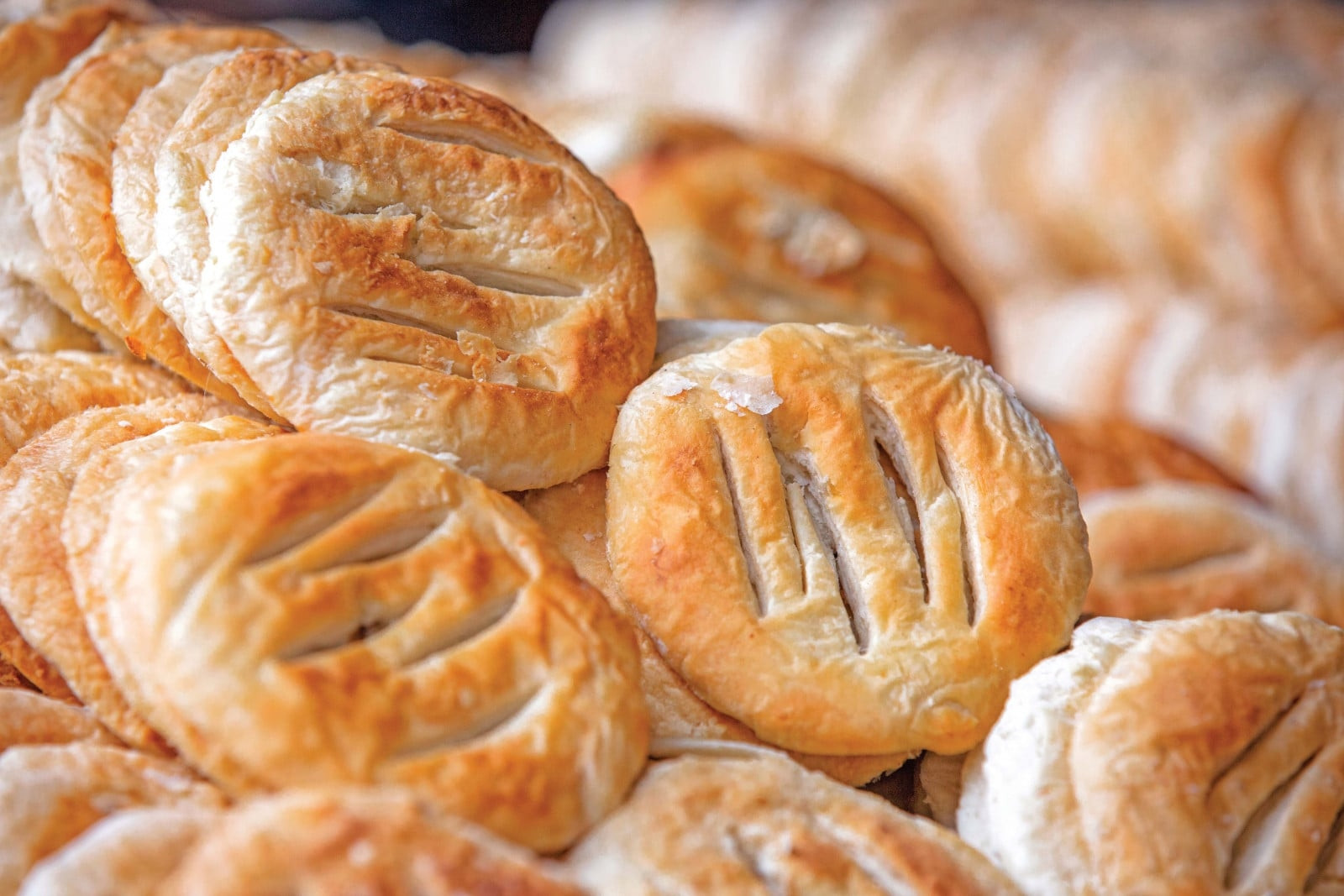
Bakarkhani is one of Old Dhaka's most historically significant foods — a bread with Mughal-era roots, still baked in traditional tandoor ovens in the bakeries of Nazimuddin Road and Chawkbazar. The dough is rolled thin, folded with ghee in multiple layers, and baked until the surface blisters and becomes extraordinarily crisp. It is harder and crunchier than a paratha, almost like a thick savoury cracker. In Old Dhaka, Bakarkhani is eaten at breakfast with halim or with a cup of heavily spiced milk tea. During Ramadan, it is a centerpiece of the famous Chawkbazar iftar food bazaar — one of Asia's most spectacular food events — where thousands of pieces are made daily.
13. Bhorta (ভর্তা):
ভর্তা | Mashed Seasoned Condiment (20+ varieties)Bhorta: A category of Bangladeshi mashed condiments — made from vegetables, fish, or dried fish — pounded with raw mustard oil, raw onion, green chili, and sometimes dried red chili, eaten as a side dish with steamed rice.
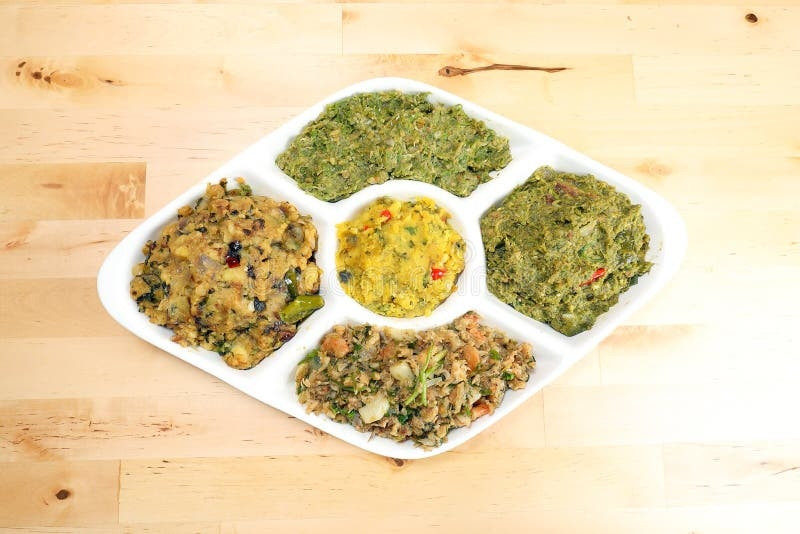
Bhorta is the backbone of everyday Bangladeshi eating — no rice meal is complete without at least one. The most popular varieties include Aloo Bhorta (mashed potato — the simplest and most universal), Begun Bhorta (charcoal-roasted eggplant, smoky and complex), Shutki Bhorta (dried fish — intensely pungent and deeply loved), Ilish Bhorta (mashed hilsa with mustard oil), and Dal Bhorta (mashed lentils). The raw mustard oil is non-negotiable and irreplaceable — it is what makes Bhorta taste like Bangladesh and nothing else on earth. A humble meal of plain rice, three Bhortas, and a bowl of Masoor Dal is what most Bangladeshis eat for lunch every day — and it is deeply satisfying.
14. Malai Cha (মালাই চা):
মালাই চা | Old Dhaka Creamy Layer TeaMalai Cha: A thick, intensely sweet and creamy tea made by simmering whole milk directly with tea leaves until reduced to a velvety consistency, topped with a floating layer of fresh cream (malai) — unique to Old Dhaka.
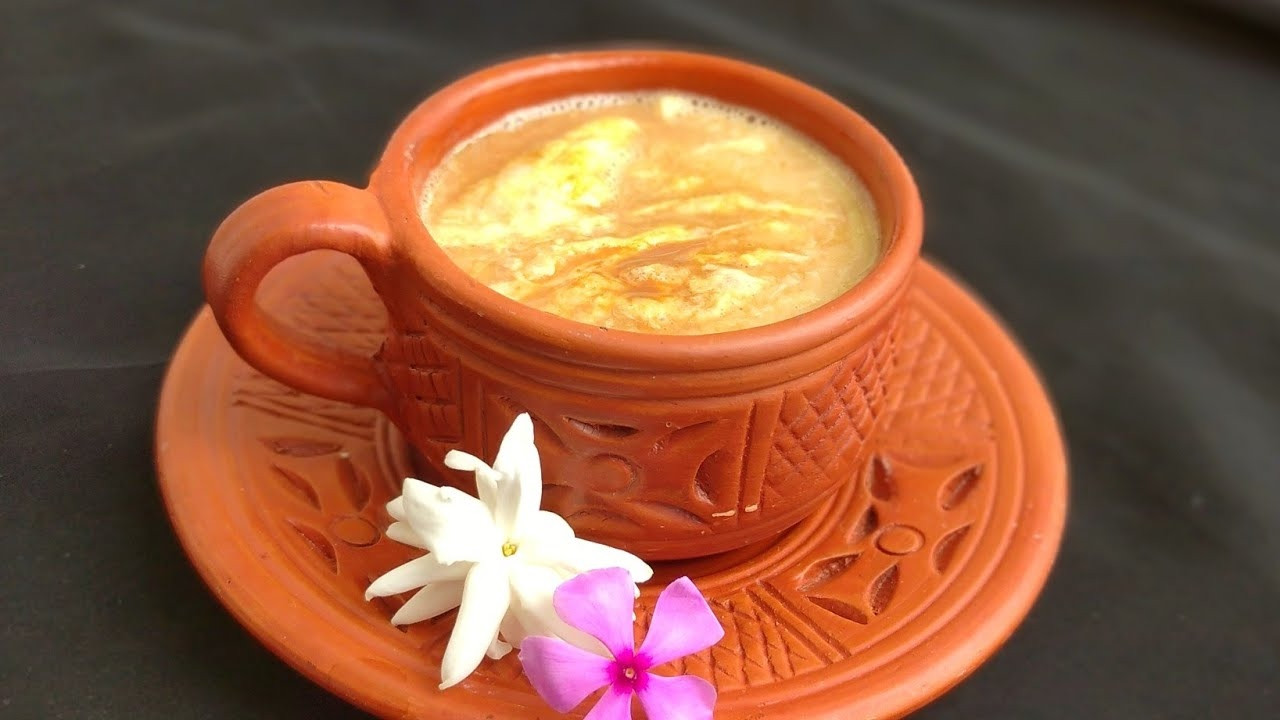
Malai Cha is Old Dhaka's greatest liquid contribution to Bangladeshi food culture. Unlike regular milk tea where water is brewed first, in Malai Cha the milk itself is simmered slowly for up to 30 minutes with the tea leaves, concentrating the lactose into a naturally sweet, caramel-like base of extraordinary richness. The malai (cream layer that forms on slowly simmered full-fat milk) floating on top adds a final, indulgent creaminess. Served in small clay cups (bhar) that impart a faint earthy, mineral note, Malai Cha is drunk standing at roadside stalls in the narrow lanes of Old Dhaka — a centuries-old tradition.
15. Piyaju (পেঁয়াজু):
পেঁয়াজু | Masoor Dal & Onion FrittersPiyaju: Crispy fritters made from ground masoor dal (red lentil) batter mixed with thinly sliced onion, green chili, and spices — deep-fried until golden and served piping hot.
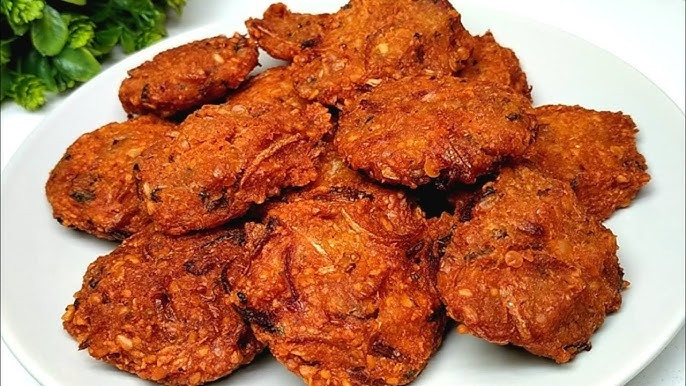
Piyaju is the lentil-based cousin of Beguni (eggplant fritter) and the two are almost always sold together at iftar stalls. The soaked and coarsely ground red lentil batter creates a denser, earthier fritter than chickpea-based varieties. The onion caramelizes inside the batter during frying, adding sweetness. The Bangladesh government's Trade and Consumer Rights Directorate monitors Piyaju prices during Ramadan to prevent vendor profiteering — a measure of how culturally essential this fritter is to the national iftar tradition.
16. Roasted Sweet Corn (ভুট্টা ভাজা):
ভুট্টা ভাজা | Charcoal-Roasted Corn on the CobBhutta Bhaja: Fresh corn on the cob roasted directly over charcoal embers, then rubbed with a cut lemon dipped in chili powder and black salt — an irresistible evening street snack.
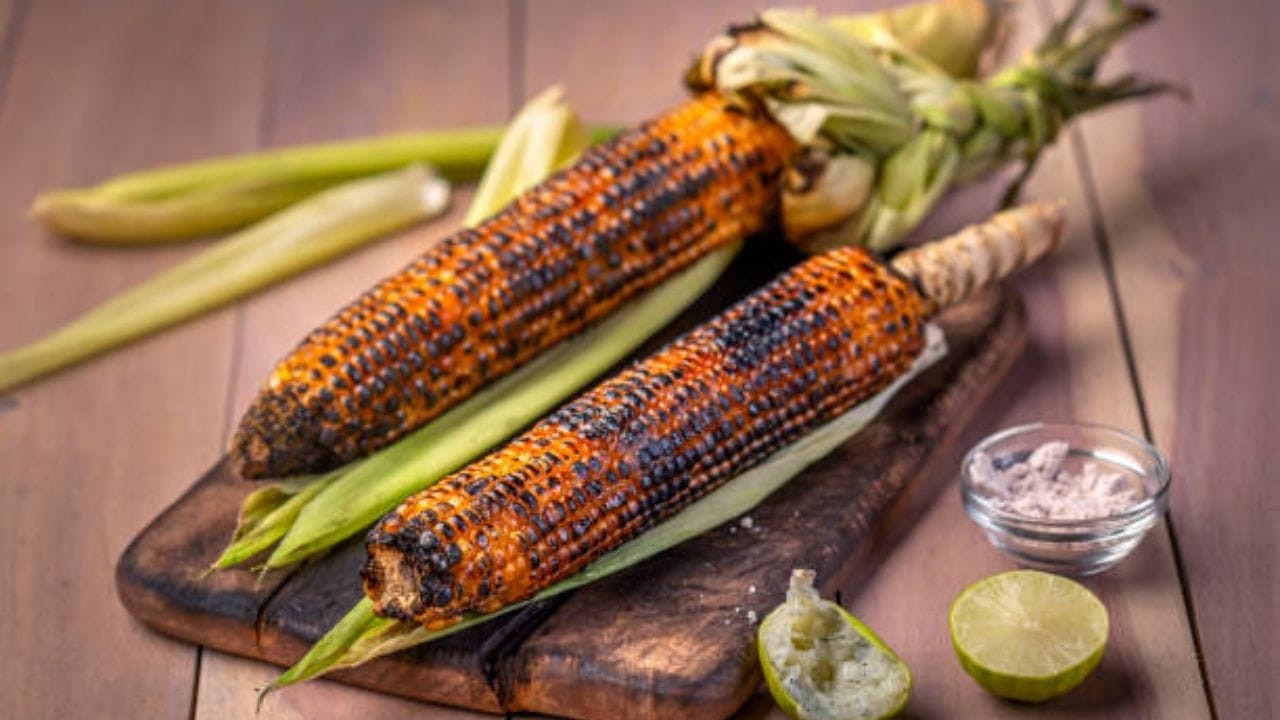
Roasted corn vendors set up charcoal braziers at parks, riversides, and busy intersections every evening across Bangladesh. The corn is turned slowly over the coals until charred in patches, concentrating the sweetness. Then the vendor rubs a cut lemon across the kernels — the citric acid pops the spices into every crevice — sprinkles chili and salt, and hands it over wrapped in the dried husk. Standing at Hatirjheel lakeside in Dhaka eating roasted corn while watching the sunset is quintessential Bangladesh evening culture.
17. Badam Boot (বাদামবুট):
বাদামবুট | Boiled & Roasted PeanutsBadam Boot: Freshly boiled or roasted peanuts sold in paper cones by vendors at parks, fairs, and markets — lightly salted, sometimes spiced with chili flakes.
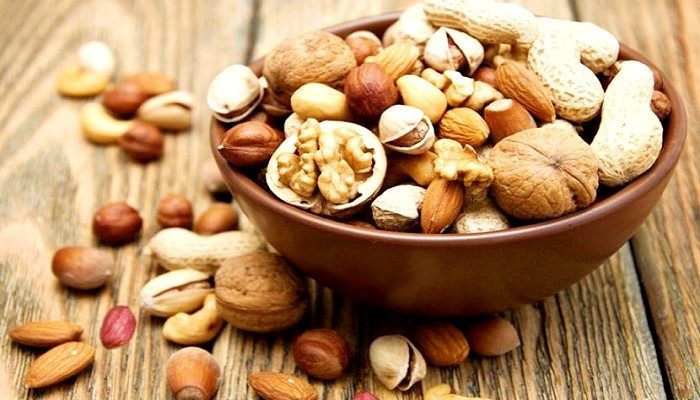
Badam Boot vendors are a permanent fixture at every public gathering in Bangladesh — parks, fairs (mela), cricket stadiums, riverside ghats. The boiled version, still warm in the shell, slightly salty and tender, is especially popular in winter. Vendors carry their stock in baskets or push flat carts, calling out "Badam! Badam!" as they walk. It is one of Bangladesh's most democratic street foods — eaten by schoolchildren and executives alike, under a tree, at the end of a day.
18. Paan (পান):
পান | Betel Leaf PreparationPaan: A betel leaf filled with a combination of areca nut (supari), slaked lime (chun), and sweet or savory fillings — coconut, fennel, cardamom, rose syrup, or tobacco — folded into a triangular parcel and chewed slowly as a digestive after meals.
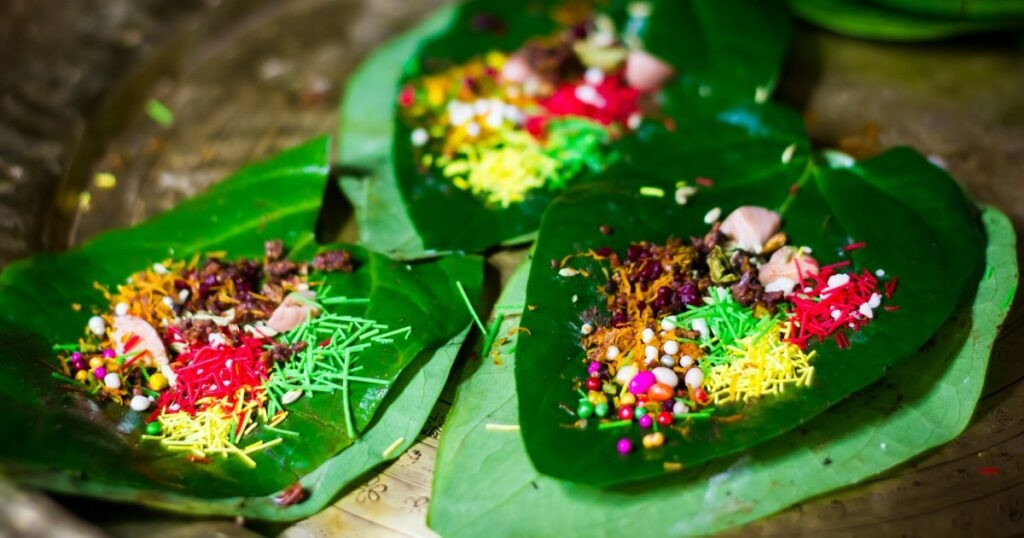
Paan is not just a food — it is a gesture of hospitality in Bangladeshi culture. Offering Paan to a guest after a meal is a sign of respect and welcome. Mishti Paan (sweet paan) uses coconut, rose syrup, fennel, and cardamom for a refreshing sweetness, while Sada Paan (plain paan) is more astringent. Paan shops (paaner dokan) are found on virtually every street in Bangladesh, often elaborately decorated, and function as informal social gathering spots. The paan-wallah's speed and artistry in folding the leaf is part of the performance.
19. Hawai Mithai (হাওয়াই মিঠাই):
হাওয়াই মিঠাই | Cotton Candy / Spun SugarHawai Mithai: Bangladeshi cotton candy — spun sugar in vivid pink or white clouds on a bamboo stick. "Hawai" means "air" in Bengali, describing the ethereal, cloud-like texture that dissolves on the tongue instantly.

Hawai Mithai is the taste of Bangladeshi childhood fairs (mela). The vendor spins the machine dramatically, building up enormous pink clouds of sugar on a bamboo stick, the spun sugar dissolving on the tongue within milliseconds of contact. No Eid mela, Pohela Boishakh fair, or annual school picnic in Bangladesh is complete without Hawai Mithai. It represents a category of Bangladeshi street sweets tied entirely to the joy of public occasions — its value is as much emotional as culinary.
20. MIx Fruit Juices (তাজা ফলের জুস):
আখের রস | Pressed Sugarcane & Seasonal Fruit JuicesAkher Rosh: Freshly pressed juice of sugarcane stalks run through large mechanical rollers — served ice-cold, optionally flavored with ginger, lemon, or black salt. Also includes seasonal fresh juices of mango, pineapple, and watermelon.
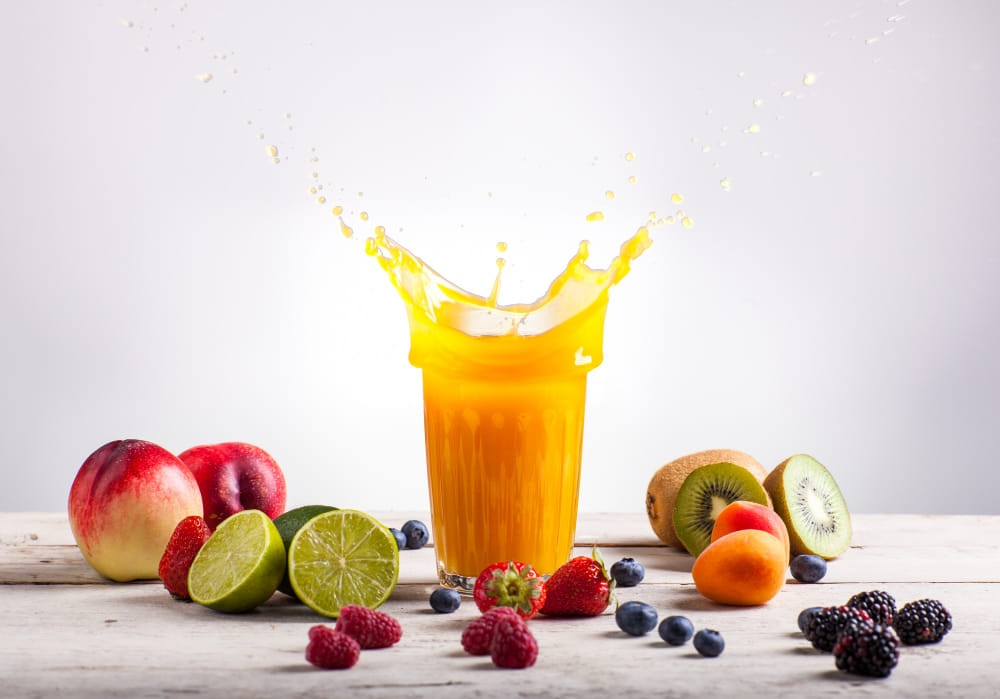
Mixed fruit juice stalls appear across Bangladesh like small bursts of color against busy streets — pyramids of oranges, apples, papayas, pineapples, watermelons, and bananas stacked high beside humming blenders. Vendors work with practiced speed, peeling, slicing, and blending fruits to order, often adding a squeeze of lime or a handful of ice to soften the summer heat. The result is a thick, vibrant drink that changes with the seasons: mango and lychee dominate in summer, guava and orange in cooler months. Office workers stop for a glass in the afternoon, students gather after class, and families order it during evening outings, turning a simple juice into part of everyday life.
Top 11 Bangladeshi Main Dishes:
21. Kacchi Biryani (কাচ্চি বিরিয়ানি) ⭐ Bangladesh's #1 Dish:
কাচ্চি বিরিয়ানি | Raw Mutton & Basmati Slow-Cooked BiryaniKacchi Biryani: Bangladesh's most celebrated rice dish — raw (kacchi) mutton marinated in yogurt, spices, and raw papaya is layered with parboiled basmati rice in a sealed clay pot (handi) and slow-cooked together over gentle heat for 3–4 hours, so the rice absorbs every drop of the meat's juices and aromatics.
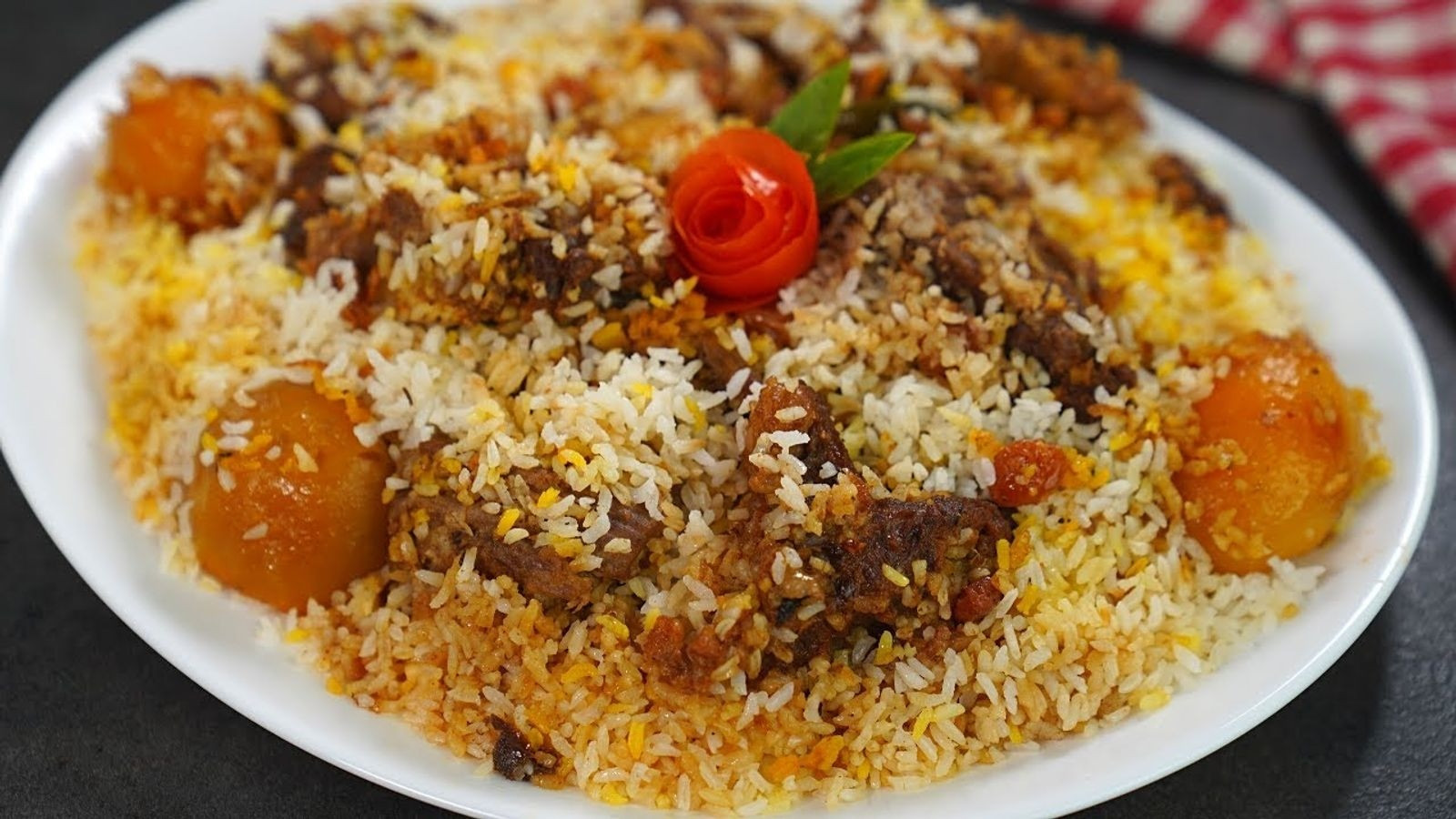
Kacchi Biryani is the undisputed king of Bangladeshi cuisine. The word kacchi (raw) refers to the crucial technique: unlike other biryanis where meat is pre-cooked before adding rice, in Kacchi Biryani the raw marinated mutton is cooked together with the rice in a single sealed vessel. All the meat's natural juices, fat, and flavor compounds are absorbed directly into the rice during cooking — creating grains that are individually coated in an intensely flavored, slightly glossy layer that is unlike any other biryani in the world.
Each plate comes with a piece of mutton so tender it falls from the bone at the touch of a spoon, one large potato (aloo) that has absorbed the biryani spices entirely, and a garnish of fried onion (birista) and saffron. A wedding in Bangladesh without Kacchi Biryani is simply unthinkable — it is the ultimate expression of hospitality and celebration in Bangladeshi culture.
- Haji Biryani— Nazimuddin Road, Old Dhaka (since 1939, the original)
- Star Kabab & Restaurant— Puran Dhaka
- Al-Razzaque— Old Dhaka
- Fakhruddin— multiple branches across Dhaka
- Alauddin Biryani— Chawkbazar, Old Dhaka
22. Shorshe Ilish (সর্ষে ইলিশ) 🇧🇩 National Dish:
সর্ষে ইলিশ | Hilsa Fish in Mustard Seed CurryShorshe Ilish: Bangladesh's national fish — Hilsa (Ilish) — lightly cooked in a pungent gravy of freshly ground yellow and black mustard seeds, mustard oil, green chili, and turmeric. Arguably the single dish that most completely represents the taste of Bangladesh.
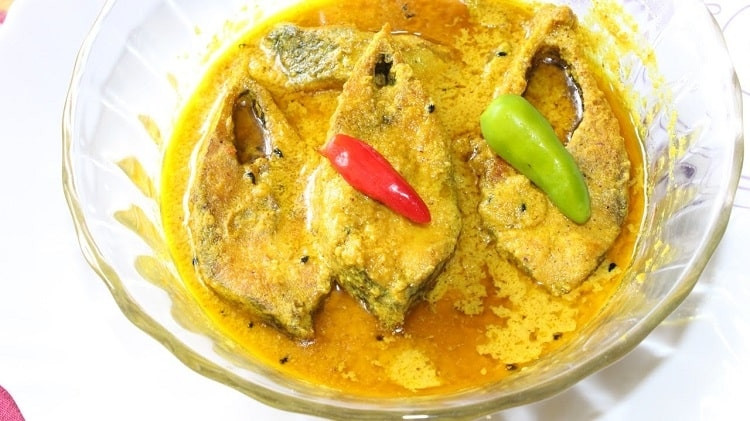
Shorshe Ilish is the taste of Bangladesh in a single dish. Hilsa (Ilish) is the country's national fish — Bangladesh accounts for approximately 70% of global Hilsa catch, primarily from the Padma, Meghna, and Jamuna rivers. The fish has an exceptionally oily, rich flesh with a complex, almost nutty flavor profile that is enhanced — not masked — by the pungency of the mustard gravy. The mustard must be freshly ground at home from whole seeds: dried mustard powder or pre-made paste creates a fundamentally inferior result.
The dish is prepared with restraint: just mustard paste, mustard oil, turmeric, green chili, and a tiny amount of water — nothing more. Hilsa is so naturally flavorful that over-spicing would be a culinary crime. Eaten with steamed white rice, the combination is profoundly satisfying. On Pohela Boishakh (Bengali New Year, April 14), eating Panta Ilish (fermented rice with fried Hilsa) is a national tradition — restaurants across Bangladesh serve it as a special menu, and the dish is considered a symbol of Bangladeshi cultural identity.
23. Bhuna Khichuri (ভুনা খিচুড়ি):
ভুনা খিচুড়ি | Roasted Lentil & Rice Comfort DishBhuna Khichuri: Rice and roasted mung dal (lentils) cooked together with ghee, ginger, and aromatic spices until thick and comforting — Bangladesh's definitive rainy-day and festival meal, always served with Beguni, Alur Dom, and pickle.
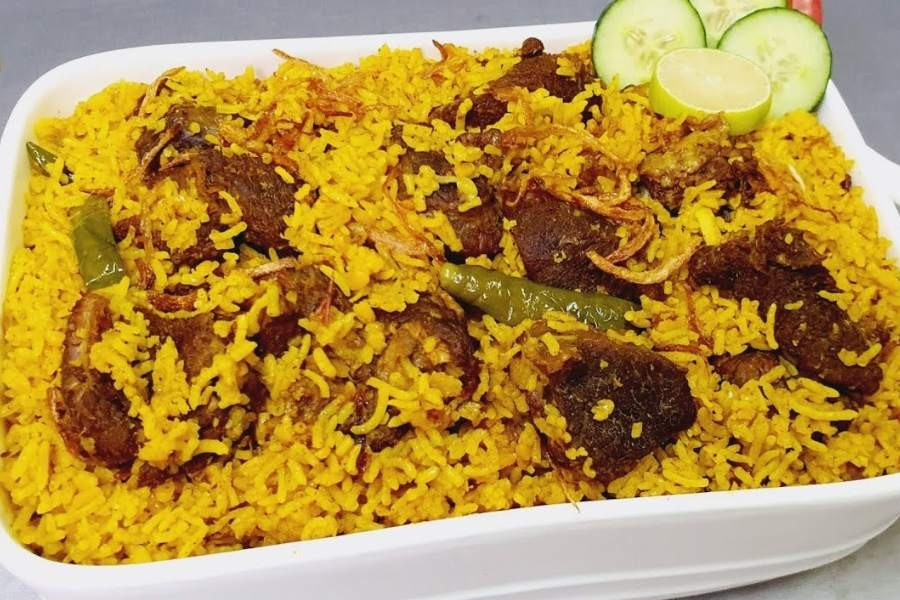
Khichuri is Bangladesh's definitive comfort food. The "bhuna" (roasted) version uses dry-toasted mung dal, which imparts a deeper, nuttier flavor than unroasted lentils. The rice and lentils are cooked until they merge into a thick, porridge-like consistency — similar to a Bangladeshi congee. The required accompaniments are culturally non-negotiable: Beguni (eggplant fritter), Alur Dom (spiced potato), Begun Bhorta (mashed roasted eggplant), and mixed pickle. During Eid-ul-Adha, Khichuri with beef is served at mass community feasts. On stormy monsoon afternoons, Bangladeshis across the country make the same meal simultaneously — an informal national ritual.
24. Panta Ilish (পান্তা ইলিশ):
পান্তা ইলিশ | Fermented Rice with Fried HilsaPanta Ilish: Overnight-fermented rice (panta bhat) soaked in cold water, served with fried Hilsa fish, raw onion, green chili, dried red chili, and a drizzle of mustard oil — the traditional dish of Pohela Boishakh (Bengali New Year, April 14).
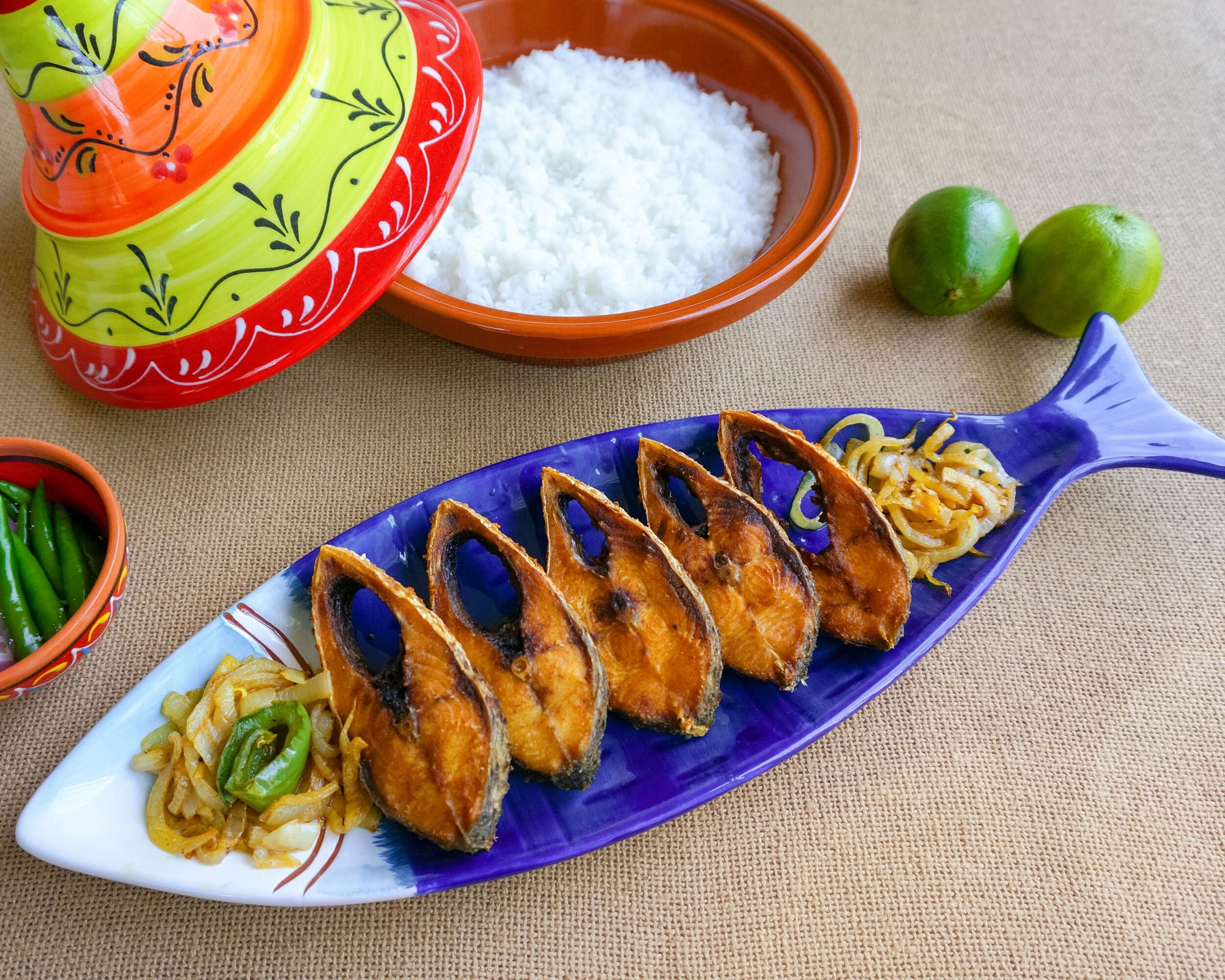
Panta Bhat (fermented rice) is made by soaking leftover cooked rice in water overnight, allowing natural fermentation to begin. The result is a cooling, slightly sour rice traditionally eaten by farmers before long days in the summer heat — fermentation increases the rice's bioavailability of iron, potassium, and B vitamins. On Pohela Boishakh, eating Panta Ilish is a national act of cultural identity — restaurants serve it as a special menu item, homes prepare it in the morning, and the combination of sour fermented rice with crispy fried Hilsa, raw onion, and mustard oil is understood as the definitive taste of Bengali culture, history, and continuity.
25. Morog Polao (মোরগ পোলাও):
মোরগ পোলাও | Aromatic Chicken & Basmati RiceMorog Polao: Fragrant basmati rice cooked with free-range chicken (traditionally rooster — morog), caramelized onion, ghee, and whole spices including cinnamon, cardamom, and cloves.
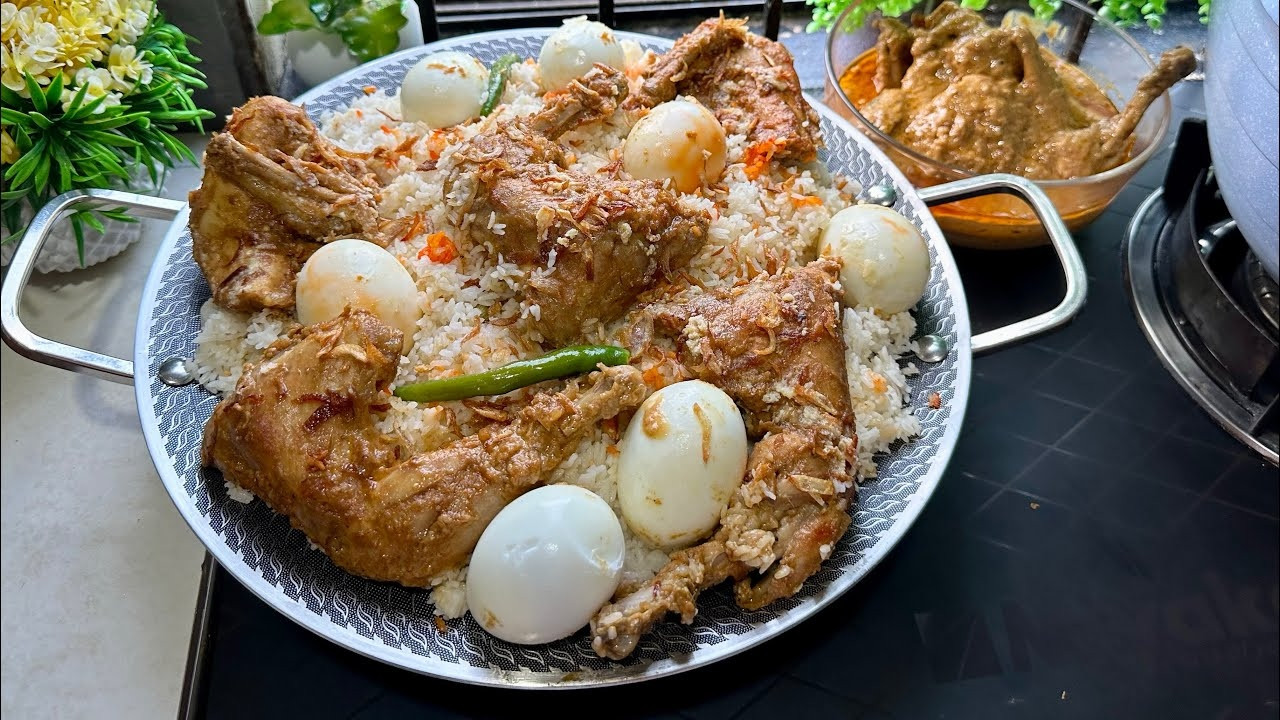
Morog Polao holds a distinct place as the "everyday celebration rice" — less formal than Kacchi Biryani but more special than plain rice. The use of deshi morog (local free-range rooster) is strongly preferred because the tougher, slower-grown flesh of a free-range bird produces far superior flavor than supermarket chicken. The goal of Morog Polao is fragrance rather than spice heat — the rice should smell of ghee, cardamom, and slow-cooked chicken, with a clean, golden color. It is what Bangladeshi hosts serve when they want to honor a guest warmly without the full effort of Kacchi Biryani.
26. Chingri Malai Curry (চিংড়ি মালাই কারি):
চিংড়ি মালাই কারি | Giant Prawn in Fresh Coconut Cream CurryChingri Malai Curry: Large freshwater or sea prawns cooked in a rich, lightly spiced gravy of fresh coconut milk, mustard oil, onion, ginger, and turmeric — a delicate, creamy curry with natural sweetness from the coconut.
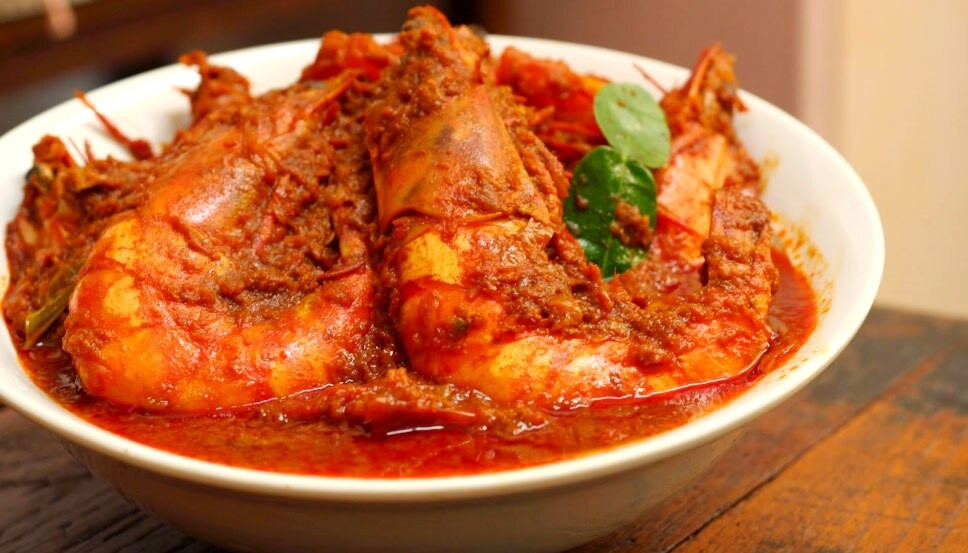
Chingri Malai Curry is Bangladesh's most elegant fish dish — a study in delicacy rather than boldness. The Galda chingri (giant freshwater prawn) from the Sundarbans mangrove region is the prestige ingredient: a single large Galda prawn can weigh 200–300g and commands a premium price. Freshly pressed coconut milk — not canned — is essential: it gives the gravy a natural sweetness and body that transforms the simple spice base into something creamy and complex. This is a dish that rewards high-quality ingredients with extraordinary results.
27. Haleem / Halim (হালিম):
হালিম | Slow-Cooked Meat & Grain StewHaleem: A thick, rich stew of shredded beef or mutton slow-cooked for 6–8 hours with lentils, wheat, and barley until the meat dissolves and grains merge into a deep, cohesive, porridge-like mass.
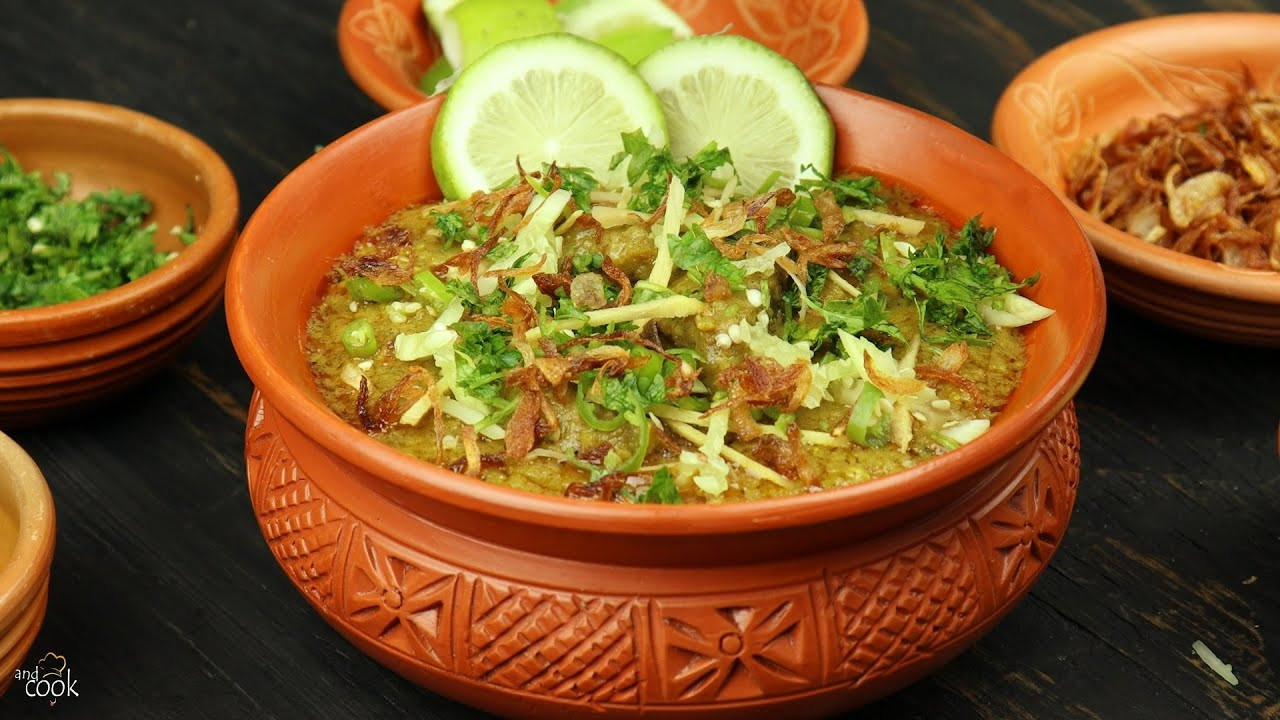
Haleem is Ramadan's definitive iftar main course in Bangladesh — rich, deeply nourishing, and substantial enough to sustain a fasting body from iftar (sunset) through to sehri (pre-dawn). The 6–8 hour cooking process completely breaks down the meat fibers into the grain base, creating a stew where meat and grains are completely integrated — a single, thick, intensely flavored mass. Served garnished with fried onions (birista), sliced green chili, fresh coriander, and a squeeze of lemon, with Bakarkhani bread on the side, Haleem is one of the great one-bowl meals of Bangladeshi cuisine.
28. Chorchori (চড়চড়ি):
চড়চড়ি | Dry Mixed Vegetables in Mustard SauceChorchori: A dry, lightly cooked medley of seasonal vegetables — eggplant, potato, pumpkin, okra, green banana — cooked together with mustard paste, turmeric, and nigella seeds in minimal oil until the vegetables caramelize slightly.
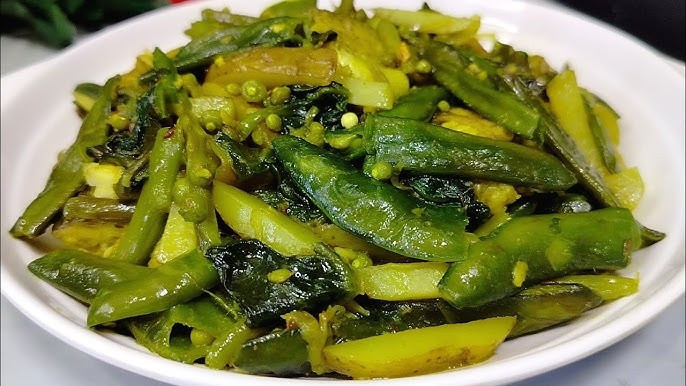
Chorchori is the philosophy of Bangladeshi vegetable cooking made visible. The technique deliberately avoids excess oil and water, instead allowing vegetables to cook in their own moisture and the heat of the mustard paste, developing a slightly caramelized, concentrated flavor that is far more complex than a simple vegetable curry. The mustard gives a pungent, almost wasabi-like sharpness that is very distinctly Bengali. Every home cook has their own Chorchori combination based on what seasonal vegetables are available — there are as many versions as there are Bangladeshi kitchens.
29. Masoor Dal (মসুর ডাল):
মসুর ডাল | Red Lentil Soup — The Daily StapleMasoor Dal: Red lentils cooked until soft and tempered (tarka) with a sizzling hot mixture of fried onion, garlic, dried red chili, and mustard oil — the essential daily companion to rice in Bangladeshi meals.
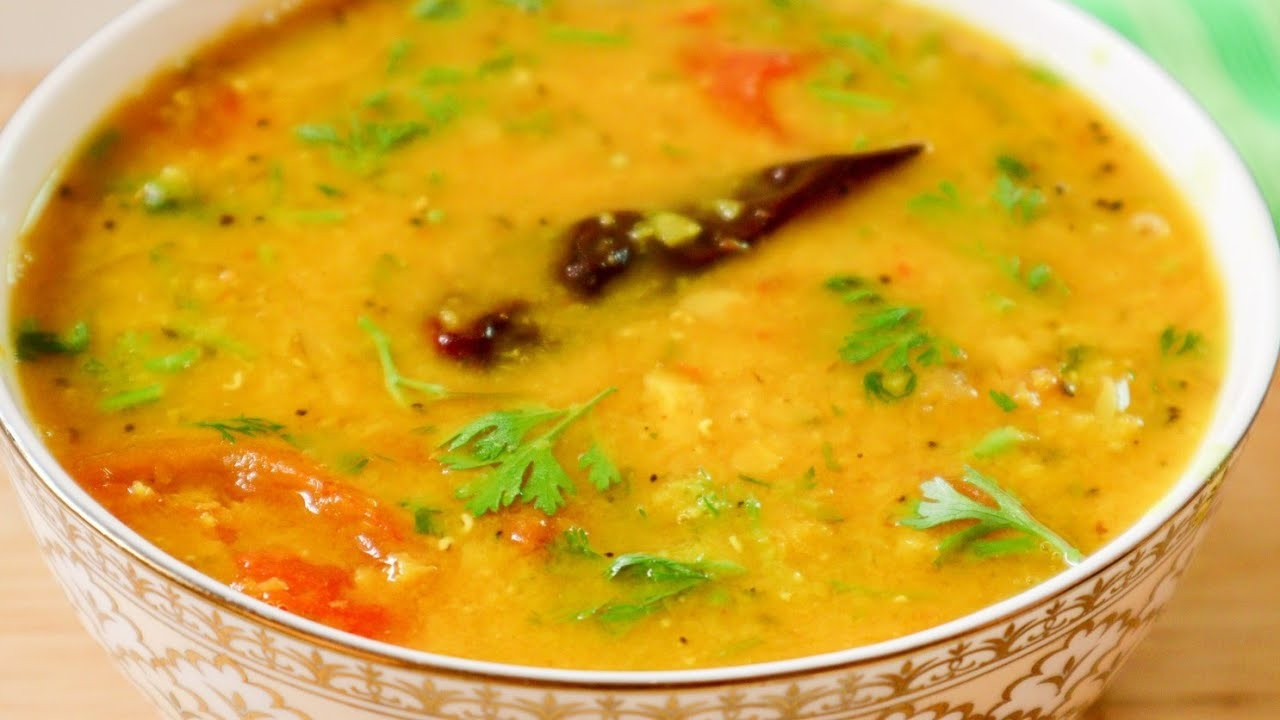
If Kacchi Biryani is the king of Bangladeshi food, Masoor Dal is its soul. This simple lentil soup is eaten at almost every Bangladeshi meal — it ties together the fish, vegetable, and rice components of a typical plate. The tarka technique — pouring a small amount of sizzling oil with fried onion, dried chili, and garlic directly onto the cooked dal — creates an instant smoke and transforms plain boiled lentils into something deeply savory and aromatic. The sound and smell of tarka being poured is one of the most evocative domestic sounds of Bangladesh.
30. Tehari (তেহারি):
তেহারি | Beef & Rice One-Pot DishTehari: A one-pot rice dish of beef (or mutton) cooked with parboiled rice, generous turmeric, whole spices, and onion — simpler and more pungently spiced than biryani, with a characteristic deep yellow color.
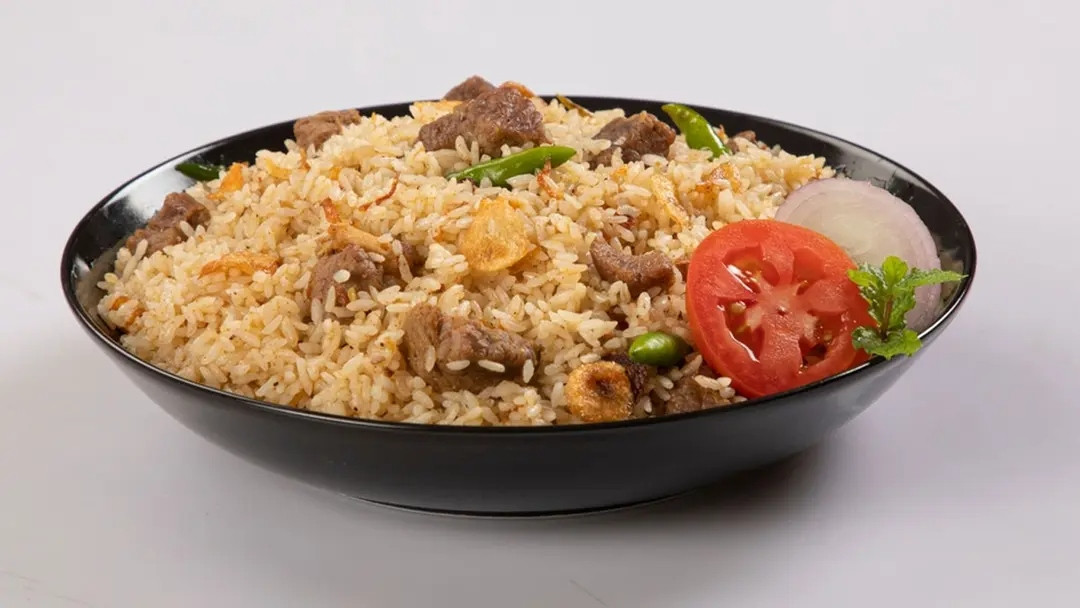
Tehari is Biryani's more rustic, working-class cousin — created in Mughal-era military kitchens as a quicker, simpler rice-and-meat preparation. Old Dhaka has preserved Tehari culture best: the Tehari shops of Nazimuddin Road operate from dawn, cooking enormous pots of the golden rice. By 8 AM, workers and traders are already eating Tehari and red tea for breakfast before their day at the market. The flavor profile is bolder and less refined than Biryani — the turmeric is much more assertive — but the dish is deeply satisfying, especially in a small Old Dhaka restaurant on a busy weekday morning.
31. Dum Aloo / Aloor Dum (দম আলু):
দম আলু | Whole Potatoes in Sealed Spiced GravyAloor Dum: Small whole potatoes, deep-fried until their skin blisters and crisps, then slow-cooked (dum — sealed) in a rich gravy of onion, tomato, yogurt, and whole spices until the potato absorbs all the sauce's flavors completely.
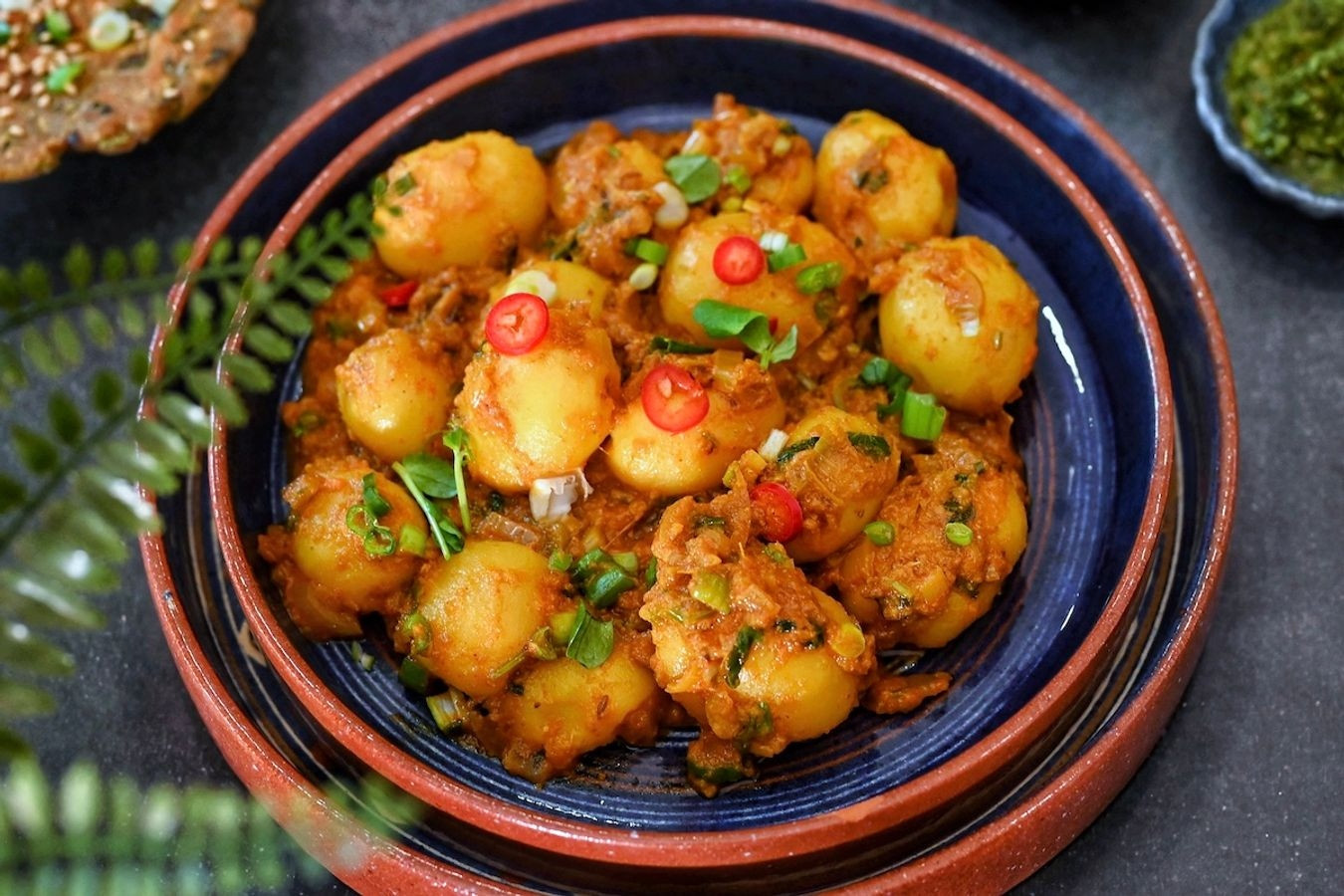
Aloor Dum is one of Bangladesh's most versatile dishes — a breakfast accompaniment to Luchi, a side dish at a wedding feast, and a satisfying vegetarian main in its own right. The dum technique (sealing the cooking vessel with dough or a tight lid) creates a pressurized environment that forces the spiced gravy into the potato completely, transforming a simple starch into something rich and complex. The initial deep-frying of the potato creates a slightly blistered skin that holds the gravy and provides textural contrast against the soft interior.
Top 4 Traditional Bangladeshi Desserts:
32. Narkel Naru (নারকেল নাড়ু):
নারকেল নাড়ু | Coconut Laddu with Date Palm JaggeryNarkel Naru: Small, dense balls made from freshly grated coconut cooked with date palm jaggery (khejur gur) or sugar and cardamom until the mixture dries enough to be shaped — Bangladesh's most iconic festival sweet.
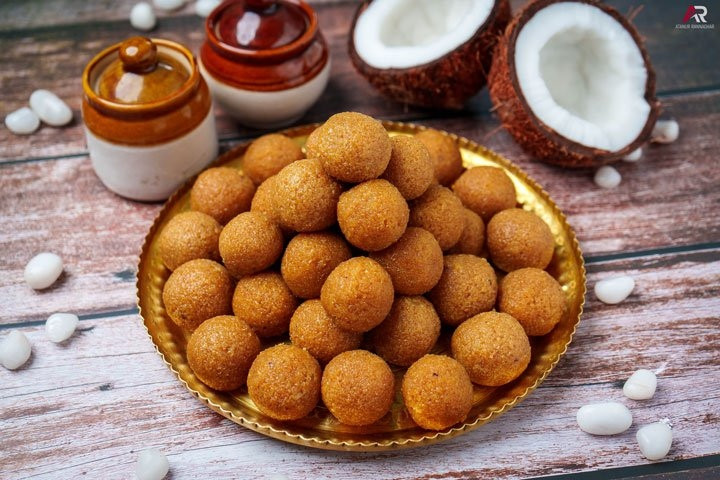
Narkel Naru made with khejur gur (date palm jaggery, available only in winter months) is categorically superior to the sugar version — the jaggery adds a smoky, caramel depth and a slightly grainy texture that makes each bite genuinely complex. Home-made Narkel Naru distributed among neighbors during Eid is a tradition that continues across Bangladesh, particularly in rural areas. The smell of grated coconut and jaggery cooking together in a kadai is one of Bangladesh's most evocative festival aromas — it signals celebration and the coming together of family.
33. Jilapi / Jalebi (জিলাপি):
জিলাপি | Fermented Spiral Fritters in Sugar SyrupJilapi: Spiral-shaped fritters made from fermented wheat flour batter piped in continuous spirals into hot oil, fried until crisp and golden, then immediately soaked in a saffron-scented sugar syrup until sticky and intensely sweet.
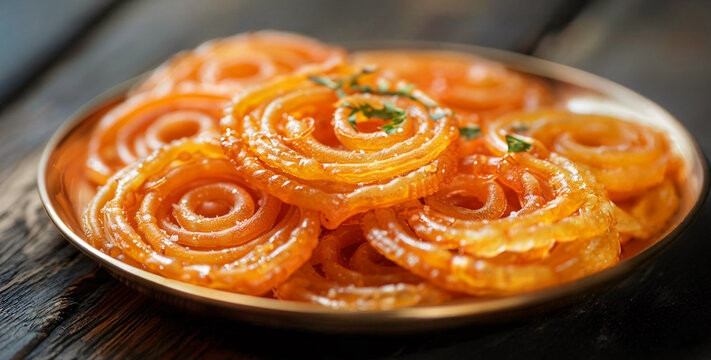
Jilapi-making is a genuine craft. The batter must be fermented for 8–12 hours to develop the right tanginess, and the piping technique — squeezing batter through a cloth in a continuous spiral motion into boiling oil — requires years of practice to perfect. A skilled Jilapi maker can produce perfect, uniform spirals at impressive speed. The best Bangladeshi Jilapi has a slight fermented sourness that counterbalances the sweetness of the syrup; inferior versions that skip fermentation taste flat and one-dimensional. Always eat Jilapi hot — the contrast of warm crunch and sweet syrup is the entire point.
34. Bhapa Doi (ভাপা দই):
ভাপা দই | Steamed Condensed Milk Yogurt PuddingBhapa Doi: A silky-smooth steamed yogurt pudding made from strained yogurt whipped with condensed milk and sugar, steamed until set into a dense, creamy custard — one of Bangladesh's most refined desserts.
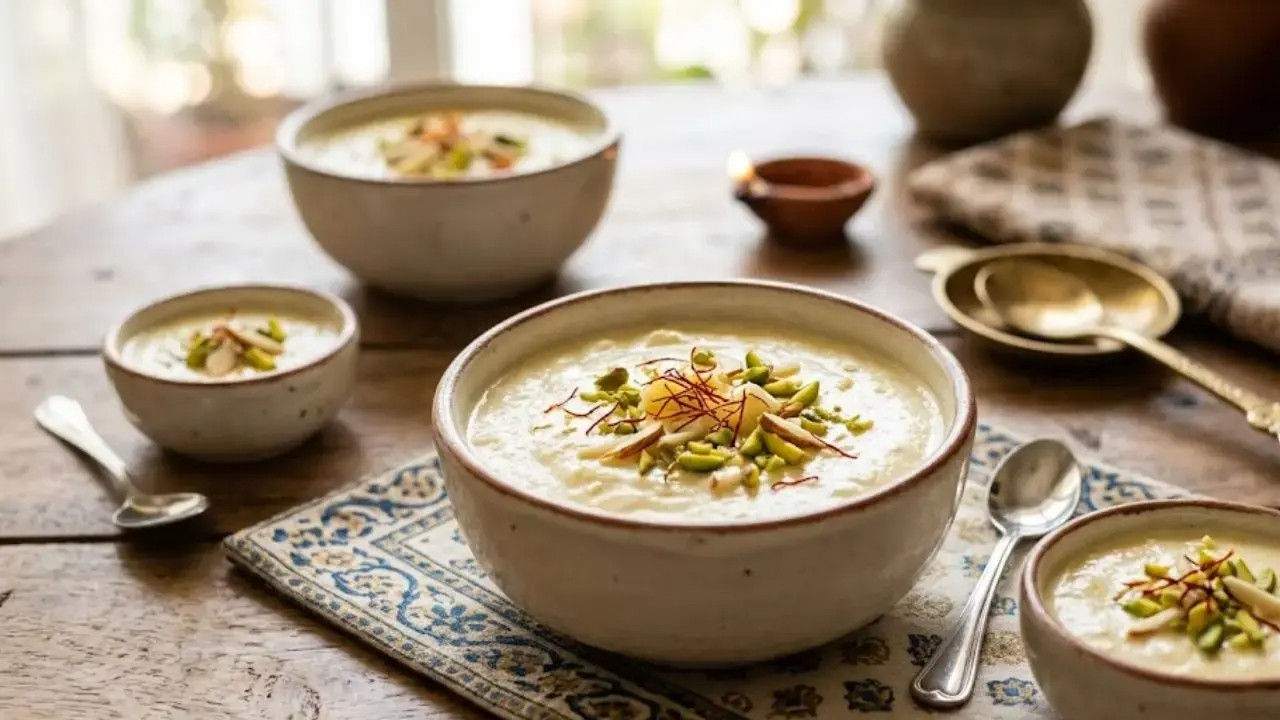
Bhapa Doi is Bangladesh's most sophisticated sweet — a dessert requiring quality ingredients, correct ratios, and careful technique. The quality of the base yogurt (thick, strained, slightly sour) and the ratio of condensed milk determine the final texture. Premium versions include a small amount of saffron, giving the surface a golden color and subtle floral aroma. Served chilled in small clay or ceramic pots, Bhapa Doi has the textural delicacy of a high-quality crème caramel. The best versions come from specialist sweet shops in Bogra and Comilla — regions with a centuries-long dairy and sweet-making tradition.
35. Rabri / Rabdi (রাবড়ি):
রাবড়ি | Slow-Reduced Full-Fat Milk DessertRabri: Full-fat milk simmered over very low heat for 2–3 hours, stirred continuously as skin layers form and are pushed to the sides, until reduced to roughly one-quarter volume — thick, sweet, and deeply dairy-flavored.
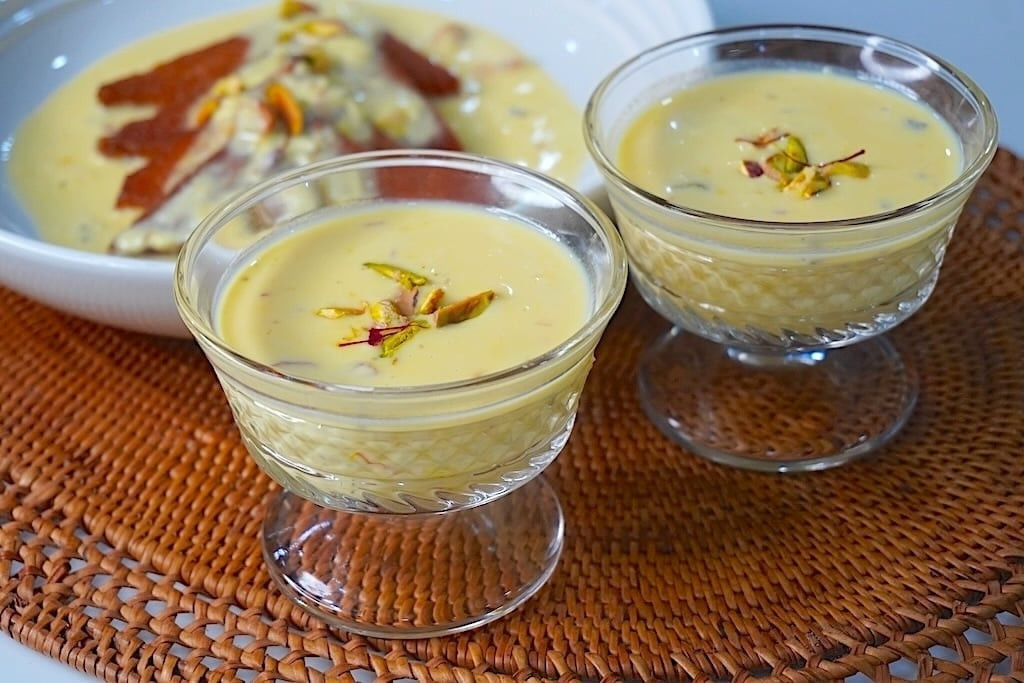
Rabri requires patience above all else. The long, slow reduction concentrates the milk solids into a thick, caramelized dessert with faint butterscotch notes, and the pushed-aside skin layers create an interesting, slightly chewy texture within the creamy base. Garnished with pistachios, saffron, and rose petals, Rabri is among the most labor-intensive Bangladeshi sweets to produce properly — which is why the best versions are found only at specialist dairies and top sweet shops, not in general restaurants.
Top 5 Traditional Bangladeshi Drinks:
36. Borhani (বোরহানি):
বোরহানি | Spiced Savory Yogurt DrinkBorhani: A cold, savory yogurt-based drink flavored with fresh mint, coriander, roasted cumin, black salt, and green chili — served cold with Kacchi Biryani at every Bangladeshi wedding as a digestive drink.
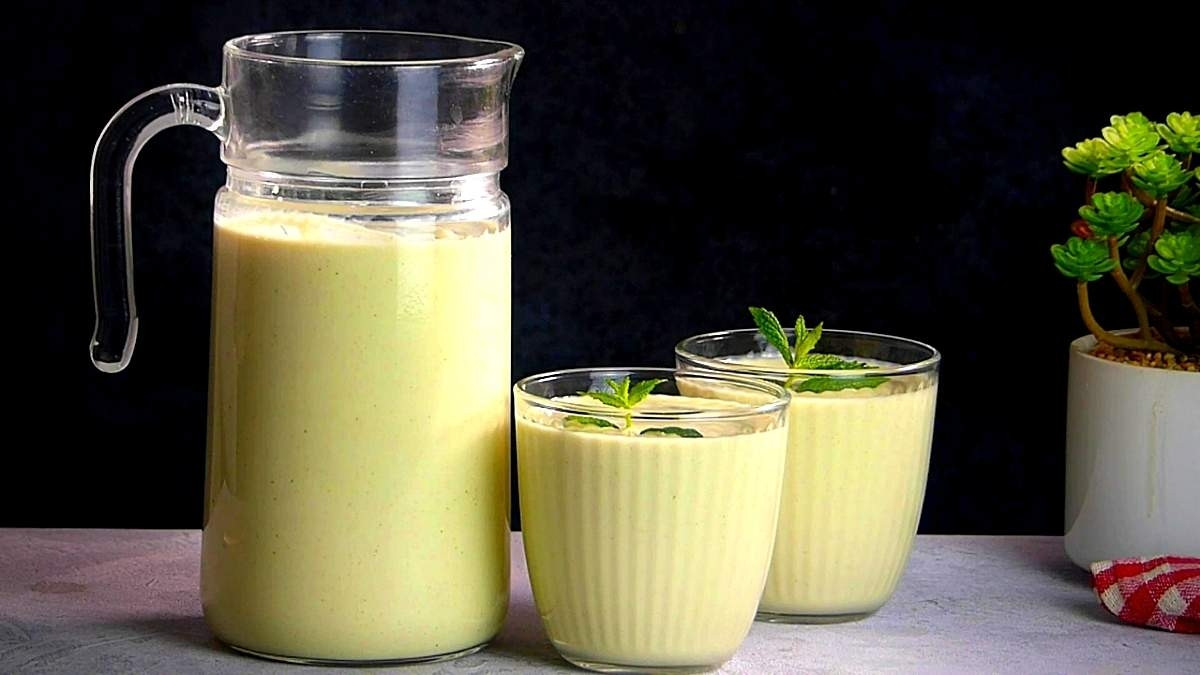
Borhani is served at every Bangladeshi wedding because it is the perfect counterbalance to Kacchi Biryani's richness. The cold, slightly sour yogurt with black salt and roasted cumin cuts through the fat of the biryani and stimulates digestion. The flavor is genuinely complex — savory from the yogurt and black salt, cooling from the mint, slightly spicy from green chili. It surprises many first-time visitors who expect something sweet after a biryani. Serving biryani without Borhani at a Bangladeshi wedding would be considered a serious lapse of hospitality.
37. Green Coconut Water (ডাবের পানি):
ডাবের পানি | Fresh Young Coconut WaterDabar Pani: The clear, slightly sweet liquid from young green coconuts (dab), served directly in the coconut shell with a straw — Bangladesh's most natural and hydrating summer drink.
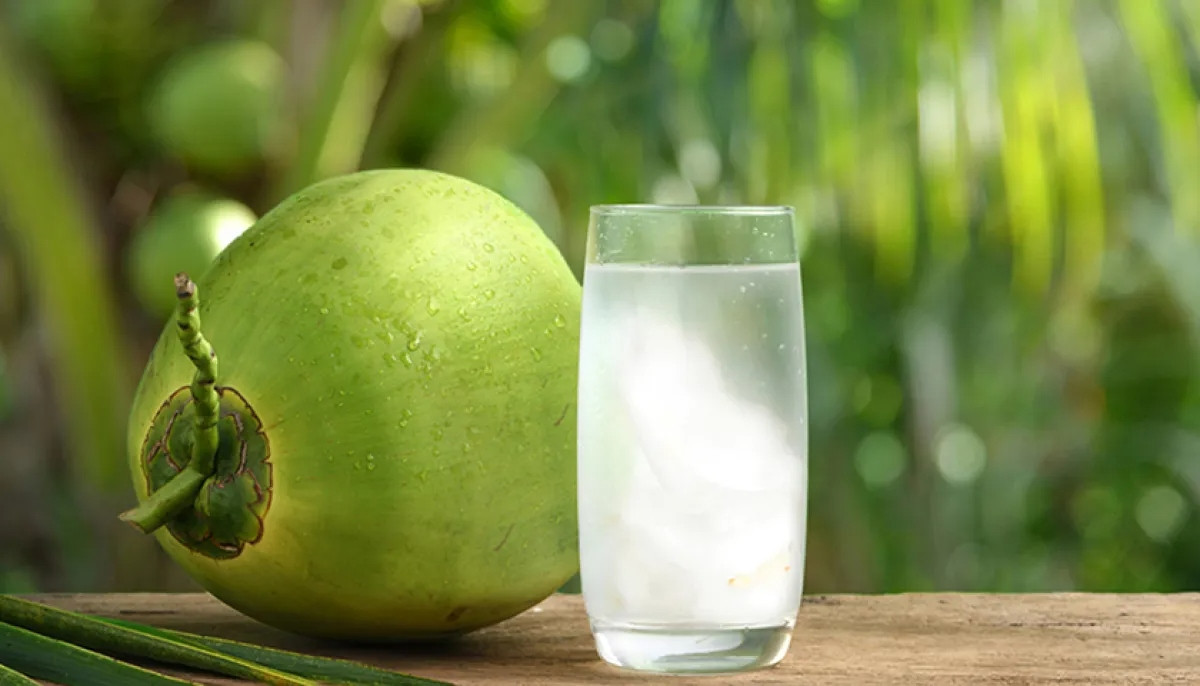
Coconut water (dabar pani) is both a drink and an experience in Bangladesh — vendors at roadsides and markets split open young green coconuts with a single confident machete blow, creating a natural bowl in the shell. The coconut water from coastal Bangladesh is particularly sweet and clean. After finishing the water, the tender coconut flesh (malai) scraped from inside is a bonus — soft, gelatinous, and faintly sweet. Along Cox's Bazar sea beach — the world's longest natural sandy beach — dabar pani is an essential companion to an afternoon walk by the water.
38. Sugarcane Juice (আখের রস):
আখের রস | Fresh-Pressed Sugarcane JuiceAkher Rosh: Freshly pressed juice of sugarcane stalks run through large mechanical rollers, served ice-cold — optionally flavored with ginger, lemon, or black salt for depth.
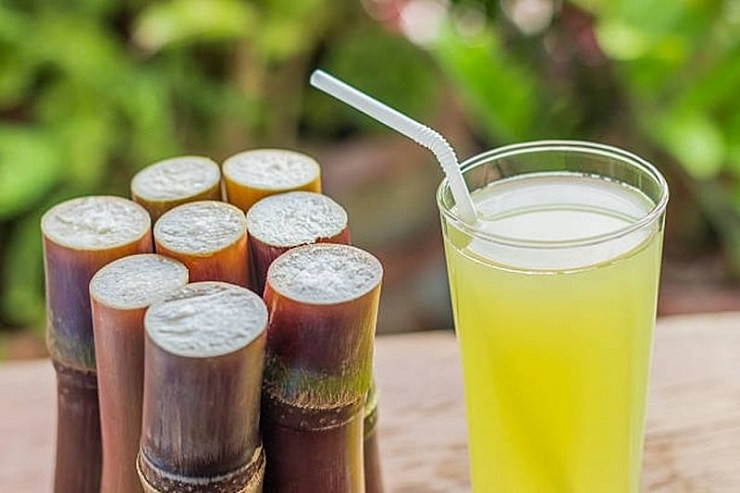
Sugarcane juice vendors with their large metal pressing machines are a permanent fixture at markets and street corners across Bangladesh. The cane stalks are fed through rollers multiple times to extract every drop, producing a cloudy, pale green juice. The critical rule: drink immediately. Within minutes of pressing, natural enzymes begin to change the flavor — so always watch your juice being pressed and drink it standing at the stall. The ginger-lemon version (ada-lebu akher rosh) is the most popular variation, and on a 38°C Dhaka afternoon, it is one of the most immediately restorative things you can drink.
39. Lassi (লাচ্ছি):
লাচ্ছি | Chilled Blended Yogurt DrinkBangladeshi Lassi: A thick, blended yogurt drink — sweet (mishti lassi) or salted (nona lassi) — made from freshly set local yogurt (doi), water, and sugar or salt, served cold in a tall glass.
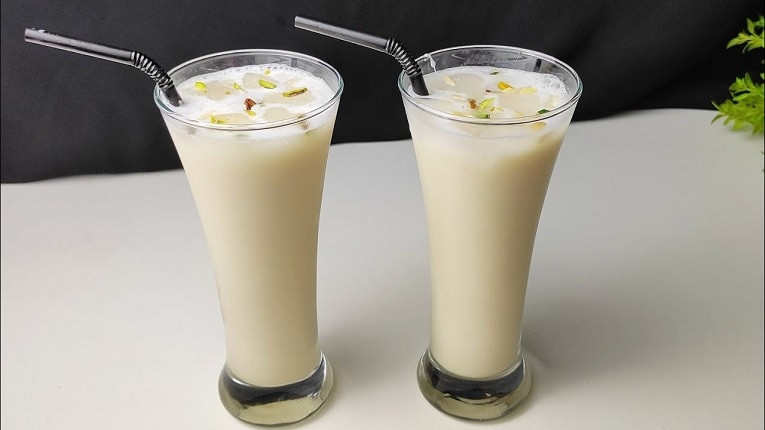
Bangladeshi Lassi uses locally set yogurt (doi) — which has higher fat content and more natural tartness than commercial yogurt — giving it a richer, more complex flavor. Aam Lassi (mango lassi) made with Bangladeshi Himsagar or Langra mangoes during the May–June season is exceptional — the mangoes carry a sweetness and aroma that makes the lassi intensely flavored without any additional sugar needed. Available at specialist sweet shops (mishti-r dokan) and restaurants across Bangladesh throughout the year; mango lassi only in season.
40. Fresh Mango Juice — Rajshahi Mango Season Special (আমের জুস):
আমের জুস | Fresh-Pressed Bangladeshi Mango JuiceBangladeshi Mango Juice (Amer Shorbot): Freshly blended Bangladeshi mango varieties — Himsagar, Langra, Fazli, or Amrapali — pressed with just water and a pinch of salt, served ice-cold during the strictly seasonal May–June window.
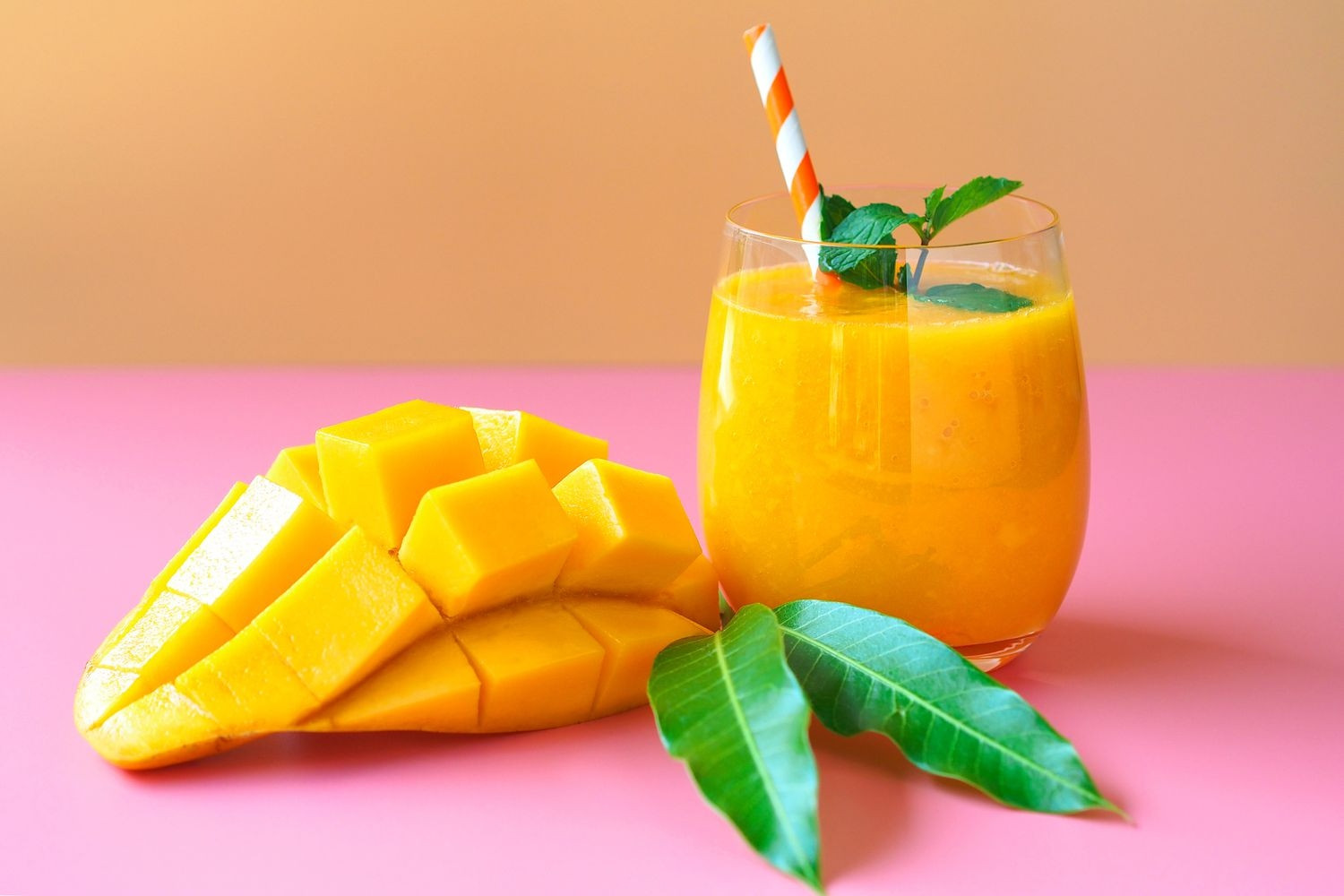
Bangladesh's mango season is a cultural event as much as an agricultural one. Rajshahi and Chapainawabganj divisions produce some of the world's finest mangoes, and during May–June, fresh mango juice stalls appear on virtually every street. The Himsagar mango — small, intensely sweet, with completely fiber-free flesh — produces a juice of extraordinary quality. Langra mangoes add a distinctive floral note. Bangladeshis treat the mango season with the same reverence the French apply to wine harvests: debating which village's Himsagar is best this year, whether the Langra is sweeter than last season, and drinking fresh mango juice at every opportunity for the six weeks it is available — because they know it will not return for another year.
Bangladeshi Food by Region: What to Eat Where:
Bangladesh's food culture varies significantly across its eight divisions. Here is what to prioritize in each major region — including dishes and ingredients you simply cannot get the same way anywhere else in the country.
🏙️ Dhaka — The Food Capital of Bangladesh
- Old Dhaka (Puran Dhaka) — must-visit: Kacchi Biryani at Haji Biryani (Nazimuddin Road), Tehari at Haji Nanna, Haleem (Ramadan season), Bakarkhani (Chawkbazar bakeries from dawn), Malai Cha (Nazimuddin Road tea stalls).
- Dhaka University area: Best Fuchka (TSC stalls), Chotpoti (Fuller Road vendors), Jhalmuri (any corner from 4 PM), and the dense concentration of affordable street food around the Curzon Hall and Shahbag area.
- New Dhaka (Gulshan, Banani, Dhanmondi): Upscale Bangladeshi restaurant dining, modern Bengali fusion cuisine, and the best Bhapa Doi and sweet shops.
- Sadarghat / Buriganga riverside: Fresh river fish markets, traditional Old Dhaka snacks, and the energy of one of Asia's busiest river ports.
🌊 Chittagong (Chattogram) — Seafood, Mezbani & Hill Cuisine
- Mezbani Beef: Chittagong's unique communal feast culture — slow-cooked beef curry (mezban gosht) served free of charge at large community gatherings. The spice blend is uniquely Chittagonese, heavier with black pepper and dry-roasted spices. Cannot be replicated elsewhere.
- Shutki (dried fish): Chittagong is Bangladesh's dried fish capital — the Fishery Ghat area processes thousands of tons annually. Shutki Bhorta from Chittagong is the standard against which all others are measured.
- Kala Bhuna: Chittagong's famous "black beef" — beef cooked until completely dry and dark with reduced spices. One of Bangladesh's most distinctive regional dishes and a source of enormous local pride.
- Chittagong Hill Tracts (Rangamati, Bandarban, Khagrachari): The indigenous cuisine of the Chakma, Marma, Tripuri, and other communities — bamboo shoot curries, dried venison, fermented fish paste, and sticky rice preparations completely different from Bengali cooking. A genuine culinary adventure for food travelers.
🍵 Sylhet — Tea, Shatkora & River Fish
- Shatkora Beef / Mutton Curry: Beef or mutton cooked with shatkora — a uniquely Sylheti citrus fruit (related to kaffir lime) that imparts a complex bitter-sour flavor found in no other Bangladeshi dish. This is the dish that Bangladeshi-run restaurants across the UK and USA have made internationally known. Authentic only in Sylhet.
- Fresh Estate Tea: Sylhet division contains the majority of Bangladesh's tea gardens. Tea served at garden bungalows — fresh, unblended, with just milk — is a completely different quality experience from city tea stalls.
- Sylheti Haji Biryani: A regional biryani variation with a different spice profile from Dhaka's version — worth trying side-by-side if you visit both cities.
- River Fish (Surma, Kushiyara rivers): Sylhet's rivers produce excellent Hilsa, Boal (wallago catfish), and Catla. Local fish curries here are extraordinarily fresh.
🦐 Khulna & the Sundarbans — Prawn Country
- Galda Chingri (Giant Freshwater Prawn): The Sundarbans mangrove ecosystem produces Bangladesh's finest giant freshwater prawns. Chingri Malai Curry made here uses prawns harvested the same morning — the difference in quality versus Dhaka restaurants is profound.
- Sundarban Honey (Khalisha Moul): Collected by traditional mouleys (honey collectors) deep in the mangrove forest, Sundarban honey is Bangladesh's most unique and prestigious food product — with a complex floral flavor from the Khalisha flower. Buy only from certified vendors in Khulna or Mongla.
- Blue Swimming Crab: From the Sundarbans tidal rivers — steamed simply with salt and lemon at riverside restaurants in Mongla. A revelation in freshness.
- Hilsa from Payra & Bishkhali rivers: Barishal division's rivers produce excellent Hilsa with a slightly different fat profile from the Padma Hilsa — local debate on which is superior is lively and ongoing.
🥭 Rajshahi & Chapainawabganj — Mango Paradise
- Mangoes (May–June, strictly seasonal): Himsagar, Langra, Gopalbhog, Fazli, and Amrapali varieties from Rajshahi are considered among the world's finest. During the season, the entire region smells of ripe mango. Buy directly from orchards or the Rajshahi city fruit market for the best prices and freshness.
- Pati Shapta & Chitoi Pitha: Rajshahi's winter rice cake tradition — thin rice crepes filled with coconut and jaggery, made for Nabanna (rice harvest festival). The best pitha-makers are in villages around Natore and Pabna.
- Padma River Hilsa: Many Bangladeshi fish connoisseurs consider Hilsa caught near Rajshahi's Char Rajibpur on the Padma River to be the finest available — slightly more buttery and refined than Meghna Hilsa. Best eaten in Rajshahi's riverside fish restaurants from July to October.
🏝️ Cox's Bazar — Seafood, Dried Fish & Coastal Cuisine
- Fresh Seafood: Barracuda, giant trevally, pomfret, and tiger prawn — grilled or curried at the numerous seafood restaurants along the beach road. Order fresh (pointed to in the display) and specify your cooking method.
- Shutki (Dried Fish) Market: The largest dried fish market in South Asia is in Cox's Bazar. The range of dried and fermented fish preparations sold here is extraordinary — dozens of species, dozens of preparations.
- Coconut Dishes: The coastal cuisine incorporates fresh coconut into curries and chutneys more extensively than inland Bangladeshi cooking — a distinct regional flavor profile.
What to Eat by Season & Festival in Bangladesh:
Bangladesh has six official seasons (Grishma, Barsha, Sharat, Hemanta, Sheet, Basanta) and each brings distinct foods, festivals, and culinary traditions. Planning your visit around food seasons massively improves the experience.
☀️ Summer (Grishma) — April–June
- Pohela Boishakh (April 14): Panta Ilish (national tradition)
- Fresh mango juice — Himsagar & Langra (May–June peak)
- Green coconut water (Dabar Pani) everywhere
- Sugarcane juice with ginger-lemon
- Chilled Lassi and Borhani
- Watermelon & pineapple juices
🌧️ Monsoon (Borsha) — July–September
- The monsoon meal: Bhuna Khichuri + Beguni + Alur Dom
- Shorshe Ilish (peak Hilsa season — best quality)
- Roasted corn on charcoal (Bhutta Bhaja) at parks
- Haleem (if Ramadan falls in this season)
- Fresh pineapple juice
- Jhalmuri and Chotpoti at evening markets
🍂 Autumn & Harvest (Sharat/Hemanta) — Oct–Nov
- Eid-ul-Adha (Kurbani Eid): Kacchi Biryani, beef Khichuri, Haleem
- Nabanna festival: Chitoi Pitha, Pati Shapta
- New rice dishes (naba anna) from fresh harvest
- Kheer & Payesh (milk rice pudding)
- First date palm juice (khejur rosh) from early November
❄️ Winter (Sheet) — December–February
- Bhapa Pitha (steamed rice cake with date jaggery) from street vendors
- All winter pithas: Puli, Chitoi, Nakshi Pitha
- Narkel Naru with khejur gur
- Date palm juice (Khejur Rosh) — harvested at dawn only, drink by morning
- Haleem & Nihari (warming slow-cooked stews)
- Malai Cha at Old Dhaka tea stalls
Suggested to Read: 20+ Best Private Restaurant For Couples In Dhaka (Update 2026)
Bangladeshi cuisine rewards curiosity with extraordinary depth. Its greatest dishes — Kacchi Biryani slow-cooked in sealed clay pots, Shorshe Ilish made with morning-caught Hilsa, Bhapa Pitha steamed at dawn in winter — are not mere recipes but expressions of a culture that is deeply, passionately invested in the pleasure of eating well.
The bold use of mustard and raw chili, the centrality of freshwater fish, the extraordinary sophistication of the sweet-making tradition, and the vibrant street food culture of Dhaka and Old Dhaka — together, these make Bangladesh one of South Asia's most compelling food destinations, still largely undiscovered by international food tourism.
Frequently Asked Questions (FAQ's):
These are the most common questions asked about Bangladeshi cuisine — by tourists, food enthusiasts, and people planning visits to Bangladesh.
Q. What is the national dish of Bangladesh?
Ilish Machher Jhol (Hilsa fish curry) is widely regarded as the national dish of Bangladesh due to its profound cultural importance. Hilsa (Ilish) is the country's national fish, and dishes made from it — especially Shorshe Ilish (hilsa in mustard gravy) — are central to Bengali identity. On Pohela Boishakh (Bengali New Year, April 14), eating Panta Ilish (fermented rice with fried Hilsa) is a national cultural tradition observed across all of Bangladesh. Rice and fish together are the foundational pillars of the Bangladeshi diet and identity.
Q. What is the most popular street food in Dhaka?
Fuchka is Dhaka's most popular street food — crispy hollow puris filled with spiced mashed potato and chickpea, flooded with cold tangy tamarind water (tetul pani), and eaten in a single bite. Chotpoti (spiced yellow pea snack with tamarind) and Jhalmuri (spiced puffed rice tossed with mustard oil) are close rivals. For cooked street food, Kacchi Biryani from Old Dhaka's Haji Biryani is the most culturally iconic dish. All are best eaten from street stalls rather than restaurants.
Q. Is Bangladeshi food spicy?
Bangladeshi food is well-spiced but not always extremely hot. The cuisine uses a rich variety of spices — mustard, turmeric, cumin, coriander, and chili — but the focus is on depth of flavor rather than chili heat. Mustard is often a more dominant flavor than chili (see Shorshe Ilish, Chorchori, Bhorta). Street foods like Fuchka and Chotpoti tend to be spicier, and you can ask vendors to adjust chili levels. Main dishes like Kacchi Biryani and Morog Polao are richly aromatic but medium in heat. Those sensitive to spice can almost always ask for a milder version.
Q. What do Bangladeshis eat for breakfast?
A typical Bangladeshi urban breakfast is Paratha (layered fried flatbread) with egg bhaji (spiced fried egg) and strong milk tea. Luchi (puffed fried bread) with Aloor Dom (spiced potato curry) is the more festive version, served at dawat (feasts) and on weekends. In Old Dhaka, Haleem or Tehari with Bakarkhani bread is eaten from early morning by traders and workers. In rural Bangladesh, Panta Bhat (fermented rice with mustard oil, raw onion, and green chili) is the traditional summer morning meal, providing cooling electrolytes before a day in the heat.
Q. What is Kacchi Biryani and how is it different from other biryanis?
Kacchi Biryani (কাচ্চি বিরিয়ানি) literally means "raw biryani" — referring to its defining technique. Unlike Hyderabadi or Lucknowi biryanis where the meat is at least partially cooked before layering with rice, in Kacchi Biryani the raw marinated mutton is cooked together with the rice in a sealed clay pot for 3–4 hours. All the meat's natural juices, fat, and flavor cook directly into the rice, creating grains of extraordinary flavor. This technique produces a more cohesive, intensely flavored biryani than the "pakki" (pre-cooked meat) method. It is Bangladesh's most prestigious food — the centerpiece of every wedding and Eid celebration. The best in Bangladesh is at Haji Biryani, Old Dhaka (since 1939).
Q. What is Shorshe Ilish?
Shorshe Ilish (সর্ষে ইলিশ) is Bangladesh's most iconic fish dish — Hilsa fish (Ilish) cooked in a pungent gravy of freshly ground mustard seeds, mustard oil, green chili, and turmeric. The mustard must be freshly ground (not dried powder) to achieve the correct sharpness. The dish uses very few ingredients because Hilsa's own complex, oily flavor is the star — over-spicing would mask it. It is eaten with steamed white rice, particularly during the monsoon season (July–September) when Hilsa is at peak quality. Bangladesh accounts for approximately 70% of global Hilsa catch, primarily from the Padma, Meghna, and Jamuna rivers. The best Shorshe Ilish is found in Chandpur, on the Meghna River.
Q. Where can I eat the best Bangladeshi food in Dhaka?
Old Dhaka (Puran Dhaka) is the undisputed center of authentic Bangladeshi food:
- Haji Biryani (Nazimuddin Road) — best Kacchi Biryani in Bangladesh
- Haji Nanna Biryani — best Tehari
- Chawkbazar area — best Bakarkhani, Ramadan iftar, Haleem
- Dhaka University TSC area — best street Fuchka and Chotpoti
- Gulshan & Banani — upscale Bangladeshi restaurant dining
For full restaurant listings with bookings across Dhaka and Bangladesh, visit BookingMentor's Dhaka restaurant guide.
Q. What is a typical full Bangladeshi meal?
A typical everyday Bangladeshi lunch or dinner consists of:
- Steamed white rice — the essential carbohydrate base
- Fish curry — Ilish, Rui, Catla, or Bele depending on season
- Masoor Dal — red lentil soup, tempered with fried onion and chili
- Bhorta — mashed vegetable or fish (Aloo Bhorta, Begun Bhorta, Shutki Bhorta)
- One or two vegetable sides — Chorchori, Aloo Bhaji, or seasonal greens
All dishes are served simultaneously, family-style. For a special meal or occasion, plain rice is replaced by Biryani or Polao. Dessert is not standard at daily meals — sweets are associated with festivals, dawats, and sweet shop visits.
Q. What sweet dishes is Bangladesh famous for?
Bangladesh has a rich and sophisticated sweet-making tradition called mishti shilpo. The most famous sweets include:
- Mishti Doi — sweetened baked yogurt (Bogra is the most famous source)
- Bhapa Doi — steamed yogurt pudding (silky and creamy)
- Roshogolla & Cham Cham — soft milk-solid sweets in syrup (Porabari, Tangail)
- Jilapi — fermented spiral fritters in saffron syrup
- Narkel Naru — coconut laddu with date palm jaggery
- Bhapa Pitha — winter steamed rice cake with coconut and jaggery
- Rabri — slow-reduced full-fat milk dessert
Most authentic Bengali sweets use freshly curdled milk (chhana) as a base. The best sweet shops are specialist mishti-r dokan — not general restaurants or bakeries.
Q. What food is Bangladesh most famous for internationally?
Bangladesh is internationally best known for:
- Kacchi Biryani — slow-cooked raw mutton and basmati rice, served at every major celebration
- Shorshe Ilish — Hilsa fish in mustard sauce, the national dish
- Mishti Doi — sweet baked yogurt, internationally recognized as a signature Bengali dessert
- Bangladeshi mangoes — Himsagar and Langra varieties from Rajshahi are considered among the world's finest
- British-Bangladeshi restaurant culture: The majority of "Indian" restaurants in the UK are operated by Bangladeshis, who have made dishes like Chicken Tikka Masala and Balti internationally famous — dishes with deep roots in British-Bangladeshi culinary innovation






{{item.get_author.first_name}} {{item.get_author.last_name}}
Level 7
5 Photos
36 Reviews
{{item.comment_txt}}
{{item_reply.get_author.first_name}} {{item_reply.get_author.last_name}}
@ {{item_reply.reply_to}}, {{item_reply.reply_txt}}