

As a travel enthusiast and nature lover, I have always been drawn to the world's most magnificent national parks. From the rugged beauty of Yosemite to the awe-inspiring landscapes of the Grand Canyon, these natural wonders offer a unique and breathtaking experience that is unrivaled.
In this blog, I would like to share some of my top 25 favorite national parks and the many adventures that await you in each one. Whether you are a seasoned hiker, a casual traveler, or simply someone who loves to explore the great outdoors, these destinations are sure to provide you with a truly unforgettable experience.
Exploring the World's 25 Most Spectacular National Parks:
🏞️ North America (USA & Canada):
01. Yellowstone National Park (USA):
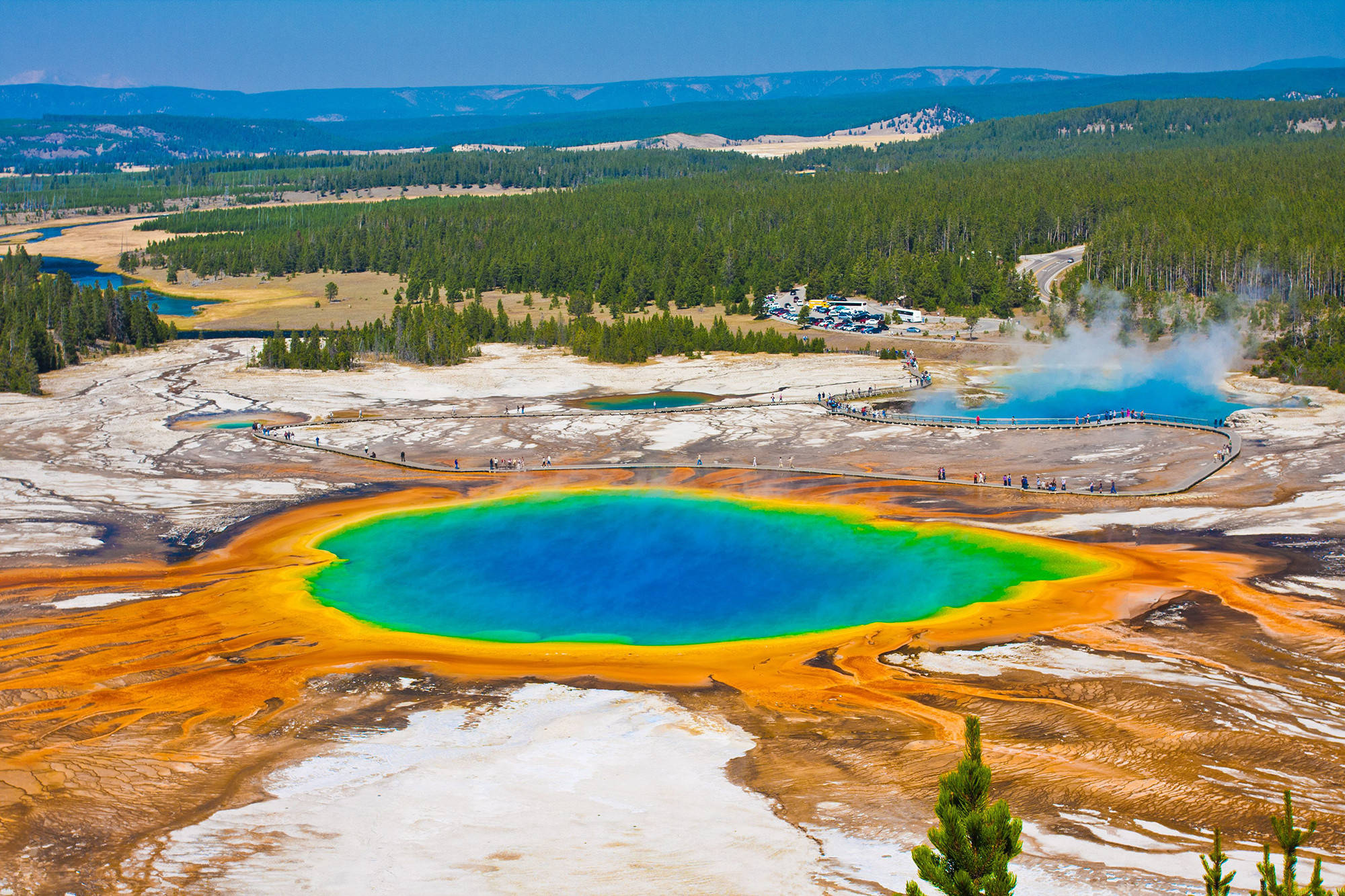
Yellowstone doesn’t feel like a place you visit. It feels like a place you enter.
Spanning vast valleys, steaming geysers, and deep forests, it’s one of those rare landscapes where nature still feels untamed. You’ll hear the earth before you see it—bubbling hot springs, distant waterfalls, and the sudden call of wildlife breaking the silence.
This is the world’s first national park, and it still carries that sense of origin. Raw. Wild. Unfiltered.
Best Time to Visit:
Yellowstone changes completely with the seasons, almost like it has multiple personalities.
Summer brings long days, open roads, and active wildlife. It’s the easiest time to explore—but also the busiest.
Spring feels quieter and more delicate. Snow is still melting, rivers run strong, and animals begin to reappear after winter.
Autumn is the hidden gem. Golden forests, fewer crowds, and crisp air that makes every view feel sharper and more intimate.
Winter? That’s a different world entirely. Silent, white, and almost surreal—but only for those prepared for extreme conditions.
Travel Tips for First-Time Visitors:
- 🧭 Safety: Yellowstone is beautiful, but it demands respect. Wildlife is not part of a show—it’s real, unpredictable, and wild. Keep your distance, always. Bison may look calm, but they move fast when disturbed. Stay alert on trails, especially in thermal areas where the ground itself can be dangerous.
- 🎒 Packing: Think layers, not fashion. Mornings can feel cold, even in summer, while afternoons warm up quickly. Comfortable hiking shoes are non-negotiable. Bring water, sunscreen, and something warm—even if the sky looks clear. A simple backpack can make or break your day here.
- 📄 Permits: Entry is straightforward, but some activities—like backcountry camping—require permits. If you’re planning to explore deeper trails or stay overnight in remote areas, it’s worth organizing these in advance. The park rewards preparation.
02. Yosemite National Park (USA):
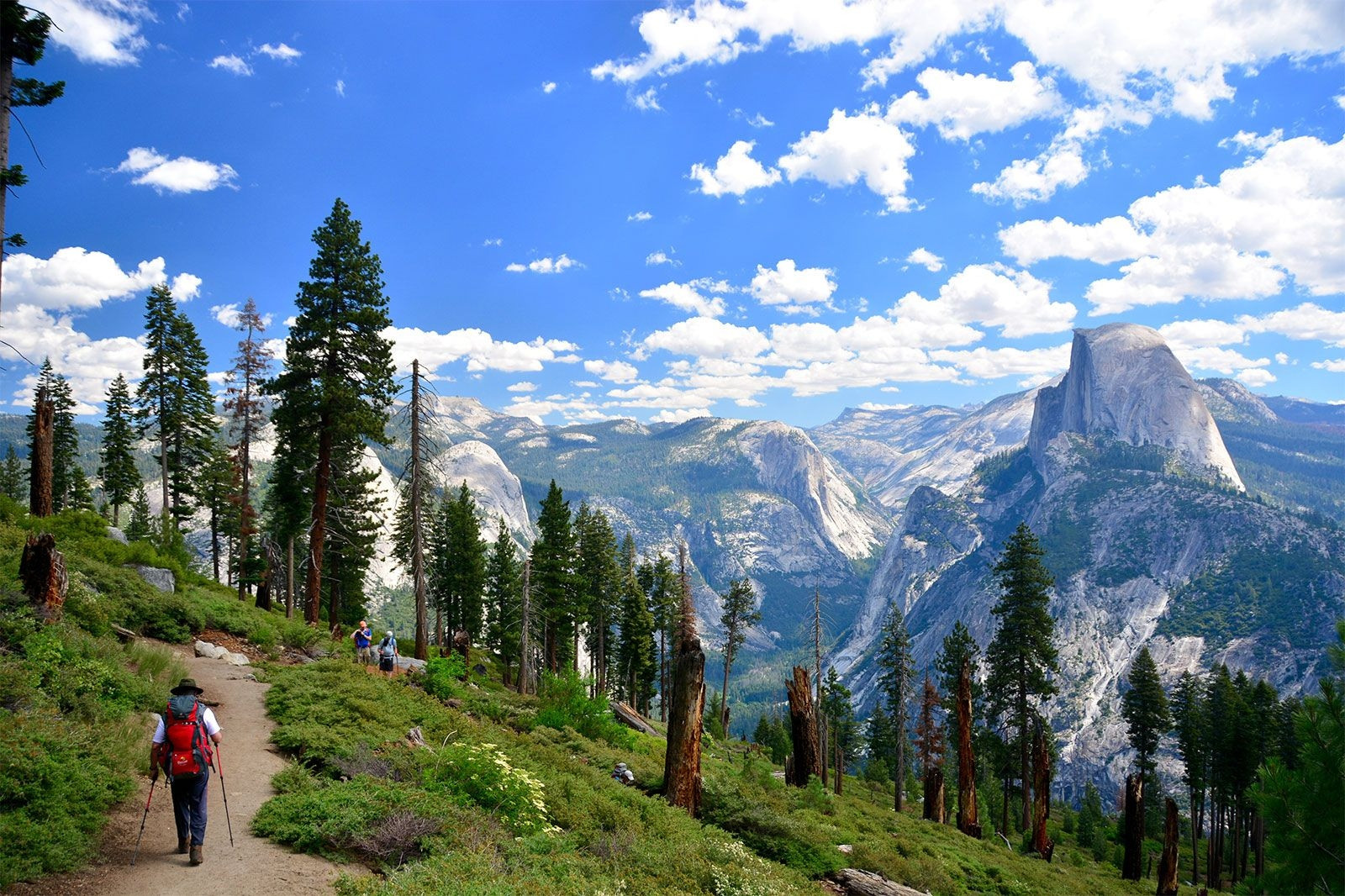
Yosemite doesn’t try to impress you. It simply overwhelms you.
One moment you’re driving through quiet pine forests, and the next, the landscape suddenly opens up—massive granite cliffs rising like ancient walls, waterfalls crashing down from impossible heights, and valleys so wide they feel endless.
It’s not just a national park. It’s a reminder of how small you are, in the best possible way.
There’s a stillness here that feels powerful. Even when it’s crowded, Yosemite finds a way to feel personal.
Best Time to Visit:
Yosemite changes with every season, and each one feels like a different version of the park.
Spring brings roaring waterfalls as snow melts from the peaks, filling the valleys with energy and sound. Summer opens up the trails and viewpoints under long, golden days, but it’s also the busiest time. Autumn slows everything down with crisp air and warm colors spreading across the forests. Winter turns Yosemite into a quiet, snow-covered landscape—raw, minimal, and deeply cinematic.
Travel Tips for First-Time Visitors:
- 🧭 Safety: Yosemite looks gentle in photos, but it’s still wild terrain. Trails can be steep, rocky, and unpredictable. Always stay on marked paths, especially near cliffs and waterfalls where one wrong step can be dangerous. Wildlife is present but usually distant—still, keep your space and never attempt to feed animals. Nature here doesn’t need interference.
- 🎒 Packing: Yosemite is a place where weather shifts quietly but quickly. A sunny morning can turn into a cold, windy afternoon. Layer your clothing. Comfortable hiking shoes are essential, not optional. Bring enough water, snacks, and a light jacket even in summer. A simple daypack is all you really need, but it matters more than you think.
- 📄 Permits: Entry is easy, but planning matters. Some hiking routes and backcountry experiences require permits, especially if you’re camping overnight. If you want to explore iconic spots like Half Dome, early reservation is crucial. Yosemite rewards those who plan ahead, not those who rush.
03. Banff National Park (Canada):
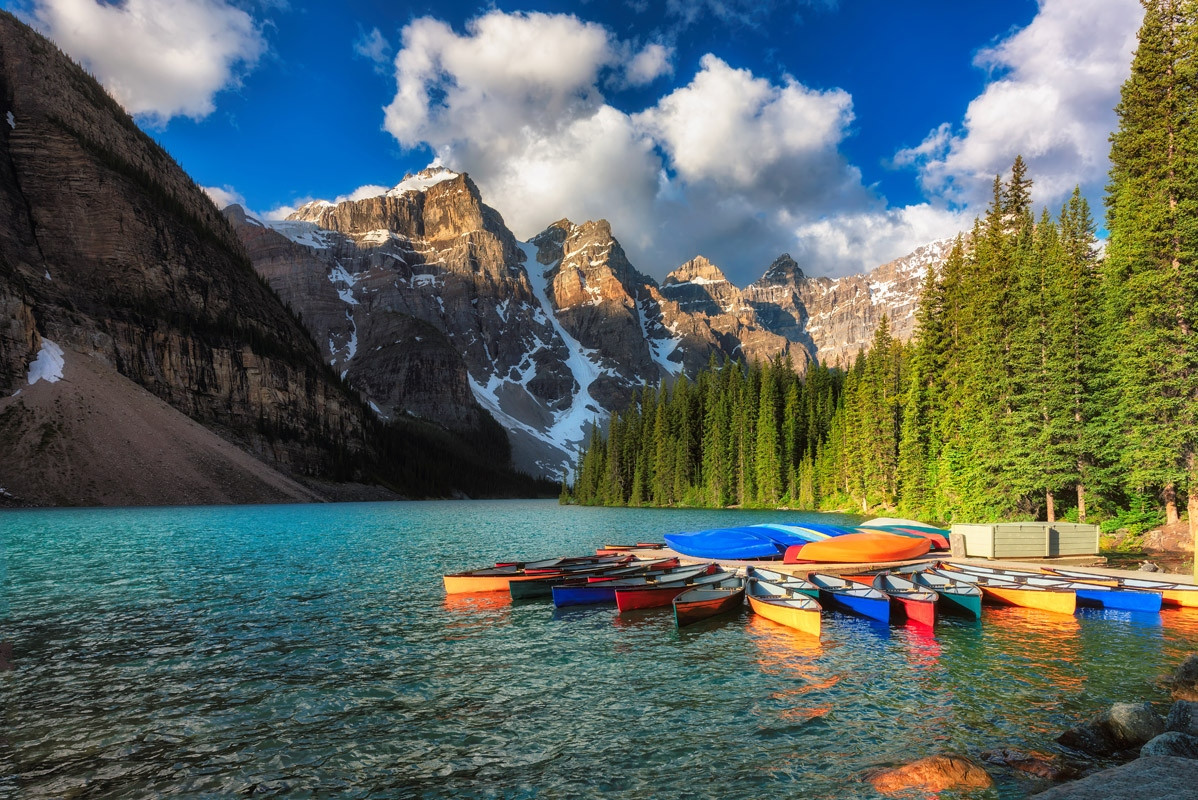
Banff doesn’t just look beautiful—it feels almost unreal.
Nestled deep in the Canadian Rockies, it’s a place where turquoise lakes sit quietly beneath towering peaks, and pine forests stretch endlessly in every direction. The air is crisp, clean, and noticeably different. You feel it the moment you arrive.
There’s a calmness here that doesn’t try to impress you. It just exists—steady, wide, and breathtaking in the most effortless way.
And then there’s the color of the lakes. That impossible blue-green shade that looks edited in photos but feels completely natural in person.
Best Time to Visit:
Banff changes with the seasons. Summer is the busiest and most accessible, with open trails and vibrant turquoise lakes. Autumn is quieter and more colorful, with crisp air and fewer crowds. Winter turns the park into a snowy, cinematic landscape. Spring is a gentle transition as snow melts and nature slowly returns.
Travel Tips for First-Time Visitors:
- 🧭 Safety: Banff is welcoming, but it is still wilderness. Weather can change quickly in the mountains, sometimes within minutes. Always check conditions before heading out. Wildlife is part of everyday life here—bears, elk, and mountain goats are common. Keep a safe distance, and never underestimate how quickly animals can move. Stay on marked trails, especially in forested or rocky areas where visibility is limited.
- 🎒 Packing: Think practical, not stylish. Even in summer, mornings can feel cold in the mountains. Layers are essential. A warm jacket, comfortable hiking shoes, and a windproof layer will make a big difference. Sunglasses and sunscreen are surprisingly important—the sun reflects strongly off snow and water. And always carry water, even on short hikes. The air is dry, and distances can be deceiving.
- 📄 Permits: Most areas in Banff are easy to access, but some hiking trails and camping zones require permits, especially in peak season. If you’re planning to explore deeper routes or stay overnight in the backcountry, it’s worth arranging permits early. The system is organized, but demand can be high in summer.
04. Jasper National Park (Canada):
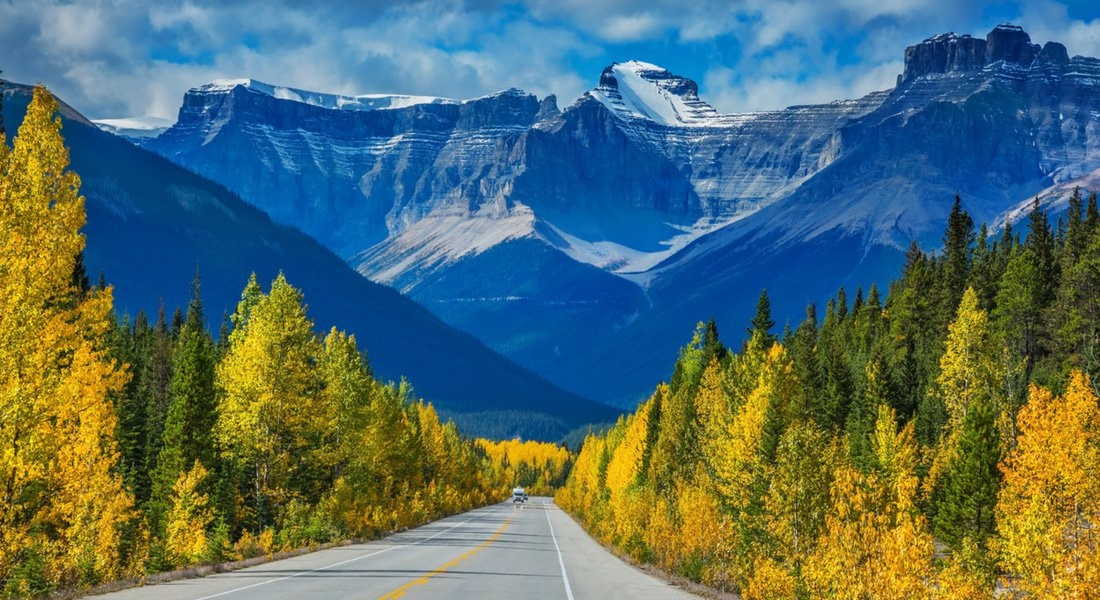
Jasper feels like Banff’s quieter, wilder sibling.
It’s bigger, less crowded, and somehow more untouched. The landscapes stretch farther, the silence runs deeper, and the mountains feel less like a backdrop and more like living walls surrounding you.
There’s a different rhythm here. Slower. Softer. You don’t rush through Jasper—you settle into it.
At night, the sky changes everything. Jasper is one of the world’s largest Dark Sky Preserves, and when the stars appear, it feels like the entire universe has come closer.
Best Time to Visit:
Jasper is beautiful all year, but each season offers a different experience.
Summer is the easiest and most active time, with open roads, clear lakes, and full access to hiking trails. Autumn is quieter, with colorful forests and more wildlife sightings. Winter is cold but magical, turning the park into a snow-covered landscape of silence and stillness. Spring is a transition season, when snow melts and nature slowly comes back to life.
Travel Tips for First-Time Visitors:
- 🧭 Safety: Jasper is remote, and that’s part of its charm—but it also means you need to be prepared. Wildlife is common here. Bears, elk, and moose often move near roads and trails. Keep distance, stay alert, and never assume animals will move away quickly. Weather can shift suddenly, especially in higher elevations. A clear morning can turn into cold wind or rain within hours. Stay on marked trails and avoid venturing into unknown areas without preparation.
- 🎒 Packing: Think in layers, always. Even in summer, mornings and evenings can feel surprisingly cold. A warm jacket, waterproof layer, and sturdy hiking shoes are essential. Bring a refillable water bottle and snacks, especially if you plan long drives or hikes. Distances in Jasper are large, and services can be far apart. A camera is almost mandatory—but don’t forget to put it down sometimes. Some moments here are better experienced than captured.
- 📄 Permits: Most of Jasper is accessible with a standard park entry pass, but certain activities—like camping or backcountry hiking—require additional permits. If you plan to stay overnight in nature, book early. Spaces are limited, especially in peak summer months. The park is well-organized, but planning ahead makes everything smoother.
05. Grand Canyon National Park (USA):
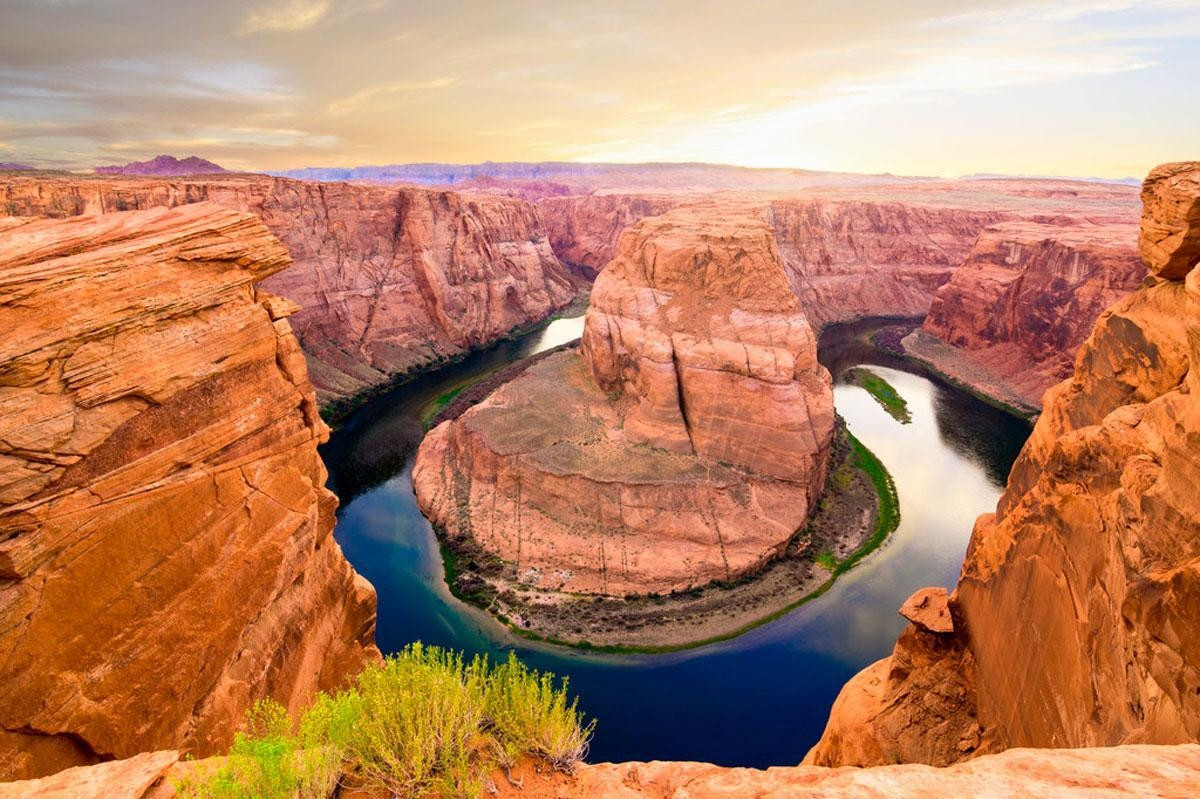
The Grand Canyon doesn’t feel real the first time you see it.
You walk up expecting a view, but what you get is something far beyond that—an endless stretch of carved stone, layered with millions of years of history. The scale is hard to understand at first. Even silence feels bigger here.
It’s not just a canyon. It’s time made visible.
The colors shift with the sun—soft gold in the morning, deep reds by sunset, and shadows that slowly swallow the valley as night approaches. Every moment looks slightly different, like the landscape is breathing.
Best Time to Visit:
Spring and autumn are ideal. The weather is mild, the skies are clear, and the crowds are more manageable. Summer is popular but can get extremely hot, especially at the canyon floor. Winter is quieter and surprisingly beautiful, with snow adding contrast to the red rock.
Travel Tips for First-Time Visitors:
- 🧭 Safety: The Grand Canyon looks stable, but it demands respect. Stay behind marked edges—there are no barriers in many areas. Heat exhaustion is also a real risk during warmer months, especially on long hikes.
- 🎒 Packing: Comfortable shoes are essential. The terrain is uneven, and distances are deceiving. Carry water at all times, along with sunscreen and a hat. Even in cooler seasons, the sun can be strong.
- 📄 Permits: Entry is straightforward with a standard park pass. However, overnight camping or hiking down to the canyon floor (like the Bright Angel Trail) may require advance planning and permits depending on the route and season.
🌄 Europe’s Natural Wonders:
06. Plitvice Lakes National Park (Croatia):
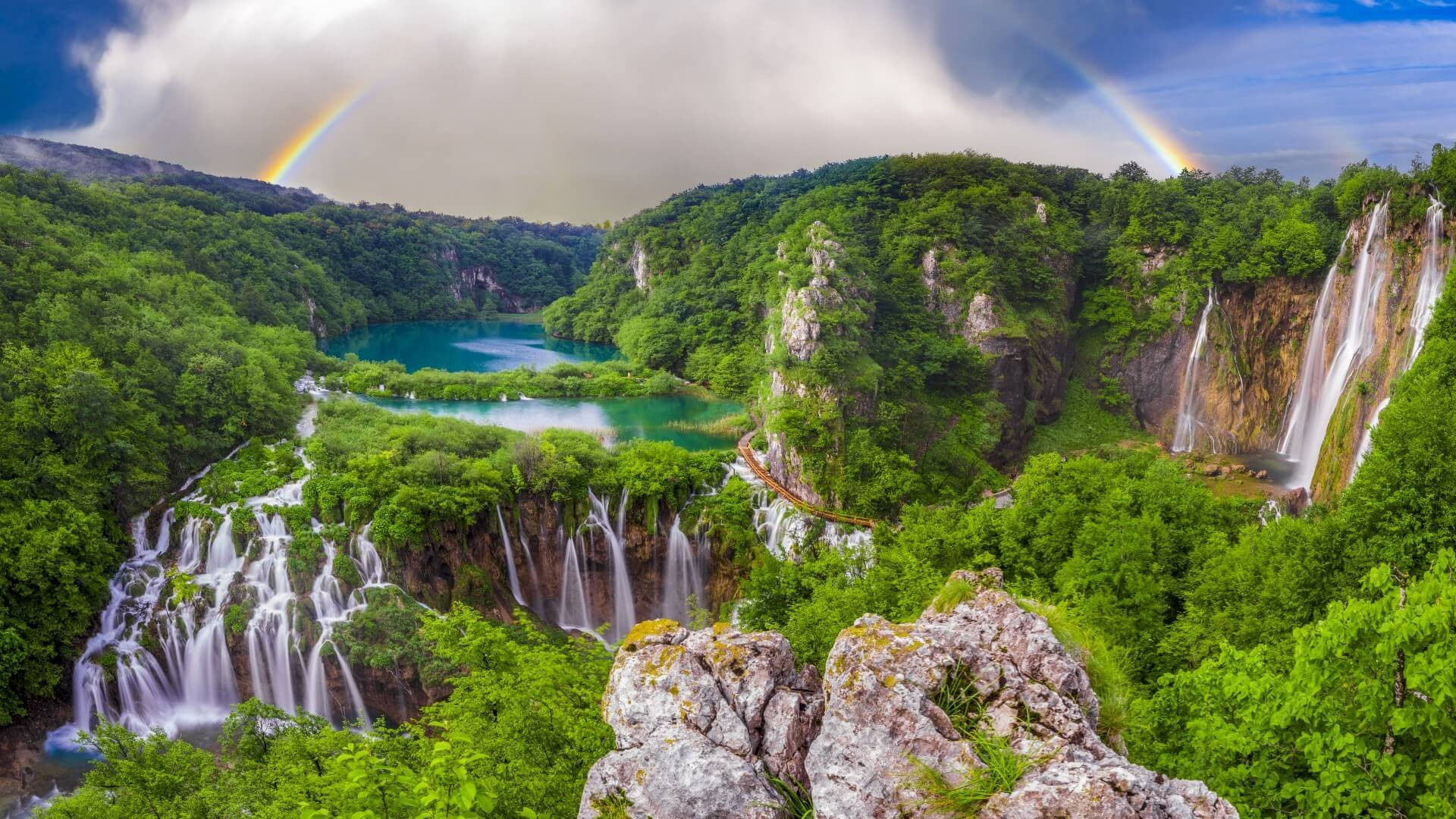
Plitvice Lakes feels like nature quietly showing off.
It’s a place where water doesn’t just flow—it transforms everything it touches. Wooden pathways guide you through layers of emerald lakes, hidden waterfalls, and forested cliffs that seem almost unreal in their softness.
There’s a calm rhythm here. You walk, you pause, and the sound of cascading water follows you like a constant whisper. It doesn’t demand attention—it earns it slowly.
Best Time to Visit:
Spring and early autumn are ideal. The waterfalls are strong, the colors are vivid, and the crowds are lighter. Summer is beautiful but busy, while winter turns the park into a quiet, snow-covered dream.
Travel Tips for First-Time Visitors:
- 🧭 Safety: Plitvice is safe, but the wooden pathways can get slippery, especially after rain. Move slowly and stay on marked routes. The lakes may look inviting, but swimming is strictly prohibited to preserve the ecosystem.
- 🎒 Packing: Comfortable walking shoes are essential. The park involves a lot of walking on wooden trails and uneven terrain. A light rain jacket helps, as weather can change quickly near the waterfalls. Carry water, especially in summer.
- 📄 Permits: Entry tickets are required and vary by season. In peak months, it’s best to book in advance, as daily visitor numbers are limited to protect the park.
07. Swiss National Park (Switzerland):
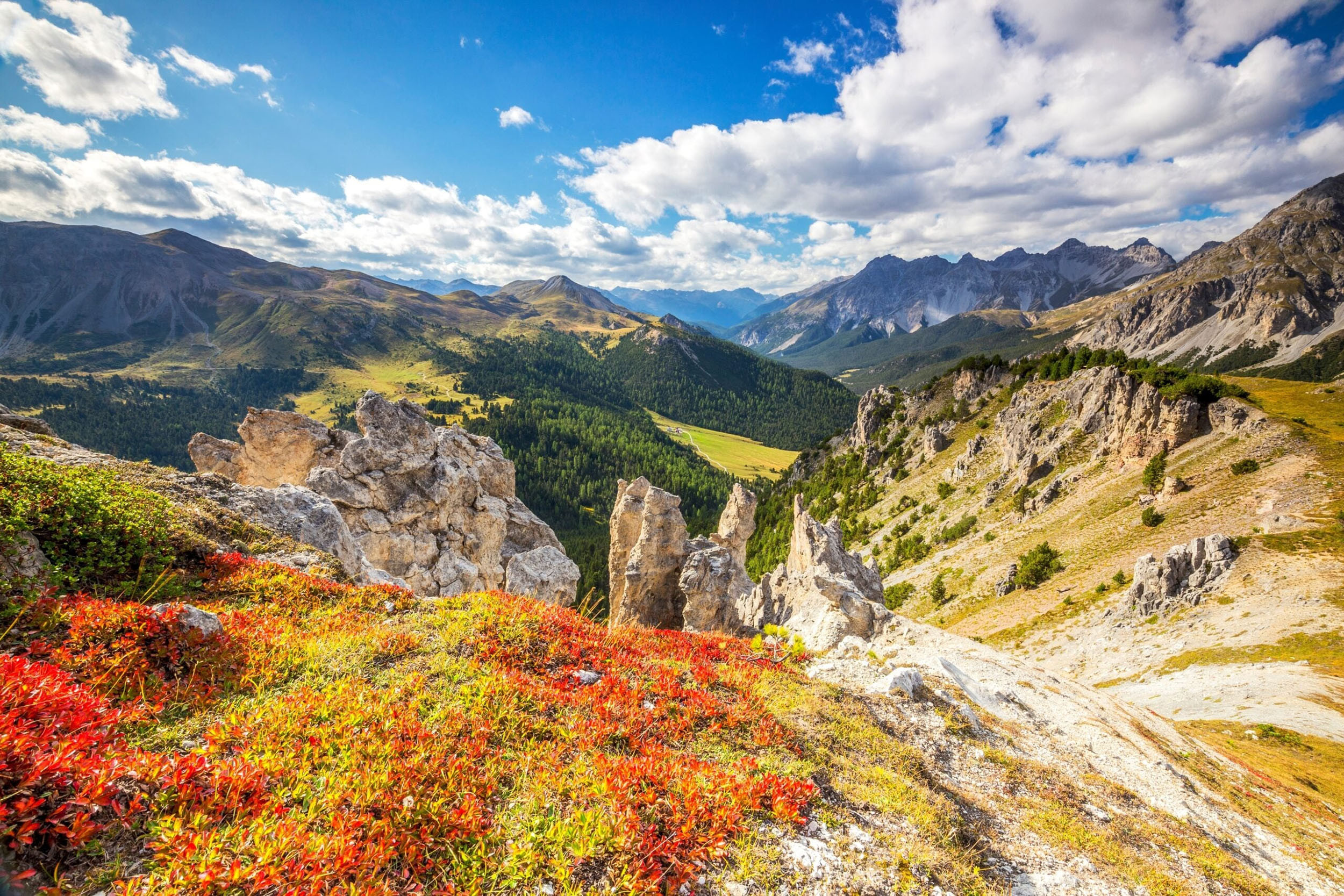
Swiss National Park feels refined, quiet, and deeply untouched. Tucked away in the Alps, it offers dramatic mountain scenery, dense forests, clear rivers, and valleys where nature moves at its own pace.
Unlike more crowded European destinations, this park invites you to slow down. Trails wind through pristine landscapes, wildlife appears without warning, and every turn feels clean, calm, and timeless.
It’s Switzerland at its wildest—and perhaps its most peaceful.
Best Time to Visit:
Summer and early autumn are the best times to visit, when hiking trails are open and the mountain scenery is at its finest.
July to September offers mild weather, green valleys, and excellent walking conditions. Autumn brings cooler air, golden forests, and fewer visitors.
Winter access is limited, but the surrounding alpine region remains beautiful.
Travel Tips for First-Time Visitors:
- 🧭 Safety: Swiss National Park is well-managed, but mountain terrain always deserves respect. Stay on marked trails, especially in higher areas where paths can become steep or uneven. Weather can shift quickly in the Alps, so check forecasts before heading out. Wildlife is protected here, meaning observation is encouraged—but from a distance.
- 🎒 Packing: Comfort matters more than style here. Wear layered clothing, as mornings can feel cool even in summer. Good hiking shoes are essential, especially on rocky trails. Bring water, light snacks, sunscreen, and a waterproof layer in case conditions change. A small daypack is ideal for exploring.
- 📄 Permits: Most visitors only need standard park access, but certain guided experiences or overnight stays nearby may require advance booking. Camping inside the park is heavily restricted to protect the environment, so plan accommodation in surrounding villages ahead of time.
08. Vatnajökull National Park (Iceland):
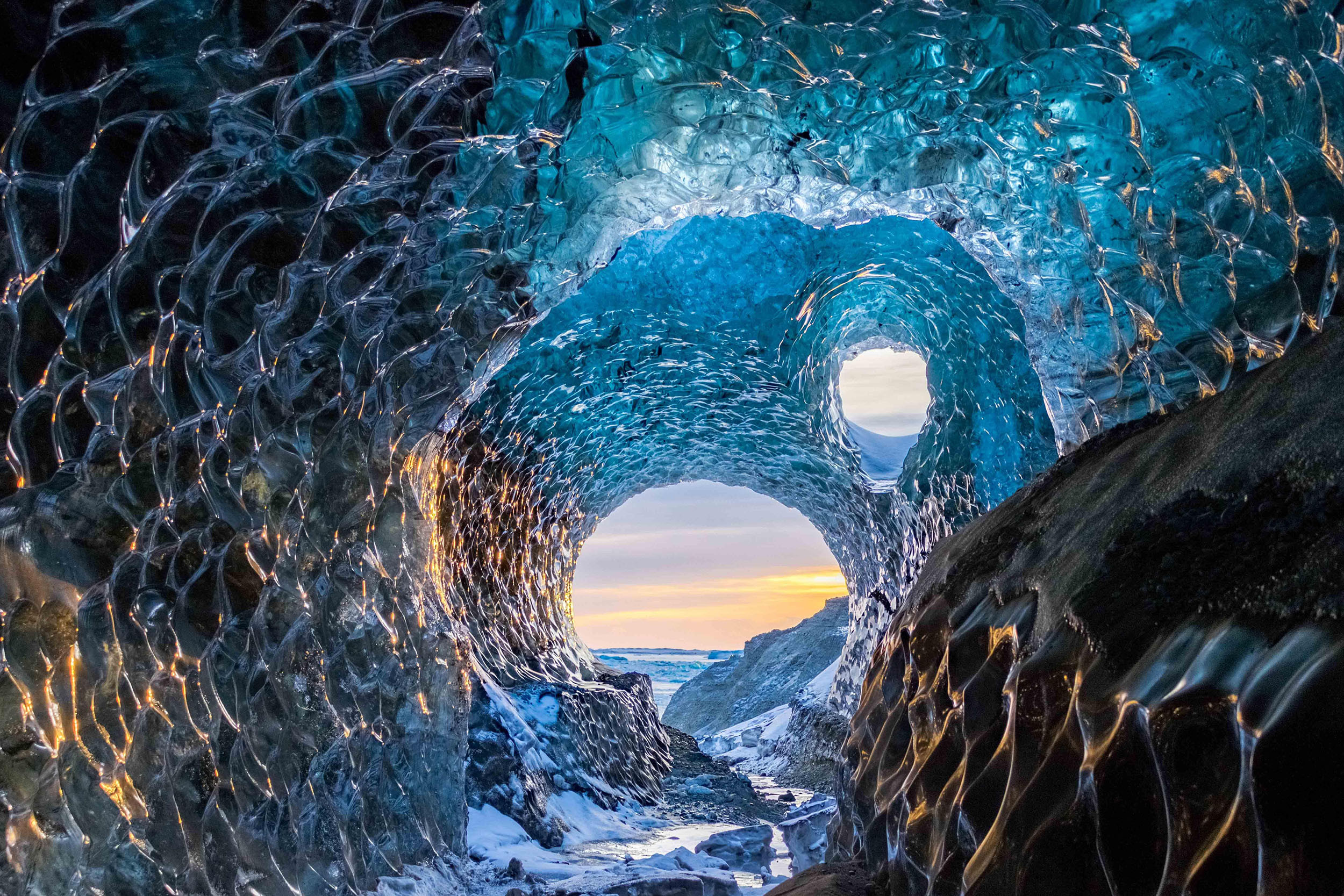
Vast, elemental, and wonderfully untamed, Vatnajökull National Park is where Iceland feels at its most dramatic. This immense protected landscape is shaped by Europe’s largest glacier, where ice fields spill toward black-sand plains, volcanoes sleep beneath frozen caps, and waterfalls thunder through deep basalt canyons.
It’s a place of contrasts. Fire and ice. Silence and force. One hour you may be standing beside a glittering glacier lagoon, the next walking across moss-covered lava fields under a wide northern sky.
For travelers who love raw scenery and a sense of scale, few places compare.
Best Time to Visit:
Summer (June to August) offers long daylight hours, easier road access, and the best conditions for scenic drives and hiking.
Winter (November to March) is ideal for ice caves, snowy landscapes, and the chance to see the northern lights.
For fewer crowds and shifting light, May and September are excellent shoulder-season choices.
Travel Tips for First-Time Visitors:
- 🧭 Safety: Nature sets the rules here. Weather can turn quickly, roads may close without much notice, and glacier areas should never be underestimated. Check forecasts before setting out and respect warning signs, especially near ice, cliffs, and coastal areas. If you’re planning glacier walks or ice cave visits, go with licensed local guides.
- 🎒 Packing: Think layers and waterproof everything. Even in summer, conditions can feel cold, windy, and wet. Bring a warm jacket, sturdy boots, gloves, and a rain shell. A daypack with snacks, water, and an extra layer will serve you well on longer stops between towns.
- 📄 Permits: Most areas of the park are open to visitors without special permits, but guided activities such as glacier hikes and ice cave tours require advance booking. Camping rules vary by season and location, so check official park information if you plan to stay overnight.
09. Dolomiti Bellunesi National Park (Italy):
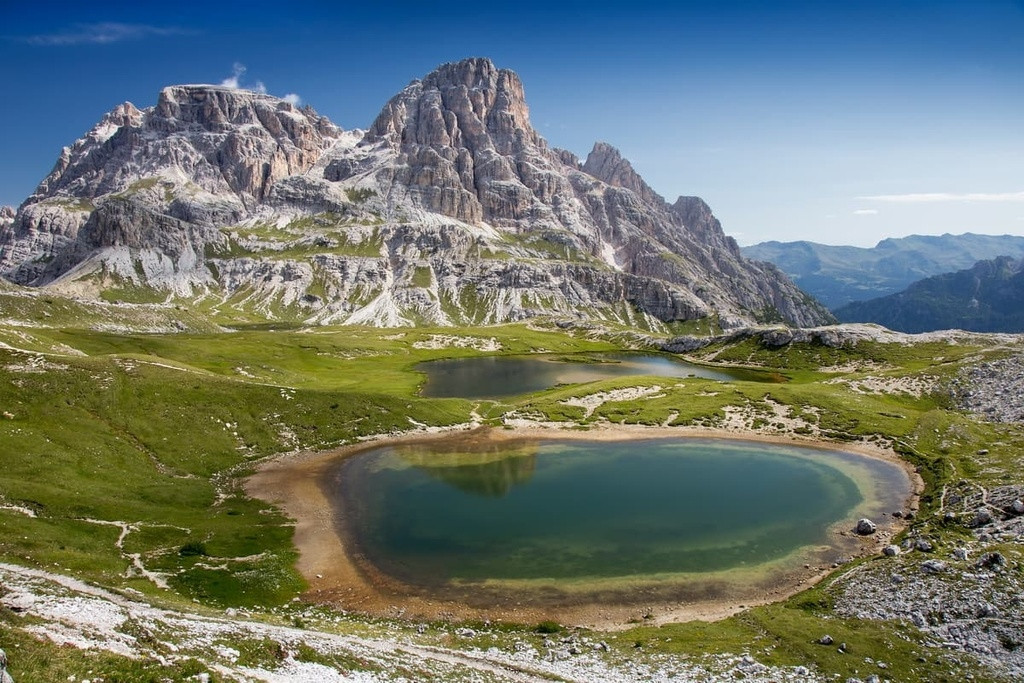
Tucked away in the quieter corner of northeastern Italy, Dolomiti Bellunesi is where the Dolomites show their wilder side. There are no grand crowds here, no rush of tour buses, no need to compete for a viewpoint. Just jagged limestone peaks, deep valleys, alpine meadows and trails that seem to disappear into silence.
It feels wonderfully untouched. One moment you’re walking through forests scented with pine, the next you’re standing beneath towering cliffs glowing pale gold in the afternoon light. This is mountain country at its most honest—raw, beautiful and refreshingly low-key.
For travelers who prefer nature over noise, Dolomiti Bellunesi is one of Italy’s best-kept secrets.
Best Time to Visit:
Late June to September is the sweet spot, with open trails, mild weather and green alpine landscapes.
October brings crisp air and autumn color with fewer visitors. Winter can be beautiful, but snow limits access in many areas.
Travel Tips for First-Time Visitors:
- 🧭 Safety: These mountains are stunning, but they deserve respect. Weather can change quickly, especially at higher elevations, so always check the forecast before setting out. Stay on marked trails and give yourself more time than you think you need. Distances can look short on a map, but mountain paths often move slower than expected.
- 🎒 Packing: Pack for changing conditions. Layers are essential, even in summer, when mornings can be cool and evenings colder than expected. Bring sturdy hiking shoes, a waterproof jacket, sunscreen and plenty of water. A small backpack with snacks goes a long way on longer walks.
- 📄 Permits: Most day hikes do not require permits, which makes exploring refreshingly straightforward. Some camping zones or protected activities may need advance booking, especially in peak summer. If you’re planning overnight routes, check local regulations before you go.
10. Cairngorms National Park (Scotland):
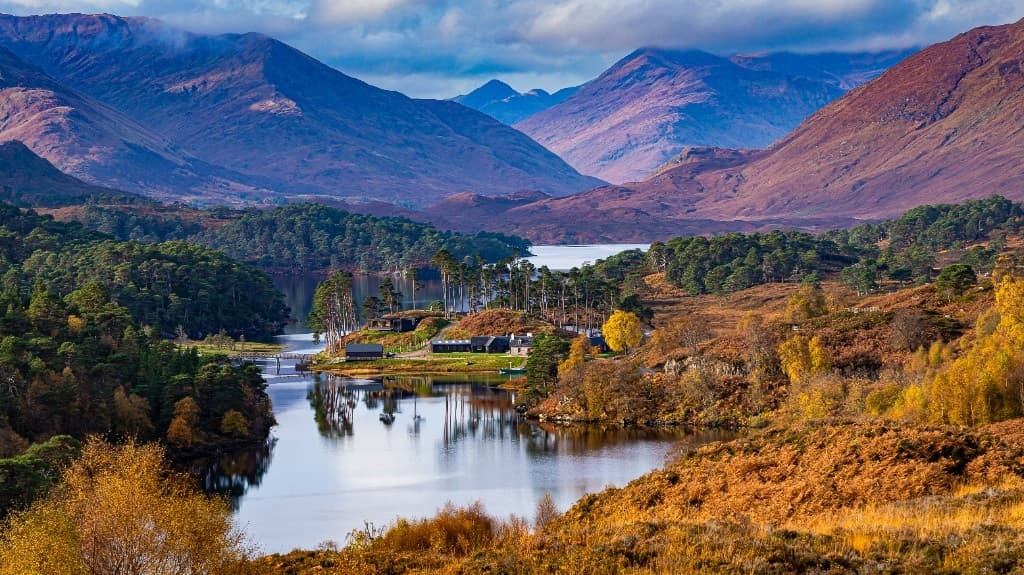
In the heart of the Scottish Highlands, the Cairngorms don’t rush to impress you. They simply unfold—quietly, steadily, almost like they’ve been there forever and aren’t particularly concerned about being noticed.
This is the largest national park in the United Kingdom, and it feels that way. Vast moorlands stretch into the distance, ancient pine forests whisper in the wind, and mist often drifts low across the hills like a slow-moving thought.
There’s a kind of gentle drama here. Not loud or overwhelming, but deeply atmospheric. You don’t just see the Cairngorms—you feel them settle in.
Best Time to Visit:
Late spring to early autumn is when the Cairngorms feel most welcoming. The days are longer, trails are accessible, and the landscapes soften into greens and wildflower tones.
Autumn is especially beautiful. The air turns crisp, forests glow with copper and gold, and the hills take on a quieter, more reflective mood.
Winter is powerful but demanding. Snow transforms the mountains into a stark, silent world—beautiful, but best for experienced visitors prepared for harsh conditions.
Travel Tips for First-Time Visitors:
- 🧭 Safety: Weather in the Highlands has its own personality—unpredictable and fast-changing. A sunny morning can quickly shift into wind, rain, or mist. Always check conditions before heading out, especially if you’re hiking in higher areas. Stick to marked trails where possible, as terrain can become disorienting in low visibility. Wildlife like deer is common, and while generally calm, it’s best to observe from a respectful distance.
- 🎒 Packing: Think practical and weather-ready. Layers are essential—even in summer. A waterproof jacket is non-negotiable in Scotland. Comfortable walking boots will make a noticeable difference, especially on uneven ground. Carry water, light snacks, and something warm for unexpected temperature drops. The Highlands reward those who are prepared for all moods of weather in a single day.
- 📄 Permits: Most of Cairngorms National Park is open and accessible without permits, which makes it easy to explore freely. However, certain activities like camping in protected areas or specific estate-managed lands may require permission. It’s always worth checking local guidance before planning overnight stays.
🌿 Asia’s Hidden Gems:
11. Jiuzhaigou National Park (China):
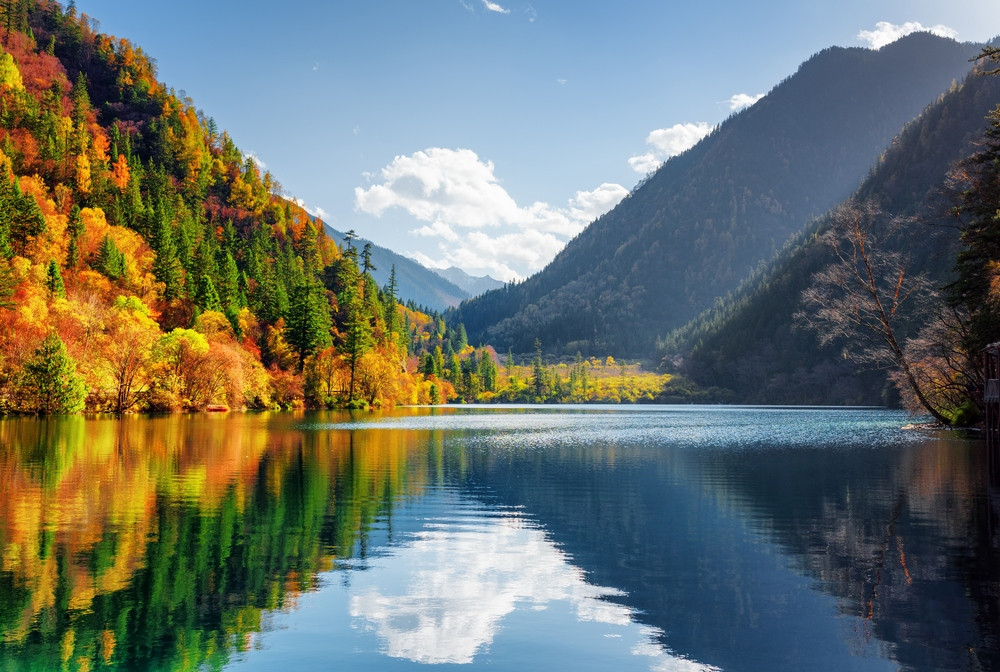
Jiuzhaigou feels like a place that was designed more by imagination than geology.
Hidden in the mountains of southwestern China, this valley is a dream of color—lakes so blue they almost look unreal, waterfalls spilling through limestone terraces, and forests that shift dramatically with the seasons.
There’s a quiet magic here. Even when the park is busy, it never feels loud. The landscape absorbs attention, pulling you into stillness without asking for it.
It’s one of those rare places where you keep stopping, not because you’re tired—but because every few steps look like a painting you’ve never seen before.
Best Time to Visit:
Autumn is when Jiuzhaigou is at its most breathtaking. The valleys turn into a mix of gold, red, and deep green, reflecting perfectly in the crystal-clear lakes.
Spring brings softer colors, flowing water, and a quieter atmosphere, while summer is lush and vibrant, with full waterfalls and dense greenery.
Winter transforms the park into something more delicate—frozen lakes, snow-covered trees, and a peaceful silence that feels almost sacred.
Travel Tips for First-Time Visitors:
- 🧭 Safety: Jiuzhaigou is well-managed, but it is still a natural mountain environment. Stay on designated walkways and avoid venturing into restricted areas, especially near water edges and steep terrain. Weather can shift quickly in higher elevations, so carry a light jacket even if the day starts warm. Crowds can build during peak seasons—moving early in the morning helps you experience the park in a calmer state.
- 🎒 Packing: Comfort is key here. You’ll be walking and exploring most of the day, so wear light, breathable clothing and supportive shoes. Bring water, light snacks, and a power bank for your phone or camera—you’ll likely take more photos than expected. A light rain jacket is useful even in clear weather, especially near waterfalls where mist can surprise you.
- 📄 Permits: Entry to Jiuzhaigou requires a park ticket, and during peak seasons, visitor numbers may be controlled. Booking in advance is highly recommended. Certain areas may have timed entry or shuttle-based access, so plan your route before arriving to avoid delays.
12. Komodo National Park (Indonesia):
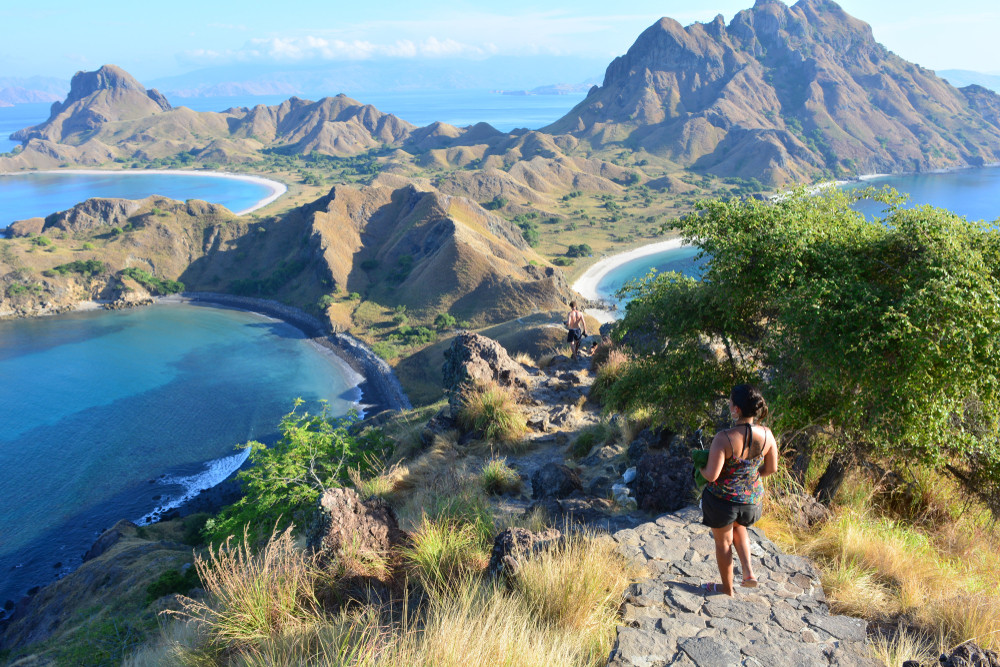
Komodo doesn’t feel like a place that belongs to the modern world. It feels older than that—shaped by wind, salt, and survival.
Out in eastern Indonesia, the landscape shifts between dry, sunburnt hills and bright turquoise water that looks almost too clean to be real. It’s raw in a very direct way. Nothing here tries to soften itself for visitors.
And then, of course, there are the Komodo dragons. Slow-moving, heavy, and strangely calm until they’re not. Seeing them in their natural environment changes the tone of the entire place. This isn’t a theme park version of nature—it’s the real thing, completely uninterested in being comfortable for you.
Best Time to Visit:
The dry season, from April to October, is when Komodo feels most accessible. The skies stay clear, the sea is calmer, and island hopping becomes easier and more predictable. It’s also the best time for snorkeling and diving, when visibility underwater is at its strongest.
The wet season brings fewer visitors, but the conditions become less stable. Stronger winds and rougher seas can limit movement between islands.
Travel Tips for First-Time Visitors:
- 🧭Safety: Komodo dragons must be treated with serious respect. Always stay with a licensed ranger and keep a safe distance. They may appear slow, but they are wild animals and behave unpredictably. The sun here is intense, especially during midday. It’s better to explore early in the morning or later in the afternoon when the heat is less harsh and the light softer.
- 🎒 Packing: Keep things light and practical. Breathable clothing is essential because the climate is hot and dry for most of the year. Good walking shoes are important for uneven trails, especially on island hikes. Bring strong sun protection—hat, sunscreen, sunglasses—and more water than you think you’ll need. If you’re heading into the sea, snorkeling gear can be useful, although it’s usually available locally.
- 📄 Permits: Entry to Komodo National Park requires a park fee, which varies depending on activities like trekking, snorkeling, or diving. Most visitors arrange this through tour operators, especially for boat-based trips between islands. Always confirm what is included before booking.
13. Khao Sok National Park (Thailand):
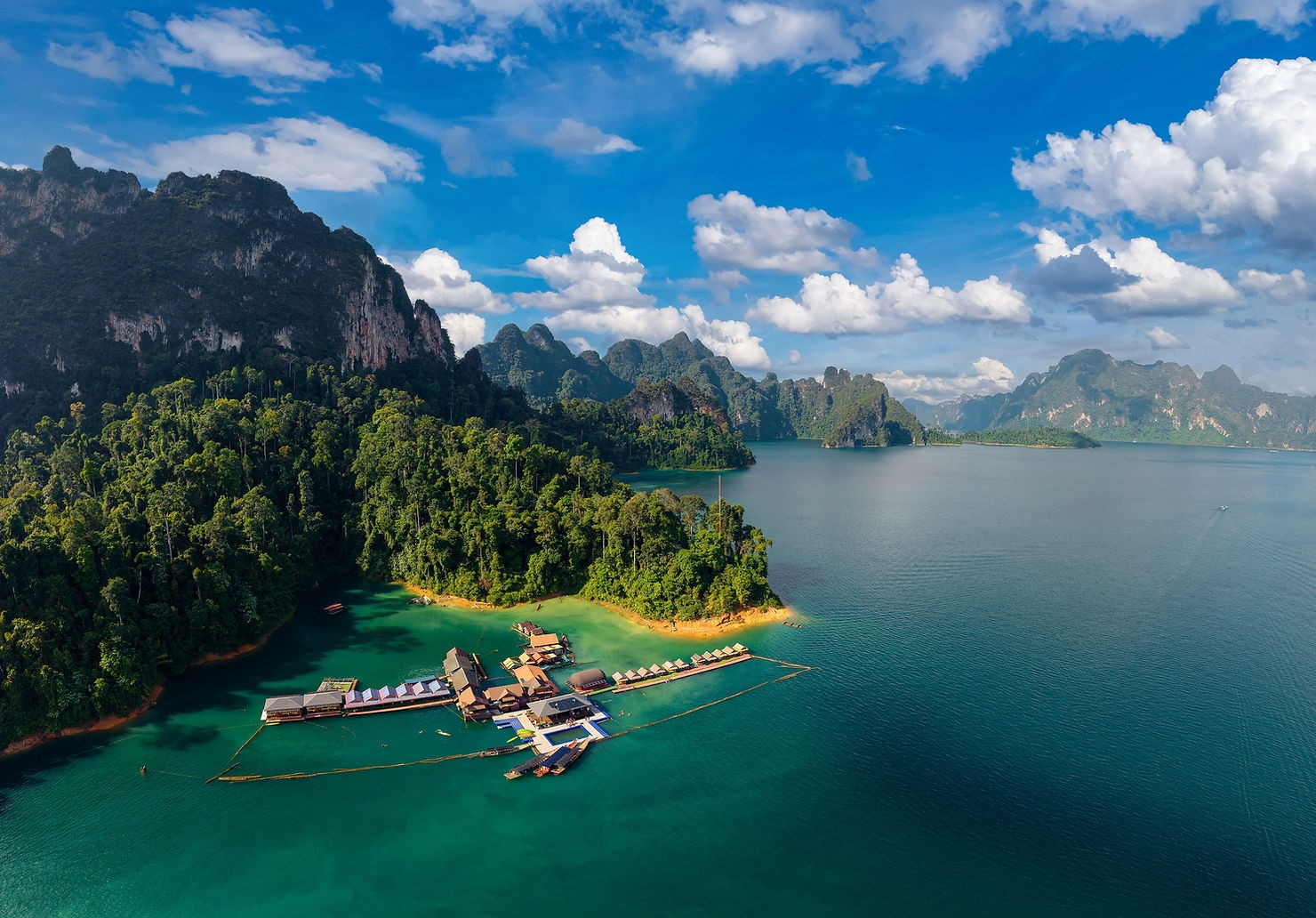
Khao Sok doesn’t try to impress you quickly. It unfolds slowly, almost like it wants you to adjust your pace before it reveals anything.
Deep in southern Thailand, this is a world of ancient rainforest, towering limestone cliffs, and still emerald lakes that stretch far into the horizon. The air feels heavier here—in a good way—thick with humidity, sound, and life.
There’s a sense of being small in Khao Sok. Not in an uncomfortable way, but in a grounding one. Everything is green, dense, and alive. You don’t just visit nature here—you step inside it.
Best Time to Visit:
The best time to visit Khao Sok is during the dry season, from December to April. The weather is more stable, the trails are easier to explore, and boat trips across Cheow Lan Lake are at their most scenic.
The wet season, from May to November, turns the forest deeper and more dramatic. Rain is frequent, but it also brings a powerful, almost cinematic atmosphere—waterfalls grow stronger, and the jungle feels more alive.
Travel Tips for First-Time Visitors:
- 🧭Safety: Khao Sok is generally safe, but it is a true rainforest environment. Trails can become slippery, especially after rain, so move carefully and stay on marked paths. Wildlife is part of the experience here. You may not always see it, but it’s present. Respect the environment, keep your distance from animals, and avoid unnecessary noise deep in the forest.
- 🎒Packing: Think light, breathable, and quick-drying. The humidity is constant, and heavy clothing becomes uncomfortable fast. Good walking shoes or sandals with grip are essential. A rain jacket is useful even in dry season, just in case the weather shifts. Insect repellent is not optional—it’s necessary. Carry a waterproof bag for electronics if you’re planning boat trips on the lake.
- 📄 Permits: Most visits to Khao Sok do not require complex permits. Entry fees to the national park are typically paid at designated checkpoints or included in guided tours. If you plan to stay overnight on Cheow Lan Lake or join multi-day treks, it’s better to book through a licensed operator to handle logistics smoothly.
14. Sagarmatha National Park (Nepal):
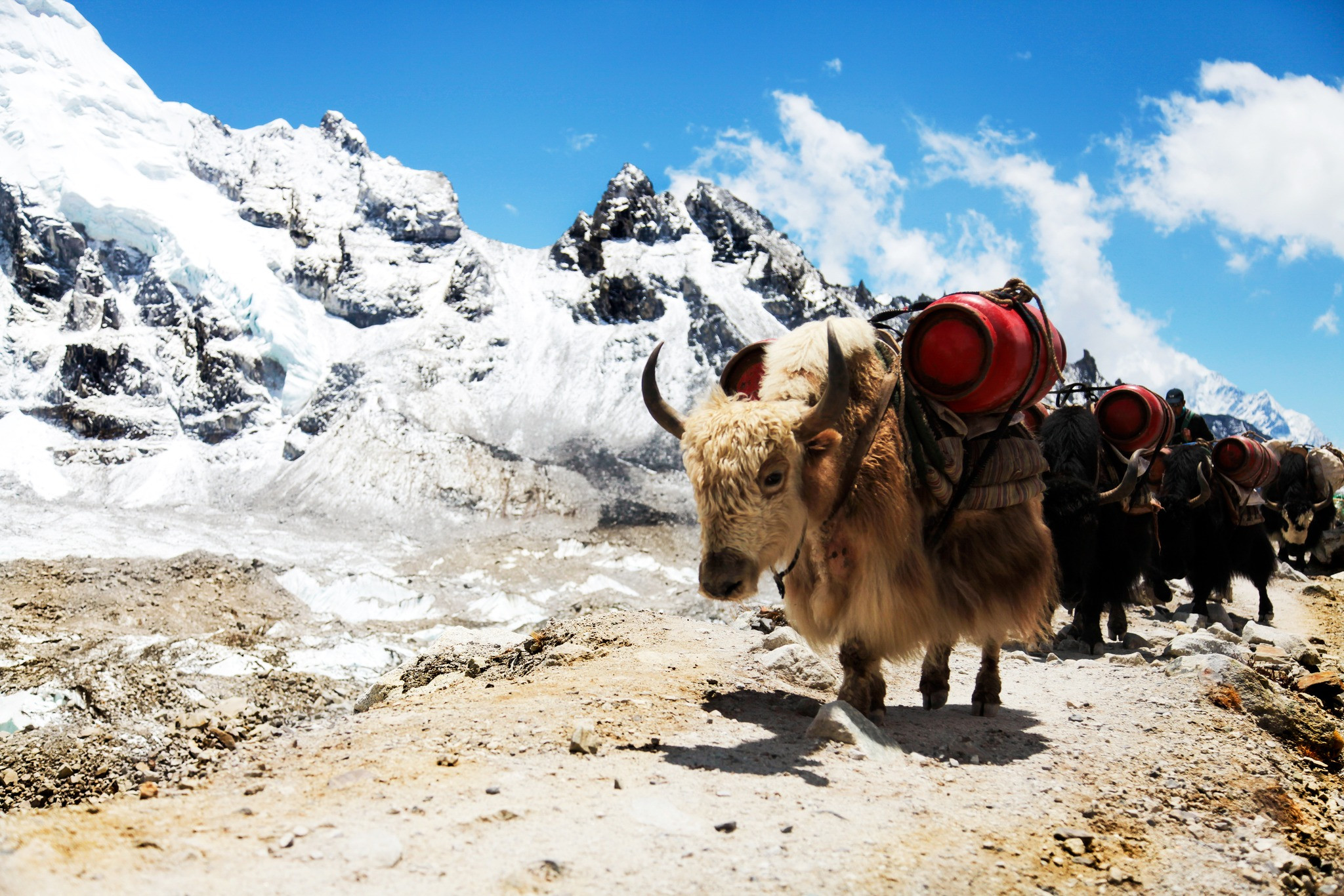
Sagarmatha doesn’t feel like a destination you simply arrive at. It feels like something you earn step by step.
In the high Himalayas of eastern Nepal, this is a land shaped by altitude and silence. Snow-covered peaks rise sharply into the sky, prayer flags move quietly in the wind, and trails wind through villages where life follows a slower, more deliberate rhythm.
At the center of it all stands Mount Everest—known locally as Sagarmatha—the highest point on Earth. But strangely, it’s not just the height that stays with you. It’s the space, the air, and the quiet between everything.
Best Time to Visit:
The best time to visit Sagarmatha National Park is during spring (March to May) and autumn (September to November). These seasons offer clearer skies, stable weather, and the best mountain visibility.
Spring brings blooming rhododendrons and slightly warmer trekking conditions, while autumn offers crisp air and sharp, uninterrupted views of the Himalayas.
Winter is extremely cold and challenging, and the monsoon season brings heavy rain and limited visibility.
Travel Tips for First-Time Visitors:
- Safety: Altitude is the most important factor here. The higher you go, the thinner the air becomes, so gradual ascent and proper acclimatization are essential. Moving too fast can lead to altitude sickness, which should never be ignored.
- Weather can change quickly in the mountains. Even on clear days, temperatures drop sharply in the evening, so preparation is key.
- Packing: Layering is everything. A warm base layer, insulated jacket, and windproof outer layer will keep you comfortable as conditions shift throughout the day. Good trekking boots are essential, as trails can be uneven and steep. Gloves, a hat, and sunscreen are also important—even in cold weather, the sun at high altitude can be intense. Keep your pack light but functional. Every extra item feels heavier at altitude.
- Permits: Entry to Sagarmatha National Park requires a permit, usually arranged in Kathmandu or through trekking agencies. If you are trekking with guides or porters, they will typically handle the paperwork for you. Always keep your permits accessible during the trek, as checkpoints are common along the route.
15. Bromo Tengger Semeru National Park (Indonesia):
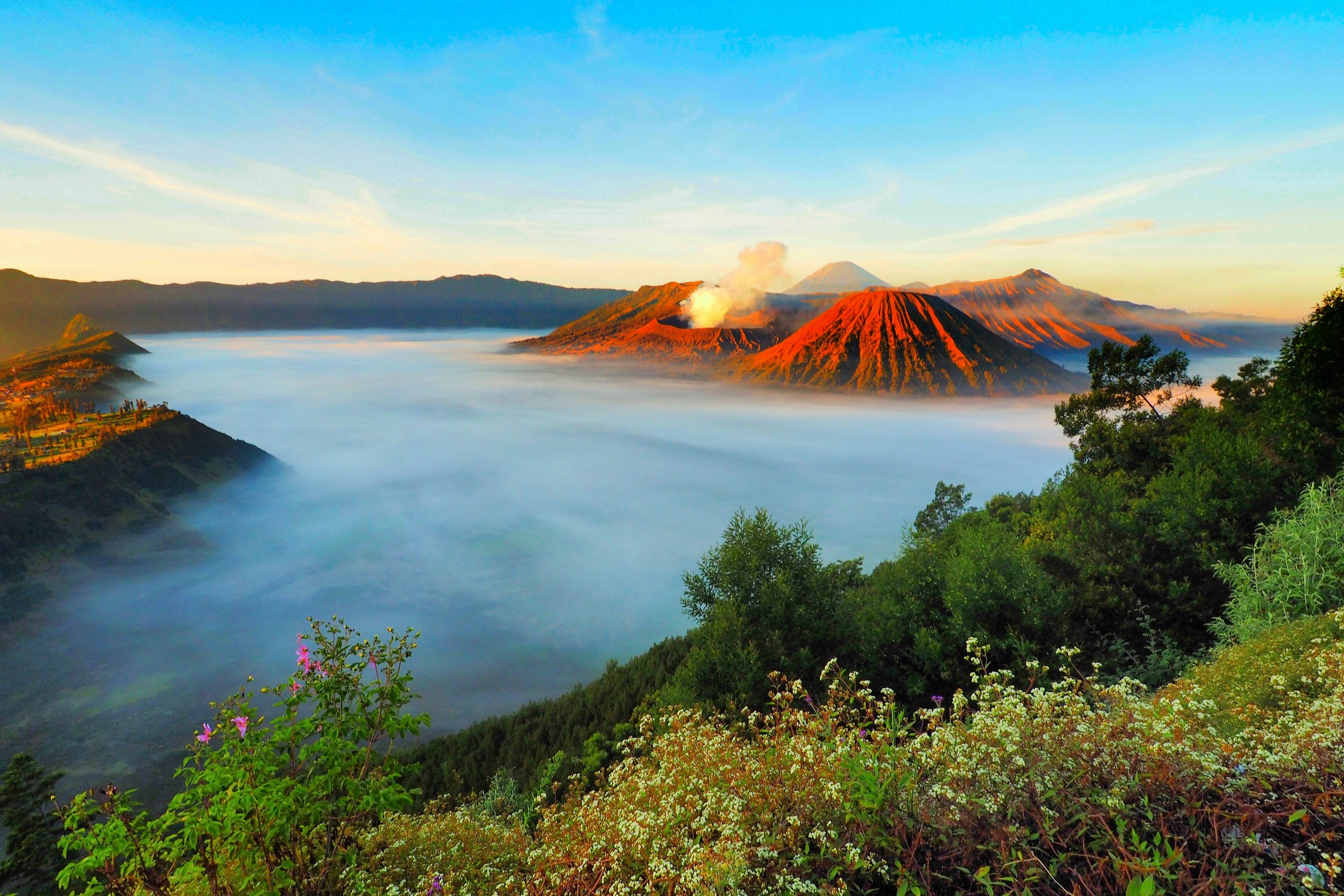
Bromo Tengger Semeru doesn’t greet you gently. It arrives in fragments—ash, wind, and vast open silence.
In eastern Indonesia, this is a landscape shaped by fire and time. Volcanic plains stretch out like an ancient desert, broken by smoking craters and distant mountain silhouettes. At sunrise, the entire scene shifts—soft light spilling over the horizon, revealing layers of mist, sand, and shadow.
Mount Bromo stands at the center of it all, constantly breathing smoke into the sky. Nearby, Mount Semeru, Indonesia’s highest volcano, looms in the distance—quiet but alive.
There’s something almost otherworldly here. Like the earth hasn’t fully settled yet.
Best Time to Visit:
The best time to visit is during the dry season, from May to October. The skies are clearer, sunrise views are sharper, and the famous sea of sand is easier to explore.
Early mornings are the real highlight. This is when the light breaks over the caldera and the entire landscape feels suspended between night and day.
Travel Tips for First-Time Visitors:
- 🧭 Safety: This is an active volcanic region, so conditions can change. Always follow local guidance and stay within marked areas, especially near crater edges. Mornings can be extremely cold before sunrise, even in tropical Indonesia. Dress accordingly and be prepared for strong winds at higher viewpoints.
- 🎒 Packing: Think layers and dust protection. A warm jacket is essential for early morning jeep rides, while lighter clothing works once the sun rises. Bring a scarf or mask—the volcanic sand can be fine and windy at times. Comfortable shoes are important if you plan to walk up the crater steps. A flashlight or headlamp helps for pre-dawn starts, especially during sunrise tours.
- 📄 Permits: Entry to Bromo Tengger Semeru National Park requires a park ticket, which is usually arranged at entry points or included in guided tours. If you’re joining a sunrise jeep tour, permits are often handled by the operator—but it’s always good to confirm before booking.
🐘 Africa’s Safari Parks:
16. Serengeti National Park (Tanzania):
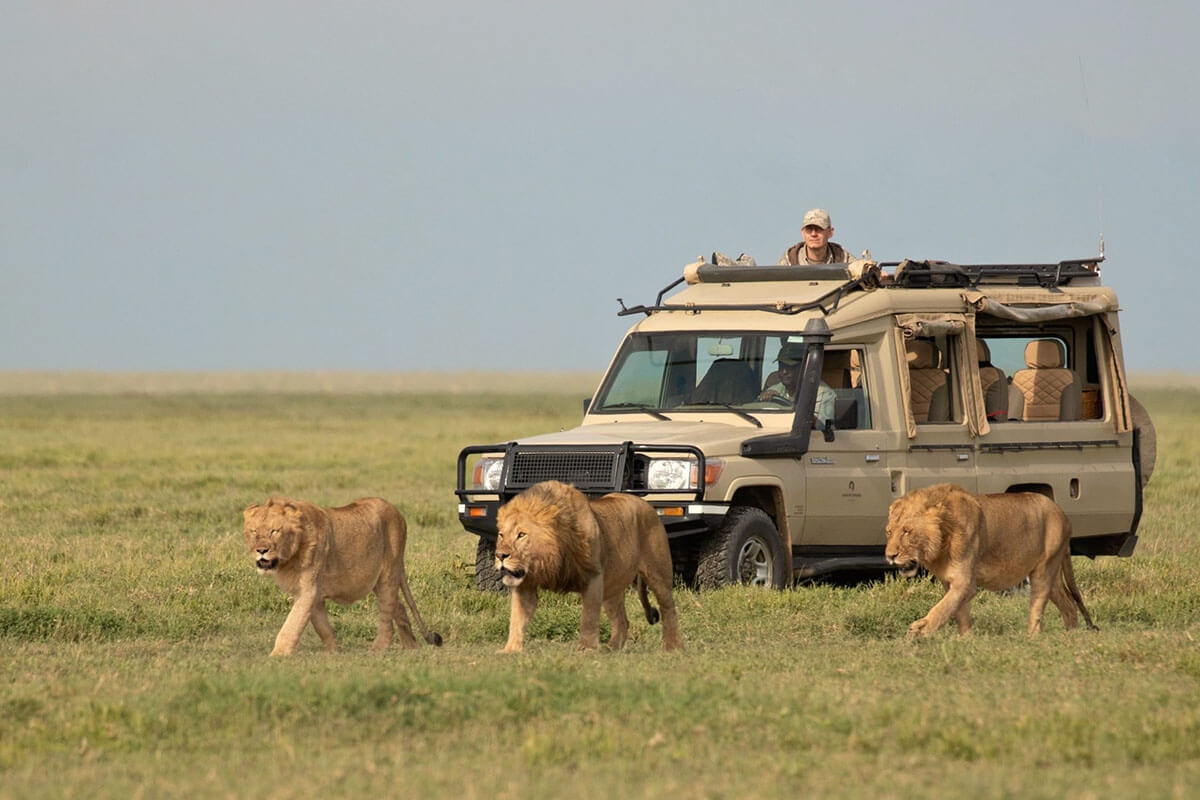
Serengeti feels endless in a way few places do. The horizon stretches so far that it seems to blur into the sky, and the land moves in slow rhythms of wind, grass, and wildlife.
In northern Tanzania, this is one of the world’s most iconic safari landscapes. Golden plains roll outward for miles, broken only by scattered acacia trees, rocky kopjes, and herds moving with quiet purpose.
What makes the Serengeti unforgettable is not just its beauty, but its sense of life in motion. Wildebeest migrate in vast numbers, zebras cross open grasslands, and predators follow the patterns they have known for generations.
Nothing feels staged here. Nature leads, and everything else follows.
Best Time to Visit:
The best time to visit depends on what you hope to see. June to October is ideal for dry-season wildlife viewing, when animals gather near water sources and sightings are easier.
For the Great Migration, timing shifts through the year as herds move across the ecosystem. January to March is often excellent for calving season, while river crossings are more common around July to September.
Travel Tips for First-Time Visitors:
- 🧭 Safety: The Serengeti is generally safe when explored responsibly, but it is wild terrain with powerful animals. Always follow the instructions of your guide or ranger, especially during game drives or camp stays. Never approach wildlife on foot unless specifically permitted with trained professionals. Animals may appear calm, but behavior can change instantly.
- 🎒Packing: Neutral-colored, lightweight clothing works best in safari environments. Mornings can be cool, while afternoons become hot and dry, so layers are useful. Bring sunscreen, sunglasses, a hat, insect repellent, and binoculars if possible. A camera with extra batteries or storage is worth carrying—you’ll use it more than expected. Dust can be common on game drives, so keeping a scarf or light face covering helps.
- 📄Permits: Park entry fees are required and are often included in safari packages arranged through licensed tour operators. If you’re booking independently, confirm what is covered in advance, including park fees, vehicle access, guide services, and accommodation inside or near the reserve.
17. Kruger National Park (South Africa):
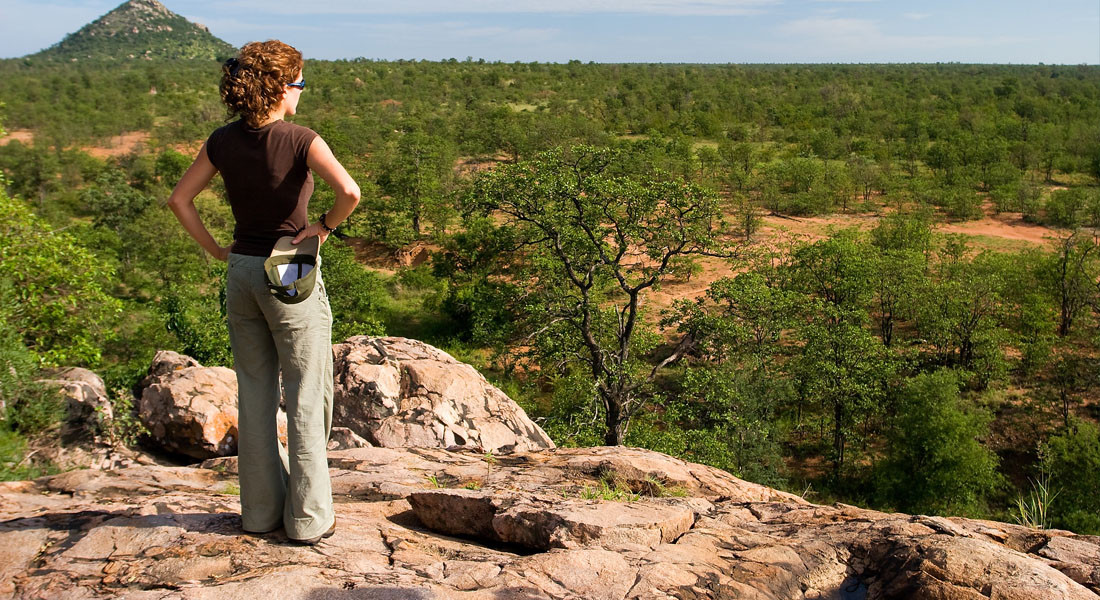
Kruger feels like the kind of place where every turn could become a story.
One moment the road is quiet, lined with dry bush and scattered trees. The next, a herd of elephants crosses in front of you, a lion appears in the shade, or giraffes move gracefully across the horizon. That sense of unpredictability is what makes Kruger so compelling.
In northeastern South Africa, Kruger is one of the continent’s most celebrated safari destinations. It’s vast, well-managed, and rich with wildlife, yet still wild enough to keep you alert from sunrise to sunset.
This is not a zoo with fences and schedules. It’s nature on its own terms.
Best Time to Visit:
The dry season, from May to September, is often the best time for wildlife viewing. Vegetation becomes thinner, water sources shrink, and animals are easier to spot.
The summer months, from October to April, bring greener landscapes, dramatic skies, and newborn animals. It can be hotter and wetter, but the park feels fuller and more alive.
Travel Tips for First-Time Visitors:
- 🧭Safety: Kruger is a true wildlife environment, and rules matter here. Stay inside your vehicle unless you are in designated safe zones or camps. Animals may appear relaxed, but they are wild and unpredictable. Keep distance, remain quiet during sightings, and always follow park regulations. If self-driving, be mindful of road conditions and avoid rushing. Patience often leads to the best sightings.
- 🎒Packing: Light, neutral-colored clothing works best for safari days. Mornings can be cool, while afternoons warm quickly, so layers are useful. Bring sunscreen, sunglasses, a hat, insect repellent, and a refillable water bottle. Binoculars can completely change your experience, especially for birdlife and distant sightings. A camera with extra battery life is worth bringing—you’ll likely need it.
- 📄Permits: Park entry fees apply and can be paid in advance or at entry gates, depending on your route and booking type. If staying inside Kruger camps or joining guided safaris, many costs may be bundled together. Always confirm what is included before arrival, especially accommodation, drives, and conservation fees.
18. Masai Mara National Reserve (Kenya):
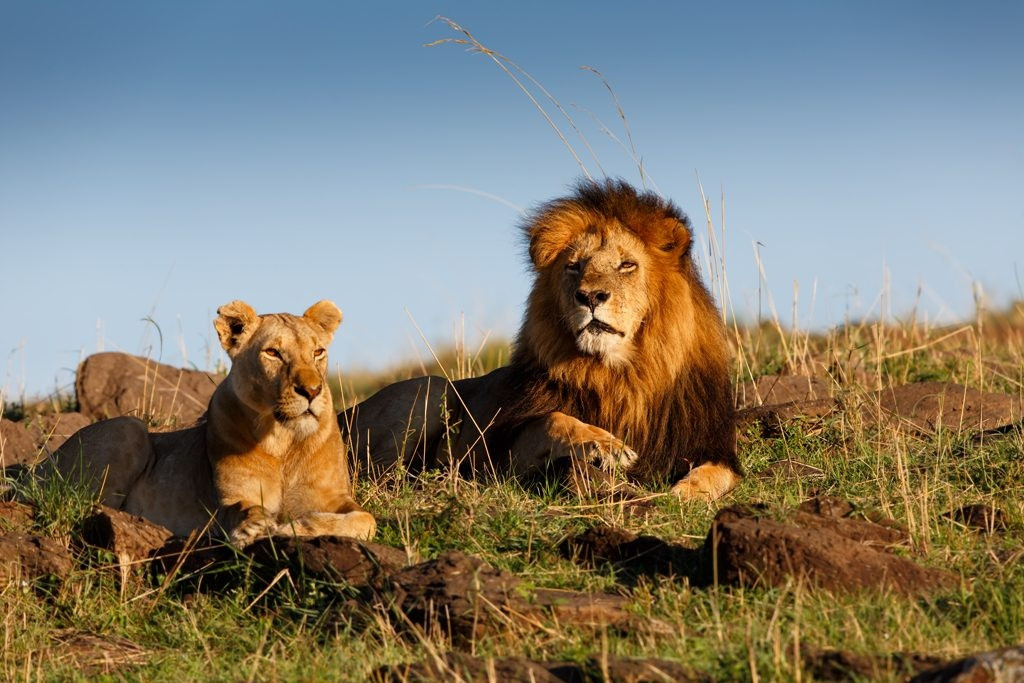
Masai Mara has a way of feeling familiar even before you arrive. Perhaps it’s because so many classic images of Africa seem to begin here—golden grasslands, lone acacia trees, and wildlife moving freely across an open horizon.
In southwestern Kenya, the reserve is one of the most celebrated safari destinations in the world. Yet beyond the reputation, what stays with you is the atmosphere. Wide skies, shifting light, and the quiet tension of knowing something extraordinary could appear at any moment.
A pride of lions resting in the shade. Elephants crossing the plains. Thousands of wildebeest moving as one during migration season. In the Mara, drama often arrives without warning.
Best Time to Visit:
July to October is the most famous period, when the Great Migration passes through the region and wildlife viewing is exceptional.
January to March is another rewarding time, with drier conditions, strong game sightings, and fewer crowds. The green season can be quieter and beautifully scenic, though rains are more common.
Travel Tips for First-Time Visitors:
- 🧭Safety: Masai Mara is best experienced with trained guides who understand wildlife behavior and terrain conditions. Always follow instructions during game drives and remain inside the vehicle unless told otherwise in designated areas. Animals may seem calm, but they are wild and unpredictable. Respect distance and keep noise to a minimum during sightings.
- 🎒Packing: Neutral, breathable clothing works best for safari days. Early mornings can feel chilly, while afternoons warm quickly, so light layers are ideal. Bring sunscreen, sunglasses, a hat, insect repellent, and binoculars if possible. A camera with extra memory or batteries is worth packing—you’ll likely use it constantly. Roads can be dusty, so a scarf or light covering can be useful during drives.
- 📄Permits: Reserve entry fees are required and are often included in lodge stays or safari packages booked through tour operators. If arranging travel independently, confirm in advance what is covered, including park access, transfers, game drives, and accommodation taxes.
19. Etosha National Park (Namibia):
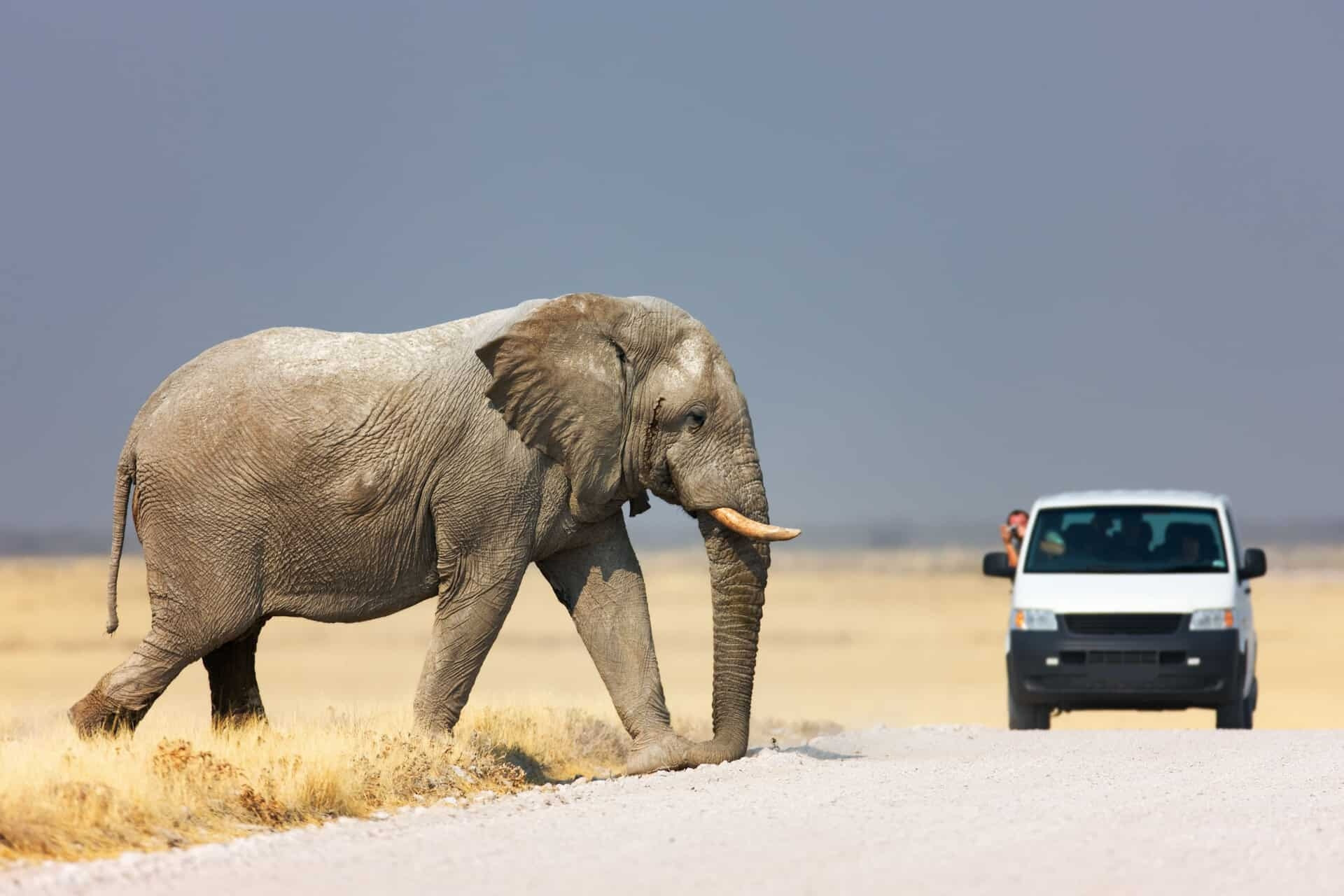
Etosha feels different from the moment you arrive. Wider. Brighter. More exposed.
In northern Namibia, this is a safari landscape shaped by light and space. At its heart lies the vast Etosha Pan, a shimmering salt flat so large it can seem endless, especially under the midday sun. Around it, wildlife gathers in patterns dictated by water, heat, and instinct.
There’s less density here than in greener parks, but that is part of the appeal. Sightings feel clearer, cleaner, almost cinematic. A lone elephant at a waterhole. Giraffes moving across pale dust. Lions resting in the shade while the horizon stays completely open.
Etosha doesn’t overwhelm you. It sharpens your attention.
Best Time to Visit:
The dry season, from May to October, is the best time for wildlife viewing. Animals gather around waterholes, vegetation thins out, and sightings become easier and more frequent.
The wet season, from November to April, brings greener scenery, migratory birds, and dramatic skies. Wildlife can be more spread out, but the landscape feels fresh and alive.
Travel Tips for First-Time Visitors:
- 🧭Safety: Etosha is ideal for self-drive safaris, but rules should be taken seriously. Stay inside your vehicle except in designated camps or safe areas. Roads can be long and remote, so keep fuel levels healthy and avoid unnecessary risks with timing or speed. Wildlife may appear suddenly near roads, especially around waterholes. Respect distances at all times. Even calm animals can react quickly.
- 🎒Packing: Light, breathable clothing works best in Namibia’s dry climate. Days can be hot, while mornings and evenings may feel surprisingly cool, so layers are useful. Bring sunscreen, sunglasses, a wide-brim hat, insect repellent, and plenty of water. Binoculars are especially valuable here because open landscapes often reward patient long-distance viewing. Dust is common, so protecting cameras and electronics is wise.
- 📄Permits: Park entry fees apply and can be paid through official gates or included in accommodation and tour packages. If you plan to stay inside Etosha camps, book early during peak season. Confirm whether accommodation rates include park access, vehicle fees, or guided drives.
20. Ngorongoro Conservation Area (Tanzania):
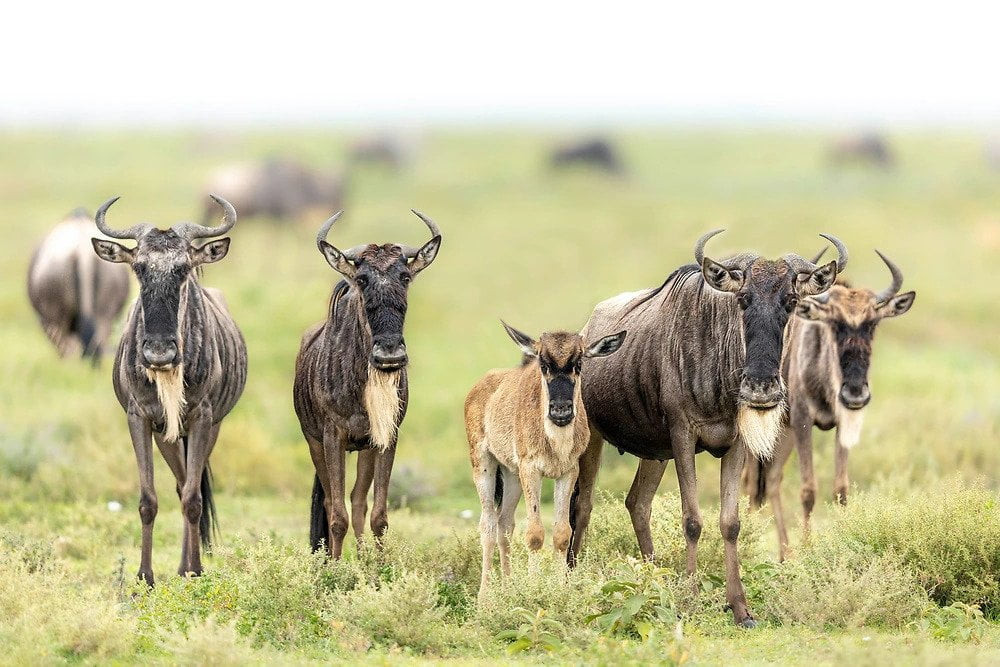
Ngorongoro feels like nature built its own amphitheater.
In northern Tanzania, this remarkable landscape is centered around the Ngorongoro Crater, a vast volcanic caldera where grasslands, forests, lakes, and wildlife exist within one dramatic natural bowl. The views from the rim alone are unforgettable—clouds drifting above while animals move far below like tiny shadows across the floor.
What makes Ngorongoro so special is the concentration of life. Lions, elephants, buffalo, zebras, flamingos, and rhinos all share the same ecosystem, creating one of Africa’s most rewarding safari experiences.
It feels grand, ancient, and strangely self-contained—as if the outside world fades the moment you descend into the crater.
Best Time to Visit:
Ngorongoro can be visited year-round, but the dry season from June to October is often the most comfortable for wildlife viewing and road conditions.
The green season, from November to May, brings lush scenery, fewer crowds, and excellent birdlife. Rain is more likely, but the crater becomes especially beautiful during this time.
Travel Tips for First-Time Visitors:
- 🧭Safety: Ngorongoro is typically explored through guided safari vehicles, and following your driver-guide’s instructions is essential. Wildlife is abundant and often close, but this is still a wild environment. Remain inside the vehicle except in designated areas. Roads descending into the crater can be steep and winding, so travel with licensed operators is strongly recommended.
- 🎒Packing: Layered clothing works best. Mornings on the crater rim can be cool and misty, while the crater floor often warms up later in the day. Bring sunscreen, sunglasses, a hat, insect repellent, and binoculars. A camera with zoom capability is especially useful here, as wildlife sightings can happen quickly and at varying distances. A light rain jacket is worth carrying during the wetter months.
- 📄Permits: Conservation area entry fees are required and are usually included in organized safari packages. If arranging your own trip, confirm all charges in advance, including crater descent fees, vehicle permits, guide services, and accommodation taxes.
🌎 South America & Oceania:
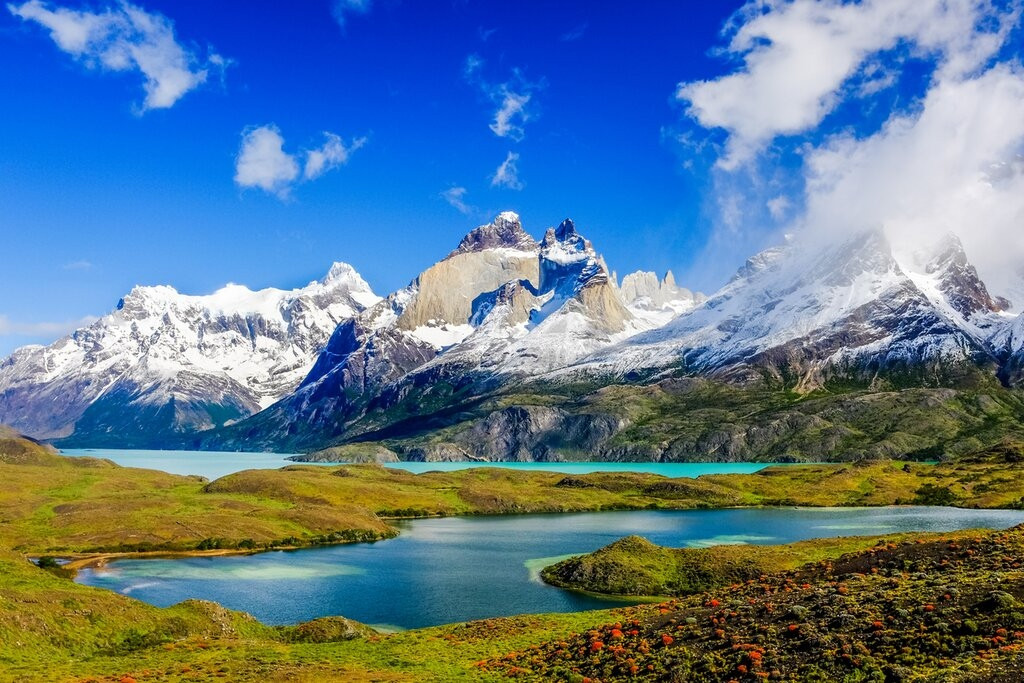
21. Torres del Paine National Park (Chile):
22. Iguazu National Park (Argentina/Brazil):
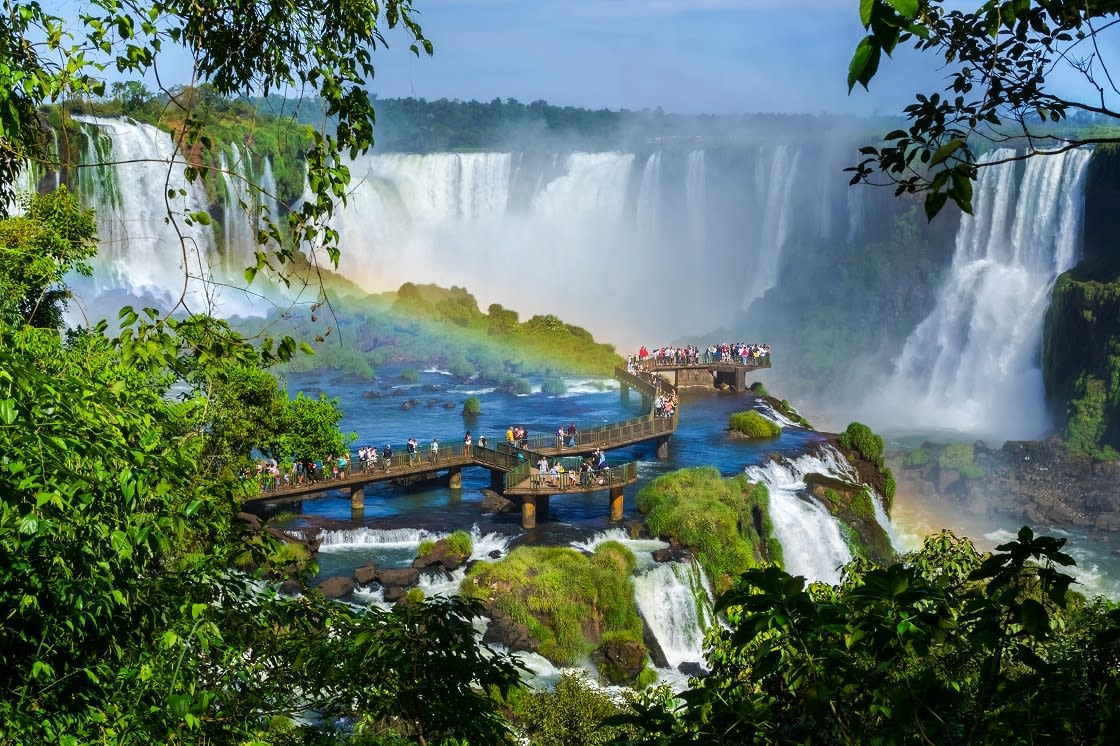
Iguazu doesn’t build slowly. It announces itself with sound.
Long before you see the waterfalls, you hear them—a deep, constant roar rising through the rainforest. Then the trees open, mist lifts into the air, and suddenly one of the most powerful natural spectacles on Earth stands in front of you.
Spread across the border of Argentina and Brazil, Iguazu is a vast system of hundreds of cascades surrounded by subtropical forest. Some falls plunge in dramatic curtains, others rush through narrow channels, and together they create a landscape that feels alive with motion.
It’s not just beautiful—it’s overwhelming in the best possible way.
Best Time to Visit:
Iguazu can be visited year-round, but March to May and August to October often offer the best balance of weather, water flow, and manageable crowds.
Summer months can be hotter, more humid, and busier, while heavier rains may create even more dramatic water volume. Every season brings a different mood to the falls.
Travel Tips for First-Time Visitors:
- 🧭Safety: Walkways and viewing platforms are generally well-maintained, but surfaces can become slippery from mist and rain. Move carefully, especially near railings and stairs. Keep personal items secure around water and watch for wildlife such as coatis, which are curious and known to approach visitors for food. Admire them, but do not feed them.
- 🎒Packing: Light, breathable clothing works best in the humid climate. Quick-dry fabrics are ideal, especially if you plan to get close to the spray zones. Bring comfortable walking shoes with grip, sunscreen, insect repellent, and a waterproof pouch for phones or cameras. You may get wetter than expected. A spare shirt can be surprisingly useful.
- 📄Permits: Park entry fees apply on both the Argentine and Brazilian sides, with separate ticket systems depending on which side you visit. If you plan to explore both countries, check visa requirements, border crossing rules, and opening times in advance. Many travelers choose to visit one side each day for the full experience.
23. Los Glaciares National Park (Argentina):
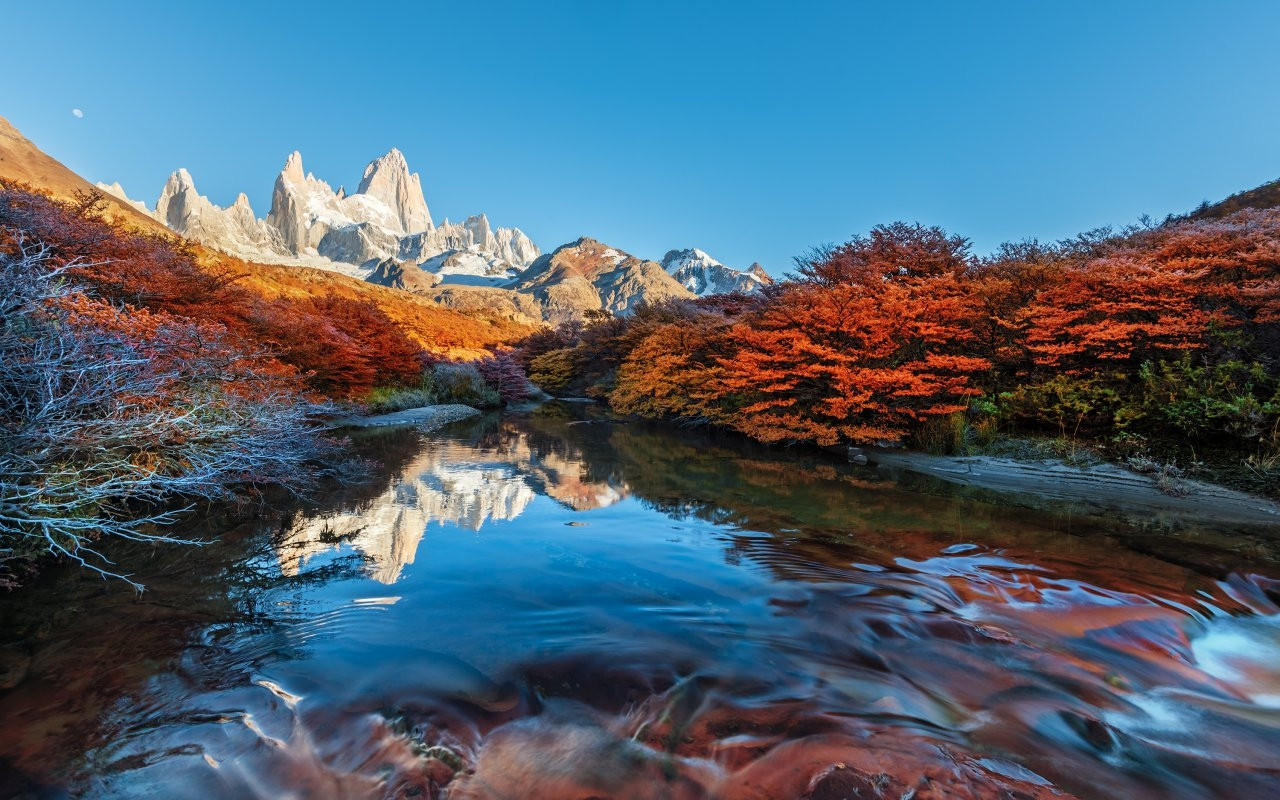
Los Glaciares feels vast even before you fully understand what you’re looking at.
In southern Argentina, this Patagonian wilderness is a world of ice, granite peaks, turquoise lakes, and weather that changes its mind without warning. The park is home to immense glaciers that creep slowly through the landscape, carving valleys and feeding brilliant blue waters below.
Then there is Perito Moreno Glacier—the star attraction for many visitors. You hear sharp cracks echo across the lake, followed by the thunder of ice breaking away into the water. It’s dramatic, unpredictable, and impossible to forget.
What makes Los Glaciares special is the contrast. Harsh ice beside soft light. Rugged mountains beside still lakes. Silence interrupted by nature’s sudden force.
Best Time to Visit:
The best time to visit is from October to April, when trails, roads, and visitor services are most accessible.
December to February brings warmer weather and peak travel season. Shoulder months like October, November, and March often offer fewer crowds with excellent hiking conditions.
Winter can be beautiful but colder, quieter, and more limited in access.
Travel Tips for First-Time Visitors:
- 🧭Safety: Patagonian weather can shift quickly. Wind, rain, and cold temperatures may arrive even on a clear morning, so always prepare for changing conditions. Stay on marked trails, especially near glacier viewpoints and mountain routes. Distances can be longer and more demanding than they first appear. If joining glacier walks or ice treks, use licensed operators and follow guide instructions carefully.
- 🎒Packing: Layering is essential here. Bring a waterproof outer layer, warm fleece or insulated mid-layer, and comfortable hiking clothing. Sturdy shoes with grip are strongly recommended, especially for trails around El Chaltén or wet viewing areas near glaciers. Pack sunscreen, sunglasses, gloves, and a hat. Patagonia’s sun and wind can be stronger than expected.
- 📄Permits: Many areas of Los Glaciares are straightforward to access, though some sectors, excursions, and guided glacier activities require advance booking or separate fees. If you plan to trek, take boat excursions, or join glacier walks, confirm schedules, transport, and ticket details ahead of time—especially during peak season.
24. Fiordland National Park (New Zealand):
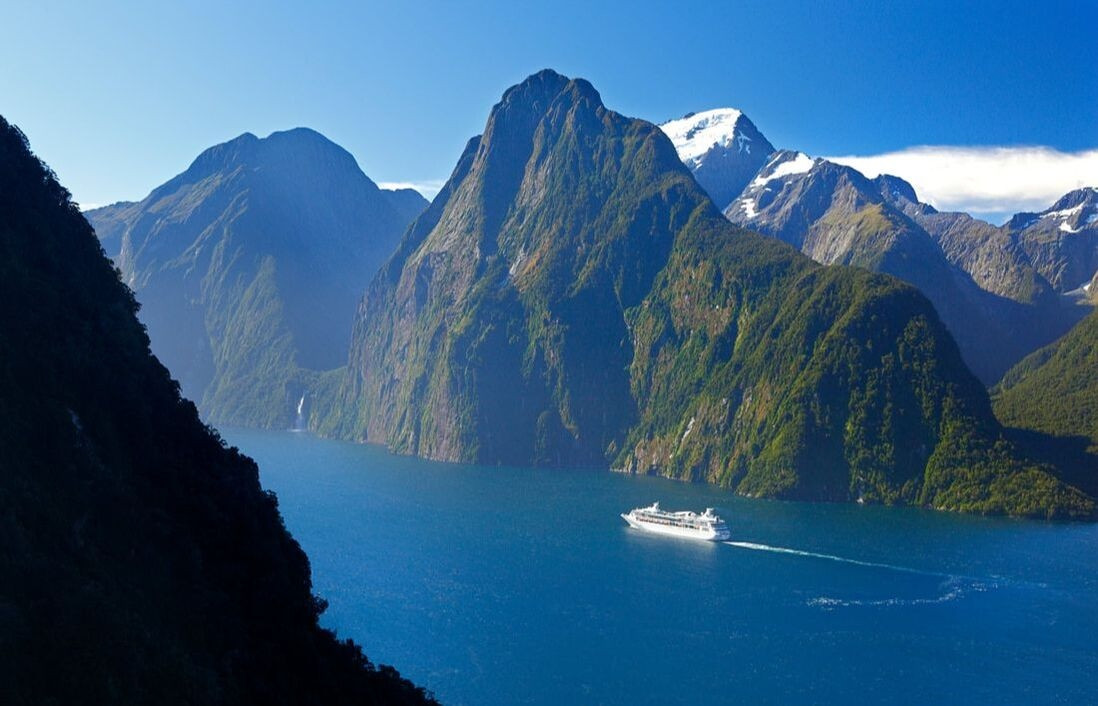
Fiordland feels like a place rain and time created together.
In the far southwest of New Zealand, this is a landscape of dark water, steep cliffs, ancient rainforest, and mountains that rise almost straight from the sea. Clouds drift low, waterfalls appear after rainfall, and mist often hangs in the valleys as if it belongs there permanently.
It’s one of those places where scale becomes difficult to judge. Everything seems larger, deeper, and older than expected.
Milford Sound may be the most famous corner of Fiordland, but the park’s magic goes beyond a single viewpoint. Quiet lakes, remote walking tracks, and hidden inlets give the region a sense of mystery that stays with you long after you leave.
Best Time to Visit:
Fiordland can be visited year-round, but November to April usually offers milder weather and longer daylight hours.
Rain is common in every season—and that’s not a drawback. Wet days often bring countless temporary waterfalls cascading down the cliffs, creating some of the park’s most memorable scenes.
Travel Tips for First-Time Visitors:
- 🧭Safety: Weather changes quickly in Fiordland. Clear skies can turn to heavy rain, wind, or mist within hours, especially in mountain areas. Roads and walking tracks may become slippery, so move carefully and check local conditions before setting out. If taking boat cruises or scenic flights, expect weather-related schedule changes from time to time.
- 🎒Packing: Waterproof gear is essential here. A quality rain jacket, water-resistant shoes, and quick-dry layers will make the experience far more comfortable. Bring warm layers even in summer, along with insect repellent—sandflies are common in many parts of Fiordland. A camera with weather protection is worth carrying. Conditions can be wet, but the scenery often looks best because of it.
- 📄Permits: Most scenic drives and standard visits are simple to arrange, but certain multi-day hikes, campsites, and backcountry routes may require permits or advance reservations. If you’re planning famous Great Walks such as the Milford Track or Kepler Track, book well ahead—spaces fill quickly during peak season.
25. Kakadu National Park (Australia):
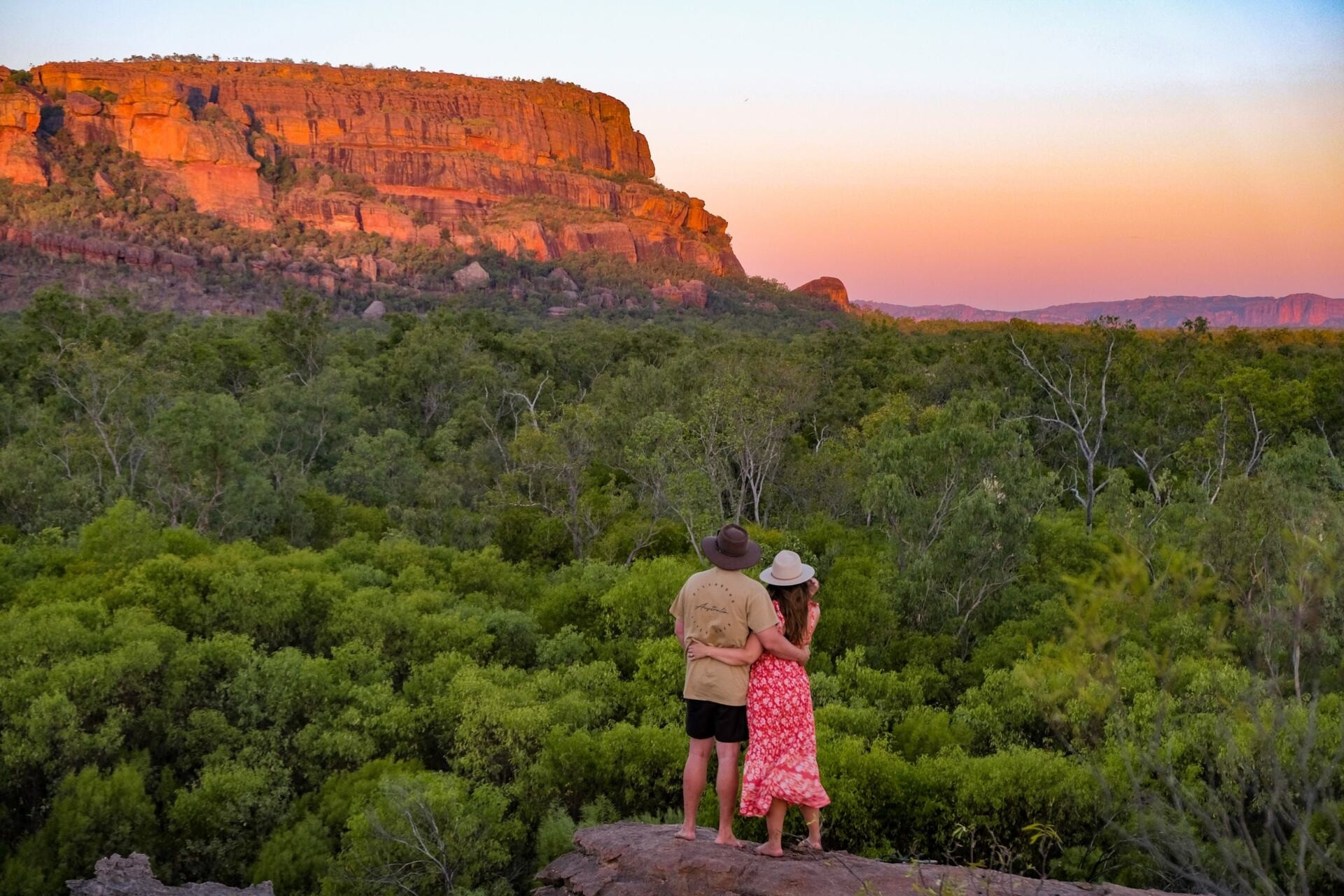
Kakadu feels ancient in a way that is hard to describe. Not just old—but deeply lived in.
In Australia’s Northern Territory, Australia, this vast landscape stretches across wetlands, floodplains, sandstone escarpments, monsoon forests, and winding rivers. It is one of the country’s most remarkable natural areas, but its story goes far beyond scenery.
Kakadu is also a place of profound Indigenous heritage, with rock art sites that connect visitors to tens of thousands of years of human history. Nature and culture exist side by side here, inseparable.
You may come for the wildlife and dramatic landscapes, but you leave remembering the sense of depth.
Best Time to Visit:
The dry season, from May to October, is the easiest and most popular time to visit, with clearer roads, milder weather, and better access to key areas.
The wet season transforms Kakadu completely. Floodplains fill, waterfalls surge, and the park becomes greener and wilder—though some roads and sites may close due to conditions.
Travel Tips for First-Time Visitors:
- Safety: Kakadu is beautiful, but conditions can be serious. Heat can be intense, distances are long, and some areas are very remote. Always follow local warnings, especially around waterways where crocodiles may be present. Swim only in officially designated safe areas and never assume water is risk-free. Check road conditions before driving, particularly after rain.
- Packing: Light, breathable clothing works best in the tropical climate, but sun protection is essential. Bring a wide-brim hat, sunscreen, sunglasses, and plenty of water. Comfortable walking shoes are important for trails and rock art sites. Insect repellent is highly recommended, especially near wetlands or at dusk. A dry bag or protective case is useful for cameras and electronics during boat trips or wet-season travel.
- Permits: Park entry fees apply during certain seasons and can usually be arranged online or at official access points. If you plan guided cruises, cultural tours, or remote camping stays, book in advance where possible. Some areas may have seasonal restrictions or limited access depending on weather conditions.
The world is home to an incredible array of national parks, each offering its own unique natural beauty and experiences. From the rugged mountains and glaciers of North America's parks, to the tropical rainforests of South America, and the vast savannas of Africa, there's something for everyone. Whether you're looking for breathtaking landscapes, rich wildlife, or adventure and recreation, these 25 most spectacular national parks are sure to provide memories to last a lifetime. With so many incredible parks to choose from, there's no reason not to start planning your next adventure today!






{{item.get_author.first_name}} {{item.get_author.last_name}}
Level 7
5 Photos
36 Reviews
{{item.comment_txt}}
{{item_reply.get_author.first_name}} {{item_reply.get_author.last_name}}
@ {{item_reply.reply_to}}, {{item_reply.reply_txt}}