

Camping in the United States is one of the most rewarding ways to experience the country’s vast wilderness. From rugged mountains and scorching deserts to dense forests and remote coastal landscapes, the U.S. offers incredible outdoor adventures for nature lovers. Millions of people visit national parks and campgrounds every year to escape city life and reconnect with nature.
But while camping can be peaceful and unforgettable, some destinations come with serious risks. Certain areas are known for extreme weather, dangerous wildlife, isolation, volcanic activity, or harsh terrain that can challenge even experienced campers. These places offer breathtaking beauty, but they also demand preparation, awareness, and respect for nature.
In this updated 2026 guide, we explore the Top 10 Most Dangerous Camping Destinations in the United States. These locations are not necessarily places to avoid, but they are environments where campers must take extra precautions to stay safe.
If you are planning a wilderness adventure in the U.S., understanding the risks of these destinations can help you prepare for a safe and memorable trip.
01. Death Valley National Park:
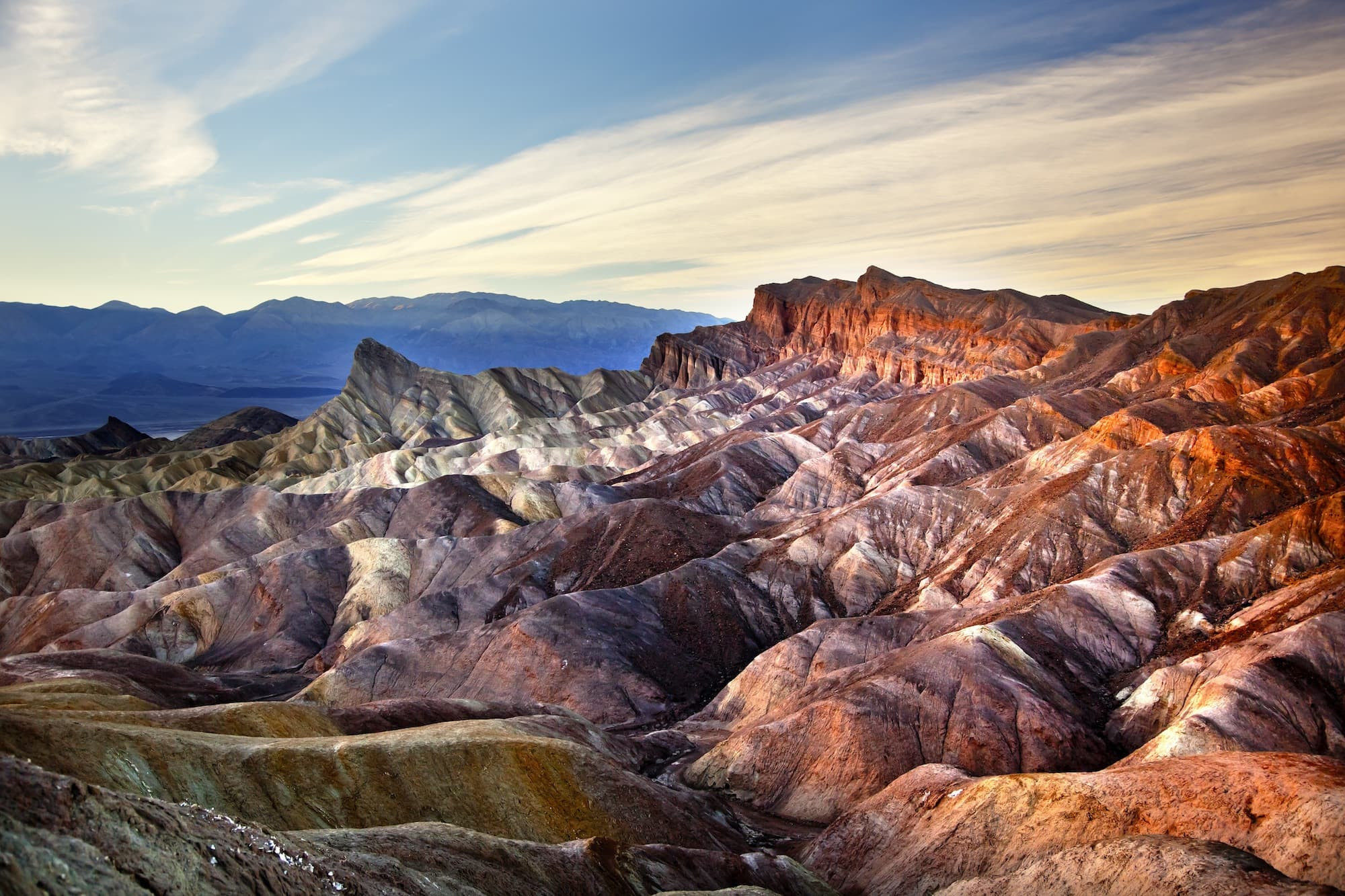
Death Valley National Park is one of the most extreme environments on Earth. Known as the hottest place in North America, the park regularly records summer temperatures above 120°F (49°C). Camping here can be an unforgettable experience, but it can also be dangerous for unprepared visitors.
The harsh desert climate is the biggest challenge. Dehydration and heatstroke are common risks, especially for campers who underestimate the conditions. Water sources are scarce, and distances between locations can be vast. Cell phone reception is limited in many parts of the park, making emergency communication difficult.
Another danger is flash flooding. Although the area is incredibly dry, sudden storms in nearby mountains can cause powerful flash floods that sweep through canyons and dry riverbeds.
Despite these risks, adventurous campers still flock to Death Valley for its dramatic landscapes, vast sand dunes, and world-class stargazing.
Best time to camp: November to March
Major dangers: extreme heat, dehydration, flash floods, remote terrain
02. Denali National Park:
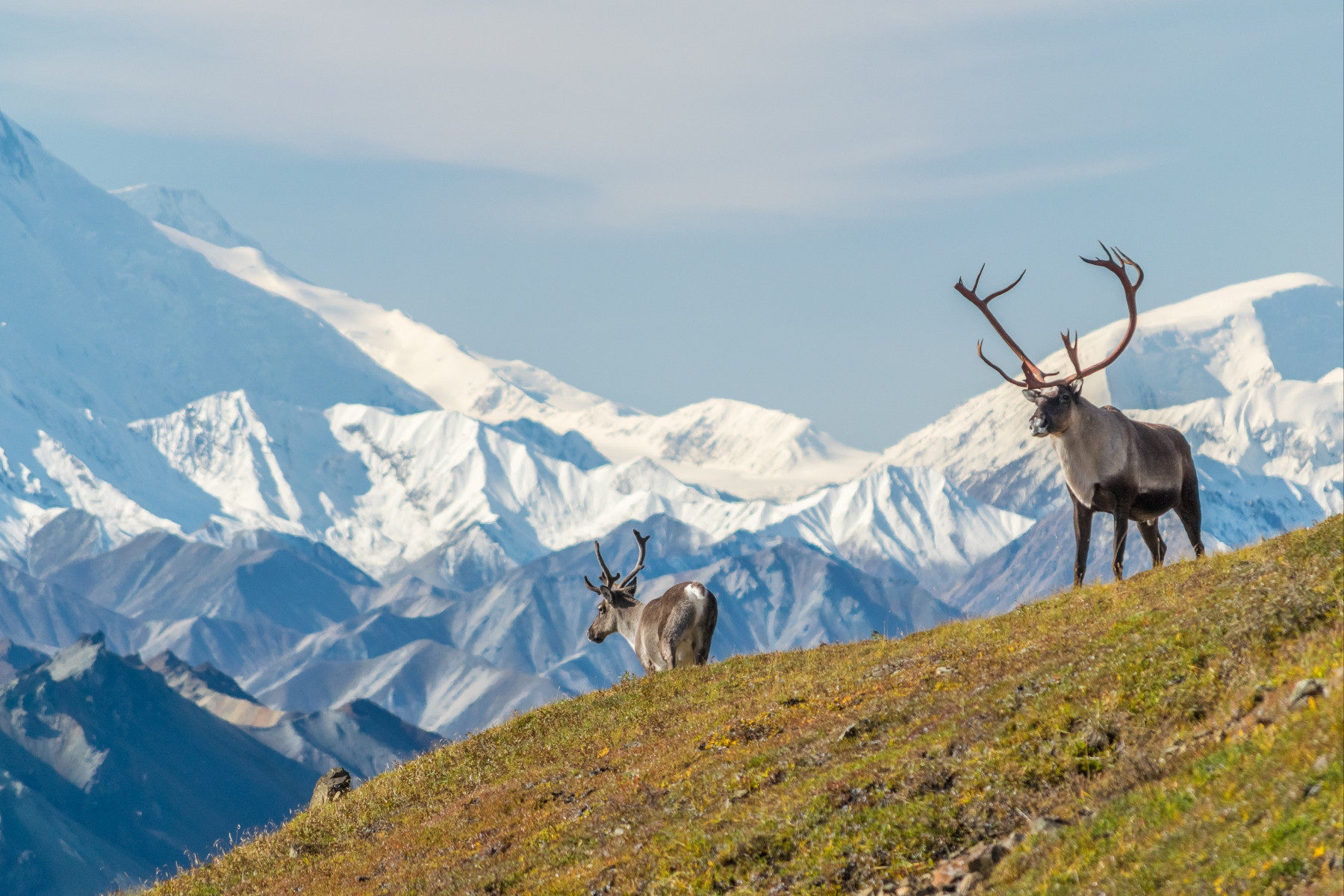
Denali National Park is one of the wildest places in North America. Located in Alaska, the park is home to North America’s tallest peak, Denali, and covers over six million acres of rugged wilderness.
Camping here offers incredible scenery and solitude, but the environment can be extremely unforgiving. The park is home to grizzly bears, wolves, and moose, making wildlife safety a major concern for campers.
Weather conditions are another challenge. Even during summer, temperatures can drop quickly, and storms can develop without warning. Because of the park’s remote nature, rescue operations can take hours or even days.
Backcountry campers must carry proper survival gear and have strong navigation skills before venturing into Denali’s wilderness.
Best time to camp: June to August
Major dangers: grizzly bears, sudden storms, extreme isolation
03. Yellowstone National Park:
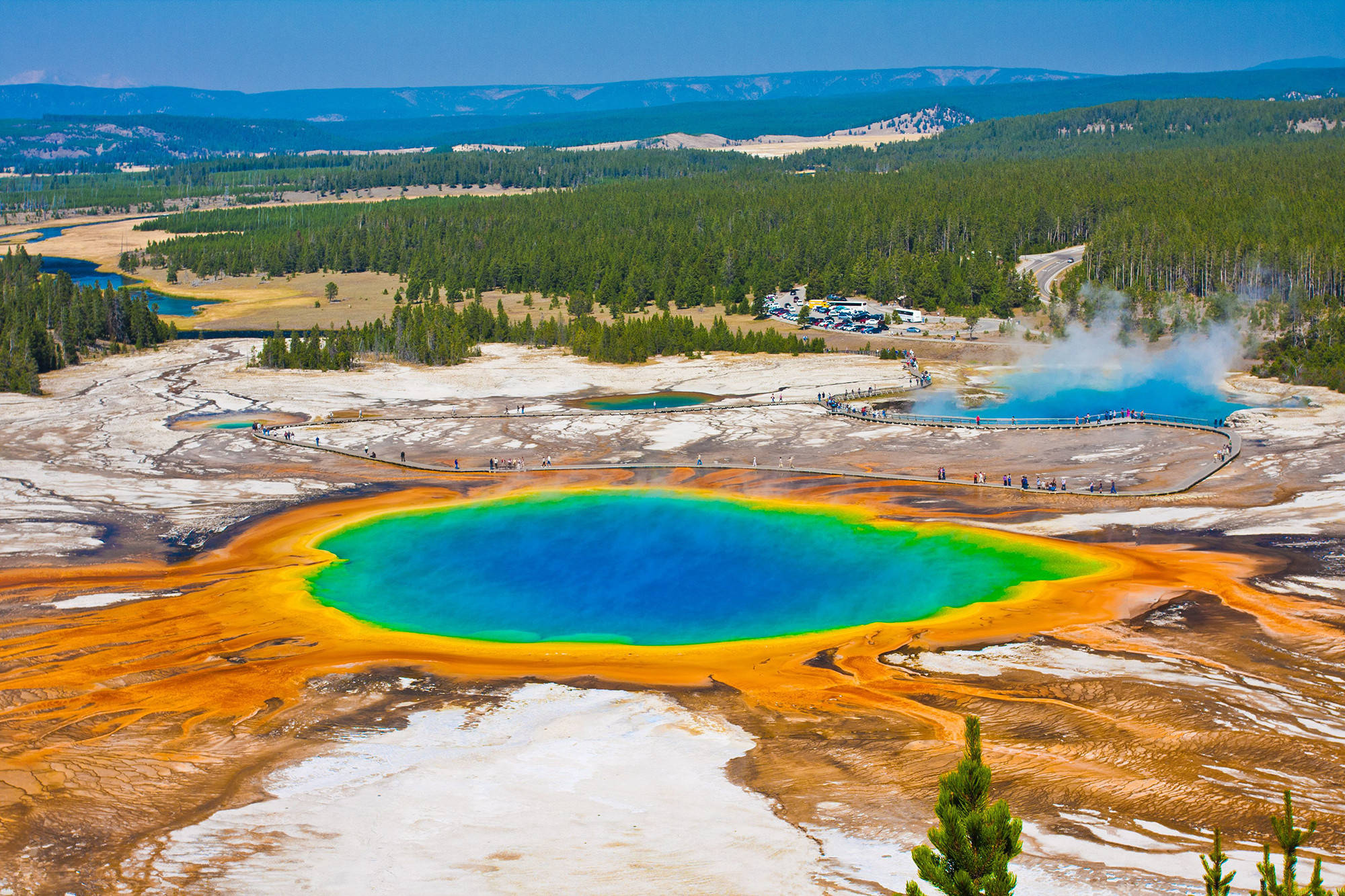
Yellowstone National Park is one of the most famous national parks in the world. It attracts millions of visitors each year thanks to its geysers, hot springs, wildlife, and dramatic landscapes.
However, Yellowstone is also one of the most dangerous camping destinations in the United States.
The park sits on top of a massive volcanic system, which creates hundreds of geothermal features. Some of these hot springs reach boiling temperatures, and stepping off designated paths can result in severe burns.
Wildlife encounters are another serious concern. Bison, bears, and wolves roam freely throughout the park. Bison may look calm but can run faster than humans and have injured many visitors who approached too closely.
For campers, understanding wildlife safety and staying within designated areas is essential.
Best time to camp: May to September
Major dangers: boiling hot springs, wildlife encounters, sudden weather changes
04. Glacier National Park:
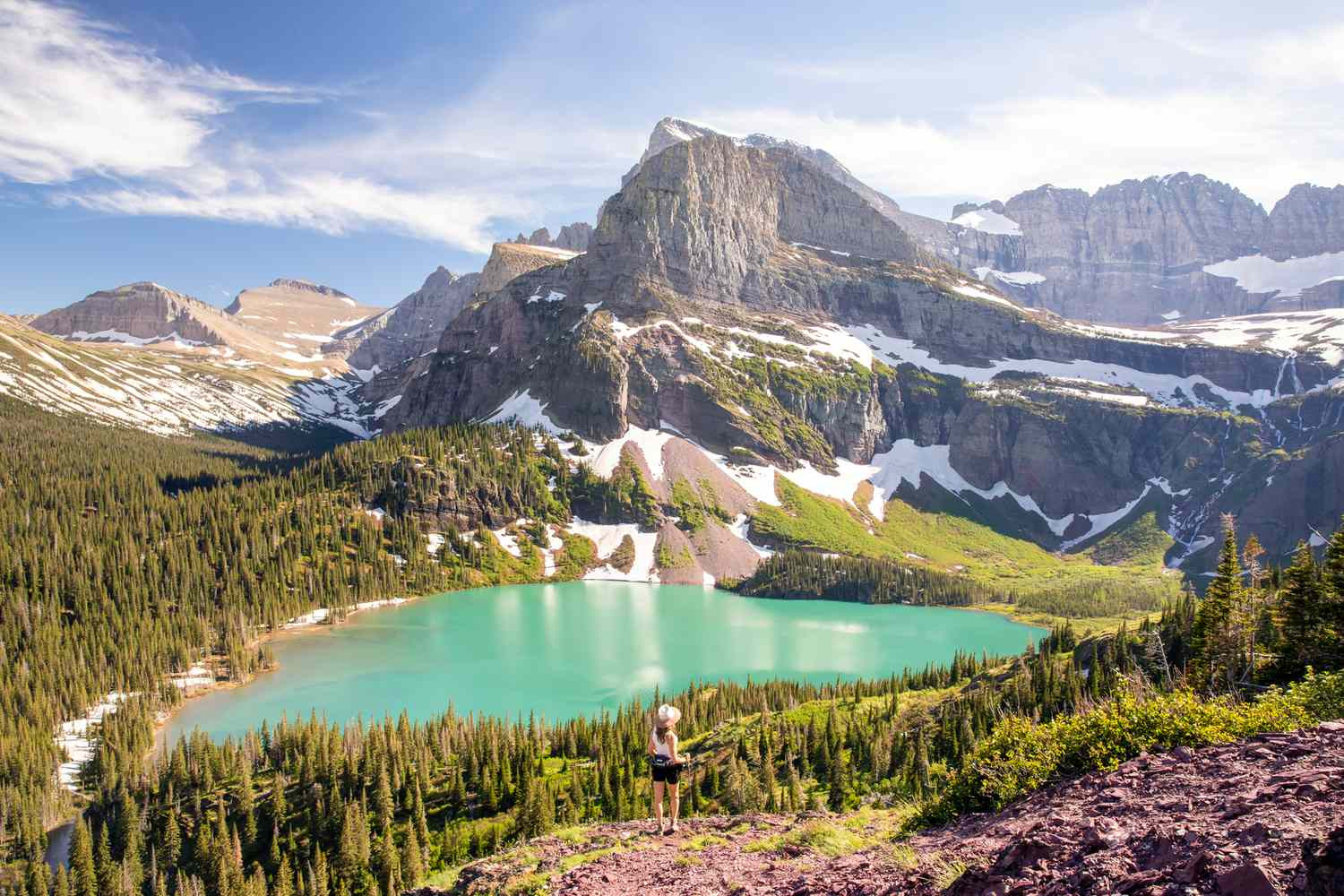
Glacier National Park is often called the “Crown of the Continent.” With its glacier-carved valleys, alpine lakes, and towering peaks, it is one of the most beautiful camping destinations in America.
But the park’s wilderness can also be dangerous. Glacier is home to one of the largest populations of grizzly bears in the lower 48 states. Bear encounters are a real possibility for backcountry campers.
Weather conditions are also unpredictable. Even in summer, snowstorms can occur in higher elevations. Avalanches and rockfalls are potential hazards in mountainous areas.
Because of these risks, campers must carry bear spray, store food properly, and stay aware of their surroundings.
Best time to camp: July to September
Major dangers: grizzly bears, avalanches, hypothermia
05. Big Bend National Park:
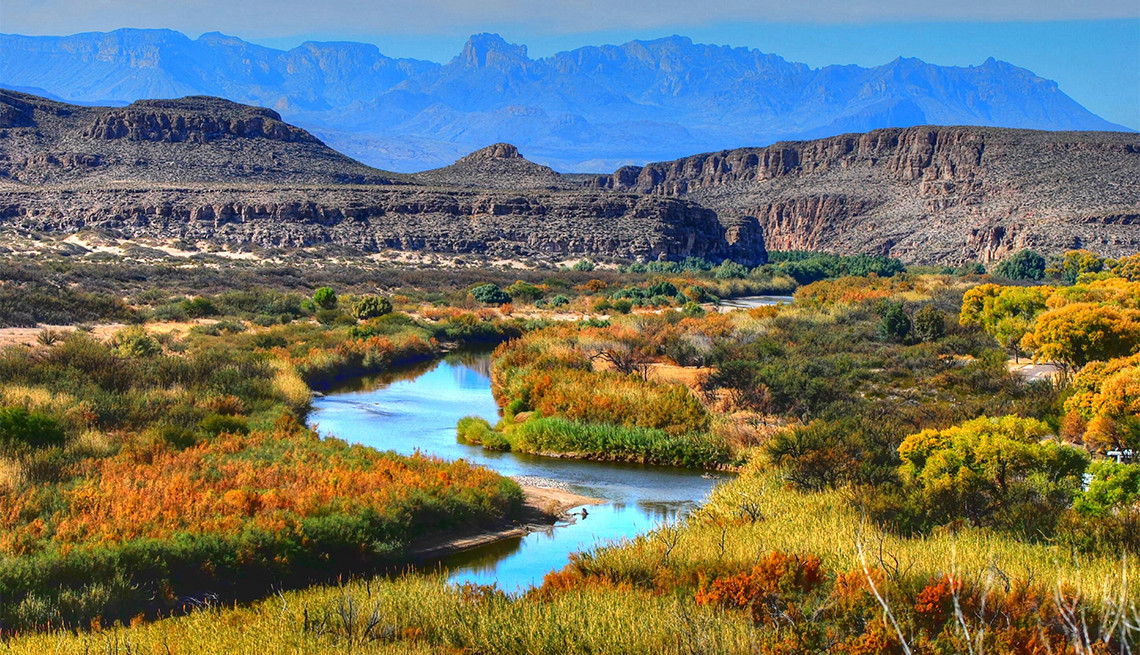
Big Bend National Park sits along the Rio Grande in southern Texas and is one of the most remote national parks in the country.
Its desert landscapes, dramatic canyons, and dark night skies attract adventurous campers seeking solitude. However, the desert environment presents several serious dangers.
Temperatures can rise dramatically during the day, often exceeding 100°F (38°C), while nights can become surprisingly cold. Water sources are extremely limited, making dehydration a real risk.
The park’s remoteness also means help may be far away if something goes wrong. Many areas have no cell phone service, and travel distances can be long.
Best time to camp: October to April
Major dangers: extreme heat, dehydration, remote terrain
06. Mount Rainier National Park:
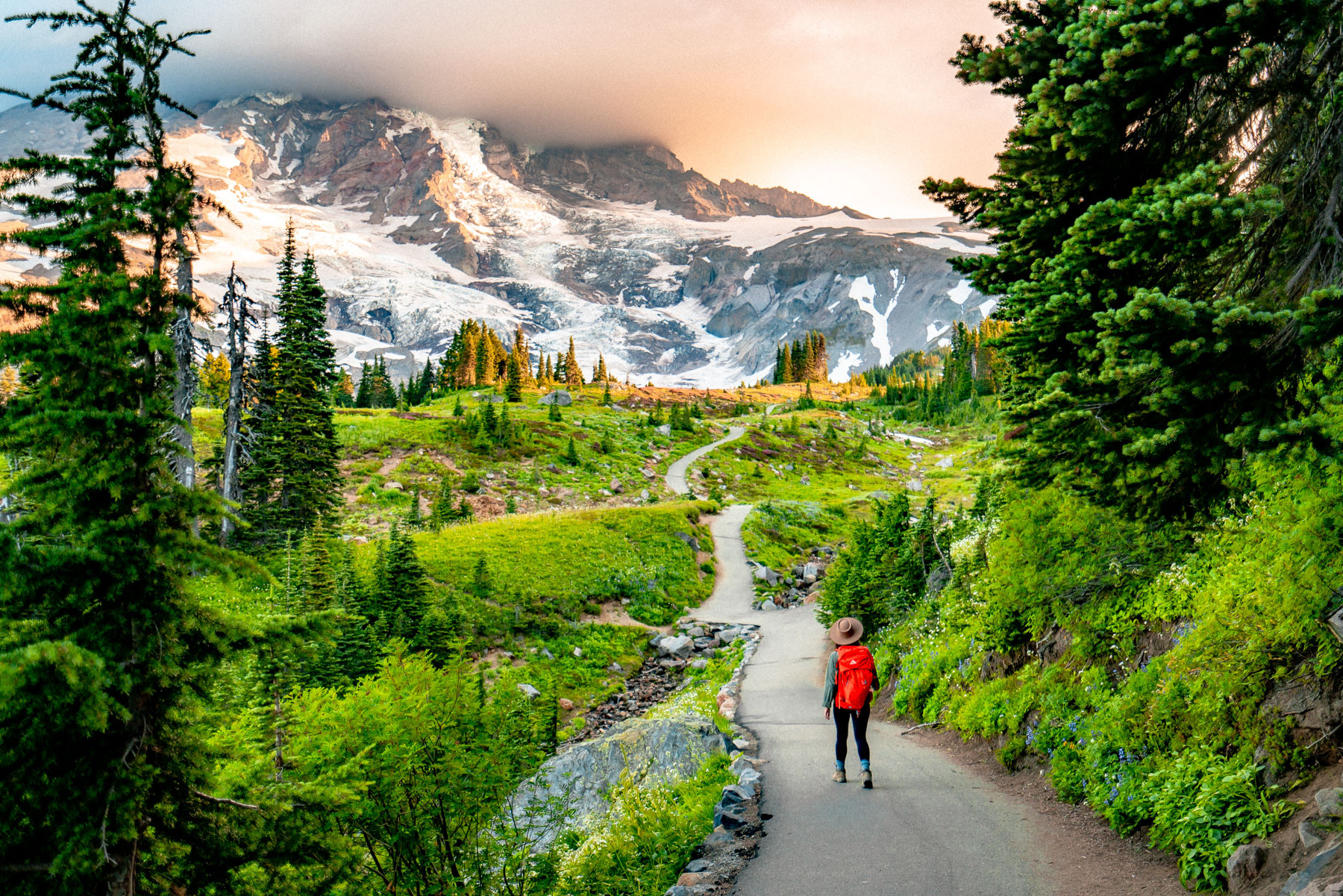
Mount Rainier National Park is dominated by the massive snow-covered volcano known as Mount Rainier. The park’s alpine meadows and glaciers create spectacular scenery, but the mountain environment also carries significant risks.
Weather can change quickly, and heavy snow can fall even during summer months. Avalanches and falling ice are potential dangers in high elevations.
The park’s glaciers contain hidden crevasses that can be deadly for inexperienced climbers and campers.
Proper preparation, weather awareness, and experience with mountain travel are essential for anyone planning to camp in this area.
Best time to camp: July to September
Major dangers: avalanches, volcanic hazards, unpredictable weather
07. Everglades National Park:
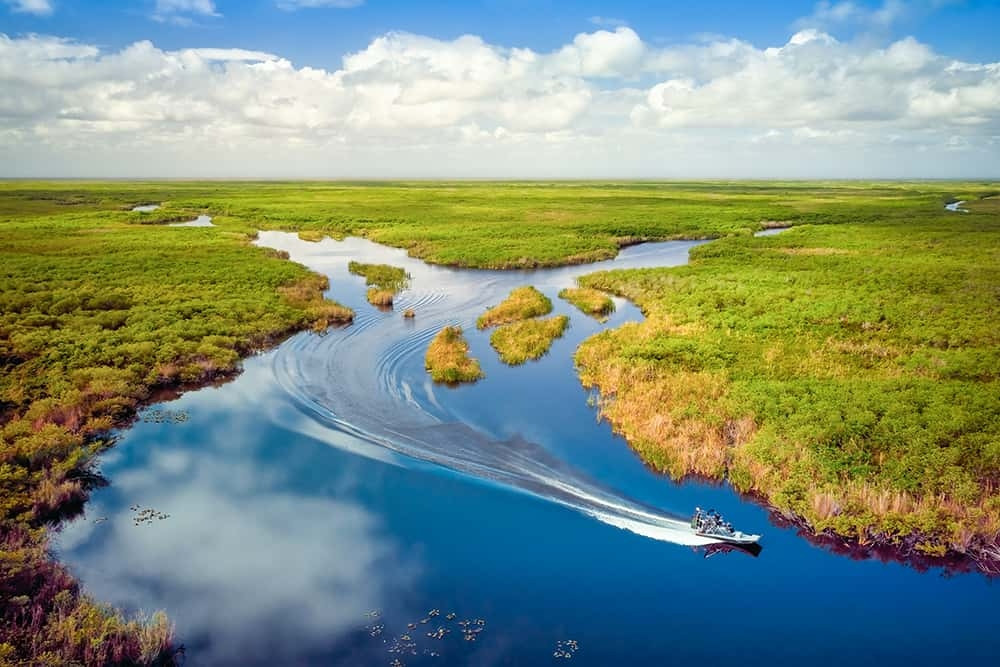
The Everglades offer one of the most unique camping experiences in the United States. This vast wetland ecosystem in Florida is filled with mangroves, waterways, and incredible biodiversity.
However, the same wildlife that makes the Everglades fascinating can also make it dangerous.
Alligators and crocodiles inhabit many waterways, while venomous snakes such as cottonmouths are common in certain areas. Mosquitoes can also be overwhelming during the wet season and may carry diseases.
Tropical storms and hurricanes are another concern, particularly during the summer months.
For campers, proper gear and awareness of wildlife are essential.
Best time to camp: December to April
Major dangers: alligators, snakes, mosquitoes, storms
08. Joshua Tree National Park:
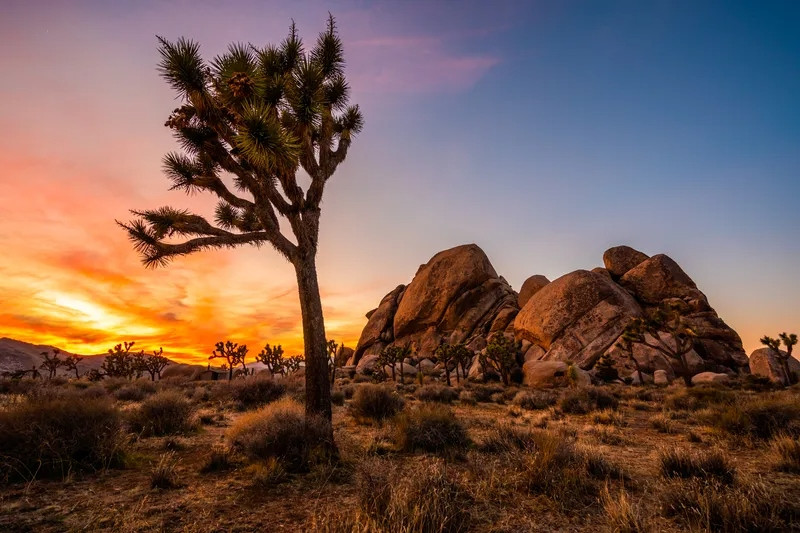
Joshua Tree National Park is famous for its surreal desert landscapes, giant rock formations, and iconic Joshua trees.
While the park is a favorite among rock climbers and photographers, camping here can be risky due to the harsh desert climate.
Daytime temperatures can become dangerously high, especially during summer months. Water is scarce, and many areas offer little shade.
Navigation can also be challenging because the desert terrain often looks similar in every direction, increasing the risk of getting lost.
Best time to camp: October to April
Major dangers: heatstroke, dehydration, navigation difficulties
09. Great Smoky Mountains National Park:
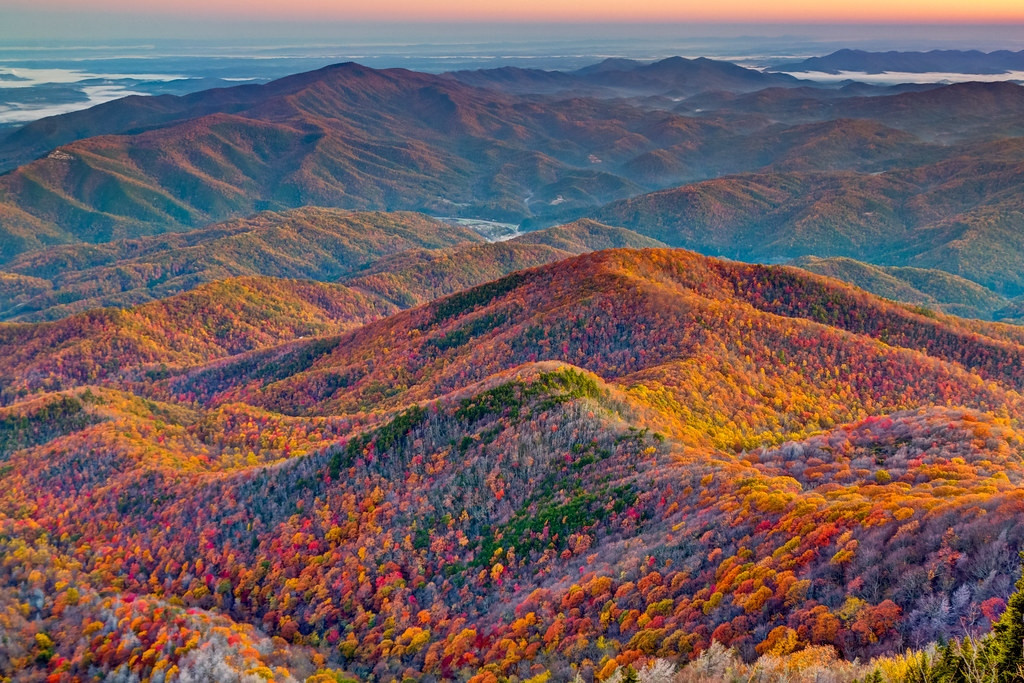
The Great Smoky Mountains National Park is the most visited national park in the United States. Its lush forests, waterfalls, and scenic trails make it a favorite destination for campers.
But the park’s popularity does not mean it is risk-free.
Black bears are common in the area, and improper food storage can attract them to campsites. Dense fog can also reduce visibility on mountain roads and trails, making navigation difficult.
Heavy rainfall sometimes causes flash flooding in valleys and streams.
Campers should always follow wildlife safety guidelines and stay alert to changing weather conditions.
Best time to camp: April to October
Major dangers: black bears, fog, flash floods
10. Haleakalā National Park:
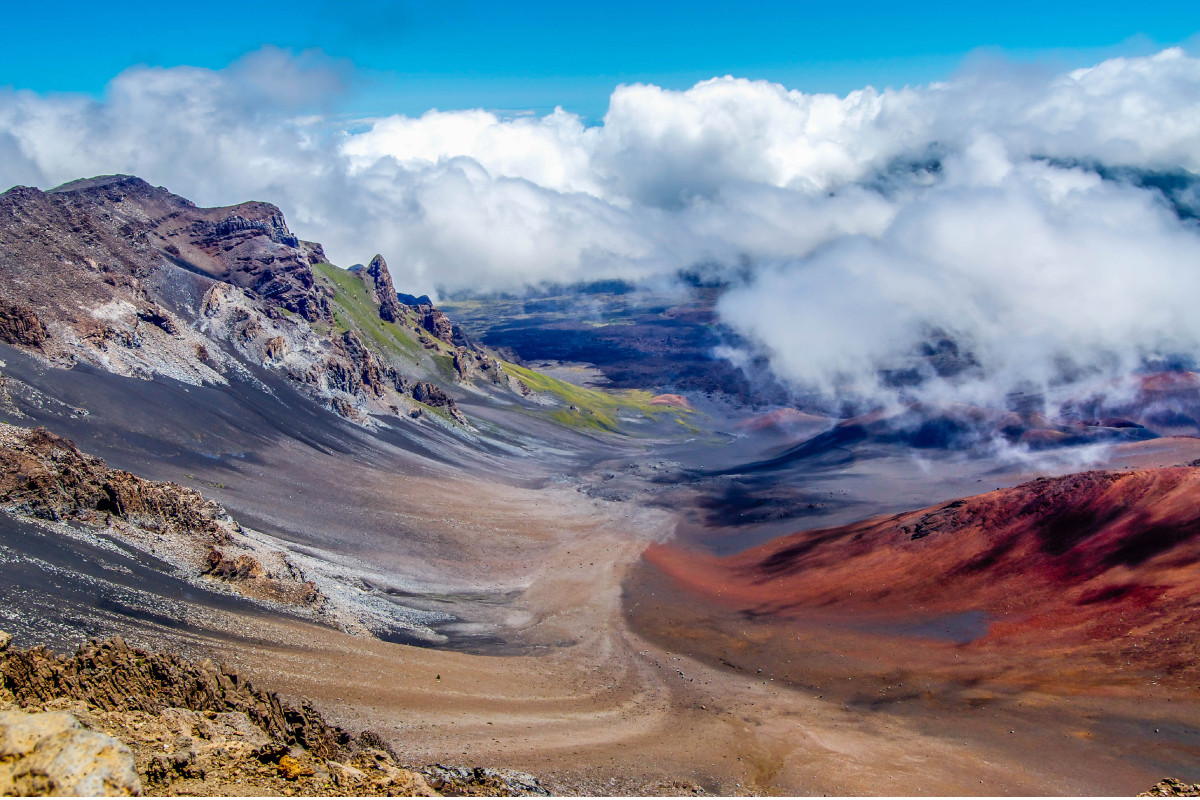
Haleakalā National Park offers one of the most unusual camping environments in the United States. The park sits inside a massive volcanic crater on the island of Maui.
Camping at high elevation inside the crater can feel like visiting another planet. But the altitude and weather conditions can be challenging.
Temperatures drop quickly after sunset, and strong winds are common. Some visitors experience altitude sickness due to the park’s high elevation.
Campers who arrive unprepared for the cold mountain environment may struggle during the night.
Best time to camp: May to October
Major dangers: altitude sickness, strong winds, cold nights
Essential Safety Tips for Camping in Dangerous Locations:
When camping in remote or high-risk environments, preparation and awareness are the most important factors for staying safe. Dangerous camping destinations—such as the desert terrain of Death Valley National Park or the remote wilderness of Denali National Park—require campers to follow strict safety practices. Below are 10 essential safety tips every camper should follow when exploring challenging locations.
-
Research the Destination Thoroughly
Before your trip, study the terrain, climate, wildlife activity, and park regulations. Review official updates and alerts from park authorities to understand potential hazards such as trail closures, storms, or wildlife movement. -
Check Weather Forecasts Regularly
Weather conditions in wilderness areas can change quickly. In mountainous areas like Mount Rainier National Park, sudden storms, heavy snow, or strong winds may occur even in summer. Always check forecasts before and during your trip. -
Carry Sufficient Water and Hydration Supplies
Dehydration is one of the most common risks for campers, especially in desert environments like Joshua Tree National Park. Bring more water than you think you’ll need and consider carrying water purification tools for emergencies. -
Store Food Properly to Avoid Wildlife Encounters
Wildlife such as bears, bison, and raccoons are often attracted to food. In places like Yellowstone National Park, always use bear-proof containers and keep food stored far from sleeping areas. -
Pack Essential Emergency Gear
Every camper should carry a first aid kit, flashlight or headlamp, extra batteries, fire-starting tools, a whistle, and emergency shelter equipment. These items can be lifesaving if unexpected situations arise. -
Use Reliable Navigation Tools
GPS devices are useful, but they should not be your only navigation method. Always carry a physical map and compass, especially when camping in large wilderness parks such as Glacier National Park. -
Inform Someone About Your Travel Plan
Share your itinerary, campsite location, and expected return time with a friend or family member. This information can help rescue teams locate you quickly if an emergency occurs. -
Maintain Safe Distance from Wildlife
Never approach or attempt to feed wild animals. Even animals that appear calm can become aggressive if they feel threatened. Respecting wildlife distance rules helps prevent accidents. -
Prepare for Limited Communication
Many national parks have little or no mobile network coverage. In remote areas, consider carrying a satellite communicator or personal locator beacon for emergency contact. -
Follow Park Rules and Safety Guidelines
National parks establish rules to protect visitors and the environment. Following marked trails, respecting fire restrictions, and observing safety signs are essential for preventing accidents.
The United States is home to some of the most spectacular wilderness areas in the world. Many of these destinations offer unforgettable camping experiences, but they also come with natural risks.
From the scorching deserts of Death Valley to the frozen wilderness of Alaska, these environments demand respect and preparation.
With the right knowledge, proper equipment, and careful planning, campers can safely explore even the most dangerous camping destinations in the country.
Adventure often lies beyond comfort zones, but in the wild, preparation can make the difference between an unforgettable journey and a dangerous situation.




{{item.get_author.first_name}} {{item.get_author.last_name}}
Level 7
5 Photos
36 Reviews
{{item.comment_txt}}
{{item_reply.get_author.first_name}} {{item_reply.get_author.last_name}}
@ {{item_reply.reply_to}}, {{item_reply.reply_txt}}