

Presidential palaces are not just administrative hubs; they are architectural marvels that narrate tales of history, culture, and power. These iconic buildings often showcase a blend of heritage, art, and opulence. In this blog, we explore 25+ of the most majestic and beautiful presidential palaces in the world, highlighting their unique features and historical significance.
01. The White House – Washington, D.C., USA:
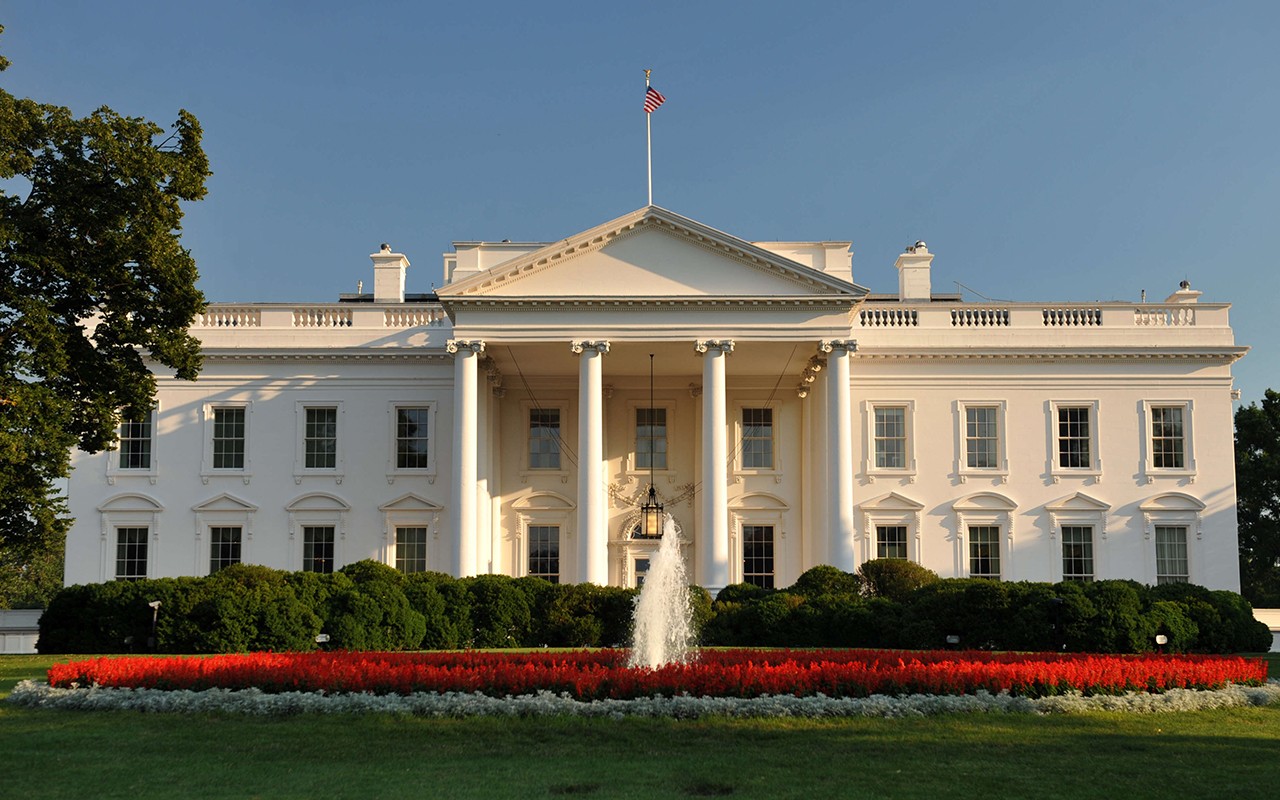
The White House is one of the most iconic symbols of American democracy and power. Built in the neoclassical style, this historic residence has been home to U.S. presidents since John Adams in 1800. The structure includes 132 rooms, 35 bathrooms, and 6 levels, featuring a mix of offices, meeting spaces, and living quarters. Its sprawling South Lawn and Rose Garden add to its charm. The building has witnessed numerous historic events, from state dinners to pivotal political decisions. Tours of the White House are available, offering visitors a glimpse into the life and legacy of the presidency.
🌟 Why it matters:
The White House is one of the most powerful and iconic buildings in the world. It has been the official residence and workplace of every U.S. President since John Adams in 1800.
It represents:
- 🏛️ Political power of the United States
- 📜 Key decisions in global history
- 🎯 A symbol of democracy and leadership
Architecturally, it is a masterpiece of Neoclassical design, and globally recognized as a symbol of modern governance.
🚶 Can tourists visit?
YES – but with restrictions
✔ Public tours are available
❗ Must be requested in advance (usually through a U.S. member of Congress or embassy support for foreign visitors)
❗ Security screening is strict
❗ Walk-in visits are NOT allowed
👉 Tour areas include:
- State rooms
- Historic corridors
- East Wing (selected access depending on security)
📅 Best time to visit:
✔ Spring (March – May) → Beautiful gardens, cherry blossoms nearby
✔ Fall (September – November) → Comfortable weather, fewer crowds
02. Élysée Palace – Paris, France:
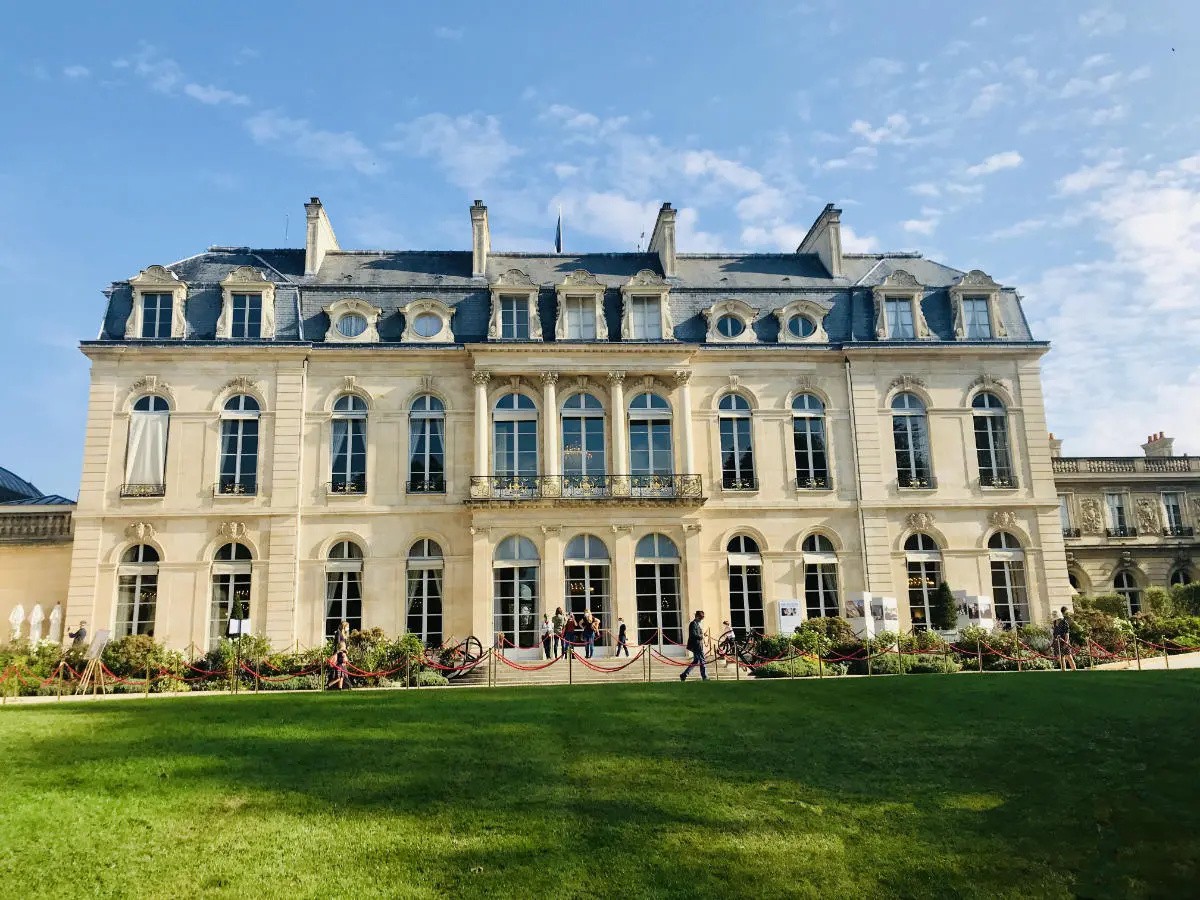
The Élysée Palace is the epitome of French elegance and sophistication. Situated in the heart of Paris, this Baroque-style palace has served as the official residence of the French President since 1848. Originally built in 1722, its lavish interiors feature gilded walls, crystal chandeliers, and ornate furnishings. The palace’s beautifully landscaped gardens provide a serene backdrop amidst the bustling city. Apart from being the presidential residence, it is a venue for state meetings and ceremonies. Its historical significance and architectural beauty make it one of the most admired presidential palaces in Europe.
🌟 Why it matters:
The Élysée Palace is one of the most important political buildings in Europe. It has been the official residence of the French President since 1848.
It represents:
- 🇫🇷 Executive power of France
- 🏛️ Historic French governance and diplomacy
- 🎨 Classic French architecture and heritage
Located near the famous Champs-Élysées, it is deeply connected to the political heart of Paris.
🚶 Can tourists visit?
PARTIALLY – but with restrictions
✔ The palace is open to the public only on special occasions such as:
- European Heritage Days (Journées du Patrimoine)
❗ Otherwise:
- No regular public tours
- Security-controlled government residence
👉 Visitors can still view:
- Exterior gates and façade
- Surrounding historic streets of Paris
📅 Best time to visit:
✔ September (European Heritage Days) → rare public access
✔ Spring (April – June) → best weather for exterior viewing and photography
✔ Autumn (September – October) → fewer crowds, ideal walking conditions
03. Rashtrapati Bhavan – New Delhi, India:
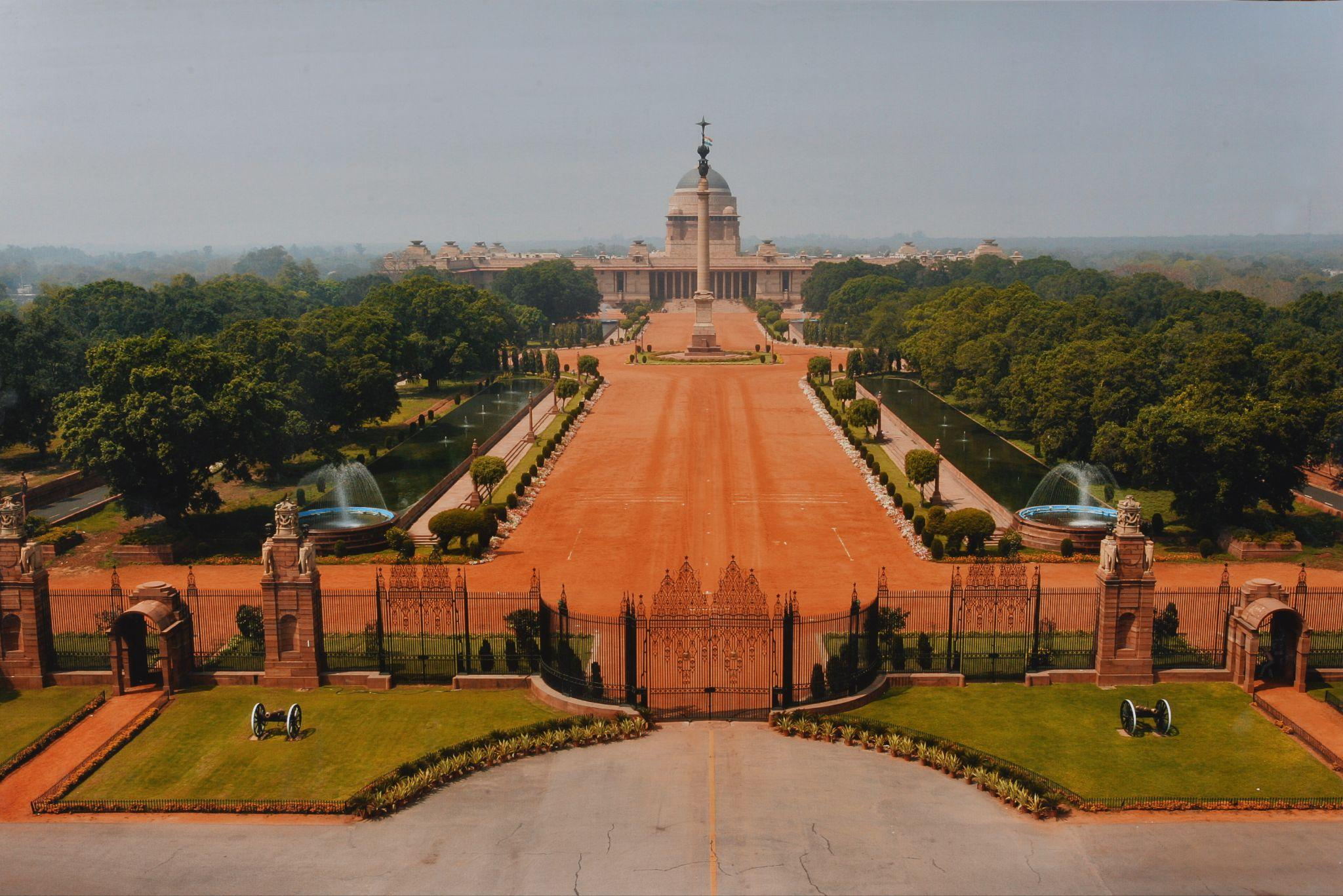
Rashtrapati Bhavan is a testament to India’s architectural grandeur and historical legacy. Spanning over 320 acres, it is one of the largest presidential residences in the world. Designed by British architect Edwin Lutyens, it blends Indo-Saracenic and classical architectural styles. The complex includes 340 rooms, sprawling Mughal Gardens, and intricate stonework that reflects India’s rich heritage. It serves as the official residence of the President of India and hosts numerous state functions. Visitors can explore parts of the palace and gardens during special tours, making it a must-visit landmark in New Delhi.
🌟 Why it matters:
Rashtrapati Bhavan is one of the largest and most impressive presidential residences in the world. It serves as the official home of the President of India and is a powerful symbol of the country’s democracy and colonial history.
It represents:
- 🇮🇳 Executive authority of India
- 🏛️ British-era architectural heritage blended with Indian design
- 🌿 One of the largest presidential estates globally
Designed by Sir Edwin Lutyens, it sits at the heart of New Delhi’s Rajpath (Kartavya Path) and includes expansive Mughal Gardens.
🚶 Can tourists visit?
YES – WITH PERMISSION & LIMITED ACCESS
✔ Public access is available through official booking
✔ Certain areas are open on selected days
✔ Mughal Gardens are open seasonally
❗ Restrictions:
- Full interior palace access is NOT allowed
- Security checks are mandatory
- Visits must be pre-booked online
📅 Best time to visit:
✔ February – March → Mughal Gardens open (major attraction)
✔ October – March → Best weather for sightseeing in Delhi
✔ Republic Day season (January) → Patriotic atmosphere (but high security)
04. Palácio do Planalto – Brasília, Brazil:
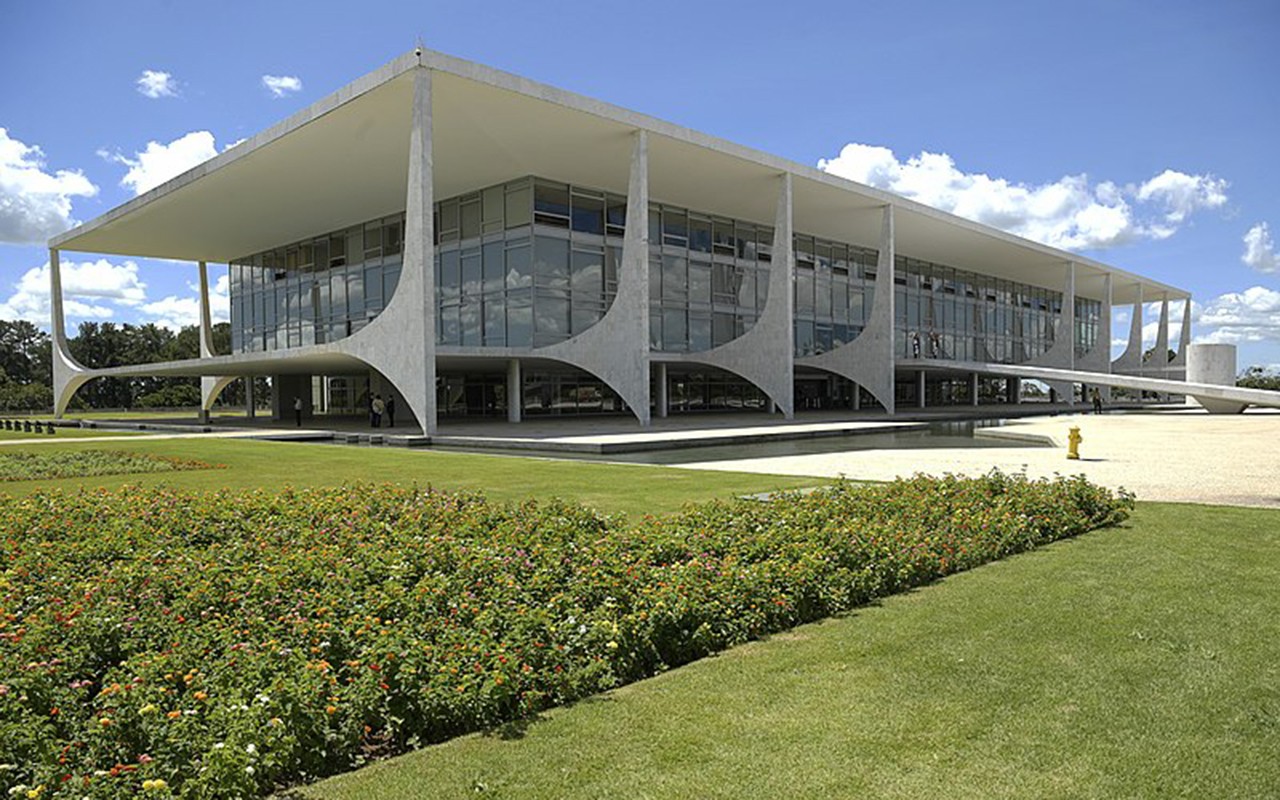
Palácio do Planalto is a modern architectural marvel and the official workplace of the President of Brazil. Designed by the renowned architect Oscar Niemeyer, the palace is located in the capital city, Brasília. Its sleek, minimalist design features reflective pools, expansive glass walls, and elegant marble structures. Opened in 1960, it symbolizes Brazil’s forward-looking aspirations. The palace is part of the larger government complex that includes the National Congress and Supreme Court. Guided tours offer insights into its architectural significance and the functioning of Brazil’s government.
🌟 Why it matters:
The Palácio do Planalto is the official workplace of the President of Brazil and one of the most iconic examples of modernist government architecture in the world. Designed by legendary architect Oscar Niemeyer, it stands as a symbol of Brazil’s futuristic capital vision.
It represents:
- 🇧🇷 Executive power of Brazil
- 🏛️ Modernist architectural innovation
- 🌍 The planned city design of Brasília
Located in the heart of Brasília’s Three Powers Square (Praça dos Três Poderes), it visually connects the executive, legislative, and judiciary branches of government.
🚶 Can tourists visit?
YES – BUT WITH STRICT LIMITATIONS
✔ Guided tours are available on select days (usually Sundays)
✔ Exterior and certain ceremonial areas may be accessible
✔ Entry requires identification and security screening
❗ Restrictions:
- No unrestricted walk-in access
- Interior access is limited to approved routes only
- Tours may be suspended during official government events
📅 Best time to visit:
✔ May – September → Dry season, ideal weather in Brasília
✔ Sundays (official tours) → Best chance for entry
✔ Morning hours → Cooler temperatures and better lighting for photography
05. Grand Kremlin Palace, Moscow (Russia):
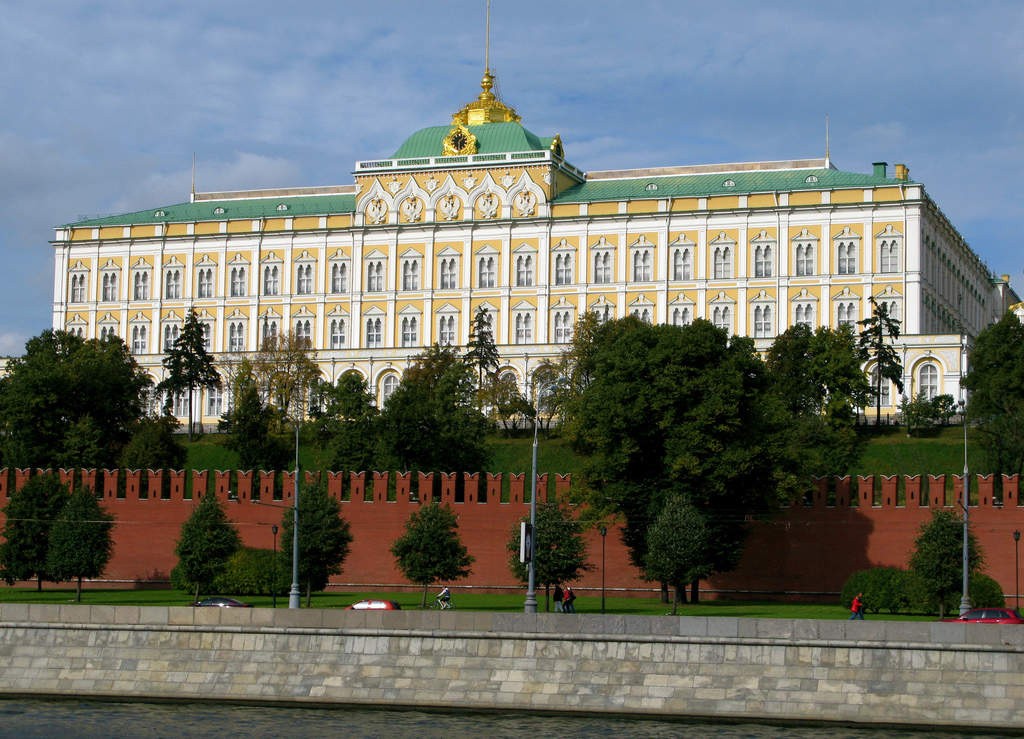
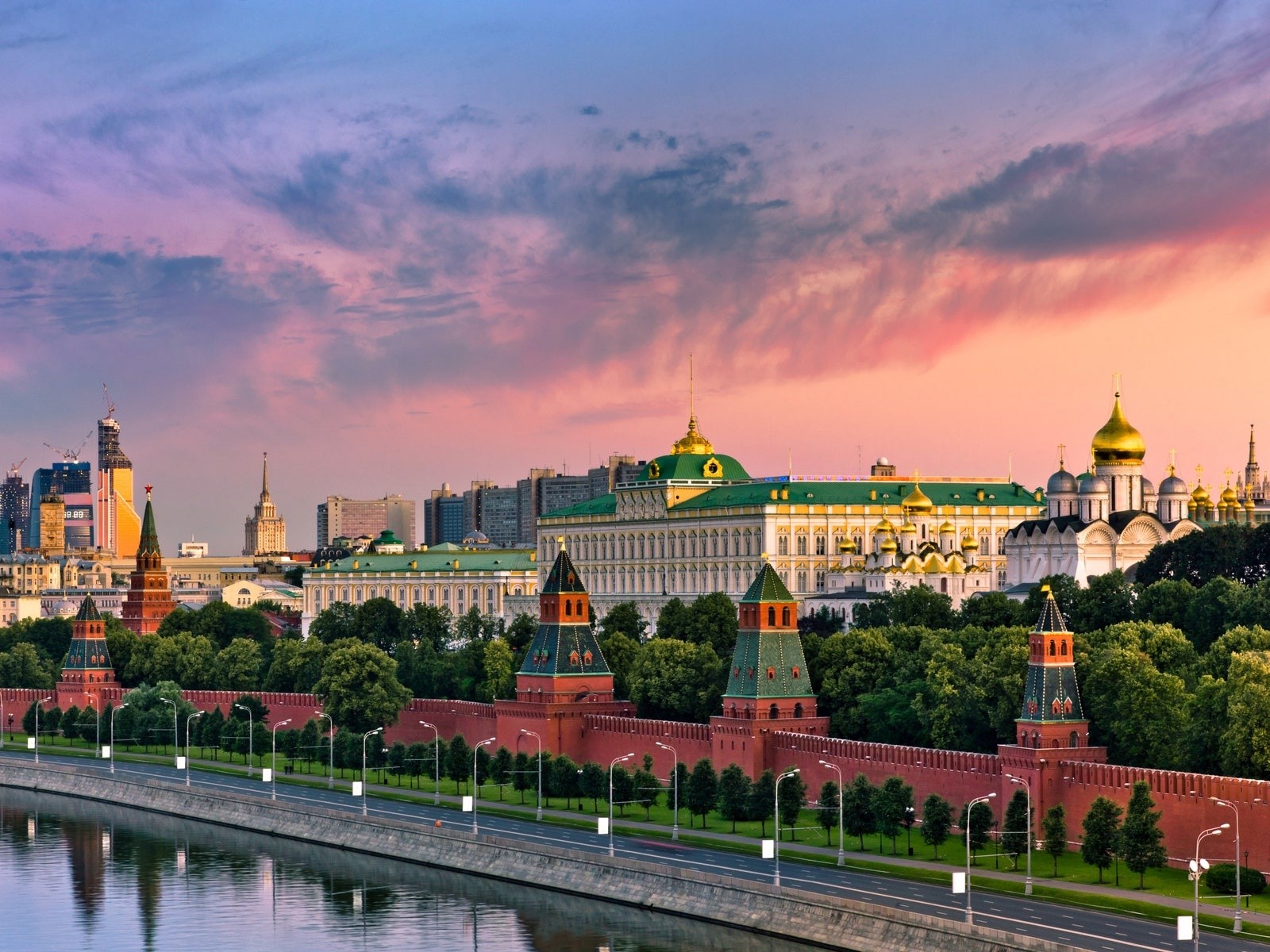
The Kremlin is a historic fortified complex that serves as the heart of Russia’s political and cultural life. Spanning over 27 hectares, it includes palaces, cathedrals, and government offices. The Grand Kremlin Palace, part of the complex, is the official residence of the Russian President. Its architecture combines medieval, Renaissance, and modern styles, reflecting Russia’s rich history. The complex is a UNESCO World Heritage Site and a major tourist attraction. Visitors can explore its museums, including the Armory Chamber, which houses priceless artifacts, from Fabergé eggs to imperial regalia.
🌟 Why it matters:
The Grand Kremlin Palace is one of the most important ceremonial buildings in Russia and a powerful symbol of state authority. Located inside the fortified Kremlin complex, it has been used for imperial receptions, presidential ceremonies, and major national events.
It represents:
- 🇷🇺 Russian state power and political tradition
- 🏛️ Imperial and Soviet-era continuity
- 🎖️ Official ceremonies and diplomatic receptions
Built in the 19th century under Tsar Nicholas I, it blends classical architecture with richly decorated interiors, making it one of Europe’s most historically significant palace structures.
🚶 Can tourists visit?
YES – BUT ONLY WITH GUIDED TOURS
✔ Access is available through official Kremlin tours
✔ Visitors can see selected halls and ceremonial rooms
✔ Entry is tightly controlled and scheduled
❗ Restrictions:
- No independent entry allowed
- Access may be limited during government events
- Security checks are strict within the Kremlin grounds
📅 Best time to visit:
✔ May – September → Best weather for exploring Moscow
✔ Weekdays (morning tours) → Fewer crowds and better availability
✔ Winter (Dec–Feb) → Beautiful snowy Kremlin views, but very cold
06. Quirinal Palace – Rome, Italy:
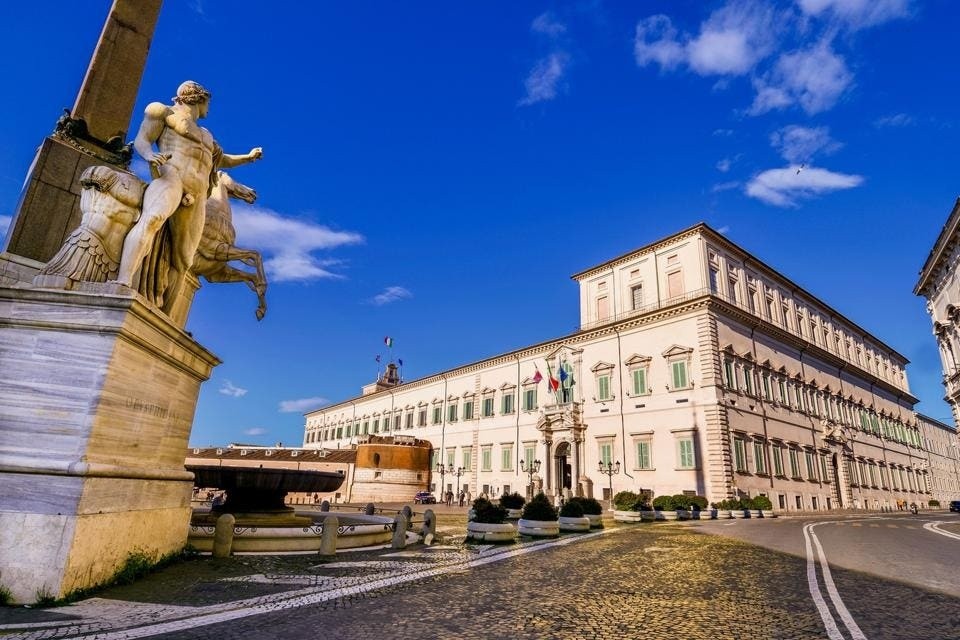
Perched atop Rome’s highest hill, the Quirinal Palace is a symbol of Italy’s historical and political significance. Built in 1583, it has served as a residence for popes, kings, and now the President of Italy. Spanning 110,500 square meters, it is one of the largest palaces in the world. Its grandiose halls and richly decorated rooms are used for official ceremonies and state functions. The palace also houses exquisite art collections, frescoes, and tapestries. Visitors can tour parts of the palace, offering a glimpse into its regal past and present.
🌟 Why it matters:
The Quirinal Palace is one of the most historically important and architecturally significant government buildings in Europe. It has served as a papal residence, a royal palace, and now the official home of the President of Italy.
It represents:
- 🇮🇹 The political heart of modern Italy
- 🏛️ Centuries of papal, royal, and republican history
- 🎨 Baroque and neoclassical architectural heritage
Located on Quirinal Hill—one of Rome’s legendary seven hills—it overlooks the Eternal City and stands as a symbol of continuity between Italy’s past and present.
🚶 Can tourists visit?
YES – LIMITED PUBLIC ACCESS
✔ Guided tours are available on select days
✔ Some halls, courtyards, and ceremonial rooms can be visited
✔ Official website booking is required
❗ Restrictions:
- No free walk-in access
- Interior access is limited to designated routes
- Visits may be suspended during official state events
📅 Best time to visit:
✔ Spring (April – June) → Best weather in Rome, ideal for walking tours
✔ Autumn (September – October) → Fewer crowds and comfortable climate
✔ Special open days → Best opportunity for interior access
07. Istana Negara – Kuala Lumpur, Malaysia:
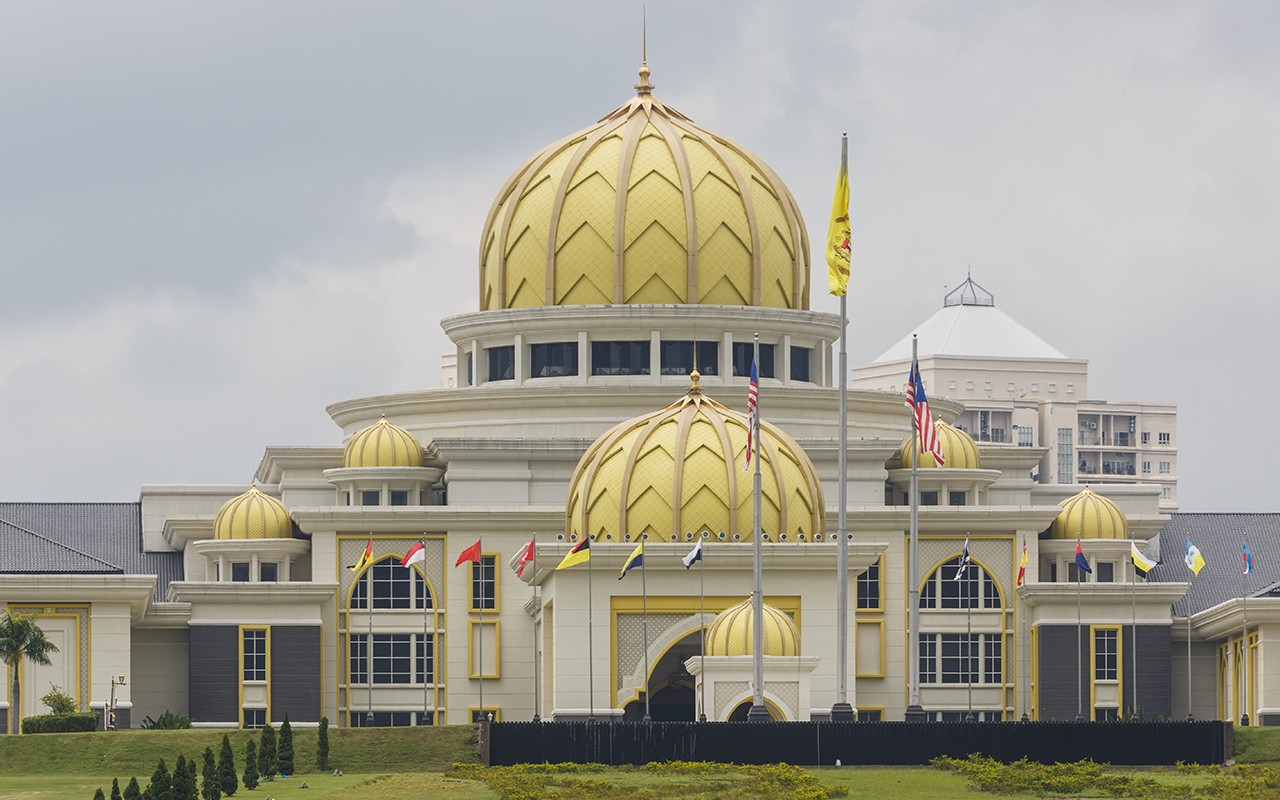
Istana Negara is the official residence of the King of Malaysia, known as the Yang di-Pertuan Agong. Located in Kuala Lumpur, the palace is a stunning example of Islamic and Malay architecture. Its golden domes and white façade make it an iconic landmark. The complex covers 96 hectares and includes luxurious halls, gardens, and ceremonial spaces. Though the interiors are not open to the public, visitors can witness the changing of the guard ceremony at the main gate. The palace symbolizes Malaysia’s monarchy and rich cultural heritage.
🌟 Why it matters:
Istana Negara is the official residence of the Yang di-Pertuan Agong (King of Malaysia) and one of the most important symbols of the Malaysian constitutional monarchy.
It represents:
- 🇲🇾 Royal authority and national unity of Malaysia
- 🏛️ Modern Islamic and Malay architectural design
- 🎖️ Ceremonial traditions of the Malaysian monarchy
The current palace (new Istana Negara) was completed in 2011 and is one of the largest royal residences in Southeast Asia, featuring golden domes and grand ceremonial halls.
🚶 Can tourists visit?
NO – BUT VISIT IS POSSIBLE FROM OUTSIDE
❌ Interior access is not allowed to the public
✔ Visitors can view the main gate and palace exterior
✔ Guard change ceremony can sometimes be observed
👉 Photo opportunities are available from designated viewing areas near the palace entrance.
📅 Best time to visit:
✔ Morning (8 AM – 11 AM) → Best lighting for photography
✔ Afternoon (4 PM – 6 PM) → Cooler weather and better views
✔ Dry season (May – July) → Ideal travel conditions in Kuala Lumpur
08. Palacio de la Moneda – Santiago, Chile:
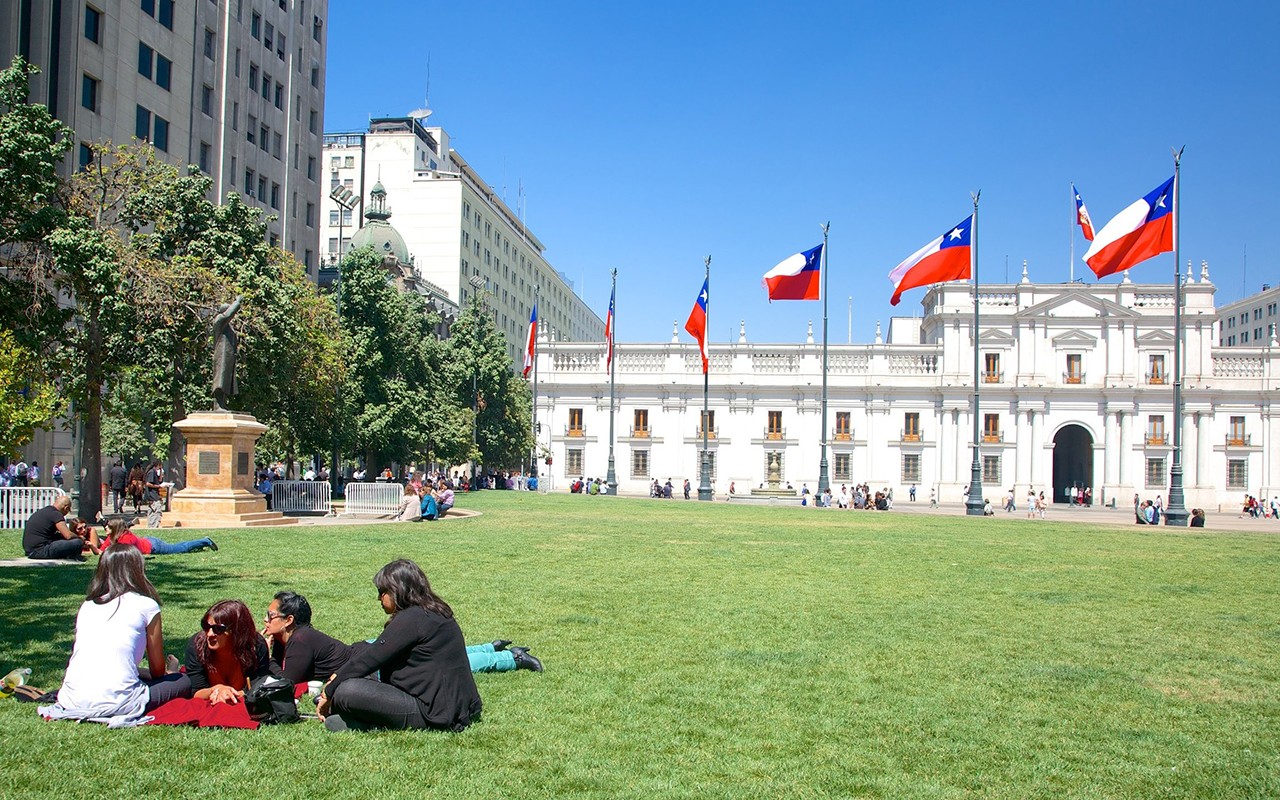
Palacio de la Moneda, or the Palace of the Mint, is an iconic neoclassical building in Santiago, Chile. Originally constructed as a mint in the late 18th century, it became the presidential palace in 1845. Its symmetrical design and grand courtyards exude elegance and authority. The building has witnessed significant moments in Chilean history, including the military coup of 1973. Today, it serves as the president’s official workplace. Guided tours allow visitors to explore its historic halls and learn about its role in shaping the nation’s history.
🌟 Why it matters:
Palacio de La Moneda is the seat of the President of Chile and one of the most historically significant government buildings in South America. Originally built as a colonial mint (hence the name “La Moneda”), it later became the presidential palace.
It represents:
- 🇨🇱 Executive power of Chile
- 🏛️ Spanish colonial heritage transformed into modern governance
- 🎖️ A key site in Chile’s political history, including major national events
Located in downtown Santiago, it is surrounded by civic squares and cultural landmarks, making it a central point of Chilean public life.
🚶 Can tourists visit?
YES – LIMITED ACCESS WITH GUIDED TOURS
✔ Free guided tours are available on selected days
✔ Visitors can explore certain interior courtyards and halls
✔ Changing of the guard ceremony can be viewed outside
❗ Restrictions:
- Advance booking is required for interior tours
- Full palace access is not open to the public
- Security checks are mandatory
📅 Best time to visit:
✔ March – May (Autumn) → Pleasant weather and fewer crowds
✔ September – November (Spring) → Best sightseeing conditions
✔ Morning tours → Better availability and softer light for photography
09. Buckingham Palace – London, UK:
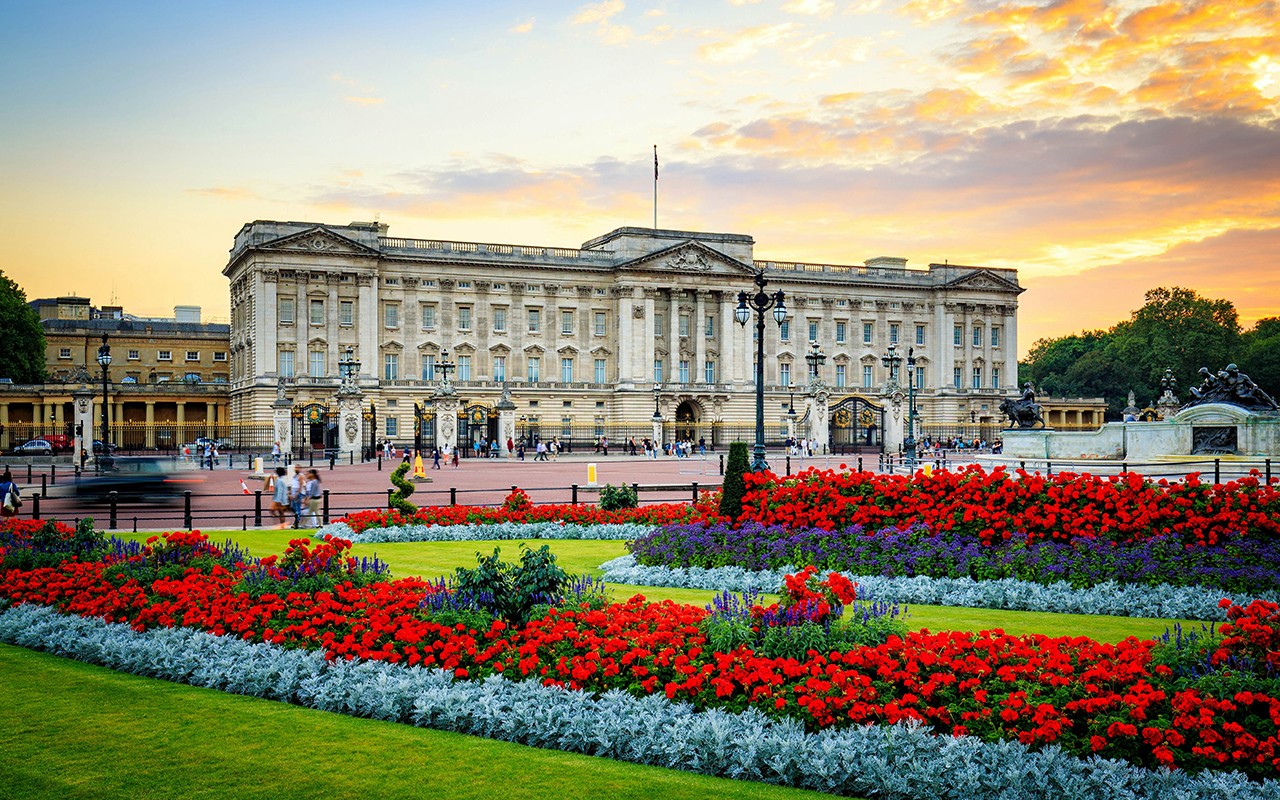
Buckingham Palace is one of the most renowned residences in the world. Although primarily associated with the British monarchy, it serves as a venue for state functions and official events. Built in 1703 and expanded over the centuries, it features 775 rooms, including the opulent State Rooms. Its iconic balcony has been the site of many historic appearances by the royal family. Visitors can explore parts of the palace during the summer months, including the gardens and State Rooms, offering a glimpse into royal life and British history.
🌟 Why it matters:
Buckingham Palace is one of the most famous royal residences in the world and the official home of the British monarch. It is a central symbol of the United Kingdom’s monarchy and global cultural influence.
It represents:
- 🇬🇧 The British monarchy and royal tradition
- 🎖️ National ceremonies, diplomacy, and state events
- 🏛️ One of the most recognized palaces globally
Originally built in 1703 and later expanded, the palace is now used for official state functions and royal hospitality.
🚶 Can tourists visit?
YES – BUT ONLY PARTIALLY AND SEASONALLY
✔ State Rooms are open to the public during summer months
✔ Guided tours are available for select areas
✔ Changing of the Guard ceremony can be viewed outside
❗ Restrictions:
- Palace is NOT open year-round
- Most areas are private royal residence
- Interior access is limited to specific tours only
📅 Best time to visit:
✔ July – September → State Rooms open to visitors
✔ Morning (10 AM – 12 PM) → Best time for Changing of the Guard
✔ Spring (April – June) → Beautiful surroundings in London
10. Ak Orda Presidential Palace – Nur-Sultan, Kazakhstan:
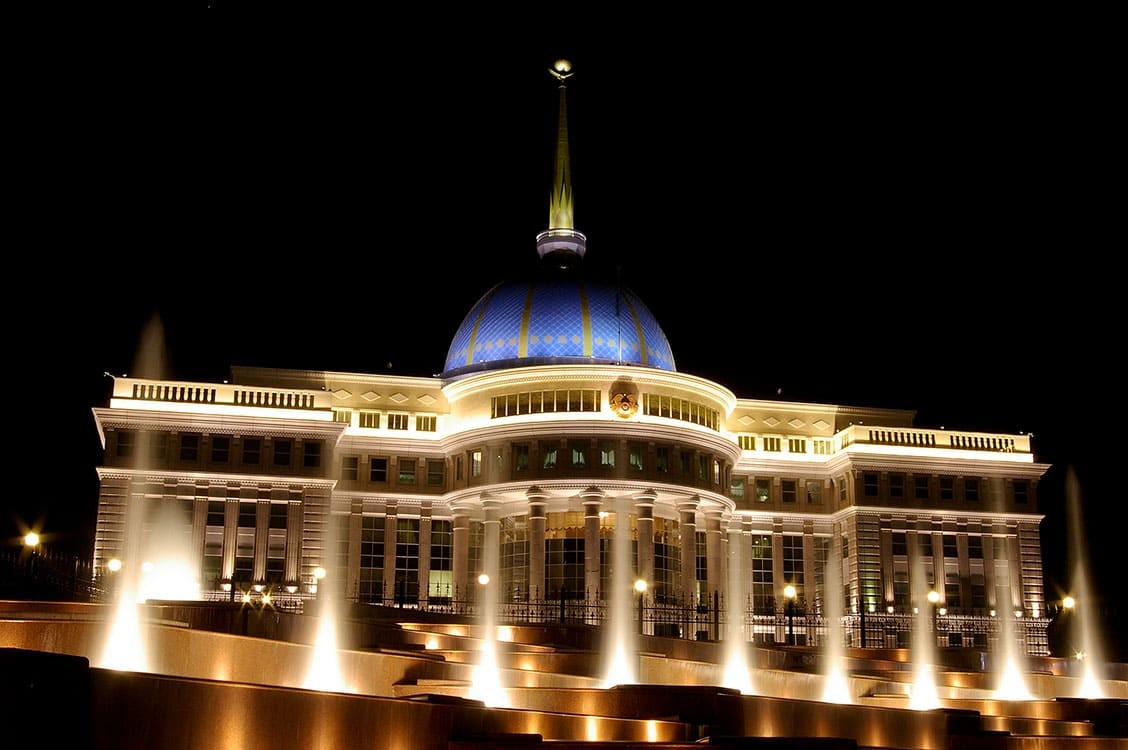
Ak Orda Presidential Palace is a striking symbol of modern Kazakhstan. Located in Nur-Sultan, its futuristic design features a blue-and-gold domed structure surrounded by fountains and landscaped gardens. Opened in 2004, the palace serves as the official workplace of the President of Kazakhstan. The interiors are equally impressive, with grand halls and conference rooms adorned with intricate details. It reflects the nation’s aspirations for progress and innovation. Guided tours are occasionally available, allowing visitors to appreciate its architectural brilliance.
🌟 Why it matters:
Ak Orda Presidential Palace is the official workplace of the President of Kazakhstan and one of the most modern and visually striking government buildings in Central Asia. Located in the capital city (formerly known as Nur-Sultan, now Astana), it reflects Kazakhstan’s rapid transformation into a modern nation.
It represents:
- 🇰🇿 Executive power of Kazakhstan
- 🏛️ Modern post-Soviet architectural identity
- 🌍 The futuristic vision of Astana as a planned capital city
Completed in 2004, the palace is known for its white-blue color scheme, golden dome, and monumental design overlooking the Ishim River.
🚶 Can tourists visit?
NO – BUT EXTERIOR VIEWING IS POSSIBLE
❌ Interior access is not open to the public
✔ Visitors can view and photograph the exterior from nearby areas
✔ Occasional official ceremonies may be visible from a distance
👉 The palace is a functioning government building with strict security controls.
📅 Best time to visit:
✔ May – September → Best weather for exploring Astana
✔ Morning or sunset hours → Ideal lighting for photography
✔ Summer season → More comfortable walking conditions
11. Hofburg Palace, Vienna, Austria:
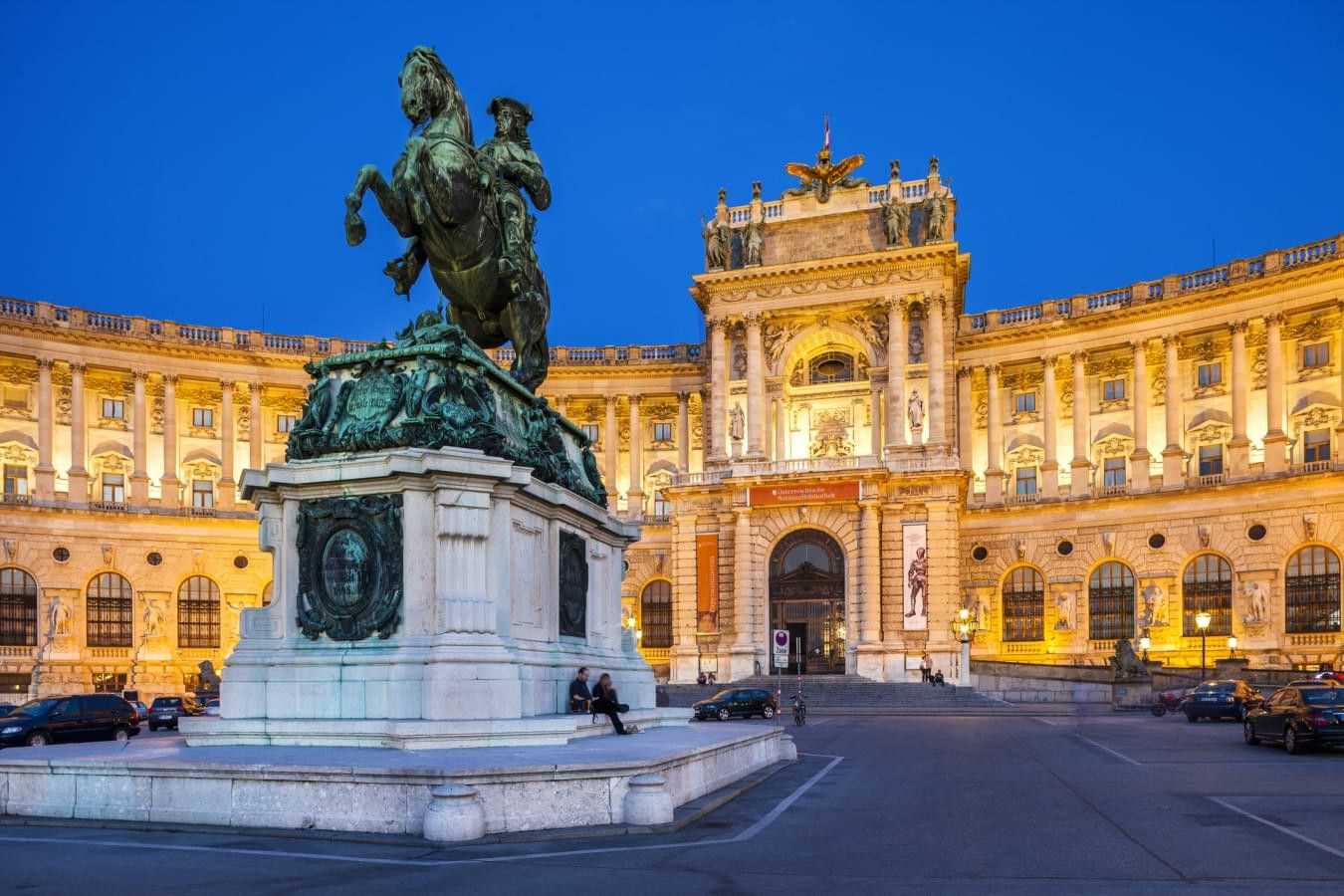
Once, the Habsburgs commanded from this commanding fortress, their legacy sprawling across Europe's landscape. Within Hofburg's hallowed walls, imperial decisions shaped destinies. Ornate halls, cold marble floors, and sweeping staircases define its interior. Visitors may wander through vast corridors, but few fully comprehend the weight of history etched into every stone. Should those with wisdom unlock its secrets, new paths might emerge. Yet, despite all that has unfolded within, the palace’s majestic grandeur remains intact. Should one encounter its resplendent halls, the echoes of past power and elegance would undoubtedly stir. Hofburg, as it stands, never relents in its timeless authority.
12. Prague Castle, Czech Republic:
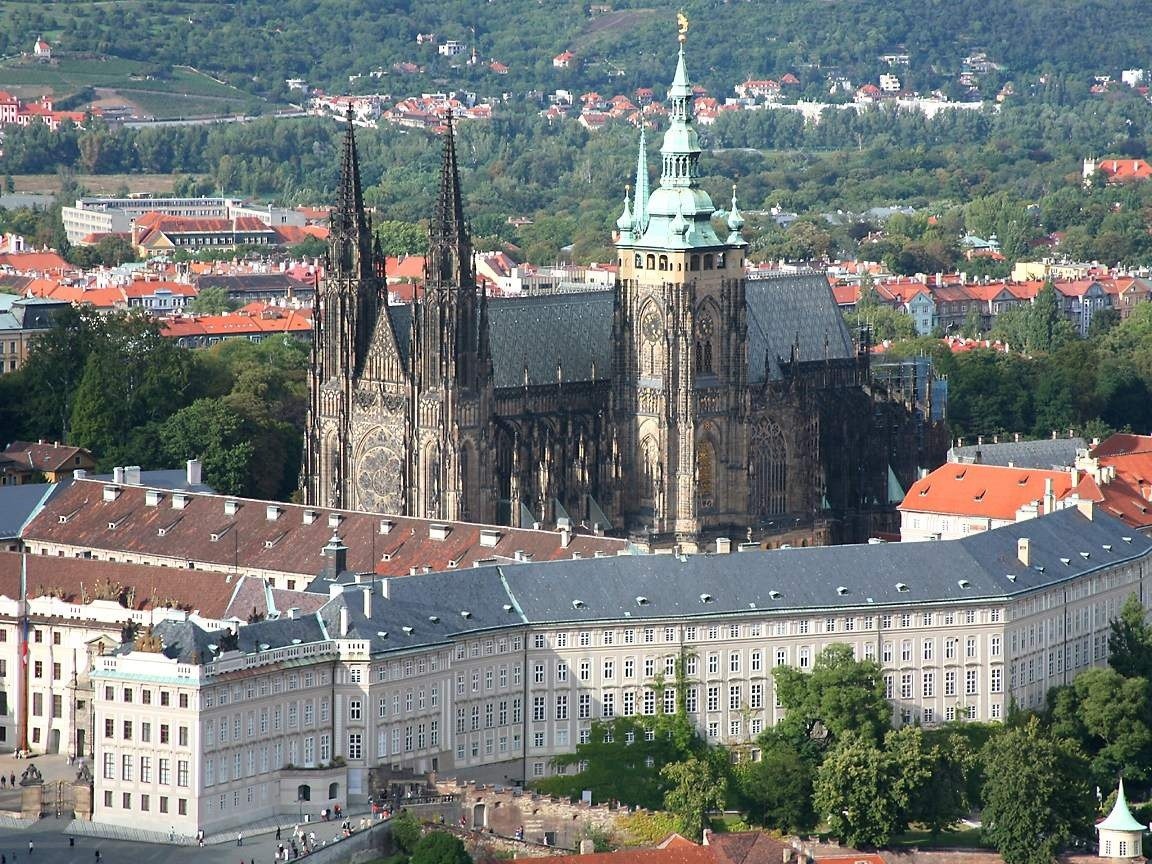
Overlooking Prague, this grand edifice stands, a bastion of Czech heritage. Dark towers stretch skyward, casting shadows on cobbled streets below. In days past, rulers once held dominion here, their plans unfolding beneath vaulted ceilings. One might glimpse echoes of past rulers within the vast halls, though the whispers remain elusive. Were the walls to speak, they might recount centuries of shifting power. Yet, despite the ebb and flow of time, Prague Castle’s commanding presence endures. Visitors approach with reverence, for this fortress stands not just as stone but as the embodiment of Czech history, resplendent in its enduring glory.
13. Palace of Versailles, France:
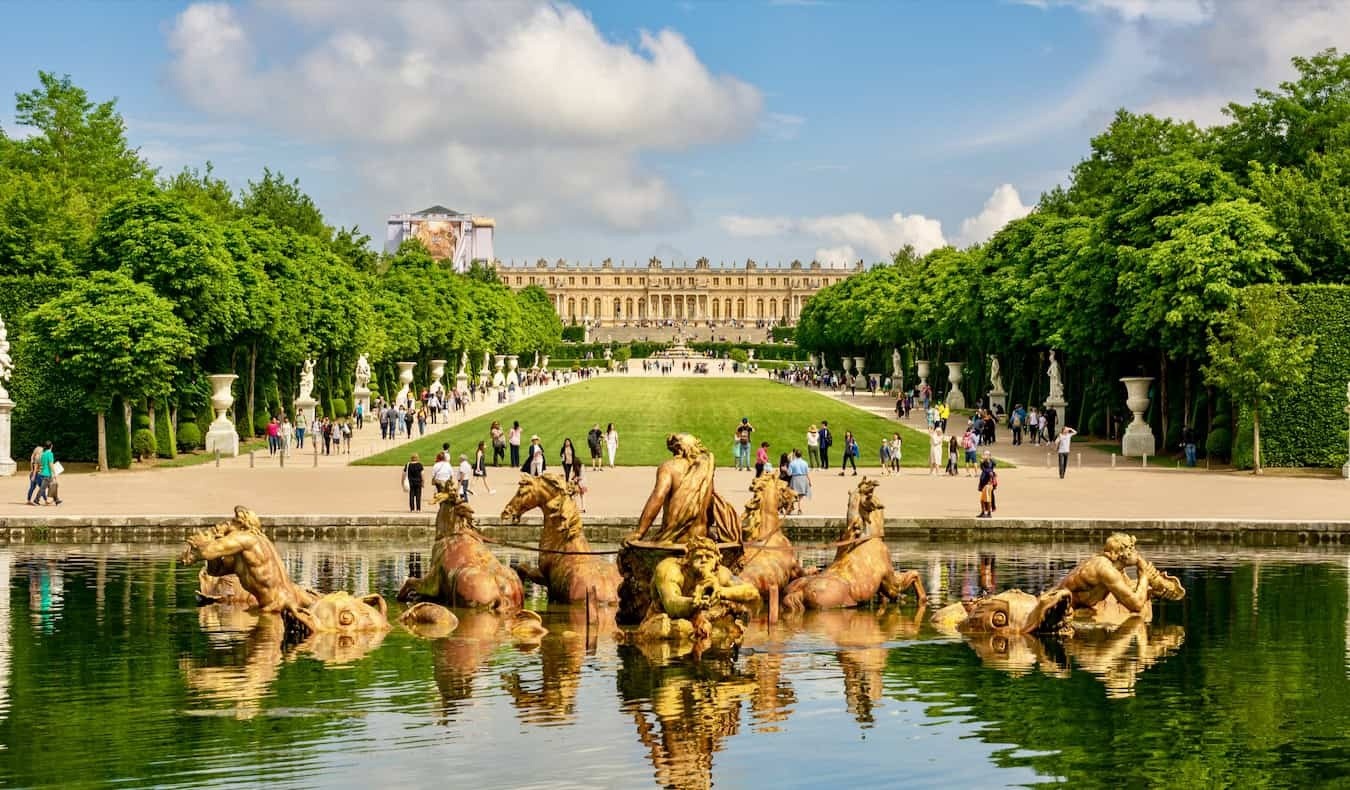
A symphony of elegance unfolds at Versailles, where golden mirrors reflect the grandeur of French royalty. Marble statues line the halls, their silent gaze ever-present, as though watching centuries unfold. Were one to wander these chambers, they might feel the breath of Louis XIV lingering in the air. It stands as an opulent tribute to power, its gardens blooming endlessly under the watchful eye of the sun. Time passes, but Versailles remains a pinnacle of magnificence, whispering tales of kings and queens. If history’s lessons were heeded, perhaps it would guide future rulers toward the balance Versailles once promised.
14. Belém Palace, Lisbon, Portugal:
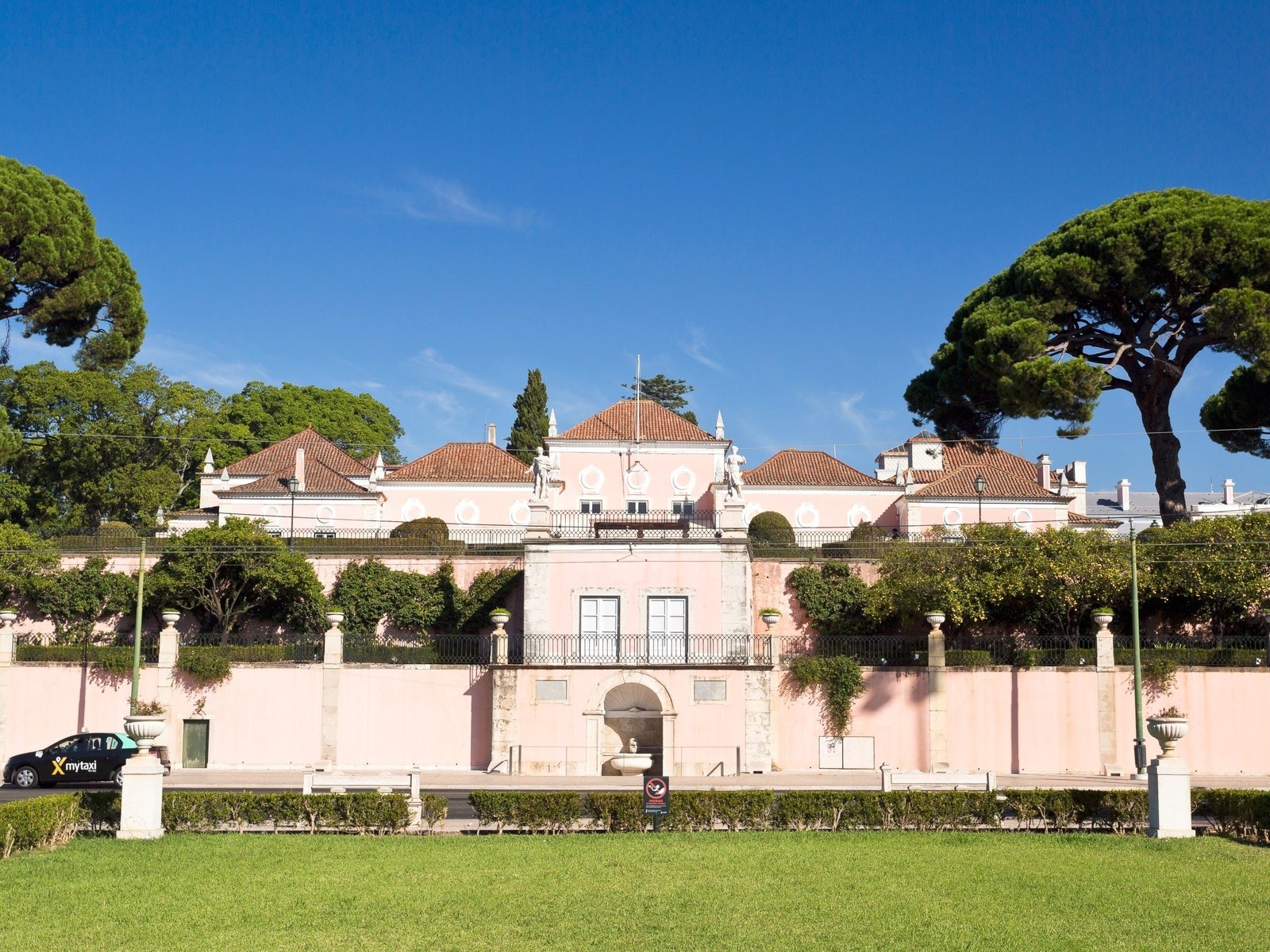
Belém Palace in Lisbon is the official residence of the President of Portugal. Steeped in history, the palace dates back to the 16th century and is located in the Belém district, overlooking the Tagus River. Originally built as a royal palace, it has since become the seat of the Portuguese presidency. The building’s architecture reflects the grandeur of Portugal’s past, with elegant Manueline and Baroque elements. Today, Belém Palace serves not only as the president's home but also as a venue for official ceremonies and diplomatic events, continuing to play a central role in the country’s political life.
15. Palace of the Turkish President:
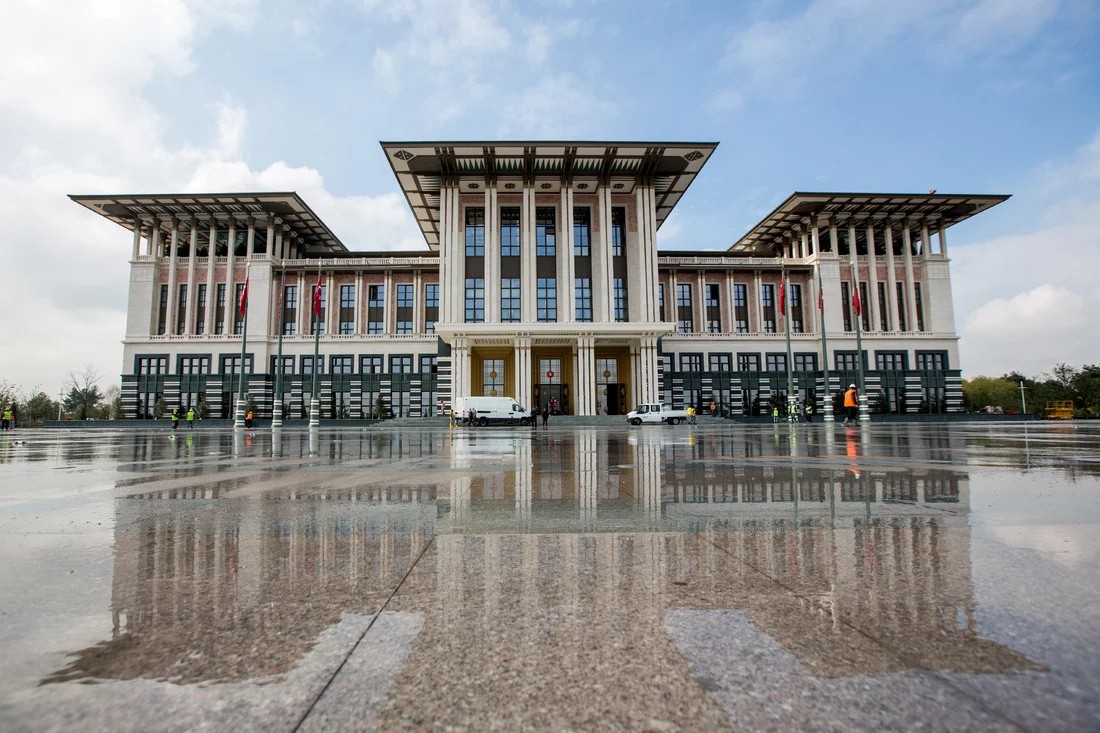
An imposing symbol of modern Turkey, this vast complex rises in Ankara. A blend of tradition and progress, it stands as a contemporary reminder of the country’s resilience. Should one walk its corridors, an overwhelming sense of ambition is palpable, each room echoing the aspirations of a nation. Were history to reveal its secrets, perhaps the palace would shed light on its role in shaping the nation’s future. With towering columns and stately design, the Palace of the Turkish President stands unwavering, its grandeur undeniable. Beneath its formidable facade, the pulse of Turkish leadership beats strong.
16. Presidential Palace, Hanoi, Vietnam:
The Presidential Palace in Hanoi serves as the official residence of Vietnam's president. Completed in 1906, it was designed by French architect Auguste Henri Vildieu in the Beaux Arts style. The building is instantly recognizable, painted in a striking shade of yellow, symbolizing both colonial heritage and national prominence. This elegant structure has witnessed significant moments in Vietnam's political history and remains a key symbol of the nation’s leadership. Today, the Presidential Palace stands as a powerful reminder of Vietnam's journey through time, reflecting the evolving nature of the country’s governance and cultural identity.
17. Abu Dhabi Presidential Palace, UAE:
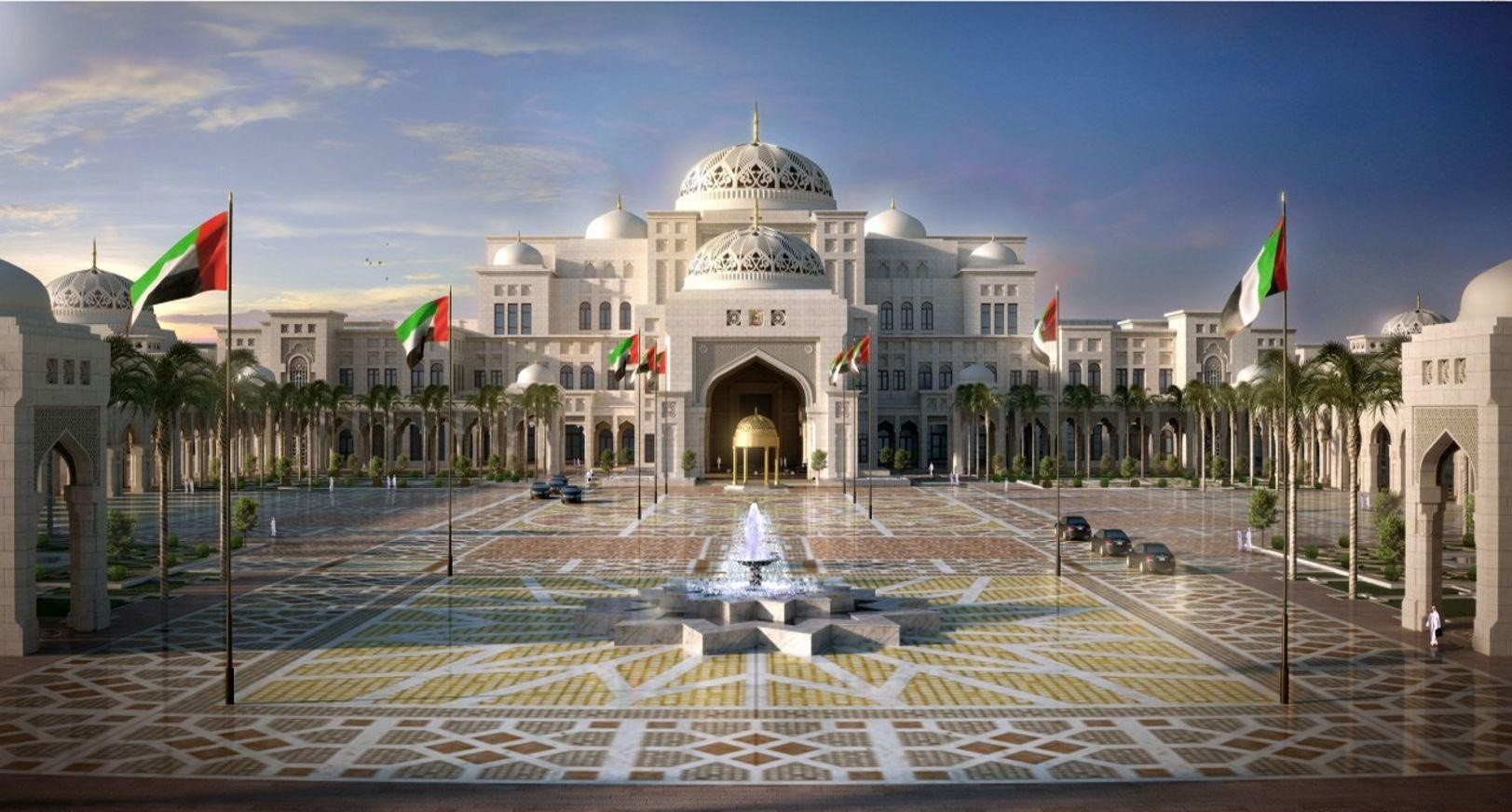
Rising amidst the golden dunes, the Abu Dhabi Presidential Palace stands as a testament to opulence and strength. Its gleaming marble facades reflect the sun's blazing embrace, while its intricate design blends tradition with forward-thinking vision. Were one to enter, the vast halls and regal chambers would hum with the pulse of governance. If whispers of the past still linger, they speak of a nation unyielding in its journey toward prominence. The palace, poised with quiet grace, remains a steadfast symbol of the UAE's leadership, poised to guide the country through decades yet to unfold. An enduring marvel.
18. Ak Orda Presidential Palace, Astana (Kazakhstan):
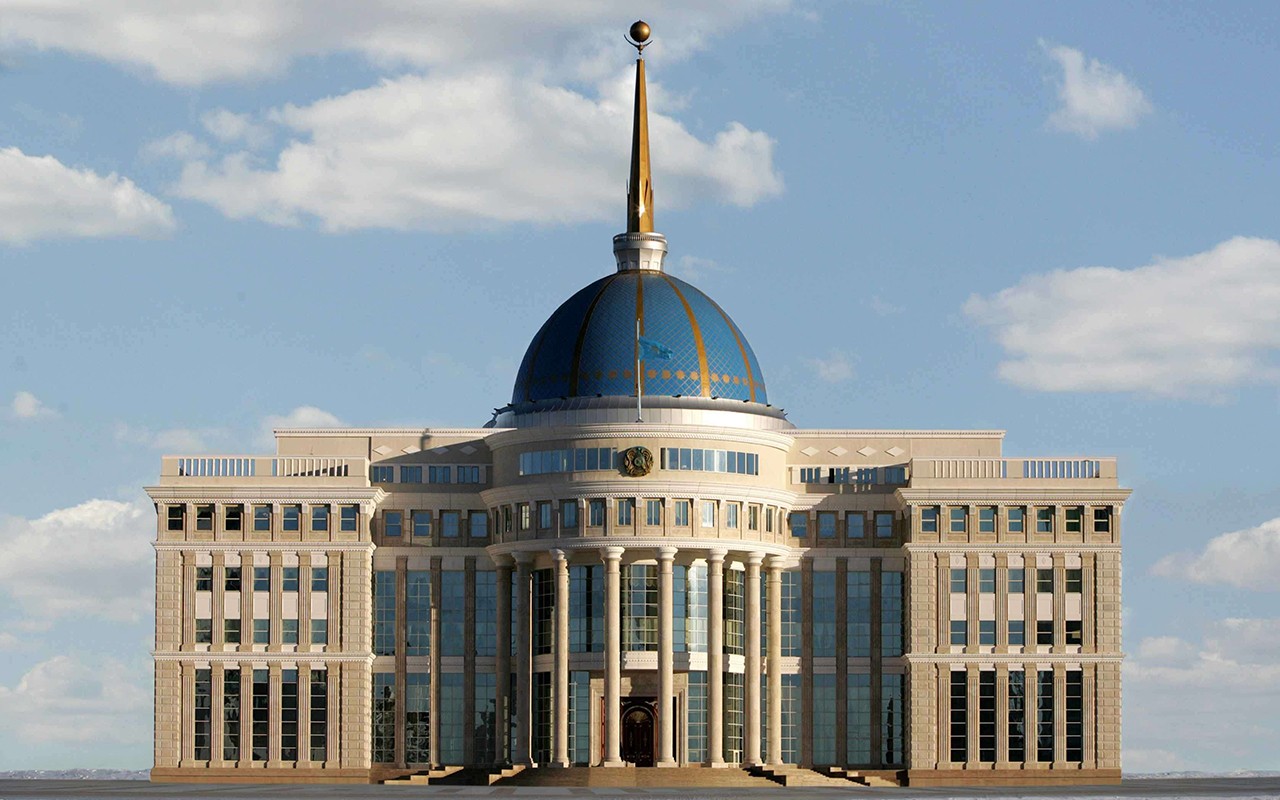
In Kazakhstan’s heart, the Akorda Palace stands with quiet majesty. A symbol of modernity amidst the sprawling landscape of Astana, it rises with distinctive grace. Its gleaming blue dome mirrors the vast Kazakh skies, a tribute to the country’s evolving identity. Should one walk its vast halls, the sense of authority and pride is palpable, each room steeped in the promise of progress. Were it not for the quiet whispers of history, one might be forgiven for thinking Akorda is merely a vision of the future. Yet, within these walls, Kazakhstan’s journey unfolds, step by step, under the watchful eye of leadership.
19. Presidential Palace of Suriname, Paramaribo:
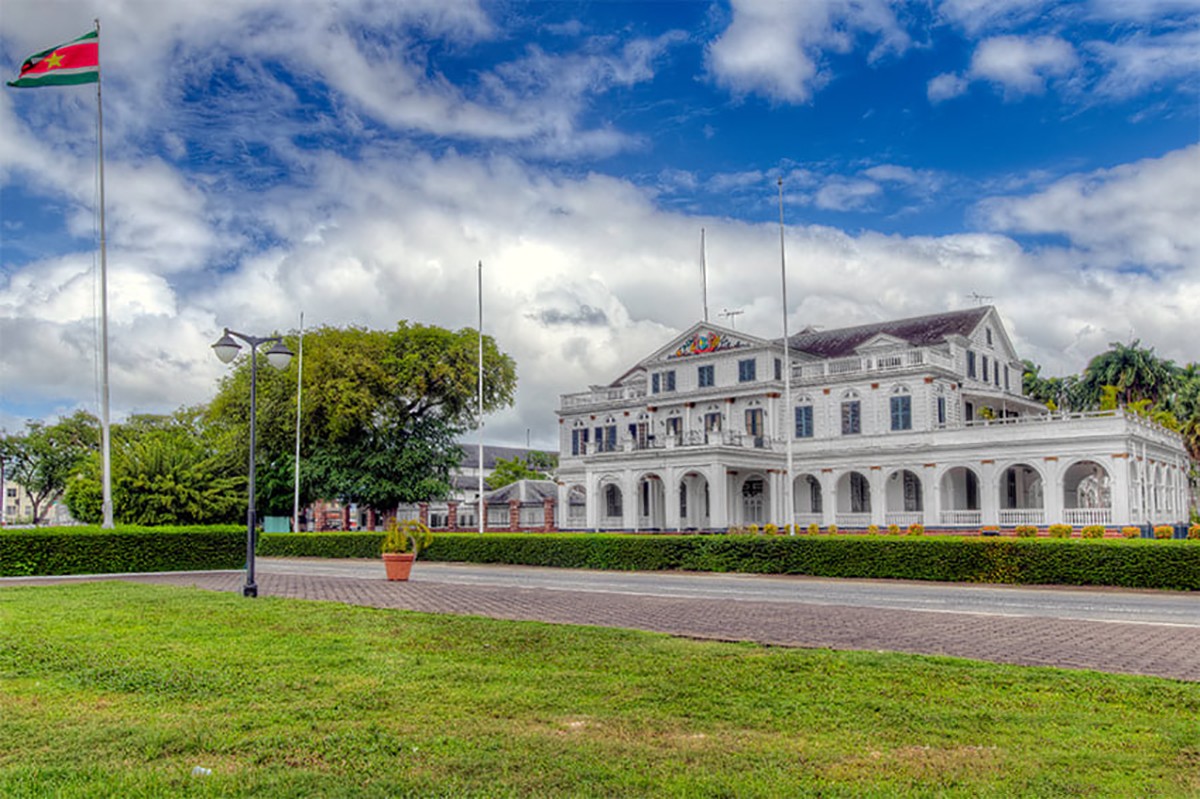
In Paramaribo, Suriname’s capital, the Presidential Palace stands as a proud reminder of the nation’s sovereignty. Its colonial architecture blends with the rhythm of the modern world, symbolizing Suriname’s diverse cultural tapestry. Were one to wander its halls, they might sense the pulse of a young nation carving its path forward. The palace itself, though unassuming in appearance, serves as a powerful symbol of the Surinamese spirit. Should history repeat itself, these walls will bear witness to the evolving dreams of the people. For now, the Presidential Palace remains an emblem of quiet dignity amidst the flow of time.
20. Tajik Presidential Palace, Dushanbe (Tajikistan):
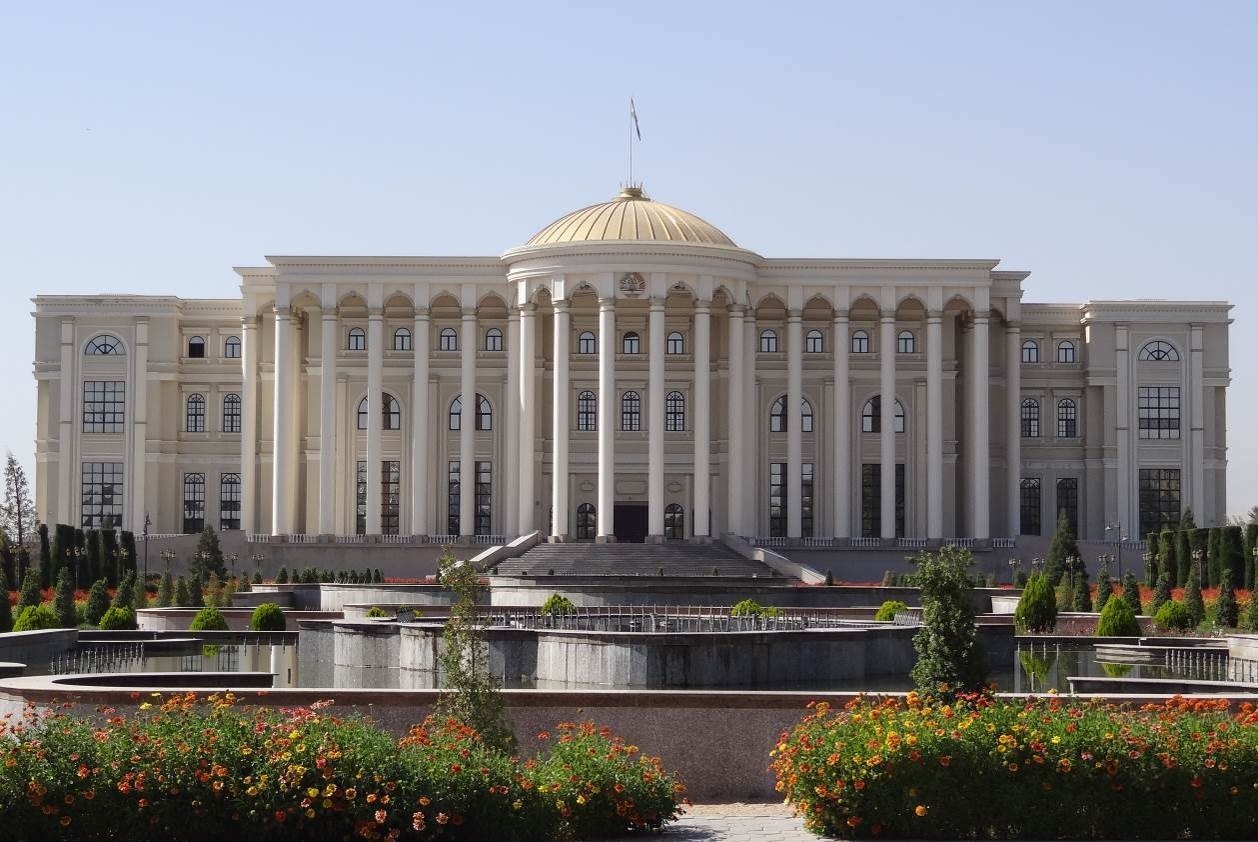
The President of Tajikistan holds the highest office in the government, residing in the Tajik Presidential Palace. Also known as the Palace of Unity or Vahdat Palace, it serves as both the official residence and the working seat of the president. Located in Dushanbe, the palace is an architectural symbol of the nation’s leadership and sovereignty. The grand building represents Tajikistan’s journey through unity and progress. With its elegant design, the palace not only embodies political power but also reflects the rich cultural heritage and aspirations of the Tajik people, standing as a testament to their resilient spirit.
21. Oguzkhan Presidential Palace, Ashgabat (Turkmenistan):
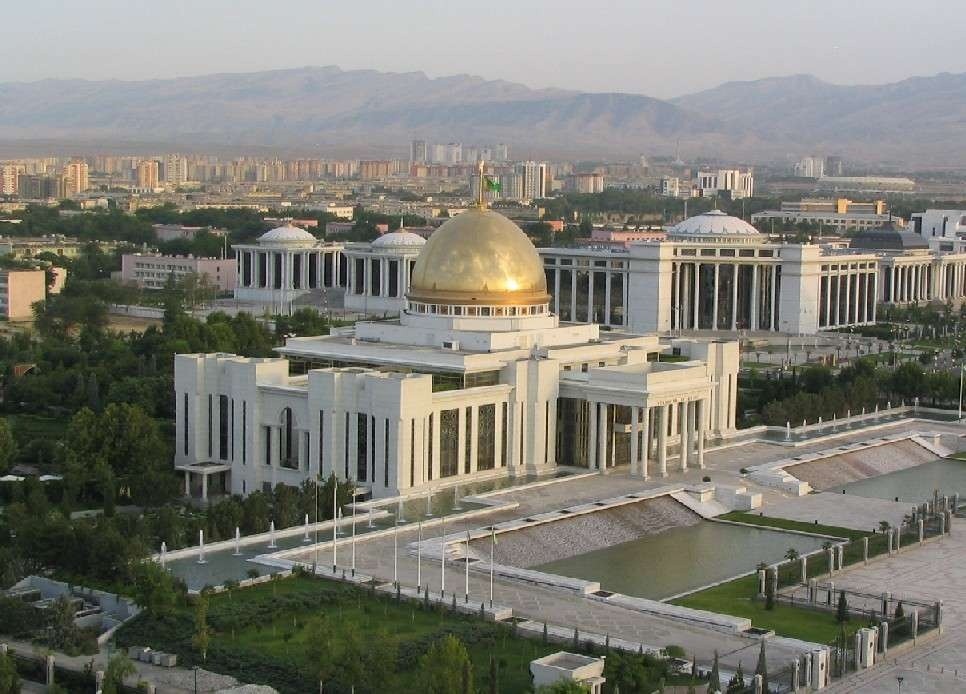
Oguzkhan Presidential Palace has long served as the seat and residence of the president of Turkmenistan. Named after President Saparmurat Niyazov, who styled himself as Türkmenbaşy, the palace became his home from 1997 until his death in 2006. Located in Ashgabat, the capital, the palace stands as a monumental symbol of Niyazov’s rule. Its grandeur, marked by distinctive architectural features, reflects the personal and political ambitions of its namesake. While the palace continues to function as the presidential headquarters, it remains a lasting reminder of the legacy left by Niyazov in Turkmenistan's history.
22. Unity Palace, Yaounde (Cameroon):
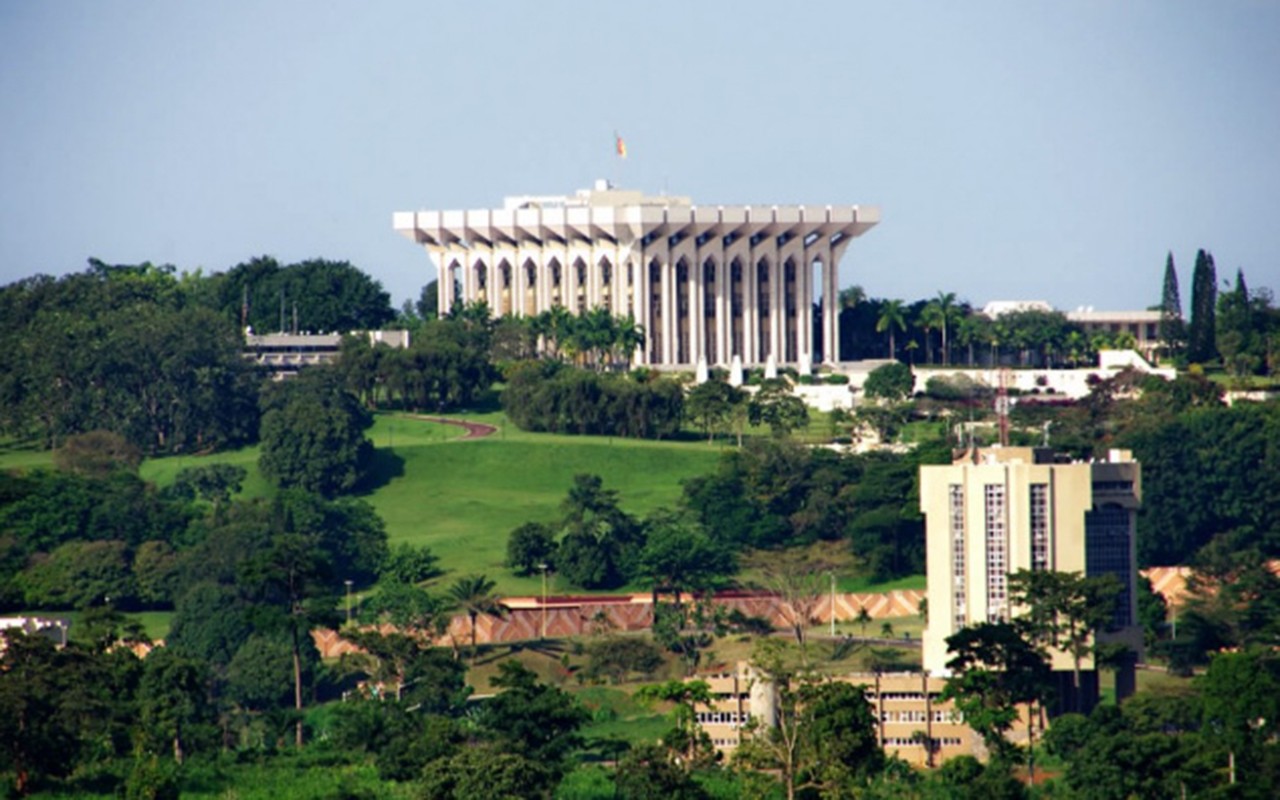
The Unity Palace serves as the presidential residence and administrative center for the President of Cameroon. Since November 6, 1982, the palace has been the official home of Cameroon’s head of state. Situated in Yaoundé, the nation's capital, the palace stands as a symbol of unity and governance. Its stately architecture reflects Cameroon’s political significance, while its halls are a witness to crucial national decisions. The Unity Palace continues to function as the central seat of the country's leadership, embodying the nation's path towards progress and the authority of its president.
23. Presidential Office Building, Taipei (Taiwan):
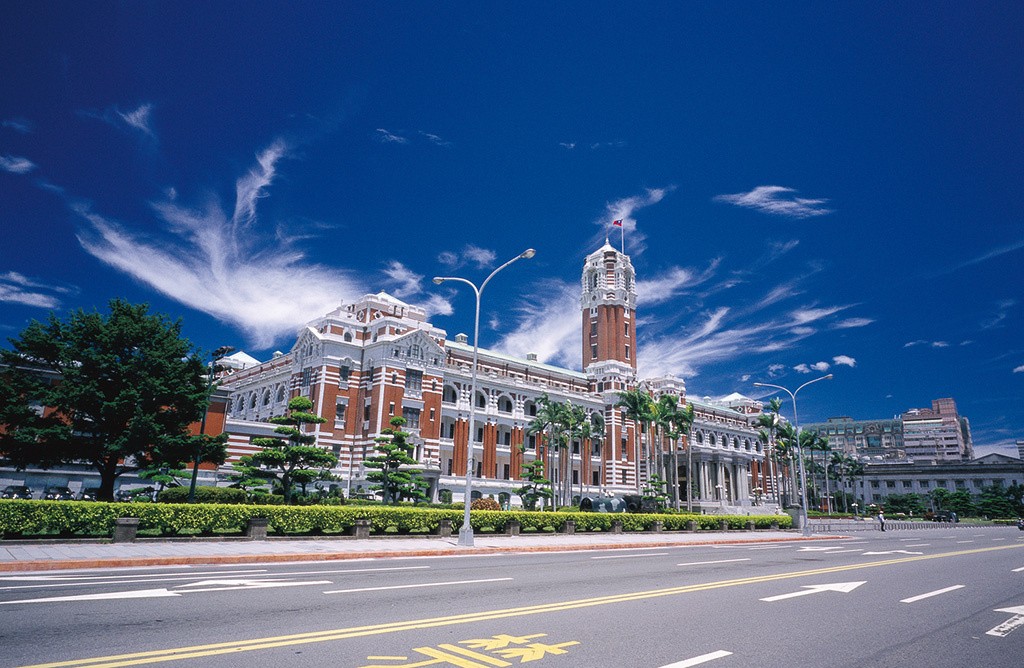
The Presidential Office Building in Taipei became the official seat of Taiwan’s government in 1950, following the relocation of the Republic of China’s capital to Taipei after the Chinese Civil War. Designed by architect Uheiji Nagano during Japan's rule over Taiwan (1895–1945), the building was initially the Office of the Governor-General of Taiwan. The structure is distinguished by its unique design, featuring two squares stretching from Baoqing Road to Guiyang Street. Over time, it has transformed from a symbol of colonial authority to one of Taiwan’s central landmarks of governance and national identity.
24. The Flagstaff House, Accra (Ghana):
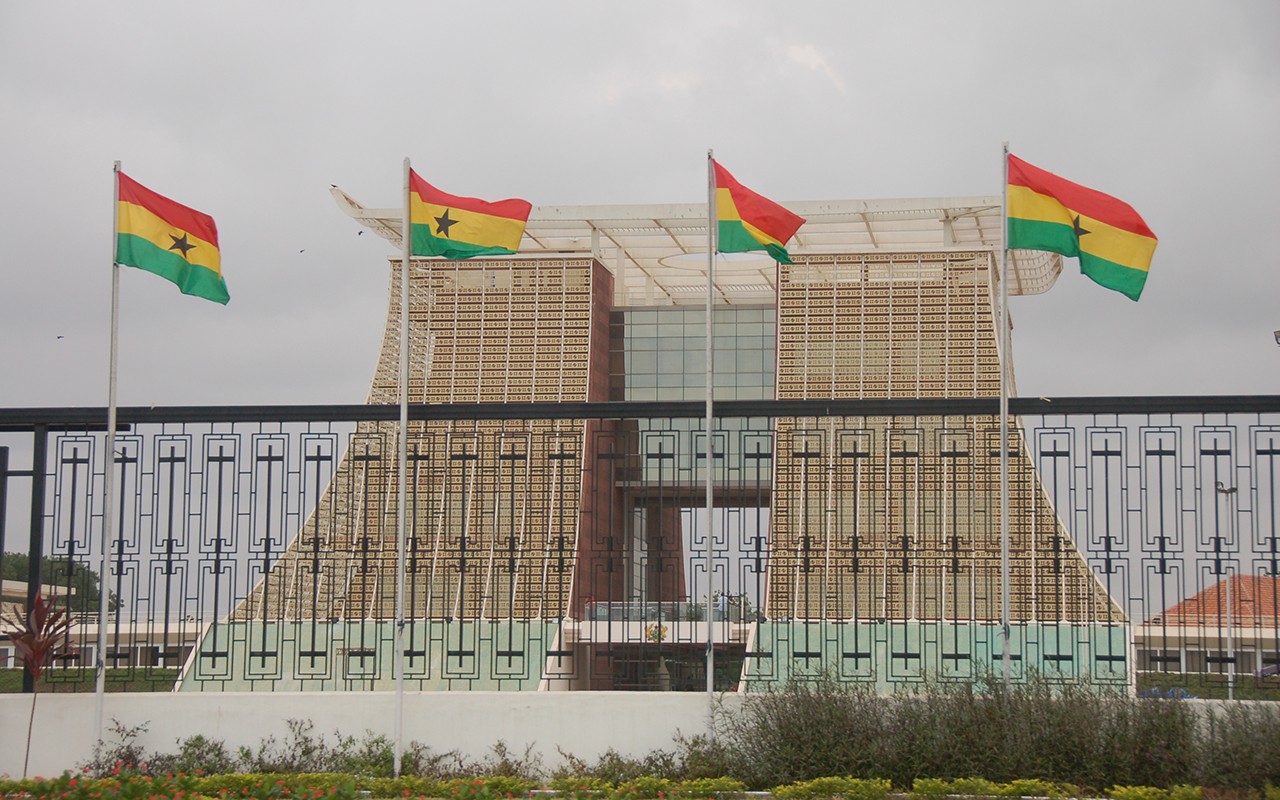
The Flagstaff House serves as both the residence and office of the President of Ghana. This majestic building was reconstructed and inaugurated in November 2008 by the government of John Agyekum Kufuor. With a construction cost ranging between $45-50 million, the project was managed by an Indian contractor. Situated in the heart of Accra, the Flagstaff House is not only a symbol of Ghana’s leadership but also a representation of modern infrastructure and development. It stands as a significant landmark, embodying the political authority and progress of the nation under its current administration.
25. Bellevue Palace, Berlin, Germany:
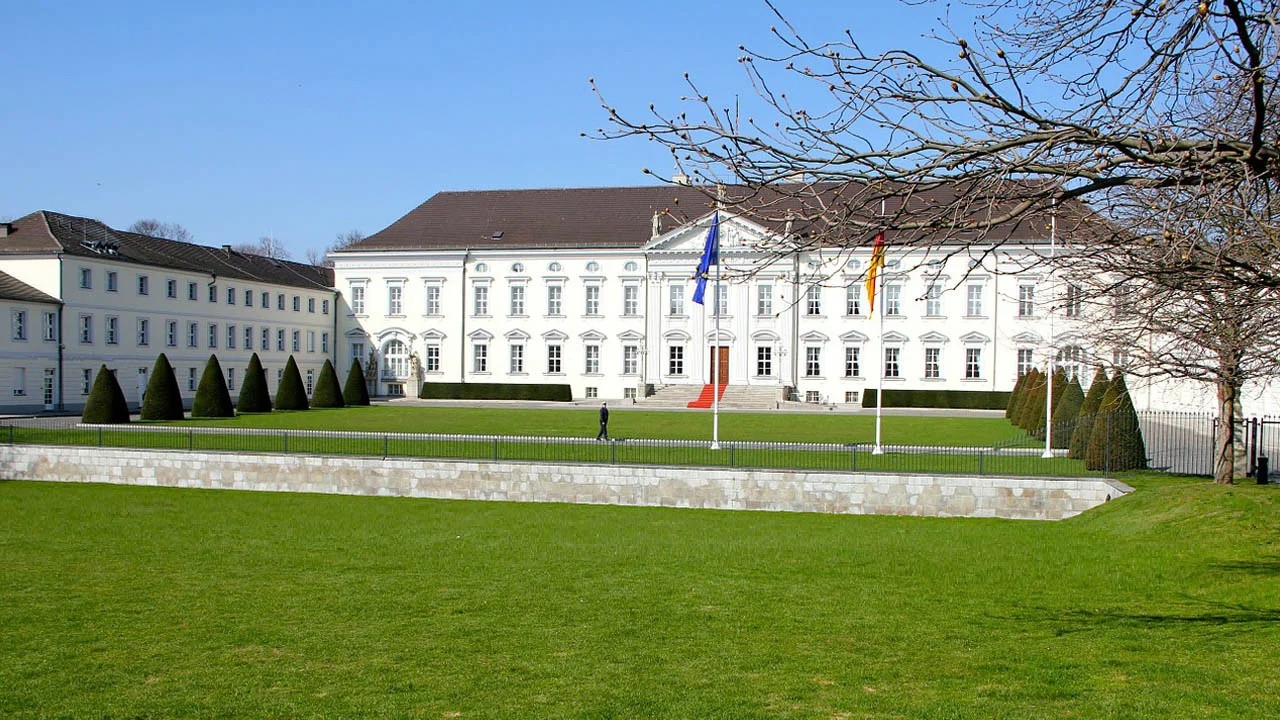
Bellevue Palace, located in Berlin, serves as the official residence of the President of Germany. Built in the 18th century, it stands as a testament to Germany's rich architectural heritage. The palace, named after its stunning views over the surrounding Tiergarten park, has been the seat of the German president since 1994. Its neoclassical style, with grand interiors and elegant gardens, reflects the dignity of the office it represents. Bellevue Palace is not only a residence but also a symbol of Germany’s democratic values, hosting official events and international dignitaries in a setting steeped in history.
🌟 Why it matters:
Bellevue Palace is the official residence of the President of Germany and one of the most elegant neoclassical palaces in Berlin. Built in 1786, it sits beautifully along the Spree River and reflects Germany’s long political evolution from monarchy to modern democracy.
It represents:
- 🇩🇪 The federal presidency of Germany
- 🏛️ Classic neoclassical European architecture
- 🌍 Germany’s democratic and diplomatic identity
Although Germany’s Chancellor holds executive power, Bellevue Palace remains a key ceremonial symbol of the German state.
🚶 Can tourists visit?
NO – BUT EXTERIOR ACCESS IS POSSIBLE
❌ Interior access is not open to the public
✔ Visitors can view the palace from surrounding public areas
✔ Occasionally visible during official events or ceremonies
👉 The palace is an active residence and office, so security is strict year-round.
📅 Best time to visit:
✔ April – October → Best weather for walking and photography along the Spree River
✔ Spring (April–June) → Beautiful greenery around the palace grounds
✔ Autumn (September–October) → Golden scenery and fewer crowds
The 25+ most majestic and beautiful presidential palaces around the world serve as symbols of power, history, and architectural grandeur. These palaces not only reflect the cultural heritage and political significance of their respective countries but also stand as masterpieces of design, blending tradition and modernity. From the opulent Royal Palace of Brussels to the stunning White House, each structure offers a unique glimpse into the world of governance, history, and artistic achievement. Visiting these palaces offers an enriching experience, revealing the extraordinary craftsmanship and the deep cultural values that have shaped them through the centuries.



{{item.get_author.first_name}} {{item.get_author.last_name}}
Level 7
5 Photos
36 Reviews
{{item.comment_txt}}
{{item_reply.get_author.first_name}} {{item_reply.get_author.last_name}}
@ {{item_reply.reply_to}}, {{item_reply.reply_txt}}