
 Holiday offers
A trip to Japan in 2027 costs roughly $65 a day per person on a tight budget, about $145 a day in mid-range comfort and $315 or more for a comfortable trip with better hotels and taxis. For a full week including the bullet train between Tokyo and Kyoto, plan on about $620, $1,175 or $2,455 per person before international flights. In pounds that is about £470, £885 or £1,850, and in rupees about ₹59,000, ₹1.12 lakh or ₹2.34 lakh.
Facts, prices and rules were checked against official sources in November 2026.
How we converted the yen
Every price in Japan is in yen, so the yen figure is the one that matters. We converted at about ¥158 to the US dollar, which matches mid-market readings around 10 November 2026 reported by MUFG Research. For sterling and rupees we used the late-October 2026 mid-market rates shown on Xe: about ¥210 to the pound and ¥1.66 to the rupee.
The yen has spent most of 2026 hovering below the ¥160 line that Japanese officials have defended, so a weak yen still favors visitors. If the rate moves 5% by the time you travel, your dollar, pound or rupee budget moves by the same amount. Card fees and airport exchange counters usually cost more than the mid-market rate.
Daily budget at a glance
These are our per-person estimates for 2027, built from the dated prices in the rest of this guide. They assume two people sharing a room at mid-range and comfort level, and a dorm bed or capsule at budget level.
| Style | Yen per day | USD | GBP | INR |
|---|---|---|---|---|
| Budget (hostel or capsule, konbini and noodle shops, day passes) | ¥10,000 | $63 | £48 | ₹6,020 |
| Mid-range (business or mid-range hotel, sit-down meals, two paid sights) | ¥22,500 | $142 | £107 | ₹13,550 |
| Comfort (upscale hotel or ryokan nights, restaurant dinners, some taxis) | ¥50,000 | $316 | £238 | ₹30,120 |
 Umrah packages from Dhaka
Weekly budget, including the bullet train
A first week in Japan usually means Tokyo plus Kyoto, so we added a round trip on the Tokaido Shinkansen to the totals. Our day-by-day plan is in the 7 days in Japan itinerary.
| Style | 7 days in yen | USD | GBP | INR |
|---|---|---|---|---|
| Budget | ¥98,000 | $620 | £467 | ₹59,040 |
| Mid-range | ¥185,500 | $1,174 | £883 | ₹1,11,750 |
| Comfort (Green Car on the Shinkansen) | ¥388,000 | $2,456 | £1,848 | ₹2,33,730 |
Flights are the big variable and are left out on purpose. A New York, London or Delhi fare can easily match or exceed the whole mid-range week, and it swings with season more than anything you buy on the ground.
Accommodation costs
Rooms are the largest single line in most Japan budgets. In August 2026, ShopBack's Tokyo price survey put hostel and capsule beds at US$30 to $55 a night, budget business hotels at $70 to $110, mid-range hotels at $130 to $220 and luxury properties from $350. Trip.com data shows Tokyo averages near $195 a night in July, the cheapest month, and close to $240 in October, the most expensive.
Kyoto runs a little lower at the bottom and much higher at the top. Business hotels near Kyoto Station sit around ¥8,000 to ¥18,000 a night in 2026, according to Japan Activity's Kyoto area guide, while traditional ryokan with dinner and breakfast commonly start around ¥25,000 and climb past ¥80,000. We break this down street by street in where to stay in Kyoto and where to stay in Tokyo.
Hotel taxes you will see at check-in
Until 31 March 2027, Tokyo adds ¥100 per person per night on room rates of ¥10,000 to ¥14,999 and ¥200 at ¥15,000 and above. Kyoto's tax jumped on 1 March 2026 to five bands, published by the city on Kyoto Travel: ¥200 under ¥6,000, ¥400 up to ¥19,999, ¥1,000 up to ¥49,999, ¥4,000 up to ¥99,999 and ¥10,000 per person per night at ¥100,000 or more.
The Kyoto figure is charged per guest, not per room, and many booking sites leave it out of the headline price. A couple in a ¥60,000 ryokan pays ¥8,000 in tax for one night.
Tokyo switches to a percentage tax in April 2027
For stays from 1 April 2027, Tokyo replaces its flat charge with 3% of the room rate per person per night, and rates below ¥13,000 are exempt. A notice from the Hotel New Otani Tokyo spells out how it works: the taxable amount is the room rate plus service charge, without meals or consumption tax, and it applies by stay date no matter when you booked.
The change matters most at the top end. One guest paying ¥40,000 a night owed ¥200 under the old rule and owes ¥1,200 under the new one. On a ¥24,000 double shared by two, each person sits at ¥12,000, below the threshold, so mid-range couples pay nothing.
Food costs
Food has been getting dearer. The research firm Teikoku Databank counted more than 18,000 food items with price increases in 2026, reported by Nippon.com, and 7-Eleven raised prices on 29 rice ball and bento lines in February 2026. Many standard onigiri now cost more than ¥200.
Japan is still cheaper to eat in than London or New York if you choose well. A konbini breakfast of a rice ball and a drink lands around ¥350 to ¥450. Lunch at a ramen counter or set-meal shop usually costs ¥1,000 to ¥1,500, and an izakaya dinner with a couple of drinks runs ¥3,000 to ¥5,000 per person. Those meal ranges are our planning figures rather than an official index, so allow a margin.
Our food lines in the daily table are ¥3,000 at budget level, ¥6,000 mid-range and ¥12,000 at comfort level, where one dinner might be a kaiseki or sushi counter meal.
 Get the bookingMentor app
Transport costs
Getting in from the airport
From Narita, the Narita Express to Tokyo Station costs about ¥3,140 and takes around 53 minutes, rising to ¥3,330 for Shinjuku or Shibuya, according to Ekitan's N'EX guide (March 2026 data). The Keisei Skyliner reaches Nippori in about 36 minutes for roughly ¥2,470, which suits anyone staying in Ueno or Asakusa.
Getting around cities
Tokyo Metro sells the Tokyo Subway Ticket for visitors at ¥1,000 for 24 hours, ¥1,500 for 48 hours and ¥2,000 for 72 hours, as listed on Tokyo Metro's ticket page. It covers Tokyo Metro and Toei lines but not JR, so the Yamanote loop is extra.
In Kyoto, a city bus ride is a flat ¥230 for adults and the Subway and Bus 1-Day Pass costs ¥1,100. The old ¥700 bus-only pass was scrapped in 2024, so older blogs that mention it are out of date.
The bullet train and the rail pass question
A reserved Nozomi seat from Tokyo to Kyoto costs about ¥14,170 one way and takes around 2 hours 15 minutes. A Green Car seat adds roughly ¥4,800. The official Japan Rail Pass site lists a 7-day Ordinary pass at ¥50,000 bought online, or ¥53,000 through an overseas agent.
Bullet train fares are also rising. JR Central and JR West announced on 16 October 2026 that Nozomi and Mizuho fares will go up for tickets bought from July 2027, with the Tokyo to Shin-Osaka fare climbing by ¥700, as The Star reported. Trips booked before then keep today's prices.
A Tokyo and Kyoto round trip costs about ¥28,340 on separate tickets, so the pass only pays off when you add long legs such as Hiroshima or Kanazawa. We run the numbers in detail in is the Japan Rail Pass worth it.
Sightseeing costs
Many of Japan's best-known places are free. Fushimi Inari in Kyoto charges nothing and stays open around the clock, and Senso-ji's main hall in Asakusa is also free to enter. Kinkaku-ji, the Golden Pavilion, charges ¥500 for adults.
Tokyo's ticketed attractions cost more. Shibuya Sky charges ¥2,700 online before 3 p.m. and ¥3,400 after, according to the city's GO TOKYO tourism site, and teamLab Planets starts at ¥3,800 for adults with date-based pricing. Our top attractions in Tokyo guide covers what is worth paying for.
Kyoto temples have been raising fees. Ginkaku-ji moved to ¥1,000 in 2026. Kiyomizu-dera is harder to pin down: its official site gives a 6 a.m. opening with seasonal closing times but did not show the entry fee when we checked, and secondary guides quote different amounts. Allow about ¥500 and confirm at the gate.
What day trips add
Day trips are where a tidy budget often slips, because the fares sit outside any city pass. These are the main add-ons for a first visit, using prices published by the operators or sites named.
| Day trip | Main costs | Approximate total |
|---|---|---|
| Nara from Kyoto | JR round trip about ¥1,440; Todai-ji Great Buddha Hall ¥800; deer crackers ¥200 | About ¥2,440 plus lunch |
| Hakone from Shinjuku | Hakone Freepass, 2 days from Shinjuku, ¥7,100; Romancecar seat extra | From ¥7,100 plus lunch |
| Hiroshima and Miyajima from Kyoto | Shinkansen round trip above ¥22,000 on single tickets, or a ¥17,000 JR West Kansai-Hiroshima Area Pass | ¥17,000 to ¥23,000 plus food and sights |
The Todai-ji fee comes from the temple's own admission page, and the Hakone price from Odakyu, which sells the pass. There is no one-day version of the Freepass, so even a single day in Hakone costs the two-day price. Crackers for Nara's deer have cost ¥200 a bundle since a 2019 rise, according to SoraNews24.
Paying, phone data and tax-free shopping
Transit cards and phone data
An IC card makes small fares painless and works in most convenience stores too. JR East's Welcome Suica Mobile app gives iPhone users a visitor version that stays valid for 180 days from issue. Any balance left at the end is not refunded, so top up in small amounts near the end of the trip.
Data is cheap if you buy before you fly. A 10GB, seven-day eSIM cost about ¥1,800 (roughly $12) in July 2026 in a Japan Wireless price comparison, while unlimited seven-day plans from the big global brands ran $25 to $28. Airport counters usually charge more for the same data.
The new tax-free system
Japan changed how visitors reclaim its 10% consumption tax on 1 November 2026. Shops now charge the full price, and you claim the refund at customs when you leave, before checking in for your flight, according to the Japan National Tourism Organization. Goods can now leave Japan within 90 days of purchase instead of 30.
For budgeting, this means a big electronics or fashion purchase hits your card at the full price and the 10% comes back later. Keep receipts together and arrive at the airport early, since queues at the refund point are likely while the system beds in.
A two-week budget
Many travelers turn a first week into a fortnight with Kanazawa, Hiroshima or the Japan Alps. These totals use our daily rates for 14 days and add a 14-day Japan Rail Pass, at ¥80,000 online for the Ordinary pass and ¥110,000 for Green, because on a long loop the pass usually pays off.
| Style | 14 days in yen | USD | GBP | INR |
|---|---|---|---|---|
| Budget | ¥220,000 | $1,392 | £1,048 | ₹1,32,530 |
| Mid-range | ¥395,000 | $2,500 | £1,881 | ₹2,37,950 |
| Comfort (Green pass) | ¥810,000 | $5,127 | £3,857 | ₹4,87,950 |
Two weeks also gives you room to save. Slower travel means fewer long rides per day, more nights in cheaper regional cities and the chance to cook or buy supermarket dinners now and then.
Who should budget higher
Solo travelers lose the shared-room saving that our mid-range figures assume. A single room in a business hotel is rarely half the price of a double, so expect the accommodation line to rise noticeably if you travel alone.
Families face the opposite problem: rooms for three or four are scarce, and apartment hotels or two connecting rooms cost more. Children aged 6 to 11 pay half fare on JR, which softens the transport line.
Heavy packers should budget for luggage. On the Tokaido, Sanyo and Kyushu Shinkansen, bags measuring 161 to 250 cm in total need a reserved seat with an oversized baggage area, and boarding without one costs a ¥1,000 fee, according to JR Central. Many visitors pay a courier to send suitcases to the next hotel instead, which hotels can usually arrange at the front desk.
Fees and taxes before you land
Japan's international tourist tax tripled from ¥1,000 to ¥3,000 per departure on 1 July 2026, as confirmed by the Japan National Tourism Organization. Airlines add it to your ticket, so you will not pay it at the airport, but it explains part of any fare increase.
Visa costs depend on your passport. US and UK citizens currently need no visa for a short tourist stay, while Indian citizens apply for a tourist eVISA through VFS. The details and fees are in our Japan visa guide for US, UK and Indian citizens.
A sample budget breakdown
Here is how the mid-range day of ¥22,500 splits in practice for one person sharing a double room.
| Item | Yen | USD |
|---|---|---|
| Half of a ¥24,000 double room, plus city tax | ¥12,000 | $76 |
| Breakfast, lunch, dinner and snacks | ¥6,000 | $38 |
| Subway or bus day pass and one JR ride | ¥1,500 | $9 |
| Two paid sights (an observation deck and a temple) | ¥3,000 | $19 |
The budget day swaps the room for a ¥4,000 to ¥6,000 bed, keeps food near ¥3,000 and leans on free shrines and parks. The comfort day doubles everything and adds the odd taxi between dinner and the hotel.
When prices peak
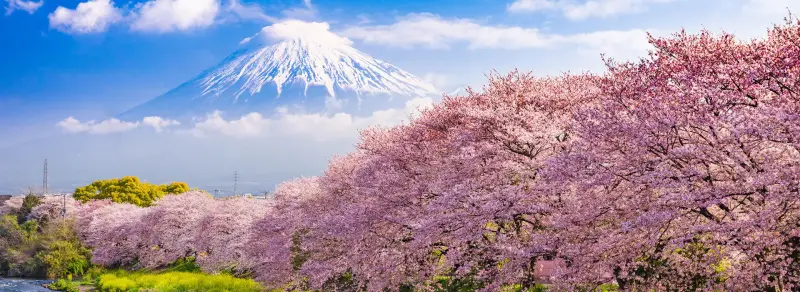
Hotel prices follow the seasons more than anything else. Cherry blossom season in late March and early April and the autumn leaf weeks of November are the dearest times in Kyoto and Tokyo, and Golden Week in early May fills domestic trains. Our cherry blossoms guide shows when the bloom usually arrives.
The Nozomi fare itself changes by a few hundred yen with season: about ¥200 less on off-peak days and up to ¥400 more on the busiest dates. That is small next to hotel swings, which can add 50% or more in peak weeks.
Ways to cut costs without missing much
Book rooms early for spring and autumn, and stay Sunday to Thursday when you can. Japanese hotels often price per occupant, so compare the two-person rate rather than assuming a double costs the same as a single.
Lunch is the bargain meal. Many restaurants that charge ¥8,000 or more at dinner offer a set lunch at a fraction of that. Department store food halls discount bento and sushi in the last hour before closing.
Use the free sights generously. Shrines, temple grounds, Tokyo's big parks and neighborhoods such as Yanaka or Kyoto's Higashiyama lanes cost nothing to walk, and they are often what people remember most.
Mistakes that blow a Japan budget
Buying a rail pass for a Tokyo and Kyoto trip is the most common one. The second is forgetting the Kyoto accommodation tax on a luxury ryokan, which can add thousands of yen per guest per night.
Taxis are a third. Japanese taxis are clean and safe but expensive, and late-night surcharges apply. Trains stop around midnight, so plan the last ride home before the final departure.










{{item.get_author.first_name}} {{item.get_author.last_name}}
{{item.comment_txt}}
{{item_reply.get_author.first_name}} {{item_reply.get_author.last_name}}
@ {{item_reply.reply_to}}, {{item_reply.reply_txt}}