
 Get the app
The best first-timer plan for 7 days in Japan is three nights in Tokyo and three nights in Kyoto, with a day trip to Nara and one long Shinkansen ride in between. The bullet train from Tokyo to Kyoto takes about 2 hours 15 minutes and costs about ¥14,170 for a reserved seat. For this route a 7-day Japan Rail Pass costs more than buying tickets one by one, so skip it.
Facts, prices and rules were checked against official sources in November 2026.
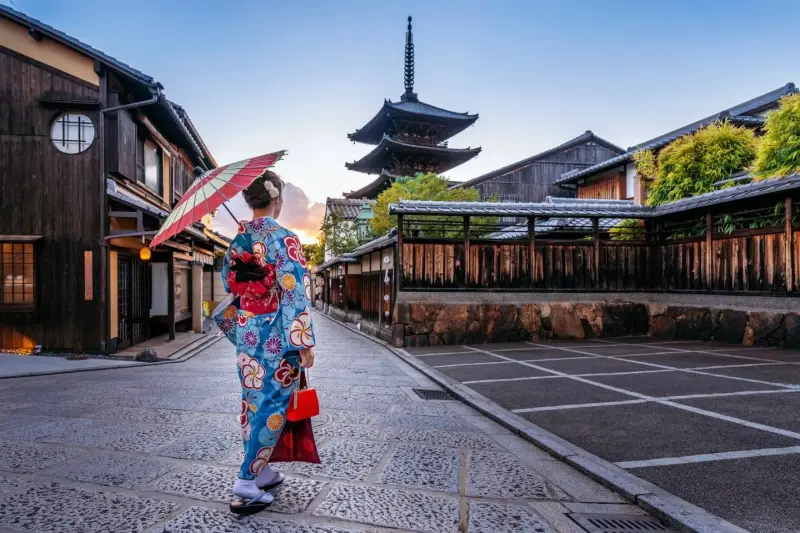
The route at a glance
| Day | Base | Main plan | Key transport and cost |
|---|---|---|---|
| 1 | Tokyo | Arrive, Asakusa and Senso-ji | Skyliner or Narita Express, ¥2,470 to ¥3,330 |
| 2 | Tokyo | Meiji Jingu, Harajuku, Shibuya, Shibuya Sky | Subway day ticket, ¥1,000 |
| 3 | Tokyo | Tsukiji outer market, teamLab Planets, Ginza | Subway, ¥1,000 day ticket |
| 4 | Kyoto | Shinkansen, Fushimi Inari, Gion at dusk | Nozomi about ¥14,170 |
| 5 | Kyoto | Kinkaku-ji, Arashiyama | Bus and subway pass, ¥1,100 |
| 6 | Kyoto | Nara day trip | JR or Kintetsu, about ¥720 to ¥760 each way |
| 7 | Depart | Higashiyama morning, train to the airport | Kansai Airport or back to Tokyo |
Book flights into Tokyo and out of Osaka's Kansai Airport if you can. That open-jaw ticket removes the trip back to Tokyo and gives you the last morning in Kyoto.
Day 1: arrive and settle into old Tokyo
From Narita, the Keisei Skyliner reaches Nippori in about 36 minutes for roughly ¥2,470, which suits a hotel in Ueno or Asakusa. The Narita Express runs to Tokyo Station in about 53 minutes for around ¥3,140, or to Shinjuku and Shibuya for ¥3,330, according to Ekitan's N'EX timetable guide.
Drop your bags, buy a Suica or other IC card for JR rides, and head to Asakusa. Senso-ji, Tokyo's oldest temple, is free to enter and stays lit after dark, which makes it a good first stop on a jet-lagged evening. Walk to the Sumida river for a view of Tokyo Skytree before an early dinner.
Where to stay for these three nights is covered in where to stay in Tokyo.
Day 2: shrines, fashion and the scramble
Start at Meiji Jingu, the forested shrine beside Harajuku Station, when the gates open. From there, walk Takeshita-dori and the tree-lined Omotesando avenue, then continue on foot to Shibuya. The whole walk is about 3 kilometers.
Book Shibuya Sky ahead. Online tickets cost ¥2,700 for entry before 3 p.m. and ¥3,400 from 3 p.m., per the city's GO TOKYO tourism site. Sunset slots sell out first. Spend the evening in Shinjuku's Omoide Yokocho alleys for yakitori.
A 24-hour Tokyo Subway Ticket at ¥1,000 covers Metro and Toei lines but not JR, per Tokyo Metro, so judge by where your day goes.
Day 3: market breakfast, digital art and Ginza
Have breakfast at the Tsukiji outer market, where stalls sell tamagoyaki, grilled seafood and sushi from early morning. Then take the Yurikamome line or subway to Toyosu for teamLab Planets, which starts at ¥3,800 for adults with prices set by date. Timed tickets are booked online.
Spend the afternoon in Ginza's department store food halls and the evening around Tokyo Station, ready for an early train. If digital art is not your thing, swap teamLab for the Tokyo National Museum in Ueno. Our top attractions in Tokyo guide has more ideas.
Day 4: bullet train to Kyoto, Fushimi Inari and Gion
Nozomi trains leave Tokyo Station frequently and reach Kyoto in about 2 hours 15 minutes. A reserved seat costs about ¥14,170, and fares shift by about ¥200 to ¥400 in peak and off-peak periods. During Golden Week, Obon and the New Year holidays all Nozomi seats are reserved, so book ahead. For views of Mount Fuji, pick a seat on the right side heading west (seat E in standard cars).
Leave bags at your hotel and take the JR Nara line two stops to Inari for Fushimi Inari Taisha. The shrine is free and open around the clock. The full mountain loop takes two to three hours; most visitors turn around at the Yotsutsuji viewpoint about halfway.
In the evening, walk Gion's Hanamikoji street and the canal-side Shirakawa area. Photographing geiko and maiko on Gion's private lanes is banned, so keep a respectful distance. Kyoto base options are in where to stay in Kyoto.
 Exclusive holiday package offers
Day 5: the Golden Pavilion and Arashiyama
Start at Kinkaku-ji, the gold-leaf pavilion in northern Kyoto, which charges ¥500 for adults. The subway does not reach it, so take a city bus, which costs a flat ¥230 per adult ride. The Subway and Bus 1-Day Pass at ¥1,100 pays off after five rides, according to the city's transport page.
From Kinkaku-ji, continue west to Arashiyama by bus or the Randen tram. Walk the bamboo grove early or late to avoid the thickest crowds, visit Tenryu-ji's garden, and cross the Togetsukyo bridge. The temple's own site lists garden entry at ¥500 for adults, with ¥300 more to enter the halls, and opening hours of 8:30 a.m. to 5 p.m. The JR Sagano line brings you back to Kyoto Station in about 15 minutes.
Day 6: a day trip to Nara
Nara was Japan's capital in the 8th century and is now known for its deer park and Todai-ji's giant bronze Buddha. Two lines connect it with Kyoto. The JR Nara line's Miyakoji Rapid takes about 45 minutes for roughly ¥720, while Kintetsu ordinary trains take 35 to 50 minutes for ¥760 and stop closer to Nara Park, according to japan-guide.com. Kintetsu limited expresses cost ¥1,280 and save a few minutes.
The Great Buddha Hall at Todai-ji charges ¥800 for adults and opens 7:30 a.m. to 5:30 p.m. from April to October and 8 a.m. to 5 p.m. from November to March, according to the temple's admission page. Arrive near opening time, before the school groups.
Plan five to six hours: Todai-ji, the deer park, Kasuga Taisha's lantern-lined approach and the Naramachi old merchant quarter. Deer crackers are sold in the park for about ¥200 a bundle; bow to the deer and keep other food out of sight.
On the way back, stop at Inari or Uji if you have energy left, or spend the evening in Pontocho's restaurant alley.
Day 7: last morning and departure
Walk up to Kiyomizu-dera through the Ninenzaka and Sannenzaka lanes before 8 a.m., when the stone streets are nearly empty. The temple's official site confirms a 6 a.m. opening, though closing times change by season and its English pages did not list the entry fee when we checked, so carry some cash for the gate.
From Kyoto Station, the JR Haruka limited express runs to Kansai Airport in roughly 75 to 85 minutes, with a non-reserved seat at ¥3,060, according to Ekitan. Allow at least two hours at the airport for an international flight. If you fly from Tokyo instead, allow the 2 hours 15 minutes for the Nozomi plus airport transfer time, and leave Kyoto by late morning for an evening flight.

Moving your luggage between Tokyo and Kyoto
Day 4 is the only day you change hotels, so plan it. On the Tokaido Shinkansen, bags up to 160 cm in combined length, width and height fit at your feet or on the rack. Bags of 161 to 250 cm need a reserved seat with an oversized baggage area, and anything larger cannot board, according to JR Central.
The reservation costs nothing beyond the normal seat. Turning up with an oversized bag and no reservation brings a ¥1,000 fee, and if the spaces are full you may be asked to take a later train. The easier option is to have your Tokyo hotel send the suitcase to Kyoto by courier on Day 3 and travel with a day pack.
Does a Japan Rail Pass make sense for this trip?
No. The official Japan Rail Pass site lists the 7-day Ordinary pass at ¥50,000 bought online and ¥53,000 through an overseas agent. Add up the JR legs in this plan and you get far less.
| Journey | Approximate fare |
|---|---|
| Narita Express, airport to Tokyo | ¥3,140 |
| Nozomi, Tokyo to Kyoto | ¥14,170 |
| JR to Fushimi Inari and back | Under ¥500 |
| JR Nara line round trip | About ¥1,440 |
| Nozomi, Kyoto to Tokyo (if flying home from Tokyo) | ¥14,170 |
| Total | About ¥33,400 |
That is around ¥16,600 less than the pass. The pass starts winning when you add long trips such as Hiroshima or Kanazawa. We work through those cases in is the Japan Rail Pass worth it.
What this week costs
At mid-range level, with shared hotel rooms, sit-down meals and the trains above, plan on about ¥185,500 per person, or roughly $1,175, before flights. The full budget by style, in dollars, pounds and rupees, is in how much a trip to Japan costs.
Adjusting the plan
In cherry blossom season, swap Day 3 for Ueno Park or Shinjuku Gyoen, and in Kyoto walk the Philosopher's Path. Our cherry blossoms guide covers timing.
If you want Mount Fuji, replace Day 3 with Hakone using the Odakyu line from Shinjuku. You lose teamLab and Ginza but gain lake and mountain views on a clear day.
If you would rather sleep near Hakone than return the same day, Odakyu's two-day Hakone Freepass from Shinjuku costs ¥7,100, per Odakyu, and covers the round trip plus the area's buses, ropeway and lake boats. A night in a Hakone inn on Day 3 would shorten Kyoto to two nights.
For Hiroshima, trade the Nara day. The JR West Kansai-Hiroshima Area Pass costs ¥17,000 for five days and covers the Shinkansen from Shin-Osaka to Hiroshima, Kansai-area JR lines and the Haruka. Our rail pass guide explains when it pays off.
Families with young children can drop the Nara day and use Day 6 for the Kyoto Railway Museum near Kyoto Station, then visit Nara's deer on a shorter half day.
Rainy-day swaps
Rain is common in June and during typhoon season from late summer into autumn. In Tokyo, the plan is easy to reshuffle: teamLab Planets is indoors, so move Day 3 to the wettest day and keep the Harajuku to Shibuya walk for a dry one.
In Kyoto, Nishiki Market and the downtown shopping arcades are covered. Fushimi Inari's gates still work in light rain and are emptier than usual, but skip the full mountain loop when paths are slippery. Arashiyama is the day to protect, since the bamboo grove and river views lose most of their appeal in a downpour.
What to eat along the way
Each stop has a dish worth seeking out. Tokyo is the home of edomae sushi and monjayaki, a runny griddle dish best tried in Tsukishima, a short subway ride from the Tsukiji market. Ramen shops with ticket machines are everywhere and make a quick, cheap lunch.
Kyoto's food is lighter. Look for yudofu, simmered tofu, near Tenryu-ji in Arashiyama, and matcha sweets in the shops of Uji and Gion. Nishiki Market is the place to graze on pickles, grilled skewers and soy milk doughnuts.
In Nara, try kakinoha-zushi, pressed sushi wrapped in persimmon leaves, sold near the station. If you add an evening in Osaka, takoyaki and okonomiyaki are the classic order.
Who this plan suits
This route is built for a first visit at a steady pace, with one hotel change and no more than two major areas a day. It works for couples, friends and families with children old enough to walk long distances.
Travelers who have already seen Tokyo and Kyoto should look elsewhere: Kanazawa, Takayama or the Kumano Kodo give a very different week. Those who dislike crowds should avoid late March, early April, Golden Week and November, or start every day at opening time.
If you have an eighth day
An extra day is best spent in Kansai rather than back in Tokyo. Uji, on the JR Nara line south of Kyoto, has Byodo-in, the temple pictured on the 10-yen coin, and the riverside tea shops that made the town famous for green tea. It fits in half a day and pairs well with Fushimi Inari, which sits on the same line.
Osaka is the other obvious choice. Spend the afternoon at Osaka Castle park, then eat your way through Kuromon Market and the retro Shinsekai district after dark. Staying a final night in Osaka also puts you closer to Kansai Airport for a morning flight.
Handling jet lag on Days 1 and 2
Most flights from North America and Europe land in the afternoon or evening, which is why Day 1 is short. Get outside in daylight, eat dinner at local time and resist a long nap.
Jet lag often wakes visitors before dawn on Day 2. Use it: Meiji Jingu opens its gates around sunrise, and Tokyo is quiet and pleasant before 8 a.m. Grab breakfast from a convenience store on the way, since most cafes open later.
Mistakes first-timers make
Packing too much into Tokyo is the classic one. Distances between districts are long, and three neighborhoods a day is plenty.
The second is arriving at the Shinkansen platform with a giant suitcase and no plan for it. The third is skipping cash entirely; small temples and some buses still want coins.
 AI trip planner










{{item.get_author.first_name}} {{item.get_author.last_name}}
{{item.comment_txt}}
{{item_reply.get_author.first_name}} {{item_reply.get_author.last_name}}
@ {{item_reply.reply_to}}, {{item_reply.reply_txt}}