
 Get the app
In short: give each of your four days in London one area, not a list of sights. Spend day one in Westminster and on the South Bank, day two in Bloomsbury and the West End with a show at night, day three in the City and Bankside, and day four in Greenwich by river boat or on a train day trip. Use contactless payment on the Tube; as of November 2026 a day of travel in zones 1 and 2 never costs more than £8.90.
Facts, prices and rules were checked against official sources in November 2026.
The biggest mistake first-time visitors make is crossing the city three times a day to tick off famous names. London's main sights fall into a handful of walkable clusters, and the plan below is built around them. It gives the order of each day, the times that matter, what to book before you fly, and what to swap in when it rains. Ticket prices and opening hours for individual attractions live in our guide to the best places to visit in London, and museum detail is in the London museums guide, so this page concentrates on sequencing.
The four days at a glance
| Day | Area | Anchor sights | Evening |
|---|---|---|---|
| 1 | Westminster and the South Bank | Changing the Guard or Westminster Abbey, Parliament, London Eye | South Bank riverside walk |
| 2 | Bloomsbury, Covent Garden, Soho | British Museum, National Gallery, Trafalgar Square | West End show |
| 3 | The City and Bankside | Tower of London, Tower Bridge, St Paul's, Borough Market, Tate Modern | Shoreditch or a free skyline view |
| 4 | Greenwich, or a day trip | Royal Observatory, Cutty Sark, Greenwich Park | Pub dinner, packing |
If your trip starts on a Monday, Wednesday or Friday, keep day one as written so you catch the guard ceremony. Otherwise, swap days one and two freely; nothing in the plan depends on a strict order except the market and ceremony days flagged below.
Before you go: what to book and when
Four things sell out for a short trip and are worth booking before you travel. Everything else can be decided on the day.
- A West End show for day two. Popular musicals sell out weekends weeks ahead; midweek is easier.
- A Tower of London entry for an early slot on day three, so you reach the Crown Jewels before the queue builds.
- A free Sky Garden slot if you want a skyline view without paying. Slots are released in batches and go quickly.
- Train tickets if you choose a day trip on day four. Advance fares are much cheaper than buying at the station.
Most non-European visitors now need permission before boarding, so check our UK ETA guide for your nationality, and the wider UK travel guide for money, plugs and other basics.
 Plan your trip with AI
Getting around: what the Tube costs in 2026
You do not need to buy an Oyster card. Tap the same contactless bank card, phone or watch at the yellow readers when you enter and leave stations, and the system works out the cheapest fare and stops charging once you reach the daily cap. Each person needs their own card or device.
Tube and rail single fares rose on 1 March 2026, but the daily caps were frozen. The Mayor of London's fares decision sets out the figures.
| Pay as you go (adult, from 1 March 2026) | Fare |
|---|---|
| Single journey within zone 1, peak | £3.10 |
| Single journey within zone 1, off-peak | £3.00 |
| Daily cap, zones 1 and 2 | £8.90 |
| Daily cap, zones 1 to 6 | £16.30 |
Every sight in days one to three sits inside zone 1, and Greenwich is on the zone 2 and 3 boundary. In practice, most visitors pay three or four single fares a day and hit the zones 1 and 2 cap by mid-afternoon. A paper one-day Travelcard costs considerably more than the contactless cap, so skip it.
Buses are cheaper still. Transport for London said its bus and tram fare freeze would end on 1 November 2026, with the single fare expected to rise to £1.85 and the daily bus cap to £5.55, according to its press office. The Hopper rule lets you change buses for free within an hour of the first tap. Route 11 and route 15 pass many of the landmarks in this plan and make a cheap alternative to an open-top bus tour.
For trains beyond London, the UK train travel guide covers tickets and railcards.
If you land on the morning of day one
Most long-haul flights from North America, the Gulf and Asia reach Heathrow between 6:00 and 10:00 am, and hotel rooms are rarely ready before mid-afternoon. Rather than lose the day, drop your bags at the hotel's luggage room and start with the gentlest part of the plan: the parks and the walk along Whitehall. Leave Westminster Abbey and the London Eye for later in the trip, when you are less tired and more likely to enjoy the time inside.
Staying awake until a normal bedtime is the fastest way to adjust to the time change. Daylight helps, so an afternoon outdoors on the South Bank is better than a nap. If you are flying in from India or Southeast Asia, where the difference is at least four and a half hours, expect the first evening to be a short one and book the West End show for day two, not day one.
Day 1: Westminster and the South Bank

Morning: palace, park and guards
Start at Green Park station and walk through the park to Buckingham Palace. The Household Division's calendar lists Changing the Guard on Mondays, Wednesdays and Fridays at 11:00 am, and the ceremony is called off in heavy rain or for state events. Arrive by 10:15 am to get a view at the railings, or watch the band march along the Mall, which is far less crowded.
On other days, start instead with Westminster Abbey at opening time. Morning entry avoids the tour groups, and you can walk out straight into Parliament Square.
Midday: Whitehall and Parliament
From the palace, cut through St James's Park, past the pelicans on the lake, to Horse Guards Parade. Mounted troopers stand sentry on Whitehall through the day. Walk south along Whitehall, past the gates of Downing Street, to Parliament Square for the view of the Elizabeth Tower, which houses Big Ben.
Visitors interested in the Second World War can spend 90 minutes in the Churchill War Rooms, just off Whitehall. It is one of the few sights in this area that is worth booking ahead in summer.
Afternoon and evening: across the river
Cross Westminster Bridge to the South Bank. If you want a ride on the London Eye, late afternoon in winter gives sunset over Westminster; in summer, an evening slot is quieter. From there, the riverside path runs east past the Southbank Centre's book market under Waterloo Bridge and on toward Blackfriars, with street performers and food stalls most of the year.
Eat around Waterloo or Lower Marsh, a short street of cafés behind the station that is cheaper than the riverside chains.
Day 2: Bloomsbury, the National Gallery and the West End
Morning: the British Museum
Arrive at the British Museum as it opens and go straight to the rooms you care about most, because by late morning the Egyptian galleries and the Rosetta Stone are crowded. Two to three hours is enough for a first visit. Our museums guide has suggested routes inside.
Bloomsbury's garden squares around the museum, especially Russell Square and Bedford Square, are a quiet place to sit afterward.
Afternoon: Covent Garden to Trafalgar Square
Walk south through Seven Dials, where seven streets meet at a single column, into Covent Garden. The covered market hall has street performers in the West Piazza most afternoons. Lunch in nearby Chinatown or Soho is quick and reasonably priced.
Continue to Trafalgar Square and the National Gallery. Entry to the permanent collection is free, so you can see a handful of paintings in an hour without feeling you have to stay all afternoon. The National Portrait Gallery is around the corner if you prefer faces to landscapes.
Evening: a West End show
Most evening performances start at 7:00 or 7:30 pm. Have an early pre-theater dinner around Covent Garden, where many restaurants offer early set menus aimed at theatergoers. If you did not book ahead, the official TKTS booth in Leicester Square sells same-day discounted tickets.
Day 3: the City, the Tower and Bankside
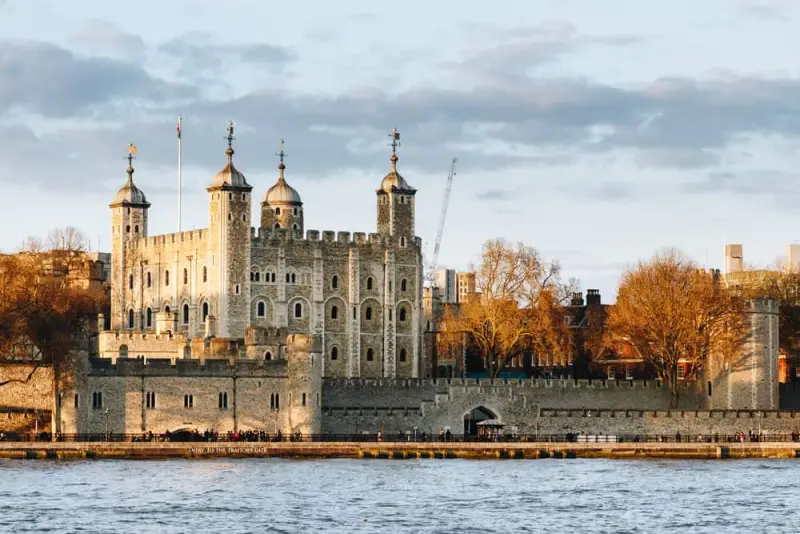
Morning: the Tower of London
Take the Tube to Tower Hill and be at the Tower gates for your early slot. See the Crown Jewels first, then join one of the free tours led by the Yeoman Warders, which start near the entrance. Allow three hours in total.
Walk out onto Tower Bridge. The high-level walkways with glass floors are a paid add-on, but crossing the bridge on the road deck is free and gives the same view of the Tower behind you.
Midday: Borough Market
On the south side of the bridge, follow the river path west to Borough Market for lunch. The market trades from Tuesday to Sunday, so if day three falls on a Monday, swap it with day two. Southwark Cathedral is next door and free to enter.
Afternoon: Bankside and St Paul's
Continue west along Bankside, past the reconstructed Shakespeare's Globe, to Tate Modern. The Turbine Hall and the viewing level are free. Then cross the Millennium Bridge, a pedestrian bridge that lines up with the dome of St Paul's Cathedral.
St Paul's closes to sightseers earlier than you might expect and holds services through the day, so check its hours before you plan to finish there. If you want a free alternative to climbing the dome, the rooftop terrace of the One New Change shopping center, next to the cathedral, looks straight across at it.
Evening: east or up
Two options suit the end of this day. Shoreditch, a short ride north, has street art around Brick Lane, curry houses and late bars. Or use your Sky Garden booking for a free view over the City as the lights come on.
Day 4: Greenwich by river, or a day out of London

Option A: Greenwich
Travel the way Londoners did for centuries, by river. Uber Boat by Thames Clippers services run from Westminster, the London Eye and Tower piers to Greenwich, and contactless payment works on board, though river fares are not part of the Tube cap. The trip passes Canary Wharf and the old docks, which are not visible from the Tube.
In Greenwich, walk up through the park to the Royal Observatory to stand on the Prime Meridian. The view back toward Canary Wharf and the City from the top of the hill is one of the best in London and costs nothing. The Cutty Sark clipper ship and the National Maritime Museum are at the bottom of the hill; the museum is free.
Return on the Docklands Light Railway from Cutty Sark station or by Tube from North Greenwich, which keeps you within the daily cap.
Option B: a day trip by train
If you would rather see more of England, use day four for a rail day trip. Bath and Oxford are the easiest without a car, and Stonehenge is possible via Salisbury. Our guide to day trips from London by train compares journey times, fares and timings for each.
Option C: Kensington and Notting Hill
For a slower final day, take the Tube to South Kensington for the Natural History Museum or the V&A, both free, then walk north through Hyde Park and Kensington Gardens to Notting Hill. Portobello Road's antiques market is at its biggest on Saturdays.
Rainy-day swaps
London weather changes quickly, and the plan is built so each day has an indoor fallback within walking distance.
| Day | Outdoor element | Indoor swap nearby |
|---|---|---|
| 1 | Guard ceremony, parks, South Bank walk | Churchill War Rooms, Westminster Abbey |
| 2 | Covent Garden streets | Extra time in the British Museum or National Gallery |
| 3 | Tower Bridge, Bankside | Tate Modern, Leadenhall Market's covered arcade |
| 4 | Greenwich Park | National Maritime Museum, Cutty Sark |
Where to base yourself for this plan
For a four-day trip built around these areas, the best bases are those with direct Tube links to all of them. Covent Garden and Bloomsbury put you within walking distance of days one and two. Bankside or London Bridge suits days three and four. South Kensington is pleasant but adds travel to the eastern half of the plan. A fuller comparison of neighborhoods, with hotel price levels, is in our London places guide.
Travelers who want halal options near their base can use our halal food in London guide, and couples can borrow ideas from the honeymoon in London guide for special dinners.
Changing the plan by season
In winter, daylight ends around 4:00 pm in December, so put outdoor sights first each day and save museums for the late afternoon. Ice rinks and Christmas markets appear from mid-November; our London in winter guide covers them, along with what closes over Christmas. On 25 December the Tube does not run at all.
If you are in London for New Year, fireworks on the river need a paid ticket and close Westminster and the South Bank for much of 31 December. Read our New Year's Eve in London guide before planning that day.
Summer brings long evenings, which suit the South Bank and Greenwich, but also the biggest crowds at the Tower and Westminster Abbey. Start those two at opening time. The best time to visit the UK guide compares months, and the UK trip cost guide helps budget the trip as a whole.
 Holiday offers








{{item.get_author.first_name}} {{item.get_author.last_name}}
{{item.comment_txt}}
{{item_reply.get_author.first_name}} {{item_reply.get_author.last_name}}
@ {{item_reply.reply_to}}, {{item_reply.reply_txt}}