

Mexican cuisine is one of the world's most celebrated food cultures - a bold, deeply layered cooking tradition built on ancient Aztec and Mayan ingredients, enriched by centuries of Spanish colonial influence, and recognised by UNESCO as an Intangible Cultural Heritage of Humanity since 2010. From the spit-roasted pork of Tacos al Pastor to the 30-ingredient complexity of Oaxacan Black Mole, Mexican food spans an extraordinary range: intensely spiced and delicately subtle, humble street-corner antojitos and sophisticated restaurant cuisine, all within the same country - and sometimes the same market stall.
In this complete guide, we cover the 30 most popular and authentic Mexican dishes - organised by category, with firsthand tasting notes, regional origins, best places to eat each dish in Mexico, cultural history, and vegetarian options clearly marked. Whether you are planning a trip to Mexico or simply want to understand one of the world's great food cultures, this is your definitive 2026 reference.
Best Mexican Breakfast Foods:
01. Chilaquiles (Chee-la-KEE-les): ⭐ Mexico's Most-Loved Breakfast
Chilaquiles - from Náhuatl chilli-a-quilitl, "greens in chili broth." Found nationwide.Chilaquiles: Day-old corn tortillas cut into triangles, fried until crisp (totopos), then simmered in red (rojo) or green (verde) salsa until slightly softened - topped with Mexican crema, crumbled queso fresco, sliced raw onion, and a fried egg or shredded chicken. Mexico's most universally loved breakfast dish.
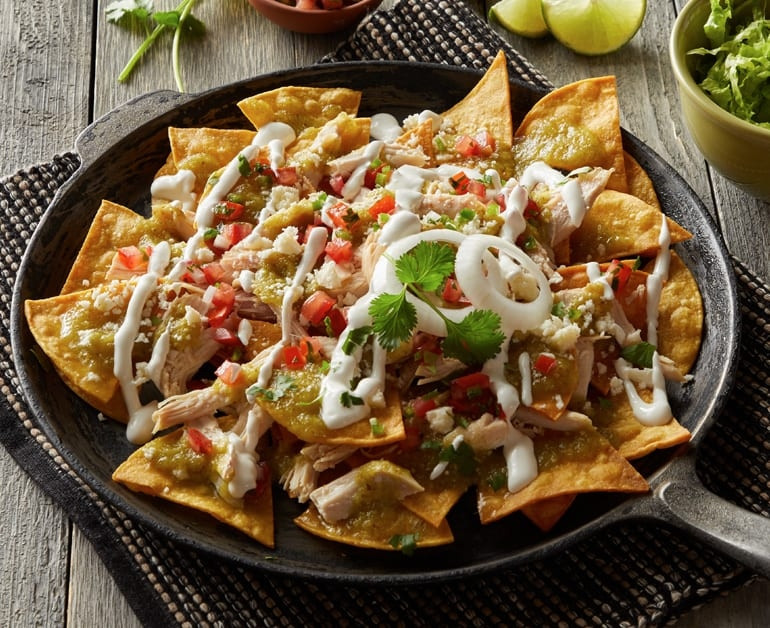
Chilaquiles are the quintessential Mexican breakfast - and the dish every Mexican home cook knows by heart, because they are the brilliant solution for leftover tortillas and salsa. The transformation is the genius: crispy tortilla chips are deliberately softened in hot salsa until they reach a silky-yet-structured texture, absorbing the chili sauce deeply into the corn. The red version (chilaquiles rojos) uses a tomato and dried guajillo or ancho chili sauce with earthy, smoky depth; the green version (chilaquiles verdes) uses tomatillo and fresh jalapeño for a brighter, sharper acidity. Both are finished with thick Mexican crema, crumbled queso fresco, and sliced raw white onion.
Regional variations are significant: in Mexico City, chilaquiles arrive with refried black beans alongside; in Guadalajara, they are served with birria (goat stew) as a garnish; in Oaxaca, local pasilla mixe chili varieties make the salsa smokier and more complex. The dish is so culturally embedded that Mexicans half-seriously describe it as the country's only reliable hangover cure - the salt, chili, and starch combination doing restorative work after a long night.
02. Huevos Rancheros (Ranch Eggs):
Huevos Rancheros - "Ranch-style eggs." Born from Mexico's hacienda farming culture.Huevos Rancheros: Two fried eggs served on lightly fried corn tortillas, blanketed in a chunky ranchero sauce of fire-roasted tomatoes, jalapeño or serrano chili, onion, and garlic - with refried beans on the side and crumbled cheese on top. The hacienda worker's breakfast, made to power a long day of physical labour.
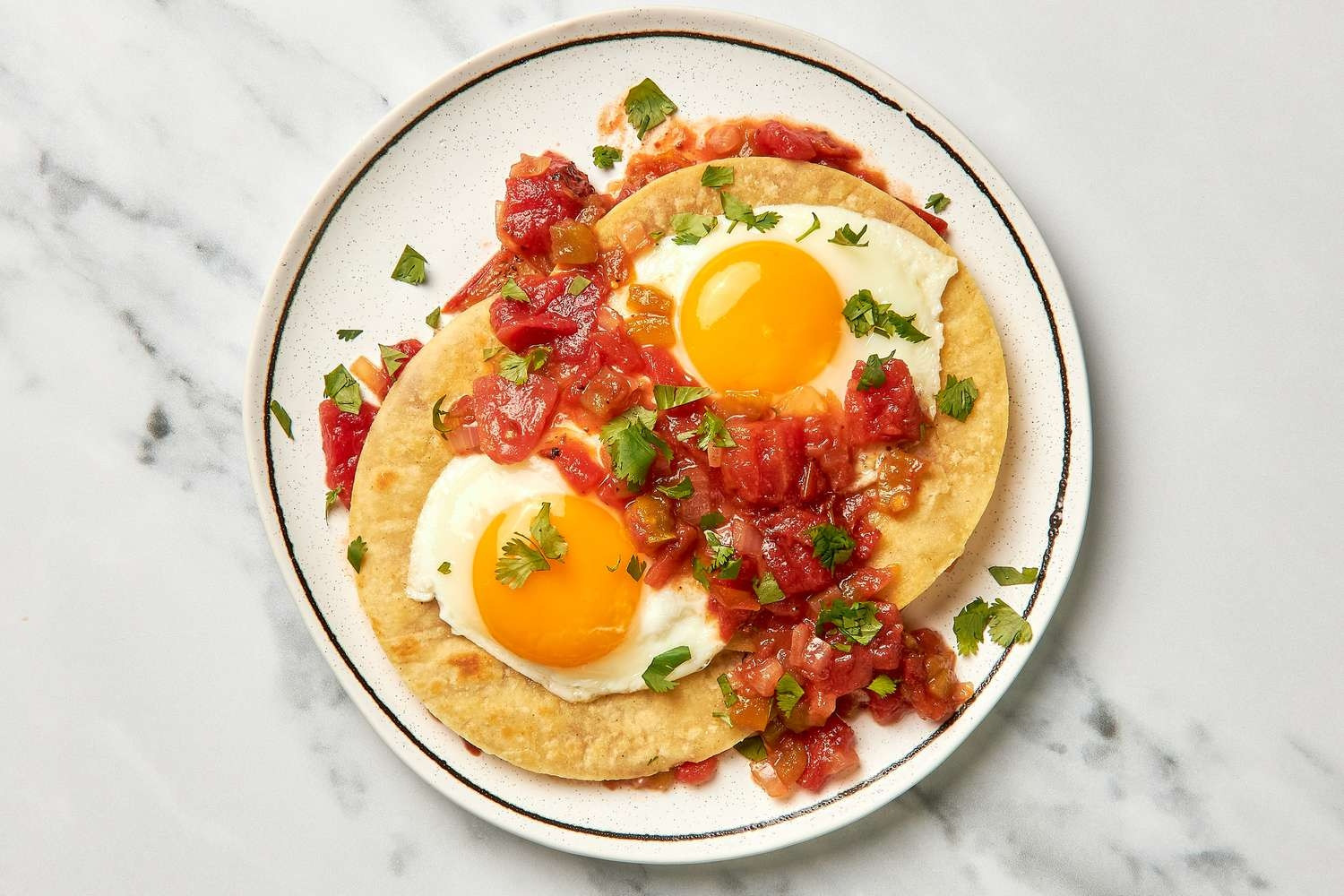
Huevos Rancheros represents a fundamental Mexican flavour equation: the slight bitterness of corn tortilla, the richness of egg yolk, the acidity and heat of tomato-chili sauce, and the earthiness of refried beans working in perfect balance. The ranchero sauce is the soul of the dish - made from fire-roasted tomatoes, serrano or jalapeño chili, onion, and garlic, it should be chunky, slightly smoky, and bright with fresh chili heat rather than a smooth purée.
The authentic version uses tortillas fritas - corn tortillas quickly fried in oil until they develop some crispness but remain pliable enough to cut with a fork. This is not a crunchy tostada: the goal is structural integrity under the sauce, not a chip. When done correctly, the tortilla holds its form while absorbing the surrounding salsa, the egg yolk bleeding into the sauce when broken - creating a self-mixed condiment on the plate that rewards slow, unhurried eating.
03. Tamales: 🏆 One of the World's Oldest Foods
Tamales - from Náhuatl tamalli, "wrapped food." History: 3,000+ years in Mesoamerica.Tamales: Nixtamalized corn masa (dough) filled with savory stews or sweet ingredients, wrapped in corn husks or banana leaves, and steamed until the masa sets into a firm, aromatic parcel - one of the most ancient foods in the Americas, with unbroken preparation traditions dating back over 3,000 years.
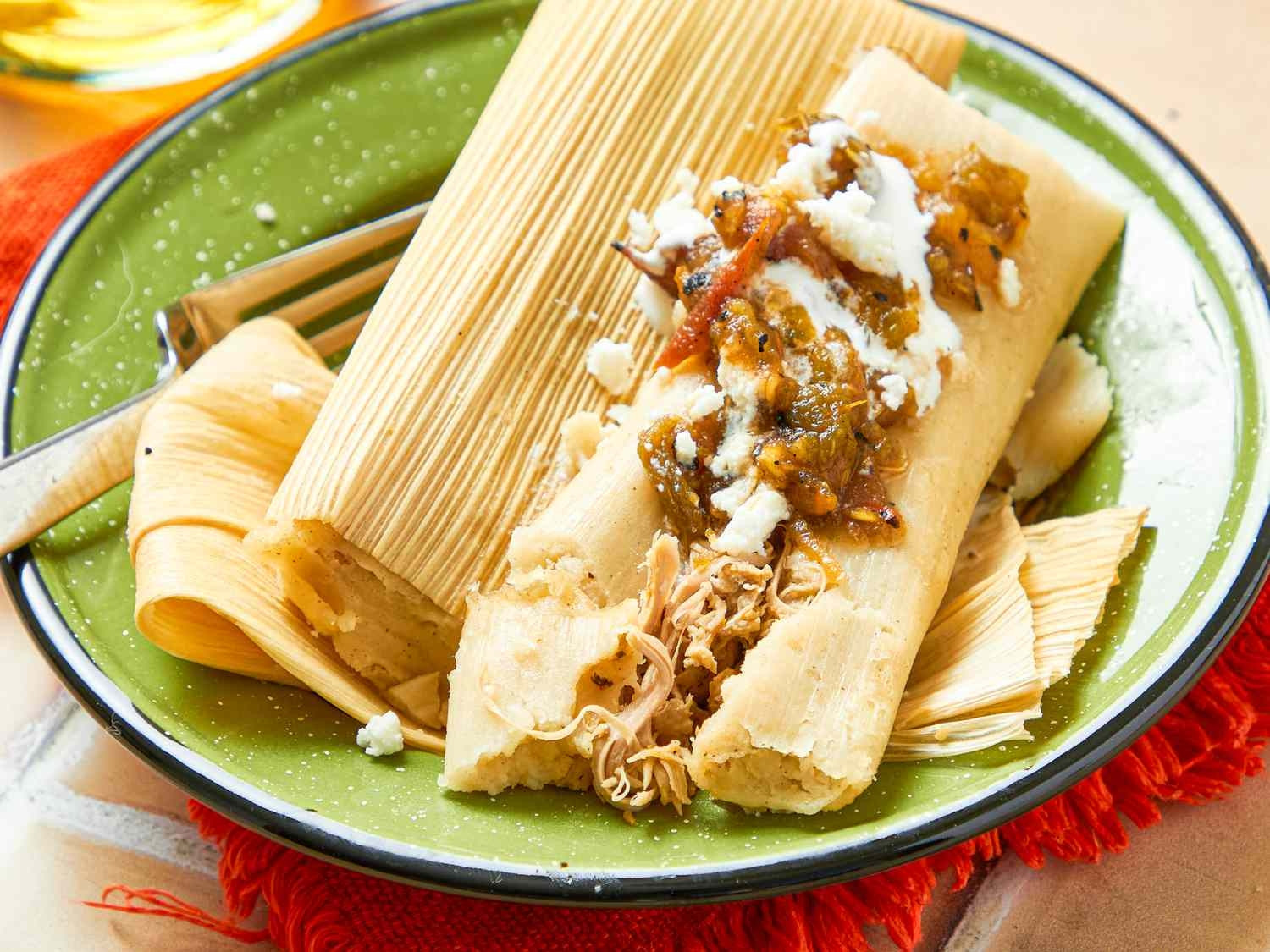
Tamales are among the oldest prepared foods in the Americas - archaeological evidence places them in Mesoamerica as early as 1000 BCE. For the Aztecs, tamales were sacred food offered to the gods, prepared by women at the start of each planting season, and eaten at every ritual gathering. When Spanish colonisers arrived in the 16th century, they documented enormous quantities being prepared for Aztec celebrations - one account describes tens of thousands made for a single feast at Tenochtitlan.
Modern tamales come in hundreds of regional varieties: tamales verdes (tomatillo-chicken filling), tamales rojos (red chili and pork), rajas con queso (poblano strips with Oaxacan string cheese - beloved vegetarian version), tamales de elote (sweet fresh corn wrapped in green corn leaves), and tamales oaxaqueños (wrapped in banana leaves, larger and more moist with black mole). In southern Mexico, tamales de chipilín use a local herb that turns the masa green. The ritual tamale-making gathering (tamalada) - where families gather to produce hundreds in assembly lines - remains one of Mexico's most important December traditions.
Top Mexican Street Foods & Antojitos:
04. Tacos al Pastor: ⭐ Mexico's Most Iconic Street Food
Tacos al Pastor - "shepherd-style tacos." Born from Lebanese shawarma tradition via 1950s Mexico City.Tacos al Pastor: Thin slices of achiote-and-dried-chili-marinated pork slow-roasted on a vertical rotating spit (trompo) crowned with a fresh pineapple - shaved to order onto doubled small corn tortillas and served with pineapple, cilantro, raw white onion, and fresh lime. The single most recognisable Mexican dish in the world.
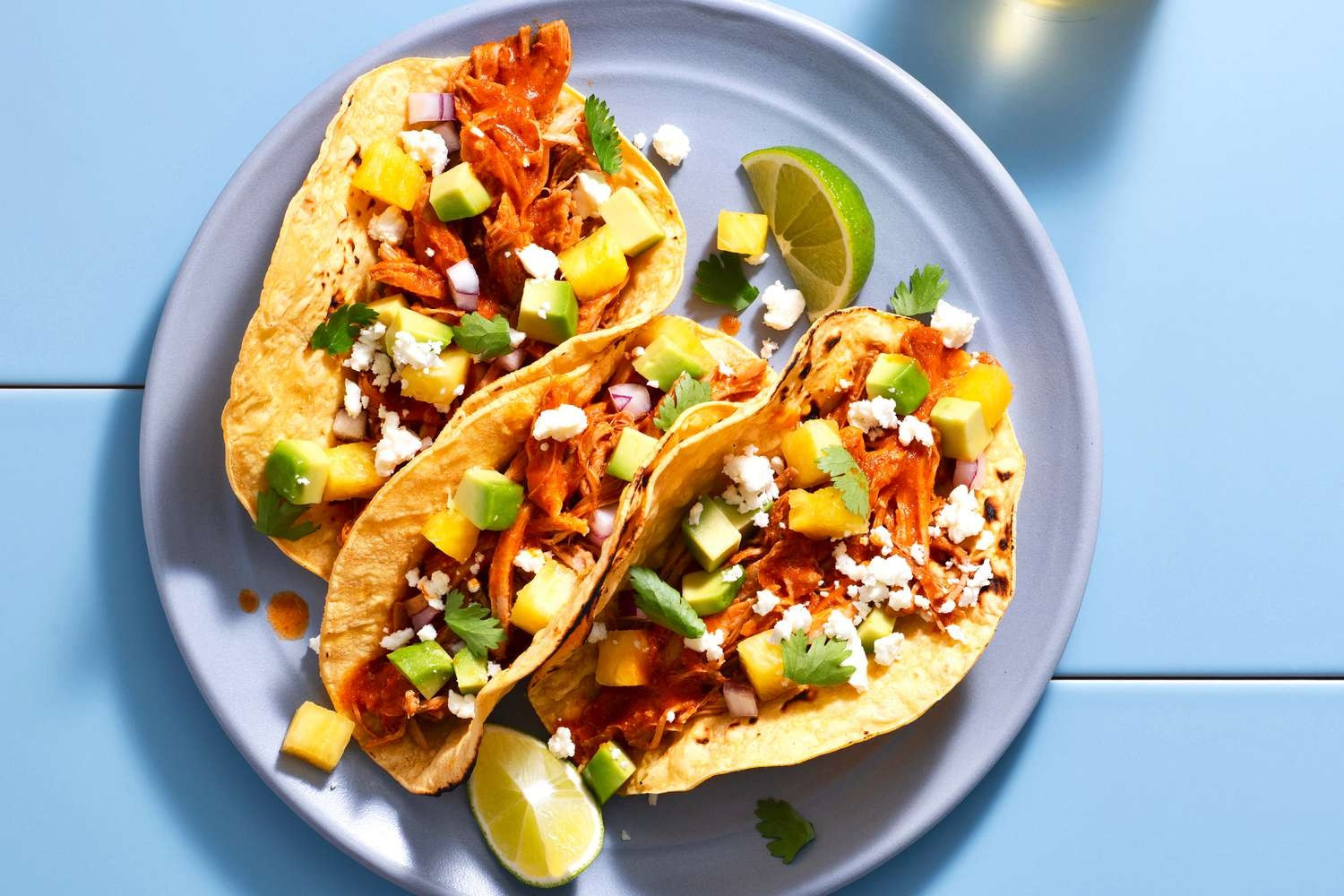
Tacos al Pastor have a remarkable origin story that reflects Mexico's capacity for cultural reinvention. Lebanese immigrants brought the shawarma vertical spit-roasting technique to Mexico in the early 20th century; Mexican cooks adapted it with local achiote paste (from annatto seeds), dried guajillo and ancho chilies, and the signature addition of fresh pineapple on top of the meat spit - its juice caramelising on the pork's outer surface as it slowly rotates.
The result is uniquely Mexican: the exterior of the pork is lightly charred and sweet-spiced from the pineapple caramelisation, the interior juicy and deeply marinated with earthy chili depth. The taquero (taco maker) shaves the meat with a long knife - and in the most theatrical move in Mexican street food - flicks a piece of pineapple from the top of the trompo directly onto each taco with a single practiced motion. Each taco uses two small tortillas (doubled) to absorb the meat juices without tearing. Finished with cilantro, white onion, salsa verde or roja, and fresh lime: one of the world's truly great street foods.
05. Quesadillas:
Quesadillas - from queso (cheese). Note: in Mexico City, cheese is not automatic - you must ask.Quesadilla: A corn or flour tortilla folded around a filling - classically Oaxacan string cheese, though dozens of fillings are used - cooked on a comal (griddle) until the exterior blisters and the cheese melts. Street versions use fresh-pressed masa; restaurant versions often use pre-made tortillas. Completely different textures.
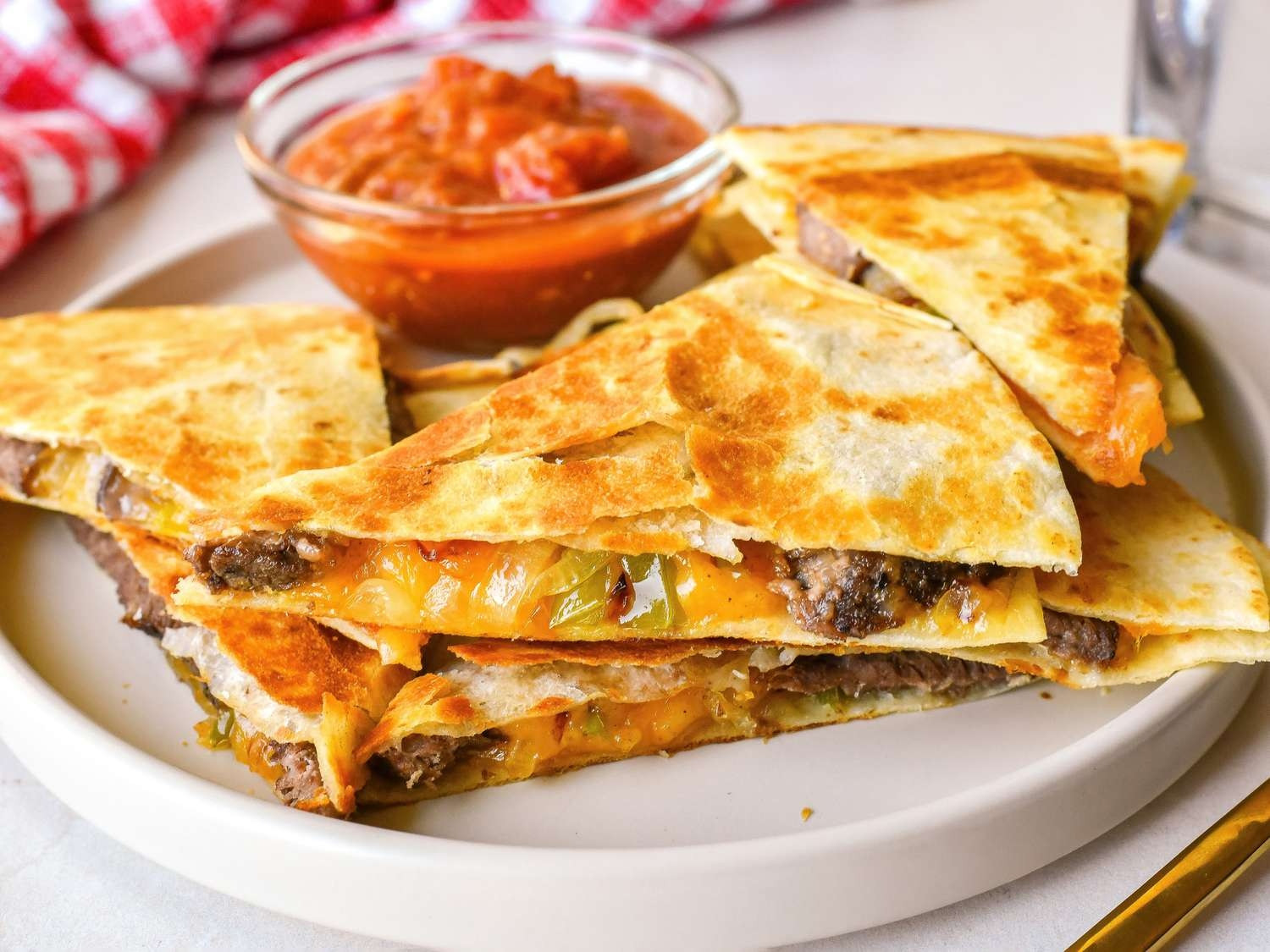
Street quesadillas are made on a comal using fresh masa - hand-patted corn dough rather than pre-made tortillas. The uncooked tortilla is filled while raw, then pressed onto the hot surface. The result has a slightly thicker, softer texture with a faint corn sweetness beneath the filling - fundamentally different from the Tex-Mex flour-tortilla frying-pan version most of the world knows.
The range of fillings is extraordinary: quesillo y flor de calabaza (Oaxacan string cheese with squash blossoms), huitlacoche (corn fungus - considered a delicacy, earthy and intensely savory), rajas con crema (roasted poblano strips with crema), chorizo y papa (Mexican sausage and potato), and cochinita pibil (Yucatecan achiote pork). The blue corn version at CDMX markets uses heirloom blue maize masa - denser, more complex in flavour, and a dramatic slate-purple colour.
06. Enchiladas:
Enchiladas - from en-chili-ar, "to season with chili." The sauce is the dish, not the garnish.Enchiladas: Corn tortillas dipped in hot chili sauce (this step is non-negotiable), filled with shredded chicken, cheese, or beans, rolled and arranged in a baking dish - smothered in more sauce, baked or served immediately, and garnished with crema, fresh cheese, and onion rings. The sauce defines the enchilada; without it, you have a simple taco.
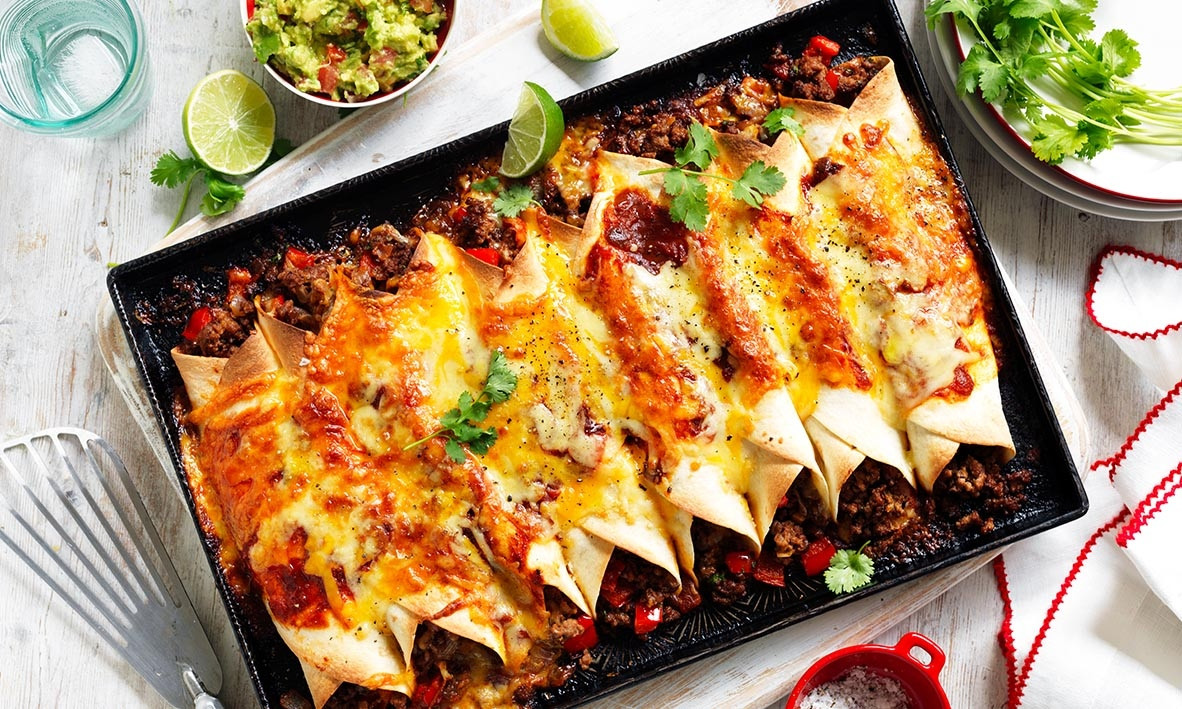
Enchiladas illustrate one of the most important distinctions between authentic Mexican food and international imitations: the sauce is structural, not optional. The tortilla must be dipped in hot chili sauce before filling - this softens it, infuses the corn with flavour, and gives the dish its name. Each sauce variety creates a completely different experience: verdes (tomatillo and jalapeño - bright, acidic, fresh), rojas (dried guajillo and ancho - earthy, deep, smoky), suizas (tomatillo with cream - "Swiss" for its richness), and enfrijoladas (blended black beans - entirely different, earthy and substantial).
07. Burritos:
Burritos - "little donkeys." Northern Mexico border dish; now one of Mexico's most globally recognised exports.Burrito: A large flour tortilla (wheat flour is essential - corn tortillas cannot make a proper burrito) folded and rolled around a filling of beans, rice, meat, and cheese into a sealed cylindrical package. Primarily a northern Mexico and US-Mexican border dish, eaten dry or with sauce on the side.
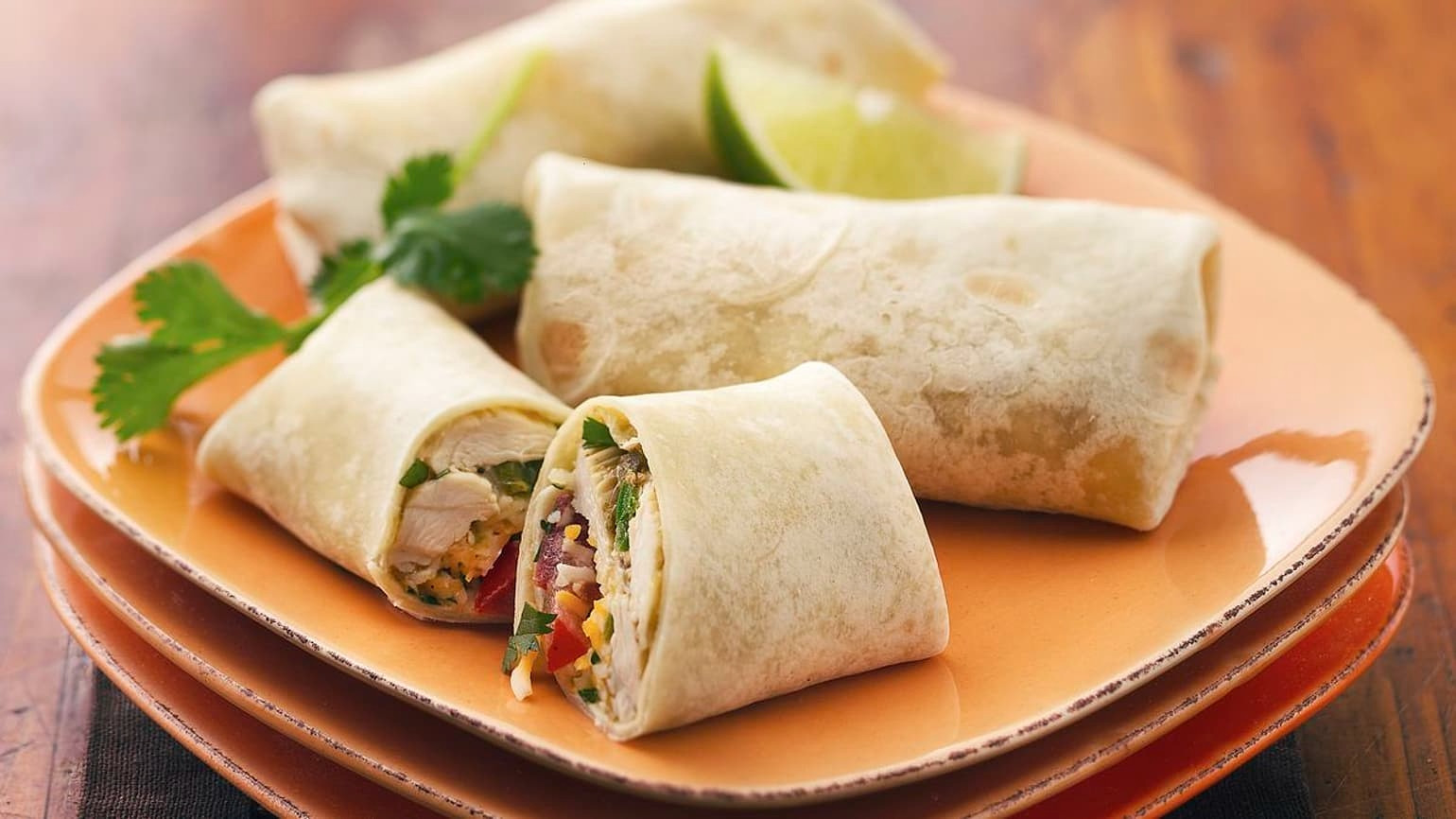
The burrito is a product of northern Mexico's wheat-growing culture - in Sonora and Chihuahua states, flour tortillas (made from locally grown wheat) have always been preferred over corn, unlike central and southern Mexico where corn masa dominates. The authentic northern burrito is simpler than its US-chain counterpart: typically just seasoned meat (machaca, refried beans, or carne asada), a smear of beans, and maybe cheese - rolled tightly in a thin flour tortilla. The enormous, rice-stuffed, multiple-topping "Mission burrito" is an American evolution (originating in San Francisco's Mission District in the 1960s).
In Mexico, burritos are eaten for breakfast (with machaca and egg) or as a quick lunch. The best versions use hand-made flour tortillas cooked fresh on a comal - thinner, more pliable, and with a faint wheaten sweetness that factory-made tortillas never achieve.
08. Esquites & Elotes (Corn Cups & Grilled Corn):
Esquites / Elotes - from Náhuatl izquitl (toasted corn). Mexico's most popular daily street snack after tacos.Esquites: Sautéed corn kernels served in a cup, topped with mayonnaise, lime juice, chili powder, and crumbled cotija cheese. The companion dish Elotes is the same preparation served on the grilled cob - dressed identically and eaten as street food throughout Mexico.
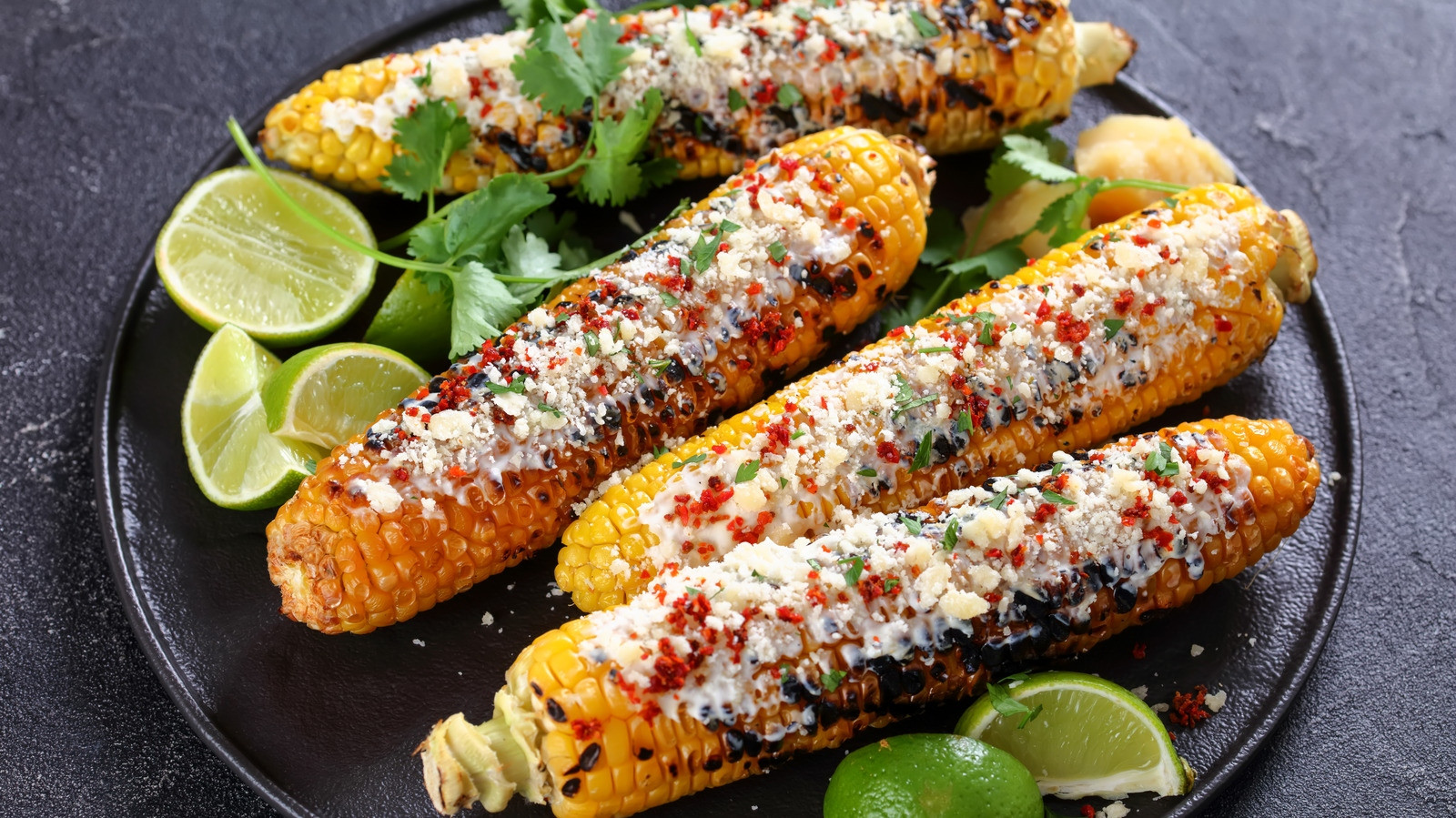
Esquites are the perfect expression of Mexican street food philosophy: simple, fresh ingredients elevated by bold condiments and communal enjoyment. The corn is typically boiled or sautéed with epazote herb (a grassy, complex local herb with no Western substitute) and a piece of chili for depth, then topped with the classic trifecta of mayonnaise, lime juice, and cotija - each adding richness, acidity, and salt respectively. Regional variations are significant: northern Mexico adds butter and more cheese; central Mexico adds chamoy sauce (fermented pickled fruit - fruity, salty, sweet) and Tajín chili-lime seasoning; Oaxaca uses local crema instead of mayo.
The elotero (corn vendor) with their wheeled steam cart is one of the most recognisable sights in Mexican cities - present at every park, market, and school exit from noon onward. The drama of watching an elote being prepared - the whole cob smeared with mayonnaise using the husk as a handle, then rolled through a tray of cotija cheese - is half the experience.
09. Flautas (Rolled Crispy Tacos):
Flautas - "flutes," named for their long thin shape. Called taquitos in some regions.Flautas: Corn tortillas tightly rolled around shredded chicken, potato-cheese, or beef, then deep-fried until completely golden and crisp - served upright like flutes, garnished with shredded lettuce, crema, queso fresco, guacamole, and salsa.
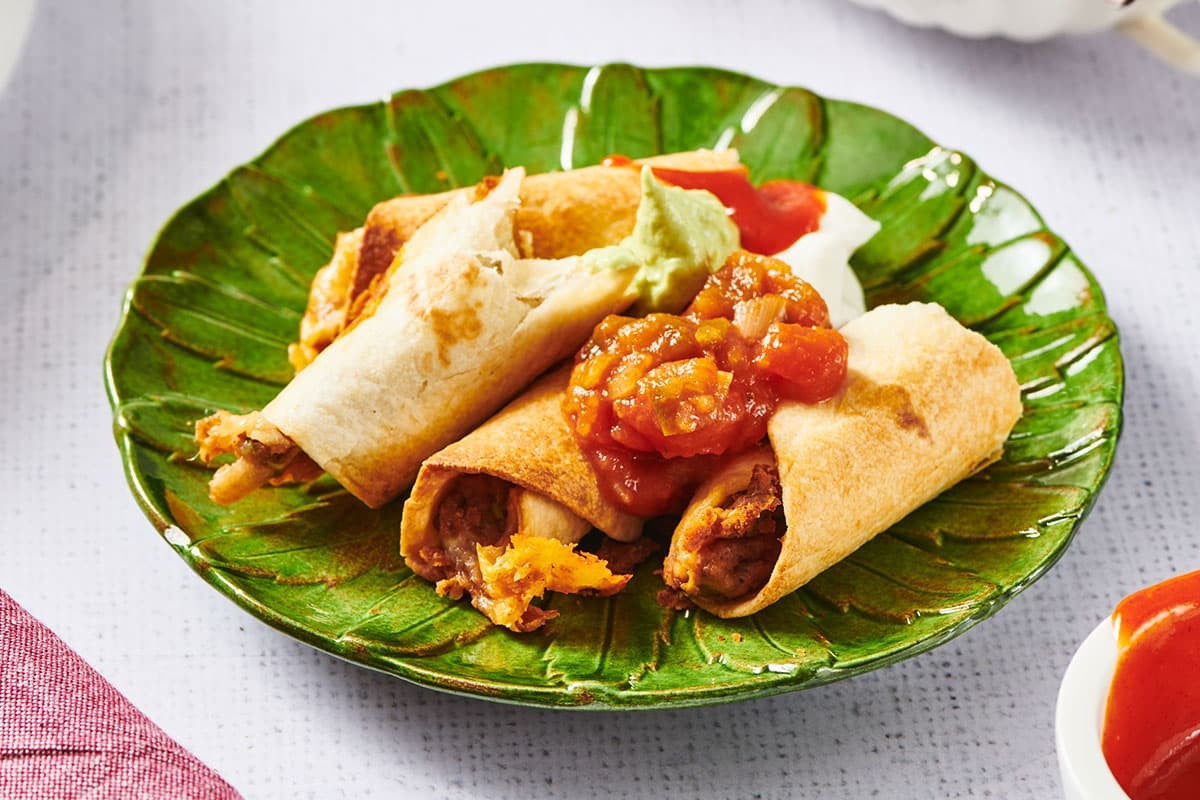
Flautas are the showpiece of the taquería - when a plate arrives with three golden cylinders standing in shredded lettuce, crowned with crema and salsa, the visual creates appetite immediately. The key to excellent flautas is structural integrity: the tortilla must be fresh enough to roll without cracking and the filling packed tightly enough that the flauta holds shape through frying without bursting. The potato and cheese version (de papa y queso) is among the great vegetarian achievements of Mexican fried food - mashed potato seasoned with serrano chili and white onion, inside a perfectly crisped corn shell, is a genuinely remarkable combination.
10. Torta Ahogada (Drowned Sandwich):
Torta Ahogada - "drowned roll." Guadalajara's defining contribution to Mexican street food culture.Torta Ahogada: A birote salado (Guadalajara's unique sourdough-crust roll) stuffed with slow-confit pork (carnitas), then completely submerged - drowned - in a hot dried-chili sauce of árbol peppers, tomato, vinegar, and spices. Eaten from a plastic bag because no plate can contain the sauce.
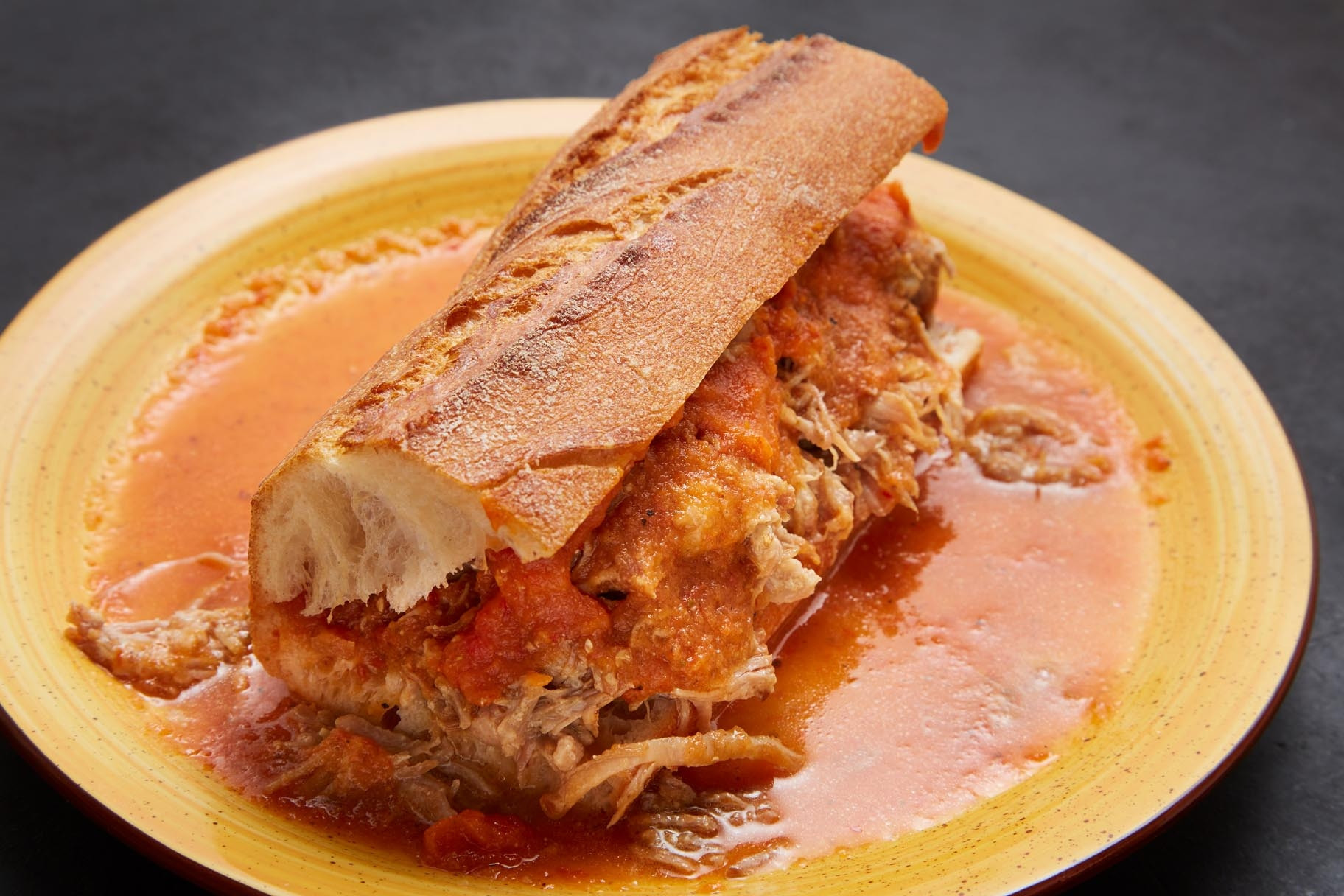
The Torta Ahogada is one of Mexico's most region-specific foods - and one of the world's great messy eating experiences. The authentic version requires two things that exist only in Guadalajara: the birote salado - a local bread with a distinct sourdough character and extraordinarily hard crust that resists the drowning process for longer than ordinary bread - and the specific árbol-chili sauce made from Jalisco-grown ingredients. The pork inside is meltingly tender, the sauce tangy from vinegar and genuinely hot from dried chili de árbol, and the whole experience is unavoidably messy - which is precisely the point.
Classic Mexican Main Dishes:
11. Pozole 🁂 Mexico's Ancient Ceremonial Stew:
Pozole - from Náhuatl pozolli, "foamy." Pre-Hispanic ritual food, now Mexico's most beloved comfort stew.Pozole: A thick, hearty stew of hominy (dried maize kernels treated with lime water until they bloom into large, chewy grains) slow-cooked with pork shoulder or whole chicken in a deeply flavoured broth - served with a full table of garnishes: shredded cabbage, radish, oregano, lime, dried chili, and tostadas. Found in three versions: rojo (red), blanco (white), and verde (green).
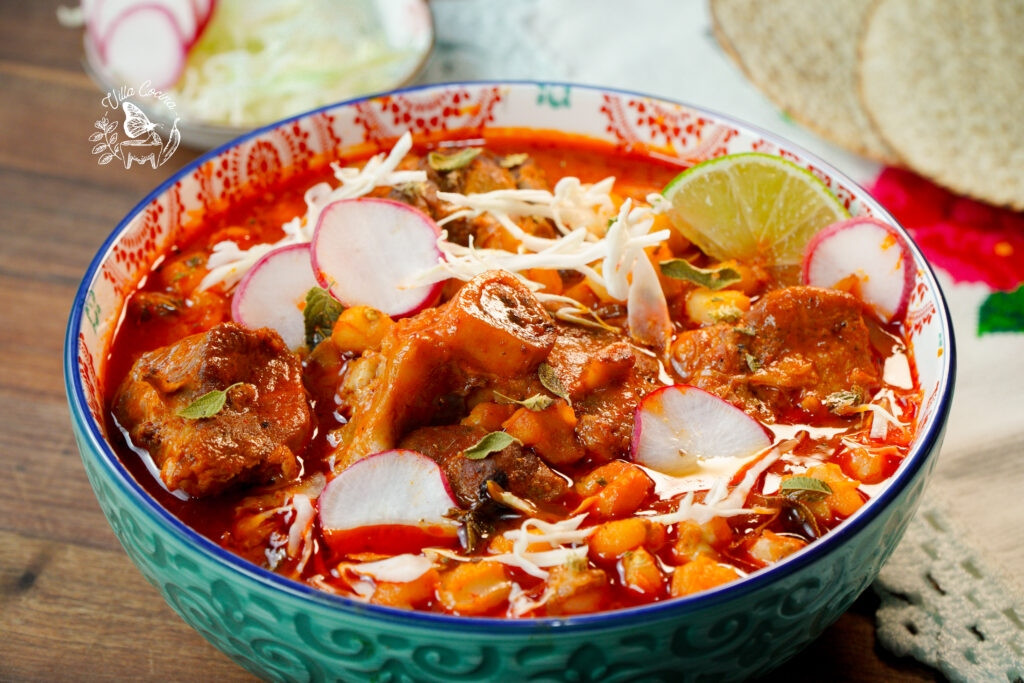
Pozole has a history more dramatic than almost any other dish in the world. Pre-Hispanic pozole was prepared with hominy and human flesh - offered at Aztec ritual feasts honouring the gods, particularly the sun deity. When Spanish colonisers outlawed cannibalism in the 16th century, pork was substituted (Spanish chronicles note that the Aztecs found pork's flavour remarkably similar). The dish continued essentially unchanged, becoming the comfort stew of an entire nation over the following 500 years.
The three versions each have distinct character: pozole rojo uses dried guajillo and ancho chili in the broth for a deep, earthy red with mild heat; pozole blanco uses a clean pork broth without chili in the base - the colour coming from the bloomed white hominy; pozole verde uses tomatillo, serrano chili, and herbs (epazote, cilantro, pepitas) for a bright green, herbaceous version. The garnish table is not optional - the customisation of each bowl with lime, oregano, radish, and shredded cabbage is an integral part of the eating experience.
12. Mole Negro: ⭐ The Most Complex Sauce in Mexican Cuisine
Mole - from Náhuatl molli, "sauce." Oaxaca's Black Mole is considered the apex of Mexican cooking.Mole Negro (Oaxacan Black Mole): A profoundly complex sauce of up to 30 ingredients - multiple dried chili varieties, dark chocolate, dried fruits, nuts, seeds, spices, and charred tortilla - slow-toasted, blended, and cooked for several hours until it reaches a dark, almost-black, thick sauce of extraordinary depth. Served over turkey or chicken with rice.
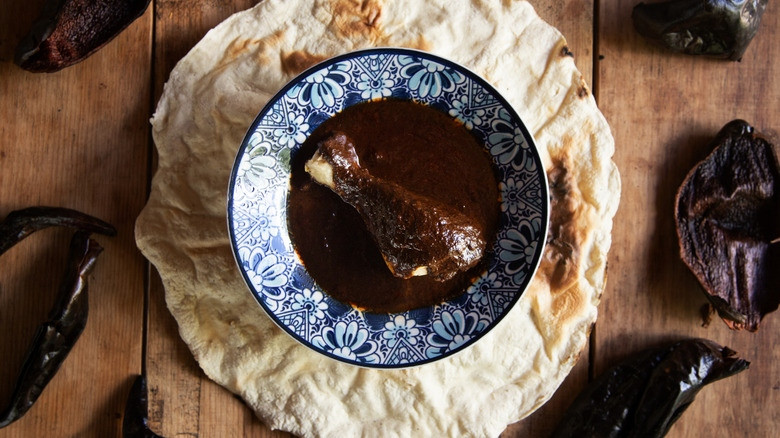
Mole Negro is the most ambitious sauce in Mexican cuisine - a preparation that can take two days and require up to 30 distinct ingredients, each toasted, soaked, or charred separately before being combined. The key ingredients of Oaxacan mole negro include: chilhuacle negro (a dried chili unique to Oaxaca), mulato and ancho dried chilies, dark Mexican chocolate (not sweet - intensely cacao), dried plantain, sesame seeds, pumpkin seeds (pepitas), raisins, Spanish peanuts, cinnamon stick, black peppercorns, Mexican oregano, thyme, avocado leaf (toasted - adds an anise note), and crucially: a piece of corn tortilla or bread charred to black over an open flame, whose carbon provides the sauce's darkness and faint bitter complexity.
There are seven traditional Oaxacan moles in total: negro (black), rojo (red), coloradito (brick red), amarillo (yellow - the most versatile), verde (green - herbaceous), chichilo (dried chili with beef), and manchamanteles ("tablecloth stainer" - fruit and chili). Each is a complete culinary tradition in itself. Mole negro is the most revered.
13. Cochinita Pibil (Yucatecan Pit-Roasted Pork):
Cochinita Pibil - "baby pig from the pib." Yucatan's most celebrated regional dish, with Mayan origins.Cochinita Pibil: Whole pork marinated in achiote paste (from annatto seeds), bitter orange juice (naranja agria), garlic, and spices - wrapped completely in banana leaves and slow-roasted in a pit oven (pib) or Dutch oven for 4–6 hours until the meat is extraordinarily tender and bright orange-red. Served with pickled red onions and habanero salsa.
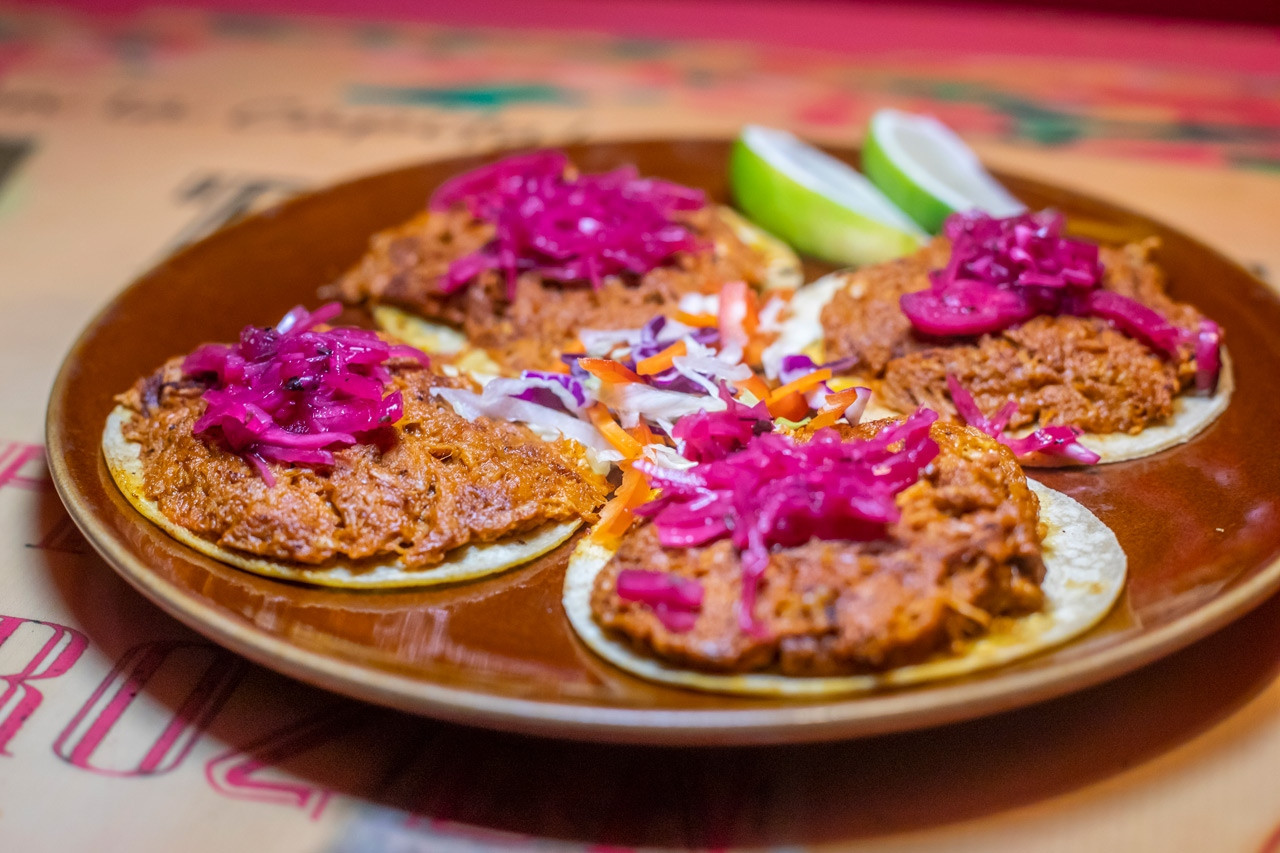
Cochinita Pibil is the definitive Yucatecan dish and one of Mexico's most internationally admired regional specialties. The cooking technique - pit roasting wrapped in banana leaves - dates to pre-Hispanic Mayan culture, where the pib (underground clay oven) was used for ceremonial cooking. The achiote marinade (also called recado rojo) is the flavour foundation: annatto seeds provide the vivid red-orange colour and a faintly earthy, peppery flavour; bitter orange juice (not sweet orange - this is crucial) provides the acid that tenderises the meat and brightens the marinade.
After 4–6 hours of cooking, the pork collapses at the touch of a fork into shreds of meltingly soft, vibrantly coloured meat. The banana leaf imparts a faint vegetable sweetness to the outer layer of the pork. The pickled red onions served alongside (cebollas encurtidas in habanero-lime brine) are the essential counterpoint - their sharp acidity and purple colour against the orange pork creates both a visual and flavour contrast that makes each bite more interesting.
14. Birria de Chivo (Jalisco Goat Stew):
Birria - "mess" or "oddity" in Mexican Spanish. Jalisco's most famous export to global food culture (via the birria taco trend).Birria de Chivo: Whole goat (or beef in modern versions) marinated in dried chilies (guajillo, ancho, pasilla), spices, and vinegar, then slow-braised for 4–6 hours until the meat falls from the bone - served in its own rich broth as a stew or used as filling for birria tacos (quesabirria), dipped in the consommé.
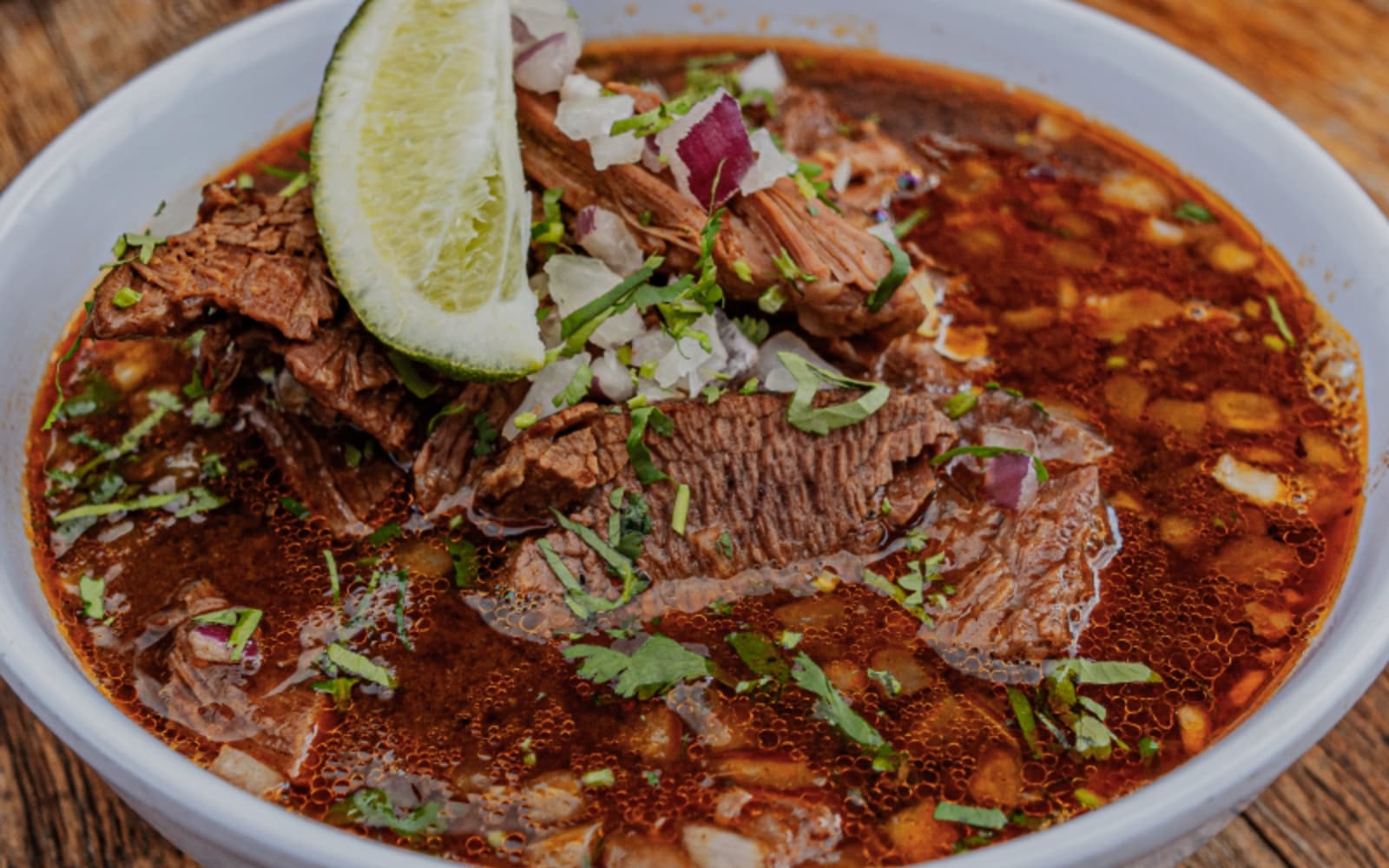
Birria was a Jalisco state specialty for centuries before a 2019–2020 social media explosion turned it into one of the most globally recognised Mexican dishes. The original Jaliscan birria is made with goat (chivo) - the animal most associated with the arid highlands of Jalisco, where goat herding has been central to the rural economy for 400 years. The marinade of dried guajillo, ancho, and pasilla chilies, combined with vinegar, cumin, Mexican oregano, and cloves, creates a complex, deep-red braising liquid that concentrates into the meat and becomes the consommé broth served alongside.
The global birria taco trend introduced a preparation that became famous on its own terms: quesabirria - tortillas dipped in the bright orange birria fat before being cooked on a comal (creating a crispy, grease-fried, intensely flavoured shell), stuffed with shredded birria meat and melted cheese, and served with a cup of consommé for dipping. The visual of the orange-stained tortilla and cheese pull drove millions of social media posts. The underlying flavour justified the hype.
15. Carnitas (Confit Pork):
Carnitas - "little meats." Michoacán's greatest gift to Mexican taquerías nationwide.Carnitas: Entire pork shoulder or leg (and all its parts - including skin, intestine, and head meat) slow-confit in its own lard for 2–4 hours until the exterior is crispy and the interior meltingly tender - served chopped to order with cilantro, white onion, salsa, and lime in corn tortillas.
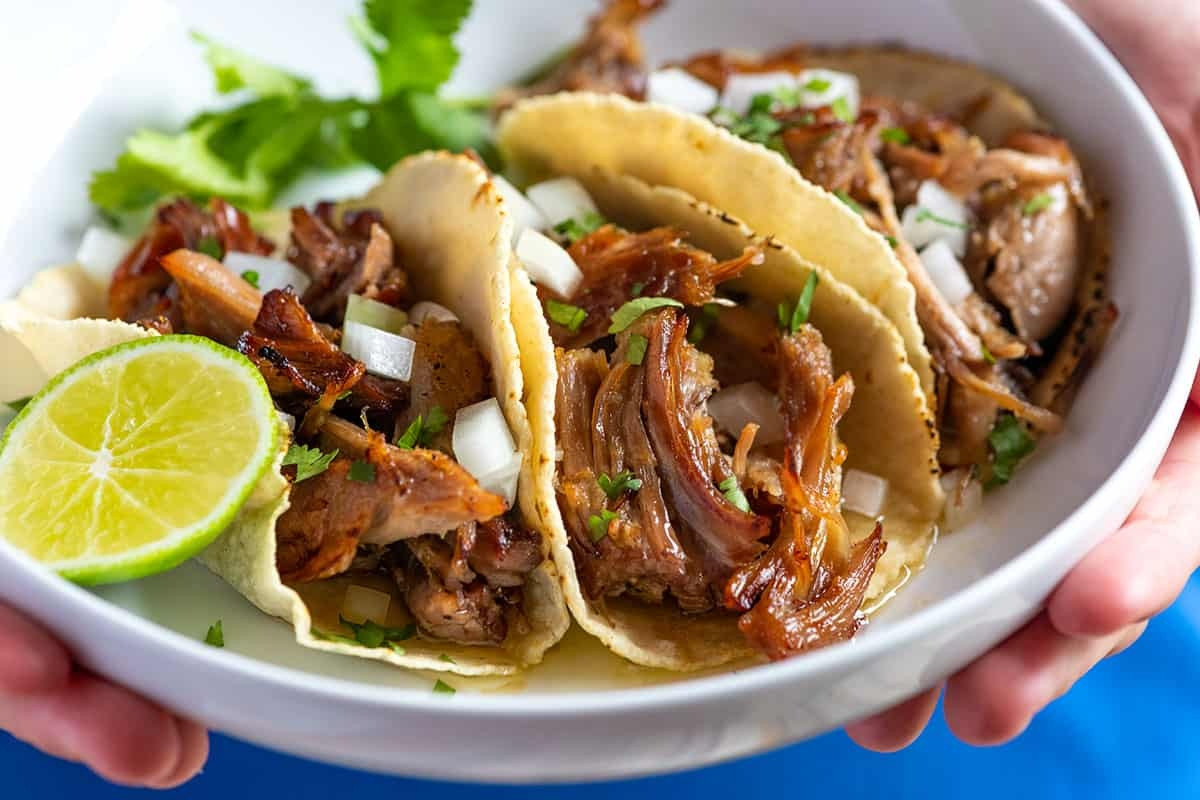
Carnitas are the result of one of the world's great slow-cooking techniques: the entire pig is cooked submerged in its own lard in enormous copper cazos (cauldrons) at a temperature that never fully boils, held between 160–180°C for several hours. This confit method renders all the fat and collagen into the cooking liquid, creating meat of extraordinary tenderness and a skin that, when finished over higher heat, crisps to an audible crackle. The variety of cuts is part of the tradition: carnitas vendors sell maciza (lean shoulder - the most popular), surtida (mixed cuts), cueritos (pork skin), buche (stomach), and trompa (snout). Each has a different texture and fat content - seasoned carnitas eaters have strong cut preferences.
16. Chile en Nogada: 🏴️ Mexico's National Dish
Chile en Nogada - "poblano pepper in walnut sauce." Created 1821. Displays the Mexican flag's three colours.Chile en Nogada: A large poblano pepper roasted and peeled, filled with picadillo (ground pork and beef, dried fruits, almonds, pine nuts, tomato, and spices), covered in a cold walnut cream sauce (nogada), and garnished with pomegranate seeds and fresh parsley - green, white, and red: the Mexican flag on a plate.
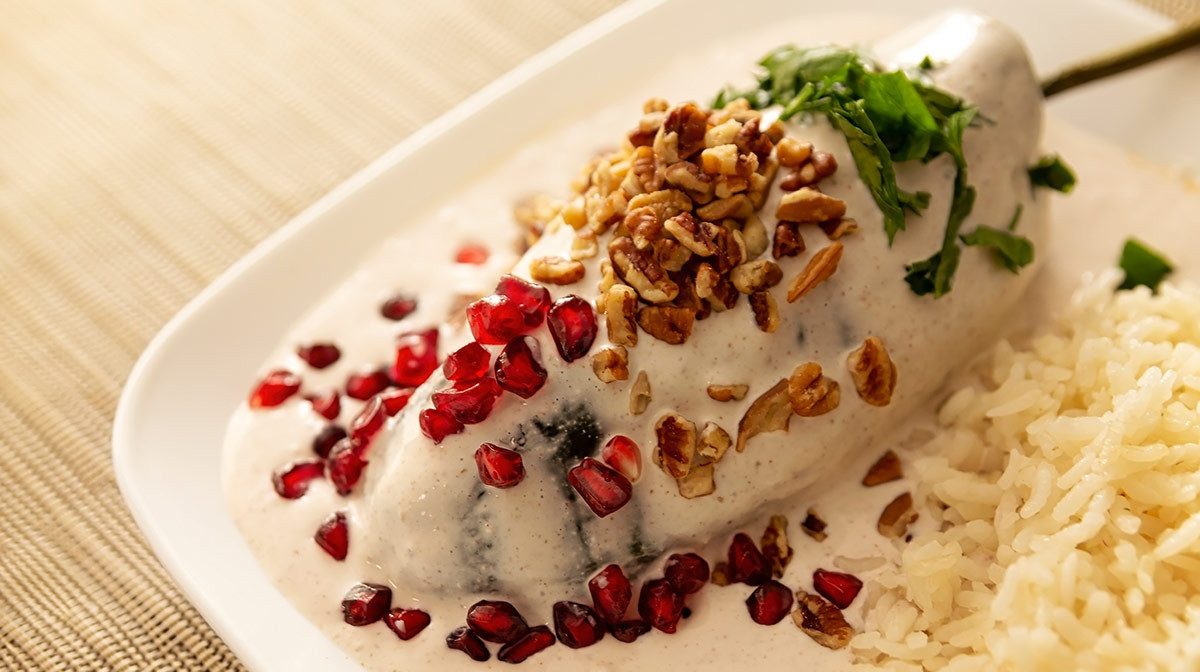
Chile en Nogada is one of the world's most storied dishes - created in August 1821 by nuns of the Convent of Santa Monica in Puebla to honour Agustín de Iturbide, the general who had just signed the Treaty of Córdoba ending Spanish rule and securing Mexican independence. The nuns designed the dish to display the new nation's flag: the green of parsley, the white of walnut sauce, the red of pomegranate seeds. The filling's combination of sweet and savory - dried peaches, raisins, and plantain alongside ground meat - reflects the Baroque complexity of colonial Puebla's cooking tradition.
Critically, Chile en Nogada is a seasonal dish: the nogada (walnut cream sauce) requires fresh walnuts, which are only available in their white, wet form during the August-October harvest. The pomegranate seeds must also be fresh. Restaurants that serve it outside this window using pre-processed ingredients produce a fundamentally inferior dish. Serious chefs refuse to make it out of season.
17. Menudo (Tripe Stew):
Menudo - "small things" (the offal cuts). Mexico's most mythologised hangover cure and Sunday morning ritual.Menudo: A slow-simmered stew of beef tripe (stomach lining) and hominy in a red chili broth (menudo rojo) or clear broth (menudo blanco), cooked for 4–8 hours until the tripe becomes tender - garnished at the table with lime, dried oregano, crushed chili, and raw white onion.
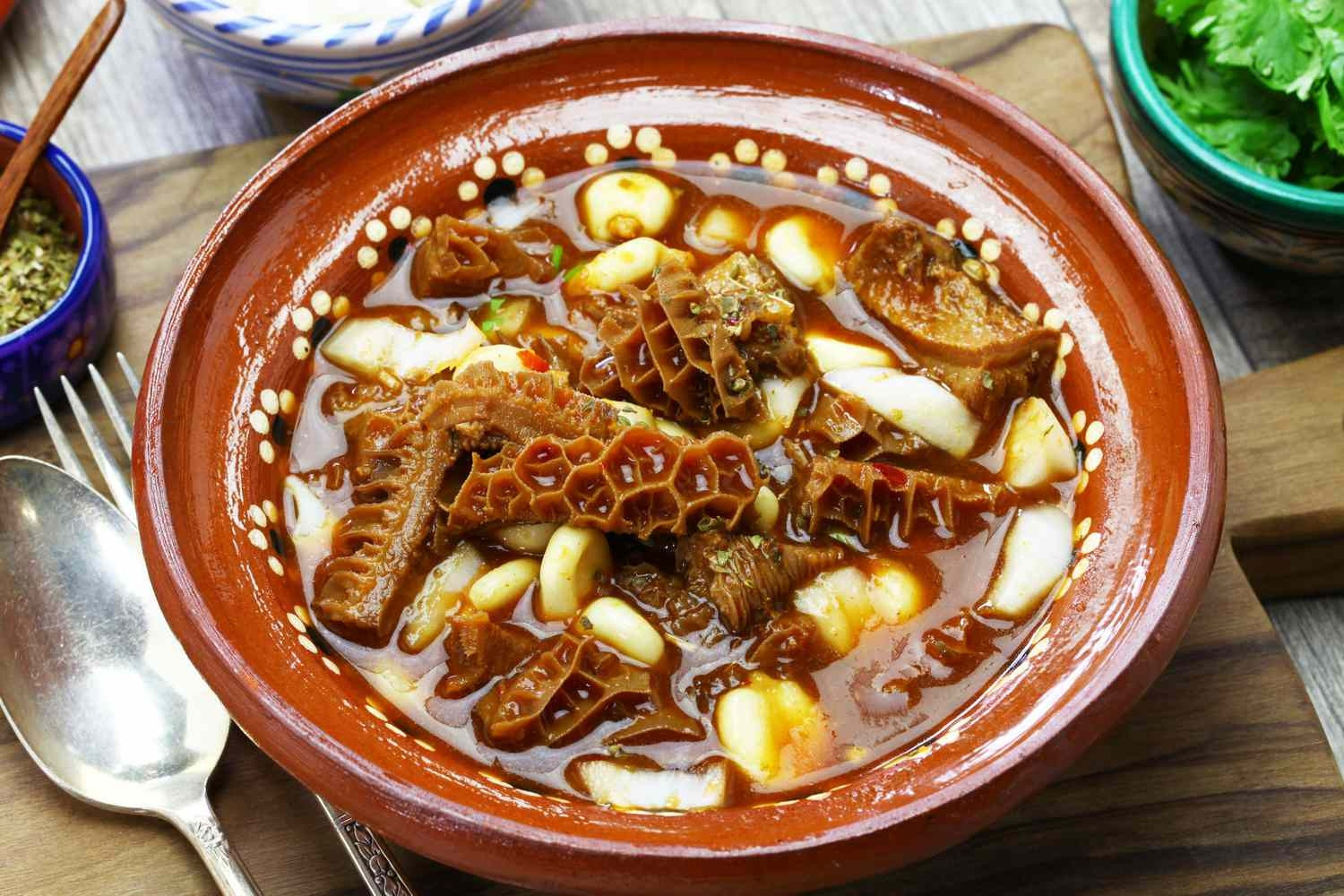
Menudo is Mexico's Sunday morning institution - the dish that families eat together after church, that vendors prepare on Saturday night for Sunday service, and that is universally credited (with more cultural conviction than scientific evidence) as the most effective cure for the previous night's celebrations. The tripe, simmered for up to 8 hours, transforms from tough offal into a gelatinous, rich protein with a uniquely chewy yet tender texture - the collagen-rich cooking liquid creates a broth of considerable body and depth. The red chili version (rojo) is more common in northern Mexico; the white version (blanco) without chili in the broth is found in the south.
Menudo is not a dish for everyone on first encounter - the offal aroma during cooking can be challenging and the tripe texture is genuinely unusual. But within Mexican culture, the Sunday menudo ritual carries social and family meaning that transcends the flavour: sharing a bowl is a statement of heritage and continuity.
Regional Mexican Specialties:
18. Tlayuda (Oaxacan Pizza):
Tlayuda - Oaxaca's iconic large crisped tortilla. Often called "Oaxacan pizza" internationally.Tlayuda: A large (30–35cm), partially dried corn tortilla crisped on a comal, spread with black bean paste (asiento), Oaxacan string cheese (quesillo), and topped with a choice of protein - tasajo (dried beef), chorizo, or cecina (pork) - plus shredded cabbage, tomato, avocado, and salsa. The defining dish of Oaxacan street food culture.
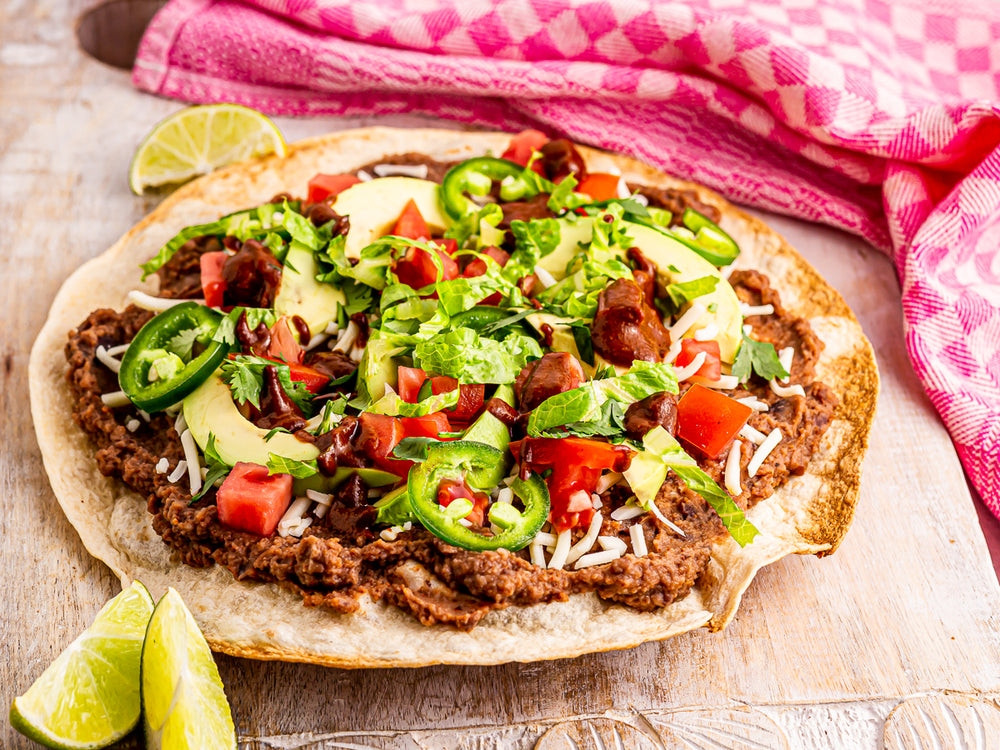
The tlayuda is Oaxaca's answer to the question of what to do with a very large tortilla. The corn tortilla is partially dried (not fully crisped like a tostada - the centre remains slightly pliable) on a comal until the edges are rigid and the surface develops char marks. The asiento (unrefined black lard skimmed from cooking chorizo, with deep smoky, porcine richness) is spread across the surface first; the quesillo (Oaxacan string cheese, which melts into long elastic strands) is laid across; then the chosen protein is added. The whole assembly is folded in half for eating - the Oaxacan way - or eaten flat.
19. Pipián Verde (Green Pumpkin Seed Sauce):
Pipián - from Náhuatl pipilli. Pre-Hispanic sauce made from toasted seeds. Predates Spanish arrival by centuries.Pipián Verde: A smooth, thick green sauce made from toasted pumpkin seeds (pepitas), tomatillos, jalapeño or serrano chili, garlic, epazote herb, and often ground peanuts - cooked with chicken or pork broth until it develops a complex, nutty, herbaceous flavor.
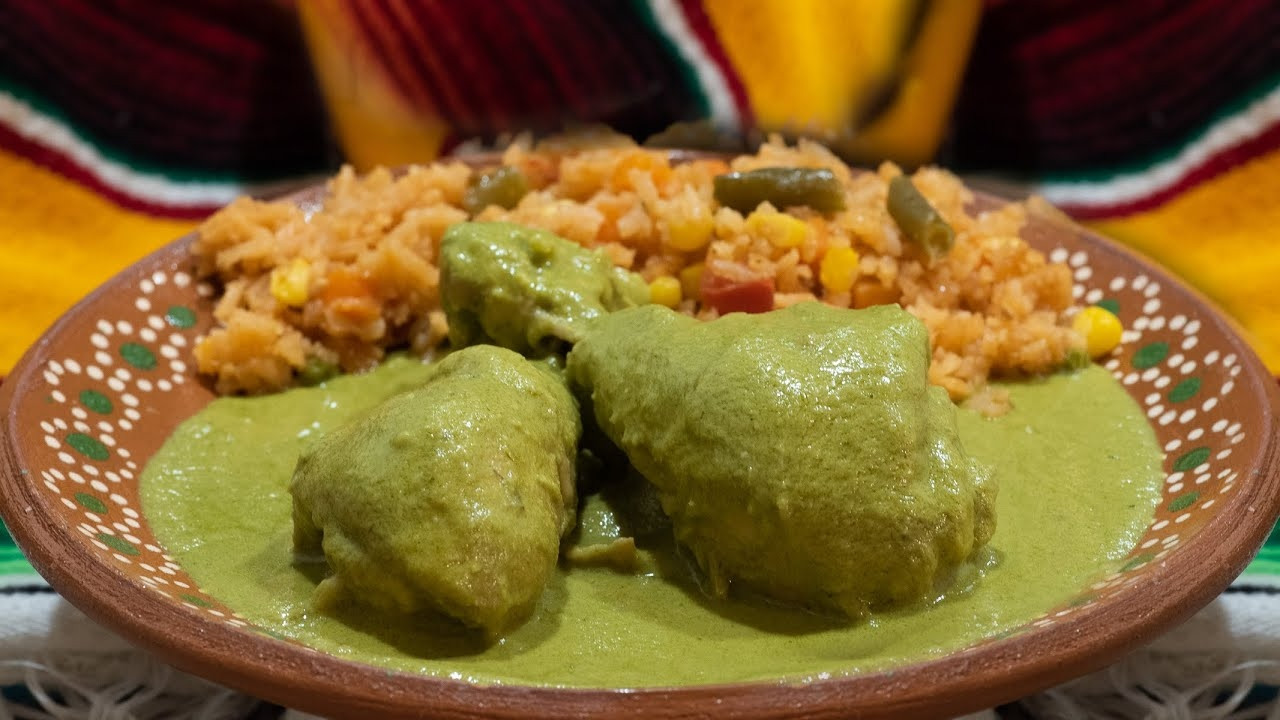
Pipián is one of the oldest documented sauces in Mexican cuisine - Aztec records describe variations of pumpkin seed sauces being served at the court of Moctezuma II in the early 16th century. Unlike mole, which involves numerous separate toasting and frying steps, pipián's method is simpler: dry-toast the seeds and chilies, blend with fresh tomatillo and herbs, cook in broth until it thickens. The toasted pumpkin seeds give the sauce a deep, nutty richness; the tomatillos provide acidity; the epazote herb adds a distinctive Mexican grassiness that cannot be substituted. The red version (pipián rojo) uses dried chili instead of tomatillo for a completely different, earthier character.
20. Discada (Northern Mexico Ranch Mixed Meat):
Discada - cooked on a disco (steel disc from a plough). Chihuahua and northern Mexico's ranching tradition.Discada: A sizzling mixture of chorizo, bacon, pork ribs, beef, ham, and jalapeños cooked together on a large convex steel disc (repurposed from agricultural equipment) over an open fire until everything is caramelised and deeply flavoured - served with flour tortillas straight from the fire.
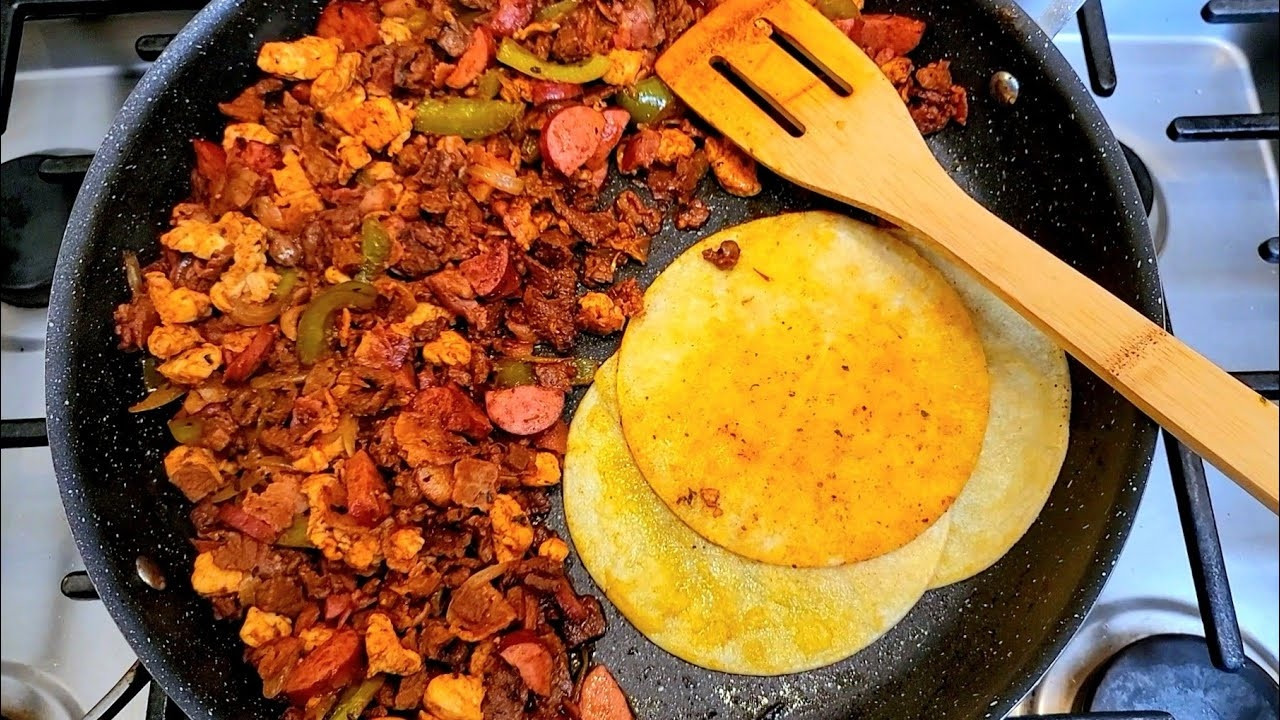
Discada is the ultimate expression of northern Mexico's meat culture - a dish born from ranching practicality (the cooking vessel is a recycled steel plough disc) that has become a celebrated regional tradition. The order of addition matters: chorizo goes in first to render its fat and chili-spiced oil, which then flavours everything that follows. The different proteins at different fat contents create a self-basting environment - the whole disc sizzles and caramelises continuously over the open fire. Served with fresh flour tortillas, fresh salsa, and cold beer, discada is the dish that defines northern Mexican carne culture.
21. Machaca con Huevo (Northern Shredded Beef with Eggs):
Machaca - from machacar, "to pound." Sonora and Chihuahua's traditional dried beef preparation.Machaca con Huevo: Air-dried, pounded beef (machaca) rehydrated and shredded, then scrambled with eggs, tomato, serrano chili, and white onion - served with flour tortillas as the definitive northern Mexican breakfast.
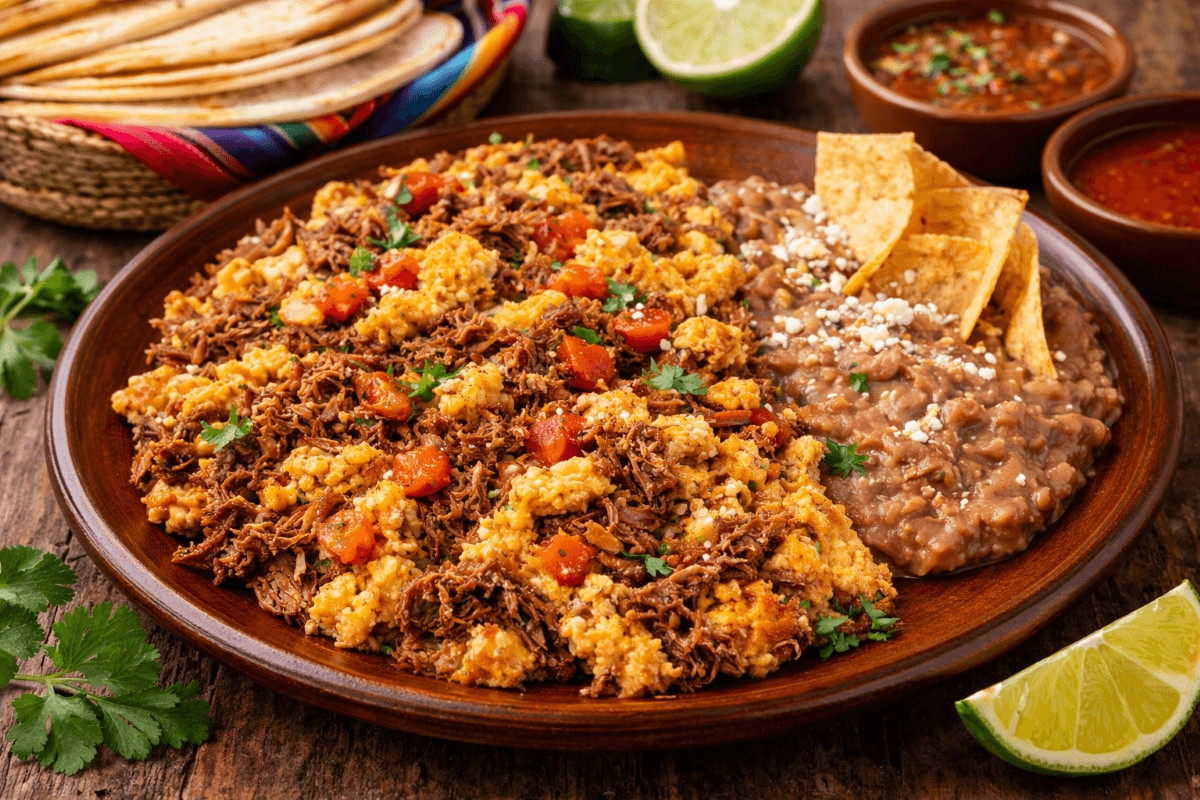
Machaca originated as a preservation technique in northern Mexico's harsh desert climate: beef was salted, rubbed with dried chili, and hung to air-dry in the desert wind for several days before being pounded flat to accelerate drying. The result could be stored without refrigeration for months. Modern machaca is made from quality beef (typically sirloin) dried more carefully, producing shredded beef with concentrated flavour and a slightly chewy, fibrous texture. When scrambled with eggs, the beef rehydrates and the fat renders into the egg, creating a breakfast with extraordinary depth of flavour - the serrano chili providing bright, clean heat throughout.
22. Caldo Azteca (Tortilla Soup):
Caldo Azteca / Sopa Azteca - "Aztec broth." Mexico City's iconic tortilla soup. Known internationally as "tortilla soup."Caldo Azteca: A rich tomato and pasilla chili broth, ladled hot over crispy tortilla strips, avocado, crema, Oaxacan cheese, and epazote - with shredded chicken and chipotle chili. The soup softens the tortilla strips gradually as you eat, creating a textural transformation from crunchy to silky.
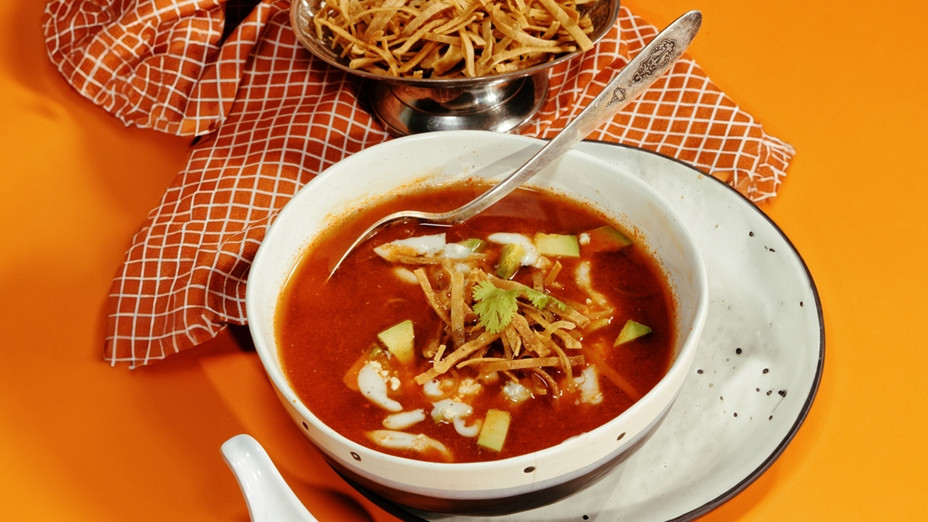
Caldo Azteca is Mexico City's most beloved soup and one of Mexico's most complete dishes in a single bowl - the broth provides flavour depth, the tortilla strips provide carbohydrate and textural drama, the avocado and crema provide richness, the cheese provides salt and stretch, and the chipotle chili provides smokiness. The correct eating approach is to stir everything together slowly, allowing the broth to penetrate the tortilla strips at different rates, eating through layers of texture from crispy outer strips to fully softened inner ones. The soup tells the whole story of central Mexican cooking in one bowl.
Best Mexican Seafood Dishes:
23. Ceviche Mexicano:
Ceviche - origin debated between Peru and Mexico. Mexico's Pacific coast style is distinct and world-class.Ceviche Mexicano: Fresh raw fish (typically white fish - snapper, corvina, or sea bass) cut into small pieces and "cooked" by marinating in fresh lime juice for 15–30 minutes until opaque - mixed with chopped tomato, white onion, jalapeño or serrano chili, cilantro, and avocado. Served in a tostada cup or bowl with saltine crackers.
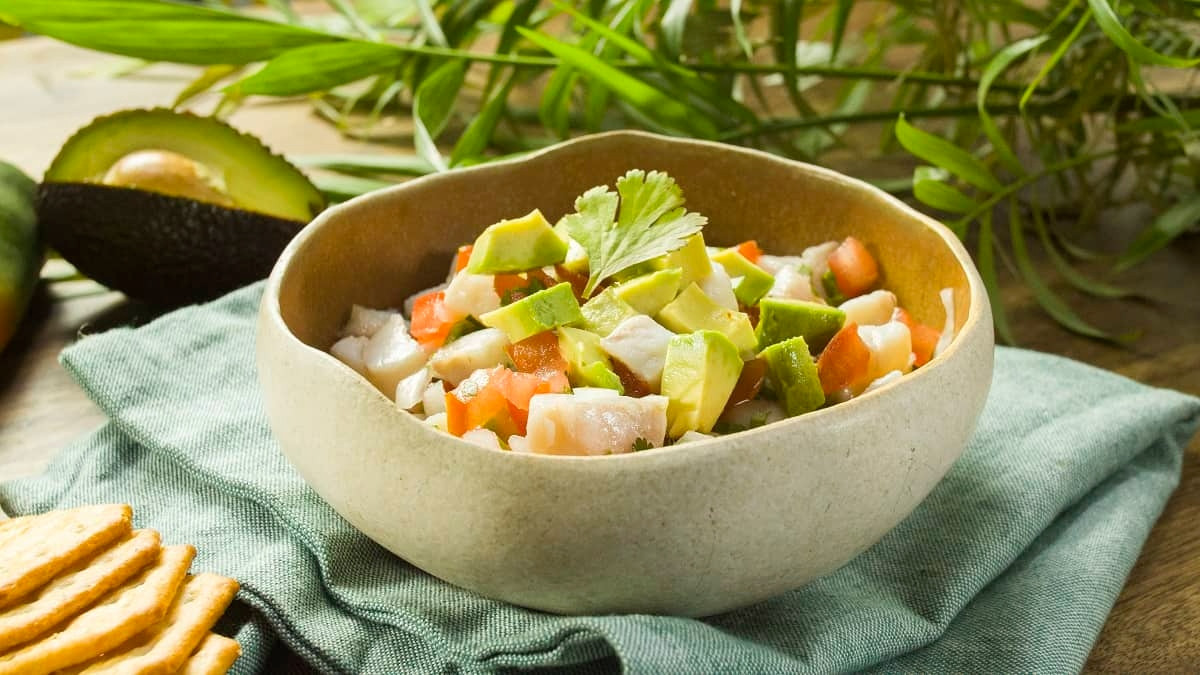
Mexican ceviche differs from Peruvian ceviche in several important ways: the marinade time is typically longer (15–30 minutes rather than Peru's brief 3–5 minute "leche de tigre" method), the fish pieces are smaller, and the combination of tomato, cilantro, and avocado gives a distinctly Mexican character. The lime-curing process denatures the fish protein, creating a texture and appearance similar to cooked fish - opaque, firm, and food-safe when made with genuinely fresh fish. The quality of the fish is everything: ceviche made with fish that has been frozen and thawed has a softer, mushier texture that is immediately apparent.
Regional variations across Mexico are significant: ceviche veracruzano uses olives, capers, and pickled jalapeños (reflecting Spanish influence); ceviche sinaloense from the Pacific coast uses aguachile-style lime with cucumber; ceviche de jaiba (crab) from the Gulf coast is considered a delicacy. The tostada cup version - where the ceviche is served in a deep-fried tortilla bowl - is the standard presentation across central Mexico.
24. Aguachile (Chili Water Shrimp):
Aguachile - "chili water." Sinaloa's electric-green raw shrimp preparation. Spicier and brighter than ceviche.Aguachile: Raw shrimp butterfly-cut and laid flat, covered in a blended marinade of fresh lime juice, serrano chili, cilantro, and cucumber - cured for only 3–5 minutes so the shrimp remains nearly raw, with a vivid green sauce of intense, clean heat. Served immediately with tostadas, sliced cucumber, and red onion.
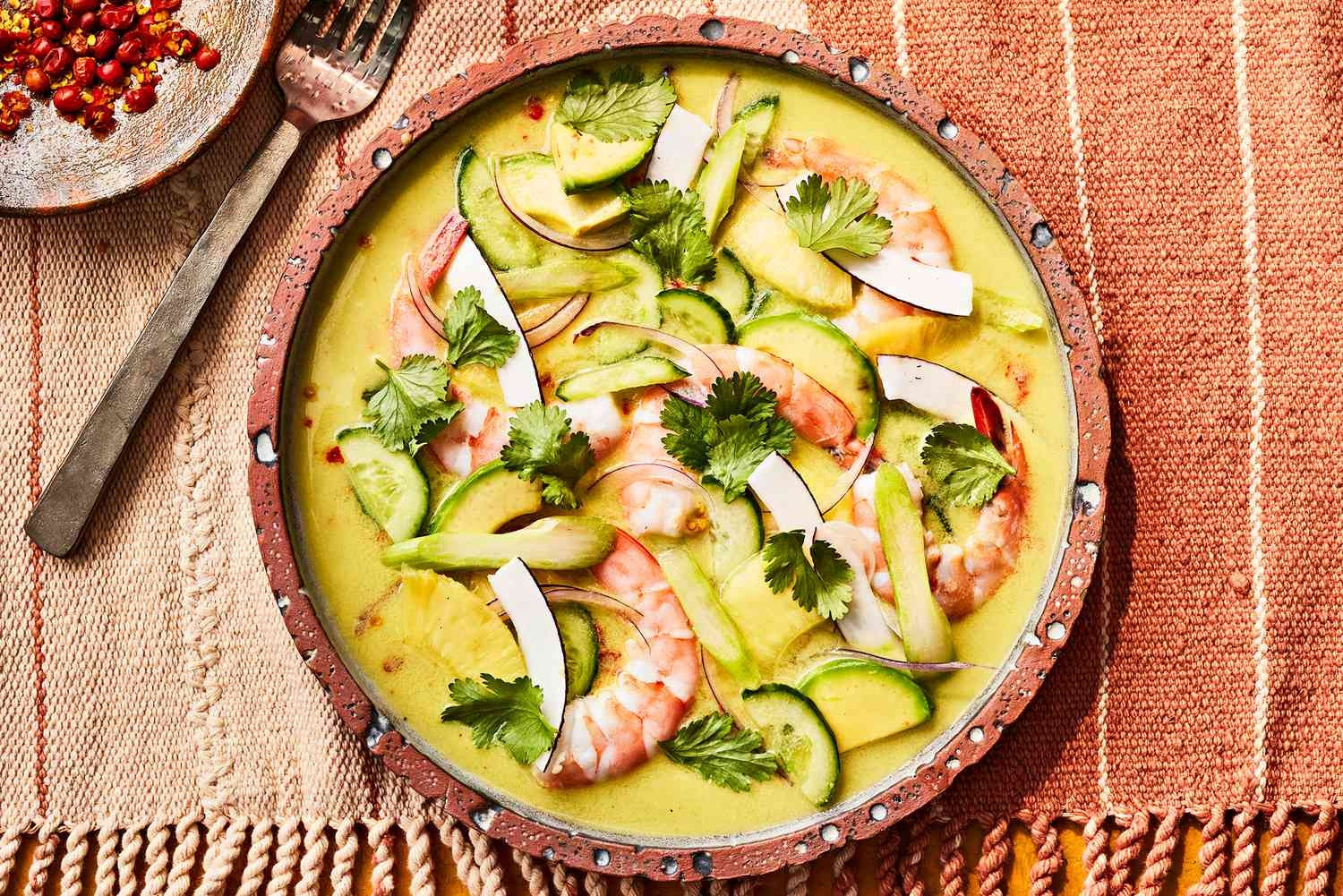
Aguachile is the most vivid, immediately impactful dish in Mexican seafood cooking - a preparation where timing is everything. The shrimp must be ultra-fresh (frozen shrimp produce a slimy, unpleasant result), the lime juice must be freshly squeezed minutes before serving, and the whole dish must be eaten within 5–10 minutes of preparation before the lime continues cooking the shrimp to an undesirable texture. The bright green serrano-cilantro marinade should be electric in colour and sharp in heat - not a gentle citrus bath but a bold assault of fresh chili and acid that makes the natural sweetness of the shrimp the relief note in a hot chord.
Variations include aguachile negro - using chipotle and black soy sauce for a darker, smokier marinade - and aguachile de pulpo (octopus), increasingly popular along the Sinaloa coast. The dish has spread from its Sinaloa origin to become one of the most fashionable seafood preparations in Mexico City's upscale restaurant scene.
25. Camarones a la Diabla (Devil's Shrimp):
Camarones a la Diabla - "devil-style shrimp." Mexico's most popular cooked spicy shrimp dish.Camarones a la Diabla: Large shrimp sautéed in a fiery sauce of dried red chilies (typically morita, guajillo, and árbol), garlic, tomato, and onion - served over rice or with tortillas, the sauce reduced and cling-coated to every shrimp. Genuinely hot; the "diablo" name is not hyperbole.
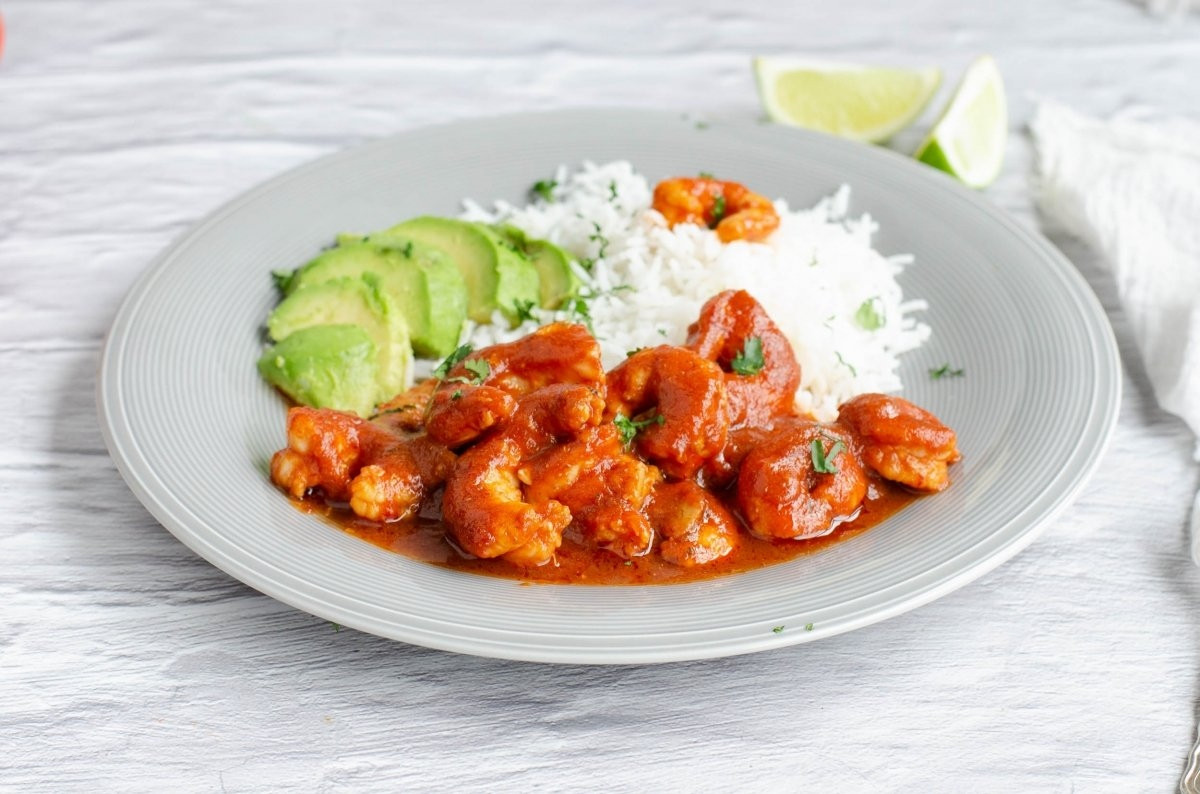
Camarones a la Diabla is one of the most requested dishes at Mexican seafood restaurants (marisquerías) nationwide - the combination of plump, sweet shrimp and genuinely fiery dried chili sauce is deeply satisfying in the way that only spicy-sweet pairings can be. The dried chili combination (morita for smokiness, guajillo for depth, árbol for heat) creates a red-orange sauce of considerable complexity beneath its fire. The critical technique is the final high-heat sauté with the shrimp: the sauce should caramelise slightly and coat each shrimp completely rather than pooling on the plate.
26. Pescado Zarandeado (Whole Grilled Fish, Nayarit Style):
Pescado Zarandeado - from zarandear, "to shake or toss." Nayarit coast's signature whole-fish preparation.Pescado Zarandeado: A whole fish (typically snapper - huachinango, or sea bass) butterflied open, marinated in a sauce of dried chili, achiote, garlic, and mayonnaise, then slow-grilled over charcoal on a wood-frame basket (the zarandeador) turned repeatedly - skin-side charred, flesh moist and falling away from the bone.
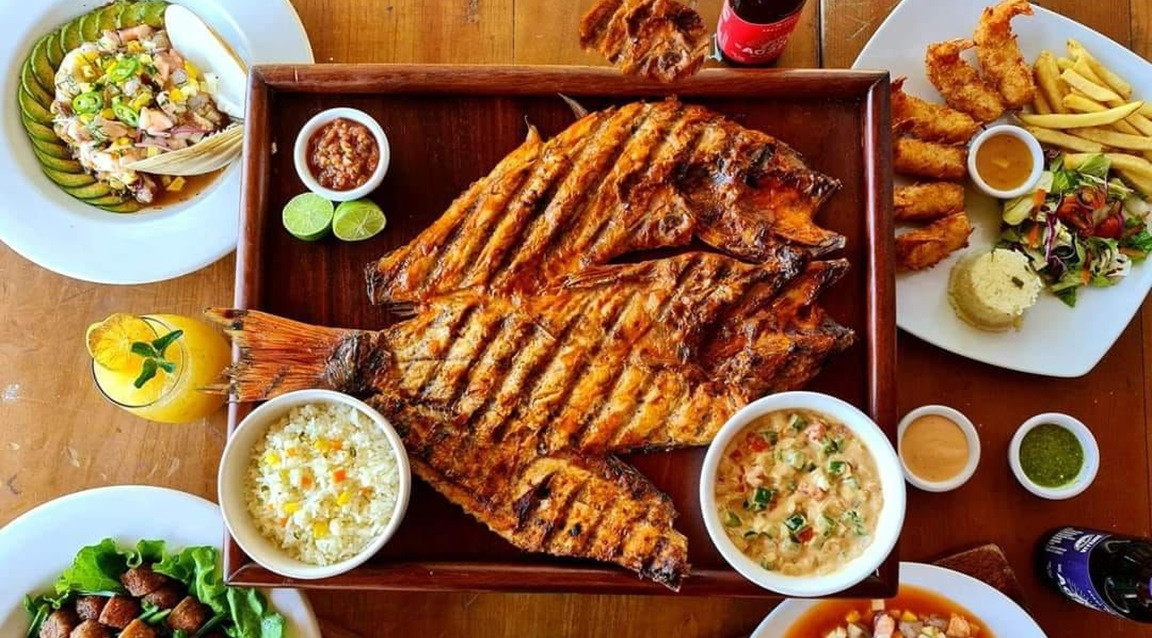
Pescado Zarandeado is one of the most visually spectacular dishes in Mexican coastal cooking: the whole fish is split along its belly and opened flat like a book, the exposed flesh scored and rubbed with the chili-achiote marinade, then placed in a flat wire basket (the zarandeador) and held over charcoal by a cook who turns and shakes it periodically - hence the name. The mayonnaise in the marinade acts as a basting agent, caramelising on the grill surface to create an orange-tinged, smoky crust while the steam trapped within the basket keeps the flesh moist. The fish arrives at the table in its basket, the skin charred and crisp, the flesh pulling away from the bone at the touch of a fork.
Mexican Snacks, Street Sweets & Unique Dishes:
27. Guacamole: ⭐ Mexico's Most Globally Famous Dish
Guacamole - from Náhuatl ahuacamolli: avocado + sauce. Documented since Aztec times.Authentic Mexican Guacamole: Ripe Hass avocados roughly mashed in a molcajete (stone mortar), seasoned with fresh lime juice, sea salt, finely diced white onion, serrano chili, and fresh cilantro - served immediately while still oxidation-free, with totopos (corn chips). Nothing else belongs in it.
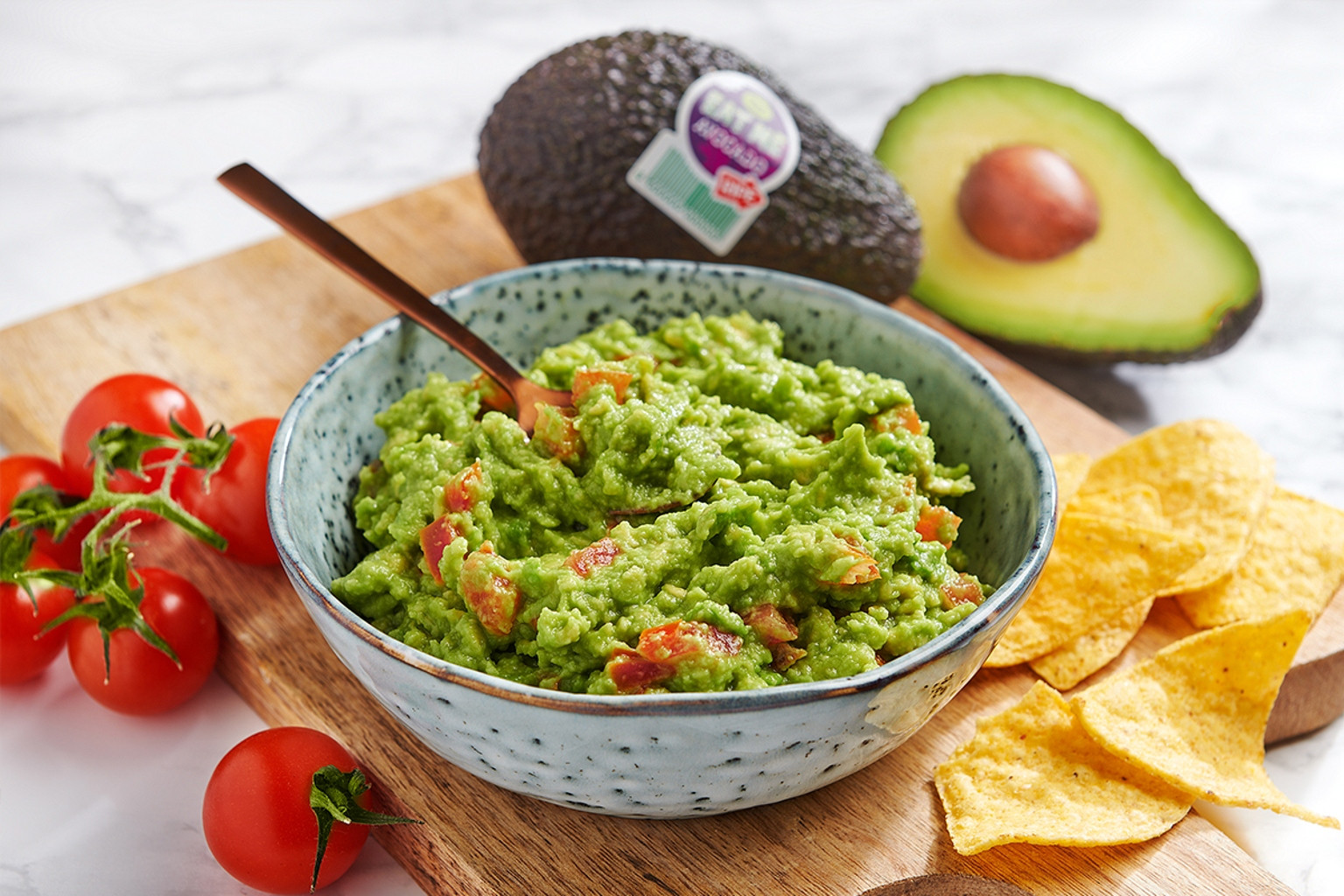
Guacamole is Mexico's most internationally replicated dish - and the most frequently ruined. The Aztec preparation documented by Spanish colonisers in the 16th century was essentially the same as today: mashed avocado, salt, chili, and fresh aromatics. The key to authentic guacamole is threefold: perfectly ripe Hass avocados (they should yield to gentle pressure but not be mushy), a stone molcajete (which creates a rougher, more textured mash than a blender), and serving immediately after preparation.
What does NOT belong in authentic Mexican guacamole: sour cream, garlic powder, cumin, pre-made seasoning packets, lemon (lime only - they are different acids), or tomato (add tomato and it becomes a pico de gallo situation). The simplicity is the sophistication - the avocado should be the complete flavour, supported by lime's acidity, salt's enhancement, chili's heat, and cilantro's freshness. Everything else is contamination.
28. Chapulines (Toasted Grasshoppers) - Mexico's Ancient Protein:
Chapulines - from Náhuatl chapolin. Oaxaca's most famous edible insect. Pre-Hispanic nutrition meets modern food culture.Chapulines: Small grasshoppers (harvested during the rainy season, June–October) toasted on a comal with lime juice, salt, chili, and sometimes garlic - eaten as a crunchy snack or used as a protein topping on guacamole, quesadillas, and tlayudas. High in protein, low in fat, genuinely crunchy.
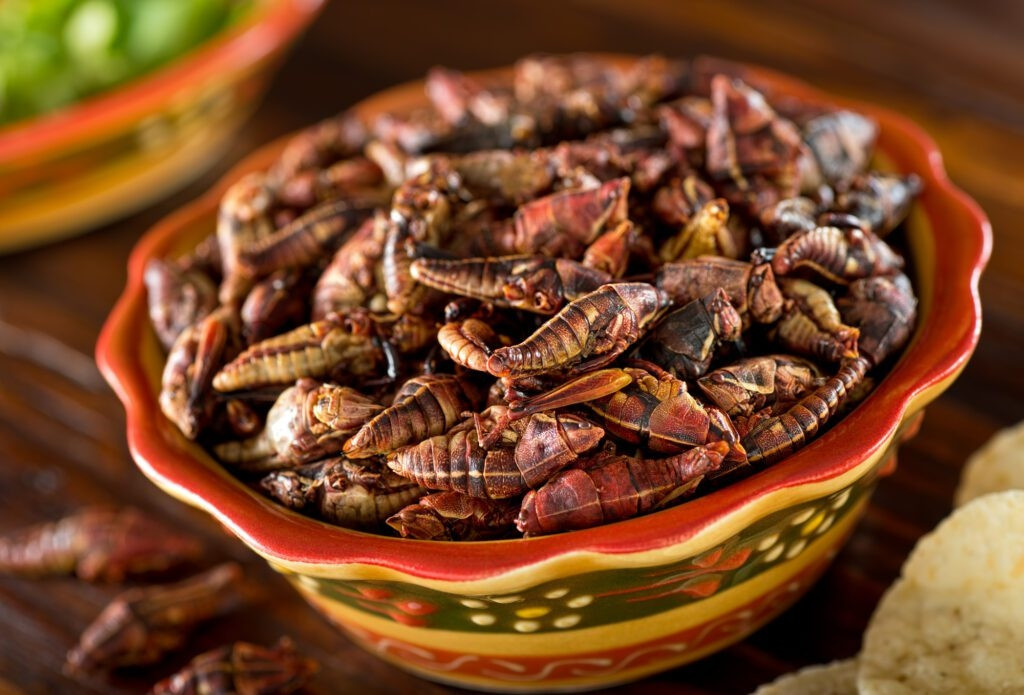
Chapulines are one of Mexico's most ancient foods - insects have been a documented protein source in Oaxacan and central Mexican diet since pre-Hispanic times, and chapulines specifically appear in Aztec pictographic records. They are not a novelty or a tourist provocation: Oaxacans eat them regularly as a protein-rich snack, in the same casual way that northern Mexicans eat nuts. The flavour is a surprise to first-timers: the lime, chili, and salt coating dominates the taste, creating something that is primarily sour-spiced with a crunchy texture. The grasshopper itself contributes a mild, slightly earthy note beneath the seasoning.
Their nutritional profile has attracted significant global attention in the context of sustainable protein: chapulines are approximately 60–70% protein by dry weight, require virtually no land or water to produce compared to livestock, and generate a fraction of the greenhouse gas emissions of beef or pork. Several high-end Mexico City restaurants now feature chapulines prominently as a culinary and sustainability statement.
29. Alegría de Amaranto (Amaranth Seed Bar):
Alegría - "joy" in Spanish. Pre-Hispanic amaranth seed snack bar. One of Mexico's most ancient sweet preparations.Alegría: Popped amaranth seeds (amaranto) bound with honey or piloncillo (unrefined cane sugar) syrup, pressed into rectangular bars and dried - Mexico City's most traditional street sweet, with a history dating to Aztec ceremonial food preparations.
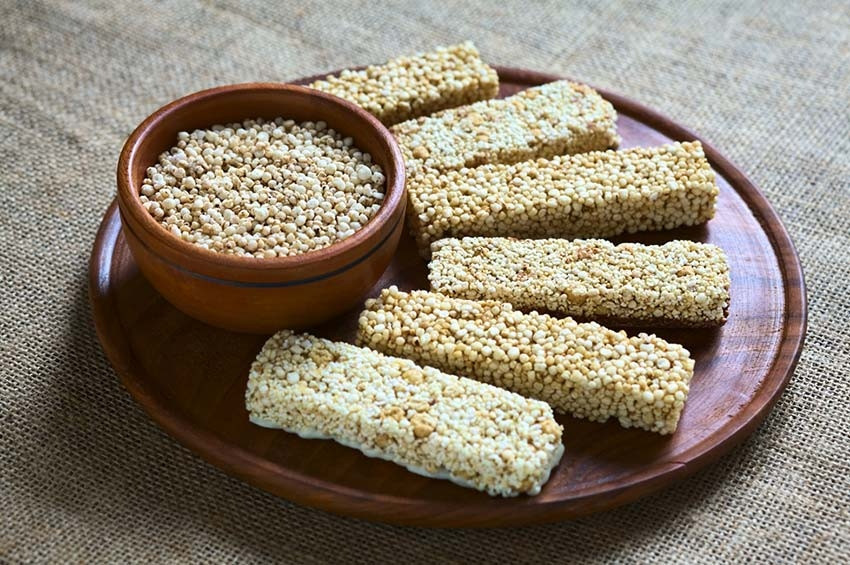
Alegría is the direct descendant of tzoalli - amaranth seed figurines made by Aztec priests to represent their deities during religious festivals. The figurines were eaten communally as an act of communion with the gods. When the Spanish colonisers arrived, they immediately banned tzoalli as a form of indigenous religious practice and ordered amaranth fields destroyed. Amaranth cultivation nearly disappeared from Mexico for 400 years. Its modern revival as Alegría - reframed as a secular sweet rather than a religious one - preserved one of Mesoamerica's most important ancient crops.
Today, Alegría is sold by street vendors across Mexico City, particularly around the historic centre and at weekend markets. The texture is similar to a Rice Krispy bar - crunchy, sweet, and light - but with the distinctive nutty, slightly grassy flavour of popped amaranth. Some versions add pumpkin seeds, raisins, or chocolate. The simple original version (amaranth and honey) is the most authentic.
30. Gorditas de Nata (Cream Gorditas):
Gorditas de Nata - "little fat ones with cream." Mexico City's beloved sweet breakfast bread. Bakery tradition.Gorditas de Nata: Small, thick, pillowy fried breads made from wheat flour, nata (clotted cream skimmed from boiled milk), sugar, and baking powder - fried until puffed and golden, eaten warm with an additional drizzle of honey or crema. Soft inside, lightly crisp outside, faintly sweet.

Gorditas de Nata are a Mexico City morning tradition - found at bakeries, market stalls, and street carts from 7 AM, eaten alongside café de olla (clay-pot spiced coffee) as a sweet counterpart to the bold flavours of savoury breakfast food. The nata (clotted cream from slowly simmered full-fat milk) gives the dough a richness and slight sourness that distinguishes these from ordinary fried dough - they are lighter than a doughnut, denser than a cream puff, and uniquely satisfying in the warm, barely-sweet way of good breakfast bread. The best are eaten immediately from the oil, with honey pooling in the surface crevices.
Mexican Food by Region: What to Eat Where:
Mexico's 31 states have distinct culinary identities shaped by geography, indigenous heritage, and colonial history. This regional diversity is one of the most important - and least appreciated - aspects of Mexican food. Here is what to prioritise in each major culinary region.
🏙️ Mexico City (CDMX) - The World's Greatest Street Food Capital:
- Must eat: Tacos al Pastor (El Huequito), Chilaquiles (Mercado de San Juan), Esquites and Elotes (any park vendor), Tamales (morning metro vendors), Quesadillas de huitlacoche or flor de calabaza (Mercado Jamaica), Caldo Azteca, Guacamole (Contramar)
- Best markets: Mercado de San Juan (gourmet), Mercado Jamaica (flowers and food), Mercado de Medellín (international and Mexican), Mercado Coyoacán (traditional)
- Dining districts: Colonia Roma and Condesa (modern Mexican), Polanco (upscale and international), Historic Centre (traditional fondas and cantinas), Coyoacán (bohemian and traditional)
- Unique to CDMX: Gorditas de Nata, Alegría de Amaranto, Tacos de canasta (basket tacos, 3–5 MXN each), Tortas de tamal (tamale stuffed into a bread roll)
🧱 Oaxaca - The UNESCO Epicentre of Mexican Gastronomy:
- Must eat: Tlayuda (Zócalo area stalls, evenings), Mole Negro (Casa Oaxaca or Mercado 20 de Noviembre), Chapulines (Mercado Benito Juárez), Tamales de mole negro (banana leaf wrapped), Memelas (oval masa cakes), Enmoladas (enchiladas in mole)
- Best markets: Mercado 20 de Noviembre (cooked food), Mercado Benito Juárez (produce and snacks), Abastos market (Sunday)
- Unique to Oaxaca: Seven mole varieties, Quesillo (string cheese made fresh daily), Mezcal with a sal de gusano chaser (salt with toasted caterpillar - not a tourist gimmick), Tejate (cold pre-Hispanic chocolate and cacao drink from Zaachila market on Sunday)
- Key experience: Mercado 20 de Noviembre - one long row of restaurants serving mole, tlayudas, and Oaxacan specialties. Sit down, point at what others are eating, and start a 3-hour meal.
🌊 Yucatan & Campeche - Mayan Flavours, Citrus, and Achiote:
- Must eat: Cochinita Pibil (Sunday market in Mérida, from 6 AM), Sopa de Lima (lime-infused chicken soup), Panuchos (fried tortillas stuffed with black beans and Cochinita), Salbutes (puffed fried tortillas), Poc Chuc (Yucatecan grilled pork in sour orange), Marquesitas (crispy crepe rolled with Edam cheese and cajeta)
- Key ingredient: Habanero chili - Yucatan uses it more prolifically than any other Mexican region. Always ask about heat levels.
- Unique to Yucatan: Habanero salsa (the local condiment), Agua de chaya (nutritious herb drink), Xtabentún liqueur, Marquesitas at evening markets
- Best food experience: Sunday morning Mercado Lucas de Galvez in Mérida - the full Yucatecan breakfast spread including Cochinita Pibil, Sopa de Lima, and freshly made tortillas.
🥩 Northern Mexico (Sonora, Chihuahua, Sinaloa, Nuevo León) - Beef, Flour Tortillas, and Sea:
- Must eat: Carne Asada (Sonoran-style grilled beef), Burritos de machaca (Chihuahua), Aguachile (Sinaloa coast), Camarones Rancheros (Sinaloa), Cabrito al Pastor (baby goat - Monterrey, Nuevo León), Discada (any ranch gathering), Flour tortillas made on a comal (everywhere in the north)
- Key characteristic: Northern Mexico prefers wheat flour over corn, beef and goat over pork, and grilling and open-fire cooking over the steaming and slow-boiling traditions of the south.
- Unique to the north: Sonoran hot dogs (bacon-wrapped, with beans and mayo), Caldo de queso (cheese soup with potato and chili - Sonora), Asado de boda (dried chili wedding stew - Zacatecas)
🌸 Jalisco, Colima & Michoacán - Birria, Carnitas, and Pacific Coast
- Must eat: Birria de chivo (Guadalajara), Torta Ahogada (Guadalajara), Carnitas from a copper cazo (Quiroga, Michoacán), Morisqueta (Colima's rice and bean dish), Caldo michi (catfish stew - Lake Chapala), Chongos zamoranos (milk dessert from Zamora, Michoacán)
- Best food city: Guadalajara - Mexico's second-largest city has one of the country's most developed restaurant scenes alongside exceptional traditional market food.
- Unique experience: The Sunday carnitas market in Quiroga, Michoacán - dozens of vendors with copper cazos, everyone selling the same thing and each claiming superiority. It is one of the most joyful food experiences in Mexico.
🍆 Puebla & Tlaxcala - Mole Poblano, Chile en Nogada & Cemitas:
- Must eat: Chile en Nogada (August–October only), Mole Poblano (year-round), Cemita Poblana (sesame-seed roll sandwich with papalo herb and milanesa), Chalupas Poblanas (small oval masa cakes), Chiles en Escabeche (pickled chili salad), Tacos Árabes (pork shawarma in pita - Puebla's Lebanese heritage)
- Why Puebla matters: Puebla is widely considered the birthplace of Mexican baroque cooking - the most complex, European-influenced cooking tradition in Mexico, created in colonial-era convents.
Best Vegetarian Mexican Dishes:
Mexican cuisine has deep pre-Hispanic vegetarian traditions centred on the sacred "Three Sisters" of Mesoamerican agriculture: corn (maíz), beans (frijoles), and squash (calabaza). Many traditional dishes are naturally meatless, and most meat-based dishes can be ordered sin carne (without meat). Here are the best vegetarian options across all categories.
| Dish | Category | Key ingredients | Notes |
|---|---|---|---|
| Guacamole | Snack / starter | Avocado, lime, serrano, cilantro, onion | Vegan. The most universally available Mexican vegetarian dish. |
| Chilaquiles Verdes sin pollo | Breakfast | Totopos, tomatillo salsa, crema, queso fresco | Ask for sin pollo (without chicken). Naturally vegetarian base. |
| Huevos Rancheros | Breakfast | Eggs, tortilla, ranchero sauce, beans | Vegetarian by default. Confirm beans are not cooked with lard. |
| Tamales de Rajas con Queso | Breakfast / snack | Masa, poblano strips, Oaxacan cheese | Check masa was made without lard for vegan. Most use lard. |
| Quesadilla de Huitlacoche | Street food | Corn masa, corn fungus, Oaxacan cheese | Vegetarian. Huitlacoche is an earthy, delicate mushroom-like filling. |
| Quesadilla de Flor de Calabaza | Street food | Corn masa, squash blossoms, cheese, crema | Vegetarian. Seasonal (summer–autumn). Delicate flavour. |
| Esquites & Elotes | Street snack | Corn, mayo, lime, chili, cotija cheese | Vegetarian (contains dairy). Vegan without mayo and cheese. |
| Enchiladas de Queso | Main dish | Corn tortillas, chili sauce, cheese, crema | Vegetarian. Specify no chicken broth in the sauce. |
| Chile Relleno de Queso | Main dish | Poblano pepper, Oaxacan cheese, egg batter, tomato sauce | Vegetarian. One of Mexico's great stuffed-pepper traditions. |
| Tlayuda de Frijoles y Quesillo | Main dish | Large corn tortilla, black bean paste, Oaxacan string cheese | Vegetarian (check asiento - unrefined lard - if avoiding pork fat). |
| Frijoles de Olla | Side / main | Pinto or black beans, epazote, onion, water | Vegan if cooked in water (not lard). Mexico's most fundamental dish. |
| Sopa de Verduras con Tortilla | Soup | Seasonal vegetables, tomato, chili, tortilla strips | Vegan. Every Mexican market fonda has a version. |
| Alegría de Amaranto | Sweet snack | Popped amaranth, honey, seeds | Vegetarian. Vegan with agave nectar. Ancient Aztec food. |
| Gorditas de Nata | Sweet breakfast | Flour, clotted cream, sugar, baking powder | Vegetarian (contains dairy). |
The UNESCO recognition of Mexican gastronomy in 2010 was not simply about flavour. It recognised that Mexican food carries irreplaceable ancestral knowledge, community ritual, and ecological wisdom - the same corn varieties cultivated for 7,000 years still being grown by indigenous communities, the same chili-processing techniques documented in Aztec codices still used in Oaxacan market stalls, the same communal tamale-making tradition still bringing Mexican families together every December.
Frequently Asked Questions (FAQs):
These are the most common questions asked about Mexican cuisine - answered clearly and factually for travellers, food lovers, and anyone planning a trip to Mexico.
Q. What is the national dish of Mexico?
Chile en Nogada is widely regarded as Mexico's national dish. This Puebla classic features a poblano pepper stuffed with picadillo (ground meat, dried fruits, almonds, and spices), covered in a cold white walnut cream sauce (nogada), and garnished with pomegranate seeds and fresh parsley - displaying the green, white, and red of the Mexican flag. It was created in 1821 by nuns of the Convent of Santa Monica in Puebla to honour the general who secured Mexican independence. Mole Poblano is sometimes cited as a co-national dish due to its extraordinary cultural depth and centuries of history. Both are correct answers depending on context.
Q. What is the most popular Mexican food in the world?
Tacos are the most popular Mexican food globally. Among taco varieties, Tacos al Pastor - achiote-marinated pork slow-roasted on a vertical spit (trompo) with pineapple, served in doubled corn tortillas with cilantro and white onion - is Mexico's most iconic street food and the single most recognised Mexican dish worldwide. Guacamole, enchiladas, and burritos are among the most consumed Mexican-origin dishes internationally, particularly in the United States, where Mexican food is the most popular ethnic cuisine.
Q. What is Mexican food famous for?
Mexican food is famous for its bold use of chili peppers, complex flavour layering built from ancient Aztec and Mayan ingredients, and extraordinary regional diversity across 31 states. In 2010, UNESCO recognised Mexican gastronomy as an Intangible Cultural Heritage of Humanity - one of only three national cuisines in the world with this distinction, alongside French cuisine and the Mediterranean diet. Key characteristics include: the central role of corn (nixtamalised masa), the 64 chili pepper varieties used across the country, the seven-mole tradition of Oaxaca, and the ritual and communal nature of food preparation and eating.
Q. What do Mexicans eat for breakfast?
Traditional Mexican breakfasts include:
- Chilaquiles - fried tortilla pieces in red or green salsa with eggs and cheese (the most popular Mexican breakfast)
- Huevos Rancheros - fried eggs on corn tortillas with ranchero sauce and beans
- Tamales - steamed corn masa parcels, eaten with atole or champurrado from morning street vendors
- Machaca con huevo - shredded dried beef with scrambled eggs (northern Mexico)
- Enfrijoladas - tortillas dipped in black bean sauce, for a heartier morning
In Mexico City, breakfast from morning market vendors (tortas, quesadillas, tamales from steam carts) is an equally common way to eat before work.
Q. What is Mole sauce made of?
Mole sauce is made from a complex blend of dried chili peppers (typically ancho, mulato, pasilla, chihuacle), dark Mexican chocolate (unsweetened), tomatoes or tomatillos, seeds (sesame, pumpkin/pepitas), spices (cumin, cinnamon, cloves, black pepper), dried fruits, nuts, and a piece of charred tortilla or bread that provides the sauce's dark colour and faint bitterness. There are seven traditional Oaxacan moles: negro (black), rojo (red), coloradito, amarillo (yellow), verde (green), chichilo, and manchamanteles. Mole Negro from Oaxaca can require up to 30 ingredients and two days of preparation - it is considered the most complex sauce in Mexican cuisine.
Q. What is the difference between a burrito and an enchilada?
The key differences are:
- Tortilla type: Burritos use flour tortillas; enchiladas use corn tortillas
- Sauce role: Enchiladas are defined by their chili sauce (the tortilla is dipped in sauce before filling - the name means "seasoned with chili"); burritos are eaten dry or with sauce on the side
- Construction: Burritos are folded closed into a sealed cylinder; enchiladas are rolled open-ended and baked in a dish
- Geography: Burritos are primarily a northern Mexico and US border dish; enchiladas are found throughout all of Mexico
- Size: Burritos are significantly larger (designed as a complete meal); enchiladas are smaller and served in groups of 2–3
Q. Which Mexican dishes are vegetarian?
Many Mexican dishes are naturally vegetarian or easily made vegetarian. The best options include: Guacamole, Esquites and Elotes (corn cups and grilled corn), Quesadillas de huitlacoche (corn fungus) or flor de calabaza (squash blossoms), Chilaquiles verdes sin pollo, Tamales de rajas con queso (pepper and cheese), Enchiladas de queso, Chile Relleno de queso, Tlayuda de frijoles y quesillo (Oaxaca), and Frijoles de olla (pot beans). Mexican cuisine has deep pre-Hispanic vegetarian traditions - corn, beans, squash, and chilies formed the entire diet of Mesoamerican civilisations for thousands of years before meat became central to the diet.
Q. What is Cochinita Pibil?
Cochinita Pibil is a slow-roasted pork dish from the Yucatan Peninsula with Mayan origins. The pork is marinated in achiote paste (made from annatto seeds - providing the vivid orange-red colour), bitter orange juice (naranja agria - not regular orange juice, which produces an inferior result), garlic, cumin, and spices. The marinated pork is wrapped completely in banana leaves and slow-cooked in a pib (traditional Mayan pit oven) or modern oven for 4–6 hours until the meat is extraordinarily tender and shreds easily. It is served with pickled red onions (cebollas encurtidas) and habanero salsa in tacos or on tortillas. The best Cochinita Pibil is found at Sunday morning markets in Mérida, Yucatan.
Q. Is Mexican food spicy?
Mexican food ranges from very mild to genuinely hot depending on the dish and region. Not all Mexican food is spicy - Pozole blanco, Carnitas, Tamales dulces, and Cochinita Pibil are mild. Mole Negro is complex but not hot. Genuinely spicy dishes include Aguachile (serrano chili - very hot), Camarones a la Diabla (chili de árbol - hot), and salsas using habanero (Yucatan - one of the world's hottest chilies). Heat levels vary dramatically by region: the Yucatan Peninsula uses habanero extensively; central Mexico (CDMX, Puebla) often favours milder ancho and pasilla chilies in main dishes. At restaurants and street stalls, hot salsas are always served separately - the dish itself is typically mild, and you control your own heat level.
Q. What is authentic Mexican street food?
Authentic Mexican street food - called antojitos ("little cravings") - includes: Tacos al Pastor (marinated pork on a vertical spit), Elotes and Esquites (grilled or boiled corn with chili, lime, and cotija cheese), morning Tamales from steam-cart vendors at metro entrances, Quesadillas from fresh-masa comal stalls, Tlayudas (large crispy Oaxacan tortillas), Tortas Ahogadas (drowned sandwiches from Guadalajara), and Flautas (rolled fried tacos). The best street food is found at Mexico's tianguis (open-air weekly markets), mercados (permanent covered markets), and from the dense concentration of taco vendors and elote carts outside metro stations in Mexico City from 7 AM through midnight.





{{item.get_author.first_name}} {{item.get_author.last_name}}
Level 7
5 Photos
36 Reviews
{{item.comment_txt}}
{{item_reply.get_author.first_name}} {{item_reply.get_author.last_name}}
@ {{item_reply.reply_to}}, {{item_reply.reply_txt}}