

Day trip to Karamjal
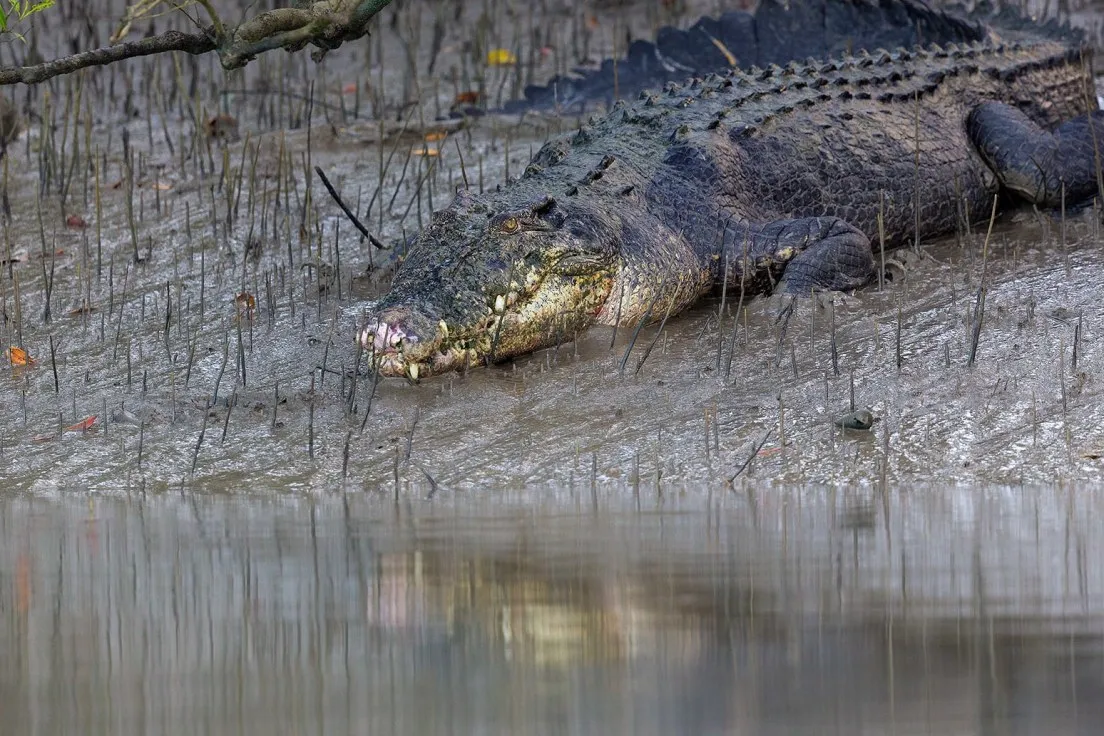
A short boat ride from Mongla to the Karamjal centre with its crocodile and deer breeding programme and a mangrove boardwalk.
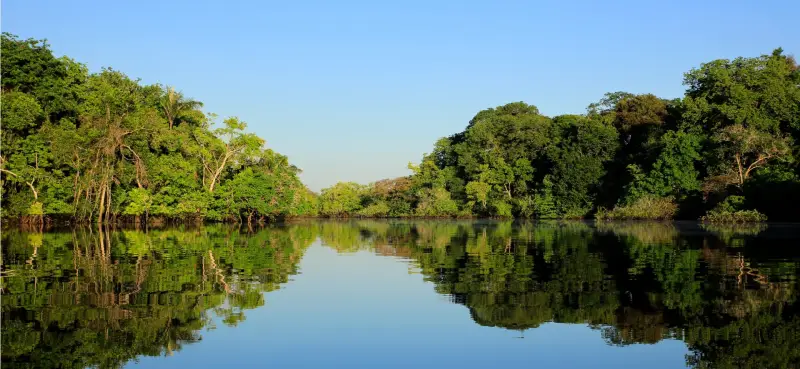
The Sundarbans, shared by Bangladesh and India, is the world's largest mangrove forest and a refuge of the Bengal tiger. Visitors need a Forest Department permit, which licensed tour operators normally arrange as part of a boat trip. A day trip reaches Karamjal near the forest edge, while wildlife lovers wanting the core forest should book a three-day cruise.
The Sundarbans is the largest mangrove forest in the world, spread across the delta of the Ganges, Brahmaputra and Meghna rivers in south-west Bangladesh and neighbouring West Bengal, India. About 6,000 km² lies in Bangladesh and is visited only by boat with a Forest Department permit, which suits wildlife and birding travellers with one to three days.
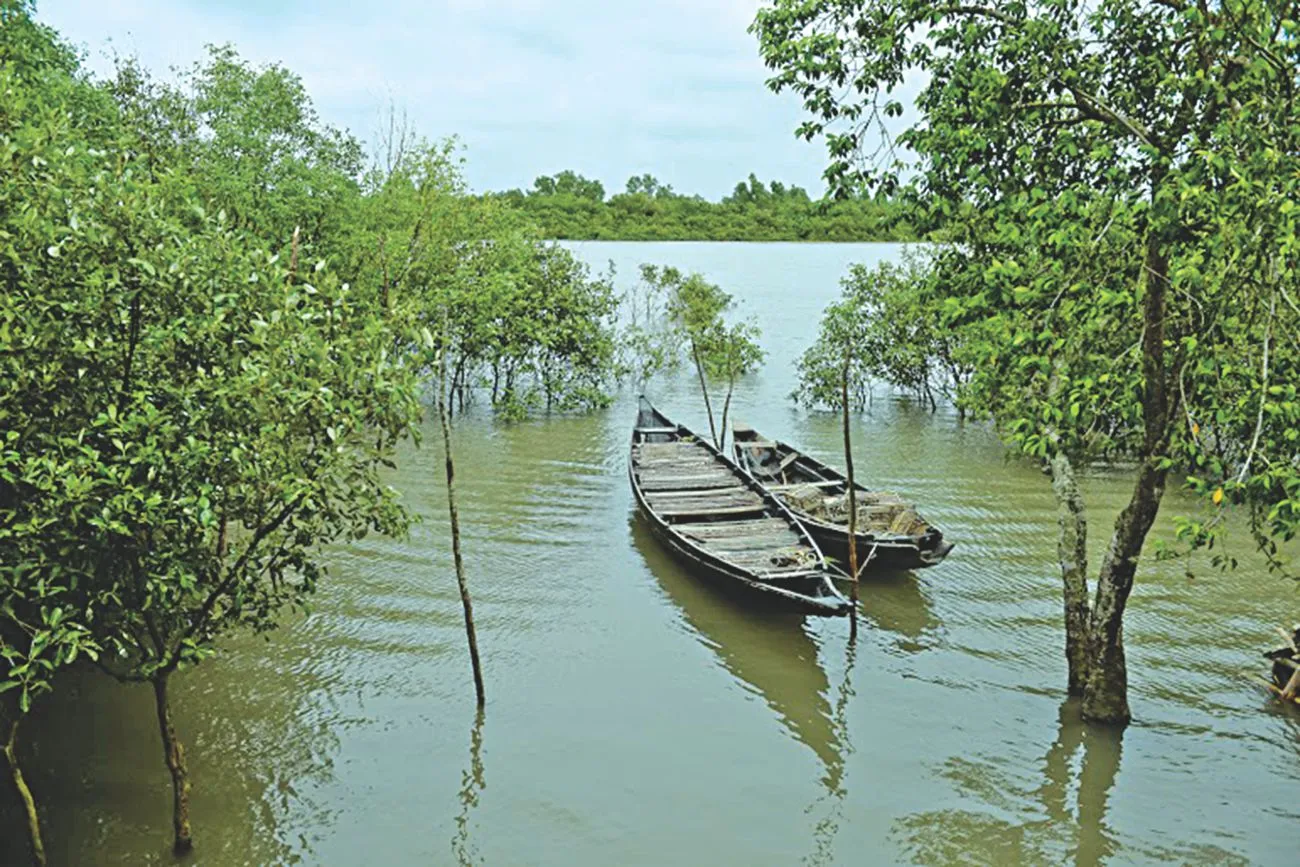
The forest lies where the three great rivers meet the Bay of Bengal. Once about 16,700 square kilometres, the Bangladesh part now covers about 6,000 square kilometres in Khulna Division, and the rest extends into West Bengal, India. It is a maze of tidal rivers, creeks and low islands that flood twice a day. The name is usually traced to the sundari tree, Heritiera fomes, the most common mangrove here.
Over the past two centuries large areas on the northern edge were cleared for farming and settlement. The colonial government declared the remaining forest a reserve in 1875, and after the partition of 1947 about two-thirds of it fell within what is now Bangladesh. Three wildlife sanctuaries in the west, south and east of the Bangladesh forest were inscribed by UNESCO as a World Heritage Site in 1997, and the Sundarbans Reserved Forest is also a Ramsar wetland of international importance.
The trees have special breathing roots, called pneumatophores, that poke up through the mud to take in air at low tide. Besides sundari, the forest holds gewa, goran and keora trees and nipa palm, which villagers collect for roofing. Honey gatherers, called mouals, enter the forest under Forest Department permits, mostly between March and May, and before setting out they pray to Bonbibi, the forest goddess believed to protect them from tigers.
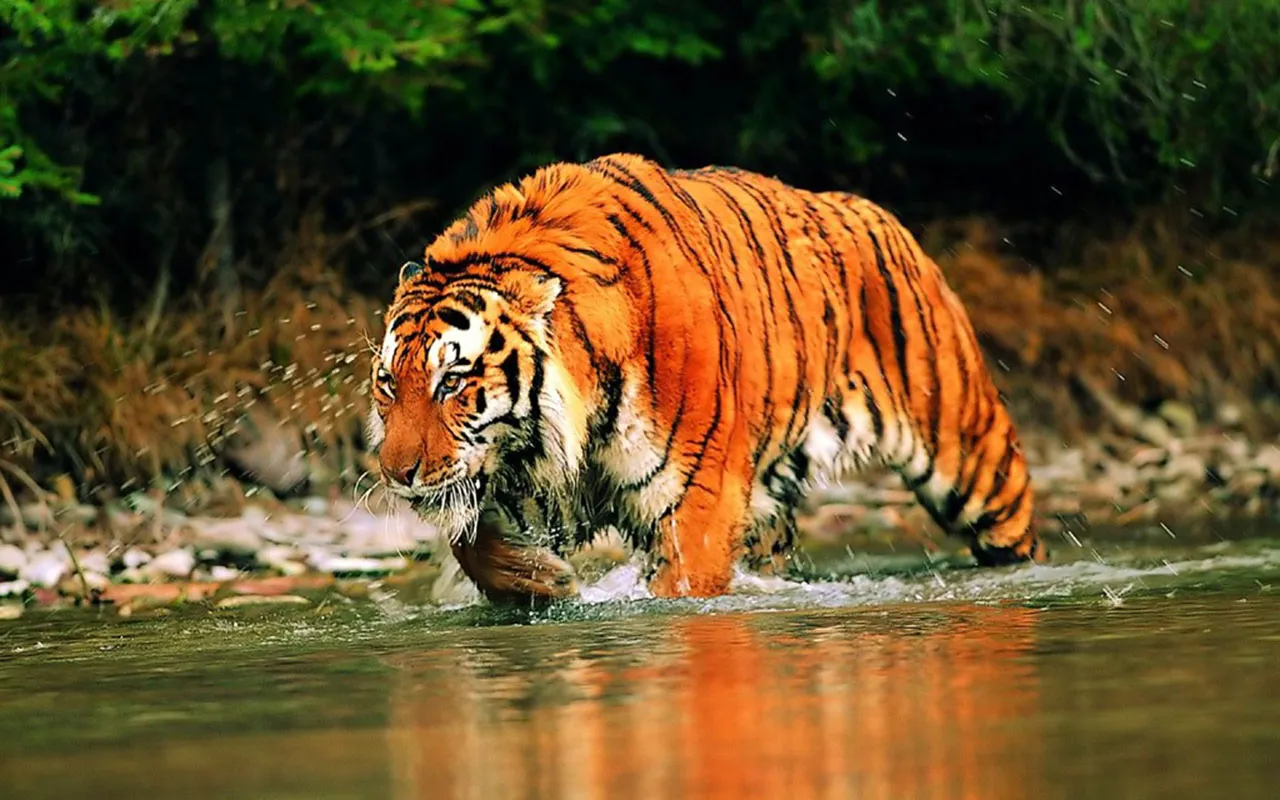
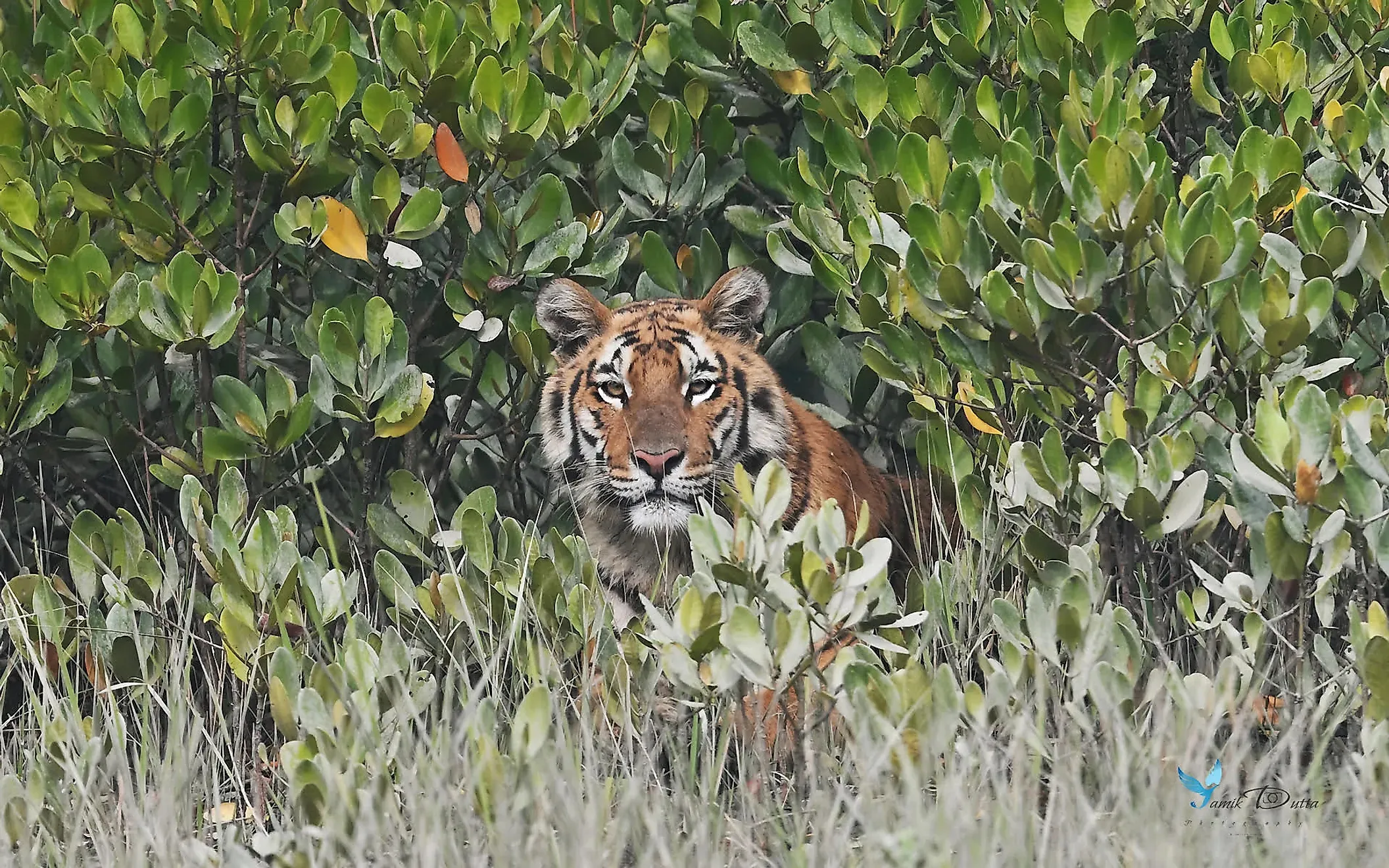
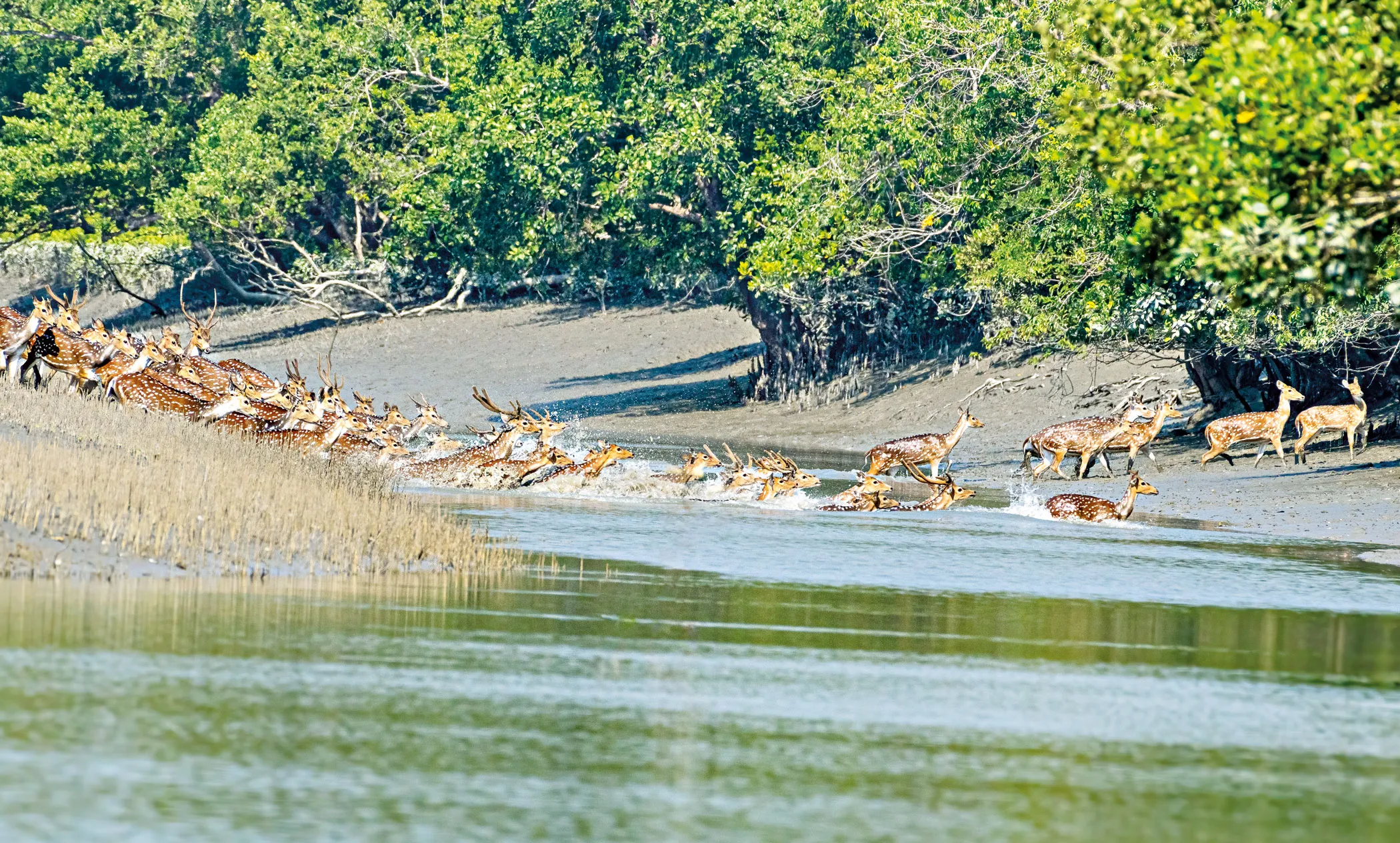
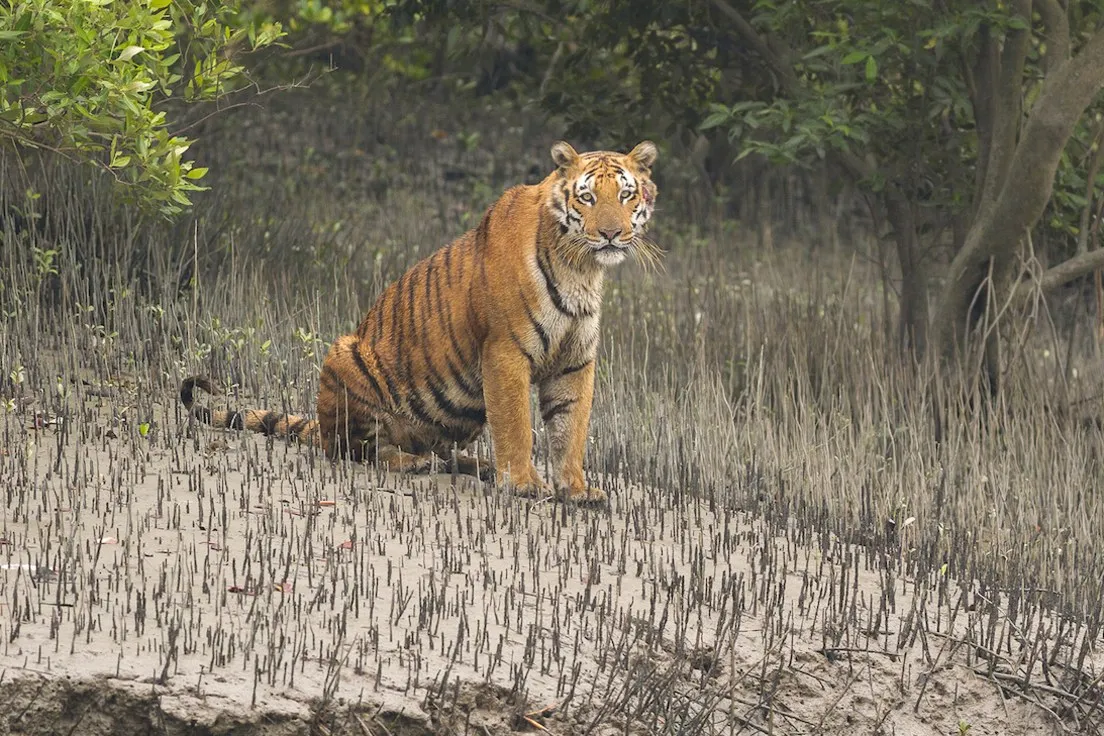
A camera-trap survey released in October 2024 counted at least 125 adult Bengal tigers on the Bangladesh side, up from 106 in 2015. The forest is also home to chital deer, rhesus macaques, wild boar, saltwater crocodiles and about 320 species of resident and migratory birds. Ganges river dolphins use the larger channels, and Irrawaddy dolphins, an estuarine species, live in the brackish waters near the coast. Popular stops on boat trips include Karamjal near Mongla, Harbaria, Kotka and Kochikhali.
All visits are by boat with a Forest Department permit, and most visitors join a licensed tour operator who arranges the permit, forest guards, meals and cabins. Day trips from Mongla reach the forest edge, while two to four day cruises go into the sanctuaries. The best months are from November to February, when the weather is cool and dry; the monsoon brings rough water, and the forest closes to tourists from 1 June to 31 August for the wildlife breeding season.
Boats leave from Mongla and Khulna. Mongla is about an hour by road from Khulna, which has the better rail and bus links, and Jessore Airport, about two hours from Khulna, has domestic flights. On shore, visitors walk only with a forest guard. Access involves muddy jetties and stepped watchtowers, so the trip does not suit wheelchair users.
A short boat ride from Mongla to the Karamjal centre with its crocodile and deer breeding programme and a mangrove boardwalk.
Two- or three-night cruises sleep on the boat and reach Kotka, Kochikhali and Hiron Point, where wildlife sightings are best.
From the main boat, small country boats slip into narrow channels at dawn for birds, monkeys and, rarely, tiger tracks.
Access is by boat and muddy jetties; trails and watchtowers have steps. Not suitable for wheelchair users.
No minimum age, but muddy jetties, steps up to the watchtowers and long hours on the boat make the trip easier for older children.
Passport (permits are checked), insect repellent, sun hat, binoculars, light rain jacket, medication
Light, neutral-coloured long sleeves and trousers; shoes that can get muddy
Entering without a permit, walking in the forest without a guard, littering and plastic, loud music, feeding or disturbing wildlife, fishing, drones without permission
Facilities are on the tour boats; Karamjal has a small visitor area. No shops inside the forest.
Mongla is about 4 hours by road from Dhaka via the Padma Bridge, and about 1 hour from Khulna. Boats leave from Mongla and Khulna.
Buses run from Dhaka to Khulna and Mongla; trains reach Khulna. Jessore Airport has domestic flights from Dhaka, about 2 hours from Khulna.
The Sundarbans covers the coastal south-west of Bangladesh across Khulna, Bagerhat and Satkhira districts; most trips start from Mongla or Khulna.
The Rash Mela festival at Dublar Char (around November) draws pilgrims to the southern Sundarbans.
Early morning on the creeks gives the best chance to see wildlife and birds.
Any day in season; Bangladeshi holidays fill boats quickly.
November to February is cool and dry: the main tour season. March – May gets hot; June – August the forest is closed.
Others of this kind you opened on this device, so you can get back to them quickly.
Every year from 1 June to 31 August, all entry including tourism is banned for the wildlife breeding season.
No. There are no shops in the forest, and meals and facilities are on the tour boat, so bring medication, repellent and anything else you need from Khulna or Mongla.
A festival held around November at Dublar Char in the southern Sundarbans, which draws large numbers of pilgrims. If your dates coincide, ask your operator how it affects the cruise route.
Our team answers questions here
Find your kind of trip: 30 travel themes, from Heritage, Waterfalls, Hills.
 Heritage
 Waterfalls
 Hills
 Beaches
 Forests
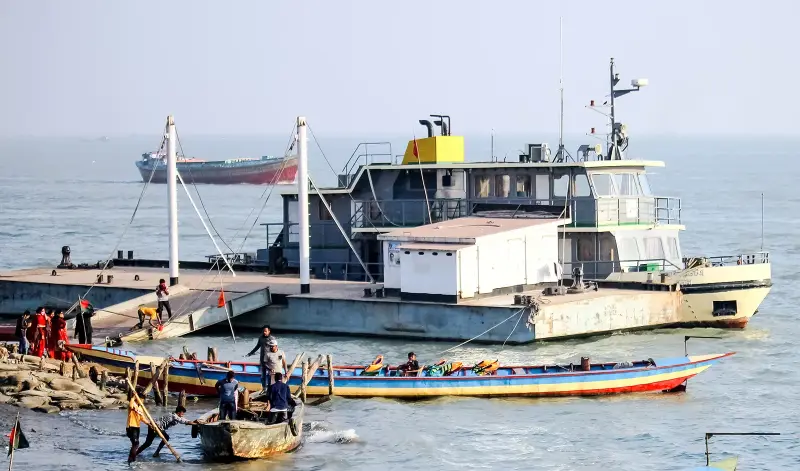 Landmarks
Mosque (Islam)
National Parks
Islands
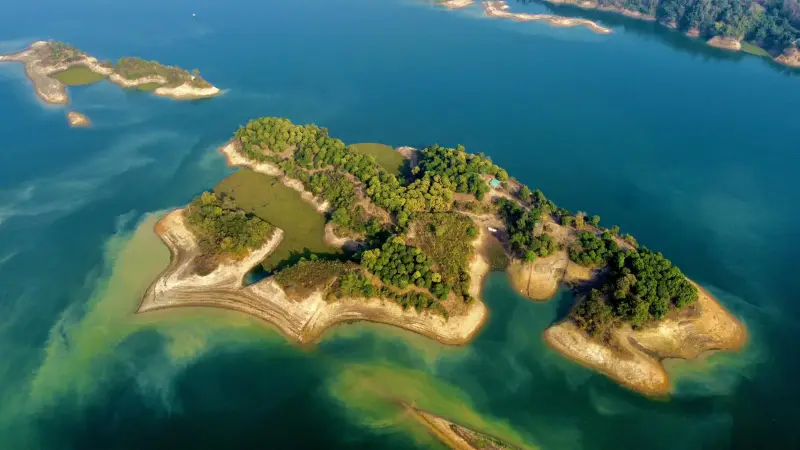 Lakes & Haors
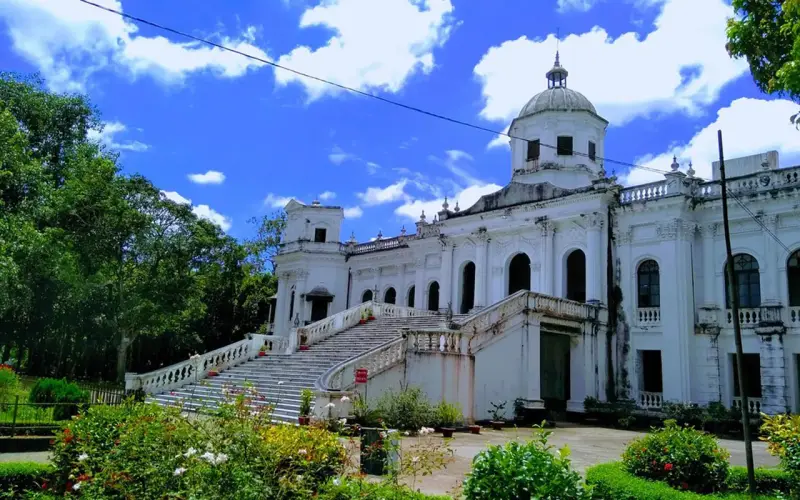 Museums
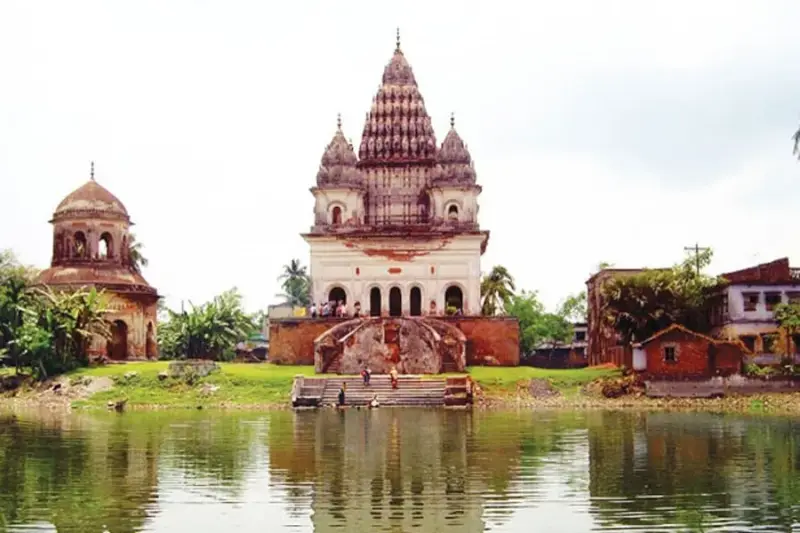 Temple
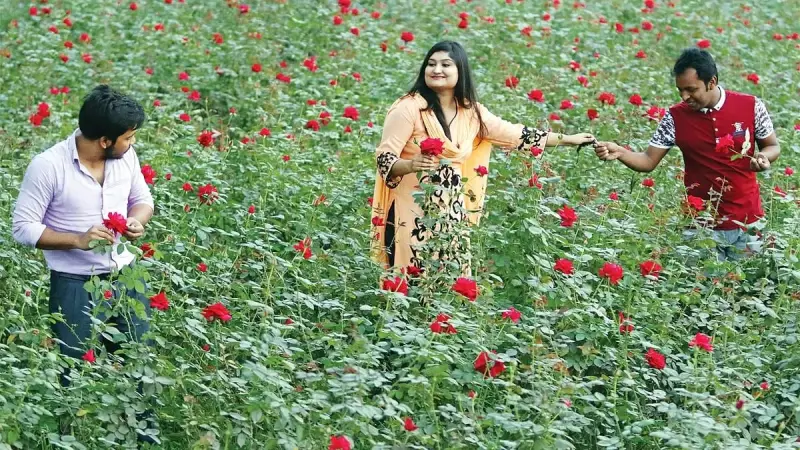 Parks
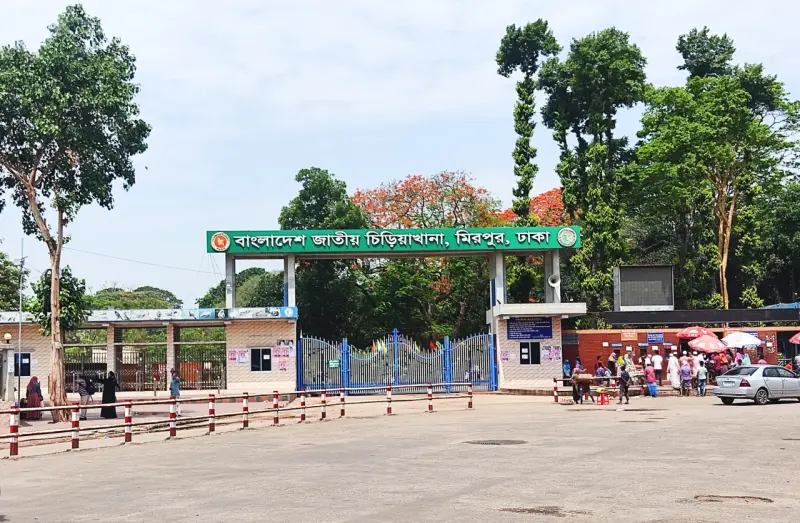 Wildlife (Zoo)
Palaces
UNESCO World Heritage
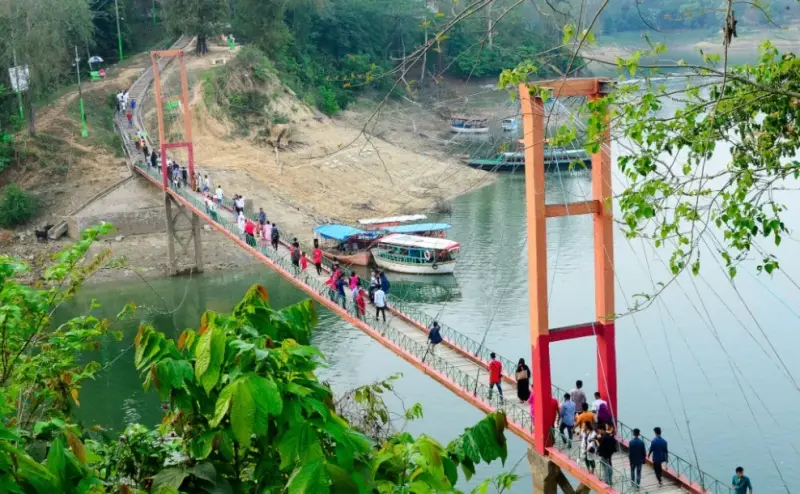 Bridges & Barrages
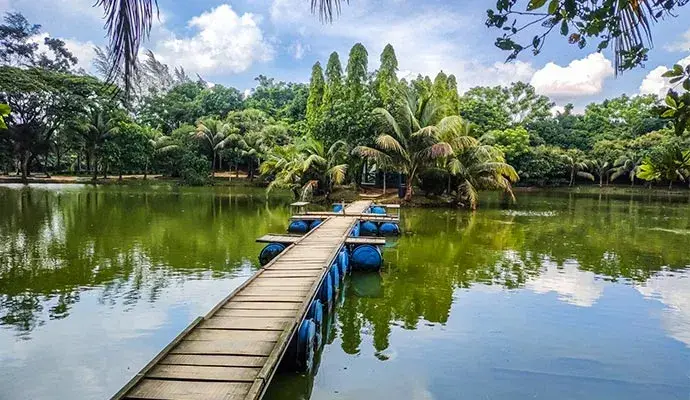 Entertainment Parks
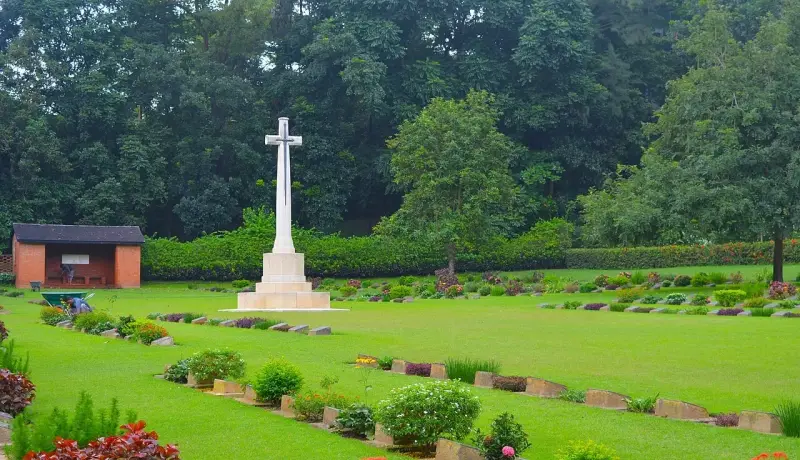 Monument
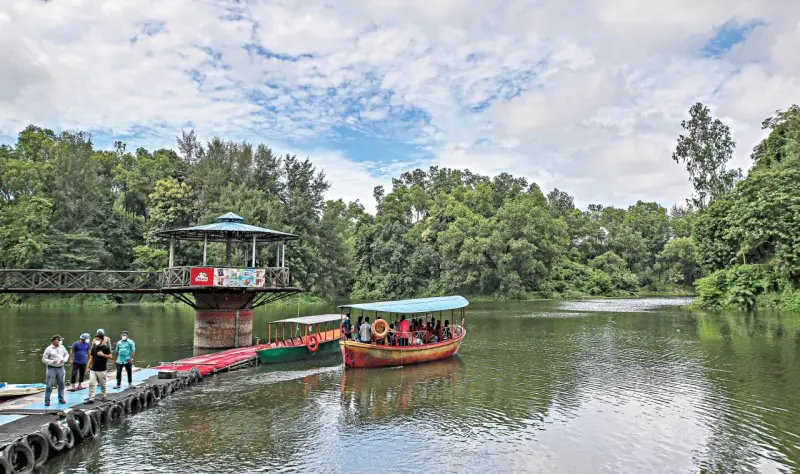 Theme Parks
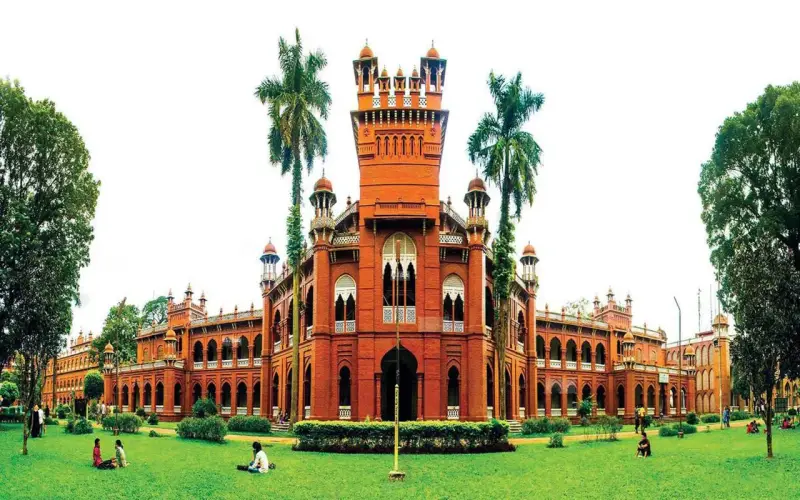 Education
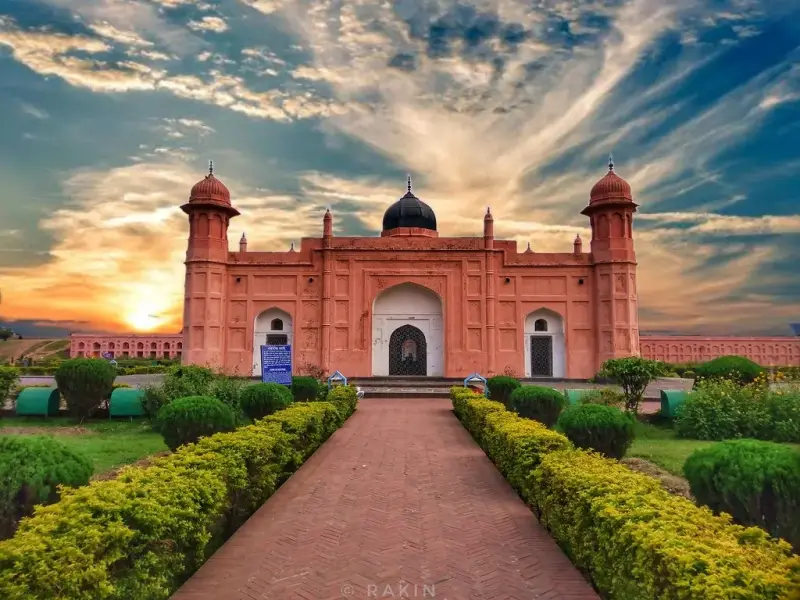 Forts
 Mountains
Shopping Malls
 Botanical Gardens
 Caves
Church (Christianity)
Floating Market
 Libraries
Weekend Market
More of south-west Bangladesh around the Sundarbans.
Satkhira
Mandarbaria Sea Beach is a remote 8 km beach at the southern edge of the Sundarbans West forest division, Shyamnagar upazila, Satkhira district, Bangladesh, nea...
Bagerhat
The island lies off the Sundarbans coast about 15 kilometres from Hiron Point, south of Dublar Char. It formed from accreting sand in the river mouths of the de...
Bagerhat
The island sits where the Sundarbans meets the Bay of Bengal, in the Sundarbans East forest division of Bagerhat district, between Katka to the east and Hiron P...
Bagerhat
Katka Sea Beach is a forest station and beach in the Sharankhola range of the Sundarbans, Bagerhat district, Bangladesh, inside the Sundarbans East Wildlife San...
Bagerhat
Kochikhali Sea Beach, known as Tiger Point, is a forest station and beach in the Sharankhola range of the Sundarbans, Bagerhat district, Bangladesh, east of Kat...
Barguna
Laldia Forest and Sea Beach is a mangrove forest and small beach at the southern tip of Patharghata upazila, Barguna district, Bangladesh, where the Bishkhali a...
Patuakhali
Kuakata Sea Beach is an 18 km beach on the Bay of Bengal in Latachapli union, Kalapara upazila, Patuakhali district, Bangladesh, about 70 km south of Patuakhali...
Bagerhat
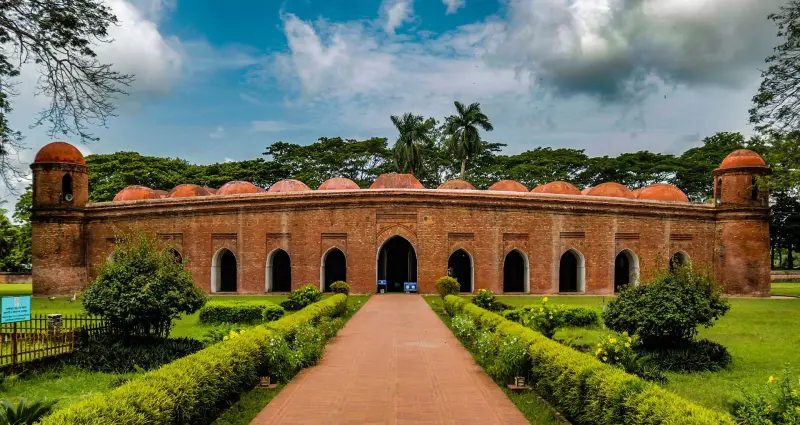
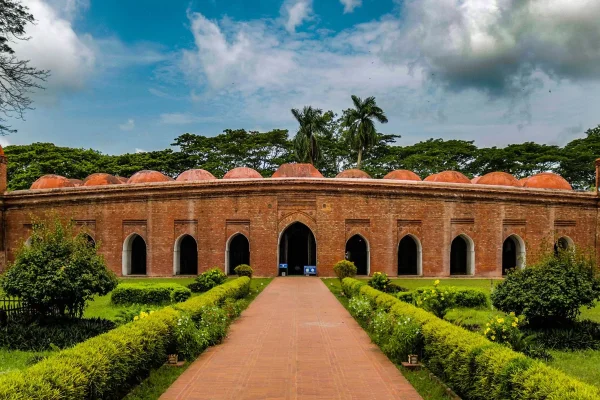
The Sixty Dome Mosque (Shait Gumbad Mosque) is a 15th-century brick mosque at Shait Gumbad, 5 km west of Bagerhat town in Khulna Division, Bangladesh, and the c...
Patuakhali
Char Hare lies in the Bay of Bengal off the coast of Rangabali upazila, Patuakhali district, in Barishal division. Locally it is also called Char Kalagachia. So...
Tell us where and when you want to go, and local travel experts send you offers for your trip.
Answers based on Bangladesh Forest Department rules and published notices.
Visa & documents
Yes, though you will rarely handle it yourself: your operator applies with your passport details. The permit is issued for set dates, so changing your plans later is not straightforward.
General
Possibly, but do not plan the trip around it. Sightings in the dense mangrove are rare, and fresh tracks on a muddy bank are a more realistic hope; deer, monkeys, crocodiles and kingfishers are far easier to spot.
From Khulna or Mongla. Mongla is about an hour closer to the forest by road, but many operators collect guests in Khulna, which has the better rail and bus links.
Yes. UNESCO inscribed the Sundarbans in Bangladesh as a World Heritage Site in 1997. The neighbouring Sundarbans National Park in India is listed separately. The Bangladesh forest is also a Ramsar wetland of international importance since 1992.
Only with a forest guard, who goes with every group on shore. Walking in the forest without a guard is not allowed.
Chital deer, rhesus macaques, wild boar, saltwater crocodiles and about 320 bird species, with Ganges river dolphins and Irrawaddy dolphins in the channels.
Only with permission from the Bangladesh Forest Department.
Sundarbans Mangrove Forest is in Khulna, Bangladesh. The street address and directions are under How to get there on this page.
Sundarbans Mangrove Forest is rated 5 out of 5 from 1 verified review on bookingMentor.
Yes. Use "Ask a question" under "Travelers are asking" on this page. The bookingMentor team answers it, and the answer then appears on the page for other travellers too.
Timing & weather
A day trip from Mongla reaches Karamjal and the forest edge. To get to the deeper sanctuaries such as Kotka, Kochikhali and Hiron Point, plan on two or three nights aboard.
November to February, the cool, dry main tour season. March to May gets hot, and the forest is closed from June to August.
Getting there
Jessore Airport, which has domestic flights and is about two hours by road from Khulna.
You can reach Sundarbans Mangrove Forest by public transport or by car. Both routes are described under How to get there on this page.
Netaji Subhas Chandra Bose International Airport (CCU) is the airport for Sundarbans Mangrove Forest, about 109 km away in a straight line.
We use necessary cookies to make this site work. With your permission we would also like to remember your preferences, measure how the site is used, and show relevant ads and partner offers. You can change your mind at any time under "Cookie settings" on our Privacy policy page.

 Plan your trip with AI