

Planning your first trip to Rome, Italy? You're in the right place. This guide covers the top 10 attractions in Rome — from the iconic Colosseum to the awe-inspiring Vatican City — with real 2026 ticket prices, skip-the-line tips, best visiting times, and honest advice to help you avoid the most common tourist mistakes.
Whether you have 2 days or a full week, Rome will reward every minute of your time. Let's make sure you spend it wisely.
Rome 3-Day Itinerary:
Short on time? Here's how to structure your visit across three days:
Day 1 — Ancient Rome: Colosseum → Roman Forum → Palatine Hill → Circus Maximus
Day 2 — Vatican & Centro Storico: Vatican Museums → Sistine Chapel → St. Peter's Basilica → Pantheon → Piazza Navona
Day 3 — Fountains, Steps & Piazzas: Trevi Fountain → Spanish Steps → Vittorio Emanuele II Monument → Piazza del Popolo
Top 10 Attractions in Rome, Italy:
01. The Colosseum & Arch of Constantine: Rome's Most Iconic Landmark
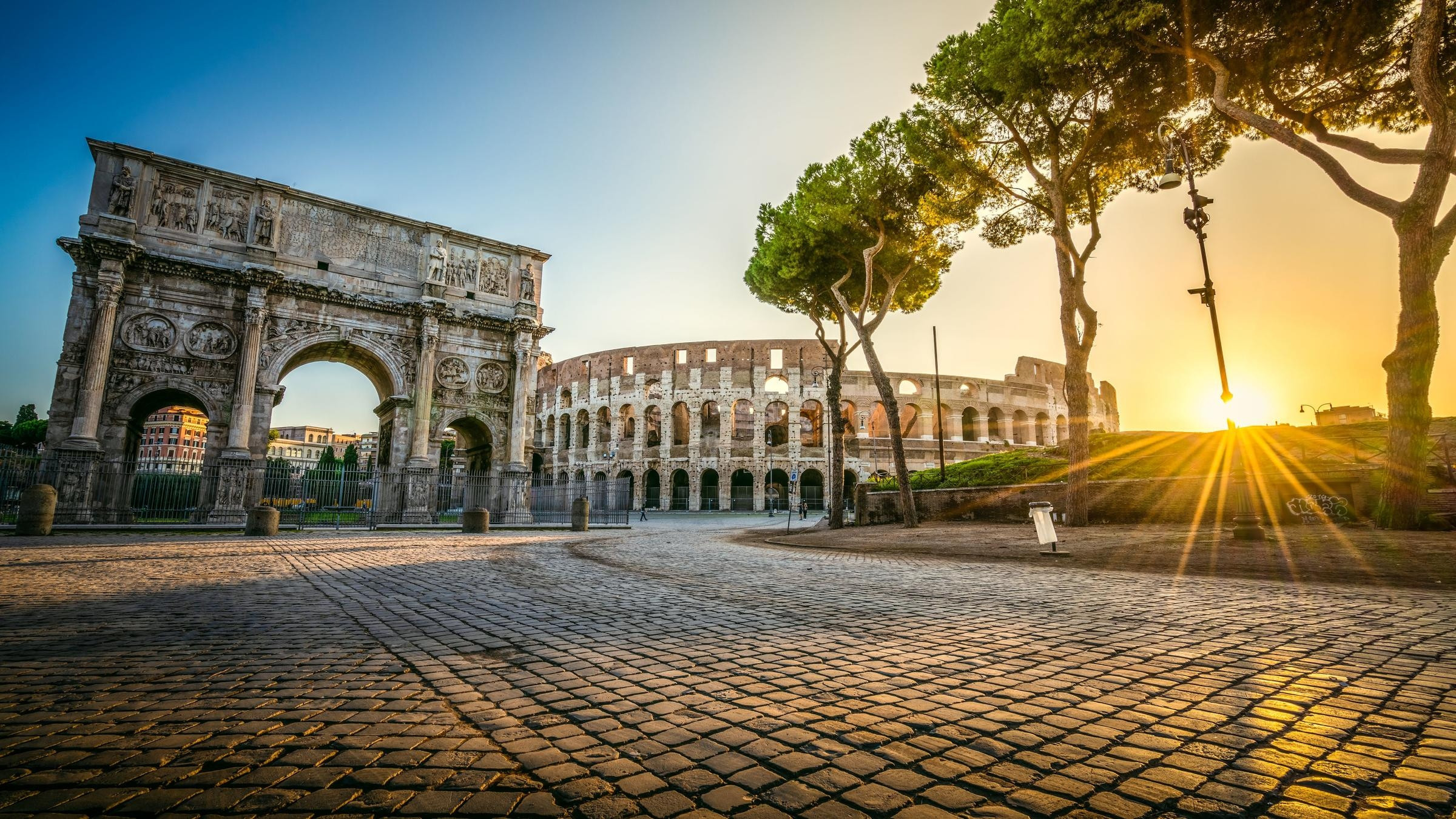
No visit to Rome is complete without standing in front of the Colosseum. Built in 70–80 AD, this colossal amphitheater once held up to 80,000 spectators who gathered to watch gladiatorial combat. Walking through its ancient corridors, it's easy to imagine the roar of the crowd — and the weight of two thousand years of history.
Just steps away, the Arch of Constantine stands as the last great triumphal monument of Imperial Rome, erected in 315 AD to honor Emperor Constantine's victory at the Battle of Milvian Bridge. Take time to examine its intricate reliefs, which were actually repurposed from earlier imperial monuments.
While you're here, climb Palatine Hill — one of Rome's legendary seven hills — for a sweeping view of the Roman Forum below, and walk through the ruins of the Arch of Titus and the Arch of Septimius Severus.
- ⏰ Best time to visit: Before 9:00 AM to beat the crowds and the heat
- 🎟️ Ticket price: ~€16 (includes Roman Forum & Palatine Hill) — always book online in advance
- ⏱️ Time needed: 1.5–2.5 hours
- ⚠️ Warning: Never buy tickets from people outside the entrance — ticket scams are extremely common here
02. Vatican City: How to Visit Without the Crowds
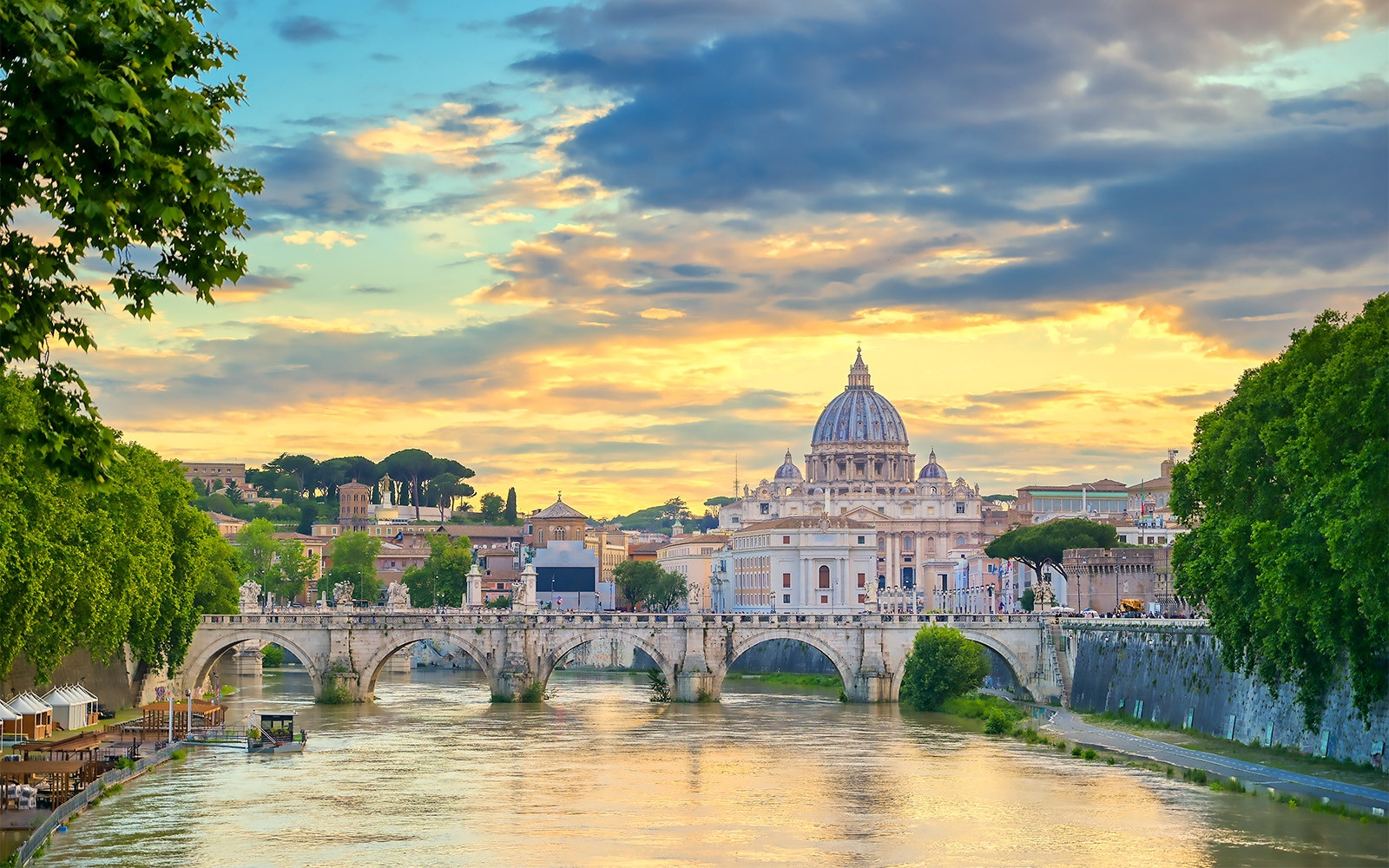
Vatican City is not just an attraction — it's an entirely separate country within Rome, and the spiritual heart of the Catholic world. It draws millions of visitors each year, which means planning ahead is essential.
St. Peter's Basilica is one of the largest churches in the world and a masterpiece of Renaissance architecture. Standing beneath Michelangelo's dome, looking up at the gold mosaics and sweeping arches, is genuinely breathtaking — and entry is free. Climb to the top of the dome for a panoramic view over Rome that very few travelers take the time to experience.
St. Peter's Square, designed by Bernini, is the grand forecourt in front of the basilica. Arrive early on a Wednesday if you want to attend the Pope's public audience.
The Vatican Museums house one of the world's greatest art collections — and end at the unmissable Sistine Chapel, with Michelangelo's ceiling painted between 1508 and 1512. Plan at least 3 hours for the museums alone.
Castel Sant'Angelo and the bridge leading to it (Ponte Sant'Angelo) are worth a dedicated visit, especially at golden hour.
- ⏰ Best time to visit: Tuesday through Friday, arriving at opening (9:00 AM)
- 🎟️ Vatican Museums ticket: ~€17–€20 — book on the official Vatican website to skip the line
- ⏱️ Time needed: Half a day minimum
- ⚠️ Dress code: Shoulders and knees must be covered to enter St. Peter's Basilica
03. The Pantheon: Rome's Best-Preserved Ancient Monument
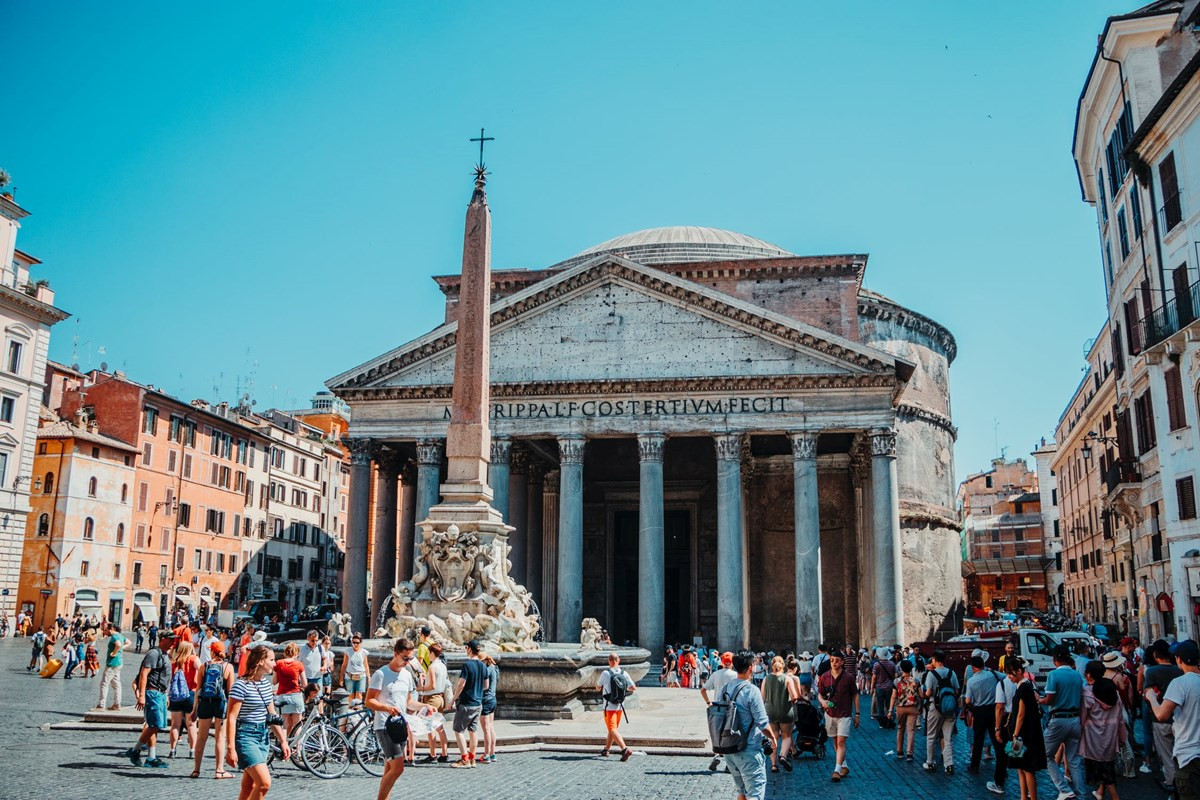
The Pantheon is arguably the most remarkable building in Rome — and possibly in the world. Built around 125 AD under Emperor Hadrian, it has been in continuous use for nearly 2,000 years. Its unreinforced concrete dome, with a circular oculus (open skylight) at its center, remains the largest of its kind ever built. On rainy days, the rain falls straight through the oculus onto a slightly sloped, perfectly draining floor — a design detail that still impresses engineers today.
Start your morning with a coffee at the legendary Caffè Sant'Eustachio, just a two-minute walk from the Pantheon — many consider it the best espresso in Rome. Then explore the surrounding streets: the baroque Church of Santa Maria Maddalena and the nearby Temple of Hadrian are easy, rewarding stops.
- ⏰ Best time to visit: First thing in the morning (doors open at 9:00 AM) to avoid peak crowds
- 🎟️ Ticket price: €5 (free on the first Sunday of the month)
- ⏱️ Time needed: 45–60 minutes inside; allow extra time for the surrounding piazza
04. The Roman Forum: Walk Through 2,700 Years of History
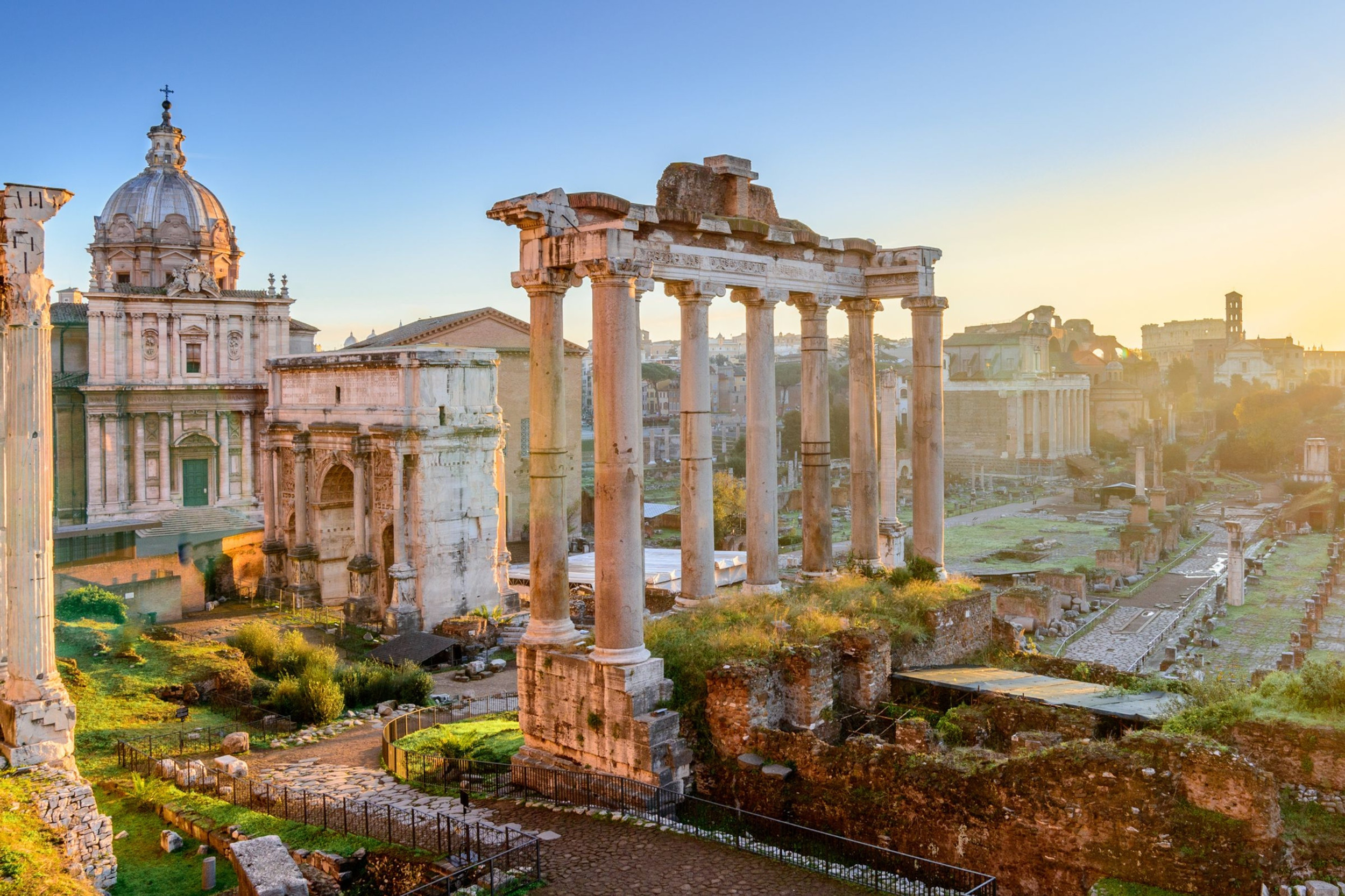
The Roman Forum was the beating heart of ancient Roman public life — a sprawling complex of temples, government buildings, and ceremonial spaces that defined Western civilization for centuries. Walking through it today, you're literally treading the same ground as Julius Caesar, Augustus, and Cicero.
Key highlights within the Forum include the Temple of Antoninus and Faustina (remarkably intact, later converted into a church), the Temple of the Dioscuri (Castor and Pollux), the Column of Phocas, and the Portico of the Dii Consentes. Allow yourself to wander without a rigid plan — every corner reveals something unexpected.
The Forum is included with your Colosseum ticket, making it one of the best value attractions in Rome.
- ⏰ Best time to visit: Early morning or late afternoon when the light is golden
- 🎟️ Ticket: Included with Colosseum ticket (~€16)
- ⏱️ Time needed: 1–2 hours
- 💡 Tip: Download the free audio guide app before you arrive — it transforms the experience
05. Trevi Fountain: Best Time to Visit & What to Do Nearby:
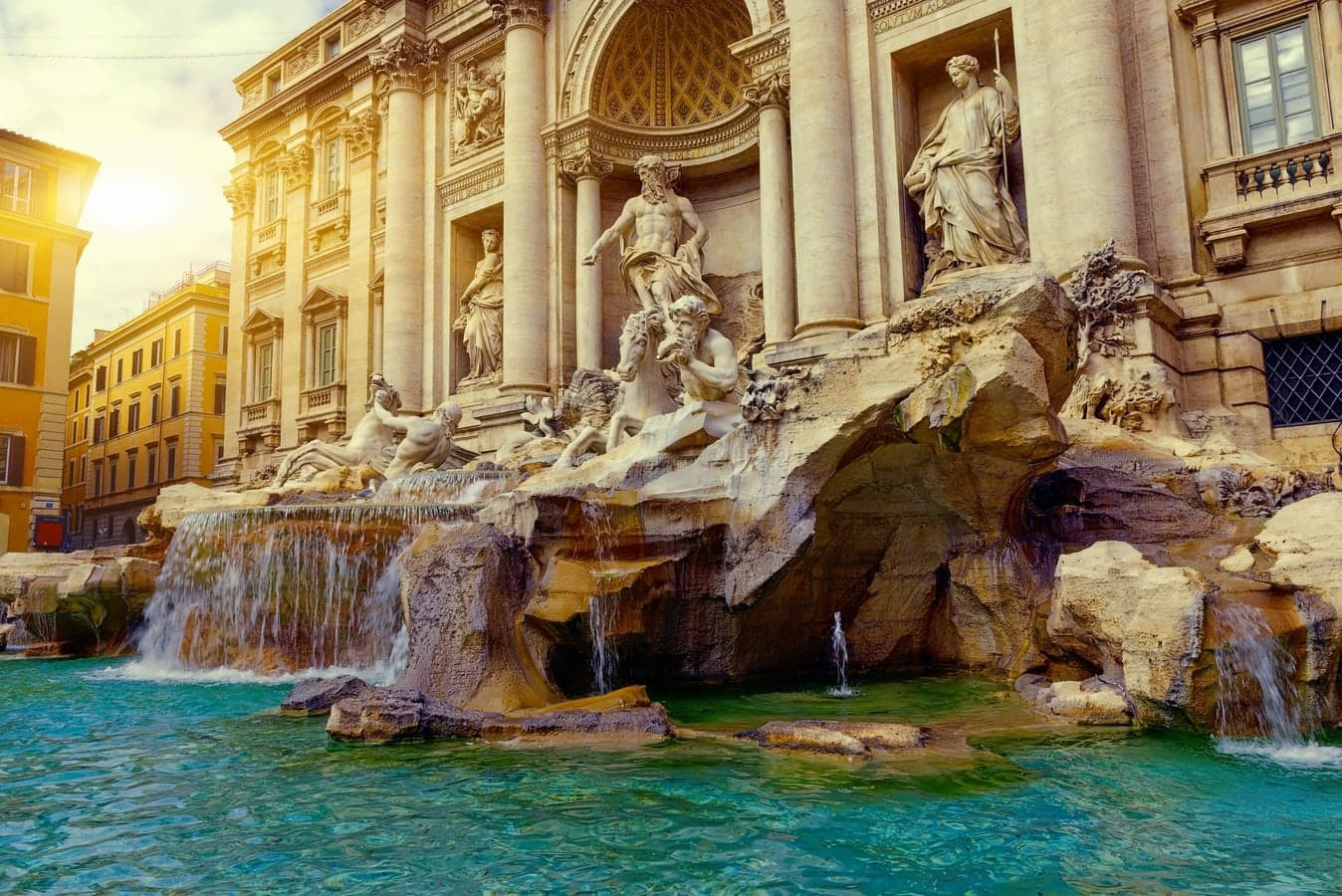
The Trevi Fountain is Rome's most famous fountain and one of the most visited sites in all of Europe — which means it can get uncomfortably crowded between 10:00 AM and 8:00 PM. The tradition of tossing a coin into the fountain (said to guarantee a return to Rome) generates roughly €1 million per year, all donated to charity.
To experience it without the shoulder-to-shoulder crowds, visit at dawn (before 7:00 AM) or late at night after 10:00 PM. The fountain is lit beautifully after dark.
Nearby, Giardini del Quirinale is a lovely green space ideal for a quiet break with children. The Via del Corso — one of Rome's main shopping streets — is a short walk away, as is the imposing Column of Marcus Aurelius, which tells the story of Rome's wars through 100 carved spiral reliefs.
- ⏰ Best time to visit: Before 7:00 AM or after 10:00 PM
- 🎟️ Entry: Free
- ⏱️ Time needed: 20–30 minutes
06. Vittorio Emanuele II Monument: Rome's Grand National Symbol
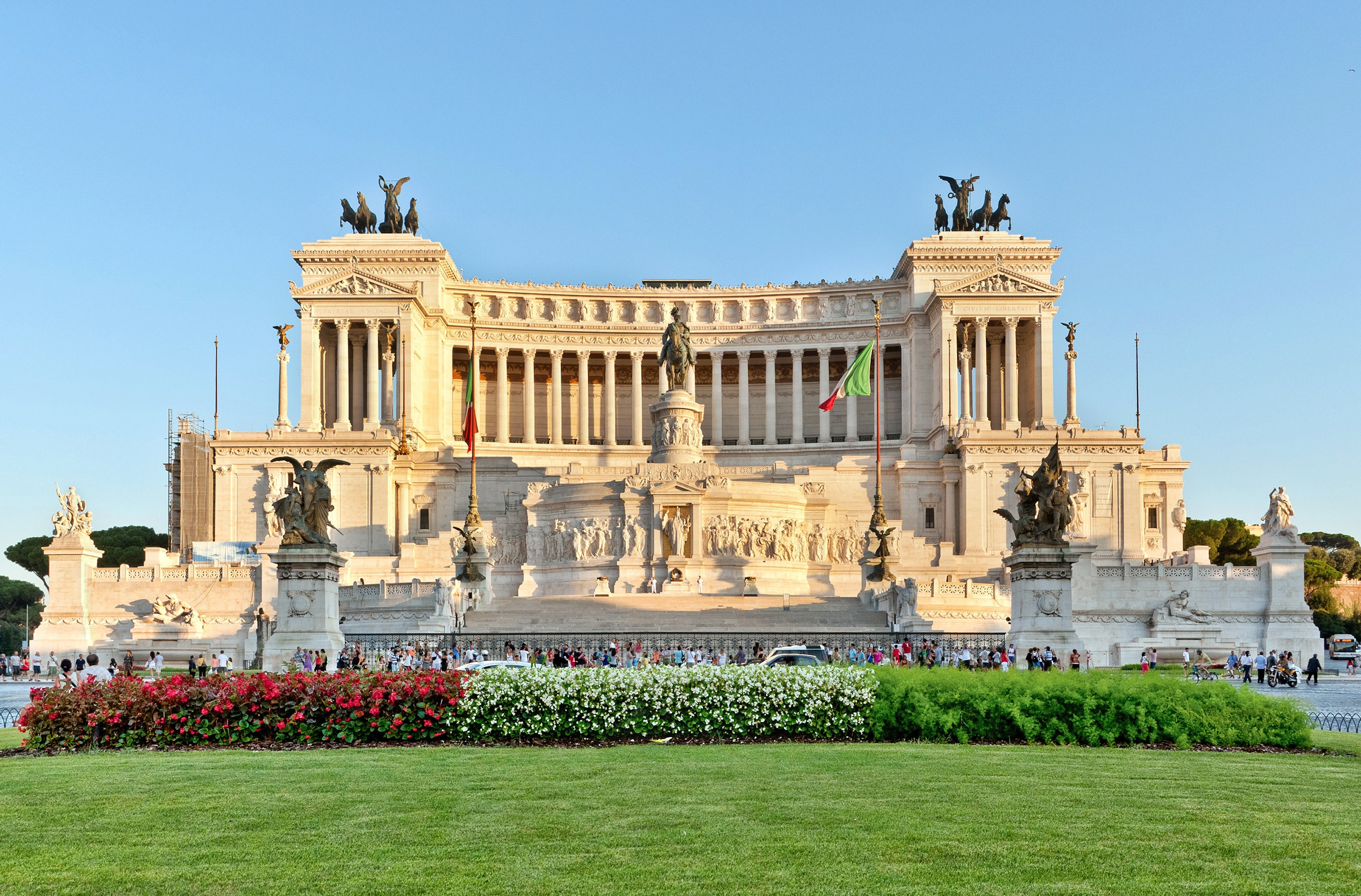
Often called "Il Vittoriano" or nicknamed "the wedding cake" by locals (for its gleaming white marble), this monumental structure at the heart of Piazza Venezia celebrates Italy's unification and honors King Vittorio Emanuele II, the country's first king. A giant bronze equestrian statue of the king dominates the central terrace.
Ride the free elevator to the top (or pay ~€7 for the premium rooftop terrace) for one of the most spectacular 360-degree views in Rome — entirely free of scaffolding and crowd obstructions. The view from here is often better than from many paid viewpoints.
Nearby, Trajan's Market — an ancient Roman shopping complex built in the 2nd century AD — offers a fascinating and undervisited glimpse into everyday commercial life in ancient Rome.
- ⏰ Best time to visit: Late afternoon for the best light and views
- 🎟️ Monument: Free; rooftop terrace ~€7
- ⏱️ Time needed: 45–90 minutes
07. Centro Storico & the Spanish Steps: Rome's Most Romantic Corner
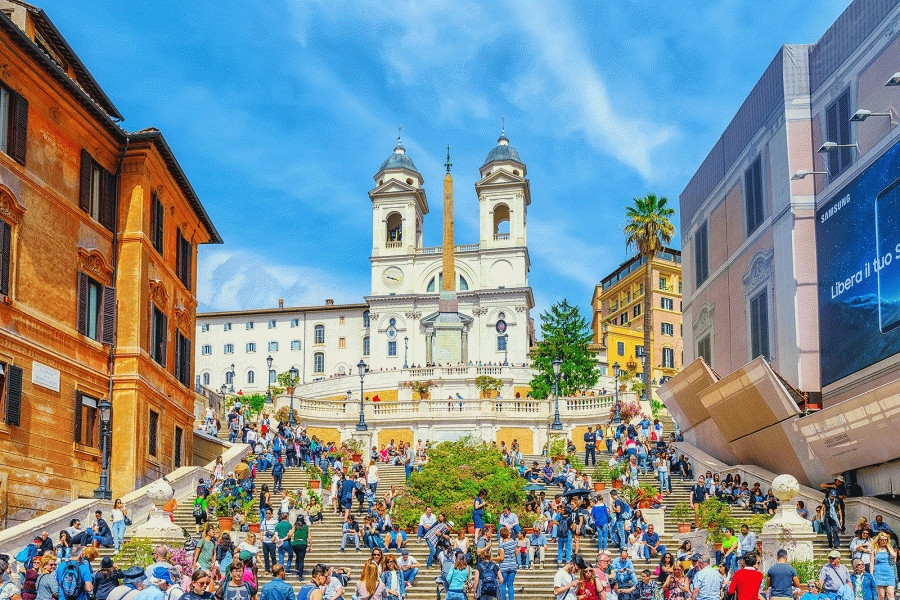
Centro Storico (the historic center) is Rome at its most atmospheric. Cobblestone streets wind past baroque fountains, centuries-old churches, and independent cafes where the espresso costs €1 if you stand at the bar. Spend at least one evening here — the streets glow warmly after sunset and feel genuinely timeless.
The Spanish Steps (Scalinata di Trinità dei Monti) are 135 travertine steps rising from Piazza di Spagna to the Trinità dei Monti church. They're best visited in the morning before tour groups arrive. At the top, the Sallustiano Obelisk rewards those who make the climb.
- ⏰ Best time: Early morning or evening
- 🎟️ Entry: Free
- ⏱️ Time needed: 1–2 hours for the area
08. Santa Maria Maggiore: Rome's Second Greatest Church
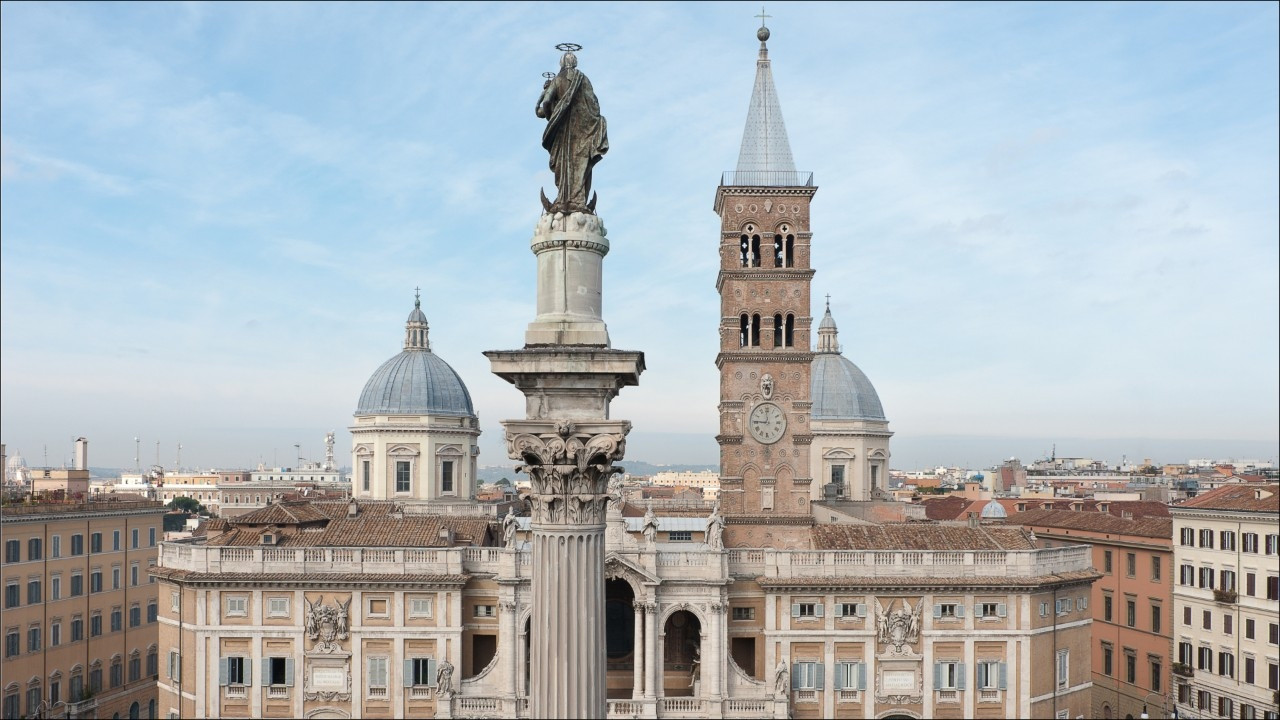
One of Rome's four papal basilicas, Santa Maria Maggiore is a staggering work of Christian art and architecture. Its 5th-century mosaics — some of the oldest in Rome — glow with gold tessera in a way that even non-religious visitors find deeply moving. The coffered ceiling, gilded with the first gold brought from the Americas, is extraordinary.
The surrounding neighborhood is quieter and more local than the tourist center, making it a good place to experience authentic Roman street life. Piazza di Santa Maria Maggiore is lovely at night, and the area has several excellent trattorias for a relaxed dinner.
- ⏰ Best time: Morning, when light enters from the east
- 🎟️ Entry: Free
- ⏱️ Time needed: 45–60 minutes
09. Piazza Navona: Rome's Most Beautiful Square
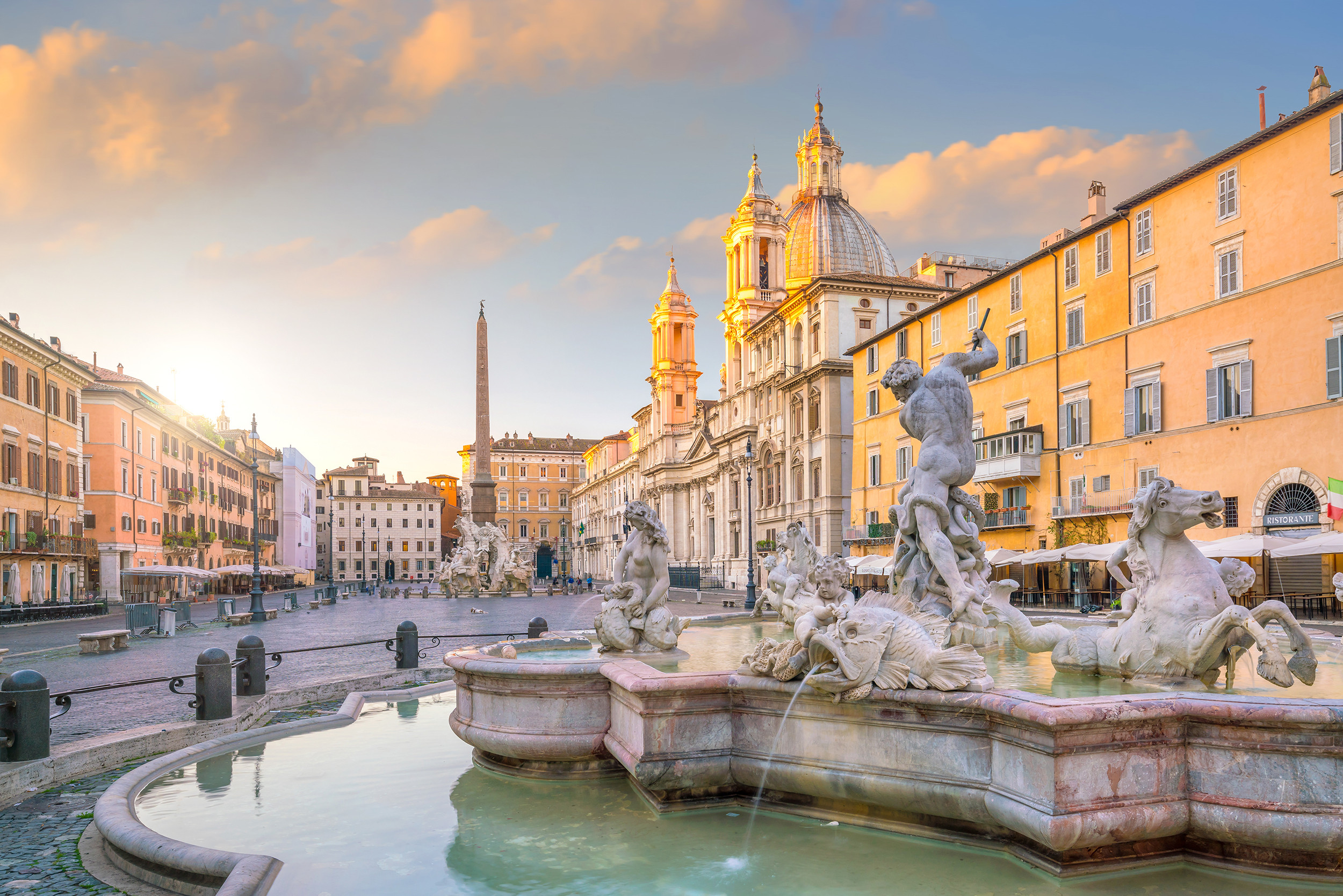
Built on the foundations of the ancient Stadium of Domitian (1st century AD), Piazza Navona is an elongated baroque masterpiece. At its center stands Bernini's Fountain of the Four Rivers (1651), representing the Nile, Danube, Ganges, and Río de la Plata — a dramatic sculpture that repays close inspection.
The square is flanked by two baroque churches: Sant'Agnese in Agone and Nostra Signora del Sacro Cuore. The nearby Biblioteca Angelica is one of the oldest public libraries in Rome, and the Palazzo Altemps museum houses an exceptional collection of ancient sculpture.
Walk three minutes to the Fountain of Neptune for a less crowded but equally impressive baroque fountain.
- ⏰ Best time: Evening, when the square fills with street performers and local life
- 🎟️ Square: Free; museum entry ~€10
- ⏱️ Time needed: 1–1.5 hours
10. Piazza del Popolo & Santa Maria del Popolo
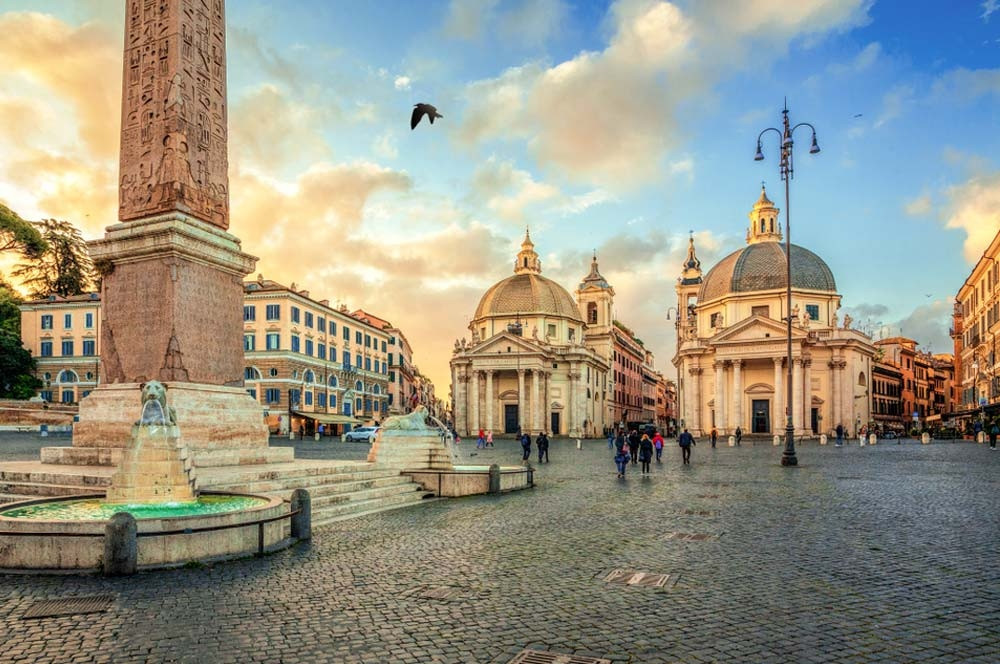
The grand northern gateway to Rome, Piazza del Popolo is one of the largest and most elegant public squares in the city. At its center stands a 3,200-year-old Egyptian obelisk brought to Rome by Augustus. The piazza is flanked by twin baroque churches and watched over by the hilltop Villa Medici, now the French Academy in Rome.
Santa Maria del Popolo, tucked into the corner of the piazza, is one of Rome's great artistic treasures — containing two Caravaggio paintings (the Conversion of Saint Paul and the Crucifixion of Saint Peter) that are displayed in natural light with no tourist barriers. It's one of the most underrated stops in Rome.
From the piazza, climb the steps or take the escalator to the Pincio Terrace for a free panoramic view over Rome that rivals any paid viewpoint.
Nearby, the Ara Pacis (Altar of Peace, 13–9 BC) is one of the finest examples of Roman sculptural art — housed in a striking modern glass pavilion designed by Richard Meier.
- ⏰ Best time: Late afternoon for the light; Caravaggio paintings need daylight to view properly
- 🎟️ Piazza & church: Free; Ara Pacis ~€10.50
- ⏱️ Time needed: 1.5–2 hours
10 Rome Travel Tips to Save Money and Avoid Tourist Traps:
These are the practical tips that guidebooks often skip — learned from the experiences of thousands of travelers.
01. Order coffee at the bar, not at a table. In Italian bars and cafes, standing at the counter to order costs the standard price (usually €1–1.50 for an espresso). Sitting at an outside table triggers a coperto (service charge) that can triple the bill. Order at the cassa (cashier), pay first, then take your receipt to the barista.
02. Don't order cappuccino after noon. Italians consider milk drinks to be breakfast food — ordering a cappuccino after midday marks you immediately as a tourist. After noon, drink espresso (caffè), caffè macchiato, or caffè americano.
03. Use public transport — it's extremely cheap. A single transit ticket costs €1.50 and is valid for 100 minutes on all buses, trams, metro lines, and local trains (including the train to the beach at Ostia). Buy tickets at any tabaccheria (tobacconist) or from metro station machines — not from drivers.
04. Visit free museums on the first Sunday of the month. All Italian state-owned museums, galleries, archaeological sites, and gardens are free on the first Sunday of every month. This includes the Colosseum, Roman Forum, Borghese Gallery, and many more. Plan accordingly — lines are longer, but the savings are significant.
05. Book Vatican Museums online, well in advance. Vatican Museums sell out weeks ahead, especially in spring and autumn. Book directly through the official Vatican website. The queue for walk-up tickets can be 2–3 hours long. Skip-the-line tickets are non-negotiable.
06. Avoid specific venues on Mondays. The Borghese Gallery and Palazzo Barberini are closed on Mondays. Vatican Museums are closed on Sundays. Saturdays are the busiest day of the week across most sites. Aim for Tuesday through Friday for the most comfortable experience.
07. Protect your belongings in crowds. Pickpocketing is common around the Colosseum, Vatican, Trevi Fountain, and on crowded buses (especially routes 40 and 64). Use a money belt or inside pocket for your passport and cards. Split your cash across multiple pockets. Never put your wallet in your back pocket.
08. Carry some cash at all times. Despite the EU's push toward card payments, Rome remains largely cash-dependent — especially in smaller restaurants, cafes, and markets. Keep €50–100 in small bills accessible at all times.
09. Eat away from the main monuments. Restaurants within 100 meters of the Colosseum, Trevi Fountain, and Pantheon charge premium prices for mediocre food. Walk two or three streets away to find the same quality at half the price. Look for places where locals are eating — always a reliable indicator.
10. Dress appropriately for churches. Shoulders and knees must be covered to enter St. Peter's Basilica and many other Roman churches. Pack a light scarf or shawl in your bag. Security will turn you away otherwise — even if you've queued for an hour.
Best Time to Visit Rome, Italy:
| Season | Months | Pros | Cons |
|---|---|---|---|
| Spring ✅ | March–May | Perfect weather, flowers in bloom | Peak crowds; book everything weeks ahead |
| Early Summer | June | Long daylight hours, vibrant city | Getting hot; crowds building |
| Summer ⚠️ | July–Aug | Lively atmosphere, outdoor events | Very hot (35°C+); extremely crowded; some locals leave the city |
| Autumn ✅ | Sept–Oct | Warm, golden light, fewer crowds | Best overall season; book ahead for October |
| Winter | Nov–Feb | Very few tourists, lower prices | Some rain; shorter days; some sites have reduced hours |
Best overall months: Late March, April, May, September, and October offer the best combination of good weather, manageable crowds, and full opening hours. Avoid: The last two weeks of August, when Rome is simultaneously at its hottest and most touristy.
How to Get Around Rome:
Rome's compact historic center is best explored on foot — many major attractions are within a 20–30 minute walk of each other.
Metro: Two main lines (A and B) cover key tourist areas. Line A connects Termini Station to the Vatican, Spanish Steps, and Piazza del Popolo. A single ticket costs €1.50.
Bus: Rome's bus network is extensive and covers areas the metro doesn't. Routes 40 and 64 connect Termini to the Vatican but are known for pickpockets — keep your belongings close.
Tram: Clean, comfortable, and useful for reaching Trastevere and other neighborhoods.
Taxi: Official white taxis have fixed fares: €15 from Termini to the Vatican, ~€30 from Fiumicino Airport (FCO) to the city center. Always confirm the fixed fare with the driver before you start. Use official taxi ranks rather than accepting rides from strangers approaching you.
Walking: By far the best way to discover Rome. Wear comfortable, broken-in shoes — the cobblestones are beautiful but relentless.
Rome Travel Budget Breakdown (2026):
| Category | Budget (per person/day) | Mid-Range | Luxury |
|---|---|---|---|
| Accommodation | €40–70 | €100–180 | €250–500+ |
| Food & drink | €25–40 | €50–80 | €100–200+ |
| Attractions | €10–20 | €25–50 | €50–100+ |
| Transport | €5–10 | €10–20 | €20–50 |
| Total | €80–140/day | €185–330/day | €420–850+/day |
Money-saving tips: Use the €1.50 transit pass, eat lunch (not dinner) at sit-down restaurants (lunches are cheaper), pick up groceries at local supermarkets for breakfast, and time your visit to coincide with first-Sunday-of-the-month free museum entry.
Where to Stay in Rome, Italy:
The best area to stay depends on your priorities. For most first-time visitors, Centro Storico (Historic Center) or Trastevere offer the best combination of location, atmosphere, and walkability.
Luxury Hotels:
- J.K. Place Roma — intimate 5-star near Piazza del Popolo
- Hotel Vilòn — design-forward boutique near the Spanish Steps
- Rocco Forte Hotel De La Ville — elegant landmark on Via Veneto
- Portrait Roma — Lungarno collection, steps from the Spanish Steps
Mid-Range Hotels:
- Hotel Santa Maria — charming property in Trastevere with a courtyard garden
- Daphne Trevi — excellent value, exceptional service, minutes from the Trevi Fountain
- Hotel Navona — central location on Piazza Navona
- Relais Palazzo Taverna — atmospheric boutique hotel in Centro Storico
Budget Hotels:
- iRooms Pantheon & Navona — clean, central, and well-reviewed
- Hotel Panda — consistently praised budget option near the Spanish Steps
- Albergo del Senato — budget-friendly with a Pantheon view (book early)
- The Corner Townhouse — stylish rooms at affordable prices
Rome isn't a city you visit — it's a city that stays with you. Nowhere else on earth can you stand at a crossroads where Julius Caesar once walked, eat a centuries-old pasta recipe, toss a coin into a fountain built in 1762, and watch the sun set over 2,700 years of architecture — all in a single afternoon.
Come with curiosity. Leave some things unplanned. And yes — book your Colosseum ticket in advance.
Frequently Asked Questions About Visiting Rome:
Q. How many days do you need in Rome?
Three days is the minimum to see the major highlights without feeling rushed. Five days gives you time to explore beyond the main sights — Trastevere, Testaccio, the Appian Way, and day trips to Ostia Antica or Tivoli.
Q. Is Rome safe for tourists?
Yes. Rome is a very safe city for tourists by international standards. The main risk is petty theft (pickpocketing) in crowded areas — not violent crime. Stay aware in busy tourist spots and on packed public buses, and you'll have no problems.
Q. Is Rome safe for solo female travelers?
Generally yes, though solo women may experience some unwanted attention, particularly in the evening. Stick to well-lit, populated streets after dark, trust your instincts, and dress modestly near churches. The vast majority of solo female travelers visit Rome without any issues.
Q. What is the best month to visit Rome?
April, May, September, and October are widely considered the best months — comfortable temperatures (18–25°C), manageable crowds, and beautiful light. July and August are extremely hot and crowded.
Q. Do you need to book Rome attractions in advance?
Absolutely. The Colosseum, Vatican Museums, and Borghese Gallery all sell out, especially in spring and autumn. Book the Colosseum and Vatican Museums at least 2–3 weeks in advance. The Borghese Gallery requires booking because entry is timed and strictly capped.
Q. Is the Trevi Fountain free to visit?
Yes, entry to the Trevi Fountain is free. There was a brief pilot program charging a small fee for a dedicated viewing area, but the standard fountain itself remains publicly accessible at no charge.
Q. What should I wear when visiting churches in Rome?
Shoulders and knees must be covered. A light scarf or shawl packed in your bag solves this easily. Sleeveless tops and shorts are not permitted in St. Peter's Basilica, the Pantheon (now a church), or Santa Maria Maggiore.
Q. Can I drink the water from Rome's public fountains?
Yes. Rome's nasoni (small drinking fountains) are fed by the same ancient aqueduct system that has supplied the city for millennia. The water is cold, clean, and free — one of Rome's great underrated pleasures.






{{item.get_author.first_name}} {{item.get_author.last_name}}
Level 7
5 Photos
36 Reviews
{{item.comment_txt}}
{{item_reply.get_author.first_name}} {{item_reply.get_author.last_name}}
@ {{item_reply.reply_to}}, {{item_reply.reply_txt}}